
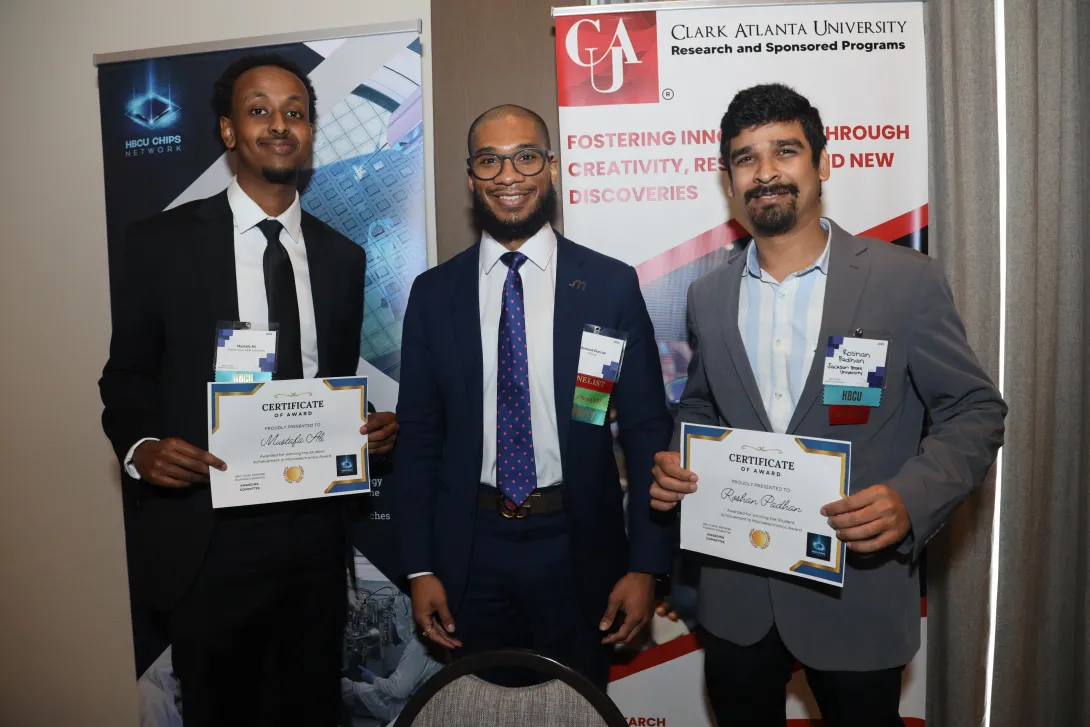
Pictured (left to right): Mustafa Ali, Armond Duncan, and Roshan Padhan
The 2026 HBCU CHIPS Network Conference, co-hosted by Georgia Tech and held April 1-2 at the Renaissance Atlanta Midtown Hotel, brought together students, faculty, researchers, industry leaders, and federal partners to advance innovation and workforce development in the U.S. semiconductor ecosystem. By pairing technical programming with a dedicated career fair, the event emphasized both learning and direct access to opportunities.
Now in its second year, the conference continues to grow as a national platform for collaboration across more than 30 Historically Black Colleges and Universities (HBCUs), all working to strengthen diversity and talent pipelines in microelectronics and semiconductor industries. Centered on the theme of Championing New Approaches to Reestablishing U.S. Dominance in Semiconductors and Microelectronics, the event featured technical sessions, panel discussions, poster presentations, and networking opportunities.
“This conference provides a national platform to showcase the depth of talent within the HBCU community, including leading edge research and innovation,” said George White, executive director of strategic partnerships and chief CHIPS strategy officer at Georgia Tech. “It also raises awareness of public and private funding opportunities and promotes collaboration across academia, industry, and government.”
Attendance reflected strong interest across the network. The conference drew approximately 180 participants, including representatives from 26 HBCUs, 17 industry and nonprofit organizations, five government agencies, and the Technical College System of Georgia. The career fair attracted 231 students from the same 26 institutions.
The addition of the career fair this year, which created space for more focused interaction between students and employers, gave students opportunities to speak one-on-one with recruiters and industry professionals. These conversations gave them a clearer understanding of career pathways, available roles, and how to enter the field.
“This experience strengthened my interest in pursuing a career in the semiconductor industry, particularly in fabrication, validation, and reliability,” said Mustafa Ali, a student at Prairie View A&M University and a Student Achievement in Microelectronics Award recipient. “Engaging with both industry professionals and the academic community showed me the importance of connecting research with real-world applications.”
The addition of the career fair also reflects the broader mission of the HBCU CHIPS Network: not only to advance research, but also to build a robust, diverse talent pipeline ready to meet the nation’s growing demand for semiconductor professionals. With the U.S. projected to need tens of thousands of new workers in this sector in the coming years, integrating a career fair directly into the conference experience ensures that students are not just participants in conversations, but active candidates in the future workforce.
Six employers participated in the career fair: Savannah River National Laboratory, Sandia National Laboratories, Teradyne, GlobalFoundries, Synopsys, and Micron. They offered internships and full-time positions, while also connecting with students interested in long-term career development. Graduate programs from Clark Atlanta University, Norfolk State University, Georgia Tech, and North Carolina A&T State University were also represented, highlighting academic pathways alongside industry roles.
“At Teradyne, we believe that innovation thrives when our teams reflect the full spectrum of talent and perspectives that exist across the engineering landscape,” said Danielle S. Ferguson-Macklin, talent communities program manager at Teradyne. “HBCUs have a proven legacy of cultivating exceptional STEM talent, and partnering with these institutions allows us to connect with students who bring both technical rigor and a deep sense of purpose to their work. Strengthening our HBCU recruiting pipeline is not a diversity initiative; it is a strategic investment in the future of our workforce and the semiconductor industry.”
“We look for students with strong technical foundations, intellectual curiosity, and the adaptability to thrive in fast-moving, complex environments,” added Armond Duncan, staff program manager, MSI network collaboration, at Micron. “Collaboration, communication, and a willingness to continuously learn are just as critical as technical acumen. Students who demonstrate hands-on experience and a clear sense of purpose are best positioned to make an immediate and lasting impact.”
Beyond recruitment, the event placed a strong emphasis on mentorship and networking. Many students sought guidance in addition to job opportunities, and the format of the career fair, supported by shared meals and informal spaces, encouraged natural conversations and relationship-building. For some students, the experience highlighted the value of connecting research to industry trends.
“Attending the conference was an extremely enriching experience,” said Roshan Padhan, a student at Jackson State University and another Student Achievement in Microelectronics Award recipient. “It further motivated me toward the advancement of next-generation semiconductor devices and provided a broader understanding of how academic research translates into real-world technological innovations.”
Sustained engagement throughout the event highlighted the demand for career-focused programming within the HBCU CHIPS Network. Organizers expect that demand to continue growing. “In the coming years, we expect the conference to expand in scope and impact,” White said. “Ultimately, our goal is for many — if not all — HBCUs to have awareness of, representation at, and meaningful participation in the conference.”
News Contact
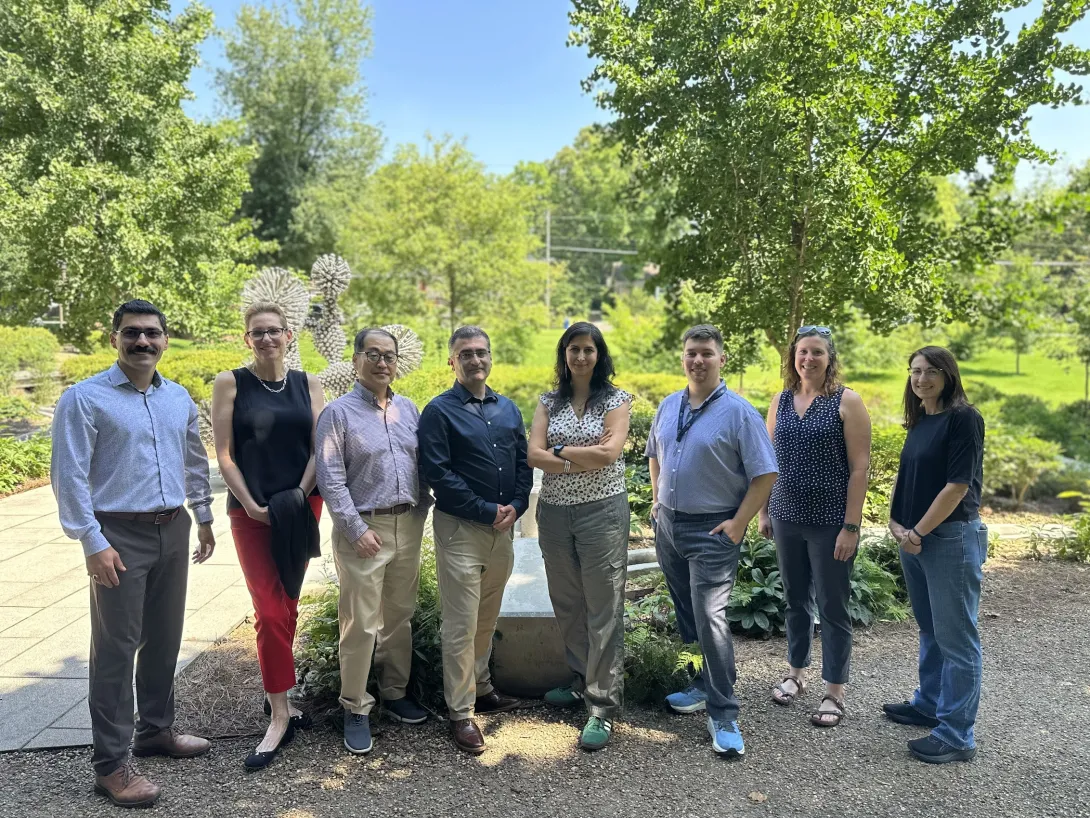
2025 SEI External Faculty Fellows with their Georgia Tech Hosts
From Left to Right: Jamal Mamkhezri, Laura Taylor, Jin-Yeon Kim, Hossein Taheri, Nazanin Bassiri-Gharb, Cody Gonzalez, Erin Ratcliff, Judy Jenkins
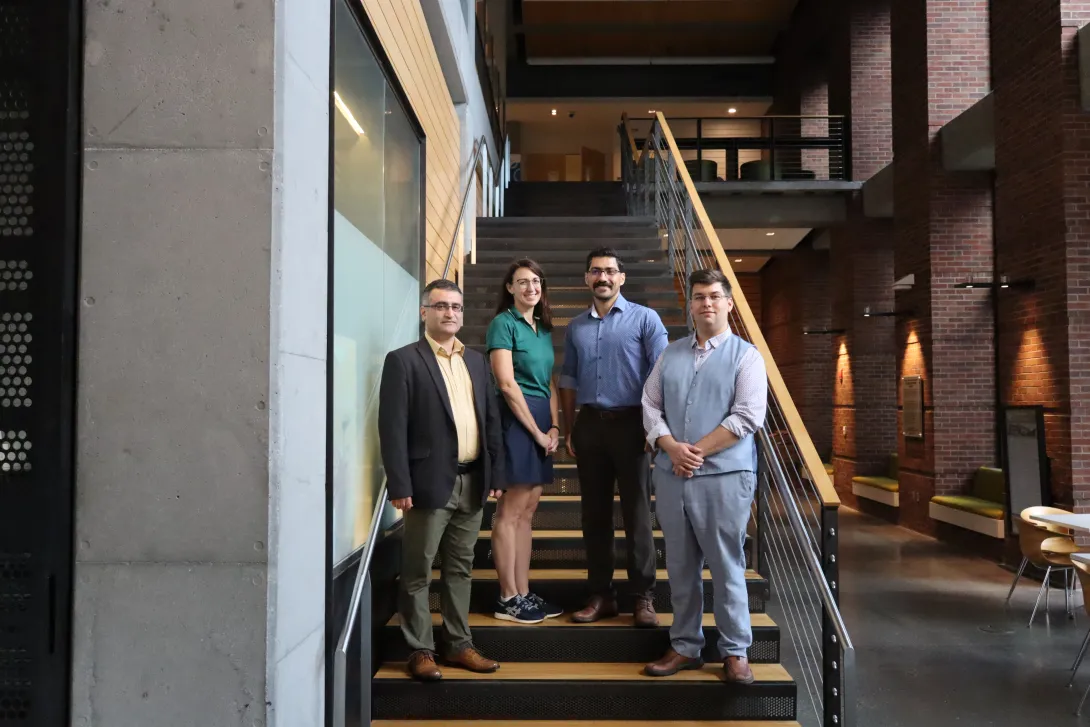
2025 SEI External Faculty Fellows: Hossein Taheri, Judy Jenkins, Jamal Mamkhezri, Cody Gonzalez
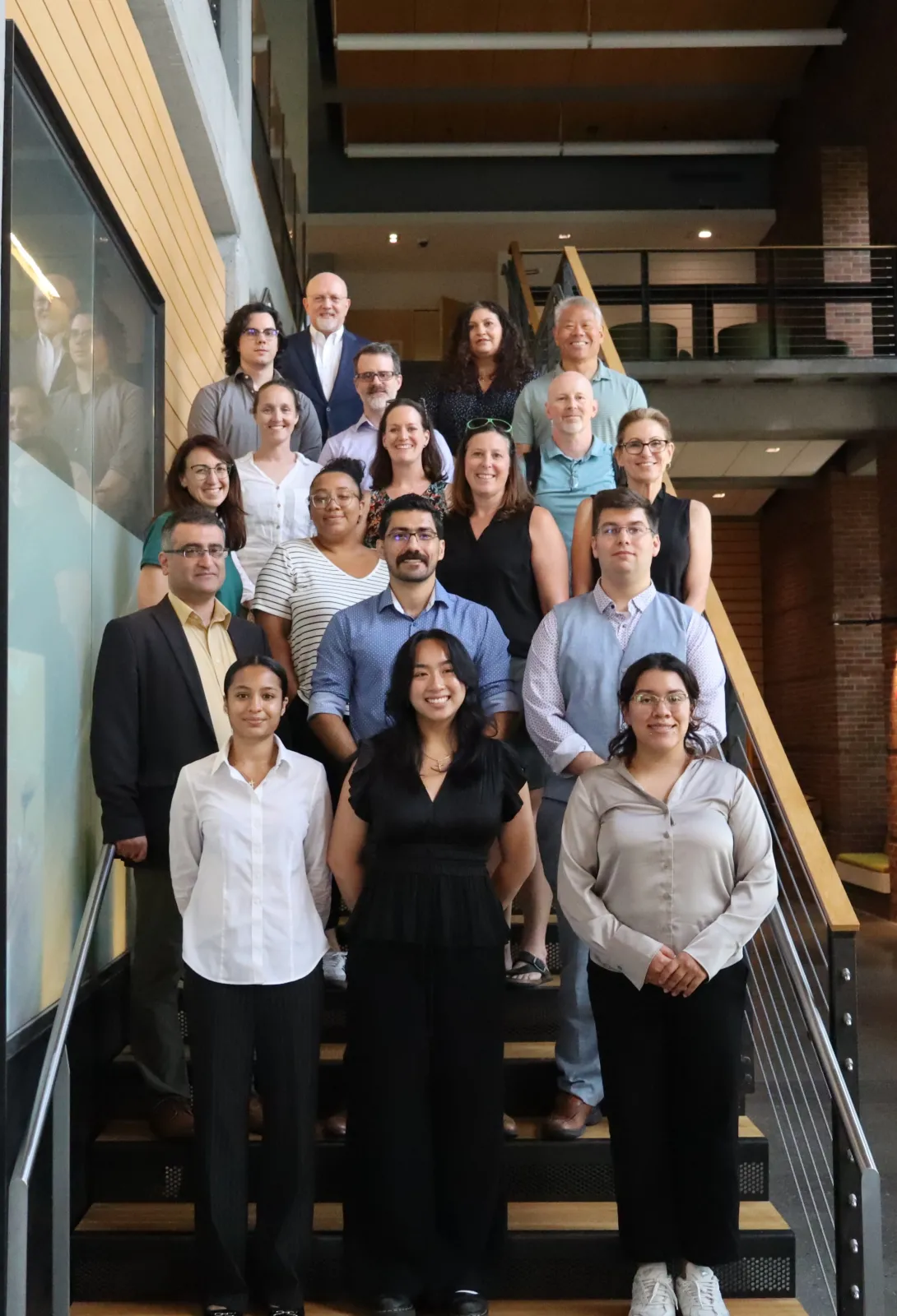
2025 SEI External Faculty Fellows and Students with the SEI Team
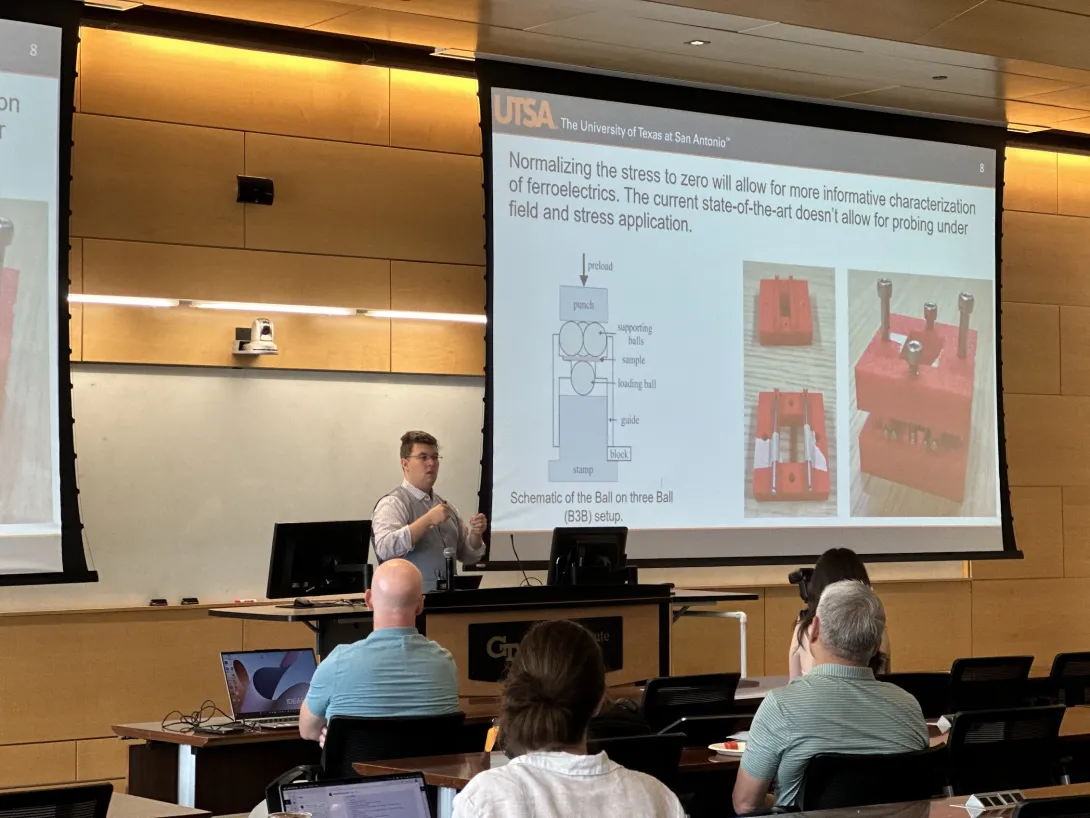
Cody Gonzalez, 2025 SEI Energy Faculty Fellow from the University of Texas San Antonio, presents his research work from the 10-week program.
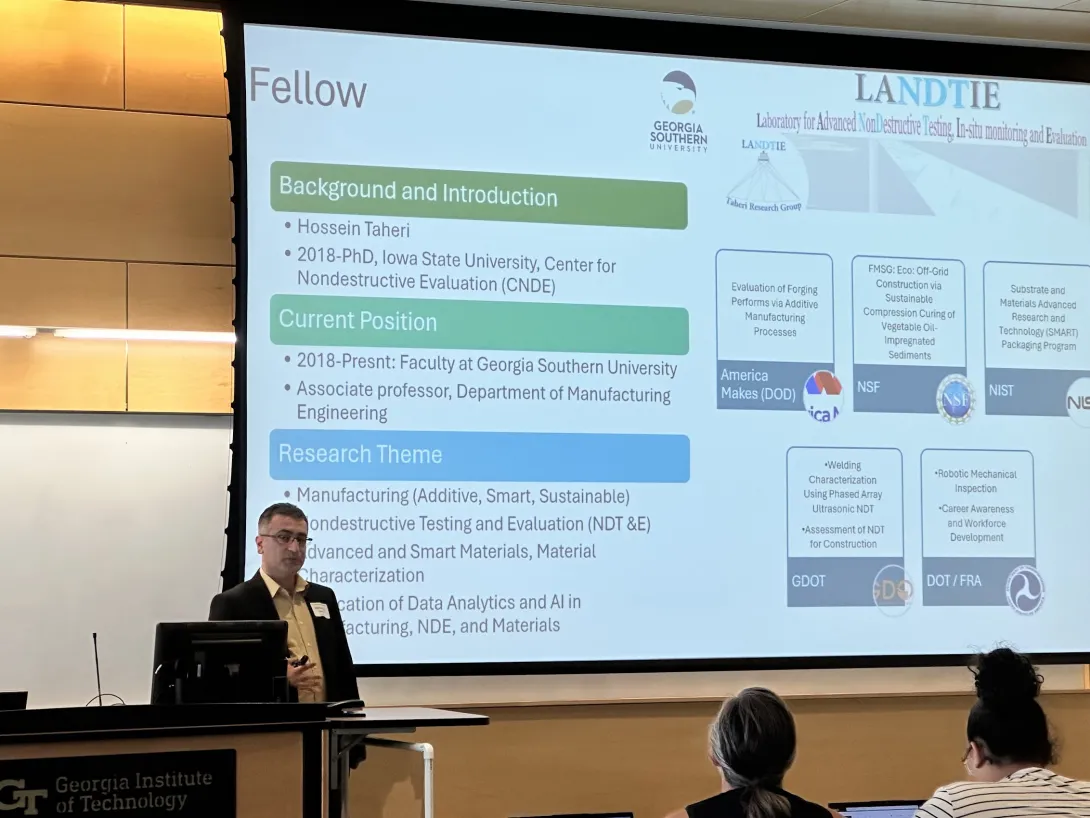
Hossein Taheri, 2025 SEI Energy Faculty Fellow from Georgia Southern University, presents his research work from the 10-week program.
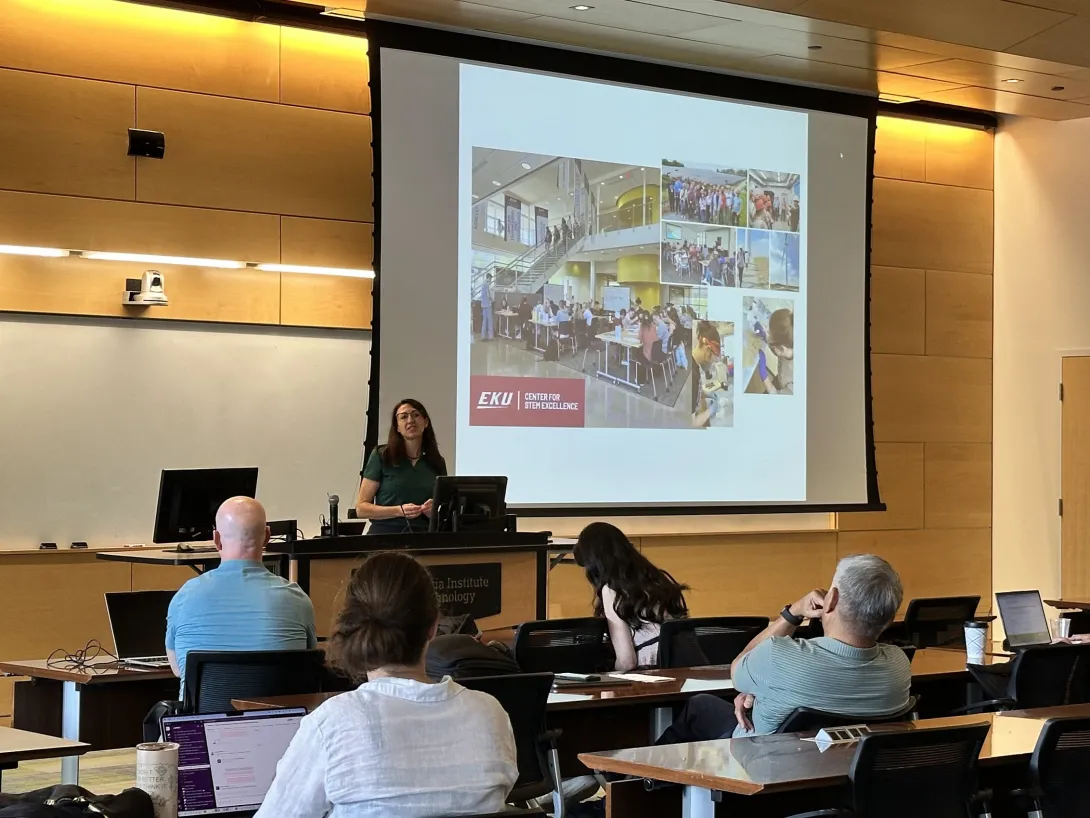
Judy Jenkins, 2025 SEI Energy Faculty Fellow from Eastern Kentucky University, presents her research work from the 10-week program.
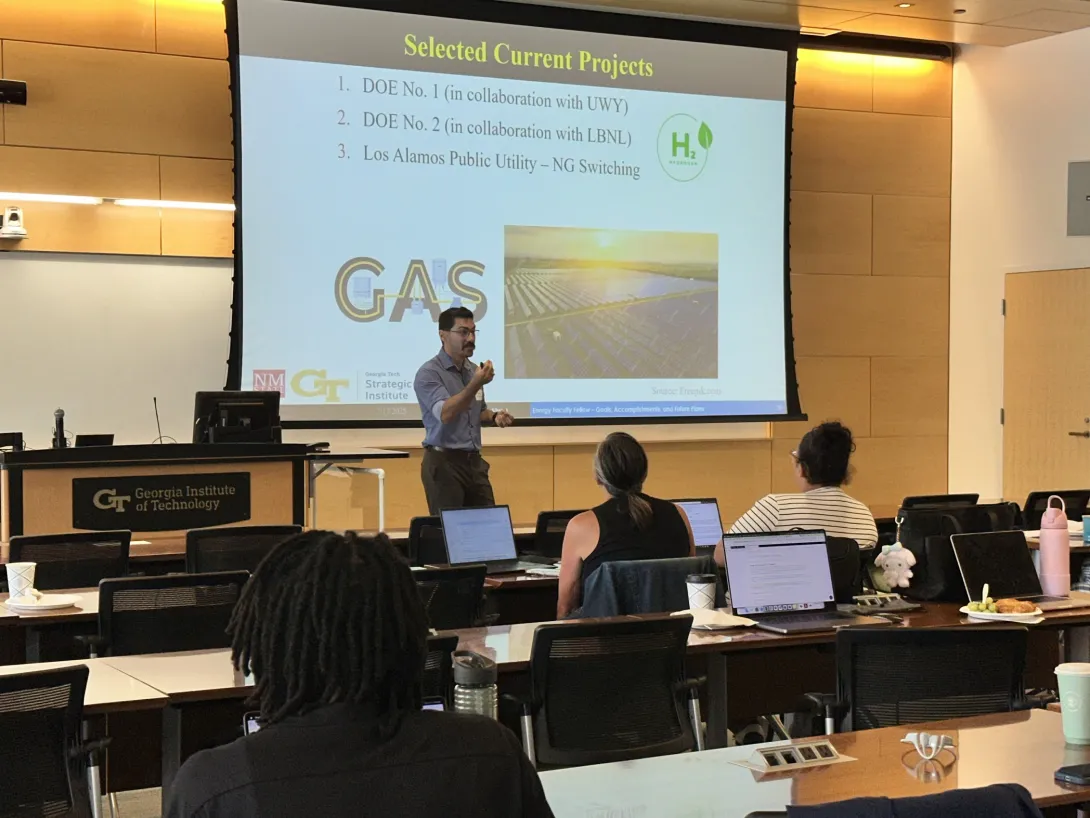
Jamal Mamkhezri, 2025 SEI Energy Faculty Fellow from New Mexico State University, presents his research work from the 10-week program.
The Strategic Energy Institute (SEI) at Georgia Tech concluded its third cohort of Energy Faculty Fellows in August, welcoming a diverse group of researchers for a 10-week summer fellowship. The program is designed to advance energy innovation and collaboration by supporting cross-institutional partnerships and facilitating dialogue on regional, national, and global energy priorities.
The program intends to build research partnerships between Georgia Tech and other academic institutions — specifically, emerging research institutions including R2 universities, minority-serving institutions, historically Black colleges and universities, and primarily undergraduate institutions.
“The Energy Faculty Fellows program is a key part of our five-year strategy to expand collaboration and strengthen workforce development in energy research,” said Christine Conwell, SEI’s interim executive director. “The cross-institutional collaborations foster broader engagement across the energy sector and help connect diverse research communities to meet the demands of the evolving energy landscape.”
During the fellowship, participants engage in joint research with their Georgia Tech hosts and their research teams, gaining hands-on experience and insights. These experiences not only enrich their immediate projects but also contribute to strengthening research systems at their home institutions.
The program continues to advance workforce development in the energy sector by involving undergraduate researchers in its core activities. Students work closely with fellows on applied research, enabling them to explore potential career paths and evaluate their interest in contributing to the future of energy innovation.
Here is the 2025 cohort of SEI’s Energy Faculty Fellows, in their own words.
Fellow: Jamal Mamkhezri, Associate Professor of Economics, New Mexico State University
Host: Laura Taylor, Professor, School of Economics, and Director, Energy Policy and Innovation Center, Georgia Tech
Over the past 10 weeks, I have worked closely with my host, Laura Taylor, and a talented group of students on projects that spanned a wide range of energy topics — from peer-to-peer energy trading and battery storage in wholesale markets to the impacts of energy prices on retail spending, EV charging infrastructure, electricity outages and crime, and the potential of small modular reactors. My own research during this period focused on two key areas: analyzing the impact of data center expansion on wholesale electricity prices and evaluating how utility-scale solar projects influence property and farmland values across the Southeast.
The biggest takeaway from this experience has been the power of interdisciplinary collaboration, combining economics, policy, and engineering perspectives with students and faculty. It sparked richer questions and solutions than what I would have developed on my own.
To my peers back home: Embrace cross-disciplinary hubs like SEI to elevate your research and connections.
Fellow: Judy Jenkins, Professor of Chemistry, Eastern Kentucky University
Host: Erin Ratcliff, Professor, School of Chemistry and Biochemistry, School of Materials Science and Engineering, Georgia Tech
I started the fellowship with two goals — to collaborate with Erin Ratcliff and her group while at Georgia Tech, and to build the foundation for continued collaboration after I return to Eastern Kentucky University. These goals have been realized, and so much more. The Ratcliff group and the whole SEI team welcomed me into the Georgia Tech energy community and supported this partnership every step of the way.
I particularly enjoyed getting to work alongside graduate students and postdocs in the Ratcliff group. While they were much more familiar with the chemical system of interest, I had more experience in some of the techniques. Together we made a great team! Getting to spend 10 weeks with them helped me move from general ideas for collaboration to a much more specific and nuanced understanding of the ways we can work together going forward.
Outside of the lab, I appreciated the way the SEI team introduced us to their initiatives more broadly. I have a much better understanding of the scope of the Institute and the ways different people are working together.
Fellow: Cody Gonzalez, Assistant Professor of Mechanical Engineering, University of Texas at San Antonio
Hosts: Nazanin Bassiri-Gharb, Harris Saunders Jr. Chair and Professor, George W. Woodruff School of Mechanical Engineering; and Hailong Chen, Associate Professor, George W. Woodruff School of Mechanical Engineering, Georgia Tech
Undergraduate Student: Rebecca Lima, University of Texas at San Antonio
During my fellowship, I collaborated with Nazanin Bassiri-Gharb and Hailong Chen on two research fronts: lead zirconate antiferroelectrics and stress-potential coupling in solid-state batteries.
Rebecca Lima, an undergraduate student from my university, was able to join the research through the SURE program and was able to achieve highly oriented lead zirconate films with promising applications in energy storage and actuation, with help from Nazanin’s Ph.D. student, Milan Haddad.
In Chen’s lab, alongside postdoctoral researcher Zhantao Liu, we advanced solid-state cell characterization for improved capacity and self-sensing. Lima also led a battery coating workshop as a knowledge exchange between Georgia Tech and UTSA.
During the 10 weeks, I also began discussions with Tequila Harris on studying how manufacturing methods affect battery anode coatings, with plans to use her pilot-scale, roll-to-roll facility for future testing and collaboration.
Working in the Advanced Research Institute (ARI) in The Kendeda Building with Shannon Yee provided critical support and equipment for electrochemical cell characterization. Through networking within Kendeda, I also got an opportunity to participate in weekly brainstorming sessions on topics like clean water and robotics.
Looking ahead, I plan to integrate Bassiri-Gharb’s expertise in antiferroelectric synthesis and piezo force microscopy with my background in electrochemical cell fabrication to pursue electrochemical strain microscopy. This will enable direct strain measurement from ionic currents, advancing high-capacity batteries and ultra-dense electrochemical actuators for precision applications like telescope mirror alignment.
I'm grateful to my colleagues at UTSA for encouraging me to apply and sharing their positive experiences at Georgia Tech. My time here has been incredibly rewarding — working alongside outstanding collaborators has strengthened my research and expanded both my network and ideas. The Energy Faculty Fellows program has already led to new proposals and co-authored papers, and I’ve encouraged others to apply. Collaborating across disciplines — from materials science and electrochemistry to advanced manufacturing — has opened up exciting opportunities to tackle real-world challenges in energy and beyond.
Fellow: Hossein Taheri, Associate Professor of Manufacturing Engineering, Georgia Southern University.
Host: Jin-Yeon Kim, Senior Research Scientist, Georgia Tech Research Institute
Over the past 10 weeks, I collaborated with my Georgia Tech host Jin Yeon Kim on two key research projects. The first evaluated advanced nondestructive testing (NDT) methods — like PAUT and MCT — for assessing quality in metal additive manufacturing. The second explored acoustic-based NDT techniques to assess the operational health of lithium-ion batteries, particularly in electric vehicle applications. As demand for battery-powered technologies grows, ensuring safe and reliable operation through in-situ monitoring is critical. These efforts have laid a strong foundation for future proposals and joint publications.
The biggest takeaway has been the value of cross-institutional collaboration in advancing interdisciplinary research. Working with researchers at Georgia Tech deepened my technical expertise and showed how partnerships can accelerate innovation.
To my peers at Georgia Southern: Seek out collaborations beyond your institution. They can lead to new ideas, stronger research impact, and more opportunities for funding, publication, and student development. Collaboration is not only beneficial but is essential for addressing today’s engineering challenges.
News Contact
Priya Devarajan || SEI Communications Program Manager