
52-Year-Old Entrepreneur Has New Outlook After Completing Ph.D.
Mizan Rahman knows there’s much that academia and industry can learn from each other.
He’s living proof of it.
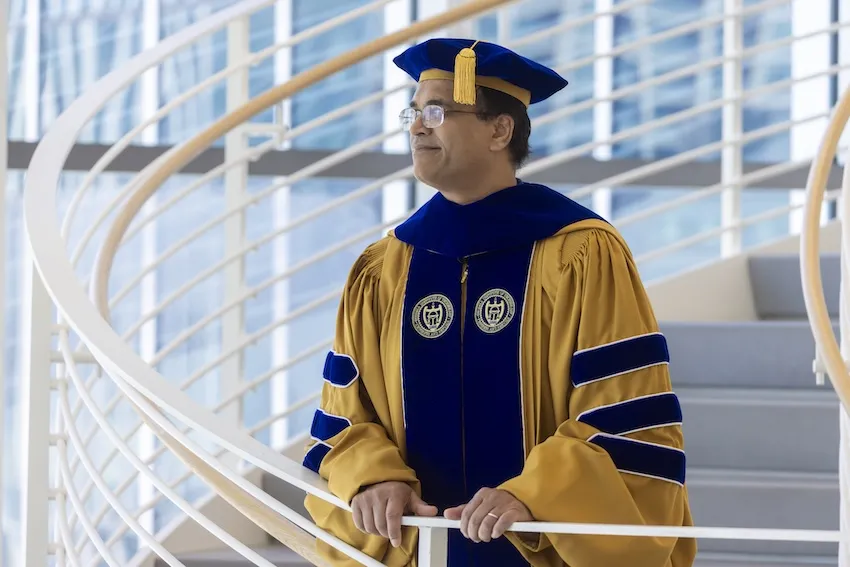
The 52-year-old entrepreneur will receive his Ph.D. in human-centered computing (HCC) as he walks across the stage on Thursday at Georgia Tech’s Spring 2026 Ph.D. Commencement.
When Rahman was accepted into the HCC Ph.D. program, he’d already founded three successful tech startups and was an angel investor in numerous others. He also earned a master’s in computational science and engineering from Georgia Tech in 2013.
Rahman took on the challenge of a Ph.D. because he’s always been in pursuit of a holistic view of technology. One perspective he said he needed to understand was that of the end user.
“I’d already done computer science and computational science and engineering, so I wanted to look at the human dimension, the user’s perspectives, and society,” Rahman said. “You’ve got to build technology that fits into our human dynamics.”
Rahman’s journey began as an undergraduate in chemical engineering at Miami Dade College and Florida Atlantic University. He switched to computer science after his roommate, also a CS major, showed him some programming he had been working on.
“I couldn’t sleep after that,” Rahman said. “I was writing software all night. I loved solving problems through technology.”
Early Success
Rahman invented BayBuilder, a strategic sourcing automation technology, in 1999. The software was adopted by major Fortune 500 companies. Rahman estimates it has saved these companies $1 billion in procurement spending.
Baybuilder was acquired by a NASDAQ-listed firm in 2001, and he was ready to start his next company.
“I’ve been an entrepreneur as far back as I can remember,” Rahman said. “I was born with it. If I saw something that didn’t exist, I created it.”
After relocating to Atlanta, Rahman founded a new company, M2SYS Technology. Governments around the world used the company’s innovative identity technology to automate processes and deliver efficient services to citizens. M2SYS also worked with the CDC to treat HIV in Haiti and Zambia, as well as many U.S. hospitals, including Grady Memorial in Atlanta, to protect patients from fraud and receiving the wrong treatment.
Rahman’s most recent startup, CloudApper AI, introduced a new system architecture that generates secure software requiring minimal ongoing maintenance. His non-biased algorithm, which he created during his Ph.D. for CloudApper, is now used by major companies to streamline automated resume analysis and candidate scoring.
Living in Two Worlds
Rahman began his Ph.D. in 2021, but he kept his new venture to himself and his family. He didn’t tell his employees he was pursuing a Ph.D., and he didn’t disclose his industry background to his fellow doctoral students.
“I kept the other side of me far away,” he said. “The people who knew, they knew, but I purposefully didn’t discuss my outside activities and experience. I wanted to fit in, and I think I was able to do that.”
When Rahman was at his company, he was a CEO and entrepreneur, and when he was at Georgia Tech, he was a researcher. But what he was learning as a researcher began to change how he perceived his business.
“I wanted to be a researcher and think like a researcher and not just always think about sales and marketing,” he said. “I started bringing in more ideas about how the user should be thought of in our products. I’m sure they were wondering why I was emphasizing that so much, but it was because I was applying what I was learning in my Ph.D.
“Now I’ve been on both sides, I want to be connected to both in the future, applying research principles and practices in product development and innovation.”
Building Community Through Makerspaces
When it came time for Rahman to choose a subject for his dissertation, he returned to his roots and looked for ways technology can support young entrepreneurs and their startups. That’s when he began conducting research in makerspaces.
“I wanted to find out how we can bring innovation to a scale where anybody can participate,” he said. “I saw this happening in makerspaces where regular people learn, collaborate, and build products and companies from scratch. I saw that the community at large is facing a sustainability crisis.”
Rahman argued in his dissertation that makerspaces can play a significant role in local innovation. When people struggle to survive, it disrupts communities in numerous ways.
Rahman details four studies conducted over three-and-a-half years that show how socio-technical factors drive organizational sustainability in makerspaces and how AI tools can foster an innovative culture within them.
“The compelling thing about his research is that he shows that people come to makerspaces for the tools, but they stay for the people,” said Rosa Arriaga, associate professor and Rahman’s advisor.
“He has plenty of work from his ethnographic research that shows that a makerspace can have all the tech and resources, but if there isn’t cohesion among the people, there’s a problem.”
It Takes a Village
Rahman is the first to admit that it’s not possible for one man to run a company while pursuing a Ph.D. He needed a community. This starts with his family. His wife, Mohu Sultana, now serves as interim CEO of M2SYS and has supported Rahman throughout his Ph.D. research.
The Georgia Tech community has been part of Rahman’s life in some way since he started his career.
Sultana holds a bachelor’s degree in computer science from Tech, and their daughter, Malisha Rahman, is graduating this week with a bachelor’s in economics and international affairs. Malisha Rahman has also been accepted into the HCC program and will begin her Ph.D. in the fall.
Rahman said that any student who wants to create a tech startup will have an advantage from access to Georgia Tech’s network.
“The Georgia Tech startup community is fantastic,” he said. “There is a tremendous amount of knowledge here, and the research community can help shape the next big thing. We have CREATE-X, a place where you can find mentorship from faculty who started in industry. You’ll learn things I wish I knew before I started.”
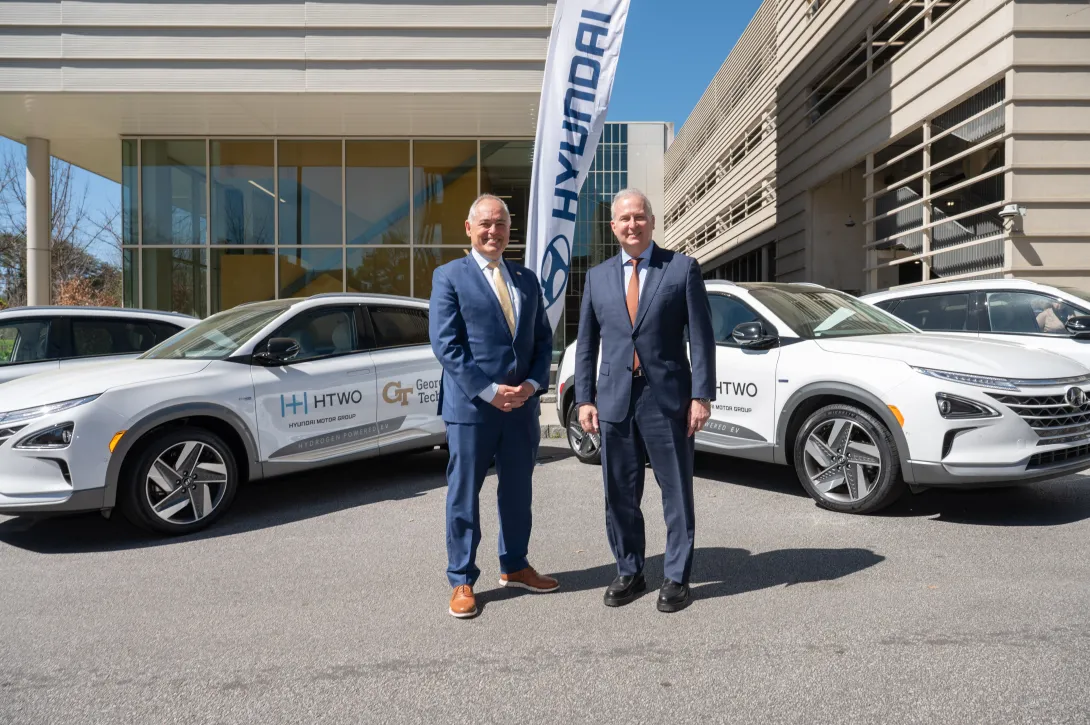
Ángel Cabrera, president of Georgia Tech, and Ken Ramírez, executive vice president and head of Global Energy and Hydrogen Business at Hyundai Motor Group, commemorate MOU to further collaborate on hydrogen mobility development.
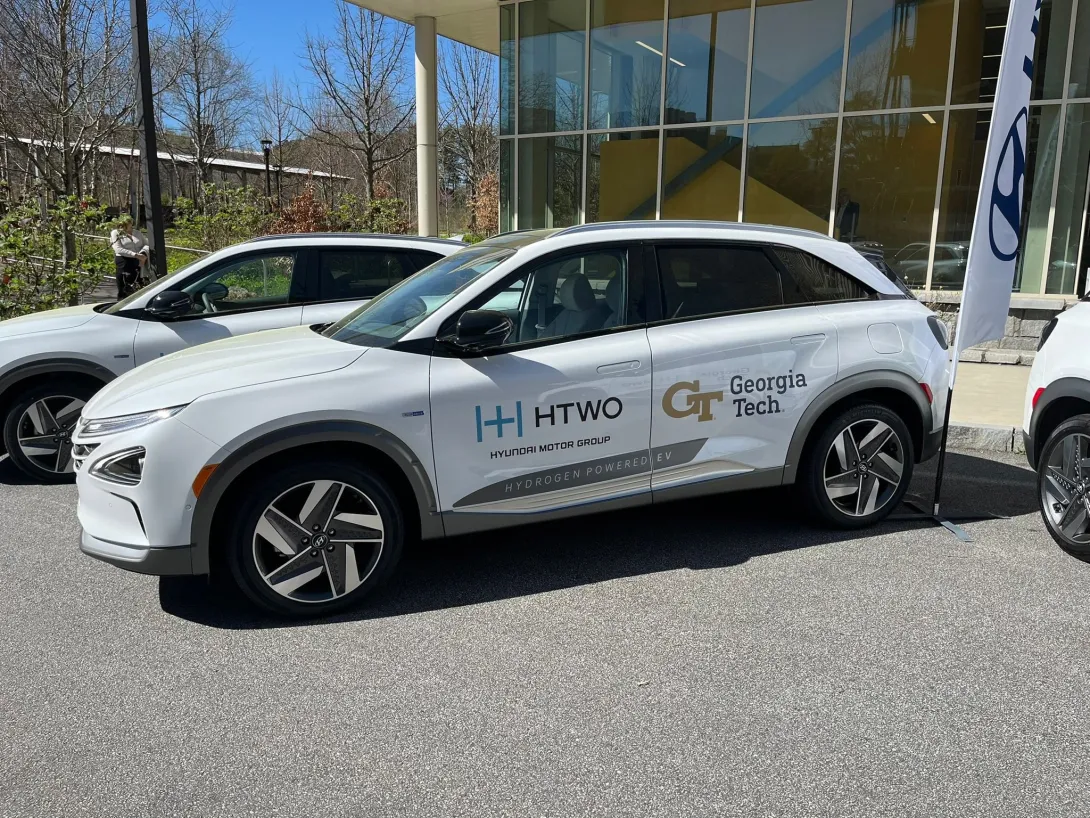
Georgia Tech and Hyundai Motor Group leaders at MOU signing.
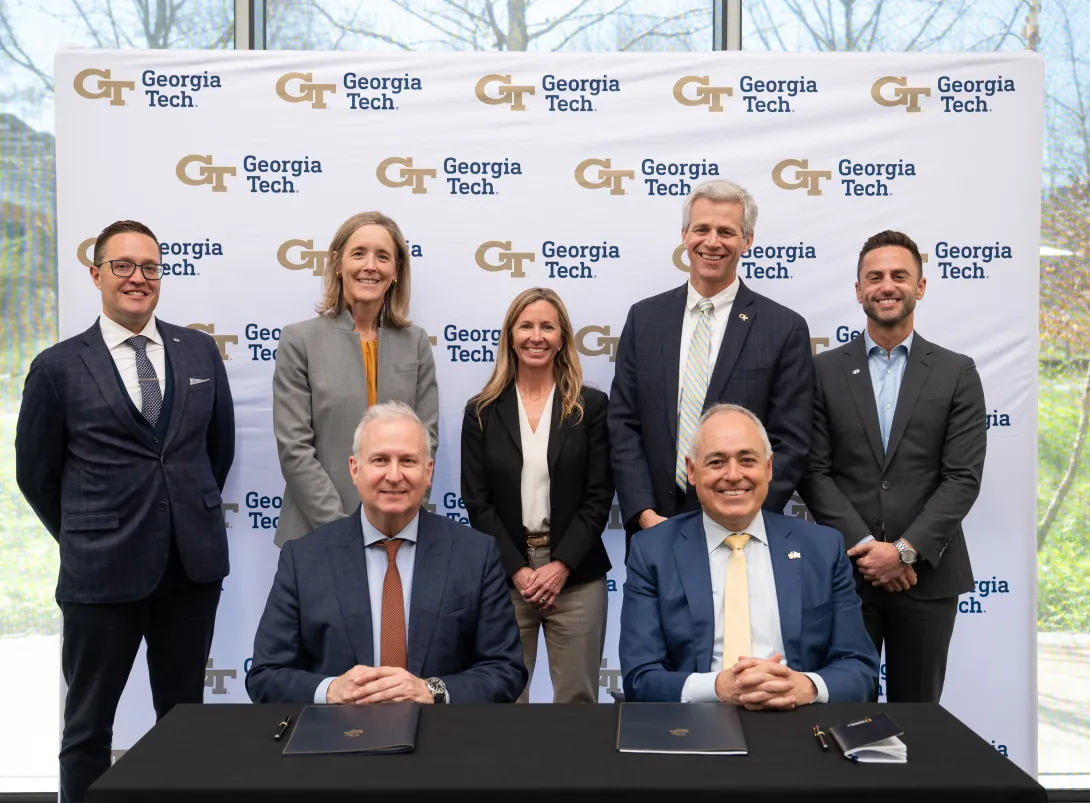
Hyundai Motor Group and the Georgia Institute of Technology have announced an expansion of their growing collaboration to advance hydrogen-powered transportation, deepen applied research and education, and accelerate the use of zero-emissions vehicles in Georgia.
Building upon a multifaceted relationship, the two are bringing hydrogen fuel cell vehicles and fueling infrastructure to campus — turning Georgia Tech into one of the nation’s most prominent campus-based examples for hydrogen mobility.
“Hyundai Motor Group is proud to strengthen our collaboration with Georgia Tech as we work together to accelerate the future of clean mobility. Georgia Tech’s leadership in innovation and its commitment to developing the next generation of problem-solvers make it a natural partner in advancing technologies,” said Ken Ramírez, executive vice president and head of Global Energy and Hydrogen Business at Hyundai Motor Group. “By combining the university’s excellent research with Hyundai’s global experience, we are creating the foundation for real-world solutions that will help drive the energy transition and inspire future mobility leaders.”
Ramírez is also a 1991 Georgia Tech graduate and a member of the Georgia Tech Advisory Board.
“It’s very fulfilling to donate a handful of our NEXO fuel cell SUVs as part of our expanding relationship with Georgia Tech. Hydrogen-powered NEXO fuel cell vehicles will immediately serve to expand the clean mobility footprint on campus while providing real-world experiences with the cutting edge of zero-emissions transportation technology,” said Randy Parker, president and CEO, Hyundai Motor North America.
“Georgia Tech has a long history of working with industry to move breakthrough technologies from the lab into the real world. By expanding our work with Hyundai, we’re advancing hydrogen research, reducing emissions on our campus, and strengthening Georgia’s role in the future of clean mobility," Georgia Tech President Ángel Cabrera said.
How the Partnership Drives Hydrogen Innovation and Research
The partnership includes the donation of four Hyundai NEXO fuel cell electric SUVs by Hyundai Motor North America and a hydrogen electrolyzer project, which will be installed at Georgia Tech’s North Avenue Research Area, positioning Tech as one of the most visible real-world test beds for hydrogen mobility in the U.S.
The vehicles and infrastructure will support campus operations and interdisciplinary research. Key areas of focus include:
- Engineering: Exploring hydrogen-based systems and mobility solutions.
- Sustainability: Assessing the environmental benefits of hydrogen technologies.
- Energy systems: Understanding the integration of hydrogen fuel cells into current infrastructure.
- Public policy: Evaluating the regulatory and social implications of hydrogen adoption.
This initiative connects Georgia Tech’s research enterprise with campus operations, using the Institute as a living laboratory for clean transportation technologies. Faculty and students will study:
- Real-world performance of hydrogen technology.
- Infrastructure requirements for large-scale deployment.
- Environmental impacts of hydrogen energy systems.
Insights gathered from this initiative aim to inform and accelerate the widespread use of hydrogen technology in campuses, fleets, cities, and freight corridors. The initiative also supports Georgia Tech’s strategic plan, which includes the goal of expanding the use of zero-emissions vehicles powered by sustainable energy sources.
Why Is the Partnership with Georgia Tech Key to Hyundai Motor Group’s Vision?
The collaboration between Hyundai and Georgia Tech is a testament to the power of aligning academic expertise with corporate innovation. Beyond hydrogen energy, the partnership seeks to advance innovation in the areas of:
- Autonomous driving
- Electric vehicle (EV) batteries
- Charging infrastructure
- Materials science
- Cybersecurity
In addition, Hyundai’s presence in Georgia underscores its commitment to the region. Georgia is home to the Hyundai Motor Group Metaplant America and also serves as a hub for zero-emissions transportation through HTWO Logistics, a clean logistics partnership that operates Hyundai XCIENT fuel cell heavy-duty trucks in logistics operations near Savannah. The collaboration with Georgia Tech builds on this regional foundation, reinforcing the link between education, research, and Hyundai's long-term goal of achieving carbon neutrality by 2045.
What’s Next for the Partnership?
The partnership between Hyundai and Georgia Tech represents more than an investment in research. It’s a shared effort to lead the next generation of mobility advancements. Additional announcements about the partnership’s research projects, educational programs, and vehicle deployment are expected in the coming months.
News Contact
Georgia Tech Media Relations
media@gatech.edu
Generative artificial intelligence (AI) is best known for creating images and text. Now, it is helping industries make better planning decisions.
Georgia Tech researchers have created a new AI model for decision-focused learning (DFL), called Diffusion-DFL. Recent tests showed it makes more accurate decisions than current approaches.
Along with optimizing industrial output, Diffusion-DFL lowers costs and reduces risk. Experiments also showed it performs across different fields.
Diffusion-DFL doesn’t just surpass current methods; it also predicts more accurately as problem sizes grow. The model requires less computing power despite these high-performance marks, making it more accessible to smaller enterprises.
Diffusion-DFL runs on diffusion models, the same technology that powers DALL-E and other AI image generators. It is the first DFL framework based on diffusion models.
“Anyone who makes high-stakes decisions under uncertainty, including supply chain managers, energy operators, and financial planners, benefits from Diffusion-DFL,” said Zihao Zhao, a Georgia Tech Ph.D. student who led the project.
“Instead of optimizing around a single forecast, the model evaluates many possible scenarios, so decisions account for real-world risk and become more robust.”
To test Diffusion-DFL, the team ran experiments based on real-world settings, including:
- Factory manufacturing to meet product demand
- Power grid scheduling to meet energy demand
- Stock market portfolio optimization
In each case, Diffusion-DFL made more accurate decisions than current methods. It also performed better as problems became larger and more complex. These results confirm the model’s ability to make important decisions in real-world scenarios with noisy data and uncertainty.
The experiments also show that Diffusion-DFL is practical, not just accurate. Training diffusion models is expensive, so the team developed a way to reduce memory use. This cut training costs by more than 99.7%. As a result, Diffusion-DFL can reach more researchers and practitioners.
“Our score-function estimator cuts GPU memory from over 60 gigabytes to 0.13 with almost no loss in decision quality, reducing the requirement for massive computing resources,” Zhao said. “I hope this expands Diffusion-DFL into other domains, like healthcare, where decisions must be made quickly under complex uncertainty."
Beyond decision-making applications, Diffusion-DFL marks a shift in DFL techniques and in the broader use of generative AI models.
In supply chain management, planners estimate future demand before deciding how much product to stock. In this DFL problem, engineers align ML models with predetermined decision objectives, like minimizing risk or reducing costs.
One flaw of DFL methods is that they optimize around a single, deterministic prediction in an uncertain future.
Diffusion-DFL takes a different approach. Instead of making a single guess, it determines a range of possible outcomes. This leads to decisions based on many likely scenarios, rather than on a single assumed future.
To do this, the framework uses diffusion models. These generative AI models create high-quality data from images, text, and audio.
The forward diffusion process involves adding noise to data until it becomes pure noise. Models trained via forward diffusion can reverse diffusion. This means they can start with noisy data and then produce meaningful insights from training examples.
Real-world data is often noisy and uncertain. Traditional DFL methods struggle in these conditions, but diffusion models are designed to handle them.
Because of this, Diffusion-DFL can explore many possible outcomes and choose better actions. Like image-generation AI, the model works well with complex data from different sources. This enables its use across different industries.
“Diffusion models have achieved significant success in generative AI and image synthesis, but our work shows their potential extends far beyond that,” said Kai Wang, an assistant professor in the School of Computational Science and Engineering (CSE).
“What makes Diffusion-DFL unique is that the specific downstream application guides how the model learns to handle uncertainty.
“Whether we are scheduling energy for power grids, balancing risk in financial portfolios, or developing early warning systems in healthcare, we can explicitly train these highly expressive models to navigate the unique complexities of each domain.”
Zhao and Wang collaborated with Caltech Ph.D. candidate Christopher Yeh and Harvard University postdoctoral fellow Lingkai Kong on Diffusion-DFL. Kong earned his Ph.D. in CSE from Georgia Tech in 2024.
Wang will present Diffusion-DFL on behalf of the group at the upcoming International Conference on Learning Representations (ICLR 2026). Occurring April 23-27 in Rio de Janeiro, ICLR is one of the world’s most prestigious conferences dedicated to artificial intelligence research.
“ICLR is the perfect stage for Diffusion-DFL because it brings together the exact community that needs to see the bridge between generative modeling and high-stakes decision-making for real-world applications,” Wang said.
“Presenting Diffusion-DFL allows us to challenge the traditional training framework of diffusion models. It’s about sparking a broader conversation on how we can align the training objectives of generative AI directly with actual, downstream decision-making needs.”
News Contact
Bryant Wine, Communications Officer
bryant.wine@cc.gatech.edu

A new study conducted by researchers with the Georgia Tech Supply Chain and Logistics Institute shows that the Port of Savannah is the most cost-effective and reliable gateway for cargo destined for Atlanta, Memphis, and Nashville. According to the research, shippers can save more than $1,000 per container by routing freight through Savannah instead of West Coast ports, when evaluating full end-to-end supply chain costs and transit reliability.
The study emphasizes that gateway decisions should not be based solely on ocean rates or sailing time. While trans-Pacific routes to the West Coast are shorter at sea, researchers found that congestion, cargo rehandling, and inland transportation complexity often introduce delays and variability. In contrast, Savannah's efficient port operations, on-terminal rail service, and direct interstate access help offset longer ocean voyages with faster inland movement and greater predictability.
Researchers analyzed vessel and inland transportation data from ten Asian ports to the three Southeastern markets. Their findings showed that Savannah's reliable port processing and inland logistics significantly reduce congestion exposure and transit variability, making it a more dependable gateway for shippers seeking consistent delivery performance.
The study was conducted by Georgia Tech faculty and PhD students at the Institute's Physical Internet Center and reinforces previous Atlanta-focused research demonstrating similar benefits of East Coast routing. The findings support the growing role of the Port of Savannah as a strategic gateway for U.S. supply chains serving inland Southeast markets.
Read the original press release from the Georgia Ports Authority here:
Georgia Tech research shows East Coast gateway best choice for Atlanta, Memphis and Nashville
News Contact
info@scl.gatech.edu

Professor David Frost, the president of the Geosynthetic Institute, stands in front of the organization's new home on Means Street.
Geosynthetics are a category of materials—textiles, grids, membranes, composites, and more—that are used in infrastructure projects like roads, retaining walls and landfills.
Civil Engineering Professor David Frost, the new president of the Geosynthetic Institute, said geosynthetic materials are an important technology for engineers working to design more resilient infrastructure to withstand the increasingly severe natural disasters of the future.
“Geosynthetics are a resilience maker,” Frost said. “Whether to enhance the strength, alter the hydraulic conductivity, limit the deformation or control various rate processes, geosynthetics inherently augment the engineering properties of natural geomaterials.”
Read the rest of the article on the School of Civil and Environmental Engineering website.
News Contact
Melissa Fralick
Various founders pitch at Demo Day. "Apply for today. Get the advantage in the market."
Every year, hundreds of Georgia Tech students take a leap that changes their careers forever: They decide to spend their summer building a startup.
That opportunity is here again. Applications for the 2026 Summer Startup Launch cohort are now open.
If you’ve identified a meaningful problem, have begun talking to real users, or feel a pull to build something bigger than a class project, this is your moment. Startup Launch gives you the structure, support, and ecosystem to take your idea further than you ever thought possible.
A Launchpad With a Proven Track Record
In the past year alone, CREATE‑X founders have:
- Led their startup to successful acquisitions.
- Raised six-figure funding rounds.
- Gained acceptance into highly selective Y Combinator.
- Built products used by customers, communities, and companies across industries.
The ability to identify a problem, validate real user needs, build something that works, and communicate that value — that combination makes students stand out in a competitive job market. Employers notice it. Graduate programs notice it. And investors notice it.
This is why Startup Launch isn’t just a summer project.
It becomes a defining career asset.
What You Get in Startup Launch
Startup Launch is intentionally built to give students every advantage while they build their venture. This year, we’ve expanded support even further.
Participants receive:
- $200,000 in-kind services like accounting and cloud credits.
- Dedicated coaching and mentorship from experienced founders and startup experts.
- Exclusive workshops and founder-focused programming.
- Access to the CREATE-X network, a community of builders, investors, and potential customers.
You’ll spend the summer fully immersed in your startup, surrounded by peers also tackling ambitious problems.
And you’ll leave with something real to show for it.
Applications for the Summer 2026 cohort close March 17. Apply to Startup Launch today.
News Contact
Breanna Durham
Marketing Strategist
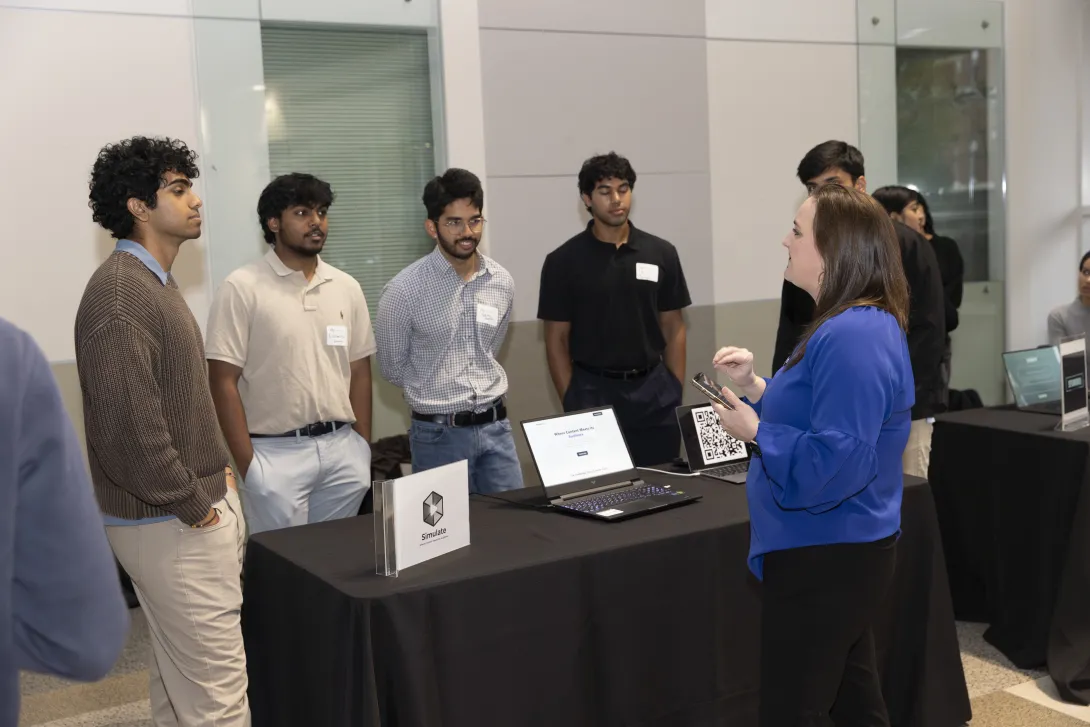
SCI's Jennifer Whitlow speaks with a team presenting at the new entrepreneur section of Junior Design Capstone. Photos by Terence Rushin/ College of Computing.
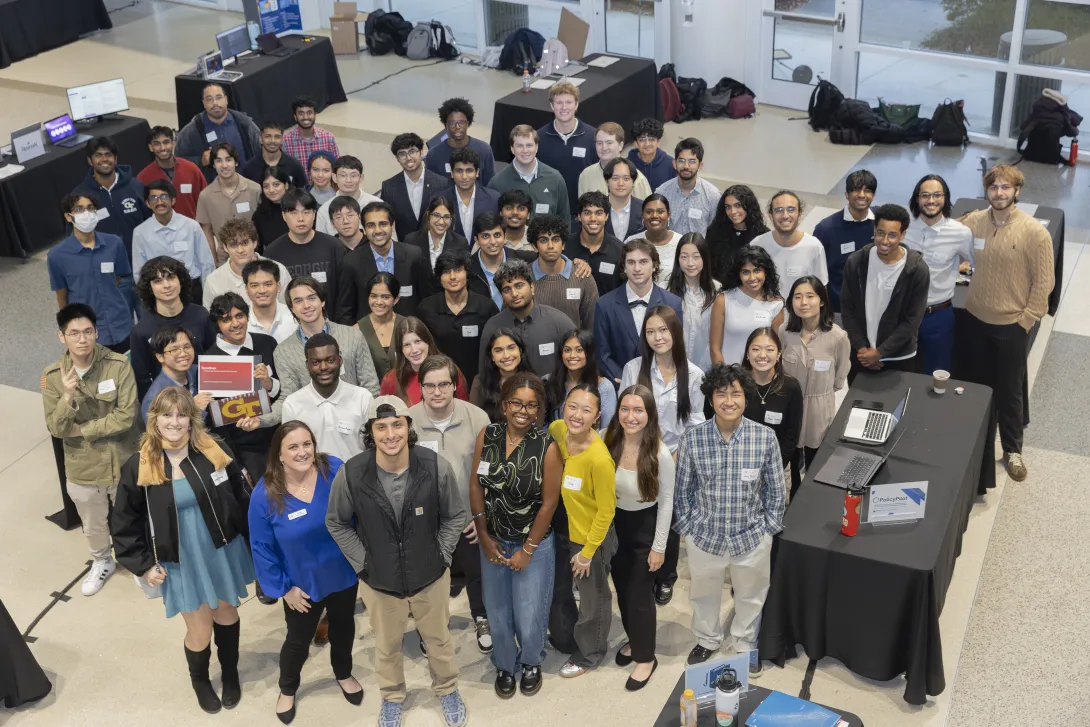
Students present at the expo
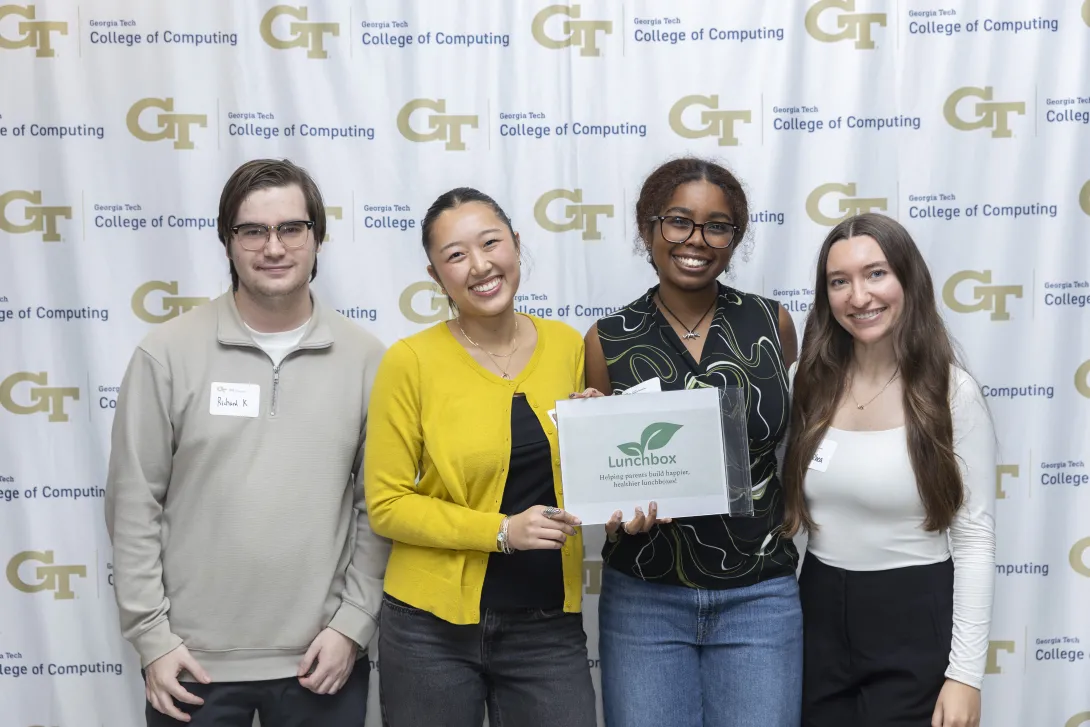
Team Lunchbox created a prototype to help parents of neurodivergent children with safe foods. Photo by Terence Rushin/ College of Computing.
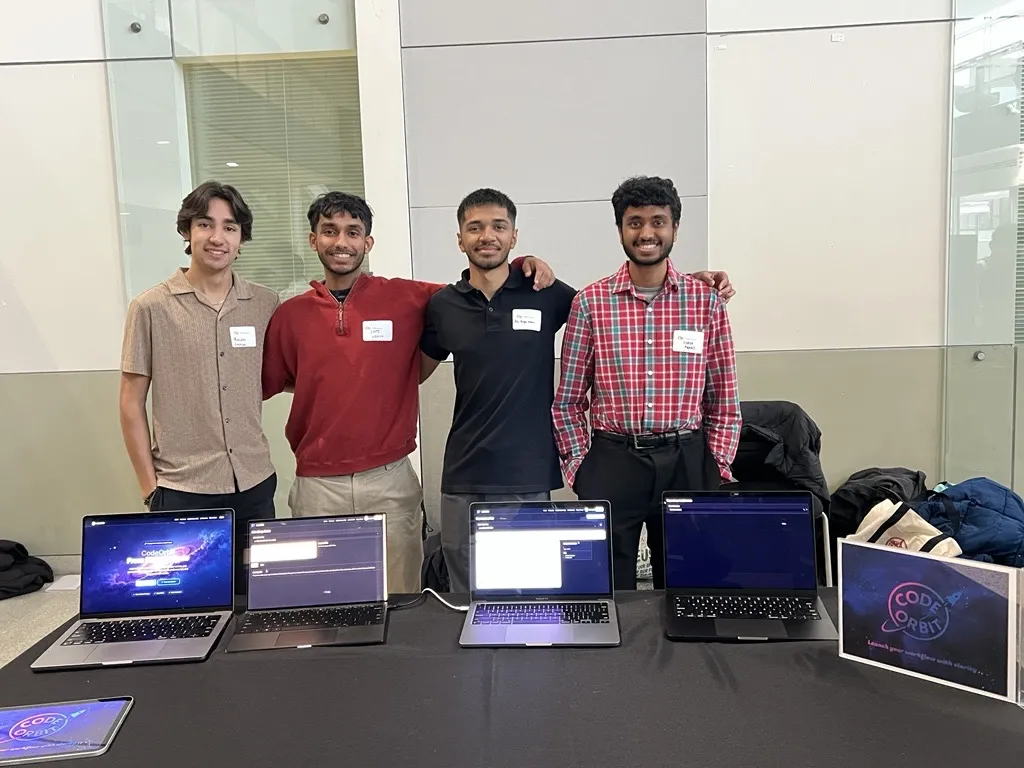
Team CodeOrbit took first place at the Expo. Photo by Jennifer Whitlow.
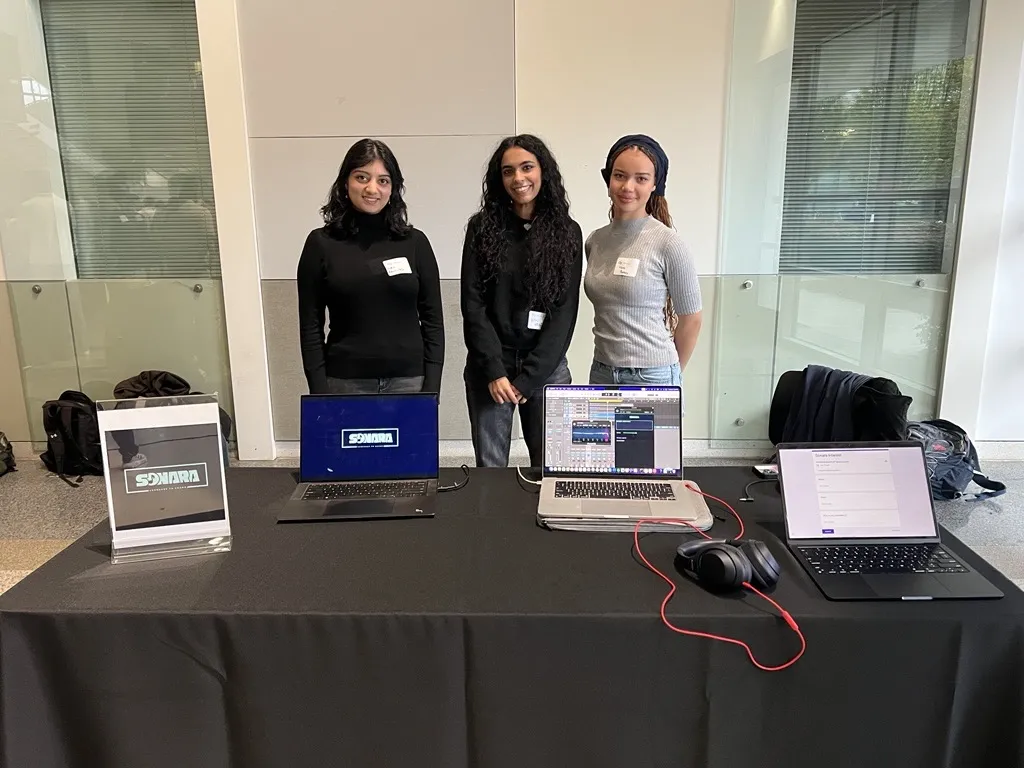
Team Sonara took second place at the Expo. Photo by Jennifer Whitlow.
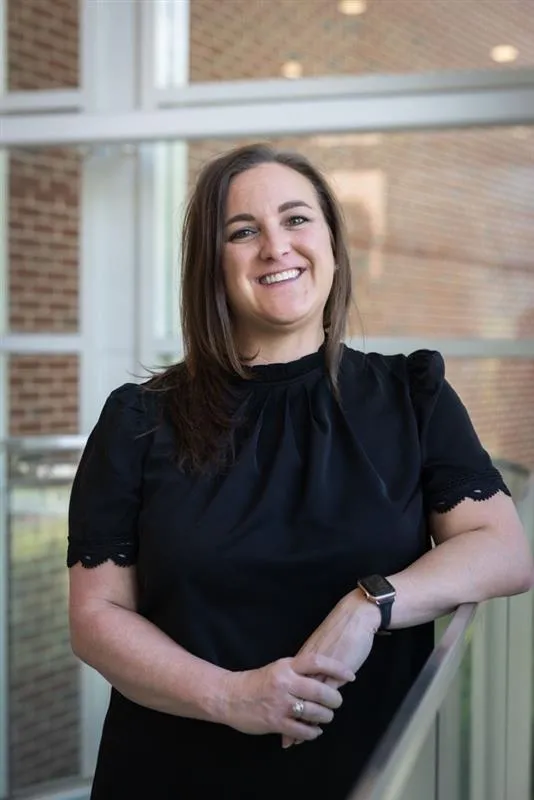
Whitlow, who has years of experience working with startups, leads the new section of Junior Design Capstone. Photo by Kevin Beasley/ College of Computing.
From zero to working prototype in just four months, students in the College of Computing’s new entrepreneurial Junior Design Capstone tackle real-world problems with guidance from startup mentors.
Led by School of Computing Instruction faculty member and Georgia Tech alumna Jennifer Whitlow, the course gives students a founder’s perspective on building technology that meets real user needs.
A Startup Approach to Junior Design
Unlike the traditional CS Junior Design course where teams work with sponsors, students in the entrepreneurial track act as their own clients. They begin the semester with no predetermined problem and follow a structured process, which is anchored by deliverables that reflect professional expectations.
“Students come in with nothing,” Whitlow said. “They identify a problem, conduct customer discovery, realize which assumptions were wrong, refine their direction, figure out what to build and then build it. And they own it 100 percent.”
Customer-discovery interviews ensure every idea is grounded in real user needs, and the semester culminates in a fully functioning prototype paired with a written justification of the decisions behind it. This combination of development and reflection gives students a framework that mirrors startup practices.
Expert Alumni Coached and AI-Driven Development
To further simulate a startup environment, Whitlow recruited alumni coaches with startup or executive experience. Coaches were paired with teams based on their areas of expertise, advising anywhere from one to four groups. The roster includes a former chief technology officer and longtime startup advisor, along with alumni startup founders.
Students also incorporate AI tools into development, accelerating early prototype work while still making critical decisions themselves.
“AI can accelerate the early stages,” Whitlow said. “But students have to understand their design well enough to guide it. AI doesn’t replace their decision-making.”
Top Teams Earn CREATE-X Acceptance
Sixteen teams completed the entrepreneurial capstone this fall.
The top two scoring projects earned automatic acceptance into CREATE-X Launch, Georgia Tech’s startup accelerator:
- CodeOrbit
- Sonara
These teams showcase the program’s ability to quickly bring student ideas to a level that’s ready for real-world startup incubation.
Putting the Process into Action: Lunchbox
One team that exemplifies how the capstone’s structure supports innovation is LunchBox. Created by computational media major Abigail Rhea and her teammates, LunchBox helps parents and caregivers of neurodivergent children navigate limited safe-food options.
The idea evolved after early customer discovery revealed that the original concept had too much competition, so the team narrowed its focus.
“During research, one of our teammates came across a testimonial from the mother of an autistic child,” Rhea said. “It spoke to all of us and helped us shift toward a truly underserved demographic.”
The team conducted more than 20 interviews with caregivers and special education teachers, reshaping its approach. “We realized families didn’t need another daily task,” Rhea said. “They needed personalized guidance that runs in the background. Everything we built came directly from those conversations.”
The team's biggest technical challenge was engineering a dynamic, emotionally supportive roadmap for food-exposure therapy. While AI accelerated development of SwiftUI code, all core decisions remained human-driven.
At the Capstone Expo, attendees connected strongly with the project. “So many people told us how applicable LunchBox is to their lives,” Rhea said. “Most joined the waitlist. We couldn’t be more excited for what’s next.”
Looking Ahead
Whitlow sees the pilot already fulfilling its purpose: giving students the tools and confidence to turn ideas into real ventures. Teams can continue work by applying to CREATE-X programs or building on their prototypes after the semester.
“This course shows students they can create something real,” Whitlow said. “That’s the goal: empowering them to innovate.”
A Startup Approach to Junior DA Startup Approach to Junior DesiUnlike the traditional CS Junior Design course where teams work with sponsors, students in the entrepreneurial track act as their own clients. They begin the semester with no predetermined problem and follow a structured process, which is anchored by deliverables that reflect professional expectatio
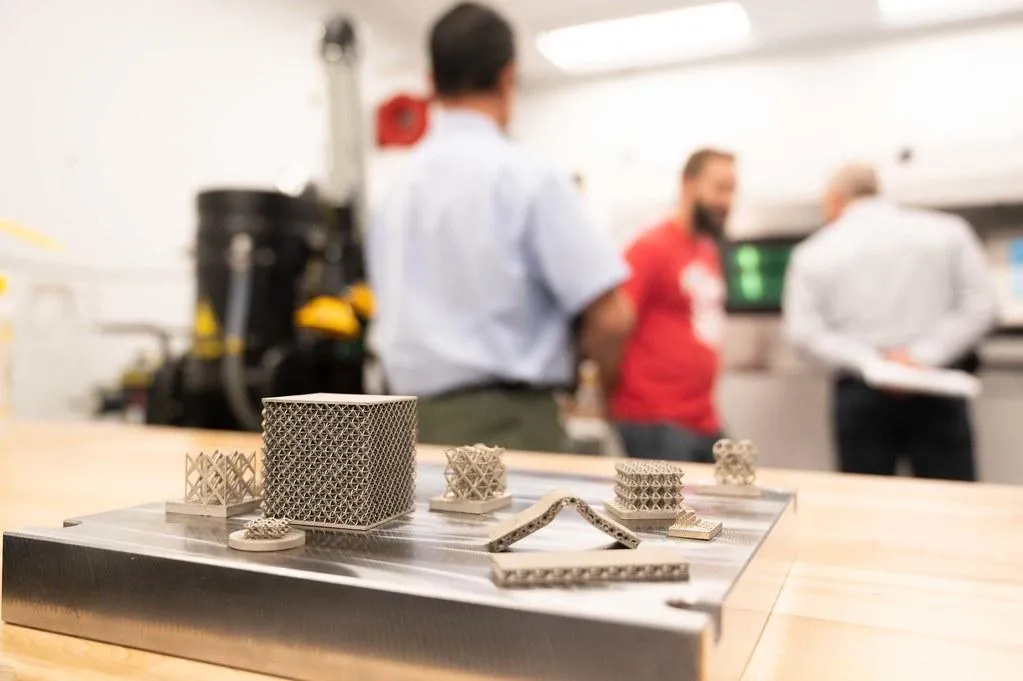
High-performance parts used in aerospace and defense systems need to be precise and durable, even with complex geometries. Advanced manufacturing methods enable the production of complicated parts that traditional machining can't achieve, like those seen here at GTMI's Advanced Manufacturing Pilot Facility. (Photo by Georgia Tech)

Collaborative research at the Georgia Tech Manufacturing Institute teamed is working to improve the finishing processes for hard to machine metals like tungsten. (Photo via Halocarbon)
From fighter jets to medical devices, today’s most advanced machines depend on parts as intricate as their missions. These components aren’t just geometrically complex — they’re made from specialized metals engineered to withstand extreme heat, friction, and wear. But that strength comes with a challenge. How do you shape metals tough enough to survive the heat of a jet engine?
One solution is to start with a more moldable form of these super-metals: powder. In a specialized form of additive manufacturing (like 3D printing), manufacturers start with fine metal powders and fuse them, layer by layer, using focused energy. Known as powder bed fusion (PBF), this method enables highly complex shapes and reduces the amount of finishing work needed. Still, when a micron of extra material can make or break the final product, even near-perfect parts require precise finishing touches.
“The introduction of new, exotic materials produced through additive manufacturing has brought unique challenges, especially for applications in space and missile systems,” says David Antonuccio, business development director at Halocarbon, a Georgia-based company producing advanced chemical solutions used in manufacturing and other fields. “While these materials offer distinct properties, they are notoriously difficult to machine.”
That’s where the Georgia Tech Manufacturing Institute (GTMI) comes in. Through its Manufacturing 4.0 Consortium, GTMI connects industry manufacturers like Halocarbon with researchers and innovators to tackle real production challenges like this. Membership includes access to GTMI’s Advanced Manufacturing Pilot Facility (AMPF), where companies can test ideas and collaborate on new solutions.
Halocarbon recently teamed up with Freemelt, a leader in producing PBF systems and a fellow consortium member, to address this bottleneck. Their goal: to determine whether Halocarbon’s specialized metalworking fluids could enhance the finishing process for PBF-manufactured parts made from tungsten and molybdenum, two high-temperature, hard-to-machine metals.
“The future of manufacturing depends on how well we integrate talent, technology, and collaboration,” says Steven Ferguson, interim director of Research Operations at GTMI and managing director of the consortium. “By bringing companies together around shared challenges, we’re closing critical gaps and strengthening the nation’s advanced manufacturing capability.”
Solving the Post-Processing Bottleneck
Even with advanced methods like electron beam powder bed fusion (E-PBF), which uses an electron beam to fuse metal powders inside a vacuum chamber, finishing remains a critical hurdle. “Surface finish in powder bed fusion is fundamentally tied to the particle size of the metal powder,” says Ian Crawford, a materials and application engineer at Freemelt. “Post-processing will almost always be part of the equation for high-performance components.”
In traditional machining, coolants and cutting fluids used in these finishing steps are often overlooked, and the methods haven’t changed much in decades. Halocarbon’s metalworking fluid aims to bring these fluids into a new era, using innovative polymer chemistry to extend tool life, improve surface quality, and boost efficiency when machining these challenging alloys.
The two companies initiated their joint project during their free AMPF equipment use time, which comes with the full level of consortium membership. From there, GTMI designed and executed controlled studies comparing the use of Halocarbon’s fluids to two standard finishing methods, dry machining and EDM-based finishing. The results showed a 6% improvement in side milling and a 26% improvement in end milling versus dry machining, with even greater gains over EDM. These improvements translate into higher-quality parts, tighter specifications, lower scrap rates, extended tool life, and reduced downstream costs — exactly what aerospace and defense suppliers need to meet stringent requirements.
The findings were shared at the 2025 National Space & Missile Materials Symposium, reinforcing the value of industry-academic collaboration.
“Industry keeps pushing materials to handle more heat and stress, but that makes post-processing harder,” says Matt Carroll, one of the GTMI researchers on the project. “By bringing equipment makers and chemistry innovators into the same experiment, we were able to prove where the gains really are and give manufacturers data they can act on.”
“No single manufacturing method solves every challenge,” says Crawford. “To achieve the performance and cost targets that aerospace and defense applications demand, we need to bring together the right combination of technologies, and collaborations like this show what's possible when we do.”
News Contact
Writer: Audra Davidson
Research Communications Program Manager
Georgia Tech Manufacturing Institute
Contact: Belinda Vogel
Research Engagement Manager
Georgia Tech Manufacturing Institute

The National Academy of Inventors is honoring two Georgia Tech faculty members for their contributions to technology and society: Deepakraj “Deepak” Divan and Arijit Raychowdhury. Both are in the School of Electrical and Computer Engineering.
Raychowdhury is a semiconductor pioneer whose patented circuit and system-on-chip designs have advanced computing efficiency and commercialization. Divan is a global leader in power electronics and grid modernization, whose innovations and ventures have transformed how electricity is delivered and managed worldwide.
“Congratulations to Deepakraj and Arijit on earning one of the most esteemed accolades in technology and discovery. Their groundbreaking work, with nearly 100 patents between them, advances solutions to global challenges,” said Raghupathy “Siva” Sivakumar, chief commercialization officer at Georgia Tech. “Their success exemplifies how research commercialization drives real-world impact, and we’re proud to see them honored as academy fellows.”
Election to NAI is the highest professional distinction specifically awarded to inventors. With this recognition, Georgia Tech’s roster of NAI Fellows grows to 24. Divan and Raychowdhury join a 2025 class of 169 new fellows representing university, government, and nonprofit organizations worldwide. They will be inducted at the NAI 15th Annual Conference on June 4, 2026, in Los Angeles.
Deepakraj “Deepak” Divan
Professor Emeritus (2004-2025)
Georgia Research Alliance Eminent Scholar
School of Electrical and Computer Engineering
Founder, Georgia Tech Center for Distributed Energy
Deepakraj “Deepak” Divan is a globally recognized innovator in power electronics and grid transformation. He was awarded the IEEE Medal in Power Engineering in 2024.
He holds over 85 U.S. and international patents and has authored 400 refereed publications. His pioneering work on soft‑switching converters—integral for efficient energy storage, EV charging, and industrial controls—has spurred a global $70 billion power electronics industry.
Divan laid the groundwork for grid‑forming inverter control, enabling high-renewables integration. He is the co-author of Energy 2040: Aligning Innovation, Economics and Decarbonization, named by Forbes as one of the “10 Essential Books and Podcasts Every Leader Needs in 2025”.
“Being named an NAI Fellow is a tremendous honor,” said Divan. “It reflects years of effort to rethink how electricity is delivered and managed to solve real problems and to drive practical innovations that matter.”
As the founder of Georgia Tech’s Center for Distributed Energy, he led research that transforms electricity delivery through analytics, monitoring, and optimization.
An entrepreneur, Divan co-founded Varentec (backed by Bill Gates and Khosla Ventures) and seeded ventures including GridBlock, Soft Switching Technologies, Innovolt, and Smart Wires—raising over $500 million. A National Academy of Engineering member and IEEE Fellow, he champions scalable energy-access solutions worldwide.
Arijit Raychowdhury
Professor and Steve W. Chaddick School Chair
School of Electrical and Computer Engineering
Director, Center for the Co-Design of Cognitive Systems
Arijit Raychowdhury has been the Steve W. Chaddick School Chair of ECE since 2021. He is a leading innovator in semiconductor technologies, holding more than 27 U.S. and international patents and authoring over 350 publications.
His work spans low-power circuits, specialized accelerators, and system-on-chip design, with breakthroughs widely adopted in industry.
“This recognition reflects the collective effort of students, colleagues, and partners who share a vision for advancing microelectronics,” said Raychowdhury. “I am honored that NAI champions the same mission to lead through research, education, and innovation."
At Texas Instruments, he developed the world’s first adaptive echo-cancellation network for integrated Digital Subscriber Lines (DSL)—a patented technology that enabled high-speed internet over traditional phone lines that received the EDN Innovation of the Year award. At Intel, he developed and incorporated foundational memory and logic technologies that shaped commercial products across global markets for more than a decade.
His research on fine-grain power management of systems-on-chip at Georgia Tech has been licensed and widely adopted by the semiconductor industry.
He directs Georgia Tech’s Center for the Co-Design of Cognitive Systems and leads initiatives to advance microelectronics design with applications to AI. Over the years, he has served as a founding advisor and board member to multiple startups in the areas of edge-computing and low power design.
Raychowdhury’s research bridges invention and real-world impact, earning him numerous honors, including IEEE Fellow, Semiconductor Research Corporation Technical Excellence Award, and multiple industry awards. Through pioneering designs and mentorship, he continues to drive innovation in computing systems, influencing both academic research and industrial commercialization.
News Contact
Dan Watson
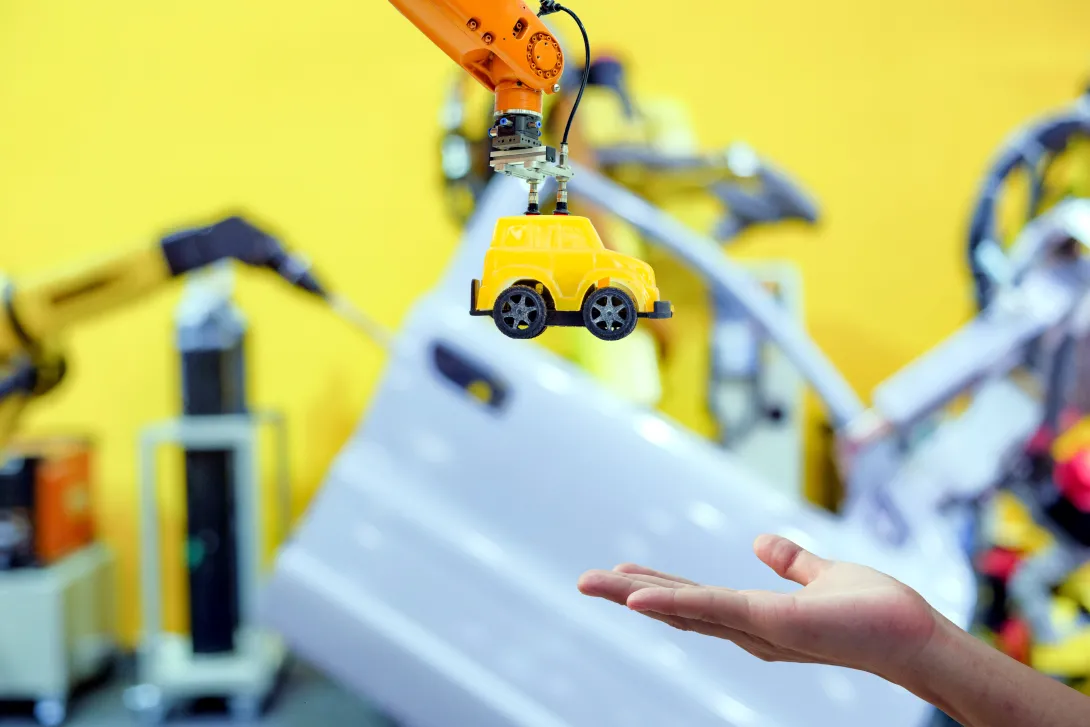
For generations, holiday toy production has followed a predictable rhythm — designs finalized in spring, manufacturing in summer, and shipments arriving just in time for December. This year, that rhythm has been thrown off balance. Global supply chain disruptions, steep tariffs, and soaring shipping costs have created a perfect storm for toy makers, forcing them to rethink strategies and timelines. The result: fewer choices, higher prices, and parents scrambling to secure gifts before shelves run bare.
Tariffs and Turbulence
Political shifts have turned the toy industry’s supply chain into a game of Operation. Stephen Chininis, professor of the practice at Georgia Tech and longtime toy designer, says the impact of tariffs is only beginning to hit consumers.
“Prices are going to go up; there’s no doubt about it, and some products will be scarce,” Chininis explained. “This is not intentional scarcity sometimes built into the toy industry. This is accidental scarcity.”
Manufacturers once relied on China’s speed and low labor costs to react quickly to trends. Now, uncertainty around tariffs has companies freezing expansion and shifting production to places like Vietnam and Thailand, sometimes still under Chinese ownership. Add in skyrocketing shipping costs, and containers that once cost $2,500 now run $20,000.
Industry data confirms the pressure: China still produces nearly 80% of toys and 90% of holiday decorations sold in the U.S., and tariffs as high as 145% have frozen supply chains, causing widespread order cancellations and delays. Reports show 87% of midsize companies and 81% of small companies have delayed orders, and nearly half warn they could shut down if costs persist.
Parents in Panic Mode
When Santa’s workshop slows down, parents speed up. Timothy Halloran, marketing lecturer at Georgia Tech, warns that shortages can spark buying frenzies.
“If people are aware of the toy shortage, a consumer buying panic may set in,” Halloran said. “If it’s a popular toy, you might see a black market emerge — think eBay — where some people are willing to pay top dollar.”
Halloran predicts early shopping and alternative gifts will become the norm. “Those ‘in the know’ will buy early. Those that miss out will either purchase through the black market or resort to alternatives,” he said.
This year, that advice matters more than ever. Analysts report toy prices rose 2.2% between April and May, the steepest monthly increase in four years, and some items could cost two to three times more by Christmas. Retailers are keeping inventories lean, which means fewer choices and faster sellouts for trending toys. Toy manufacturers warn that holiday assortments will be smaller, with fewer backup units behind shelves.
What’s Next for Santa’s Supply Chain
Despite the chaos, Chininis sees the opportunity in innovation. “There’s a big resurgence in non-technology-based toys,” he said. “Parents don’t want extra screens, so designers are finding ways to teach and entertain without relying on electronics. It’s definitely a design-thinking exercise, and some really good toys have come out of that.”
Sustainability is also trending. The eco-friendly toy market is projected to grow from $12.5 billion in 2024 to $23.1 billion by 2033, driven by demand for biodegradable materials and recyclable packaging. According to The Toy Association, 45% of parents under 40 consider a toy’s environmental impact when purchasing, and 55% of parents prefer toys that are sustainable or eco-friendly. Major brands like Mattel and Playmobil are pledging to use 100% recycled or bio-based plastics by 2030, signaling a long-term shift toward greener play.
For parents, the best advice is to shop early, stay flexible, and remember that sometimes the simplest gifts like a kite, a ball, or a board game bring the most joy.