

Karen Rommelfanger recently joined Georgia Tech as a professor of the practice, where she will work with the Institute for Neuroscience, Neurotechnology, and Society to embed neuroethics into Georgia Tech’s research and technology development ecosystem. Photo via the Dana Foundation.
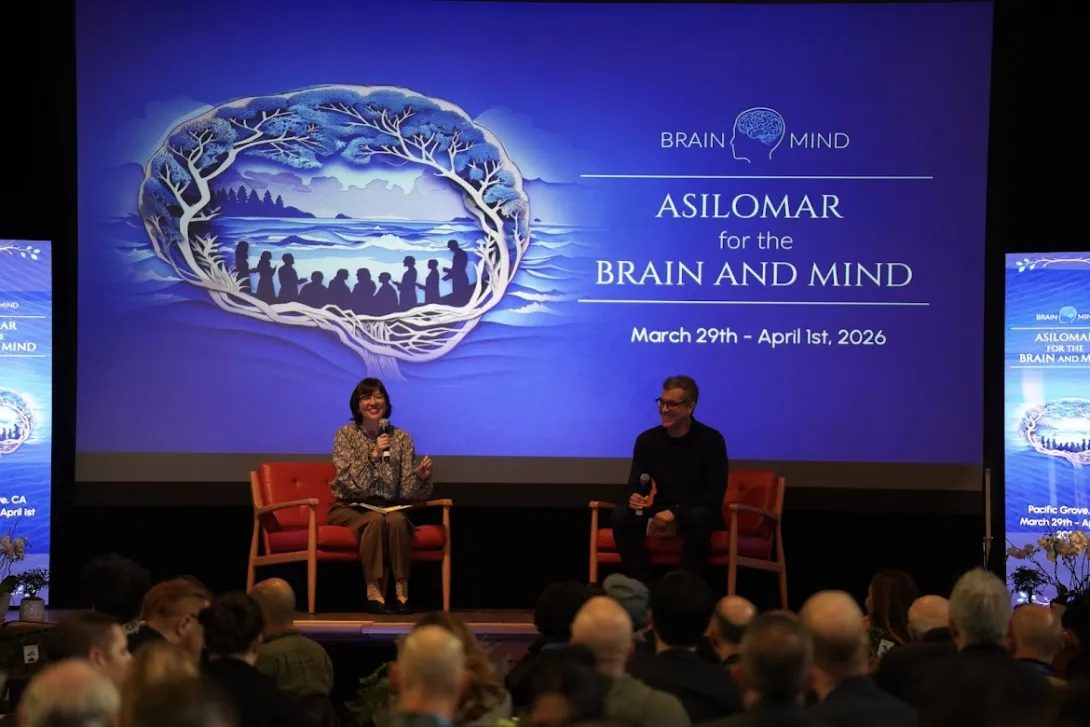
Karen Rommelfanger (left) is a leading voice in neuroethics, with years of experience bridging neuroscience, technology development, ethics, and public policy to address the societal impacts of emerging brain technologies.
Artificial intelligence has been touted as the most transformative technology of our time. With only a few years of mainstream use, it’s changed how we work and communicate, generated billions of dollars in investments, and sparked global debate. But according to leading neuroethics expert Karen Rommelfanger, the race isn’t over yet.
“Can you think of a more transformative technology than one that intervenes with the fundamental organ that drives your experience in the world?”
That fundamental organ is the brain.
Technologies interfacing directly with the brain have been reserved for treating severe injury or disease for decades. Now, neurotechnology is expanding into brain-responsive wearables meant to enhance, augment, and monitor everyday life. As these technologies accelerate and AI is incorporated, the question is no longer if neurotechnology will transform society, but how — and who will shape the boundaries.
These are some of the questions on which Karen Rommelfanger has built her career. Trained as a biomedical researcher and neuroscientist, Rommelfanger went on to found the Institute for Neuroethics, the world’s first think and do tank devoted entirely to neuroethics, public engagement, and policy implementation.
“The brain is special; it’s central to who we are,” says Rommelfanger, who was also an inaugural recipient of the Dana Foundation Neuroscience and Society Award. “And that means when you intervene with the brain, there are unique responsibilities. The field of neuroethics addresses things like: How do you ensure mental privacy? How do you protect free will? How do you ensure that people have the power to be narrators of their own lives and their cognitive experience?”
Now, Rommelfanger is joining Georgia Tech’s Institute for Neuroscience, Neurotechnology, and Society (INNS) as a professor of the practice, where she will work to further embed neuroethics into Georgia Tech’s research and technology development ecosystem.
“Georgia Tech is producing the next generation of neurotechnologists, and Karen’s expertise will help ensure we’re preparing them to think about societal impact as deeply as they think about the technical and scientific aspects of their work,” says Christopher Rozell, executive director of INNS. “Her leadership strengthens the Institute in exactly the way this moment in neurotechnology demands.”
“Georgia Tech has many, many ways that it leads in the technology ecosystem. But one of the powerful, unique ways it can lead is through neurotechnology,” says Rommelfanger. “I hope that the INNS, given its unique mandate for neuroscience, neurotechnology, and society, can be a lighthouse for these types of conversations.”
Neuroethics by Design
From institutional review boards to mandatory responsible research conduct training, ethics are a foundational part of scientific research. But designing neurotechnologies raises ethical challenges beyond the scope of typical training. What happens when discoveries leave the lab and enter people’s lives?
That question sits at the core of Rommelfanger’s work. She argues it’s a neurotechnologist’s responsibility to recognize and proactively address the need for unique safeguards for privacy, autonomy, and long-term responsibility. Her solution is to move neuroethics upstream, embedding it directly into the research, design, and deployment of neurotechnology through an approach she calls “neuroethics by design.”
“Neuroethics by design considers ethics as a core criterion where principles can drive innovation with more of a lens toward societal outcomes,” she says — an approach informed by years of advising national-level brain research initiatives and her experience at the intersection of clinical practice and ethics scholarship.
Rather than treating ethics as a compliance checklist or a post hoc review, neuroethics by design integrates ethical thinking throughout the entire innovation lifecycle, from early ideation and research questions to product requirements, governance strategies, and long-term sustainability. She has used the approach for years as an embedded partner for neurotechnology startups in her neuroethics consultancy, Ningen Co-Lab.
After decades as a traditional academic professor and then years advising companies and policymakers with this philosophy, Rommelfanger says Georgia Tech is the right place to scale this work. With its strength in neurotechnology and INNS’s rare focus on neuroscience and society, “I could not think of a better place to launch and pilot this neuroethics by design scaling effort.”
She will work with INNS to help equip researchers, students, and industry partners with practical tools for ethical decision-making. Her vision is not to create neuroethicists as a standalone profession, but to cultivate ethically engaged neurotechnologists and engineers.
Central to her plans at INNS are hands-on training programs that bring ethics out of the abstract and into practice. “I wanted to be a professor of the practice because, while the field does need more scholars, what it really needs most at this point are practitioners.”
Rommelfanger is exploring modular content that can be embedded into existing courses across disciplines, as well as immersive training — such as neuroethics boot camps and problem-solving hackathons — that bring together students, faculty, and professionals to tackle real-world challenges collaboratively.
“No one discipline can solve all the ethical challenges ahead,” says Rommelfanger. She is particularly interested in creating spaces where experts from across science and engineering, policy and law, design and the arts, and philosophy can work side by side with people with lived experience of neurological conditions. “The onus is not on scientists alone, but is a shared responsibility that benefits immensely from dialogue, accountability, and action across diverse communities.”
By situating neuroethics within Georgia Tech’s broader research ecosystem, Rommelfanger hopes INNS can help shift how the field evolves globally.
“It's really difficult to get your arms around something once it's out of the gate,” she says, citing the rapid adoption of AI without proper ethical or policy guidelines. “With neurotechnology, we still have a little bit of time, but not that much time. We are at that moment where we could change the course of global history.”
News Contact
Audra Davidson
Research Communications Program Manager
Institute for Neuroscience, Neurotechnology, and Society (INNS)
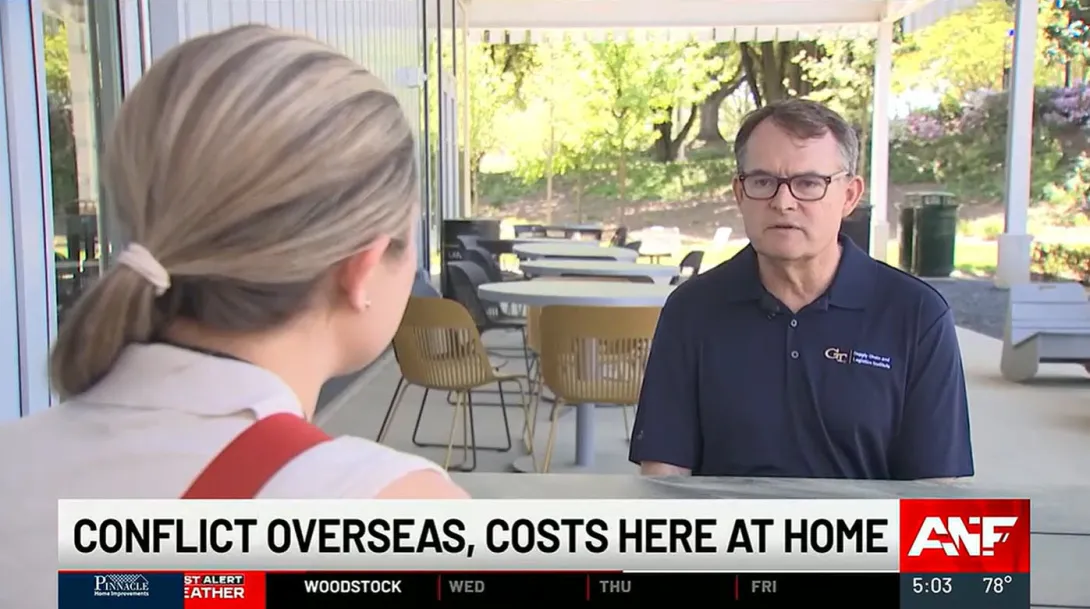
Chris Gaffney, Managing Director of the Georgia Tech Supply Chain and Logistics Institute (SCL), was featured in a recent Atlanta News First segment examining how a potential conflict involving Iran could impact fuel prices and broader transportation costs.
Drawing on his expertise in supply chain economics and transportation systems, Gaffney discussed how disruptions in global energy markets can ripple through logistics networks, ultimately affecting consumers and businesses across Georgia and the Southeast.
Read the full Atlanta News First article and watch the related video: Experts Warn War With Iran Could Raise Costs, Georgia Fuel Prices Leading the Way
News Contact
info@scl.gatech.edu

Rising oil and gasoline prices have been the center of attention since the closure of the Strait of Hormuz. But that immediate effect tells only part of the story. Because oil and gas underpin production, transportation, and logistics, higher energy costs will gradually move through supply chains — meaning the most significant economic consequences may not appear for months.
“The effects move slowly and appear in places people do not connect to energy,” said Tibor Besedes, professor in the School of Economics. “Oil and natural gas are part of the cost structure for an enormous range of goods.”
About 20% of global oil and liquefied natural gas flows through the waterway linking the Persian Gulf to world markets. When that flow is constrained, the impact ripples outward across industries most people never associate with an energy crisis.
“In complex supply chains, a disruption in one critical link, even if only briefly, can cascade through the system, well beyond the initial event,” says Pinar Keskinocak, chair and professor in the H. Milton Stewart School of Industrial and Systems Engineering. “As delays persist and compound, interconnected systems often take a long time to recover, rebalance, and return to normal.”
Price Pressures That Arrive Quietly
Early effects are already visible.
Jet fuel availability is tightening, and diesel prices are rising across Asia. China has ordered refineries to stop exporting fuel, creating shortages that are increasing shipping costs for U.S. imports, from consumer electronics to pharmaceuticals.
The strait is also a key corridor for naphtha, a feedstock used to produce plastics, packaging, solvents, textiles, and pharmaceutical components. Roughly 85% of Middle Eastern polyethylene exports move through the strait.
“Consumers won't see the effect of this quickly,” Besedes says, “but the longer the strait is closed, the higher the cost will be of all of these products naphtha is used for.”
Aluminum is equally exposed.
“Smelters require sustained, low-cost energy,” said Chris Gaffney, a professor of the practice in the Stewart School. “The Middle East accounted for roughly 21% of U.S. unwrought aluminum imports in 2025. When energy prices spike or supply is constrained, capacity is reduced or shut down, and those decisions are difficult and slow to reverse.”
Fertilizer is one of the clearest examples of delayed inflation. Natural gas is essential for its production, and Persian Gulf states account for one-third of global urea exports and half of global sulfur exports. Urea prices at the New Orleans import hub have already climbed sharply.
“We won't see the effects quickly, but rather in six to 12 months, depending on the crop and its cycle,” Besedes says. “Without or with less fertilizer, crop yields will decrease, resulting in higher prices.”
Why Hormuz Is Different From Other Chokepoints
On top of all those factors, the strait closure presents a uniquely dangerous vulnerability.
“Unlike a port strike or canal blockage, there is no meaningful way to reroute volume,” says Gaffney. “If it is disrupted, flow is constrained rather than redirected.” Pipeline alternatives replace only a fraction of the 20 million barrels per day that normally transit the strait.
“Choke point vulnerability arises when a large portion of flow depends on a route that is hard to substitute,” said Mathieu Dahan, associate professor in the Stewart School. “Hormuz has no scalable alternatives with sufficient capacity.”
Alan Erera, senior associate chair in the Stewart School expanded on Dahan’s point, noting that strait disruptions raise costs across manufacturing and distribution.
“Ships are rerouted onto longer paths, which drives up fuel and labor costs, ties up vessels and containers for longer periods, and ultimately raises inventory costs for shippers because capital is locked up while goods are still in transit,” Erera said.
When Geopolitics Meets Global Supply Chains
Additionally, the strait closure raises the risk of wartime miscalculation.
“We haven’t seen a disruption on this scale since the tanker wars of the late 1980s,” said Larry Rubin, associate professor in the Sam Nunn School of International Affairs. Gulf states' dependence on the strait constrains both regional actors and U.S. strategy, raising risks around crisis decision-making.
Rubin also points to a dimension most coverage has missed entirely. “One thing that has been overlooked by many commentators is the fact that the Iranian people have probably been hit the hardest economically,” he says. “They were already in a challenging situation. The Iranian economy won't recover quickly after the war.”
Resilience Has a Short Memory
Meanwhile, for the United States, “The Strategic Petroleum Reserve provides a buffer, and domestic energy production has improved resilience,” says Gaffney. “But the gap remains between enabling capacity and sustaining resilience. Policy can support infrastructure, but it cannot ensure private sector participants invest in resilience when cost pressures rise.”
For policymakers and industry leaders, the disruption reinforces a familiar pattern. "The supply chain remains optimized for efficiency rather than resilience, in part due to the high investment costs required to build flexibility," says Dahan.
Gaffney added that resilience does improve after disruption, but that “it erodes over time if not actively maintained.”
Even if the strait reopens, higher costs and slow restart timelines mean the system will not snap back. Experts suggest that when headlines have moved on from this disruption, it will still be shaping prices across the economy.
News Contact

Photo courtesy of NASA
Georgia Tech’s faculty startup engine Quadrant-i, together with the Space Research Institute (SRI), launched the first cohort of the CreationsVC Space Fellows Program. Funded by space technology venture capital firm CreationsVC, the program enables faculty to explore promising early-stage innovations and their potential for future commercial impact.
“This first set of CreationsVC Fellows offers an exciting cross-section of innovative hardware and software technologies built on Georgia Tech’s legacy of space exploration, hardware development, and product commercialization,” said Jud Ready, SRI executive director.
In the first year of the three-year program, CreationsVC provides $125,000 to promote and accelerate innovations that have both space and terrestrial applications. The series offers participants training focused on customer discovery, engaging and compelling storytelling, value proposition design and quantification, and lean/agile project/product management.
“CreationsVC is centered on a deep appreciation for innovation and big thinking,” said Steve Braverman, co-founder and managing partner of CreationsVC. “We felt this was the right time to align our efforts in sourcing and supporting dual-value technologies that will have an impact on both Earth and space.”
The six startups tackle real-world space research problems like supply chain management, how artificial intelligence works in space, and navigation.
“We are excited CreationsVC is providing us with an opportunity to try new approaches to accelerate deep tech development,” said Jonathan Goldman, Quadrant-i’s director. “These are the toughest kinds of startups to build, and we look forward to the learning we will gain from forcing our innovators out of their comfort zones to embrace some new and valuable skills.”
Meet the cohort:
Company: CIMTech.ai
Founders: Shimeng Yu, James Read
School: School of Electrical and Computer Engineering (ECE)
Objective: To develop energy-efficient, radiation-tolerant artificial intelligence processors using a persistent type of ferroelectric memory. The startup aims to improve applications requiring high power efficiency, such as battery-powered devices and space-based systems.
Why Q-i: “The advantage of Q-i is in helping technical founders turn their research into products that solve customers’ problems,” noted James Read. “For us, that means talking with potential customers and hearing their pain points directly from the source. Now we’re use that information to build a convincing narrative around our startup’s value for stakeholders and investors.”
Company: SkyCT
Founders: Morris Cohen, Matthew Strong
School: ECE
Objective: To provide up-to-date mapping of the electrical properties of the upper atmosphere, with applications to GPS-free navigation, long-range communication, and satellite and launch vehicle viability. The startup uses the radio energy released by lightning strikes to create this map.
Why Q-i: “This weird region about 50 miles up from Earth’s surface is both really hard to track and measure, and also impacts a surprising array of applications,” said Cohen. “It’s sometimes called the `ignorosphere’ because of how difficult it is to measure, and it’s time we change that.”
Company: Penumbra Autonomy
Founders: Panagiotis Tsiotras, Juan Diego Florez-Castillo, Iason Velentzas
School: Daniel Guggenheim School of Aerospace Engineering (AE)
Objective: To commercialize algorithms that help spacecraft maneuver when they have limited information on their environment. The algorithms use state-of-the-art computer vision and localization techniques. This could benefit manufacturing, assembly, and refueling in orbit, as well as enable monitoring, situational awareness, and debris removal.
Why Q-i: “The program offers a conduit to entrepreneurship opportunities and spinoff companies in the space domain by providing guidance and commercialization ‘know-how,’” said Panagiotis Tsiotras.
Company: TerraMorph
Founders: Yashwanth Kumar Nakka, Sadhana Kumar, Vincent Griffo, Sachin Kelkar
School: AE
Objective: To create an autonomous rover platform with adaptive, reconfigurable mobility. The rover will implement software and sensing algorithms to automatically detect terrain type and improve traction and energy usage. This could be used on the moon or Mars, or even terrestrial search and rescue.
Why Q-i: “TerraMorph was developed to address fundamental challenges in mobility and autonomy across uncertain terrain, but successfully translating that work into impact requires creative guidance, critical feedback, and experienced perspectives beyond the lab,” said Yashwanth Kumar Nakka. “Q-i’s culture of leading by example and fostering strong, ethical teams aligns closely with how we want to build TerraMorph: iteratively, thoughtfully, and with a focus on real-world deployment.”
Company: OpenWerks
Founders: Shreyes Melkote, Mike Yan
School: George W. Woodruff School of Mechanical Engineering
Objective: To deliver real-time manufacturing supply chain visibility for the space and national security industries. OpenWerks technology aims to dramatically reduce current sourcing cycles from eight months down to weeks by connecting corporate buyers directly with verified supplier manufacturing capability and capacity data.
Why Q-i: “From the very beginning, principals at VentureLab and Q-i offered a clear pathway to translate academic research into a viable business,” said Mike Yan. “Their reputation for guiding Georgia Tech startups through both business and technology derisking, combined with their comprehensive ecosystem of programs and coaches, made them the natural partner for our entrepreneurial journey.”
Company: 8Seven8
Founders: Chandra Raman
School: School of Physics
Objective: To manufacture quantum hardware in Georgia. 8Seven8 aims to put high-precision atomic clocks and gyroscopes on a chip for applications ranging from aircraft navigation to industrial automation.
Why Q-i: “They have mentored me and my students through the commercialization process, providing opportunities such as the Space Fellows Cohort,” Chandra Raman said. “One of my former students, Alexandra Crawford, gained valuable business experience through a Q-i entrepreneur’s assistantship, and is now working at 8Seven8 full-time. They have also guided me through the process of obtaining funding through the Georgia Research Alliance for our commercialization effort.”
News Contact
Tess Malone
Senior Research Writer/Editor
Georgia Tech
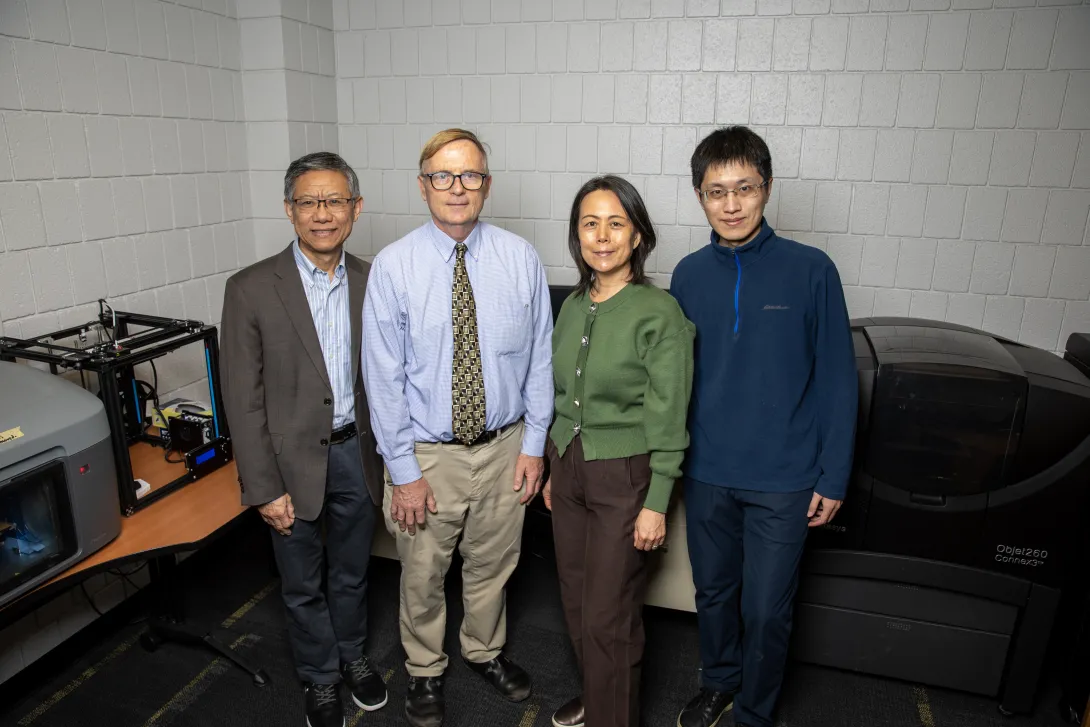
GTRI and Georgia Tech's smart bandage could revolutionize wound care by enabling real-time insights on healing and reducing invasive bandage changes.
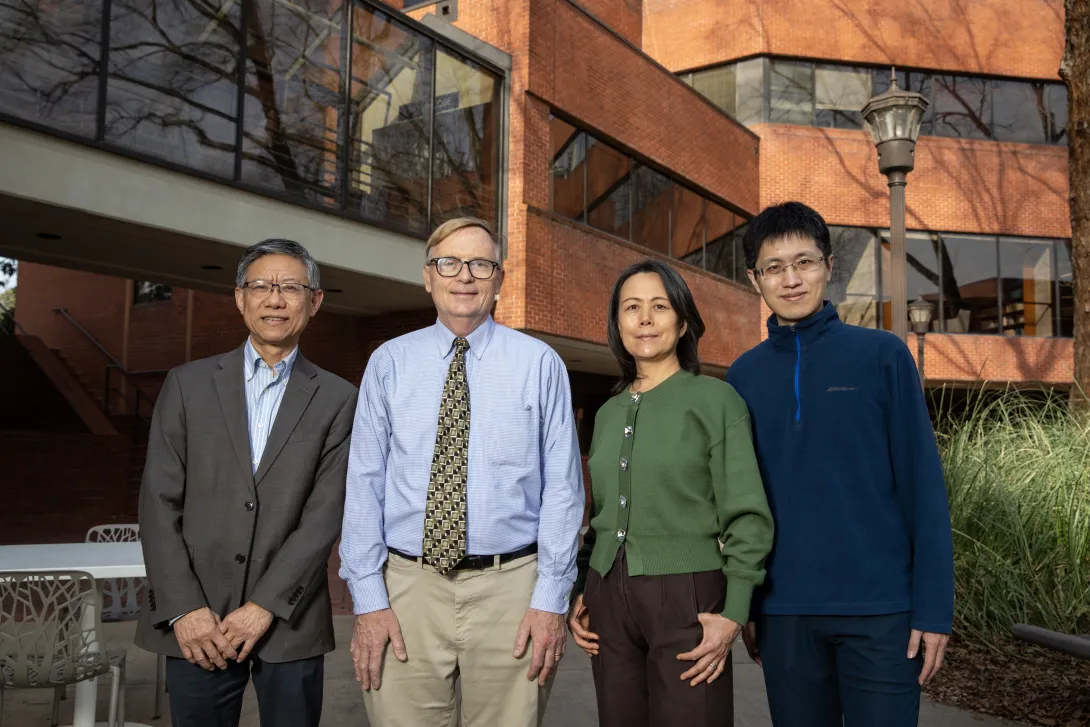
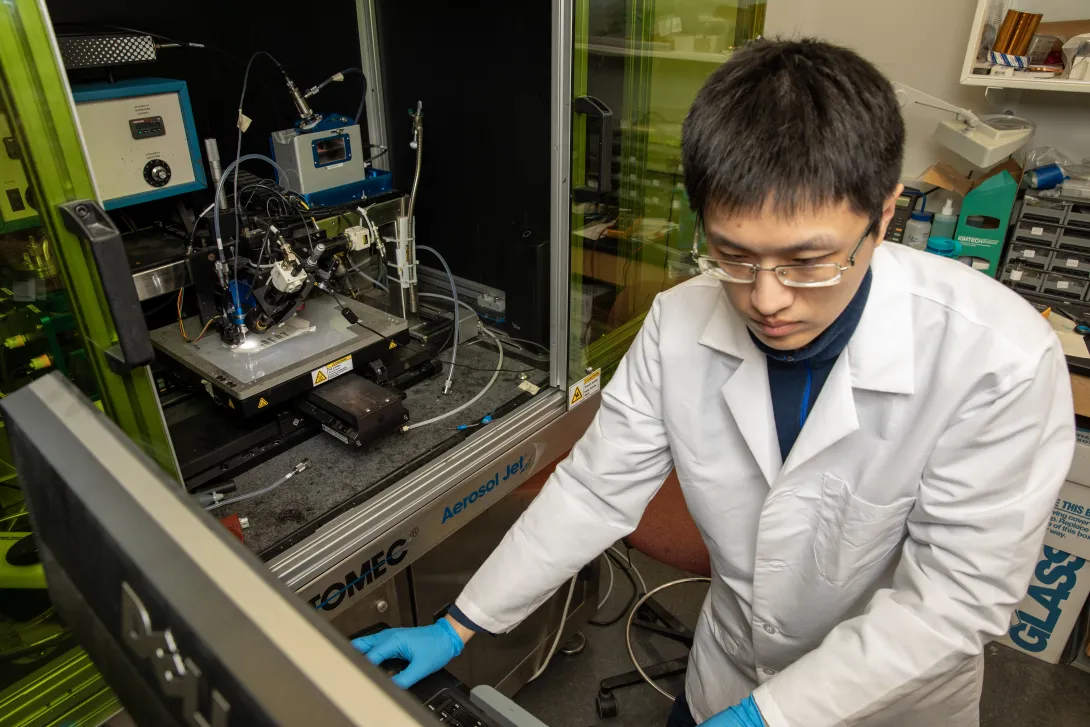
While most people don’t think twice about a cut or scrape, for those with diabetes, every wound is a potential threat that requires vigilant care.
Diabetic foot ulcers, for example, are slow to heal and can increase the risk of infection, hospitalization, and even amputation.
To address this critical challenge, researchers at the Georgia Institute of Technology (Georgia Tech) and the Georgia Tech Research Institute (GTRI) have developed a sensor designed to monitor chronic wounds in real-time. Embedded directly into a bandage, this flexible, low-cost device could transform wound management for diabetic patients and other critical applications — such as providing direct treatment to soldiers on the battlefield or managing chronic wounds in elderly populations and patients with limited healthcare access — by reducing invasive bandage changes and ensuring timely medical intervention.
“For diabetic patients with foot ulcers, long-term monitoring and care are essential,” said GTRI Principal Research Engineer and Project Lead Judy Song. “We were inspired by the success of wearable glucose monitors to develop a compact, affordable sensor tailored to wound care.”
This project was supported by GTRI’s Independent Research and Development (IRAD) program between 2022-2025 and reflects the strength of interdisciplinary collaboration across Georgia Tech. Researchers from three out of GTRI’s eight laboratories developed the sensor with experts from the George W. Woodruff School of Mechanical Engineering, the H. Milton Stewart School of Industrial and Systems Engineering and the Wallace H. Coulter Department of Biomedical Engineering at Tech and Emory University.
About one in four people with diabetes will develop a foot ulcer at some point in their lives, making it one of the leading causes of foot amputations. For these patients, nerve damage and poor blood flow hinder the body’s natural healing process and allow wounds to linger and worsen.
During the initial phases of their research, the team noted that nitric oxide (NO) had been previously identified as a key biomarker for wound health due to its central role in the healing process. Nitric oxide improves blood flow, reduces inflammation, promotes tissue growth and fights infection. By tracking nitric oxide levels in wounds, clinicians could determine whether a wound is improving or detect early signs of trouble.
"Nitric oxide plays a fascinating, almost paradoxical, role in wound healing,” said GTRI Senior Research Engineer Victoria Razin, who is co-leading the project. “It’s essential for processes like blood flow and tissue repair, but can also signal when something is going wrong.”
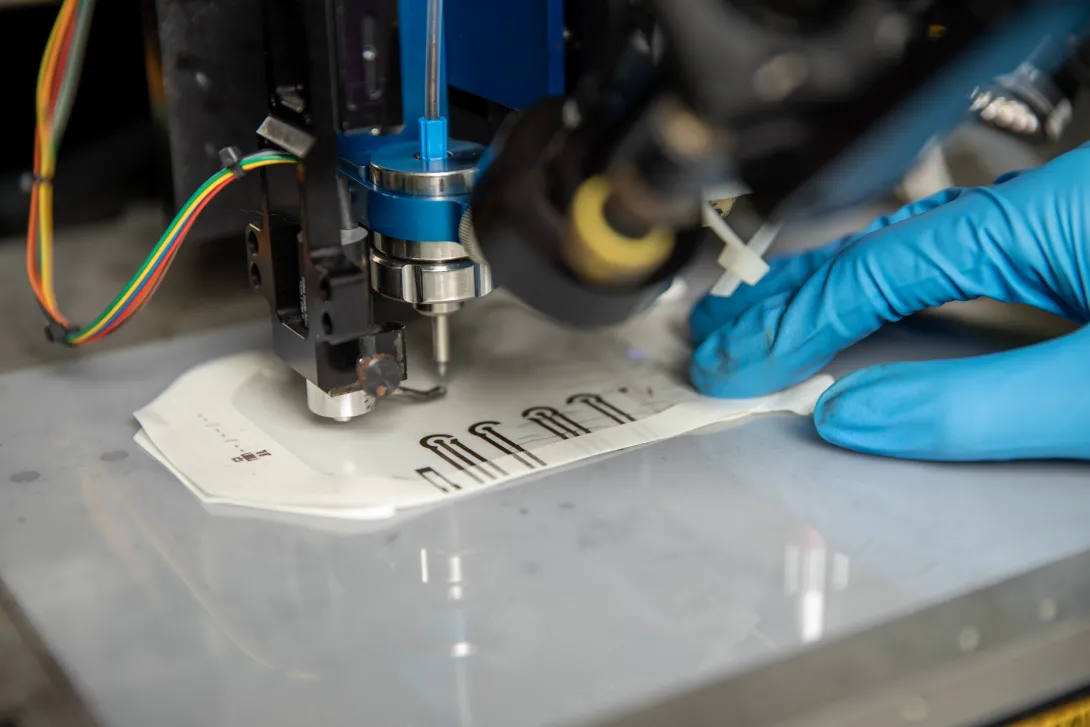
At the core of the smart bandage is a flexible sensor powered by a three-electrode system capable of detecting changes in nitric oxide. The team used advanced Aerosol Jet® printing techniques to fabricate the sensor, significantly reducing production costs from thousands of dollars to just a few dollars per unit and making the design more affordable and scalable.
“Typically, prototyping these sensors can cost thousands of dollars, but our approach brought costs down dramatically,” said Chuck Zhang, the Eugene C. Gwaltney, Jr. Chair and Professor in ISYE and a program director at the National Science Foundation (NSF), who oversaw sensor fabrication for this project. “Lower costs let us iterate quickly and deliver something that could have real healthcare impact.”
To test the sensor’s accuracy, the team conducted extensive laboratory studies in both biological and simulated wound conditions.
In one set of experiments, endothelial cell cultures were used to create “wounds” by scraping the cell layers. As the cells migrated to repair the gap, nitric oxide production increased, and the sensor successfully tracked these changes in real-time. Additional fluid tests using blood plasma and red blood cells demonstrated that the sensor could reliably detect nitric oxide in a variety of conditions that closely mimic real-world wound environments.
These experiments confirmed that the sensor can identify the fluctuations in nitric oxide associated with different phases of wound healing.
Lab testing was led by Dr. Wilbur Lam, a professor in the Department of Biomedical Engineering and at Emory University School of Medicine, with support from Kirby Fibben, a biomedical engineering Ph.D. student at Tech.
"There’s a significant clinical need for real time, minimally invasive sensor technologies that detect nitric oxide,” said Dr. Lam. “While we’re starting with wound healing, there’s multiple other applications for vascular, hematologic, and pulmonary diseases as well.”
The next step in the project is integrating the sensor into a functional wearable device. The team is combining the sensor with a miniaturized potentiostat (MicroPS) – a small electronic device that measures chemical signals – along with flexible electronic components and a system to transmit data to a mobile app.
The MicroPS, designed by the GTRI research team, led by GTRI Research Engineer Curtis Mulady, enables compact electrochemical measurements and the wireless platform transmits nitric oxide readings from the bandage to a mobile app via Bluetooth. The app uploads the data to a cloud platform, giving clinicians the ability to remotely monitor wound progress in real time. This system could reduce the need for frequent in-person checkups, enabling earlier interventions and improving outcomes for patients.
Future iterations of the bandage aim to include “closed-loop” systems capable of both monitoring and treating wounds, said GTRI’s Song. For example, sensors could trigger a response, like releasing therapeutic agents or antimicrobials directly to the wound, when abnormalities are detected.
The researchers are also exploring commercialization pathways, including partnerships with medical device companies or the formation of a startup.
“This sensor meets a real need for early detection of infection and to evaluate wound healing, and I believe it could have significant commercial success,” said Peter Hesketh, a professor in the School of Mechanical Engineering who led sensor design and performance testing.
Other contributors to this project from GTRI include Mulady, Cora Weidner, Maxwell Blanchard, Rachel Erbrick and Christopher Heist. Zhaonan “Zeke” Liu, a postdoctoral fellow in ISYE, assisted with sensor fabrication, while Rizky Ilhamsyah, a graduate research assistant in the School of Mechanical Engineering, contributed to sensor design and performance testing.
Writer: Anna Akins
Photos: Sean McNeil
GTRI Communications
Georgia Tech Research Institute
Atlanta, Georgia USA
For more information, please contact gtri.media@gtri.gatech.edu.
To learn more about GTRI, visit: Georgia Tech Research Institute | GTRI
News Contact
For more information, please contact gtri.media@gtri.gatech.edu
Writer: Anna Akins (anna.akins@gtri.gatech.edu).
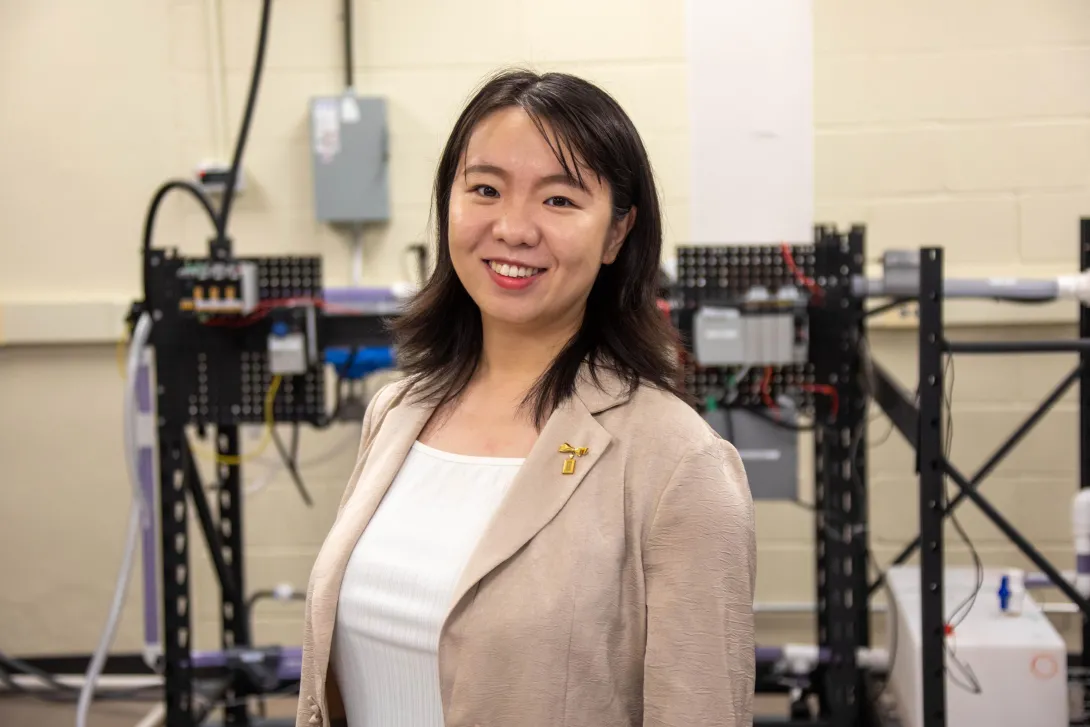
Fan Zhang, Assistant Professor of Mechanical Engineering at Georgia Tech
Fan Zhang, an assistant professor in the George W. Woodruff School of Mechanical Engineering’s Nuclear and Radiological Engineering and Medical Physics (NREMP) program, has been named to the American Nuclear Society’s (ANS) 40 Under 40 list.
The list, published in the November issue of Nuclear News magazine, recognizes early career professionals who have made significant contributions to the nuclear field and are poised to shape its future. The 40 honorees are featured in a special section highlighting their accomplishments, leadership, and impact on the industry.
Zhang said the ANS recognition is both meaningful and motivating.
“It’s a humbling reminder that the work I’m passionate about—making nuclear systems safer, more efficient, and more secure—matters to the broader community,” she said. “It motivates me to give back and keep mentoring and inspiring the next generation and make a global impact.”
Zhang directs the Intelligence for Advanced Nuclear (iFAN) Lab, where her research primarily focuses on nuclear cybersecurity, robotics, anomaly detection, digital twin, machine learning and artificial intelligence.
“We create solutions to make nuclear systems safer, more efficient and secure,” she said.
News Contact
Tracie Troha
Communications Officer, Georgia Tech
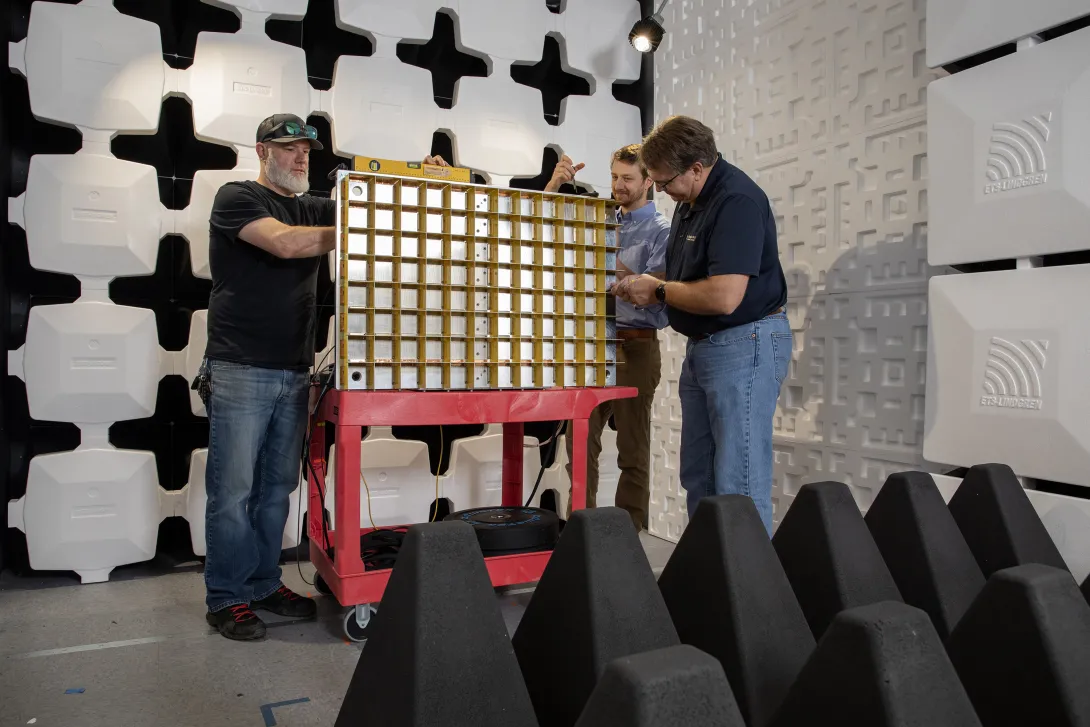
In a GTRI facility, researchers prepare to test a subarray designed for use in the APAT project. (Credit: Sean McNeil, GTRI)
When future hypersonic vehicles are tested far above the Pacific Ocean, the telemetry signals they transmit will be captured by a new type of modular antenna system developed by the Georgia Tech Research Institute (GTRI) in collaboration with prime contractor AV (formerly Blue Halo).
Known as Advanced Phased Array Antenna Technology (APAT), the system uses Radio Frequency System on Chip (RFSoC) technology to process the signals directly on the antenna’s elements, allowing multiple signals to be tracked simultaneously in different directions. Both ground-based and airborne versions of the antenna technology have been built and tested for capturing the telemetry – data sent from the vehicles to monitor flight factors and conditions.
Built for the Pentagon’s Test Resource Management Center (TRMC), APAT uses commercial-off-the-shelf components paired with bespoke antenna elements and a custom system architecture to create a novel system with unparalleled operational flexibility. It is believed to be the largest all-digital antenna system ever designed by GTRI, which has been developing and building antennas for more than 25 years.
“We’re combining RF-efficient aperture design with an intelligently-selected RF front-end that goes directly to digital so that when they’re tracking these telemetry streams, they can track multiple streams simultaneously,” said Kevin Cook, a GTRI principal research engineer who is co-principal investigator on the project. “In earlier analog systems, you’d have to just pick a stream or split the array (or multiple arrays) and lose signal gain. But with digital, you can track as many streams as you want, limited only by the system’s processing power.”
Read more in the GTRI Newsroom
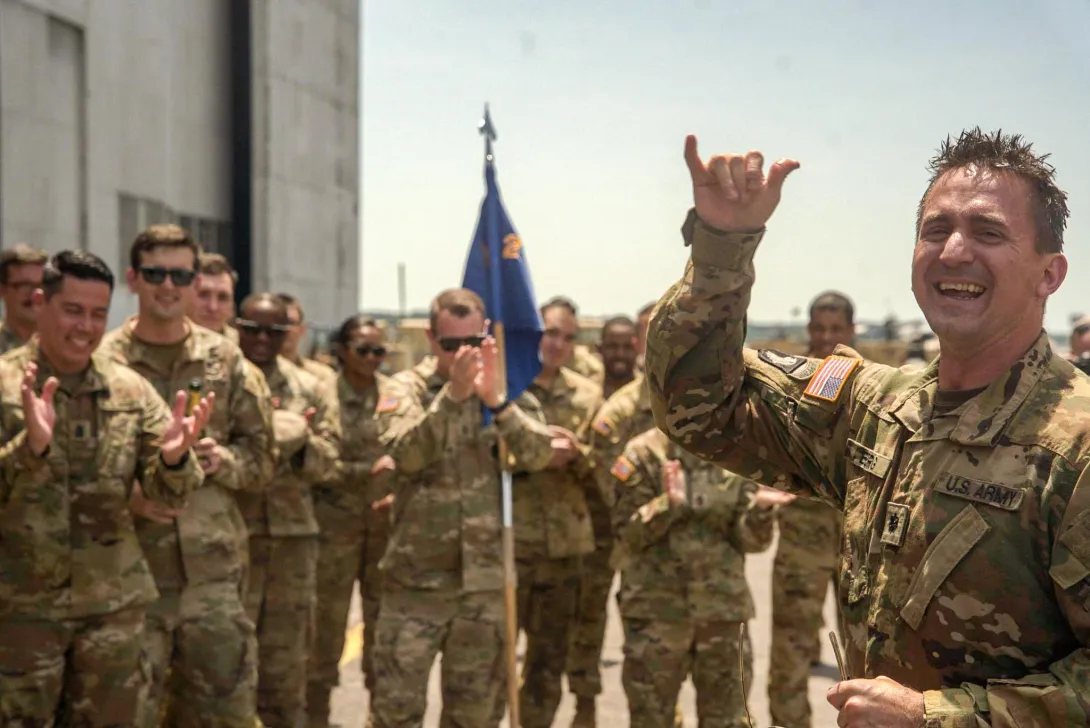
Lukas Berg (right), who flew several variants of the UH-60 Blackhawk over the course of his career, celebrated his final flight before joining the Georgia Tech Manufacturing Institute in August.
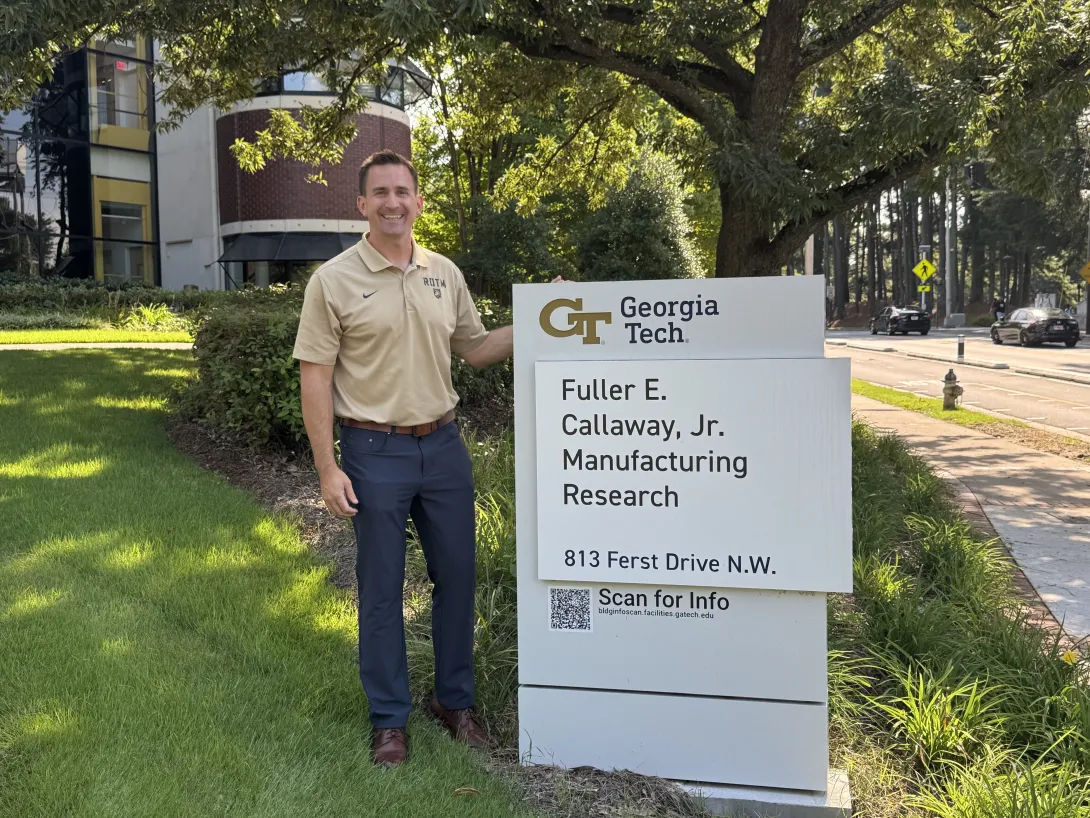
Berg will be working with GTMI for the course of his fellowship with the Hiring Our Heroes program.

Maria Venable, Berg's grandmother, joined the Georgia Tech faculty in 1963 as a 28-year-old native German speaker.

Berg and his family stand next to the model of helicopter frequently flown during his career.
As the U.S. works to strengthen its industrial base and reshore critical manufacturing capabilities, workforce development has emerged as a central challenge — and opportunity.
The Georgia Tech Manufacturing Institute (GTMI) recently welcomed its first Hiring Our Heroes (HOH) Fellow to help address this growing need. Lukas Berg, a retiring U.S. Army officer, will be working with GTMI to support new education and training programs aimed at preparing Georgians for careers in advanced manufacturing.
“Lukas Berg brings a unique blend of operational experience, academic insight, and a deep commitment to service,” said Thomas Kurfess, executive director of GTMI. “His perspective will be invaluable as we work to build stronger connections between Georgia’s communities and the advanced manufacturing sector.”
Hiring Our Heroes is a nationwide initiative led by the U.S. Chamber of Commerce Foundation that helps veterans and military spouses transition into civilian careers through short-term fellowships. Since 2021, Georgia Tech has hosted more than two dozen HOH fellows, beginning with U.S. Army veteran Erik Andersen, who now serves as interim deputy director for the Research, Electronics, Optics, and Systems Directorate at the Georgia Tech Research Institute (GTRI), where he also helps lead the HOH program.
Berg is the first fellow to be placed outside of GTRI, a sign of the program’s growing reach across campus and its potential to support a broader range of workforce development efforts.
“It’s been exciting to see how the Hiring Our Heroes program has grown at Georgia Tech,” said Andersen. “Berg’s placement at GTMI reflects the Institute’s commitment to connecting military talent with real-world innovation and workforce development. Veterans bring a unique perspective and skill set to these challenges, and I’m proud to see the program expanding to new parts of campus.”
Berg’s military career includes aviation command roles, teaching positions at West Point and the Joint Special Operations University, and deployments across multiple regions. At GTMI, he will be contributing to a new initiative that partners with rural school districts to introduce students to hands-on learning in advanced manufacturing, an effort designed to spark interest in high-potential career paths and support long-term workforce readiness.
With personal ties to Georgia Tech and a strong sense of purpose, Berg sees this fellowship as a meaningful next step. We spoke with him to learn more about what brought him to GTMI and how he views the role of manufacturing and workforce development in shaping the country’s future.
What inspired you to pursue a fellowship at the Georgia Tech Manufacturing Institute after your military service?
Last year, I visited Georgia Tech with many of the junior officers and pilots assigned to my helicopter battalion in Savannah. Our agenda included stops at the Georgia Tech Manufacturing Institute and the Advanced Manufacturing Pilot Facility, both of which struck me as being absolutely vital to maintaining the technological edge required to fight and win on the modern battlefield. Pursuing a fellowship at GTMI felt like a natural extension of my military service, and I suspected that it would put me back at the intersection of thinkers and doers (where I have always felt most at home).
You mentioned your grandmother taught at Georgia Tech for over 30 years — how has her legacy influenced your academic and professional journey?
My grandmother, Maria Venable, was the first woman to serve as a full-time faculty member in Georgia Tech’s School of Modern Languages. She poured herself into both her family and her students, and I was lucky to count myself in both populations, as she agreed to tutor me for the AP German exam in high school (but only if I behaved as well as her students at Tech). Her example inspired me to pursue a teaching assignment at West Point halfway through my Army career, and I experienced the same joy in teaching that she did. It’s something that I will continue to do for the rest of my life, whether in a formal or informal capacity.
Can you share more about the specific initiatives you'll be working on at GTMI related to advanced manufacturing education?
Most immediately, I am joining a new GTMI initiative that partners with rural school districts to deliver several weeks’ worth of curriculum and hands-on practice in advanced manufacturing. We just kicked off a pilot program with Bainbridge High School in Decatur, and it’s exciting to see their students leveraging sophisticated systems to design and build Pinewood Derby cars that would make Cub Scouts across the country green with envy. Beyond this initiative, I hope to contribute to other efforts that get young people excited about careers in manufacturing and that assist adult learners in re-skilling and up-skilling for this high-potential industry.
What are you most looking forward to as you begin your fellowship at GTMI?
Georgia Tech feels like a physical and intellectual crossroads of modern civilization. I’m excited to not only contribute as a member of GTMI but also to learn about the countless other departments, institutes, and programs that are convening talent to solve the world’s thorniest problems.
What skills or insights are you hoping to gain during your time at GTMI that will support your next career chapter?
As an Army officer, I’ve been stationed across the country and deployed around the world, but Georgia has always been home. (Gladys Knight’s “Midnight Train to Georgia” has been a fixture on my playlist since I left for West Point at the age of 17.) Now back with my family, I look forward to using my time at GTMI to learn about my home state and identify ways that I can contribute to its near and long-term prosperity, whether through roles in academia, government, or private industry. I also look forward to expanding my network in all these communities, as no single one has a monopoly on problem-solving.
Why do you believe rebuilding America’s industrial base and manufacturing workforce is critical to national security today?
As a career aviator, much of my professional life was spent agonizing over the availability of parts to repair my helicopters. It seemed like there were never enough, and they always took too long to get to me. This experience, coupled with lessons learned from our support of Ukraine’s self-defense, contrasted starkly with my recent study of America’s 20th-century role as the “arsenal of democracy.” I’m convinced that we need to regain that reputation, and I would like to see Georgia at the forefront of associated design, manufacturing, and education initiatives.
How do you see veterans playing a unique role in strengthening the U.S. manufacturing workforce?
I think veterans are the most natural candidates in the world for roles in the manufacturing workforce. They possess the knowledge, skills, and abilities to be successful in most endeavors, but most are looking for ways to extend their service beyond their time in uniform. What better way than to contribute to a field that is so vital to our national security and prosperity?
What does “Progress and Service” mean to you, and what does it mean to you personally to be contributing to that mission?
I love Tech’s motto. I grew up in a family and community that reinforced at every turn the idea that our highest potential as human beings is realized when we serve others. This motivated my choice to serve in the military for the past 20 years, and it remains my North Star for this next chapter. I also love the idea of technological progress being the vehicle by which Georgia Tech collectively serves others, and I hope to accelerate this progress during my time at GTMI.
If you could give one piece of advice to other service members considering a fellowship like this, what would it be?
Inventory your passions and define your purpose. Then start reaching out to people in related fields. I have been amazed at how generous people have been with their time and how eager they have been to help me find my second calling and related opportunities.
News Contact
Audra Davidson
Research Communications Program Manager
Georgia Tech Manufacturing Institute
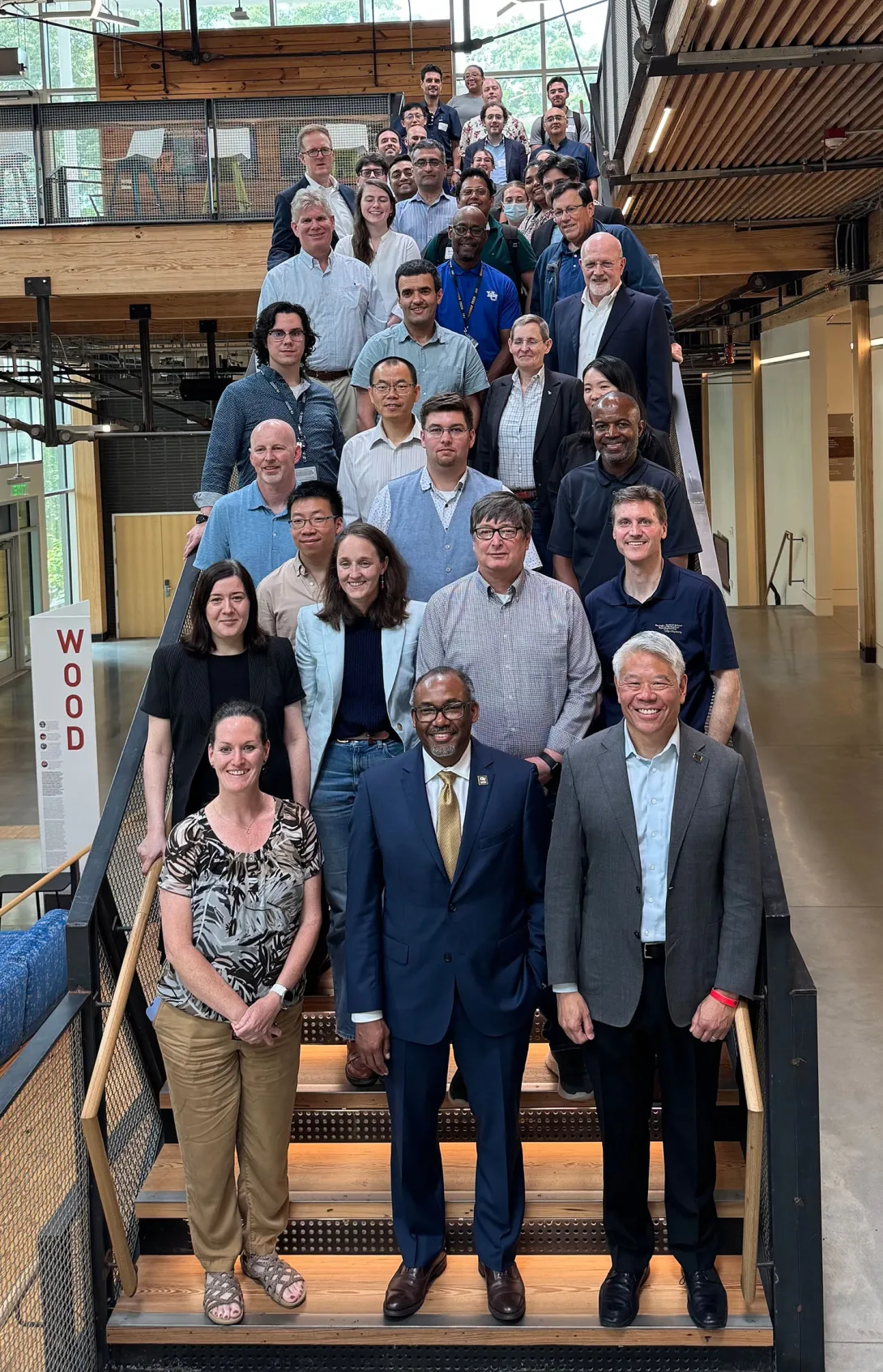
Attendees of the Energy and National Security Cohort Meeting, featuring seed grant teams along with members from SEI and GTRI
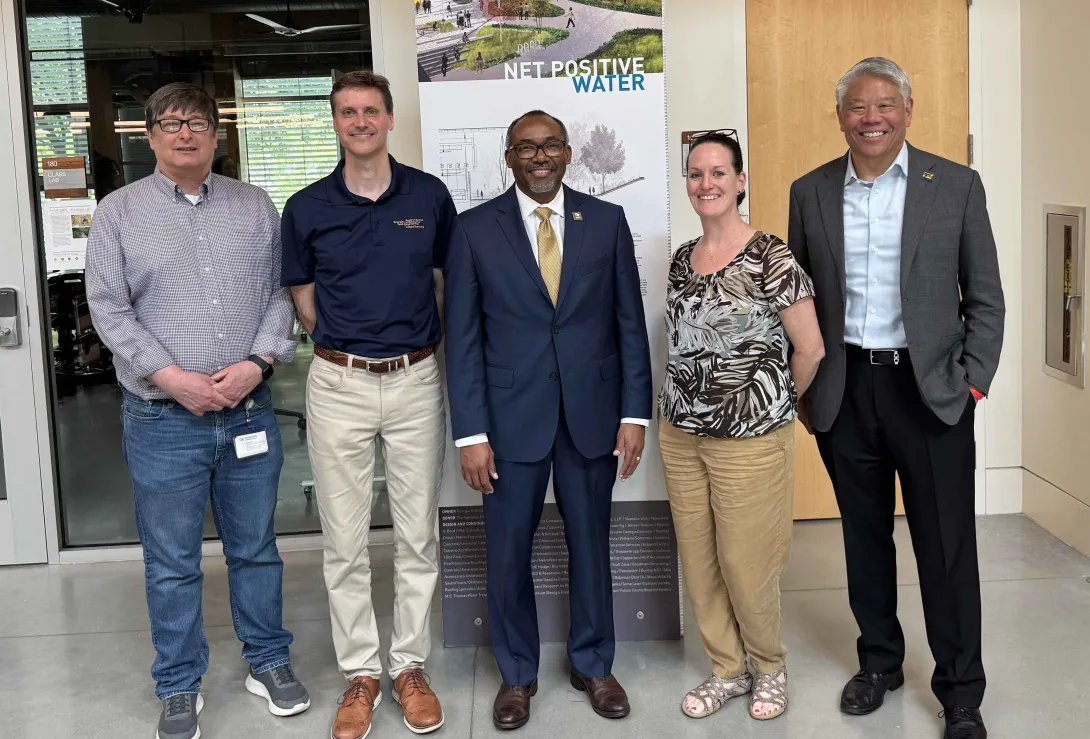
Gary McMurray, GTRI Division Chief for Intelligent Sustainable Technologies Division, Rich Simmons, SEI Director of Research and Studies, William H. Robinson, GTRI Deputy Director of Research and Interim CTO, Christine Conwell, SEI Interim Executive Director, and John Tien, SEI Distinguished External Fellow at the Energy and National Security Cohort Meeting
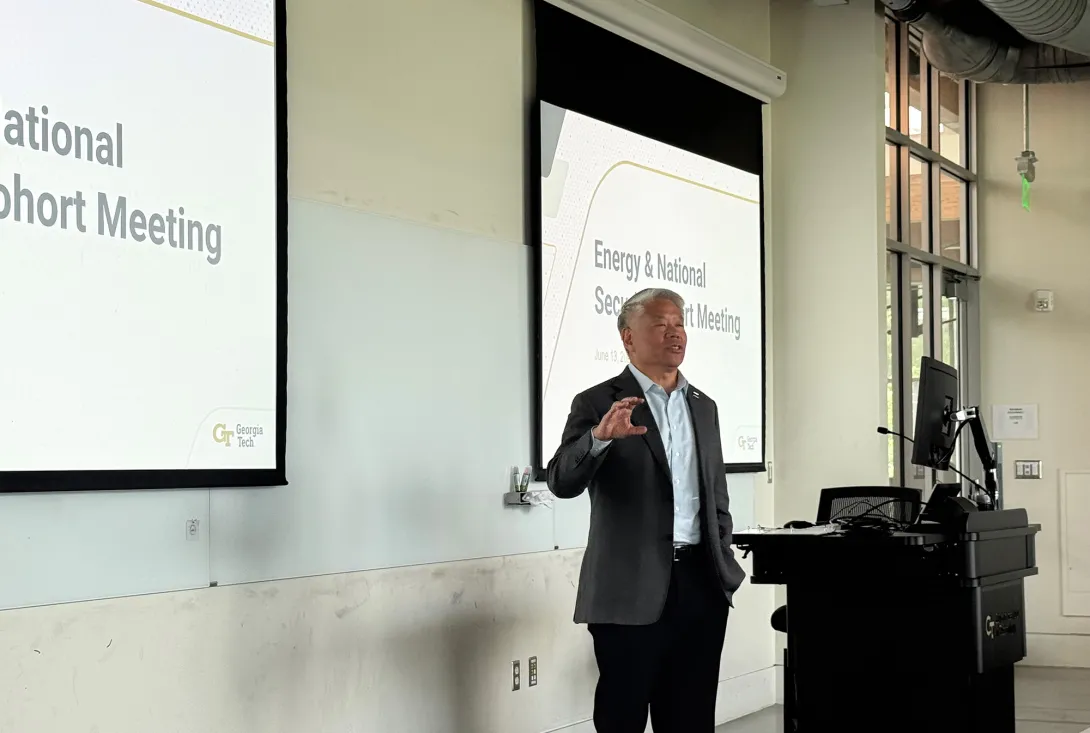
John Tien, SEI Distinguished External Fellow sharing remarks at the meeting.
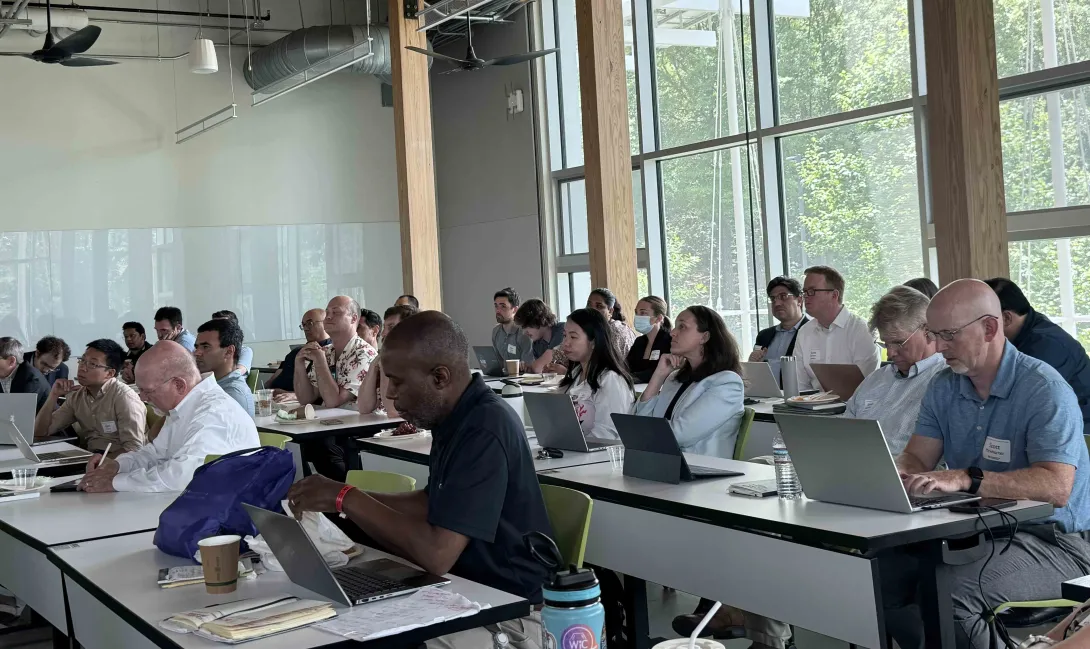
Participants of the June 13 Energy and National Security Cohort Meeting hosted by SEI and GTRI
In June, the Strategic Energy Institute (SEI) hosted the Energy and National Security Summer Cohort Meeting that convened seed grant awardees from the Energy and National Security Initiative. A partnership between SEI and the Georgia Tech Research Institute (GTRI), the initiative provides research support through a seed grant program that launched last summer.
“As national security needs rapidly evolve, Georgia Tech is leveraging its research ecosystem and seed funding programs to accelerate the development of transformational technologies and strategies that strengthen national resilience,” said Christine Conwell, interim executive director of SEI. “We designed this seed grant program to tackle pressing national security priorities of today, such as threats to the grid, nuclear security, supply chain resilience, and renewable integration.”
The event began with an introduction from John Tien, SEI distinguished external fellow, professor of the practice, and former deputy secretary for the Department of Homeland Security, who addressed the evolving and multifaceted challenges facing energy, national security, and policy today. Tien’s talk emphasized the importance of early, strategic research investments in driving sustainable progress and long-term solutions.
The seed grant awardees then presented the initial progress of their research projects through lightning talks and a Q&A session. The research projects included:
- Energy Infrastructure Security and Risk Assessment Through Interactive Wargaming.
- Evaluating Energy Storage Materials, Supplies, and Systems in the Context of National Security Requirements.
- Nanostructured Sensors for Monitoring of Nuclear Fuel Cycle.
- Resilient Critical Infrastructures via Provable Secure Control Algorithms.
- Robust Energy Systems Planning by Way of Novel Systems Engineering (RESPoNSE).
- SPARC: Severe-Weather Predictive Analytics and Resilient Communication.
- The Strategic Mineral Economy: Challenges and Opportunities for Critical Resources.
“That critical intersection between energy and national security is where both risk and opportunity lie. To mitigate those risks and take advantage of the opportunities, our project teams have developed research topic areas that align with the U.S. Department of Energy's nine pillars for American energy dominance and security, as well as ongoing U.S. Department of Defense priorities,” said Tien.
The meeting showcased Georgia Tech’s collaborative and forward-looking research at the intersection of energy and national security, aimed at shaping a more secure and resilient energy future.
Written by: Katie Strickland & Priya Devarajan
News Contact
Priya Devarajan || SEI Communications Program Manager

Silicon-on-insulator (SOI) wafer used in a multi-chip module featuring 3D optical interconnects. (Photo: Allison Carter)

A schematic illustration of a multi-chip structure with 3D optical routing. The key parts of Adibi's proposed system are: 1) multi-layer planar waveguides, 2) free-form couplers, and 3) a dense vertical waveguide array.
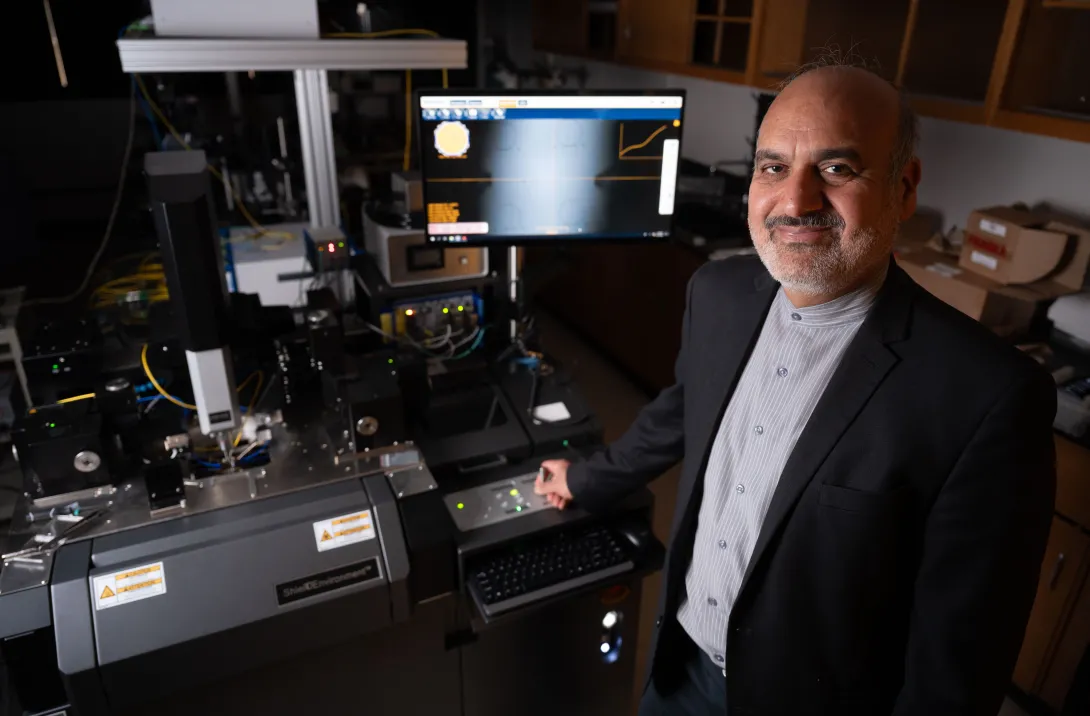
By combining advanced optical techniques, Professor Ali Adibi’s 3D optical routing systems looks to enable vertical chip integration in a way not previously achieved. (Photo: Allison Carter)
The future of computing is lit, literally.
As microchips grow more complex and data demands intensify, traditional electrical connections are hitting their limits. Speed is king in today’s digital systems, but a major bottleneck remains in how quickly information can move between components like processors and memory.
This lag is one of the most pressing challenges in advanced hardware design. While processors continue to accelerate, the links that connect them can't keep pace.
Georgia Tech researcher Ali Adibi is addressing this problem with $5.3 million in funding over three years from the Defense Advanced Research Projects Agency (DARPA). His project is part of DARPA’s Heterogeneous Adaptively Produced Photonic Interfaces (HAPPI) program, which aims to dramatically boost the speed and density of data transmission within microsystems by using light instead of electricity.
“Optical solutions are highly advantageous for providing the required data rates and power consumptions, and our project is formed to address the most important challenges for achieving the system-level performance,” said Adibi, a professor and Joseph M. Pettit Chair in the School of Electrical and Computer Engineering.
The project brings together a multidisciplinary team, including collaborators from the Massachusetts Institute of Technology, University of Florida, NY CREATES, and NHanced Semiconductors, Inc.
Going Vertical
Unlike traditional optical communication, which connects systems across distances, this project focuses on enabling ultra-fast, low-loss communication withinelectronic systems.
The key innovation is vertically connecting electronic chips in a compact stack. This design helps overcome the limitations of planar optical routing geometries (layouts that guide light horizontally across a chip) which are often not compatible with the dense, 3D chip architectures needed for next-generation computing.
Adibi’s team is developing a novel 3D optical routing system that can transmit data with minimal loss, high bandwidth, and compact components. The system is designed to scale to large arrays of interconnected chips with minimal interference between data channels.
Smarter Design with Machine Learning
At the heart of the project is the use of machine learning (ML) to help design and optimize the light-based communication system.
ML is used to shape and fine-tune the tiny structures that guide light through and between chips. This includes finding the best sizes, shapes, and layouts for components like couplers and waveguides, so they can be made smaller, work more efficiently, and fit into dense chip layouts.
“Designing a complete, scalable 3D optical routing structure involves innumerable variables,” Adibi said. “Machine learning helps us navigate that complexity and find solutions that would be nearly impossible to identify manually.”
Tiny "Mirrors"
Another key innovation involves specialized optical structures, or what Adibi refers to as “artificial mirrors”.
The tiny, precisely shaped structures, called metagratings, are embedded in the chip material to redirect light vertically between layers with minimal loss. These components are designed to guide light efficiently in tight spaces, helping connect stacked chips without losing signal strength.
“Imagine light traveling through a chip and suddenly being redirected straight up. That’s the kind of precise control we’re achieving,” Adibi explained.
These innovations, along with advanced techniques for building vertical light paths through thick silicon layers and new packaging solutions that keep components precisely aligned, have shown promise on their own. But combining them is what enables dense, high-speed, low-loss communication between vertically stacked chips, something that no system has achieved before, according to Adibi.
“As with any complex system, success depends on how well everything is structured and optimized,” he said. “Once everything is in alignment, data can move faster, more efficiently, and with less energy consumption for communicating each bit of data.”
About the Research
This research is supported by the Defense Advanced Research Projects Agency (DARPA) Heterogeneous Adaptively Produced Photonic Interfaces (HAPPI) program. Notice ID DARPA-SN-24-105.
News Contact
Dan Watson