
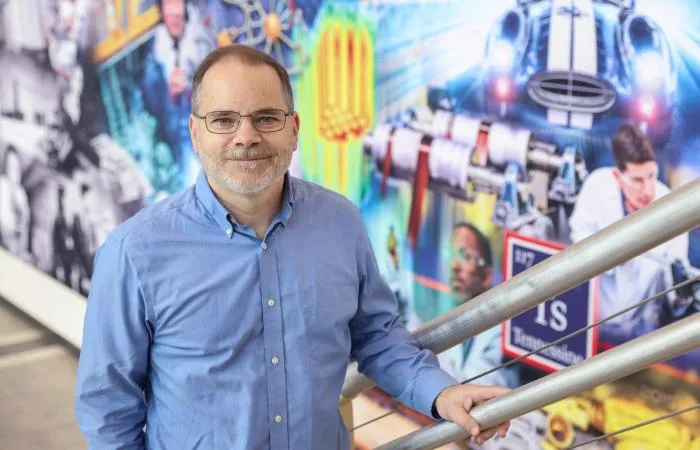
David Sholl, a professor in Georgia Tech's School of Chemical and Biomolecular Engineering and director of Oak Ridge National Laboratory'sTransformational Decarbonization Initiative, is director of the ORNL-led Non-Equilibrium Energy Transfer for Efficient Reactions (NEETER).

David Flaherty, a professor in Georgia Tech's School of Chemical and Biomolecular Engineering
David Sholl, a professor in Georgia Tech’s School of Chemical and Biomolecular Engineering (ChBE), is leading a new Energy Earthshot Research Center (EERC) at the Department of Energy's Oak Ridge National Laboratory (ORNL) that is focused on developing chemical processes that use sustainable methods instead of burning fossil fuels to radically reduce industrial greenhouse gas emissions to stem climate change and limit the crisis of a rapidly warming planet.
Sholl, who is director of ORNL’s Transformational Decarbonization Initiative, is director of the ORNL-led Non-Equilibrium Energy Transfer for Efficient Reactions (NEETER), which also involves ChBE faculty members Fani Boukouvala and Carsten Sievers as key members.
NEETER is one of two new DoE EERCs involving ChBE faculty; the other (co-led by Professor David Flaherty) is Harnessing Electrostatics for the Conversion of Organics, Water and Air: Driving Redox on Particulate Liquids Earthshot (DROPLETS).
Debaronizing Large-scale Processes
NEETER will coordinate a research team from across the nation focused on replacing bulk heating for chemical processes with electrified means, providing a new way to do chemistry, and decarbonizing large-scale processes in the chemical industry. The Department of Energy has committed $19 million over four years for the center.
“This center is an exciting opportunity to advance innovative methods for performing important chemical reactions with heat derived from electricity instead of burning fossil fuels,” Sholl said. “Our world-class team will combine powerful fundamental insights with leadership-class computing to push forward use of mechanochemistry and resistive heating to achieve chemical outcomes that are simply not possible with traditional heating methods.”
Sholl, who also serves as interim executive director of the University of Tennessee Oak Ridge Innovation Institute, will lead the NEETER effort to harness the expertise of more than 20 co-principal investigators from two other national laboratories and several universities.
In addition to ORNL, other center investigators come from DOE’s SLAC National Accelerator Laboratory at Stanford University and the Princeton Plasma Physics Laboratory, Delaware State University, the Georgia Institute of Technology, Princeton University, the University of Houston, and the University of Maryland.
The scientists, in addition to using their own laboratories, will use DOE Office of Science user facilities, including ORNL’s Oak Ridge Leadership Computing Facility, Spallation Neutron Source, High Flux Isotope Reactor, and Center for Nanophase Materials Sciences. They will also include the beam line at SLAC.
Energy Earthshot Goals
“Our Energy Earthshots are game-changing endeavors to unleash the technologies of the clean energy transition and make them accessible, affordable, and abundant,” said U.S. Secretary of Energy Jennifer M. Granholm. “The Energy Earthshot Research Centers and the related work happening on college campuses around the country will be instrumental in developing the clean energy and decarbonization solutions we need to establish a 100% clean grid and beat climate change.”
NEETER’s proposed research is a radical departure from traditional chemistry and holds promise for transformational breakthroughs in energy-related chemical reactions. The NEETER EERC addresses the DOE’s Industrial Heat Shot announced in 2022, which aims to develop cost-competitive industrial heat decarbonization technologies with at least 85% lower greenhouse gas emissions by 2035. This EERC will employ new kinds of chemical catalysis as one pathway toward electrifying the delivery of process heat.
Industrial heat involves the burning of fossil fuels, which contributes massive amounts of carbon dioxide to the atmosphere. About 40% of those emissions come from chemicals and refining procedures. Because many industrial processes require extremely high energy, decarbonizing these chemical processes via electrification would radically alter the industrial chemical landscape.
Researchers propose two main ways of electrification, Sholl explained. One is through a process called mechanocatalysis, which creates mechanically initiated reactions. Another is Joule heating — using electricity to achieve very rapid temperature increases. The aim is to control chemical reactivity through temperature and pressure, by rapid heating in the Joule heating case, or by mechanical collisions in the case of mechanocatalysis.
NEETER’s mission is “To understand and control spatial and temporal non-equilibrium heat transfer to enable transformational breakthroughs in energy- and atom-efficient endothermic catalytic reactions beyond limitations of thermodynamic and kinetic equilibrium to decarbonize the US chemical industry.”
Said Sholl, “We envision a future where we use renewable electricity to provide heat and produce chemicals without greenhouse gas emissions.”
DROPLETS Earthshot
David Flaherty, a professor in Georgia Tech’s School of Chemical and Biomolecular Engineering, is co-principal investigator of another Energy Earthshot Energy Research Center called Harnessing Electrostatics for the Conversion of Organics, Water and Air: Driving Redox on Particulate Liquids Earthshot (DROPLETS).
The overall objective of DROPLETS is to explore an unconventional, straightforward, and underutilized approach based on microdroplet-enabled redox reactions (which involve the transfer of electrons between substances) towards H2 production (a clean and renewable energy source), CO2 activation (which can help mitigate greenhouse gas emissions), and the synthesis of redox species for long-duration energy storage (LDES).
DROPLETS strives to achieve simplicity and lower the energy input and reactor cost for complex chemical reactions, a key advantage to simultaneously achieve multiple Energy Earthshots, including the Hydrogen Shot, the Long Duration Storage Shot, and the Carbon Negative Shot.
DROPLETS is led by Professor Joaquin Rodriguez Lopez of the University of Illinois, Urbana-Champaign.
News Contact
Brad Dixon, braddixon@gatech.edu
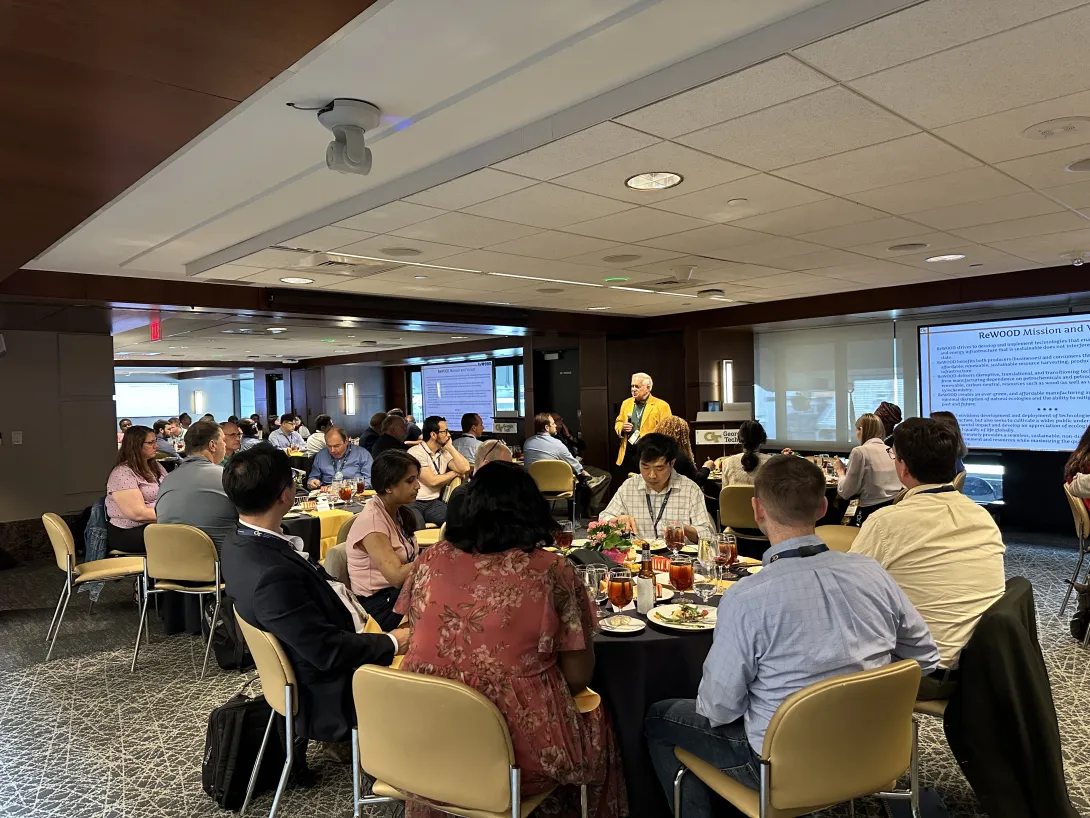
Keynote Presentation during the Spring2023 RBI Workshop on Packaging Innovation and the Circular Economy
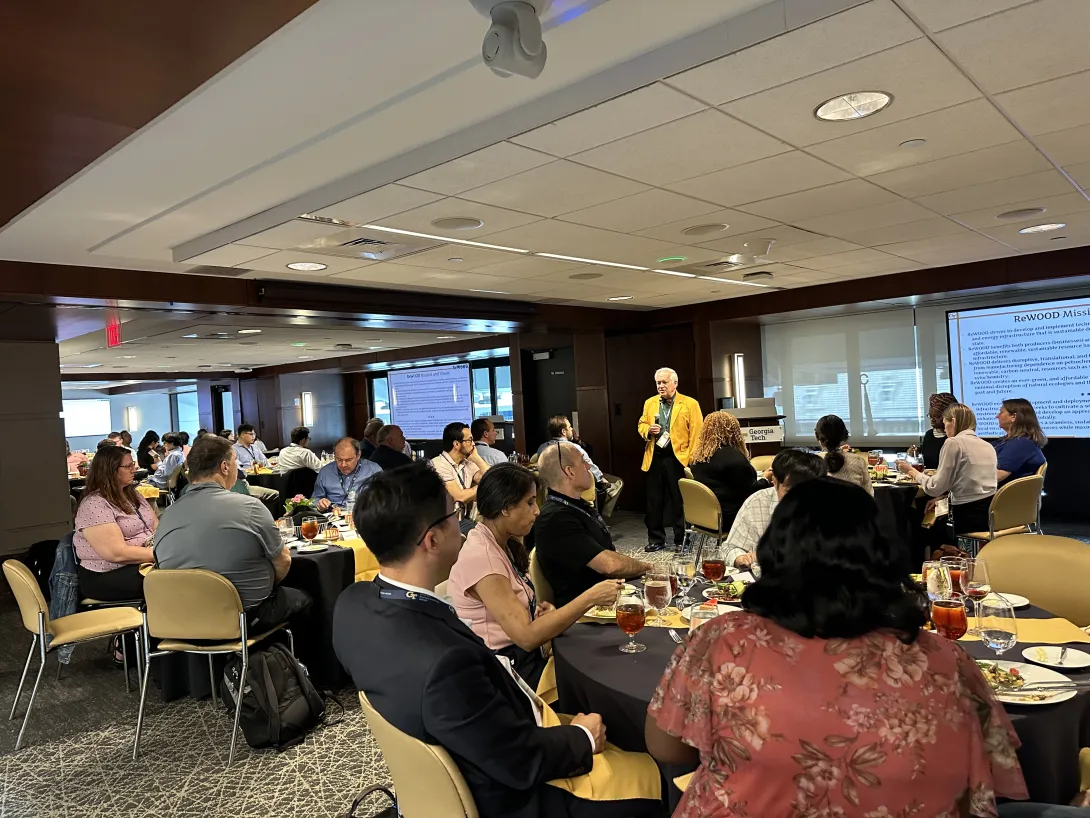
On Thursday, May 11, the Renewable Bioproducts Institute (RBI) of Georgia Tech hosted a workshop on “Packaging Innovation and the Circular Economy” at the Bill Moore Student Success Center on the Georgia Tech campus. More than 90 attendees from academia, national labs, and industry convened and discussed the cutting-edge research and industry developments happening across the world and got an opportunity to network with leading researchers and peers. This unique workshop featured speakers from the USDA Forest Products Laboratory, WestRock, Stora Enso, Georgia Tech, University of Maine, and many others.
The workshop started off with an introduction by Carson Meredith, executive director of RBI, who gave a perspective on the institute’s goals in promoting bioeconomy technology and innovation. Dr. Meredith emphasized RBI’s role in “catalyzing a community of researchers who focus on solving challenges in packaging by investing in team building across interdisciplinary boundaries.”
Research talks began with a presentation from Tequila Harris, professor in the George W. Woodruff School of Mechanical Engineering. Harris shared her team’s research on a continuous coating process of cellulose- and chitin-derived materials to create enhanced packaging barrier films. Meisha Shofner, associate professor and Faculty Fellow in the School of Material Science and Engineering shared her work on mechanical and thermal properties of single use packaging materials and paths to improving circularity.
Carson Meredith, professor in the School of Chemical & Biomolecular Engineering and executive director of RBI informed on renewable barriers from carbohydrates as viable alternatives to plastics and the research methods involved to get more promising results for circular functional barrier packaging materials. Joe Bozeman, assistant professor in the School of Civil and Environmental Engineering at Georgia Tech presented the Systemic Equity framework as it relates to circularity.
Mehdi Tajvidi, professor from the University of Maine, discussed his team’s research to produce particle board and other packaging materials using nanocellulose and the audience got an opportunity to look and get a feel for his research team’s samples.
Discussions from industry experts included material innovations to replace plastics, packaging requirements in the European Union and the United States and how brands drive innovation more than regulations, methods to optimize package size and packing speed for sustainability, paper-based packaging equipment and systems to replace plastics including plastic water bottles, dye choices and the influence of defect detection in waterborne barrier coated papers, and innovations in fiber-based cold chain packaging.
Ken Zwick from the U.S. Forest Products Laboratory discussed managing forests using methods like forest thinning such that the biomass prevents wildfires and what success looks like for his team – less plastic in packaging and less burning of wood. Their Madison building also houses the largest wood library in Wisconsin.
Participants had a chance to interact with Georgia Tech students and get to know their research at the student poster presentation. The dinner keynote was presented by researchers Bo Arduengo and Stefan France from the School of Chemistry and Biochemistry at Georgia Tech. The keynote provided an overview of RBI’s newly created ReWOOD research center. Abbreviated from “Renewables-based Economy from WOOD,” research at the center focuses on using sustainable plant-based raw materials to develop industrial products ranging from jet fuel to solvents to generic pharmaceutical additives and more. The presentation provided a glimpse on the expansion of ReWOOD since its launch through research affiliations from universities across the world. ReWOOD’s partnership list continues to grow as the center focuses on targeted research areas and funding proposals to develop technology and commercial opportunities.
“The workshop turned out to be a huge success with a highly engaged audience of faculty, students, national lab, and industry experts,“ said Carson Meredith, executive director of the Renewable Bioproducts Institute. “RBI will continue to host such events as we are committed to providing thought leadership and be a catalyst of cutting-edge research in the areas of circular materials; bioindustrial manufacturing; and paper, packaging, and tissue.”
News Contact
Priya Devarajan || RBI Communications Manager

Savannah River National Laboratory (SRNL) and Georgia Institute of Technology (Georgia Tech) recently selected Martha Grover, PhD, for a joint appointment.
Grover is a professor and the associate chair for graduate studies at Georgia Tech’s School of Chemical and Bimolecular Engineering. Her research interests include feedback control of colloidal crystallization for photonic materials; chemical evolution in the origins of life; modeling and control of pharmaceutical and nuclear waste crystallization; and process-structure-property relationships in polymer organic electronics.
SRNL intends to collaborate with Grover to utilize her expertise and experience to:
- Facilitate research and development activities pertaining to in-situ analysis of process streams for DOE tank waste treatment programs, including application of instruments and calibration techniques.
- Analyze SRNL data generated during testing of in-situ instruments in non-radioactive simulants of high-level waste.
- Expand and develop relationships within Georgia Tech to facilitate further collaboration
- Develop the next generation of outstanding engineering talent with interest to pursue research career opportunities in the national laboratory system
“Dr. Grover’s efforts contribute directly to SRNL’s strategic goal of providing applied science and engineering for the Department of Energy (DOE) Office of Environmental Management’s active cleanup sites and Office of Legacy Management’s post-closure management sites,” said SRNL Deputy Lab Director, Science and Technology, Sue Clark, PhD. “Dr. Grover will strengthen SRNL’s core competency of accelerating remediation, minimizing waste, and reducing risk by supporting process stream characterization associated with treatment of DOE tank waste.”
In addition to her primary research, Grover focuses on creating an even more inclusive community, exploring issues relevant to women, underrepresented minorities, and international students. She co-leads the GT-Equal (Graduate Training for Equality in Underrepresented Academic Leadership) Program and, in 2020, was named a National Science Foundation Organizational Change for Gender Equity in STEM Academic Professions (ADVANCE) Professor. Georgia Tech’s ADVANCE Program builds and sustains an inter-college network of professors who are world-class researchers and role models to support the community and advancement of women and minorities in academia. Georgia Tech’s School of Chemical and Biomolecular Engineering also was one of two institutions selected nationwide to be inaugural sites for the American Chemical Society’s Bridge Program, which aims to increase the number of underrepresented minority students who receive doctoral degrees in chemical sciences.
The Joint Appointment Program at SRNL provides university faculty opportunities to engage in the laboratory’s research and development that address the nation’s challenges in energy, science, national security, and environmental stewardship. Together, SRNL staff and joint appointees help ensure America’s security and prosperity through transformative science and technology solutions. Joint appointees serve as a bridge between their university, SRNL researchers and students.
Savannah River National Laboratory is a United States Department of Energy multi-program research and development center that’s managed and operated by Battelle Savannah River Alliance, LLC (BSRA). SRNL puts science to work to protect the nation by providing practical, cost-effective solutions to the nation’s environmental, nuclear security, nuclear materials management, and energy manufacturing challenges (https://srnl.doe.gov/).
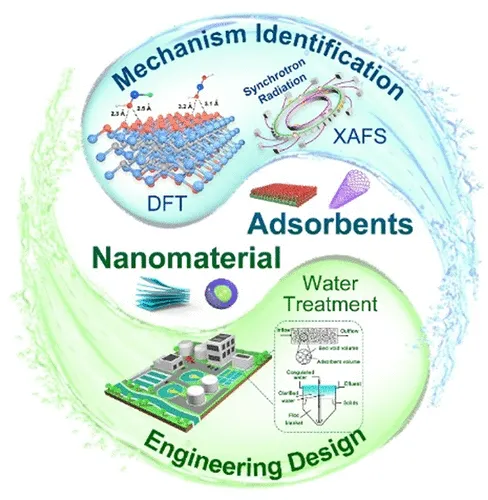
The American Chemical Society journal Environmental Science & Technology Engineering has announced that they are awarding a “Best Paper Award” for 2021 to John Crittenden and co-authors Jinming Luo, Deyou Yu, Kiril D. Hristovski, Kaixing Fu, Yanwen Shen, and Paul Westerhoff for their article “Review of Advances in Engineering Nanomaterial Adsorbents for Metal Removal and Recovery from Water: Synthesis and Microstructure Impacts.” The article was first published online on March 12, 2021 for the April 20th print edition of ACS ES&T.
The paper presents the possible approaches to create novel adsorbents that can be used to recover strategically important metals that are necessary for advancing technologies that contribute to the green economy. These strategic metals are key to the manufacturing of military, consumer, electronic, and industrial products including batteries, specialty alloys, electrical conductors, catalytic converters, lasers, lenses, LED lights, and magnets. The approach proposed in the paper is to recover strategic metals from aqueous sources, where they are often considered contaminants, and avoid the deleterious environmental impacts of traditional hard rock mining. Geopolitical complexity will also be avoided, since these materials are currently sourced from only a few places in the world.
The 2021 Best Paper Award will be formally announced on the front cover and in an editorial in the September 2022 issue of ACS ES&T Engineering, which will be published in the upcoming September, 2022 edition. The paper can be found here: https://doi.org/10.1021/acs.est.0c07936
News Contact
Brent Verrill, Research Communications Program Manager, BBISS
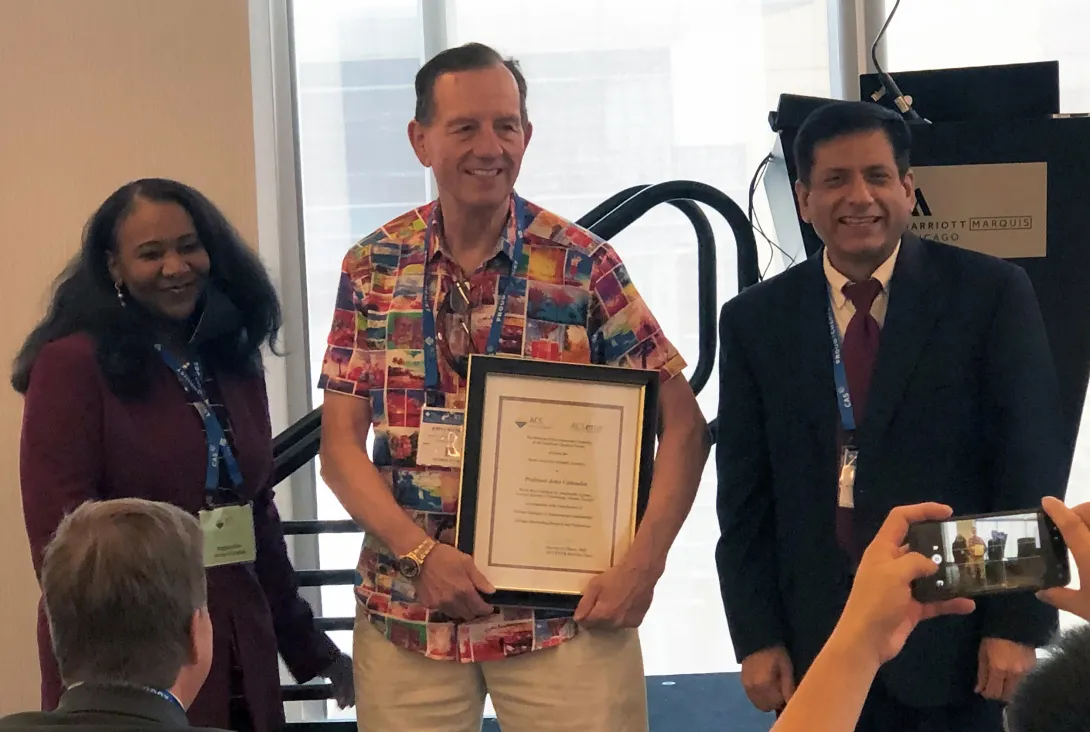
The American Chemical Society (ACS) held a series of symposia over three days at their recent Fall 2022 conference in Chicago “in honor of John Crittenden's long-term accomplishments in sustainability and physical chemical treatment processes for the engineered water infrastructure systems.” The symposia, entitled “Greener Strategies in Environmental Sustainability in Honor of John Crittenden,” featured 37 talks given by colleagues from institutions and companies from around the world, several of whom were Crittenden’s former students. The talks covered a wide variety of subjects which were all impacted by Crittenden’s five decades of research in topics such as adsorption, ion exchange, air stripping, advanced oxidation, membranes, sustainable urban development, urban ecology, resilient infrastructure systems analysis, sustainable community research, and sustainable engineering education.
The way that waste streams are treated has evolved markedly in the last 50 years. The primary scope of concern for waste treatment strategies started with mechanical, biological, and chemical treatment, to pollution prevention, to green chemistry/engineering, to the sustainability triangle of economic, environmental, and societal sustainability. John’s research agenda has followed, and usually anticipated, this development arc. The Honor Award for Scientific Excellence was presented to Crittenden at the ACS conference by the Division of Environmental Chemistry of the American Chemical Society “in recognition of his contributions to ‘Greener Strategies in Environmental Sustainability’ through outstanding research and publications.”
John Crittenden is a Georgia Research Alliance Eminent Scholar in Environmental Technologies in the Georgia Tech School of Civil and Environmental Engineering where he continues his research and teaching. He recently stepped down as director of the Brook Byers Institute for Sustainable Systems which he led since 2009.
The list of presentations given in honor of Crittenden’s research and career can be found here:
https://acs.digitellinc.com/acs/live/28/page/905/2?eventSearchInput=crittenden
News Contact
Brent Verrill, Research Communications Program Manager, BBISS
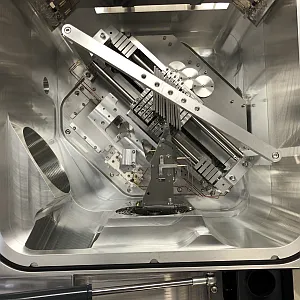
The Materials Characterization Facility (MCF) at Georgia Tech has installed a new inorganic m spectrometry facility. The facility includes two new inductively couple plasma mass spectrometry (ICP-MS) systems: a Thermo iCAP RQ quadrupole ICP-MS for streamlined and high-throughput determinations of elemental concentrations and a Thermo Neoma multicollector ICP-MS with collision cell technology for the precise determinations of isotope ratios within a given sample.
Each instrument can measure elemental variability in both dissolved aqueous samples as well as solids/minerals via laser ablation microsampling from a Teledyne Iridia laser ablation system. Together the system can measure isotopes at precision in elemental systems from Li and U.
Planned applications include: (1) high-resolution measurements of Ca, Sr, Ba, Mg, and B elemental and isotopic variability in seawater and marine and terrestrial carbonates for paleoclimate reconstructions, (2) (U-Th)/Pb dating and Hf isotope measurements to study the origin of critical mineral deposits, with a potential engineering application and the development of novel methods for increasing precision/accuracy and minimizing sample consumption during routine analyses of water quality and environmental contamination.
The MCF welcomes users interested in these and other potential applications of this new facility to their scientific and engineering research to contact David Tavakoli (atavakoli6@gatech.edu).
News Contact
David Tavakoli (atavakoli6@gatech.edu).
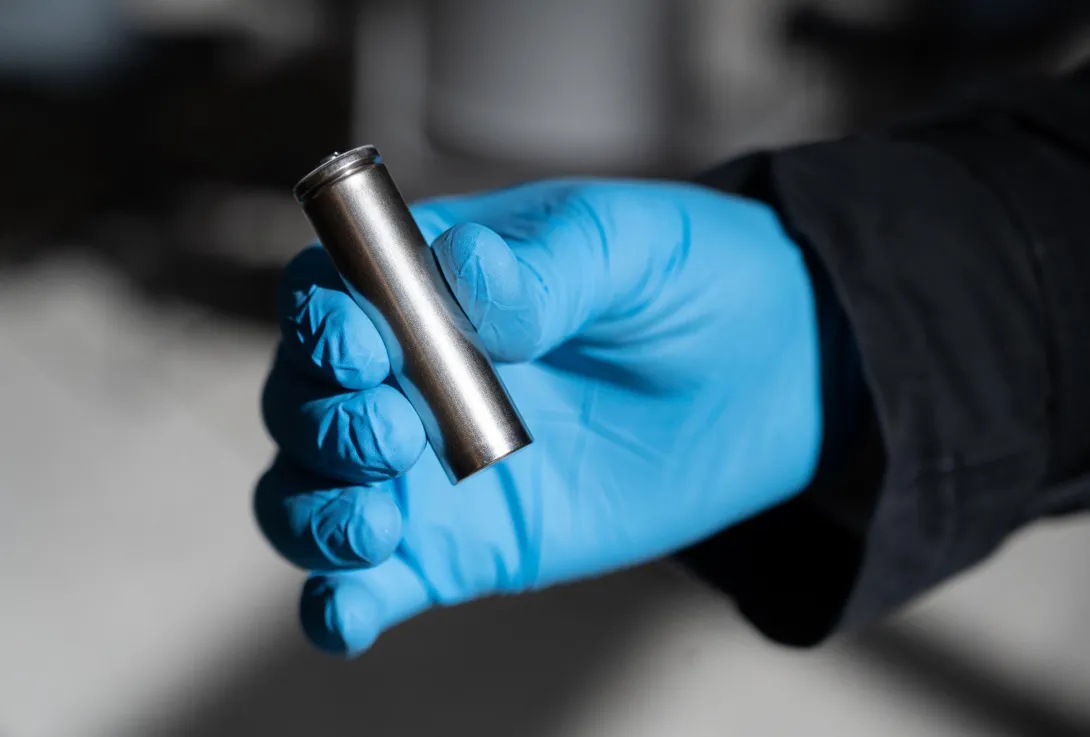

A new fabrication technique could allow solid-state automotive lithium-ion batteries to adopt nonflammable ceramic electrolytes using the same production processes as in batteries made with conventional liquid electrolytes.
The melt-infiltration technology developed by materials science researchers at the Georgia Institute of Technology uses electrolyte materials that can be infiltrated into porous yet densely packed, thermally stable electrodes. The one-step process produces high-density composites based on pressure-less, capillary-driven infiltration of a molten solid electrolyte into porous bodies, including multilayered electrode-separator stacks.
“While the melting point of traditional solid state electrolytes can range from 700 degrees Celsius to over 1,000 degrees Celsius, we operate at a much lower temperature range, depending on the electrolyte composition, roughly from 200 to 300 degrees Celsius,” explained Gleb Yushin, a professor in the School of Materials Science and Engineering at Georgia Tech. “At these lower temperatures, fabrication is much faster and easier. Materials at low temperatures don’t react. The standard electrode assemblies, including the polymer binder or glue, can be stable in these conditions.”
The new technique, to be reported March 8 in the journal Nature Materials, could allow large automotive Li-ion batteries to be made safer with 100% solid-state nonflammable ceramic rather than liquid electrolytes using the same manufacturing processes of conventional liquid electrolyte battery production. The patent-pending manufacturing technology mimics low-cost fabrication of commercial Li-ion cells with liquid electrolytes, but instead uses solid state electrolytes with low melting points that are melted and infiltrated into dense electrodes. As a result, high-quality multi-layered cells of any size or shape could be rapidly manufactured at scale using proven tools and processes developed and optimized over the last 30 years for Li-ion.
“Melt-infiltration technology is the key advance. The cycle life and stability of Li-ion batteries depend strongly on the operating conditions, particularly temperature,” Georgia Tech graduate student Yiran Xiao explained. “If batteries are overheated for a prolonged period, they commonly begin to degrade prematurely, and overheated batteries may catch on fire. That has prompted nearly all electric vehicles (EV) to include sophisticated and rather expensive cooling systems.” In contrast, solid-state batteries may only require heaters, which are significantly less expensive than cooling systems.
Yushin and Xiao are encouraged by the potential of this manufacturing process to enable battery makers to produce lighter, safer, and more energy-dense batteries.
“The developed melt-infiltration technology is compatible with a broad range of material chemistries, including so-called conversion-type electrodes. Such materials have been demonstrated to increase automotive cell energy density by over 20% now and by more than 100% in the future,” said co-author and Georgia Tech research scientist Kostiantyn Turcheniuk, noting that higher density cells support longer driving ranges. The cells need high-capacity electrodes for that performance leap.
Georgia Tech’s technique is not yet commercially ready, but Yushin predicts that if a significant portion of the future EV market embraces solid-state batteries, “This would probably be the only way to go,” since it will allow manufacturers to use their existing production facilities and infrastructure.
“That’s why we focused on this project – it was one of the most commercially viable areas of innovation for our lab to pursue,” he said.
Battery cell prices hit $100 per kilowatt hour for the first time in 2020. According to Yushin, they will need to drop below $70 per kilowatt hour before the consumer EV market can fully open. Battery innovation is critical to that occurring.
The Materials Science lab team currently is focused on developing other electrolytes that will have lower melting points and higher conductivities using the same technique proven in the lab.
Yushin envisions this research team’s manufacturing advance opening the floodgates to more innovation in this area.
“So many incredibly smart scientists are focused on solving very challenging scientific problems, while completely ignoring economic and technical practicality. They are studying and optimizing very high-temperature electrolytes that are not only dramatically more expensive to use in cells but are also up to five times heavier compared with liquid electrolytes,” he explained. “My goal is to push the research community to look outside that chemical box.”
In addition to Yushin, Xiao and Turcheniuk, co-authors included Aashray Narla, Ah-Young Song, Alexandre Magasinski, Ayush Jain, Sheirley Huang, and Haewon Lee from Georgia Tech, and Xiaolei Re from both Georgia Tech and Chongqing Technology and Business University in China.
This work was mostly supported by Sila Nanotechnologies Inc., a Georgia Tech startup, with characterization performed at the Materials Characterization Center at Georgia Tech. Any opinions, findings, and conclusions or recommendations expressed in this material are those of the authors and do not necessarily reflect the views of the sponsoring organization.
Gleb Yushin is co-founder, CTO, and a stockholder of Sila. Yushin is entitled to royalties derived from Sila’s sale of products related to the research described in this paper. This study could affect his personal financial status. The terms of this arrangement have been reviewed and approved by Georgia Tech in accordance with its conflict of interest policies.
CITATION: Y. Xiao, et al., “Electrolyte Melt-Infiltration for Scalable Manufacturing of Inorganic All-Solid-State Lithium-Ion Batteries.” (Nature Materials, 2021) https://dx.doi.org/10.1038/s41563-021-00943-2.
News Contact
Anne Wainscott-Sargent
Research News
(404-435-5784)
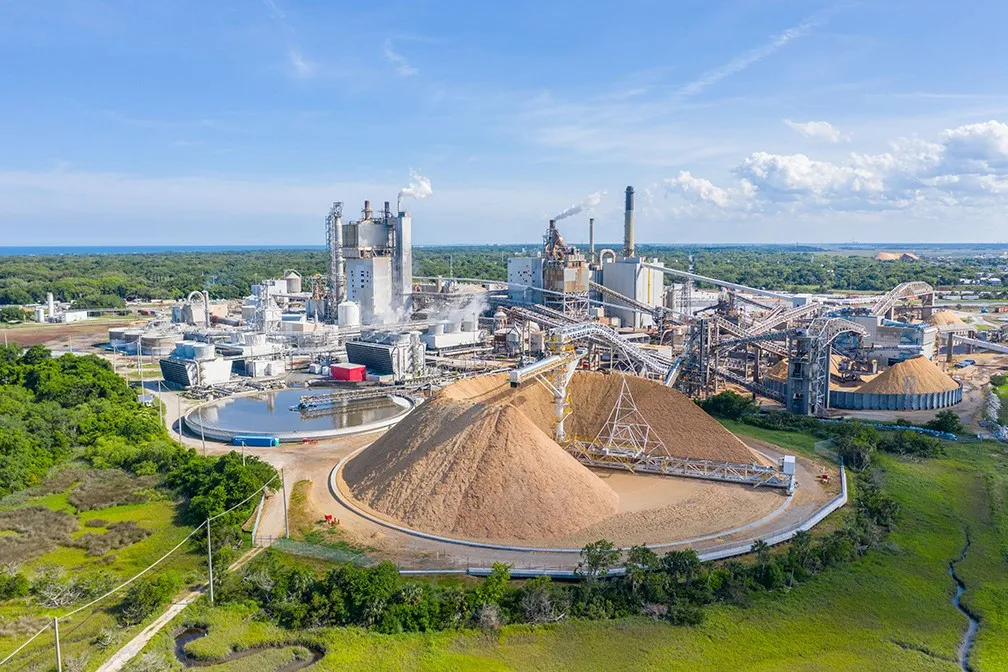
The U.S. pulp and paper industry uses large quantities of water to produce cellulose pulp from trees. The water leaving the pulping process contains a number of organic byproducts and inorganic chemicals. To reuse the water and the chemicals, paper mills rely on steam-fed evaporators that boil up the water and separate it from the chemicals.
Water separation by evaporators is effective but uses large amounts of energy. That’s significant given that the United States currently is the world’s second-largest producer of paper and paperboard. The country’s approximately 100 paper mills are estimated to use about 0.2 quads (a quad is a quadrillion BTUs) of energy per year for water recycling, making it one of the most energy-intensive chemical processes. All industrial energy consumption in the United States in 2019 totaled 26.4 quads, according to Lawrence Livermore National Laboratory.

An alternative is to deploy energy-efficient filtration membranes to recycle pulping wastewater. But conventional polymer membranes — commercially available for the past several decades — cannot withstand operation in the harsh conditions and high chemical concentrations found in pulping wastewater and many other industrial applications.
Georgia Institute of Technology researchers have found a method to engineer membranes made from graphene oxide (GO), a chemically resistant material based on carbon, so they can work effectively in industrial applications.
“GO has remarkable characteristics that allow water to get through it much faster than through conventional membranes,” said Sankar Nair, professor, Simmons Faculty Fellow, and associate chair for Industry Outreach in the Georgia Tech School of Chemical and Biomolecular Engineering. “But a longstanding question has been how to make GO membranes work in realistic conditions with high chemical concentrations so that they could become industrially relevant.”
Using new fabrication techniques, the researchers can control the microstructure of GO membranes in a way that allows them to continue filtering out water effectively even at higher chemical concentrations.
The research, supported by the U.S. Department of Energy-RAPID Institute, an industrial consortium of forest product companies, and Georgia Tech’s Renewable Bioproducts Institute, was reported recently in the journal Nature Sustainability. Many industries that use large amounts of water in their production processes may stand to benefit from using these GO nanofiltration membranes.
Nair, his colleagues Meisha Shofner and Scott Sinquefield, and their research team began this work five years ago. They knew that GO membranes had long been recognized for their great potential in desalination, but only in a lab setting. “No one had credibly demonstrated that these membranes can perform in realistic industrial water streams and operating conditions,” Nair said. “New types of GO structures were needed that displayed high filtration performance and mechanical stability while retaining the excellent chemical stability associated with GO materials.”
To create such new structures, the team conceived the idea of sandwiching large aromatic dye molecules in between GO sheets. Researchers Zhongzhen Wang, Chen Ma, and Chunyan Xu found that these molecules strongly bound themselves to the GO sheets in multiple ways, including stacking one molecule on another. The result was the creation of “gallery” spaces between the GO sheets, with the dye molecules acting as “pillars.” Water molecules easily filter through the narrow spaces between the pillars, while chemicals present in the water are selectively blocked based on their size and shape. The researchers could tune the membrane microstructure vertically and laterally, allowing them to control both the height of the gallery and the amount of space between the pillars.
The team then tested the GO nanofiltration membranes with multiple water streams containing dissolved chemicals and showed the capability of the membranes to reject chemicals by size and shape, even at high concentrations. Ultimately, they scaled up their new GO membranes to sheets that are up to 4 feet in length and demonstrated their operation for more than 750 hours in a real feed stream derived from a paper mill.
Nair expressed excitement for the potential of GO membrane nanofiltration to generate cost savings in paper mill energy usage, which could improve the industry’s sustainability. “These membranes can save the paper industry more than 30% in energy costs of water separation,” he said.
Georgia Tech continues to work with its industrial partners to apply the GO membrane technology for pulp and paper applications.
This work is supported by the U.S. Department of Energy (DOE) Rapid Advancement in Process Intensification Deployment (RAPID) Institute (#DE-EE007888-5-5), an industrial consortium comprising Georgia-Pacific, International Paper, SAPPI, and WestRock, and the Georgia Tech Renewable Bioproducts Institute. Any opinions, findings, and conclusions or recommendations expressed in this material are those of the authors and do not necessarily reflect the views of the sponsoring organizations.
CITATION: Zhongzhen Wang, et al., “Graphene Oxide Nanofiltration Membranes for Desalination under Realistic Conditions.” (Nature Sustainability, 2021) https://doi.org/10.1038/s41893-020-00674-3.
News Contact
Anne Wainscott-Sargent
Research News
(404-435-5784)
The U.S. pulp and paper industry uses large quantities of water to produce cellulose pulp from trees. The water leaving the pulping process contains a number of organic byproducts and inorganic chemicals. To reuse the water and the chemicals, paper mills rely on steam-fed evaporators that boil up the water and separate it from the chemicals.
Water separation by evaporators is effective but uses large amounts of energy. That’s significant given that the United States currently is the world’s second-largest producer of paper and paperboard. The country’s approximately 100 paper mills are estimated to use about 0.2 quads (a quad is a quadrillion BTUs) of energy per year for water recycling, making it one of the most energy-intensive chemical processes. All industrial energy consumption in the United States in 2019 totaled 26.4 quads, according to Lawrence Livermore National Laboratory.
An alternative is to deploy energy-efficient filtration membranes to recycle pulping wastewater. But conventional polymer membranes — commercially available for the past several decades — cannot withstand operation in the harsh conditions and high chemical concentrations found in pulping wastewater and many other industrial applications.
Georgia Institute of Technology researchers have found a method to engineer membranes made from graphene oxide (GO), a chemically resistant material based on carbon, so they can work effectively in industrial applications.
“GO has remarkable characteristics that allow water to get through it much faster than through conventional membranes,” said Sankar Nair, professor, Simmons Faculty Fellow, and associate chair for Industry Outreach in the Georgia Tech School of Chemical and Biomolecular Engineering. “But a longstanding question has been how to make GO membranes work in realistic conditions with high chemical concentrations so that they could become industrially relevant.”
Using new fabrication techniques, the researchers can control the microstructure of GO membranes in a way that allows them to continue filtering out water effectively even at higher chemical concentrations.
The research, supported by the U.S. Department of Energy-RAPID Institute, an industrial consortium of forest product companies, and Georgia Tech’s Renewable Bioproducts Institute, was reported recently in the journal Nature Sustainability. Many industries that use large amounts of water in their production processes may stand to benefit from using these GO nanofiltration membranes.
Nair, his colleagues Meisha Shofner and Scott Sinquefield, and their research team began this work five years ago. They knew that GO membranes had long been recognized for their great potential in desalination, but only in a lab setting. “No one had credibly demonstrated that these membranes can perform in realistic industrial water streams and operating conditions,” Nair said. “New types of GO structures were needed that displayed high filtration performance and mechanical stability while retaining the excellent chemical stability associated with GO materials.”
To create such new structures, the team conceived the idea of sandwiching large aromatic dye molecules in between GO sheets. Researchers Zhongzhen Wang, Chen Ma, and Chunyan Xu found that these molecules strongly bound themselves to the GO sheets in multiple ways, including stacking one molecule on another. The result was the creation of “gallery” spaces between the GO sheets, with the dye molecules acting as “pillars.” Water molecules easily filter through the narrow spaces between the pillars, while chemicals present in the water are selectively blocked based on their size and shape. The researchers could tune the membrane microstructure vertically and laterally, allowing them to control both the height of the gallery and the amount of space between the pillars.
The team then tested the GO nanofiltration membranes with multiple water streams containing dissolved chemicals and showed the capability of the membranes to reject chemicals by size and shape, even at high concentrations. Ultimately, they scaled up their new GO membranes to sheets that are up to 4 feet in length and demonstrated their operation for more than 750 hours in a real feed stream derived from a paper mill.
Nair expressed excitement for the potential of GO membrane nanofiltration to generate cost savings in paper mill energy usage, which could improve the industry’s sustainability. “These membranes can save the paper industry more than 30% in energy costs of water separation,” he said.
Georgia Tech continues to work with its industrial partners to apply the GO membrane technology for pulp and paper applications.
This work is supported by the U.S. Department of Energy (DOE) Rapid Advancement in Process Intensification Deployment (RAPID) Institute (#DE-EE007888-5-5), an industrial consortium comprising Georgia-Pacific, International Paper, SAPPI, and WestRock, and the Georgia Tech Renewable Bioproducts Institute. Any opinions, findings, and conclusions or recommendations expressed in this material are those of the authors and do not necessarily reflect the views of the sponsoring organizations.
CITATION: Zhongzhen Wang, et al., “Graphene Oxide Nanofiltration Membranes for Desalination under Realistic Conditions.” (Nature Sustainability, 2021) https://doi.org/10.1038/s41893-020-00674-3.
News Contact
Anne Wainscott-Sargent
Research News
(404-435-5784)
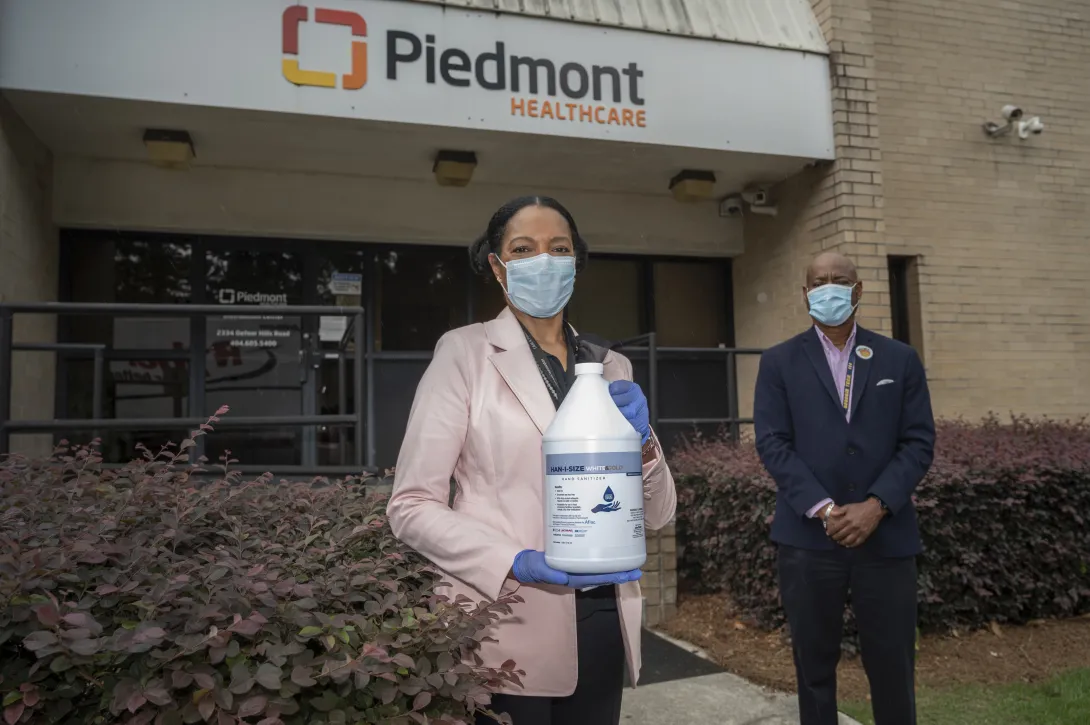
So many people Seth Marder spoke to didn’t see the hand sanitizer crisis brewing. The country was going to run dangerously short if someone did not act urgently.
The professor at the Georgia Institute of Technology rallied colleagues and partners around the cause in March, and by early June, they had replaced a key component of hand sanitizer, created a new supply chain, and initiated their own donation of 7,000 gallons of a newly designed sanitizer to medical facilities.
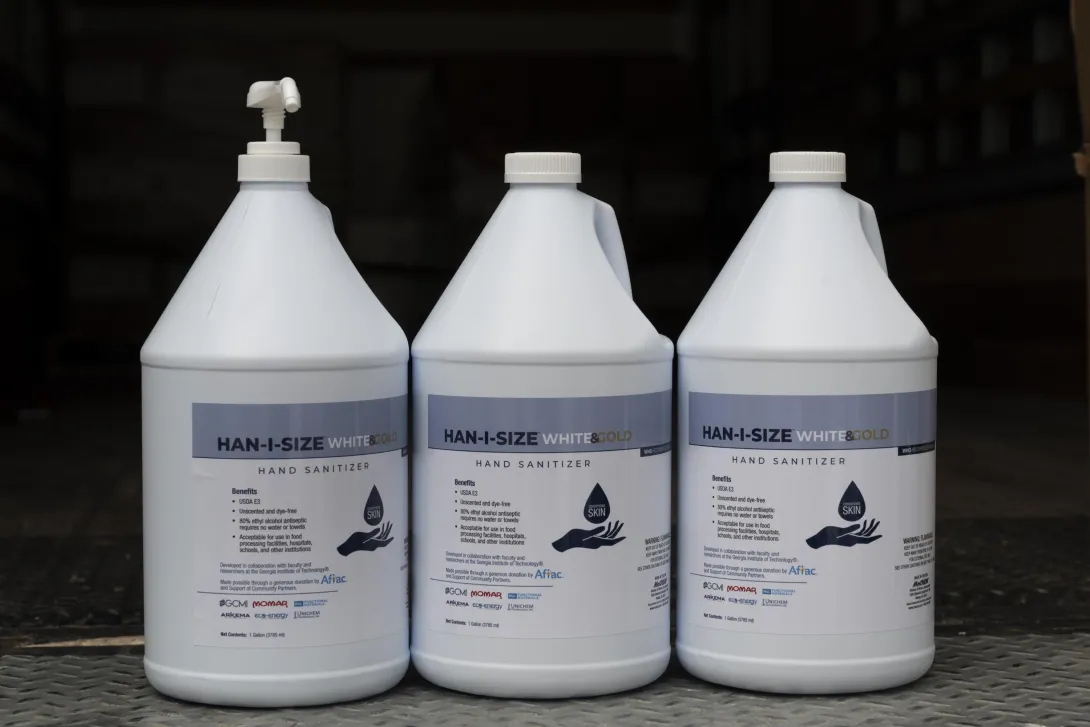
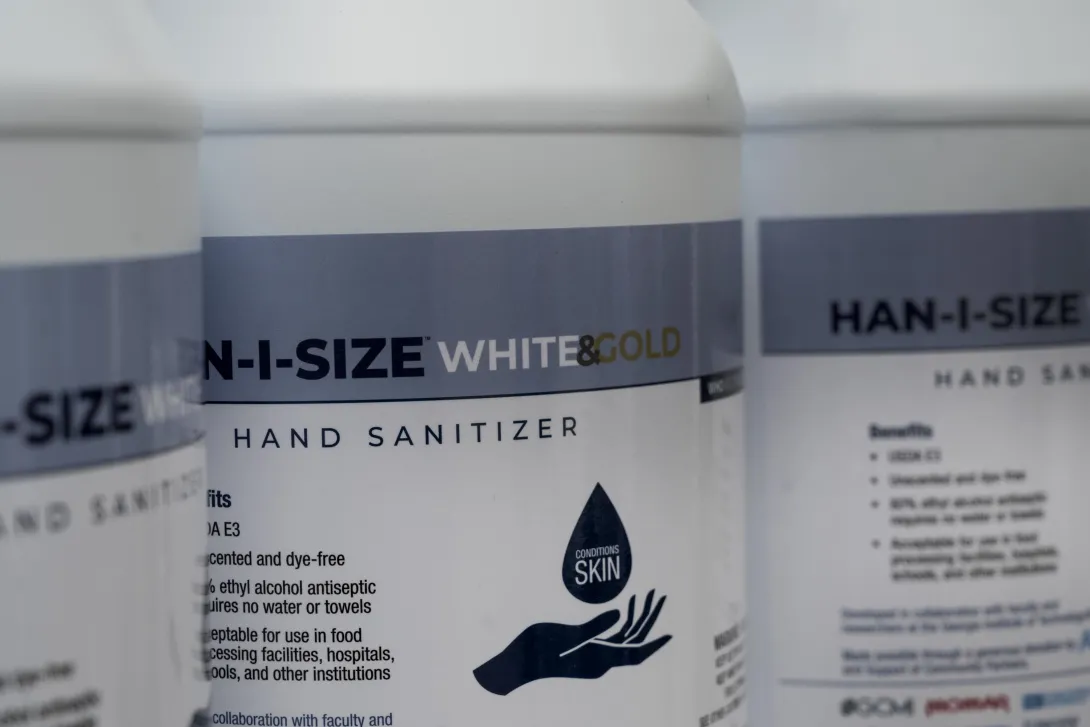
Its name: Han-I-Size White & Gold, named for the colors of Georgia Tech. The new supply chain also may ensure that hand sanitizer producers across the country do not run out of the main active ingredient, alcohol, but the team’s path to success was a stony labyrinth.
“This project was on life support so many times because people did not understand how severe this shortage was going to be,” said Marder, a Regents Professor in Georgia Tech’s School of Chemistry and Biochemistry. “I called hospitals and institutions to assess the need and heard the same thing over and over: ‘No, we just got a delivery. We have no need. You’re wasting your time.’”
Marder was not. Contacts at major chemical suppliers of hand sanitizer ingredients said that a critical shortage of alcohol, particularly the one usually in hand sanitizer, isopropanol, was coming.
“Isopropanol plants in the U.S. were running at full capacity and still didn’t have enough. People were using pharmaceutical-grade ethanol now, too, but it was also in short supply. We weren’t going to have enough of either; I mean the whole United States was running low,” Marder said.
Clean hands cabal
Marder hastily drafted Chris Luettgen, a professor of practice in Georgia Tech’s School of Chemical and Biomolecular Engineering, George White, interim vice president of Georgia Tech’s Office of Industry Collaboration, and Atif Dabdoub, a Georgia Tech alumnus and owner of a local chemical company, Unichem Technologies, Inc.
To the three chemists and the business professional, it seemed simple: Mix alcohol with water, peroxide, and the moisturizer glycerin then bottle and ship it. That bubble burst quickly.
Luettgen, who had worked in the consumer products industry for 25 years at Kimberly-Clark Corporation and knew how to take products to market, had to plow through constant unexpected supply chain barriers and bureaucracy while White forged connections between companies. Neither the supply chain nor the business relationships had existed before, and the teams’ phones stayed glued to their ears night and day as they created them from scratch.
“When I worked for Kimberly-Clark, getting a new product out would take the company nine to 18 months, and the three of us had to get this done in weeks. The demand was there, and people were getting sick in some cases from lack of sanitizing. We felt speed was necessary to meet the growing demand. Seth told me to push this across the goal line, and I put everything into it,” Luettgen said.
“Georgia Tech is about the power to convene. Companies and stakeholders are eager to come to the table here to make things happen,” White said about forging new business ties. “Not everyone has that incredible recognition as a problem solver with the brainpower amassed here.”
Stinking of gin
Purchasing truckloads of alcohol was priority one.
Boutique liquor distilleries in Georgia were already converting to sanitizer ethyl alcohol production, but output was nowhere near enough to meet demand. ExxonMobil connected the team with Eco-Energy, a company that handles fuel-grade ethanol as a gasoline additive.
“The amount of ethanol that’s made for fuel in the U.S. is 1,500 times the amount of the isopropanol made. They could drain off about 1 percent of what is used for fuel and double or triple the amount of alcohol available for hand sanitizer in this country. And the fuel companies wouldn’t even notice it was gone, especially since hardly anyone was driving anymore,” Marder said.
But then prospective hand sanitizer distributors crimped their noses at that ethanol, saying it smelled odd.
“I thought, ‘This has the makings of a screenplay.’ I asked the distributor if we could come over to smell a sample for ourselves,” White said. “It needed a little love.”
Eco-Fuels produced the highly refined ethanol and then processed it through carbon filtration to increase purity and reduce odor. Atlanta-based chemical manufacturer, Momar, Inc., oversaw production, packaging, and distribution of Han-I-Size White & Gold.
The Georgia Tech team garnered funding through a donation from insurer Aflac Incorporated allocated through the Global Center for Medical Innovation (GCMI), a Georgia Tech affiliated non-profit organization that guides new experimental medical solutions to market. Aflac’s gift of $2 million through GCMI has also expedited the development, production, and purchase of other PPE to donate to health care workers.
In addition, GCMI helped guide the hand sanitizer through regulatory processes and to market. In a another development, the U.S. Food and Drug Administration was also aware of the dire shortage of alcohol for sanitizer and issued waivers for the pandemic to allow for use of ethanol in sanitizers without having to meet usual specifications.
Water, water everywhere
Arkema, Inc. donated hydrogen peroxide, which was delivered to PSG Functional Materials, which mixed and packaged the product then shipped with no delivery fee to Atlanta. Though water is ubiquitous, hand sanitizer requires purified water, and the Coca-Cola Company donated a tanker truck of it just when White was pondering desperate measures.
“If I have to get a truck to go pick up water and drive it, I’ll do it myself,” he said.
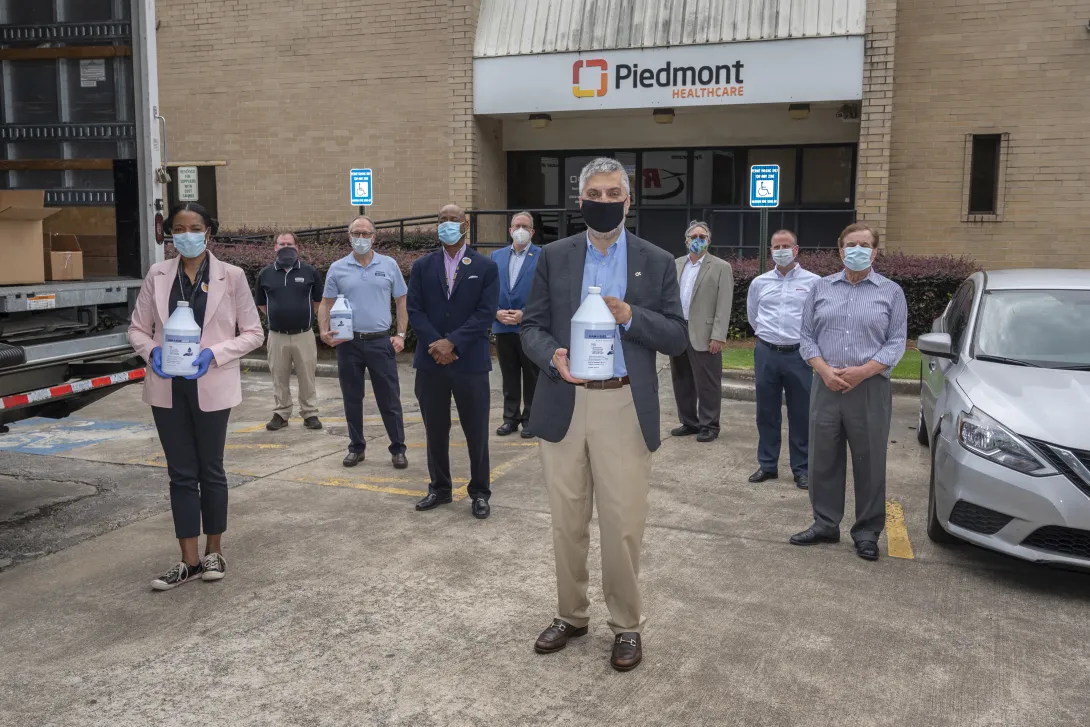
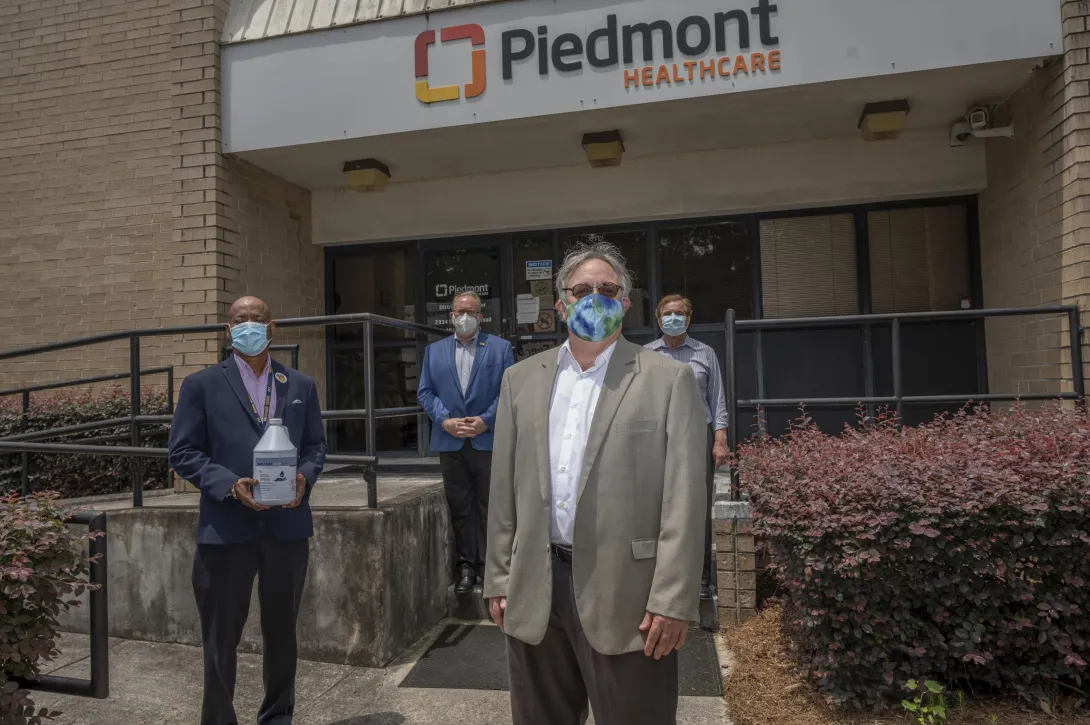
Finally, the first few hundred gallons of donated Han-I-Size White & Gold rolled into Piedmont Healthcare in Atlanta and Brightmoor Nursing Center in Griffin, Georgia, in the second week of June 2020.
GCMI is facilitating donations of the 7,000 gallons nationwide. Separate from the Aflac-financed donations, Momar will continue to manufacture the new hand sanitizing formula commercially to include in its regular product lineup, and Georgia Tech will be able to purchase it at a reduced rate to help protect researchers now returning to their labs.
The new supply chain, the first of its kind, of “waiver-grade” ethanol has given hand sanitizer producers across the country a new opportunity to re-supply America.
“Hopefully, we helped solved a national need,” Luettgen said.
Read about what else we are doing to help in the Covid-19 crisis.
Here's how to subscribe to our free science and technology email newsletter
Writer & media inquiries: Ben Brumfield, ben.brumfield@comm.gatech.edu or John Toon (404-894-6986), jtoon@gatech.edu.
Georgia Institute of Technology