
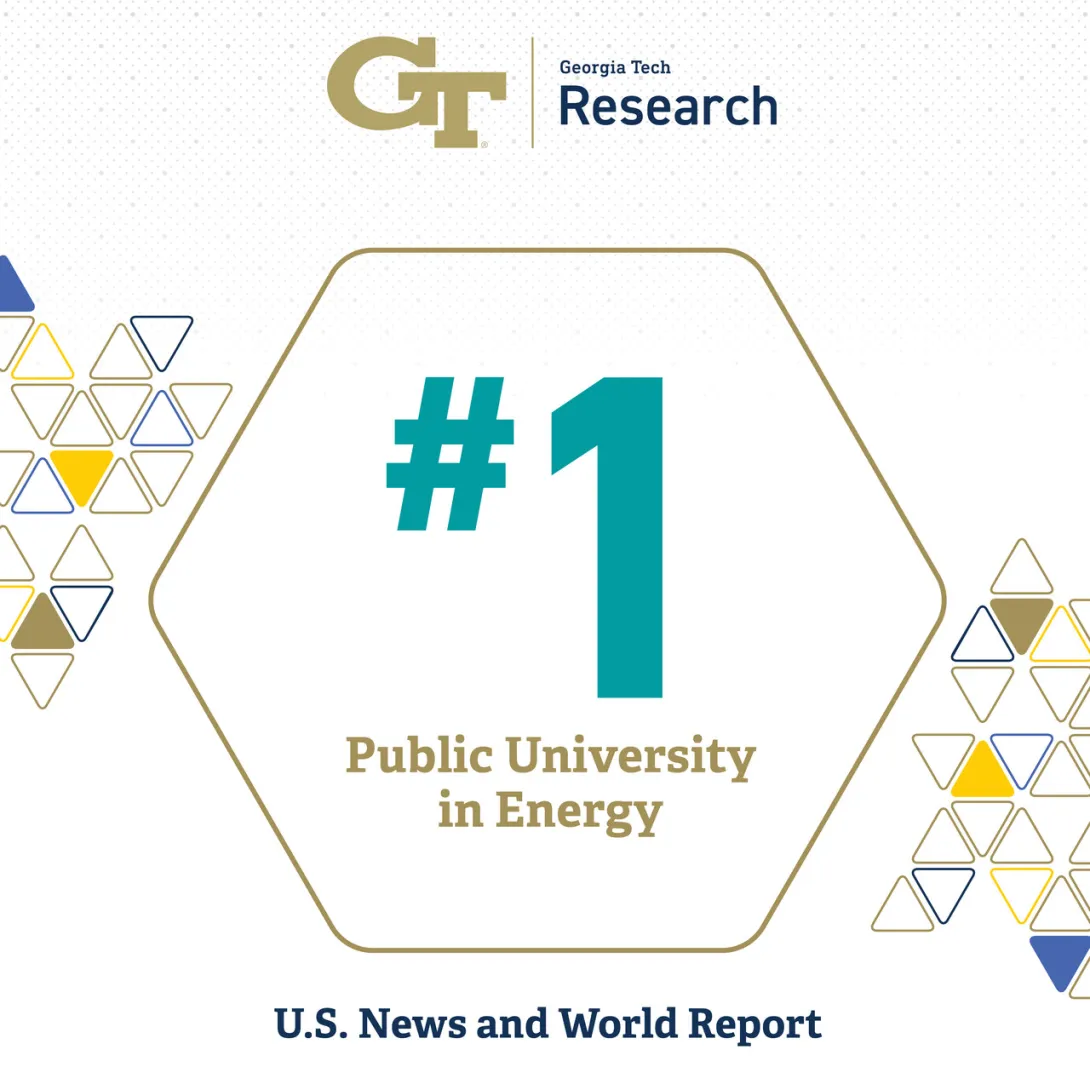
U.S. News & World Report has ranked the Georgia Institute of Technology as the top public university and No. 3 nationally in energy and fuels research. This is the first year the category has been included in the annual rankings, and Georgia Tech’s dominance reflects the dynamic research and expertise of the Institute.
“I’m thrilled to see Georgia Tech recognized for our leading-edge approach to creating sustainable energy solutions,” said Executive Vice President for Research Chaouki Abdallah. “This achievement reflects the unwavering commitment of our faculty and researchers to conducting groundbreaking research, transformative innovation, and our dedication and focus through our Strategic Energy Institute (SEI) to addressing the world's most pressing energy challenges.”
SEI integrates energy research across Georgia Tech and is one of 10 Interdisciplinary Research Institutes. Headed by Executive Director Tim Lieuwen, Regents’ Professor and David S. Lewis Jr. Chair, SEI helps connect and integrate the large Georgia Tech energy community for engagement with industry, government, communities, and nonprofits.
“Georgia Tech has over 1,000 researchers working on the clean energy transition across every school, college, and unit,” said Lieuwen. “I’m pleased to see the scale of our impact recognized by this ranking but also energized by the real-world impact that we are having on cleaner air, lower cost energy, and a healthier planet.”
U.S. News & World Report ranks 47 subject areas by tabulating academic research performance such as publications and citations, and indicators for regional and global reputation. Georgia Tech was evaluated out of 319 universities, and continues its strong standing in the rankings, claiming the No. 33 spot overall in the nation and No. 10 among public schools.
News Contact
Tess Malone, Senior Research Writer/Editor
tess.malone@gatech.edu
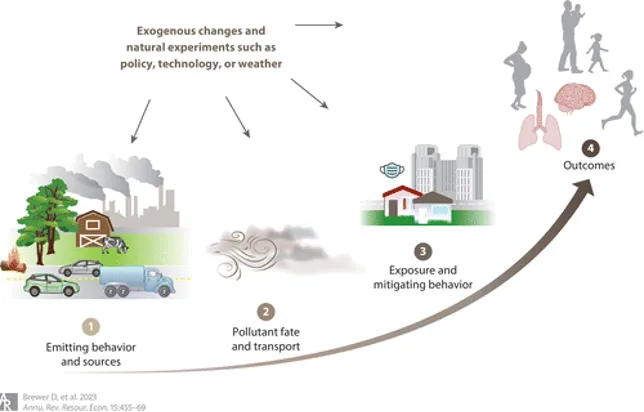
Simple schematic documenting the path of air pollution from emissions to outcomes. This review discusses the challenges of measuring how emissions of pollutants (step 1) disperse through the air (step 2) to become eventual exposures (step 3) and health outcomes (step 4).
Faculty
Dylan Brewer, Daniel Dench, and Laura Taylor
Written by Sharon Murphy
About This Project
The Energy, Policy, and Innovation Center faculty affiliates Dylan Brewer, Daniel Dench, and Interim Director Laura Taylor published an article titled "Advances in Causal Inference at the Intersection of Air Pollution and Health Outcomes." The authors compare the methods used in the epidemiology literature with the causal inference framework used in economics in analyzing the effect of air pollution on health outcomes.
Determining the quality and accuracy of the evidence linking air pollution to human health has been a challenge for research in this area.
Each academic discipline has a unique lens through which they view and solve a problem, which may result in different conclusions being drawn from the same data. While studies that involve randomization across populations can provide evidence and are widely used in medical research, exposures to everyday air pollution cannot be randomized by a researcher.
Many existing studies exploring the health impacts of air pollution rely on establishing correlations between pollutants and health outcomes. However, correlations do not imply causation and can lead to bad policy. In this study, the EPICenter affiliates reviewed methodological contributions made by economists to determine if using statistical methods to the study of the health effects of air pollution can contribute to more robust and reliable findings.
To understand the difficulty researchers face, consider a typical air pollution study that collects health data of residents living near a pollution source, such as a coal-fired power plant. The data would be used to see if there is an increased incidence of adverse health outcomes such as asthma, chronic obstructive pulmonary disease, or cardiopulmonary disease. However, many factors can create a confounding effect on the final results if the researcher doesn’t take them into consideration. For instance, the power plant may have been built in a low-income location, or lower-income households may have moved near the power plant to take advantage of lower rent or property prices. This may conflate the effect of income and air pollution on health.
Simple schematic documenting the path of air pollution from emissions to outcomes. This review discusses the challenges of measuring how emissions of pollutants (step 1) disperse through the air (step 2) to become eventual exposures (step 3) and health outcomes (step 4).
Economists promote the use of natural experiments to overcome confounding factors. Natural experiments mimic familiar laboratory experiments. For instance, in the power plant example, random variation in wind direction would result in some households being randomly more exposed to air pollution, regardless of income. By taking advantage of this randomization, researchers can compare differences in a particular health outcome between those more exposed and less exposed, while overcoming confounding effects such as income, and move one step closer toward improving our understanding of the relationship between air pollution and adverse health outcomes.
The authors conclude by emphasizing the need for creating multidisciplinary teams, including economists, air-quality modelers, and public health and medical researchers. “While one may not think of economists as a natural contributor to this line of research, the analytical framework honed by economists over decades can contribute important expertise to the design of these types of studies,” Taylor concluded, “and result in better evidence for policymakers.”
Read more: https://doi.org/10.1146/annurev-resource-101722-081026
News Contact
Priya Devarajan | SEI Communications Program Manager
Authored by: Sharon Murphy, Strategic Energy Institute
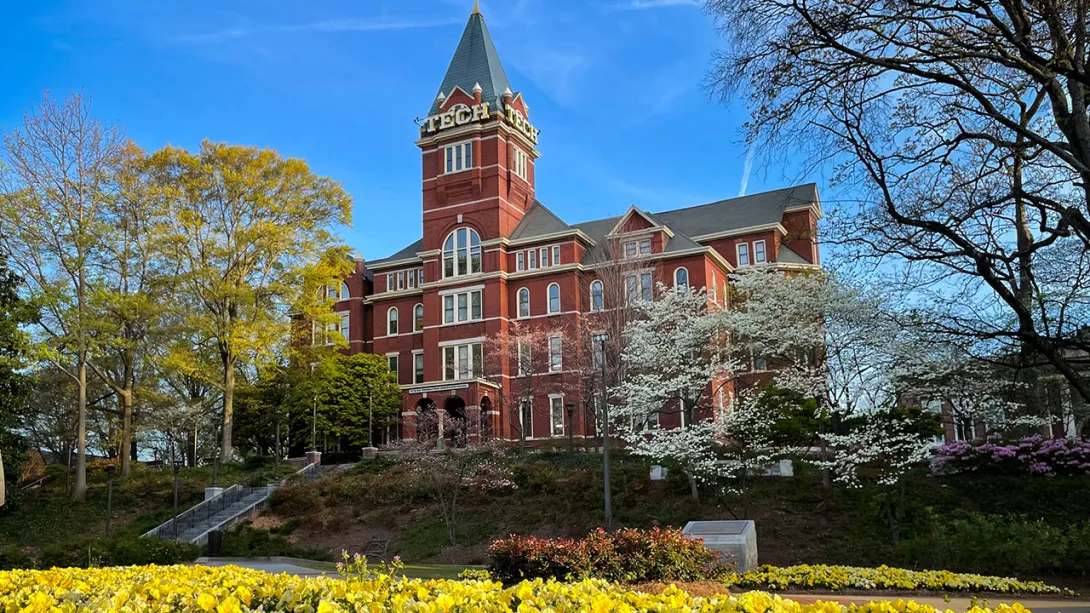
The study of energy is multidimensional and can be approached through disciplines such as economics and public policy, engineering, science, and even architecture and urban planning. The Energy, Policy, and Innovation Center at Georgia Tech (EPICenter) seeks to create bridges between faculty and students whose work may be enhanced through complementary research or knowledge in disciplines across campus and has named the first class of faculty affiliates in the EPICenter program.
Thirteen Georgia Tech faculty have been appointed as EPICenter Affiliates, representing the study of energy through the lenses of economics, public policy, electrical engineering, civil and environmental engineering, and industrial and systems engineering. The affiliates will act as an informal advisory committee to help guide EPICenter and connect Georgia Tech energy researchers to each other and to policy and decision-makers throughout the Southeast.
EPICenter Interim Director Laura Taylor envisions the Faculty Affiliate program to lead to more enrichment opportunities for students, and more awareness of the research intersections of energy technology, economics, and public policy.
About Energy at Georgia Tech
The Georgia Institute of Technology is renowned for its world-class academic programs such as engineering, business, computer science, and city and regional planning. There is a depth of excellence at Georgia Tech that few universities can match thanks in large part to the faculty, many of whom are the foremost experts in their fields. U.S. News & World Report recently ranked Georgia Tech third in the nation for energy and fuels research.
News Contact
Priya Devarajan || Communications Program Manager | SEI
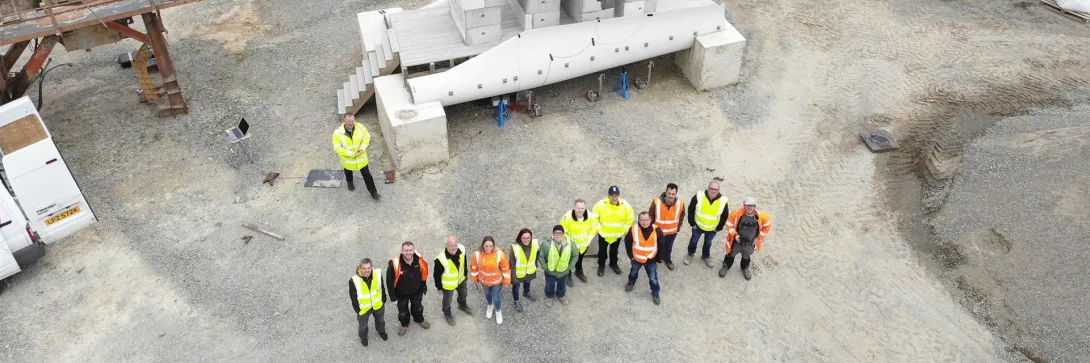
Aerial shot showing members of the Re-Wind Network stand in front of a pedestrian bridge made using decommissioned wind turbine blades
Pioneering a new recycling approach led to a big win for Re-Wind USA, a Georgia Tech research team led by Russell Gentry. The team has won the first phase of the Department of Energy's Wind Turbine Materials Recycling Prize, receiving $75,000 and an invitation to compete in the final phase.
"Our innovation for end-of-service wind turbine blades is both simple and elegant – at its core, our technology captures all the embodied energy in the composite materials in the blade," said Gentry, professor in the School of Architecture.
"The Re-Wind Network has pioneered structural recycling, the only of a number of competing technologies that upcycles the material of the blade and preserves the embodied energy from manufacturing," Gentry said.
News Contact
Wes McRae
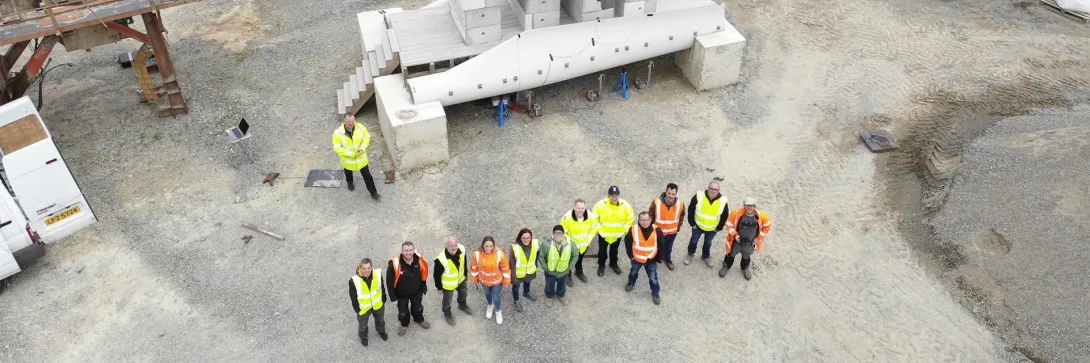
Overhead view of the Re-Wind crew doing structural testing on a decommissioned wind turbine blade bridge on an industrial lot.
Pioneering a new recycling approach led to a big win for Re-Wind USA, a Georgia Tech research team led by Russell Gentry. The team has won the first phase of the Department of Energy's Wind Turbine Materials Recycling Prize, receiving $75,000 and an invitation to compete in the final phase.
"Our innovation for end-of-service wind turbine blades is both simple and elegant – at its core, our technology captures all the embodied energy in the composite materials in the blade," said Gentry, professor in the School of Architecture.
"The Re-Wind Network has pioneered structural recycling, the only of a number of competing technologies that upcycles the material of the blade and preserves the embodied energy from manufacturing," Gentry said.
"Little additional energy is used to remanufacture the blade and the life of the blade, typically 20 years, is extended at least 50 years. This is a win-win solution from an environmental and economic perspective."
Other methods for dealing with decommissioned wind blades involve mechanical grinding and landfilling of subsequent waste, an expensive and energy-intensive process, he said.
Team members include Gentry, Sakshi Kakkad, Cayleigh Nicholson, Mehmet Bermek, and Larry Bank, from the School of Architecture; Gabriel Ackall, Yulizza Henao, and Aeva Silverman, from the School of Civil and Environmental Engineering; and Eric Johansen, a business consultant from Fiberglass Trusses Inc.
The team is part of the Re-Wind Network, a multinational research and development network which develops large-scale infrastructure projects from decommissioned wind turbine blades.
Re-Wind's pedestrian bridges, known as BladeBridges, have already captured media attention. Two more BladeBridges are expected in Atlanta in 2024, Gentry said. Re-Wind has also developed, prototyped, and tested transmission poles made from blade segments. The team's other proposals include culverts, barriers, and floats.
News Contact
Ann Hoevel, Director of Communications, College of Design
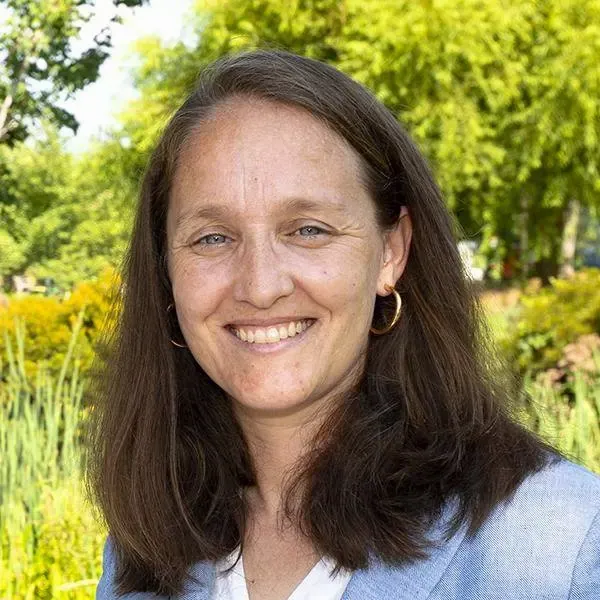
Portrait of Marta Hatzell
Associate Professor Marta Hatzell has won a 2024 ACS Sustainable Chemistry & Engineering Lectureship Award, which recognizes leading contributions of scientists and engineers active in the general fields of green chemistry, green engineering, and sustainability in the broadest sense of the chemical enterprise.
Hatzell, who holds joint appointments in Georgia Tech's School of Mechanical Engineering and School of Chemical and Biomolecular Engineering, was honored for her multiple contributions that drive the application of electrochemistry to enable critical systems with enhanced circularity.
The ACS Sustainable Chemistry & Engineering Lectureship awards were created to celebrate early to midcareer investigators who completed academic training no more than 10 years prior to nomination. In support of their commitment to nurture and stimulate a global community of outstanding practice. ACS Sustainable Chemistry & Engineering and the ACS Green Chemistry Institute gave three Lectureship Awards to recognize outstanding levels of contribution from The Americas, Europe/Middle East/Africa, and Asia/Pacific.
The award recipients will be honored at a joint plenary session of the 28th Annual Green Chemistry & Engineering Conference in their honor (June 3–5, 2024; https://www.gcande.org/).
News Contact
Brad Dixon, Communications Manager, School of Chemical and Biomolecular Engineering
A regional consortium led by the Georgia Institute of Technology, the University of Georgia, and Georgia State University, in collaboration with the Georgia Mining Association, will host an inaugural workshop on Georgia partnerships for Essential Minerals (GEMs). The one-day workshop is planned for Thursday, Feb. 1, at the University of Georgia Hotel and Conference Center and is expected to be the first in a series of critical mineral conversations hosted in rotation by the partner institutions. The event will bring together 40 participants from academia, industry, and government to discuss the opportunities and challenges around critical mineral supplies in the state and in the nation.
The GEMs workshop is driven by the compelling needs around domestic critical mineral supply for the energy and transportation sectors, and by the potentially significant rare earth element resources available in the state of Georgia. The workshop will couple the research capabilities of the three Georgia R1 research universities and the mature mining industry in Georgia to solve the challenges around this issue. It will engage all stakeholders with interests in resource exploration, technology development, energy and environmental sustainability, economic development, regulatory compliance, and workforce development toward achieving national security independence for critical mineral supply. The first workshop will focus on the production of the critical mineral resource, rare earth elements (REE), from kaolin mine tailings, overburden, and other potential processing streams. Other areas of REE production may also be considered.
The goal of the workshop is to produce a statement of outcomes regarding the current state of knowledge, opportunities, challenges, and possible pathways for GEMs. It will also serve as a catalyst to drive conversations among the key stakeholders to make an impact in GEMs, including developing university-industry-government partnership grants, internships, sponsored research, and training opportunities for the current and next generation of Georgia residents. These relationships will play an important role in creating reliable domestic supplies of critical minerals.
If you are interested in participating in the workshop, or have any other questions, please reach out to the Georgia Tech Strategic Energy Institute via email at comments@energy.gatech.edu or Professor Paul Schroeder at the University of Georgia by email at schroe@uga.edu.
News Contact
Priya Devarajan || Research Communications Program Manager, SEI
A regional consortium led by the Georgia Institute of Technology, the University of Georgia, and Georgia State University, in collaboration with the Georgia Mining Association, will host an inaugural workshop on Georgia partnerships for Essential Minerals (GEMs). The one-day workshop is planned for Thursday, Feb. 1, at the University of Georgia Hotel and Conference Center and is expected to be the first in a series of critical mineral conversations hosted in rotation by the partner institutions. The event will bring together 40 participants from academia, industry, and government to discuss the opportunities and challenges around critical mineral supplies in the state and in the nation.
The GEMs workshop is driven by the compelling needs around domestic critical mineral supply for the energy and transportation sectors, and by the potentially significant rare earth element resources available in the state of Georgia. The workshop will couple the research capabilities of the three Georgia R1 research universities and the mature mining industry in Georgia to solve the challenges around this issue. It will engage all stakeholders with interests in resource exploration, technology development, energy and environmental sustainability, economic development, regulatory compliance, and workforce development toward achieving national security independence for critical mineral supply. The first workshop will focus on the production of the critical mineral resource, rare earth elements (REE), from kaolin mine tailings, overburden, and other potential processing streams. Other areas of REE production may also be considered.
The goal of the workshop is to produce a statement of outcomes regarding the current state of knowledge, opportunities, challenges, and possible pathways for GEMs. It will also serve as a catalyst to drive conversations among the key stakeholders to make an impact in GEMs, including developing university-industry-government partnership grants, internships, sponsored research, and training opportunities for the current and next generation of Georgia residents. These relationships will play an important role in creating reliable domestic supplies of critical minerals.
If you are interested in participating in the workshop, or have any other questions, please reach out to the Georgia Tech Strategic Energy Institute via email at comments@energy.gatech.edu or Professor Paul Schroeder at the University of Georgia by email at schroe@uga.edu.
News Contact
Priya Devarajan || Research Communications Program Manager, SEI

An illustration of metal halide perovskites. They are a promising material for turning light into energy because they are highly efficient, but they also are unstable. Georgia Tech engineers showed in a new study that both water and oxygen are required for perovskites to degrade. The team stopped the transformation with a thin layer of another molecule that repelled water. (Image Courtesy: Juan-Pablo Correa-Baena)
Georgia Tech materials engineers have unraveled the mechanism that causes degradation of a promising new material for solar cells — and they’ve been able to stop it using a thin layer of molecules that repels water.
Their findings are the first step in solving one of the key limitations of metal halide perovskites, which are already as efficient as the best silicon-based solar cells at capturing light and converting it into electricity. They reported their work in the Journal of the American Chemical Society.
“Perovskites have the potential of not only transforming how we produce solar energy, but also how we make semiconductors for other types of applications like LEDs or phototransistors. We can think about them for applications in quantum information technology, such as light emission for quantum communication,” said Juan-Pablo Correa-Baena, assistant professor in the School of Materials Science and Engineering and the study’s senior author. “These materials have impressive properties that are very promising.”
News Contact
Joshua Stewart
College of Engineering
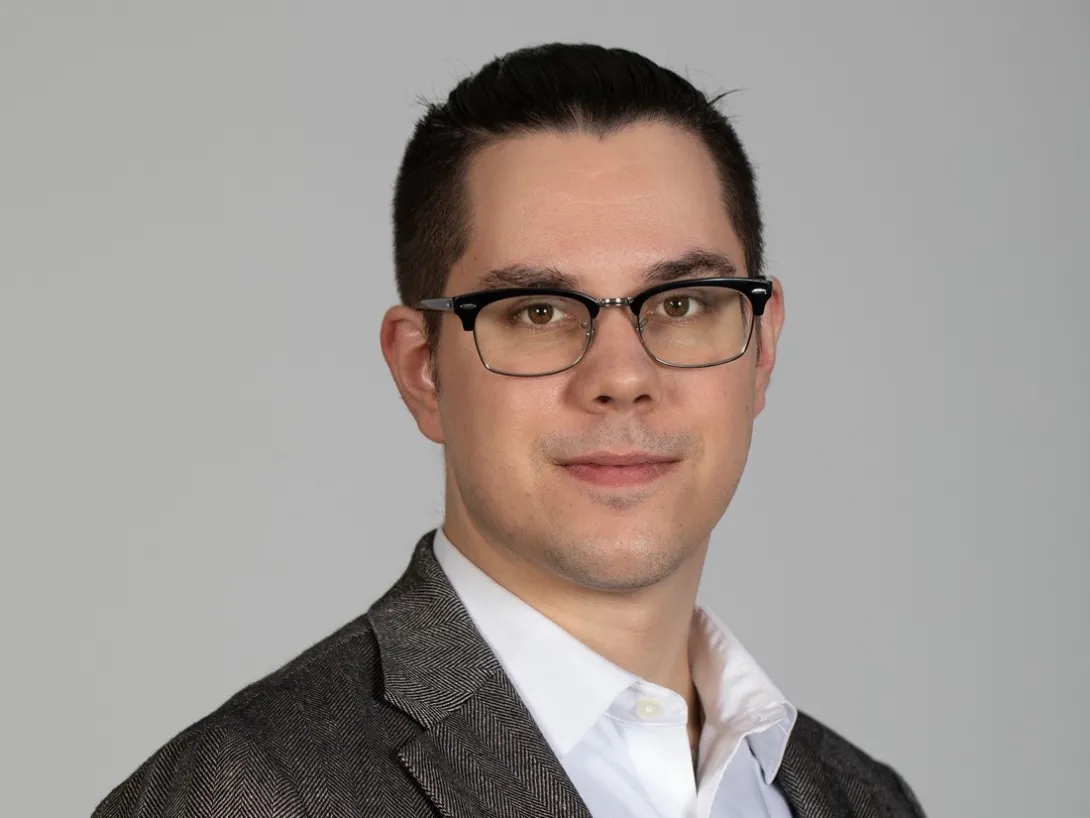
Portrait of Sam Litchfield
Samuel Litchfield, research engineer at the Cybersecurity, Information Protection, and Hardware Evaluation Research (CIPHER) lab of the Georgia Tech Research Institute (GTRI), leads the Cybersecurity of Critical Infrastructure Research Initiative at the Strategic Energy Institute. Litchfield serves as the associate director of research initiatives at the Institute for Cybersecurity and Resilient Infrastructure Studies (ICARIS), a joint research collaboration between Georgia Tech and the U.S. Department of Energy’s Pacific Northwest National Laboratory whose mission is to deliver the technologies, test beds, and talent necessary to secure the nation’s critical infrastructure.
Litchfield received his bachelor’s and master’s degrees from Georgia Tech in computer engineering. Focused on cybersecurity since 2012, he has worked in cyber-physical system security, network protocol reverse engineering, and large-scale systems vulnerability assessments. Below is a brief Q&A with Litchfield where he discusses his research focus areas and how it influences the cybersecurity initiatives at Georgia Tech.
- What is your field of expertise and at what point in your life did you first become interested in this area?
My field of expertise is cybersecurity of critical infrastructure and embedded systems. I started getting into it first in my undergraduate coursework when I learned about overlaps between control theory, computer architecture, and networking. These overlaps create critical infrastructure.
- What questions or challenges sparked your current energy research? What are the big issues facing your research area right now?
A lot of my day-to-day at work is focused on national security. That comes from both being at GTRI and generally looking at cybersecurity questions.
When you start applying cybersecurity to critical infrastructure, you very quickly run into national security questions like how to keep the lights on and how to keep water flowing and keep people living their lives — basically how to prevent devices or pieces from getting compromised and how to keep these systems moving/working despite people trying to break them. How do we keep the overall infrastructure working in the face of threats even if some elements are compromised? What modifications do we need to make to these sometimes decades-old systems, and what new security primitives can we invent to minimize those modifications? An example is a water system supplying water to your municipality — it is dependent on unobstructed electricity to keep its pumps moving — figuring out how to model those cross-system dependencies is an active area of my research topics as well.
- What interests you the most leading the research initiative on cybersecurity of critical infrastructure? Why is your initiative important to the development of Georgia Tech’s energy research strategy?
In addition to the above questions and figuring out how we approach this sort of research topics, one thing I always find super interesting is coming to a new domain, energy in this case, and figuring out how to use existing domain-specific tools to augment system security, or how those tools might find application in cybersecurity. Aiding PI to PI interactions to get real impacts on systems as a whole and convening researchers whose topic areas don’t traditionally overlap together and identifying projects that can come out of that interaction keeps me going.
Georgia Tech is already a leader in power engineering and cybersecurity separately. Bringing those two large pieces of campus together is going to be truly pivotal for Georgia Tech as an institution. There are other domains with leaders in those fields that we can hopefully bring more to the forefront as we combine them with security.
- What are the broader global and social benefits of the research you and your team conduct on the cybersecurity of critical infrastructure?
There are two basic benefits — one from the United States national security perspective — to keep the infrastructure secure and raise the bar on the effort and cost it takes to compromise systems or use them as a lever in international conflicts. The next one is increasing the security of systems by increasing their resilience for run of the mill things like storms, wildfires, and large climate events. This will become more relevant as climate change increases severe weather events. Another global benefit I could think of is removing energy security from the field of national security levers — see Germany’s natural gas dependence during the Russian invasion of Ukraine.
- What are your plans for engaging a wider Georgia Tech faculty pool with the broader energy community?
Cybersecurity touches on multiple domains and increasing faculty engagement by getting domain experts to talk to security experts is important. Internally, I’m hoping to build an infrastructure security community across schools that’s invested in forming collaborations between areas and subjects that might not traditionally overlap. Externally, I am planning to build a portfolio of events that engages and brings together community members around Georgia, from manufacturers to utility asset owners to external policymakers and regulators.
- What are your hobbies?
Physically, when I'm not sitting at a desk, I like to go climbing in gyms or hike through the Appalachians when it’s not July in Georgia . Outside of that, I do a lot of recreational programming at home, and I play some tabletop games with friends.
- Who has influenced you the most?
My graduate advisor Raheem Beyah set a good example of how to be passionate about my research, both in terms of technical expertise on how to formulate research questions in a tangible and approachable way and engaging with the people doing the research.
Another is one of my current bosses, Anita Pavadore, in terms of raising the bar on the quality of what I do, from interacting with others to executing research.
News Contact
Priya Devarajan || Research Communications Program Manager || SEI || RBI