
Joel Kostka will soon receive $3.2 million from the Department of Energy (DOE) to build upon research that has ranged from northern Minnesota peat bogs to coastal Georgia wetlands, all to learn how climate change impacts soils and plants that trap greenhouse gasses — and whether some of those plants could end up as eco-friendly biofuels.
Kostka, a professor and associate chair of research in the School of Biological Sciences with a joint appointment in the School of Earth and Atmospheric Sciences, will receive funding as part of a wider $178 million dollar DOE effort to advance sustainable technology breakthroughs that can improve public health, help address climate change, improve food and agricultural production, and create more resilient supply chains. The 37 new projects also include efforts to engineer plants and microbes into bioenergy and improve carbon storage.
Kostka’s wetlands research will continue in the salt marshes off Georgia’s coast, where his team has already conducted studies on the microbial life that benefits Spartina cordgrass in those areas, helping to strengthen resilience of the plant to sea level rise and catastrophic storms.
The DOE’s funding initiative is split into four groups. Kostka’s studies will focus on the role of microbiomes — all the microorganisms living in a particular environment — in the biogeochemical cycling of carbon in terrestrial soils and wetlands by using genomics-based and systems biology.
Other research areas involve renewable bioenergy and biomaterials production; quantum-enabled bioimaging and sensing for bioenergy, and research to characterize gene function in bioenergy crop plants.
“Our project seeks to understand the controls of soil organic matter degradation and the release of greenhouse gasses, both of which are largely mediated by microbes” Kostka said. “And then also, as we've been studying for many years now, how climate drivers — principally the warming of ecosystems and carbon dioxide enrichment in the atmosphere — limit greenhouse gas release to the atmosphere. How might changes in plant and microbial communities lead to climate feedbacks, thereby accelerating the release of greenhouse gasses from soil carbon stores?”
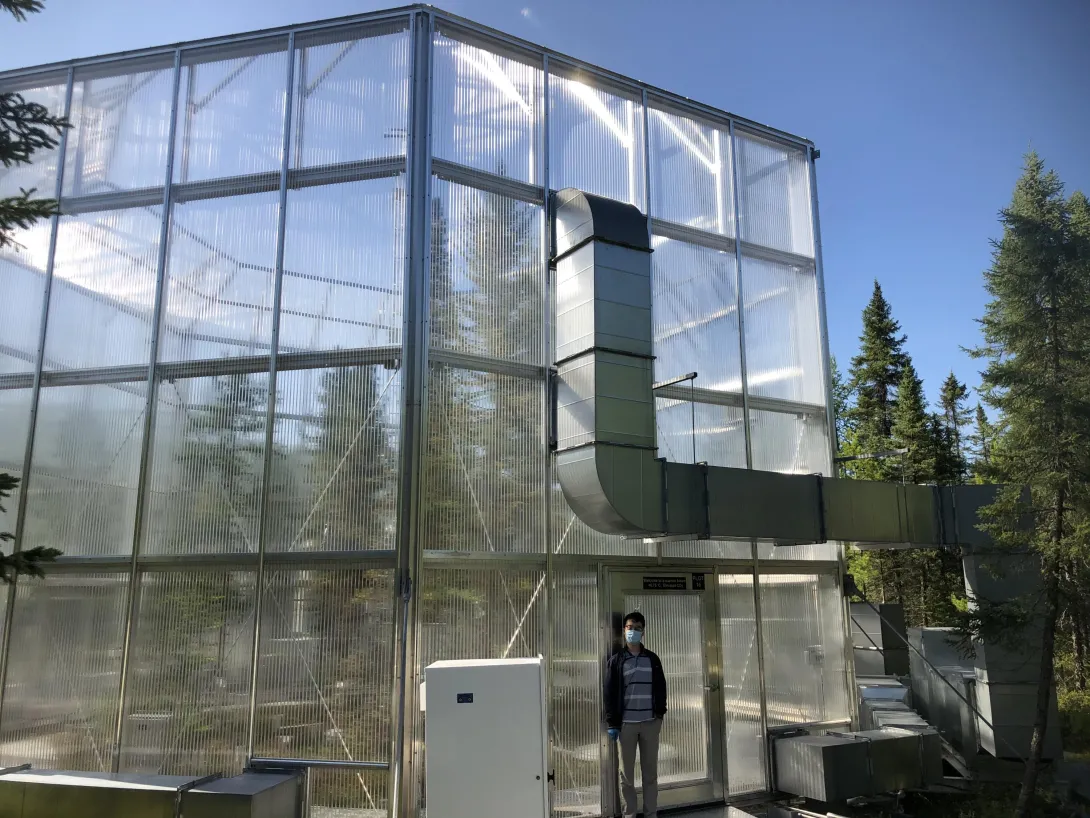
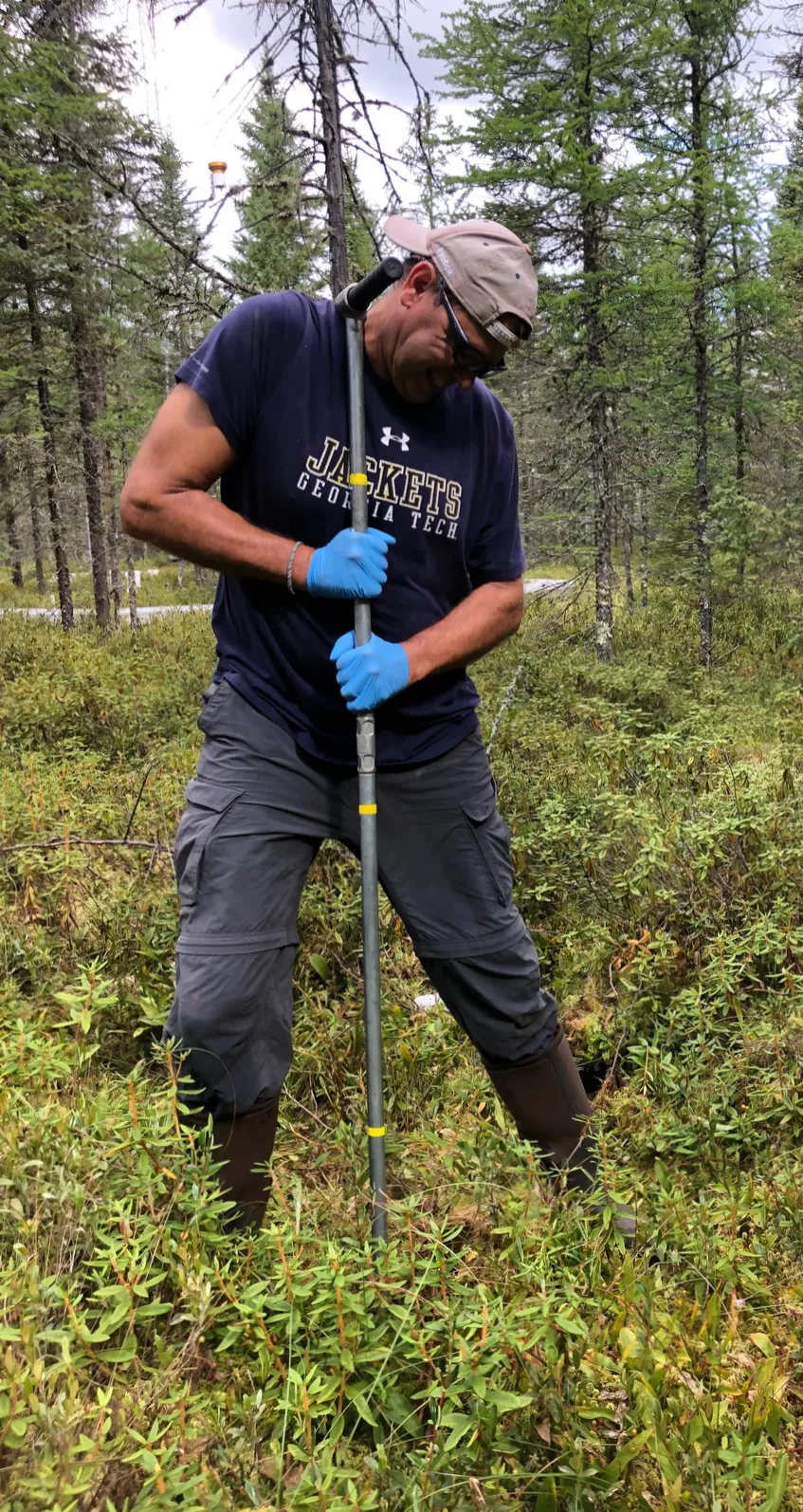
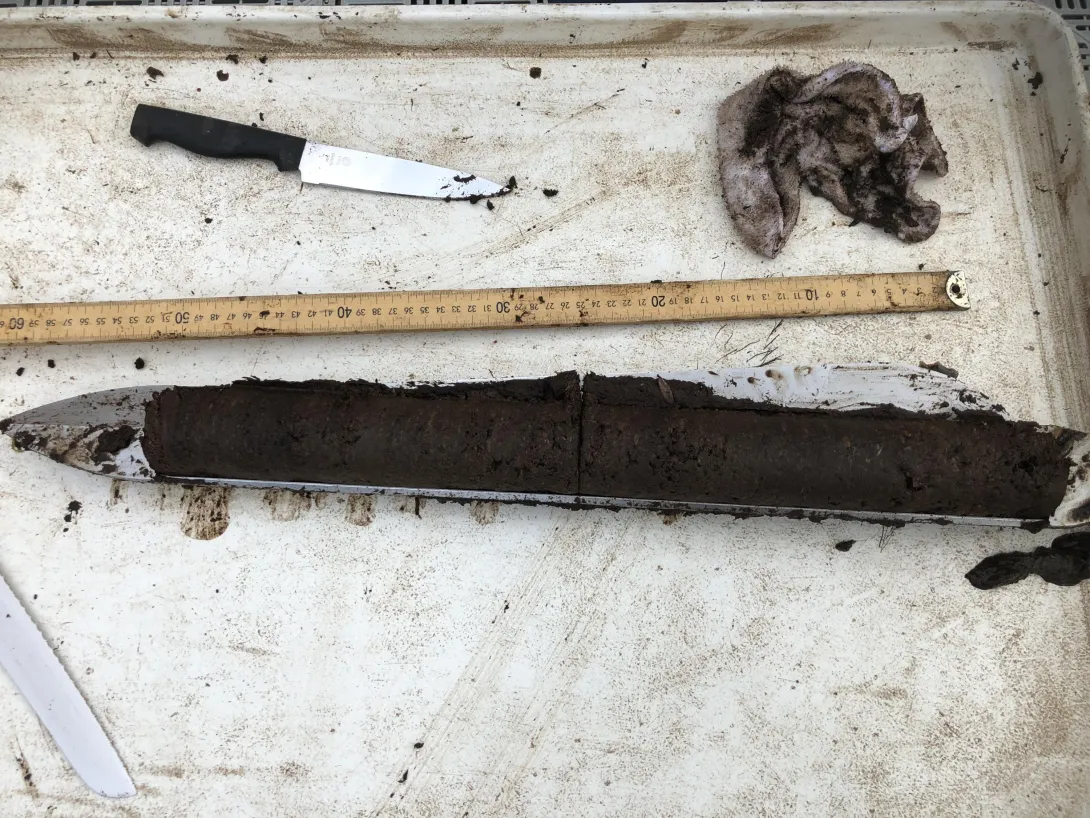
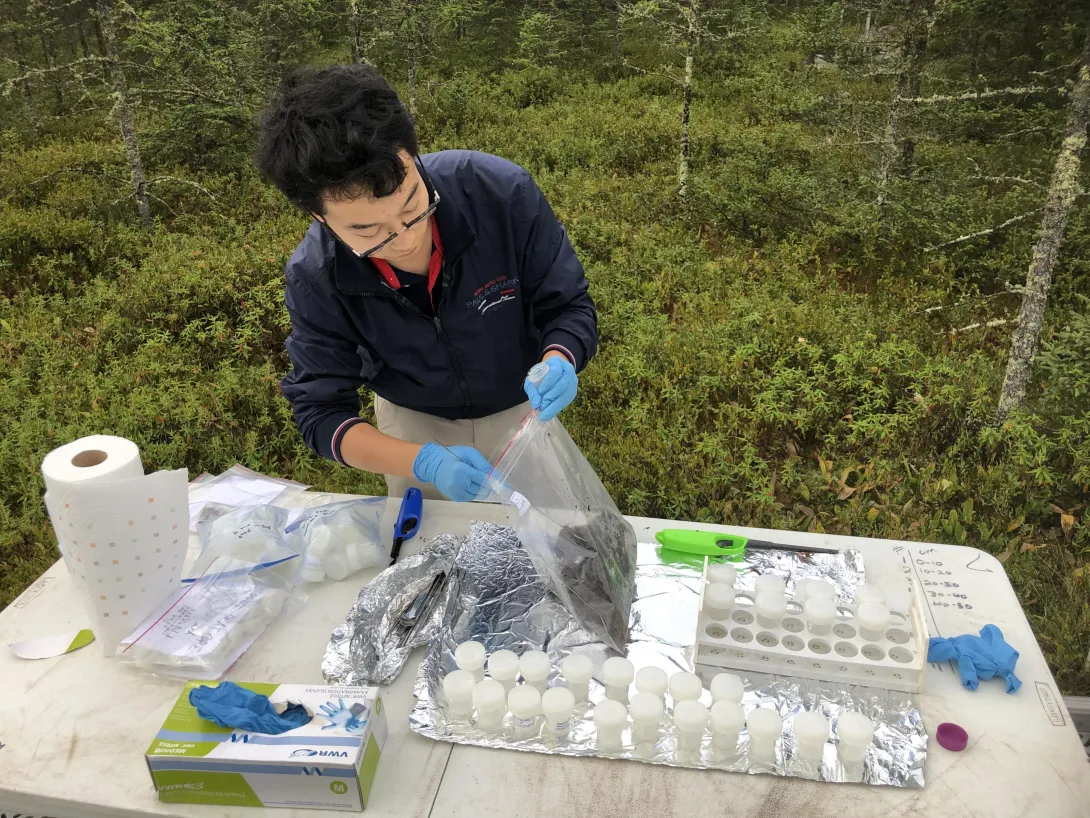
That question has driven much of Kostka’s research team in the past as they focused on how soil microbes break down biomasses like woody plants and peat mosses, at an Oak Ridge National Laboratory facility in northern Minnesota called Spruce and Peatland Responses Under Changing Environments (SPRUCE). Kostka’s team is using genomics to study all the genes that code for microbial enzymes that decompose biomass in soil and how plants, which are also changing with climate, impact microbiomes by providing carbon sources that fuel microbial activities. In particular, the work is focused on lignocellulose or lignin, which gives plants their rigidity or structure and arguably comprises the most abundant renewable carbon source on the planet.
“We're just at the point now where we finally have the tools to unlock the black box of soil microbiology and chemistry,” Kostka said. “Recent advances in sophisticated analytical chemistry methods used to quantify microbial metabolites along with improved metagenome sequencing approaches enable us to better uncover metabolic pathways.”
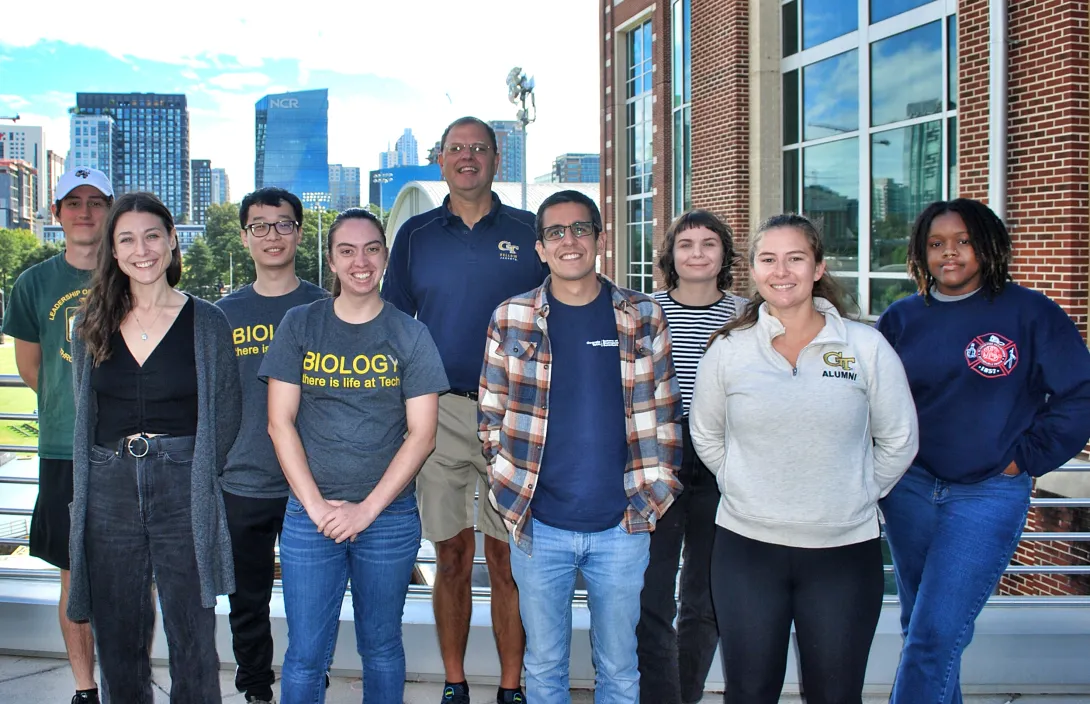
Kostka will serve as principal investigator of the research team for the grant. That team includes School of Biological Sciences researchers Caitlin Petro, research scientist, and Katherine Duchesneau, a third-year Ph.D. student; co-principal investigator Kostas Konstantinidis, Richard C. Tucker Professor in the School of Civil and Environmental Engineering; Rachel Wilson, research scientist, Florida State University; Malak Tfaily, associate professor, University of Arizona; and Chris Schadt, senior staff scientist, Oak Ridge National Laboratory.
Unlocking the “enzyme latch” hypothesis
As part of his new research, Kostka will revisit what scientists call the “enzyme latch” hypothesis. This could help uncover the mechanisms by which soils and plants capture harmful greenhouse gasses, and what prompts their release into the atmosphere.
The idea behind this hypothesis is that when soils are wet, they lack oxygen, which suppresses a specific class of enzymes, oxidases, that catalyze the beginning steps in the microbial breakdown of organic compounds produced by plants in soil. When oxidases are suppressed, the breakdown products of lignin, phenolic compounds, accumulate and poison the rest of the microbial carbon cycle. Thus a single class of enzymes may be responsible for keeping greenhouse gasses like carbon dioxide and methane captured within the soil.
“The climate linkage here is that it's thought that as the climate warms, we'll get more greenhouse gas production, because simply it'll be warmer, and microbial enzymes work faster at higher temperature. But then also, in wetlands in particular, the hypothesis is that as wetlands warm, they're going to dry out. And so when a wetland dries out, you're going to get more injection of oxygen-rich air into the soil, which would then accelerate the breakdown of organic matter.”
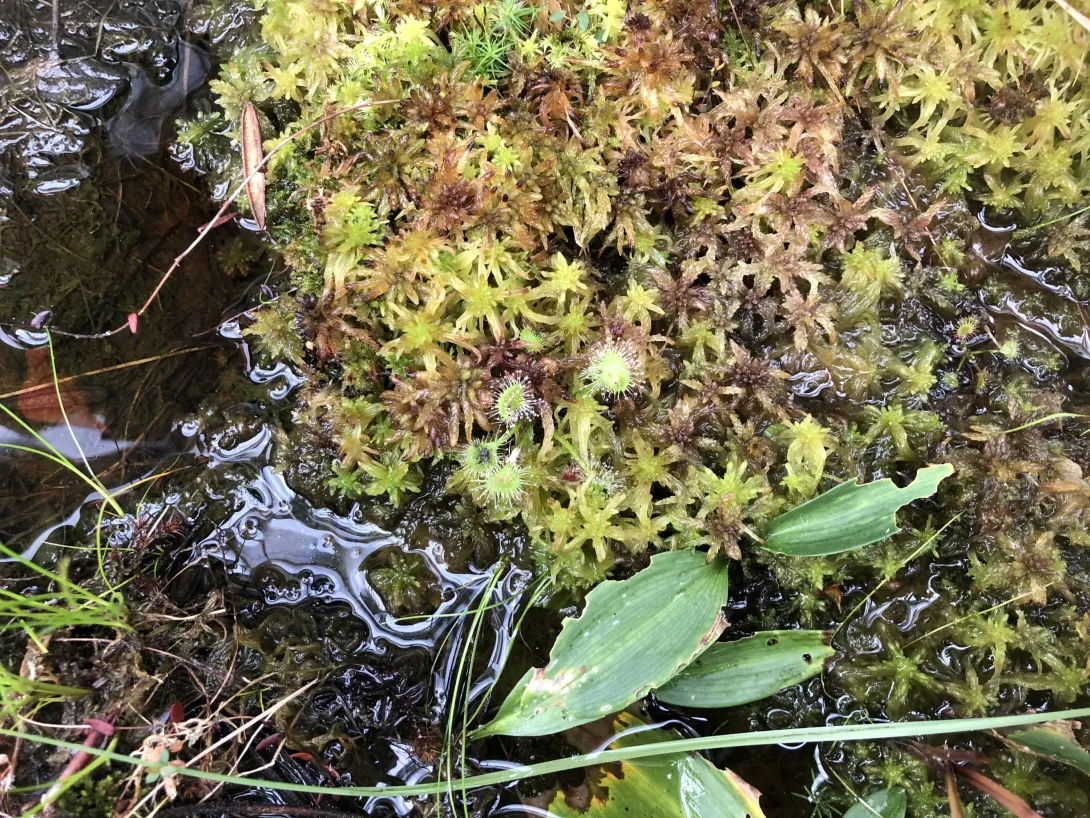
When that happens, it could also mean different plants having an impact on carbon storage and the breakdown of biomass. “As wetlands dry out, plant communities in northern peatlands where most of Earth’s soil carbon is stored, are expected to shift from a dominance of mosses, which do better when it's wet — to woody plants, shrubs, and trees that do better with less water, when it's drier. That would in turn potentially spark the release of more reactive carbon compounds from plant roots — mosses don’t have roots — which would likely accelerate organic matter decomposition and the production of more greenhouse gas in a feedback loop with climate.”
Kostka’s research may also help to develop new approaches for converting woody biomass into potential alternative energy sources. “To make our society more sustainable, we have to basically recycle everything, or reuse as much as we can. And that includes the biomass from plants that can be grown on more arid lands that are less suitable for food crops,” he said, referring to plant-based materials that can be used to produce biofuels and bioenergy. “And so the DOE is leading research efforts to understand the controls of biomass degradation in plants such as switchgrass and poplar.”
Kostka and Konstantinidis will develop a database of genes that code for the breakdown of lignocellulose and lignin, compounds that largely make up plant biomass and for which metabolic pathways of degradation have been elusive. Kostka and his colleagues will also have access to the extensive resources of the DOE Genomic Sciences program, including a collaboration with the agency’s Joint Genome Institute.
“We hope that information generated from our project can be used to improve methods for breaking down woody biomass so that it can be used in a sustainable way to produce biofuels,” Kostka said.
Public abstract of Department of Energy grant DE-SC0023297
About Georgia Tech
The Georgia Institute of Technology, or Georgia Tech, is a top 10 public research university developing leaders who advance technology and improve the human condition. The Institute offers business, computing, design, engineering, liberal arts, and sciences degrees. Its nearly 44,000 students representing 50 states and 149 countries, study at the main campus in Atlanta, at campuses in France and China, and through distance and online learning. As a leading technological university, Georgia Tech is an engine of economic development for Georgia, the Southeast, and the nation, conducting more than $1 billion in research annually for government, industry, and society.
News Contact
Writer: Renay San Miguel
Communications Officer II/Science Writer
College of Sciences
404-894-5209
Editor: Jess Hunt-Ralston
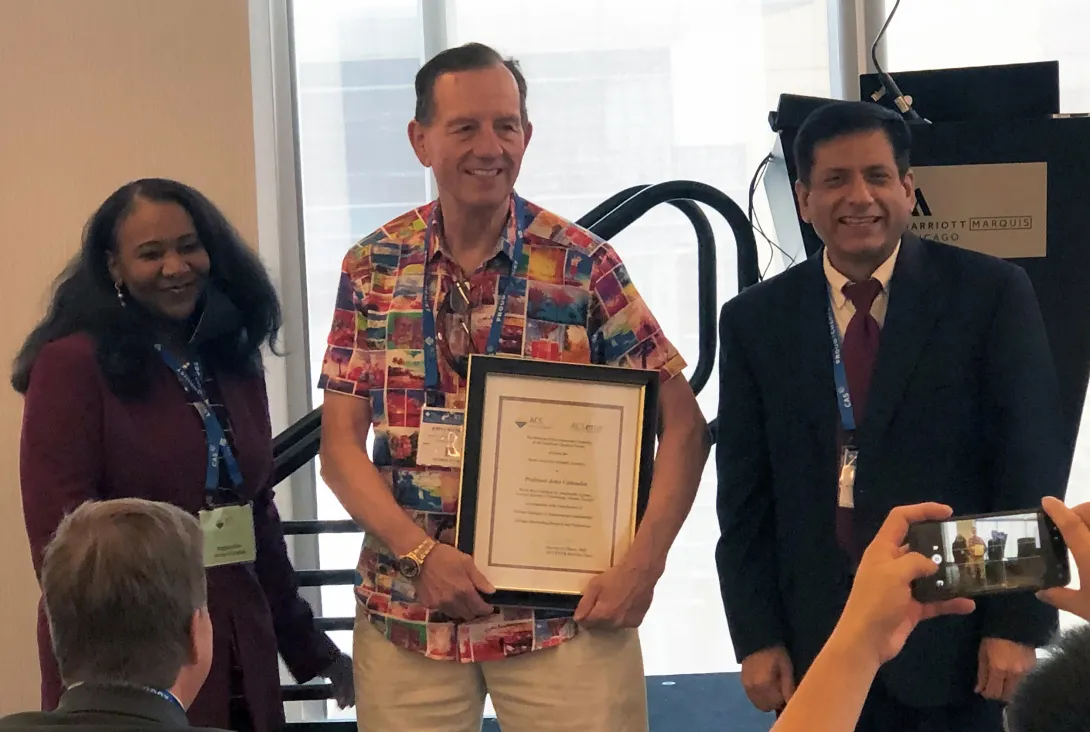
The American Chemical Society (ACS) held a series of symposia over three days at their recent Fall 2022 conference in Chicago “in honor of John Crittenden's long-term accomplishments in sustainability and physical chemical treatment processes for the engineered water infrastructure systems.” The symposia, entitled “Greener Strategies in Environmental Sustainability in Honor of John Crittenden,” featured 37 talks given by colleagues from institutions and companies from around the world, several of whom were Crittenden’s former students. The talks covered a wide variety of subjects which were all impacted by Crittenden’s five decades of research in topics such as adsorption, ion exchange, air stripping, advanced oxidation, membranes, sustainable urban development, urban ecology, resilient infrastructure systems analysis, sustainable community research, and sustainable engineering education.
The way that waste streams are treated has evolved markedly in the last 50 years. The primary scope of concern for waste treatment strategies started with mechanical, biological, and chemical treatment, to pollution prevention, to green chemistry/engineering, to the sustainability triangle of economic, environmental, and societal sustainability. John’s research agenda has followed, and usually anticipated, this development arc. The Honor Award for Scientific Excellence was presented to Crittenden at the ACS conference by the Division of Environmental Chemistry of the American Chemical Society “in recognition of his contributions to ‘Greener Strategies in Environmental Sustainability’ through outstanding research and publications.”
John Crittenden is a Georgia Research Alliance Eminent Scholar in Environmental Technologies in the Georgia Tech School of Civil and Environmental Engineering where he continues his research and teaching. He recently stepped down as director of the Brook Byers Institute for Sustainable Systems which he led since 2009.
The list of presentations given in honor of Crittenden’s research and career can be found here:
https://acs.digitellinc.com/acs/live/28/page/905/2?eventSearchInput=crittenden
News Contact
Brent Verrill, Research Communications Program Manager, BBISS
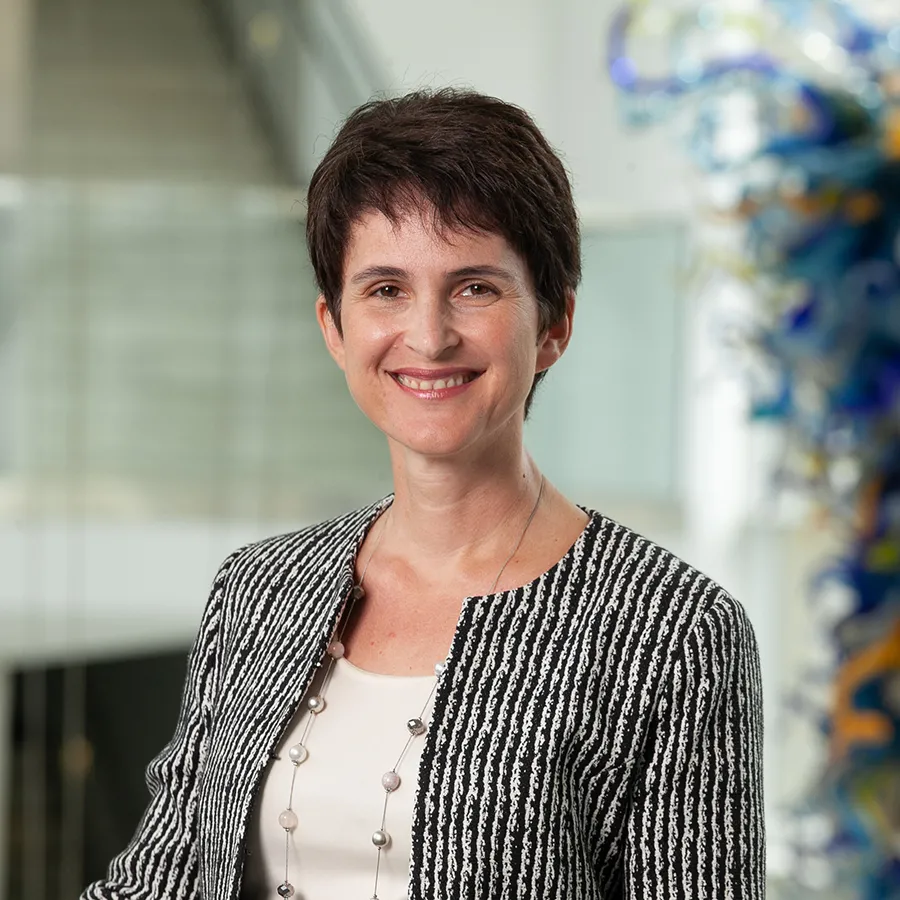
I am excited to step into the interim executive director position at the Brook Byers Institute for Sustainable Systems, with sincere gratitude to John for his pioneering leadership, to the Brook Byers Professors and Faculty Fellows for their high-profile contributions to sustainability research and education, and to Mr. Byers for his generous support of BBISS over the years.
I am also delighted to have the opportunity to work with a very committed team in Mike, Susan, Gay, and Brent, whose combined tenure with BBISS adds up to more than 40 years, not to mention Mike and Brent’s early involvement with defining Georgia Tech’s role in sustainability going back to the late 90s! I invite you all to engage with us over the next year: a small step is to sign up for the BBISS newsletter.
Some colleagues will remember that I had an office at ISTD, BBISS’ precursor, when I was on sabbatical at Georgia Tech from INSEAD about 20 years ago. I was introduced to the campus sustainability community by former executive directors and mentors Carol Carmichael and Bert Bras. When I moved to the Georgia Tech Scheller College of Business in 2005, I was excited to become part of this sustainability community, with whom I have since had many productive and enjoyable collaborations leading to the creation of the Ray C. Anderson Center for Sustainable Business, Serve-Learn-Sustain, the Carbon Reduction Challenge, and more. Rejoining BBISS on its leadership team is bringing things full circle for me and feels a bit like a homecoming.
Over the last year, I have had the privilege of working as co-chair of Sustainability Next, the Georgia Tech Strategic Plan 2020-2030 Implementation Task Force tasked with developing an Institute-wide implementation plan for sustainability cutting across all core missions of Georgia Tech and encompassing both environmental and social sustainability issues defined by UN Sustainable Development Goals. Many of you contributed through the task force, surveys, townhalls, and individual conversations, for which I am grateful. Through this work, I have come to appreciate not only the depth of the sustainability expertise at Georgia Tech but also the unique point at which we find ourselves in terms of the opportunity to have transformative impact in our city, region, nation, and globe.
Assets that collectively provide that opportunity include: the cutting-edge Georgia Tech sustainability research community spanning all six colleges and GTRI; successful sister IRIs, centers, and initiatives; a commitment to campus sustainability exemplified in flagship projects like the Kendeda Building; a student base that is eager to have positive societal impact in their careers; many strong industry partnerships including the Drawdown Georgia Business Compact focused on climate action; federal government and philanthropic dollars poised to invest in climate solutions with an emphasis on social justice; a state government working to bring “new economy” companies into Georgia; many city- and county-level sustainability and climate initiatives; GT-led regional and international sustainability networks including RCE Greater Atlanta and the University Global Coalition; a coalescence around taking Metro Atlanta and Georgia to the next level in entrepreneurial activity; and ELT-level support and resources for sustainability through Institute Strategic Plan funding and Transforming Tomorrow: The Campaign for Georgia Tech theme definition. There is also a set of challenges, of course, but things worth doing are never straightforward!
I look forward to working with you all to capitalize on these assets and the momentum of the present day. My hypotheses about what our priorities should be for this year are the following, and I look forward to hearing your input and suggestions as we finalize them together:
- Grow the community of faculty, students, and staff who see themselves as part of the BBISS family and strengthen ties within;
- Expand BBISS’ research foci to reflect the full richness of sustainability scholarship on campus (here I see a clear focus on climate that draws on all colleges and GTRI as a must);
- Advance BBISS’ capacity to support interdisciplinary grant writing and community-engaged research;
- Partner with schools and colleges to help grow sustainability and climate-related interdisciplinary academic program offerings;
- Accelerate commercialization and entrepreneurship activity in sustainability and climate solutions;
- Contribute to philanthropic success in sustainability both at BBISS and Georgia Tech-wide;
- Grow the visibility of Georgia Tech sustainability thought leadership.
I plan to hold “listening sessions” and a retreat to crystallize BBISS’ research foci and priority activities. To engage with this process and explore whether BBISS is a good “home” for you, please sign up for the BBISS newsletter.
I look forward to working with you all!
Beril
L. Beril Toktay
Professor of Operations Management and Brady Family Chairholder
Interim Executive Director, Brook Byers Institute for Sustainable Systems
Faculty Director, Ray C. Anderson Center for Sustainable Business
Scheller College of Business
Georgia Institute of Technology
News Contact
Brent Verrill, Research Communications Program Manager, BBISS
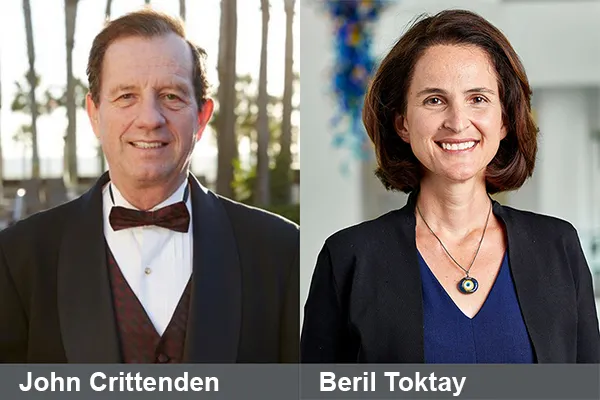
John Crittenden will be stepping down as executive director of BBISS effective August 31, 2022. Beril Toktay, Professor of Operations Management, Brady Family Chairholder, and Regents’ Professor, will serve as BBISS’ interim executive director. Beril said, “John took the inclusion of the word ‘Systems’ in BBISS’ name to heart at a time when large interdisciplinary research collaborations at Georgia Tech were still a rarity. The bold vision now coming out of Georgia Tech’s Strategic Plan 2020-2030 and the Sustainability Next strategic plan initiative can be directly linked to John’s leadership and his challenge to ‘go bigger.’ I am delighted to accept the baton and run the next leg in advancing BBISS’ mission in collaboration with the Georgia Tech sustainability community.”
John will continue as faculty member, educator, mentor, and researcher at Georgia Tech in the School of Civil and Environmental Engineering, maintaining his appointments as GRA Eminent Scholar in Sustainable Technologies. John has led BBISS since 2009, when the prior Institute for Sustainable Technology and Development (ISTD) was renamed in honor of Brook Byers (a Georgia Tech alumnus, sustainability advocate, and founding president of the Kleiner Perkins venture capital firm).
As a world-renowned researcher, John has made, and continues to make, critical contributions in the fields of water treatment (having co-authored the preeminent book on the subject which is used by 300 universities around the world), pollution prevention, energy harvesting technologies, the food-energy-water nexus, sustainable materials, sustainable urban infrastructure, sustainable engineering pedagogy, advanced modeling of urban systems, and urban form and policy.
Among John’s many awards and honors are: Member of the National Academy of Engineering; Fellow of the American Society of Civil Engineers; Member of the European Union Academy of Sciences; Member of the Chinese Academy of Engineering; American Institute of Chemical Engineers 100 Eminent Chemical Engineers in Modern Times; Athalie Richardson Irvine Clarke Prize from the National Water Research Institute; Simon W. Freese Environmental Engineering Award from the American Society of Civil Engineers; and the Chinese Friendship Award. The American Chemical Society will host a special symposium series to honor John’s long-term accomplishments in sustainability and physical chemical treatment processes for engineered water infrastructure systems at the Fall 2022 ACS meeting in Chicago.
As the leader of BBISS, John also fostered a dedicated team of staff, students, and faculty. The many students who have participated in sustainability research inherited his systems perspective and have carried it into their careers. He oversaw the development of several programs to support career development and collaboration, including the BBISS Graduate Fellows, the BBISS Faculty Fellows, and the Brook Byers Professors, all made possible with donations from Brook and Shawn Byers. He has been a tireless sponsor of early- and mid-career researchers, nominating them for awards and memberships on committees, and providing valuable advice. He has hosted visiting scholars from all over the world, engaging them in interdisciplinary research and the development of solutions to global sustainability challenges.
Julia Kubanek, Vice President for Interdisciplinary Research, shared the following comments: “Thank you, John, for the many programs you have initiated and the research that you have supported and inspired while leading BBISS. On behalf of all the faculty, students, and staff at Georgia Tech, I look forward to continuing to engage with you as a faculty member of the School of Civil and Environmental Engineering.”
Beril Toktay has made varied high-impact contributions to sustainability at Georgia Tech since she joined the Institute in 2005. She is the founding faculty director of the Ray C. Anderson Center for Sustainable Business in the Scheller College of Business. Beril served as the co-architect and co-executive faculty director of Serve-Learn-Sustain, Georgia Tech’s campus-wide academic initiative offering students opportunities to collaborate with diverse partners on key sustainability challenges to help create sustainable communities. She was also Scheller College’s ADVANCE Professor, a role dedicated to the advancement of women and underrepresented minorities in academia. Beril is currently serving as co-chair of Sustainability Next, the sustainability and climate-focused strategic planning initiative of Georgia Tech’s Strategic Plan 2020-2030.
Beril is regarded as one of the most influential scholars in the field of sustainable operations management. Her research helped to introduce sustainability into the field of operations management, and she has had a significant hand in shaping its ongoing development, including serving as area editor in Environment, Energy and Sustainability for Operations Research, co-editor of the Business and Climate Change special issue for Management Science, and as department editor in Health, Environment and Society in Manufacturing and Service Operations Management (MSOM). For her pioneering role in advancing sustainable business scholarship and her leadership in building a sustainable operations community, respectively, she was elected Distinguished Fellow of the INFORMS MSOM Society in 2017 and received the MSOM Distinguished Service Award in 2018.
Beril values interdisciplinary research and education. Earlier in her Georgia Tech career, she served as the coordinator of ECLIPS (Georgia Tech Focused Research Program on Expanding Closed-Loops in Production Systems), an interdisciplinary group of faculty from management, engineering, and public policy interested in circular economy solutions. Her NSF-funded research on circular economy enterprise solutions involved collaborators from mechanical engineering and industrial and systems engineering. For her translational work in this area, she received the 2021 Sustainability Champion Award from the Global Electronics Council (formerly known as the Green Electronics Council). In 2017, Beril co-developed the Carbon Reduction Challenge program in collaboration with the Georgia Tech Global Change Program. This program challenges undergraduate student interns to identify a project that achieves significant reductions in carbon emissions and yields cost savings for their host company.
Through her role in the Ray C. Anderson Center for Sustainable Business, Beril has been instrumental in creating the Drawdown Georgia Business Compact, a statewide, business-led, collective action initiative aimed at achieving a just, prosperous, and sustainable transition towards net-zero carbon emissions in the state by 2050. In 2019, the Metro Atlanta Chamber of Commerce selected her as an E3 Impact Award Finalist, an award that recognizes “visionary individuals advancing sustainability in Atlanta.”
“Beril’s sustainability and business expertise as well as her experience leading teams and initiatives will ensure that BBISS remains on a strong footing and can continue to grow its impact,” said Julia Kubanek. “I’m especially excited about new ideas coming out of the Sustainability Next strategic planning effort that can contribute to the evolution of BBISS.”
Beril will lead BBISS until a new executive director is selected through a process that will be announced by the Vice President for Interdisciplinary Research later this year.
News Contact
Brent Verrill, Research Communications Program Manager
The Materials Characterization Facility (MCF) at Georgia Tech has installed a new inorganic m spectrometry facility. The facility includes two new inductively couple plasma mass spectrometry (ICP-MS) systems: a Thermo iCAP RQ quadrupole ICP-MS for streamlined and high-throughput determinations of elemental concentrations and a Thermo Neoma multicollector ICP-MS with collision cell technology for the precise determinations of isotope ratios within a given sample.
Each instrument can measure elemental variability in both dissolved aqueous samples as well as solids/minerals via laser ablation microsampling from a Teledyne Iridia laser ablation system. Together the system can measure isotopes at precision in elemental systems from Li and U.
Planned applications include: (1) high-resolution measurements of Ca, Sr, Ba, Mg, and B elemental and isotopic variability in seawater and marine and terrestrial carbonates for paleoclimate reconstructions, (2) (U-Th)/Pb dating and Hf isotope measurements to study the origin of critical mineral deposits, with a potential engineering application and the development of novel methods for increasing precision/accuracy and minimizing sample consumption during routine analyses of water quality and environmental contamination.
The MCF welcomes users interested in these and other potential applications of this new facility to their scientific and engineering research to contact David Tavakoli (atavakoli6@gatech.edu).
News Contact
David Tavakoli (atavakoli6@gatech.edu).
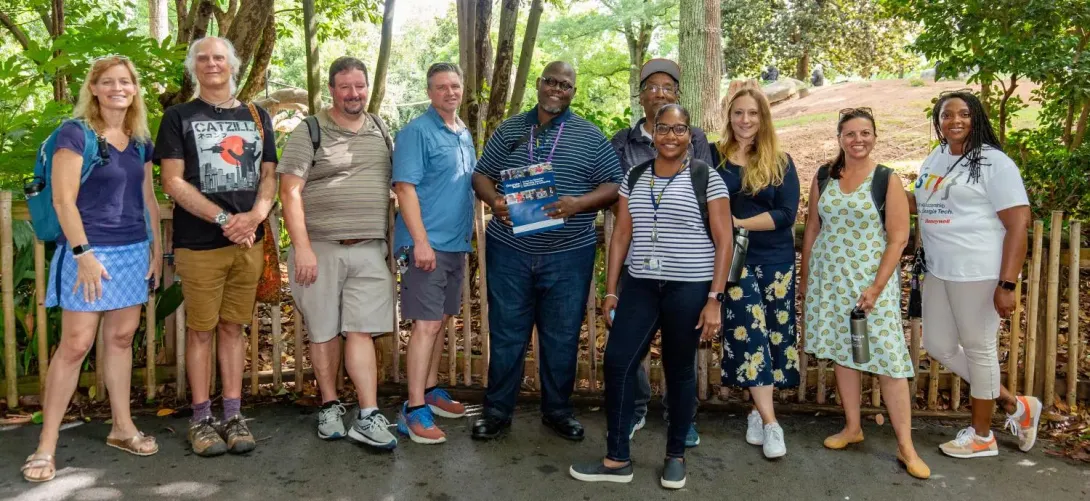
For decades, engineers and scientists have looked to nature for inspiration. One of the most famous examples is Swiss electrical engineer George de Mestral. In 1955, he invented the hook and loop fastener (which he later named Velcro) after studying burdock burrs that kept sticking to his clothes during a hunting trip. For the birth of flight, the Wright brothers studied how birds change the angle of their wings to roll right or left while in the air. They would use the example to refine their control systems in the world’s first successful motor-operated airplane.
A number of Georgia Tech researchers are also focused on biologically inspired design, ranging from the study of how honey bees transport pollen pellets to how small, snakelike lizards move.
With the assistance of a $3 million National Science Foundation grant, Georgia Tech’s Center for Education Integrating Science, Mathematics, and Computing (CEISMC) and the Center for Biologically Inspired Design (CBID) are partnering on a three year research project that introduces biologically inspired design to high school students throughout metro Atlanta.
Read the Full Story at the College of Engineering Website
News Contact
Candler Hobbs, Communications Officer, College of Engineering
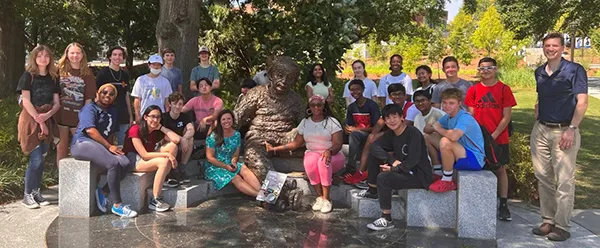
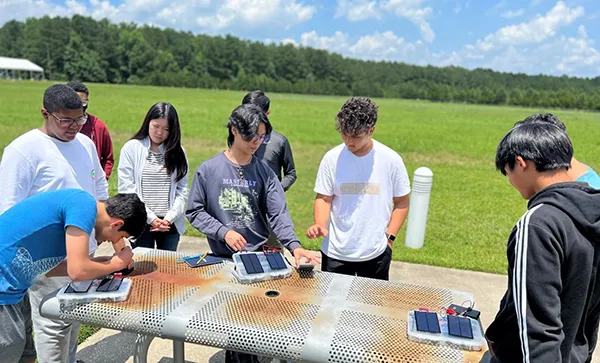
The Summer of 2022 is off to an energetic start! The Energy, Policy, and Innovation Center (EPICenter) hosted two week-long cohorts of "Energy Unplugged," an energy-themed STEAM camp for 35 high school students. Dr. Rich Simmons and Strategic Energy Institute fellow Azell Francis engaged with collaborators from around the state, and led the campers in hands-on interactive demonstrations and experiments involving solar panels, batteries, catapults, water rockets, and remote-control cars. The first camp was held on the Georgia Tech Savannah campus, and the second on the Georgia Tech main campus in Atlanta. Both camps covered both renewable and non-renewable energy sources, energy production and delivery, environmental impacts, and global electricity access. Campers gained insights into how a STEAM-oriented education can be a path that leads to an exciting and successful career in energy.
During the week of June 13 - 17, 2022, GT Savannah was host to a very engaged group of campers. Launching right into activities, the students built and tested catapults, integrating important physics and math concepts into hands-on fun. Next up was the water rocket design challenge, where they showcased their creativity to achieve maximum height and distance. The City of Savannah’s Office of Sustainability displayed their electric vehicle, and shared perspectives on local sustainability initiatives. A highlight of both summer camps was field trip day! The campers visited Georgia Power’s Plant McIntosh, which is a combined cycle gas turbine plant, and the Gulfstream Aerospace Corporation, where the G6 and G7 aircraft are assembled. The week ended too soon, but not before the camp students raced to the finish line driving a re-engineered remote-control electric car, and in true Georgia Tech fashion, hearing the steam engine whistle blow.
Simmons and Francis brought the Energy Unplugged fun to GT Atlanta during the week of June 21 – 24, 2022. The Kendeda Building for Innovative Sustainable Design served as an ideal instructional backdrop for the camp. The Living Building, as it is often called, is certified to generate more energy than it consumes, collect, capture, and process more water than it consumes, and, to the greatest extent possible, be regenerative, rather than consumptive. Hands-on learning remained a key pillar of the camp, conducting experiments with micro-grids and solar panels. The group also had the opportunity to visit Georgia Power’s Morgan Falls Hydroelectric Plant which began commercial operations in 1904, and GE Power’s Monitoring and Diagnostics Center, where more than 500 GW of gas turbine power plants are monitored. The week wrapped up with “shark-tank” style team presentations where campers took an entrepreneurial approach to delivering basic energy services to off-grid communities in the developing world.
Energy Unplugged is administered by Georgia Tech Summer P.E.A.K.S. (Program for Enrichment and Accelerated Knowledge in STEAM) at CEISMC (the Center for Education Integrating Science, Mathematics, and Computing). CEISMC serves as the primary connection point between Georgia Tech faculty and students and the preK-12 STEAM education community, reducing the barriers between kids and higher education. Annually, CEISMC programs impact more than 39,000 students, 1,700 teachers, 200 schools in over 75 school districts throughout the state of Georgia.
News Contact
Brent Verrill, Research Communications Program Manager, SEI

“Thirty years ago not many folks were interested or thinking about sustainability. BBISS was. At Georgia Tech, we do cover many areas in sustainability, and right now after 30 years, BBISS has the history and the ability that can provide expertise to those that are seeking solutions.”
Chaouki Abdallah, Executive Vice President for Research
The Brook Byers Institute for Sustainable Systems (BBISS) is one of Georgia Tech’s 10 interdisciplinary research institutes.
News Contact
Brent Verrill, Research Communications Program Manager
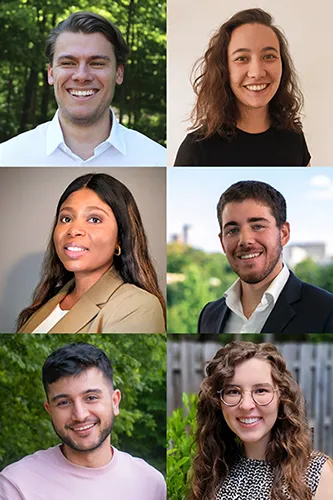
The second class of Brook Byers Institute for Sustainable Systems (BBISS) Graduate Fellows has been selected. The BBISS Graduate Fellows Program provides graduate students with enhanced training in sustainability, team science, and leadership in addition to their usual programs of study. Each two-year fellowship is funded by a generous gift from Brook and Shawn Byers and is additionally guided by a Faculty Advisory Board. The students apply their skills and talents, working directly with their peers, faculty, and external partners on long-term, large team, sustainability relevant projects. They are also afforded opportunities to organize and host seminar series, develop their professional networks, publish papers and draft proposals, and develop additional skills critical to their professional success and future careers leading research teams.
The 2022 class of Brook Byers Institute for Sustainable Systems Graduate Fellows are:
- Oliver Chapman - Ph.D. student, School of Public Policy, Ivan Allen College of Liberal Arts
- Megan Conville - Ph.D. student, School of City and Regional Planning, College of Design
- Carlos Fernandez - Ph.D. student, George W. Woodruff School of Mechanical Engineering, College of Engineering
- Sarah Roney - Ph.D. student, School of Biological Sciences
- Olianike Olaomo - Ph.D. student, School of History and Sociology, Ivan Allen College of Liberal Arts
- Vishal Sharma - Ph.D. student, School of Interactive Computing, College of Computing
The Faculty Advisory Board for the BBISS Graduate Fellows is composed of the faculty who submitted the students' nominations. Nominations for Class III of the BBISS Graduate Fellows program will open in the Spring 2023. It is expected that 6 to 8 scholars will be selected for next year’s group.
The Faculty Advisory Board for the inaugural class are:
Updates and outcomes will be posted to the BBISS website as the project progresses. Additional information is available at https://research.gatech.edu/sustainability/grad-fellows-program.
News Contact
Brent Verrill, Research Communications Program Manager
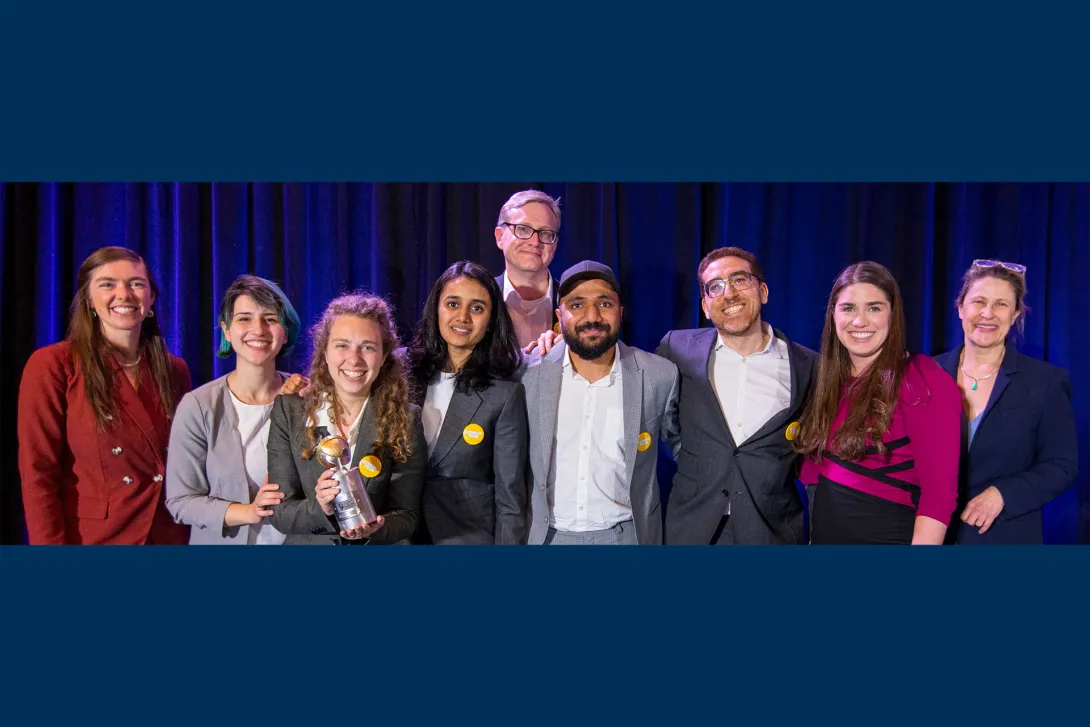
The Georgia Tech student team, "English Avenue Yellow Jackets", is the 2022 Design Challenge Residential Division Grand Winner for the Department of Energy's Solar Decathlon. They also took home first place in the contest's new Retrofit Housing division. Their winning entry retrofitted a 102-year-old house in Atlanta's English Avenue neighborhood.
"The target was to retrofit an existing house to net zero," Aayushi Mody, the team lead said. "And, well, we exceeded the target by making it net positive. The house basically generates more energy than it utilizes." But, Mody explained, that's just the beginning.
In addition to a net positive retrofit, the English Avenue Yellow Jackets provided solutions for rainwater harvesting and graywater reuse, a financial model that included land trust subsidies, and an additional 60 years' worth of projected weather data that proved the house would stay net positive even in cases of extreme weather.
Full Story...
News Contact
Ann Hoevel, Director of Communications, College of Design