
Women in need of supportive maternal and menstrual healthcare in patriarchal societies have increasingly found outlets for disclosure in online communities.
That support, however, begins to disappear in these restrictive cultures once women reach menopause, according to new research from Georgia Tech
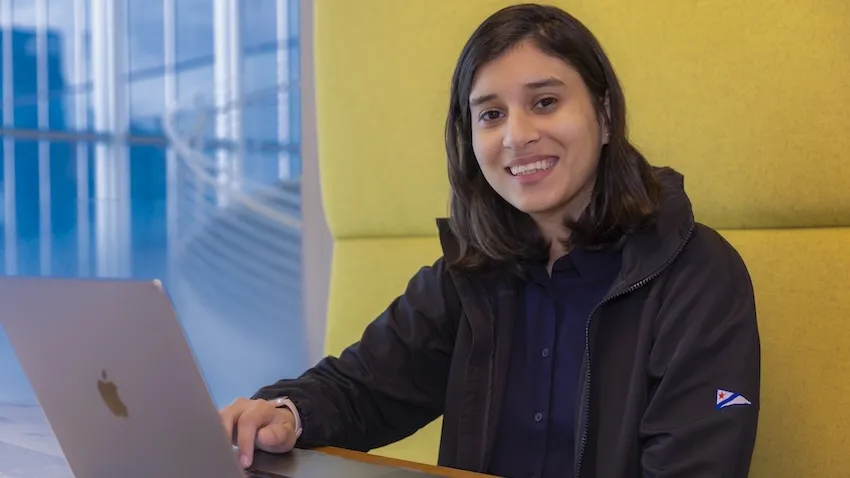
Naveena Karusala, an assistant professor in Georgia Tech’s School of Interactive Computing, and master’s student Umme Ammara are working toward improving existing technologies and designing new ones for a demographic they believe has been neglected.
Karusala and Ammara co-authored a paper based on a study they conducted with women in urban Pakistan experiencing menopause.
“Women’s health is understudied in general, but menopause is more neglected than other women’s health issues,” Karusala said. “Our choice to focus on menopause is motivated by expanding how we holistically think about women’s well-being across their lifespan.”
Karusala and Ammara will present their paper in April at the 2026 ACM Conference on Human Factors in Computing Systems (CHI) in Barcelona.
Masking Symptoms
Menopause is diagnosed after 12 consecutive months without a period, vaginal bleeding, or spotting. The transition to menopause, called perimenopause, usually happens over two to eight years.
Hormone changes may cause symptoms such as irregular periods, vaginal dryness, hot flashes, night sweats, trouble sleeping, mood swings, and brain fog.
These symptoms can be debilitating in some cases and affect daily life. However, Ammara said women are pressured to remain silent, maintain appearances, and regulate their emotions to meet social expectations.
“Understanding menopause is important because a woman would be experiencing all these symptoms, and people will not understand those as actual symptoms,” Ammara said. “There’s been resistance to the idea of the medicalization of menopause. People don’t view it as an illness, but as a life transition and something that happens naturally.”
Feeling Isolated
The women interviewed by Karusala and Ammara either stayed at home full-time or were part of the workforce.
The researchers discovered that trusted family members might be the only sources women who stay at home and do not work turn to for disclosure.
“Women at home have the flexibility to take breaks or work at their own pace, so a lot of their experience is shaped by the emotional barriers they face,” Ammara said.
“That could come from their husbands and family members. Some are supportive and some are not. They might weaponize it and use that term against them, or they might dismiss what they’re going through.”
Ammara said it might be easier for women in the workforce to confide in their coworkers, but explaining to an employer that they need sick leave for menopause symptoms can be intimidating.
Even in online communities that have enabled women to anonymously share their health experiences, menopause is seldom discussed.
Raising Awareness
Karusala and Ammara argue in their paper that a public health approach could be the most effective way to spark conversation about menopause in a patriarchal culture in which technology use varies.
They said the challenge in implementing technologies geared toward menopause support is that the condition isn’t well understood in public. Improving maternal health, for example, is easier to promote within these societies because of the general understanding that motherhood is important.
“There must be an existing infrastructure to build on,” Karusala said. “For example, menstrual and maternal health are taught in schools and regularly discussed in primary care. Cultural and social meaning and importance are placed on motherhood.
“A lot of that doesn’t exist for menopause. Primary care doctors are unprepared to talk about menopause compared to other health issues.”
Design Solutions
Ammara said that the most effective way for technologies to make an impact on women going through menopause is to directly address systemic power structures around women’s health within Pakistani culture.
It can start with the husbands.
“Framing the issue for husbands to understand menopause should be at the forefront of designing technology solutions,” she said.
“In Islamic contexts, we suggest using faith-based framings. This has been proposed for maternal health in prior works that draw on Islamic principles to engage expectant fathers in providing care and support. Framing it around religious responsibility to involve men in the journey can also be done for menopause.”
News Contact
Nathan Deen
College of Computing
Georgia Tech
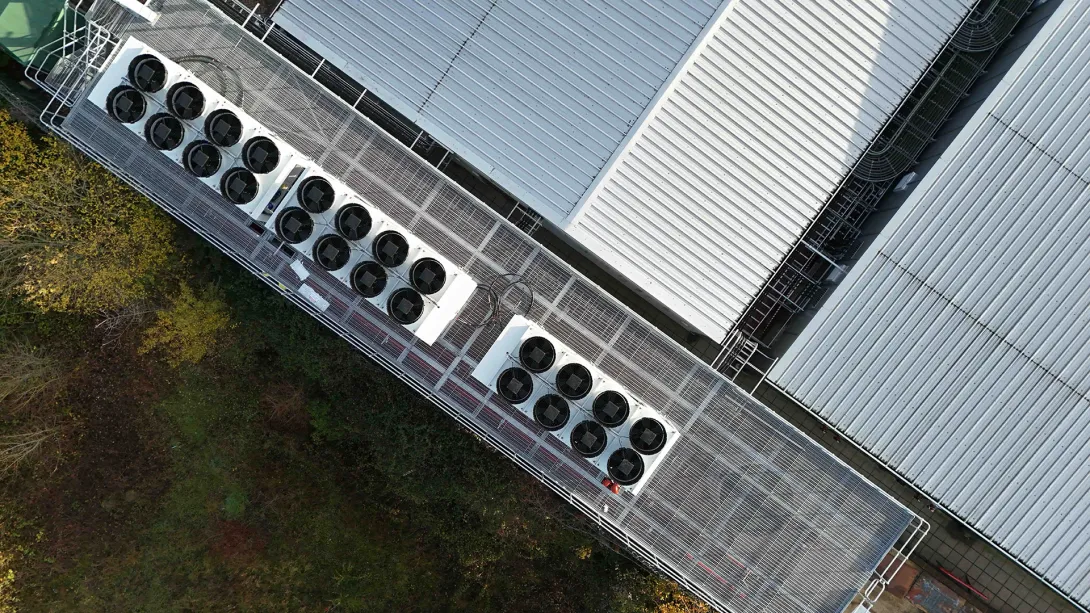
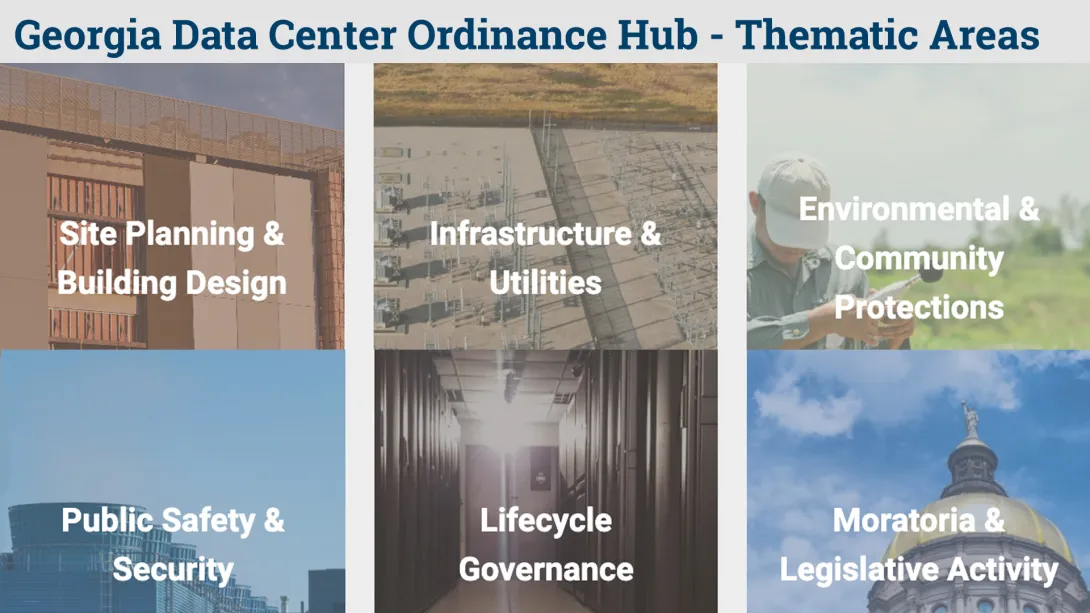
Thematic Areas covered by EPIcenter's Datacenter Ordinance Hub
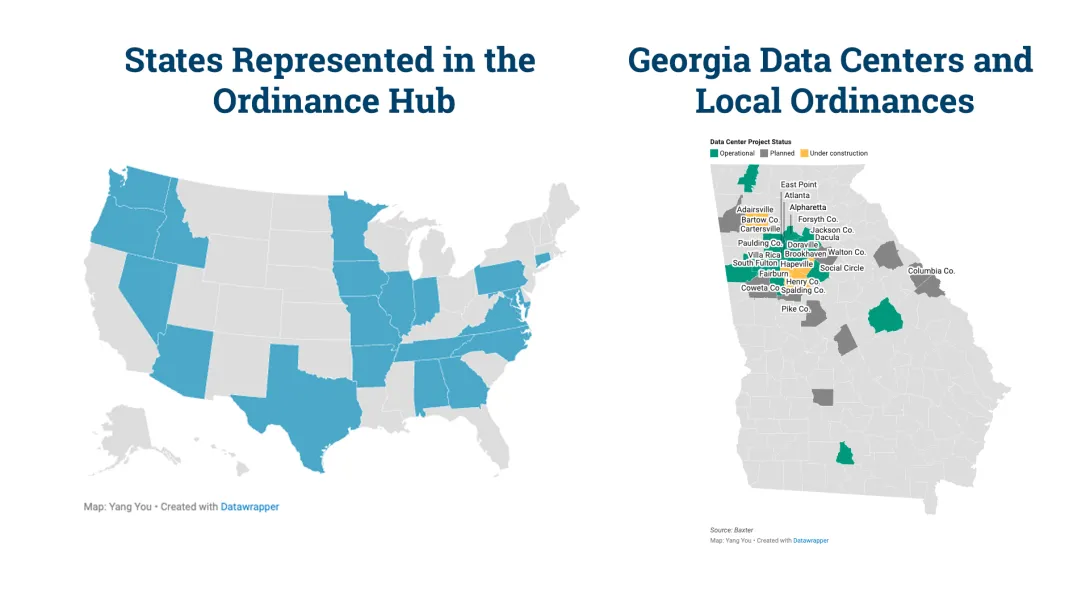
The Energy Policy and Innovation Center (EPIcenter) at Georgia Tech has launched an interactive tool to help communities navigate the dynamic land-use and policy landscape surrounding data center development: the Georgia Data Center Ordinance Hub.
As new data centers continue to be built and proposed in Georgia, counties and municipalities across the state are considering how to guide this growth. EPIcenter’s data center dashboard provides policymakers, planners, researchers, and community stakeholders with a centralized resource to better understand how data center regulations are being developed and applied across Georgia and the U.S.
“Our Data Center Hub provides Georgia communities with a one-stop shop to understand how their neighbors are managing land-use regulations for data centers,” said Laura Taylor, director of EPIcenter. “It brings together clear, accessible information to help jurisdictions plan when data center growth occurs in their area.”
The dashboard is organized around five thematic areas commonly addressed in data center land-use regulations: Site Planning and Building Design, Infrastructure and Utilities, Environmental and Community Protections, Public Safety and Security, and Lifecycle Governance. Within each theme, users can explore specific regulatory topics and access the relevant ordinances enacted by Georgia communities.
To build the dashboard, EPIcenter researchers conducted a comprehensive review of municipal codes across the state.
“We reviewed municipal codes for about 180 cities and counties across Georgia and identified ordinances that specifically address data center development,” said Yang You, EPIcenter’s research associate who developed the project. “In total, we found 19 data center-specific topics that ordinances tend to cover. We analyzed ordinances across jurisdictions and organized their ordinance provisions into topics such as building placement, setbacks, infrastructure, and environmental considerations to make it easier to compare how different jurisdictions regulate data centers.”
You added that the dashboard also incorporates examples from outside of Georgia. By gathering ordinances from other states and pairing them with Georgia-specific examples, EPIcenter aims to provide a clear framework to help communities efficiently address data center land-use regulation.
The Georgia Data Center Ordinance Hub is available through the Energy Policy and Innovation Center website.
News Contact
Priya Devarajan || SEI Communications Program Manager

Whether it’s a fire or a flood, a ship’s crew can only rely on itself and its training in emergencies at sea. The same is true for crews facing digital threats on oil tankers, cargo ships, and other commercial vessels.
New cybersecurity research from the Georgia Institute of Technology, however, revealed that crews aboard commercial vessels were often not adequately prepared to manage cyberattacks effectively due to systemic training gaps.
The findings are based on interviews conducted by researchers with more than 20 officer-level mariners to assess the maritime industry’s readiness to handle cybersecurity attacks at sea.
"Historically, cybersecurity research has focused heavily on cyber-physical systems like cars, factories, and industrial plants, but ships have largely been overlooked,” said Anna Raymaker, Ph.D. student and lead researcher.
“That gap is concerning when more than 90% of the world’s goods travel by sea. Recent incidents, from GPS spoofing to ships linked to subsea cable disruptions, show that maritime systems are increasingly part of the global cyber threat landscape.”
The researchers proposed four practical strategies to strengthen maritime cyber defenses and close the training gaps. Their findings were presented recently at the ACM SIGSAC Conference on Computer and Communications Security (CCS).
1. Make Cybersecurity Training Actually Maritime
Many of those interviewed for the study described current cybersecurity training as “boilerplate” — generic modules that don’t reflect real shipboard risks.
Researchers recommend:
- Role-specific instruction: Navigation officers should learn to detect and identify GPS spoofing. Engineers should focus on vulnerabilities in remotely monitored systems.
- Bridging IT and Operational Technology: Crews need to understand how attacks on IT systems can trigger physical consequences in operational technology — including collisions, groundings, or explosions.
- Hands-on delivery: Replace passive PowerPoints with drills and in-person exercises that build muscle memory.
- Accessible standards: Training must account for the wide range of educational backgrounds across crews and be standardized across ranks.
2. Move Beyond “Call IT”
At sea, crews can’t simply escalate a cyber incident to a shore-based IT department and wait. Operational resilience requires onboard readiness.
Researchers recommend:
- Vessel-specific response plans: Ships need clear, actionable protocols for threats such as AIS jamming or radar manipulation.
- Military-style drills: Adopting MCON (Emission Control) exercises — used by the U.S. Military Sealift Command — can train crews to operate safely without electronic systems.
- Stronger connectivity controls: High-bandwidth satellite systems like Starlink introduce new risks. Clear policies and network segregation are essential to prevent new entry points for attackers.
Related Article: When GPS lies at sea: How electronic warfare is threatening ships and their crews by Anna Raymaker
3. Create Unified, Ship-Specific Regulations
Maritime cybersecurity regulations are often reactive and fragmented. Researchers argue the industry needs a cohesive, domain-specific framework.
Key recommendations include:
- A unified global model: Like the energy sector’s NERC CIP standards, a maritime framework could mandate baseline controls such as encryption, network segmentation, and anonymous incident reporting.
- Rules built for real crews: Regulations designed for large naval operations don’t translate well to smaller merchant or research vessels. Standards must reflect actual shipboard conditions.
- Future-proofing requirements: Autonomous ships and remotely operated vessels expand the cyber-physical attack surface. Regulations must proactively address these emerging technologies.
4. Invest in Maritime-Specific Cyber Research
Finally, the researchers stress that long-term resilience requires deeper technical research focused on maritime systems.
Priority areas include:
- Real-time intrusion detection systems tailored to shipboard protocols.
- Proactive security risk assessments of interconnected onboard systems.
- Cyber-physical modeling to better understand cascading failures in complex maritime environments.
The Bottom Line
Cyber threats at sea are no longer hypothetical. Mariners report real-world incidents ranging from GPS spoofing to ransomware that disrupts global trade.
“Through our interviews with mariners, I saw firsthand how much dedication and pride they take in their work,” said Raymaker. “Our goal is for this research to serve as a call to action for researchers, policymakers, and industry to invest more attention in maritime cybersecurity and support the people who risk their lives every day to keep global trade, food, and energy moving."
A Sea of Cyber Threats: Maritime Cybersecurity from the Perspective of Mariners was presented at CCS 2025. It was written by Raymaker and her colleagues, Ph.D. students Akshaya Kumar, Miuyin Yong Wong, and Ryan Pickren; Research Scientist Animesh Chhotaray, Associate Professor Frank Li, Associate Professor Saman Zonouz, and Georgia Tech Provost and Executive Vice President for Academic Affairs Raheem Beyah.
News Contact
John Popham
Communications Officer II School of Cybersecurity and Privacy
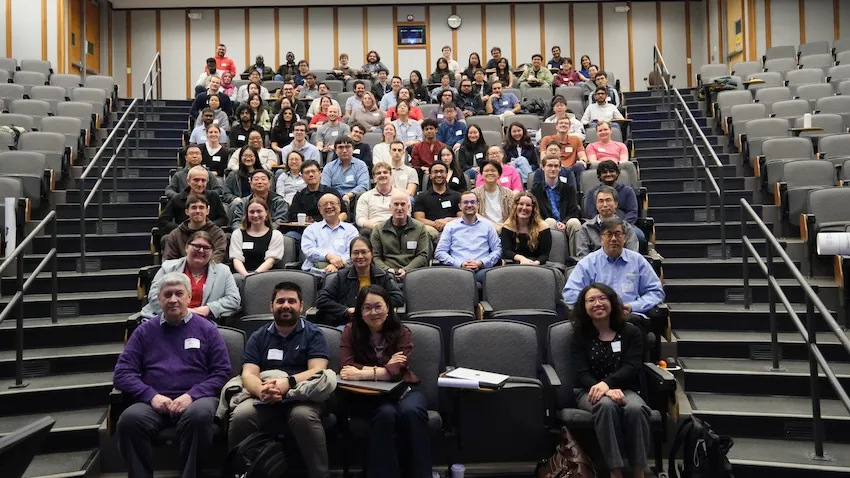
The in-state rivalry between the Yellow Jackets and the Bulldogs usually heats up when Georgia Tech visits the University of Georgia. However, one Saturday last month, the focus shifted from competition to collaboration.
The Georgia Scientific Computing Symposium (GSCS) held its annual meeting on February 21 in Athens. Since 2009, the event has hosted researchers from across the Peach State to showcase homegrown advances in scientific computing.
The symposium highlighted Georgia’s reputation as a computing innovation hub. People from around the world come to Georgia universities to lead computing research. By advancing science, engineering, medicine, and technology, their work improves communities at home and abroad.
Faculty and students from Georgia Tech, UGA, Georgia State University, and Emory University presented at the symposium. Georgia Tech participants came from the colleges of Computing, Engineering, and Sciences.
This year’s organizers agreed to meet in Atlanta for the 2027 symposium. Georgia Tech’s School of Computational Science and Engineering (CSE) will host the 19th GSCS.
“From healthcare to computer chip design, scientific computing underpins many of the technological advances we see in our lives,” said Professor Edmond Chow, associate chair of the School of CSE.
“Scientific computing provides the mathematical models, simulations, and data‑driven tools that make modern innovation possible. It allows people to analyze complex systems, test ideas virtually before building them, and make faster, more accurate decisions across nearly every sector of society.”
Professor Haomin Zhou and Assistant Professor Helen Xu delivered two of the symposium’s five plenary talks.
Zhou presented a new method for solving the Schrödinger equation, a landmark equation in quantum mechanics. Drawing inspiration from the mathematics used in generative artificial intelligence models, his approach develops an algorithm that more effectively simulates waves, particle motion, and other physical systems.
Xu focused on improving how computers move and organize data during complex calculations. Her work uses “cache-friendly” layouts that help computers access data more efficiently, boosting performance for scientific and engineering applications.
“Speaking at GSCS was a great opportunity,” Xu said. “The symposium fostered connections within the scientific computing community and gave us a chance to share exciting research.”
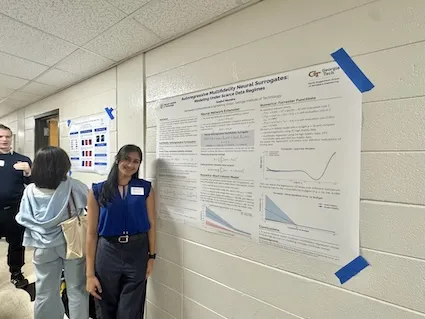
The symposium showcased student work through a poster blitz and a poster session. During the blitz, 36 students each had one minute to introduce their research to the full audience. They then shared more details about their research during the poster session.
The student projects showed the range of fields supported by scientific computing. The session also provided attendees with an opportunity to connect and expand their professional networks, helping grow the field’s future impact.
“As an aerospace engineer by training and aspiring computational scientist, GSCS gave me the platform to network with other researchers in the field while showcasing my own research,” said M.S. student Kashvi Mundra.
“I was able to connect with scientists across different disciplines whose work intersects with my own in unexpected ways. Those conversations pushed my thinking beyond my own lab's perspective, helping me see my work on physics-informed machine learning for inverse problems in a broader scientific computing context.”
Georgia Tech students who presented posters included:
Abir Haque (CSE), Massively Parallel Random Phase Approximation Correlation Energy via Lanczos Quadrature
Antonio Varagnolo (CSE), Physics-Enhanced Deep Surrogates for the Phonon Boltzmann Transport Equation
Ben Burns (CSE), Infinite-Dimensional Stein Variational Inference with Derivative-Informed Neural Operators
Ben Wilfong (CSE), Shocks without Shock Capturing; Compressible Flow at 1 quadrillion Degrees of Freedom without Loss of Accuracy
Daniel Vickers (CSE), Highly-Parallel Fluid-Solid Interactions for Compressible Flows
Eric Fowler (CSE), High-Performance Tensor Contractions in Computational Chemistry
Haoran Yan (Math), Understanding Denoising Autoencoders through the Manifold Hypothesis: A Geometric Perspective
Kashvi Mundra (CSE), Autoregressive Multifidelity Neural Surrogate Modeling under Scarce Data Regimes
Sebastián Gutiérrez Hernández (Math/CSE), PDPO: Parametric Density Path Optimization
Vivian Zhang (AE), Multifidelity Operator Inference: Non-Intrusive Reduced Order Modeling from Scarce Data
Xian Mae Hadia (CSE), Data Efficiency of Surrogate Models: Learning Physics Data from Full Field Data vs. Inductive Bias from Approximate PDE Solvers
Xiangming Huang (CSE), Neural Operator Accelerated Evolutionary Strategies for PDE-Constraint Optimization
Zhaiming Shen (Math), Understanding In-Context Learning on Structured Manifolds: Bridging Attention to Kernel Methods
Zhongjie Shi (Math), Towards Understanding Generalization in DP-GD: A Case Study in Training Two-Layer CNNs
News Contact
Bryant Wine, Communications Officer
bryant.wine@cc.gatech.edu

After watching hundreds of mosquitoes buzzing around one of their colleagues and collecting 20 million data points, Georgia Tech and Massachusetts Institute of Technology researchers have created a mathematical model that predicts how and where female mosquitoes will fly to feast on humans.
The new study is the first to visualize mosquito flight patterns and provides hard data for improving capture and control strategies. In addition to being a nuisance, mosquitoes transmit diseases such as malaria, yellow fever, and Zika, which cause more than 700,000 deaths every year.
“It’s like a crowded bar,” said David Hu, a professor in Georgia Tech’s George W. Woodruff School of Mechanical Engineering and the School of Biological Sciences, with an adjunct appointment in the School of Physics. “Customers aren’t there because they followed each other into the bar. They’re attracted by the same cues: drinks, music, and the atmosphere. The same is true of mosquitoes. Rather than following the leader, the insect follows the signals and happens to arrive at the same spot as the others. They’re good copies of each other.”
Read more and watch:
Georgia Tech College of Engineering newsroom and The Conversation
News Contact
Jason Maderer (maderer@gatech.edu)

An illustration of a chain of amino acids forming a protein (Credit: Adobe Stock)
The building blocks of proteins, amino acids are essential for all living things. Twenty different amino acids build the thousands of proteins that carry out biological tasks. While some are made naturally in our bodies, others are absorbed through the food we eat.
Amino acids also play a critical role commercially where they are manufactured and added to pharmaceuticals, dietary supplements, cosmetics, animal feeds, and industrial chemicals — an energy-intensive process leading to greenhouse gas emissions, resource consumption, and pollution.
A landmark new system developed at Georgia Tech could lead to an alternative: a commercially scalable, environmentally sustainable method for amino acid production that is carbon negative, using more carbon than it emits.
The breakthrough builds on a method that the team pioneered in 2024 and solves a key issue – increasing efficiency to an unprecedented 97% and reducing the bioprocess cost by over 40%. It’s the highest reported conversion of CO2 equivalents into amino acids using any synthetic biology system to date.
Published in the journal ACS Synthetic Biology, the study, “Cell-Free-Based Thermophilic Biocatalyst for the Synthesis of Amino Acids From One-Carbon Feedstocks,” was led by Bioengineering Ph.D. student Ray Westenberg and Professor Pamela Peralta-Yahya, who holds joint appointments in the School of Chemistry and Biochemistry and School of Chemical and Biomolecular Engineering. The team also included Shaafique Chowdhury (Ph.D. ChBE 25) and Kimberly Wennerholm (ChBE 23); alongside University of Washington collaborators Ryan Cardiff, then a Ph.D. student and now a Chain Reaction Innovations Fellow at Argonne National Laboratory, and Charles W. H. Matthaei Endowed Professor in Chemical Engineering James M. Carothers; in addition to Pacific Northwest National Laboratory Synthetic Biology Team Leader Alexander S. Beliaev.
"This work shifts the narrative from simply reducing carbon emissions to actually consuming them to create value,” says Peralta-Yahya. “We are taking low-cost carbon sources and building essential ingredients in a truly carbon-negative process that is efficient, effective, and scalable.”
Heat-Loving Organisms
The work builds on the cell-free technology the team used in their earlier study. “Previously, we discovered that a system that uses the machinery of cells, without using actual living cells, could be used to create amino acids from carbon dioxide,” Peralta-Yahya explains. “But to create a commercially viable system, we needed to increase the system’s efficiency and reduce the cost.”
The team discovered that bits of leftover cells were consuming starting materials, and — like a machine with unnecessary gears or parts — this limited the system’s efficiency. To optimize their “machine,” the team would need to remove the extra background machinery.
"Leftover cell parts were using key resources without helping produce the amino acids we were looking for,” says Peralta-Yahya. “We knew that heating the system could be one way to purify it because heat can denature these components.”
The challenge was in how to protect the essential system components from the high temperatures, she adds. “We wondered if introducing enzymes produced by a heat-loving bacterium, Moorella thermoacetica, might protect our system, while still allowing us to denature and remove that inefficient background machinery.”
The results were astounding: after introducing the enzymes, heating and “cleaning” the system, and letting it cool to room temperature, synthesis of the amino acids serine and glycine leaped to 97% yield — nearly three times that of the team’s previous system.
Scaling for Sustainability
To make the system viable for large-scale use, the team also needed to reduce costs. “One of the most costly components in this system is the cofactor tetrahydrofolate (THF),” Peralta-Yahya shares. “Reducing the amount of THF needed to start the process was one way to make the system more inexpensive and ultimately more commercially viable.”
By linking reaction steps so waste from one step fueled the next, the team devised a method to recycle THF within the system that reduces the amount of THF needed by five-fold — lowering bioprocessing costs by 42%.
“This decrease in cost and increase in yield is a critical step forward in creating a method with real potential for use in industry and manufacturing,” Peralta-Yahya says. “This system could pave the way for moving this carbon-negative technology out of the lab and onto the continuous, industrial scale."
Funding: The Advanced Research Project Agency-Energy (ARPA-E); U.S. Department of Energy; and the U.S. Department of Energy, Office of Science, Biological and Environmental Research Program.
News Contact
Written by:
Selena Langner
College of Sciences
Georgia Institute of Technology
Two Georgia Tech undergraduates are being recognized for their contributions to computing research.
Ryan Punamiya (CS 2025) and Summer Abramson, a third-year computational media student, have been honored by the Computing Research Association (CRA) through its 2025–2026 Outstanding Undergraduate Researcher Award (URA) program.
Punamiya was named a runner-up for the prestigious award, while Abramson received an honorable mention among hundreds of applicants from universities across North America.
The CRA Outstanding Undergraduate Researcher Award program recognized eight awardees in 2026, along with eight runners-up, nine finalists, and over 200 honorable mentions from thousands of applications.
Advancing Robotics Research
Punamiya knew early on that he didn’t want to wait until starting his Ph.D. to do meaningful and impactful robotics research.
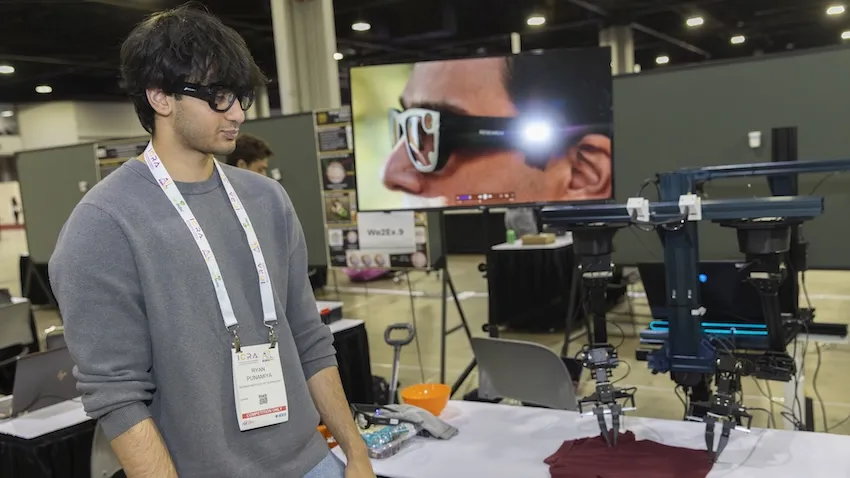
Punamiya joined the Robot Learning and Reasoning Lab (RL2) directed by Assistant Professor Danfei Xu. While there, he contributed to the lab’s Meta-sponsored EgoMimic project, which trains robots to perform human tasks using recordings captured by Meta’s Project Aria research glasses.
Punamiya is also the first author of a paper accepted to the 2025 Conference on Neural Information Processing Systems (NeurIPS), one of the world’s most prestigious artificial intelligence (AI) and machine learning conferences.
“Ryan is the strongest undergraduate I've worked with,” Xu said, “including students who went on to Stanford, Berkeley, and leadership roles in major tech companies. He’s already operating at the level of a strong third-year Ph.D. student.”
Punamiya said it was a challenge to balance his undergraduate coursework with his research in Xu’s lab.
“You get out how much you put in,” he said. “I built my class schedule to give myself as much time to do research as possible. It also boils down to having the right research mentors.
“(Xu) never saw me as an undergrad who’s just there to do grunt work. I was fortunate he saw my curiosity and cultivated me as a researcher. That’s really how you get more undergrads motivated to research — giving them the chance to be independent and explore ideas of their own.”
Punamiya said his work in Xu’s lab has already helped him identify the research areas he wants to focus on as he considers his next steps. He will continue developing generalized training models for robots using human data so they can perform tasks instantly upon deployment.
"The amount of data needed to train a robot is difficult to obtain even for top industry companies," he said. "We have embodied robot data available in billions of humans. With the advent of extended reality devices, we can get a scalable source of diverse interactions within environments."
Punamiya graduated in December and recently started an internship at Nvidia. He mentioned he has been accepted into several Ph.D. programs, including Georgia Tech, and he is choosing where to continue his research.
“It’s the first time my research has been acknowledged externally by the robotics community,” he said. “It’s good to know the problem I’m working on is important, and that motivates me. Robotics is an exciting field. We are doing things now that two years ago were difficult to do.”
Researching Inclusion in Computing Education
Abramson conducts research in the People-Agents Research for Computing Education (PARCE) Laboratory under the mentorship of Pedro Guillermo Feijóo-García, a faculty member in the School of Computing Instruction. He and the Associate Dean for Undergraduate Education, Olufisayo Omojokun, nominated her for the award.
Her work focuses on the intersection of computing education and human-AI interaction, where she’s been exploring ways to create more equitable technology.
“This is such a huge milestone, and I couldn't be prouder of Summer,” Feijóo-García said. “Mentoring her for almost two years has been an amazing experience.”
Abramson has received the Georgia Tech President’s Undergraduate Research Award (PURA) twice, which supports her research exploring how user-centered design curricula can help address attrition among women in computing.
“I’ve had the amazing opportunity to pursue research at the intersection of student identity, community belonging, and how we can build tools that support our diverse student population,” Abramson said.
“Dr. Pedro and I have a goal to build community through a human-first approach, and I could not be more grateful for his support and guidance in my own journey. The CRA highlights the best of what the computing discipline has to offer, and I am incredibly honored for our work to be recognized.”
Abramson will spend the summer researching how user-centered design curricula can help promote confidence, belonging, and retention for women in computing.
Nominees for the PURA program were recognized for contributing to multiple research projects, authoring or coauthoring papers, presenting at conferences, developing widely used software artifacts, and supporting their communities as teaching assistants, tutors, and mentors.
School of Computing Instruction Communications Officer Emily Smith contributed to this story.
Main Photo: Ryan Punamiya works with a robot during the 2025 International Conference on Robotics and Automation in Atlanta. Photo by Terence Rushin/College of Computing.

Taken aboard Apollo 8 by Bill Anders, this iconic picture shows Earth peeking out from beyond the lunar surface as the first crewed spacecraft circumnavigated the Moon, with astronauts Anders, Frank Borman, and Jim Lovell aboard. (Credit: NASA)

Advik Vira
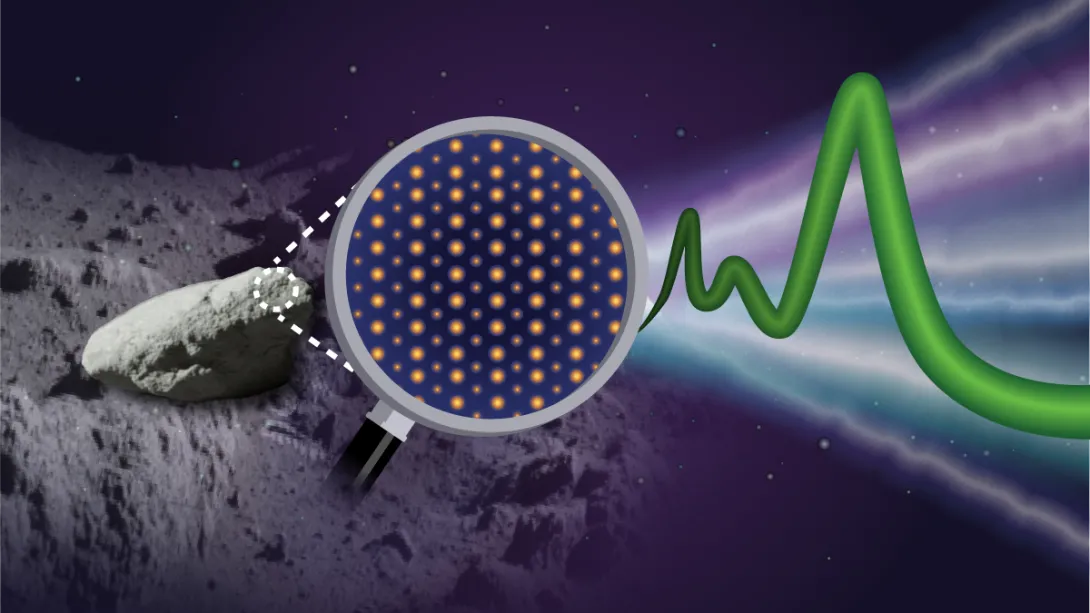
An illustration of the Apollo rock 75035 on the Moon, an atomic image of the sample, and its spectral signature. (Credit: August Davis)

An optical image of the chip from the lunar rock the team investigated.
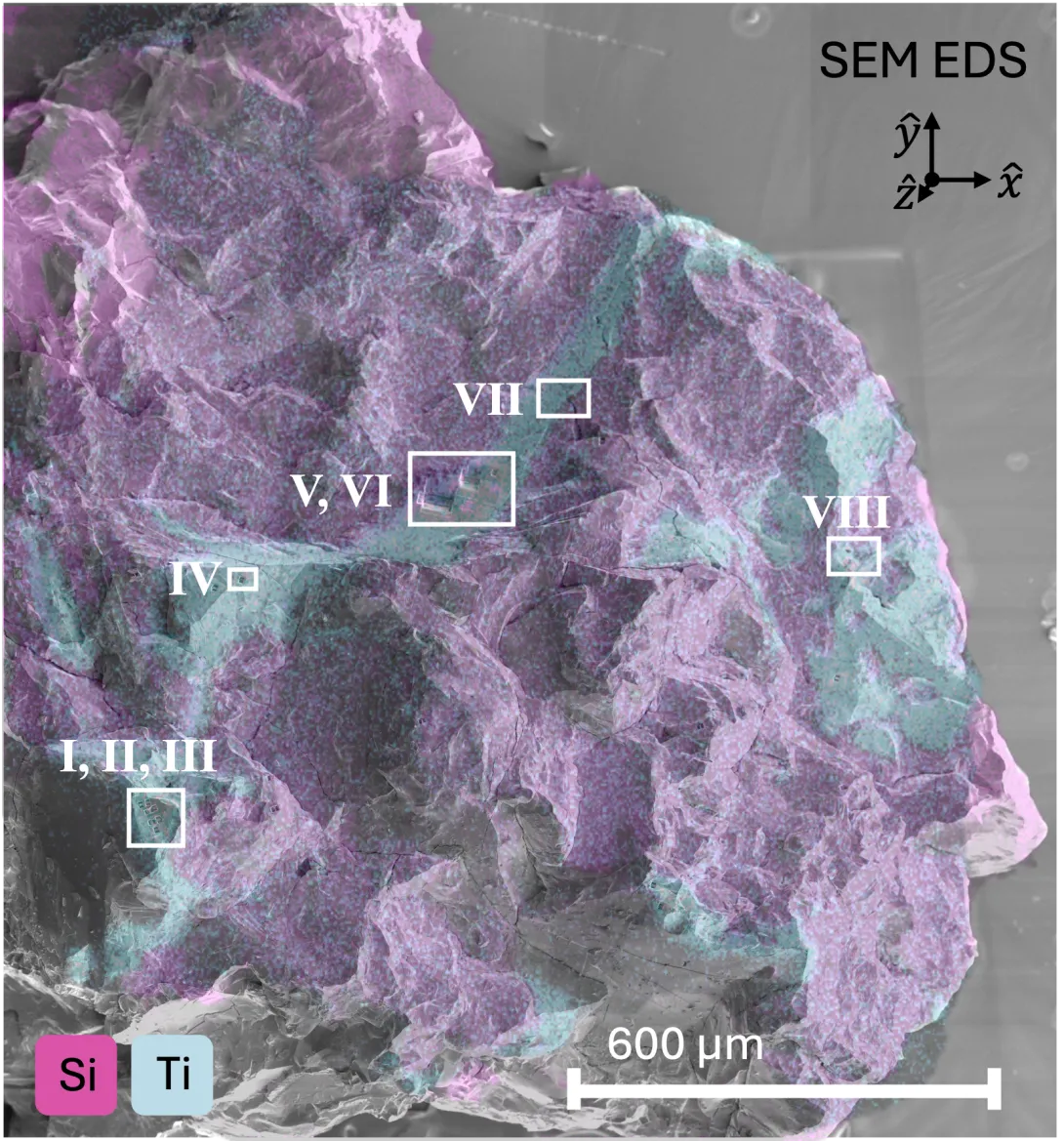
An image of the chip from the sample, imaged using scanning electron microscopy. Titanium is shown in light blue, and white boxes show areas where samples were extracted to analyze the ilmenite crystal.
A chemical signature hidden in a 3.8‑billion‑year‑old lunar rock is offering new insights into the availability of oxygen within the young Moon.
Published today in the journal Nature Communications, the paper “Trivalent Titanium in High-Titanium Lunar Ilmenite” confirms titanium in a reduced, trivalent state in a black, metal-rich lunar mineral called ilmenite. It’s a state only possible in low-oxygen environments, conditions researchers refer to as “reducing.”
“Models have suggested that these reducing conditions may have varied at different locations and times across the surface of the Moon,” says lead author Advik Vira, a graduate student in the School of Physics who recently earned his doctoral degree. “We hope our microscopy technique can be a valuable step in mapping and understanding the Moon’s 4.5-billion-year history.”
The team anticipates that their technique could be used on many of the lunar samples collected more than 50 years ago by the Apollo missions in addition to the Apollo Next Generation Samples — a group of lunar samples that have been stored under pristine conditions — and new samples from the planned Artemis missions, with Artemis II slated for launch this spring. The technique might also be applicable to samples collected from the far side of the Moon and returned in 2024 by the Chang’e-6 mission.
“The Moon holds clues not only to its own past, but also to the earliest eras of Earth’s evolution — history that has long since been erased from our planet,” Vira says. “This study is a step toward understanding the history of both and a reminder that there is still so much left to learn from the lunar rocks we’ve brought back to Earth.”
The School of Physics research team included corresponding authors Vira and Professor Phillip First; in addition to graduate student Roshan Trivedi; undergraduate students Gabriella Dotson, Keyes Eames, Dean Kim, and Emma Livernois; and Professor Zhigang Jiang, along with Institute for Matter and Systems Materials Characterization Facility Senior Research Scientist Mengkun Tian; School of Chemistry and Biochemistry Senior Research Scientist Brant Jones and Thom Orlando, Regents' Professor in the School of Chemistry and Biochemistry with a joint appointment in the School of Physics.
The Georgia Tech team was joined by Addis Energy Senior Geochemist Katherine Burgess; Macalester College Assistant Professor of Geology Emily First; along with Lawrence Berkeley National Laboratory Research Scientist Harrison Lisabeth, Senior Scientist Nobumichi Tamura, and Postdoctoral Fellow Tyler Farr, who recently earned a Ph.D. from Georgia Tech’s George W. Woodruff School of Mechanical Engineering.
CLEVER research
The investigation began with a dark gray rock called a lunar basalt. Formed when ancient magma erupted on the Moon’s surface, minerals crystallized as it cooled — preserving key information in their structures. Billions of years later, the rock was brought to Earth by the 1972 Apollo 17 mission, where a small piece is now stored at Georgia Tech’s Center for Lunar Environment and Volatile Exploration Research (CLEVER), a NASA Solar System Exploration Research Virtual Institute (SSERVI) center led by Orlando.
As a NASA virtual institute, CLEVER supports researchers exploring lunar conditions and developing tools for the upcoming crewed Artemis missions, and provided the lunar samples for this research. The SSERVI also plays a critical role in training the next generation of planetary researchers: both Vira and Farr earned their Ph.D.s while on the CLEVER team.
“At CLEVER, we are very interested in understanding the impacts of space weathering,” Vira says. “We implemented modern sample preparation and advanced microscopy techniques to image samples at the atomic level, and were curious to apply it more broadly to the collection of Apollo rocks in the Orlando Lab. This sample caught our attention.”
“When we imaged an ilmenite crystal from the lunar basalt, what struck us first was how uniform and perfect the crystal structure was,” he recalls. “We found no defects from space weathering and instead saw an undamaged, pristine crystal — undisturbed for 3.8 billion years.”
To investigate further, the team analyzed small chips of the rock with Burgess, a member of the RISE2 SSERVI team and then a geologist at the U.S. Naval Research Laboratory. Using state-of-the-art electron microscopy and spectroscopy techniques, Vira determined the oxidation state of the elements in the ilmenite present.
In spectroscopy measurements, each element leaves a distinct ‘signature,’ Vira explains. “When we brought our results back to Georgia Tech’s Materials Characterization Facility, Mengkun (Tian) noticed something unusual: the signature showed titanium might be present in the trivalent state.”
The presence of trivalent titanium had long been suspected in this lunar mineral. The team was intrigued.
A new window into old rocks
With funding from Georgia Tech’s Center for Space Technology and Research (CSTAR), Vira returned to the U.S. Naval Research Laboratory to analyze additional samples. The results confirmed that more titanium was present than the mineral’s formula (FeTiO₃) predicts — indicating a portion of the titanium present was trivalent.
“That led me to place our measurements in terms of the broader geological context,” Vira shares. Working with First, Vira explored how ilmenite with trivalent titanium could help reconstruct the nature of ancient magmas from the Moon, especially the chemical availability of oxygen.
“Because its location on the Moon was noted during the Apollo mission, we know exactly where this rock is from, and we can determine how old the rock is,” he explains. “When coupled with our trivalent titanium measurements, we can use that information to estimate the reducing conditions for this specific region at the specific time our rock formed.”
If the upcoming Artemis missions return samples suitable for the team’s technique, these rocks could provide a new window into ancient lunar geology. The research also highlights that many lunar samples already on Earth could be reexamined to look for trivalent titanium.
“There is still so much to learn from the lunar samples we have already brought to Earth,” Vira says. “It’s a testament to the long-term value of each sample return mission. As technology continues to advance, this type of work will continue to give us critical insights into our planet and our place in the universe for years to come.”
DOI: 10.1038/s41467-026-69770-w
Funding: This work was directly supported by the NASA SSERVI under CLEVER. Researchers were also supported by the NASA RISE2 SSERVI and the Heising-Simons Foundation. Funding for collaborations between the U.S. Naval Research Laboratory and Georgia Tech for the investigation of lunar minerals was provided by the Georgia Tech Center for Space Technology and Research. Sample preparation was performed at the Georgia Tech Institute for Matter and Systems, which is supported by the National Science Foundation. This work utilized the resources of the Advanced Light Source, a user facility supported by the U.S. Department of Energy, Office of Science, Office of Basic Energy Sciences, and was supported in part by previous breakthroughs obtained through the Laboratory Direct.
News Contact
Written by:
Selena Langner
College of Sciences
Georgia Institute of Technology

SMART Dogs herding sheep on a farm, looks like flock of bird pattern

A dog herding sheep in a sheepdog trial
Sheepdogs, bred to control large groups of sheep in open fields, have demonstrated their skills in competitions dating back to the 1870s.
In these contests, a handler directs a trained dog with whistle signals to guide a small group of sheep across a field and sometimes split the flock cleanly into two groups. But sheep do not always cooperate.
Researchers at the Georgia Institute of Technology studied how handler–dog teams manage these unpredictable flocks in sheepdog trials and found principles that extend beyond livestock herding.
In a study published in Science Advances as the cover feature, the researchers applied those insights to computer simulations showing how similar strategies could improve the control of robot swarms, autonomous vehicles, AI agents, and other networked systems where many machines must coordinate their actions despite uncertain conditions.
Group Movement Dynamics
“Birds, bugs, fish, sheep, and many other organisms move in groups because it benefits individuals, including protection from predators,” said Saad Bhamla, an associate professor in Georgia Tech’s School of Chemical and Biomolecular Engineering. “The puzzle is that the ‘group’ is not a single organism. It is built from many individuals, each making local, imperfect decisions.”
When a predator threatens a herd of sheep, individuals near the edge often move toward the center to reduce their own risk, Bhamla explained. “This is ‘selfish herd’ behavior,” he said. “Shepherds exploit that instinct using trained dogs.”
From examining hours of contest footage, the researchers found that controlling small groups of sheep can be harder than managing large ones. A larger group, with more sheep protected in the center, may behave more coherently than a small group as the animals constantly shift between two instincts: “follow the group” and “flee the dog.”
“That switching behavior makes the group unpredictable,” said Tuhin Chakrabortty, a former postdoctoral researcher in the Bhamla Lab who co-led the study.
Looking closely at how dogs and their handlers guide small groups, the researchers found that unpredictability in the flock’s behavior does not always make control harder. “Under the right conditions, that ‘noisy’ behavior might actually be a benefit,” Bhamla said.
Successful Sheep Herding
Sheepdog handlers categorize sheep by how strongly they respond to a dog’s threatening pressure. Some very responsive sheep might panic under too much pressure, while others might ignore mild pressure and require stronger positioning by the dog.
The researchers observed that successful control often followed a two-step pattern. First, the dog subtly influenced the sheep’s orientation while the animals were mostly standing still. Once the flock was aligned in the desired direction, the dog increased pressure to trigger movement. The timing of those actions was critical, because alignment within a small group could disappear quickly as individuals switched between instincts.
“In our simulations, increasing pressure makes the flock reach the desired orientation faster, but how long the flock stays aligned is set mainly by noise,” Chakrabortty said. “In essence, dogs can steer the direction, but they can’t hold that decision indefinitely, so timing matters.”
Developing Computer Models
To understand the broader implications of that behavior, the team developed computer models that captured how sheep respond both to the dog and to one another. The models allowed the researchers to test different strategies for guiding groups whose members make independent decisions under uncertainty.
They then applied those ideas to simulations of robotic swarms. Engineers often design such systems so that each robot blends signals from all nearby robots before deciding how to move. While that approach works well when signals are clear, it can break down when information is noisy or conflicting, Bhamla explained.
To explain why that switching strategy can work under noisy conditions, the researchers used an analogy of a smoke-filled room where only one person can see the exit, and no one knows who that person is. If everyone polls everyone else and averages the guesses, the one correct signal can get diluted by many noisy ones.
“That’s the counterintuitive part. When only one person has the right information, averaging can wash out the signal. But if you follow one person at a time, and keep switching who that is, the right information can spread through the crowd,” Bhamla said.
Building on that idea, the researchers tested a strategy inspired by the switching behavior they observed in sheep. In the simulations, each robot paid attention to just one source at a time (either a guiding signal or a neighboring robot) and switched that source from one step to the next.
Under noisy conditions, this switching strategy required less effort to keep the group moving along a desired path than either averaging-based strategies or fixed leader-follower strategies.
The researchers call their approach the Indecisive Swarm Algorithm. The name reflects a counterintuitive insight: allowing influence to shift among individuals over time can make groups easier to guide when conditions are uncertain.
“Our findings suggest that the same dynamics that make small animal groups unpredictable may also offer new ways to control complex engineered systems,” Bhamla said.
CITATION: Tuhin Chakrabortty and Saad Bhamla, “Controlling noisy herds: Temporal network restructuring improves control of indecisive collectives,” Science Advances, 2026
This research was funded in part by Schmidt Sciences as part of a Schmidt Polymath grant to Saad Bhamla.
News Contact
Brad Dixon, braddixon@gatech.edu
Georgia Tech Energy Day returns this year on March 19 with an expanded focus and a new collaborative momentum. Cohosted by the Georgia Tech Institute for Matter and Systems (IMS) and the Strategic Energy Institute, (SEI) with plenary session support from the Energy Policy and Innovation Center, Energy Day 2026 convenes leaders from academia, industry, government, and students to address the challenges associated with meeting the rapidly growing electricity demand driven by artificial intelligence (AI) and high-performance computing.
Set in the heart of Tech Square on the Georgia Tech campus, this year’s event explores how energy systems, materials, technologies, supply chains, and policy must evolve in response to AI’s accelerating impact. As digital infrastructure expands and computation intensifies, the need for reliable, resilient, and sustainable power has never been more urgent.
“Energy Day reflects Georgia Tech’s strength in connecting world-class research in materials and components with the infrastructure and partnerships needed to translate discovery into scalable energy technologies that serve industry, society, and the future economy,” said Eric Vogel, executive director of the IMS and the Hightower Professor in Materials Science and Engineering.
Energy Day 2026 also marks an important milestone with the introduction of its first group of corporate sponsors: GE Vernova, Southern Company, Georgia Power, ExxonMobil, Southwire Spark, Gems Setra, and Tektronix. Their support reflects a shared commitment to advancing energy solutions.
“Tektronix is excited to be part of Energy Day because advancing the future of energy starts with precise measurement and trusted insights,” said Christopher Bohn, president of Tektronix. “From power electronics and high voltage systems to grid scale renewables and AI driven control technologies, the breakthroughs discussed here directly align with the innovations we support through our products and solutions. Collaborating with Georgia Tech allows us to engage early with emerging research and the next generation of engineers—critical collaborators in building a cleaner, smarter, and more resilient energy ecosystem.”
The keynote address will be delivered by Vanessa Z. Chan, a nationally recognized leader at the intersection of innovation, commercialization, and emerging technologies. Chan will provide insights on accelerating technological discovery, emphasizing how AI is transforming energy and materials design. She will discuss how commercialization strategies must rapidly evolve across multidisciplinary energy domains from grid modernization to advanced batteries and clean manufacturing.
Building on the themes introduced in the keynote, the program transitions into a fireside chat with Georgia Tech EVPR Tim Lieuwen featuring Amit Kulkarni and Jim Walsh. Kulkarni is vice president of Product Management and Strategy for the Gas Power business within GE Vernova, where he oversees the world’s largest portfolio of power generation equipment. Walsh, vice president of GE Vernova’s Consulting Services, leads teams providing innovative solutions across the full spectrum of power generation, delivery, and utilization.
Next comes a policy-focused panel that will explore the surge in power demand driven by AI, how the United States is addressing today’s most urgent energy challenges, and the long-term implications of today’s decisions for a sustainable energy future. Bringing together leading voices in U.S. environmental and energy policy, the panel features Joe Aldy of Harvard University and former special assistant to the president for Energy and Environment; Al McGartland of New York University’s Institute for Policy Integrity and former Environmental Protection Agency lead economist and director of the National Center for Environmental Economics; and Kevin Rennert, fellow and director of the Comprehensive Climate Strategies Program at Resources for the Future and former staff member on the U.S. Senate Committee on Energy and Natural Resources.
The second panel focuses on critical materials — the foundation of advanced energy systems and digital technologies. As AI, data centers, and advanced energy technologies drive demand for critical materials, securing them now requires integration and coordination across the entire value chain. Panelists include Rachel Galloway, British consul general in Atlanta; Vijay Murugesan, head of Materials Intelligence and Digital Innovation at Amazon; Colin Spellmeyer, executive strategic sourcing leader at GE Vernova; Charles Sims, Tennessee Valley Authority Distinguished Professor of Energy and Environmental Policy at the University of Tennessee; and Nortey Yeboah, principal engineer at Southern Company. Together, they will offer perspectives on the policy and economic frameworks shaping the energy supply chain, from developing raw resources to manufacturing the technologies essential to future energy systems.
In the afternoon, participants can dive deeper into specialized topics through three focused technical tracks.
- “Meeting the Demand for Power” will examine how emerging technologies, advanced nuclear systems, and renewable integration can work together to deliver reliable, resilient electricity.
- “Data Center Infrastructure and Resources” will explore innovations in thermal management technologies, energy-efficient computing, and the broader resource impacts of expanding digital infrastructure.
- “Grid Technologies and Markets” will highlight strategies for strengthening grid capacity, incorporating demand-side management, and optimizing carbon performance as energy systems evolve.
“Meeting the rapidly rising electricity demand driven by AI requires bold ideas, coordinated action, and research that moves at the speed of innovation,” said Yuanzhi Tang, executive director of the SEI. “Energy Day 2026 brings together the people and expertise needed to shape resilient, sustainable energy systems for the future. At Georgia Tech, we see this event as a catalyst for new partnerships, new solutions, and a shared commitment to strengthening the nation’s energy foundation.”
Energy Day 2026 is designed for researchers advancing emerging energy technologies, policymakers navigating shifting regulatory and geopolitical landscapes, industry professionals seeking insight into emerging tools and supply chains, and students preparing to enter one of the most consequential sectors of the decade. It also welcomes anyone interested in AI, sustainability, electrification, and critical materials.
Join us to explore the future of energy. To learn more and register, visit: Energy Day 2026.
News Contact
Priya Devarajan | Communications Program Manager