
Written by: Shweta Ram and Seungho Lee
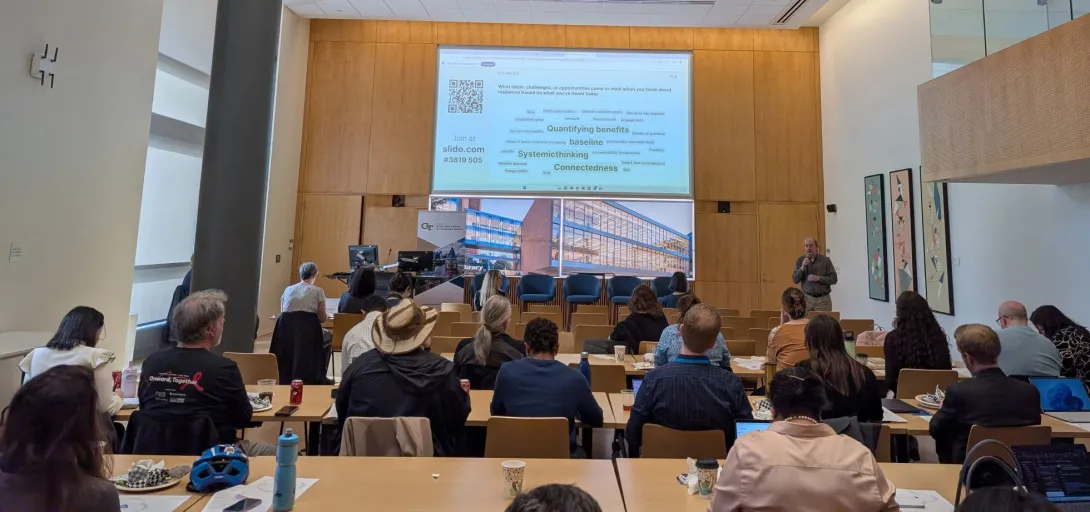
What does it mean to design systems that endure even after major disruptions? This question framed the 2026 Brook Byers Institute for Sustainable Systems (BBISS) Sustainability Showcase, where conversations over two days spanned the Georgia coast, wildfire modeling, AI data centers, infrastructure, community engagement, and the joy of working for a more sustainable and resilient world. Across disciplines and scales, a unifying theme emerged: resilience is not a single solution. It is a systems-level challenge requiring integration across science and technology, policy, communities, and human experience.
From Coastlines to Communities
The showcase opened with a keynote from President Emeritus G. Wayne Clough on wildlife management and resiliency along Georgia’s coast. The conversation that followed between Clough and BBISS Executive Director Beril Toktay highlighted the interconnection between public policy, wilderness conservation, community leadership, and scientific research. The session highlighted not only the urgency of protecting fragile ecosystems, but also that resilience works best when it is community-focused and community-driven.
Subsequent panels continued this systemic perspective. Sessions on community engagement, biotechnology-derived, climate-resilient plants, the flood resilience of Georgia coastal communities, wildfire prediction and prevention, and infrastructure resilience analytics all emphasized that resilience depends on the synthesis of many disciplines.
Across sessions, researchers emphasized that infrastructure resilience must include governance frameworks informed by good science, community engagement based on trust, and sustained collaboration that seeks to constantly improve the science, policy, and stakeholder relationships. The researchers demonstrated that they understand their role to be greater than merely modeling risk, but as collaborators who translate research into practical solutions that communities can adopt, maintain, and trust.
AI Data Centers: A New Resilience Frontier
Day two shifted attention to data centers, which are emerging as a critical resilience frontier. As artificial intelligence systems scale rapidly, so does the infrastructure that powers them, as well as the growing realization that digital systems are physical systems. Conversations examined the feedback loops that play a significant role in determining environmental impacts, such as chip architecture, AI workloads, data center sustainability, appropriate AI usage, and who makes the decisions on data center infrastructure development.
One of the most fascinating sessions came from Alexandria Smith, assistant professor in the School of Music at Georgia Tech. She presented an artistic yet algorithmic composition that sonified data from AI data centers. Through translating kilowatt-hour usage and interconnection data into immersive soundscapes, she reframed data centers not as static input-output machines, but as adaptive, living systems. Drawing inspiration from Physarum polycephalum, a slime mold without a brain or nervous system known for its innate problem-solving abilities, she invites the listener to imagine infrastructure that senses, adapts, and self-optimizes.
Campus as a Living Laboratory
In her session, Professor Jennifer Chirico, associate vice president of Sustainability, highlighted Georgia Tech’s 2024 Climate Action Plan, focusing on building energy efficiency, renewable integration, materials management, and mobility transitions. The plan frames the Georgia Tech campus as a test bed for resilience strategies — an ecosystem where research, operations, and policy intersect. Chirico highlighted several examples where the alignment between research and implementation was essential in moving projects from modeling to pilot projects to sustained institutional change.
Finding Joy in Climate Action
Rebecca Watts Hull, Matthew Realff, and Christie Stewart led an interactive discussion inspired by Ayana Elizabeth Johnson’s framework for accelerating long-term climate action. Participants were asked three simple questions: What are you good at? What work needs doing? What brings you joy? Sustainability and climate research are fields often defined by serious urgency, crisis narratives, and burnout. This session offered a personal framework for resilience where emotional sustainability, professional fulfillment, and joy matter just as much as the motivation to drive a mission ever forward.
Building a Shared Vision
The Sustainability Showcase concluded with a facilitated visioning session led by Kristin Janacek, associate director for Interdisciplinary Research Impact, and Beril Toktay. In small groups, leaders, researchers, and community members worked to define what resilience looks like for them.
After the conversations, several themes emerged:
- Resilience must move from research to practical and community-based solutions to sustained action.
- Networks create opportunity but require long-term stewardship to endure.
- Choosing the right metrics to measure resilience will galvanize efforts to strengthen it.
- Community capacity is at least as important as built infrastructure.
Over two days, it became clear that Georgia Tech is not approaching resilience as a narrow technical problem. It is approaching it as a systems challenge — one that spans coastlines, campuses, disciplines, data centers, the Appalachian Mountains, data models, the arts, and human relationships. Designing systems that endure requires more than innovation. It requires collaboration, stewardship, and a shared commitment to long-term impact. The conversations launched at this year’s BBISS Sustainability Showcase laid the foundation for continued coordination and ambitious action in the months ahead.
News Contact
Brent Verrill, Research Communications Program Manager, BBISS
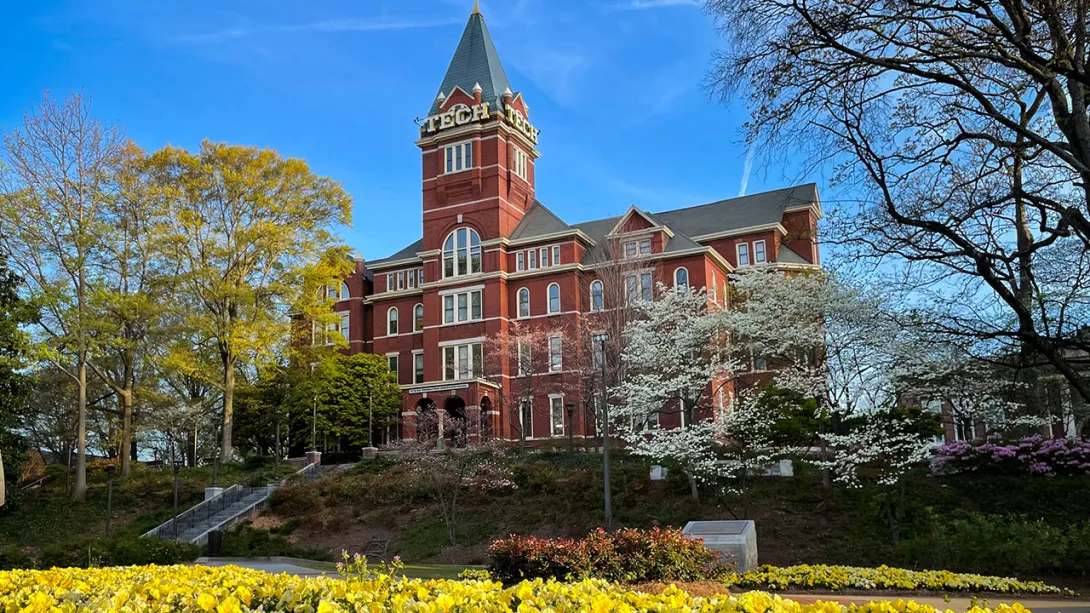
The Georgia Institute of Technology’s Vertical Lift Research Center of Excellence (VLRCOE) and RMS Aerospace have entered into a strategic partnership to develop an AI-enabled unmanned aerial vehicle (UAV) for the U.S. Army and federal government.
RMS is an engineering firm highly specialized in aerial and maritime combat systems, with offices in Texas and Georgia. This partnership combines VLRCOE’s strengths in rotorcraft aeromechanics and advanced configurations with RMS’ operational defense and applied systems engineering expertise to address a critical need for the U.S. Army.
The military has phased out or retired other drone vehicles, including the MQ-1 Gray Eagle, RQ-7 Shadow, and OH-58 Kiowa Warrior. Deploying a new AI-powered UAV can take over the intelligence, surveillance, and reconnaissance missions typically flown by those older UAVs.
News Contact
Kelsey Gulledge || AE Communications Manager
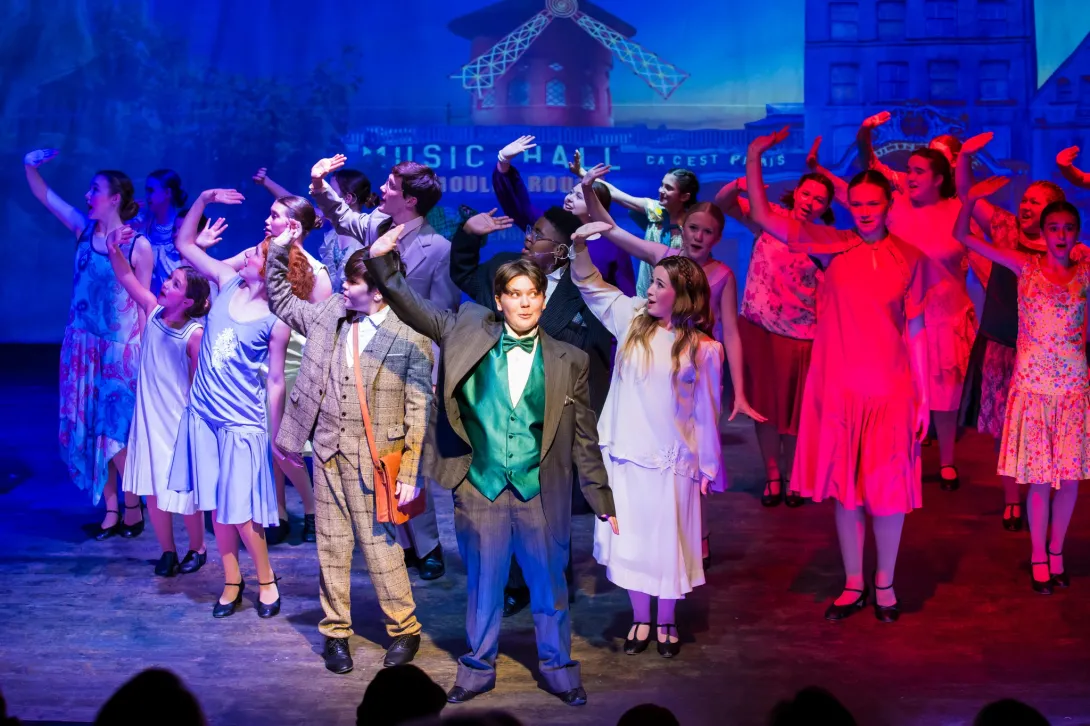
A production of the Perry Players, in Perry, Ga.
Beginning this March in Perry, Georgia, the Georgia Arts Innovation Network (GAIN) will support arts‑related nonprofits and small businesses in Perry, Houston County, and surrounding counties in Middle Georgia. The six‑month pilot is funded by a National Endowment for the Arts (NEA) Our Town grant and is the first EI² program dedicated specifically to the arts.
“Arts organizations contribute so much to the vibrancy of a community,” said Caley Landau, program manager for GAIN and marketing strategist at EI². “They help create a sense of place and provide the ‘something to do’ that small cities and towns want to offer residents, new workers, and prospective businesses. Our hope is to enhance the arts and cultural ecosystem in Middle Georgia by providing training and technical assistance to the organizations that produce art in the region.”
A Rural Community Already Investing in Placemaking
Perry was selected as the pilot location in part for its active downtown revitalization work and commitment to placemaking. Through the Georgia Economic Placemaking Collaborative, Perry city staff partnered with EI²’s Center for Economic Development Research to develop strategies for arts‑based community development.
“Working alongside the Georgia Tech team has been a wonderful experience,” said Alicia Hartley, downtown manager for the City of Perry. “We hope that participants walk away from the cohort inspired and empowered to activate their organizations in creative and meaningful ways.”
Listening First, Then Providing Targeted Support
The program will begin with a listening session to understand participating organizations’ needs. EI² will then design tailored workshops drawing from experts at Georgia Tech and beyond. Every other month, cohort members will meet for sessions on business practices, digital tools, operational efficiency, marketing, placemaking partnerships, and other areas that support long‑term sustainability.
“They sound like great ideas — murals, pop‑up exhibits, outdoor performances — but how do you really get down to the nuts and bolts of making them happen?” Landau said. “And how do you bring the right partners to the table? That’s what we’ll explore together.”
A Statewide Mission, Strengthened Through the Arts
As Georgia Tech’s economic development arm, EI² administers programs that support entrepreneurs, manufacturers, communities, and municipalities across the state and around the world.
“GAIN represents an important part of EI²’s comprehensive approach to economic development,” said David Bridges, vice president of EI². “It gives us another way to create impact in Georgia by applying our expertise to serve arts organizations that are vital to Georgia communities.”
Jason Freeman, associate vice provost for Georgia Tech Arts, noted that the pilot aligns with the Institute’s broader commitment to supporting arts, culture, and creativity statewide.
“Through GAIN, I’m excited to learn more about the arts ecosystem in Middle Georgia,” Freeman said. “The lessons we learn will inform both statewide collaborations and new initiatives emerging through our Creative Quarter innovation district on campus.”
Program Funding and Support
The pilot is funded through the NEA’s Our Town program, which supports projects integrating arts, culture, and design into community development. The Georgia Council for the Arts is partnering with EI² on cohort recruitment, curriculum development, and arts‑based placemaking strategies.
Recruitment has begun. Arts nonprofits and arts‑based businesses in Middle Georgia may apply at innovate.gatech.edu/gain/.
News Contact
MEDIA CONTACT
Péralte Paul
peralte@gatech.edu
GAIN PROGRAM CONTACT
Caley Landau
caley.landau@innovate.gatech.edu
The future of clean energy depends on algorithms as much as it does atoms.
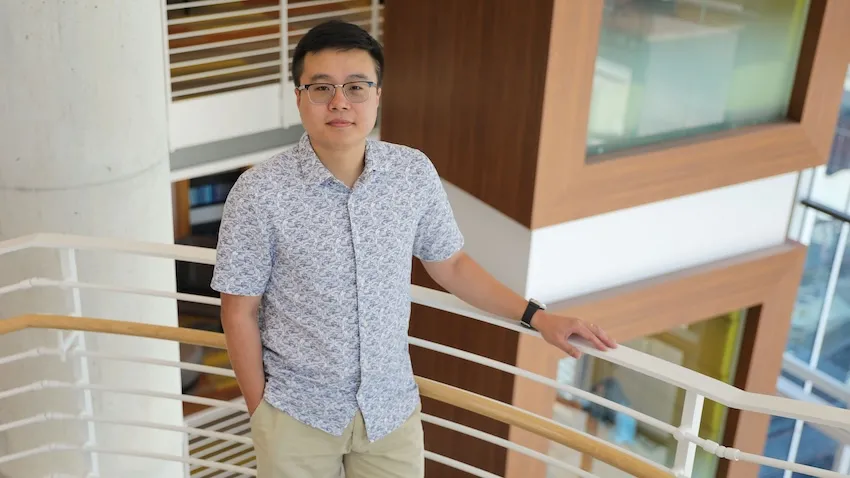
Georgia Tech’s Qi Tang is building machine learning (ML) models to accelerate nuclear fusion research, making it more affordable and more accurate. Backed by a grant from the U.S. Department of Energy (DOE), Tang’s work brings clean, sustainable energy closer to reality.
Tang has received an Early Career Research Program (ECRP) award from the DOE Office of Science. The grant supports Tang with $875,000 disbursed over five years to craft ML and data processing tools that help scientists analyze massive datasets from nuclear experiments and simulations.
Tang is the first faculty member from Georgia Tech’s College of Computing and School of Computational Science and Engineering (CSE) to receive the ECRP. He is the seventh Georgia Tech researcher to earn the award and the only GT awardee among this year’s 99 recipients.
More than a milestone, the award reflects a shift in how nuclear research is done. Today, progress depends on computing and data science as much as on physics and engineering.
“I am honored and excited to receive the ECRP award through DOE’s Advanced Scientific Computing Research program, an organization I care about deeply,” said Tang, an assistant professor in the School of CSE.
“I am grateful to my former colleagues at Los Alamos National Laboratory and collaborators at other national laboratories, including Lawrence Livermore, Sandia, and Argonne. I am also thankful for my Ph.D. students at Georgia Tech, whose dedication and creativity make this award possible.”
A problem in nuclear research is that fusion simulations are challenging to understand and use. These simulations generate enormous datasets that are too large to store, move, and analyze efficiently.
In his ECRP proposal to DOE, Tang introduced new ML methods to improve the analysis and storage of particle data.
Tang’s approach balances shrinking data so it is easier to store and transfer while preserving the most important scientific features. His multiscale ML models are informed by physics, so the reduced data still reflects how fusion systems really behave.
With Tang’s research, scientists can run larger, more realistic fusion models and analyze results more quickly. This accelerates progress toward practical fusion energy.
“In contrast to generic black-box-type compression tools, we aim at preserving the intrinsic structures of the particle dataset during the data reduction processes,” Tang said.
“Taking this approach, we can meet our goal of achieving high-fidelity preservation of critical physics with minimum loss of information.”
Computing is essential in modern research because of the amount of data produced and captured from experiments and simulations. In the era of exascale supercomputers, data movement is a greater bottleneck than actual computation.
DOE operates three of the world’s four exascale supercomputers. These machines can calculate one quintillion (a billion billion) operations per second.
The exascale era began in 2022 with the launch of Frontier at Oak Ridge National Laboratory. Aurora followed in 2023 at Argonne National Laboratory. El Capitan arrived in 2024 at Lawrence Livermore National Laboratory.
With Tang’s data reduction approaches, all of DOE’s supercomputers spend more time on science and less time waiting for data transfers.
“Qi’s work in computational plasma physics and nuclear fusion modeling has been groundbreaking,” said Haesun Park, Regents’ Professor and Chair of the School of CSE.
“We are proud of Qi and what this award means for him, Georgia Tech, and the Department of Energy toward leveraging computation to solve challenges in science and engineering, such as sustainable energy."
Previous Georgia Tech recipients of DOE Early Career Research Program awards include:
Itamar Kimchi, assistant professor, School of Physics
Sourabh Saha, assistant professor, George W. Woodruff School of Mechanical Engineering
Wenjing Lao, associate professor, School of Mathematics
Ryan Lively, Thomas C. DeLoach Professor, School of Chemical & Biomolecular Engineering
Josh Kacher, associate professor, School of Materials Science and Engineering
Devesh Ranjan, Eugene C. Gwaltney Jr. School Chair and professor, Woodruff School of Mechanical Engineering
News Contact
Bryant Wine, Communications Officer
bryant.wine@cc.gatech.edu

The study underscores the potential of NMR and other powerful technologies as outreach opportunities – from engaging the public, to better teaching undergraduate students.
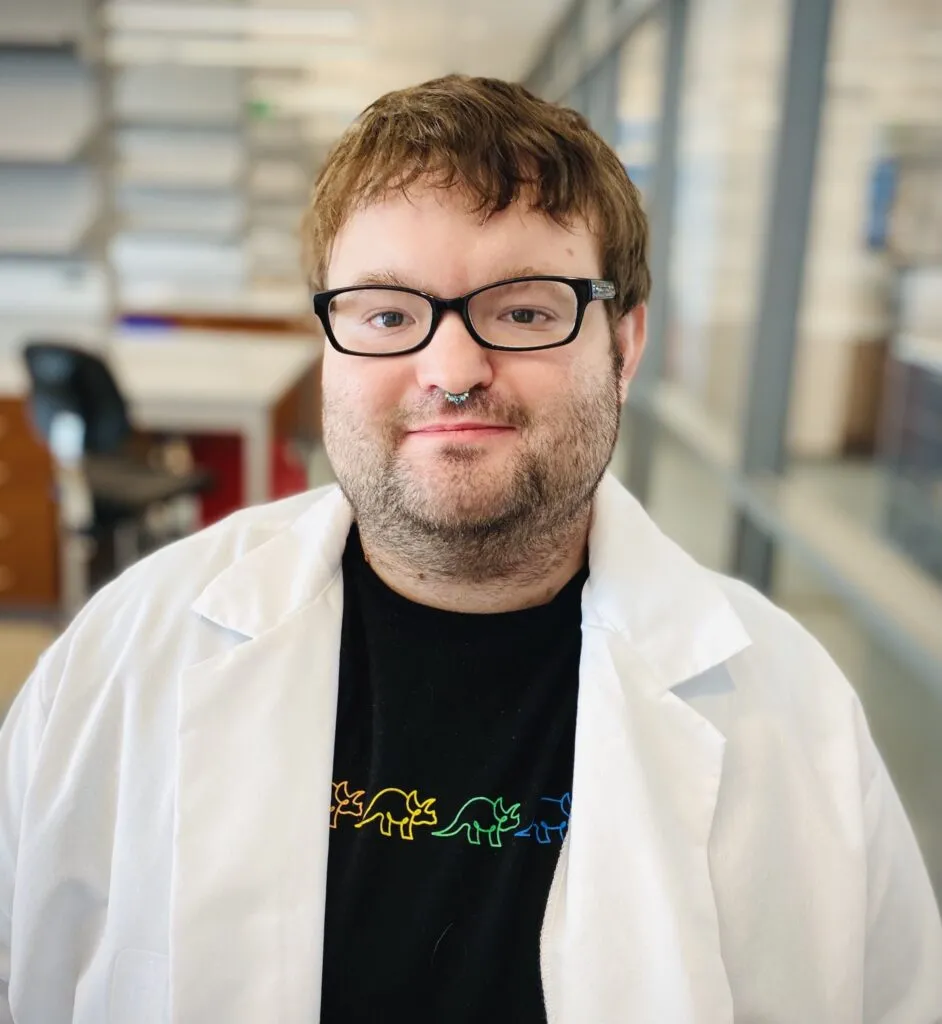
New work from Georgia Tech is showing how a simple glass of wine can serve as a powerful gateway for understanding advanced research and technologies.
The project, inspired by an Atlanta Science Festival event hosted by School of Chemistry and Biochemistry Assistant Professor Andrew McShan, develops an innovative outreach and teaching module around nuclear magnetic resonance (NMR) techniques, and is designed for easy adoption in introductory chemistry and biochemistry courses.
Published earlier this year in the Journal of Chemical Education, the study, “Automated Chemical Profiling of Wine by Solution NMR Spectroscopy: A Demonstration for Outreach and Education” was led by a team from the School of Chemistry and Biochemistry including lead author McShan, Ph.D. students Lily Capeci, Elizabeth A. Corbin, Ruoqing Jia, Miriam K. Simma, and F. N. U. Vidya, Academic Professional Mary E. Peek, and Georgia Tech NMR Center Co-Directors Johannes E. Leisen and Hongwei Wu.
“NMR is one of the most widely used analytical tools in chemistry and the life sciences, and Georgia Tech hosts one of the most cutting-edge NMR centers in the world,” McShan says. “Our study shows that you don’t need advanced training to appreciate how powerful tools like NMR work and how those tools are used in research.”
All materials, tutorials, and data are freely available via online tutorials and a YouTube video, enabling educators to replicate or adapt the activity even in settings with limited access to NMR facilities.
Wine sleuthing at the Atlanta Science Festival
From families with K-12 students to undergraduates to adults with no prior chemistry experience, nearly 130 visitors explored wine chemistry at the Georgia Tech NMR Center during the Atlanta Science Festival event. With McShan’s guidance, they identified and quantified more than 70 chemical components that influence wine taste, aroma, and quality by analyzing the chemical composition, structure, and dynamics of molecules.
Taking on the role of wine investigators (a real-world application of NMR), the group investigated examples of wine fraud, learning to identify harmful additives like methanol, antifreeze, and lead acetate – additives that played roles in both historical and modern wine scandals.
“By connecting the science to something familiar like wine, we were able to spark curiosity and excitement across age groups,” says McShan. “This a framework for how complex analytical techniques can be made inclusive, interactive, and inspiring whether in the classroom or at a science festival.”
Science for all
The study underscores the potential of NMR and other powerful technologies as outreach opportunities – from engaging the public to better teaching undergraduate students.
“After the event, adults said they learned how chemical composition affects wine characteristics and how NMR is used in research and industry,” McShan says. “Younger participants learned key concepts about wine composition and found benefits from the sensory elements, like watching the spectrometer in action.”
They aim to use these takeaways to continue developing outreach tools. “My end goal is to develop NMR into a practical teaching tool by grounding the technique in real-world examples,” adds McShan. “Using this approach is a clear avenue to introducing the general public to the world-class instruments used by researchers at Georgia Tech and exposing undergraduate students to the powerful analytical techniques they are likely to encounter throughout their careers.”
Funding: National Science Foundation
News Contact
Written by Selena Langner
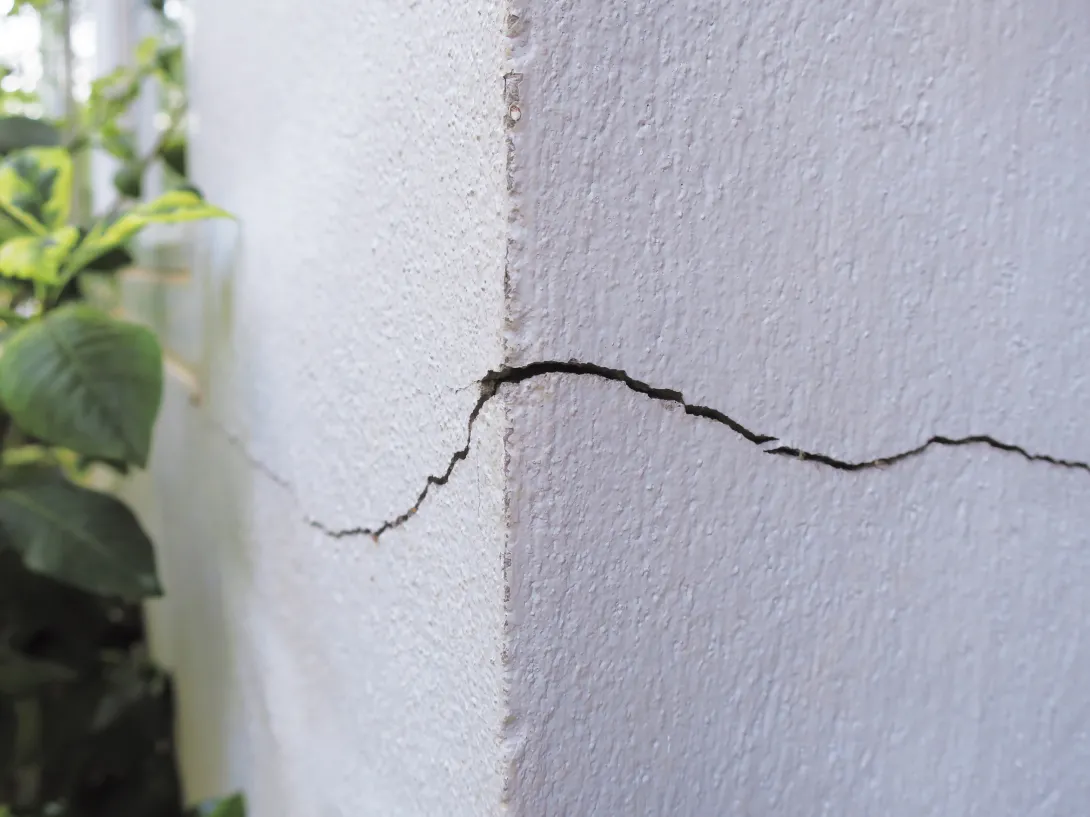
“Cracks are complex — they interact with the material, change shape, and respond dynamically," says Kolvin. "All of this affects the overall toughness, and that impacts safety.” (Adobe Stock)
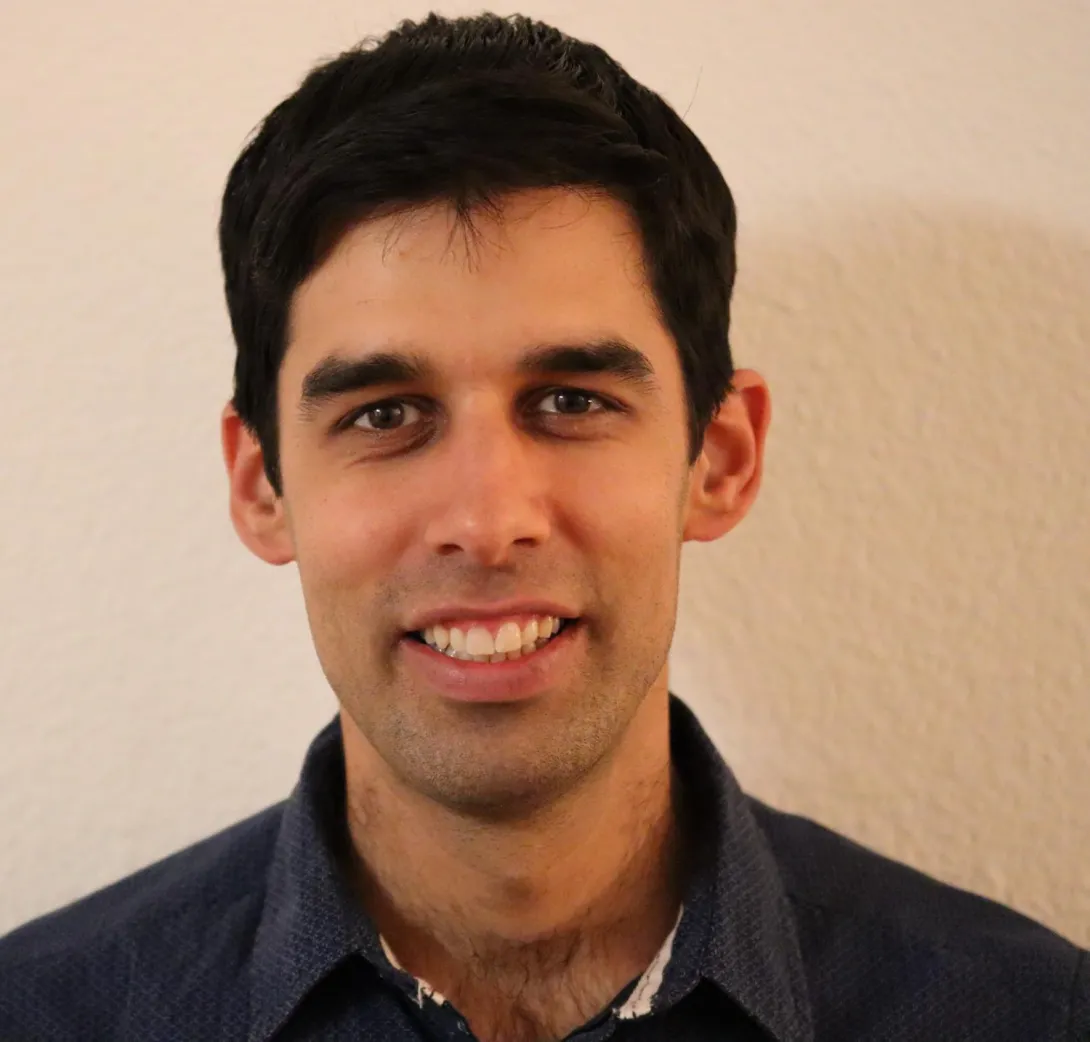
Itamar Kolvin
Imagine a material cracking — now imagine what happens if there are small inclusions in the material. Do they create an obstacle course for the crack to navigate, slowing it down? Or do they act as weak points, helping the crack spread faster?
Historically, most engineers believed the former, using heterogeneities, or differences, in materials to make materials stronger and more resilient. However, research from Georgia Tech is showing that, in some cases, heterogeneities make materials weaker and can even accelerate cracks.
Led by School of Physics Assistant Professor Itamar Kolvin, the study, “Dual Role for Heterogeneity in Dynamic Fracture,” was published in Physical Review Letters this fall.
While Kolvin’s work is theoretical, the results of the research are widely applicable. “Predicting this type of toughening effect helps engineers decide how much reinforcement to add to a material, and the best way to do so,” he says. “Cracks are complex — they interact with the material, change shape, and respond dynamically. All of this affects the overall toughness, which impacts safety.”
Building Strong Materials
The study found that the key to crack behavior starts at the microscopic level where the material’s microscopic structure influences how it resists cracks running at different speeds.
“Cracks propagate by breaking bonds, and that costs energy,” he explains. “On top of this, materials experience extreme deformations close to where the crack runs, which costs additional energy. In some materials, the amount of this energy cost can depend on the crack’s speed because of microscopic friction between molecules.”
Other materials, like window glass, are mostly indifferent to the crack speed. These materials are made of simple molecules, allowing a crack to propagate slowly or quickly using the same amount of energy. The researchers found that including heterogeneities can help strengthen these materials.
Materials made of more complex molecules, like polymer plastics and gels, on the other hand, are velocity dependent: it takes more energy for a crack to propagate faster. In these materials, heterogeneities are less effective at toughening, and if the crack is fast enough, heterogeneities could help it advance. “That’s something we didn’t expect when we started,” Kolvin says.
Disorder Versus Design
After discovering which types of materials can benefit from heterogeneities, Kolvin wanted to investigate the best way to add them. “Natural materials like rocks are usually very messy and disordered,” he explains, “but in engineering, heterogenous materials tend to be patterned.” For example, imagine a manufactured material: heterogeneities may be added in a grid-like or other patterned way. Now, contrast that with the irregular freckles and inclusions you might see in a rock found in a streambed.
Kolvin’s question was simple: which material was stronger? The results, again, were surprising. The disordered case — similar to what is found in nature — created the toughest material.
Among the patterned materials the team tested, only one was as tough as the disordered case — and every other pattern tested made the material weaker.
From Lab to Landscape
At Georgia Tech, Kolvin’s lab focuses on the mechanics of materials — both solid and fluid. “We are using our expertise in physics to explore questions across different fields,” he says. “A common concept is treating materials as continua — zooming out from molecular detail to look at how materials deform and flow at the large scale.”
This current research follows suit with applications ranging from investigating the smallest material microstructures to predicting earthquake fractures. “Earthquake faults are highly disordered, and simulating these ruptures is a major challenge, usually requiring supercomputers to solve crack propagation in three dimensions,” Kolvin says. “But with the tools our study has developed, we can simulate similar conditions and large systems using just a desktop computer.”
“This opens the doors for scientists, engineers, physicists, and geologists to explore problems right from their own computer, allowing more researchers access to more tools,” he adds. “And new tools often lead to new discoveries.”
News Contact
Written by Selena Langner
College of Sciences
Georgia Institute of Technology
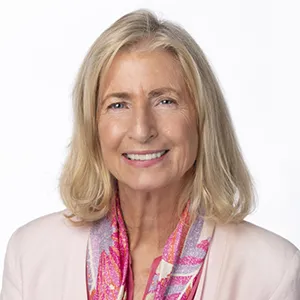
Marilyn Brown
Modeling how the U.S. can meet changing energy needs — today and tomorrow
An illustrious career focused on understanding the nuances of energy policy through analytics has shaped the career of Marilyn Brown, the Regents & Brook Byers Professor of Sustainable Systems at the Jimmy and Rosalynn Carter School of Public Policy at Georgia Tech.
The oil shortages of the 1970s galvanized Marilyn Brown to focus her graduate research on ways to improve energy security and affordability. This focus launched an impactful career for Brown, currently a Regents & Brook Byers Professor of Sustainable Systems at the Jimmy and Rosalynn Carter School of Public Policy at Georgia Tech.
Along the way she was an Associate Professor of Geography at the University of Illinois, a two-term Presidentially appointed regulator of the Tennessee Valley Authority, and the Energy Engineering Division Director and Program Manager of Oak Ridge National Laboratory’s research on energy efficiency, renewable energy, and the electric grid.
Over the years, Brown has authored seven books, 350 publications, and contributed to the 2007 Intergovernmental Panel on Climate Change (IPCC) assessment reports for which the IPCC shared the 2007 Nobel Peace Prize.
Leading local climate impact efforts
Interested in the physical sciences and mathematics early on, Brown worked on understanding the “diffusion” of innovation: how advances propagate in the energy field.
Her current projects focus on both local and national climate-related challenges. This research has been enriched by surveys of energy service providers, utility regulators, manufacturers, consumers, and low-income households.
Understanding the role of influencers and perceived risks and paybacks, helps optimize energy policies and programs. With this premise in mind, Brown has explored the consequences of high energy bills on households living on the edge. She led the first nationwide evaluation of the world’s largest low-income energy efficiency initiative, the Weatherization Assistance Program. The results documented the magnitude of the problem of inefficient housing nationwide, and the particularly high energy burden of low-income households in the South.
News Contact
Gil Gonzalez || EPIcenter Program Coordinator
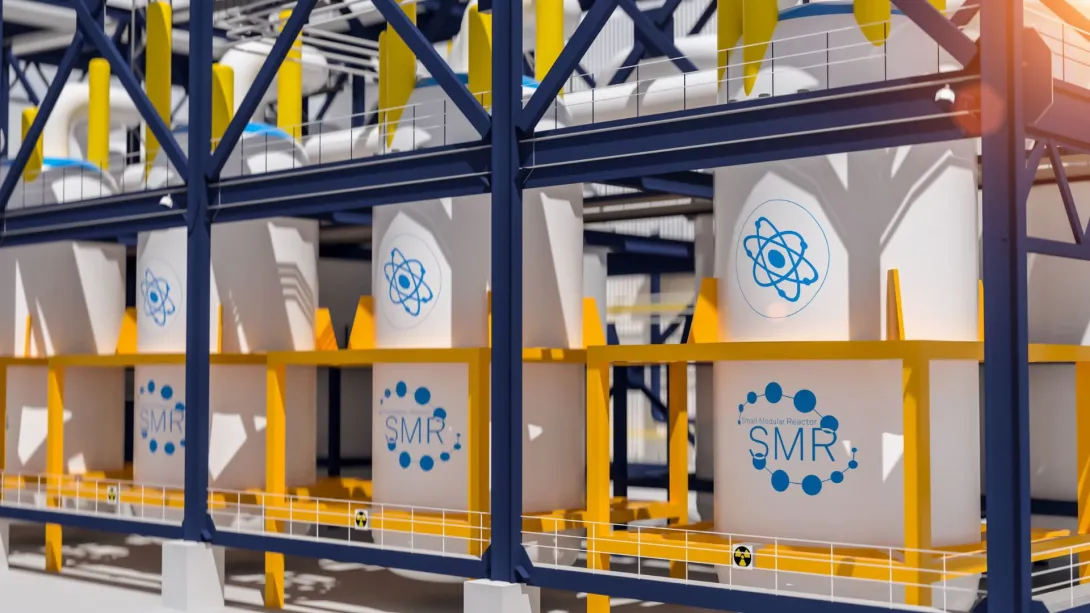
A new study by Georgia Tech researchers Brian An, Daein Kang, John Kim, and Moe Kyaw Thu analyzes how national governments describe Small Modular Reactors (SMRs) in official energy policy documents. Using natural language processing (NLP) on more than 800,000 words extracted from 66 national and international energy plans, the authors assess whether SMRs are framed as narrowly technical innovations or as contributors to broader urban energy transitions. Their findings show that SMR discourse remains dominated by references to reactor design, regulation, and safety, while themes central to modern energy planning—such as resilience, urban–rural equity, cogeneration, and diversified energy services—appear inconsistently and with low prominence.
Perhaps most notably, governance‑related concepts such as community engagement, siting justice, and public trust are largely absent from the dominant keyword clusters revealed through TF‑IDF and LDA analysis. This pattern contrasts with long‑standing evidence that nuclear deployment outcomes hinge on procedural fairness, transparency, and risk communication. As cities face rising electricity demand, climate‑driven outages, growing data center loads, and new siting pressures, the lack of urban‑relevant framing in national SMR strategies may limit the technology’s ability to support equitable and resilient energy systems.
The authors conclude that viewing SMRs chiefly as engineering solutions risks missing their potential contributions to multi‑service energy portfolios and resilience planning. They argue that meaningful integration of SMRs into smart energy cities will require a broader policy architecture—one that explicitly addresses governance, cross‑sectoral applications, spatial justice, and local participation. Expanding future analyses to include state, provincial, and municipal policies will also be essential, given that these levels of government oversee land use, community engagement, and emergency management—factors central to nuclear siting and energy justice.
To learn more and listen to a podcast on the paper, please visit the EPIcenter Newspage.
News Contact
Gil Gonzalez || EPIcenter Program Coordinator
Afi Ramadhani, Ph.D. student at the School of Economics and EPIcenter Student Affiliate
Afi Ramadhani, a graduate student in economics and a student affiliate of Georgia Tech’s Energy Policy Innovation Center, has won a prize for the best research paper from the School of Economics. The research developed in the paper was supported by EPIcenter’s Graduate Student Summer Research Program.
The prize recognizes outstanding student research produced within the School and highlights the value of EPIcenter’s sustained research support and professional development for graduate students.
Ramadhani’s award-winning paper, titled “Battery Storage and Natural Gas Generator Market Power,” was developed during his participation in EPIcenter’s Summer Research Program for graduate and doctoral students pursuing energy policy research at Georgia Tech. Through the program, he received research mentoring and communications coaching that strengthened his work.
“This award reflects what can happen when students have the time, mentorship, and support to fully develop their ideas,” said Laura Taylor, director of EPIcenter. “Our Summer Research Program is designed to help graduate students advance rigorous energy policy research while also building the skills needed to communicate that work effectively.”
Supporting Graduate Research in Energy Policy
The program supports graduate students whose work contributes to energy policy and innovation. Student affiliates receive funding, mentorship, and access to EPIcenter’s research and communications resources, helping them build their academic profiles and translate complex research for broader audiences.
In addition, they gain valuable opportunities to present their work, participate in EPIcenter programs and events, share their research through EPIcenter’s communications platforms, and build their skills through tailored collaboration and training with EPIcenter staff.
During the summer, Ramadhani worked closely with EPIcenter staff and mentors. The program’s stipend allowed him to spend those months fully focused on his research, rather than taking on teaching or other responsibilities.
"Participating in the program really made my summer productive. I got a lot of good feedback on how to shape the idea into a paper," he said.
Advancing Emerging Scholars
Ramadhani’s recognition reflects EPIcenter’s broader commitment to supporting graduate students whose research addresses critical energy and policy challenges. By pairing research support with mentorship and communications training, the center helps students develop work that earns recognition well beyond the program itself.
News Contact
Priya Devarajan || SEI Communications Program Manager

Yuanzhi Tang
Georgia Tech has appointed Yuanzhi Tang as executive director of the Strategic Energy Institute (SEI), effective Feb. 1.
Tang will lead the strategic vision, interdisciplinary research efforts, and internal and external partnerships at SEI, strengthening connections across Georgia Tech’s Colleges, Interdisciplinary Research Institutes (IRI), the Georgia Tech Research Institute (GTRI), and external partners to advance energy-related initiatives.
Founded in 2004, SEI is one of Georgia Tech’s IRIs and serves as a campuswide hub for energy research, education, and engagement.
Tang is the Georgia Power Professor in the School of Earth and Atmospheric Sciences. Her research and leadership focus on advancing secure, circular, and sustainable energy systems by integrating Earth, environmental, biological, materials, and sustainability sciences and innovations. She previously served as an initiative lead on critical minerals and sustainable resources at SEI as well as the associate director for interdisciplinary research at the Brook Byers Institute for Sustainable Systems.
“Professor Tang brings a strong record of research impact, leadership of complex initiatives, and a collaborative approach that will help elevate Georgia Tech’s energy research enterprise,” said Julia Kubanek, vice president for Interdisciplinary Research at Georgia Tech. “She brings deep expertise in fundamental Earth and environmental science, including water, soil, and energy research, while also leading state and regional partnerships in emerging, applied areas such as critical minerals. Most importantly, she is community-minded with excellent listening and consensus-building skills.”
As executive director, Tang will develop and communicate a unifying vision to advance interdisciplinary energy research and strategic thought leadership at Georgia Tech, integrating expertise across engineering, sciences, computing, business, design, economics, policy, and the humanities.
Tang is also the founding director of the Center for Critical Mineral Solutions and leads a multidisciplinary coalition spanning three University System of Georgia institutions. The coalition connects research, industry, and policy to build Georgia’s critical minerals innovation ecosystem, while driving resource advancement, workforce development, and economic impact.
“I'm honored to serve as the executive director of SEI. Georgia Tech’s energy research and the people behind it have always inspired me. I’m eager to listen, learn, and work alongside our community,” said Tang. “SEI connects research excellence with real-world impact, and I look forward to partnering across campus, industry, government, and communities to translate breakthrough ideas into solutions that strengthen energy security, reliability, and affordability.”
About the Strategic Energy Institute
The Strategic Energy Institute (SEI) serves as a system integrator for more than 1,000 Georgia Tech researchers working across the entire energy value chain. SEI brings together expertise to address complex energy challenges, from commercializing scalable technologies to informing long-term energy strategy and policy. Through research, education, community building, resource development, and thought leadership, SEI mobilizes Georgia Tech’s collective strengths to advance reliable, affordable, and lower-carbon energy solutions for a growing global demand.
News Contact
Priya Devarajan || Communications Program Manager
Strategic Energy Institute