
December 18, 2025
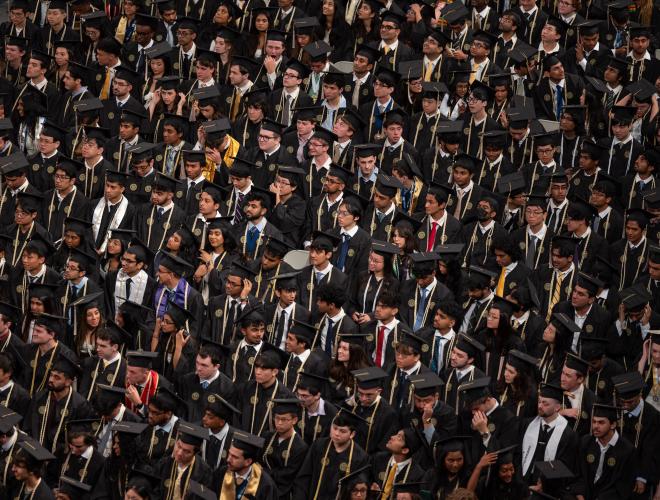
Community and Collaboration Shape the Class of 2025
5 min read
The Yellow Jacket community swarmed campus for the final time of the fall semester to celebrate Commencement ceremonies held Dec. 11 to 13. Graduates from the School of Computational Science and Engineering (CSE) were among the 7,177 new alumni “getting o
Read More
December 16, 2025
Design, Build, Launch: New CS Capstone Turns Students into Entrepreneurs
4 min read
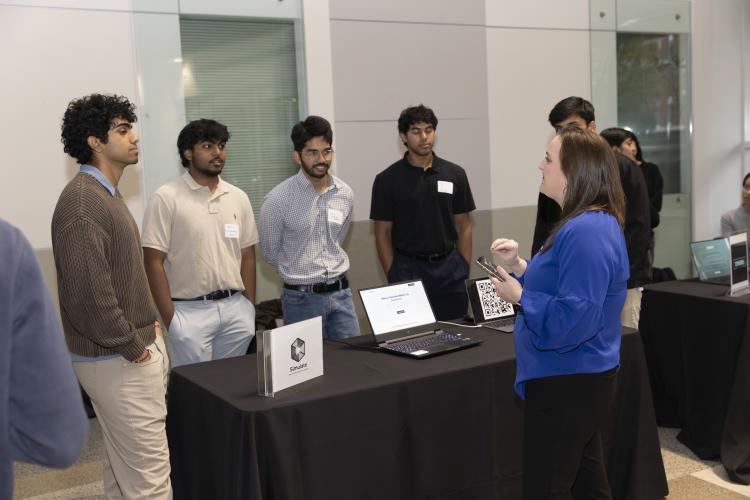
From zero to working prototype in just four months, students in the College of Computing’s new entrepreneurial Junior Design Capstone tackle real-world problems with guidance from startup mentors.
Read More



December 4, 2025
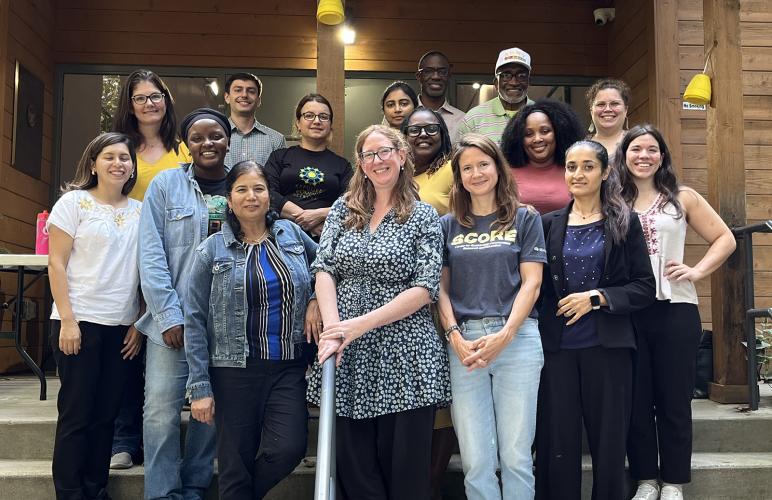
Connecting Communities: Georgia Tech’s Community-Engaged Research Council Drives Engagement and Impact
4 min read
Georgia Tech has considerable expertise in community engagement. The CER council connects all the initiatives around campus adding impact and reach to everyone's efforts.
Read More
December 1, 2025
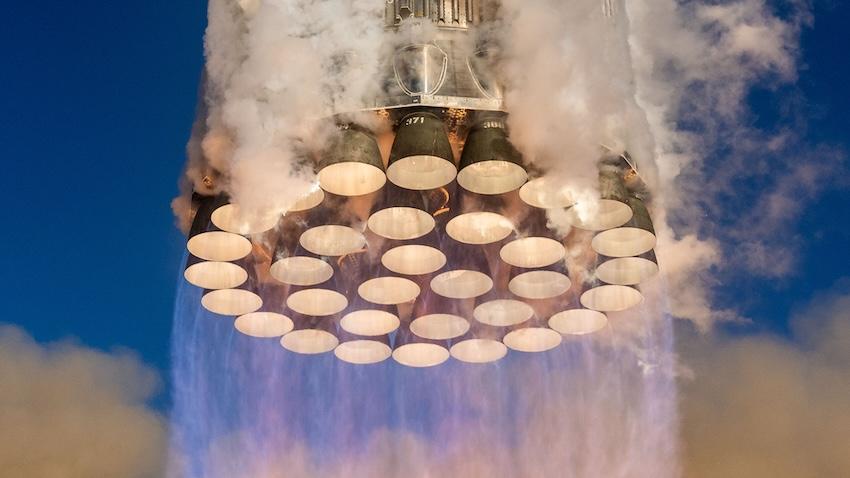
Record-Breaking Simulation Boosts Rocket Science and Supercomputing to New Limits
7 min read
Inspired by SpaceX’s Super Heavy booster, a team led by Georgia Tech’s Spencer Bryngelson and New York University’s Florian Schäfer modeled the turbulent interactions of a 33-engine rocket. Their experiment set new records, running the largest ever fluid
Read More
November 26, 2025
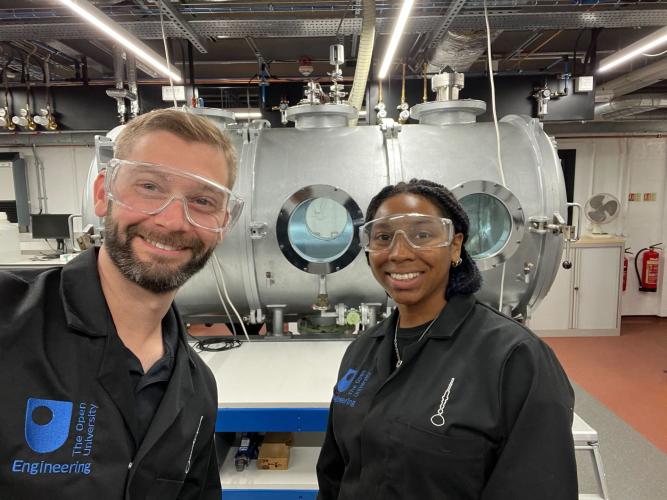
Boiling Mud and Frozen Flows: How Mars’ Atmosphere Shapes Its Sedimentary Landscapes
4 min read
New research is showing that atmospheric pressure shifts dramatically altered how mud and water flowed on Mars — sometimes boiling, sometimes freezing — offering fresh clues to reconstruct the planet's ancient climate and habitability.
Read More
November 18, 2025
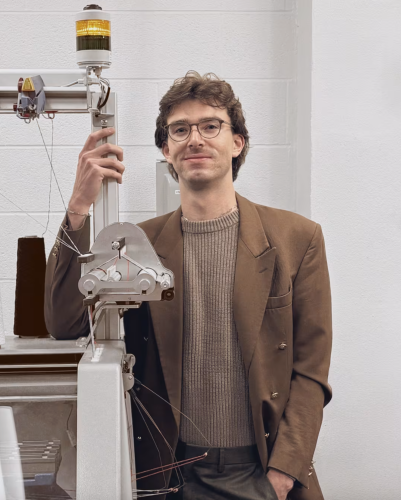
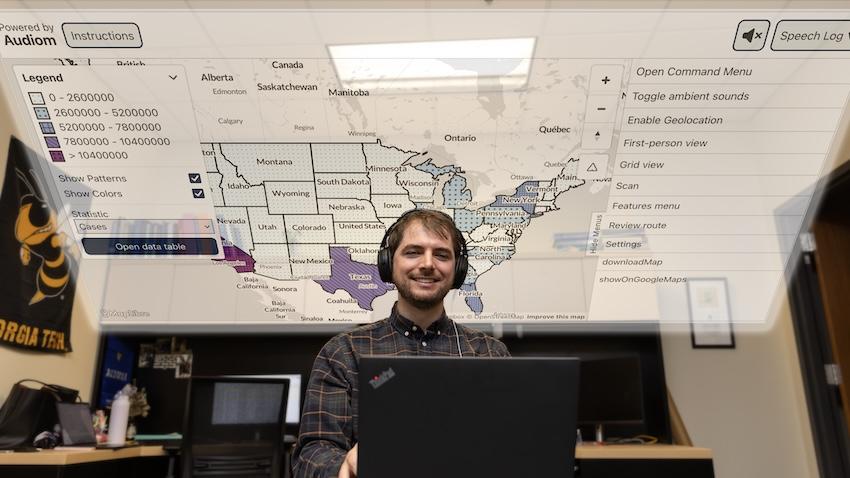
Ph.D. Student Making Digital Maps That Blind People Can Hear
3 min read
A Georgia Tech Ph.D. student who is nearly blind has developed Audiom, a cross-sensory digital map that translates spatial and geographic information into audio so that blind users can “hear” maps.
Read More

November 12, 2025
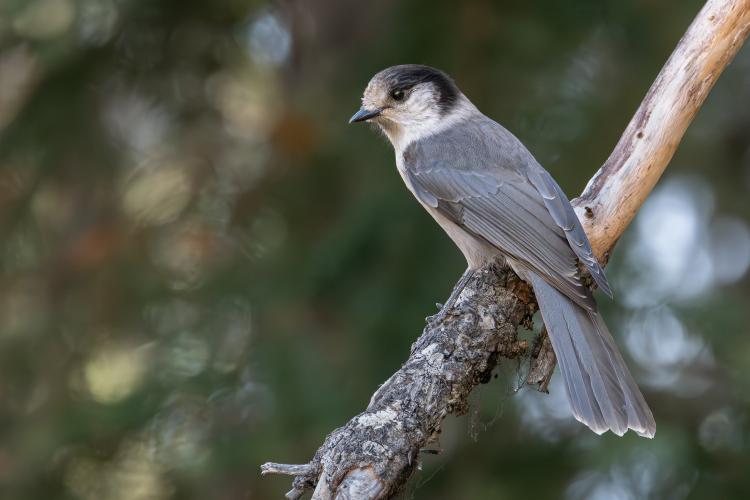
A 30-Year “Snapshot” of Pacific Northwestern Birds Shows Their Surprising Resilience
4 min read
After discovering a historic bird survey in the Pacific Northwest, Georgia Tech’s Ben Freeman located the original sites, repeating the surveys three decades later.
Read More