
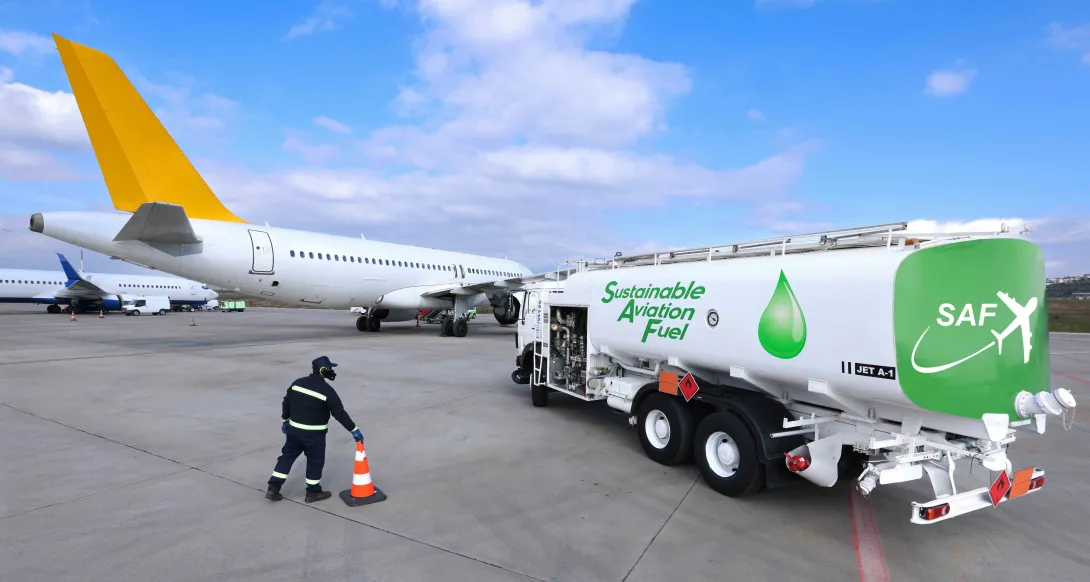
Georgia Tech’s Energy Policy and Innovation Center (EPIcenter) has collaborated with Dan Matisoff, professor in the Jimmy and Rosalynn Carter School of Public Policy and EPIcenter’s faculty affiliate, to develop a new Sustainable Aviation Fuel (SAF) Data Dashboard, designed to provide clear, accessible insights into the rapidly evolving SAF market.
The interactive dashboard compiles and visualizes data gathered by Matisoff, along with Program and Operations Manager Michael Morley, offering a comprehensive view of SAF production, feedstock availability, and policy trends.
EPIcenter Research Associate Yang You has designed the dashboard to translate complex datasets into policy-relevant insights for decision-makers. By organizing key metrics into interactive visuals, the dashboard helps stakeholders assess market readiness and identify regulatory actions that could accelerate SAF adoption.
Emphasizing the importance of data-driven insights, Matisoff said, “The Department of Energy has a Grand Challenge to produce 3 billion gallons a year of Sustainable Aviation Fuel by 2030, and 35 billion gallons a year by 2050. By compiling and visualizing SAF data, we can help policymakers and researchers understand progress towards these goals, where the key opportunities and bottlenecks are – and how to move forward effectively”.
Why SAF Matters
While aviation only accounts for about 3% of global greenhouse gas emissions, it is a rapidly growing share, and decarbonizing this sector is considered one of the most challenging aspects of the energy transition. Produced from renewable feedstocks, sustainable aviation fuel offers a pathway to reduce lifecycle emissions from air travel without requiring major changes to aircraft or infrastructure. However, SAF production and deployment face hurdles related to cost, supply chain development, and policy support.
EPIcenter’s Director Laura Taylor highlighted the dashboard’s role in addressing these challenges:
“Sustainable aviation fuel is a cornerstone of decarbonizing air travel, but the market is complex and rapidly evolving. The dashboard provides clarity by organizing the relevant data in a way that’s accessible and actionable for decision-makers.”
“This tool is meant to bridge analysis and action,” said You. “By visualizing SAF production, capacity, and offtake dynamics, the dashboard allows policymakers and stakeholders to see where the market is moving, where gaps remain, and how targeted infrastructure investments or supportive policies could unlock scale.”
The EPIcenter SAF Dashboard is intended as a resource for industry leaders, policymakers, and researchers working to accelerate SAF adoption. By providing transparent, data-driven insights, Georgia Tech aims to support informed decisions that advance innovation and sustainability in aviation.
To explore the dashboard and learn more about Georgia Tech’s work on sustainable aviation fuel, visit EPIcenter’s SAF page.
News Contact
Priya Devarajan || SEI Communications Program Manager
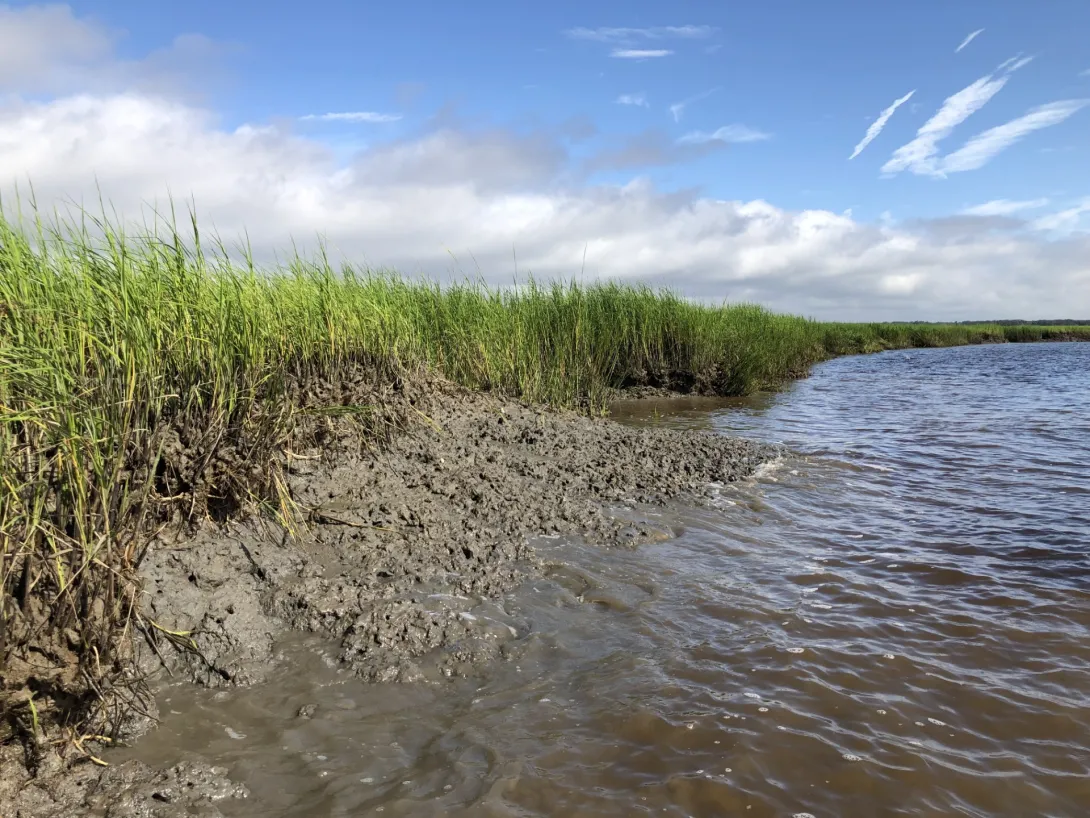
Degraded marsh on Cumberland Island, Georgia.
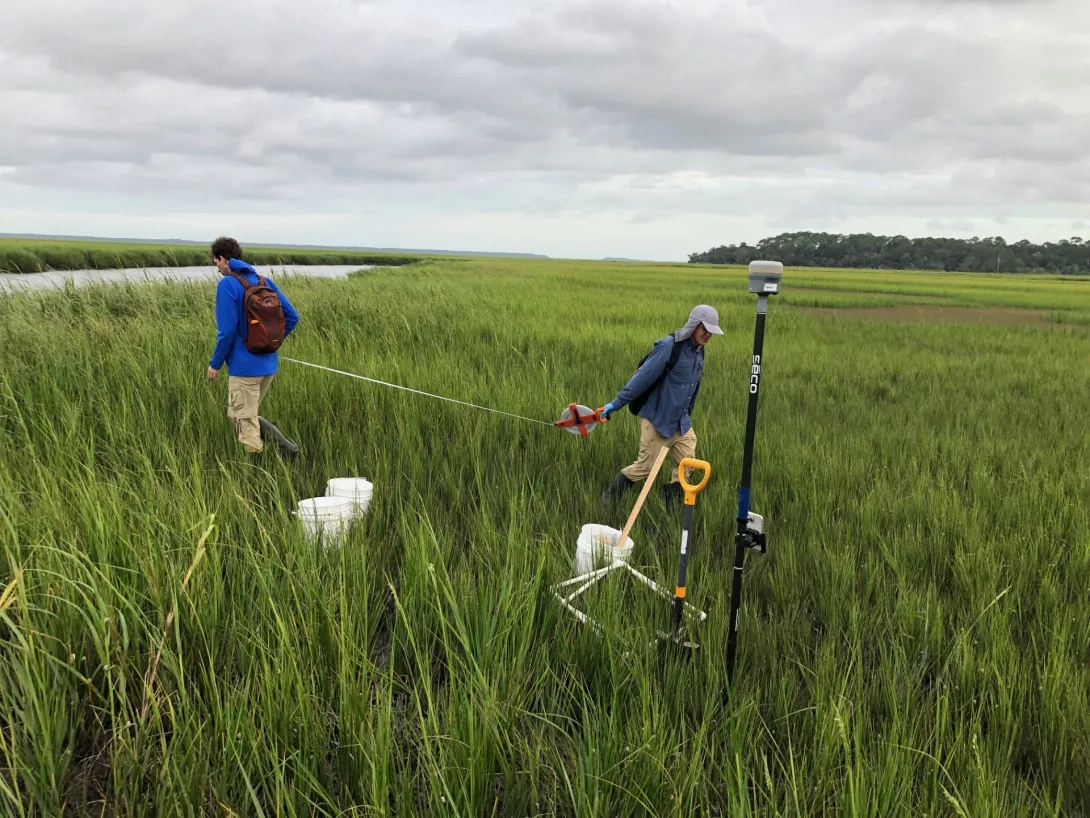
Kostka sampling transects of marshland on Cumberland Island, Georgia.
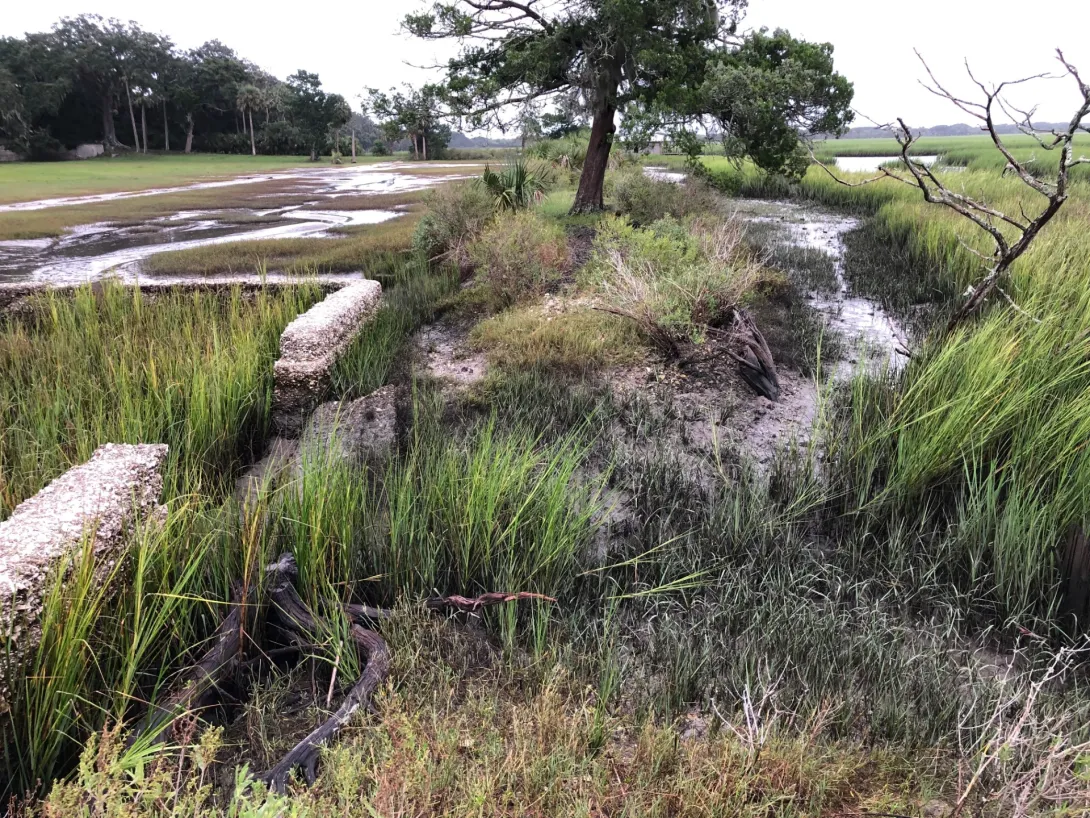
Erosion around the historic property “Dungeness” on Cumberland Island, Georgia.
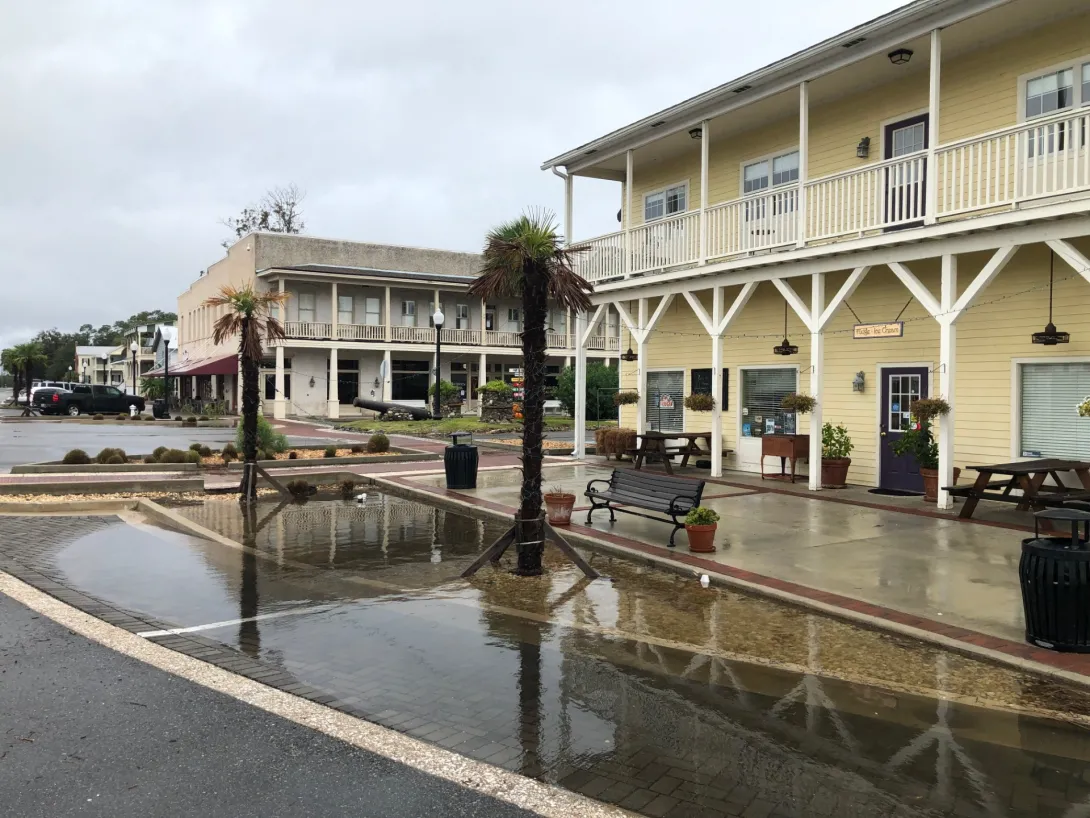
Flooding in the town of St. Marys, a town in Camden County, Georgia.
The National Fish and Wildlife Foundation (NFWF) has awarded an interdisciplinary team nearly $1 million in funding through the National Coastal Resilience Fund to restore coastal wetlands in Georgia. It was the only project in Georgia to be selected for funding from the program's 2025 call for proposals.
The award will support the design of nature-based solutions including living shorelines and marsh restoration in flood-prone areas of Camden County, Georgia, adjacent to Naval Submarine Base Kings Bay, Cumberland Island National Seashore, and the city of St. Marys.
“Restoring wetlands in Camden County is not just an environmental priority — it’s a resilience strategy for the entire region,” says principal investigator (PI) Joel Kostka, Tom and Marie Patton Distinguished Professor, associate chair for Research in the School of Biological Sciences, and faculty director of Georgia Tech for Georgia’s Tomorrow. “Each acre of restored marshland protects coastal communities from natural hazards like storms and flooding, provides essential marine habitat, and has the potential to aid the Navy and the Army Corps of Engineers in developing management alternatives for dredged materials. When our wetlands flourish, our whole coastline does.”
In addition to Kostka, co-PI’s include University of Georgia (UGA) Skidaway Institute of Oceanography Director Clark Alexander, UGA Associate Professor Matt Bilskie and Professor Brian Bledsoe, The Nature Conservancy Coastal Climate Adaptation Director Ashby Worley, and Georgia Tech alumnus Nolan Williams of Robinson Design Engineers, a firm dedicated to the engineering of natural infrastructure in the Southeast that is owned and operated by Georgia Tech alumnus Joshua Robinson.
A coastal collaboration
The new project, known as a “pipeline project” by NFWF, builds on multiple resilience plans and years of previous research conducted by the established team. “This is a testament to the value of the long-term collaborations and partnerships that enable coastal resilience work,” Kostka says. “We’re working closely with local communities and a range of city, state, and federal stakeholders to ensure these solutions align with local priorities and protect what matters most.”
It’s not the first time that the team has brought this type of collaboration to the coastline. Since 2019, Kostka has worked alongside the South Carolina Department of Natural Resources, the South Carolina Aquarium, and Robinson Design Engineers in a $2.6 million effort to restore degraded salt marshes in historic Charleston, also funded by NFWF. Now in the implementation phase, much of the marsh restoration in Charleston involves planting salt-tolerant grasses, restoring oyster reefs, and excavating new tidal creeks — work that is being spearheaded by local volunteers.
“Coastal resilience isn’t something one group can tackle alone,” Kostka adds. “That shared, community-driven vision is what makes these projects possible.”
News Contact
Written by Selena Langner
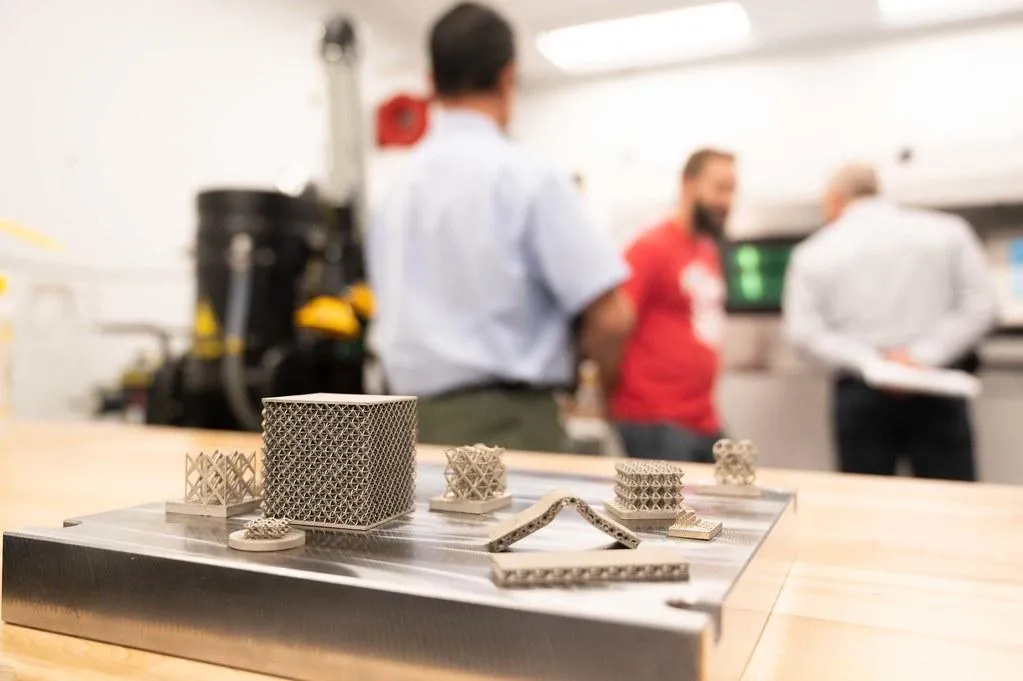
High-performance parts used in aerospace and defense systems need to be precise and durable, even with complex geometries. Advanced manufacturing methods enable the production of complicated parts that traditional machining can't achieve, like those seen here at GTMI's Advanced Manufacturing Pilot Facility. (Photo by Georgia Tech)

Collaborative research at the Georgia Tech Manufacturing Institute teamed is working to improve the finishing processes for hard to machine metals like tungsten. (Photo via Halocarbon)
From fighter jets to medical devices, today’s most advanced machines depend on parts as intricate as their missions. These components aren’t just geometrically complex — they’re made from specialized metals engineered to withstand extreme heat, friction, and wear. But that strength comes with a challenge. How do you shape metals tough enough to survive the heat of a jet engine?
One solution is to start with a more moldable form of these super-metals: powder. In a specialized form of additive manufacturing (like 3D printing), manufacturers start with fine metal powders and fuse them, layer by layer, using focused energy. Known as powder bed fusion (PBF), this method enables highly complex shapes and reduces the amount of finishing work needed. Still, when a micron of extra material can make or break the final product, even near-perfect parts require precise finishing touches.
“The introduction of new, exotic materials produced through additive manufacturing has brought unique challenges, especially for applications in space and missile systems,” says David Antonuccio, business development director at Halocarbon, a Georgia-based company producing advanced chemical solutions used in manufacturing and other fields. “While these materials offer distinct properties, they are notoriously difficult to machine.”
That’s where the Georgia Tech Manufacturing Institute (GTMI) comes in. Through its Manufacturing 4.0 Consortium, GTMI connects industry manufacturers like Halocarbon with researchers and innovators to tackle real production challenges like this. Membership includes access to GTMI’s Advanced Manufacturing Pilot Facility (AMPF), where companies can test ideas and collaborate on new solutions.
Halocarbon recently teamed up with Freemelt, a leader in producing PBF systems and a fellow consortium member, to address this bottleneck. Their goal: to determine whether Halocarbon’s specialized metalworking fluids could enhance the finishing process for PBF-manufactured parts made from tungsten and molybdenum, two high-temperature, hard-to-machine metals.
“The future of manufacturing depends on how well we integrate talent, technology, and collaboration,” says Steven Ferguson, interim director of Research Operations at GTMI and managing director of the consortium. “By bringing companies together around shared challenges, we’re closing critical gaps and strengthening the nation’s advanced manufacturing capability.”
Solving the Post-Processing Bottleneck
Even with advanced methods like electron beam powder bed fusion (E-PBF), which uses an electron beam to fuse metal powders inside a vacuum chamber, finishing remains a critical hurdle. “Surface finish in powder bed fusion is fundamentally tied to the particle size of the metal powder,” says Ian Crawford, a materials and application engineer at Freemelt. “Post-processing will almost always be part of the equation for high-performance components.”
In traditional machining, coolants and cutting fluids used in these finishing steps are often overlooked, and the methods haven’t changed much in decades. Halocarbon’s metalworking fluid aims to bring these fluids into a new era, using innovative polymer chemistry to extend tool life, improve surface quality, and boost efficiency when machining these challenging alloys.
The two companies initiated their joint project during their free AMPF equipment use time, which comes with the full level of consortium membership. From there, GTMI designed and executed controlled studies comparing the use of Halocarbon’s fluids to two standard finishing methods, dry machining and EDM-based finishing. The results showed a 6% improvement in side milling and a 26% improvement in end milling versus dry machining, with even greater gains over EDM. These improvements translate into higher-quality parts, tighter specifications, lower scrap rates, extended tool life, and reduced downstream costs — exactly what aerospace and defense suppliers need to meet stringent requirements.
The findings were shared at the 2025 National Space & Missile Materials Symposium, reinforcing the value of industry-academic collaboration.
“Industry keeps pushing materials to handle more heat and stress, but that makes post-processing harder,” says Matt Carroll, one of the GTMI researchers on the project. “By bringing equipment makers and chemistry innovators into the same experiment, we were able to prove where the gains really are and give manufacturers data they can act on.”
“No single manufacturing method solves every challenge,” says Crawford. “To achieve the performance and cost targets that aerospace and defense applications demand, we need to bring together the right combination of technologies, and collaborations like this show what's possible when we do.”
News Contact
Writer: Audra Davidson
Research Communications Program Manager
Georgia Tech Manufacturing Institute
Contact: Belinda Vogel
Research Engagement Manager
Georgia Tech Manufacturing Institute
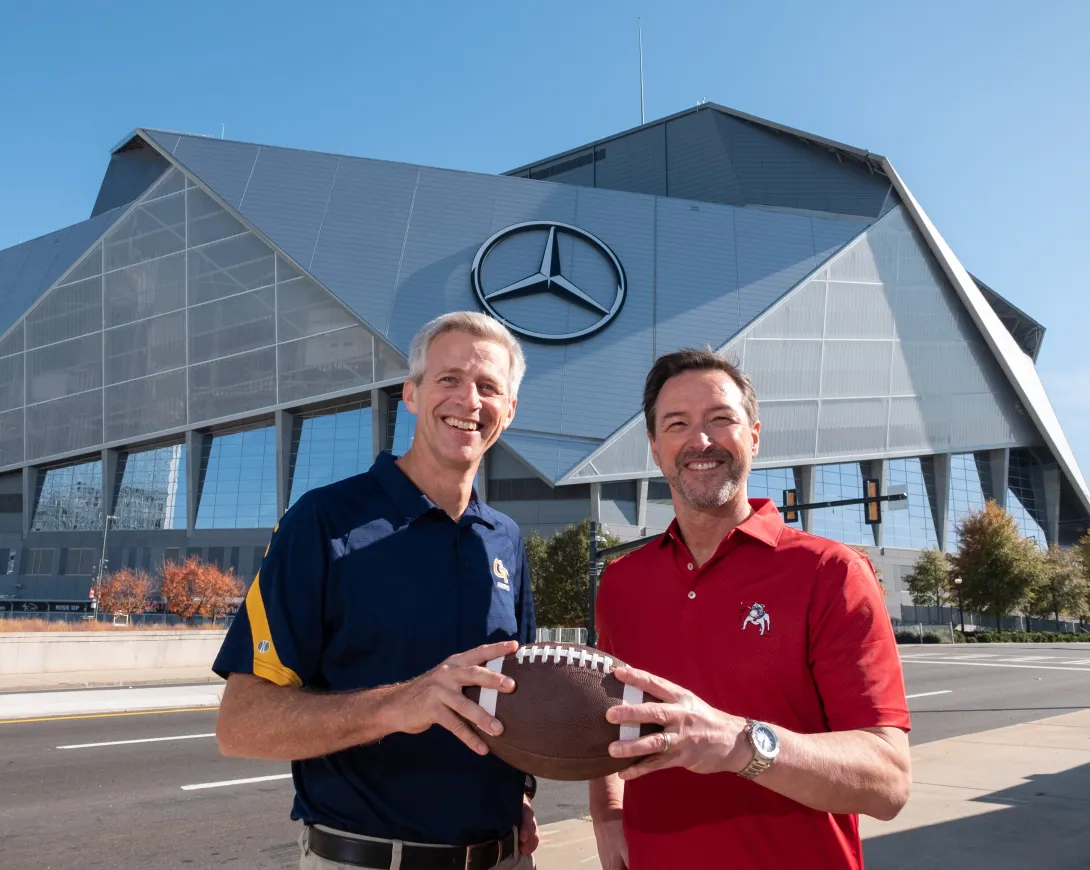
Tim Lieuwen and Chris King

Andrés J. García
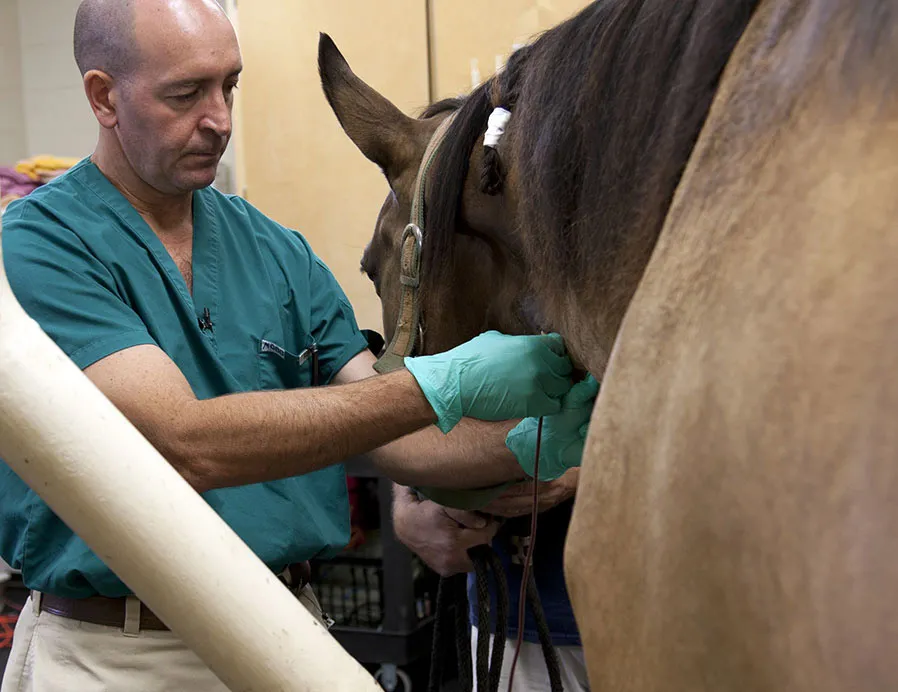
John Peroni
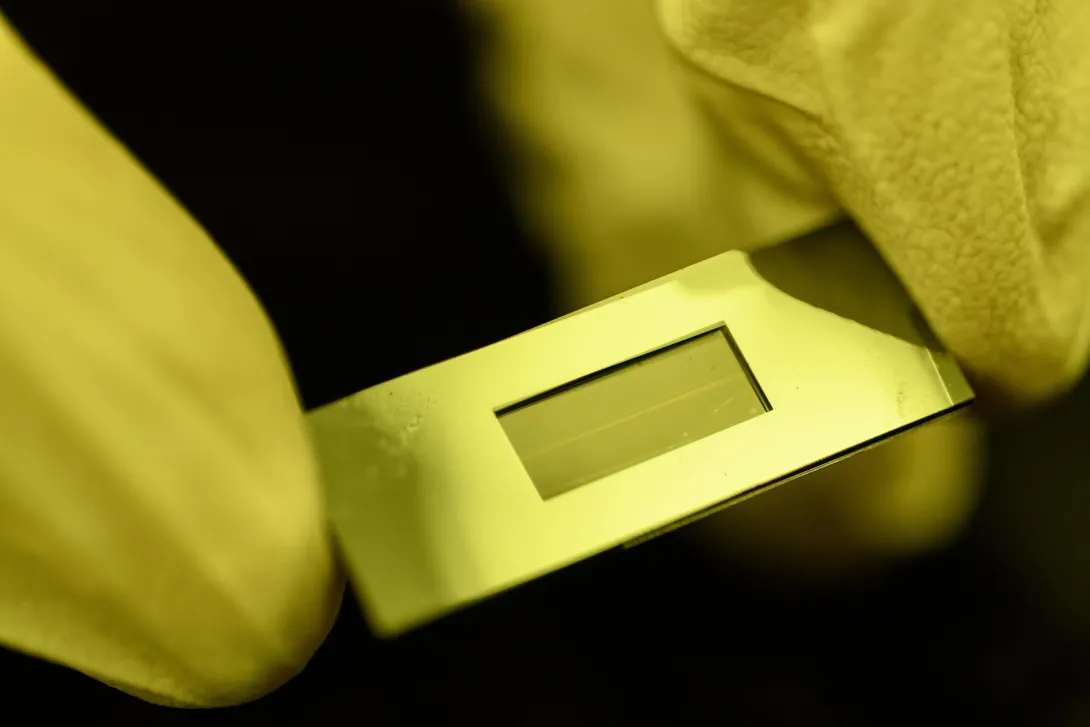
The Dynamic Mass Spectrometry Probe developed to monitor the health of living cell cultures (photo credit: Rob Felt)

Sarah Farmer
If you’ve lived in Georgia long enough, you’ve almost certainly heard the friendly jabs tossed across divided Thanksgiving tables. On one side, a smirk and a mention of the “North Avenue Trade School.” On the other, a pointed retort: “To hell with Georgia.”
Few rivalries run deeper than the one known as “Clean, Old-Fashioned Hate,” the annual showdown between Georgia Tech and the University of Georgia (UGA). On Friday afternoon, November 28, the two will face off in one of the most anticipated matchups in years. These teams don’t like each other, and for a few hours every year, neither do friends, families, and even significant others.
Off the field, however, the schools are proving that collaboration, not competition, is the schools’ true strength.
For more than a century, Georgia’s flagship universities have united around complementary strengths, tackling the state’s biggest challenges together. That starts with making Georgians healthier.
“When Georgia Tech and UGA combine their strengths, together we create solutions that neither institution could achieve alone,” said Tim Lieuwen, executive vice president for Research at Georgia Tech. “These collaborations accelerate innovation in healthcare, improve lives across our state, and demonstrate that partnership — not rivalry — is Georgia’s most powerful tradition."
“The common denominator between these two great institutions is the populations they serve,” said Chris King, interim vice president for Research at UGA. “We have a duty to find solutions that help improve the quality of life for all Georgians, and that’s what these partnerships are all about.”
From programs like the Georgia Clinical and Translational Science Alliance (Georgia CTSA) to the National Science Foundation’s Engineering Research Center for Cell Manufacturing Technologies (CMaT), researchers at UGA and Georgia Tech are setting rivalries aside to build lasting partnerships that fuel innovation and expand the workforce to meet the state’s needs.
Pushing Cell Therapy Across the Goal Line
CMaT is an NSF-funded consortium of more than seven universities and 40 member companies. At Georgia Tech and UGA, teams are conducting many early stage translational projects to improve manufacturing of cell-based therapeutics.
One joint project between Andrés García, executive director of Georgia Tech’s Parker H. Petit Institute for Bioengineering & Bioscience, and John Peroni, the Dr. Steeve Giguere Memorial Professor in Large Animal Medicine in UGA’s College of Veterinary Medicine, addresses treatment of bacterial infections that can follow bone repair surgeries.
Bone fractures and non-union defects often require surgical implants, but 1-5% are compromised by bacterial infection, costing hospitals more than $1.9 billion annually. Current treatments are limited to sustained, high doses of antibiotics, which are less effective and can generate antibiotic-resistant bacteria. García and Peroni are engineering synthetic biomaterials that locally deliver antimicrobial agents to eliminate infections and promote bone repair.
Steven Stice, D.W. Brooks Distinguished Professor and Georgia Research Alliance Eminent Scholar at UGA’s Regenerative Bioscience Center, is also working with Georgia Tech’s Andrei Fedorov, professor and Rae S. and Frank H. Neely Chair in the George W. Woodruff School of Mechanical Engineering, to improve the quality and control of producing natural, cell-derived healing materials for regenerative medicine.
Adult cells secrete tiny, bubble-like vesicles that help other cells heal and regenerate tissue. Stice developed methods to boost vesicle production, while Fedorov created a probe that accelerates the process.
“Cells simply don’t secrete these healing vesicles in the quantities needed for scalable, clinical-grade treatments,” said Stice, UGA lead and co-principal investigator for CMaT. “Our collaborative work changes that, accelerating production in a way that finally makes large-scale regenerative therapies feasible.”
“Georgia Tech and UGA's collective commitment to advancing science and technology exceeds the intensity of our athletic rivalry,” Fedorov said. “Together, we’re advancing cell and therapy biomanufacturing to develop lifesaving treatments for the most devastating diseases.”
Georgia Tech’s Francisco Robles and UGA’s Lohitash Karumbaiah are using manufactured T cells to target cancer. Robles, who leads the Optical Imaging and Spectroscopy Lab in the Wallace H. Coulter Department of Biomedical Engineering, developed quantitative Oblique Back-illumination Microscopy (qOBM) to monitor tumor growth in real time. The method allows scientists to visualize patient-derived glioblastoma cell clusters generated in the Karumbaiah Lab, tracking tumor structure and behavior at various stages.
“Assessing therapeutic potency is often complex, costly, and ineffective for solid tumors,” Karumbaiah said. “qOBM simplifies the process by providing real-time, label-free monitoring of therapeutic efficacy against 3D solid tumors.”
The work could help doctors personalize cancer treatments by providing early, detailed signs of whether a therapy is working.
“This technique is more compact and affordable and lets us watch T cells attack cell cultures in real time,” Robles said. “This breakthrough could transform how we study disease and screen new treatments.”
A Playbook for Local Healthcare
Created in 2007 by the National Institutes of Health, Georgia CTSA is one of several NIH-funded national partnerships advancing new health therapeutics and practices. Since 2017, it has comprised UGA, Georgia Tech, Emory, and the Morehouse School of Medicine. The alliance’s reach extends far beyond campus borders, bringing together researchers, clinicians, professional societies, and community and industry partners to identify local health challenges and translate research into practical solutions.
And out of this alliance have come many collaborative studies among CTSA’s members.
One, the Georgia Health Landscape Dashboard, is a tool to identify local health gaps and connect regional health professionals or policymakers with the researchers who can best address their community’s challenges. UGA College of Family and Consumer Sciences Associate Professors Alison Berg and Dee Warmath, along with community health engagement coordinator Courtney Still Brown, are working with Georgia Tech’s Jon Duke, director of the Center for Health Analytics and Informatics at the Georgia Tech Research Institute and a principal research scientist in the School of Interactive Computing.
The dashboard has already helped match researchers with communities by combining epidemiological data with “community voice” insights through surveys of residents and local leaders.
For example, when examining diabetes data, the dashboard indicates Randolph County has the state’s highest prevalence, despite declining by about 8% between 2021-24. Meanwhile, Treutlen County’s rate increased 29.2% during the same period. Perhaps Treutlen’s need for diabetic care is a growing concern, while Randolph’s is being addressed. And perhaps Hancock County, which ranks diabetes its top priority in the community voice category, is in search of immediate solutions.
“The Landscape Dashboard is a fantastic example of how the unique expertise found at Georgia Tech and UGA can be brought together to create something truly valuable for all Georgia,” Duke said. “By bringing together a range of data sources and health analytics approaches, this collaboration has created a tool that delivers novel insights into health, community, and policy across the state.”
Supported by UGA Cooperative Extension and the Biomedical and Translational Sciences Institute, the project leverages a network of agents in every county across the state. Warmath said the project’s strength lies in its ability to connect research with real-world needs.
“To build a community-responsive ecosystem for biomedical research, scientists must recognize local needs, share progress with communities to foster trust and acceptance, recruit clinicians and industry partners, and strengthen the relationships between patient and caregiver,” Warmath said.
Teaming Up for Maternal Health
Warmath and a team of researchers at UGA, Georgia Tech, and Emory are also collaborating on an NIH-funded project uniting experts in maternal health, biostatistics, and consumer science to explore how wearable technologies could improve delivery-room care.
During childbirth, clinicians monitor countless maternal and fetal vitals — contractions, heart rates, oxygen levels, kidney function, and more. What new insights, the researchers asked, could advanced wearable technologies offer in the delivery room, and what barriers might prevent their use?
Using nationwide surveys and focus groups, the team gathered information from a representative sample of pregnant, postpartum, and reproductive-age women, as well as healthcare professionals, to examine acceptance of wearable health technologies during labor and delivery. In their analysis of this rich data source, the team is identifying key variables that reveal gaps in technology acceptance and the unique needs of diverse maternal populations.
Each partner institution brings unique expertise. At Emory, principal investigator Suchitra Chandrasekaran contributes clinical insights from direct patient care. At UGA, Warmath applies her knowledge in consumer science to analyze end-user motivation, attitudes, and behaviors. At Georgia Tech, experts like Sarah Farmer in the Center for Advanced Communications Policy’s Home Lab facilitate large-scale data collection.
With data collection now complete, the team is analyzing results to inform future design and deployment of wearable technologies.
“Each school has a different perspective,” Farmer said. “It’s not as simple as one school does this but doesn’t do that. Each has their expertise, but they offer different perspectives and different resources that, when pooled, can make our research that much more effective.”
Whether advancing maternal health, mapping Georgia’s health needs, or engineering next-generation therapies, UGA and Georgia Tech continue to prove that collaboration is Georgia’s strongest tradition. Further, the undergraduate and graduate students who work in these labs and others represent the state’s highly skilled workforce of tomorrow.
“When our institutions work together, Georgia wins,” Warmath said.
— By David Mitchell
News Contact
For media inquiries:
Angela Bajaras Prendiville
Director of Media Relations
media@gatech.edu
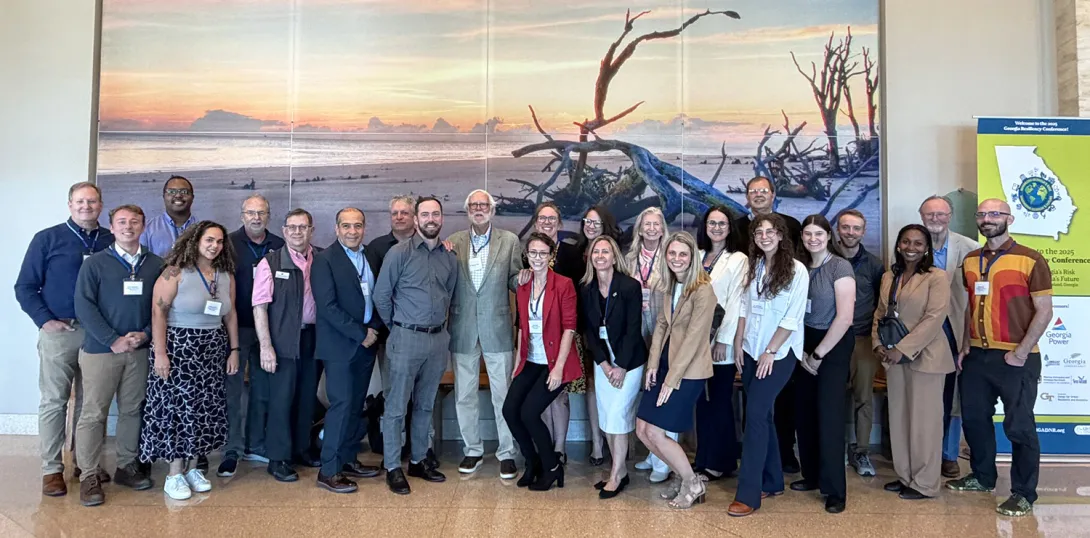
Against a backdrop of ancient live oaks draped in Spanish moss and salt marshes alive with shorebirds, a statewide conversation about the future of Georgia's environmental resilience took place at Jekyll Island. The Georgia Resiliency Conference 2025, organized by the Georgia Department of Natural Resources (DNR), brought together more than 430 leaders and experts from across public, private, nonprofit, and academic sectors, including a large delegation from Georgia Tech.
The island's natural beauty and vitality served as both inspiration and an urgent reminder of what communities across Georgia stand to lose without coordinated action. Faculty, administration, research fellows, students, collaborators, and Georgia Tech President Emeritus and keynote speaker G. Wayne Clough brought diverse perspectives to discussions ranging from coastal vulnerability to data-driven decision-making. Throughout the event, one theme remained constant: the essential role of interdisciplinary research in addressing real-world environmental challenges across the state.
In the reflections below, Georgia Tech attendees share their takeaways from this landmark gathering.
“The continued commitment by many stakeholders to manage our carbon pollution stood out, as did the importance and fragility of Georgia’s coastal wetlands. It was also rewarding to reconnect with Wayne Clough and hear his geological perspective on our state. I was particularly impressed by the use of AI and spatial data analytics featured in the tools cafe.”
— Marilyn Brown, Regents’ and Brook Byers Professor, Jimmy and Rosalynn Carter School of Public Policy
“Resiliency is now. It’s not a future goal — it’s a present imperative. As we face accelerating environmental challenges, we must adapt in real time to protect our resources and communities. I was deeply inspired by Wayne Clough’s keynote, which emphasized the importance of conservation and forward-thinking systems that can endure uncertainty. What struck me most was the number of Georgia Tech colleagues actively advancing both urban and rural resiliency across our state. Their dedication and innovation give me hope and reaffirm the importance of collaboration in this work.”
— Jennifer Chirico, Associate Vice President of Sustainability
“It was great to reconnect and network with sponsors, Georgia researchers, local governments, and other stakeholders concerned with coastal resiliency. I was pleasantly surprised by Georgia Tech’s strong presence this year and proud to see my colleagues presenting and moderating sessions. It was long overdue, as planners routinely address issues like climate change and resiliency. The conference’s dedicated focus on connecting natural areas across the state deeply resonated. Having worked on greenspace issues for 25 years, I was inspired by the vision for a statewide trail system linking Macon to the coast through wildlife corridors. Big ideas like this will make a real difference in Georgia’s future.”
— Tony Giarrusso, Associate Director, Center for Urban Resilience and Analytics, College of Design
“The Georgia Resilience Conference provided a great forum for us to introduce our new Georgia Tech for Georgia’s Tomorrow (GT²) Center to a range of stakeholders and collaborators — from the Georgia DNR to local officials. From the coastal barrier islands to the Blue Ridge Mountains, we’re focusing on research that strengthens resilience and reduces risk from natural disasters, while connecting Georgia Tech’s science to communities across the state. We were inspired by the level of collaboration among agencies, researchers, and practitioners, and we were glad to jointly debut the center’s plans at this year’s event. Our thanks to Jennifer Kline and the Georgia DNR for organizing such a meaningful and energizing conference.”
— Joel Kostka, Tom and Marie Patton Distinguished Professor and Inaugural Director, Georgia Tech for Georgia’s Tomorrow (GT²); Associate Chair for Research, School of Biological Sciences
“I had a phenomenal experience at the Georgia Resilience Conference. It was heartening and eye-opening to see so many participants from all sectors invested in protecting the environment and supporting communities impacted by environmental change. I connected with professors from other universities to discuss future collaborations that could expand on my current project at Tech. Additionally, when I spoke with project managers and engineers within the private sector, I was further motivated by the realization that there is both interest and need for the research we are doing — not only to advance science but also to help those restoring our waterways apply the most promising and sustainable techniques available. This conference was well worth it and is already on my calendar for next time.”
— Maggie Straight, Ph.D. Candidate, Ocean Science and Engineering
“One of the best parts of the conference was spending time with current and former Ph.D. students like Maggie Straight and Sarah Roney (Ph.D. OSE 2025). Maggie’s research characterizes bacteria-algae interactions in micro-algae systems, while Sarah worked on oyster ecosystems during her time at Georgia Tech. What struck me about our conversation was that the principles of resilience show up at every scale. Both Maggie and Sarah are exploring how foundational species — from micro-algae to oysters — create the conditions for entire ecosystems to thrive. This is exactly the kind of systems thinking we need. I am proud to see the next generation of scientists translating their research into real-world impact and grateful for conversations that connect the dots across disciplines and scales.”
— Beril Toktay, Executive Director, Brook Byers Institute for Sustainable Systems; Regents’ Professor; and Brady Family Chair in Management, Scheller College of Business
The Georgia Resilience Conference highlighted the power of collaboration — connecting scientists, policymakers, and community leaders who are shaping Georgia’s response to a changing climate. BBISS remains dedicated to amplifying these voices and translating research into action that strengthens resilience across the Southeast.
— Written by Seungho Lee
News Contact
Brent Verrill, Research Communications Program Manager, BBISS

Graphic Representation of networked system: Adobe Stock
A recently awarded $20 million NSF Nexus Supercomputer grant to Georgia Tech and partner institutes promises to bring incredible computing power to the CODA building. But what makes this supercomputer different and how will it impact research in labs on campus, across disciplinary units, and across institutions?
Purpose Built for AI Discovery
Nexus is Georgia Tech’s next-generation supercomputer, replacing the HIVE. Most operational high-performance computing systems utilized for research were designed before the explosion in Machine Learning and AI. This revolution has already shown successes for scientific research and data analysis in many domains, but the compute power, complex connectivity, and data storage needs for these systems have limited their access to the academic research community. The Nexus supercomputer design process retained a robust HPC system as a base while integrating artificial intelligence, machine learning and large-scale data science analysis from the ground up.
Expert Support for Faculty and Researchers
The Institute for Data Engineering and Science (IDEaS) and the College of Computing house the Center for Artificial Intelligence in Science and Engineering (ARTISAN) group. This team has collective experience in working with national computational, cloud, commercial and institutional resources for computational activities, and decades of experience in scientific tools that aid in assisting both teaching and research faculty. Nexus is the next logical step, bringing together everything they’ve learned to build a national resource optimized for the future of AI-driven science.
Principal Research Scientist for the ARTISAN team, Suresh Marru, highlighted the need for this new resource, “AI is a core part of the Nexus vision. Today, researchers often spend more time setting up experiments, managing data, or figuring out how to run jobs on remote clusters than doing science. With Nexus, we’re flipping that script. By embedding AI into the platform, we help automate routine tasks, suggest optimal ways to run simulations, and even assist in generating input or analyzing results. This means researchers can move faster from question to insight. Instead of wrestling with infrastructure, they can focus on discovery.”
An Accessible AI Resource for GT & US Scientific Research
90% of Nexus capacity will be made available to the national research community through the NSF Advanced Computing Systems & Services (ACSS) program. Researchers from across the country, at universities, labs, and institutions of all sizes, will have access to this next-generation AI-ready supercomputer. For Georgia Tech research faculty and staff, the new system has multiple benefits:
- 10% of the time on the machine will be available for use by Georgia Tech researchers
- Nexus will allow GT researchers a chance to try out the latest hardware for AI computing
- Thanks to cyberinfrastructure tools from the ARTISAN group, Nexus will be easier to access than previous NSF supercomputers
Interim Executive Director of IDEaS and Regents' Professor David Sherrill notes, "Nexus brings Georgia Tech's leadership in research computing to a whole new level. It will be the first NSF Category I Supercomputer hosted on Georgia Tech's campus. The Nexus hardware and software will boost research in the foundations of AI, and applications of AI in science and engineering."
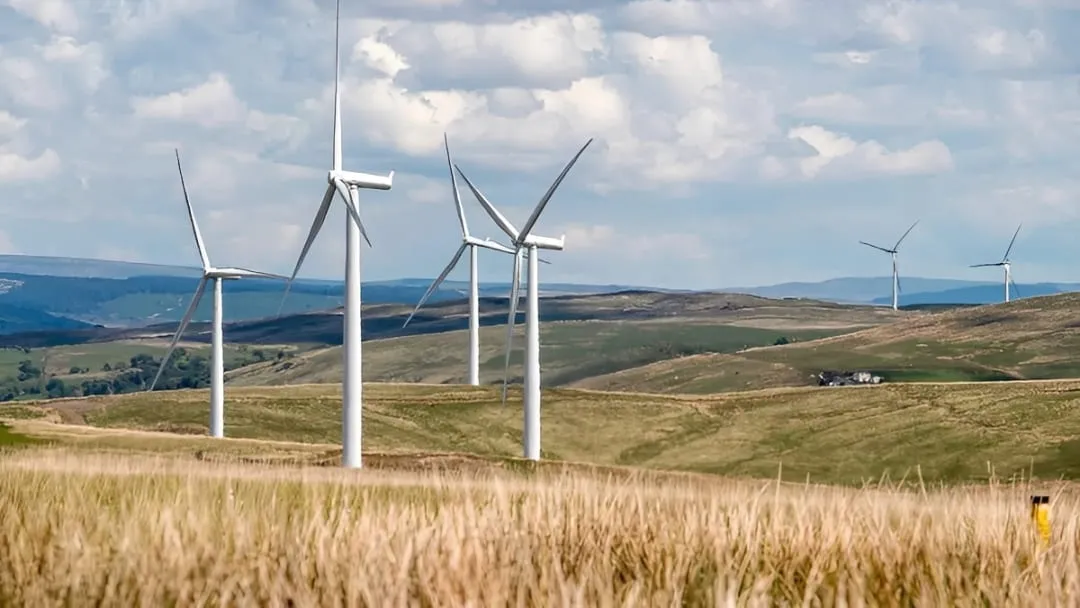
A Georgia Tech study examines how short-term variability in wind power—known as wind intermittency—affects real-time electricity system imbalances in U.S. regional power markets.
This study examines how short-term variability in wind power—known as wind intermittency—affects real-time electricity system imbalances in U.S. regional power markets. The authors, Victoria Godwin and Matthew E. Oliver of the Georgia Institute of Technology and EPIcenter affiliates, analyze data from four major system operators: Bonneville Power Administration (BPA), New York ISO (NYISO), Southwest Power Pool (SPP), and PJM Interconnection. They focus on Area Control Error (ACE), a real-time metric used by grid operators to measure the mismatch between electricity supply and demand, adjusted for frequency deviations. Maintaining ACE near zero is essential for grid stability.
The authors find that a doubling of hourly wind generation variance increases average hourly ACE by 2% in BPA, 3.7% in NYISO, and 11.4% in SPP—equivalent to 1.2 MW, 1.8 MW, and 9.35 MW increases in system imbalance, respectively. PJM shows no significant effect, likely due to less granular data. They also show that sudden increases in wind generation are more likely to cause oversupply (positive ACE), while sudden drops lead to undersupply (negative ACE), confirming asymmetric operational impacts.
Read Full Story on the EPIcenter Website
News Contact
Gilbert Gonzalez || EPIcenter
Media Contact: Priya Devarajan | Strategic Energy Institute

In Georgia, chickens make up the biggest agricultural product with a whopping annual state economic impact of over $28 billion. However, it can be extremely challenging - and costly - for poultry farmers to maintain optimal temperature and moisture levels inside poultry houses. By addressing this challenge, GTRI's two technologies could result in healthier birds and save farmers money.
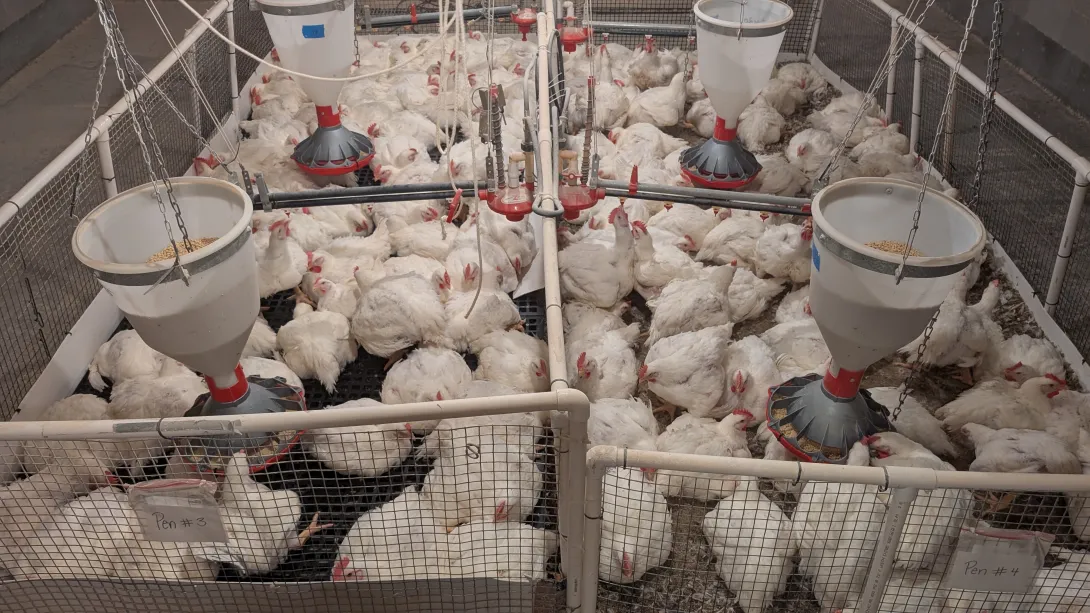
During recent trials at UGA, GTRI observed that birds on GTRI's BHIG-MESS flooring system (on left) had fewer instances of footpad dermatitis along with similar weight patterns and better overall health in some cases than those on raised traditional wood shavings (Photo Credit: Alex Samoylov).
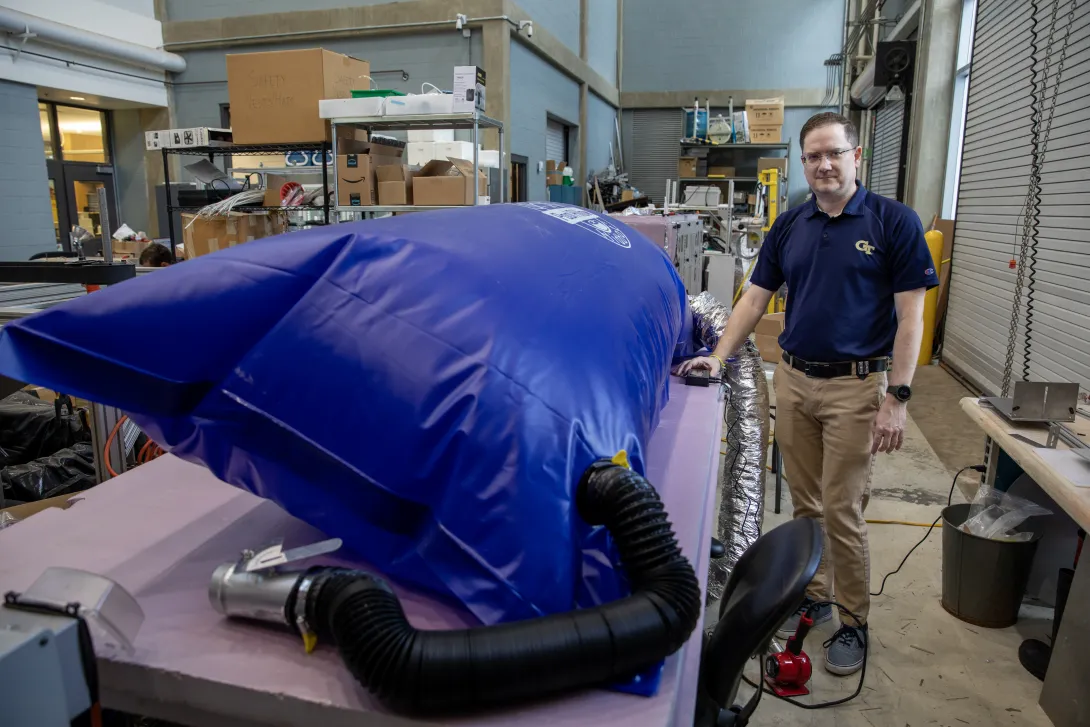
GTRI Principal Research Scientist and project lead Alex Samoylov stands next to a prototype he has developed of GTRI's "chicken bubble" technology. "Chicken bubble" reduces the volume of air in poultry houses that needs conditioning, lowering energy expenses that are among the highest costs for farmers. GTRI plans to test this technology out in the field sometime next year (Photo Credit: Sean McNeil, GTRI).
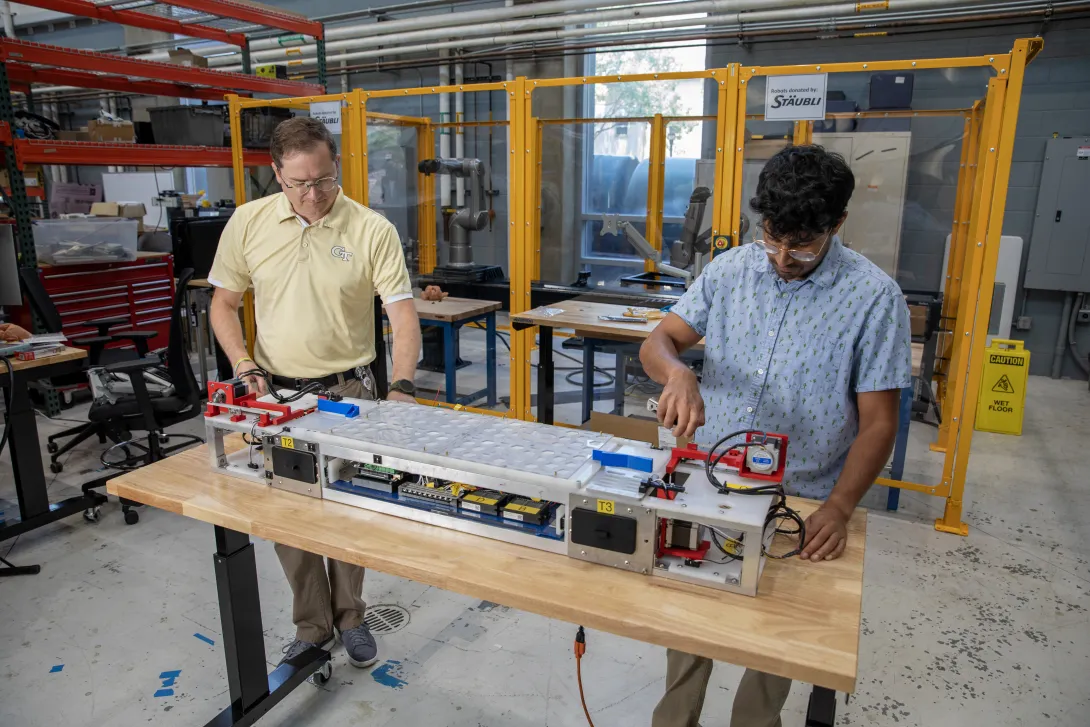
GTRI Principal Research Scientist and project lead Alex Samoylov (left) and GTRI Research Engineer Parth Mandrekar (right) have developed a BHIG-MESS prototype and are seen working on it here (Photo Credit: Sean McNeil, GTRI). BHIG-MESS addresses moisture concerns in poultry houses by removing waste regularly and automatically, which helps reduce ventilation needs and energy consumption.
In Georgia, where chickens are the biggest agricultural product with an annual state economic impact of over $28 billion, maintaining the right temperature and moisture levels in a poultry house is crucial for bird health and efficiency. However, this can be challenging due to changing weather, bird density and size, and high energy costs.
The Georgia Tech Research Institute (GTRI) is addressing these challenges with two technologies: the Broiler House Integrated Guided-Motion Excreta Saturation System (BHIG-MESS) and a protective chicken enclosure known as “chicken bubble.” BHIG-MESS addresses moisture concerns by removing poultry waste from the house regularly and automatically, which helps reduce ventilation needs and energy consumption. “Chicken bubble” uses an inflatable barrier to reduce the volume of air that needs conditioning, lowering energy expenses that are among the highest costs for farmers.
“One of the biggest challenges for poultry houses and farmers is maintaining the internal environment of the house,” said GTRI Principal Research Scientist Alex Samoylov. “While issues related to feed and water have been more or less resolved, creating an optimal environment within the house is still very much an art rather than an exact science.”
Poultry house energy costs are primarily driven by heating fuel and electricity for essential needs like keeping chickens warm, providing adequate lighting and powering ventilation systems.
“How well farmers manage their energy costs directly impacts the health and productivity of the birds – and by extension, their profitability,” Samoylov said.
BHIG-MESS consists of a specially designed tiled floor where manure falls through into a tray beneath, allowing for daily removal. In traditional houses, wood shavings absorb manure and it remains in place for the flock's entire stay. By clearing out the manure every day, BHIG-MESS significantly reduces moisture levels inside the house and, consequently, the need for intensive ventilation.
The “chicken bubble” system’s inflatable technology reduces the amount of air that needs to be ventilated and conditioned. By displacing a significant portion of air inside the house, farmers could cut these air requirements by at least half, Samoylov said.
GTRI has conducted trials of BHIG-MESS at the University of Georgia’s (UGA) Poultry Experimental Center. During the trials, researchers replaced half of the floor with GTRI’s system and the other half remained traditional wood shavings. The birds were raised for seven weeks and GTRI collected data on manure accumulation, bird health and weight distribution.
They observed that the birds on GTRI’s flooring system had significantly fewer instances of footpad dermatitis, a condition in chickens where the skin on the bottom of their feet becomes inflamed and irritated, often caused by wet and dirty litter. The system also demonstrated that it did not cause more chicken deaths compared to traditional methods. Chickens on the new system also had similar weight patterns and, in some cases, were healthier than those raised on the traditional wood shavings.
GTRI plans to test “chicken bubble” in 2026, starting in controlled environments before moving to larger poultry houses. This project has been supported by GTRI’s Agricultural Technology Research Program (ATRP).Once more testing has been completed, GTRI plans to partner with commercial entities that would manufacture and distribute these technologies. Samoylov said his team envisions a partnership where these companies would handle production and installation while GTRI continues focusing on further research and technical refinement.
“Our focus is on enhancing sustainability and profitability for the poultry industry,” he said. “By creating innovative solutions, we aim to secure food supply and help growers thrive.”
Writer: Anna Akins
Photos: Sean McNeil
Additional Photo Credit: Alex Samoylov
GTRI Communications
Georgia Tech Research Institute
Atlanta, Georgia
For more information, please contact gtri.media@gtri.gatech.edu.
To learn more about GTRI, visit: Georgia Tech Research Institute | GTRI
News Contact
Author: Anna Akins anna.akins@gtri.gatech.edu
GTRI media contact info: gtri.media@gtri.gatech.edu
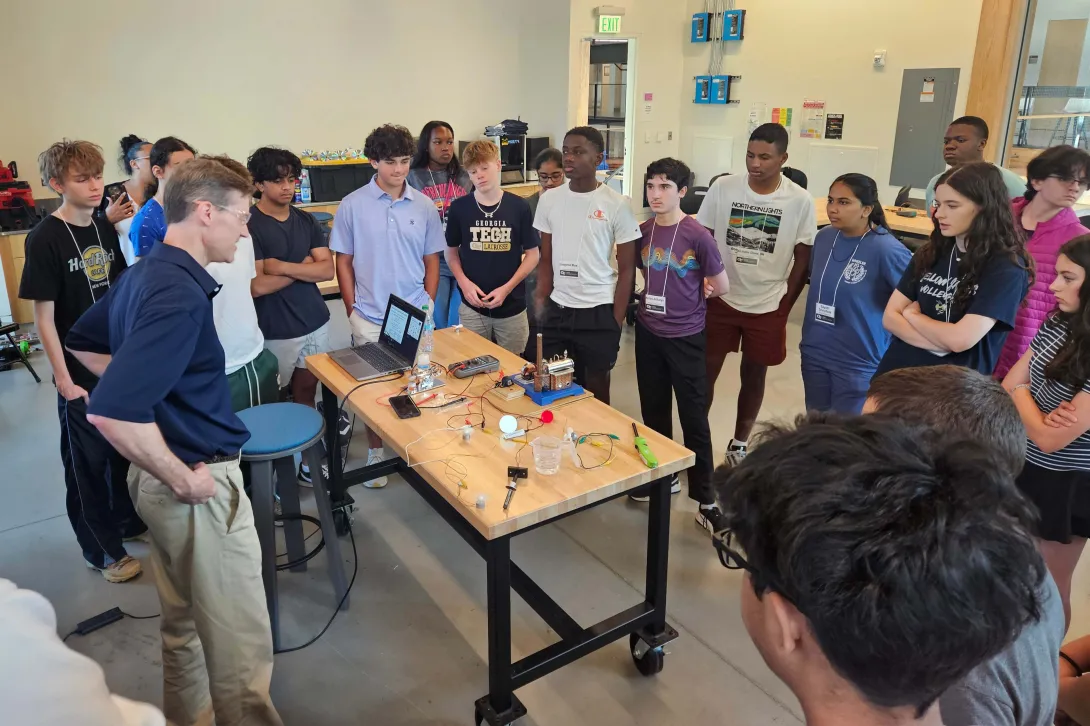
Rich Simmons and the Energy Unplugged participants during the final day presentations
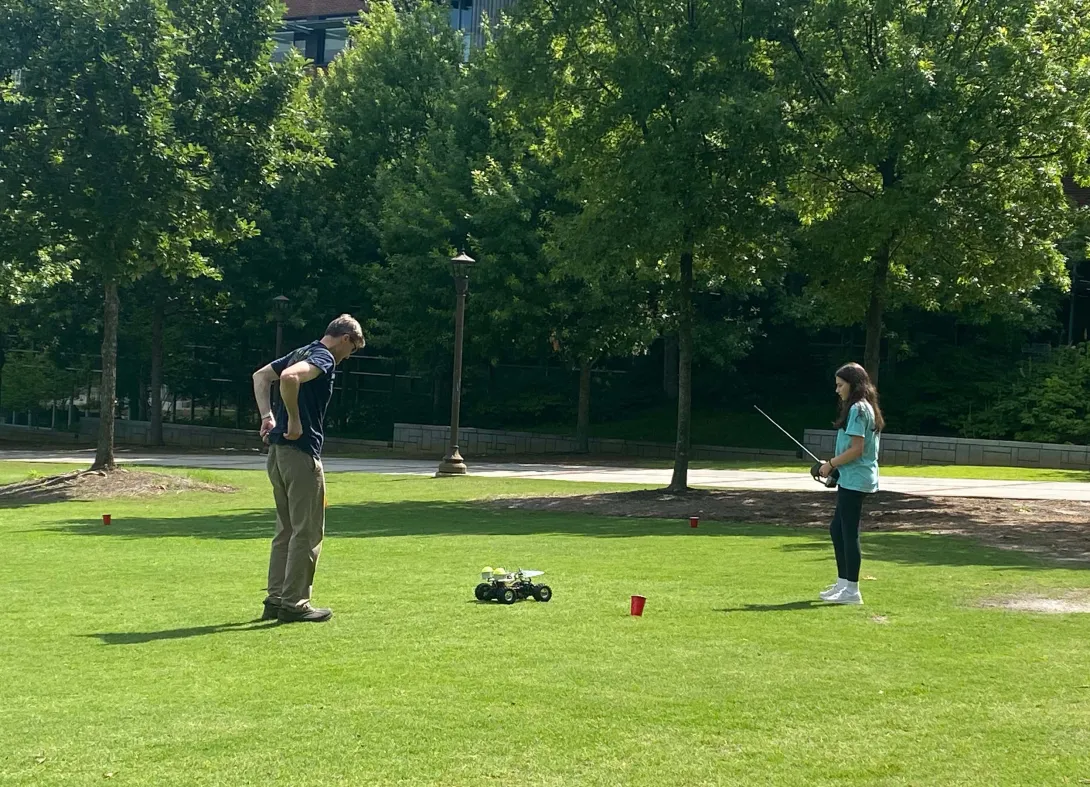
Energy Unplugged camper testing a remote car at Georgia Tech Green
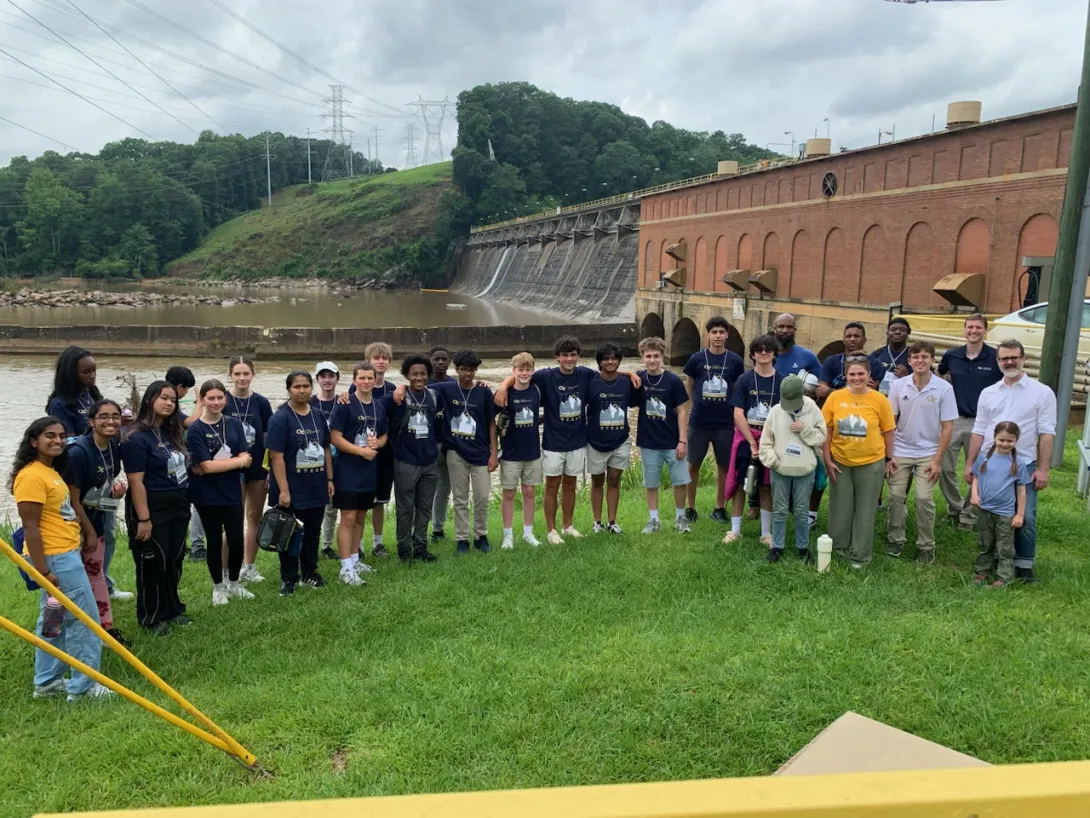
Energy Unplugged camp visit to the Morgan Falls hydroelectric plant
This summer, the Strategic Energy Institute (SEI) and the Energy Policy and Innovation Center (EPIcenter) hosted Energy Unplugged, an education and outreach program focused on science, technology, engineering, art, and mathematics (STEAM). The annual summer camp is organized through the Center for Education Integrating Science, Mathematics, and Computing (CEISMC), a unit of the College of Lifetime Learning at Georgia Tech. As one of Tech’s most sought-after programs for high school students, the weeklong summer camp continues to spark interest in energy innovation and develop foundational skills in science.
“Energy Unplugged introduces high school students to Georgia Tech’s vibrant innovation ecosystem, engaging young minds in shaping a more forward-thinking energy future,” said Christine Conwell, interim executive director of SEI.
Rich Simmons, SEI’s director of Research and Studies and a George W. Woodruff School of Mechanical Engineering faculty instructor, has led the camp’s curriculum since 2019. Under his leadership, students engage in applied learning experiences that introduce energy efficiency principles, foster creative thinking, and encourage real-world decision-making.
“Energy Unplugged features interactive activities and field trips which provide students tangible exposure to working energy facilities and STEM careers,” Simmons said. “As an integral part of our education and outreach efforts, the camp continues to inspire the next generation to think critically about energy and its impact on their communities and the world.”
“Collaborating with SEI on Energy Unplugged allows us to amplify CEISMC’s mission of expanding access to high-quality STEM experiences,” said Sirocus Barnes, director of Expanded Learning Programs at CEISMC. “By connecting students with real-world energy challenges and Georgia Tech’s research ecosystem, we’re helping them envision themselves as future innovators and problem-solvers.”
The week began with a hands-on workshop where students constructed mousetrap-powered cars, applying core physics concepts and the mechanics of energy conversion. In another activity, students raced remote-controlled cars to highlight the importance of swift decision-making while accounting for external variables. These experiments offered students a dynamic understanding of the relationship between energy and physics. Camp participants also explored electricity use in everyday life by experimenting with solar charging setups, learning how devices like cellphones can be powered through solar energy.
One participant, a rising high school senior, noted the program's differentiation from the typical classroom model: “We had a lot of experiences that aren’t typically offered in high school, which gave me a greater understanding of physics.”
The camp also featured site visits, including a tour of The Kendeda Building for Innovative Sustainable Design — the first building in the Southeast to meet the standards of the Living Building Challenge. Students explored the building’s facilities, including its rooftop garden and photovoltaic canopy. Additional field trips included tours of Oglethorpe’s Georgia System Operations plant and the Morgan Falls hydroelectric power plant, which offered students firsthand exposure to how energy is generated and managed across the state.
To conclude the week, students collaborated in teams on a mini design challenge: devising a sustainable taco business. They were tasked with cooking beans efficiently using either a slow cooker or a pressure cooker and learning how to balance time, energy use, and customer satisfaction. This final project reinforced lessons in energy trade-offs and problem-solving. Teams presented their findings to an audience of parents, faculty, and staff — a memorable opportunity that allowed them to develop public speaking and technical presentation skills as well.
“The presentation on the last day of camp encourages students to use their creativity in different ways to form new solutions and ideas,” said Jake Churchill, graduate student and former camp counselor, “which provides great exposure to an open-minded, nonlinear approach to engineering — and a great teacher, Rich Simmons.”
Contributed by: Katie Strickland
News Contact
Priya Devarajan || SEI Communications Program Manager

As Georgia positions itself as a hub for digital infrastructure, communities across the state are facing a growing challenge: how to welcome the economic benefits of data centers while managing their significant environmental and infrastructure impacts. These facilities, essential for powering artificial intelligence, cloud computing, and everyday internet use, are also among the most resource-intensive buildings in the modern economy.
While companies like Microsoft and Google have pledged to reach net-zero emissions, experts say more transparency and smarter policy are needed to ensure that data center development aligns with community and environmental priorities. That means ensuring adequate energy infrastructure, investing in renewables, training local workers, and mitigating water and carbon impacts through innovation.
A New Kind of Energy Crunch
The rapid rise of AI is fueling explosive demand for computing power — and in turn, energy.
“The proliferation of AI workloads has significantly increased data center energy requirements,” says Divya Mahajan, assistant professor in the School of Electrical and Computer Engineering. “Large-scale AI training, especially for language models, leads to elevated and sustained power draw, often nearing the thermal and power envelopes of graphics processing units systems.”
This sustained demand is particularly challenging in hot, humid regions like Georgia, where cooling systems must work harder. “Training these models can cause thermal instability that directly affects cooling efficiency and power provisioning,” Mahajan explains. “This amplifies reliance on external cooling infrastructure, increasing water consumption and grid strain.”
Environmental and Economic Pressure
“Each new data center could lead to greenhouse gas emissions equivalent to a small town,” says Marilyn Brown, Regents’ and Brook Byers Professor of Sustainable Systems in the School of Public Policy. “In Georgia, the growth of data centers has already led to plans for new gas plants and the extension of aging coal plants.”
There’s an environmental cost to this growth: electricity and water. A single large data center can consume up to 5 million gallons of water per day.
Rising demand has a price. “It’s simple supply and demand,” says Ahmed Saeed, assistant professor at the School of Computer Science. “As overall power demand increases, if supply doesn’t keep up, costs will rise and the most affected will be lower-income consumers.”
Still, experts are optimistic that policy and technology can help mitigate these impacts.
Innovation May Hold the Key
Despite the challenges, experts see opportunities for innovation. “Technologies like direct-to-chip cooling and liquid cooling are promising,” says Mahajan. “But they’re not yet widespread.”
Saeed notes that some companies are experimenting with radical ideas, like Microsoft’s underwater Project Natick or locating data centers in Nordic countries where ambient air can be used for cooling. These approaches challenge conventional infrastructure norms by placing servers underwater or in remote, cold regions. “These are exciting, but we need scalable solutions that work in places like Georgia,” he emphasizes.
What Communities Should Ask For
As communities compete to attract data centers, experts say they should push for commitments that go beyond job creation.
“Communities should ensure that their power infrastructure can handle the added load without compromising resilience or increasing costs,” Saeed advises. “They should also require that data centers use renewable energy or invest in local clean energy projects.”
Training and hiring local workers is another key benefit communities can demand. “Deployment and maintenance of data centers require skilled workers,” Saeed adds. “Operators should invest in technical training and hire locally.”
Policy Can Make the Difference
Stronger policy frameworks can ensure growth doesn’t come at the expense of Georgia’s most vulnerable communities. “We need more transparency from companies about their energy and water use,” says Brown. “And we need policies that prevent the costs of supporting large consumers from being passed on to residential ratepayers.”
Some states are already taking action. Texas passed a bill to give regulators more control over large power consumers. In Georgia, a bill that would have paused tax breaks for data centers until their community impact was assessed was vetoed — but experts say the conversation is far from over.
“Data centers are here to stay,” says Saeed. “The question is whether we can make them sustainable — before their footprint becomes too large to manage.”