
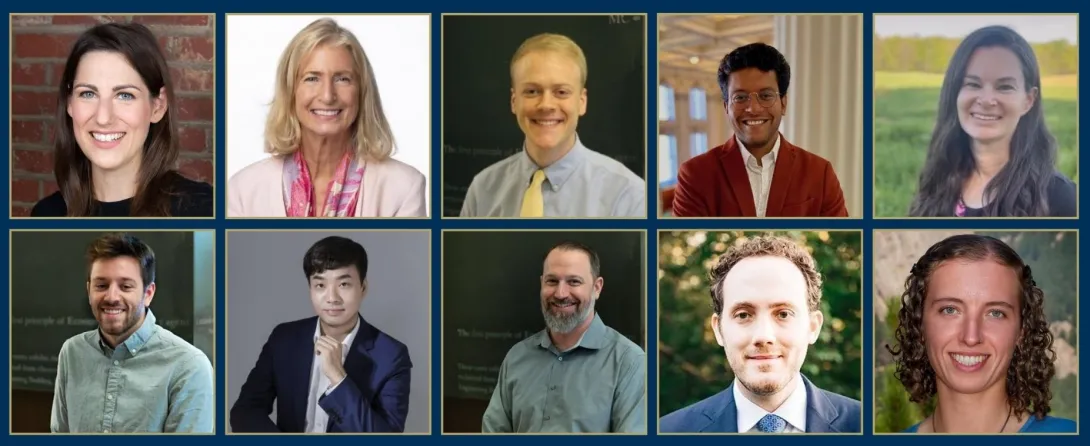
EPIcenter ACCELERATE Program Recipients: Top (Left to Right) - Clio Andris, Marilyn Brown, Dylan Brewer, Gaurav Doshi, Michelle Graff; Bottom (Left to Right) - Tony Harding, Brian An, Matt Oliver, Micah Ziegler, Constance Crozier
The Energy Policy and Innovation Center (EPIcenter) at Georgia Tech has awarded funding to a new cohort of faculty through its ACCELERATE program, an initiative designed to strengthen Georgia Tech’s thought leadership and real‑world impact in energy policy, decision‑making, and innovation across the Southeast.
Eight faculty members received funding for projects that advance Georgia Tech energy research by generating early insights, expanding shared research tools, and exploring solutions related to energy policy, grid reliability, clean energy incentives, and industry‑driven innovation shaping Georgia’s energy future.
By supporting timely, policy-relevant research and engagement that connect Georgia Tech expertise with pressing regional energy challenges, the ACCELERATE program encourages collaboration across the Institute and with external partners, supports graduate student involvement, and amplifies research outputs that inform policy, regulatory, and market decisions.
“ACCELERATE is designed to help early- and mid-career faculty move quickly on ideas that can shape energy policy and practice,” said Laura Taylor, director of EPIcenter. “By supporting both early‑stage collaboration and more developed policy research, the program enables Georgia Tech researchers to engage decision‑makers and stakeholders when it matters most.”
Proposals considered for funding were grounded in policy and behavioral research, including studies that examined how past or potential policies and regulations worked, and analyses of current market and behavioral outcomes that revealed management, policy, or regulatory gaps and opportunities.
Funded projects span a range of disciplines and policy‑focused topics aligned with EPIcenter’s mission, with a strong emphasis on challenges facing Georgia and the Southeast. Collectively, the awards support research development, data creation, stakeholder engagement, and public-facing thought leadership intended to inform energy policy and implementation.
"As electricity demand grows, it is increasingly important to understand how industrial processes could use energy flexibly to enable efficient use of renewable resources like solar and wind,” said Micah Ziegler, assistant professor in the School of Chemical and Biomolecular Engineering and the Jimmy and Rosalynn Carter School of Public Policy. “Support from the EPIcenter ACCELERATE program enables us to ask fundamental questions about how to design flexible systems and supply chains."
Awards ranged from $5,000 to $75,000. Projects that received ACCELERATE funding include:
Measuring the Alignment Between Legislators’ Energy Bill Votes and Their District Characteristics in the Georgia House of Representatives
Faculty Researcher: Clio Andris, Associate Professor, School of City and Regional Planning and School of Interactive Computing
Strengthening Georgia Tech’s National Energy Modeling of Priority Research Areas
Faculty Researcher: Marilyn Brown, Regents' Professor and Brook Byers Professor of Sustainable Systems, Jimmy and Rosalynn Carter School of Public Policy
Protecting Consumers From Price Volatility: Evidence and Policy Lessons From Georgia's Natural Gas Market
Faculty Researcher: Dylan Brewer, Assistant Professor, School of Economics
Can Place-Based Incentives Accelerate the Energy Transition?
Faculty Researcher: Gaurav Doshi, Assistant Professor, School of Economics
The Revolving Door in Utility Regulation
Faculty Researcher: Michelle Graff, Assistant Professor, Jimmy and Rosalynn Carter School of Public Policy
How Do Data Centers Affect Tradeoffs Between Reliability and Decarbonization?
Faculty Researchers: Tony Harding, Assistant Professor, Jimmy and Rosalynn Carter School of Public Policy, and Brian An, Assistant Professor, Jimmy and Rosalynn Carter School of Public Policy
Calculating the Emissions Cost of the Solar Rebound for the United States
Faculty Researcher: Matt Oliver, Associate Professor, School of Economics
Evaluating Long-Duration Flexibility of Industrial Demand in Electric Power Systems
Faculty Researchers: Micah Ziegler, assistant professor, School of Chemical and Biomolecular Engineering and the Jimmy and Rosalynn Carter School of Public Policy, and Constance Crozier, Assistant Professor, H. Milton Stewart School of Industrial and Systems Engineering
ACCELERATE is an annual program open to all Georgia Tech faculty, focusing on policy‑ and decision‑relevant research that advances energy affordability, reliability, resilience, and decarbonization in the region.
More information about EPIcenter’s research areas and programs is available at epicenter.energy.gatech.edu.
News Contact
Priya Devarajan || SEI Communications Program Manager
Primarily driven by the rapid construction of data centers nationwide amid the artificial intelligence boom, total electricity usage in the United States is projected to grow by 32% by 2030, according to the Connected Grid Initiative.
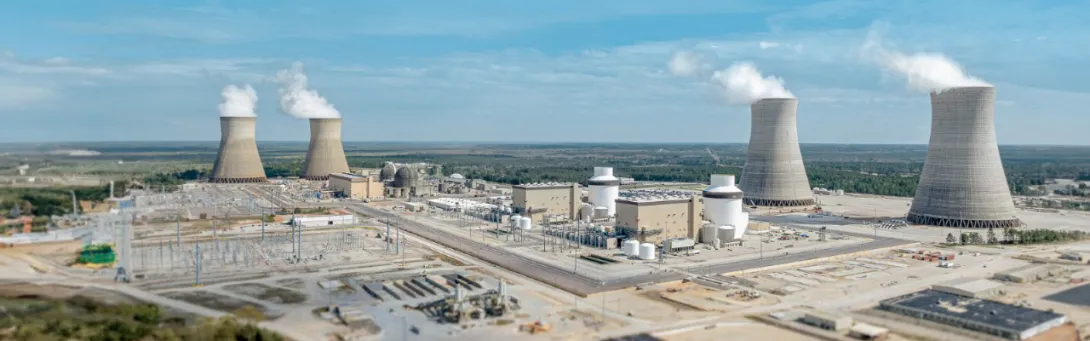
Nuclear power currently supplies roughly 20% of U.S. electricity, but because of its reliability compared to wind and solar power and its potential to reduce carbon emissions, the industry is positioned to expand its role in reshaping the future of energy. When Southern Company officially connected Units 3 and 4 at the Alvin W. Vogtle Electric Generating Plant to the grid, Georgia became home to the country’s largest nuclear power facility and to the first nuclear units built in the U.S. in more than 30 years.
With Georgia Tech alumni playing critical roles at the plant, students entering the field, and faculty conducting innovative research, the Institute’s influence can be felt throughout the industry.
News Contact
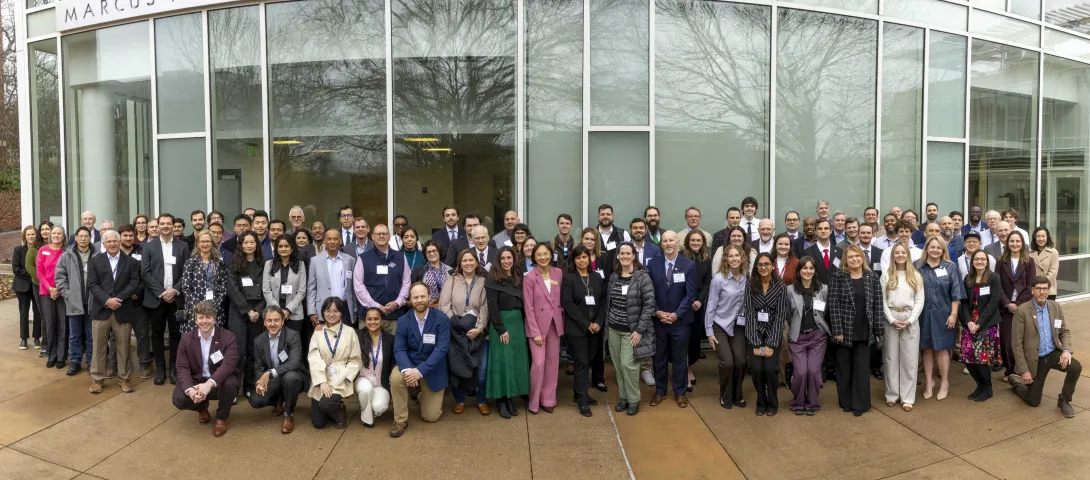
Group photo of the attendees of the GEMs-4 symposium.
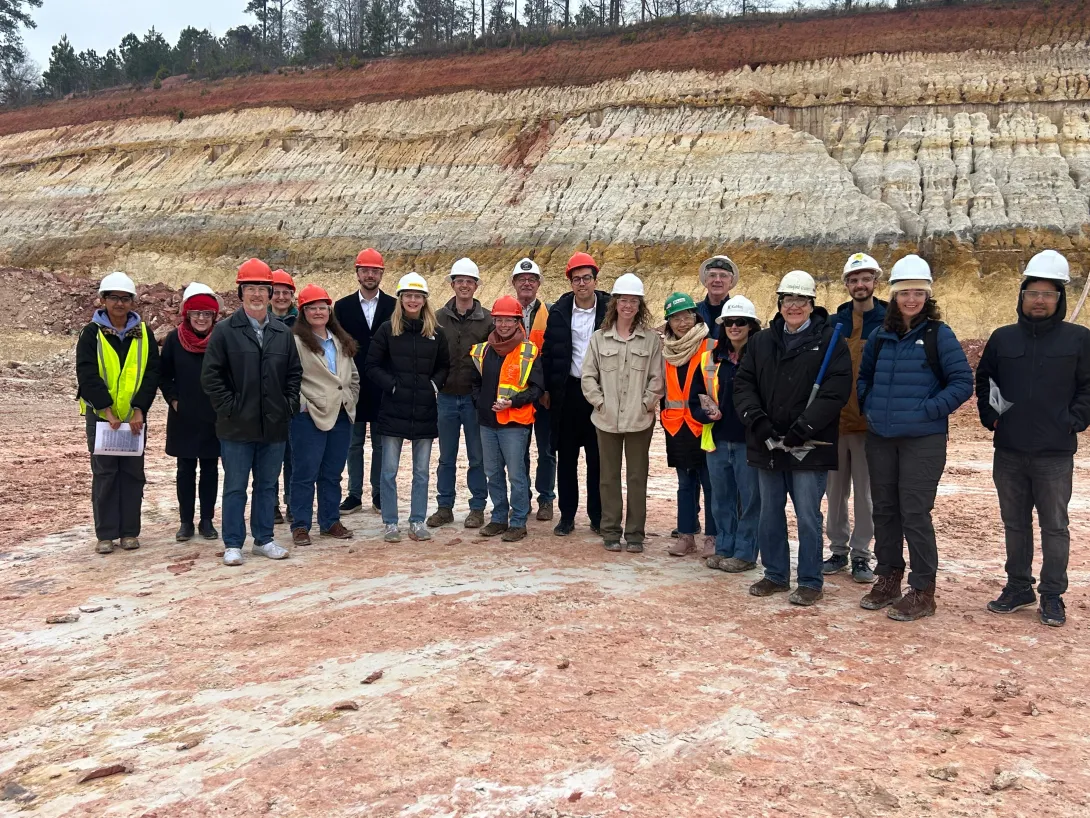
Day 2 of the symposium included a visit to a Georgia mining operation.
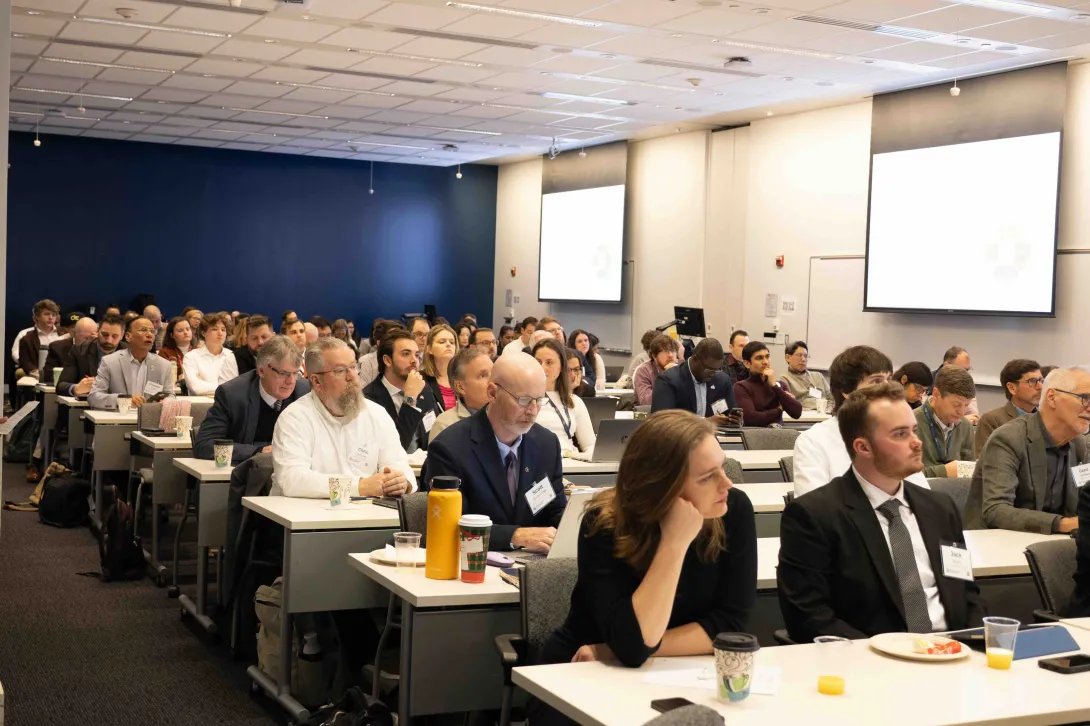
Attendees at the GEMs-4 workshop
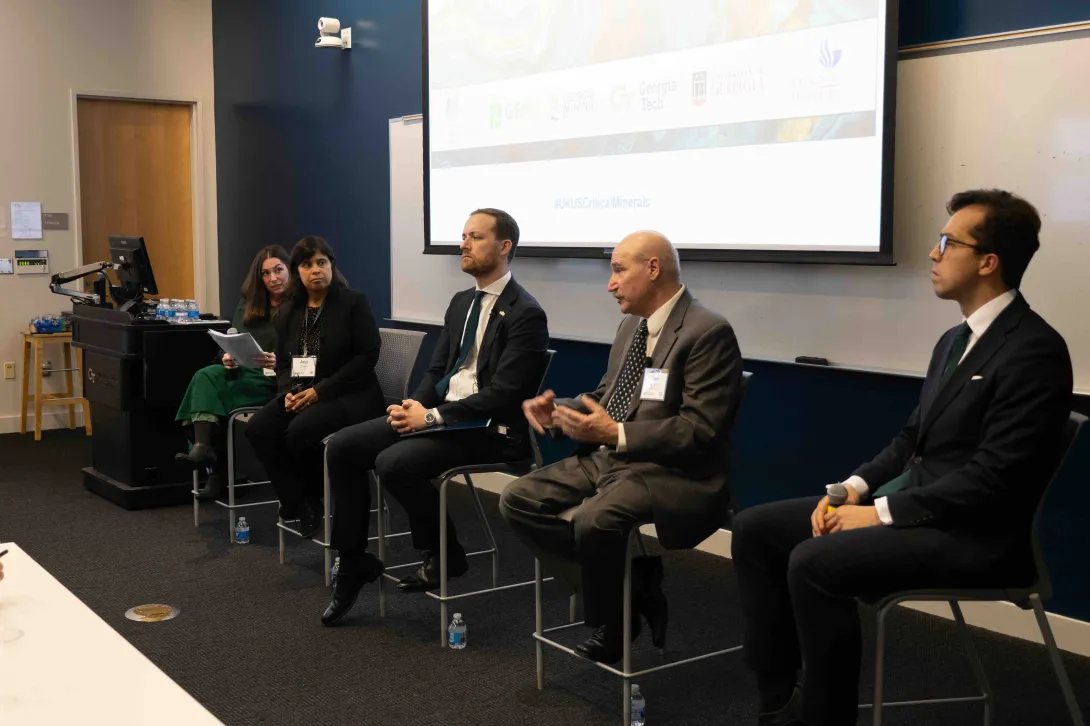
Critical Mineral Significance and Resources Panel at the GEMs-4 symposium
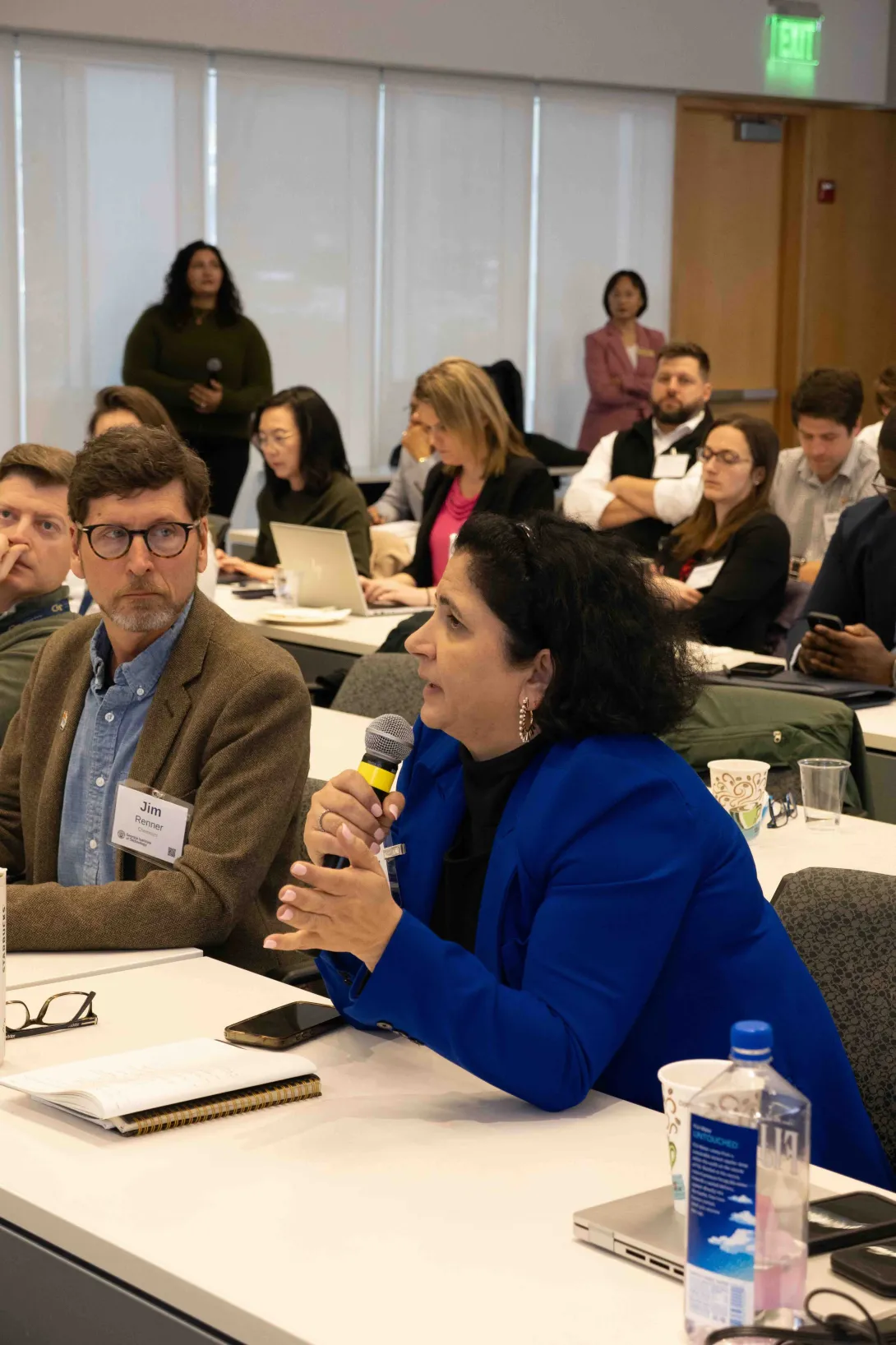
Attendee asking a question to the panel at the GEMS-4 Symposium
In February, the Georgia Institute of Technology, together with the University of Georgia, Georgia State University, the Georgia Mining Association, and the British Consulate‑General Atlanta, hosted the fourth Growing Partnerships for Essential Minerals (GEMs‑4) workshop in Atlanta. The workshop built on a growing transatlantic partnership dedicated to advancing innovation across the critical minerals value chain.
The two‑day event took place Feb. 4 – 5, coinciding with the Critical Minerals Ministerial hosted by U.S. Secretary of State Marco Rubio in Washington, D.C., on Feb. 4, which brought together more than 50 nations to strengthen and diversify global critical mineral supply chains. During this ministerial, U.K. Minister Seema Malhotra and U.S. Under Secretary of State Jacob Helberg signed a Critical Minerals Memorandum of Understanding, strengthening bilateral cooperation between the United States and the United Kingdom on critical mineral supply chains.
These broad efforts are supported by White House Executive Order 14363, which defines the Genesis Mission and aims to accelerate scientific discovery through AI. The order identifies critical minerals supply chain resilience as a national security imperative.
In Atlanta, these themes were brought to life in real time. The GEMs-4 workshop brought together researchers, policymakers, national labs, industry leaders, and workforce organizations from both the U.S. and the U.K. to address shared challenges in technology translation, permitting, investment, and talent development.
The state of Georgia’s integrated ecosystem, linking research universities, legacy industries, technical colleges, national labs, and public‑private partnerships, served as a case study. Presenters highlighted how existing industrial assets in the Southeast are being incorporated into emerging clean energy and critical minerals supply chains, offering a model for other regions seeking to build capabilities around extraction, processing, and manufacturing.
A U.K. member of Parliament representing Cornwall, where the U.K. has lithium reserves and deep critical mineral expertise, joined the convening, as well as representatives from the U.K. Critical Mineral Association, Camborne School of Mines, and the University of Kent. Together, they explored opportunities and challenges, from a fundamental science to a commercialization perspective grounded in real-world experience.
The alignment between the ministerial in Washington and the expertise present in Atlanta demonstrated the value of state-level engagement and how national agreements translate into practical collaboration on the ground.
“The Southeast has the research depth, industrial footprint, and collaborative spirit needed to lead in critical minerals innovation,” said Yuanzhi Tang, Georgia Power Professor in the School of Earth and Atmospheric Sciences, executive director of the Strategic Energy Institute, and founding director of the Center for Critical Mineral Solutions at Georgia Tech. “GEMs‑4 showed what’s possible when universities, industry, and government partners align around shared priorities.”
Day one featured strategic dialogue on critical mineral resources, innovation pathways, and partnership models. A recurring theme was the co-production of critical minerals alongside major mineral commodities. “Many critical minerals are produced as byproducts of larger mining operations, making it essential to integrate recovery strategies into existing mineral industries rather than developing entirely new extraction systems,” noted Crawford Elliott, professor of geosciences at Georgia State University.
Day two transitioned to field‑based learning, led by Paul Schroeder, professor of geology at the University of Georgia. Participants visited active operations to better understand how regional industrial strengths can support national and international supply chain goals. Schroeder said, “Connecting people to the long-standing mineral extraction economy at the mining and plant sites, where the work gets done with an amazingly skilled workforce, underscores the unique role of Georgia’s place‑based capacity in advancing national and transatlantic supply chain goals.”
Organizers emphasized that resilient supply chains rely on regional capabilities built over time through university collaboration, industry partnerships, and community engagement. With three years of inter‑university coordination now underpinning the GEMS platform, the 2026 workshop demonstrated how the Southeast is contributing actionable models for U.S.-U.K. cooperation.
“Ecosystem-building at this scale requires participation from every part of the value chain, and we are encouraged by the model GEMs presents,” said Rachel Galloway, Consul General at British Consulate General Atlanta. “The collaboration across universities, industry, and government is exactly what enables long‑term impact on both sides of the Atlantic.”
Through focused dialogue and partnership-building, the symposium strengthened transatlantic collaboration, highlighted regional strengths, and accelerated innovation and translation across the critical minerals value chain, from resource characterization and processing to recycling, manufacturing, and deployment.
For more information about the GEMS initiative, visit: https://gems.research.gatech.edu/.
News Contact
Priya Devarajan
Georgia Tech
British Consulate-Atlanta
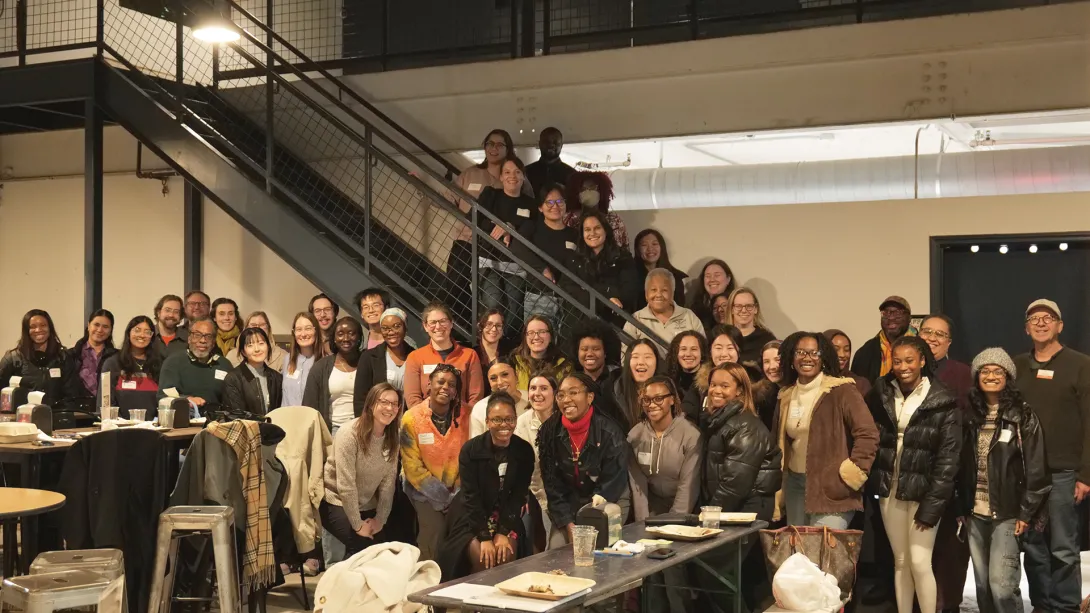
The Atlanta Community-Engaged Research Student Network launched this semester. The program is co-led by Nicole Kennard, assistant director for Community-Engaged Research with the Brook Byers Institute for Sustainable Systems (BBISS), along with Associate Professor Richard Milligan and Associate Professor Sarah Ledford from Georgia State University, Associate Professor Emily Burchfield and Associate Teaching Professor Carolyn Keogh from Emory University, and Iesha Baldwin from Spelman College. The program also partners with several community-based organizations to co-develop strategic direction and provide training. They are Science for Georgia, Historic Westside Gardens, HBCU Green Fund, South River Watershed Alliance, and Food Well Alliance.
The primary aim of the Atlanta Student Community-Engaged Research (CER) Network is to use a peer learning approach to train graduate students with the skills to co-lead community-engaged and locally focused research, while at the same time building relationships with local community organizations. This approach will help address local sustainability and societal challenges, lay the foundation for community-engaged research programs, and enable young researchers interested in this work to thrive in the Atlanta area. Initial funding for the pilot program was provided by the Atlanta Global Studies Center and the Georgia Tech Provost's Excellence in Graduate Studies fund.
The program received a total of 41 applications from graduate students from Georgia Tech, Georgia State University, and Emory University. Thirty-five master’s and Ph.D. students were accepted into the cohort, spanning a wide range of disciplines, from the humanities, sciences, design, public health, engineering, and computing. The program has additionally engaged eight senior-level undergraduates from Spelman College to learn about graduate school tracks with community-engaged research opportunities.
This program provides a unique opportunity to learn engagement and leadership skills not typically taught in graduate programs. Students are attending one training a month over the course of the Spring 2026 semester. Here, they learn about the diversity of sustainability-focused, community-based organizations in the area, develop skills to engage meaningfully with community partners in research projects, and improve the ways they communicate to the public about research.
The Georgia Tech Provost's Excellence in Graduate Studies fund will provide a $2,500 stipend to five Georgia Tech students who will work on a research project with a community partner organization. These projects will take place over the spring and summer semesters this year, providing opportunities for graduate students to apply their newly acquired community-engagement skills to on-the-ground research, while also opening a new pathway for Georgia Tech’s engagement with community partners.
Fellows and projects include:
- Irene Jacob, M.S., city and regional planning, will work with the Food Well Alliance to update the implementation strategy for their 10-year community garden survey.
- Ethan Zhao, M.S., human-computer interaction, will work with Historic Westside Gardens to integrate new technologies into their community garden spaces and assess the benefits to the communities they serve.
- Virginia Cason, M.S., sustainable energy and environmental management, will work with Science for Georgia to translate data gathering and analysis into community-centered narratives.
- Sharon Rachel, Ph.D., history and sociology of technology and science, will work with the HBCU Green Fund to examine the environmental and community impacts of data center projects in Atlanta.
- Ella Neumann, Ph.D., interactive computing, will work with the South River Watershed Alliance to document and communicate the history and impact of the City of Atlanta's combined sewer consent decree, and assess if the intended results of the decree have been met.
Applicants expressed their passion for community-engaged research projects and working directly with local community members and organizations:
“Lived experience is just as valuable as academic expertise, and meaningful change only occurs when both work together. I think that this takes approaching problems with a lot of humility, care, and a genuine desire to listen to communities and their needs.” -Virginia Cason, M.S., sustainable energy and environmental management
“I want to do research that stems from a theoretical question, but is feasible in reality and benefits the community. One of the most efficient ways to achieve this goal is through doing research WITH the community.” -Keke Li, M.S., analytics
“Community-engaged research is not only a methodology, but a commitment to partnership, humility, and shared power.” -Grace Fraser, M.S., city and regional planning
“To me, community-engaged research means working with people, not just for them. CER is not only a method but also a mindset. True impact comes when research and community experience grow together.” -Bingjie Lu, Ph.D., civil engineering
The community partners involved in the program are equally enthusiastic about community-engaged research. As Fred Conrad of Food Well Alliance put it, “Food Well has been intentional about engaging our constituents since we began, and this is not only a continuation of that effort, but a significant refinement of how we accomplish that. I think all of us have deepened our understanding of the CER process since we began this journey.”
News Contact
Brent Verrill, Research Communications Program Manager, BBISS
The Georgia Institute of Technology’s Vertical Lift Research Center of Excellence (VLRCOE) and RMS Aerospace have entered into a strategic partnership to develop an AI-enabled unmanned aerial vehicle (UAV) for the U.S. Army and federal government.
RMS is an engineering firm highly specialized in aerial and maritime combat systems, with offices in Texas and Georgia. This partnership combines VLRCOE’s strengths in rotorcraft aeromechanics and advanced configurations with RMS’ operational defense and applied systems engineering expertise to address a critical need for the U.S. Army.
The military has phased out or retired other drone vehicles, including the MQ-1 Gray Eagle, RQ-7 Shadow, and OH-58 Kiowa Warrior. Deploying a new AI-powered UAV can take over the intelligence, surveillance, and reconnaissance missions typically flown by those older UAVs.
News Contact
Kelsey Gulledge || AE Communications Manager
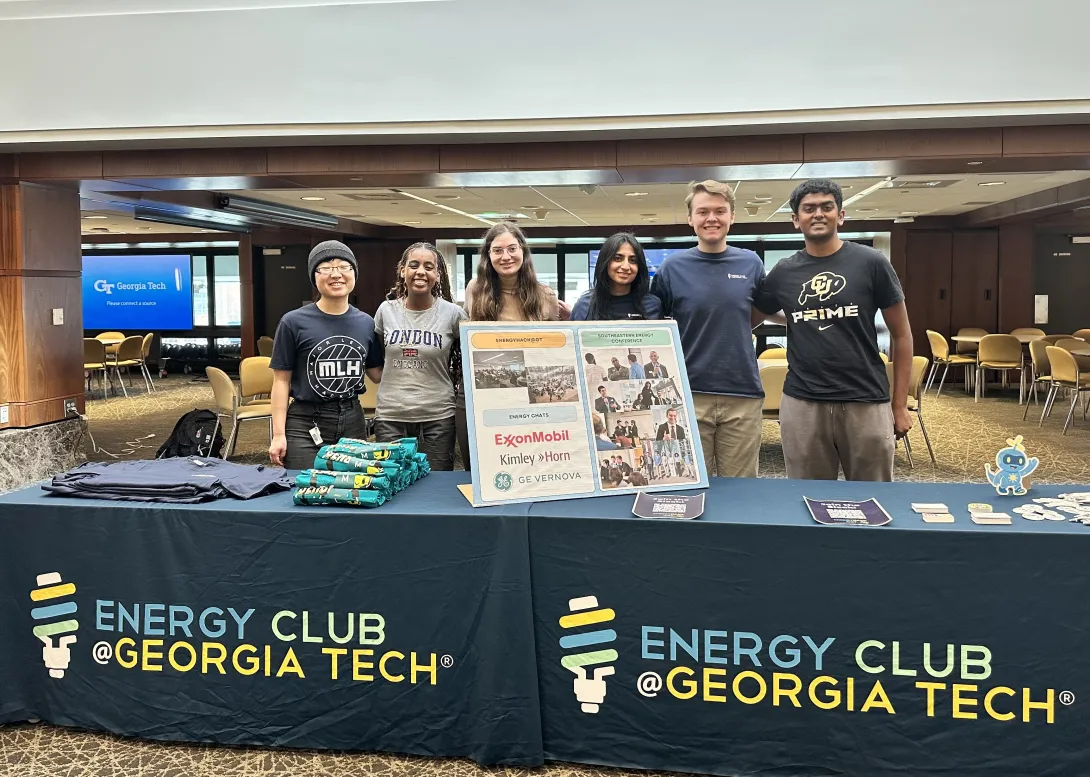
Energy Club Team
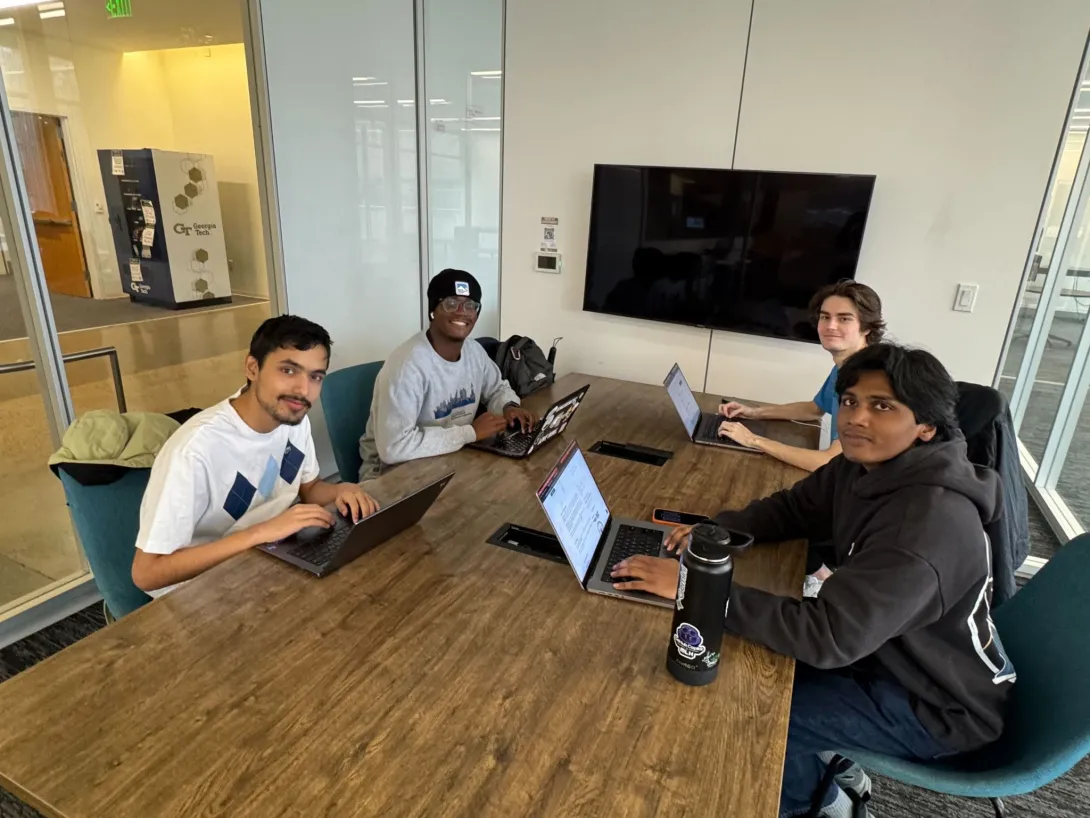
EnergyHack@GT 2026 Winning Team
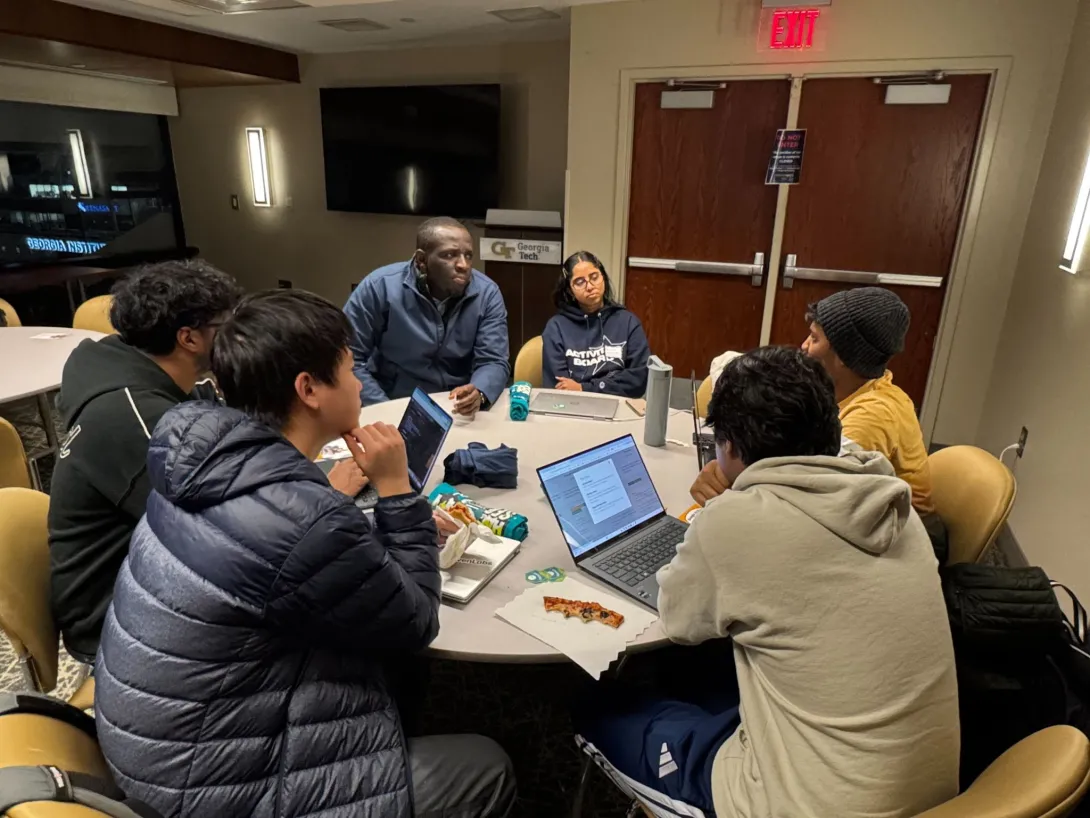
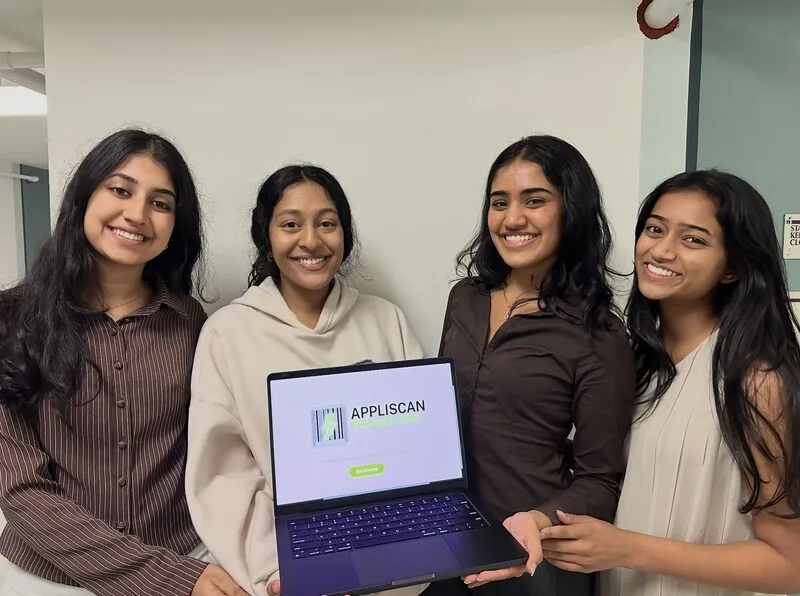
EnergyHack@GT, Georgia Tech’s second annual student-run energy and sustainability hackathon, took place over the weekend of Jan. 23 – 25, 2026. Organized by the Energy Club at Georgia Tech, the hackathon’s mission was to unite passionate students, tackle critical challenges in the energy industry, and foster innovation and collaboration.
Over the course of 36 hours, participants collaborated in teams to brainstorm, design, and prototype projects that promote sustainable practices based on diverse problem statements, addressing this year’s tracks: renewables; electrification & mobility; and smart grid. These themes targeted urgent issues, from balancing renewable energy supply and demand to safeguarding infrastructure against cyber threats and reducing greenhouse gas emissions. Despite the arrival of a winter storm and the hackathon shifting to a fully virtual format, students persevered and produced top-tier projects, which were evaluated by a panel of judges.
The event kicked off with an engaging opening ceremony featuring inspiring keynote speeches that set the tone for the hackathon’s ambitious objectives. Ann Dunkin, Distinguished External Fellow at Georgia Tech’s Strategic Energy Institute (SEI), served as the first of these keynotes, presenting her experiences as chief information officer for the U.S. Department of Energy. She gave participants, whether newcomers or veterans in the energy space, diverse problems to tackle, ranging from cybersecurity risks in substations to climate concerns in the age of artificial intelligence. Dunkin emphasized that no matter the challenge, a strong team can always develop innovative solutions.
“I was impressed by the quality and completeness of the solutions that the students created over about 40 hours,” said Dunkin. "Students created real solutions that meet market needs, and they conveyed an incredible amount of information in the three minutes they had to present their solutions.”
Despite the switch to a virtual format, participants could still talk to mentors throughout the event. These mentors included a Google lead, startup CEOs, Ph.D. researchers, and other professionals with decades of experience in the energy industry. Mentors provided feedback on participants’ ideas and guided them to think more deeply about the problems they chose. The various workshops also provided participants with a chance to dig deep into specific topics.
Michael Levy, U.S. utilities lead at global consulting firm Baringa, presented his workshop on using data and modeling to shape utility decisions, policy, and regulatory strategy. GE Vernova representatives presented “The Energy of Change,” an interactive workshop featuring climate simulations and team challenges to explore the trade-offs between cost, grid capacity, and carbon impact in the real world. Major League Hacking provided guides on GitHub Copilot and Google AI Studio. The final workshop, “Org Efficiency in Early Startups,” was led by Hunter Harris from the technology incubator complex Atlanta Tech Village. Harris taught participants what to prioritize in an early startup, including how to build a management structure and find the right strategy for attracting customers.
Troy Rice, vice president and general manager of Florida Power and Light under NextEra Energy, gave a keynote speech on utility business models and how to set yourself apart in a large industry. Rice discussed his experience, which began as a Tech graduate from the H. Milton Stewart School of Industrial and Systems Engineering. After learning about NextEra’s business model, he eventually created and taught an internal class called “How NextEra Makes Money.” Rice used this story to explain the importance of becoming an expert in knowledge that others in your company overlook. He also discussed the future of energy generation, emphasizing the growth of renewable energy in utility portfolios and often-overlooked potential career opportunities.
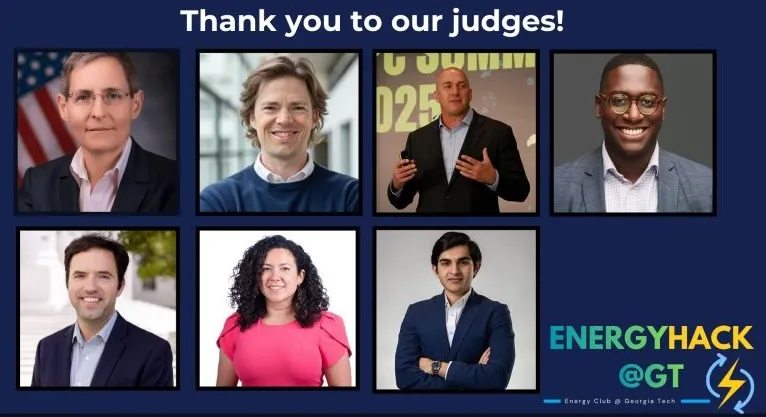
The energy and creativity culminated in the Project Expo, where 22 innovative solutions were showcased. Representatives from the Strategic Energy Institute, Microsoft, NextEra Energy, GE Vernova, and Georgia Tech professors judged projects, offering insights and feedback.
The closing ceremony celebrated the participants’ achievements and the event highlights, featuring Emily Morris, founder and CEO of Emrgy, as the final keynote speaker. Morris shared insights from her experience as a technology startup founder in the energy sector, discussing the unique challenges of navigating a risk-averse industry. She encouraged aspiring entrepreneurs to start by envisioning their future press release to clarify their end goal and avoid getting lost in immediate challenges. Morris emphasized the importance of leveraging your network, whether your Georgia Tech connections or hometown community, regardless of whether you pursue academia, industry, or the startup world.
With more than 110 registered participants, 22 project submissions, and leaders from some of the biggest energy and tech companies, EnergyHack@GT served as a platform for innovation and learning, showcasing the potential of student-led initiatives in shaping the future of energy and sustainability. Awards were presented to the top three projects for their creativity and impact, with the winning teams receiving cash prizes provided by the startup Tractian:
- Best Overall Hack: AppliScan
- Second Place: TeraWatt
- Third Place: WattsUp
Take a look at all the projects submitted: https://energyhack-gt-26.devpost.com/project-gallery
Written by Georgia Tech students: Braden Queen, Orit Endalk, Radhika Sharma
News Contact
Priya Devarajan || SEI Communications Program Manager
Written by Georgia Tech students: Braden Queen, Orit Endalk, Radhika Sharma
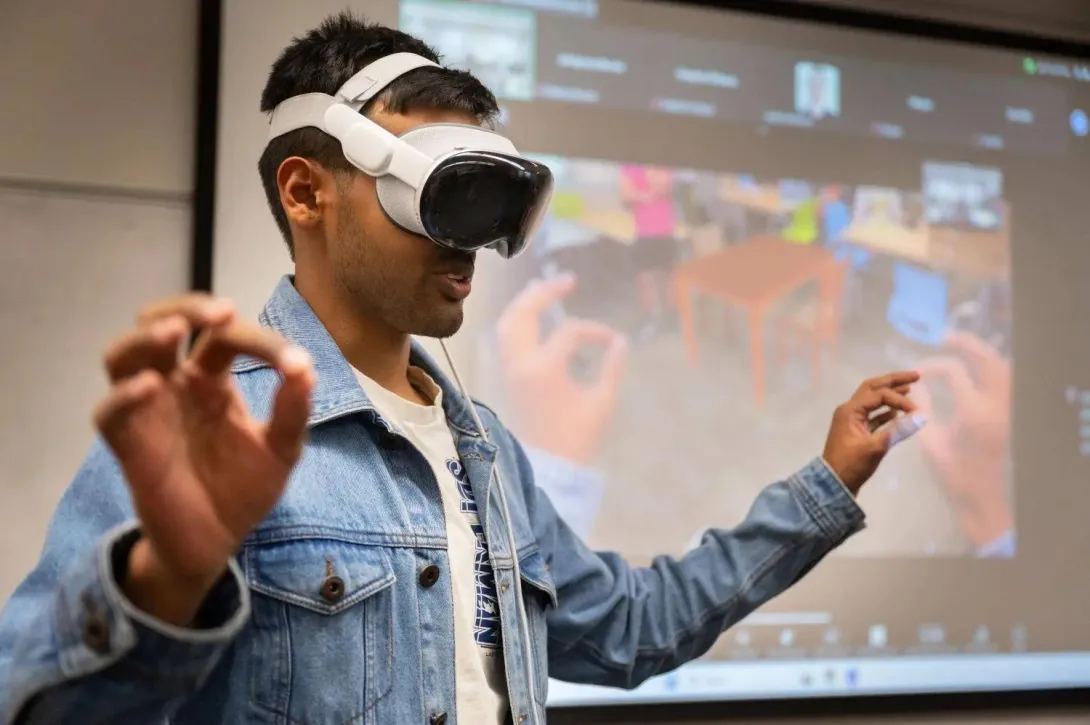
Georgia Tech student Yash Rajgure using an Apple Vision Pro headset device to demo his team's project in ECE 6001 Technology Entrepreneurship: Teaming, Ideation, and Entrepreneurship. Photo: Allison Carter, Georgia Tech
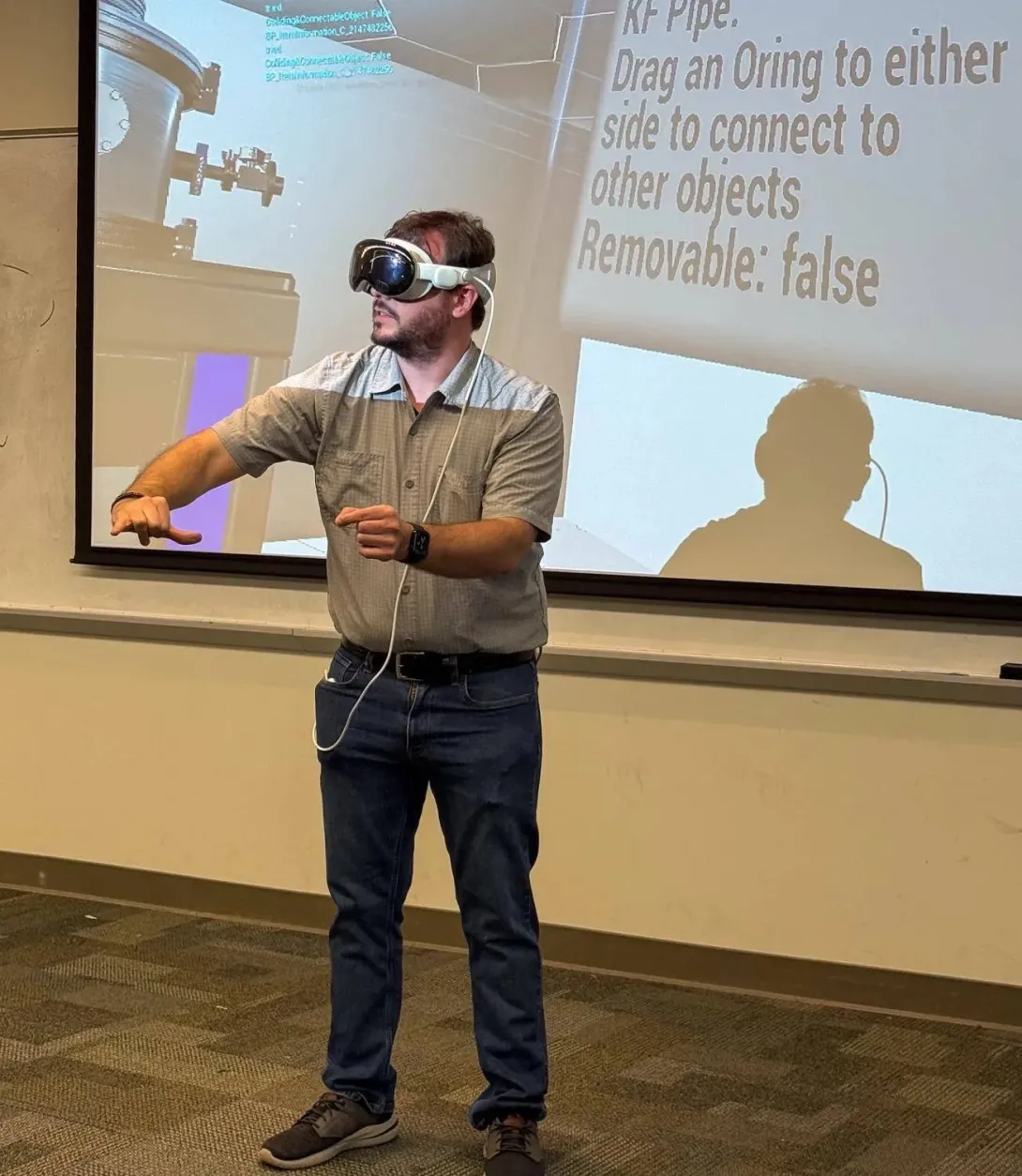
Gallmon showing how Apple Vision Pro can be utilized to train students and workers on sensitive and expensive technical equipment, in this case a cleanroom vacuum system.
Learning electrical and computer engineering has always come with a unique challenge: many of its foundational concepts — electric fields, magnetic forces, semiconductor behavior — are invisible to the naked eye and difficult to visualize.
To make these invisible principles tangible, students in the School of Electrical and Computer Engineering have long used specialized tools and software. Circuit simulators model voltage and current, electromagnetic tools visualize fields, and semiconductor design platforms reveal transistor behavior. These tools turn abstract theory into interactive experiences that prepare students for real-world engineering challenges.
Now, Apple Vision Pro is joining this ecosystem.
The technology introduces spatial computing to learning environments, blending digital content with the physical world.
At the Institute for Matter and Systems, infrastructure lead Alex Gallmon, is collaborating with students and industry partners to create immersive digital twins—virtual models that replicate real-world systems—of semiconductor cleanroom equipment.
“These machines are complex and costly, with parts that can run tens of thousands of dollars,” he said. “Even minor mistakes during operation can lead to expensive damage or downtime.”
Gallmon's team built a virtual replica of a cleanroom vacuum training system. The project serves as a prototype for a workforce development program aimed at high school and college students interested in careers in the semiconductor or vacuum technology fields.
Read the full story from the School of Electrical and Computer Engineering
News Contact
Dan Watson | School of Electrical and Computer Engineering
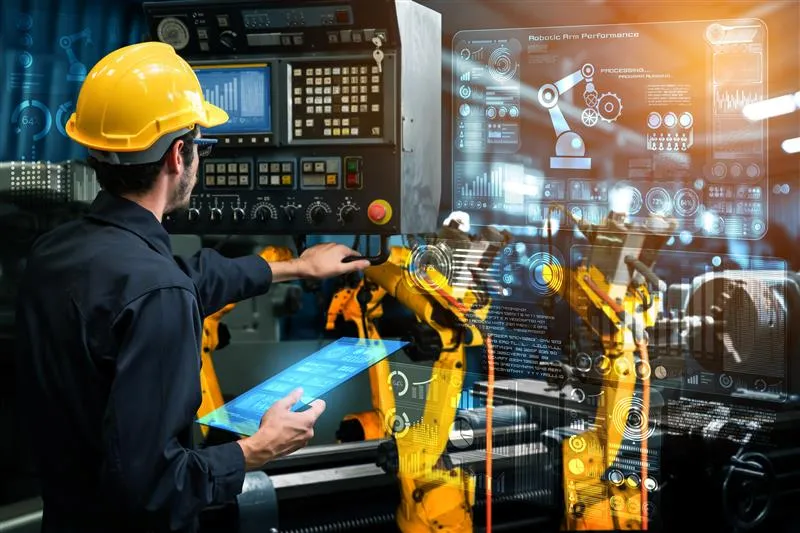
For decades, manufacturing has been synonymous with job creation, a pillar of economic growth and stability. Today, the industry is evolving into something far more dynamic: a hub for innovation, sustainability, and purpose-driven careers. Experts say this transformation is reshaping not only what manufacturing looks like but why it matters.
Beyond the Assembly Line: A High-Tech Reality
“People still picture manufacturing as the assembly lines of the early 20th century,” says Thomas Kurfess, executive director of the Georgia Tech Manufacturing Institute. “The reality is very different. Modern plants are among the most advanced environments you’ll find, packed with robotics, automation, and data-driven systems. In fact, if you want to see the largest number of robots in one location, it will be at an automotive assembly plant.”
That disconnect between perception and reality is one reason manufacturers struggle to fill roles despite record demand. Kurfess notes that students often overlook manufacturing careers because they assume the work is low tech. “We need to expose educators, parents, and students to what manufacturing truly looks like,” he says. Facility tours and partnerships with technical colleges can help shift the narrative.
Pinar Keskinocak, H. Milton and Carolyn J. Stewart School Chair in the School of Industrial and Systems Engineering, agrees: “Showcasing innovations like AI-driven automation, 3D printing, and smart factories is key to changing perceptions.”
Green Tech and Digital Transformation
The rise of electric vehicles, batteries, and renewable energy is accelerating this shift. “Green technology presents a transformative opportunity for U.S. manufacturing,” Kurfess explains. “It is not just about sustainability; it is about national security and global competitiveness.”
These sectors are inherently digital, says Nagi Gebraeel, Georgia Power Term Professor in the College of Engineering. “Green tech manufacturing is being built in an era when advanced digital technologies are mature and widely accessible. Factories are designed from the ground up with automation and sensing embedded, creating highly interconnected systems.”
This evolution demands new skills. The labor force must navigate environments where operational technology and information technology converge. Gebraeel predicts that by 2035, manufacturing leaders will increasingly come from operations and data-driven backgrounds rather than traditional IT.
The Workforce Challenge
Despite the promise of high-tech careers, talent pipelines remain thin. Manpreet Hora, senior associate dean in the Scheller College of Business, points to a “demand-supply mismatch” driven by rapidly changing skill requirements. “Manufacturing now needs workers who combine technical, digital, and soft skills,” he says. “Meanwhile, younger workers often gravitate toward service industries for perceived growth and tech exposure. The manufacturing sector will collectively need to reposition themselves as employers of choice by making their digital tools visible, highlighting career progression, and offering flexible learning pathways.”
Experts agree that education must adapt. Kurfess advocates for a systemwide approach starting in elementary school, while Gebraeel emphasizes integrating AI into curricula and offering modular micro-credentials for upskilling. Hora adds that hands-on training should reflect realities like AI-enabled operations and sustainability-focused processes.
Purpose and Innovation
For younger professionals seeking meaningful work, manufacturing offers more than a paycheck. “These are high-tech, high-impact roles where workers build products that move the world, from aircraft and medical devices to renewable energy systems,” Kurfess says.
To position the industry as an innovation hub, leaders must embrace technologies that enhance efficiency and quality while fostering collaboration across schools, businesses, and government. “Modernizing the image of manufacturing demands aligned messaging and shared investment,” he adds.
Looking Ahead
By 2035, experts envision a workforce fluent in AI, committed to lifelong learning, and working in environments where cyber and physical systems are seamlessly integrated. Manufacturing will remain a cornerstone of economic strength, but its true value will lie in its ability to innovate, adapt, and deliver purpose-driven careers.
News Contact

The question raises a sense of caution and thrill for most of us: how is Artificial Intelligence (AI) changing your workplace, and how can you harness this potential? Nowhere is this more real than in the field of logistics and supply chain management. At Georgia Tech’s Savannah campus, a component of the College of Lifetime Learning, the September 4 seminar “Unlocking GenAI in the Supply Chain: From Curiosity to Capability” brought together industry leaders and other community members to address these issues.
“Saving 10 hours a week with GenAI tools and techniques? That attracts leaders in this field,” said Chris Gaffney, Managing Director of the Supply Chain and Logistics Institute (SCL) and presenter of the seminar. “But they also seek deeper expertise that addresses what leaders need to know now about AI, including prompting as a strategic skill, AI policy implications for both students and companies, and real examples of how GenAI can move the needle on decision speed and quality.”
Gaffney is also the Edenfield Executive-in-Residence and a Professor of the Practice in Georgia Tech’s H. Milton Stewart School of Industrial and Systems Engineering.
The free seminar was part of a regular “Learners and Leaders” series, which usually meets before work over breakfast. The interactive session began by defining confusing terms in AI and the significance of its rapid development, then focused on use cases and strategies. It presented emerging trends and a new Advanced Analytics Learning Ladder, an actionable guide to training teams in AI.
Georgia Tech-Savannah, an educational outreach arm of Georgia Tech to the Coastal Empire of Georgia and beyond provides a range of learning experiences, including education for veterans, K12 STEAM enrichment and outreach, leadership training, OSHA training, and more.
It is also home to the region's Enterprise Innovation Institute's office for the Advanced Technology Development Center (ATDC), the Georgia Tech Manufacturing Extension Partnership (GaMEP), and Georgia Tech’s regional presence for Apex Accelerator.
In a recent applied research partnership, the Georgia Ports Authority along with Georgia Tech experts from the GT Supply Chain and Logistics Institute (led by Gaffney) showed through research that routing Asia cargo through the Port of Savannah delivers lower costs, greater reliability, and comparable transit times versus West Coast ports.
This Learners and Leaders seminar series responds to regional needs and offers practical strategies and solutions to workplace or educational challenges. This includes the supply and logistics sector, predominant in the Savannah region, but also extends to other topics like K-12 education, safety and health, workforce demands, etc. Among more than 110 attendees in September (face-to-face and online) were representatives of the largest regional companies, the Georgia Ports Authority, local universities, and local economic development authorities.
Georgia Tech-Savannah plays a vital role in the College of Lifetime Learning efforts to address the needs of learners in timely and meaningful ways that help the workforce remain agile, capable, and engaged.
News Contact
Kerry Jarvis
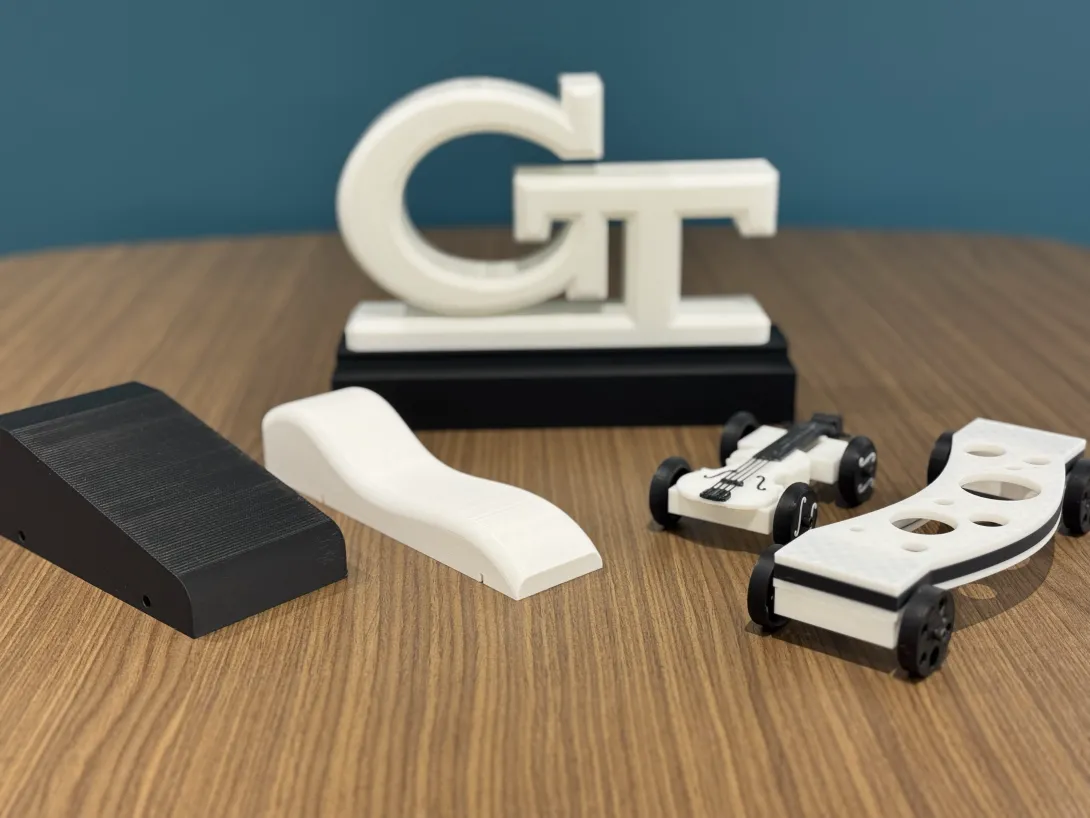
Students across Georgia are designing and 3D printing pinewood derby cars as part of a new hands-on advanced manufacturing initiative.
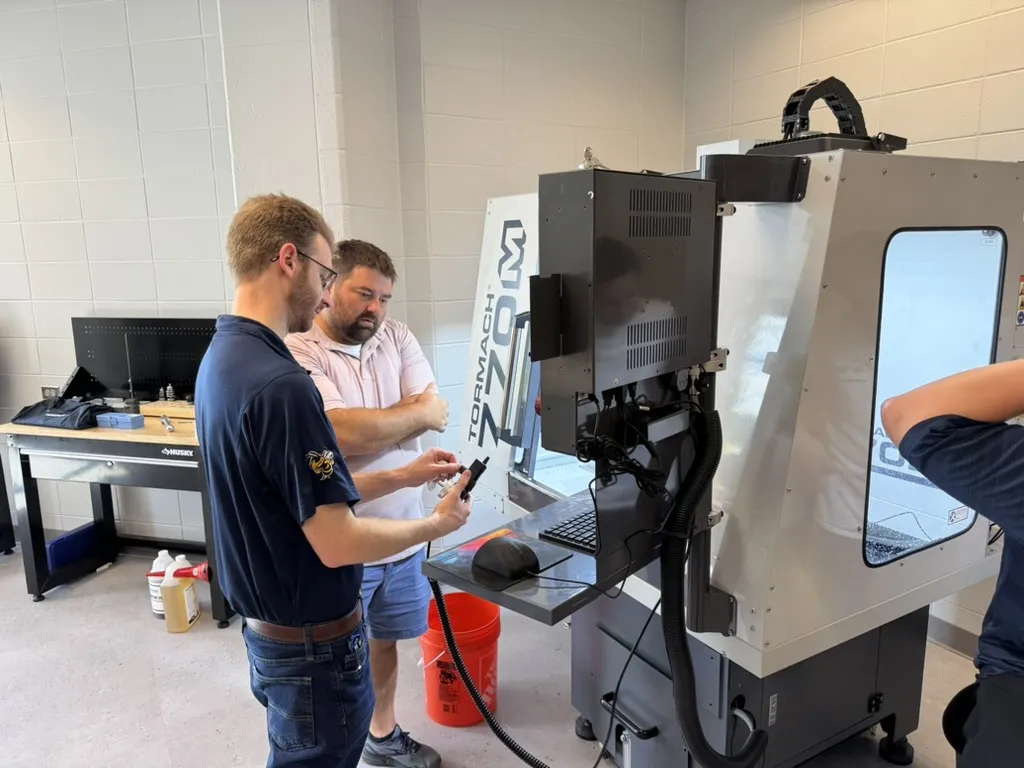
Kyle Saleeby (left) works side-by-side with a teacher to set up precision milling equipment, a key part of the AMP Program’s hands-on curriculum.
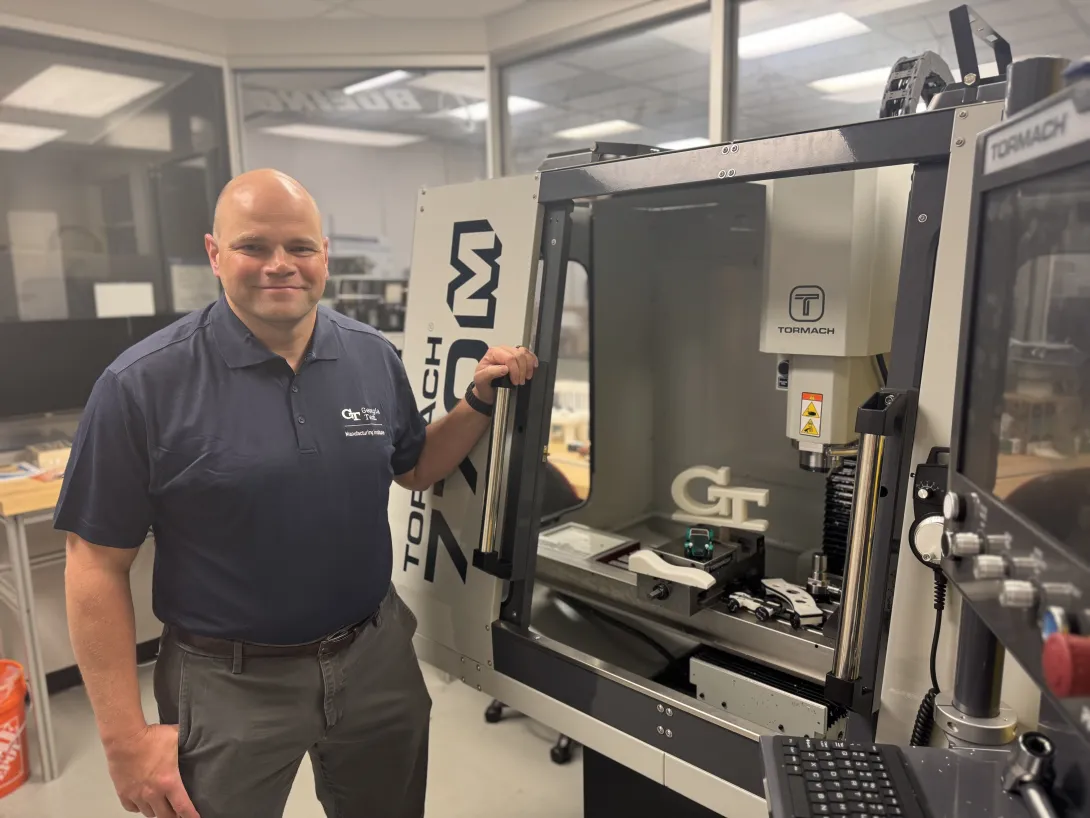
With more than two decades of workforce development experience, Steven Ferguson is helping launch a new era of hands-on learning through the AMP Program.
Smart manufacturing, data-driven design, and artificial intelligence aren’t just buzzwords — they are fields that are creating high-paying, high-tech careers across the country. In rural communities across Georgia, these advanced manufacturing roles are growing, but the talent pipeline isn’t keeping pace.
“It’s not just about creating jobs, it’s about filling them,” says Tom Kurfess, Regents’ Professor in mechanical engineering and executive director of the Georgia Tech Manufacturing Institute (GTMI). “To do that, we need to show students how exciting and innovative manufacturing can be. Manufacturing has really changed over the past few years. Today, going from an idea to a physical part is much easier to do. It is fun and exciting to bring ideas to life and to actually hold the results in your hands.”
GTMI is working to reignite student interest in the art and science of making through its new K–12 initiative: the Advanced Manufacturing Pathways (AMP) Program. Modeled after Georgia Tech’s Rural CS Initiative, AMP empowers schools with faculty expertise, cutting-edge equipment, and a hands-on curriculum to give students early exposure to the tools, technologies, and creativity behind modern manufacturing while building a pipeline of future talent ready to thrive in high-tech careers.
Funded by the Southwest Georgia Regional Commission (SWGRC), AMP is kicking off in three school districts this fall — Decatur County, Thomas County, and the city of Thomasville — with plans to expand to additional schools in the spring of 2026. The program will start by engaging more than 200 students through hands-on learning, virtual instruction, and in-person lab experiences led by Georgia Tech researchers and faculty.
“Here in Southwest Georgia, we believe that opportunities like this are vital for integrated learning in schools and for growing our future workforce,” says Beka Shiver, economic development and transportation planner for SWGRC. “Workforce development and K-12 integration are at the heart of our Southwest Georgia Ecosystem Building Project, and we are so pleased to be able to provide funding for this program.”
The launch of the AMP Program is centered around Design, Build, Race, a course putting a modern spin on the classic pinewood derby. Students will use digital design, 3D printing, and machining to build and race custom cars, while also learning how to collect and analyze performance data to improve their designs and predict outcomes. The course blends engineering with data science, sparking curiosity and showing students how modern manufacturing is powered by both technical skills and smart data.
“This program delivers real-world industry experience to students while strengthening the talent pipeline that drives innovation, competitiveness, and resilience in advanced manufacturing”, says Steven Ferguson, interim director of operations at GTMI and one of the project’s leaders. “After more than 20 years of driving education and workforce development innovation, I’m more energized than ever to help launch the AMP program to open doors for students and advance U.S. manufacturing leadership.”
Building the Blueprint
Before it evolved into the AMP Program, Design, Build, Race was a course developed by GTMI research engineer Kyle Saleeby in 2023. Originating in GTMI’s Advanced Manufacturing Pilot Facility (AMPF), the course was designed to introduce Morehouse and Georgia Tech students to the possibilities of modern manufacturing through digital design, 3D printing, machining, and competitive creativity.
“Even after the first week, it was powerful to watch students discover how exciting it is to design and manufacture a competition-ready car in a matter of hours,” said Saleeby. “That’s when I knew we were onto something special.”
Saleeby teamed up with Ferguson to transform the course into a broader initiative. The duo engaged colleagues from STEM@GTRI and secured funding from SWGRC to modify the curriculum and scale the course for a high school audience.
“We are thrilled that we have been able to take the lessons learned during the development of the Rural Computer Science Initiative and expand opportunities for students in Southwest Georgia,” says Sean Mulvanity, a senior research associate in the Georgia Tech Research Institute. Mulvanity is one of the founders of the initiative and has been a key contributor to the AMP Program. “We hope this program can grow and expose students across the state to the field of advanced manufacturing.”
Though granted by the SWGRC, funds for the program were provided by Georgia Artificial Intelligence in Manufacturing, a statewide initiative founded by GTMI and Georgia Tech’s Enterprise Innovation Institute to advance AI-driven manufacturing.
To bring AMP into classrooms, Southern Regional Technical College helped set up labs and provide technical support, ensuring schools were ready to launch.
“At all levels, the community has rallied around this program,” says Saleeby. “Providing students with a unique experience learning advanced manufacturing technologies will open countless career opportunities. I cannot wait to see where they go.”
News Contact
Audra Davidson
Research Communications Program Manager
Georgia Tech Manufacturing Institute