

From Left to Right: EPIcenter Director Laura Taylor, Southern Company Chairman and CEO Chris Womack, President Angel Cabrera, EVPR Tim Lieuwen, SEI Executive Director Yuanzhi Tang

EPIcenter Director Laura Taylor with Southern Company Chairman and CEO Chris Womack during the keynote address
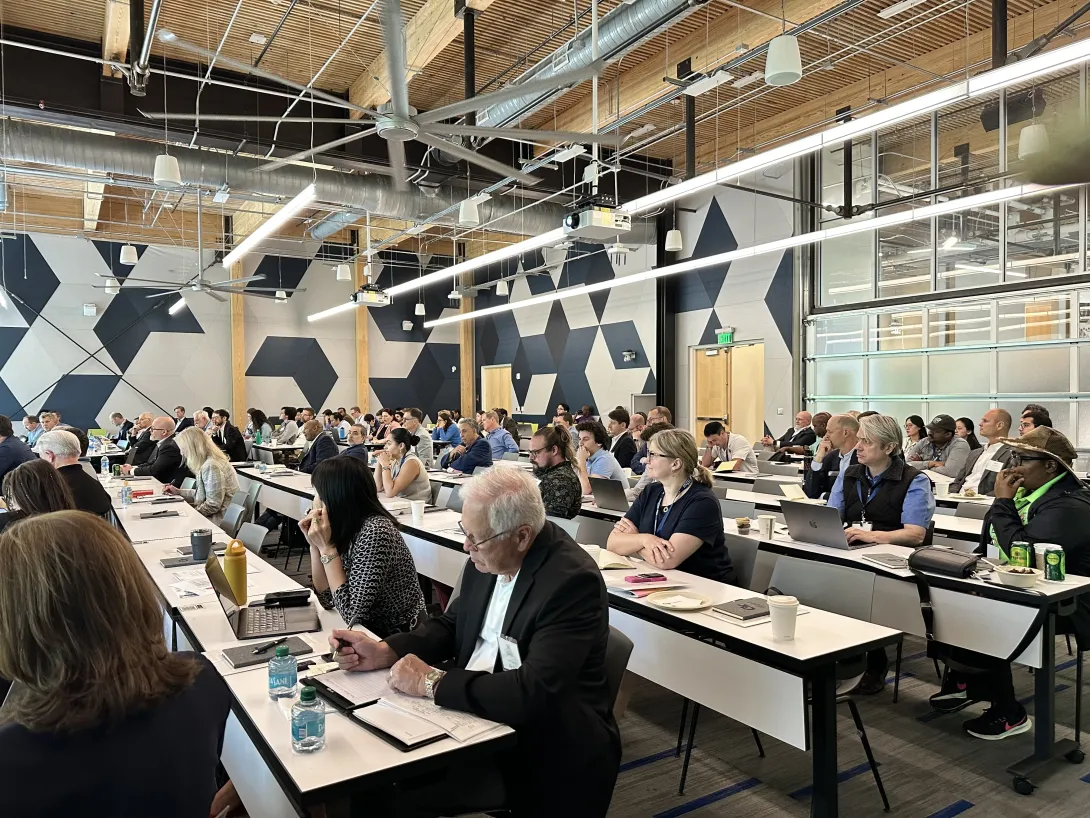
Intersect 2026 Participants

Panel Moderator Marc Miller (ScottMadden) with Panelists Steve Chriss (Walmart), Aaron Mitchell (Georgia Power), and Srimonto Ghosh (Chevron)
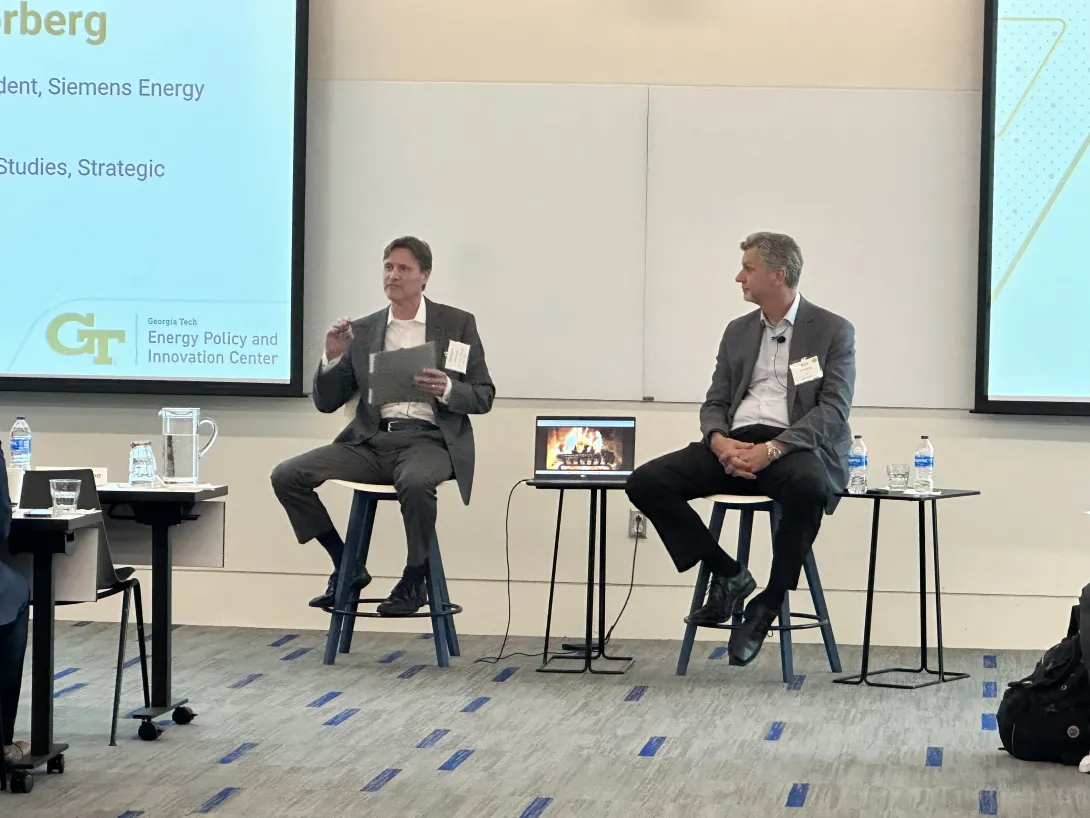
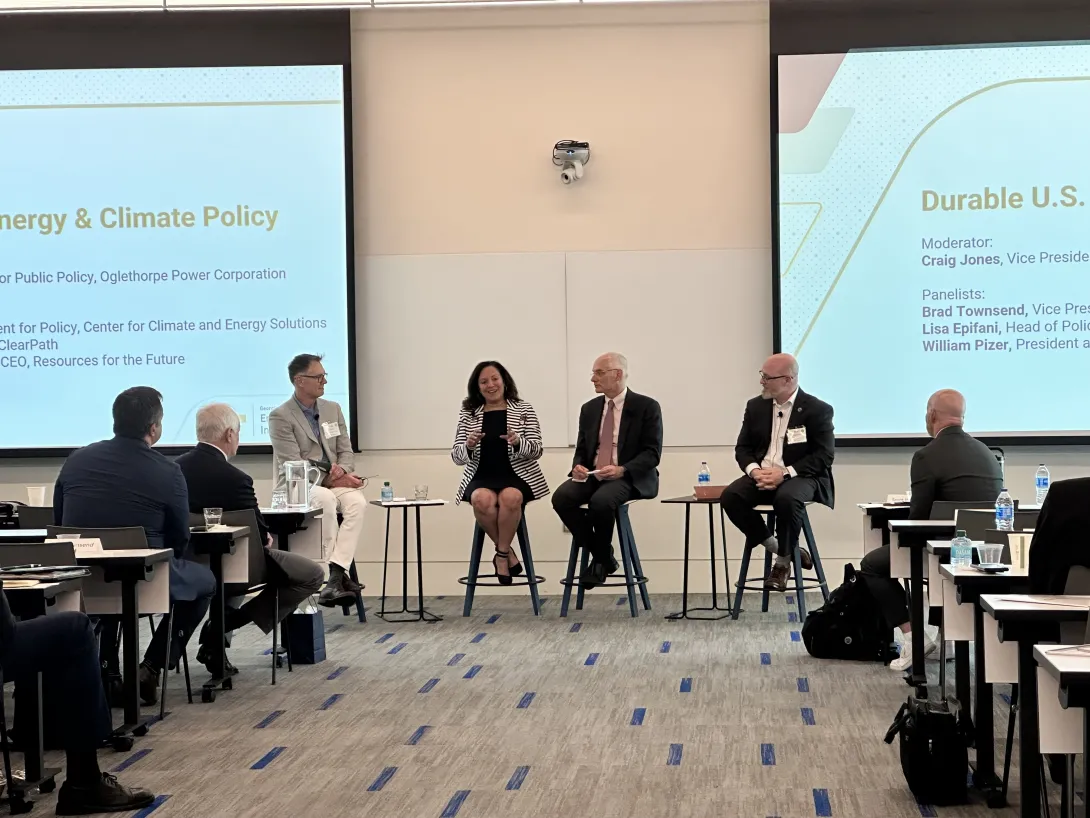
Moderator Craig Jones (Oglethorpe Power Corporation) with Panelists Lisa Epifani (ClearPath, William Pizer (Resources for the Future) and Brad Townsend (Center for Climate and Energy Solutions)

Moderator Scott McWhorter (Strategic Energy Institute), with Panelists Neva Espinoza (EPRI), Sherman Knight (Competitive Power Ventures), and Barbara Hampton (Georgia Transmission Corporation)
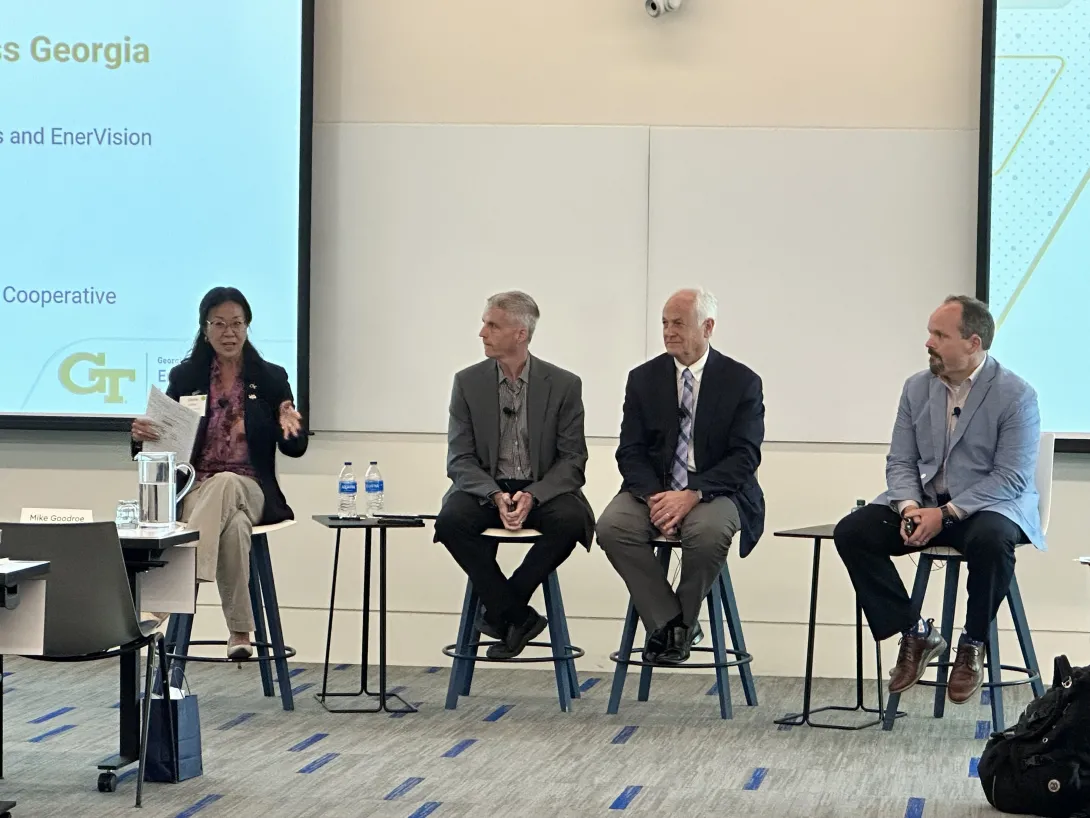
Moderator Elaine Johns (Vantage Point Solutions and EnerVision) with Panelists Wayne Gossage (Jefferson Energy Cooperative), Michael Goodroe (Sawnee EMC) and Jeremy Nelms (Flint Energies)
Georgia Tech’s INTERSECT 2026 brought together leading voices in energy on May 18 to explore critical issues in the Southeast’s energy ecosystem. Hosted by the Energy Policy and Innovation Center (EPIcenter), INTERSECT coincided with the center’s 10th anniversary, reflecting its sustained impact in convening cross-sector leaders to advance regional energy innovation.
With more than 150 attendees from industry, academia, and research organizations, the event’s high-level engagement underscored the urgency of critical issues facing the energy sector today, including the surging electricity demand, resiliency of the grid, and evolving supply chains, as well as the value of a dedicated space for candid, solutions-oriented dialogue.
“INTERSECT 2026 demonstrated the power of bringing together leaders who are actively shaping the future of energy,” said Laura Taylor, director of EPIcenter. “What began as a forum to explore emerging ideas has grown into a critical platform for aligning perspectives and advancing actionable solutions across the Southeast.”
This year’s program focused on real-world implementation challenges, including managing large-scale load growth and coordinating infrastructure investments to meet demand reliably and affordably. Panels featuring leaders from utilities, global energy corporations, and research organizations emphasized the importance of aligning strategy across sectors to ensure that the Southeast remains competitive and resilient.
Chris Womack, chairman, president, and CEO of Southern Company, delivered the keynote address, highlighting the unprecedented scale of current energy demands.
“Meeting this moment requires us to think differently — serving growth while ensuring reliability, resilience, and long-term value for our customers and communities,” said Womack.
Launched in 2017, the inaugural INTERSECT conference marked the launch of EPIcenter itself and established Georgia Tech’s commitment to connecting research, industry insight, and policy development. It focused on the need to bridge the gap between rapidly advancing technologies and slower-moving regulatory and market frameworks, a theme that continues to shape its mission today.
As INTERSECT 2026 concluded, participants pointed to a shared takeaway: With its industrial base, growing population, and integrated energy systems, the Southeast is uniquely positioned to lead in the next phase of the energy transition. With AI-driven power demand and grid infrastructure playing a significant role going forward, it is imperative to bring together the right voices to shape policies and strategies that will connect ideas to action.
News Contact
Priya Devarajan || Research Communications Program Manager
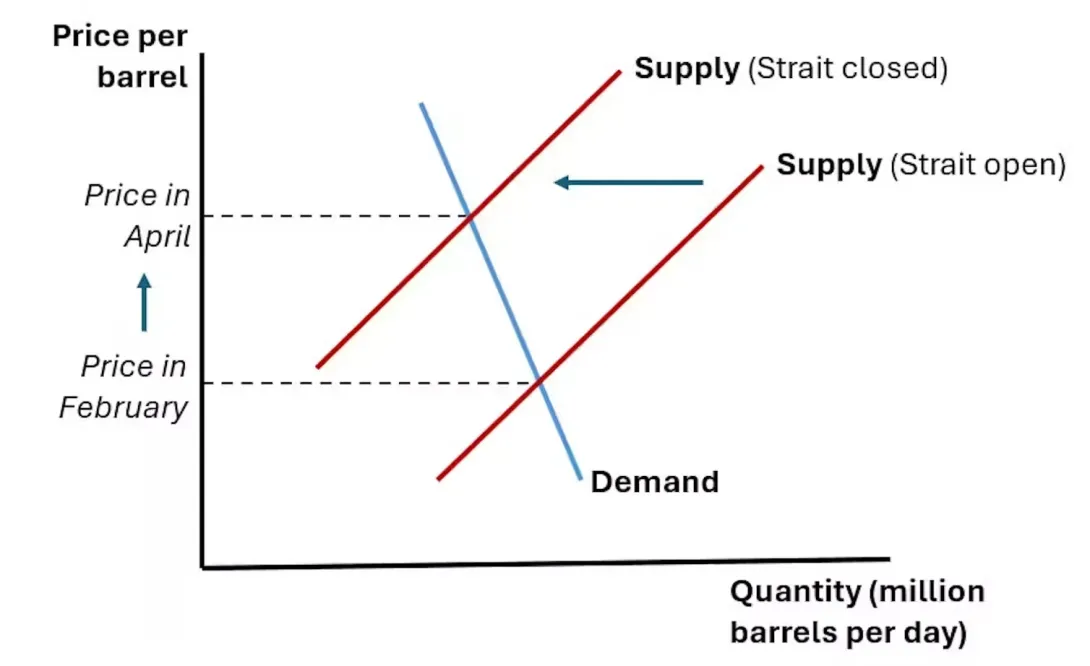
In general, when supply of a product is reduced, prices rise. As a result, even when demand remains stable, the quantity consumers buy decreases because of higher prices. Matthew E. Oliver and Tibor Besedeš, CC BY-NC-ND
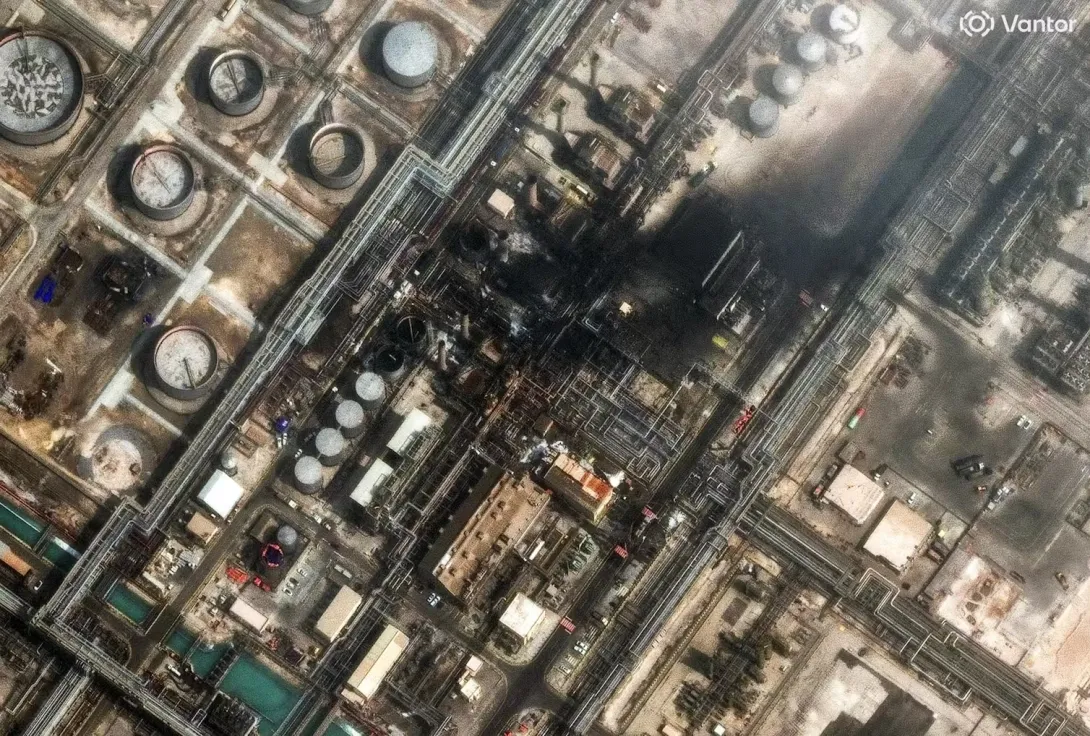
A satellite photo shows damage from the war at Saudi Arabia’s Ras Tanura oil refinery, which must be repaired before full operations can resume. Satellite image (c) 2026 Vantor via Getty Images

Drilling rigs in the North Sea are still operating and shipping oil. AP Photo/James Brooks
The market for oil is global, which is why events like the war in Iran affect oil prices – and prices of the wide range of products made from oil – literally everywhere. Federal data shows that the price at the primary crude oil hub in the U.S. was US$66 a barrel in late February 2026 – before the U.S. and Israel attacked Iran – and $101 a barrel on April 13. Similar price increases have reverberated around the globe.
As an energy economist and an international trade economist, we field a lot of questions during such episodes, because when oil prices go up, manufacturers, businesses and ultimately consumers pay more.
Some basic economics
Crude oil may be the most important commodity in the global economic system.
It’s a literal fuel for the industrial economy. It powers the engines that drive transportation and paves the roads vehicles drive on. It’s a source for plastics from which the world’s products get made and packaged, and a key ingredient at some point in almost every supply chain. Even fertilizers that boost the food supply are made from it. In short, it is difficult to imagine modern life without oil and its derivatives.
And when its supply changes, its price changes. Economists explain this using a fundamental model of our field: the supply-demand diagram. When there’s less of something to go around, competition among consumers who want it and companies that need it can drive the price up.
Sometimes this process can play out over time, allowing people to adjust their purchasing or activities to dampen price shocks. But when a significant source of the world’s oil is effectively blocked without much advance notice, such as when the the U.S. and Israeli attacks on Iran closed the Strait of Hormuz, prices can rise sharply in a short period of time.
A natural question many people ask when oil prices spike is: Where does all that additional money go, and who benefits from it?
Some people have written entire books dissecting all the places that money goes when it leaves consumers’ pockets. But ultimately, the bulk of the money heads in the direction of the source of the oil itself – the oil companies.
What they do with the money varies widely, depending on where in the world an oil company is operating and who owns it. What also matters is the business environment – the set of laws and regulations – in which the company operates.
Middle East faces danger
Oil producers in the Middle East face significant new risk because of the war in Iran, including threats to production, processing locations and shipping routes. These risks raise their costs for insurance, security and transportation.
But production costs in the region are relatively low, so higher global oil prices typically still translate into strong profits.
For a major exporter such as Saudi Arabia, the government owns and controls nearly all oil production, so high prices generally benefit the government’s finances and investments, even during a war. In Saudi Arabia, oil revenue has historically been used to fund public spending.
West Texas gets a windfall
The Permian Basin, the largest oil field in the U.S., is a long way from the Persian Gulf. When global oil prices rise because of the war in Iran, oil companies operating in West Texas effectively get a windfall gain: Prices rise more quickly than costs, at least in the short run.
The immediate effect is more income from higher prices. The money largely goes to company owners – meaning shareholders – through dividends, debt reduction, company-backed purchases of its own stock, and reinvestment in drilling and production. Over time, companies may decide to spend some of that windfall on building more production capacity or pipelines to get more oil and gas to market.
North Sea boosts government revenue
In the North Sea, between the island of Great Britain and Scandinavia, a mix of multinational and government-owned companies produce most of the oil.
In the U.K., private shareholders are the primary beneficiaries of higher profits from increased oil prices, though an additional tax on oil and gas companies’ profits means the government also collects a significant share of the money, which it uses to help pay public expenses.
In Norway, oil revenues flow into the Government Pension Fund Global, the world’s largest sovereign wealth fund, valued at over $2 trillion. Laws govern how much, and for what purposes, money can be withdrawn from the fund, supporting public spending and preserving wealth for future generations. This is a similar model to Alaska’s state-owned program, funded by oil revenue, that pays for government services and sends an annual dividend to every permanent resident.
Russian oligarchs get rich
Russian oil is subject to stringent economic sanctions imposed by major industrial countries as a response to the Russian invasion and occupation of parts of Ukraine. While the U.S. cannot control how much Russia charges for its oil, it can control services needed to move Russian oil around the world. Under current price sanctions, Western shipping, insurance and financing can be used to ship and sell Russian crude oil only if the price is below $60 per barrel.
Russia’s oil industry is dominated by government-controlled companies whose leaders maintain close ties to President Vladimir Putin. The dealings of those shadowy figures are often shrouded in secrecy, but it is likely that they and Putin’s military-industrial complex – not the Russian people – are the main beneficiaries of high oil prices.
What this means for you
Everyday U.S. consumers may not like the idea of their hard-earned cash going into the already deep pockets of any of these groups. But in the short run, there’s not much to do but pay the price. For the long run, however, people around the world are already thinking and talking about, and opting for, sources of energy that don’t depend on fossil fuels.
This article is republished from The Conversation under a Creative Commons license. Read the original article.
News Contact
Authors
Matthew E. Oliver
Associate Professor of Economics, Georgia Institute of Technology
Tibor Besedeš
Professor of Economics, Georgia Institute of Technology
Media Contact
Shelley Wunder-Smith
shelley.wunder-smith@research.gatech.edu

Gas prices were well over $4 a gallon on April 28, 2026, in Brooklyn, N.Y. Spencer Platt/Getty Images
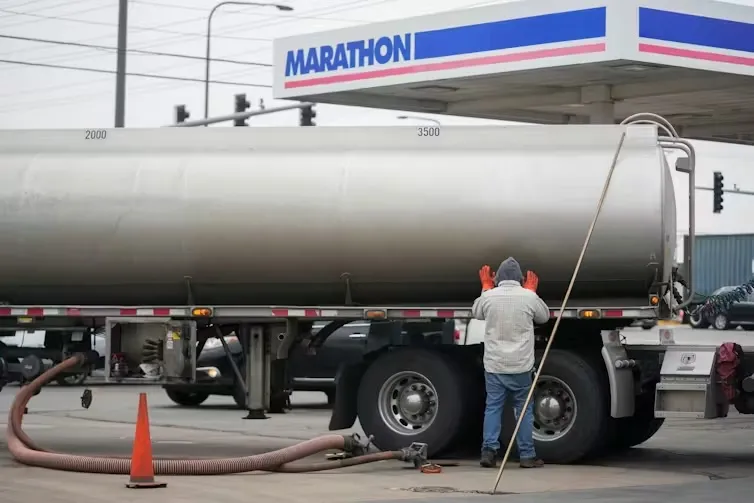
A tanker truck delivers fuel to a gas station. AP Photo/Erin Hooley

Suspending the Jones Act allows foreign-based oil tankers to sail between U.S. ports. AP Photo/Eric Gay
The U.S. Energy Information Administration expects nationwide retail gasoline prices to average near $4.30 a gallon for April 2026 – the highest monthly average of the year. The political response has been familiar. Georgia has suspended its state gas tax, other states are weighing their own tax holidays, and the White House has issued a temporary waiver of a law known as the Jones Act in hopes of moving more domestic fuel to East Coast ports.
As an energy economist, I am often asked about what contributes to gas prices and what different policies can do to affect them.
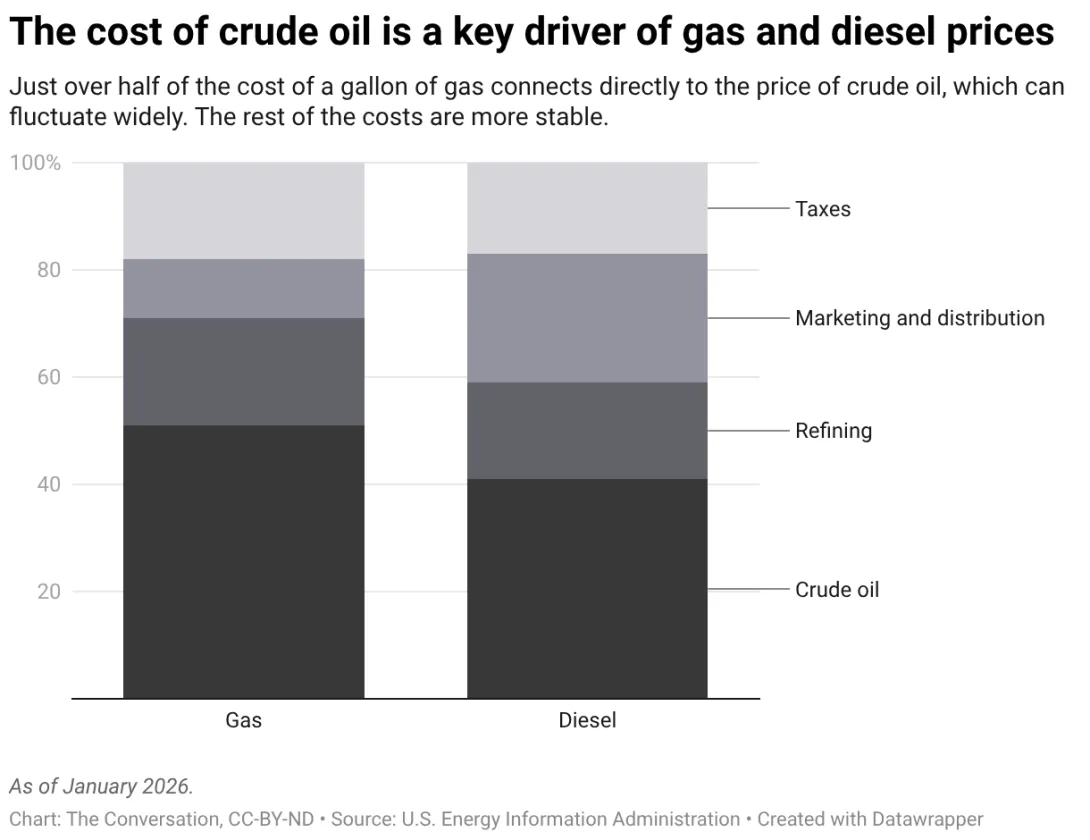
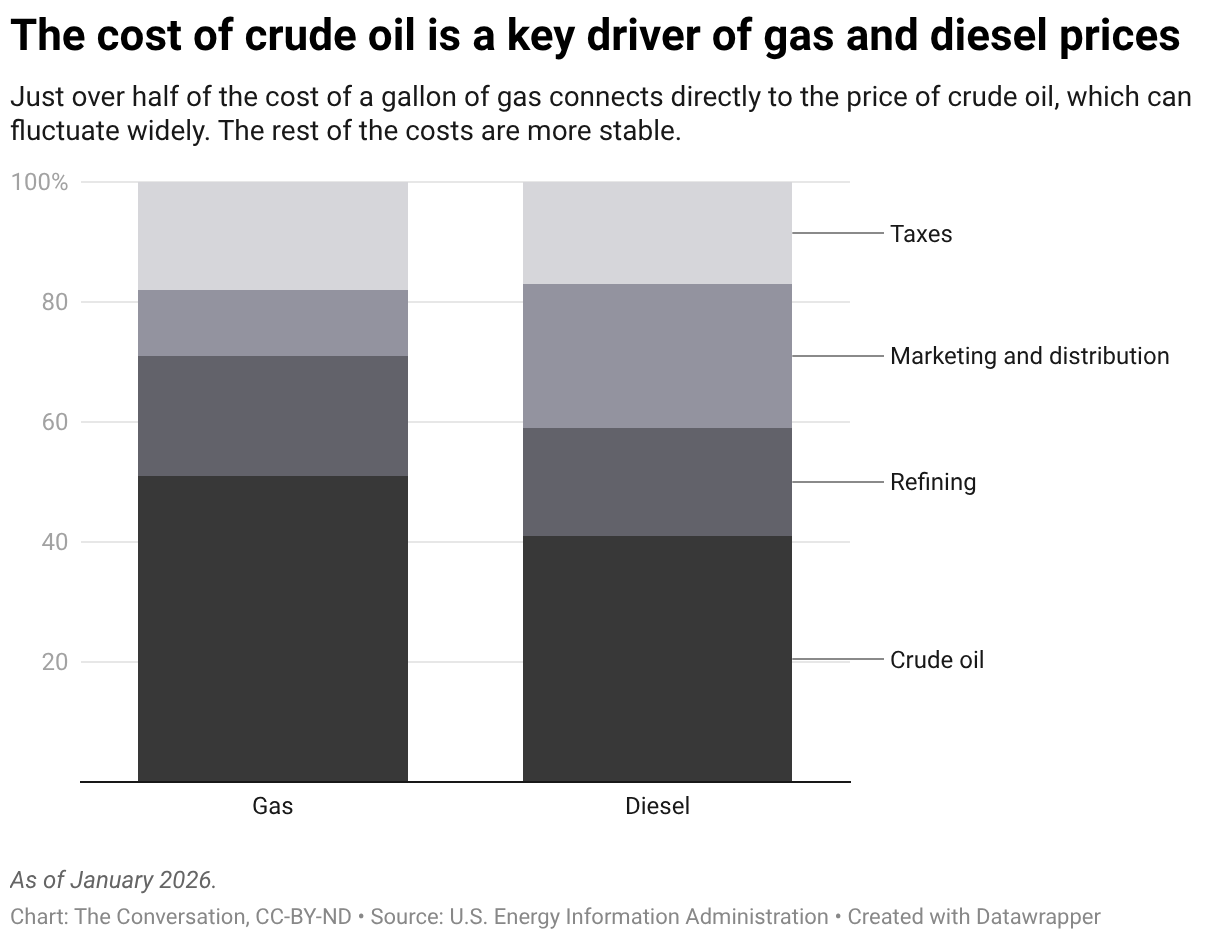
The price of a retail gallon of gas is the sum of four things: the cost of crude oil, refining, distribution and marketing, and taxes.
In nationwide figures from January 2026, crude oil accounted for about 51% of the pump price, refining roughly 20%, distribution and marketing about 11% and taxes about 18%. That mix shifts with conditions: When crude oil prices spike, that can drive more than 60% of the price; when the price drops, taxes and logistics are larger shares of the cost.
Crude Oil is the Biggest Ingredient
Because the price of crude oil is the largest element, most of the price at the pump is derived from the global oil market.
Usually, big swings in crude prices come mainly from shifts in global demand and expectations – not from supply disruptions, according to widely cited research in 2009 by the economist Lutz Kilian.
But what is happening in early 2026 with the war in Iran is one of the exceptions: a classic supply shock. Severe disruptions to shipping through the Strait of Hormuz and attacks on Middle East oil infrastructure have taken millions of barrels a day off the global market.
Most drivers generally can’t quickly reduce how much they drive or how much gas they use when prices rise, so gasoline demand doesn’t change much in the short run. That means a jump in crude costs tends to result in people paying more rather than driving less.
Refining, Regulations, and the California Puzzle
Refining turns crude into gasoline at industrial scale. The U.S. doesn’t have a single gasoline market, though. Roughly a quarter of U.S. gasoline is a cleaner-burning blend of petroleum-derived chemicals called “reformulated gasoline,” which is required in urban areas across 17 states and the District of Columbia to reduce smog.
California uses an even stricter formulation that few out-of-state refineries make. California is also geographically isolated: No pipelines bring gasoline in from other U.S. refining regions.
California’s gasoline prices have long run above the national average, explained in part by higher state taxes and stricter environmental rules. But since a refinery fire in Torrance, California, in 2015 reduced production capacity, the state’s prices have been about 20 to 30 cents a gallon higher than what those factors would indicate.
Energy economist and University of California, Berkeley, professor Severin Borenstein has called this the “mystery gasoline surcharge” and attributes it to the fact that there isn’t as much competition between refineries or gas stations in California as in other states. California’s own Division of Petroleum Market Oversight says the surcharge cost the state’s drivers about $59 billion from 2015 to 2024. It’s not exactly clear who is getting that money, but it could be gas stations themselves or refineries, through complex contracts with gas stations.
Getting the Gas Into Your Car
The distribution and marketing category covers the costs of everything involved in getting the gasoline from the refinery gate to your tank.
Gasoline moves by pipeline, ship, rail and truck to wholesale terminals, and then by local delivery truck to service stations.
At the retailer’s end, the key factors are station rent and labor, the cost to buy gasoline in bulk to be able to sell it, credit card fees of as much as 6 to 10 cents a gallon at current prices, and franchise fees paid to the national brand, such as Sunoco or ExxonMobil, for permission to put their branding on the gas station.
Most gas station operators net only a few cents per gallon on fuel itself – which is why many gas stations are really convenience stores with pumps out front. Borenstein and some of his collaborators have also documented that retail gas prices rise quickly when wholesale costs climb but fall slowly when wholesale costs drop.
The Question of Gas Tax Holidays
The federal government charges a tax on fuel, of 18.4 cents a gallon for gasoline and 24.3 cents a gallon for diesel. States charge their own taxes, ranging from 70.9 cents a gallon for gas in California to 8.95 cents in Alaska.
When gas prices rise, many politicians start talking about temporarily suspending their state’s gas tax. That does reduce prices, but not as much as politicians – or consumers – might hope. Research on past gas tax holidays has found that consumers get about 79% of the reduction in gas taxes. That means oil companies and fuel retailers keep about one-fifth of the tax cut for themselves rather than passing that savings to the public.
Gas tax holidays also reduce funding for what the taxes are designed to pay for, typically roads and bridges. That pushes road and bridge upkeep costs onto future drivers and general taxpayers.
There is an additional problem, too: Taxes on gasoline are supposed to charge drivers for some of the costs their driving imposes on everyone else – carbon emissions, local air pollution, congestion and crashes. But Borenstein has found that U.S. fuel tax levels are already far below the true cost to society. Removing the tax on drivers effectively raises the costs for everyone else.
The Jones Act: A Small Number That Adds Up
The 1920 Jones Act is a federal law that requires cargo moving between U.S. ports to travel on vessels built and registered in the U.S., owned by U.S. citizens, and crewed primarily by U.S. citizens and permanent residents. Of the world’s 7,500 oil tankers, only 54 meet this requirement. Only 43 of these can transport refined fuels such as gasoline.
So, despite significant refining capacity on the Gulf Coast, some U.S. gasoline is exported overseas even as the Northeast imports fuel, in part reflecting the relatively high cost of moving fuel between U.S. ports.
Economists Ryan Kellogg and Rich Sweeney estimate that the law raises East Coast gasoline prices by about a penny and a half per gallon on average, costing drivers roughly $770 million a year. In light of the war’s effect on gas prices, the Trump administration has temporarily suspended the Jones Act requirements – an action more commonly taken when hurricanes knock out Gulf Coast refineries and pipeline networks.
What Moves the Number
The result of all these factors is that the price that drivers see at the pump mostly reflects the global price of crude, plus a stack of domestic costs, only some of which are inefficient.
Tax holidays give a partial, short-lived rebate. Jones Act waivers trim pennies, though permanent repeal may cause more fundamental changes, such as reduced rail and truck transport of all goods, which could lower costs, emissions and infrastructure damage associated with cargo transportation. Harmonizing fuel blends across states and seasons may lower prices somewhat, but likely at the expense of increased emissions.
Ultimately, the best protection against oil price shocks is a more efficient gas-burning vehicle, or one that doesn’t burn gasoline at all. In the meantime, the best I can offer as an economist is clarity about what that $4.30 actually buys.
This article is republished from The Conversation under a Creative Commons license. Read the original article.
News Contact
Author:
Assistant Professor of Economics, Georgia Institute of Technology
Media Contact:
Shelley Wunder-Smith
Director of Research Communications
Georgia Institute of Technology

In recognition of her extraordinary teaching, outreach, and mentoring activities, Emily Weigel has been awarded the Eugene P. Odum Award for Excellence in Ecology Education by the Ecological Society of America (ESA). Each year, the award celebrates a singleone individual’s sustained, outstanding work in ecology education.
“I’m honored to receive the 2026 Odum Award,” says Weigel, who is a senior academic professional in the School of Biological Sciences. “Georgia Tech is widely recognized for its research excellence, but teaching is mission-critical to the ways we serve the public good. This award reflects the incredible work happening in our classes and communities that drives science, and science education, forward.”
Weigel is among 10 individuals selected nationwide for annual ESA awards. “This year’s award recipients have each contributed something important to ecology, often in very different ways,” says ESA President Peter Groffman. “These are ecologists whose efforts have shaped the field, supported colleagues and created opportunities for others. I’m glad to see that kind of work acknowledged.”
About Emily Weigel
Weigel’s work focuses on improving biology education by examining how student backgrounds, values, and instructional practices shape learning outcomes. Her impact spans K–12 students, undergraduates, graduates, and members of the Atlanta community.
Known for her teaching innovations, she has pioneered new courses in biology, ecology, and statistics, and is also a leader in the Vertically Integrated Projects program at Georgia Tech.
From studying the dynamics of flu, to using drone aerial footage to monitor Georgia Tech’s changing landscape, to a long-term project monitoring the trees of the Campus Arboretum, Weigel shares that “students thrive when they develop skills through real-world experiences."
Weigel has also creatively infused the traditional “nature” topics and fieldwork found in ecology curricula with modern technology and programming skills used in research. “Effectively introducing professional skills, like programming in the language R, is innovative nationally,” she says. By making R, an open-source programming language, more accessible, “we’re preparing undergraduates for success in graduate school and their careers, and empowering them to learn other programming languages in the future.”
In addition to teaching, Weigel plays a central role in mentoring and supporting students across the Institute. She serves as the undergraduate academic advisor for around one-sixth of Georgia Tech’s Biology majors, mentors graduate and undergraduate teaching assistants, and is an instructor for the “Tech to Teaching” capstone course in the Center for Teaching and Learning.
News Contact
Written by:
Selena Langner
College of Sciences
Georgia Institute of Technology

EPIcenter ACCELERATE Program Recipients: Top (Left to Right) - Clio Andris, Marilyn Brown, Dylan Brewer, Gaurav Doshi, Michelle Graff; Bottom (Left to Right) - Tony Harding, Brian An, Matt Oliver, Micah Ziegler, Constance Crozier
The Energy Policy and Innovation Center (EPIcenter) at Georgia Tech has awarded funding to a new cohort of faculty through its ACCELERATE program, an initiative designed to strengthen Georgia Tech’s thought leadership and real‑world impact in energy policy, decision‑making, and innovation across the Southeast.
Eight faculty members received funding for projects that advance Georgia Tech energy research by generating early insights, expanding shared research tools, and exploring solutions related to energy policy, grid reliability, clean energy incentives, and industry‑driven innovation shaping Georgia’s energy future.
By supporting timely, policy-relevant research and engagement that connect Georgia Tech expertise with pressing regional energy challenges, the ACCELERATE program encourages collaboration across the Institute and with external partners, supports graduate student involvement, and amplifies research outputs that inform policy, regulatory, and market decisions.
“ACCELERATE is designed to help early- and mid-career faculty move quickly on ideas that can shape energy policy and practice,” said Laura Taylor, director of EPIcenter. “By supporting both early‑stage collaboration and more developed policy research, the program enables Georgia Tech researchers to engage decision‑makers and stakeholders when it matters most.”
Proposals considered for funding were grounded in policy and behavioral research, including studies that examined how past or potential policies and regulations worked, and analyses of current market and behavioral outcomes that revealed management, policy, or regulatory gaps and opportunities.
Funded projects span a range of disciplines and policy‑focused topics aligned with EPIcenter’s mission, with a strong emphasis on challenges facing Georgia and the Southeast. Collectively, the awards support research development, data creation, stakeholder engagement, and public-facing thought leadership intended to inform energy policy and implementation.
"As electricity demand grows, it is increasingly important to understand how industrial processes could use energy flexibly to enable efficient use of renewable resources like solar and wind,” said Micah Ziegler, assistant professor in the School of Chemical and Biomolecular Engineering and the Jimmy and Rosalynn Carter School of Public Policy. “Support from the EPIcenter ACCELERATE program enables us to ask fundamental questions about how to design flexible systems and supply chains."
Awards ranged from $5,000 to $75,000. Projects that received ACCELERATE funding include:
Measuring the Alignment Between Legislators’ Energy Bill Votes and Their District Characteristics in the Georgia House of Representatives
Faculty Researcher: Clio Andris, Associate Professor, School of City and Regional Planning and School of Interactive Computing
Strengthening Georgia Tech’s National Energy Modeling of Priority Research Areas
Faculty Researcher: Marilyn Brown, Regents' Professor and Brook Byers Professor of Sustainable Systems, Jimmy and Rosalynn Carter School of Public Policy
Protecting Consumers From Price Volatility: Evidence and Policy Lessons From Georgia's Natural Gas Market
Faculty Researcher: Dylan Brewer, Assistant Professor, School of Economics
Can Place-Based Incentives Accelerate the Energy Transition?
Faculty Researcher: Gaurav Doshi, Assistant Professor, School of Economics
The Revolving Door in Utility Regulation
Faculty Researcher: Michelle Graff, Assistant Professor, Jimmy and Rosalynn Carter School of Public Policy
How Do Data Centers Affect Tradeoffs Between Reliability and Decarbonization?
Faculty Researchers: Tony Harding, Assistant Professor, Jimmy and Rosalynn Carter School of Public Policy, and Brian An, Assistant Professor, Jimmy and Rosalynn Carter School of Public Policy
Calculating the Emissions Cost of the Solar Rebound for the United States
Faculty Researcher: Matt Oliver, Associate Professor, School of Economics
Evaluating Long-Duration Flexibility of Industrial Demand in Electric Power Systems
Faculty Researchers: Micah Ziegler, assistant professor, School of Chemical and Biomolecular Engineering and the Jimmy and Rosalynn Carter School of Public Policy, and Constance Crozier, Assistant Professor, H. Milton Stewart School of Industrial and Systems Engineering
ACCELERATE is an annual program open to all Georgia Tech faculty, focusing on policy‑ and decision‑relevant research that advances energy affordability, reliability, resilience, and decarbonization in the region.
More information about EPIcenter’s research areas and programs is available at epicenter.energy.gatech.edu.
News Contact
Priya Devarajan || SEI Communications Program Manager
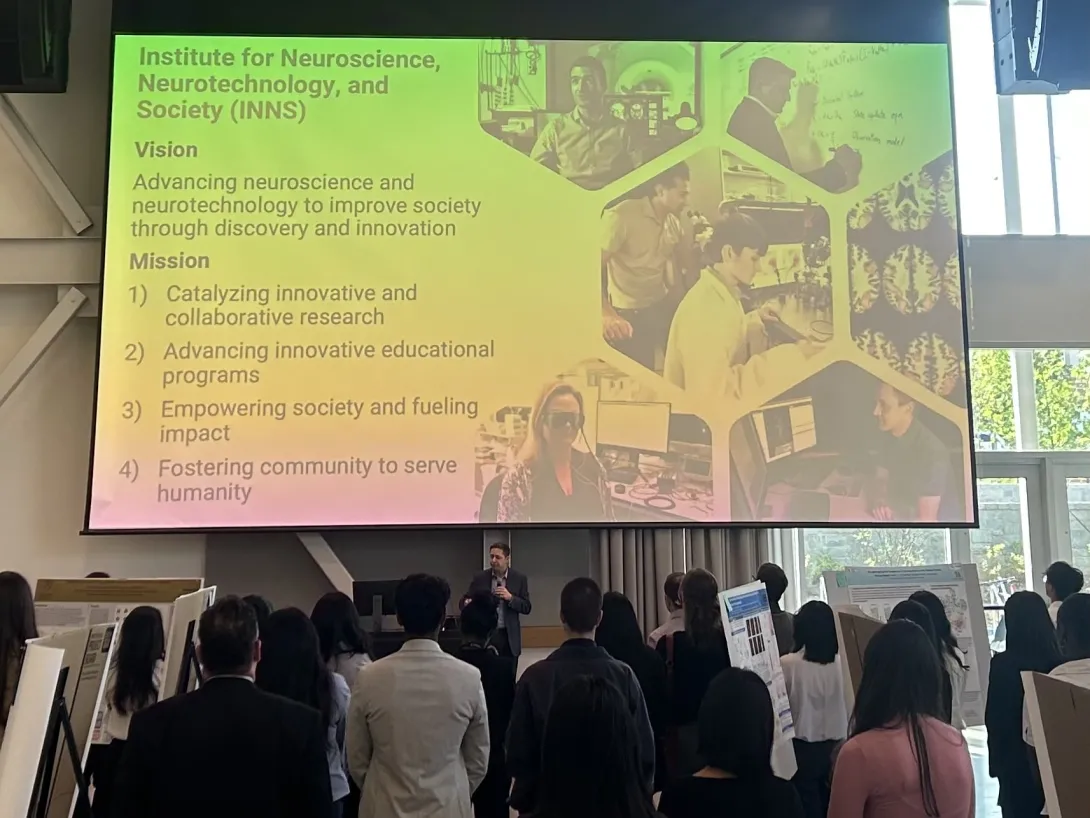
Chris Rozell is giving the opening remarks at the ATL Neuro Networking and Symposium Night.

A group of students is discussing a poster, and the presenter is giving an example during the first poster session.
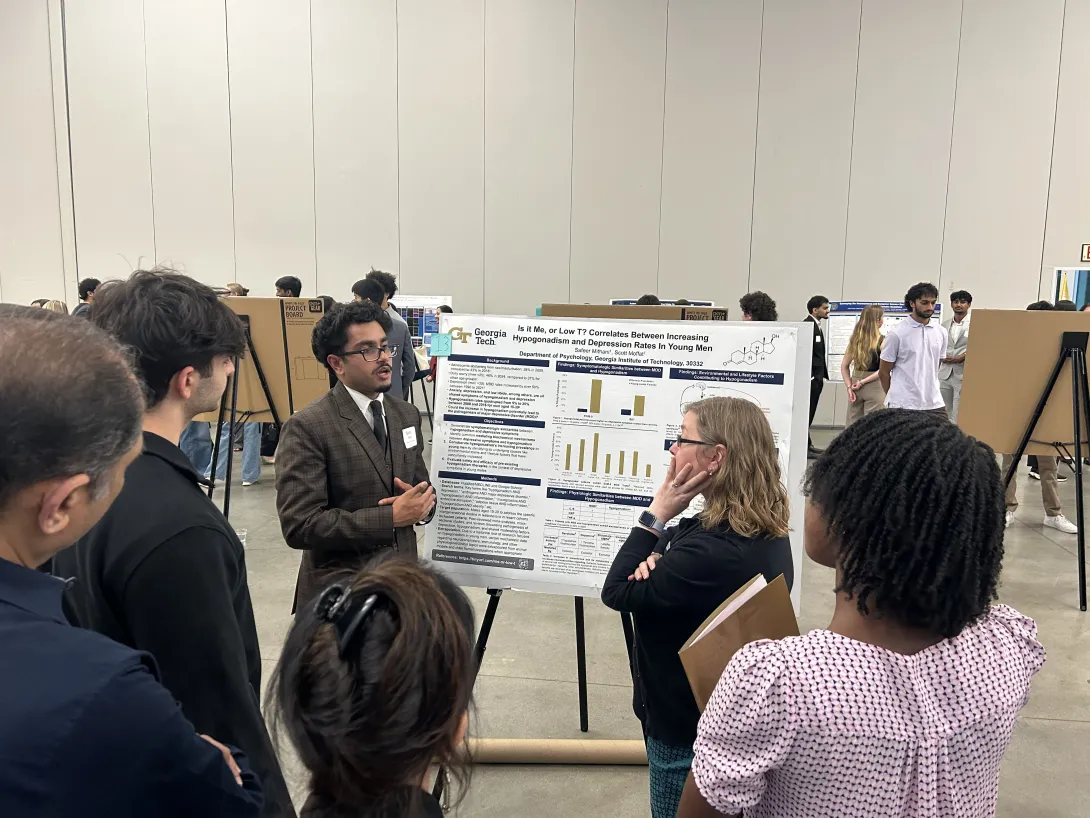
A group of students and faculty is discussing a poster during the second poster session.
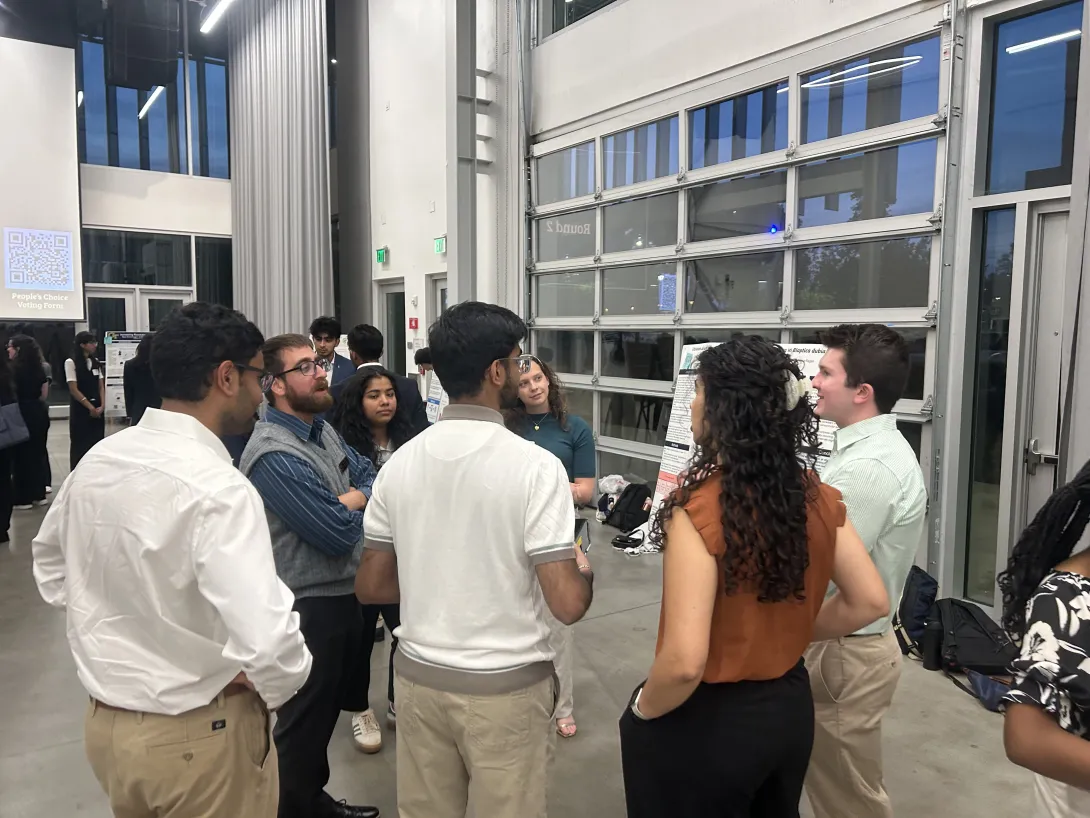
A group of students and faculty is discussing a capstone poster during the second poster session.
At Georgia Tech, undergraduate students are an integral part of the research enterprise – particularly when it comes to neuroscience. That dedication to undergraduate research was on full display on April 8, when more than 100 students from Atlanta-area universities gathered for the annual ATL Neuro Networking and Symposium Night.
This student-run event, hosted by the Georgia Tech Student Neuroscience Association (SNA) and co-sponsored by the Institute for Neuroscience, Neurotechnology, and Society (INNS) and the Neuroscience Undergraduate Program at Georgia Tech, aimed to bring together students and faculty from the broader Atlanta neuroscience community for an evening of data-blitz talks showcasing faculty research, undergraduate poster presentations, and catered networking.
“Our goal was to bridge the gap between Atlanta’s institutions and showcase the diversity of undergraduate research,” says Harshin Vijay, symposium director of SNA. “By bringing these groups together through SNA, we’re fostering an ecosystem where the next generation of scientists can exchange ideas and build collaborative networks essential for future innovation."
The impact of undergraduate neuroscience research is “more than bench to bedside,” said INNS Executive Director Chris Rozell at the event. “It’s about advancing neuroscience and neurotechnology to improve society through discovery and innovation. Undergraduate research catalyzes innovation – invigorating and advancing educational programs through collaboration that empowers society – fueling impact and fostering the community of next-generation scientists.”
Featuring more than 40 undergraduate posters, research topics ranged anywhere from the impact of music on associative memory to the role of taste projection neurons in Drosophila. Some students even examined their own coursework, either as a TA or their involvement with capstone research.
“There are neuroscientists in every College at Georgia Tech, and we have undergraduate neuroscience students performing research all over campus and in the broader Atlanta neuroscience community,” says Katharine McCann, the director of Undergraduate Research for Georgia Tech’s neuroscience program. “Events like this bring those students together to learn from each other and broaden their networks. It is exciting to see so many students passionate about their research.”
Four posters were awarded for their work:
Best Poster Design: “Role of Taste Projection Neurons in Drosophila Taste Processing”
- Hanti Jiang, Emory University
Best Presentation: “Neuroscience and Computer Science Roots of Pattern Recognition”
- Rishi Polepally, Georgia Tech
- Aryan Kumar, Georgia Tech
- Vedanth Natarajan, Georgia Tech
Best 4001 Group: “Evaluating Cognitive Engagement in AI-Generated VS. Human-Created Educational Content”
- Hannah Ammari, Georgia Tech
- Shobini Palaniappan, Georgia Tech
- Rayhan Quraishi, Georgia Tech
- Aryan Shah, Georgia Tech
- Divya Tadanki, Georgia Tech
People's Choice Award: “Vibration as an effective facilitation of sensorimotor learning in Blaptica dubia cockroaches”
- Diana Sethna, Georgia Tech
- Jacob Hayes, Georgia Tech
- Ellie Kate Watson, Georgia Tech
- Arya Oak, Georgia Tech
Esha Panse, Georgia Tech
- Hersh Mathur, Georgia Tech
News Contact
Writer: Hunter Ashcraft
Communications Student Assistant
Institute for Neuroscience, Neurotechnology, and Society
Media Contact: Audra Davidson
Research Communications Program Manager
Institute for Neuroscience, Neurotechnology, and Society

A new study by EPIcenter affiliate Jamal Mamkhezri examines how public preferences for solar‑energy policy have shifted over a six‑year period in New Mexico, offering one of the first long‑term repeated cross‑section analyses of willingness to pay (WTP) for renewable‑energy attributes. Using identical discrete choice experiment (DCE) tasks from surveys conducted in 2017 and 2023, Professor Mamkhezri evaluates how households value increases in Renewable Portfolio Standards (RPS), changes in rooftop versus utility‑scale solar shares, monthly credit‑banking rules, water usage in electricity generation, and smart‑meter information delivery options.
Across more than 1,100 combined respondents, the study uncovers selective temporal stability in energy preferences. Some attributes—such as support for higher RPS targets, reductions in water use, and preferences for online smart‑meter information—remain relatively stable over time. In contrast, others shift considerably: WTP for increasing the rooftop solar share declines by more than 40%, while WTP to protect monthly credit banking rises more than 200%, reflecting heightened awareness of net‑metering debates and rapid growth in rooftop solar adoption.
Importantly, the study reveals that environmental attitudes, measured through New Ecological Paradigm (NEP) scores, once strongly predicted preferences for rooftop solar and smart‑meter technologies in 2017, but these relationships fade or even reverse by 2023—signaling a shift as these technologies transition from niche, identity‑driven goods to mainstream infrastructure. Meanwhile, environmental attitudes continue to robustly shape preferences for RPS increases and water‑use reductions in both survey waves.
News Contact
Gil Gonzalez, EPIcenter.

A recent review by EPIcenter faculty affiliate Constance Crozier (School of Industrial and Systems Engineering, Georgia Institute of Technology) and Matthew Liska (School of Physics, Georgia Institute of Technology) explores the growing role of data centers in providing flexibility, the ability to shift or reduce electricity use in response to grid conditions, to the electric grid as renewable energy penetration and AI-driven computing demand surge. The authors highlight that data centers, particularly those supporting high-performance computing and AI workloads, are projected to consume nearly 10% of U.S. electricity by the end of the decade, presenting both challenges and opportunities for grid stability.
The paper examines various strategies for enhancing the flexibility of data center energy use. One approach is to use backup power systems, such as uninterruptible power supplies, to support the grid during emergencies. Another method involves rerouting computing jobs to different data centers in other locations to balance energy demand. The authors also discuss implementing smart scheduling techniques that shift workloads to off-peak hours, reducing strain on the grid. Additionally, they highlight adjusting processor speeds by lowering CPU (central processing unit) and GPU (graphics processing unit) clock rates to limit power consumption when needed. Finally, the paper suggests pre-cooling data center equipment to limit the energy required for cooling during peak demand periods. Notably, experimental evidence shows that underclocking GPUs can cut power consumption by 40% with only a 22% performance loss, suggesting technical feasibility for demand-response interventions.
Despite these technical options, the authors find that real-world cost considerations and reliability concerns limit widespread adoption. Data center operators generally do not change their behavior in response to electricity prices, as job revenue far outweighs energy costs under normal conditions. For example, a GPU rented at $2 per hour consumes only $0.04 worth of electricity at average prices, making curtailment unattractive except during extreme price spikes. Surveys indicate that operators are reluctant to compromise reliability or deploy backup systems for ancillary services. Consequently, price-based incentives alone are unlikely to drive meaningful flexibility.
Read more on the EPIcenter Webpage
Listen to a podcast on the research here
News Contact
Gilbert Gonzalez, EPIcenter

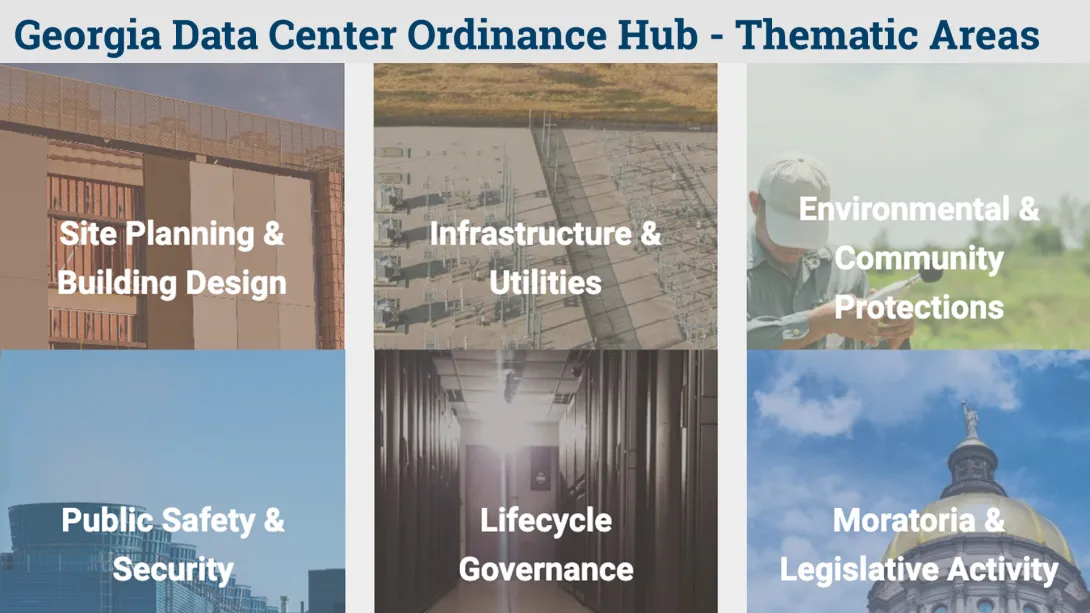
Thematic Areas covered by EPIcenter's Datacenter Ordinance Hub
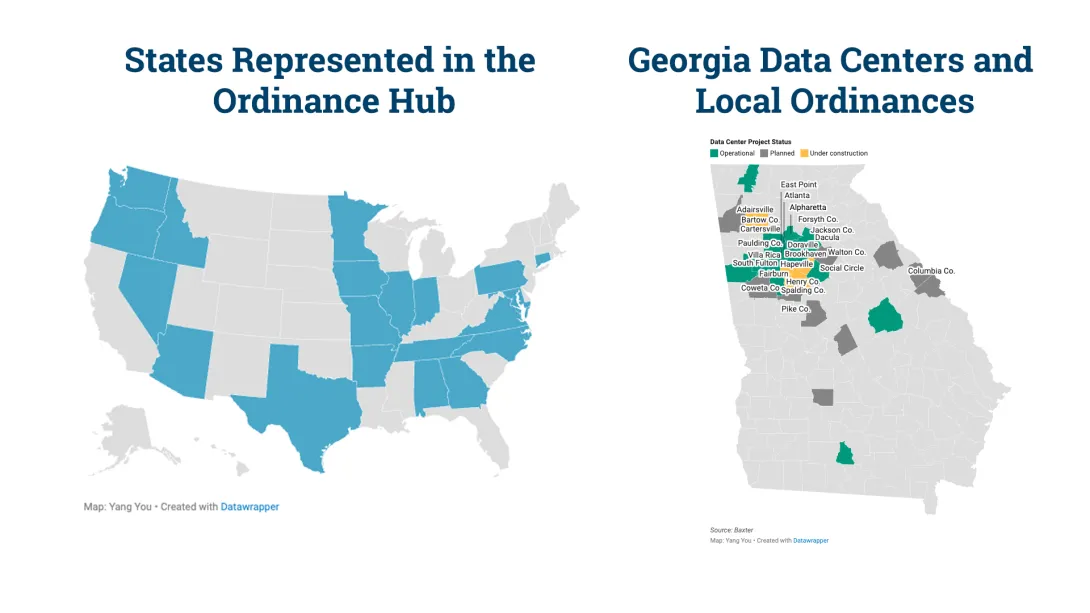
The Energy Policy and Innovation Center (EPIcenter) at Georgia Tech has launched an interactive tool to help communities navigate the dynamic land-use and policy landscape surrounding data center development: the Georgia Data Center Ordinance Hub.
As new data centers continue to be built and proposed in Georgia, counties and municipalities across the state are considering how to guide this growth. EPIcenter’s data center dashboard provides policymakers, planners, researchers, and community stakeholders with a centralized resource to better understand how data center regulations are being developed and applied across Georgia and the U.S.
“Our Data Center Hub provides Georgia communities with a one-stop shop to understand how their neighbors are managing land-use regulations for data centers,” said Laura Taylor, director of EPIcenter. “It brings together clear, accessible information to help jurisdictions plan when data center growth occurs in their area.”
The dashboard is organized around five thematic areas commonly addressed in data center land-use regulations: Site Planning and Building Design, Infrastructure and Utilities, Environmental and Community Protections, Public Safety and Security, and Lifecycle Governance. Within each theme, users can explore specific regulatory topics and access the relevant ordinances enacted by Georgia communities.
To build the dashboard, EPIcenter researchers conducted a comprehensive review of municipal codes across the state.
“We reviewed municipal codes for about 180 cities and counties across Georgia and identified ordinances that specifically address data center development,” said Yang You, EPIcenter’s research associate who developed the project. “In total, we found 19 data center-specific topics that ordinances tend to cover. We analyzed ordinances across jurisdictions and organized their ordinance provisions into topics such as building placement, setbacks, infrastructure, and environmental considerations to make it easier to compare how different jurisdictions regulate data centers.”
You added that the dashboard also incorporates examples from outside of Georgia. By gathering ordinances from other states and pairing them with Georgia-specific examples, EPIcenter aims to provide a clear framework to help communities efficiently address data center land-use regulation.
The Georgia Data Center Ordinance Hub is available through the Energy Policy and Innovation Center website.
News Contact
Priya Devarajan || SEI Communications Program Manager

A recent study by EPIcenter affiliates Brian An and John Kim and researchers at Georgia Tech, Iowa State University, and Clemson University examines how utility-level characteristics—such as ownership structure, electricity pricing, and incentive programs—shape residential electricity consumption in the Southeastern U.S. Using data from 105 electric utilities in Georgia and North Carolina, the authors analyze how governance models (investor-owned, municipal, cooperative), demographic factors, and program offerings interact to influence household energy use.
The study finds that higher electricity rates and greater shares of college-educated residents are associated with lower household consumption, while larger homes, electric heating, and higher incomes drive usage upward. Notably, electric vehicle (EV) incentive programs correlate with increased household electricity demand—even after controlling for public charging infrastructure—suggesting these programs effectively promote EV adoption and at-home charging. In contrast, energy efficiency (EE) and renewable energy (RE) programs show no clear relationship with consumption in multivariate models.
Read Full Story and listen to a related podcast on the EPIcenter Newspage
News Contact
Priya Devarajan | SEI Communications Program Manager