
Georgia Tech’s research and talent are helping PBS Aerospace launch a new era of aerospace manufacturing in Roswell, Georgia — advancing U.S. defense innovation and fueling the state’s growing leadership in drone and propulsion technology.
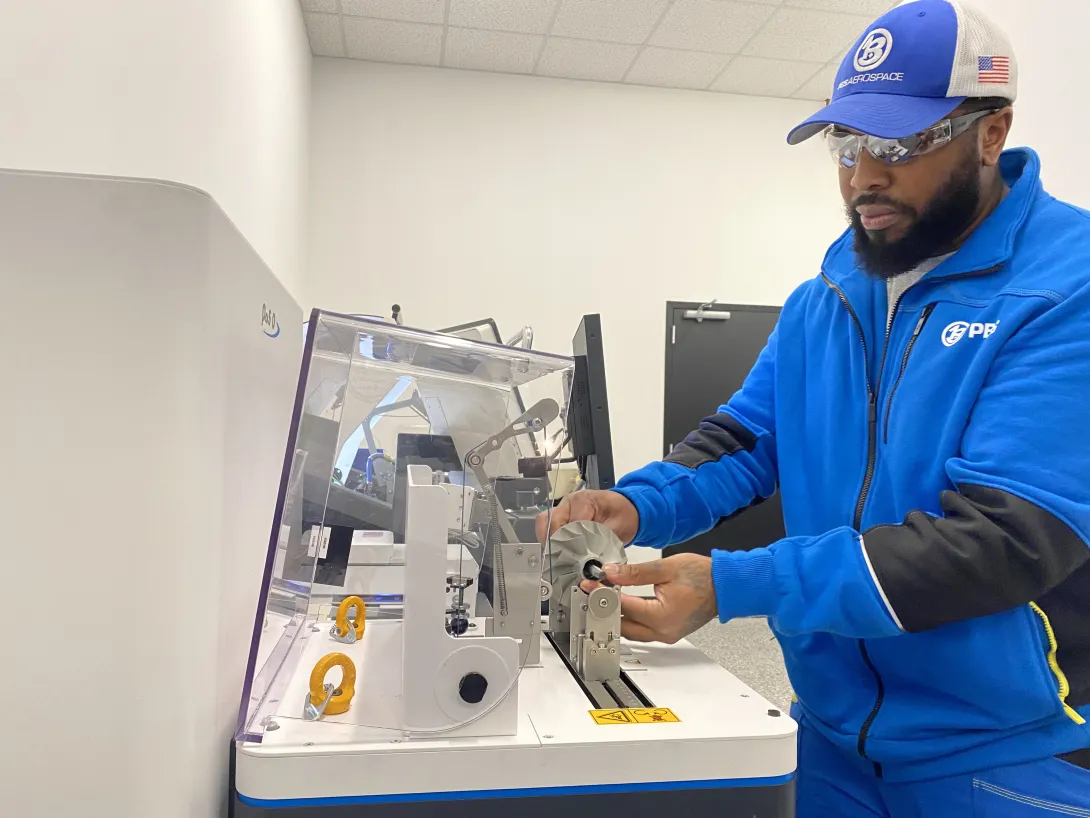
Joseph Banks, a technician at PBS Aerospace in Roswell, places a drone part on a machine for balance testing.
Modern warfare and the technology behind it are evolving. Around the world, the skies are increasingly filled with small, agile, and intelligent systems — drones, missiles, and interceptors that demand lightweight, affordable, and highly efficient propulsion. The future of defense is fast, adaptable, and precise — and Georgia is positioning itself at the center of that transformation.
When PBS Aerospace (PBS), a global leader in small turbojet engines, began searching for a location to build its first U.S. manufacturing facility, it didn’t look to the traditional defense hubs. Instead, it chose Roswell, Georgia — where research excellence at Georgia Tech, a ready supply of high-tech talent, and a business environment built for speed are converging to create a new aerospace manufacturing cluster.
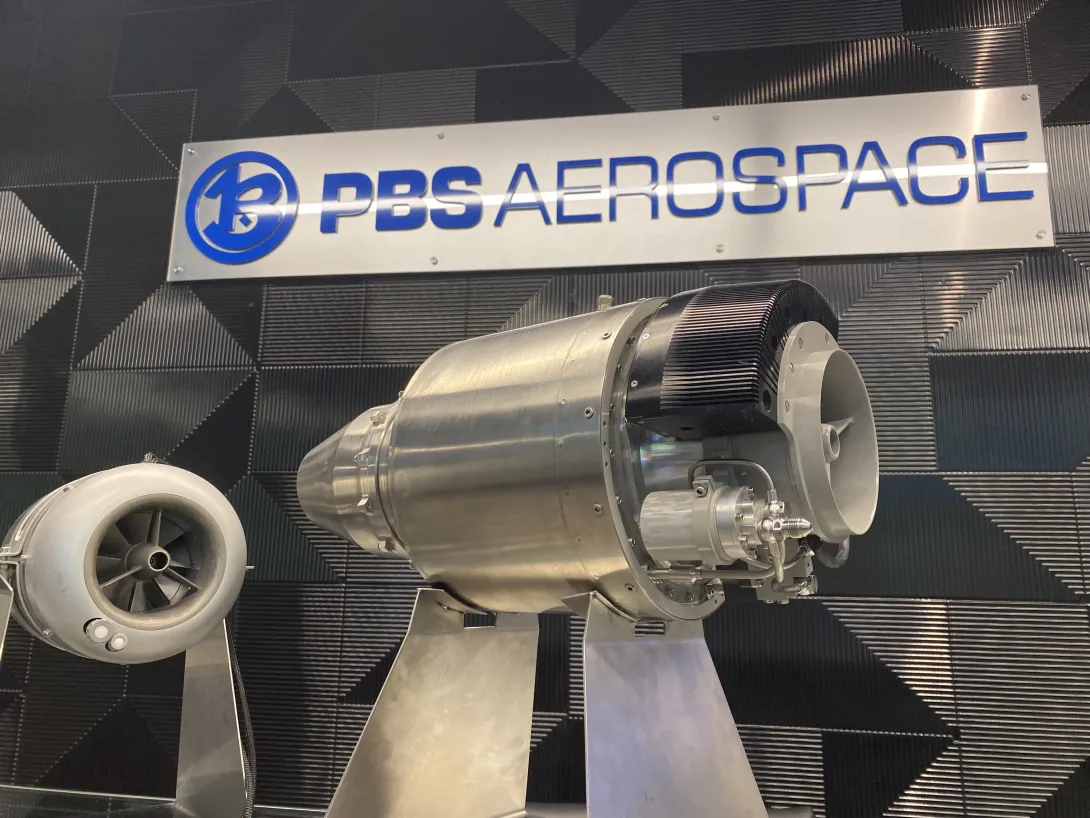
“PBS is the world’s leading producer of small turbojet engines,” said Erin Durham, CEO of PBS Aerospace. “We’re bringing those outstanding engines here to the United States to start up a U.S. factory — and we’ll be producing thousands of them by 2026.”
Unlike the multimillion-dollar cruise missiles of the past, the systems PBS supports are designed for scale and agility. Their compact engines — typically producing 100 to 200 pounds of thrust — power the small drones and missiles that have redefined defense strategy in conflicts from Eastern Europe to the Middle East. “Our engines go into munitions that cost a tenth of traditional systems,” Durham said. “That allows us to produce at a fraction of the cost, project power, and defend U.S. interests more effectively.”
To stay ahead in such a rapidly changing field, PBS turned to Georgia Tech. “Because the drone world is so innovative and so disruptive, we have to move very quickly to provide the most advanced engines possible,” Durham said. “Working with Georgia Tech on the cutting edge of disruptive technologies enables us to keep our engine designs moving forward and provide the best solutions for the U.S. Department of Defense.”
That partnership draws on Georgia Tech’s world-renowned expertise in propulsion, combustion, and systems engineering — as well as its unique ability to translate research directly into industry impact. Inside the Zinn Combustion Laboratory on Georgia Tech’s Midtown Atlanta campus, faculty and students are already working with PBS engines to refine fuel efficiency, test new materials, and optimize performance.
“There are about 50 active projects in our lab right now,” said Adam Steinberg, professor in the Daniel Guggenheim School of Aerospace Engineering. “They range from fundamental combustion science to testing real hardware used in flight. Georgia Tech provided access to one of our engine facilities while PBS was standing up its Roswell site. Georgia Tech students and PBS staff then worked hand in hand to test the first engines built in Roswell. This is a strong example of how partnerships can help accelerate industry innovation.”
For Steinberg, the collaboration represents a model for how research universities can help shape emerging industries. “When you’re building engines, you need people who know how to assemble and test them — but you also need highly skilled engineers who will push the technology into the future,” he said. “For our students, it’s an incredible hands-on experience. They’re working on systems that are shaping the next generation of propulsion.”
That talent pipeline — from research labs to manufacturing floors — is already flowing. In Roswell, Joseph Banks, a technician at PBS, helps assemble the engines that will soon power some of the world’s most advanced crewless systems. “It’s a puzzle,” Banks said. “It’s all precision work. At the end of the day, I’m happy to do it because there’s purpose behind everything we do here.”
That sense of purpose is matched by the urgency of the moment. As global demand for crewless and autonomous systems accelerates, the U.S. Department of Defense is seeking faster, more flexible production on American soil. PBS’ decision to locate in Georgia — where 99% of its supply chain will be U.S.-based — strengthens both national security and the state’s growing role in the aerospace economy.
Georgia’s pro-business environment has amplified that momentum. The City of Roswell fast-tracked PBS’ permitting process, enabling construction to begin within months, while nearby technical colleges and Georgia Tech supply the skilled workforce needed to scale. “With Georgia Tech-trained engineers, nearby tech schools, and a community that supports innovation, we have everything we need to grow,” Durham said.
For Georgia Tech, PBS’ arrival signals more than a successful partnership — it’s part of a broader strategy to ensure the state leads in the technologies that define the future of defense.
“This could be one of the largest expansions in domestic aerospace manufacturing in quite some time,” Steinberg said. “Having that here in Georgia right now, with the talent and support to make it succeed, is amazing.”
As drones and next-generation munitions reshape the nature of conflict, Georgia Tech’s research, talent, and industry partnerships are ensuring that Georgia — and the nation — stay at the forefront of innovation in the skies.
News Contact
Blair Meeks
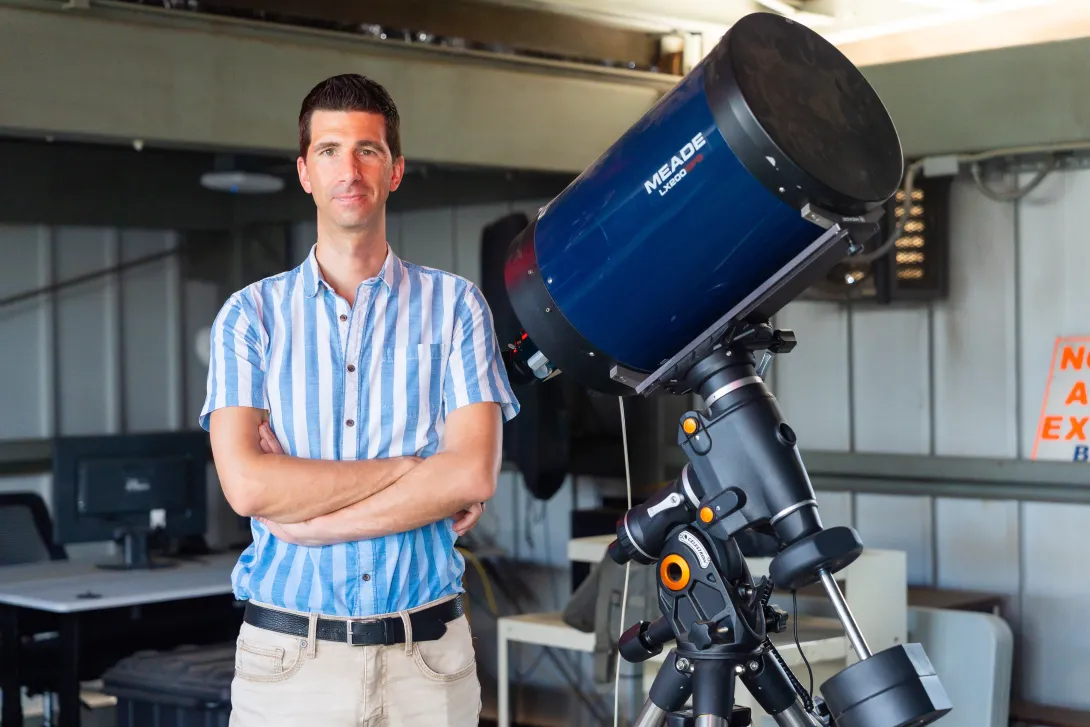
The College of Sciences has named Paul Sell as the new director of the Georgia Tech Observatory. Sell joined the Institute in Fall 2025 as a senior academic professional in the School of Physics. He also serves as advisor of the new B.S. in Astrophysics degree program.
“Paul Sell is a wonderful addition to our College of Sciences community,” says Susan Lozier, dean of the College of Sciences, Betsy Middleton and John Clark Sutherland Chair, and professor in the School of Earth and Atmospheric Sciences. “His leadership brings renewed energy to the Georgia Tech Observatory, and I look forward to seeing how he expands its impact across campus and in the broader community.”
Observing the cosmos from campus
The Georgia Tech Observatory was established nearly two decades ago at a time when the Institute’s astronomy and astrophysics research and teaching ecosystem was in its infancy.
School of Physics Principal Academic Professional Emeritus Jim Sowell created the facility on the roof of the Howey Physics Building in 2007 and served as its director until his retirement in 2024.
“The Observatory — and its numerous variety of telescopes — makes it possible for Georgia Tech students and Atlanta-area visitors to see with their own eyes some of the best, awe-inspiring celestial delights, including craters on the Moon, Jupiter’s Red Spot, Saturn’s rings, and many other objects,” says Sowell.
The Observatory’s primary instrument is a 20-inch diameter telescope by Officina Stellare. Known as the Georgia Tech’s Space Object Research Telescope (GT-SORT), this Raven-class space surveillance telescope is used by researchers in the Daniel Guggenheim School of Aerospace Engineering to monitor man-made spacecraft.
“What’s unique about the Georgia Tech Observatory is that it’s right on campus, offering a meaningful, hands-on experience to everyone,” explains Sell. “It can be readily integrated into experiential learning projects on campus all year round.”
Sell’s upper-level astronomy lab, which combines lectures with experiences at the Observatory, highlights the facility’s academic importance.
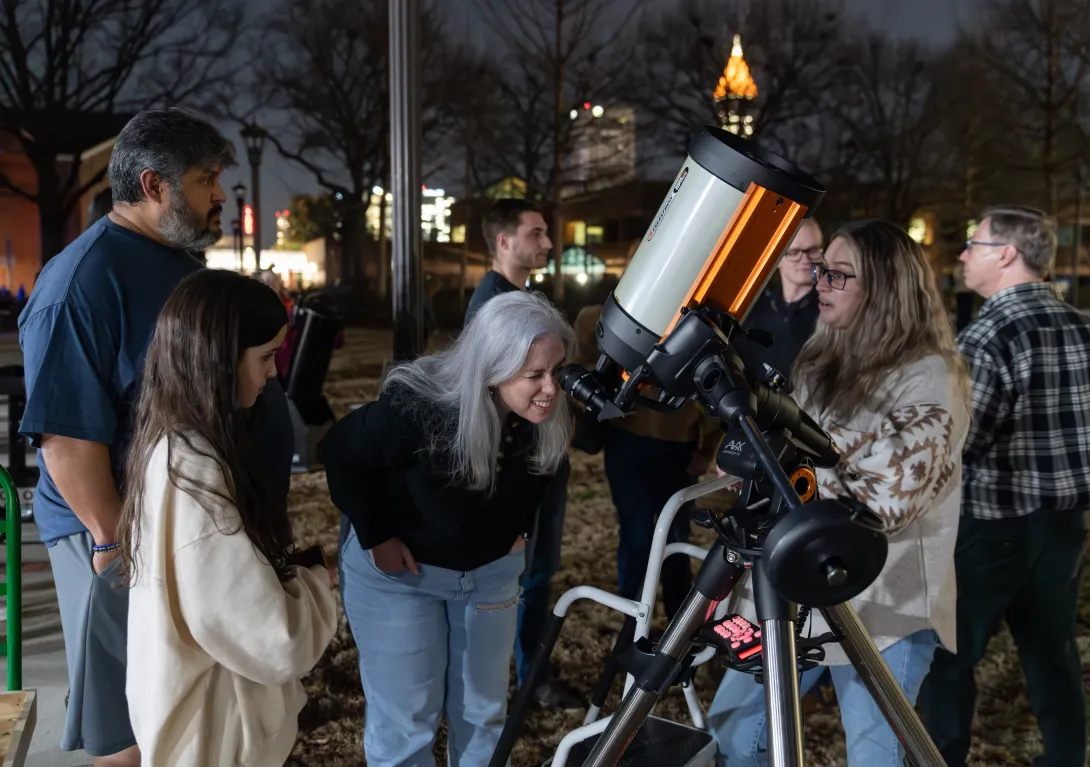
Yet, the Observatory’s impact extends beyond the classroom, thanks to free community events like “Public Nights at the Observatory,” which offer attendees the opportunity to explore the night sky.
Held most months, weather permitting, this event features telescopes stationed outside the Howey Physics Building, allowing astronomy enthusiasts from Georgia Tech and beyond to view the Moon, Jupiter, Saturn, and other cosmic wonders. These gatherings typically draw more than 100 stargazers.
Specialized groups are also hosted at the Observatory. For example, the Georgia Tech Astronomy Club uses the facility during its weekly meetings.
“The Observatory is a haven where students can step outside for a moment and get lost in the stars,” says AJ Chadha, club president and fourth-year computer science major. “With one of the largest telescopes in Georgia, the on-campus 20-inch GT-SORT, we weave astronomy directly into student life.”
Under Sell’s leadership, the Observatory will continue to strengthen partnerships with student organizations, campus units, and community groups.
“I'm excited to explore additional ways we can use this resource for outreach and academic purposes that benefit both Georgia Tech and the Atlanta community,” Sell adds.
A passion for astronomy
Before joining Georgia Tech, Sell served as senior lecturer, astronomy undergraduate coordinator, and interim director of the teaching observatory at the University of Florida.
His passion for astronomy began at an early age, sparked by a gift from his parents: an Orion refracting lens telescope.
“I remember taking out that telescope, even in freezing cold Ohio winters, simply because the observing conditions were better,” he recalls.
Sell nurtured his interest in astronomy through his university studies and extracurricular activities, which included working in planetaria as an undergraduate at the University of Toledo. He later obtained a Ph.D. in Astronomy from the University of Wisconsin-Madison.
“I am grateful for the opportunity to share my passion for astronomy, not only with our physics students but with the larger Georgia Tech community — through classroom lectures, student advising, and Observatory outreach,” Sell says.
News Contact
Writer: Lindsay C. Vidal
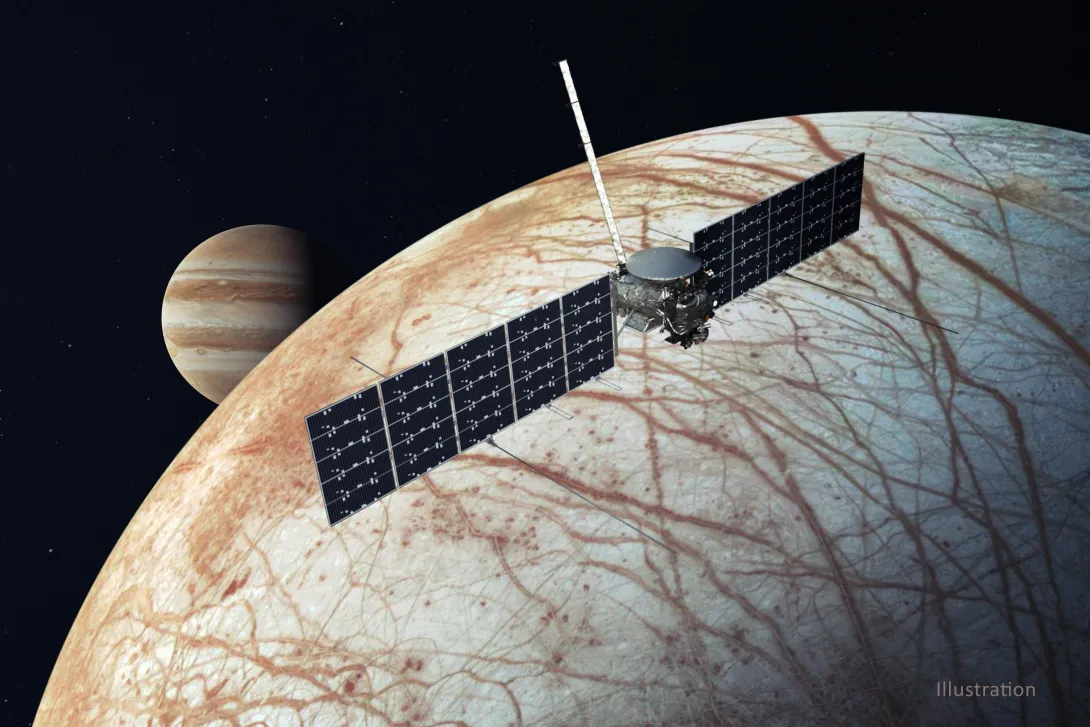
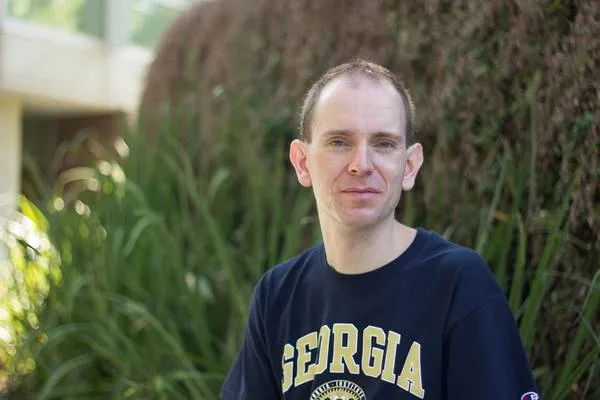
In four years, National Aeronautics and Space Administration (NASA)’s Europa Clipper mission will arrive in Jupiter’s orbit to investigate whether the planet’s icy moon, Europa, could support life. In the interim, researchers like Sven Simon, a professor in the Schools of Earth and Atmospheric Sciences and Physics, are working to uncover critical information to support the rapid analysis of measurements from the mission.
Simon’s research team has been awarded $1.4 million through NASA’s Precursor Science Investigations for Europa (PSI-E) program. Their project is one of seven selected to provide essential insights that, according to the program announcement, “will maximize the science return during the radiation-limited lifetime of the Europa Clipper.”
Simon also serves as the institutional lead co-investigator of a second $1.4 million project, led by researchers at the University of California, Berkeley, which seeks to decipher how Europa's atmosphere and ionosphere contribute to the magnetic field near the moon. This project was selected during the same call for proposals.
“The research award is a fantastic opportunity to contribute to a mission centered on Europa’s complex plasma and electromagnetic environment,” says Simon, referencing the Georgia-Tech led proposal. “Our project combines foundational plasma physics from our School of Physics and geophysical knowledge from our School of Earth and Atmospheric Sciences to understand how the magnetic field near Europa is affected by the plasma populating Jupiter’s environment.”
The research team includes Earth and Atmospheric Sciences Ph.D. students Ariel Tello Fallau and Charles Michael Haynes. Neil Baker, a Ph.D. student in the School of Physics, is contributing to the Berkeley-led PSI-E project that also includes Georgia Tech alumnus Lucas Liuzzo (Ph.D. EAS 2018), now an assistant research scientist at the University of California, Berkeley’s Space Sciences Laboratory.
Groundwork for discovery
With a radius of only 1,560 kilometers, Europa is one of Jupiter’s four largest moons, known as the Galilean moons, discovered by Italian astronomer Galileo Galilei in the 1600s.
More than two decades ago, data from NASA’s Galileo mission — specifically magnetic field measurements collected far above Europa’s surface — pointed to the existence of a global subsurface ocean. This ocean, which may contain more liquid water than all of the Earth’s oceans combined, has made Europa a prime candidate in the search for life beyond Planet Earth.
“Finding evidence of a saltwater ocean lurking beneath Europa’s surface was a serendipitous discovery during the Galileo mission,” Simon explains. “NASA’s Europa Clipper mission picks up where the Galileo mission left off.”
Launched in October 2024, the Europa Clipper space probe is expected to reach Jupiter’s orbit in 2030. That gives Simon and his team only a few years to complete their analysis.
“Our research is doing the preparatory work to determine what and where we can measure further magnetic evidence of the ocean beneath Europa’s surface,” says Simon. “When the spacecraft arrives, we will find out whether our predictions are correct.”
Using advanced computer simulations, the team aims to better understand the magnetic fields near Europa. Part of these fields is generated by electric currents in the moon’s saltwater ocean; the other part is created by fast-moving flows of plasma — ionized matter that fills much of space — as it interacts with Europa’s atmosphere and surface.
“Our project focuses on how the magnetic fields from plasma flow patterns compete with the magnetic signal from Europa’s ocean,” says Simon. “We want to determine which part of the magnetic field near Europa originates from the ocean and which part is a disruptive effect from the plasma.”
Deciphering these magnetic signals will provide essential context for interpreting Europa Clipper’s measurements, helping to not only confirm the ocean’s existence but also reveal details about its structure.
News Contact
Writer: Lindsay C. Vidal
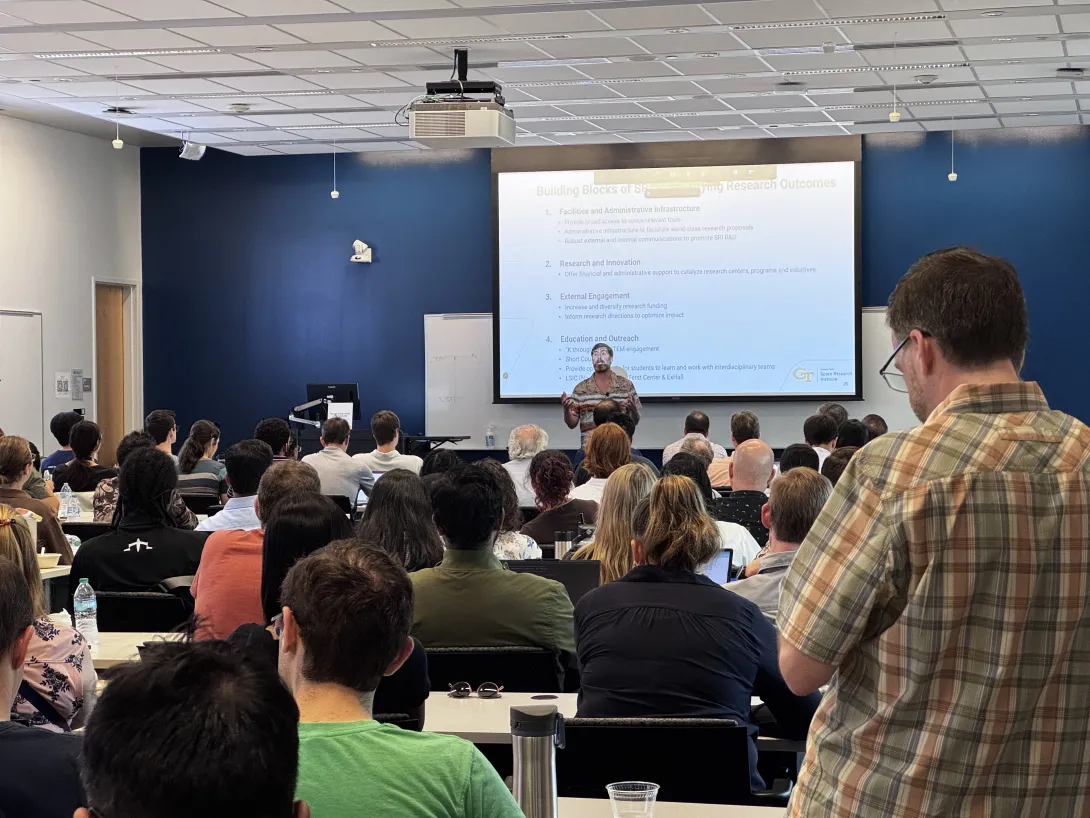
On September 5, more than 130 space researchers gathered for the Space Research Institute’s (SRI) inaugural meeting, held in the Marcus Nanotechnology Building. The event drew a standing-room-only crowd, with attendees from across all of Georgia Tech’s colleges. This marked the SRI’s first major convening since its launch on July 1, offering a platform to discuss its vision and bring Georgia Tech’s space research efforts into closer conversation.
That vision builds on work already reshaping the field. Across campus, Georgia Tech researchers are imaging black holes with unprecedented clarity, flying CubeSats in heliocentric orbits that now trail closer to Venus than Earth to test optical navigation. They are also sending solar cells to the International Space Station, exploring Jupiter, and, this fall, bringing the Lunar Surface Innovation Consortium Fall meeting to campus.
“That breadth is what makes Georgia Tech’s space community so strong,” said Julia Kubanek, vice president for interdisciplinary research. “We have experts in aerospace and biology, in materials and planetary science, in public policy and even researchers who study space through fiction — all taking on some of the most complex challenges of our time. SRI gives us a framework to support that work more deliberately, connecting researchers across colleges and disciplines and aligning with Georgia Tech’s broader vision for research, education, and innovation.”
Jud Ready, director of SRI, opened the session with an overview of the SRI’s goals and near-term plans. He emphasized how SRI will play a role in advancing several of Georgia Tech’s four big bets, including expanding research impact, increasing educational access, bringing value to students and strengthening the Institute’s role as a national hub for innovation.
At the center of that effort is also the newly announced Centers, Programs, and Initiatives (CPI) program, which aims to support faculty pursuing shared research directions.
“Georgia Tech has people already working on everything from sensors and propulsion systems to space policy, design, and sustainability," said Ready. “We’re geared towards linking that work early and giving teams the resources to go after the really big questions.”
Ready noted that the meeting would be the first of many community-building events hosted by SRI in the coming year, aimed at fostering dialogue and identifying opportunities for collective work.
“Most people don’t recognize that they use space in their everyday lives nearly every second of every day. The opportunities for space-based education, R&D, and commercialization are literally infinite,” said Ready. “It’s exciting to be at Georgia Tech where we play a key role in pushing the frontiers of space, and what that could mean for this generation and future ones.”
Faculty interested in future events or proposal opportunities can visit space.gatech.edu or sign up for the SRI mailing list. To view the meeting recording, click here.
News Contact
space@research.gatech.edu
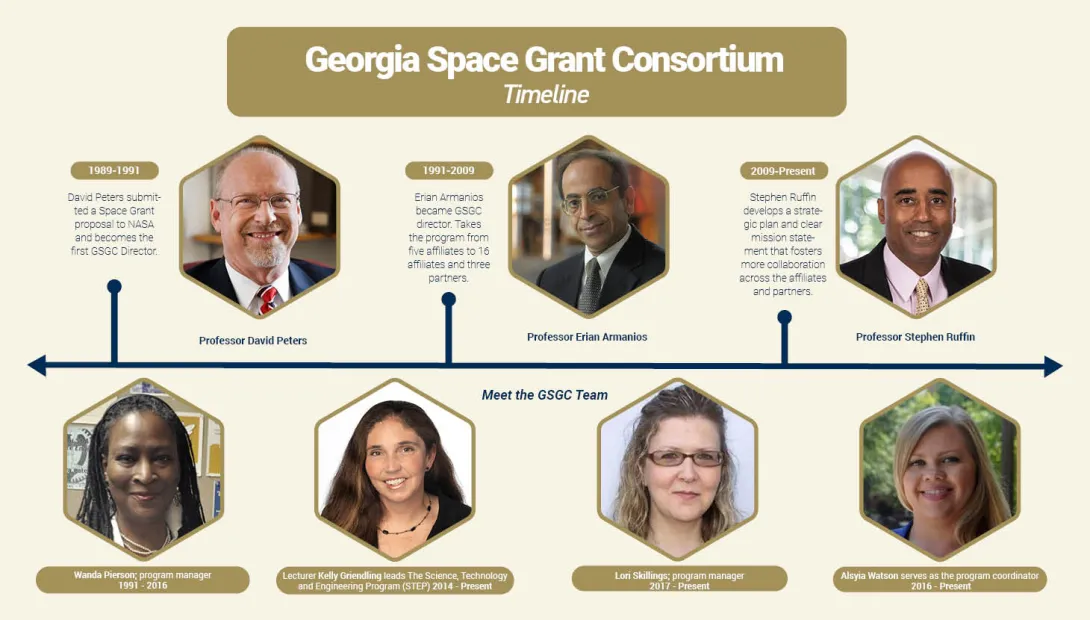
This is a timeline for the Georgia Space Grant Consortium team.
Space has long served as a powerful gateway for sparking curiosity and igniting passion in science, technology, engineering, and mathematics (STEM). Globally, STEM fields are in high demand. In Georgia, aerospace is the state’s top export — a thriving landscape that underscores the importance of cultivating a robust STEM pipeline. Georgia Tech has played a central role in fueling that pipeline through the Georgia Space Grant Consortium (GSGC)Georgia Space Grant Consortium (GSGC)
Since 1989, Georgia Tech has successfully managed GSGC, a statewide network of higher education institutions, nonprofits, strategic industry allies, and partners who develop and administer STEM programs. Established in 1988 by Congress and implemented by NASA, GSGC has grown into a powerful source for STEM innovation and opportunity.
Each year, GSGC receives federal funding to support a wide range of programs, including fellowships and scholarships for college students, research initiatives, internships, hands-on STEM activities for K-12 students, professional development for educators, and workforce development programs.
Initially, there were only four affiliate institutions: Clark Atlanta University, Georgia State University, Tuskegee University, and Kennesaw State University. Today, that number has grown to more than 21 affiliate institutions and an additional six partner organizations. Affiliates are elected to membership and actively advance the program’s mission through the financial support of GSGC.
"There is a tremendous need for the nation’s workforce to be innovative and highly skilled to support a wide range of business, defense, and critical societal needs. In this, America is competing on a worldwide stage. Georgia has an aerospace industry of its own that needs a skilled workforce, and we’re helping to fuel it," said Stephen Ruffin, GSGC director, professor in Georgia Tech’s Daniel Guggenheim School of Aerospace Engineering (AE), and an associate dean in the College of Lifetime Learning.
Setting the Foundation
Setting the Foundation
Over 35 years ago, AE Professor David Peters submitted a Space Grant proposal to NASA on behalf of Georgia. NASA accepted the proposal, setting the stage for incredible work to come. As he implemented and administered the program, Program Manager Wanda Pierson, was by his side.
“Inviting Apollo astronaut Charlie Duke to our first GSGC gathering and to visit K-12 schools was one of the highlights of my career. He discussed his experience of being on the moon. Seeing the children’s faces light up, I knew we were onto something important. Another one of my fondest memories was the kiosk we had in Centennial Olympic Park for our Space to Sports exhibit during the 1996 Olympics. It was so amazing,” said Pierson.
Expanding the Vision
Professor Erian Armanios became GSGC director in 1991, driven by a passion for Ph.D. fellowships for nontraditional doctoral scholars because he saw a lack of representation. The program provided these scholars with graduate research assistantships, reduced tuition, and access to professional conferences and organizations. During Armanios’ tenure, over 23 Ph.D. students from various backgrounds graduated with STEM degrees, made possible with GSGC support.
"Education, research, and progress in society are never the product of a single thread — they are woven from the collective talents of many. At GSGC, we wanted to ensure that every ounce of talent across Georgia had the chance to shine and contribute to discovery,” Armanios said.
GSGC developed a speaker series in which GSGC fellows presented to middle and high school students. One of the fellows included Mark Costello, an AE graduate student who later served as AE chair from 2018 to 2023.
GSGC Ph.D. students formed tight bonds, and the program provided a sanctuary during their studies because they could pop into the GSGC office anytime to study or for friendly conversation. Even though the students came from various schools at Georgia Tech, they found their way into Pierson’s office.
“To this day, I can probably track 25 of the graduate students easily and say what is going on with them,” said Pierson.
One such graduate is Calvin Mackie, ME 1990, M.S. ME 1992, Ph.D. ME 1996. Mackie spent countless hours studying in the GSGC offices, and he brought along his little brother, Anthony Mackie, who later rose to fame as an acclaimed actor. Calvin Mackie founded and now runs STEM NOLA, a program providing STEM activities to students in New Orleans.
Purpose Driven
In 2009, Ruffin took the GSGC helm and developed a strategic plan to unite the consortium under a clear vision and a strong mission statement.
"Our mission is to maximize the number of Georgia students from all backgrounds who are well prepared in STEM fields and motivated to support space and aeronautics programs vital to this nation," Ruffin said.
In 2022-2023, GSGC programs served 6,214 K-12 students, 1,043 K-12 educators, 439 undergraduate students, 70 graduate students, and awarded 57 fellowships, scholarships, and internships. In 2023-2024, GSGC programs served over 9,184 K-12 students, 4,848 K-12 educators, 2,012 undergraduates, 114 graduate students, and 12 post-doctoral students in Georgia. The consortium also awarded 179 fellowships, assistantships, scholarships, and internships across the state. It shows the reach the program is having throughout the state.
Lori Skillings administers the program now and keeps it running like a well-oiled machine. She works closely with GSGC Program Coordinator Alysia Watson and AE Senior Lecturer and K-12 Outreach Lead Kelly Griendling.
“I’m grateful to be a part of a program that inspires students in Georgia to seek STEM degrees. Witnessing the growth of students is the most rewarding experience I’ve ever had. I’m like a proud mom,” Skillings said. She especially enjoys when she hears about the successes of former students as they forge their career paths.
Around the State
GSGC funds its affiliate institutions and partners across Georgia to carry out the program mission. Affiliate directors bring their ideas to the table to serve their communities in both rural and urban areas of the state. Orchestrating collaboration with affiliate institutions and partners has been crucial to the consortium's growth and longevity.
"Working with GSGC has allowed me to open doors to fields students may never have explored before,” said AE graduate student Erik Goeke. In addition to mentoring students, Goeke accompanied the GSGC staff to Capitol Hill to promote the program while also working on NASA’s ML-Bots, a Georgia Tech created program focused on machine learning missions.
- At Georgia Tech, the STEP Summer Camp brings over 50 high school students to campus to learn engineering design and complete a NASA-inspired project in two weeks. The program started 10 years ago with 20 students and now has almost 60; this year, under Griendling’s leadership, STEP received more than 500 applications. They bring space to life for Georgia high school students.
- At Athens, University of Georgia graduate student Matthew Olson worked on a project to develop and test a compact thermal vacuum chamber, using thermoelectric coolers for CubeSat environmental testing. Meanwhile, at the Griffin campus, a program developed CyanoSense 2.0 — a satellite-connected sensor system designed to detect the location and size of harmful algal blooms using space-based communication. CyanoSense 2.0 has been deployed at six locations across the country.
- Mercer University collaborated with the Warner Robins Air Force Base–STARBASE program, the Georgia Association of Conservation Districts, and the Hines Family Foundation to create a summer camp for middle school kids that introduces students to climate science and agriculture.
- Farther south, Georgia Southern University hosts the Eagle Engineering Ambassadors program. There, students mentor local high school students and teachers each semester through various engineering projects like design prototyping using CAD, 3D printing, Arduino programming, and autonomous robots.
“I've worked with GSGC since my first year, as an undergraduate student,” said graduate student Jalen Caluey, AE 2025, “I’ve done logistical and technical work in STEP. I’ve mentored K-12 students, but I also learned more technical skills while doing so.”
GSGC also offers activities for the public throughout the year, including presentations at the University of West Georgia’s Planetarium, STEM Summer Camps at the Museum of Aviation next to Robins Air Force Base in Warner Robins and solar system walks at Georgia Southern University and the University of North Georgia.
With aerospace being the state of Georgia's No. 1 export, the consortium helps to cultivate Georgia’s next generation of skilled STEM professionals.
News Contact
Monique Waddell
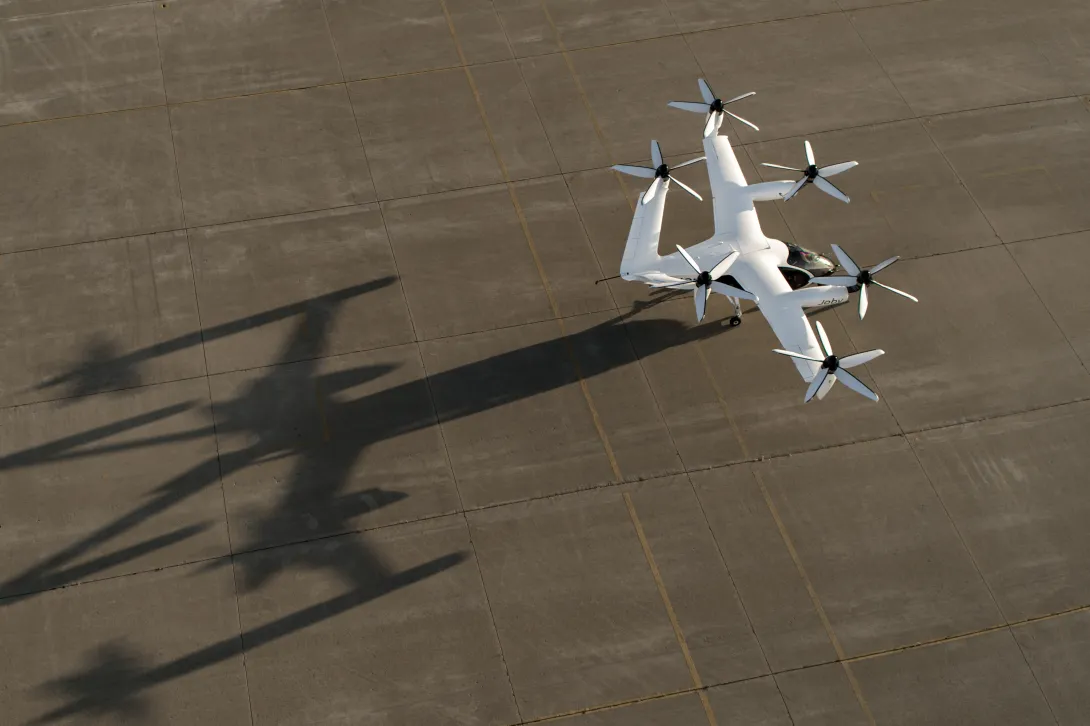
Joby is one of more than a dozen companies worldwide that are developing the next generation of aircraft that could be whisking you around the city bypassing any traffic. (Courtesy of Joby)
Georgia Tech celebrates the opening of its new Aircraft Prototyping Laboratory, a facility dedicated to advancing research in electric and autonomous flight in collaboration with academic, government, and industry partners. The ribbon-cutting ceremony will take place on Sept. 25, marking an important step forward for the Daniel Guggenheim School of Aerospace Engineering and highlighting Georgia Tech’s role in strengthening the state’s aerospace sector through technical research, engineering expertise, and student training.
“This facility demonstrates Georgia Tech’s long-term commitment to pioneering the technologies that will shape the future of aviation,” said Ángel Cabrera, president of Georgia Tech. “Aerospace products are Georgia’s No. 1 export, and the Institute’s top-ranked Guggenheim School produces some of the nation’s top aerospace engineering talent. With this advanced laboratory, we’re making strategic investments that will grow our state’s and our Institute’s national leadership in aerospace innovation and advanced manufacturing.”
The 10,000-square-foot facility, located in Georgia Tech’s North Avenue Research Area, has been purpose-built to accelerate innovation in electric and hybrid-electric aircraft propulsion as well as autonomous flight systems. Designed as a hands-on research and teaching environment, the Aircraft Prototyping Laboratory includes a suite of specialized laboratories: an electric powertrain lab, a propulsion system test cell, an avionics lab, a composites fabrication area, and a high-bay integration space capable of housing prototype aircraft with wingspans up to 20 feet.
One of the facility’s first major projects is RAVEN (Research Aircraft for eVTOL Enabling techNologies), a collaboration with NASA to design, build, and fly an electric vertical takeoff and landing (eVTOL) research aircraft in the 1,000-pound weight class. The aircraft will serve as a research platform for electric propulsion reliability, flight controls, noise reduction, and autonomy. Systems integration and test activities for RAVEN will take place within the new lab, underscoring the facility’s central role in shaping the national agenda for advanced air mobility.
“The Aircraft Prototyping Laboratory is the centerpiece of an ecosystem of flight research that we are building at Georgia Tech, focused on eVTOLs, drones, and other advanced air vehicles,” said Brian German, professor of aerospace engineering at Georgia Tech. “We greatly appreciate the long-term partnership we’ve had with NASA in the development of RAVEN, and we’ve designed the facility specifically to support RAVEN and aircraft of a similar scale.”
Other projects underway in the Aircraft Prototyping Laboratory include a solar-electric aircraft demonstrator and SETTER, a subscale eVTOL testbed focused on developing software for safety-critical applications. These projects support Georgia Tech’s expanding ecosystem for flight testing and research, including collaborations with regional test facilities in the metro Atlanta area.
“These projects exemplify our commitment to advancing the technologies that will define the future of flight. Powered by the ingenuity of our faculty and students, the Aircraft Prototyping Laboratory ensures that Georgia Tech and the state of Georgia remain leaders in aerospace innovation and economic development,” said Mitchell Walker, William R.T. Oakes Professor and chair of the Daniel Guggenheim School of Aerospace Engineering.
Through the Aircraft Prototyping Laboratory, Georgia Tech continues to develop research in electric and autonomous aircraft, supporting both the Institute’s and Georgia’s role in the aerospace industry. The school educates more than 2,000 aerospace students and is ranked No. 1 among public universities for aerospace engineering.
News Contact
Angela Barajas Prendiville
Director, Media Relations
Jaden Wang
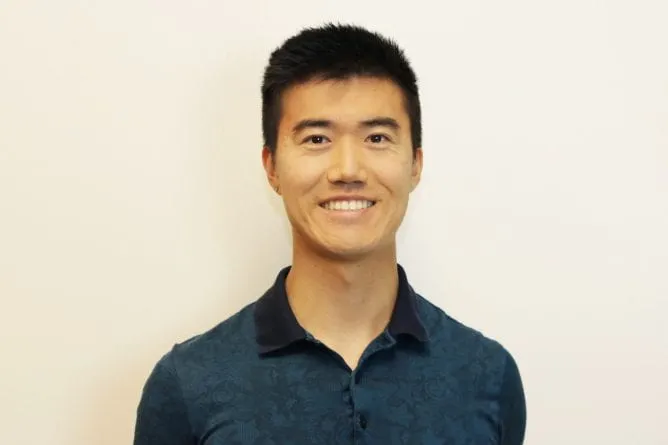
Georgia Tech’s Jaden Wang (Zhuochen Wang) has been awarded a NASA Space Technology Graduate Research Opportunity (NSTGRO). The grant supports graduate students who “show significant potential to contribute to NASA’s goal of creating innovative new space technologies for our nation’s science, exploration, and economic future.”
Wang, who is a Ph.D. student in the School of Mathematics and a master’s student in the Daniel Guggenheim School of Aerospace Engineering, will focus on developing mathematically-backed landing solutions for spacecraft.
“I first became interested in powered descent problems during my Fall 2024 internship with NASA’s Human Landing System at Marshall Space Flight Center,” he says. “With my mathematical background in optimization and topology, and my passion for space exploration, I saw this research topic as a perfect fit when my co-advisor Dr. Panagiotis Tsiotras suggested it.”
Wang is co-advised by School of Mathematics Professor and Hubbard Research Fellow John Etnyre alongside Panagiotis Tsiotras, who holds the David and Andrew Lewis Endowed Chair in the Daniel Guggenheim School of Aerospace Engineering and is also associate director at the Institute for Robotics and Intelligent Machines.
In addition to his Georgia Tech advisors, Wang will collaborate with a NASA Subject Matter Expert, who will connect him with the larger technical community. He will perform part of the research as a visiting technologist at multiple NASA centers, giving him the opportunity to work with leading engineers and scientists and share his research results directly with the NASA community.
From abstractions to space exploration
“NASA’s upcoming missions to the Moon, Mars, and beyond need technology that allows spacecraft to land precisely at their intended sites,” says Wang. “My research will focus on the last stage of landing, called powered descent. This stage powers up engines, which guide the spacecraft into a safe landing using a pre-designed trajectory that autopilot follows.”
This means that researchers need to figure out the correct thrust, direction, and timing to reach a landing spot — all while navigating a landing that uses as little fuel as possible.
“A common approach is to treat this as an optimization problem: minimizing fuel consumption with rigid-body physics as constraints to determine the best thrust profile,” Wang explains. “This can work well, but it has drawbacks. It assumes that there is no uncertainty in the system (for example, that the thrust of the engines is applied perfectly) and it simplifies the motion of the spacecraft by treating it as though it’s traveling through flat space instead of on a true curved geometry. Both shortcuts introduce errors — our research aims to address these gaps.”
To improve landing precision, Wang will develop a curved-space geometric mathematical model, which takes into account the curved-space geometry of spacecraft motion rather than assuming flat space. To find a fuel-efficient landing trajectory, Wang will develop the model around optimal covariance steering, a stochastic control problem that both minimizes fuel costs while keeping the uncertainty of the spacecraft's exact landing spot within a safe amount.
It’s a problem that leverages his experience in theoretical math and his background in aerospace engineering. “I’m incredibly honored that NASA finds this research exciting and is supporting my pursuit of it,” he says. “There are so many fascinating engineering problems that could benefit from deeper theoretical scrutiny, especially using abstract machineries not typically covered in an engineering curriculum. I hope this inspires more theoretical researchers and graduate students to explore bridging these gaps.”
News Contact
Written by Selena Langner
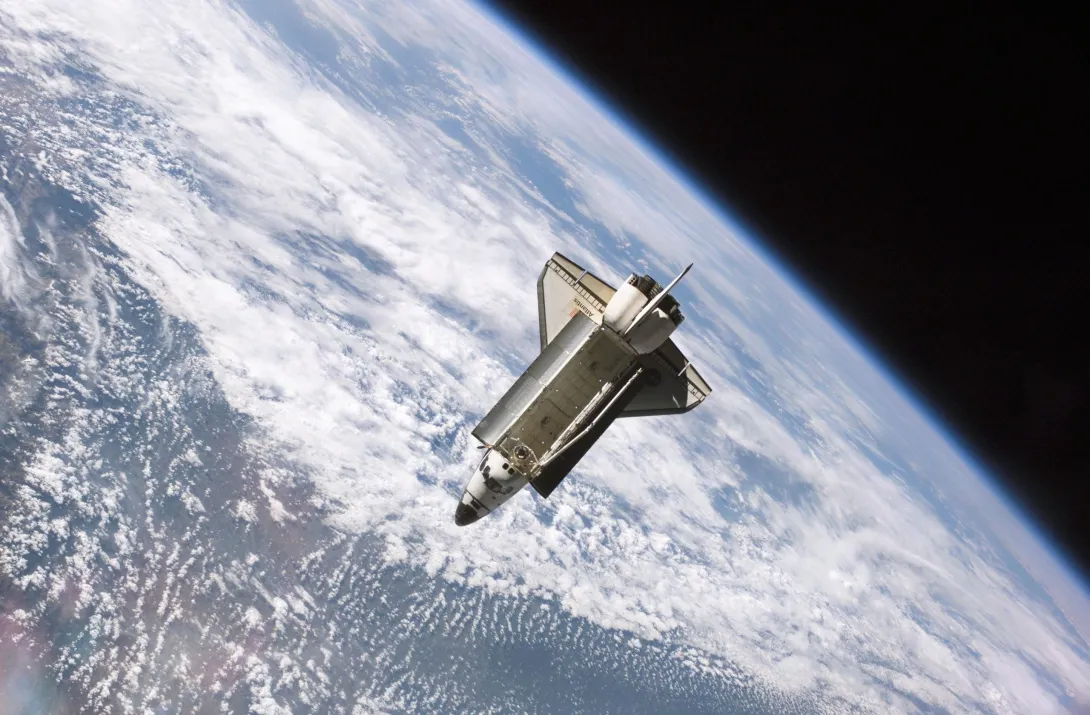
Georgia Tech’s Office of Commercialization announces a gift from CreationsVC of $375,000 to accelerate the development of space-related and space-adjacent startup companies based on Georgia Tech intellectual property.
Georgia Tech’s Office of Commercialization’s new Quadrant-i unit focuses on the commercialization of Georgia Tech intellectual property. In combination with Georgia Tech’s consistently top-ranked Daniel Guggenheim School of Aerospace Engineering and its newly formed interdisciplinary Space Research Institute (SRI), Quadrant-i is positioned to dramatically boost the output of space-related spin-offs into a burgeoning Atlanta startup ecosystem. A strategic gift from CreationsVC will support these efforts by creating a pilot program that provides funding for the startup projects of five CreationsVC Fellows per year for three years.
CreationsVC is a venture capital firm that specializes in investing in space tech, AI, and related technologies. CreationsVC sponsors Creation-Space, an Israeli-based global innovation hub that is fostering innovation to enable humanity’s expansion beyond Earth. Steve Braverman, who heads CreationsVC, said the gift is focused on "identifying innovative technologies that support research on life in space, combined with a focus on climate efficiency. This will help improve both expansion of space-centric industry as well as efforts that address challenges on Earth.”
Braverman said he was attracted to Georgia Tech’s focus on entrepreneurship and its track record in aerospace innovation. “I am impressed with the depth and breadth of technical expertise and energized by the passionate commitment of faculty and students to see their innovations have real-world impact. This gift is intended to supercharge efforts over the next three years to launch several startups that can grow quickly and have impact in Atlanta and Israel.”
Quadrant-i has worked closely with the SRI in its formation and made space commercialization an important and embedded pillar of the new activity. “We are thrilled to work with Steve and the CreationsVC team in identifying and accelerating nascent technologies that will have dual-use value propositions in space, climate, and AI applications,” said Quadrant-i’s director Jonathan Goldman. “We have a fantastic well of innovation from our faculty and graduate students and an amazing fountain of entrepreneurial talent from our CREATE-X program for our undergrads. We are excited to see this relationship blossom.”
News Contact
Anne Stanford
anne.stanford@dev.gatech.edu
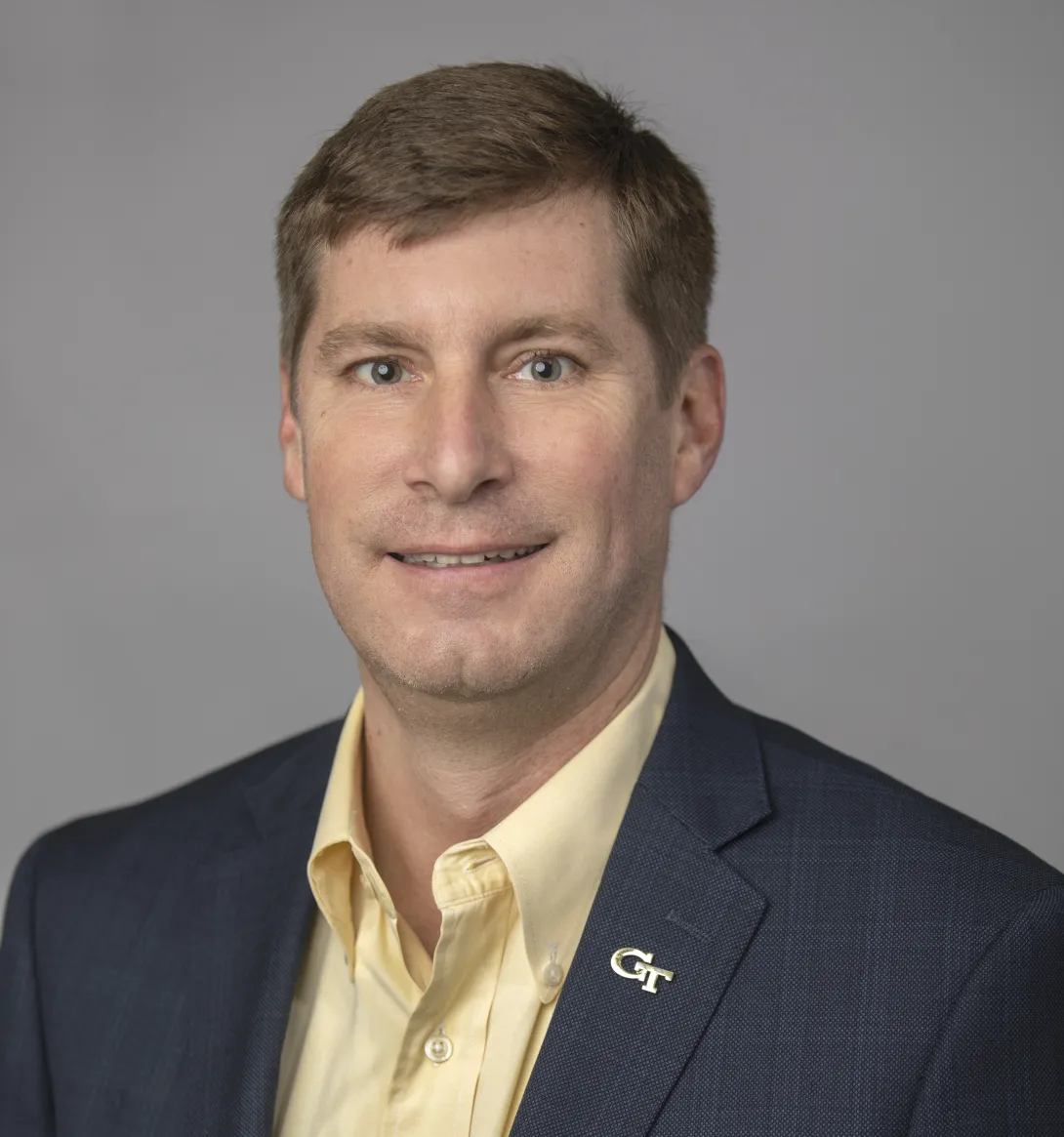
W. Jud Ready, Ph.D.
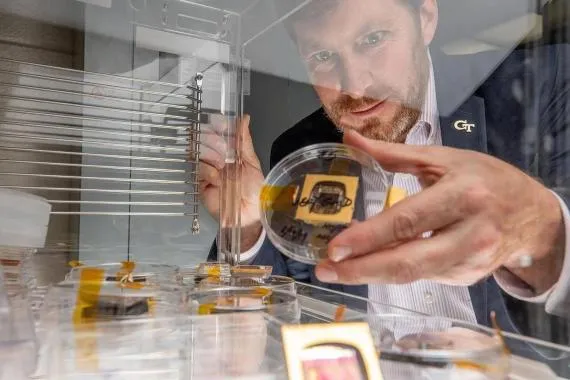
Jud Ready holds a sample of a perovskite solar cell, along with other samples similar to those launched to the International Space Station.
W. Jud Ready, Ph.D., a longtime leader in space-related research at the Georgia Tech Research Institute (GTRI) for more than two decades, has been appointed as the inaugural executive director of Georgia Tech’s newly established Space Research Institute (SRI). With his extensive background in engineered materials and proven track record in managing groundbreaking research projects, Georgia Tech’s space innovation leadership is ready to “blast off."
SRI will become the center of all things space-related at the Institute. It will work in partnership with academics, business partners, philanthropists, students, and governments.
Ready says the role of SRI is “to amplify the space-based research environment that we have had for decades at Georgia Tech by providing dedicated facility, communications, collaboration, and financial resources, as well as assistance on large-scale proposals.”
The existence of SRI is directly tied to one of Georgia Tech’s “Big Bets,” outlined in the Institute’s current Strategic Plan: “Double the Scale and Amplify the Impact of Our Research Enterprise.”
GTRI to Play a Prominent Role With SRI
“GTRI has an unfair advantage in so many areas: we've got great capabilities, great people, great equipment, great connections across the United States as well as the globe,” said Ready. “To be able to take curiosity-driven fundamental research and turn it into a widget, whether that widget is a radar or a spacecraft or whatever it may be, GTRI is good at that.”
“We're not a commercial entity, so we're not trying to make thousands, hundreds, or even dozens of a device or a system. We're very good at one-off prototypes, and that's what space research is. We're not trying to build a constellation of 1,000s of ‘Starlink’ satellites. We are trying to create sensors, systems, spacecraft, constellations -- whatever it takes – to solve problems, whether they're national security problems, scientific problems, economic problems, communication problems -- there are many uses for spacecraft.”
Ready’s vision for SRI emphasizes leveraging and enhancing the robust infrastructure already in place at GT and GTRI, including C-SHAFT (Center for Space Hardware Assembly, Fabrication and Testing). As he articulated during his vision presentation, before being named to the executive director role, he views GTRI facilities such as thermal vacuum chambers and ground station networks as strategic assets that provide Georgia Tech with a significant competitive edge in space research and exploration.
Ready’s leadership will emphasize bridging the robust academic and research elements within Georgia Tech to include all Colleges and GTRI. By strengthening the collaborative relationship among all arms of the Institute, Ready seeks to enhance Georgia Tech’s institutional capacity for securing competitive federal, industry and philanthropic funding. He plans to strategically use GTRI’s contract vehicles, such as its University Affiliated Research Center (UARC) agreements, to streamline funding processes, thereby advancing GTRI’s and Georgia Tech’s collective research enterprise.
Under Ready’s direction, educational and outreach initiatives will also expand significantly. Ready says he intends to draw on previous Georgia Tech successes, such as the Symposium on Space Innovations and championing “K through gray” educational programs. He intends to integrate educational activities that involve both academic and research personnel from across Georgia Tech and GTRI. These efforts aim to support the existing cadre of space engineering professionals, as well as cultivate a new generation of engineers and scientists equipped with the skills and experiences necessary for leadership in space technology.
Q&A with Jud Ready, SRI Executive Director
Q: What are your initial, big priorities for SRI?
Ready: We're looking for partnerships internally at Georgia Tech, within GTRI, in Georgia, and externally. Whether governmental, philanthropic, or industrial sponsorships, that's what we're seeking. We want SRI to help faculty, students, small businesses, major corporations, and the USA in general succeed in space.
Q: How soon and how aggressively will you pursue funding and sponsorships?
Ready: "Immediately. We've already got proposals pending. We'll continue pursuing federal funding, corporate funding, and philanthropic efforts. Space access has become much cheaper, opening new funding avenues."
Q: Will SRI take over existing projects such as Lunar Flashlight (a CubeSat integrated and tested by GTRI and operated by Georgia Tech) or MISSE (a NASA mission series in which GTRI is heavily involved)?
Ready: "No, SRI won’t take over someone's research projects. SRI will not be a principal investigator. It enables individual principal investigators, providing necessary resources, whether they're at GTRI, GT, or industry."
Q: Does SRI have a physical space, lab space, cleanrooms, etc.?
Ready: "The administrative offices are in the Coda building. But the resources we have at Georgia Tech and GTRI aren't moving. We have cleanrooms and testing facilities at Baker and Cobb County, antennas for communication, and eventually, we'll have a new building near Coca-Cola Tower.”
Q: Given the long-term nature of space research, do you have a short-term plan for SRI?
Ready: "I've certainly got a 90-day plan. We'll have something going on every month this fall. We’ll release an RFP for our CPI (centers, programs, initiatives) process around Labor Day. The LSIC fall meeting is at Georgia Tech on November 5-6. We're also organizing a networking event and a star-watching party for homecoming in October."
Q: Will you maintain your existing appointments at Georgia Tech and GTRI?
Ready: "Yes, I'm still 50/50. Technically, 49% SRI and 51% GTRI, so I didn't have to reorganize my reporting chain. I’ve dialed back my teaching a notch and only plan to teach my Material Science and Engineering of Sports class (MSE3300) next spring, but I will also be teaching my Vertically Integrated Project (VIP) class in the fall. And, of course, advising several graduate students along the way."
Q: Is there more to Jud Ready than just space research?
Ready: "I haven’t stopped thinking about space since Skylab. But yes, I like things more than space. I'm also a scout leader. I enjoy camping, fishing, sailing, and sports, especially, even though, historically, I’ve been exceptionally mediocre at them."
Georgia Tech’s 11 IRIs support collaboration between researchers and students across the Institute’s seven colleges, the Georgia Tech Research Institute (GTRI), national laboratories, and corporate entities to tackle critical topics of strategic significance for the Institute as well as for local, state, national, and international communities.

Researchers from Georgia Tech have created a material inspired by seashells to help improve the process of recycling plastics and make the resulting material more reliable.
The structures they created greatly reduced the variability of mechanical properties typically found in recycled plastic. Their product also maintained the performance of the original plastic materials.
The researchers said their bio-inspired design could help cut manufacturing costs of virgin packaging materials by nearly 50% and offer potential savings of hundreds of millions of dollars. And, because less than 10% of the 350 million tons of plastics produced each year is effectively recycled, the Georgia Tech approach could keep more plastic out of landfills.
Aerospace engineering assistant professor Christos Athanasiou led the study, which was published in the journal Proceedings of the National Academy of Sciences (PNAS).
Read the Q&A of the findings, and see a video of the testing, on the College of Engineering website.
News Contact
Jason Maderer
College of Engineering
maderer@gatech.edu