
52-Year-Old Entrepreneur Has New Outlook After Completing Ph.D.
Mizan Rahman knows there’s much that academia and industry can learn from each other.
He’s living proof of it.
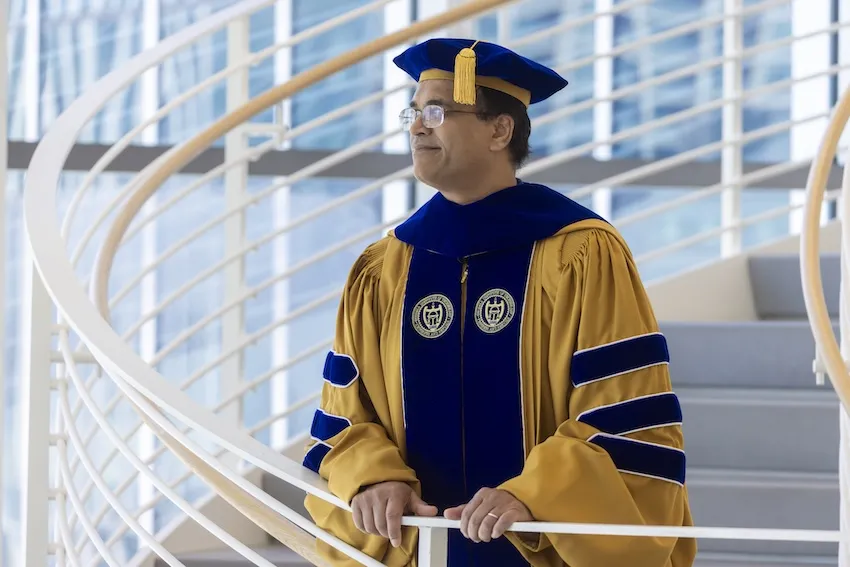
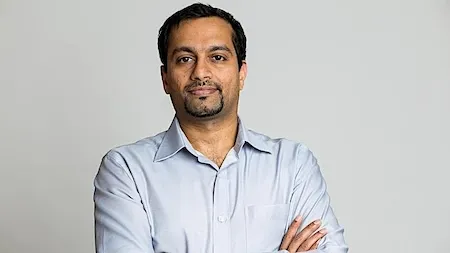
The 52-year-old entrepreneur will receive his Ph.D. in human-centered computing (HCC) as he walks across the stage on Thursday at Georgia Tech’s Spring 2026 Ph.D. Commencement.
When Rahman was accepted into the HCC Ph.D. program, he’d already founded three successful tech startups and was an angel investor in numerous others. He also earned a master’s in computational science and engineering from Georgia Tech in 2013.
Rahman took on the challenge of a Ph.D. because he’s always been in pursuit of a holistic view of technology. One perspective he said he needed to understand was that of the end user.
“I’d already done computer science and computational science and engineering, so I wanted to look at the human dimension, the user’s perspectives, and society,” Rahman said. “You’ve got to build technology that fits into our human dynamics.”
Rahman’s journey began as an undergraduate in chemical engineering at Miami Dade College and Florida Atlantic University. He switched to computer science after his roommate, also a CS major, showed him some programming he had been working on.
“I couldn’t sleep after that,” Rahman said. “I was writing software all night. I loved solving problems through technology.”
Early Success
Rahman invented BayBuilder, a strategic sourcing automation technology, in 1999. The software was adopted by major Fortune 500 companies. Rahman estimates it has saved these companies $1 billion in procurement spending.
Baybuilder was acquired by a NASDAQ-listed firm in 2001, and he was ready to start his next company.
“I’ve been an entrepreneur as far back as I can remember,” Rahman said. “I was born with it. If I saw something that didn’t exist, I created it.”
After relocating to Atlanta, Rahman founded a new company, M2SYS Technology. Governments around the world used the company’s innovative identity technology to automate processes and deliver efficient services to citizens. M2SYS also worked with the CDC to treat HIV in Haiti and Zambia, as well as many U.S. hospitals, including Grady Memorial in Atlanta, to protect patients from fraud and receiving the wrong treatment.
Rahman’s most recent startup, CloudApper AI, introduced a new system architecture that generates secure software requiring minimal ongoing maintenance. His non-biased algorithm, which he created during his Ph.D. for CloudApper, is now used by major companies to streamline automated resume analysis and candidate scoring.
Living in Two Worlds
Rahman began his Ph.D. in 2021, but he kept his new venture to himself and his family. He didn’t tell his employees he was pursuing a Ph.D., and he didn’t disclose his industry background to his fellow doctoral students.
“I kept the other side of me far away,” he said. “The people who knew, they knew, but I purposefully didn’t discuss my outside activities and experience. I wanted to fit in, and I think I was able to do that.”
When Rahman was at his company, he was a CEO and entrepreneur, and when he was at Georgia Tech, he was a researcher. But what he was learning as a researcher began to change how he perceived his business.
“I wanted to be a researcher and think like a researcher and not just always think about sales and marketing,” he said. “I started bringing in more ideas about how the user should be thought of in our products. I’m sure they were wondering why I was emphasizing that so much, but it was because I was applying what I was learning in my Ph.D.
“Now I’ve been on both sides, I want to be connected to both in the future, applying research principles and practices in product development and innovation.”
Building Community Through Makerspaces
When it came time for Rahman to choose a subject for his dissertation, he returned to his roots and looked for ways technology can support young entrepreneurs and their startups. That’s when he began conducting research in makerspaces.
“I wanted to find out how we can bring innovation to a scale where anybody can participate,” he said. “I saw this happening in makerspaces where regular people learn, collaborate, and build products and companies from scratch. I saw that the community at large is facing a sustainability crisis.”
Rahman argued in his dissertation that makerspaces can play a significant role in local innovation. When people struggle to survive, it disrupts communities in numerous ways.
Rahman details four studies conducted over three-and-a-half years that show how socio-technical factors drive organizational sustainability in makerspaces and how AI tools can foster an innovative culture within them.
“The compelling thing about his research is that he shows that people come to makerspaces for the tools, but they stay for the people,” said Rosa Arriaga, associate professor and Rahman’s advisor.
“He has plenty of work from his ethnographic research that shows that a makerspace can have all the tech and resources, but if there isn’t cohesion among the people, there’s a problem.”
It Takes a Village
Rahman is the first to admit that it’s not possible for one man to run a company while pursuing a Ph.D. He needed a community. This starts with his family. His wife, Mohu Sultana, now serves as interim CEO of M2SYS and has supported Rahman throughout his Ph.D. research.
The Georgia Tech community has been part of Rahman’s life in some way since he started his career.
Sultana holds a bachelor’s degree in computer science from Tech, and their daughter, Malisha Rahman, is graduating this week with a bachelor’s in economics and international affairs. Malisha Rahman has also been accepted into the HCC program and will begin her Ph.D. in the fall.
Rahman said that any student who wants to create a tech startup will have an advantage from access to Georgia Tech’s network.
“The Georgia Tech startup community is fantastic,” he said. “There is a tremendous amount of knowledge here, and the research community can help shape the next big thing. We have CREATE-X, a place where you can find mentorship from faculty who started in industry. You’ll learn things I wish I knew before I started.”
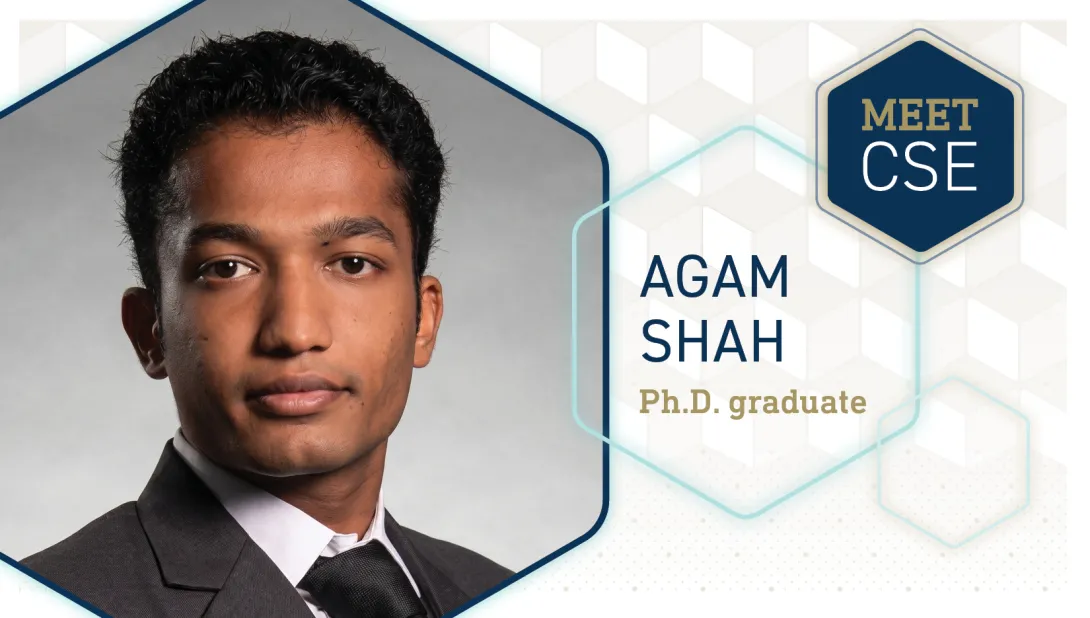
Investment is the best word that summarizes Agam Shah’s journey as a graduate student at Georgia Tech.
That is clearest on the surface, where Shah studied how public statements by businesses and financial institutions shape market behavior. At a deeper level, though, his success was buoyed by support from professors and his mentorship of younger students.
Shah’s ability to connect and invest in others led him to partner with Georgia Tech colleagues and start a financial technology business. He returns to campus this week to officially graduate from Tech, giving us a chance to catch up about his grad school experience and life as an entrepreneur.
Graduate: Agam Shah
Research Interests: Quantitative and computational finance, artificial intelligence, natural language processing, large language models (LLMs)
Education: Ph.D. in Machine Learning, home unit in the School of Computational Science and Engineering (CSE)
Faculty Advisors: Scheller College of Business Professor Sudheer Chava and School of CSE Associate Professor Chao Zhang
What persuaded you to attend graduate school at Georgia Tech?
Georgia Tech’s dedicated College of Computing strongly appealed to me. I was particularly drawn to the interdisciplinary nature of its machine learning Ph.D. program and the School of Computational Science and Engineering, both of which align well with my research interests.
What research project(s) from Georgia Tech are you most proud of and why?
I am proud of all 20-plus research papers I have had the opportunity to contribute to at Georgia Tech. However, if I had to choose one, it would be my work on Federal Open Market Committee (FOMC) text analysis, which was also highlighted in the news.
This work is not only well-cited in academic literature, but the language model developed in the paper is also actively used by economists at many of the world’s top central banks, including researchers at the FOMC and the Bank of England. It is also used by leading financial institutions such as BlackRock and Daiwa Securities. Since its release, the model has achieved over 100,000 downloads on Hugging Face.
What can you tell us more about your startup, ZettaQuant?
ZettaQuant aims to solve one of the biggest challenges in using LLMs and agents: working effectively with massive underlying datasets. We serve as a layer between raw data and LLMs, helping distill billions of tokens into the relevant context that models can use.
As a deep-tech startup, we are actively engaging with industry practitioners to better understand how to design and engineer our system to integrate seamlessly with their evolving AI workflows. Given the complexity of the problem we are tackling, particularly in advancing document intelligence systems, we are currently very focused on research and foundational development.
How did your Georgia Tech education prepare you for starting ZettaQuant?
Not just my education, but my entire experience at Georgia Tech, extending beyond the classroom, prepared me for this journey. I met my co-founders at Georgia Tech, and many of the initial use cases we are exploring at ZettaQuant are built on open-source research I conducted there.
In addition to research, I mentored more than 300 students through the Vertically Integrated Project “NLP for Financial Markets.” This experience taught me how to manage teams and think about building systems with a long-term vision.
What advice would you give someone interested in graduate school?
Most people pursue graduate school after already completing more than 15 years of education. Also, people who are admitted to a top school like Georgia Tech are often already well-positioned to secure strong job opportunities. So, graduate school should provide value beyond what you could learn outside the classroom.
Before deciding, think carefully about what you hope to gain from graduate school that you cannot otherwise. Once you enroll, take full advantage of the faculty, research labs, networks, and seminars. Many students underutilize these opportunities during their undergraduate and graduate years.
I would also like to quote the epilogue of my Ph.D. thesis: ‘Advice is abundant; conviction must be your own.’ Build a strong conviction about what you want to achieve from graduate school before committing to it.
What did you do for fun and relaxation while attending Georgia Tech? Do you still keep up with these now?
This may sound unconventional, but I spent a significant amount of time mentoring and teaching throughout my Ph.D. Many of my mentees went on to gain admission to top graduate programs. This included two students I mentored for all four years of their undergraduate studies who later joined the ML Ph.D. program at Georgia Tech. They are now teaching and mentoring students, completing a full-circle journey.
Working with mentees and supporting their growth gives me a strong sense of fulfillment and serves as a form of relaxation. In addition, I enjoy listening to music, especially while coding, and I continue to do that today.
What is your favorite Georgia Tech memory?
If I had to choose one favorite memory, beyond the many exciting late nights in the lab, it would be proposing to my wife on Tech Green at Georgia Tech. She is also a Yellow Jacket, having completed her undergraduate degree here and currently pursuing her Ph.D. Our home truly is a hive of Yellow Jackets.
News Contact
Bryant Wine, Communications Officer
bryant.wine@cc.gatech.edu
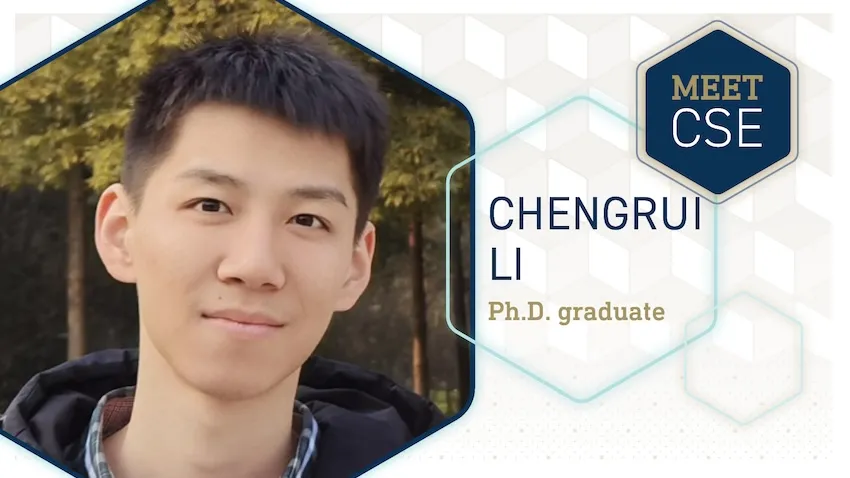
When Chengrui Li walks across the stage this Thursday at Commencement, it will be his final, and perhaps easiest, performance at Georgia Tech.
Between orchestra concerts, magic shows, and yo-yo exhibitions, Li thrives in the limelight. In fact, not much rattles his nerves considering the five years of pressure he endured studying computational neuroscience at Tech.
Before he returns to New York City to continue building brain-interface technologies at Meta, we caught up with Li to learn how he keeps such a cool head at Georgia Tech and beyond.
Graduate: Chengrui Li
Research Interests: Computational neuroscience, eye-tracking experiments and data analysis, statistical machine learning
Education: Ph.D. in Computational Science and Engineering (CSE)
Faculty Advisor: School of CSE Assistant Professor Anqi Wu
What persuaded you to attend graduate school at Georgia Tech?
My undergraduate was at Sichuan University in China. We knew that the most cutting-edge technology and research were in the United States, so I participated in an undergraduate exchange program at the University of Tennessee, Knoxville, during my third year.
I wanted to pursue a Ph.D. in neuroscience while also becoming very proficient in math and computer science (CS). This led me to apply to the CSE Ph.D. program over others. Georgia Tech’s CS ranking is very high, and the CSE program is very interdisciplinary, which matched my expectations super well. I did attain a solid education in math and CS at Georgia Tech. I also advanced my interest in neuroscience and its application by studying mathematical models and algorithms.
What research project from Georgia Tech are you most proud of?
My variational importance sampling paper is a favorite. That one was based heavily on statistical inference. I spent many hours working through complicated derivation calculations, often half-awake and half-asleep after several late nights.
This paper confirmed to me, though, that innovative research requires both hard work and inspiration, and that this endeavor can be rewarding. The paper was selected as a top 5% spotlight paper at ICLR 2024, a world-leading conference on artificial intelligence research.
Could you share more about your role as a research scientist at Meta?
I have been working on Meta’s electromyography (EMG) neural band. This next-generation human-computer interaction device connects with and navigates Meta’s AI glasses.
With the neural band, you can use finger gestures to control the display content you see through the glasses, like swiping your thumb to scroll the screen, or writing on your lap as if you had a pen in your hand to send WhatsApp messages.
How did your Georgia Tech education prepare you for this role?
By pursuing my Ph.D., I am more proficient in critical thinking, math, coding, and presentation. During my interview, I demonstrated these skills and provided my publication records. This helped me land an internship, enabled my success in that role, and led to a full-time position. Additionally, my background in computational neuroscience best matched the work on the EMG neural band team at a big tech company.
What advice would you give someone interested in graduate school?
First, be clear whether a bachelor’s or master’s degree meets your work needs, or if you are truly interested in a scientific research topic. This interest should be based on your own passion, not the current trends. Interest is an important factor in deciding to pursue a Ph.D. because you have to like the topic and like it for a long time. A Ph.D. will require you to dive deep into a subject you must be genuinely curious about.
Second, we are in a new era with rapid advances in information technology. Time is an invaluable resource and is shaped by technology. You have to think more about your time, consider where and how you spend it, and embrace ways to use it more efficiently.
Can you tell us more about your hobbies and how you keep up with them?
I started learning violin when I was five years old, and magic tricks when I was 11. The brain is a supercomputer suitable for functional computation. Our brain is an interface between the objective and subjective, where computation plays a core role in integrating these exact mechanics into interpretations of the world. This realization was one of the important factors that inspired me to pursue my Ph.D. research in computational neuroscience.
Another comparison I’ve learned after playing violin for 23 years is that the cochlea in our inner ear is a fast Fourier Transformer that simultaneously computes the aesthetic of music for us. Performing magic tricks for 17 years taught me that all the occurrences of seemingly low-probability magic phenomena are achieved by either letting it be a certain event or exhausting all possibilities.
I also have other hobbies, like yo-yo balls. I enjoy performing all these skills in front of audiences. Performing brings me satisfaction when I see excitement and happiness from the people I entertain. I am very grateful to my parents for their cultivation and encouragement in doing things that bring me fulfillment. They taught me to be curious and explore my interests, to enjoy pastimes, and instilled the habit to not give up my passions. These were not secondary things that distracted me from coursework or Ph.D. research, but rather complementary parts of my life that bring out the best in me.
What is your favorite Georgia Tech memory?
I have a lot. For my research, I debated frequently with Anqi Wu, my advisor. These often went late into the night to defend my stances. These challenged my beliefs and made me a stronger scholar, for which I am grateful to Anqi for her time and patience.
I also enjoyed performing in the Georgia Tech symphony orchestra with our great conductor, Chaowen Ting. I was involved with the Georgia Tech Chinese Students and Scholars Association, where I showcased magic and yo-yo performances at organization events.
News Contact
Bryant Wine, Communications Officer
bryant.wine@cc.gatech.edu
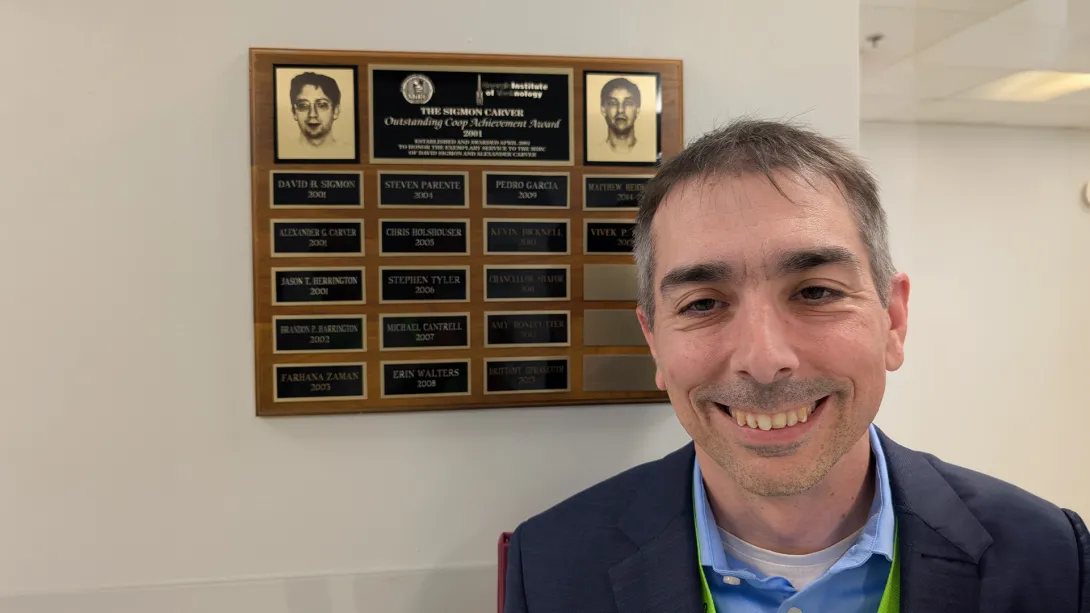
The most unassuming actions can have the greatest outcomes. For Brandon Harrington, CmpE 2005, M.S. CmpE 2008, walking through the doors of the Pettit Microelectronics Building, then home to the Microelectronics Research Center (MiRC), during his freshman year 25 years ago changed the course of his career.
Each week on his way to the Howey Physics Building, Harrington passed the MiRC, wondering what happened behind its doors.
“One day I got the courage to walk in. I went to the front desk and I asked, ‘Hey, do you have any jobs for freshmen?’” Harrington recalled. “I was pointed to Bob Rose, so I walked down and had a brief conversation with him where he hired me on the spot.”
That moment—walking in with curiosity and leaving with a job— shifted Harrington’s career path from pursuing a bachelor’s degree in computer engineering and working in electronic design automation (EDA) to a life in the laboratory advancing microelectronics research.
When he began working for the MiRC in the early 2000s, the cleanroom facilities had only three full-time employees. The small staff gave Harrington opportunities to contribute. He started with smaller tasks, from changing pump oil to sorting nuts and bolts, but his dedication quickly led to greater responsibility.
At the time, Gary Spinner, director of cleanroom operations for the Institute for Matter and Systems (IMS), played a key role in mentoring students and expanding access to the Institute’s microelectronics facilities. Known for his hands-on approach and commitment to student development, Spinner helped guide the growth of cleanroom operations and the people who worked within them.
“Gary took note of me and said, ‘Brandon, please join the co-op program,’” Harrington said. “I quickly found my way into the cleanrooms, and from that point on, I touched basically every system, whether it was the billing software, the access control system, or the toxic gas monitoring.”
As an undergraduate co-op, Harrington advanced through the MiRC, training graduate researchers on tools and developing new or modifying existing efficiency systems. By the time he earned his undergraduate degree, he had accumulated extensive experience in the cleanrooms and graduated with an offer to be a full-time electrical engineer for the MiRC while pursuing his master’s degree.
An unexpected outcome of this role was a friendship that led him to a Ph.D. in electrical engineering. While working full-time, Harrington became good friends with then-Ph.D. student Reza Abdolvand. After Abdolvand joined Oklahoma State University as a faculty member, he asked Harrington if he would come help him start his research group.
“I was really good friends with Reza and I thought this was a way I could get his career going,” Harrington said. “So I left Georgia Tech, around 2008, to pursue my PhD from Oklahoma State.”
Today, Harrington supports the industry in a variety of ways, providing consultation for startups and large corporations alike. His work includes early feasibility studies, prototype development, productization, transfer to volume-production foundries, and yield improvement activities.
He is now the director of microelectromechanical systems (MEMS) development at AMFitzgerald, where he leads a team delivering innovative solutions to clients—all because he followed his curiosity.
Harrington’s journey reflects the broader impact of Georgia Tech’s cleanroom facilities—spaces where curiosity can turn into hands-on experience, mentorship, and career-defining opportunities. By providing students access to advanced tools, real-world problem-solving, and a collaborative research environment, the cleanrooms continue to shape the next generation of engineers and innovators, just as they did for a curious freshman who decided to walk through an open door.
News Contact
Writer: Gabriel Buggi | Communications Student Assistant
Media Contact: Amelia Neumeister | Communications Manager
The Institute for Matter and Systems
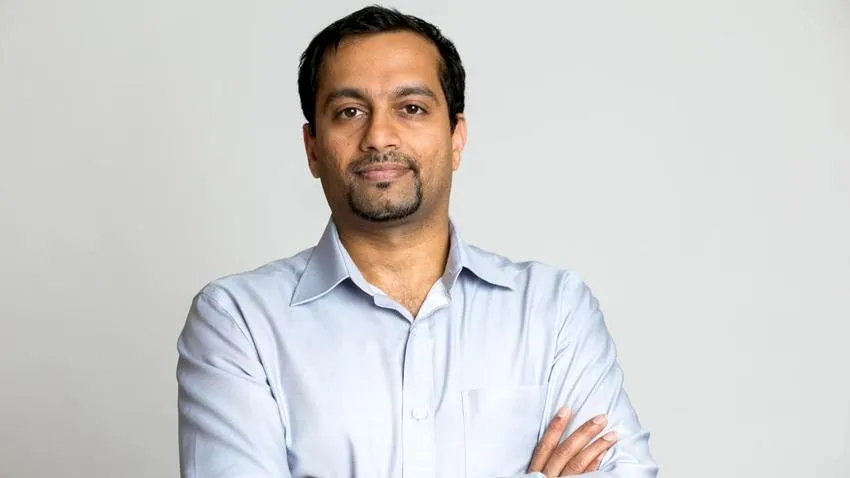
Photo portrait of Vijay Balasubramaniyan (PhD CS 2011), CEO and co-founder of Pindrop Security.
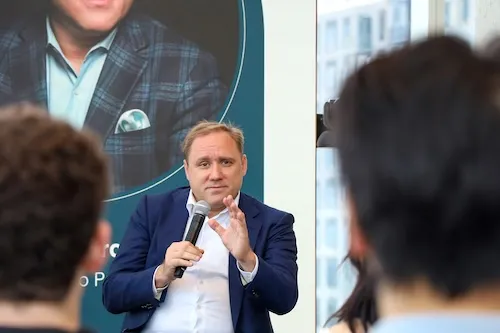
Candid photo of Dmitri Alperovitch (CS 2001, MS InfoSec 2003) speaking to students during a campus visit in 2025.
A global media outlet is spotlighting the success of two software companies founded by faculty and alumni of Georgia Tech's College of Computing (GT Computing).
This week, Time Magazine named CrowdStrike and Pindrop Security among the 10 Most Influential Software Companies of 2026.
CrowdStrike and Pindrop appear on TIME’s new list alongside some of the world’s best-known computing companies, including Adobe, Microsoft, and Palantir. Released on April 27 as part of the outlet’s TIME100 Companies: Industry Leaders series, this recognition underscores their rising influence.
“It’s exciting to see that two out of the ten companies on this list were founded by alumni and faculty from the College of Computing. We are bursting with pride,” said Vivek Sarkar, John P. Imlay Jr. Dean of Computing. “This recognition reflects the strength of our academic and research programs, as well as the impact of our commitment to fostering a vibrant entrepreneurial ecosystem.
"It also highlights how we are empowering our students and faculty to translate bold, innovative ideas into successful ventures. Looking ahead, we will further integrate entrepreneurial thinking with the computational and AI foundations embedded throughout our curriculum.”
Their inclusion on TIME’s list this year is especially notable because both CrowdStrike and Pindrop address the growing cybersecurity threat landscape, including deepfakes.
[RELATED: USNWR Ranks GT Computing No. 2 for Undergraduate Cybersecurity]
GT Computing alumnus Vijay Balasubramaniyan (PhD CS 2011) co-founded Pindrop in 2011 with his doctoral advisor, Mustaque Ahamad, and Georgia Tech alumnus Paul Judge (PhD CS 2002). It commercialized his doctoral research to help call centers determine whether callers are legitimate.
The company has also developed a deepfake protection product and recently raised $100 million in capital funding to expand its deepfake video detection business. During this expansion, the company developed Pindrop Pulse, which TIME named one of the Best Inventions of 2025.
“Identity, consent, and accountability are society’s contracts. Deepfakes erode all three,” Balasubramaniyan told TIME.
Pindrop technology can confirm participants' identities in audio/video conference calls within a few seconds.
“Vijay’s Ph.D. research was of the highest quality, and the Pindrop paper was published in one of the top-tier security conferences,” said Ahamad, Regents' Entrepreneur and interim chair of the School of Cybersecurity and Privacy.
“However, because of his work experience before coming to Georgia Tech, he also focused on the real-world relevance of his research, which led to the launch of Pindrop Security. He is a great example of impactful research that students conduct in our laboratories.”
Like Pindrop, CrowdStrike was founded to counter emerging digital threats and has evolved to combat growing AI-powered security challenges. Dmitri Alperovitch (CS 2001, MS InfoSec 2003) co-founded the company and served as chief technology officer at its 2012 launch.
Alperovitch, recently inducted into the College of Computing Hall of Fame, played a pivotal role in securing more than $150 million in capital investments for the company, helping pave the way for CrowdStrike to become one of the world’s leading cybersecurity companies. In fact, its client list includes nearly 60% of Fortune 500 companies.
“What appealed to me in cybersecurity is that you are never really done,” Alperovitch said during a recent campus fireside chat with students.
“As long as there are human beings out there that want to do you harm, there are always security problems to solve.”
Asked about the founding of CrowdStrike, Alperovitch described investigating a 2010 breach at Google by a nation-state actor as a pivotal moment for him.
“The industry refused to acknowledge this was a widespread problem, and that realization led me to start CrowdStrike,” he said. “You no longer just have to be better than your competitors. You must stay proactive and vigilant.”
Alperovitch is the co-founder and chairman of Silverado Policy Accelerator and the bestselling author of World on the Brink: How America Can Beat China in the Race for the 21st Century.
News Contact
Ben Snedeker
Sr. Communications Manager
Georgia Tech College of Computing
albert.snedeker@cc.gatech.edu
While people use search engines, chatbots, and generative artificial intelligence tools every day, most don’t know how they work. This sets unrealistic expectations for AI and leads to misuse. It also slows progress toward building new AI applications.
Georgia Tech researchers are making AI easier to understand through their work on Transformer Explainer. The free, online tool shows non-experts how ChatGPT, Claude, and other large language models (LLMs) process language.
Transformer Explainer is easy to use and runs on any web browser. It quickly went viral after its debut, reaching 150,000 users in its first three months. More than 563,000 people worldwide have used the tool so far.
Global interest in Transformer Explainer continues when the team presents the tool at the 2026 Conference on Human Factors in Computing Systems (CHI 2026). CHI, the world’s most prestigious conference on human-computer interaction, will take place in Barcelona, April 13-17.
“There are moments when LLMs can seem almost like a person with their own will and personality, and that misperception has real consequences. For example, there have been cases where teenagers have made poor decisions based on conversations with LLMs,” said Ph.D. student Aeree Cho.
“Understanding that an LLM is fundamentally a model that predicts the probability distribution of the next token helps users avoid taking its outputs as absolute. What you put in shapes what comes out, and that understanding helps people engage with AI more carefully and critically.”
A transformer is a neural network architecture that changes data input sequence into an output. Text, audio, and images are forms of processed data, which is why transformers are common in generative AI models. They do this by learning context and tracking mathematical relationships between sequence components.
Transformer Explainer demystifies how transformers work. The platform uses visualization and interaction to show, step by step, how text flows through a model and produces predictions.
Using this approach, Transformer Explainer impacts the AI landscape in four main ways:
- It counters hype and misconceptions surrounding AI by showing how transformers work.
- It improves AI literacy among users by removing technical barriers and lowering the entry for learning about AI.
- It expands AI education by helping instructors teach AI mechanisms without extensive setup or computing resources.
- It influences future development of AI tools and educational techniques by providing a blueprint for interpretable AI systems.
“When I first learned about transformers, I felt overwhelmed. A transformer model has many parts, each with its own complex math. Existing resources typically present all this information at once, making it difficult to see how everything fits together,” said Grace Kim, a dual B.S./M.S. computer science student.
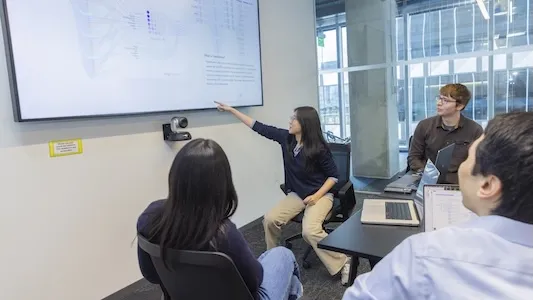
“By leveraging interactive visualization, we use levels of abstraction to first show the big picture of the entire model. Then users click into individual parts to reveal the underlying details and math. This way, Transformer Explainer makes learning far less intimidating.”
Many users don’t know what transformers are or how they work. The Georgia Tech team found that people often misunderstand AI. Some label AI with human-like characteristics, such as creativity. Others even describe it as working like magic.
Furthermore, barriers make it hard for students interested in transformers to start learning. Tutorials tend to be too technical and overwhelm beginners with math and code. While visualization tools exist, these often target more advanced AI experts.
Transformer Explainer overcomes these obstacles through its interactive, user-focused platform. It runs a familiar GPT model directly in any web browser, requiring no installation or special hardware.
Users can enter their own text and watch the model predict the next word in real time. Sankey-style diagrams show how information moves through embeddings, attention heads, and transformer blocks.
The platform also lets users switch between high-level concepts and detailed math. By adjusting temperature settings, users can see how randomness affects predictions. This reveals how probabilities drive AI outputs, rather than creativity.
“Millions of people around the world interact with transformer-driven AI. We believe that it is crucial to bridge the gap between day-to-day user experience and the models' technical reality, ensuring these tools are not misinterpreted as human-like or seen as sentient,” said Ph.D. student Alex Karpekov.
“Explaining the architecture helps users recognize that language generated by models is a product of computation, leading to a more grounded engagement with the technology.”
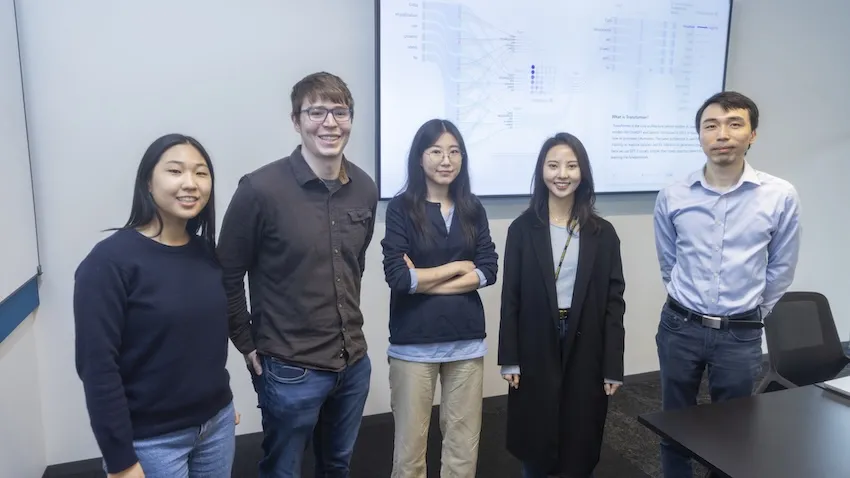
Cho, Karpekov, and Kim led the development of Transformer Explainer. Ph.D. students Alec Helbling, Seongmin Lee, Ben Hoover, and alumni Zijie (Jay) Wang (Ph.D. ML-CSE 2024) and Minsuk Kahng (Ph.D. CS-CSE 2019) assisted on the project.
Professor Polo Chau supervised the group and their work. His lab focuses on data science, human-centered AI, and visualization for social good.
Acceptance at CHI 2026 stems from the team winning the best poster award at the 2024 IEEE Visualization Conference. This recognition from one of the top venues in visualization research highlights Transformer Explainer’s effectiveness in teaching how transformers work.
“Transformer Explainer has reached over half a million learners worldwide,” said Chau, a faculty member in the School of Computational Science and Engineering.
“I'm thrilled to see it extend Georgia Tech's mission of expanding access to higher education, now to anyone with a web browser.”
News Contact
Bryant Wine, Communications Officer
bryant.wine@cc.gatech.edu

An estimated 4 million Americans have glaucoma, a group of eye diseases that can lead to irreversible blindness. Now, Georgia Tech is home to a Glaucoma Research Fund that will support cutting-edge work to understand and advance treatments for the disease.
The new initiative was sparked by ongoing research at Georgia Tech — and a Yellow Jacket connection: when Postdoctoral Research Fellow Hannah Youngblood’s work on exfoliation glaucoma (XFG) was featured by the BrightFocus Foundation, it caught the attention of Jennifer Rucker, an Alabama resident who was diagnosed with XFG several years ago.
Excited that the research could change outcomes for people like her — and proud that it’s happening at her husband Philip Rucker’s, EE 72, alma mater — Jennifer Rucker reached out to Youngblood and her advisor, School of Chemistry and Biochemistry Professor and Kelly Sepcic Pfeil, Ph.D. Chair Raquel Lieberman.
“As the wife of a Georgia Tech graduate and an individual with pseudoexfoliation glaucoma, I was inspired to support the scientists whose efforts may help me and others,” Jennifer Rucker says. What followed was a meaningful dialogue and a shared sense of purpose — and the creation of the Georgia Tech Glaucoma Research Fund (Wreck Glaucoma! Fund).
“It meant so much that Jennifer took the initiative to reach out to learn more about our research,” says Lieberman. “Moments like this remind me how deeply meaningful it is to connect with people in the broader community who are navigating glaucoma. Opportunities for such personal connections are rare, but they inspire and further motivate us to achieve our lab’s mission to improve the lives of individuals suffering from blindness diseases.”
A Personal Connection
Youngblood’s interest in glaucoma research also stems from a personal connection: her father was diagnosed with glaucoma as a young adult. Now, Youngblood studies the genetic and molecular factors behind XFG in the Lieberman research lab.
“XFG is an aggressive form of the disease with no known cure,” Youngblood says. While scientists know that XFG is the result of abnormal accumulation of proteins in the eye, current treatments only address symptoms rather than treating the root cause of the disease.
“We know XFG is driven by protein buildup, but we still don’t know why it happens,” she explains. “My work studying specific genetic variants aims to uncover this.”
The Genetics of Glaucoma
In particular, Youngblood is researching the role of LOXL1, a protein that plays a role in soft tissue throughout the body, including the eyes.
“Research has shown that people with variants in the genes responsible for this protein are more likely to have XFG,” she says. “That made me curious to see if the variants might be impacting the structure of the LOXL1 protein itself and how those variants might lead to disease.”
Youngblood is currently testing her theory in the lab. “My hope is that new insight into proteins like LOXL1 will bring us closer to treatments that address XFG at its source,” she says. “The new Georgia Tech Glaucoma Research Fund is a tremendous step forward in making that hope a reality.”
Support the Georgia Tech Glaucoma Research Fund
Please visit the Glaucoma Research Fund support page to give to this specific program. To discuss additional philanthropic opportunities, please contact the College of Sciences Development Team: development@cos.gatech.edu
Your investment ensures that these scholars and researchers have world-class resources, facilities, and mentors to excel in this critical work. Thank you for helping us shape the future.
News Contact
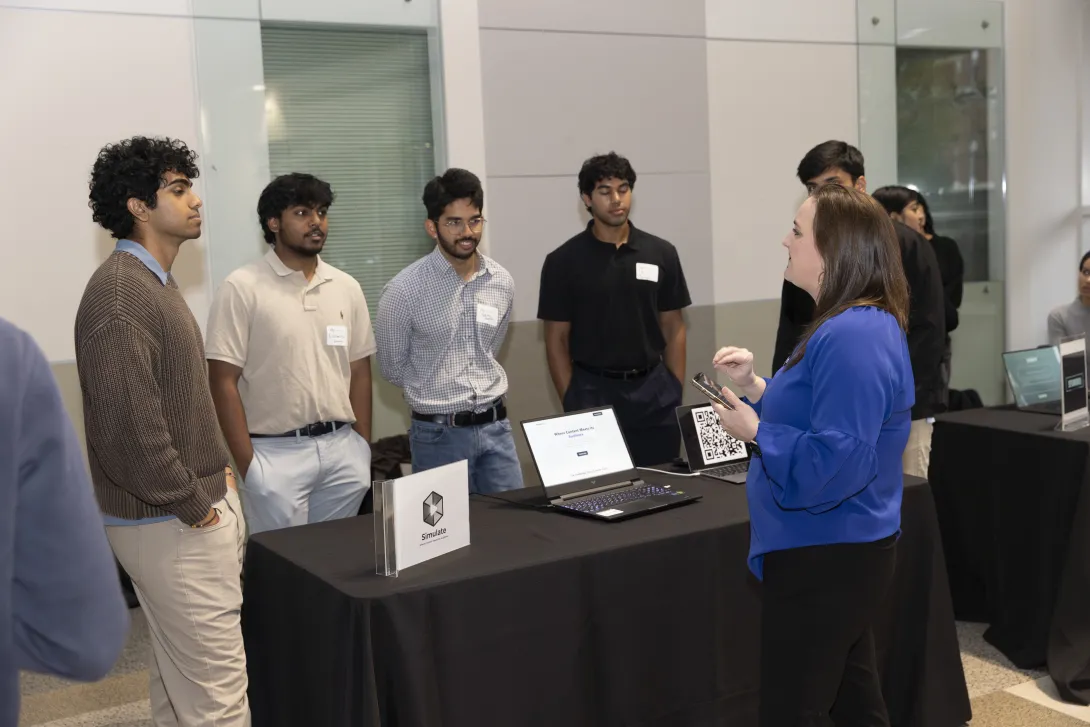
SCI's Jennifer Whitlow speaks with a team presenting at the new entrepreneur section of Junior Design Capstone. Photos by Terence Rushin/ College of Computing.
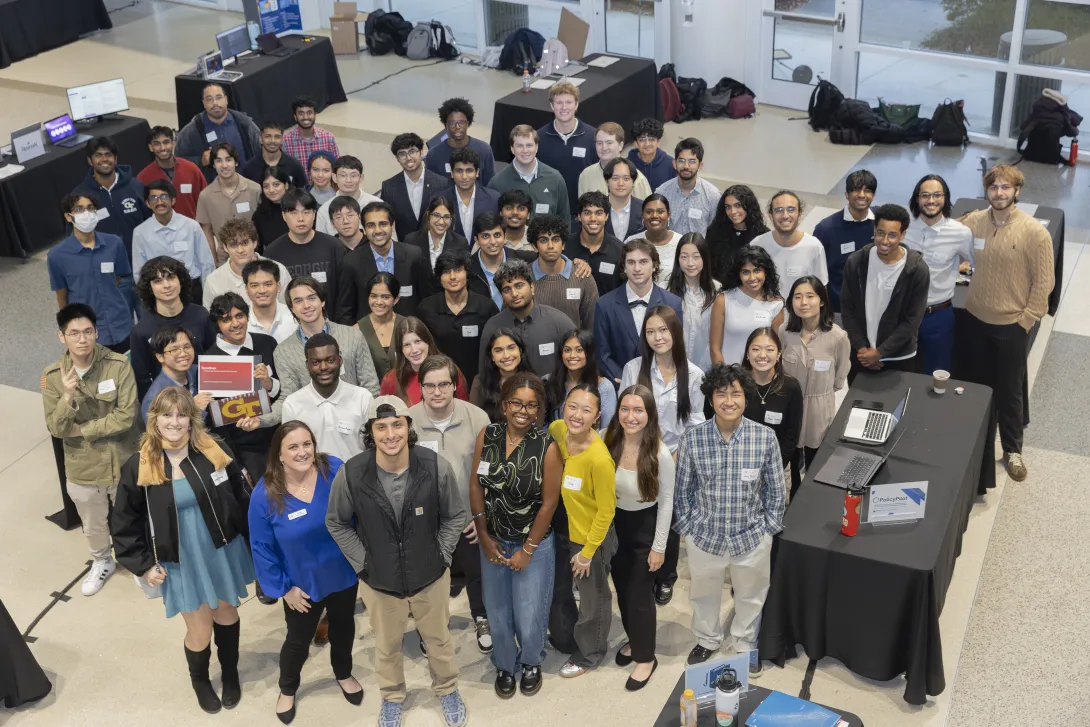
Students present at the expo
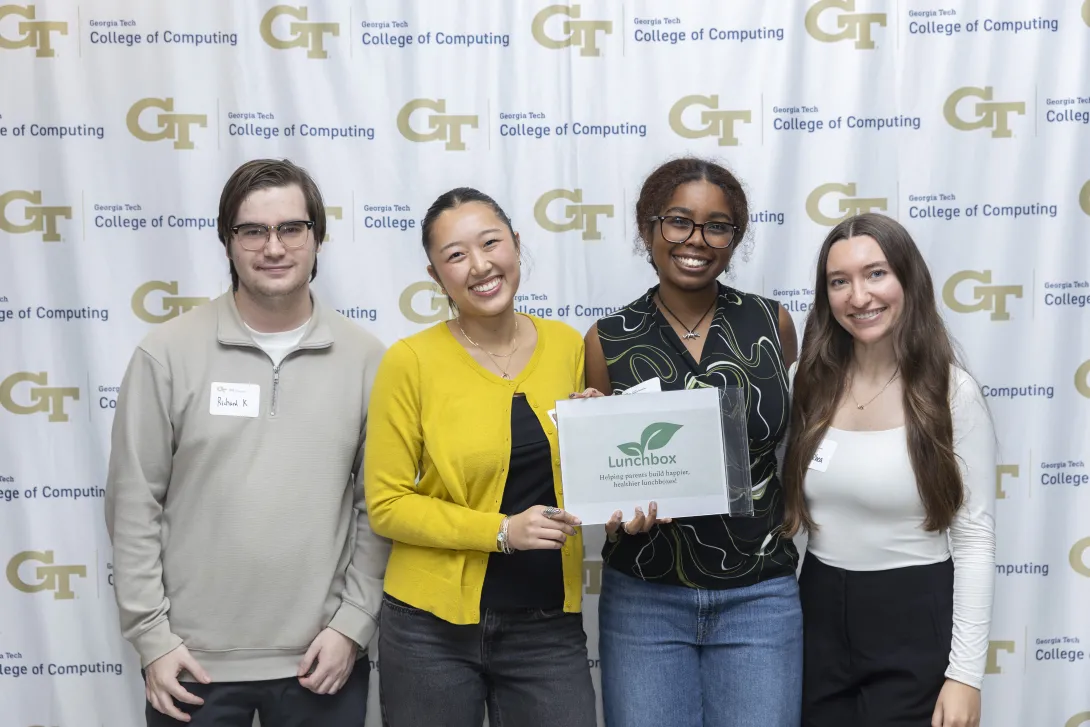
Team Lunchbox created a prototype to help parents of neurodivergent children with safe foods. Photo by Terence Rushin/ College of Computing.
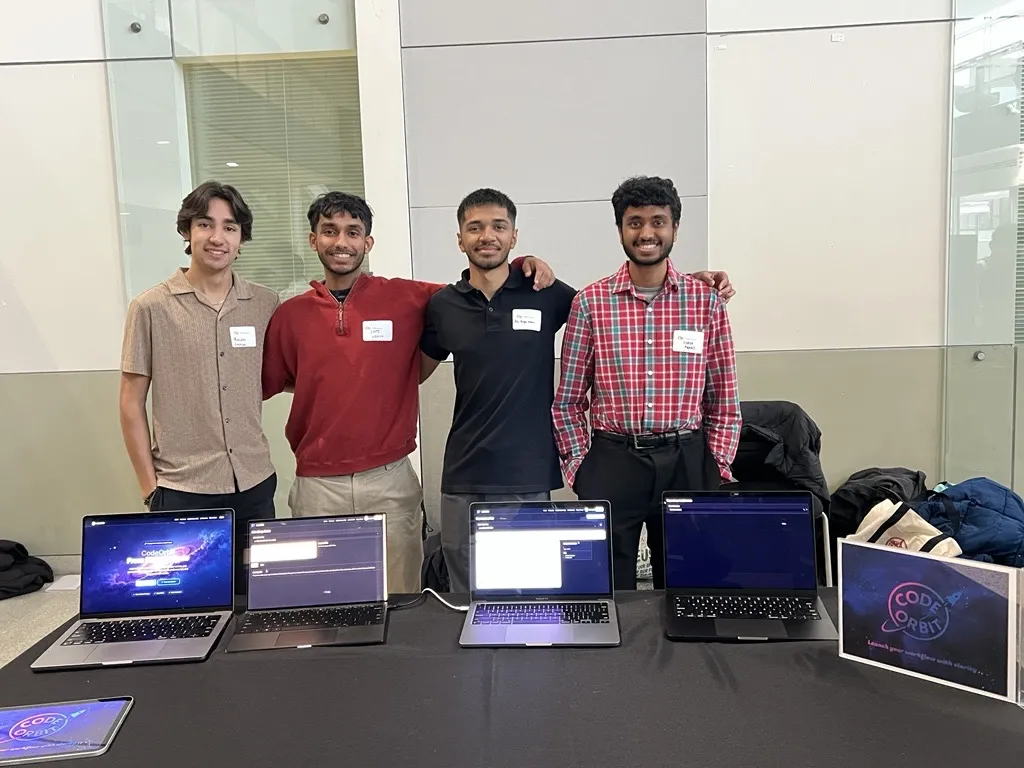
Team CodeOrbit took first place at the Expo. Photo by Jennifer Whitlow.
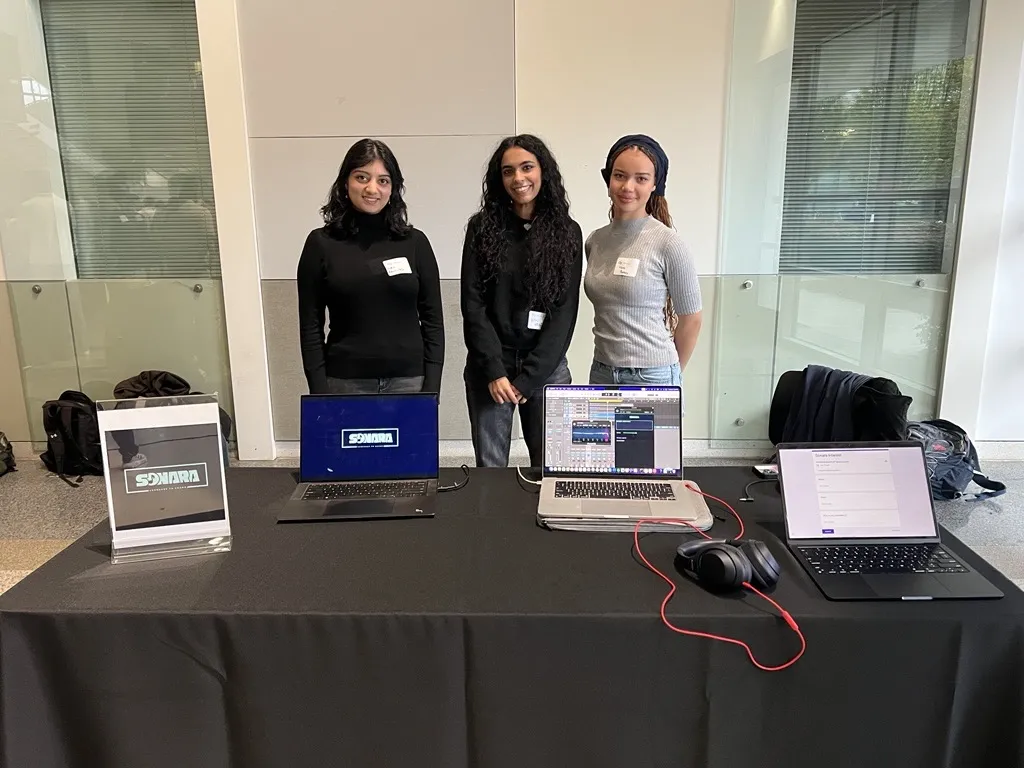
Team Sonara took second place at the Expo. Photo by Jennifer Whitlow.
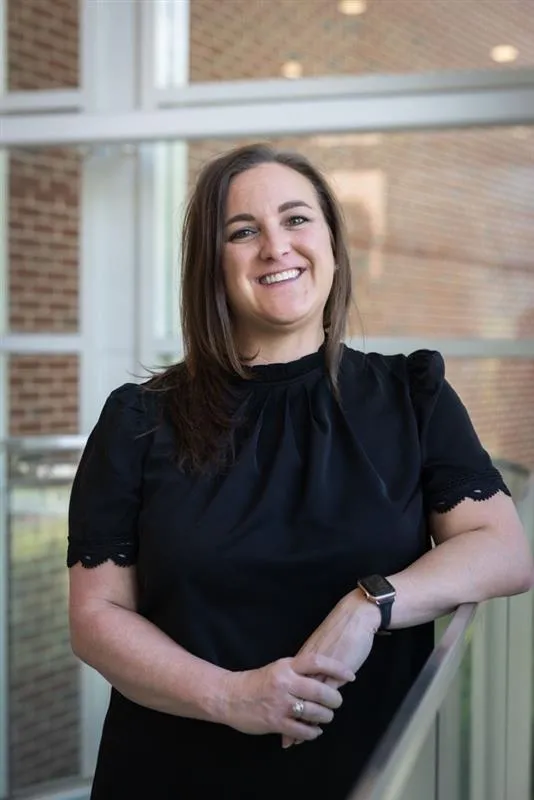
Whitlow, who has years of experience working with startups, leads the new section of Junior Design Capstone. Photo by Kevin Beasley/ College of Computing.
From zero to working prototype in just four months, students in the College of Computing’s new entrepreneurial Junior Design Capstone tackle real-world problems with guidance from startup mentors.
Led by School of Computing Instruction faculty member and Georgia Tech alumna Jennifer Whitlow, the course gives students a founder’s perspective on building technology that meets real user needs.
A Startup Approach to Junior Design
Unlike the traditional CS Junior Design course where teams work with sponsors, students in the entrepreneurial track act as their own clients. They begin the semester with no predetermined problem and follow a structured process, which is anchored by deliverables that reflect professional expectations.
“Students come in with nothing,” Whitlow said. “They identify a problem, conduct customer discovery, realize which assumptions were wrong, refine their direction, figure out what to build and then build it. And they own it 100 percent.”
Customer-discovery interviews ensure every idea is grounded in real user needs, and the semester culminates in a fully functioning prototype paired with a written justification of the decisions behind it. This combination of development and reflection gives students a framework that mirrors startup practices.
Expert Alumni Coached and AI-Driven Development
To further simulate a startup environment, Whitlow recruited alumni coaches with startup or executive experience. Coaches were paired with teams based on their areas of expertise, advising anywhere from one to four groups. The roster includes a former chief technology officer and longtime startup advisor, along with alumni startup founders.
Students also incorporate AI tools into development, accelerating early prototype work while still making critical decisions themselves.
“AI can accelerate the early stages,” Whitlow said. “But students have to understand their design well enough to guide it. AI doesn’t replace their decision-making.”
Top Teams Earn CREATE-X Acceptance
Sixteen teams completed the entrepreneurial capstone this fall.
The top two scoring projects earned automatic acceptance into CREATE-X Launch, Georgia Tech’s startup accelerator:
- CodeOrbit
- Sonara
These teams showcase the program’s ability to quickly bring student ideas to a level that’s ready for real-world startup incubation.
Putting the Process into Action: Lunchbox
One team that exemplifies how the capstone’s structure supports innovation is LunchBox. Created by computational media major Abigail Rhea and her teammates, LunchBox helps parents and caregivers of neurodivergent children navigate limited safe-food options.
The idea evolved after early customer discovery revealed that the original concept had too much competition, so the team narrowed its focus.
“During research, one of our teammates came across a testimonial from the mother of an autistic child,” Rhea said. “It spoke to all of us and helped us shift toward a truly underserved demographic.”
The team conducted more than 20 interviews with caregivers and special education teachers, reshaping its approach. “We realized families didn’t need another daily task,” Rhea said. “They needed personalized guidance that runs in the background. Everything we built came directly from those conversations.”
The team's biggest technical challenge was engineering a dynamic, emotionally supportive roadmap for food-exposure therapy. While AI accelerated development of SwiftUI code, all core decisions remained human-driven.
At the Capstone Expo, attendees connected strongly with the project. “So many people told us how applicable LunchBox is to their lives,” Rhea said. “Most joined the waitlist. We couldn’t be more excited for what’s next.”
Looking Ahead
Whitlow sees the pilot already fulfilling its purpose: giving students the tools and confidence to turn ideas into real ventures. Teams can continue work by applying to CREATE-X programs or building on their prototypes after the semester.
“This course shows students they can create something real,” Whitlow said. “That’s the goal: empowering them to innovate.”
A Startup Approach to Junior DA Startup Approach to Junior DesiUnlike the traditional CS Junior Design course where teams work with sponsors, students in the entrepreneurial track act as their own clients. They begin the semester with no predetermined problem and follow a structured process, which is anchored by deliverables that reflect professional expectatio
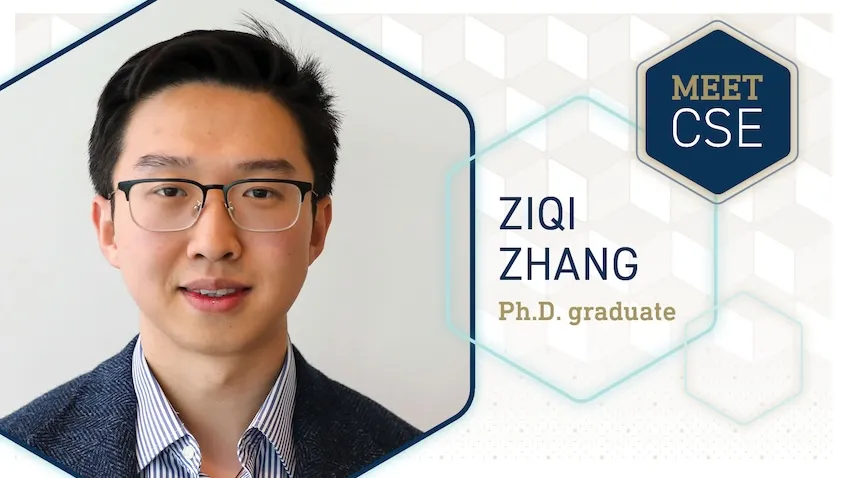
Ph.D. student Ziqi Zhang has built a career blending machine learning with single-cell biology. His work helps scientists study cellular mechanisms that advance disease research and drug development.
Though decorated with awards and appearances in leading journals, Zhang will achieve his greatest accomplishment tonight at McCamish Pavilion. He will join the Class of 2025 in walking across the stage, receiving diplomas, and graduating from Georgia Tech.
Before he “gets out” of Georgia Tech, we interviewed Zhang to learn more about his Ph.D. journey and where his degree will take him next.
Graduate: Ziqi Zhang
Research Interests: Machine learning, foundational models, cellular mechanisms, single-cell gene sequencing, gene regulatory networks
Education: Ph.D. in Computational Science and Engineering
Faculty Advisor: School of CSE J.Z. Liang Early-Career Associate Professor Xiuwei Zhang
What persuaded you to study at Georgia Tech?
I chose Georgia Tech because it is one of the top engineering institutions in the United States, known for its strength in machine learning and data science. The university offers exceptional research resources and the opportunity to work with leading scholars in my field. Georgia Tech also has very good research infrastructure. The Coda Building is one of the most well-designed and productive research environments I have experienced. Having access to such a space has been a genuine privilege.
How has working on your CSE degree helped you so far in your career?
Working toward my CSE degree has been instrumental in my career development. As an interdisciplinary program, CSE has equipped me with strong computational skills while also deepening my understanding of key application domains. This breadth of training has opened more opportunities during my job and internship searches. In addition, CSE community events, such as HotCSE, the weekly coffee hour, and faculty recruiting activities, have helped me strengthen my scientific communication skills, which are essential for my long-term career growth.
What research project from Georgia Tech are you most proud of?
My favorite research project was scMoMaT, a matrix tri-factorization algorithm for single-cell data integration. I invested a significant amount of time and effort into this work, iterating on the model many times. I’m very proud that it ultimately evolved into a clean, robust, and elegant algorithm.
What advice would you give someone interested in graduate school?
It is important to find an advisor who is supportive and genuinely invested in your career development. A Ph.D. is not an easy journey, and you will inevitably encounter challenges along the way. Having an advisor who can provide thoughtful guidance and dedicated mentorship is one of the most crucial factors in helping you navigate those difficulties.
What is your most favorite memory from Georgia Tech?
CSE’s new student campus visit day every year was one of my favorite times of the year. It was always fun to meet new people, have good food, and enjoy the beautiful view from the Coda rooftop.
What are your plans after graduation?
I plan to keep working in academia after graduation. I’m on the job hunt, currently applying for positions and preparing for interviews.
News Contact
Bryant Wine, Communications Officer
bryant.wine@cc.gatech.edu
GT alumnus Vijay Balasubramaniyan (PhD CS 2011) is CEO and co-founder of Pindrop Security.
In 2024, a finance worker in Hong Kong was duped into attending a meeting with four co-workers – or so he thought. What he didn’t know was that all four were scammers, using deep-fake video to deceive him. In the end, he wired them $25 million.
“We used to get about one deepfake a month at the beginning of 2023,” said Vijay Balasubramaniyan (PhD CS 2011), CEO and co-founder of Pindrop Security. “Now we’re seeing seven deep-fake attacks per customer every day.”
Balasubramaniyan founded his business in 2011, based on research he did as a Ph.D. student with his advisor, Mustaque Ahamad. Initially, the focus was on detecting deception in voice calls, with banks being the primary customers.
Then two events happened—first, the pandemic. Suddenly, doing business over the phone became more popular than in-person, and the demand for Pindrop’s services grew in healthcare, retail, and beyond.
Second, generative artificial intelligence. Seemingly overnight, almost anyone could use AI to imitate nearly anyone else.
“That has been by far the biggest tailwind for Pindrop,” Balasubramaniyan said. “Everything requires strong identification and strong security.”
The company built its first deepfake protection product eight years ago and has been building on it ever since.
Pindrop recently raised $100 million from investors to expand its deepfake video detection business. The company’s next product is a system for detecting deepfakes in live video conference meetings. It will allow businesses to avoid the scenario faced by the finance worker in Hong Kong, as well as others.
“Am I hiring the right candidate?” Balasubramaniyan said. “Or is this person I’m interviewing not who they said they are? I was surprised, but that’s our biggest use case.”
Deepfake Detection
How does a machine tell the difference between a real person and a fake, even when a human can’t?
“Humans pattern-match a lot,” Balasubramaniyan said. “We always look for familiarity in a noisy world. It’s easy to fool a human.”
Pindrop’s products don’t look for similarities, though. They hunt for differences. A voice call, for example, provides 16,000 samples per second for the programs to analyze.
“We’re able to pick up so many variances,” Balasubramaniyan said, “and there are so many places for these generative AI systems to make a mistake.”
Pindrop can not only identify fraudulent voice calls, but also which system was used to create them.
“I’ve been surprised by how fast hackers have started using deepfakes in their operations,” Balasubramaniyan said. He gave the example of a fraud that the companies follow, a man named Williams.
“Williams is a guy out of West Africa,” he said. “For the longest time, he’d employ 12 different people, and all day they would dial for dollars.
“We started seeing Williams replace each of those 12 people with a large language model combined with a text-to-speech system. Now that AI has full-blown conversations with people, they can’t tell the difference. And the bots don’t sleep – they work 24 hours.”
Roots at Tech
Because Balasubramaniyan’s company grew out of his Ph.D. research, he has remained connected to the GT Computing community. He still regularly talks to faculty, especially Ahamad, who has a stake in Pindrop.
“Vijay’s Ph.D. research was of the highest quality, and the Pindrop paper was published in one of the top-tier security conferences,” said Ahamad, professor and interim chair of the School of Cybersecurity and Privacy.
“However, because of his work experience before coming to Georgia Tech, he also focused on the real-world relevance of his research, which led to the launch of Pindrop Security. He is a great example of impactful research that students conduct in our laboratories.”
Balasubramaniyan says he likes to hire fellow alumni.
“Georgia Tech is a great school for our research teams to hire from,” he said.
He and his wife have also endowed a scholarship at Tech. Both are immigrants, and “we want to help other people who have big dreams and small pockets.”
“A lot of these folks, we talk to them, we tell them what we see in the market, we open our networks to them. We’re very fortunate that Georgia Tech allows us to participate in such a meaningful way.”
He thinks Tech is better at generating great talent than many other programs, precisely because it isn’t in Silicon Valley.
“Because we sit here in the South and Atlanta, the ideas we come up with aren’t the latest fad. They’re rooted in great science or great tech. We’re naturally great thinkers because we aren’t fad-chasers.”
News Contact
Ann Claycombe
Communications Director
Georgia Tech College of Computing
claycombe@cc.gatech.edu