
May. 22, 2026
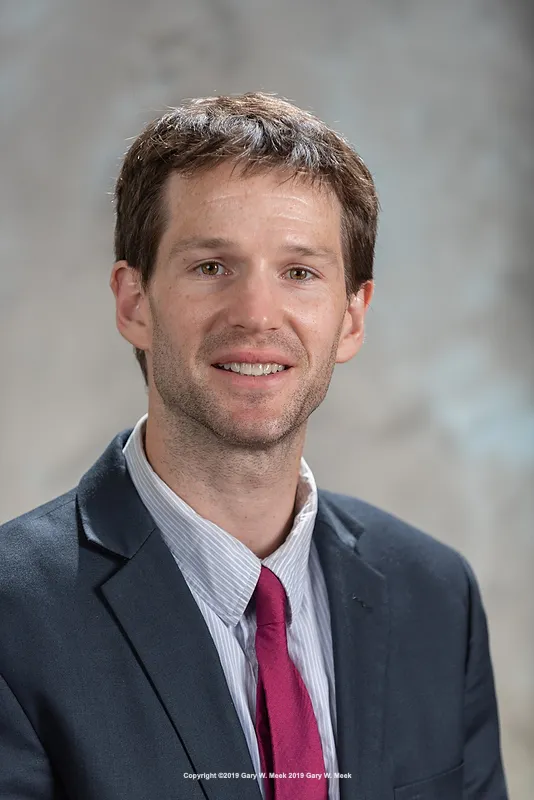
A man with brown hair and a short beard smiles for a portrait while wearing a dark blue suit and red tie.

John Blazeck, associate professor in Georgia Tech's School of Chemical and Biomolecular Engineering (ChBE), has won a 2026 Faculty Early Career Development (CAREER) Award from the National Science Foundation (NSF).

The CAREER Award is the NSF’s most prestigious award in support of junior faculty who exemplify the role of teacher-scholars through outstanding research, excellent education, and the integration of education and research within the context of the mission of their organizations.

Blazeck will receive $647,941 over five years for “Creating and evolving antibodies from scratch in yeast.”

Antibodies are key proteins of the immune system that help fight disease. In people, immune cells called B cells create antibodies and then evolve them. B cells take months to do this, which makes it difficult to study antibody creation and evolution, Blazeck explained.

His CAREER project will design a method to evolve antibodies “from scratch” in yeast, which will open new avenues for exploring antibody creation, evolution, and function. 

Read the full story on the School of Chemistry and Biomolecular Engineering's website

News Contact

News Contact

Brad Dixon, Communications Manager

School of Chemical and Biomolecular Engineering

May. 18, 2026
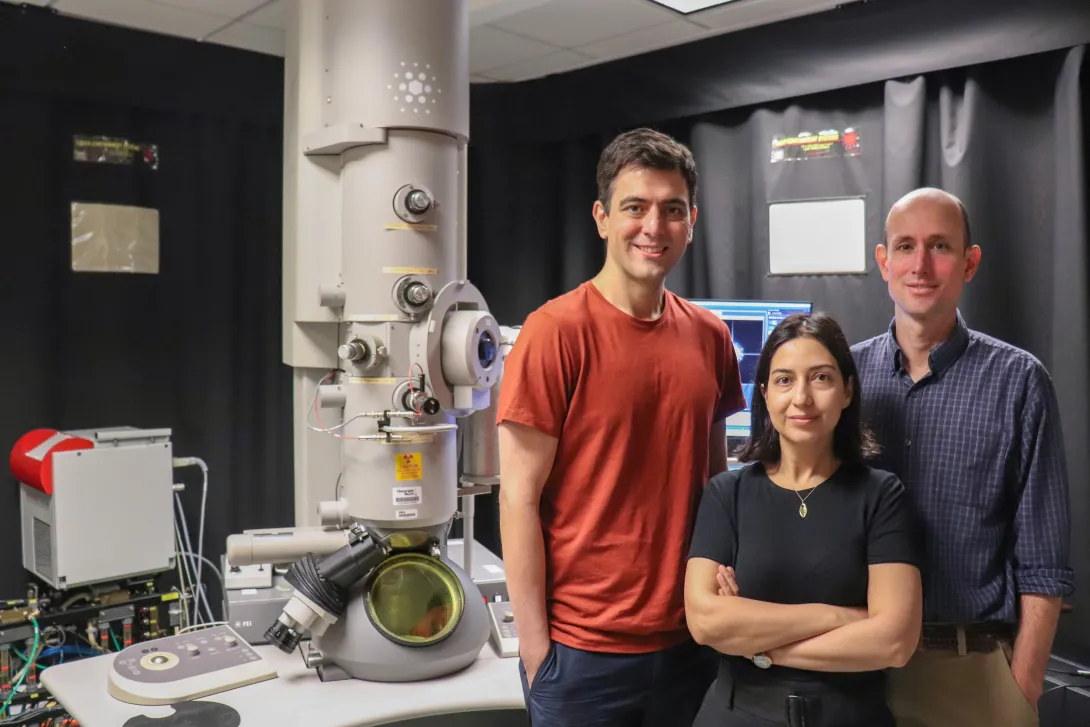
Vida Jamali, assistant professor the School of Chemical and Biomolecular Engineering; Amirali Aghazadeh, assistant professor in the School of Electrical and Computer Engineering; and Josh Kacher, associate professor in the School of Materials Science and Engineering.  Photo courtesy of Amelia Neumeister; Georgia Institute of Technology

A photo of Vida Jamali, assistant professor the School of Chemical and Biomolecular Engineering; Amirali Aghazadeh, assistant professor in the School of Electrical and Computer Engineering; and Josh Kacher, associate professor in the School of Materials Science and Engineering standing in front of a TEM at Georgia Tech.

Scientific discovery is often portrayed as the result of long hours alone in a lab, but true science is inherently collaborative. The most robust experimental processes are developed through partnerships across multiple areas of research. The need for specialized, multidisciplinary teams slows experiment design, execution, data analysis, and process updates, delaying technological validation and deployment. But if the increasingly automated tools scientists already use in the lab could contribute to this team process of experimental design, the timeline for these goals could be greatly accelerated.

This concept of “lab tool as lab assistant” is the premise of a recent paper in npj | Computational Materials titled “Thinking Microscopes: Agentic AI and the Future of Electron Microscopy,” by Vida Jamali, assistant professor the School of Chemical and Biomolecular Engineering; Amirali Aghazadeh, assistant professor in the School of Electrical and Computer Engineering; and Josh Kacher, associate professor in the School of Materials Science and Engineering. 

In the paper, the team introduces the concept of “thinking electron microscopes,” in which agentic AI systems are directly integrated with the instrument. This allows microscopes to move beyond their conventional role as characterization tools and toward functioning as co-scientists for human users.

Drawing on advances in specialized large language models, or LLMs, that demonstrate their ability to collaborate, reason over data, and integrate prior knowledge, the team envisions specialized LLM-based agents assigned to specific roles and areas of knowledge expertise. By explicitly incorporating domain knowledge into specialized agents and distributing information across multiple agents with focused expertise, the approach enables parallel evaluation of competing hypotheses, clearer separation of roles — such as planning, simulation, and critique — and more transparent and robust reasoning.

Within the experimental pipeline, these agents can analyze materials’ properties, physical data, chemical processes, and other relevant parameters. They could also collaborate with an agent that specializes in experimental design, refining iterative closed-loop experimentation, and real-time scientific discovery.

Although the research focuses on AI collaboration, the team notes that human researchers must retain accountability for the accuracy and integrity of both the experimental process and the results reported. This oversight begins with advocating for greater open access to research materials in all formats, building community-driven data repositories, and adopting standardization in how experimental parameters and metadata are reported. Equally important, researchers should be willing to report data from failed experiments as well as successful outcomes. Finally, organizations should work together to standardize secure APIs that enable shared, remote access to infrastructure across distances.

We see this as a step toward scientific instruments that do more than acquire data; systems that can reason over experiments, adapt measurements, and participate in the scientific discovery process alongside researchers. - Vida Jamali, assistant professor the School of Chemical and Biomolecular Engineering

The team is already developing these systems by connecting cloud-based, agentic infrastructures to microscopes at the Institute for Matter and Systems at Georgia Tech. With the addition of agentic AI, the goal is to accelerate discovery and engineering of new nanoscale materials for energy and quantum applications, as well as advance capabilities in cryo-electron microscopy and structural biology. These tools can optimize data collection, link real-time microscope observations with structural models of proteins, and dynamically adjust and prioritize experiments. The team sees this work as the first step toward the next generation of “thinking” electron microscopes, as well as an advancement in scientific discovery across domains. 

 - Christa M. Ernst

This research is supported by the Institute for Data Engineering and Science and the Institute for Matter and Systems

Original Publication
Jamali, V., Aghazadeh, A. & Kacher, J. Thinking microscopes: agentic AI and the future of electron microscopy. npj Computational Materials 12, 149 (2026). https://doi.org/10.1038/s41524-026-02077-y

News Contact

News Contact
Christa M. Ernst - Research Communications Program Manager | Klaus Advance Computing Building 1120E | 266 Ferst Drive | Atlanta GA | 30332 | christa.ernst@research.gatech.edu
May. 08, 2026
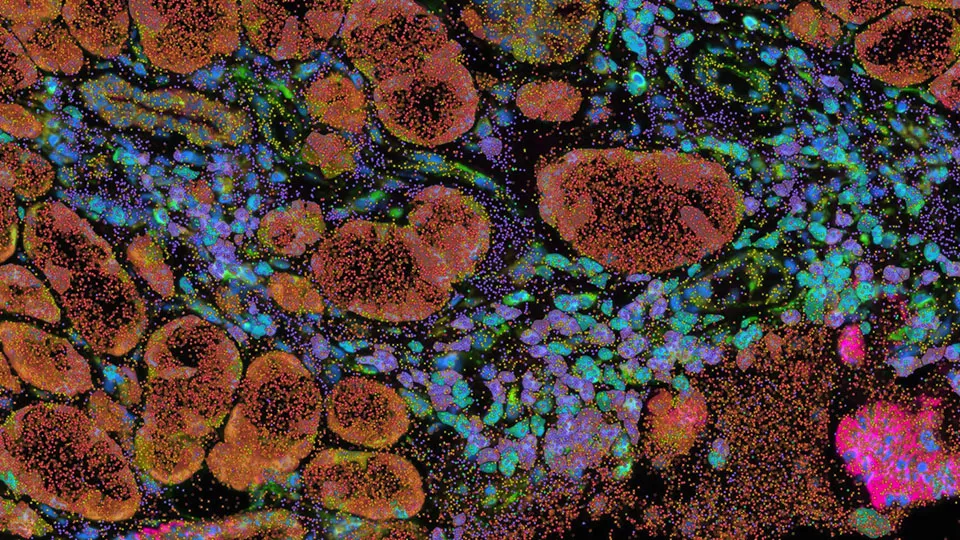
Images of fluorescent cells in orange, blue, purple, pink, and green are shown on a black background.

The Parker H. Petit Institute for Bioengineering and Bioscience (IBB) at Georgia Tech has launched the Spatial Omics and Data Analytics (SODA) Center, a new interdisciplinary research hub advancing the next frontier of biomedical discovery. 

The center is co-directed by Ahmet Coskun, Bernie-Marcus Early-Career Professor and Associate Professor in the Wallace H. Coulter Department of Biomedical Engineering, and Xiuwei Zhang, J.Z. Liang Early Career Associate Professor in the School of Computational Science and Engineering

The rapidly growing field of spatial omics is a way to study lipids, genes, proteins, and other biological molecules while keeping track of where they are in tissue. This can allow researchers to determine how cells interact with their native environment, providing potentially critical information for the treatment of cancer and other diseases.  

The SODA Center envisions a future where spatial omics is used to help researchers understand biological function through their precise spatial and temporal relationships within tissues and organs, rather than solely through molecular components. By integrating expertise in biomedical engineering and computational science, the center seeks to transform raw spatial omics data into predictive models of health and disease. 

Through the development of next-generation analytical methods, computational tools, and open-source resources, SODA aims to empower researchers to map the cellular and molecular architecture of life with unprecedented resolution and translational impact. The center’s broader goal is to establish Georgia Tech as a global leader in spatial omics research. 

To build community and foster collaboration, the center is launching the SODA Synergy Seminar Series, beginning May 15 from 12–1 p.m. in the Krone Engineered Biosystems Building, CHOA Seminar Room. This series will bring together researchers across disciplines to share emerging discoveries and accelerate innovation in spatial omics and data analytics. 

The SODA Center represents a major step forward in uniting data science and bioengineering to unlock new insights into complex biological systems. 

News Contact

News Contact

Ashlie Bowman | Communications Manager

Parker H. Petit Institute for Bioengineering and Bioscience

Apr. 24, 2026
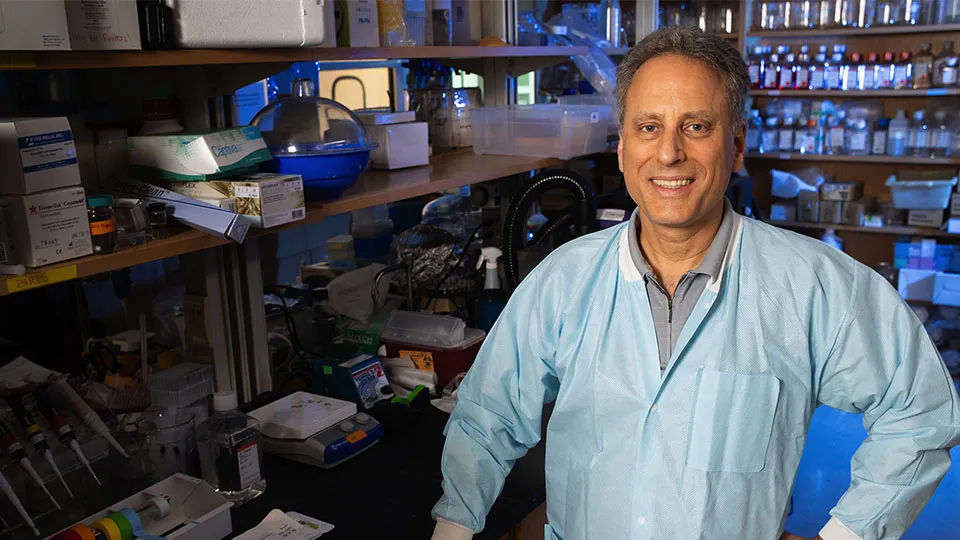
A man in a light blue lab coat standing at a laboratory bench with pipettes, containers, and scientific supplies on shelves behind him.

When Mark Prausnitz talks about his work as a professor, researcher, and entrepreneur, one theme comes through clearly: collaboration. 

Prausnitz, a Regents’ Professor, Regents’ Entrepreneur, and J. Erskine Love Jr. Chair in the School of Chemical and Biomolecular Engineering, is this year’s recipient of the Class of 1934 Distinguished Professor Award. 

“While I may be the focal point, it’s not a recognition of me as an individual. It’s a recognition of everything the team has done,” Prausnitz said. “I know how to do some things, but there are many things I don’t know how to do. That’s why working with others matters. You bring people together, fill in the gaps, and solve the whole problem.” 

The “some things” Prausnitz knows how to do have led to revolutionary medical innovation over a 30-year career at Georgia Tech, where he has led transformative work in microneedle drug delivery, launching 10 companies in the process. 

During that time, Prausnitz published hundreds of peer-reviewed papers, was granted dozens of patents, and advanced his work from early laboratory studies into more than 20 human clinical trials. His research has produced multiple FDA‑approved or clinically tested technologies. 

Understanding Prausnitz’s success starts with his approach to engineering in practice. Science may begin with discovery, but engineering, as he describes it, focuses on taking something uncertain and making it work. 

“One of the things that really distinguishes engineering from science is the work of problem-solving to reach an answer,” he said. “You start with something diffuse and figure out how to put all the pieces together. That to me is a hallmark of engineering.” 

That way of thinking took shape early in his life. 

Read the full story.

News Contact

News Contact

Julian Hills | Executive Communications Specialist

Institute Communications

Apr. 23, 2026
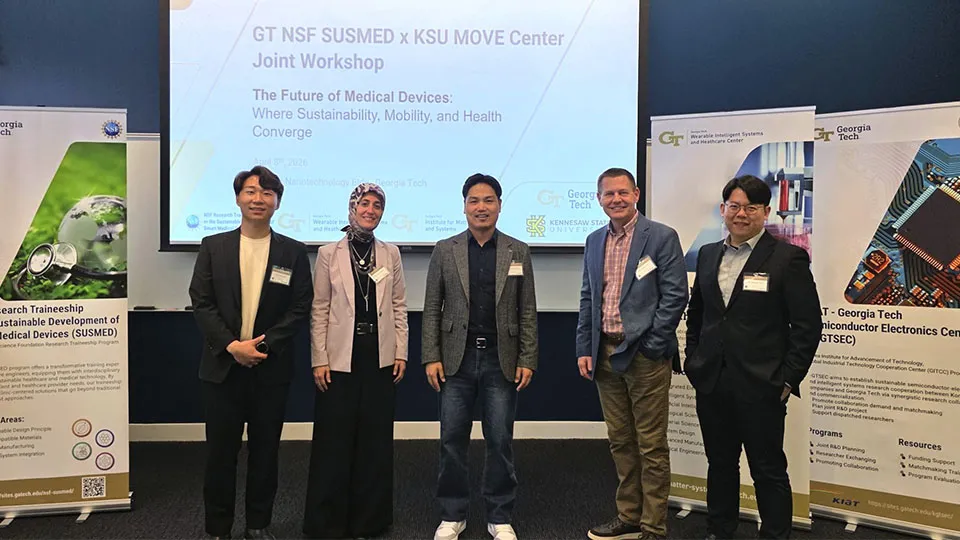
Six workshop organizers stand in front of a projected slide reading “GT NSF SUSMED x KSU MOVE Center Joint Workshop,” with Georgia Tech and Kennesaw State University banners visible on both sides.

Students, faculty, and researchers from Georgia Tech and Kennesaw State University gathered on April 8 for a joint workshop between Georgia Tech's NSF Sustainable Development of Smart Medical Devices (SUSMED) program and KSU's Mobility for Everyone (MOVE) Center. The full-day event explored how sustainable design, mobility science, and health technologies are converging to shape the next generation of medical devices.  

Hosted in Georgia Tech’s Marcus Nanotechnology Building, the workshop brought together trainees from the NSF SUSMED program and students from the MOVE Center for a day of presentations, posters, and hands‑on demonstrations.  

The event was co‑led by Hong Yeo, Peterson Professor in Pediatric Research in the George W. Woodruff School of Mechanical Engineering at Georgia Tech; Karam Kim, research faculty at the same school; and Ayse Tekes, associate professor in Mechanical Engineering at KSU.  

“I am thrilled to have hosted this first joint event between the NSF NRT in the WISH Center at Georgia Tech and the KSU MOVE Center. When I first envisioned it, I hoped it would spark meaningful conversations between students and researchers — but what unfolded far exceeded every expectation,” Yeo said. “This was not just a gathering; it was a launchpad for exciting new collaborative projects, dynamic student exchange programs, and bold, ambitious bets on the future of our field. A heartfelt thank you to IMS Director Eric Vogel, Josh Lee, the WISH Center program manager, and Karam Kim, research faculty extraordinaire — none of this would have been possible without their support.”  

A central goal of the workshop was to give students meaningful opportunities to present their research and engage with peers across disciplines. According to Tekes, who is the director of the MOVE Center, events like this play a critical role in shaping early career researchers.  

“I think these events are very eye-opening,” Tekes said. “They give students a real opportunity to showcase their results, but also to collaborate and learn about research outside their own area. Seeing work across disciplines sparks new questions and helps them think differently.”  

Throughout the day, students presented projects on wearable devices, mobility technologies, digital health tools, sustainable engineering approaches, and more. Tekes emphasized how valuable it is for students to practice communicating their work to a broad audience.  

“They are getting the practice to present their outputs — the key outcomes of their research — and explain the significance and importance,” she said. “They’re also learning to answer questions from different perspectives, because in this room you’re seeing engineers, computer scientists, and clinicians.”  

Due to the strong turnout and enthusiastic participation throughout the day, organizers are already planning another session next semester. By bringing together diverse expertise from both schools, the event highlighted the shared commitment to developing medical technologies that improve mobility, health, and quality of life.   

Funding sources: NSF NRT-FW-HTF: NSF Traineeship in the Sustainable Development of Smart Medical Devices (Award # 2345860) and WISH Center grant from the Institute for Matter and Systems 

News Contact

News Contact

Ashlie Bowman | Communications Manager

Parker H. Petit Institute for Bioengineering and Bioscience

Written by Scarlett Smith

Apr. 22, 2026
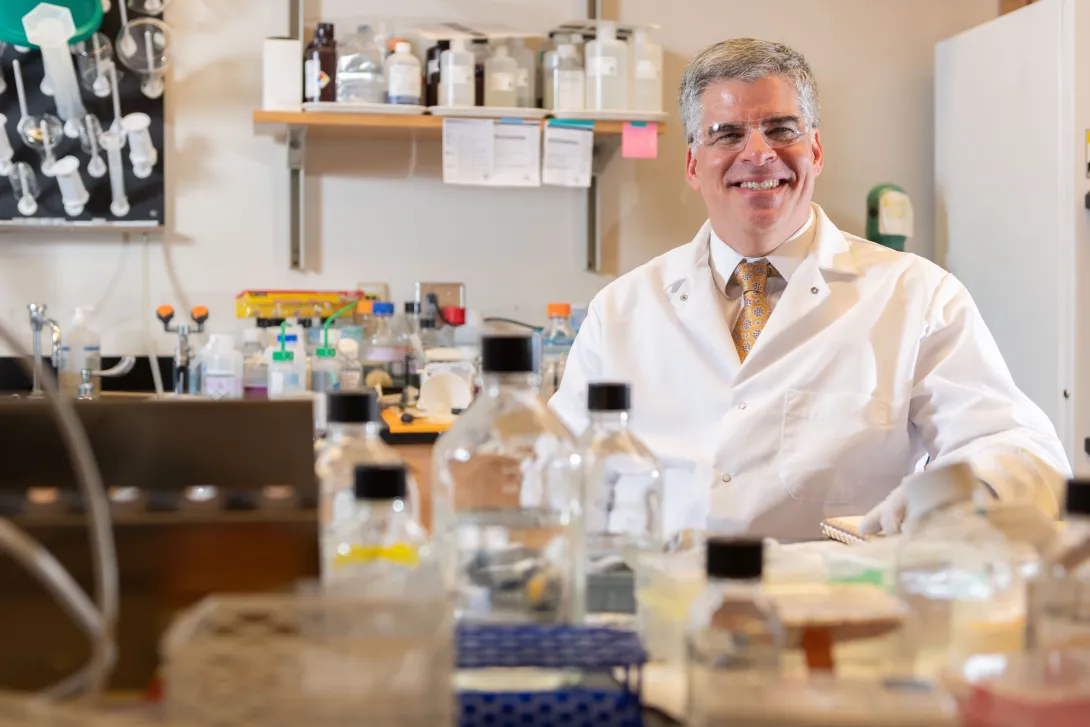
A man with silver hair wears a white lab coat, white shirt, and gold tie will sitting behind a lab bench with research equipment on top of it.

Andrés J. García

Georgia Tech researcher Andrés García has been elected to the American Academy of Arts and Sciences, joining an honorary society that includes Benjamin Franklin, George Washington, Albert Einstein, and Martin Luther King Jr.

The Academy recognizes leaders across fields of study who have addressed humanity’s greatest challenges while also gathering knowledge to advance learning and the public good. This year’s class of 252 honorees was elected in academia, the arts, industry, journalism, philanthropy, policy, research, and science.  

García is one of nine honorees in the “Engineering and Technology” division. His research — both in the George W. Woodruff School of Mechanical Engineering where he serves as Regents’ Professor and in the Parker H. Petit Institute for Bioengineering and Bioscience where he is the executive director — aligns with the Academy’s service-minded mission.  

“I am inspired to find engineering solutions to serious health conditions to help people,” he said. “As a kid, I developed a musculoskeletal condition that required biomaterial devices to treat. Although imperfect, this treatment allowed me to lead a normal life.” 

Moved by his personal experience, García’s research centers on cellular and tissue engineering, which integrate biological and engineering principles to restore organ function lost to injury or disease. By studying how cells interact with the materials around them, he and his team have engineered biomaterials for the controlled delivery of therapeutic proteins and cells that enhance tissue regeneration, which could speed the healing process for patients.  

His future work will integrate biomaterials with lab‑grown replicas of human organs, known as organoids, that can be used to identify new therapies for a variety of human diseases. These organoids, though smaller and simpler than true organs, can mimic key functions that may help García and his team to find better ways to repair damaged tissues. 

García has spent the past 27 years at Georgia Tech and carries on the legacy of another Academy member — the Petit Institute’s founding executive director Robert Nerem, who was inducted in 1998. García credits his success to the support of his loved ones and the Yellow Jacket community.  

“I am deeply honored and humbled,” he said. “This award is only possible by the unending love and support of family, friends and mentors, my phenomenal past and present trainees, fantastic collaborators, and awesome ecosystem at Georgia Tech.” 

The Academy was chartered in 1780 during the American Revolution by a group that included John Adams and John Hancock. It was established to recognize accomplished individuals and engage them in addressing the greatest challenges facing the young republic. 

Membership has broadened over the years to celebrate excellence in a variety of fields. Honorees have included poet Robert Frost, musician John Legend, and chef José Andrés, who was given this year’s Ivan Allen Jr. Prize for Social Courage.  

García and the rest of this year’s class, which includes actor Jodie Foster, will be inducted in October.  

News Contact

News Contact

Ashlie Bowman
Parker H. Petit Institute for Bioengineering and Bioscience
Georgia Tech

Jason Maderer
College of Engineering
Georgia Tech

Apr. 17, 2026
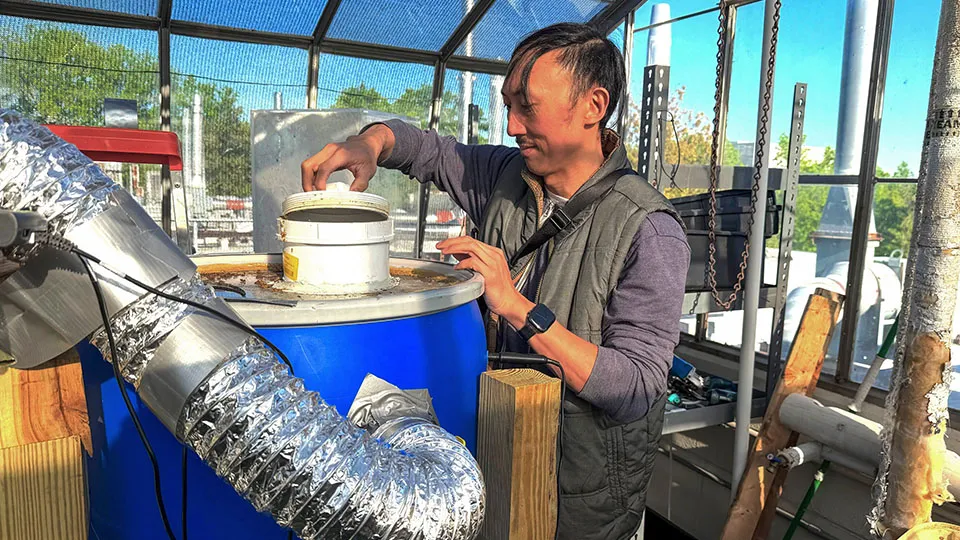
A male researcher opens the top of a blue barrel that is part of a composting system inside a greenhouse

It’s not glamorous. It’s not trendy. In fact, it’s downright grubby. But the work that a Georgia Tech researcher and his students are doing is improving campus sustainability, one pound of food waste at a time. 

David Hu, a professor in the George W. Woodruff School of Mechanical Engineering and the School of Biological Sciences, gave his senior-level biology class this semester a unique assignment: Feed food waste to black soldier fly larvae, collect the organic byproduct (called “frass”), and analyze the results. What they’ve found so far is a composting method with the potential to dramatically reduce harmful greenhouse gas emissions while producing a nutrient-dense fertilizer. 

“There’s something special about these grubs,” said Hu, who is also a faculty member within the Parker H. Petit Institute for Bioengineering and Bioscience. “They smell, and they’re kind of ugly, but they process food extremely efficiently. When we feed them, they eat twice their body weight, finish that in five hours, and you can do it again the next day. Traditional composting could never be that fast.” 

Using a unique closed-loop system pioneered by private-industry partner and early-stage startup Biotechnica, the larvae eat their way through more than 300 pounds of food in one semester, creating valuable frass that students harvest. When the larvae mature into adults, they fly into a shared chamber to reproduce, make more grubs, and start the process over again.  

“You can get a turnaround from food waste to frass in a day or two, and then from the raw frass to our ground-up frass that we use for our plants,” said Mikkelle Peters, a fourth-year biology major in Hu’s class. “It’s just a much quicker process to get rid of the food waste.” 

Feeding and studying an army of larvae that can eat more than 10 gallons of food a day keeps Hu’s students busy. The solution? Divide and conquer. 

The first group in the process gathers and grinds food scraps to feed the grubs, then collects the frass they produce. The next group mixes the frass with soil and analyzes its chemical makeup, comparing its nutrient density to commercial fertilizers. A third group uses the fertilized soil to grow vegetables like arugula and radishes that are measured against plants grown using synthetic fertilizer. The final two groups observe the environmental conditions that affect productivity and analyze the grubs’ digestion to uncover the secrets to their success. 

More testing will need to be done on outdoor farms to provide rigorous results. Data over the past few semesters were, at times, inconsistent. But the students’ projects reveal a lot of promise for future experiments. Despite limitations to the study, including a small sample size and minor instrument malfunction, the students have been able to find helpful nutrients in their product and grow certain crops more successfully with frass than with commercial fertilizer. Unlike chemically based products or some traditional composts that need to be specially treated, black soldier fly frass is organic and easily processed. 

“A lot of fertilizers can cause harmful runoff, and they can change soil balances over time,” Peters said. “Frass is a natural product, has more fibrous material, and has a lot more organic compounds.” 

In addition to the science that the students are exposed to, Hu said it is also eye-opening for them to see the work of sustainability. The project is an excellent case study for how a small group can make a big impact. 

“The students have learned a lot,” Hu said. “For one of the activities, we had them bring in their own food waste from home to feed the composter. They realized that a person makes pounds of waste per day.” 

According to the Office of Sustainability, the campus produces about 400 tons of food waste per year. Although Georgia Tech boasts one of the largest commercial composters on an urban campus in the Southeast, the machine can only process 175 tons per year. That leaves a gap that Hu said his research might one day be able to fill. 

“Right now, it’s working,” he said. “We want to expand and see if it can work some more. The big issue is visibility, getting people to know that what we’re doing is good. Because in some ways, saving the planet takes energy.” 

One of the main energy sources for the experimental composter is something Hu hopes to reduce: manpower. With a campus the size of Georgia Tech’s, it’s a very labor-intensive process for students to collect food waste from campus partners. Hu hopes that more community members will volunteer, not only to collect food, but also to improve the system. 

“We need people power — people willing to volunteer to move, because right now, campus produces a lot of waste in different places,” he said. “And we also need biologists and engineers and computer scientists. We need people to make this system more well-engineered.” 

Although the current black soldier fly composter still has some flaws, Hu said his goal is to create an affordable, climate-friendly food waste recycling system that can scale up to support U.S. agriculture. By solving problems at the local level, his research is potentially removing economic and operational barriers to sustainability. But, according to Hu, the final step to long-term success is community involvement. 

“In the end, we need people who care,” Hu said. “It doesn’t take that much effort to do a little bit, and a little bit can go a long way.” 

News Contact

News Contact

Ashlie Bowman | Communications Manager

Parker H. Petit Institute for Bioengineering and Bioscience

Apr. 07, 2026
 AI and machine learning provide new tools for scientists to think about drug discovery. gorodenkoff/iStock via Getty Images

AI and machine learning provide new tools for scientists to think about drug discovery. gorodenkoff/iStock via Getty Images

In December, The Conversation hosted a webinar on AI’s revolutionary role in drug discovery and development.

Science and technology editor Eric Smalley interviewed Jeffrey Skolnick, eminent scholar in computational systems biology at Georgia Institute of Technology, and Benjamin P. Brown, assistant professor of pharmacology at Vanderbilt University.

Skolnick has developed AI-based approaches to predict protein structure and function that may help with drug discovery and finding off-label uses of existing drugs. Brown’s lab works on creating new computer models that make drug discovery faster and more reliable. Below is a condensed and edited version of the interview.

Let’s start with the big picture. How is AI changing biomedical research and drug discovery, and what is the potential we are talking about?

Skolnick: The upside, potentially, is very large. One of the frustrating things about drug discovery is that, in spite of the fact that the people doing it are extraordinarily intelligent and have done an extraordinarily good job, the success rate is very low. About 1 in 5 drugs will have negative health effects that outweigh its benefits. Of the ones that pass, roughly half don’t work.

In drug development, there are several key issues: Can you predict which target is driving a particular disease? Once this target is identified, how can you guarantee the drug is going to work and isn’t simultaneously going to kill you?

These are outstanding problems in drug discovery in which AI can play an important, though not 100% guaranteed, role. Unlike us, AI can look at basically all available knowledge. On a good day it makes strong and true connections called “insights,” and on a bad day it does what is called “hallucinating” and sees things that are weak and probably false.

Eric Smalley interviews Jeffrey Skolnick and Benjamin P. Brown.

At the end of the day, many diseases do not have a cure. Most diseases are maintained, such as high cholesterol or autoimmune conditions. A treatment for cancer might buy you five years, and now you’re in Stage 4 and you’ve exhausted all the standard care drugs. AI can play a role to suggest alternatives where there are none.

Let’s give some basic definitions here. When we use the word drug, we’re talking about a wide range of therapies. Can you explain the range – we’ve got small molecule drugs, biologics, gene therapies, cell therapies.

Brown: We have fairly large molecules in our bodies called proteins. They are like machines that carry out specific functions and interact with one another. Oftentimes, when we’re trying to treat disease, we’re trying to alter functions of specific proteins. Many drugs, like aspirin and Tylenol, are small molecules that can fit into a protein and change its function. Fundamentally, drugs don’t have to just interact with proteins, but this is a major way in which our current repertoire of medications work.

There are also proteins that act like drugs, such as antibodies. When you receive a vaccine for a virus, your body is basically given instructions on how to develop antibodies. These antibodies will target some part of that virus. Your body is creating these big molecules, much bigger than aspirin, to go and interact with foreign proteins in a different way. Gene therapy is a larger step beyond that.

So these modalities – molecule, protein, antibody or gene – are very different types of molecules. They have different scales and rules, so the way you approach designing and discovering them various widely.

Can you briefly explain artificial neural networks, and what the “deep” in deep learning means?

Skolnick: AlphaFold, developed by DeepMind, involved understanding how neural networks worked. They built a network with a lot of inputs, which are stimuli, and outputs with different weights, similar to how your brain actually works. These simple connections, or neurons, have reinforcement learning.

They also created sophisticated neural networks, such as transformers, which do specific things like a special-purpose tool that can learn, and they added a mechanism called “attention,” which amplifies critical details. Super neural networks with transformers is what we call deep learning. These now have literally billions, if not trillions, of parameters.

Essentially, these machines can learn higher order correlations between events, meaning the patterns of conditional interactions that depend on the properties of multiple things simultaneously. In these higher order correlations, AI has the potential to see previously unknown things that are embedded in petabytes (a unit of data equivalent to half of the contents of all U.S. academic research libraries of biological data.

AlphaFold, which predicts three-dimensional, bioactive forms of a protein, has millions of sequences and a couple of hundred thousand structures. It can tell you, based on a particular pattern, what small molecule to design that sticks to a protein to induce some kind of structural shift.

How is this technology being used in biomedical research to understand molecular dynamics or, essentially, the biological processes involved in health and disease?

Brown: In 2013, there was a Nobel Prize for molecular dynamics simulations, computational tools that help you understand the motions of molecules as they move according to physics. There’s a huge body of scientific research built around those ideas.

AI and deep learning are large right now, but it’s worth mentioning that for the last decade and a half, people have been using much smaller machine learning algorithms to help design drugs. A lot of the ideas, such as [using machine learning for virtual screening], are not new and have been in practice for a while.

With AlphaFold’s technologies to help people design proteins and predict their structure, we’ve changed how we think about a lot of these problems. We have this new repertoire of approaches to build ideas around and to start thinking about drug discovery.

From 20 years ago to now, what has today’s AI technology done in terms of scale of change in this process?

Skolnick: A lot of diseases, like cancers, are caused by a collection of malfunctioning proteins. AI now allows us to start to think conceptually about how these diseases are organized and related to each other.

Diseases tend to co-occur. For example, if you have hyperthyroidism, you’re very likely to develop Alzheimer’s. Kind of weird, right? We can look at pieces, but AI can look at all the information, integrate the collective behavior and then identify common drivers. This allows you to construct disease interrelationships which offer the possibility of broad spectrum treatments that could treat whole collections of diseases rather than narrow-spectrum treatments.

Relatedly, AI also can help us understand disease trajectories. Diseases that tend to co-occur often present themselves consecutively. You have disease 1, it gives you disease 2, then gives you disease 3. This suggests that if you go back to the root with disease 1, you may be able to stop a whole bunch of stuff. You can’t analyze millions of trajectories and millions of data without a tool, so you couldn’t do this before.

This holds a lot of promise, but one also must be careful not to overpromise. It will help, it will accelerate, but it is not a substitute yet for real experiments, real clinical validation and trials.The Conversation


This article is republished from The Conversation under a Creative Commons license. Read the original article.
News Contact

News Contact
Authors:

Jeffrey Skolnick, Regents' Professor; Mary and Maisie Gibson Chair, and GRA Eminent Scholar in Computational Systems Biology, Georgia Institute of Technology  

Benjamin P. Brown, Assistant Professor, Department of Pharmacology, Vanderbilt University

Media Contact:

Shelley Wunder-Smith
shelley.wunder-smith@research.gatech.edu

Apr. 13, 2026
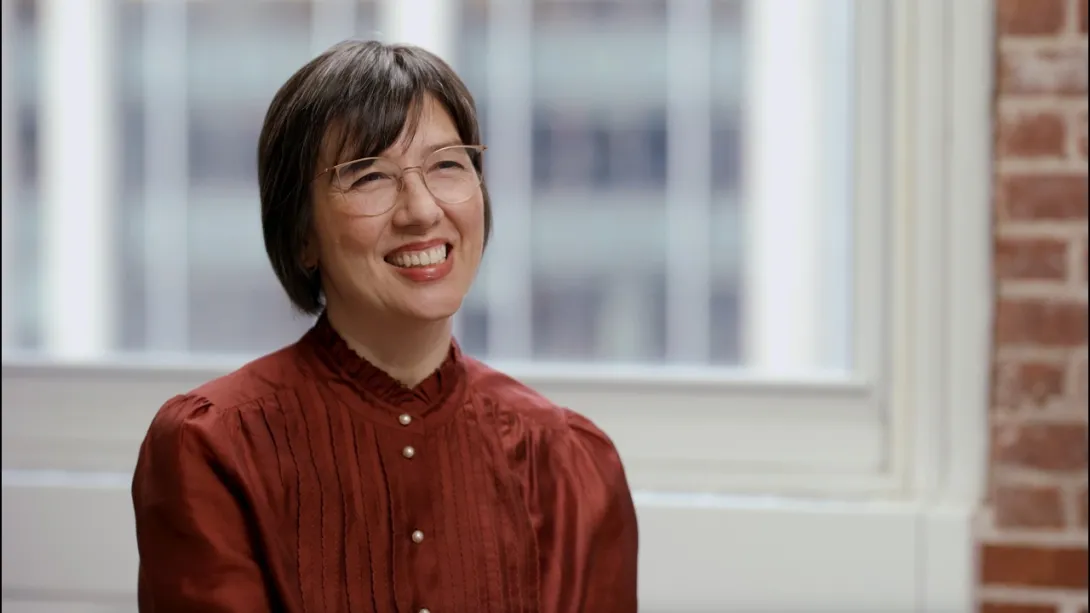
Karen Rommelfanger smiling in a warmly lit room. A window and brick wall are visible behind her.

Karen Rommelfanger recently joined Georgia Tech as a professor of the practice, where she will work with the Institute for Neuroscience, Neurotechnology, and Society to embed neuroethics into Georgia Tech’s research and technology development ecosystem. Photo via the Dana Foundation.

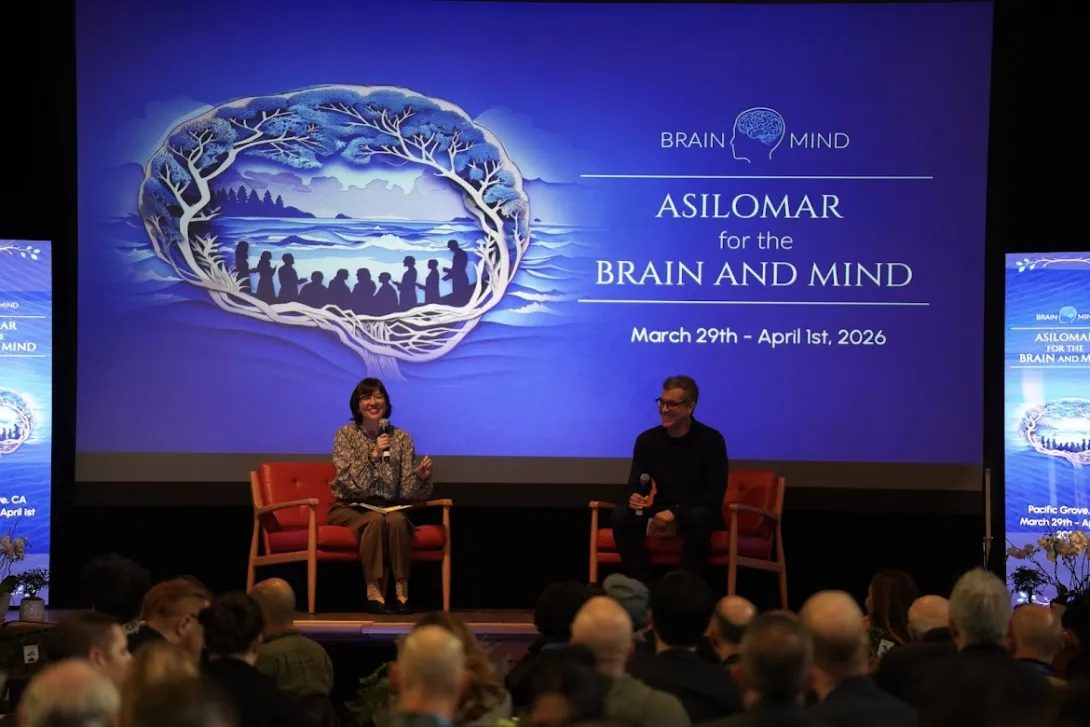
Seated on the left, Karen Rommelfanger speaks on a panel at the 2026 Asilomar for the Brain and Mind conference. Panelists sit on stage in front of a large screen displaying the conference name, dates, and a brain-themed graphic, with an audience visible in the foreground.

Karen Rommelfanger (left) is a leading voice in neuroethics, with years of experience bridging neuroscience, technology development, ethics, and public policy to address the societal impacts of emerging brain technologies.

Artificial intelligence has been touted as the most transformative technology of our time. With only a few years of mainstream use, it’s changed how we work and communicate, generated billions of dollars in investments, and sparked global debate. But according to leading neuroethics expert Karen Rommelfanger, the race isn’t over yet. 

“Can you think of a more transformative technology than one that intervenes with the fundamental organ that drives your experience in the world?” 

That fundamental organ is the brain.  

Technologies interfacing directly with the brain have been reserved for treating severe injury or disease for decades. Now, neurotechnology is expanding into brain-responsive wearables meant to enhance, augment, and monitor everyday life. As these technologies accelerate and AI is incorporated, the question is no longer if neurotechnology will transform society, but how — and who will shape the boundaries. 

These are some of the questions on which Karen Rommelfanger has built her career. Trained as a biomedical researcher and neuroscientist, Rommelfanger went on to found the Institute for Neuroethics, the world’s first think and do tank devoted entirely to neuroethics, public engagement, and policy implementation.  

“The brain is special; it’s central to who we are,” says Rommelfanger, who was also an inaugural recipient of the Dana Foundation Neuroscience and Society Award. “And that means when you intervene with the brain, there are unique responsibilities. The field of neuroethics addresses things like: How do you ensure mental privacy? How do you protect free will? How do you ensure that people have the power to be narrators of their own lives and their cognitive experience?” 

Now, Rommelfanger is joining Georgia Tech’s Institute for Neuroscience, Neurotechnology, and Society (INNS) as a professor of the practice, where she will work to further embed neuroethics into Georgia Tech’s research and technology development ecosystem. 

“Georgia Tech is producing the next generation of neurotechnologists, and Karen’s expertise will help ensure we’re preparing them to think about societal impact as deeply as they think about the technical and scientific aspects of their work,” says Christopher Rozell, executive director of INNS. “Her leadership strengthens the Institute in exactly the way this moment in neurotechnology demands.”  

“Georgia Tech has many, many ways that it leads in the technology ecosystem. But one of the powerful, unique ways it can lead is through neurotechnology,” says Rommelfanger. “I hope that the INNS, given its unique mandate for neuroscience, neurotechnology, and society, can be a lighthouse for these types of conversations.” 

Neuroethics by Design 

From institutional review boards to mandatory responsible research conduct training, ethics are a foundational part of scientific research. But designing neurotechnologies raises ethical challenges beyond the scope of typical training. What happens when discoveries leave the lab and enter people’s lives? 

That question sits at the core of Rommelfanger’s work. She argues it’s a neurotechnologist’s responsibility to recognize and proactively address the need for unique safeguards for privacy, autonomy, and long-term responsibility. Her solution is to move neuroethics upstream, embedding it directly into the research, design, and deployment of neurotechnology through an approach she calls “neuroethics by design.” 

“Neuroethics by design considers ethics as a core criterion where principles can drive innovation with more of a lens toward societal outcomes,” she says — an approach informed by years of advising national-level brain research initiatives and her experience at the intersection of clinical practice and ethics scholarship. 

Rather than treating ethics as a compliance checklist or a post hoc review, neuroethics by design integrates ethical thinking throughout the entire innovation lifecycle, from early ideation and research questions to product requirements, governance strategies, and long-term sustainability. She has used the approach for years as an embedded partner for neurotechnology startups in her neuroethics consultancy, Ningen Co-Lab

After decades as a traditional academic professor and then years advising companies and policymakers with this philosophy, Rommelfanger says Georgia Tech is the right place to scale this work. With its strength in neurotechnology and INNS’s rare focus on neuroscience and society, “I could not think of a better place to launch and pilot this neuroethics by design scaling effort.” 

She will work with INNS to help equip researchers, students, and industry partners with practical tools for ethical decision-making. Her vision is not to create neuroethicists as a standalone profession, but to cultivate ethically engaged neurotechnologists and engineers. 

Central to her plans at INNS are hands-on training programs that bring ethics out of the abstract and into practice. “I wanted to be a professor of the practice because, while the field does need more scholars, what it really needs most at this point are practitioners.”  

Rommelfanger is exploring modular content that can be embedded into existing courses across disciplines, as well as immersive training — such as neuroethics boot camps and problem-solving hackathons — that bring together students, faculty, and professionals to tackle real-world challenges collaboratively. 

“No one discipline can solve all the ethical challenges ahead,” says Rommelfanger. She is particularly interested in creating spaces where experts from across science and engineering, policy and law, design and the arts, and philosophy can work side by side with people with lived experience of neurological conditions. “The onus is not on scientists alone, but is a shared responsibility that benefits immensely from dialogue, accountability, and action across diverse communities.” 

By situating neuroethics within Georgia Tech’s broader research ecosystem, Rommelfanger hopes INNS can help shift how the field evolves globally.  

“It's really difficult to get your arms around something once it's out of the gate,” she says, citing the rapid adoption of AI without proper ethical or policy guidelines. “With neurotechnology, we still have a little bit of time, but not that much time. We are at that moment where we could change the course of global history.” 

News Contact

News Contact

Audra Davidson
Research Communications Program Manager
Institute for Neuroscience, Neurotechnology, and Society (INNS)

Apr. 10, 2026
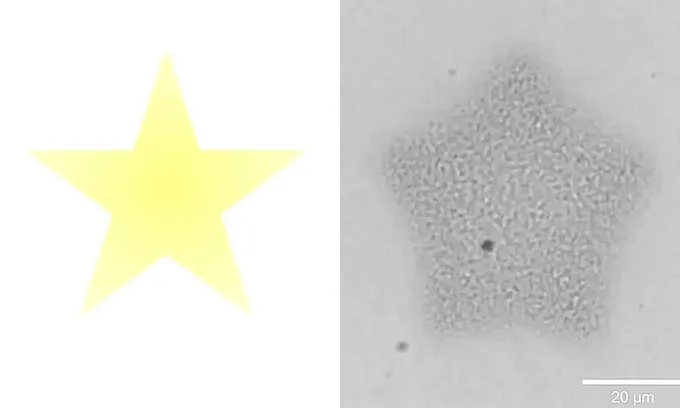
A yellow star shape is shown next to a microscope image of an artificial cell colony that has been directed to form the shape of a star.

Engineers interested in creating artificial cells to deliver drugs to unhealthy parts of the body face a key challenge: for a cell-like system to move, change shape, or divide, it needs a way to generate force on command.

Biological cells rely on adenosine triphosphate (ATP) to move muscles, transport substances across membranes, and perform other functions. Many cellular machines couple ATP hydrolysis (a process where chemical energy stored in ATP is released) directly to motion. 

But some single-celled organisms called ciliates use a different strategy. A pulse of calcium triggers an ultrafast contraction, and ATP is used afterward to pump calcium back into storage and reset the system. 

In a Nature Communications study led by Georgia Tech, researchers learned how to use a similar mechanism to control the movements of artificial protein networks without relying on ATP-powered motor proteins. Instead, they used calcium as a trigger to make the networks contract or relax. 

“If engineers want synthetic cells that can do cell-like things, they need a way to generate force on command,” said Saad Bhamla, a co-author and an associate professor in Georgia Tech’s School of Chemical and Biomolecular Engineering. “Cells have to move, change shape, and divide. We’re trying to build a controllable engine from simple parts.”

In the National Science Foundation-funded study, the team produced and purified Tetrahymena thermophila calcium-binding protein 2 (Tcb2), which is found in ciliates. The protein forms a fibrous network and contracts when exposed to calcium. The researchers reconstituted Tcb2 protein networks in the lab and then used a light-sensitive calcium chelator (a “cage” molecule that holds the calcium until illuminated) to control when and where calcium was released.

They projected light patterns of stars and circles to prompt the network to assemble and contract in matching shapes. Then, to continuously “recharge” the system, the multi-university team pulsed the light on the protein networks, repeatedly releasing calcium and driving cycles of assembly and contraction. 

Read the full story.

News Contact

News Contact

Jason Maderer
Director of Communications | College of Engineering

Subscribe to Biotechnology, Health, Bioengineering, Genetics