

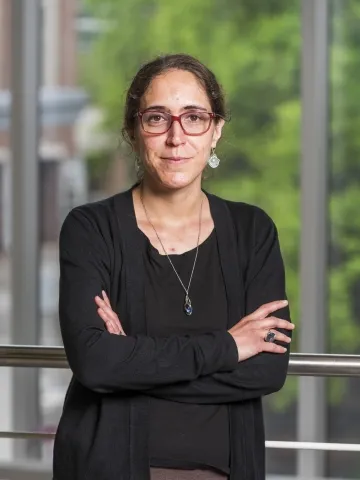
Vida Jamali, Assistant Professor of Chemical and Biomolecular Engineering, Georgia Tech
Assistant Professor Vida Jamali is the inaugural recipient of the new Dr. James Robert and Margaret Spencer Early Career Fellowship in Georgia Tech’s School of Chemical and Biomolecular Engineering (ChBE@GT).
“Her outstanding research accomplishments and contributions to the School and Georgia Tech led to this selection,” said Professor Christopher W. Jones, the John F. Brock III School Chair in ChBE@GT.
The $20,000 in discretionary funding from this one-year fellowship will support Jamali’s research activities focused on developing new tools for in situ liquid-phase transmission electron microscopy, stochastic thermodynamics, and nanoscience-based platforms.
The Spencers established the endowment from which the term fellowship funding comes in 2017. This endowment will eventually lead to the establishment of a professorship in ChBE@GT.
“Bob Spencer is a successful alumnus who has remained connected to our chemical engineering program,” according to Jones. “His family’s gift will allow ChBE@GT to support an early career professor at a critical stage of their development—the crucial years just before their promotion and tenure review. We are grateful for their support and generosity.”
News Contact
Brad Dixon, ChBE
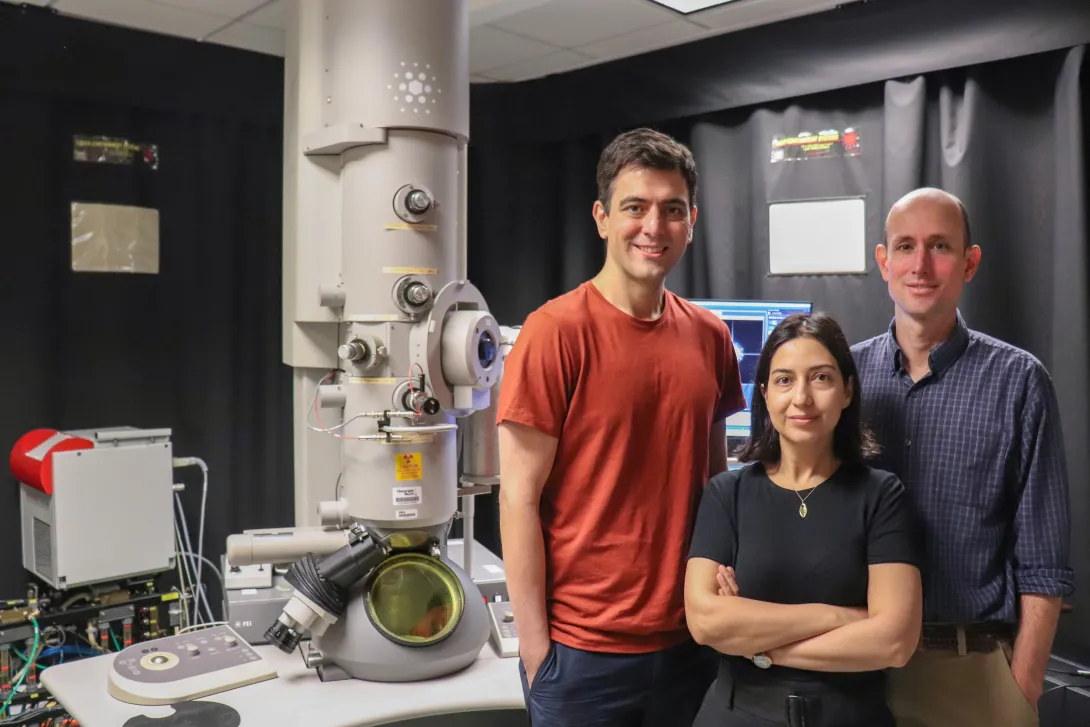
A photo of Vida Jamali, assistant professor the School of Chemical and Biomolecular Engineering; Amirali Aghazadeh, assistant professor in the School of Electrical and Computer Engineering; and Josh Kacher, associate professor in the School of Materials Science and Engineering standing in front of a TEM at Georgia Tech.
Scientific discovery is often portrayed as the result of long hours alone in a lab, but true science is inherently collaborative. The most robust experimental processes are developed through partnerships across multiple areas of research. The need for specialized, multidisciplinary teams slows experiment design, execution, data analysis, and process updates, delaying technological validation and deployment. But if the increasingly automated tools scientists already use in the lab could contribute to this team process of experimental design, the timeline for these goals could be greatly accelerated.
This concept of “lab tool as lab assistant” is the premise of a recent paper in npj | Computational Materials titled “Thinking Microscopes: Agentic AI and the Future of Electron Microscopy,” by Vida Jamali, assistant professor the School of Chemical and Biomolecular Engineering; Amirali Aghazadeh, assistant professor in the School of Electrical and Computer Engineering; and Josh Kacher, associate professor in the School of Materials Science and Engineering.
In the paper, the team introduces the concept of “thinking electron microscopes,” in which agentic AI systems are directly integrated with the instrument. This allows microscopes to move beyond their conventional role as characterization tools and toward functioning as co-scientists for human users.
Drawing on advances in specialized large language models, or LLMs, that demonstrate their ability to collaborate, reason over data, and integrate prior knowledge, the team envisions specialized LLM-based agents assigned to specific roles and areas of knowledge expertise. By explicitly incorporating domain knowledge into specialized agents and distributing information across multiple agents with focused expertise, the approach enables parallel evaluation of competing hypotheses, clearer separation of roles — such as planning, simulation, and critique — and more transparent and robust reasoning.
Within the experimental pipeline, these agents can analyze materials’ properties, physical data, chemical processes, and other relevant parameters. They could also collaborate with an agent that specializes in experimental design, refining iterative closed-loop experimentation, and real-time scientific discovery.
Although the research focuses on AI collaboration, the team notes that human researchers must retain accountability for the accuracy and integrity of both the experimental process and the results reported. This oversight begins with advocating for greater open access to research materials in all formats, building community-driven data repositories, and adopting standardization in how experimental parameters and metadata are reported. Equally important, researchers should be willing to report data from failed experiments as well as successful outcomes. Finally, organizations should work together to standardize secure APIs that enable shared, remote access to infrastructure across distances.
We see this as a step toward scientific instruments that do more than acquire data; systems that can reason over experiments, adapt measurements, and participate in the scientific discovery process alongside researchers. - Vida Jamali, assistant professor the School of Chemical and Biomolecular Engineering
The team is already developing these systems by connecting cloud-based, agentic infrastructures to microscopes at the Institute for Matter and Systems at Georgia Tech. With the addition of agentic AI, the goal is to accelerate discovery and engineering of new nanoscale materials for energy and quantum applications, as well as advance capabilities in cryo-electron microscopy and structural biology. These tools can optimize data collection, link real-time microscope observations with structural models of proteins, and dynamically adjust and prioritize experiments. The team sees this work as the first step toward the next generation of “thinking” electron microscopes, as well as an advancement in scientific discovery across domains.
- Christa M. Ernst
This research is supported by the Institute for Data Engineering and Science and the Institute for Matter and Systems
Original Publication
Jamali, V., Aghazadeh, A. & Kacher, J. Thinking microscopes: agentic AI and the future of electron microscopy. npj Computational Materials 12, 149 (2026). https://doi.org/10.1038/s41524-026-02077-y
News Contact
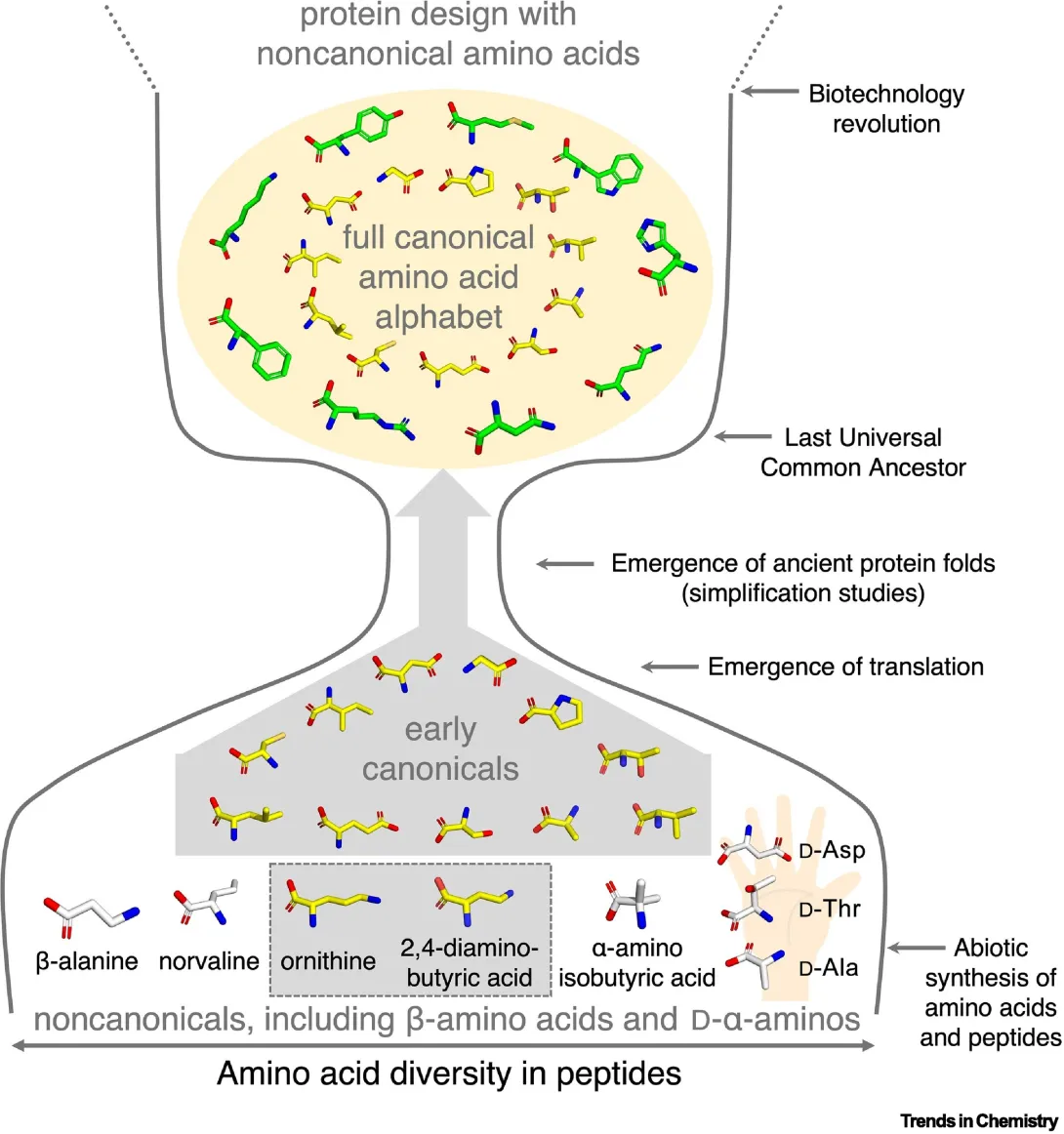
Amino acid diversity in peptides and proteins over time. Over time, the genetic code expanded into the 20-amino acid alphabet found in contemporary biology. Now, in the era of biotechnology, the amino acid alphabet is poised to expand once more. (Figure Credit: “The borderlands of foldability: lessons from simplified proteins,” Koh Seya, Alfie‑Louise R. Brownless, Shina C. L. Kamerlin, and Liam M. Longo, Trends in Chemistry, 2026)
How did the earliest life on Earth build complex biological machinery with so few tools? A new study explores how the simplest building blocks of proteins — once limited to just half of today’s amino acids — could still form the sophisticated structures life depends on.
The paper, The Borderlands of Foldability: Lessons from Simplified Proteins, is a meta-analysis of six decades of protein research and reveals that ancient proteins may have been far more complicated and dynamic than previously thought.
Recently published in the journal Trends in Chemistry, the study includes Georgia Tech researchers Lynn Kamerlin, professor in the School of Chemistry and Biochemistry and Georgia Research Alliance Vasser-Woolley Chair in Molecular Design, and Quantitative Biosciences Ph.D. candidate Alfie-Louise Brownless.
Co-authors also include Institute of Science Tokyo graduate student Koh Seya and Liam M. Longo, who serves as a specially appointed associate professor at Science Tokyo and as an affiliate research scientist at the Blue Marble Space Institute of Science.
The research has implications ranging from the origins of life and the search for life in the universe to cutting-edge medical innovation. “One of the biggest unanswered questions in science is how life first began,” says Kamerlin, who is a corresponding author of the study. “Understanding how the first protein-like molecules formed and what the earliest proteins may have been like is a key part of that puzzle.”
“Proteins power our bodies — and all life on Earth,” she adds. “Simply put, the evolution of proteins is the reason that we’re able to have this conversation at all.”
A Protein Folding Paradox
If proteins are the scaffolding of life, amino acids are the components that make up that scaffolding. “Today, an average protein is constructed from a chain of about 300 amino acids, involving 20 different types of amino acids,” Kamerlin shares. Proteins fold when these chains twist into a specific 3-dimensional shape, creating structures critical for biology.
However, while these folds are essential, exactly how a protein knows which way to fold remains a mystery. “We know that proteins didn’t just fold randomly,” Kamerlin shares, “because randomly trying all possible configurations would take a protein longer than the age of the universe.”
It’s a cornerstone problem in biological science called “Levinthal’s Paradox,” and highlights a fundamental mystery: Proteins fold incredibly quickly into very specific combinations — but like a sheet of paper spontaneously folding into an origami swan, researchers don’t know how proteins “choose” the folds they make.
“We can predict what a protein will look like, but can’t tell you how it got there,” Kamerlin adds. “That’s what we’re interested in exploring: how small early proteins developed into the complex proteins that support every living thing on today’s Earth.”
Simple Letters, Sophisticated Structures
Early proteins likely had access to just half of today’s amino acids. “About 10-12 amino acids were likely available on early Earth,” Kamerlin says. Like writing a story with just the letters “A” through “L,” researchers assumed that the ‘vocabulary’ proteins could build from such a limited amino acid alphabet would also be constrained.
“There is a language to protein folding,” Kamerlin explains. “That language is hidden in their structures. Our research is in trying to understand the rules — the grammar and vocabulary that dictate a protein fold.”
The grammar they discovered was surprising: with a combination of creative techniques and environmental support, complex structures can arise from limited amino acid alphabets.
“We found that it is possible to develop complex folds with very simple tools — and certain environments, like salty ones, can help support that,” Kamerlin shares. “Early proteins could also cross-link and associate, interacting like LEGO blocks to create more complex structures.”
Pioneering Proteins
Now, the team is conducting research in environments that could mimic conditions on early Earth — aiming to discover more about how these regions could have given rise to today’s complex proteins. “This aspect of our research also ties into the amazing space research happening at Georgia Tech,” Kamerlin says. “While we’re interested in understanding early life on Earth, our work could help inform where best to look for evidence of life beyond our planet.”
Kamerlin specializes in creating computer models that simulate possible scenarios – creating an opportunity to quickly and efficiently test many theories. The most compelling of these can then be tested by her collaborator and co-author at Science Tokyo, Liam Longo, in lab experiments.
Protein folding is also at the forefront of medical innovation, ranging from diagnostic tools to cancer treatments and neurodegenerative diseases. “In the broader scope, we’re interested in discovering what we can design, what we can stress test, and what we can reconstruct with AI and other computational tools,” Kamerlin says. “Because if you can understand how proteins fold, you gain the ability to design them.”
Funding: NASA, the Human Frontier Science Program, and the Knut and Alice Wallenberg Foundation
News Contact
Written by:
Selena Langner
College of Sciences
Georgia Institute of Technology
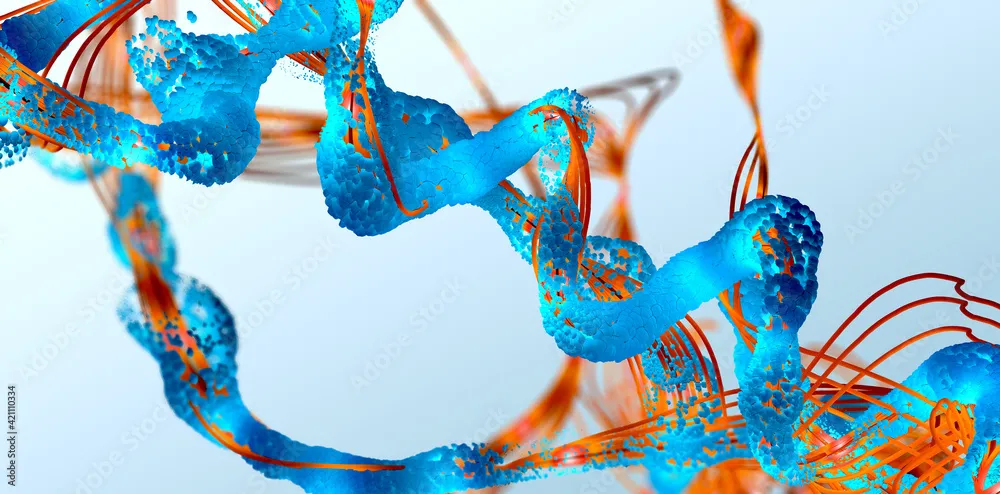
An illustration of a chain of amino acids forming a protein (Credit: Adobe Stock)
The building blocks of proteins, amino acids are essential for all living things. Twenty different amino acids build the thousands of proteins that carry out biological tasks. While some are made naturally in our bodies, others are absorbed through the food we eat.
Amino acids also play a critical role commercially where they are manufactured and added to pharmaceuticals, dietary supplements, cosmetics, animal feeds, and industrial chemicals — an energy-intensive process leading to greenhouse gas emissions, resource consumption, and pollution.
A landmark new system developed at Georgia Tech could lead to an alternative: a commercially scalable, environmentally sustainable method for amino acid production that is carbon negative, using more carbon than it emits.
The breakthrough builds on a method that the team pioneered in 2024 and solves a key issue – increasing efficiency to an unprecedented 97% and reducing the bioprocess cost by over 40%. It’s the highest reported conversion of CO2 equivalents into amino acids using any synthetic biology system to date.
Published in the journal ACS Synthetic Biology, the study, “Cell-Free-Based Thermophilic Biocatalyst for the Synthesis of Amino Acids From One-Carbon Feedstocks,” was led by Bioengineering Ph.D. student Ray Westenberg and Professor Pamela Peralta-Yahya, who holds joint appointments in the School of Chemistry and Biochemistry and School of Chemical and Biomolecular Engineering. The team also included Shaafique Chowdhury (Ph.D. ChBE 25) and Kimberly Wennerholm (ChBE 23); alongside University of Washington collaborators Ryan Cardiff, then a Ph.D. student and now a Chain Reaction Innovations Fellow at Argonne National Laboratory, and Charles W. H. Matthaei Endowed Professor in Chemical Engineering James M. Carothers; in addition to Pacific Northwest National Laboratory Synthetic Biology Team Leader Alexander S. Beliaev.
"This work shifts the narrative from simply reducing carbon emissions to actually consuming them to create value,” says Peralta-Yahya. “We are taking low-cost carbon sources and building essential ingredients in a truly carbon-negative process that is efficient, effective, and scalable.”
Heat-Loving Organisms
The work builds on the cell-free technology the team used in their earlier study. “Previously, we discovered that a system that uses the machinery of cells, without using actual living cells, could be used to create amino acids from carbon dioxide,” Peralta-Yahya explains. “But to create a commercially viable system, we needed to increase the system’s efficiency and reduce the cost.”
The team discovered that bits of leftover cells were consuming starting materials, and — like a machine with unnecessary gears or parts — this limited the system’s efficiency. To optimize their “machine,” the team would need to remove the extra background machinery.
"Leftover cell parts were using key resources without helping produce the amino acids we were looking for,” says Peralta-Yahya. “We knew that heating the system could be one way to purify it because heat can denature these components.”
The challenge was in how to protect the essential system components from the high temperatures, she adds. “We wondered if introducing enzymes produced by a heat-loving bacterium, Moorella thermoacetica, might protect our system, while still allowing us to denature and remove that inefficient background machinery.”
The results were astounding: after introducing the enzymes, heating and “cleaning” the system, and letting it cool to room temperature, synthesis of the amino acids serine and glycine leaped to 97% yield — nearly three times that of the team’s previous system.
Scaling for Sustainability
To make the system viable for large-scale use, the team also needed to reduce costs. “One of the most costly components in this system is the cofactor tetrahydrofolate (THF),” Peralta-Yahya shares. “Reducing the amount of THF needed to start the process was one way to make the system more inexpensive and ultimately more commercially viable.”
By linking reaction steps so waste from one step fueled the next, the team devised a method to recycle THF within the system that reduces the amount of THF needed by five-fold — lowering bioprocessing costs by 42%.
“This decrease in cost and increase in yield is a critical step forward in creating a method with real potential for use in industry and manufacturing,” Peralta-Yahya says. “This system could pave the way for moving this carbon-negative technology out of the lab and onto the continuous, industrial scale."
Funding: The Advanced Research Project Agency-Energy (ARPA-E); U.S. Department of Energy; and the U.S. Department of Energy, Office of Science, Biological and Environmental Research Program.
News Contact
Written by:
Selena Langner
College of Sciences
Georgia Institute of Technology

Taken aboard Apollo 8 by Bill Anders, this iconic picture shows Earth peeking out from beyond the lunar surface as the first crewed spacecraft circumnavigated the Moon, with astronauts Anders, Frank Borman, and Jim Lovell aboard. (Credit: NASA)

Advik Vira
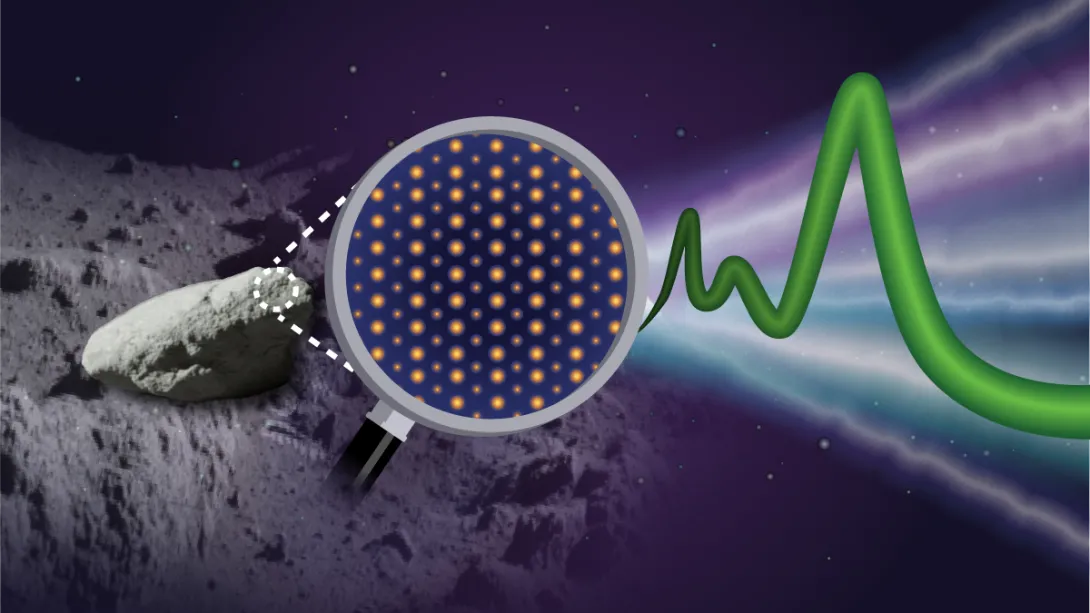
An illustration of the Apollo rock 75035 on the Moon, an atomic image of the sample, and its spectral signature. (Credit: August Davis)
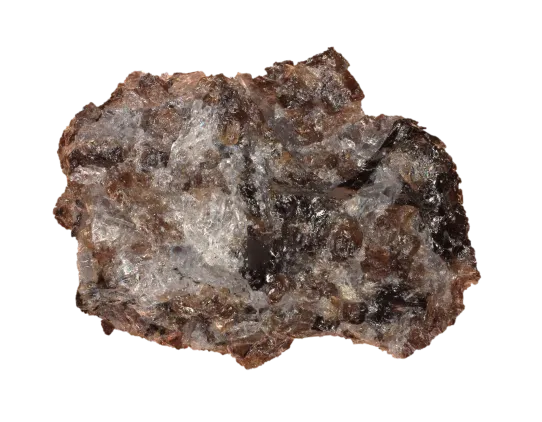
An optical image of the chip from the lunar rock the team investigated.
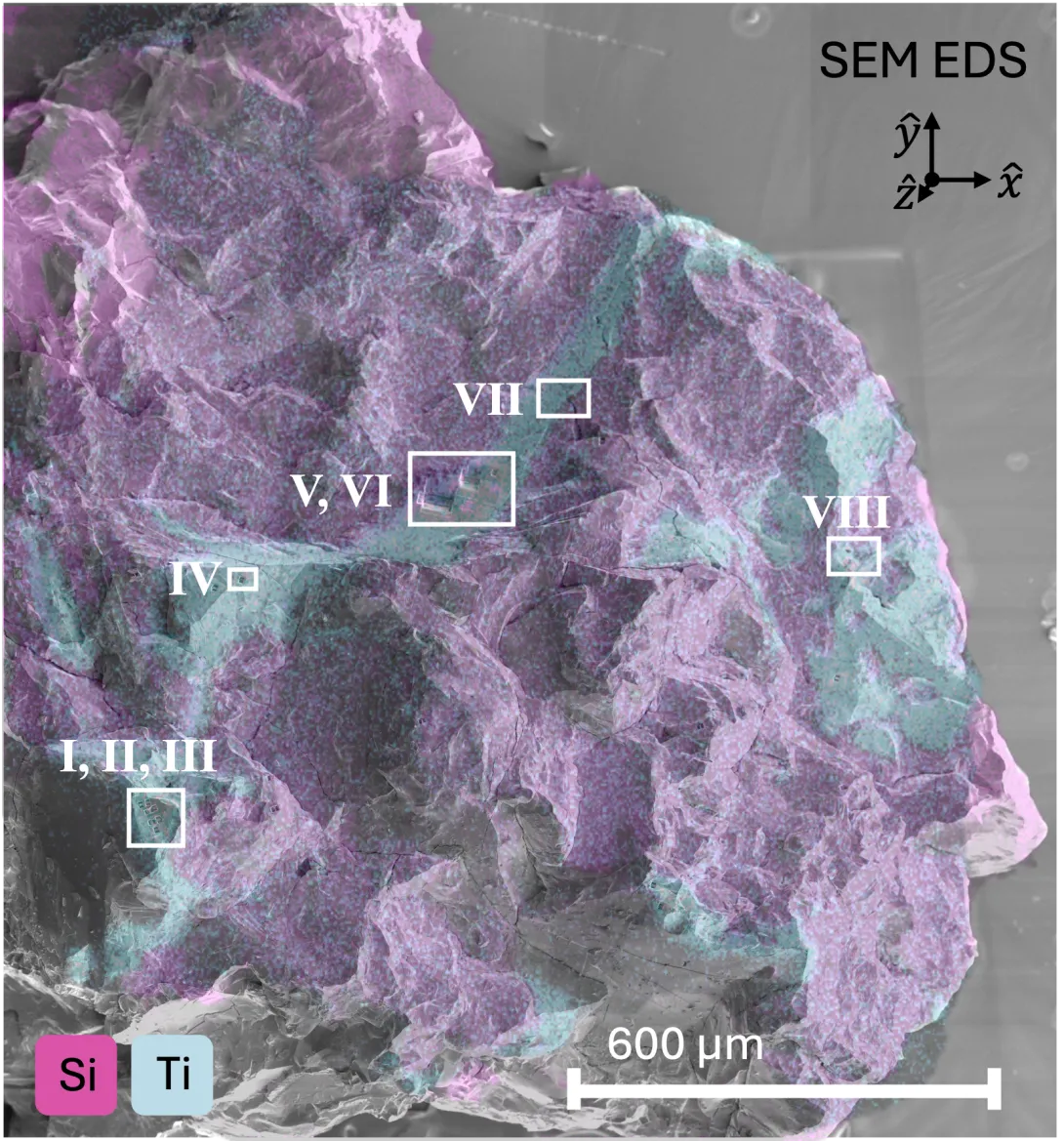
An image of the chip from the sample, imaged using scanning electron microscopy. Titanium is shown in light blue, and white boxes show areas where samples were extracted to analyze the ilmenite crystal.
A chemical signature hidden in a 3.8‑billion‑year‑old lunar rock is offering new insights into the availability of oxygen within the young Moon.
Published today in the journal Nature Communications, the paper “Trivalent Titanium in High-Titanium Lunar Ilmenite” confirms titanium in a reduced, trivalent state in a black, metal-rich lunar mineral called ilmenite. It’s a state only possible in low-oxygen environments, conditions researchers refer to as “reducing.”
“Models have suggested that these reducing conditions may have varied at different locations and times across the surface of the Moon,” says lead author Advik Vira, a graduate student in the School of Physics who recently earned his doctoral degree. “We hope our microscopy technique can be a valuable step in mapping and understanding the Moon’s 4.5-billion-year history.”
The team anticipates that their technique could be used on many of the lunar samples collected more than 50 years ago by the Apollo missions in addition to the Apollo Next Generation Samples — a group of lunar samples that have been stored under pristine conditions — and new samples from the planned Artemis missions, with Artemis II slated for launch this spring. The technique might also be applicable to samples collected from the far side of the Moon and returned in 2024 by the Chang’e-6 mission.
“The Moon holds clues not only to its own past, but also to the earliest eras of Earth’s evolution — history that has long since been erased from our planet,” Vira says. “This study is a step toward understanding the history of both and a reminder that there is still so much left to learn from the lunar rocks we’ve brought back to Earth.”
The School of Physics research team included corresponding authors Vira and Professor Phillip First; in addition to graduate student Roshan Trivedi; undergraduate students Gabriella Dotson, Keyes Eames, Dean Kim, and Emma Livernois; and Professor Zhigang Jiang, along with Institute for Matter and Systems Materials Characterization Facility Senior Research Scientist Mengkun Tian; School of Chemistry and Biochemistry Senior Research Scientist Brant Jones and Thom Orlando, Regents' Professor in the School of Chemistry and Biochemistry with a joint appointment in the School of Physics.
The Georgia Tech team was joined by Addis Energy Senior Geochemist Katherine Burgess; Macalester College Assistant Professor of Geology Emily First; along with Lawrence Berkeley National Laboratory Research Scientist Harrison Lisabeth, Senior Scientist Nobumichi Tamura, and Postdoctoral Fellow Tyler Farr, who recently earned a Ph.D. from Georgia Tech’s George W. Woodruff School of Mechanical Engineering.
CLEVER research
The investigation began with a dark gray rock called a lunar basalt. Formed when ancient magma erupted on the Moon’s surface, minerals crystallized as it cooled — preserving key information in their structures. Billions of years later, the rock was brought to Earth by the 1972 Apollo 17 mission, where a small piece is now stored at Georgia Tech’s Center for Lunar Environment and Volatile Exploration Research (CLEVER), a NASA Solar System Exploration Research Virtual Institute (SSERVI) center led by Orlando.
As a NASA virtual institute, CLEVER supports researchers exploring lunar conditions and developing tools for the upcoming crewed Artemis missions, and provided the lunar samples for this research. The SSERVI also plays a critical role in training the next generation of planetary researchers: both Vira and Farr earned their Ph.D.s while on the CLEVER team.
“At CLEVER, we are very interested in understanding the impacts of space weathering,” Vira says. “We implemented modern sample preparation and advanced microscopy techniques to image samples at the atomic level, and were curious to apply it more broadly to the collection of Apollo rocks in the Orlando Lab. This sample caught our attention.”
“When we imaged an ilmenite crystal from the lunar basalt, what struck us first was how uniform and perfect the crystal structure was,” he recalls. “We found no defects from space weathering and instead saw an undamaged, pristine crystal — undisturbed for 3.8 billion years.”
To investigate further, the team analyzed small chips of the rock with Burgess, a member of the RISE2 SSERVI team and then a geologist at the U.S. Naval Research Laboratory. Using state-of-the-art electron microscopy and spectroscopy techniques, Vira determined the oxidation state of the elements in the ilmenite present.
In spectroscopy measurements, each element leaves a distinct ‘signature,’ Vira explains. “When we brought our results back to Georgia Tech’s Materials Characterization Facility, Mengkun (Tian) noticed something unusual: the signature showed titanium might be present in the trivalent state.”
The presence of trivalent titanium had long been suspected in this lunar mineral. The team was intrigued.
A new window into old rocks
With funding from Georgia Tech’s Center for Space Technology and Research (CSTAR), Vira returned to the U.S. Naval Research Laboratory to analyze additional samples. The results confirmed that more titanium was present than the mineral’s formula (FeTiO₃) predicts — indicating a portion of the titanium present was trivalent.
“That led me to place our measurements in terms of the broader geological context,” Vira shares. Working with First, Vira explored how ilmenite with trivalent titanium could help reconstruct the nature of ancient magmas from the Moon, especially the chemical availability of oxygen.
“Because its location on the Moon was noted during the Apollo mission, we know exactly where this rock is from, and we can determine how old the rock is,” he explains. “When coupled with our trivalent titanium measurements, we can use that information to estimate the reducing conditions for this specific region at the specific time our rock formed.”
If the upcoming Artemis missions return samples suitable for the team’s technique, these rocks could provide a new window into ancient lunar geology. The research also highlights that many lunar samples already on Earth could be reexamined to look for trivalent titanium.
“There is still so much to learn from the lunar samples we have already brought to Earth,” Vira says. “It’s a testament to the long-term value of each sample return mission. As technology continues to advance, this type of work will continue to give us critical insights into our planet and our place in the universe for years to come.”
DOI: 10.1038/s41467-026-69770-w
Funding: This work was directly supported by the NASA SSERVI under CLEVER. Researchers were also supported by the NASA RISE2 SSERVI and the Heising-Simons Foundation. Funding for collaborations between the U.S. Naval Research Laboratory and Georgia Tech for the investigation of lunar minerals was provided by the Georgia Tech Center for Space Technology and Research. Sample preparation was performed at the Georgia Tech Institute for Matter and Systems, which is supported by the National Science Foundation. This work utilized the resources of the Advanced Light Source, a user facility supported by the U.S. Department of Energy, Office of Science, Office of Basic Energy Sciences, and was supported in part by previous breakthroughs obtained through the Laboratory Direct.
News Contact
Written by:
Selena Langner
College of Sciences
Georgia Institute of Technology

The study underscores the potential of NMR and other powerful technologies as outreach opportunities – from engaging the public, to better teaching undergraduate students.
New work from Georgia Tech is showing how a simple glass of wine can serve as a powerful gateway for understanding advanced research and technologies.
The project, inspired by an Atlanta Science Festival event hosted by School of Chemistry and Biochemistry Assistant Professor Andrew McShan, develops an innovative outreach and teaching module around nuclear magnetic resonance (NMR) techniques, and is designed for easy adoption in introductory chemistry and biochemistry courses.
Published earlier this year in the Journal of Chemical Education, the study, “Automated Chemical Profiling of Wine by Solution NMR Spectroscopy: A Demonstration for Outreach and Education” was led by a team from the School of Chemistry and Biochemistry including lead author McShan, Ph.D. students Lily Capeci, Elizabeth A. Corbin, Ruoqing Jia, Miriam K. Simma, and F. N. U. Vidya, Academic Professional Mary E. Peek, and Georgia Tech NMR Center Co-Directors Johannes E. Leisen and Hongwei Wu.
“NMR is one of the most widely used analytical tools in chemistry and the life sciences, and Georgia Tech hosts one of the most cutting-edge NMR centers in the world,” McShan says. “Our study shows that you don’t need advanced training to appreciate how powerful tools like NMR work and how those tools are used in research.”
All materials, tutorials, and data are freely available via online tutorials and a YouTube video, enabling educators to replicate or adapt the activity even in settings with limited access to NMR facilities.
Wine sleuthing at the Atlanta Science Festival
From families with K-12 students to undergraduates to adults with no prior chemistry experience, nearly 130 visitors explored wine chemistry at the Georgia Tech NMR Center during the Atlanta Science Festival event. With McShan’s guidance, they identified and quantified more than 70 chemical components that influence wine taste, aroma, and quality by analyzing the chemical composition, structure, and dynamics of molecules.
Taking on the role of wine investigators (a real-world application of NMR), the group investigated examples of wine fraud, learning to identify harmful additives like methanol, antifreeze, and lead acetate – additives that played roles in both historical and modern wine scandals.
“By connecting the science to something familiar like wine, we were able to spark curiosity and excitement across age groups,” says McShan. “This a framework for how complex analytical techniques can be made inclusive, interactive, and inspiring whether in the classroom or at a science festival.”
Science for all
The study underscores the potential of NMR and other powerful technologies as outreach opportunities – from engaging the public to better teaching undergraduate students.
“After the event, adults said they learned how chemical composition affects wine characteristics and how NMR is used in research and industry,” McShan says. “Younger participants learned key concepts about wine composition and found benefits from the sensory elements, like watching the spectrometer in action.”
They aim to use these takeaways to continue developing outreach tools. “My end goal is to develop NMR into a practical teaching tool by grounding the technique in real-world examples,” adds McShan. “Using this approach is a clear avenue to introducing the general public to the world-class instruments used by researchers at Georgia Tech and exposing undergraduate students to the powerful analytical techniques they are likely to encounter throughout their careers.”
Funding: National Science Foundation
News Contact
Written by Selena Langner
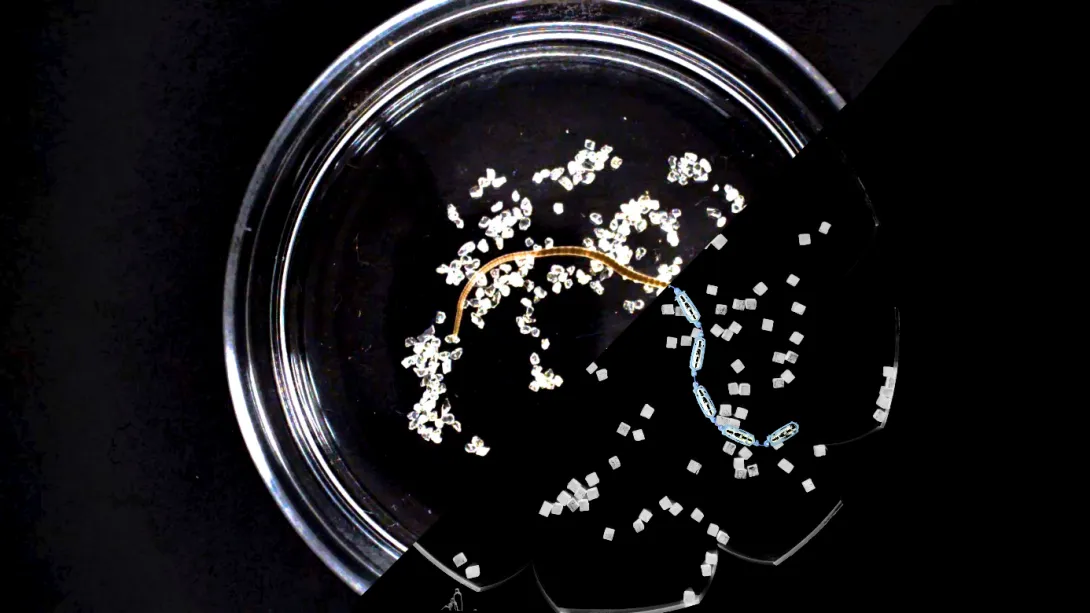
A real worm in a Petri dish (top left) and a robot worm (bottom right) clean their environments of tiny particles in a very similar manner.
When centimeter-long aquatic worms, such as T. tubifex or Lumbriculus variegatus, are placed in a Petri dish filled with sub-millimeter sized sand particles, something surprising happens. Over time, the worms begin to spontaneously clean up their surroundings. They sweep particles into compact clusters, gradually reshaping and organizing their environment.
In a study recently published in Physical Review X, a team of researchers show that this remarkable sweeping behavior does not require a brain, or any kind of complex interaction between the worms and the particles. Instead, it emerges from the natural undulating motion and flexibility that the worms possess.
The study was co-led by Saad Bhamla, associate professor in Georgia Tech’s School of Chemical and Biomolecular Engineering, and Antoine Deblais of the University of Amsterdam.
Deblais said: “It is fascinating to see how living worms can organize their surroundings just by moving.” Bhamla added: “Their activity and flexibility alone are enough to collect particles and reshape their environment.”
By building simple robotic and computer models that mimic the living worms, the researchers discovered that only these two ingredients – activity and flexibility – are sufficient to reproduce the sweeping and collecting effects. The result is a self-organized, dynamic form of environmental restructuring driven purely by motion and shape.
Order emerges
The results do not just teach us a surprising lesson about worms. Understanding how these organisms spontaneously collect particles has much broader implications. On the technological side, what the researchers have learned could inspire the design of soft robots that clean or sort materials without needing sensors or pre-programmed intelligence.
Such robots, like the worms, would simply move and let order emerge from motion. “Brainless” machines of this sort could perhaps one day help remove microplastics or sediments from aquatic environments, or perform complex tasks in unpredictable terrains.
From a biological perspective, the results also offer insights into how elongated living organisms – not just worms, but also filamentous bacteria, or cytoskeletal filaments – can structure and modify their own habitats through simple physical interactions. Understanding this structuring and modifying behaviour has been a central question for, e.g., earthworms in their role in soil aeration.
From a biological perspective, the results also offer insights into how elongated living organisms – not just worms, but also filamentous bacteria, or cytoskeletal filaments – can structure and modify their own habitats through simple physical interactions. Understanding this structuring and modifying behaviour has been a central question for, e.g., earthworms in their role in soil aeration.
Team effort
This project grew out of curiosity about how living systems shape their environment without centralized control. Initial experiments with worms, conducted by Harry Tuazon (Bioengineering PhD 2024) at Georgia Tech, showed the unexpected particle collection patterns. This led the team to attempt to reproduce the behavior using robotic and simulated counterparts – something that worked surprisingly well. In the project, experimentalists and theorists worked side by side, allowing the team to uncover the physical principles behind this seemingly purposeful behavior.
Co-first author Rosa Sinaasappel conducted the robot experiments at the University of Amsterdam. “By mimicking the worms’ motion with simple brainless robots connected by flexible rubber links, we could pinpoint the two ingredients that are essential for the sweeping mechanism,” she said.
Co-first author Prathyusha Kokkoorakunnel Ramankutty, a research scientist in the Bhamla Lab at Georgia Tech, performed the computer simulations of the behavior. “Our computational model, built on simple ingredients like propulsion and flexibility, shows that this principle works across different scales and can be adapted for new designs, as demonstrated by a soft robotic sweeper that autonomously ‘cleans’ and reorganizes particles without programmed intelligence,” she explained.
The researchers will continue to investigate this type of behaviour in the future. While a mathematical model of active sweeping is now presented in a simple form, many challenging questions raised by this complex system remain open for theoreticians.
Multiple groups of students helped greatly with the robot experiments, doing projects in the lab. Their efforts ranged from performing the experiments to replacing the in total about 200 batteries, after perhaps one of the most difficult tasks: wrestling them free from the child-proof packaging.
CITATION:
Particle Sweeping and Collection by Active and Living Filaments, Sinaasappel, R., Prathyusha, K. R., Tuazon, Harry, Mirzahossein, E., Illien, P., Bhamla, Saad, and A. Deblais. Physical Review X (2026)
News Contact
Brad Dixon, braddixon@gatech.edu
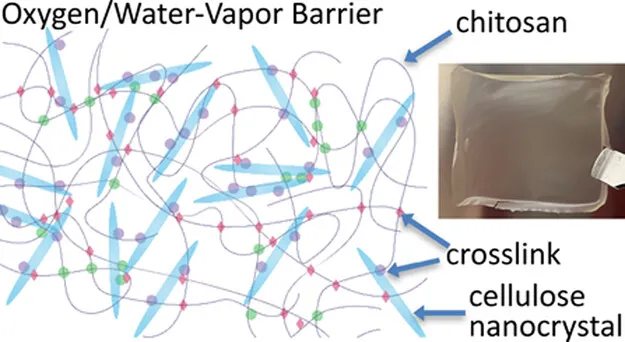
A biologically based film made from natural ingredients found in plants, mushrooms, and food waste

Professor Carson Meredith

Professor Natalie Stingelin
Plastic packaging is ubiquitous in our world, with its waste winding up in landfills and polluting oceans, where it can take centuries to degrade.
To ease this environmental burden, industry has worked to adopt renewable biopolymers in place of traditional plastics. However, developers of sustainable packaging have faced hurdles in blocking out moisture and oxygen, a barrier critical for protecting food, pharmaceuticals, and sensitive electronics.
Now, researchers at the Georgia Institute of Technology have developed a biologically based film made from natural ingredients found in plants, mushrooms, and food waste that can block moisture and oxygen as effectively as conventional plastics. Their findings were recently published in ACS Applied Polymer Materials.
“We’re using materials that are already abundant in and degrade in nature to produce packaging that won’t pollute the environment for hundreds or even thousands of years,” said Carson Meredith, a professor in Georgia Tech’s School of Chemical and Biomolecular Engineering (ChBE@GT) and executive director of the Renewable Bioproducts Institute. “Our films, composed of biodegradable components, rival or exceed the performance of conventional plastics in keeping food fresh and safe.”
Meredith’s research team has worked for more than a decade to develop environmentally friendly oxygen and water barriers for packaging. While earlier research using biopolymers showed promise, high humidity continued to weaken the barrier properties.
However, Meredith and his collaborators found a fix using a blend of these natural ingredients: cellulose (which gives plants their structure), chitosan (derived from crustacean-based food waste or mushrooms), and citric acid (from citrus fruits).
“By crosslinking these materials and adding a heat treatment, we created a thin film that reduced both moisture and oxygen transmission, even in hot, humid conditions simulating the tropics,” said lead author Yang Lu, a former postdoctoral researcher in ChBE@GT.
The barrier technology developed by the researchers consists of three primary components: a carbohydrate polymer for structure, a plasticizer to maintain flexibility, and a water-repelling additive to resist moisture. When cast into thin films, these ingredients self-organize at the molecular level to form a dense, ordered structure that resists swelling or softening under high humidity.
Even at 80 percent relative humidity, the films showed extremely low oxygen permeability and water vapor transmission, matching or outperforming common plastics such as poly(ethylene terephthalate) (PET) and poly(ethylene vinyl alcohol) (EVOH).
“Our approach creates barriers that are not only renewable, but also mechanically robust, offering a promising alternative to conventional plastics in packaging applications,” said Natalie Stingelin, professor and chair of Georgia Tech’s School of Materials Science and Engineering (MSE) and a professor in ChBE@GT.
The research team has filed for patent protection for the technology (patent pending). The research was supported by Mars Inc., Georgia Tech’s Renewable Bioproducts Institute, and the U.S. Department of Defense through the National Defense Science and Engineering Graduate Fellowship Program. Eric Klingenberg, a co-author of the study, is an employee of Mars, a manufacturer of packaged foods.
Citation: Yang Lu, Javaz T. Rolle, Tanner Hickman, Yue Ji, Eric Klingenberg, Natalie Stingelin, and Carson Meredith, “Transforming renewable carbohydrate-based polymers into oxygen and moisture-barriers at elevated humidity,” ACS Applied Polymer Materials, 2025.
News Contact
Brad Dixon, braddixon@gatech.edu
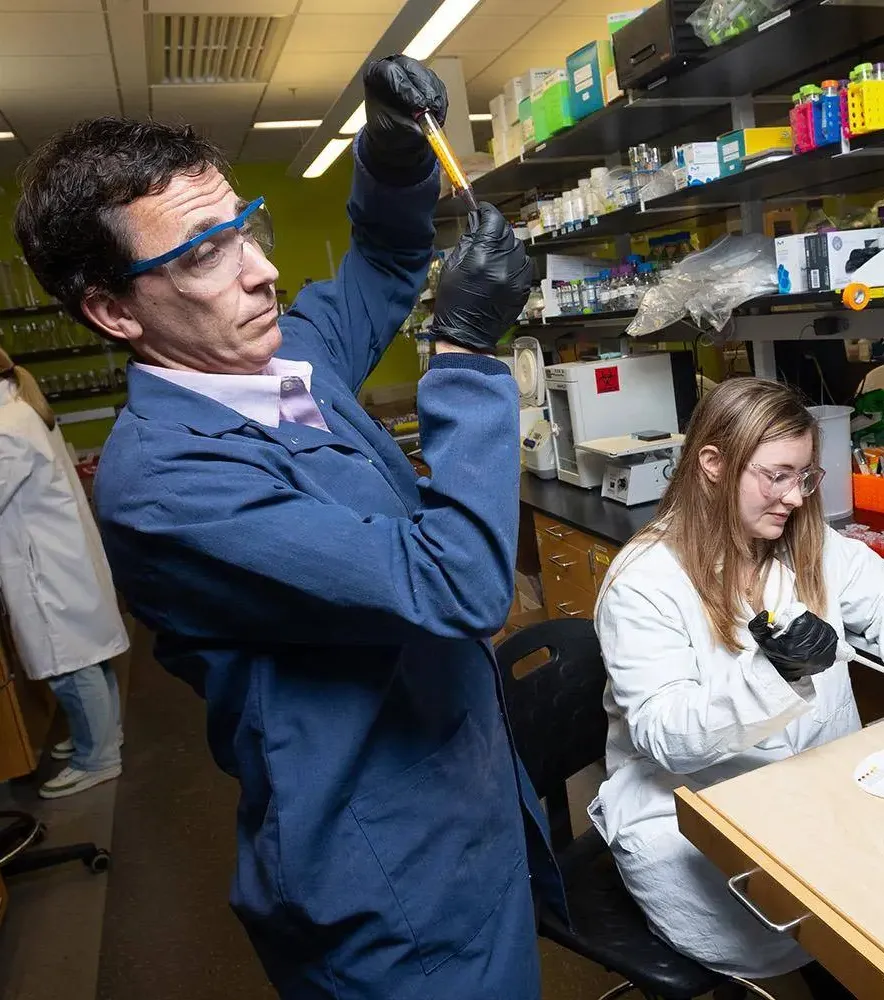
Imagine if building new medicines or sustainable materials were as straightforward as snapping together LEGO® bricks. That’s the goal of a new project led by the Georgia Institute of Technology that could help transform the future of biomanufacturing.
The project, headed by Professor Mark Styczynski in Georgia Tech’s School of Chemical and Biomolecular Engineering (ChBE@GT), recently received a $9.2 million grant from the National Science Foundation Directorate for Technology, Innovation and Partnerships (NSF TIP) to accelerate the adoption of cell-free systems in biomanufacturing.
Promising Technology
Biotechnology has largely relied on living cells for production of products such as medicines, fragrances, or renewable fuels. But working with living cells can be complex and expensive.
Cell-free systems, by contrast, strip biology down to its essential parts, the enzymes and molecules that carry out life’s chemical reactions. This can simplify and speed up biomanufacturing, making it easier to scale.
The challenge, Styczynski explained, is that most cell-free projects still require custom-built setups. “Right now, engineering biology is like reinventing the wheel for every application,” he said. “You have to figure out how all the parts fit together each time. We want to change that by making ready-to-use modules that work right out of the box.”
Styczynski’s project, called Meta-PURE (PUrified Recombinant Elements), will create eight standardized modules, each designed for a key function in cell-free systems, such as generating energy, producing proteins, or assembling complex molecules.
“Like interchangeable puzzle pieces, these modules can be mixed and matched to support different applications,” Styczynski said.
Demonstrating Uses
His team will demonstrate the system’s versatility by producing santalene (a plant-derived fragrance used widely in consumer products), GamS protein (a tool that can improve cell-free processes), and a bacteriophage (a virus that can be safely used in research and the development of new therapeutic treatments).
These examples highlight the technology’s potential across industries ranging from pharmaceuticals and agriculture to chemicals and sustainable materials.
“We want to make these tools so that someone in industry can create their molecule or product more quickly and efficiently, and get it out the door,” Styczynski said.
“Right now, cell-free systems are mostly limited to high-value products because the cost is too high. The goal is to drive costs down and productivity up, so we can move closer to commodity chemicals like biofuels or monomers for polymers, not just niche applications. One of our partners recently developed a butanol process that shows where this can go,” he said.
NSF Initiative
Styczynski’s team is one of four recently awarded an inaugural investment of $32.4 million to help grow the U.S. bioeconomy. The initiative is called the NSF Advancing Cell-Free Systems Toward Increased Range of Use-Inspired Applications (NSF CFIRE).
“NSF is resolute in our commitment to advancing breakthroughs in biotechnology, advanced manufacturing, and other key technologies of significance to the U.S. economy,” said Erwin Gianchandani, assistant director for NSF TIP. “The novel approaches from these four CFIRE teams will speed up and expand the adoption of cell-free systems across a variety of industries and ensure America’s competitive position in the global bioeconomy.”
Collaborative Effort
While ChBE@GT is the lead, Meta-PURE is a broad collaboration with partners across academia, industry, and government. Co-principal investigators include Paul Opgenorth, co-founder and vice president of development at the biotech firm eXoZymes; Nicholas R. Sandoval, associate professor of Tulane University’s Department of Chemical and Biomolecular Engineering; and Anton Jackson-Smith, founder of the biotech startup b.next.
Meta-PURE will also train graduate students and postdocs in partnership with industry, government, and other universities, helping prepare trainees to be the future of a highly interdisciplinary U.S. bioeconomy. The team will also engage the scientific community on the implementation of metrics and standards in cell-free biotechnology to better facilitate broad adoption and interoperability of not just the results of the Meta-PURE project, but of cell-free efforts more broadly.
News Contact
Brad Dixon, braddixon@gatech.edu
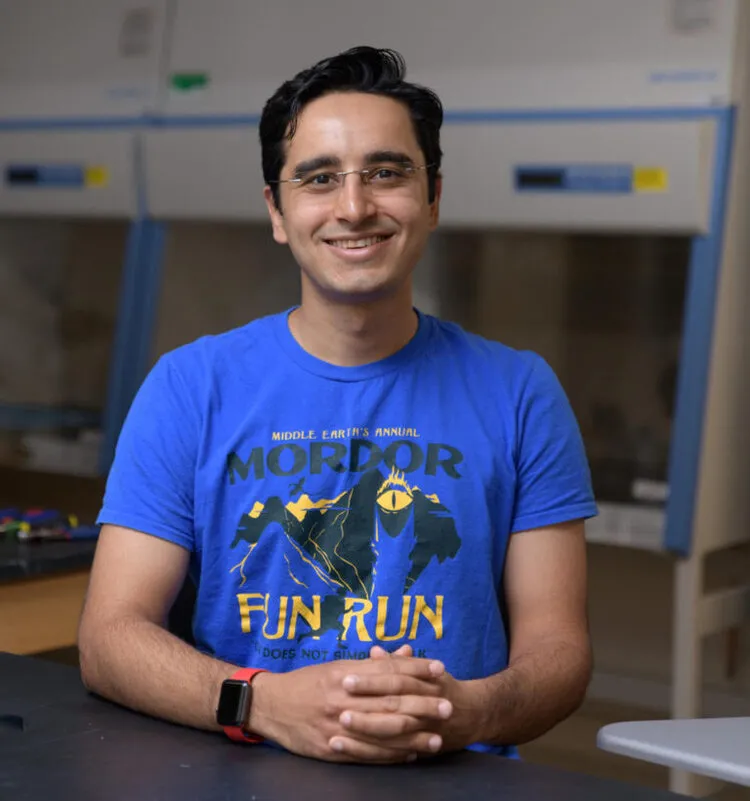
Saad Bhamla, associate professor in Georgia Tech's School of Chemical and Biomolecular Engineering
Saad Bhamla of Georgia Tech’s School of Chemical and Biomolecular Engineering (ChBE) is a member of a global cohort of eight scientists and engineers who were named Schmidt Polymaths. They will each receive up to $2.5 million over five years to pursue research in new disciplines or using new methodologies, Schmidt Sciences announced today.
As Schmidt Polymaths, the researchers pursue new approaches compared to previous work. The new cohort of polymaths will answer questions like how to expand access to healthcare with low-cost technologies, what happens to our chromosomes when we age and how to create more accurate computer simulations of climate.
Bhamla, associate professor in ChBE@GT, is the first Schmidt Polymath from Georgia Tech. He will develop low-cost technologies to tackle planetary-scale challenges, including AI-enabled point-of-care diagnostics in low-resource environments, and he will also engineer autonomous morphing machines that adapt, evolve and learn like living systems.
The eight selected scientists represent the fifth cohort of the highly selective Schmidt Polymaths program. Awardees must have been tenured—or achieved similar status—within the previous three years. Previous cohorts have used the award to design new sensor devices, perform experiments at atomic resolutions, analyze trees of life with faster and more efficient algorithms, discover new mathematical formulas assisted by AI, and more.
Drawn from universities worldwide and selected through a competitive application process, Schmidt Polymaths are required to demonstrate past ability and future potential to pursue early-stage, novel research that would otherwise be challenging to fund—even without the current dramatic declines in U.S. funding for science.
“Our world is one deeply interconnected system---but to study it more deeply, we’ve divided it into increasingly narrow categories,” said Wendy Schmidt, who co-founded Schmidt Sciences with her husband Eric. “Schmidt Polymaths see the bigger picture, pursue answers beyond boundaries and expand the edges of what’s possible. Their work can help steer us all toward a healthier future, for people and the planet.”
About Schmidt Sciences
Schmidt Sciences is a nonprofit organization founded in 2024 by Eric and Wendy Schmidt that works to accelerate scientific knowledge and breakthroughs with the most promising, advanced tools to support a thriving planet. The organization prioritizes research in areas poised for impact including AI and advanced computing, astrophysics, biosciences, climate, and space—as well as supporting researchers in a variety of disciplines through its science systems program.
RELATED: Forbes featured Bhamla in the article: Saad Bhamla Is A Polymath
News Contact
Brad Dixon, braddixon@gatech.edu