
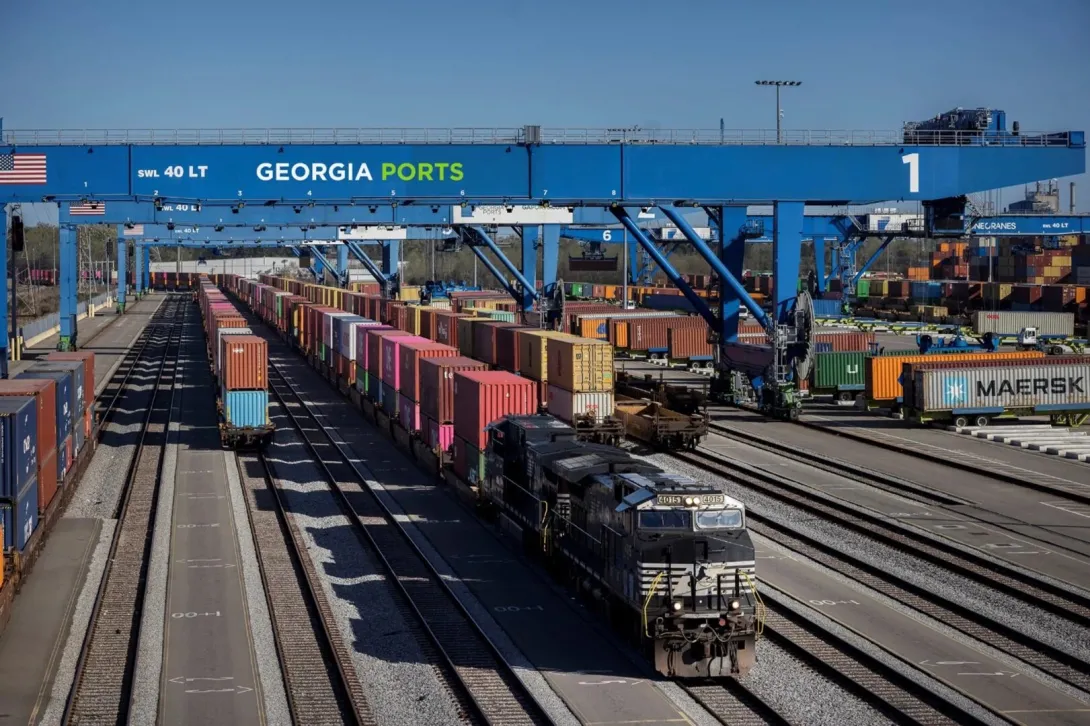
A new study conducted by researchers with the Georgia Tech Supply Chain and Logistics Institute shows that the Port of Savannah is the most cost-effective and reliable gateway for cargo destined for Atlanta, Memphis, and Nashville. According to the research, shippers can save more than $1,000 per container by routing freight through Savannah instead of West Coast ports, when evaluating full end-to-end supply chain costs and transit reliability.
The study emphasizes that gateway decisions should not be based solely on ocean rates or sailing time. While trans-Pacific routes to the West Coast are shorter at sea, researchers found that congestion, cargo rehandling, and inland transportation complexity often introduce delays and variability. In contrast, Savannah's efficient port operations, on-terminal rail service, and direct interstate access help offset longer ocean voyages with faster inland movement and greater predictability.
Researchers analyzed vessel and inland transportation data from ten Asian ports to the three Southeastern markets. Their findings showed that Savannah's reliable port processing and inland logistics significantly reduce congestion exposure and transit variability, making it a more dependable gateway for shippers seeking consistent delivery performance.
The study was conducted by Georgia Tech faculty and PhD students at the Institute's Physical Internet Center and reinforces previous Atlanta-focused research demonstrating similar benefits of East Coast routing. The findings support the growing role of the Port of Savannah as a strategic gateway for U.S. supply chains serving inland Southeast markets.
Read the original press release from the Georgia Ports Authority here:
Georgia Tech research shows East Coast gateway best choice for Atlanta, Memphis and Nashville
News Contact
info@scl.gatech.edu
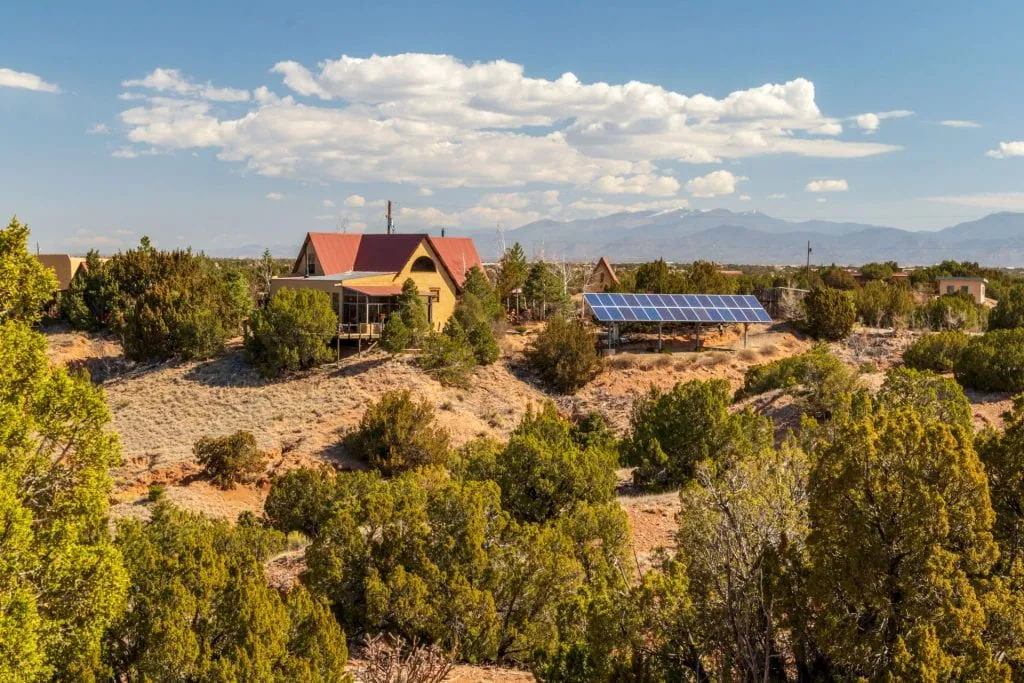
A new study by EPIcenter affiliate Jamal Mamkhezri examines how public preferences for solar‑energy policy have shifted over a six‑year period in New Mexico, offering one of the first long‑term repeated cross‑section analyses of willingness to pay (WTP) for renewable‑energy attributes. Using identical discrete choice experiment (DCE) tasks from surveys conducted in 2017 and 2023, Professor Mamkhezri evaluates how households value increases in Renewable Portfolio Standards (RPS), changes in rooftop versus utility‑scale solar shares, monthly credit‑banking rules, water usage in electricity generation, and smart‑meter information delivery options.
Across more than 1,100 combined respondents, the study uncovers selective temporal stability in energy preferences. Some attributes—such as support for higher RPS targets, reductions in water use, and preferences for online smart‑meter information—remain relatively stable over time. In contrast, others shift considerably: WTP for increasing the rooftop solar share declines by more than 40%, while WTP to protect monthly credit banking rises more than 200%, reflecting heightened awareness of net‑metering debates and rapid growth in rooftop solar adoption.
Importantly, the study reveals that environmental attitudes, measured through New Ecological Paradigm (NEP) scores, once strongly predicted preferences for rooftop solar and smart‑meter technologies in 2017, but these relationships fade or even reverse by 2023—signaling a shift as these technologies transition from niche, identity‑driven goods to mainstream infrastructure. Meanwhile, environmental attitudes continue to robustly shape preferences for RPS increases and water‑use reductions in both survey waves.
News Contact
Gil Gonzalez, EPIcenter.
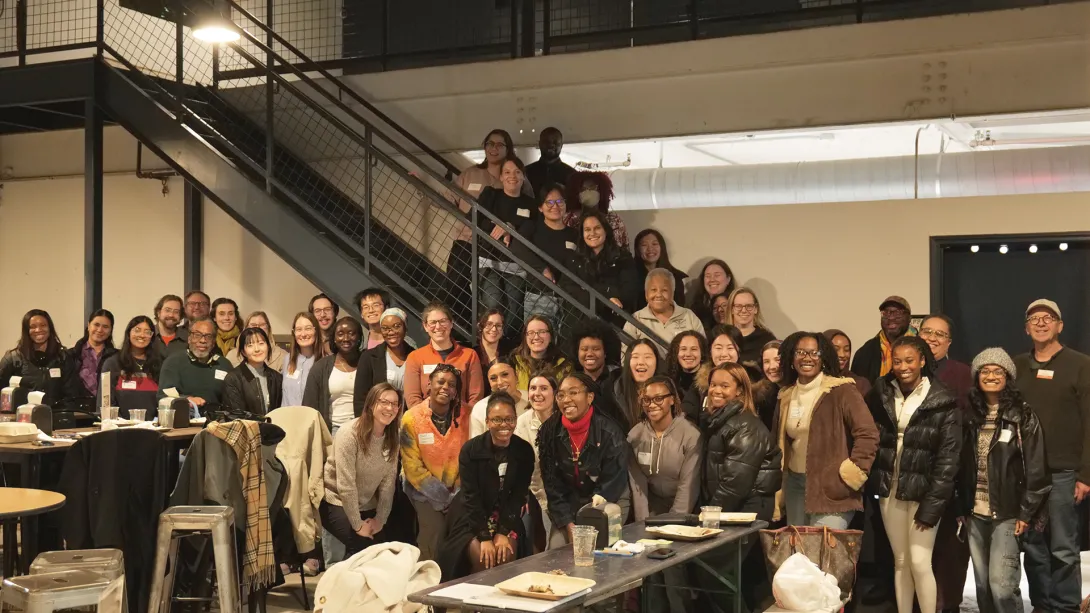
The Atlanta Community-Engaged Research Student Network launched this semester. The program is co-led by Nicole Kennard, assistant director for Community-Engaged Research with the Brook Byers Institute for Sustainable Systems (BBISS), along with Associate Professor Richard Milligan and Associate Professor Sarah Ledford from Georgia State University, Associate Professor Emily Burchfield and Associate Teaching Professor Carolyn Keogh from Emory University, and Iesha Baldwin from Spelman College. The program also partners with several community-based organizations to co-develop strategic direction and provide training. They are Science for Georgia, Historic Westside Gardens, HBCU Green Fund, South River Watershed Alliance, and Food Well Alliance.
The primary aim of the Atlanta Student Community-Engaged Research (CER) Network is to use a peer learning approach to train graduate students with the skills to co-lead community-engaged and locally focused research, while at the same time building relationships with local community organizations. This approach will help address local sustainability and societal challenges, lay the foundation for community-engaged research programs, and enable young researchers interested in this work to thrive in the Atlanta area. Initial funding for the pilot program was provided by the Atlanta Global Studies Center and the Georgia Tech Provost's Excellence in Graduate Studies fund.
The program received a total of 41 applications from graduate students from Georgia Tech, Georgia State University, and Emory University. Thirty-five master’s and Ph.D. students were accepted into the cohort, spanning a wide range of disciplines, from the humanities, sciences, design, public health, engineering, and computing. The program has additionally engaged eight senior-level undergraduates from Spelman College to learn about graduate school tracks with community-engaged research opportunities.
This program provides a unique opportunity to learn engagement and leadership skills not typically taught in graduate programs. Students are attending one training a month over the course of the Spring 2026 semester. Here, they learn about the diversity of sustainability-focused, community-based organizations in the area, develop skills to engage meaningfully with community partners in research projects, and improve the ways they communicate to the public about research.
The Georgia Tech Provost's Excellence in Graduate Studies fund will provide a $2,500 stipend to five Georgia Tech students who will work on a research project with a community partner organization. These projects will take place over the spring and summer semesters this year, providing opportunities for graduate students to apply their newly acquired community-engagement skills to on-the-ground research, while also opening a new pathway for Georgia Tech’s engagement with community partners.
Fellows and projects include:
- Irene Jacob, M.S., city and regional planning, will work with the Food Well Alliance to update the implementation strategy for their 10-year community garden survey.
- Ethan Zhao, M.S., human-computer interaction, will work with Historic Westside Gardens to integrate new technologies into their community garden spaces and assess the benefits to the communities they serve.
- Virginia Cason, M.S., sustainable energy and environmental management, will work with Science for Georgia to translate data gathering and analysis into community-centered narratives.
- Sharon Rachel, Ph.D., history and sociology of technology and science, will work with the HBCU Green Fund to examine the environmental and community impacts of data center projects in Atlanta.
- Ella Neumann, Ph.D., interactive computing, will work with the South River Watershed Alliance to document and communicate the history and impact of the City of Atlanta's combined sewer consent decree, and assess if the intended results of the decree have been met.
Applicants expressed their passion for community-engaged research projects and working directly with local community members and organizations:
“Lived experience is just as valuable as academic expertise, and meaningful change only occurs when both work together. I think that this takes approaching problems with a lot of humility, care, and a genuine desire to listen to communities and their needs.” -Virginia Cason, M.S., sustainable energy and environmental management
“I want to do research that stems from a theoretical question, but is feasible in reality and benefits the community. One of the most efficient ways to achieve this goal is through doing research WITH the community.” -Keke Li, M.S., analytics
“Community-engaged research is not only a methodology, but a commitment to partnership, humility, and shared power.” -Grace Fraser, M.S., city and regional planning
“To me, community-engaged research means working with people, not just for them. CER is not only a method but also a mindset. True impact comes when research and community experience grow together.” -Bingjie Lu, Ph.D., civil engineering
The community partners involved in the program are equally enthusiastic about community-engaged research. As Fred Conrad of Food Well Alliance put it, “Food Well has been intentional about engaging our constituents since we began, and this is not only a continuation of that effort, but a significant refinement of how we accomplish that. I think all of us have deepened our understanding of the CER process since we began this journey.”
News Contact
Brent Verrill, Research Communications Program Manager, BBISS
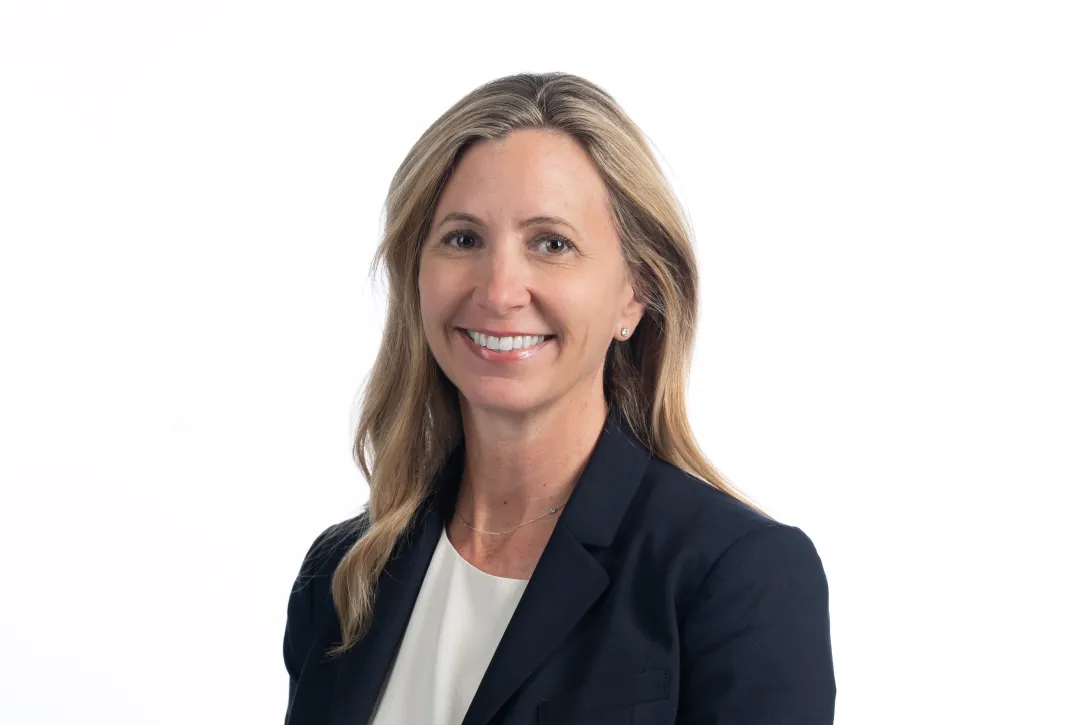
Jennifer Chirico leads the energy and infrastructure initiative at Georgia Tech’s Strategic Energy Institute. She is a longtime Yellow Jacket, bringing more than 25 years of sustainability experience as the inaugural associate vice president of Sustainability at Georgia Tech. In this role, she oversees the Office of Sustainability and works across the Institute on emissions reductions, clean energy, water management, circular economy, sustainable technology, and strategy.
Chirico led the development and publication of the Institute’s first Climate Action Plan and co-led Tech’s sustainability plan, Sustainability Next. She is LEED Green Associate (Leed GA) accredited and holds certifications in the Carbon Disclosure Project, the Global Reporting Initiative, WaterSense, climate action planning, and Home Energy Survey Professional.
She holds a Ph.D. in public policy from Georgia Tech, a master’s in public health with a major in environmental health, and a bachelor’s degree in management from Georgia Tech. She has published books and written numerous chapters on sustainability related to systems thinking, net zero strategies, adaptive management, and the United Nations Sustainable Development Goals on leadership for the collective well-being.
Below is a brief Q&A with Chirico in which she discusses her focus areas and how her work at Georgia Tech influences the energy and infrastructure initiative here.
- What is your field of expertise, and at what point in your life did you first become interested in this area?
My field of expertise is sustainability, with a focus on the intersection of environmental, social, and economic systems. Although I began my career in finance, I discovered my passion for sustainability during a year I spent working abroad in New Zealand in 2000. That experience opened my eyes to the importance of balancing economic development with environmental stewardship and social responsibility. When I returned to the United States, I pursued a master’s degree in environmental health, followed by a Ph.D. in environmental policy. Over the past 25 years, I’ve dedicated my career to advancing sustainability and creating meaningful impacts. I continue to be inspired by the tangible, positive results that emerge when organizations integrate sustainability principles into their decision-making.
- What questions or challenges sparked your current work at Georgia Tech? What are the big issues facing the campus infrastructure right now as it relates to energy?
One of the most pressing challenges today is strengthening resilience for our infrastructure, well-being, and natural resources. As our environment continues to change, the ability to both mitigate impacts and adapt effectively is essential to our success. In my work, I am committed to advancing a healthier, safer, and more sustainable campus. Much of my work focuses on planning, reporting, and guiding efforts to build a stable, reliable, and clean energy infrastructure. A major part of this involves balancing firm energy sources with intermittent renewable sources in a way that ensures both reliability and sustainability. Georgia Tech has already made meaningful progress by installing over 1 megawatt of solar capacity and piloting the Stryten battery storage system. These projects demonstrate what is possible. We still have a long way to go to reduce our emissions and scale clean energy solutions across campus. Continuing to strengthen our energy resilience and expand renewable integration will be critical to meeting our long‑term goals.
- What interests you the most about leading the energy and infrastructure initiative? Why is your initiative important to Georgia Tech’s energy goals?
What interests me most is the opportunity to collaborate with some of the nation’s top energy researchers to identify the most resilient, scalable, and forward‑thinking energy solutions for our campus. I’m particularly passionate about bridging the gap between research and operations to support turning innovative work into tangible, real‑world applications that strengthen Georgia Tech’s infrastructure. Building strong partnerships across academics, operations, and industry is central to this effort. When these groups work together, we can accelerate progress, pilot new technologies, and create a living-learning campus that demonstrates what a resilient, low‑carbon future can look like.
- What are the broader regional, global, and social benefits of the energy and infrastructure initiative at Georgia Tech?
It creates benefits that reach far beyond our campus. By implementing clean, resilient energy systems, we contribute to regional progress in the Southeast. Our campus can serve as a model and test bed, demonstrating scalable solutions and sharing best practices with peer institutions, local governments, and industry partners. Globally, our research and operational innovations support the broader transition to cleaner, more reliable energy systems. And socially, these efforts promote healthier communities, reduce environmental burdens, and help prepare a skilled workforce for the rapidly growing energy sector.
- What are your hobbies?
My favorite hobbies are hiking, reading, yoga, and paddleboarding. I also love spending time in nature and with family and friends.
News Contact
Priya Devarajan || SEI Communications Program Manager
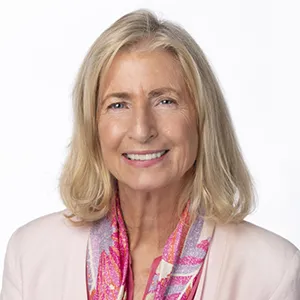
Marilyn Brown
Modeling how the U.S. can meet changing energy needs — today and tomorrow
An illustrious career focused on understanding the nuances of energy policy through analytics has shaped the career of Marilyn Brown, the Regents & Brook Byers Professor of Sustainable Systems at the Jimmy and Rosalynn Carter School of Public Policy at Georgia Tech.
The oil shortages of the 1970s galvanized Marilyn Brown to focus her graduate research on ways to improve energy security and affordability. This focus launched an impactful career for Brown, currently a Regents & Brook Byers Professor of Sustainable Systems at the Jimmy and Rosalynn Carter School of Public Policy at Georgia Tech.
Along the way she was an Associate Professor of Geography at the University of Illinois, a two-term Presidentially appointed regulator of the Tennessee Valley Authority, and the Energy Engineering Division Director and Program Manager of Oak Ridge National Laboratory’s research on energy efficiency, renewable energy, and the electric grid.
Over the years, Brown has authored seven books, 350 publications, and contributed to the 2007 Intergovernmental Panel on Climate Change (IPCC) assessment reports for which the IPCC shared the 2007 Nobel Peace Prize.
Leading local climate impact efforts
Interested in the physical sciences and mathematics early on, Brown worked on understanding the “diffusion” of innovation: how advances propagate in the energy field.
Her current projects focus on both local and national climate-related challenges. This research has been enriched by surveys of energy service providers, utility regulators, manufacturers, consumers, and low-income households.
Understanding the role of influencers and perceived risks and paybacks, helps optimize energy policies and programs. With this premise in mind, Brown has explored the consequences of high energy bills on households living on the edge. She led the first nationwide evaluation of the world’s largest low-income energy efficiency initiative, the Weatherization Assistance Program. The results documented the magnitude of the problem of inefficient housing nationwide, and the particularly high energy burden of low-income households in the South.
News Contact
Gil Gonzalez || EPIcenter Program Coordinator
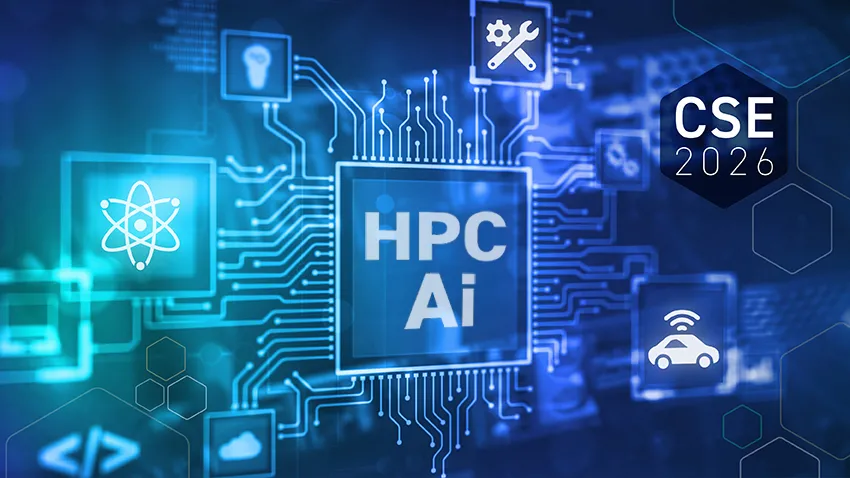
While not as highlight-reel worthy as the Winter Olympics and the World Cup, experts expect high-performance computing (HPC) to have an even bigger impact on daily life in 2026.
Georgia Tech researchers say HPC and artificial intelligence (AI) advances this year are poised to improve how people power their homes, design safer buildings, and travel through cities.
According to Qi Tang, scientists will take progressive steps toward cleaner, sustainable energy through nuclear fusion in 2026.
“I am very hopeful about the role of advanced computing and AI in making fusion a clean energy source,” said Tang, an assistant professor in the School of Computational Science and Engineering (CSE).
“Fusion systems involve many interconnected processes happening across different scales. Modern simulations, combined with data-driven methods, allow us to bring these pieces together into a unified picture.”
Tang’s research connects HPC and machine learning with fusion energy and plasma physics. This year, Tang is continuing work on large-scale nuclear fusion models.
Only a few experimental fusion reactors exist worldwide compared to more than 400 nuclear fission reactors. Tang’s work supports a broader effort to turn fusion from a promising idea into a practical energy source.
Nuclear fusion occurs in plasma, the fourth state of matter, where gas is heated to millions of degrees. In this extreme state, electrons are stripped from atoms, creating a hot soup of fast-moving ions and free electrons. In plasma, hydrogen atoms overcome their natural electrical repulsion, collide, and fuse together. This releases energy that can power cities and homes.
Computers interpret extreme temperatures, densities, pressures, and plasma particle motion as massive datasets. Tang works to assimilate these data types from computer models and real-world experiments.
To do this, he and other researchers rely on machine learning approaches to analyze data across models and experiments more quickly and to produce more accurate predictions. Over time, this will allow scientists to test and improve fusion reactor designs toward commercial use.
Beyond energy and nuclear engineering, Umar Khayaz sees broader impacts for HPC in 2026.
“HPC is the need of the day in every field of engineering sciences, physics, biology, and economics,” said Khayaz, a CSE Ph.D. student in the School of Civil and Environmental Engineering.
“HPC is important enough to say that we need to employ resources to also solve social problems.”
Khayaz studies dynamic fracture and phase-field modeling. These areas explore how materials break under sudden, rapid loads.
Like nuclear fusion, Khayaz says dynamic fracture problems are complex and data-intensive. In 2026, he expects to see more computing resources and computational capabilities devoted to understanding these problems and other emerging civil engineering challenges.
CSE Ph.D. student Yiqiao (Ahren) Jin sees a similar relationship between infrastructure and self-driving vehicles. He believes AI will innovate this area in 2026.
At Georgia Tech, Jin develops efficient multimodal AI systems. An autonomous vehicle is a multimodal system that uses camera video, laser sensors, language instructions, and other inputs to navigate city streets under changing scenarios like traffic and weather patterns.
Jin says multimodal research will move beyond performance benchmarks this year. This shift will lead to computer systems that can reason despite uncertainty and explain their decisions. In result, engineers will redefine how they evaluate and deploy autonomous systems in safety-critical settings.
“Many foundational problems in perception, multimodal reasoning, and agent coordination are being actively addressed in 2026. These advances enable a transition from isolated autonomous systems to safer, coordinated autonomous vehicle fleets,” Jin said.
“As these systems scale, they have the potential to fundamentally improve transportation safety and efficiency.”
News Contact
Bryant Wine, Communications Officer
bryant.wine@cc.gatech.edu
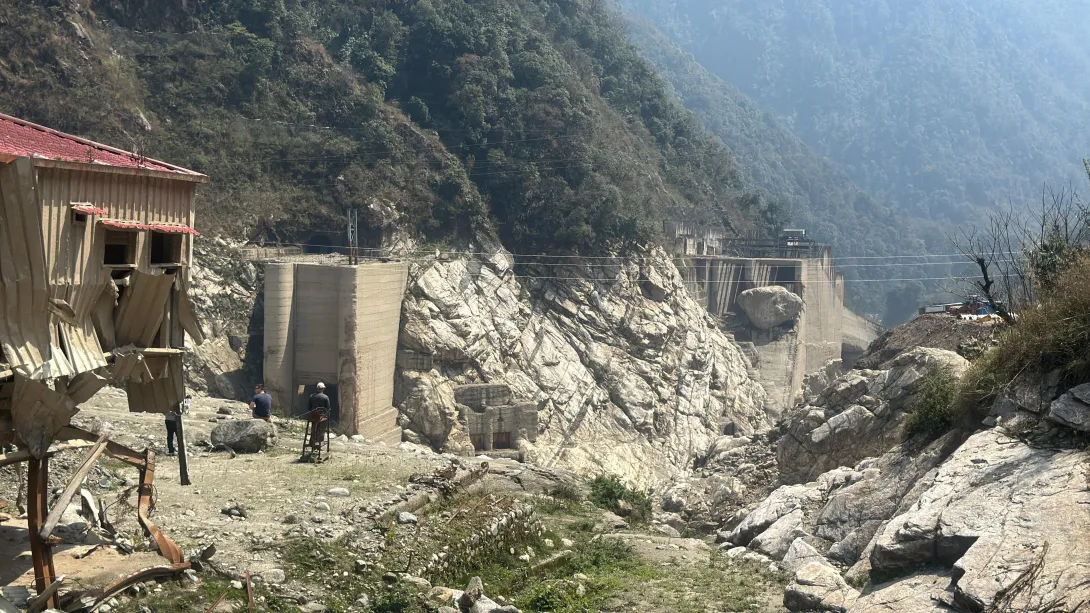
Students visited Lachung and Chungthang in Sikkim, India. Upstream in the Teesta Valley, students examined how steep terrain and river confinement amplify flood forces and how failures can cascade across an entire corridor of infrastructure.
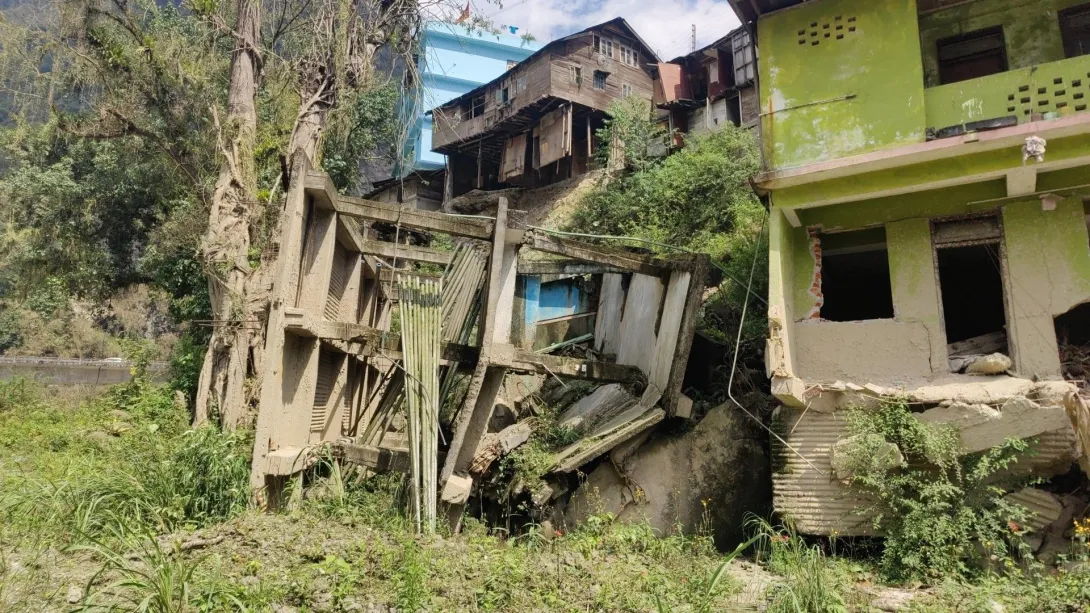
Downstream in the town Dikchu in Sikkim, India, the class focused on community-scale consequences: damaged buildings, disrupted access, and long recovery timelines.
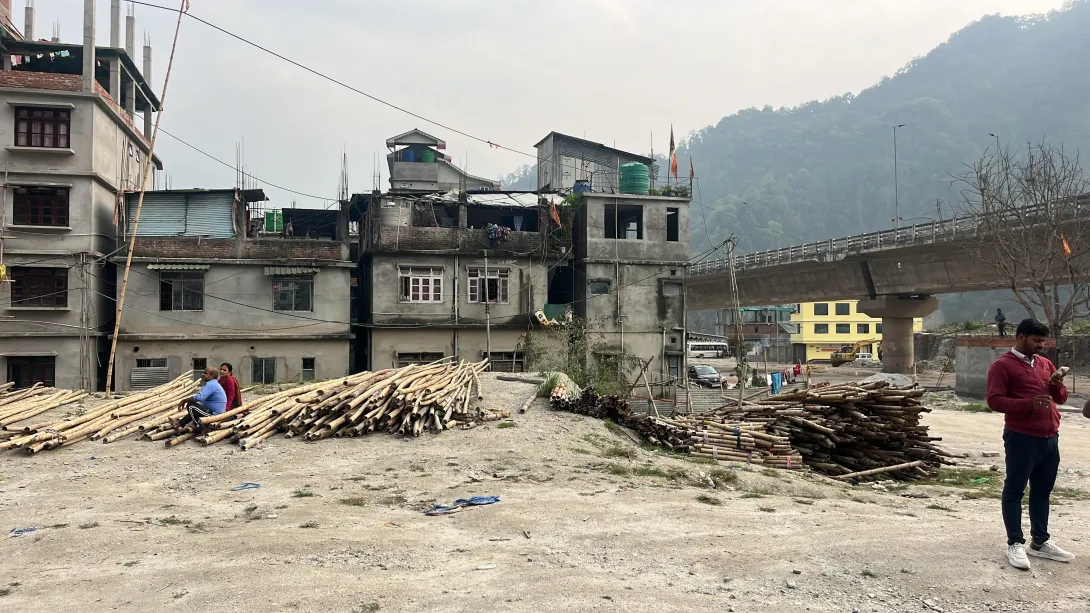
Rangpo in Sikkim, India offered a view of recovery in motion such as materials staged for rebuilding near bridges and roads that keep commerce and emergency response moving.

In Kathmandu Valley, Nepal, the course broadened from hazard impacts to cultural context, exploring how heritage, governance, and everyday use of public space shape resilience.
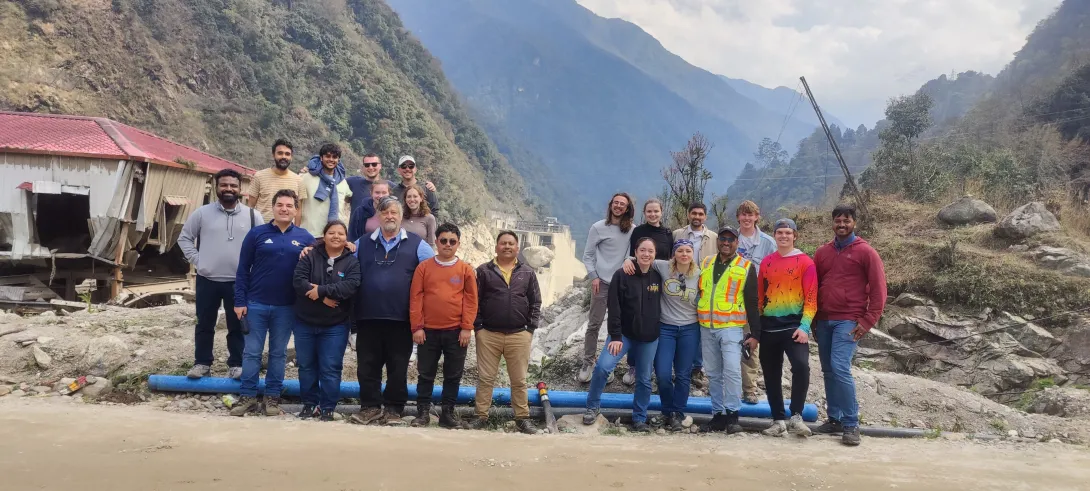
School of Civil and Environmental Engineering students captured 360 media, using Filio, to study disaster sites in India and Nepal. Photos provided by Roozbahani.
An AI-powered tool is changing how researchers study disasters and how students learn from them.
In the International Disaster Reconnaissance (IDR) course, students now use Filio, a platform built by School of Computing Instruction Senior Lecturer Max Mahdi Roozbahani, to capture immersive 360° media, photos, and video that transform real disaster sites in India and Nepal into living digital classrooms.
Offered by the School of Civil and Environmental Engineering and taught by IDR director and Regents’ Professor David Frost, the course pairs traditional fieldwork with Roozbahani’s expertise in immersive technology and data-driven learning, transforming on-the-ground observations into reusable, interactive educational resources.
How Computing Can Capture Data
Disasters are not only physical events; they are also information events, Roozbahani says. Effective response and long-term resilience depend on the ability to observe, record, and communicate critical data under pressure. Georgia Tech’s IDR course pairs structured on-campus preparation with international field experiences, enabling students to study the cascading effects of major disasters, including how local building practices, governance, and culture shape damage and recovery.
“When students step into a disaster zone, they learn quickly that resilience is a systems problem: physical, social, and informational. Our job in computing is to help them capture and reason about that system responsibly,” Roozbahani said.
Learning from the 2025 Himalayas Expedition
During spring break last year, the cohort traveled along the Teesta River corridor in Sikkim, India. The region is shaped by steep terrain, fast-moving water, and critical infrastructure in narrow valleys.
The visit followed the October 2023 glacial lake outburst flood from South Lhonak Lake, which destroyed the Teesta III hydropower dam and impacted downstream towns, including Dikchu and Rangpo. Field stops across India included Lachung, Chungthang, Dikchu, Rangpo, Gangtok, and New Delhi.
Students explored both upstream and downstream consequences.
Upstream, the team examined how steep terrain and river confinement amplify flood forces, creating cascading risks for infrastructure. Using Filio’s interactive 360° media, students captured conditions in Lachung and Chungthang, allowing viewers to explore the landscape through a 360° photo and 360° video that reveal how topography and river dynamics intensify disaster impacts.
They studied community-scale effects downstream, including damaged buildings, disrupted access, and prolonged recovery timelines.
Rangpo offered a glimpse of recovery in motion, with materials staged for rebuilding bridges and roads essential to commerce and emergency response.
Using Immersive Media as a Learning Tool
Students documented their field experience using Filio, an AI-powered visual reporting platform developed by Roozbahani through Georgia Tech’s CREATE-X ecosystem. Filio captures high-resolution photos, video, and 360° immersive media, preserving both the facts and the context of disaster sites; what the site felt like, what was lost, and what communities prioritized in recovery.
“A 360° capture lets students return months later and ask better questions. That second look is where learning accelerates,” Roozbahani said.
Supported by alumni and faculty mentors, including Tech alumnus Chris Klaus and Georgia Tech mentor Bill Higginbotham, the platform is evolving into a reusable educational library for future courses on immersive technology, responsible AI, and global resilience.
Kathmandu: The Context of Culture
The course concluded in Kathmandu, Nepal, where students examined how heritage, governance, and the everyday use of public space shape resilience.
Through Filio’s immersive documentation — including a 360° photo and 360° video from Kathmandu — the focus broadened from hazard impacts to cultural context, highlighting how recovery is not only about rebuilding structures, but also about preserving identity, memory, and community.
Looking Ahead: A Growing Resource for All Students
Frost and Roozbahani envision the IDR immersive media library as a reusable resource for students even when they cannot travel, supporting future courses on immersive technology, responsible AI, and global resilience. Spring 2026 cohorts will continue to build on this foundation by documenting, analyzing, and sharing insights that can improve education and real-world disaster response.
News Contact
Emily Smith
College of Computing
Georgia Tech
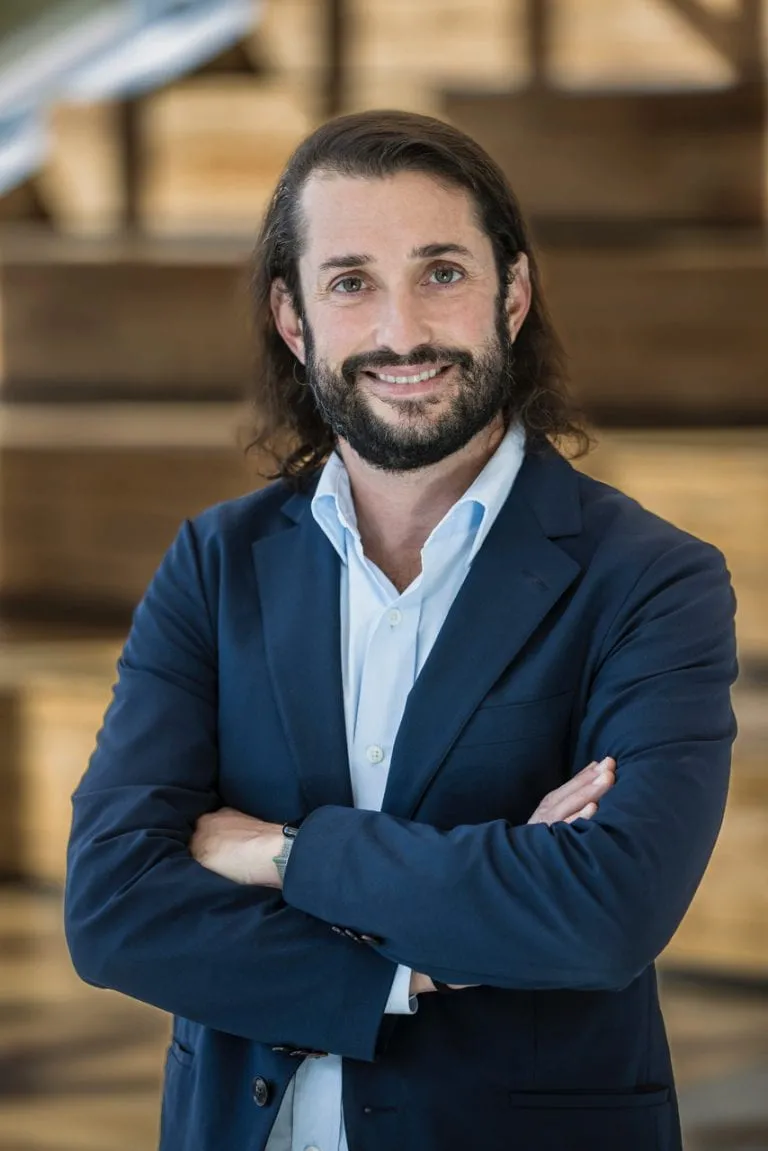
Dan Matisoff
As an undergraduate at the University of Pennsylvania, Daniel Matisoff was intrigued by the ability of economic markets to help solve environmental problems. “Learning about the regulatory role of governments in cap-and-trade markets for reducing carbon emissions shaped my career path,” says Matisoff, a professor at the Jimmy and Rosalynn Carter School of Public Policy and EPIcenter faculty affiliate. “It helped me decide to enter academia after earning my PhD in public policy at Indiana University, where I compared voluntary and mandatory emission reduction policies.”
Today, Matisoff continues research activities in this space and also directs a professional master’s program whose graduates help implement environmental policies in the public and private sector. Soon after joining the Georgia Tech faculty in 2009, he began to focus on market transformation through regulation, government subsidies and other financial incentives.
This led to an award-winning 2023 book about the Leadership in Energy and Environmental Design (LEED) certification program. It sparked the construction industry’s green building movement and incentivized early adopters of sustainable technology to create new supply chains. For Matisoff, LEED is a perfect example of using governance as a lever for environmental change.
News Contact
Gil Gonzalez
Program Coordinator
EPIcenter
Written by: Silke Schmidt
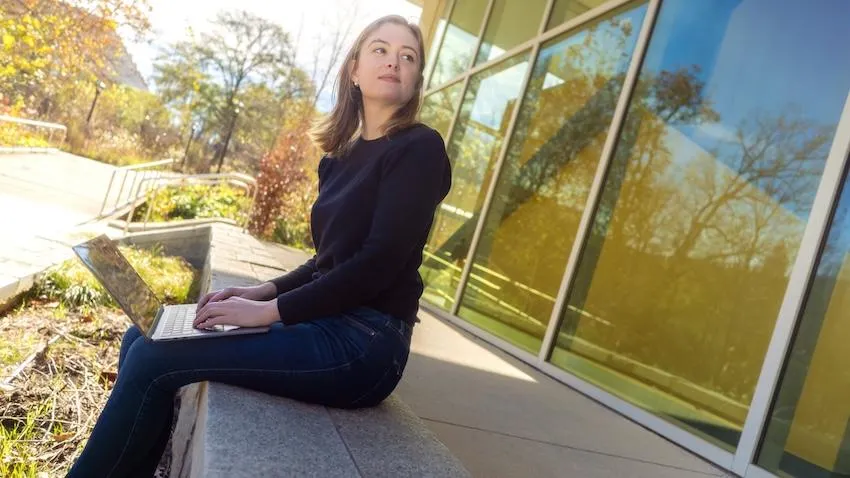
In 2015, before the cleaning crews hit the sidewalks of downtown Atlanta and before scavenger animals arose to snag an easy meal, Adam Betuel would venture into the darkness of the early mornings to look for birds.
Some were still alive, but most of the birds were dead. They were all too easy to find.
“I knew birds hit buildings, but I didn’t know much more about the issue at that time, and I was surprised how easily I just found birds,” Betuel said.
Birds flying into windows aren’t isolated events. Environmentalists estimate between 365 million and one billion birds die each year from colliding with structures in the U.S.
“That statistic is hard for most people to comprehend,” Betuel said. “When you think about the millions of homes we have and these high-rise buildings, and if each one is killing a few a year, that number can get big pretty quick.”
Betuel is the executive director of Birds Georgia, a nonprofit affiliate of the Audubon network that leads bird conservation efforts in Georgia. For 10 years, volunteers from the organization have combed Atlanta’s streets, collecting bird specimens.
Birds Georgia launched Project Safe Flight in 2015 to reduce bird building-collision mortality through data collection. Through legislation, the group aims to make building construction bird-friendly and reduce light pollution.
Environmentalists who study the issue have ranked Atlanta, which sits squarely on a migration route, as the fourth-most dangerous city for birds during fall migration. It is the ninth-most dangerous city during spring migration.
The number of bird deaths from collisions in Atlanta and across the state remains unknown. However, new data tools developed by student researchers in the College of Computing at Georgia Tech are helping Birds Georgia get a clearer picture of the issue.
“We’ve been working with different folks at Georgia Tech for years now, but it’s really picked up lately,” Betuel said. “There’s a lot of momentum and interest on campus to try to make the city safer for birds.”
Pushing for Policy
Ashley Boone, a Ph.D. student in human-centered computing in Tech’s School of Interactive Computing, has led the student effort to help Birds Georgia organize its data.
Boone said organizing data and knowing how to use it is critical to spark conversations about adopting legislation.
“We often see a gap between data collection and data advocacy,” she said. “Birds Georgia has done an amazing job of tracking collisions in Atlanta over the last 10 years. My goal is to understand the role technology can play in making data useful for policy change.”
User-interface tools designed by computer science undergraduate students James Kemerait and Ian Wood have ramped up that process. One tool converts data input into visualizations optimized for social media, while another consolidates the data collected by volunteers and external sources.
Boone said the desired legislation would mirror policies implemented by New York City. Those policies require the use of bird-safe materials — like window film with patterned designs that break up reflections — in new buildings and buildings undergoing significant renovations.
What Can Residents Do?
Residents, whose homes account for about 40% of bird collision deaths in the U.S., can also make an impact.
“Households are an underexamined cause of bird collisions,” Boone said. “We focus on the big buildings because it’s easier to convince one manager of a large building to use bird-safe materials, and it’s easier for a policy to address a commercial building. But the sheer volume of residential buildings in the U.S. has a tremendous impact on the number of collisions.”
Steps that homeowners can take include:
- Buying bird-safe film or making do-it-yourself versions of it to put on windows.
- Placing attractive objects like birdhouses and birdfeeders very close or very far away from windows.
- Turning off lights after 9 p.m. on the busiest migration nights of the year.
Betuel said millions of birds can fly over Atlanta on a single night during migration, and they are attracted to the city lights.
“They’ll come into urban centers and collide with an illuminated building, or maybe they overnight somewhere that isn’t safe,” he said. “The next day, they’re surrounded by glass, and birds don’t understand reflection.”
Residents can visit the Birds Georgia website to sign up for the Lights Out Pledge. Those who sign up will receive a text on the 10 busiest migratory nights of the year, and they will be asked to turn their lights off early.
The tools provided by Georgia Tech gave Birds Georgia insight into the number of bird species affected by collisions — more than 140, according to Betuel.
Betuel said that when the organization reaches an estimate of bird collisions, he hopes the number will raise alarms and turn people’s attention to the ecological impact.
“All these birds being lost results in fewer birds to eat pest insects, fewer birds to pollinate flowers, fewer birds to disperse seeds — all the ecological functions that we need, that they’re doing in the background that most people aren’t keen to,” he said. “If this decline in bird life continues to happen, at some point, there will be issues with our ecosystems functioning as they always have.”
News Contact
Nathan Deen, Communications Officer I
Georgia Tech School of Interactive Computing
ndeen6@gatech.edu
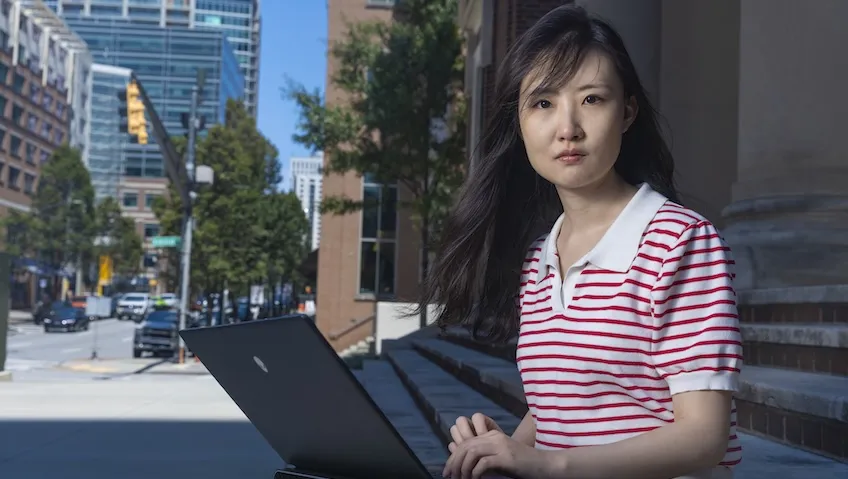
311 chatbots make it easier for people to report issues to their local government without long wait times on the phone. However, a new study finds that the technology might inhibit civic engagement.
311 systems allow residents to report potholes, broken fire hydrants, and other municipal issues. In recent years, the use of artificial intelligence (AI) to provide 311 services to community residents has boomed across city and state governments. This includes an artificial virtual assistant (AVA) developed by third-party vendors for the City of Atlanta in 2023.
Through survey data, researchers from Tech’s School of Interactive Computing found that many residents are generally positive about 311 chatbots. In addition to eliminating long wait times over the phone, they also offer residents quick answers to permit applications, waste collection, and other frequently asked questions.
However, the study, which was conducted in Atlanta, indicates that 311 chatbots could be causing residents to feel isolated from public officials and less aware of what’s happening in their community.
Jieyu Zhou, a Ph.D. student in the School of IC, said it doesn’t have to be that way.
Uniting Communities
Zhou and her advisor, Assistant Professor Christopher MacLellan, published a paper at the 2025 ACM Designing Interactive Systems (DIS) Conference that focuses on improving public service chatbot design and amplifying their civic impact. They collaborated with Professor Carl DiSalvo, Associate Professor Lynn Dombrowski, and graduate students Rui Shen and Yue You.
Zhou said 311 chatbots have the potential to be agents that drive community organization and improve quality of life.
“Current chatbots risk isolating users in their own experience,” Zhou said. “In the 311 system, people tend to report their own individual issues but lose a sense of what is happening in their broader community.
“People are very positive about these tools, but I think there’s an opportunity as we envision what civic chatbots could be. It’s important for us to emphasize that social element — engaging people within the community and connecting them with government representatives, community organizers, and other community members.”
Zhou and MacLellan said 311 chatbots can leave users wondering if others in their communities share their concerns.
“If people are at a town hall meeting, they can get a sense of whether the problems they are experiencing are shared by others,” Zhou said. “We can’t do that with a chatbot. It’s like an isolated room, and we’re trying to open the doors and the windows.”
Adding a Human Touch
In their paper, the researchers note that one of the biggest criticisms of 311 chatbots is they can’t replace interpersonal interaction.
Unlike chatbots, people working in local government offices are likely to:
- Have direct knowledge of issues
- Provide appropriate referrals
- Empathize with the resident’s concerns
MacLellan said residents are likely to grow frustrated with a chatbot when reporting issues that require this level of contextual knowledge.
One person in the researchers’ survey noted that the chatbot they used didn’t understand that their report was about a sidewalk issue, not a street issue.
“Explaining such a situation to a human representative is straightforward,” MacLellan said. “However, when the issue being raised does not fall within any of the categories the chatbot is built to address, it often misinterprets the query and offers information that isn’t helpful.”
The researchers offer some design suggestions that can help chatbots foster community engagement and improve community well-being:
- Escalation. Regarding the sidewalk report, the chatbot did not offer a way to escalate the query to a human who could resolve it. Zhou said that this is a feature that chatbots should have but often lack.
- Transparency. Chatbots could provide details about recent and frequently reported community issues. They should inform users early in the call process about known problems to help avoid an overload of user complaints.
- Education. Chatbots can keep users updated about what’s happening in their communities.
- Collective action. Chatbots can help communities organize and gather ideas to address challenges and solve problems.
“Government agencies may focus mainly on fixing individual issues,” Zhou said, “But recognizing community-level patterns can inspire collective creativity. For example, one participant suggested that if many people report a broken swing at a playground, it could spark an initiative to design a new playground together—going far beyond just fixing it.”
These are just a few examples of things, the researchers argue, that 311 services were originally designed to achieve.
“Communities were already collaborating on identifying and reporting issues,” Zhou said. “These chatbots should reflect the original intentions and collaboration practices of the communities they serve.
“Our research suggests we can increase the positive impact of civic chatbots by including social aspects within the design of the system, connecting people, and building a community view.”