
Artificial intelligence doesn’t just consume energy via data centers and hardware. It also increases productivity, which comes with its own energy and emissions costs.
A new study from Georgia Tech’s Jimmy and Rosalynn Carter School of Public Policy is one of the first to estimate how changes in productivity due to AI will affect energy consumption.
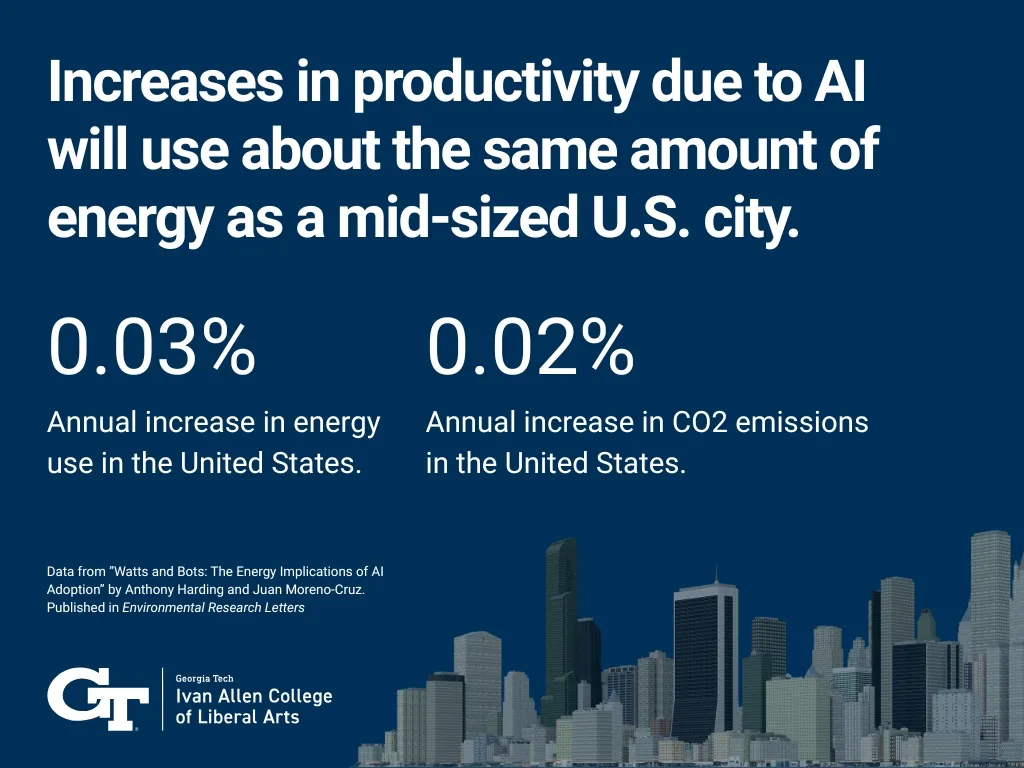
The paper, written by Anthony Harding and co-author Juan Moreno-Cruz at the University of Waterloo, suggests that greater productivity due to AI will result in a 0.03% annual increase in energy use in the United States and a 0.02% increase in CO2 emissions. That’s about equal to the yearly electricity use of a mid-sized U.S. city.
“If AI is as transformational as some expect it to be, it makes it even more important to think about the knock-on effects throughout the economy, beyond just the demands of the technology itself,” Harding said. “U.S. energy demand has stabilized since the mid-2000s. There is potential for AI to disrupt this, but there is also large uncertainty.”

A new wave of aviation innovation is taking shape above our cities, where short flights in electric air taxis could complement cars and trains as part of everyday transportation. Known as advanced air mobility (AAM), this emerging industry aims to connect communities more efficiently while reducing emissions and noise.
Before these futuristic aircraft can take off, Georgia Tech researchers say there’s serious work to do — in the air, on the ground, and in policy.
Why Now? The Technology Is Catching Up
“The same battery and automation technologies we’re using in electric ground vehicles are now being scaled for aircraft,” said Laurie Garrow, professor in the School of Civil and Environmental Engineering and co-director of Georgia Tech’s Center for Urban and Regional Air Mobility. “We’re also seeing improvements in distributed propulsion and composite materials that make these aircraft lighter, quieter, and more efficient.”
Garrow cautions that widespread commercial service is years away. “We may see high-profile demonstrations soon, maybe even at global events like the Olympics, but aviation certification is a rigorous process. It takes time to earn public trust.”
Safety, Regulation, and Public Acceptance
The promise of AAM depends on more than aircraft design — it also requires new safety frameworks and public confidence.
“We’ll need to define what I call ‘roads in the sky’ — safe corridors where these aircraft can operate alongside traditional air traffic,” Garrow said. “And we’ll need to ensure certification standards, air traffic control, and pilot training evolve alongside technology.”
Understanding how these vehicles interact with complex urban environments is essential to safe operation. Marilyn Smith, David Sloan Lews Professor in the School of Aerospace Engineering and director of the Vertical Lift Research Center of Excellence, leads research on modeling and simulation to prepare aircraft for real-world conditions.
Her lab is developing real-time simulations that factor in turbulence, wind shear, and other transient effects. “These predictions are not trivial,” Smith said. “We need fast, physics-based models that can run in near-real time to inform both design and regulation. There are significant and abrupt variations in the atmosphere that must be accounted for, both for passenger vehicles and smaller delivery drones.”
Smith’s team is also integrating artificial intelligence to improve speed and accuracy in certification — but always under expert oversight. “AI can accelerate our work,” she said. “Without the knowledge of domain experts, machine learning can generate misleading results, and that’s unacceptable when safety is on the line.”
Infrastructure, Airspace, and the Urban Puzzle
Even the most advanced aircraft cannot operate without new infrastructure on the ground and in the sky.
Vertiports are needed to allow aircraft to take off and land vertically. Also required are “charging systems and robust fire safety protocols for high-energy batteries,” Garrow said. “And perhaps most critically, we need ‘rules of the road in the sky’ to manage air traffic around existing airports.”
Atlanta could offer a unique advantage. “The runways at Hartsfield-Jackson run east to west, while most of the metro population centers are north and south,” Garrow noted. “That natural separation could make it easier to integrate vertical takeoff and landing operations.”
Alex Oettl, professor in the Scheller College of Business, cautions that AAM’s benefits could concentrate in major hubs without inclusive planning. “Improved connectivity will raise productivity in ‘superstar cities,’ but we’ll need new strategies if we want to ensure smaller communities aren’t left behind,” he said.
China’s Head Start and What It Means for the U.S.
Oettl notes that China has surged ahead in AAM thanks to coordinated government action, flexible regulations, and significant infrastructure investment.
“In contrast, the U.S. and Europe face more stringent certification requirements,” Oettl said. “That slows deployment but ideally ensures stronger safety standards. It’s a tradeoff between innovation speed and risk management.”
Cities and companies that move first into AAM could shape standards and attract investment — but they also shoulder more risk. “There’s a danger of technological lock-in or stranded assets if early systems don’t scale or demand falls short,” Oettl said. “We’ve seen parallels before, like the scooter boom that left cities with thousands of idle vehicles.”
Looking Ahead: The Urban Sky
For now, AAM remains on the horizon — visible but not yet within reach. Coordinated efforts between government, industry, and academia will determine how quickly it moves from prototype to daily reality.
“Georgia has been proactive in attracting aviation manufacturing,” Garrow said. “Coupled with our state’s infrastructure and Georgia Tech’s research ecosystem, we’re well positioned to lead.”
She added, “In aviation, we like to say we crawl, we walk, we run. These technologies are coming, but safely integrating them into our skies will take time, teamwork, and trust.”
News Contact
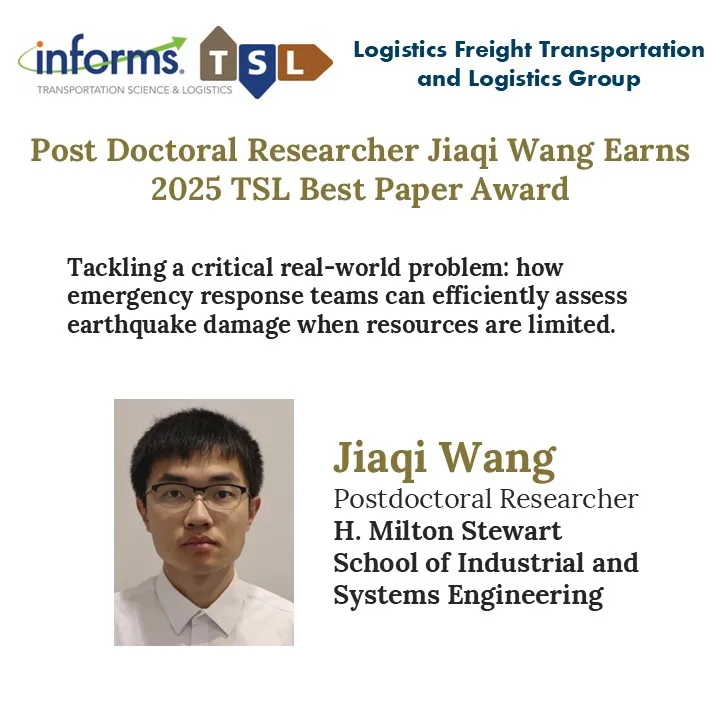
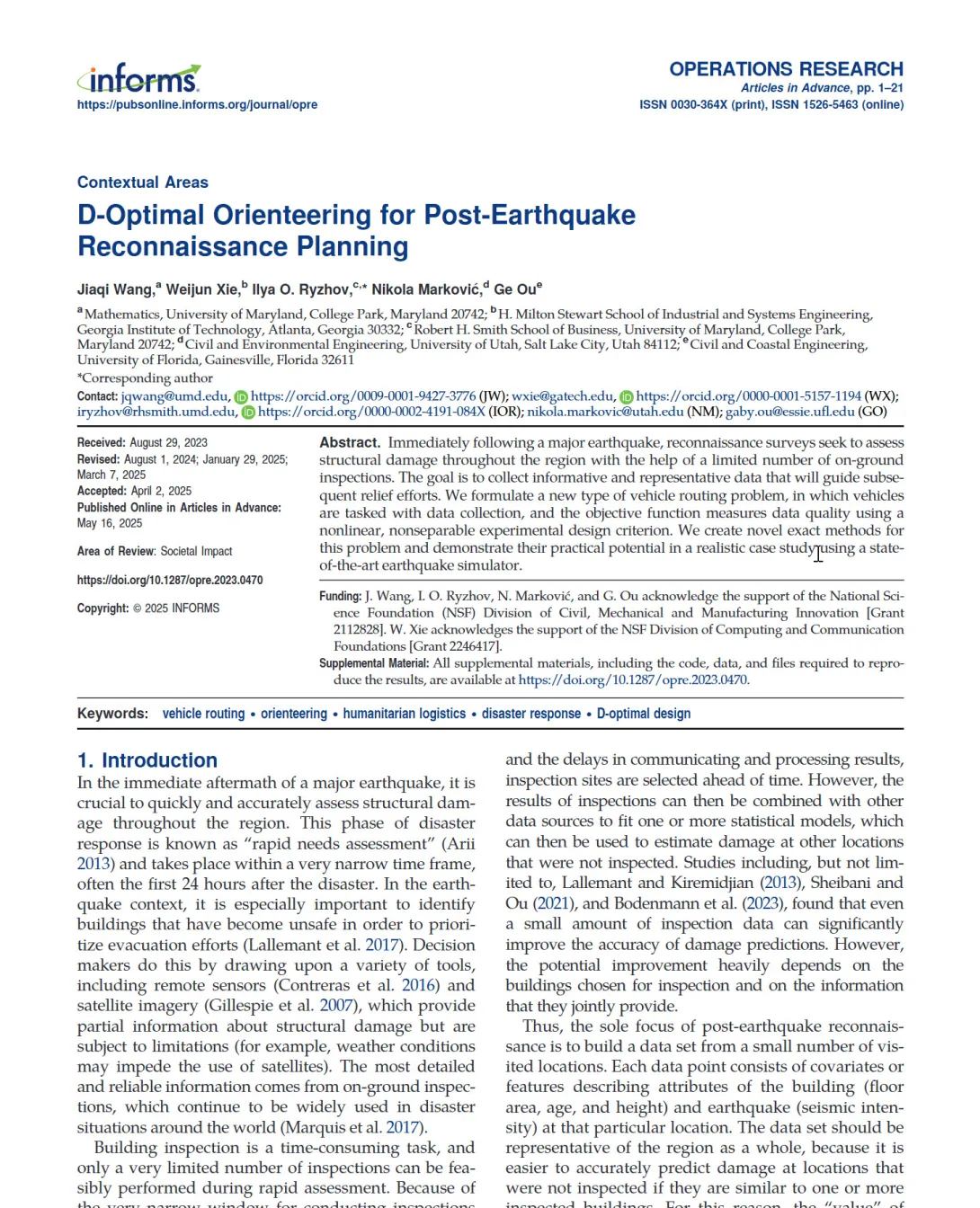
Congratulations to postdoctoral researcher Jiaqi Wang, recipient of a prestigious 2025 Best Paper Award from the Freight Transportation and Logistics Special Interest Group of the INFORMS Transportation Science & Logistics Society, for his paper titled “D-Optimal Orienteering for Post-Earthquake Reconnaissance Planning.” Wang is working under the supervision of Georgia Tech Supply Chain and Logistics Institute affiliated faculty member Professor Weijun Xie.
Award Recognition
This year, the committee received 39 exceptional submissions, resulting in a highly competitive selection process. After two rigorous rounds of voting, only three papers were selected to receive awards, highlighting the exceptional quality of Wang's research.
Groundbreaking Research Impact
The focus of the research tackles a critical real-world problem: how emergency response teams can efficiently assess earthquake damage when resources are limited. In the chaotic aftermath of a major earthquake, inspection teams must quickly determine which buildings are safe and which pose risks to public safety.
The authors transformed this challenge into an innovative vehicle routing optimization problem. Unlike traditional routing that simply moves vehicles from point to point, their approach strategically deploys inspection teams to collect the highest-quality damage assessment data possible.
Technical Innovation
The team developed advanced mathematical methods that measure data quality using sophisticated criteria, ensuring every inspection contributes maximum value to emergency response planning. They validated their methodology through realistic case studies using cutting-edge earthquake simulation technology, proving their system can significantly improve disaster response efficiency.
About the Organization
The INFORMS Transportation Science & Logistics Freight Transportation and Logistics Group focuses on research spanning trucking, rail, shipping, air cargo, and intermodal transportation. Their work encompasses planning, real-time control, pricing, demand management, and risk analysis across global supply chains.
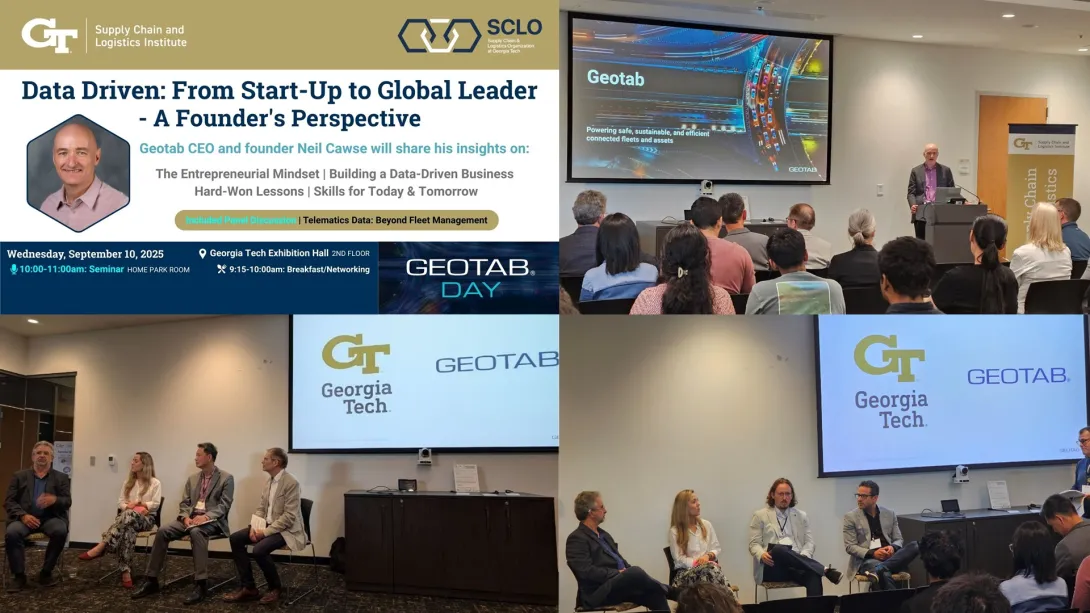
Geotab Inc. (“Geotab”), a global leader in connected vehicle solutions and asset management, today announced a significant research investment of up to $223,000 (USD) to support a doctoral project at Georgia Tech. This funding will specifically enable PhD students to work alongside Geotab staff, tackling real-world challenges in understanding traffic patterns and improving road safety, by leveraging Geotab’s advanced data and AI capabilities.
Geotab and Georgia Tech have formalized their collaboration through a Master Agreement, facilitating joint research initiatives between Geotab teams and Georgia Tech faculty and their students. This strategic partnership emphasizes knowledge transfer and practical outcomes.
The general theme of the journal is the development and solution of problems that are adequately motivated to deal with important aspects of the design and/or analysis of transportation systems.
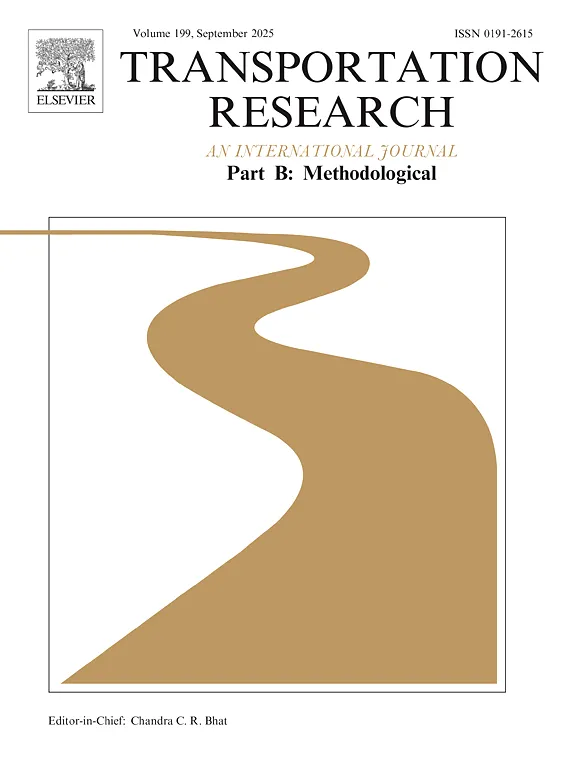
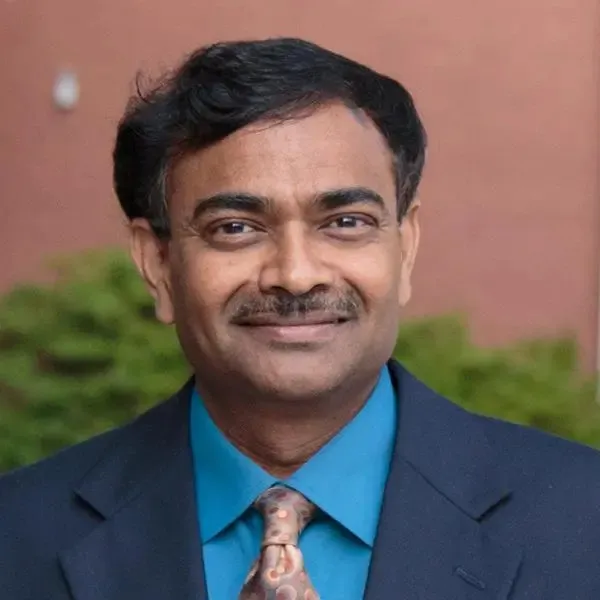
Srinivas Peeta, the Frederick R. Dickerson Chair in Transportation Systems at Georgia Tech’s School of Civil and Environmental Engineering, has been appointed Co-Editor-in-Chief of Transportation Research Part B: Methodological. This prestigious journal focuses on the mathematical and analytical foundations of transportation systems, addressing critical challenges in areas such as traffic flow, network design, control and scheduling, optimization, queuing theory, logistics, and behavioral modeling.
Transportation Research Part B complements other journals in the series—Part A (Policy and Practice), Part C (Emerging Technologies), and Part D (Transport and Environment)—forming a comprehensive suite of publications that collectively represent the forefront of transportation science. The journal serves a diverse and specialized audience, including operations researchers, logisticians, economists, econometricians, mathematical modelers, transportation engineers, geographers, and planners.
Professor Peeta brings decades of experience to this role. His research spans dynamic traffic assignment, congestion mitigation, and the development of resilient transportation networks. His association with Transportation Research Part B began in the early 1990s as a reviewer, and he has since published approximately 25 papers in the journal. Since 2019, he has served as an Associate Editor, playing a key role in managing the editorial process and upholding the journal’s high standards.
Please join us in congratulating Professor Peeta for this well-earned recognition. We are confident he will continue to guide Transportation Research Part B with excellence and vision, shaping the future of transportation research.
News Contact
info@scl.gatech.edu
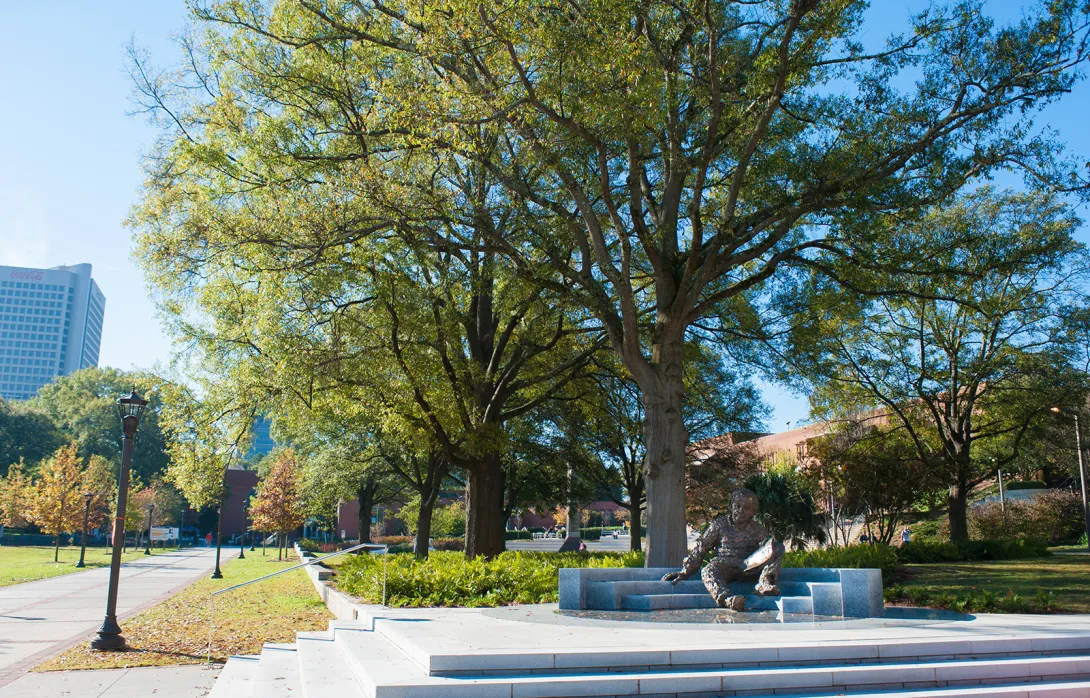
For more than 15 years, Georgia Tech has provided the City of Atlanta with the foundational data and insight that shape how the city tracks, understands, and plans for changes in its tree canopy. The latest cycle of this research — delivered through the Center for Urban Resilience and Analytics (CURA) — continues that legacy by offering a high-resolution, citywide canopy assessment using satellite imagery and field validation.
The assessment, funded by the city’s Tree Recompense Fund, uses advanced remote sensing tools such as WorldView-2 satellite data and a random forest classification model to categorize land into three land cover types. These include tree canopy, non-tree vegetation (grass, shrubs, and low lying vegetation) and non-vegetation (water, pervious surface). The methodology delivers a detailed spatial picture of land cover across the city.
“This is simply a tool in their planning arsenal,” said Anthony Giarrusso, who has led every canopy study since 2008. “Before they did any of this work in 2008, everything was anecdotal. It was reactionary.”
The new study is not advocacy — it’s information. Giarrusso emphasized that while researchers stay neutral in the politics of urban growth and conservation, their work equips city leaders with science-based knowledge to make more effective zoning and planning decisions.
In addition to mapping existing conditions, the Georgia Tech team developed the Potential Planting Index (PPI), a scalable tool that identifies where tree planting is physically possible based on current land cover. The tool quantifies the difference between tree canopy and non-tree vegetation, indicating zones with restoration potential.
Another key insight is the challenge of interpreting canopy change without understanding land use patterns. “It gives you a false sense of stability if you don’t understand the underlying land use,” said Giarrusso. “You might see canopy regrowth on paper, but that land could be cleared again tomorrow.” He explained that this false signal is particularly common in stalled development sites: “We saw a lot of properties where trees had regrown after initial clearing, but it was temporary and monoculture, low quality canopy. Several of those areas were cleared again for construction later.”
Giarrusso pointed to these “loss-gain-loss” cycles as one of the more misleading aspects of tree canopy analysis without strong land use context. “Some of them were pipe farms — land cleared for development with infrastructure like water and sewer lines installed, but then construction never happened. So trees grow back, and you get a canopy gain that doesn’t last and is nowhere near the quality of the trees originally cleared.”
He stressed that policymakers need to consider the permanence of canopy when using the data. “If it’s just going to be cleared again in two years, it’s not really a gain. That’s why long-term tracking and land use analysis together are so important.”
The city has incorporated these tools into broader planning efforts, including zoning reform and tree ordinance revisions. The research supports recommendations such as restricting full lot clearing in certain zoning categories and adjusting setback or lot coverage limits to better preserve existing canopy.
Giarrusso underscored the urgency of protecting larger, intact forested tracts. “If you can see it from space and it’s still forest — save it,” he said. “Once it’s cleared, you don’t get it back.”

In a unanimous vote on June 2, the Atlanta City Council approved a significant ordinance requiring all new and replacement roofs to be built with light-colored, reflective materials, commonly known as “cool roofs.” The ordinance, set to take effect in one year, is part of a growing effort to reduce the city’s vulnerability to extreme heat.
Georgia Tech researchers say the new policy marks a major step forward in climate adaptation, especially for heat-vulnerable communities, and could help position Atlanta as a national leader in urban resilience.
How Cool Roofs Can Help Hotlanta
”On any given summer afternoon, temperatures in Atlanta’s intown neighborhoods can be as much as 15 degrees Fahrenheit higher than in the city’s most forested areas,” said Brian Stone, professor in the School of City and Regional Planning and associate director of Georgia Tech’s Center for Urban Resilience and Analytics.
That spike is partly due to the urban heat island effect — a phenomenon driven by heat-trapping materials like concrete, asphalt, and dark rooftops, combined with the loss of trees and natural landscapes. The impacts are not just uncomfortable — they’re dangerous. Extreme heat is now one of the deadliest forms of weather in the U.S., with disproportionate effects on low-income communities, elderly residents, and those without access to air conditioning.
According to Patrick Kastner, assistant professor in the School of Architecture, rooftops are key contributors. “A major driver [of heat buildup] is dark, heat-absorbing material that stores solar energy during the day and then re-radiates it at night. If you look at a satellite image, for most of the day rooftops have more exposure to the sun than building facades — so the material choice there matters a lot.”
The Power of Reflective Roofs — and Trees
Stone and his students conducted modeling that found that widespread adoption of cool roofs across Atlanta could lower summer afternoon temperatures by more than 2 degrees Fahrenheit in many neighborhoods. That’s comparable to findings in other global cities like London, where cool roofs have reduced average temperatures by up to 2 degrees Celsius (3.6 F).
But cool roofs are only one part of a broader urban cooling strategy. In the same study, Stone’s team showed that planting trees in just half of Atlanta’s available planting zones could yield an even more dramatic effect, reducing temperatures by 4 F or more in some areas.
“Cool roofs are highly effective, but pairing them with increased urban tree cover would multiply the benefits, especially for neighborhoods currently lacking shade,” Stone said.
Equity and Energy Impacts
Atlanta’s ordinance requires cool roofing materials on new commercial construction and when existing commercial roofs are replaced. While that may sound like a technical design tweak, Stone emphasized its equity implications.
“Residents in South and West Atlanta, where tree canopy is sparse, and energy costs take up a larger share of household income, stand to gain the most,” Stone said. “When a cool roof is installed as part of a required roof replacement, those households will see meaningful reductions in cooling costs month after month.”
Kastner added that cool roofs could ease pressure on the electrical grid, lowering peak energy demand required for cooling during extreme heat and possibly reduce the risk of outages.
Durability, Maintenance, and Design Trade-offs
Stone noted that cool roofs tend to extend the life of roofing materials by limiting thermal degradation. However, he and Kastner also flagged some trade-offs.
For example, highly reflective coatings can create glare, especially on sloped roofs near neighboring buildings. The ordinance accounts for this by setting different standards for flat and pitched roofs. Maintenance is another consideration: over time, reflective coatings may degrade or become dirty, requiring periodic cleaning to maintain performance.
“Aesthetics and material compatibility may also challenge adoption when it comes to historic buildings or for roofs already outfitted with solar panels,” Kastner said. “But advancements in roofing technology, including high-performance materials that aren’t plain white, offer more flexible options than ever before.”
A Cool Roof Policy With National Impact
While cities like New York and Chicago have implemented cool roof programs for over a decade, Atlanta’s proposed ordinance is one of the most comprehensive in the country — applying to all roof types, not just flat industrial ones.
“Atlanta is steadily emerging as one of the most climate-resilient cities in the U.S.,” said Stone, pointing to the city’s urban forest and growing network of floodable parks as complementary resilience strategies. “Adding a best-in-class cool roofing ordinance to that portfolio is a bold step forward.”
And it could spark innovation across the region.
“Georgia Tech is uniquely positioned to help advance climate-resilient design,” Kastner said. “From research on advanced coatings to urban planning tools that target the most heat-vulnerable areas, we’re bringing science and policy together to shape cooler, healthier cities.”
News Contact
Ayana Isles
Senior Media Relations Representative
Institute Communications
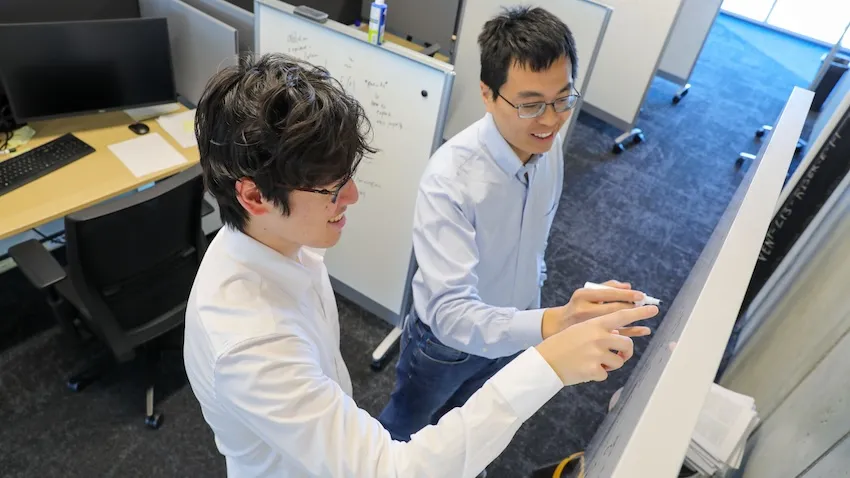
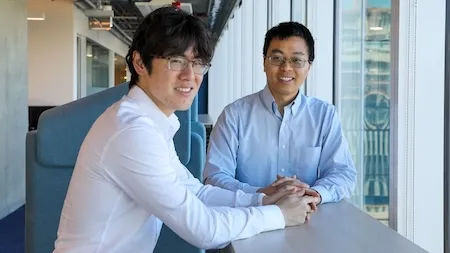
Successful test results of a new machine learning (ML) technique developed at Georgia Tech could help communities prepare for extreme weather and coastal flooding. The approach could also be applied to other models that predict how natural systems impact society.
Ph.D. student Phillip Si and Assistant Professor Peng Chen developed Latent-EnSF, a technique that improves how ML models assimilate data to make predictions.
In experiments predicting medium-range weather forecasting and shallow water wave propagation, Latent-EnSF demonstrated higher accuracy, faster convergence, and greater efficiency than existing methods for sparse data assimilation.
“We are currently involved in an NSF-funded project aimed at providing real-time information on extreme flooding events in Pinellas County, Florida,” said Si, who studies computational science and engineering (CSE).
“We're actively working on integrating Latent-EnSF into the system, which will facilitate accurate and synchronized modeling of natural disasters. This initiative aims to enhance community preparedness and safety measures in response to flooding risks.”
Latent-EnSF outperformed three comparable models in assimilation speed, accuracy, and efficiency in shallow water wave propagation experiments. These tests show models can make better and faster predictions of coastal flood waves, tides, and tsunamis.
In experiments on medium-range weather forecasting, Latent-EnSF surpassed the same three control models in accuracy, convergence, and time. Additionally, this test demonstrated Latent-EnSF's scalability compared to other methods.
These promising results support using ML models to simulate climate, weather, and other complex systems.
Traditionally, such studies require employment of large, energy-intensive supercomputers. However, advances like Latent-EnSF are making smaller, more efficient ML models feasible for these purposes.
The Georgia Tech team mentioned this comparison in its paper. It takes hours for the European Center for Medium-Range Weather Forecasts computer to run its simulations. Conversely, the ML model FourCastNet calculated the same forecast in seconds.
“Resolution, complexity, and data-diversity will continue to increase into the future,” said Chen, an assistant professor in the School of CSE.
“To keep pace with this trend, we believe that ML models and ML-based data assimilation methods will become indispensable for studying large-scale complex systems.”
Data assimilation is the process by which models continuously ingest new, real-world data to update predictions. This data is often sparse, meaning it is limited, incomplete, or unevenly distributed over time.
Latent-EnSF builds on the Ensemble Filter Scores (EnSF) model developed by Florida State University and Oak Ridge National Laboratory researchers.
EnSF’s strength is that it assimilates data with many features and unpredictable relationships between data points. However, integrating sparse data leads to lost information and knowledge gaps in the model. Also, such large models may stop learning entirely from small amounts of sparse data.
The Georgia Tech researchers employ two variational autoencoders (VAEs) in Latent-EnSF to help ML models integrate and use real-world data. The VAEs encode sparse data and predictive models together in the same space to assimilate data more accurately and efficiently.
Integrating models with new methods, like Latent-EnSF, accelerates data assimilation. Producing accurate predictions more quickly during real-world crises could save lives and property for communities.
To share Latent-EnSF to the broader research community, Chen and Si presented their paper at the SIAM Conference on Computational Science and Engineering (CSE25). The Society of Industrial and Applied Mathematics (SIAM) organized CSE25, held March 3-7 in Fort Worth, Texas.
Chen was one of ten School of CSE faculty members who presented research at CSE25, representing one-third of the School’s faculty body. Latent-EnSF was one of 15 papers by School of CSE authors and one of 23 Georgia Tech papers presented at the conference.
The pair will also present Latent-EnSF at the upcoming International Conference on Learning Representations (ICLR 2025). Occurring April 24-28 in Singapore, ICLR is one of the world’s most prestigious conferences dedicated to artificial intelligence research.
“We hope to bring attention to experts and domain scientists the exciting area of ML-based data assimilation by presenting our paper,” Chen said. “Our work offers a new solution to address some of the key shortcomings in the area for broader applications.”
News Contact
Bryant Wine, Communications Officer
bryant.wine@cc.gatech.edu

Ice fog over Fairbanks as seen from the University of Alaska Fairbanks. (Debbie Dean)
New research shows that an effort to improve wintertime air quality in Fairbanks, Alaska — particularly in frigid conditions around 40 below zero Fahrenheit — may not be as effective as intended.
Led by a team of University of Alaska Fairbanks and Georgia Tech researchers that includes School of Earth and Atmospheric Sciences Professor Rodney Weber, the researchers' latest findings are published in Science Advances.
In the study, the team leveraged state-of-the-art thermodynamic tools used in global air quality models, with an aim to better understand how reducing the amount of primary sulfate in the atmosphere might affect sub-zero air quality conditions.
The project stems from the 2022 Alaskan Layered Pollution and Chemical Analysis project, or ALPACA, an international project funded by the National Science Foundation, the National Oceanic and Atmospheric Administration and European sources. It is part of an international air quality effort called Pollution in the Arctic: Climate Environment and Societies.
Read the full story in the University of Alaska Fairbanks newsroom.
News Contact
Jess Hunt-Ralston
Director of Communications
College of Sciences
Georgia Institute of Technology
Rod Boyce
University of Alaska Fairbanks
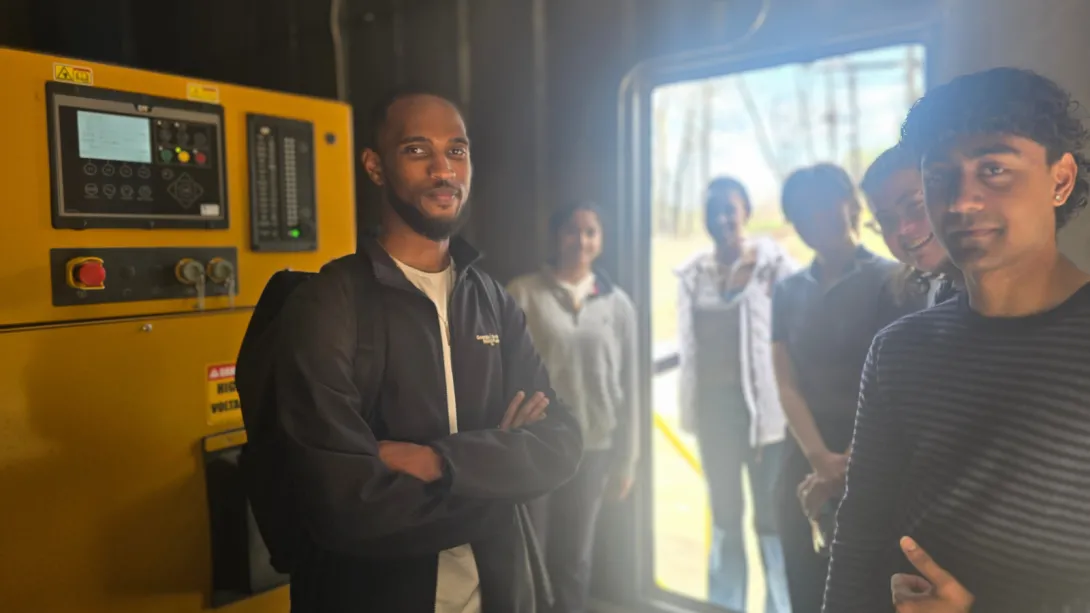
Students in the GROWER VIP on a site visit to Cobb EMC, a non-profit electric utility company, this spring.
Georgia Tech's new GROWER VIP is creating the country's most comprehensive real-time power outage tracker for research use. The database will help researchers explore questions about the causes and effects of power outages and how policy interventions can help strengthen grid resilience.
Why now?
This understanding is urgent in the wake of increasingly extreme climate change-driven weather events and natural disasters, as well as the federal government’s investment of more than $15 billion in grid modernization under the Inflation Reduction Act and Bipartisan Infrastructure Law.
The database will help researchers learn more about the causes of outages and their societal impacts, such as on housing prices, business activity, public health, and crime. It will also help them obtain greater insight into which communities experience the most frequent and longest outages and what can be done to help.
How does it work?
- Utility companies report real-time power outages, but the data is fractured across different service territories and states.
- Users can’t download data directly, making the information difficult to use for research and evaluation.
- Because of this, it's hard for researchers and agencies to understand the extent and scope of problems with the energy grid.
To address these challenges, the GROWER team developed algorithms and web scrapers. They use Amazon Web Services to crawl the utility websites every 15 minutes and collect the power outage data for many states in one place.
Who’s Involved?
The Grid Resilience, Outage, Weather, and Emergency Response (GROWER) Lab is a Vertically Integrated Project launched in 2024 by faculty and students in the Ivan Allen College of Liberal Arts and the College of Engineering.
Brian Y. An, an assistant professor in the School of Public Policy, and Constance Crozier, an assistant professor in the School of Industrial and Systems Engineering, lead the project alongside John Kim, the lab manager and a public policy Ph.D. student. The group includes 15 students in computer science, city and regional planning, business, public policy, and industrial systems and engineering programs.
What’s Next?
The GROWER team has already begun applying findings from the dataset to research questions.
They are writing a paper based on data showing that racial and ethnic minorities experience more frequent and longer power outages than other groups and have also begun examining the effects of power outages on crime and medical emergencies.
This summer, they will partner with the Oak Ridge National Laboratory to provide technical assistance to the Department of Energy Grid Deployment Office, which is the lead federal agency administering grid modernization grants.
“It is incredibly rewarding to connect with research groups in and out of Georgia Tech who share this vision with us,” An said. “We’re excited to conduct robust research that will inform real-word policy making across the country."
News Contact
Di Minardi
Ivan Allen College of Liberal Arts