

Omar Asensio is Associate Professor at Georgia Institute of Technology and Climate Fellow, Harvard Business School
With new vehicle models being developed by major brands and a growing supply chain, the electric vehicle (EV) revolution seems well underway. But, as consumer purchases of EVs have slowed, car makers have backtracked on planned EV manufacturing investments. A major roadblock to wider EV adoption remains the lack of a fully realized charging infrastructure. At just under 51,000 public charging stations nationwide, and sizeable gaps between urban and rural areas, this inconsistency is a major driver of buyer hesitance.
How do we understand, at a large scale, ways to make it easier for consumers to have confidence in public infrastructure? That is a major issue holding back electrification for many consumer segments.
- Omar Asensio, Associate Professor at Georgia Institute of Technology and Climate Fellow, Harvard Business School | Director, Data Science & Policy Lab
Omar Asensio, associate professor in the School of Public Policy and director of the Data Science and Policy Lab at the Georgia Institute of Technology, and his team have been working to solve this trust issue using the Microsoft CloudHub partnership resources. Asensio is also currently a visiting fellow with the Institute for the Study of Business in Global Society at the Harvard Business School.
The CloudHub partnership gave the Asensio team access to Microsoft’s Azure OpenAI to sift through vast amounts of data collected from different sources to identify relevant connections. Asensio’s team needed to know if AI could understand purchaser sentiment as negative within a population with an internal lingo outside of the general consumer population. Early results yielded little. The team then used specific example data collected from EV enthusiasts to train the AI for a sentiment classification accuracy that now exceeds that of human experts and data parsed from government-funded surveys.
The use of trained AI promises to expedite industry response to consumer sentiment at a much lower cost than previously possible. “What we’re doing with Azure is a lot more scalable,” Asensio said. “We hit a button, and within five to 10 minutes, we had classified all the U.S. data. Then I had my students look at performance in Europe, with urban and non-urban areas. Most recently, we aggregated evidence of stations across East and Southeast Asia, and we used machine learning to translate the data in 72 detected languages.”
We are excited to see how access to compute and AI models is accelerating research and having an impact on important societal issues. Omar's research sheds new light on the gaps in electric vehicle infrastructure and AI enables them to effectively scale their analysis not only in the U.S. but globally.
- Elizabeth Bruce, Director, Technology for Fundamental Rights, Microsoft
Asensio's pioneering work illustrates the interdisciplinary nature of today’s research environment, from machine learning models predicting problems to assisting in improving EV infrastructure. The team is planning on applying the technique to datasets next, to address access concerns and reduce the number of “charging deserts.” The findings could lead to the creation of policies that help in the adoption of EVs in infrastructure-lacking regions for a true automotive electrification revolution and long-term environmental sustainability in the U.S.
- Christa M. Ernst
Source Paper: Reliability of electric vehicle charging infrastructure: A cross-lingual deep learning approach - ScienceDirect
News Contact
Christa M. Ernst
Research Communications Program Manager
Topic Expertise: Robotics | Data Sciences| Semiconductor Design & Fab
Research @ the Georgia Institute of Technology
christa.ernst@research.gatech.edu
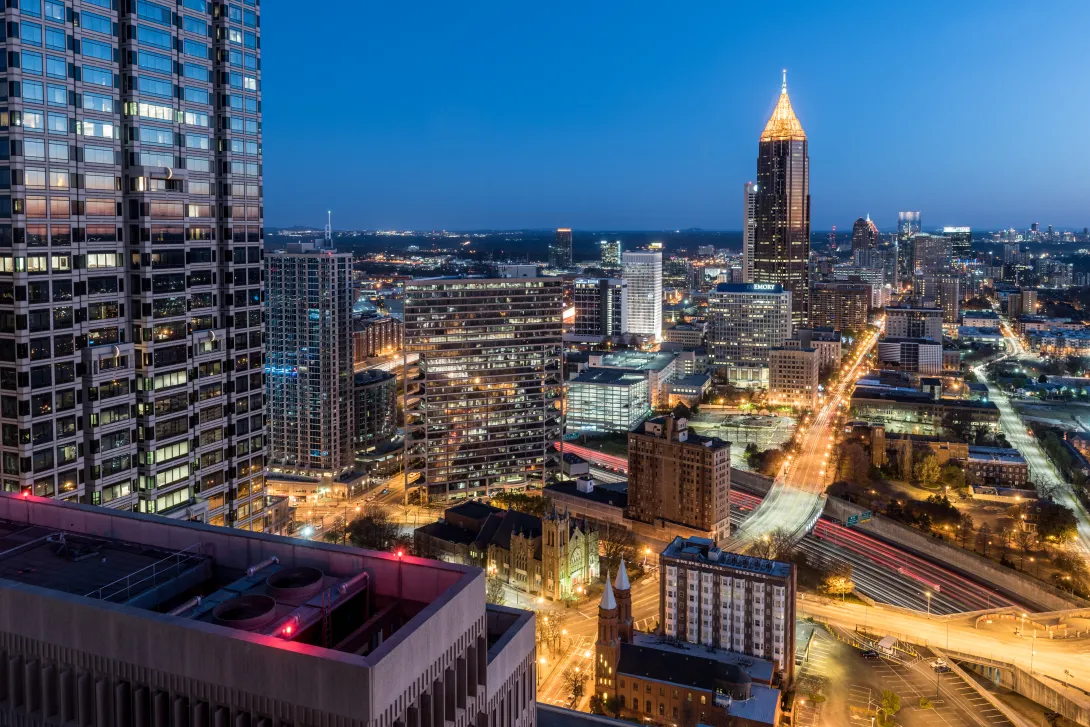
Continued growth will transform metro Atlanta, and the Atlanta Regional Commission (ARC) projects 1.8 million new residents across the 21-county region by 2050.
The increase would bring the regional population to 7.9 million, but to accommodate that growth, Georgia Tech experts say improvements in the housing, transportation, and labor markets must be made.
Housing
The five-county core around Atlanta — Fulton, Gwinnett, Cobb, DeKalb, and Clayton — will account for nearly half of the new residents and continues to grow. Gregory Randolph, an assistant professor in Georgia Tech’s School of City and Regional Planning, says the region must start by reexamining its approach to urbanism as new census data shows Atlanta has become the sixth most-populated metro area in the country.
"For the second half of the 20th century, little of the population growth in metro Atlanta was happening in the City of Atlanta, but that has changed over the past two decades. With the urban core growing, we have an opportunity. to pursue a different kind of urban form that is higher density and more walkable. A lot of the recent growth in Atlanta is adding density without necessarily improving the quality of urbanism.”
He explains that, especially in downtown Atlanta, retrofitting existing properties will play a key role in transforming neighborhoods through the replacement of "lower-value infrastructure," such as surface parking lots, with higher-density housing. In a post-pandemic environment, the conversion of office space to mixed-use properties is emerging as a strategy in urban areas like Atlanta.
A 2023 report identified the need for 391,878 housing units within the five-county core at the current population level. Mike Dobbins, professor of the practice in the School of City and Regional Planning, credits efforts made by the mayor's office and nonprofit organizations such as the Urban Land Institute to increase availability.
"We're living in a situation where housing values are too high because big money investors are bidding up real estate prices throughout the region. Even nationally, it's double the rate of wage increases. The biggest question is how can we bring down housing costs,” he said.
Randolph and Dobbins agree that addressing Atlanta’s housing needs is more complicated than simply adding supply.
“Our priority must be building housing that is affordable to low- and middle-income households, and in a way that promotes mixed-income, walkable neighborhoods with equitable, car-free access to amenities like parks, schools, and community-serving retail,” Randolph said.
Labor
Along with population growth, the region will add an estimated 856,000 jobs, with significant gains in healthcare, technology, and waste management. To maintain a labor force that can fill the jobs of the future, Dobbins stresses that continued investment in K-12 education, especially in traditionally underserved communities, is vital to accommodate new growth and overcome existing challenges of inequity.
Atlanta has the highest income inequality in the nation. According to the Atlanta Wealth Building Initiative, the average white family’s median income is $83,722 compared to $28,105 for Black families and $43,110 for Latino families. That gap widens when examining wealth, which for white households is 46 times higher than that of Black households in Atlanta.
The ARC study notes that "virtually all the net growth will come from racial and ethnic minority groups.” Randolph points to policy as a necessary tool in improving workforce development for current and future residents to support equitable and inclusive growth across the region. He adds that institutions like Georgia Tech can play a role in expanding access to the advanced degrees often needed to fill the jobs created by the city’s emerging status as a technology hub, with an emphasis on ensuring access to these degrees among historically disadvantaged groups in the city.
Transportation
The other 900,000 projected new residents will reside among the remaining 16 counties in the Atlanta region. The ARC predicts the most rapid growth in Forsyth, Barrow, Paulding, Cherokee, Walton, and Coweta, and the need for affordable housing will extend to the surrounding counties, as will the need to travel throughout the region.
Ryan Gravel, the Georgia Tech alumnus and mind behind the Atlanta BeltLine, says transit improvements are needed to ensure each county is connected to Atlanta’s city center.
“We haven't made a substantial new transit investment since 2000,” he said. “Meanwhile, the region has grown substantially since then. We haven't been laying the foundation for that future growth, which means it will come in ways that we don't want: more traffic, more congestion, and more inequities in communities of color.”
Gravel, founder of the consulting firm Sixpitch, rejects adding lanes to existing highways, saying that strategic improvements to MARTA — the rail system constructed in 1979 — will reduce traffic while allowing residents to live outside of the five-county core.
“As the saying goes, the best time to plant a tree is 20 years ago,” he said. “The second-best time is now. We didn’t do it 20 years ago, but we could start now.”
In his 2024 State of the City address, Dickens announced plans to construct a new MARTA rail station on the Southside at the Murphy Crossing redevelopment project site, connecting the system to Beltline for the first time. The mayor revealed preliminary plans to add three infill MARTA stations throughout the city, however, specific locations were not announced.
Plans to add a portion of the light-rail system around the BetlLine are currently under review, with construction on the Streetcar East expansion project — extending Atlanta Streetcar service from downtown Atlanta to Ponce de Leon Avenue — projected to begin construction in 2025 and begin service in 2029. In 2025, the MARTA Rapid Summerhill project will begin service from downtown to Capitol Gateway, Summerhill, Peoplestown, and the BeltLine through dedicated bus lanes with transit signal priority to bypass traffic.
A “Beloved Community”
The Atlanta region’s transformation will not happen overnight, but anchor institutions like Georgia Tech can contribute along the way. Randolph sees current plans to revitalize portions of the city’s Westside as an example of how neighborhoods can be revitalized for current residents while simultaneously building with future growth in mind.
“It’s important that we continue to play a positive role in not just physically developing the Westside but also thinking about how we can strengthen the economy of Westside neighborhoods through our own procurement and purchasing practices. It's an example of how Georgia Tech, as an engine of economic development, can play a positive role in propelling that growth while ensuring that the growth is inclusive.” Randolph said.
The solutions to the ARC’s projected growth will not be cheap or easily attained, but as Gravel points out, it’s an opportunity for Atlanta to honor its past as it marches toward its future, aspiring to Martin Luther King Jr.’s idea of the beloved community.
“The prosperity of the metropolitan region stands on the shoulders of the Civil Rights Movement,” he said. “If that's who we are when we're at our best, then we should use that as a model for how we move forward. How we accommodate that future change should be based on decisions to ensure that this place is a place for everyone.”
News Contact
Steven Gagliano - Institute Communications
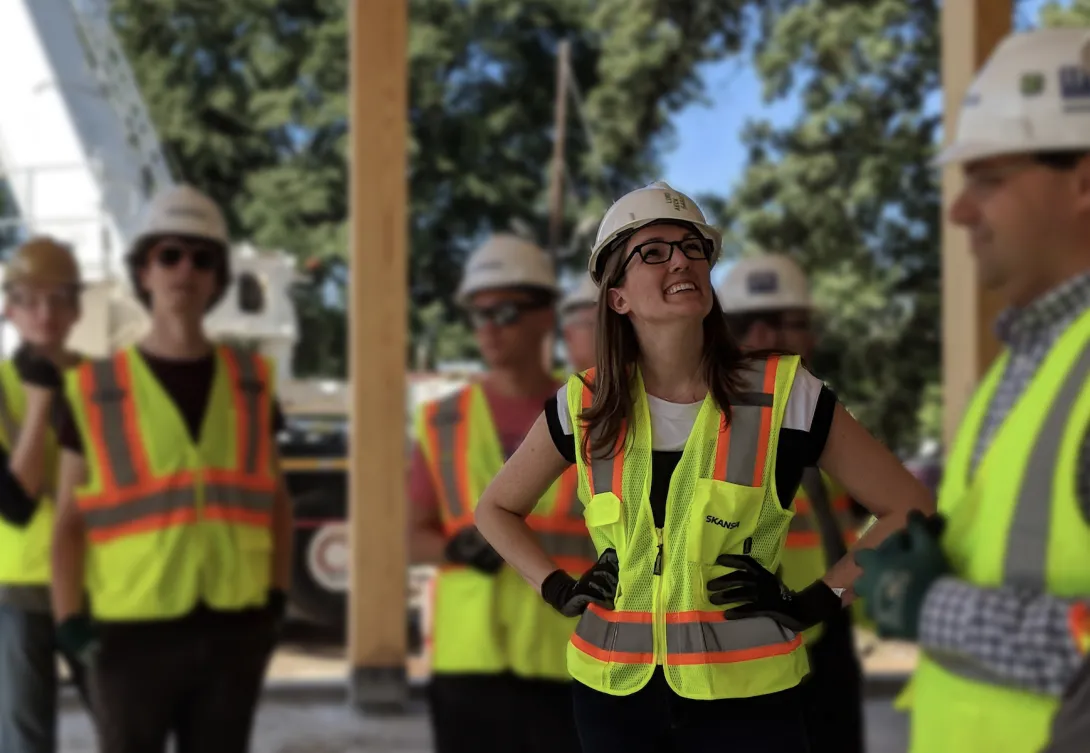
When Amy Stone first arrived on the Georgia Tech campus in 2006 to pursue a bachelor's degree in architecture, she was in awe of her surroundings. Seventeen years later, the soon-to-be triple Jacket and mother of three leaves behind her own stamp on the Institute's future.
When Amy Stone first arrived on the Georgia Tech campus in 2006 to pursue a bachelor's degree in architecture, she was in awe of her surroundings. Seventeen years later, the soon-to-be triple Jacket and mother of three leaves behind her own stamp on the Institute's future.
While she didn't realize how much time she'd spend at Tech after arriving as a transfer student, Stone knew instantly that she had found a home here.
"I remember driving up to Georgia Tech and just being wowed by the beauty of the campus and its history and feeling like this place was special,” she said. “This green urban campus in the middle of a city has so much to offer. I kept coming back for the quality of the education, and I love to see how the campus has gotten more beautiful, advanced, and innovative by improving upon itself."
Among the transformative projects completed during Stone's time on campus is The Kendeda Building for Innovative and Sustainable Design — a building she had a hand in designing as a member of the project team.
"It's such an honor as a student to be able to put my own thumbprint on this campus that has given me so much. I'm so proud of the outcome and that it can be used as an example, as a learning lab, and an educational opportunity to show this is what sustainability looks like," she said.
As construction crews continue their work on the early stages of Tech Square Phase 3, Stone sees another dream project come to fruition, having worked on the concept phase of the high-rise towers. The Scheller and George Towers will add more than 400,000 square feet of new space for research and collaboration and, to Stone, signify an ongoing commitment to the Institute putting its mission statement into action.
"There is something so ambitious and beautiful about this project, continuing to connect a green, urban campus to these dense buildings that are reaching up and stating to the skyline, 'We are Georgia Tech,'" she said of the towers, which are expected to be completed in 2026.
Stone has seen the campus grow through the years alongside her growing family, which now includes three kids. After completing her first degree, she and her husband, Lorrin, welcomed their first two children. When she returned to Tech to pursue a master's degree in architecture, her children were there to lend a helping hand.
"I was hauling them to student meetings, and they were meeting me in the studio between classes. They have been on campus more times than they recognize, and they are just growing as this campus grows. They have watched me do homework, they have been a part of my group assignments and group calls, and I feel it's only fitting that they are here at Commencement at the final moment with me," she said.
That teamwork played a key role in Stone's final semester of her master's program in 2020, when her backyard became her lab due to the pandemic.
"I built my model for my final project with my son and my daughter breaking bricks and gluing them to the side of a facade," said Stone, who was pregnant with the couple's third child at the time. "I got to bring in small hands to help with projects and explain to them what I was doing and why I was doing it in a way that they don't normally get to see. We learned a lot during the pandemic, but that's what we do at Georgia Tech. We innovate, we learn, we adapt."
Intrigued by the intersection of architecture and business, Stone was drawn to the Scheller College of Business, where she will receive her MBA, bringing an end to her educational journey with her family at her side. After taking time to enjoy the holidays and complete a Half Ironman triathlon, Stone will be teaching an architecture course at Kennesaw State University in the spring.
News Contact
Steven Gagliano - Institute Communications

The Institute for Data Engineering and Science, in conjunction with several Interdisciplinary Research Institutes (IRIs) at Georgia Tech, have awarded seven teams of researchers from across the Institute a total of $105,000 in seed funding geared to better position Georgia Tech to perform world-class interdisciplinary research in data science and artificial intelligence development and deployment.
The goals of the funded proposals include identifying prominent emerging research directions on the topic of AI, shaping IDEaS future strategy in the initiative area, building an inclusive and active community of Georgia Tech researchers in the field that potentially include external collaborators, and identifying and preparing groundwork for competing in large-scale grant opportunities in AI and its use in other research fields.
Below are the 2023 recipients and the co-sponsoring IRIs:
Proposal Title: "AI for Chemical and Materials Discovery" + “AI in Microscopy Thrust”
PI: Victor Fung, CSE | Vida Jamali, ChBE| Pan Li, ECE | Amirali Aghazadeh Mohandesi, ECE
Award: $20k (co-sponsored by IMat)
Overview: The goal of this initiative is to bring together expertise in machine learning/AI, high-throughput computing, computational chemistry, and experimental materials synthesis and characterization to accelerate material discovery. Computational chemistry and materials simulations are critical for developing new materials and understanding their behavior and performance, as well as aiding in experimental synthesis and characterization. Machine learning and AI play a pivotal role in accelerating material discovery through data-driven surrogate models, as well as high-throughput and automated synthesis and characterization.
Proposal Title: " AI + Quantum Materials”
PI: Zhigang JIang, Physics | Martin Mourigal, Physics
Award: $20k (Co-Sponsored by IMat)
Overview: Zhigang Jiang is currently leading an initiative within IMAT entitled “Quantum responses of topological and magnetic matter” to nurture multi-PI projects. By crosscutting the IMAT initiative with this IDEAS call, we propose to support and feature the applications of AI on predictive and inverse problems in quantum materials. Understanding the limit and capabilities of AI methodologies is a huge barrier of entry for Physics students, because researchers in that field already need heavy training in quantum mechanics, low-temperature physics and chemical synthesis. Our most pressing need is for our AI inclined quantum materials students to find a broader community to engage with and learn. This is the primary problem we aim to solve with this initiative.
PI: Jeffrey Skolnick, Bio Sci | Chao Zhang, CSE
Proposal Title: Harnessing Large Language Models for Targeted and Effective Small Molecule 4 Library Design in Challenging Disease Treatment
Award: $15k (co-sponsored by IBB)
Overview: Our objective is to use large language models (LLMs) in conjunction with AI algorithms to identify effective driver proteins, develop screening algorithms that target appropriate binding sites while avoiding deleterious ones, and consider bioavailability and drug resistance factors. LLMs can rapidly analyze vast amounts of information from literature and bioinformatics tools, generating hypotheses and suggesting molecular modifications. By bridging multiple disciplines such as biology, chemistry, and pharmacology, LLMs can provide valuable insights from diverse sources, assisting researchers in making informed decisions. Our aim is to establish a first-in-class, LLM driven research initiative at Georgia Tech that focuses on designing highly effective small molecule libraries to treat challenging diseases. This initiative will go beyond existing AI approaches to molecule generation, which often only consider simple properties like hydrogen bonding or rely on a limited set of proteins to train the LLM and therefore lack generalizability. As a result, this initiative is expected to consistently produce safe and effective disease-specific molecules.
PI: Yiyi He, School of City & Regional Plan | Jun Rentschler, World Bank
Proposal Title: “AI for Climate Resilient Energy Systems”
Award: $15k (co-sponsored by SEI)
Overview: We are committed to building a team of interdisciplinary & transdisciplinary researchers and practitioners with a shared goal: developing a new framework which model future climatic variations and the interconnected and interdependent energy infrastructure network as complex systems. To achieve this, we will harness the power of cutting-edge climate model outputs, sourced from the Coupled Model Intercomparison Project (CMIP), and integrate approaches from Machine Learning and Deep Learning models. This strategic amalgamation of data and techniques will enable us to gain profound insights into the intricate web of future climate-change-induced extreme weather conditions and their immediate and long-term ramifications on energy infrastructure networks. The seed grant from IDEaS stands as the crucial catalyst for kick-starting this ambitious endeavor. It will empower us to form a collaborative and inclusive community of GT researchers hailing from various domains, including City and Regional Planning, Earth and Atmospheric Science, Computer Science and Electrical Engineering, Civil and Environmental Engineering etc. By drawing upon the wealth of expertise and perspectives from these diverse fields, we aim to foster an environment where innovative ideas and solutions can flourish. In addition to our internal team, we also have plans to collaborate with external partners, including the World Bank, the Stanford Doerr School of Sustainability, and the Berkeley AI Research Initiative, who share our vision of addressing the complex challenges at the intersection of climate and energy infrastructure.
PI: Jian Luo, Civil & Environmental Eng | Yi Deng, EAS
Proposal Title: “Physics-informed Deep Learning for Real-time Forecasting of Urban Flooding”
Award: $15k (co-sponsored by BBISS)
Overview: Our research team envisions a significant trend in the exploration of AI applications for urban flooding hazard forecasting. Georgia Tech possesses a wealth of interdisciplinary expertise, positioning us to make a pioneering contribution to this burgeoning field. We aim to harness the combined strengths of Georgia Tech's experts in civil and environmental engineering, atmospheric and climate science, and data science to chart new territory in this emerging trend. Furthermore, we envision the potential extension of our research efforts towards the development of a real-time hazard forecasting application. This application would incorporate adaptation and mitigation strategies in collaboration with local government agencies, emergency management departments, and researchers in computer engineering and social science studies. Such a holistic approach would address the multifaceted challenges posed by urban flooding. To the best of our knowledge, Georgia Tech currently lacks a dedicated team focused on the fusion of AI and climate/flood research, making this initiative even more pioneering and impactful.
Proposal Title: “AI for Recycling and Circular Economy”
PI: Valerie Thomas, ISyE and PubPoly | Steven Balakirsky, GTRI
Award: $15k (co-sponsored by BBISS)
Overview: Most asset management and recycling use technology that has not changed for decades. The use of bar codes and RFID has provided some benefits, such as for retail returns management. Automated sorting of recyclables using magnets, eddy currents, and laser plastics identification has improved municipal recycling. Yet the overall field has been challenged by not-quite-easy-enough identification of products in use or at end of life. AI approaches, including computer vision, data fusion, and machine learning provide the additional capability to make asset management and product recycling easy enough to be nearly autonomous. Georgia Tech is well suited to lead in the development of this application. With its strength in machine learning, robotics, sustainable business, supply chains and logistics, and technology commercialization, Georgia Tech has the multi-disciplinary capability to make this concept a reality, in research and in commercial application.
Proposal Title: “Data-Driven Platform for Transforming Subjective Assessment into Objective Processes for Artistic Human Performance and Wellness”
PI: Milka Trajkova, Research Scientist/School of Literature, Media, Communication | Brian Magerko, School of Literature, Media, Communication
Award: $15k (co-sponsored by IPaT)
Overview: Artistic human movement at large, stands at the precipice of a data-driven renaissance. By leveraging novel tools, we can usher in a transparent, data-driven, and accessible training environment. The potential ramifications extend beyond dance. As sports analytics have reshaped our understanding of athletic prowess, a similar approach to dance could redefine our comprehension of human movement, with implications spanning healthcare, construction, rehabilitation, and active aging. Georgia Tech, with its prowess in AI, HCI, and biomechanics is primed to lead this exploration. To actualize this vision, we propose the following research questions with ballet as a prime example of one of the most complex types of artistic movements: 1) What kinds of data - real-time kinematic, kinetic, biomechanical, etc. captured through accessible off-the-shelf technologies, are essential for effective AI assessment in ballet education for young adults?; 2) How can we design and develop an end-to-end ML architecture that assesses artistic and technical performance?; 3) What feedback elements (combination of timing, communication mode, feedback nature, polarity, visualization) are most effective for AI- based dance assessment?; and 4) How does AI-assisted feedback enhance physical wellness, artistic performance, and the learning process in young athletes compared to traditional methods?
- Christa M. Ernst
News Contact
Christa M. Ernst | Research Communications Program Manager
Robotics | Data Engineering | Neuroengineering
christa.ernst@research.gatech.edu


Valerie Thomas, Anderson-Interface Chair of Natural Systems and Professor in the H. Milton School of Industrial and Systems Engineering, was recently asked to speak as part of Sustainability Research + Innovation (SRI) Congress 2023. The event was hosted online and at the Panama Convention Center by the National Secretariat of Science, Technology, and Innovation of the Republic of Panama (SENACYT) and the Inter-American Institute for Global Change Research (IAI).
Sustainability Research + Innovation Congress 2023 is the world's largest gathering for the global sustainability community, and for the first time, the event took place in the Latin American and Caribbean Region. SRI unites more than 2000 global sustainability research leaders, government and civil society experts, funders and innovators to inspire action and promote a sustainability transformation. The global and annual event elevates diverse knowledge on sustainability, provides an inspiring platform to share innovative ideas, and creates an inclusive space for collaboration and action. SRI is a joint initiative of Future Earth and the Belmont Forum.
As part of the Fri Jun 30 panel session "Reducing Emissions from Logistics", Thomas discussed "Life-cycle Approaches to Assessing Emissions from Logistics." To help provide the academic perspective, she was joined by Marilyn Brown, Regents' and Brook Byers Professor of Sustainable Systems in the School of Public Policy, who spoke on "Three trends challenging U.S. and global emissions reductions from logistics." The private sector perspective was provided by Alex Rodriguez, Regional Head of Energy Transition Execution - LAM with A.P. Moller - Maersk. Rodriquez provided a broad and interesting discussion of air-water-land logistics, its impact on the environment, and possible future solutions. The session was organized by Jorge Barnett Lawton, Managing Director of the Georgia Tech Panama Logistics Innovation & Research Center, who also moderated the session from Panama City.
To learn more about the annual event and view available recordings, please visit https://sricongress.org/.
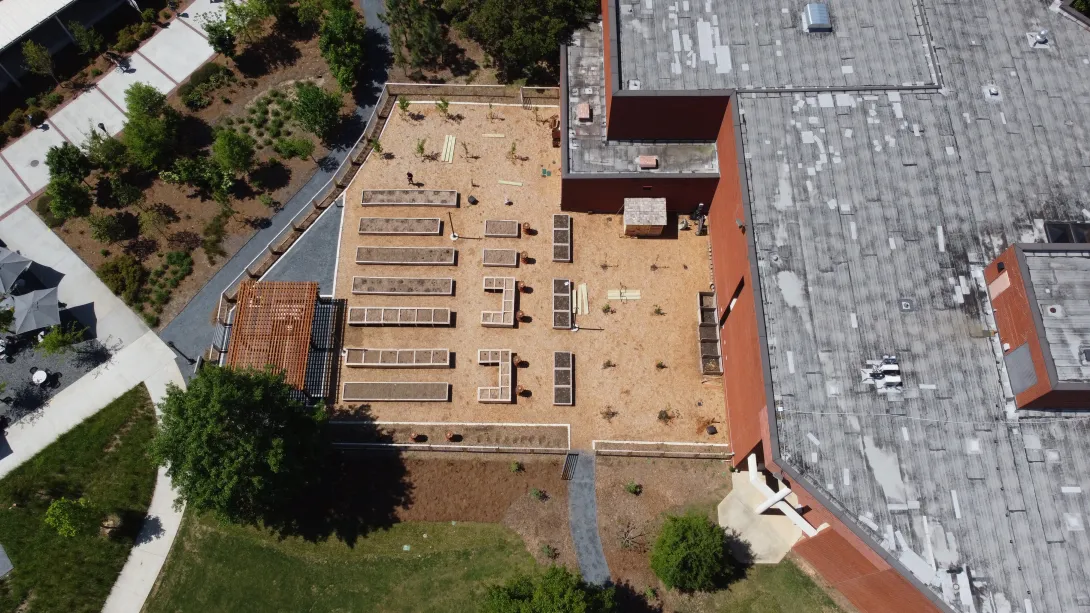
Bird's eye view of the expanded Community Garden
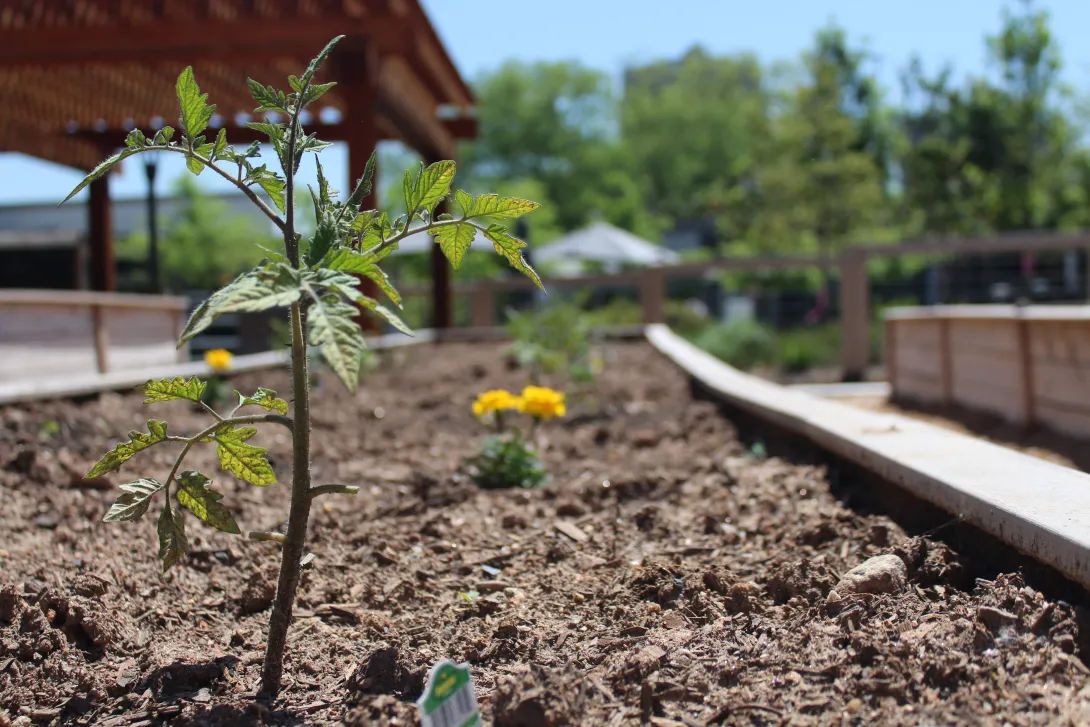
Tomato plants in the new community garden.
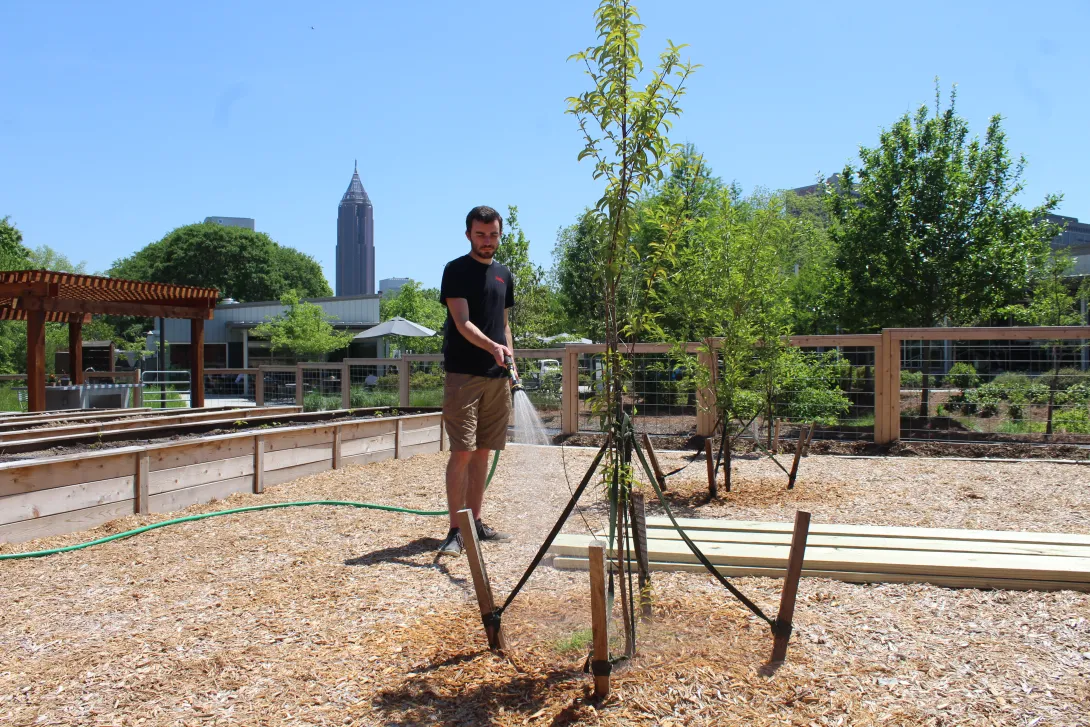
Elias Winterscheidt waters trees in the Community Garden
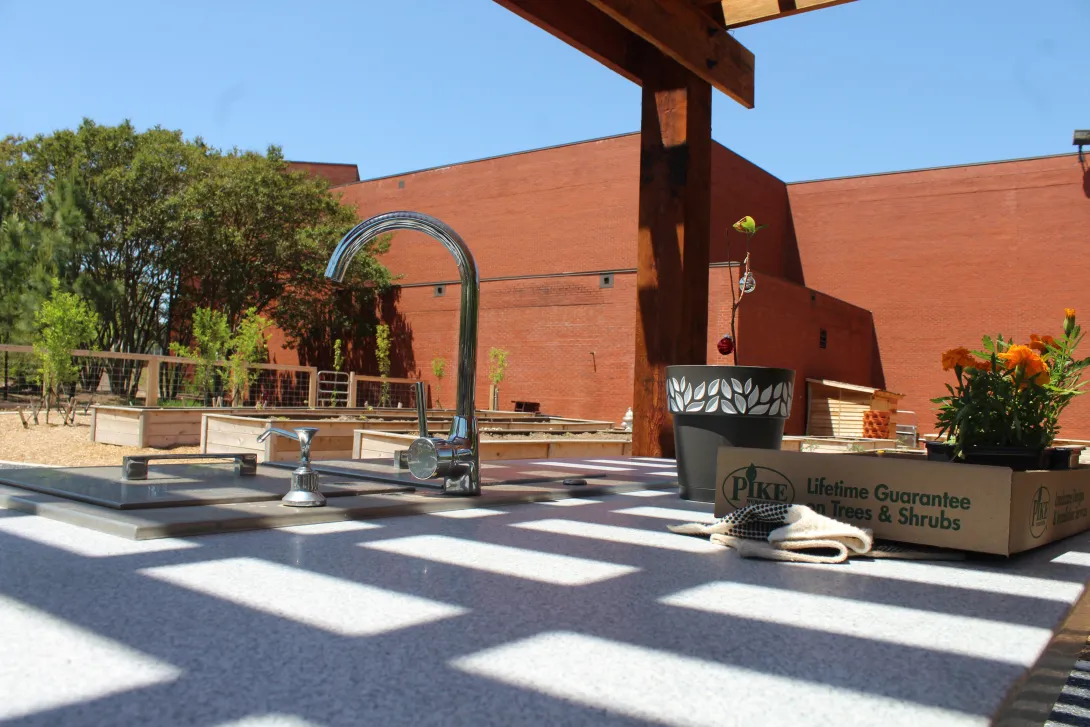
Demo kitchen inside the Community Garden
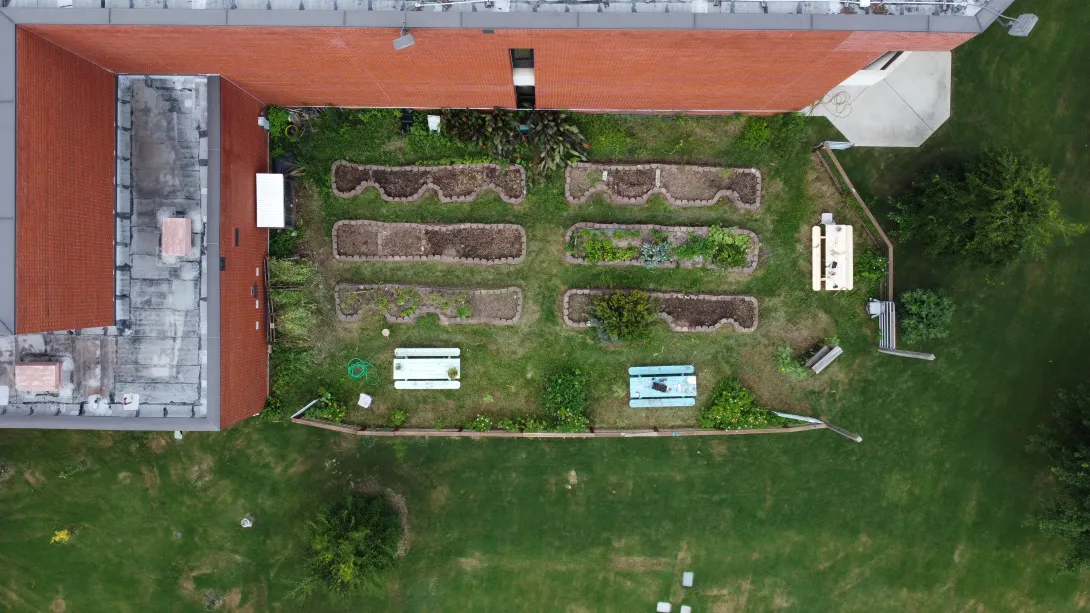
The Community Garden prior to its expansion.
As Georgia Tech continues to celebrate Earth Month, Friday's ribbon-cutting ceremony for the newly expanded Community Garden represents another step in the Institute's commitment to a sustainable future.
First opened in 2012 with six small planting beds, the garden has received a complete transformation over the past decade. With the latest project, which began in July 2022, essentially doubling its square footage, the garden now touts 21 fruit trees and nine large beds that are free and open to students. Two additional medium and nine small beds are available for lease for the Tech community. A new shed for gardening tools has been constructed alongside a brand-new demo kitchen to feature the garden's produce in healthy recipes. With the inclusion of slate-chip pathways and high-density mulch, the garden is now fully ADA accessible — a primary goal of the expansion effort.
Elias Winterscheidt was drawn to the garden while touring the Tech campus in 2019. With prior planting experience, he immediately got involved with Students Organizing for Sustainability (SOS), taking over as the Community Garden director in April 2021. Over the past three semesters before construction began, the garden donated 50 pounds of produce to Klemis Kitchen — Georgia Tech's on-campus food bank — in addition to the produce harvested by 500 volunteers during that time.
Winterscheidt anticipates the growth of the garden community continuing, with hopes of doubling both donations to Klemis Kitchen and the number of volunteers.
SOS got a head start on its goal at the outset of Earth Month, when Winterscheidt and a group of volunteers planted the first seeds in the expanded garden during a pair of community workdays. Sweet potatoes, tomatoes, strawberries, and various seeds are already in the ground, but plenty more fruits, vegetables, and herbs will be added soon.
In addition to a passion for gardening, Winterscheidt arrived at Tech at a time when many students were seeking ways to get outside during the pandemic. A lasting effect of the interruption has been an increase in the number of virtual events, but the garden provides the perfect opportunity to interact with nature and with other people.
"We're trying to get people to come outside. Our goal is to get Georgia Tech students away from their computers, away from their homework, and to de-stress and get their hands in the soil," he said, adding that the workdays give students a chance to interact with others from different majors and backgrounds. "Come for a few hours, chat with people, and after two hours, you feel refreshed. It's a kind of group therapy."
Community workdays in the garden are typically held on Saturday mornings, depending on the weather.
Beginning with summer programming, SOS will partner with the Wellness Empowerment Center to highlight the mental and physical health benefits of gardening. They will also be emphasizing sustainability. The Community Garden is entirely permaculture friendly, meaning it's a pesticide-free environment, and seeds are planted with purpose.
"We're mimicking nature in how we plant things," Winterscheidt explained. “Rather than spraying with pesticide, I can plant a basil plant that will deter hornworms from our tomatoes. Rather than spraying with herbicides, we can pluck all the weeds off individually. It takes a lot longer, but it's much better for our soil. Rather than growing for maximum output, we're growing in a way that benefits our soil the most."
While largely student-run, the garden does require constant upkeep, so in years past, the summer months could be challenging. However, with the expansion, Tamsin Leavy has been brought on as staff member to support the garden year-round.
"Like any garden or farm space, you don't want to lose all your hard work to the elements or other pests that can quickly annihilate a crop. We have put a lot of effort into this space and are looking forward to watching it grow. No pun intended," Leavy said. "It would be devastating to lose it to the harsh Georgia summer sun, so we will all be working together to keep our garden growing."
Volunteer opportunities remain plentiful over the summer, and in the absence of a large contingent of students, Malte Weiland, senior sustainability project manager for Campus Services, welcomes Tech faculty and staff to lend a hand. He encouraged all Tech employees to reach out to assist the team in maintaining the space and even urges entire departments to inquire about outings that can serve as wellness and team-building exercises.
For those looking to get involved with the garden or learn more about its expansion, Friday's ribbon-cutting ceremony will begin at 2 p.m.
“We all hope that the garden will continue to be a community gathering space where not just horticultural and agricultural education can happen, but anything adjacent to it — discussion on composting, urban gardens, or food justice issues. And day-to-day, for Tech students, I hope it can be a space where they are comfortable, where they can come to smell the flowers, put their hands in the dirt — even if it's just for a few minutes between classes to de-stress and reconnect to the earth," Leavy said.
The Community Market is another resource that brings sustainably sourced food to the Tech community every Wednesday from 10 a.m. to 2 p.m. along Tech Walkway. The Office of Sustainability will wrap up the spring semester market at the end of April, but selective summer dates will be announced soon. When the market returns in the fall, Weiland said that vendors and patrons can expect several updates, including a market map, and students will be able to make purchases using dining dollars on their BuzzCards.
News Contact
Steven Gagliano - Communications Officer
Institute Communications
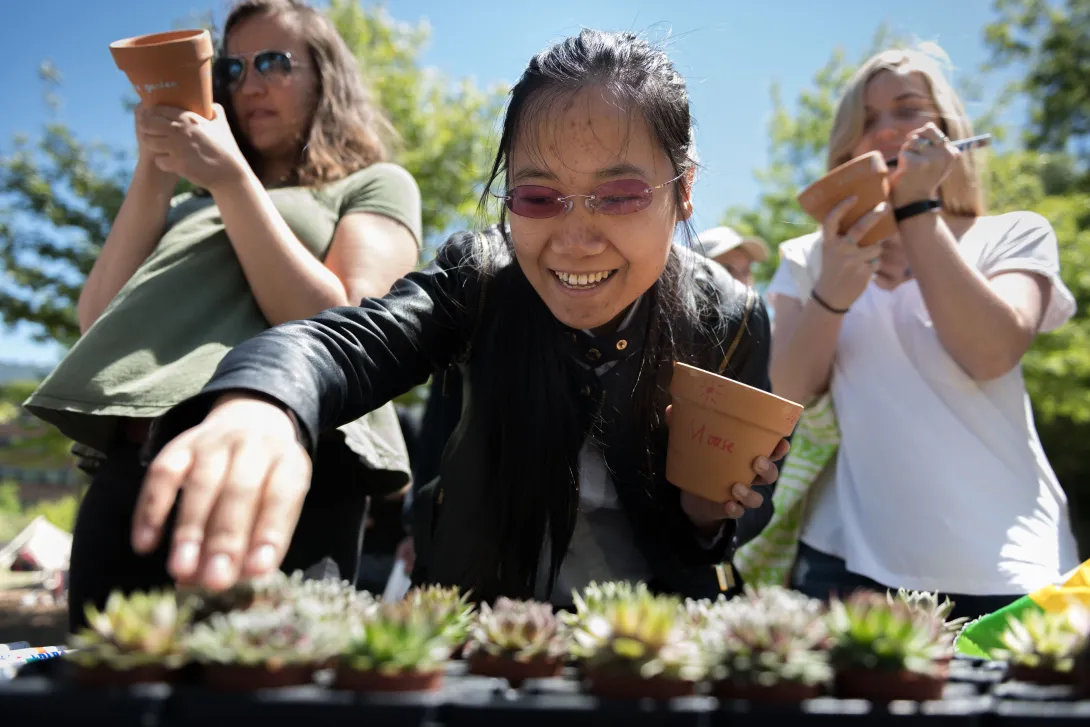
On April 22, communities across the U.S. and countries around the globe will come together in observance of Earth Day. Georgia Tech takes the opportunity to educate and celebrate the importance of protecting the environment a step further with Earth Month.
Events throughout the month allow students, faculty, and staff to familiarize themselves with sustainability efforts being put forward by the Institute and practices they can incorporate into their daily routines.
The global theme for Earth Day 2023 — the 53rd iteration of the event — and Tech’s month-long rendition is “invest in our planet.”
“The Earth Month lineup highlights the numerous ways that community members can embrace this theme,’” said Abby Bower, sustainability program support coordinator. “Today, the planet faces daunting challenges, but we all have the opportunity to pitch in to solve them. Georgia Tech has many great organizations, departments, and individuals dedicating their time and resources to making a better world, and we are excited to highlight them all month long.”
During Earth Month, you can participate in service opportunities, attend educational events, weigh in on ways Georgia Tech can meet our climate goals, and more.
Tech Beautification Day
April 1, 8:30 a.m. – 12:30 p.m., The Kendeda Building for Innovative Sustainable Design
The kickoff event for Earth Month, organized by the undergraduate Student Government Association and Georgia Tech Greek Week, will see hundreds of volunteers completing projects all over campus. After a welcome breakfast, groups of eight to 10 will be assigned a task with the goal of keeping the Georgia Tech campus as picturesque as ever. With assistance from Georgia Tech Landscaping, projects include planting flowers, trees, and shrubs; pulling weeds; and spreading pine straw. A primary goal of this year’s event is to plant 200 native azaleas.
For registration and additional information, click here.
Earth Day Clothing Swap at The Kendeda Revolving Closet
April 3 -7, 9 a.m. – 4 p.m., Basement of The Kendeda Building
Sustainable fashion is a pillar of this year’s global event. According to earthday.org, 87% of the 150 billion garments produced by the fashion industry each year eventually end up in landfills, and just 1% of discarded clothing is recycled. This weeklong event is a chance to donate gently used, clean clothes and recycle torn clothes and textiles.
Earth Day Bird Walk
April 5, 8:30 a.m. – 10 a.m., The Kendeda Building
The 400-acre Tech campus is home to diverse wildlife populations, including many species of birds. Learn more about the region’s birds from an expert guide during the Bird Walk organized by The Kendeda Building and Georgia Audubon Society. The reintroduction of native plants around Kendeda has created a habitat for birds, and the adjoining EcoCommons is part of a wildlife sanctuary certified by the Georgia Audubon, making Tech the first main campus in the state to receive the designation.
For registration and additional information, click here.
Southern Energy Conference
April 7, 9:30 a.m. – 2 p.m., Bill Moore Student Success Center
With the theme of “building blocks for a zero-carbon future,” the Energy Club will host the conference featuring keynote speakers, company demos, and panels discussing the technology and economics behind the future of the energy sector. Students are invited to compete in the Energy Research Poster Competition with cash prizes on the line.
For registration and additional information, click here.
EcoReps Earth Month Celebration
April 11, 1 – 3 p.m., West Village Dining Commons
Hosted by the 2022-23 EcoReps, this event is a celebration of all things sustainability in Housing and Residence Life, highlighting recent successes such as the Energy Competition, the ECGO app, and its growing composting program.
For additional information, click here.
Earth Month Bike Ride
April 11, 4:30 – 6 p.m., Meet on the Front Lawn of the Campus Recreation Center (CRC)
Hosted by the CRC, the leisurely 7-mile, no-drop ride promotes an alternate form of transportation and a healthy lifestyle. The ride will begin with a welcome from noted bike enthusiast President Ángel Cabrera and provide an overview of infrastructure projects that are making campus increasingly rider-friendly from Institute Landscape Architect Jason Gregory.
Registration and completion of a waiver are required. Riders are strongly encouraged to wear a helmet. Tech students, faculty, and staff can get a free helmet by completing the online Ride Smart Bike/Scooter Safety class.
For registration information, click here.
Propel ATL City Cycling Class - Georgia Tech Community
April 13, 4 – 5 p.m.
Propel Atlanta invites the Georgia Tech community to learn the rules of cycling during this instructional group ride. Participants will practice skills in a safe and supportive environment.
After getting the hang of the basics with a few drills, the 45-minute ride of 3 to 4 gentle miles will begin. Riders will experience Atlanta’s existing bicycle facilities, such as two-directional protected and single-directional bike lanes and sharrows, and learn to ride safely on streets without bike lanes by exercising their legal right to “take the lane.”
For registration information, click here.
Brook Byers Institute for Sustainable Systems Seminar Series: Anjali Thomas
April 13, 3 – 4 p.m., Economic Development Building (BBISS Suite 118)/Online
In the first of two seminars in this series, Anjali Thomas, associate professor and director of the Nunn School Program in Global Development, explores how “bureaucratic hurdles and identity politics shape water access in urban India.”
For additional information, click here.
Earth Day Org Fair and Celebration
April 18, 11 a.m. – 1 p.m., The Kendeda Building
Student organizations, academic departments, and groups around Atlanta will have tables set up in The Kendeda Building atrium and patio to promote a sustainable and environmentally conscious community. Enjoy free King of Pops, and bring a t-shirt, tote bag, or other item to be screen-printed with Earth Day designs. The Office of Sustainability will also have recovered shirts that can be used.
For additional information, click here.
Climate Action Plan Student Engagement Workshop
April 20, 5 – 6 p.m., Room 102, Clough Undergraduate Learning Commons
With a goal of reaching carbon neutrality by 2050, Georgia Tech is developing and implementing a comprehensive, cross-cutting Climate Action Plan. Students are invited to learn more about the plan and offer their thoughts on how the Institute can meet its climate goals during this engaging workshop hosted by the Office of Sustainability.
For additional information, click here.
Community Garden Ribbon Cutting
April 21, 2 – 3 p.m., Community Garden (Instructional Center Lawn)
Located along the Experiential Walkway, this event invites the Georgia Tech community to check out the newly renovated Community Garden and learn how to get involved.
For additional information, click here.
Film Screening: Making Pandemics at the Global Media Fest
April 23, 2 – 5 p.m., John Lewis Student Center
The French department in the School of Modern Languages will host a screening of Making Pandemics, a film that “seeks to understand the causes of this epidemic of pandemics” over the past four decades. The screening is free and open to the public.
Following the film, a panel of guest speakers will discuss its findings.
For more information, click here.
Sustainable-X Hangout
April 26, 3 – 4 p.m., Center for Sustainable Business Suite/Online
A partnership between the Ray C. Anderson Center for Sustainable Business and CREATE-X, Sustainable-X is a Sustainability Next Institute Strategic Plan project. With events occurring on the fourth Wednesday of every month, this session will examine social and environmental entrepreneurship and how to access resources for projects.
Brook Byers Institute for Sustainable Systems: Jenny McGuire
April 27, 3 – 4 p.m., Economic Development Building (BBISS Suite 118)/Online
Continuing the series hosted by the Brook Byers Institute for Sustainable Systems, Jenny McGuire, an associate professor in the School of Earth and Atmospheric Sciences, will host a seminar focused on “conserving the fabric of life given the complexities of global change.”
For additional information, click here.
Explore the Earth Month calendar for a comprehensive event lineup and updates. Campus groups, departments, and organizations interested in adding their sustainability-focused event to the Earth Month Calendar can submit this form or email Abby Bower.
News Contact
Steven Gagliano - Communications Officer
Institute Communications
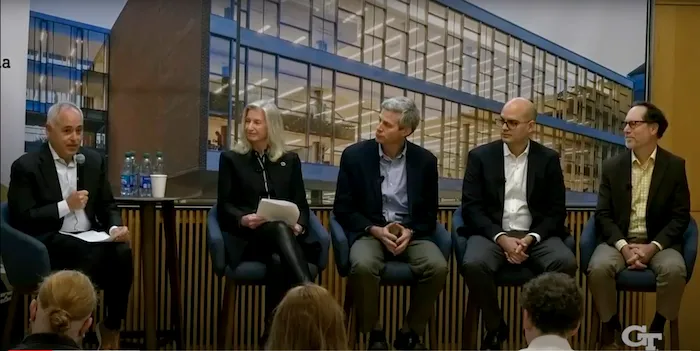
L to R: Ángel Cabrera, Marilyn Brown, Tim Lieuwen, Andre Calmon & Brian Stone
In the latest installment of his unscripted video series, President Cabrera led a panel of Georgia Tech faculty including Marilyn Brown, Regents' and Brook Byers Professor of Sustainable Systems in the School of Public Policy, Tim Lieuwen, Regents’ Professor and executive director of the Strategic Energy Institute, Andre Calmon, assistant professor at the Scheller College of Business, and Brian Stone, professor at the School of City & Regional Planning, in a discussion on the policies, technologies, and planning that can help us achieve the best quality of life while also maintaining a global climate that remains within healthy limits.
News Contact
Brent Verrill, Research Communications Program Manager
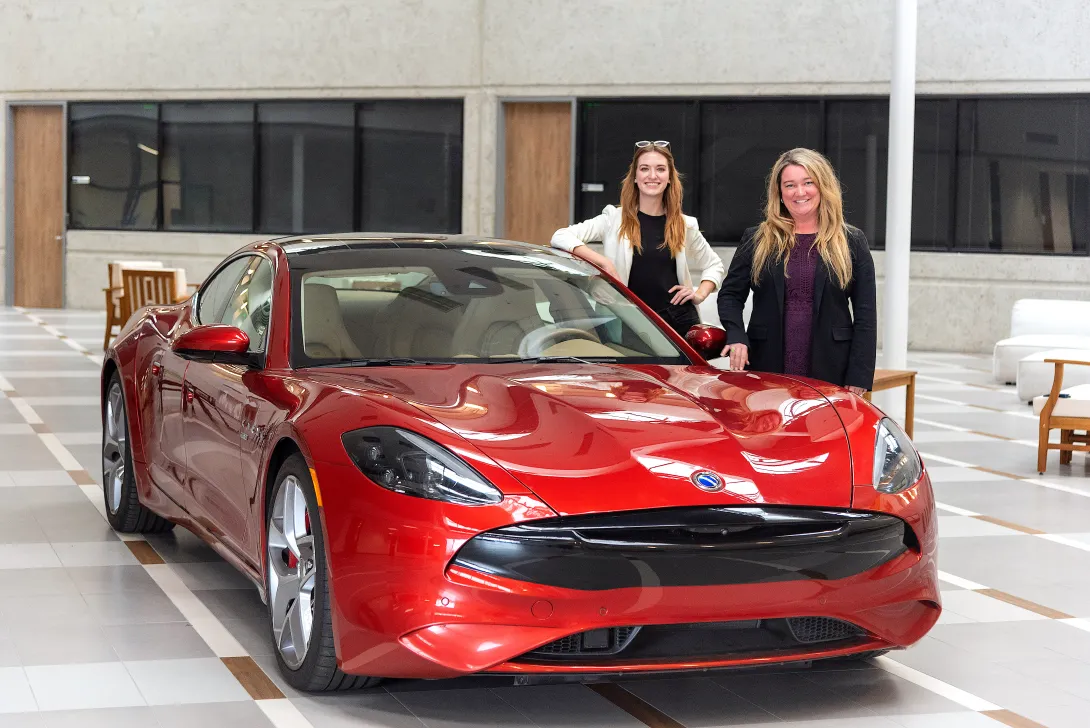
Jenn Voelker and Julia Vorpahl at the Karma Automotive headquarters in Irvine, California. Photo submitted.
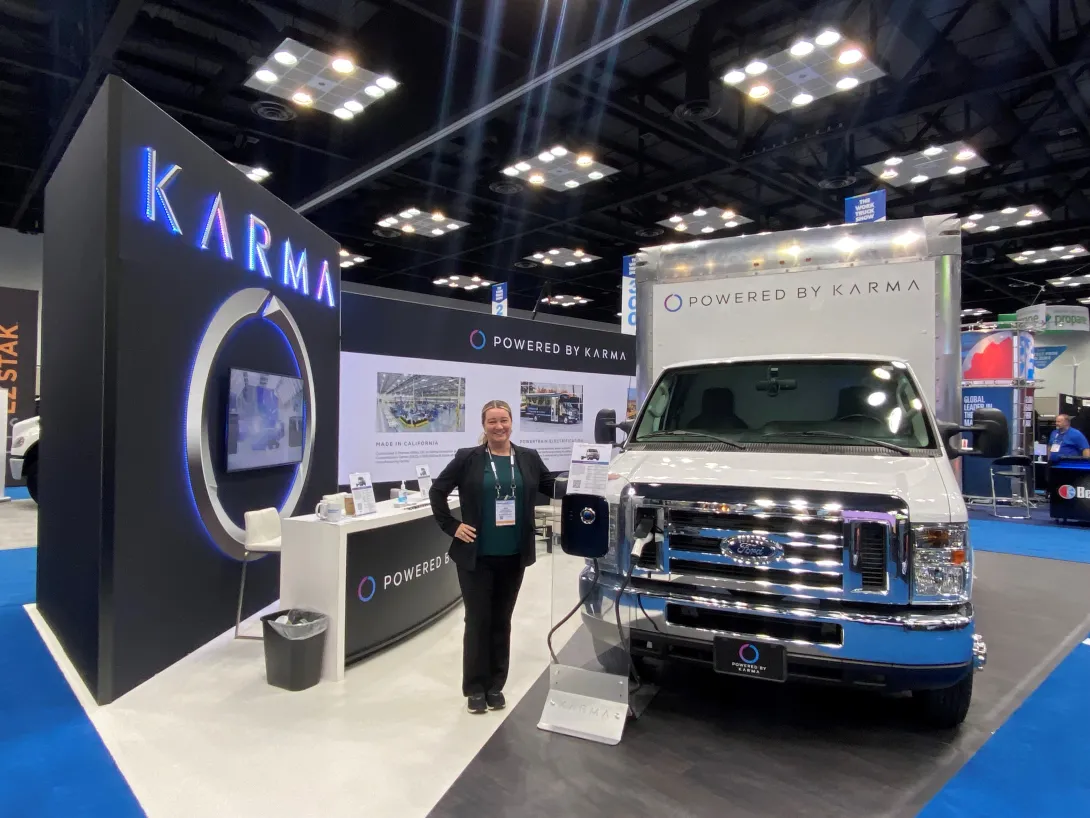
Jenn Voelker showcasing Karma's commercial product line at an auto show.
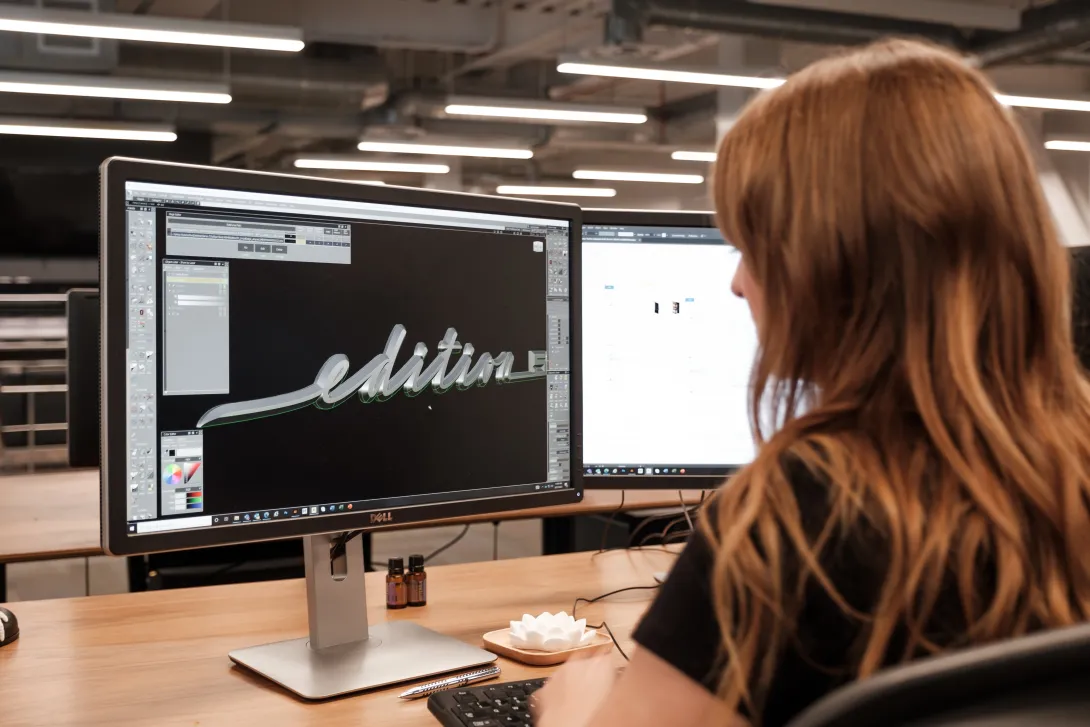
Julia Vorpahl working on a project in the Karma design studio.
Women make up just 24% of the automotive industry, but Georgia Tech graduates Jenn Voelker and Julia Vorpahl haven't let statistics stop them from paving their own way in a male-dominated field.
Both Voelker and Vorpahl work for Karma Automotive, a luxury electric vehicle manufacturer based in California. Beginning with their time at Tech, they've never let gender bias stop them from pursuing their passion.
"It's math," Vorpahl, a visualization and digital design modeler at Karma, said. "You either get the question right, or you get the question wrong. I think that attitude really helps when you get into a professional environment. It teaches you to have tougher skin where if you are the best for that job, you will get the job. That's what Georgia Tech instilled."
Vorpahl grew up in the industry watching her family operate what is now the oldest independently owned Mercedes-Benz dealer in metro Atlanta after her grandfather, an engine designer for the German automaker, came to America and opened the shop in 1967. She arrived at Georgia Tech unsure if she'd follow in her family's footsteps, but ultimately, she landed an internship at Daimler, the nation's largest commercial vehicle manufacturer.
While other interns came in with a background in automotive design, Vorpahl’s willingness to learn and tireless work ethic landed her a full-time job as the only woman in the company's design studio.
During her three years at Daimler before accepting her position at Karma in 2022, she'd occasionally make the drive from Portland, Oregon, back to Georgia. Along the way, she crossed paths with truckers, who often expressed surprise that Vorpahl was among those behind the scenes designing their rigs. She often heard questions like “Why do you work there?” or “How did you end up there?”
And her response was simple. "Women like cars, too.”
That rang true through Voelker's childhood as well. When the senior director of program management for Karma arrived in Atlanta for her first year at Georgia Tech, she knew she'd found a place that could help her turn an aptitude for math and science, and a fervor for cars, into a career.
"Best move I ever made," Voelker said on her decision to enroll at Tech, although it wasn't just the Institute's stellar reputation that lured her from her home state of New Hampshire. "I visited campus in February. There was 6 feet of snow on the ground and then I came to Atlanta, and the flowers were blooming."
After changing her major from mechanical engineering to industrial design, Voelker got her foot in the door through an internship with Masterack, a commercial cargo vehicle equipment manufacturer based in Atlanta. She attended Tech at a time when women made up around 27% of the undergraduate population, so when she entered the workforce, she wasn't fazed. "It never bothered me. I have always felt like I fit right in, especially when it's the right school, the right class, or the right company where everybody appreciates learning from each other and working together towards a common goal," she said.
In fact, her experience on North Avenue taught her to always keep learning and never give up, a piece of advice she now passes along to other women entering the industry.
"Don’t be afraid to give your opinion in meetings, speak up and use all of the knowledge that you've learned over the years toward whatever project you're working on," said Voelker, who worked her way up the ladder at Masterack for 18 years before seeking a new challenge at Karma. “That's one thing that I haven't backed down on. If I have a strong opinion about something, I have no fear of saying it.”
Vorpahl and Voelker each commended Karma for their dedication to promoting hard-working women and a culture that fosters diversity — a principle that Vorpahl especially values after completing two study abroad programs at the University of Singapore and the University of Strathclyde.
“One of the biggest advantages was seeing how people from different countries approach design and how different schools approach design. You don’t want a bunch of people who all think exactly the same way. Otherwise, we’d all be driving around in the exact same vehicle,” she said.
Leading Karma’s commercial vehicle product line, Voelker noted that she has continued to see more women in leadership positions and at industry conferences, and she hopes that momentum carries over to the next generation. Highlighting the importance of igniting both young girls’ and boys' interest in STEM, Voelker recently spoke to a local second grade class to share her experiences.
"I've been really fortunate to have had some great mentors over my career, so I love to pay it forward to the younger generation," she said. "They were so excited, and I hope that stays with them and excites them to learn more about engineering."
In addition to providing an example to young women of how to succeed in a competitive industry, Vorpahl also hopes to share the technical aspects of what she's learned in the field with her alma mater and offer future graduates a roadmap to a career in automotive design.
"The students would thrive in this industry because it is so nitpicky, and Tech minds would just love it," she said. "There's not really a direct path from the Georgia Tech studios into car studios, so I'm hoping that I can show them that path."
Voelker and Vorpahl are bonded by their employer and their alma mater, but it’s their shared passion for seeing their hard work hit the pavement that continues to drive them.
News Contact
Steven Gagliano - Communications Officer
Institute Communications
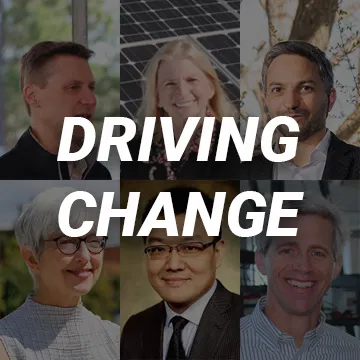
Top: Rich Simmons, Marilyn Brown, Gleb Yushin
Bottom: Valerie Thomas, Hailong Chen, Tim Lieuwen
Idling at a crossroads no longer, the automotive industry is embracing electrification like never before. With more electric vehicles purchased in 2022 than any year prior, consumers are beginning to follow their lead. Yet, while opportunity abounds, new challenges will require an innovative approach to ensure a sustainable and accessible electric future for all.
With historic investments from major players in the EV space, including Rivian, Kia, and Hyundai, the state of Georgia is uniquely positioned to serve as a leader in this effort. As the state's leading research institute, Georgia Tech is on the cutting edge of the movement.
The transportation sector is the largest greenhouse gas emitter in the U.S. at nearly 30%, with passenger vehicles accounting for around 80% of the sector's total output1 as of 2019. Electric vehicles are widely regarded as a budding solution to reduce emissions, but even as both demand and production continue to increase, EVs currently account for around 1% of the cars on America's roadways.
From the supply chain to the infrastructure needed to support alternative-fuel vehicles alongside consumer hesitancy, achieving the goals set by both the public and private sectors — including the Biden Administration's target of EVs making up at least 50% of new car sales by 2030 — will not be easy. Through research and development, policy, and collaboration, Tech experts are working toward finding solutions that will serve as catalysts during this transitionary period for the environment and the way Americans drive.
News Contact
Steven Gagliano - Communications Officer
Institute Communications