

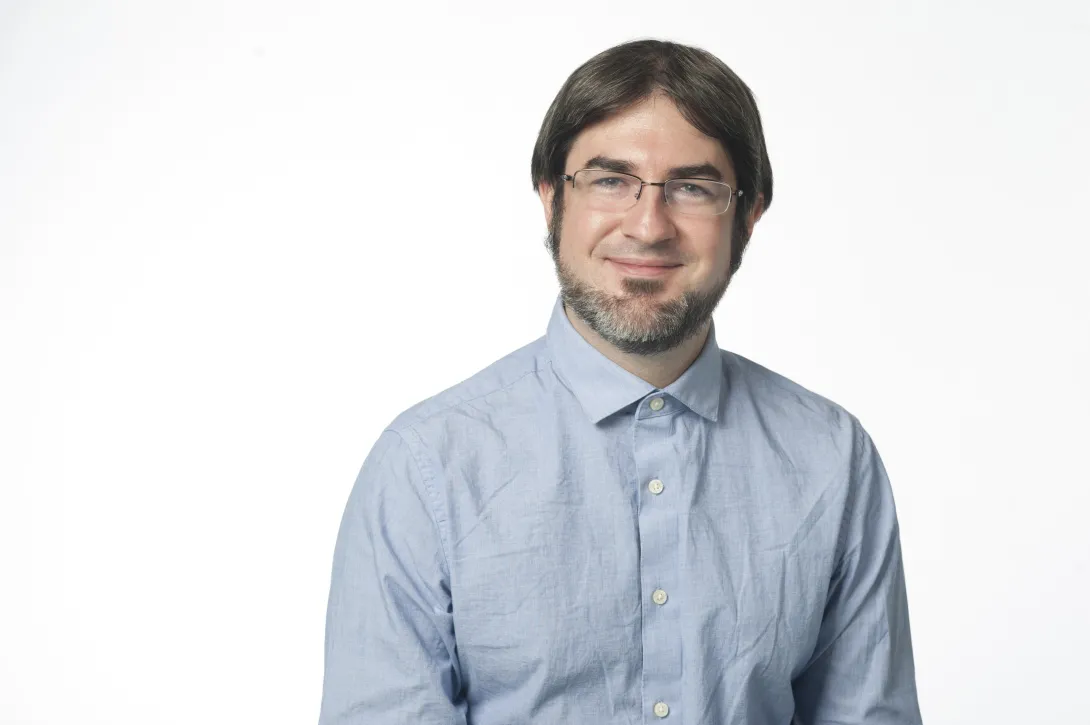
The College of Sciences is funding two research centers through a new seed grant program.
Selected from a finalist pool of nine proposals, Associate Professors Yuanzhi Tang and Thackery Brown’s ideas were chosen for their high potential for novel interdisciplinary research and impact.
Tang’s center will focus on sustainable mineral research, and Brown’s on spatial computation and navigation. Applications for the research will span the development of more sustainable batteries, as well as seeking to improve human health and well-being.
“Improving the human condition, fostering community, and pursuing research excellence are at the forefront of Georgia Tech’s mission, and these new centers will play a critical role in furthering that goal,” says Laura Cadonati, associate dean for Research in the College of Sciences and a professor in the School of Physics. “The College of Sciences is thrilled to support these new initiatives, and is excited to continue to develop the seed grant program.”
A second call for research center proposals is planned for January 2025, with funding to start in July 2025.
The new Center for Sustainable and Decarbonized Critical Energy Mineral Solutions (CEMS), to be led by Yuanzhi Tang, an associate professor in the School of Earth and Atmospheric Sciences, will serve as a hub for sustainable procurement solutions for critical energy mineral resources, including rare earth elements and metals used for battery production.
Thackery Brown, an associate professor in the School of Psychology, will lead the second center, the Center for Research and Education in Navigation (CRaNE). CRaNE will investigate problems related to spatial computation, cognition, and navigation — which has implications for human health, animal conservation, smart architecture and urban design.
“This generous support from the College of Sciences will enable us to host a conference on spatial cognition, computation, design, and navigation; to provide collaborative multi-lab seed grants; and to establish the first of a series of explicitly co-mentored, interdisciplinary graduate student Fellowships,” Brown says. “Collectively, these are the seeds of a high-impact and self-sustaining center.”
About the Center for Sustainable and Decarbonized Critical Energy Mineral Solutions (CEMS)
Yuanzhi Tang, School of Earth and Atmospheric Sciences
Co-sponsored by the College of Sciences, Strategic Energy Institute (SEI), Brook Byers Institute for Sustainable Systems (BBISS), Institute for Electronics and Nanotechnology (IEN), and Institute for Materials (iMat), CEMS began as a joint BBISS-SEI initiative lead project that has since grown into a joint center focused on critical elements and materials for sustainable energy.
Sustainably sourcing these materials provides a critical foundation for both high-tech industry and green economy. “Rare earth elements and battery metals like lithium, copper, and nickel are in high demand, but low domestic resources and production have resulted in a heavy reliance on imports,” Tang explains. “How can we domestically produce these resources, and how can we do this sustainably?
Georgia Tech and the College of Sciences are at a unique position for developing a large regional research umbrella to connect these dots.”
CEMS will leverage on three key pillars: science and technology development, strengthening collaboration among the University System of Georgia (USG) universities, and developing regional resources and economy, Tang says. “By leveraging collaboration among Georgia universities, and fostering engagement with regional industries, the Center will develop new science and technology, leading the way in research on how to procure these ‘essential vitamins’ for clean energy transition in a sustainable and decarbonized manner.”
About the Center for Research and Education in Navigation (CRaNE)
Thackery Brown, School of Psychology
CRaNE will focus on solving problems related to spatial computation, cognition, and navigation. “How do we treat catastrophic loss of one’s ability to get from A to B in Alzheimer's disease? How do we build smarter cities that are easier and more carbon efficient to navigate? How can we develop robots,” Brown says, “which navigate with the flexibility and efficiency of our own minds? CRaNE will bring together experts from many different fields to help address these problems with truly creative and integrative scientific and technological solutions.”
CRaNE will support interdisciplinary collaborative research, including developing a graduate student fellowship program, and conducting K-12 outreach.
“Our goal for CRaNE is to position the College of Sciences, Georgia Tech, and our extended network of collaborator institutions as a center of gravity for cutting-edge work on how the mind, brain, and artificial systems process space — how they can be made better at it, and how we can engineer our world around us in ways that support the humans and animals that need to navigate it to survive,” Brown says.
Emphasizing the collaborative nature of CRaNE, Brown adds that “by targeting collaborative grants, research, and education, and by promoting outreach and education earlier in the STEM pipeline, we hope to accelerate progress at the frontiers of these fields — and to invest in future science that cannot be easily addressed by a single lab or discipline.”
News Contact
Written by Selena Langner
Contact:
Jess Hunt-Ralston
Director of Communications
College of Sciences
Georgia Tech
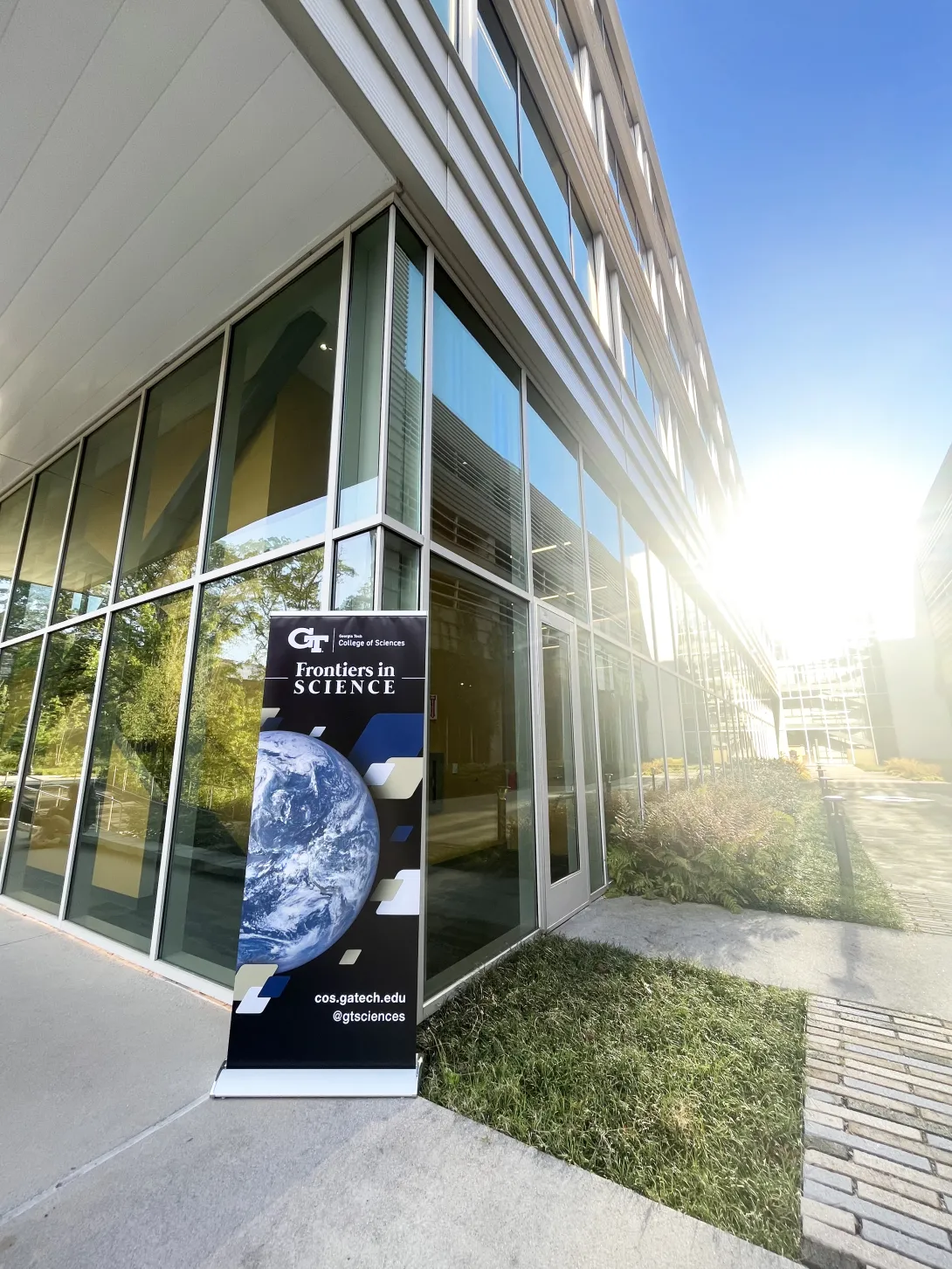
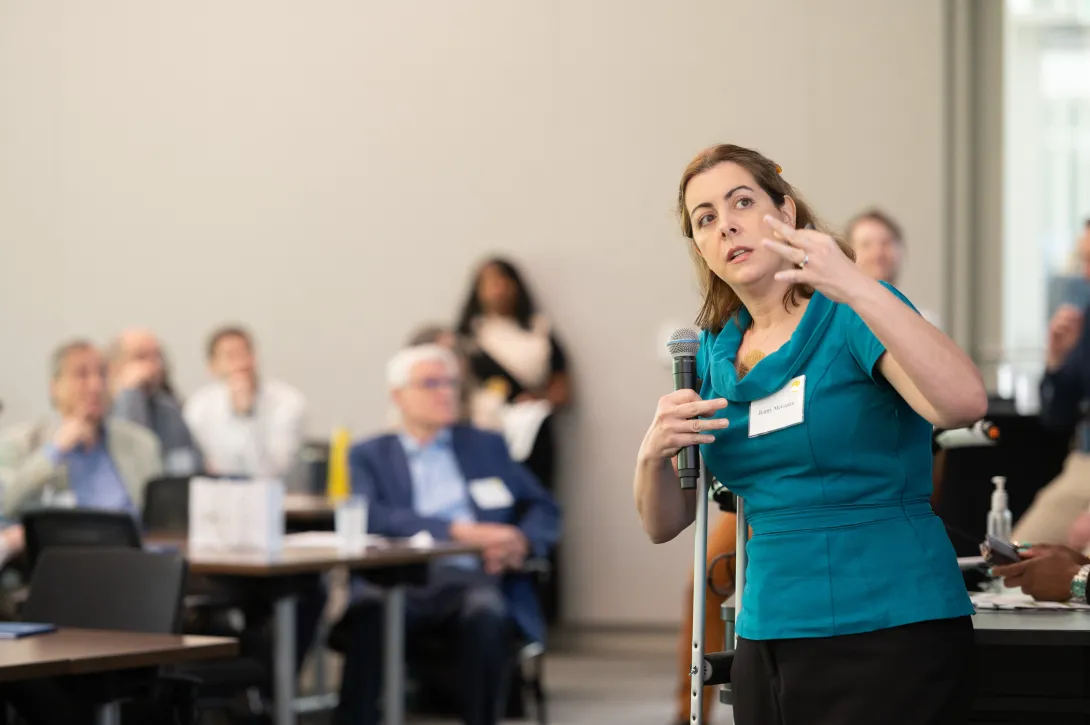
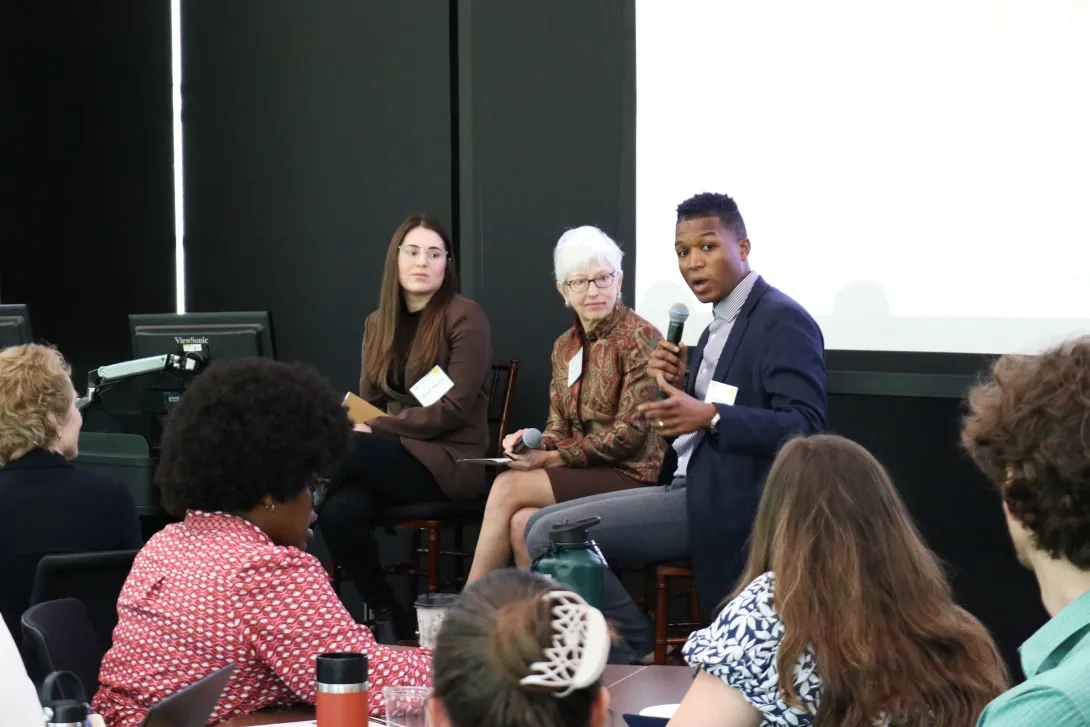
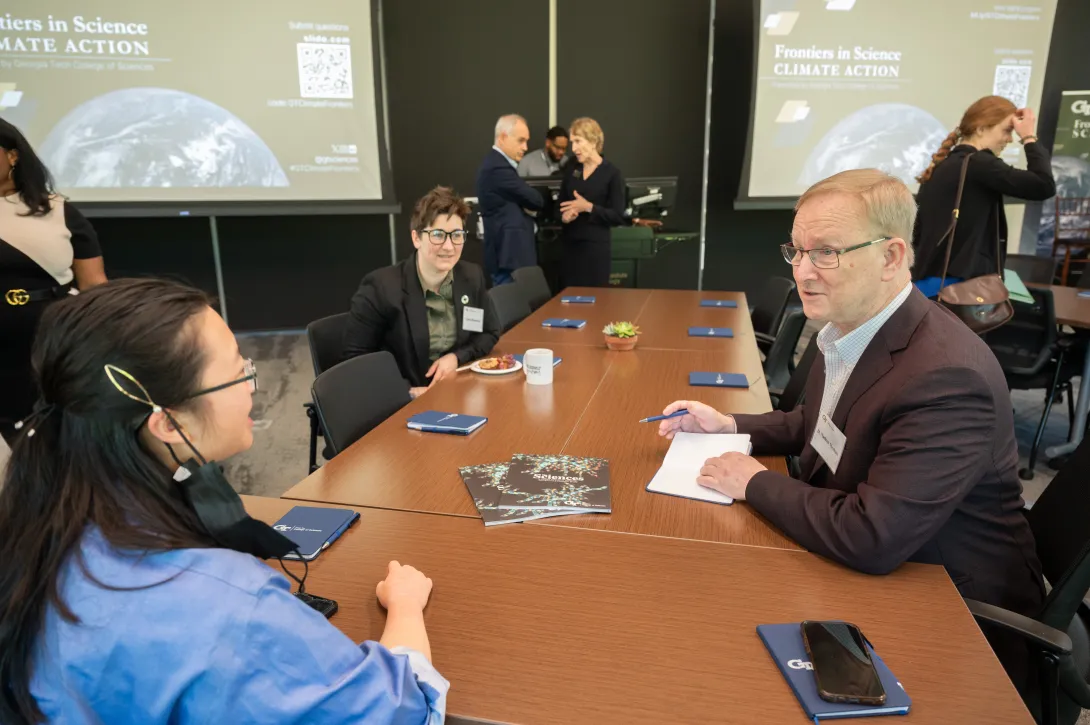
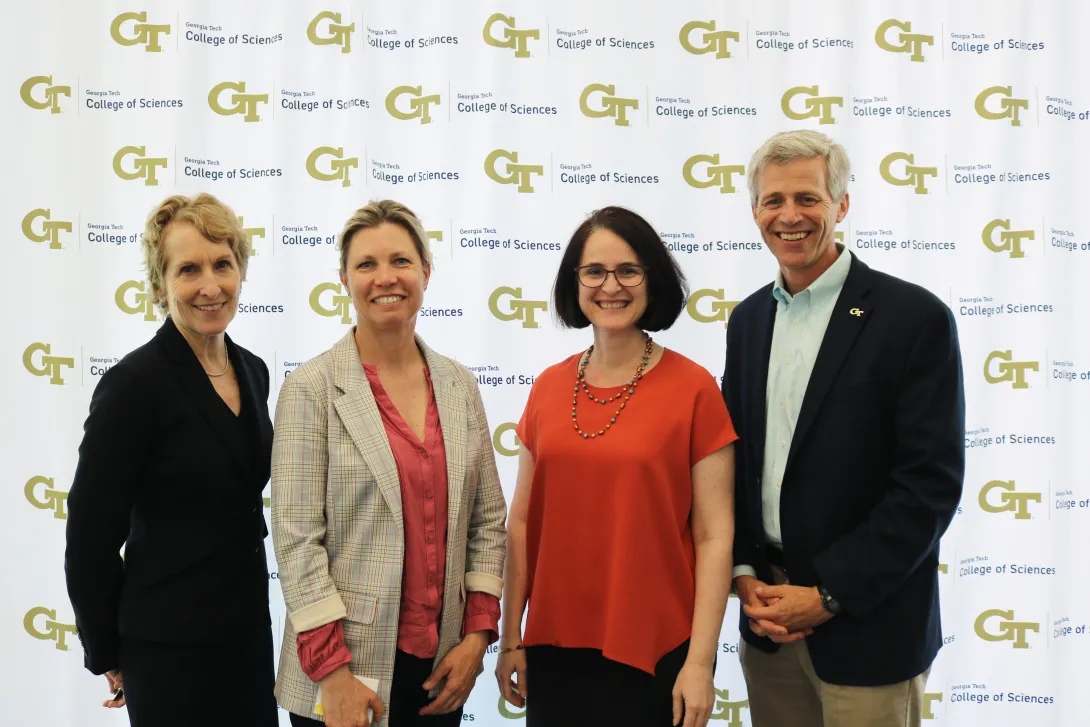
This Earth Month more than 100 campus and community stakeholders gathered near the Georgia Tech EcoCommons for the 2024 Frontiers in Science: Climate Action Conference and Symposium.
On April 18, the College of Sciences hosted more than 20 speakers and panelists from across the Institute and Atlanta community presenting groundbreaking research and discussing innovations and ideas in climate change, challenges, and solutions.
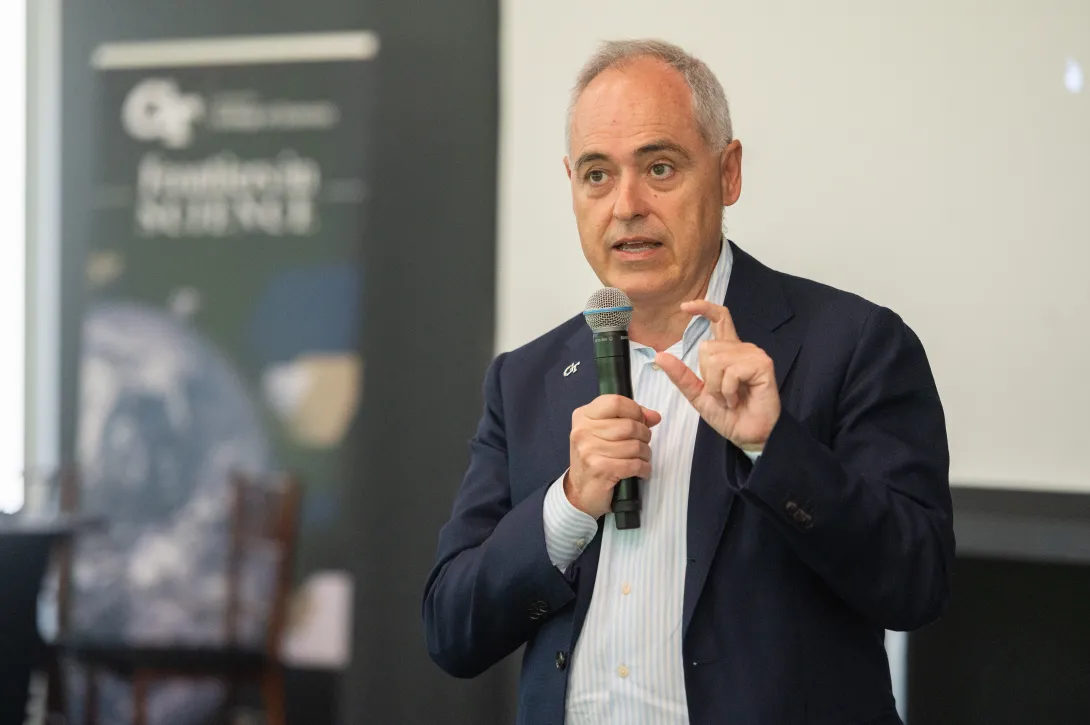
Georgia Tech President Ángel Cabrera (M.S. PSY 1993, Ph.D. PSY 1995) kicked off the morning sessions by highlighting the Institute’s new Climate Action Plan, which outlines the pathway to achieve net-zero emissions by 2050. Cabrera’s remarks focused on Georgia Tech’s role on the frontlines of research and education informing how we respond to climate challenges — and noted that the Institute’s work must extend beyond our laboratories and classrooms.
“It is essential that we not only do the science, but that we also tell that science to the world,” Cabrera says.
Interdisciplinary inquiry
This year, Frontiers in Science featured an array of climate research and initiatives led by the College of Sciences, fellow colleges across Georgia Tech, and the wider Atlanta community.
Following a three-year hiatus of the Frontiers series, the 2024 edition re-envisioned the signature annual event as a research conference and symposium to convene campus experts — and to incubate seed grant proposals to support the work of early career faculty.
Frontiers previously hosted Nobel laureates and invited thought leaders for individual talks across the College’s six schools, and celebrated milestones like the International Year of the Periodic Table of the Chemical Elements.
“This year, we wanted to showcase what we are doing right here in the College of Sciences and throughout the Institute,” says Susan Lozier, dean of the College of Sciences, Betsy Middleton and John Clark Sutherland Chair and professor in the School of Earth and Atmospheric Sciences. “Our faculty are at the forefront of broadening our knowledgebase and uncovering solutions in areas critical to the planet and our well-being. We wanted to uplift that work and see what sort of connections could be made.”
Connections and collaboration were key themes of the day as faculty, staff, students, and alumni participants representing all six Georgia Tech colleges shared research results and ongoing work and discussed collaborative ideas for horizons ahead.
“Scientists alone cannot [create accurate models],” noted Annalisa Bracco, professor in the School of Earth and Atmospheric Sciences and associate chair for Research, who shared her own research alongside Lozier, who presented a version of her 2024 TED Talk on ocean overturning. “Engineers alone cannot do it. We need social scientists, policy makers, communicators.”
The importance of an interdisciplinary approach was reinforced by the Strategic Energy Institute at Georgia Tech (SEI) and Brook Byers Institute for Sustainable Systems (BBISS), which announced an interdisciplinary seed grant funding opportunity for assistant professors with ideas for new climate solutions.
Frontiers in focus
Across three themed sessions, faculty and leadership from the Colleges of Sciences, Engineering, and Design spearheaded talks on the ocean and cryosphere, biodiversity, carbon cycling, coastal wetlands, biofuels production, and beyond.
Panels on climate challenges across community, technological, and policy initiatives were hosted by Georgia Tech Vice President for Interdisciplinary Research and Professor in the School of Biological Sciences and the School of Chemistry and Biochemistry Julia Kubanek.
Following a networking lunch with climate table topics, Georgia Tech Executive Vice President for Research and Professor in the School of Electrical and Computer Engineering Chaouki T. Abdallah (M.S. ECE 1982, Ph.D. ECE 1988) kicked off the afternoon sessions — which also announced the scholarship recipients of a student video competition and featured videos with a pair of alumnae working in meteorology, climate research, and policy.
Afternoon highlights also included discussions on the Georgia Tech Climate Action Plan and Sustainability Next initiative, led by Jennifer Chirico (B.S. MGMT 1997, Ph.D. PUBP 2011), associate vice president of Sustainability for Georgia Tech Infrastructure and Sustainability, and Jennifer Leavey (B.S. CHEM 1995), assistant dean for Faculty Mentoring in the College of Sciences and interim assistant director for Interdisciplinary Education in the Brook Byers Institute for Sustainable Systems.
Although many of the presentations provided a stern outlook of the state of our ecosystems, the conference concluded with a sense of hope. This optimism was grounded in the range of opportunities that exist to address climate challenges — thanks, in part, to the body of knowledge and solutions being tested and explored by Georgia Tech researchers.
At the end of the day, Katie Griffin, a first year undergraduate student in Environmental Science, read Amanda Gorman’s poem Earthrise and provided this reminder:
All of us bring light to exciting solutions never tried before
For it is our hope that implores us, at our uncompromising core,
To keep rising up for an earth more than worth fighting for.
Experience the event in pictures with the College of Sciences’ Flickr account, and discover the highlights through the day’s live tweets on College of Sciences’ X account.
News Contact
By: Lindsay Vidal
Jess Hunt-Ralston
Director of Communications
College of Sciences at Georgia Tech

Omar Asensio is Associate Professor at Georgia Institute of Technology and Climate Fellow, Harvard Business School
With new vehicle models being developed by major brands and a growing supply chain, the electric vehicle (EV) revolution seems well underway. But, as consumer purchases of EVs have slowed, car makers have backtracked on planned EV manufacturing investments. A major roadblock to wider EV adoption remains the lack of a fully realized charging infrastructure. At just under 51,000 public charging stations nationwide, and sizeable gaps between urban and rural areas, this inconsistency is a major driver of buyer hesitance.
How do we understand, at a large scale, ways to make it easier for consumers to have confidence in public infrastructure? That is a major issue holding back electrification for many consumer segments.
- Omar Asensio, Associate Professor at Georgia Institute of Technology and Climate Fellow, Harvard Business School | Director, Data Science & Policy Lab
Omar Asensio, associate professor in the School of Public Policy and director of the Data Science and Policy Lab at the Georgia Institute of Technology, and his team have been working to solve this trust issue using the Microsoft CloudHub partnership resources. Asensio is also currently a visiting fellow with the Institute for the Study of Business in Global Society at the Harvard Business School.
The CloudHub partnership gave the Asensio team access to Microsoft’s Azure OpenAI to sift through vast amounts of data collected from different sources to identify relevant connections. Asensio’s team needed to know if AI could understand purchaser sentiment as negative within a population with an internal lingo outside of the general consumer population. Early results yielded little. The team then used specific example data collected from EV enthusiasts to train the AI for a sentiment classification accuracy that now exceeds that of human experts and data parsed from government-funded surveys.
The use of trained AI promises to expedite industry response to consumer sentiment at a much lower cost than previously possible. “What we’re doing with Azure is a lot more scalable,” Asensio said. “We hit a button, and within five to 10 minutes, we had classified all the U.S. data. Then I had my students look at performance in Europe, with urban and non-urban areas. Most recently, we aggregated evidence of stations across East and Southeast Asia, and we used machine learning to translate the data in 72 detected languages.”
We are excited to see how access to compute and AI models is accelerating research and having an impact on important societal issues. Omar's research sheds new light on the gaps in electric vehicle infrastructure and AI enables them to effectively scale their analysis not only in the U.S. but globally.
- Elizabeth Bruce, Director, Technology for Fundamental Rights, Microsoft
Asensio's pioneering work illustrates the interdisciplinary nature of today’s research environment, from machine learning models predicting problems to assisting in improving EV infrastructure. The team is planning on applying the technique to datasets next, to address access concerns and reduce the number of “charging deserts.” The findings could lead to the creation of policies that help in the adoption of EVs in infrastructure-lacking regions for a true automotive electrification revolution and long-term environmental sustainability in the U.S.
- Christa M. Ernst
Source Paper: Reliability of electric vehicle charging infrastructure: A cross-lingual deep learning approach - ScienceDirect
News Contact
Christa M. Ernst
Research Communications Program Manager
Topic Expertise: Robotics | Data Sciences| Semiconductor Design & Fab
Research @ the Georgia Institute of Technology
christa.ernst@research.gatech.edu
Faculty Fellow Sofia Perez-Guzman (third from right) joins SCoRE staff on a site visit to the ArtsXchange in East Point to explore mutual interests related to community resiliency (April 5, 2024)
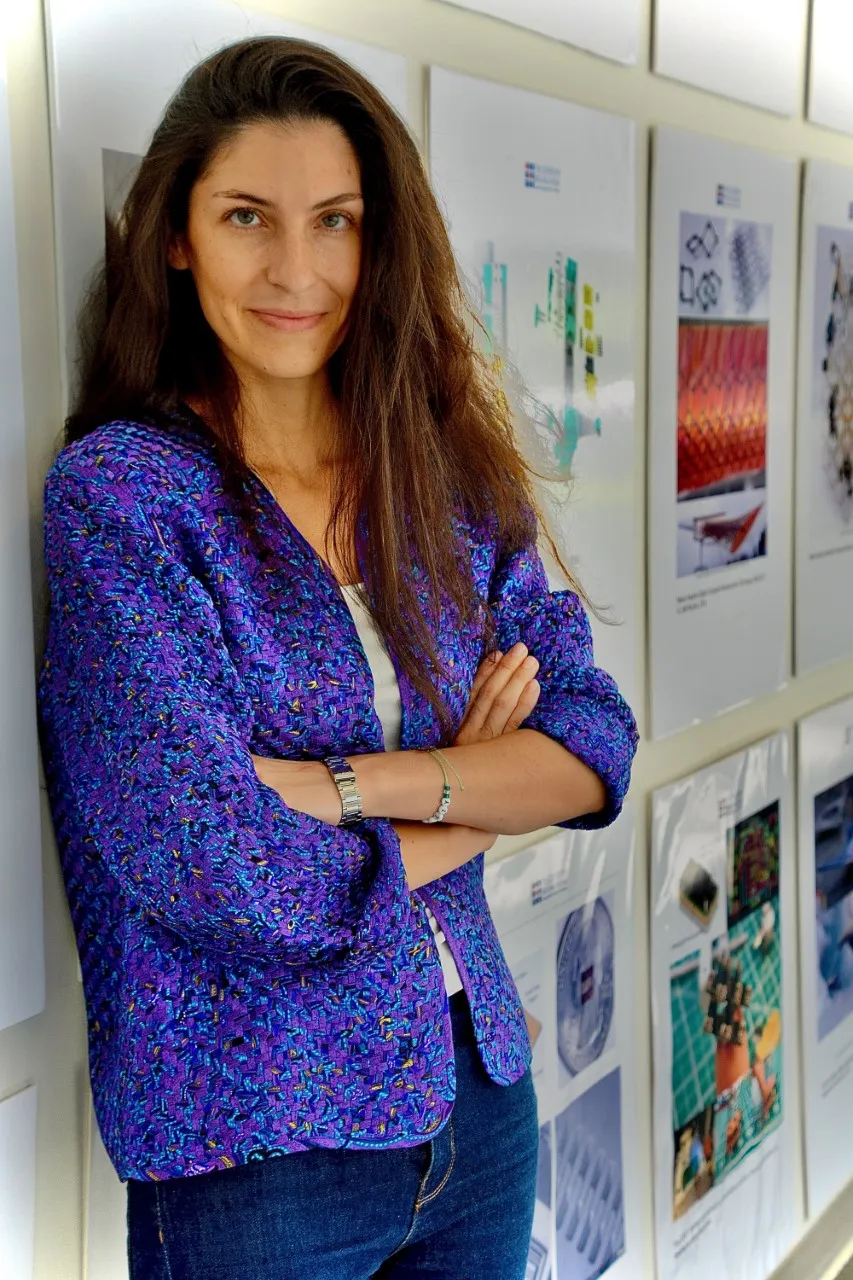
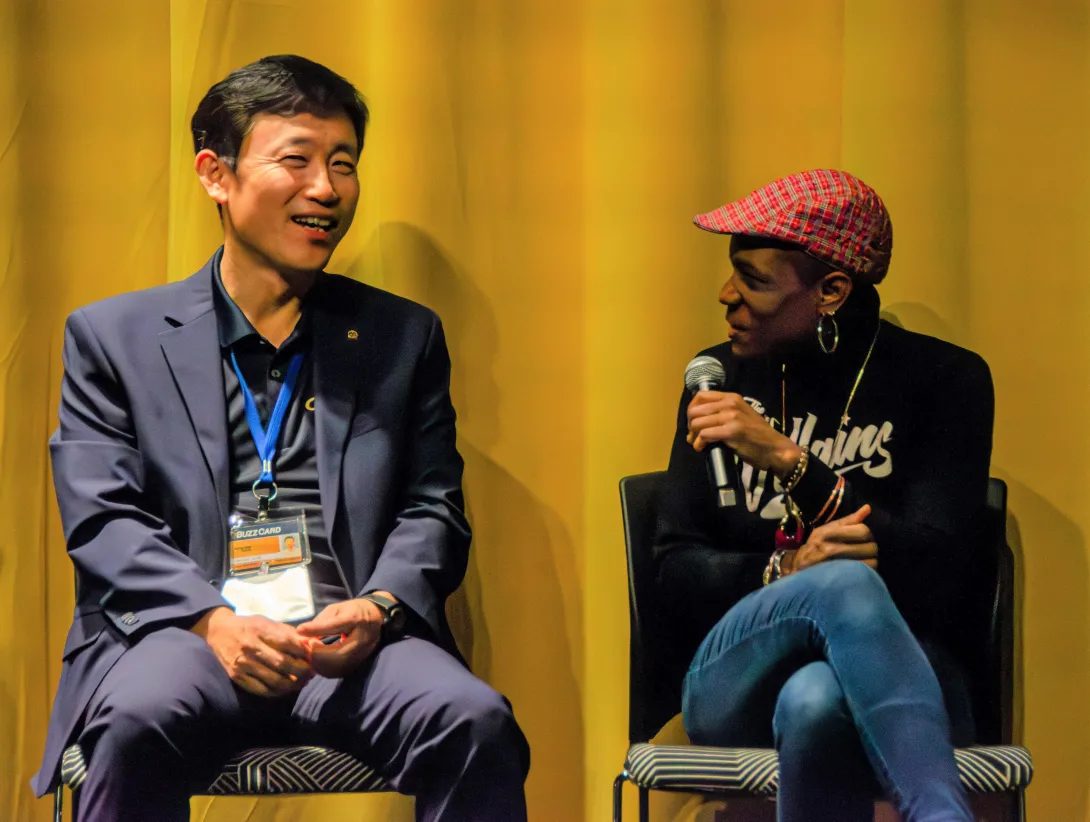
Jung-ho (John) Lewe (left) of the Georgia Tech Aerospace Systems Design Laboratory at Georgia Tech and Erica Holloman-Hill (right), a SCoRE adviser and chief envisioning officer/chief scientific officer of Ayika Solutions, a family-run environmental consulting firm that uplifts community-based climate change strategies, discuss their new partnership at the Georgia Tech Sustainability Showcase (March 2024) in a panel focused on community-engaged research, curated by the Faculty Fellows Program.
The Center for Sustainable Communities Research and Education (SCoRE — formerly SLS), in collaboration with the Strategic Energy Institute (SEI), the Brook Byers Institute for Sustainable Systems (BBISS), the Renewable Bioproducts Institute (RBI), and the Social Equity and Environmental Engineering Lab (SEEEL), launched the Energy Equity, Environmental Justice, and Community Engagement Faculty Fellows Program in November 2023. In this program, Georgia Tech faculty learn how to work with communities, bringing together their academic knowledge and the local expertise of communities that has been developed through lived experience and long-standing social action.
The inaugural fellows include 24 Georgia Tech faculty from five Colleges, as well as a faculty colleague from Georgia Gwinnett College and a partner from the Southeast Energy Efficiency Alliance, who are building relationships with each other and with community partners in the areas of energy equity and environmental justice. Since the launch, they have engaged in a wide array of events, including community benefit and development workshops, site visits to community-based organizations across the Atlanta region, and university-community gatherings and symposia.
The program is expected to result in both collective and individual deliverables. Collective deliverables include the development of network mapping tools to facilitate collaborations inside and outside Georgia Tech, a set of principles for conducting community-engaged research, a reflective essay on faculty training for community-engaged research, and ideas for future activities to facilitate university-community and interdisciplinary team formation. Fellows individually determine their deliverables, which run the gamut from exploring partnerships for a specific research project to writing a societal impact statement for a tenure package.
More broadly, the program aims to grow Georgia Tech’s collaborative expertise in community-engaged research by forming a supportive network of faculty interested in community-engaged sustainability research and education.
Faculty Affiliate: Patritsia Stathatou, Research Scientist, Renewable Bioproducts Institute, Georgia Tech
Sustainable energy sources and environmental justice go hand in hand. Although such technologies aim to minimize environmental impacts of modern societies, without considering issues of environmental justice and energy equity, these solutions can inadvertently perpetuate disparities by disproportionately benefiting certain communities while harming others. Bridging the gap between technological advancements and community benefits is paramount to creating an equitable energy future for all.
This program provides a unique opportunity to explore these interconnections, enhancing my knowledge in integrating community values and concerns into my research on alternative fuels and renewable energy sources. I am particularly excited about the hands-on approach of the program, which emphasizes listening sessions and workshops, allowing fellows to gain direct insights from various stakeholders. I hope that, through active participation in these sessions, I can further my understanding of the challenges faced by local communities and incorporate these insights into actionable solutions in my research.
In my project, I'm in a group crafting a reflective essay about our experiences with Community Engaged Research training. Our goal is to translate the insights gained from this pilot program into a publishable piece. Additionally, I'm acquiring valuable insights into the development of Broader Impact Statements and Community Benefits Plans, crucial parts of proposals for securing federal funding from NSF and DoE, respectively.
Faculty Affiliate: Sofia Perez-Guzman, Assistant Professor, School of Civil and Environmental Engineering, Georgia Tech
The fellowship program has been a fantastic experience. I never imagined how much I would learn from this program about properly engaging with communities. As researchers, we might think we want to hear the needs that communities face to provide them with solutions. That is different than the way community-driven research should work. I’ve learned that researchers need to gain the communities’ trust, be present and participate in their events, and, more importantly, work at their pace and for their interests rather than push our research agendas for our professional benefit. I know there is still a lot more I must continue learning, but what I’ve learned so far has been an eye-opener that is making me rethink how to approach my research and its social aspect.
My project focuses on the social performance of supply chains, and I am seeking to put more emphasis on the “social” part of my research by making it more community-driven. That is why I applied for the fellowship. I am advancing two current projects as part of the fellowship. One relates to increasing food accessibility to vulnerable populations via community-driven freight transportation solutions. I want to bring food closer to people and do it by co-designing solutions with the communities. The second project relates to forming a team to pursue research on enhancing community resilience to extreme weather events for the mobility of people and goods. The fellowship and a Sustainability Next seed grant from BBISS are helping me move forward with this project.
News Contact
Priya Devarajan
Research Communications Program Manager || SEI | RBI
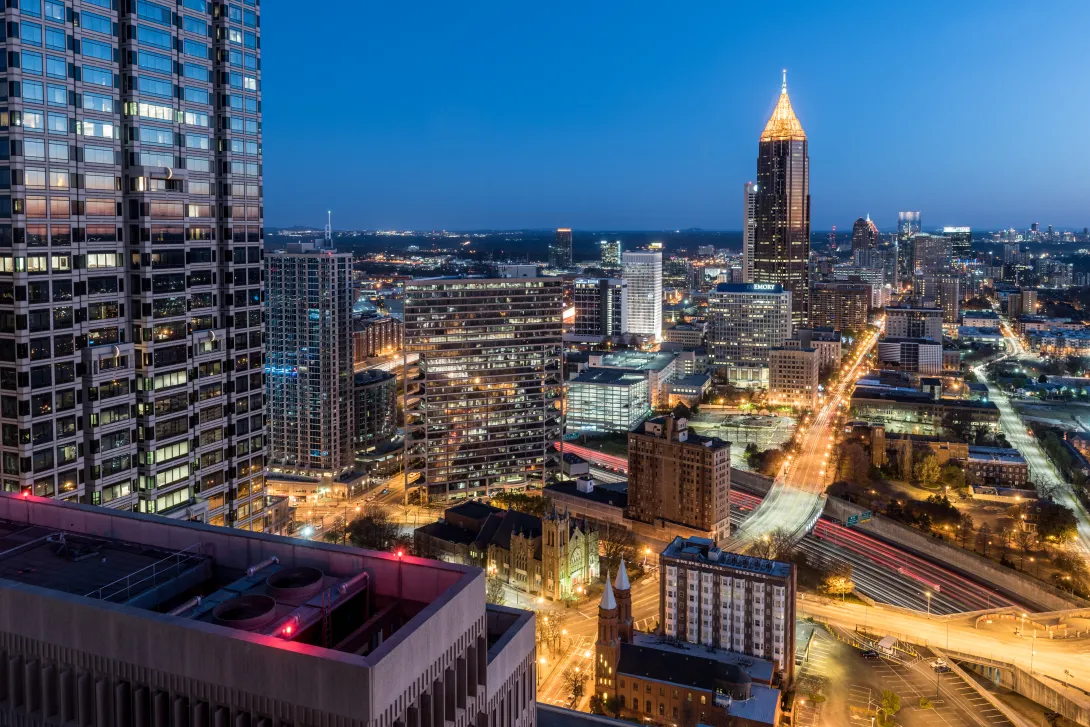
Continued growth will transform metro Atlanta, and the Atlanta Regional Commission (ARC) projects 1.8 million new residents across the 21-county region by 2050.
The increase would bring the regional population to 7.9 million, but to accommodate that growth, Georgia Tech experts say improvements in the housing, transportation, and labor markets must be made.
Housing
The five-county core around Atlanta — Fulton, Gwinnett, Cobb, DeKalb, and Clayton — will account for nearly half of the new residents and continues to grow. Gregory Randolph, an assistant professor in Georgia Tech’s School of City and Regional Planning, says the region must start by reexamining its approach to urbanism as new census data shows Atlanta has become the sixth most-populated metro area in the country.
"For the second half of the 20th century, little of the population growth in metro Atlanta was happening in the City of Atlanta, but that has changed over the past two decades. With the urban core growing, we have an opportunity. to pursue a different kind of urban form that is higher density and more walkable. A lot of the recent growth in Atlanta is adding density without necessarily improving the quality of urbanism.”
He explains that, especially in downtown Atlanta, retrofitting existing properties will play a key role in transforming neighborhoods through the replacement of "lower-value infrastructure," such as surface parking lots, with higher-density housing. In a post-pandemic environment, the conversion of office space to mixed-use properties is emerging as a strategy in urban areas like Atlanta.
A 2023 report identified the need for 391,878 housing units within the five-county core at the current population level. Mike Dobbins, professor of the practice in the School of City and Regional Planning, credits efforts made by the mayor's office and nonprofit organizations such as the Urban Land Institute to increase availability.
"We're living in a situation where housing values are too high because big money investors are bidding up real estate prices throughout the region. Even nationally, it's double the rate of wage increases. The biggest question is how can we bring down housing costs,” he said.
Randolph and Dobbins agree that addressing Atlanta’s housing needs is more complicated than simply adding supply.
“Our priority must be building housing that is affordable to low- and middle-income households, and in a way that promotes mixed-income, walkable neighborhoods with equitable, car-free access to amenities like parks, schools, and community-serving retail,” Randolph said.
Labor
Along with population growth, the region will add an estimated 856,000 jobs, with significant gains in healthcare, technology, and waste management. To maintain a labor force that can fill the jobs of the future, Dobbins stresses that continued investment in K-12 education, especially in traditionally underserved communities, is vital to accommodate new growth and overcome existing challenges of inequity.
Atlanta has the highest income inequality in the nation. According to the Atlanta Wealth Building Initiative, the average white family’s median income is $83,722 compared to $28,105 for Black families and $43,110 for Latino families. That gap widens when examining wealth, which for white households is 46 times higher than that of Black households in Atlanta.
The ARC study notes that "virtually all the net growth will come from racial and ethnic minority groups.” Randolph points to policy as a necessary tool in improving workforce development for current and future residents to support equitable and inclusive growth across the region. He adds that institutions like Georgia Tech can play a role in expanding access to the advanced degrees often needed to fill the jobs created by the city’s emerging status as a technology hub, with an emphasis on ensuring access to these degrees among historically disadvantaged groups in the city.
Transportation
The other 900,000 projected new residents will reside among the remaining 16 counties in the Atlanta region. The ARC predicts the most rapid growth in Forsyth, Barrow, Paulding, Cherokee, Walton, and Coweta, and the need for affordable housing will extend to the surrounding counties, as will the need to travel throughout the region.
Ryan Gravel, the Georgia Tech alumnus and mind behind the Atlanta BeltLine, says transit improvements are needed to ensure each county is connected to Atlanta’s city center.
“We haven't made a substantial new transit investment since 2000,” he said. “Meanwhile, the region has grown substantially since then. We haven't been laying the foundation for that future growth, which means it will come in ways that we don't want: more traffic, more congestion, and more inequities in communities of color.”
Gravel, founder of the consulting firm Sixpitch, rejects adding lanes to existing highways, saying that strategic improvements to MARTA — the rail system constructed in 1979 — will reduce traffic while allowing residents to live outside of the five-county core.
“As the saying goes, the best time to plant a tree is 20 years ago,” he said. “The second-best time is now. We didn’t do it 20 years ago, but we could start now.”
In his 2024 State of the City address, Dickens announced plans to construct a new MARTA rail station on the Southside at the Murphy Crossing redevelopment project site, connecting the system to Beltline for the first time. The mayor revealed preliminary plans to add three infill MARTA stations throughout the city, however, specific locations were not announced.
Plans to add a portion of the light-rail system around the BetlLine are currently under review, with construction on the Streetcar East expansion project — extending Atlanta Streetcar service from downtown Atlanta to Ponce de Leon Avenue — projected to begin construction in 2025 and begin service in 2029. In 2025, the MARTA Rapid Summerhill project will begin service from downtown to Capitol Gateway, Summerhill, Peoplestown, and the BeltLine through dedicated bus lanes with transit signal priority to bypass traffic.
A “Beloved Community”
The Atlanta region’s transformation will not happen overnight, but anchor institutions like Georgia Tech can contribute along the way. Randolph sees current plans to revitalize portions of the city’s Westside as an example of how neighborhoods can be revitalized for current residents while simultaneously building with future growth in mind.
“It’s important that we continue to play a positive role in not just physically developing the Westside but also thinking about how we can strengthen the economy of Westside neighborhoods through our own procurement and purchasing practices. It's an example of how Georgia Tech, as an engine of economic development, can play a positive role in propelling that growth while ensuring that the growth is inclusive.” Randolph said.
The solutions to the ARC’s projected growth will not be cheap or easily attained, but as Gravel points out, it’s an opportunity for Atlanta to honor its past as it marches toward its future, aspiring to Martin Luther King Jr.’s idea of the beloved community.
“The prosperity of the metropolitan region stands on the shoulders of the Civil Rights Movement,” he said. “If that's who we are when we're at our best, then we should use that as a model for how we move forward. How we accommodate that future change should be based on decisions to ensure that this place is a place for everyone.”
News Contact
Steven Gagliano - Institute Communications
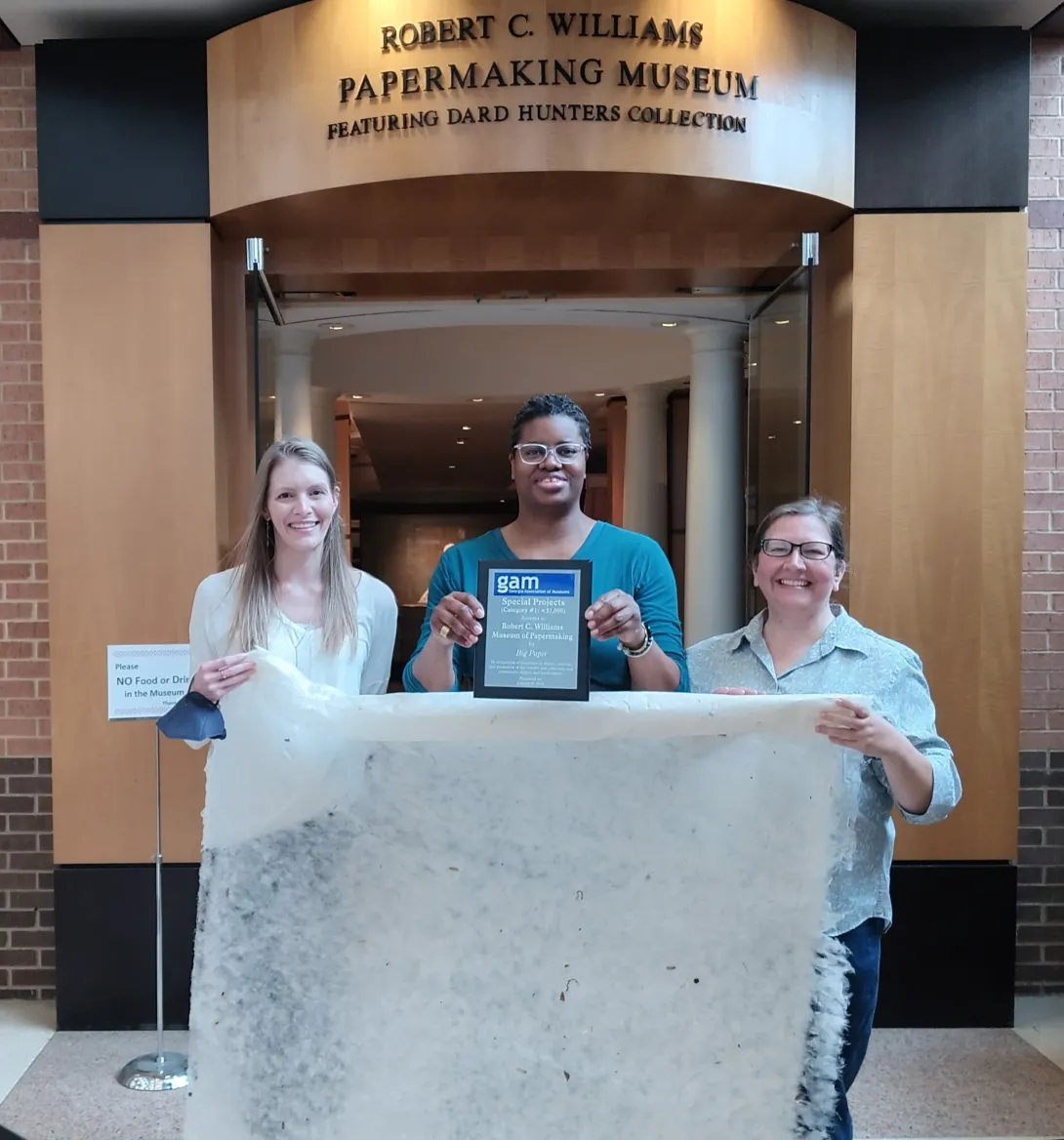
Museum staff Anna Doll, Jerushia Graham, and Virginia Howell pose with a large sheet of paper and an award from the Georgia Association of Museums for the project "Big Paper."
Over 200 museum professionals recently descended upon Athens, Georgia, for the annual meeting of the Georgia Association of Museums (GAM). They arrived from all regions of the state, from Rome to Thomasville to Savannah. The theme of the 2024 conference was “Finding the Right Frequency: Museums and Communities in Harmony.” Attendees participated in a variety of sessions and workshops ranging from developing education programs to designing eye-catching exhibits and visiting with vendors whose products and services target the field. Many Athens-Clarke County museums and cultural institutions opened their doors to attendees for tours and events. The highlight of the week was the annual GAM Awards Luncheon.
This year the Robert C. Williams Museum of Papermaking was presented the Special Project (under $1,000) award by GAM President Marcy Breffle and Award Committee Co-Chairs Melissa Swindell and Karin Dalton for the project “Big Paper.” “We are very pleased to present this award to a very deserving recipient,” said GAM President Breffle. “Our members represent a good cross section of museums and cultural organizations in Georgia’s communities, large and small,” she added. “We are happy to honor institutions, staff members, volunteers, patrons, exhibits, and special projects that have excelled in providing inspiring programs and leadership,” she concluded.
Under the guidance of museum staff Jerushia Graham and Anna Doll, “Big Paper” is a project in which groups from nearby colleges and universities experience making large sheets of paper – 4’ x 6’—in a communal setting. From preparing fiber by hand beating plant material to working together to fill a papermaking mold, students worked together to create something huge! The inaugural event was in April, 2023, and had participants from the University of Georgia, Spelman College, Kennesaw State University, and the Georgia State University Art Club. The event returns in 2024 with noted papermaker Tom Balbo, founding director of the Morgan Conservatory, leading the communal event.
Museum Director Virginia Howell says, “The Paper Museum is honored to receive this award. It is a testament to the hard work of the museum team, and the project has allowed us to build on relationships with so many people who are interested in learning more about the papermaking process and how it can be an incredibly fun yet challenging experience.”
Big Paper returns on April 13, 2024.
News Contact
Virginia Howell
virginia.howell@rbi.gatech.edu
404-894-5726
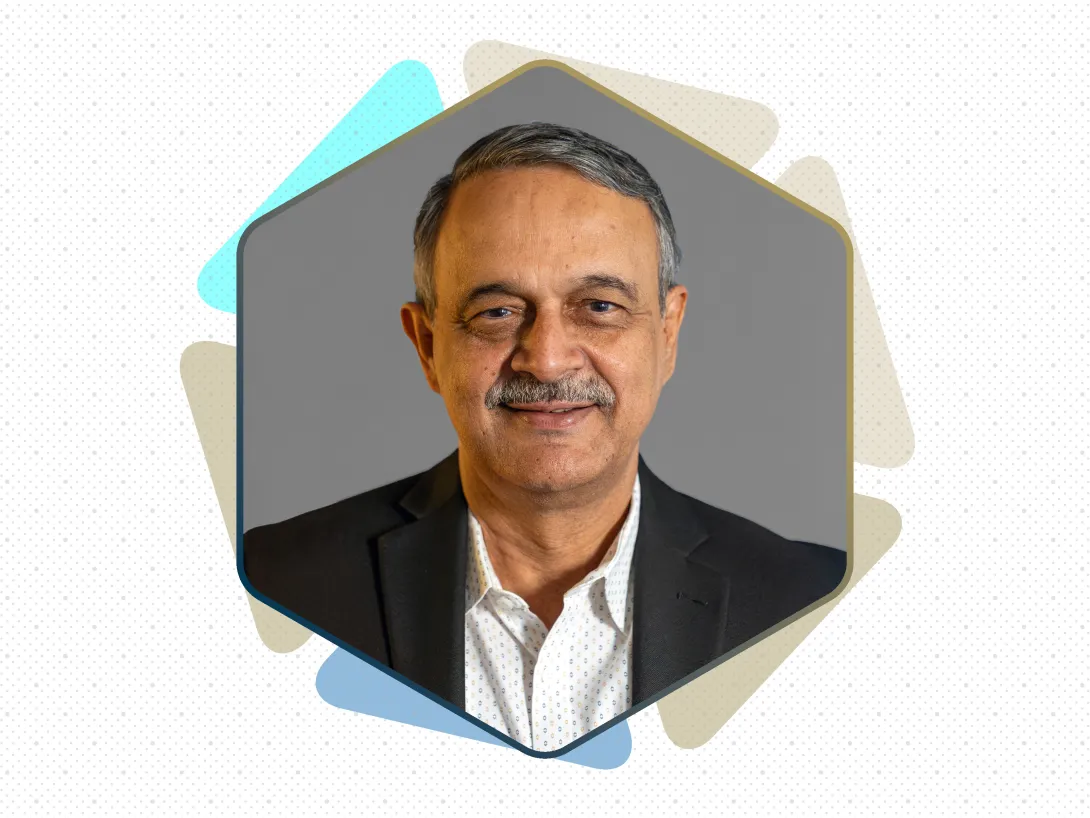
Headshot graphic of professor Deepak Divan
Professor Deepakraj Divan has been named the recipient of the 2024 IEEE Medal in Power Engineering, a distinguished honor presented annually by the Institute of Electrical and Electronics Engineers (IEEE).
The prestigious award recognizes individuals for their, “outstanding contributions to the technology associated with the generation, transmission, distribution, application, and utilization of electric power for the betterment of society.”
Divan, holding the John E Pippin Chair and serving as a Georgia Research Alliance Eminent Scholar in the Georgia Tech School of Electrical and Computer Engineering, is being honored for his significant contributions to advanced power conversion technologies for the modern electric power grid. He will be celebrated during the IEEE Vision, Innovation, and Challenges Summit and Honors Ceremony in Boston on May 3, 2024.
With over 40 years of experience in academia and industry, Divan is a globally recognized authority in power electronics, power systems, smart grids, and distributed control of power systems. He is currently the director of the Center for Distributed Energy at Georgia Tech, leading advanced research and technology development aimed at transforming electricity delivery and utilization.
His extensive portfolio includes over 85 issued and pending patents, as well as 400 refereed publications. Through his research and entrepreneurial endeavors, he has played a pivotal role in advancing power grid monitoring, analytics, and optimization.
He is a member of the of the U.S. National Academy of Engineering, the National Academies Board on Energy and Environmental Systems, and the National Academies (NASEM) Committee on the Future of Electric Power in the United States. Additionally, Divan is a Fellow of IEEE and has previously served as the president of the IEEE Power Electronics Society. He has been honored with the IEEE William E Newell Field Medal and IEEE Hingorani Custom Power Medal.
As the International Chair of the IEEE Empower a Billion Lives (EBL) recurring global competition, Divian actively contributed to the development of scalable energy access solutions. His expertise was recognized at the White House Electrification Summit in 2022, and he has shared insights on electric grids worldwide, with notable appearances including the 2016 Conference of the Parties of the United Nations Framework Convention on Climate Change Conference (or COP 22) meeting in Morocco and the United Nations Global Solutions Summit in 2023.
Divan is an established entrepreneur, having started several companies, including Varentec, which was funded by leading green-tech Venture Capital firm Khosla Ventures and renowned investor Bill Gates. He has founded or seeded several other new ventures including GridBlock, GigaGrid, Soft Switching Technologies, Innovolt, and Smart Wires, which together have raised >$500M in venture funding.
He is the first member of the Georgia Tech faculty to be honored with the IEEE Medal in Power Engineering, an accolade that has been presented since 2010.
News Contact
Dan Watson
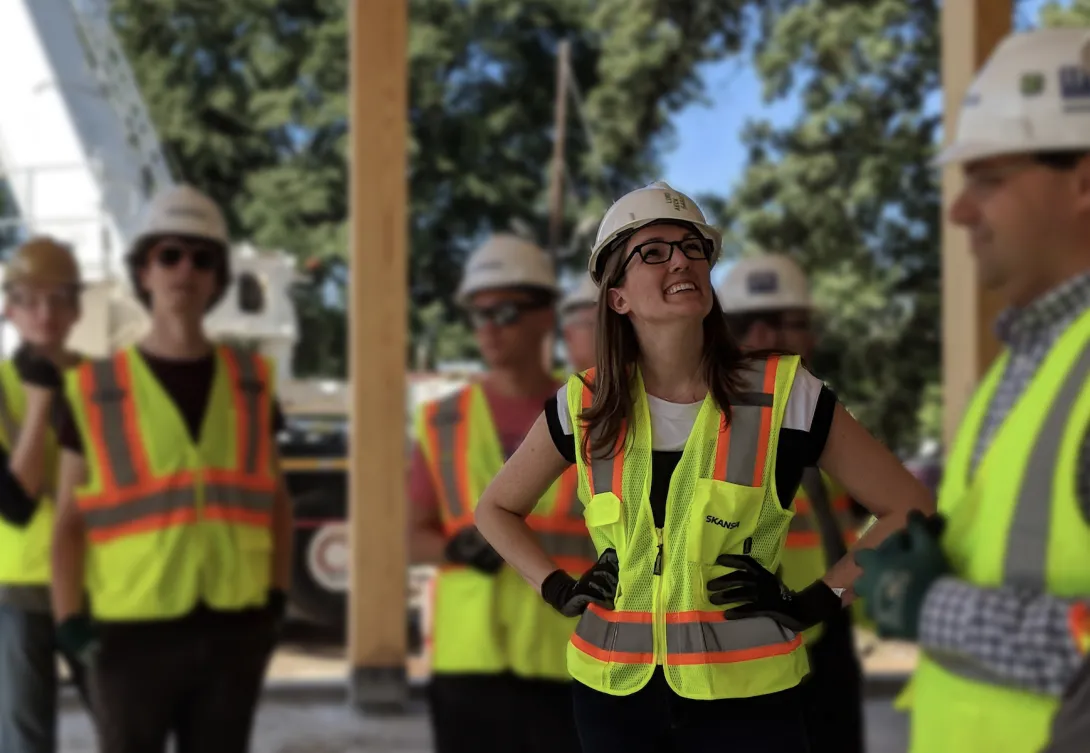
When Amy Stone first arrived on the Georgia Tech campus in 2006 to pursue a bachelor's degree in architecture, she was in awe of her surroundings. Seventeen years later, the soon-to-be triple Jacket and mother of three leaves behind her own stamp on the Institute's future.
When Amy Stone first arrived on the Georgia Tech campus in 2006 to pursue a bachelor's degree in architecture, she was in awe of her surroundings. Seventeen years later, the soon-to-be triple Jacket and mother of three leaves behind her own stamp on the Institute's future.
While she didn't realize how much time she'd spend at Tech after arriving as a transfer student, Stone knew instantly that she had found a home here.
"I remember driving up to Georgia Tech and just being wowed by the beauty of the campus and its history and feeling like this place was special,” she said. “This green urban campus in the middle of a city has so much to offer. I kept coming back for the quality of the education, and I love to see how the campus has gotten more beautiful, advanced, and innovative by improving upon itself."
Among the transformative projects completed during Stone's time on campus is The Kendeda Building for Innovative and Sustainable Design — a building she had a hand in designing as a member of the project team.
"It's such an honor as a student to be able to put my own thumbprint on this campus that has given me so much. I'm so proud of the outcome and that it can be used as an example, as a learning lab, and an educational opportunity to show this is what sustainability looks like," she said.
As construction crews continue their work on the early stages of Tech Square Phase 3, Stone sees another dream project come to fruition, having worked on the concept phase of the high-rise towers. The Scheller and George Towers will add more than 400,000 square feet of new space for research and collaboration and, to Stone, signify an ongoing commitment to the Institute putting its mission statement into action.
"There is something so ambitious and beautiful about this project, continuing to connect a green, urban campus to these dense buildings that are reaching up and stating to the skyline, 'We are Georgia Tech,'" she said of the towers, which are expected to be completed in 2026.
Stone has seen the campus grow through the years alongside her growing family, which now includes three kids. After completing her first degree, she and her husband, Lorrin, welcomed their first two children. When she returned to Tech to pursue a master's degree in architecture, her children were there to lend a helping hand.
"I was hauling them to student meetings, and they were meeting me in the studio between classes. They have been on campus more times than they recognize, and they are just growing as this campus grows. They have watched me do homework, they have been a part of my group assignments and group calls, and I feel it's only fitting that they are here at Commencement at the final moment with me," she said.
That teamwork played a key role in Stone's final semester of her master's program in 2020, when her backyard became her lab due to the pandemic.
"I built my model for my final project with my son and my daughter breaking bricks and gluing them to the side of a facade," said Stone, who was pregnant with the couple's third child at the time. "I got to bring in small hands to help with projects and explain to them what I was doing and why I was doing it in a way that they don't normally get to see. We learned a lot during the pandemic, but that's what we do at Georgia Tech. We innovate, we learn, we adapt."
Intrigued by the intersection of architecture and business, Stone was drawn to the Scheller College of Business, where she will receive her MBA, bringing an end to her educational journey with her family at her side. After taking time to enjoy the holidays and complete a Half Ironman triathlon, Stone will be teaching an architecture course at Kennesaw State University in the spring.
News Contact
Steven Gagliano - Institute Communications
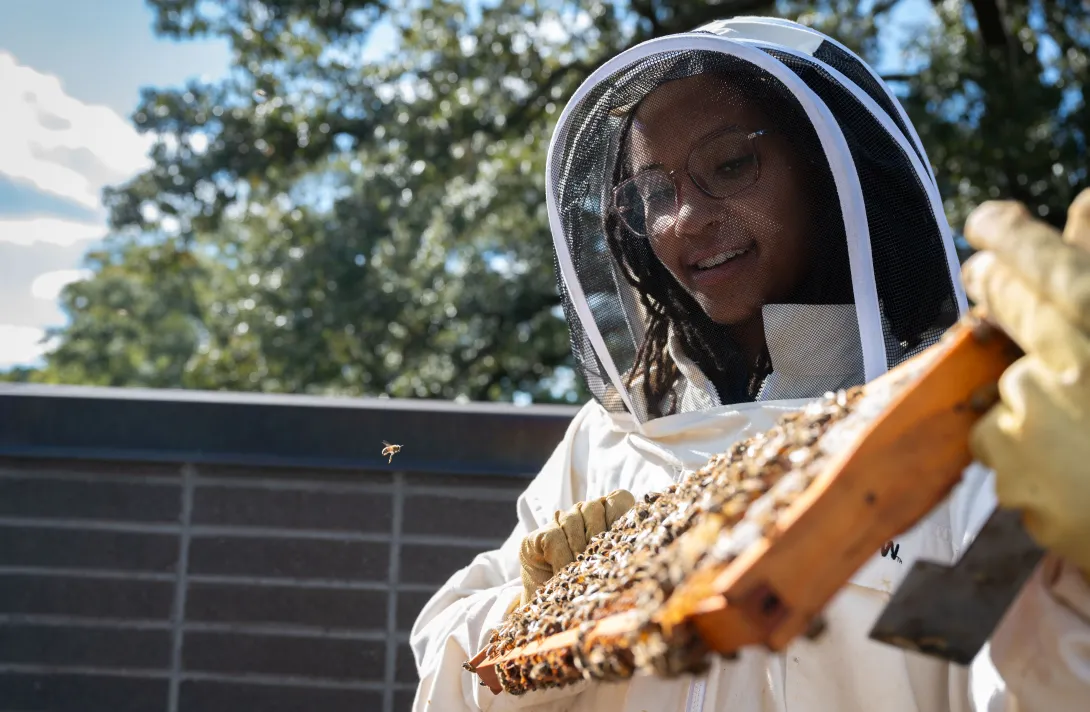
The Urban Honey Bee Project’s new beekeeper in residence is creating art and educating the public with her practice.
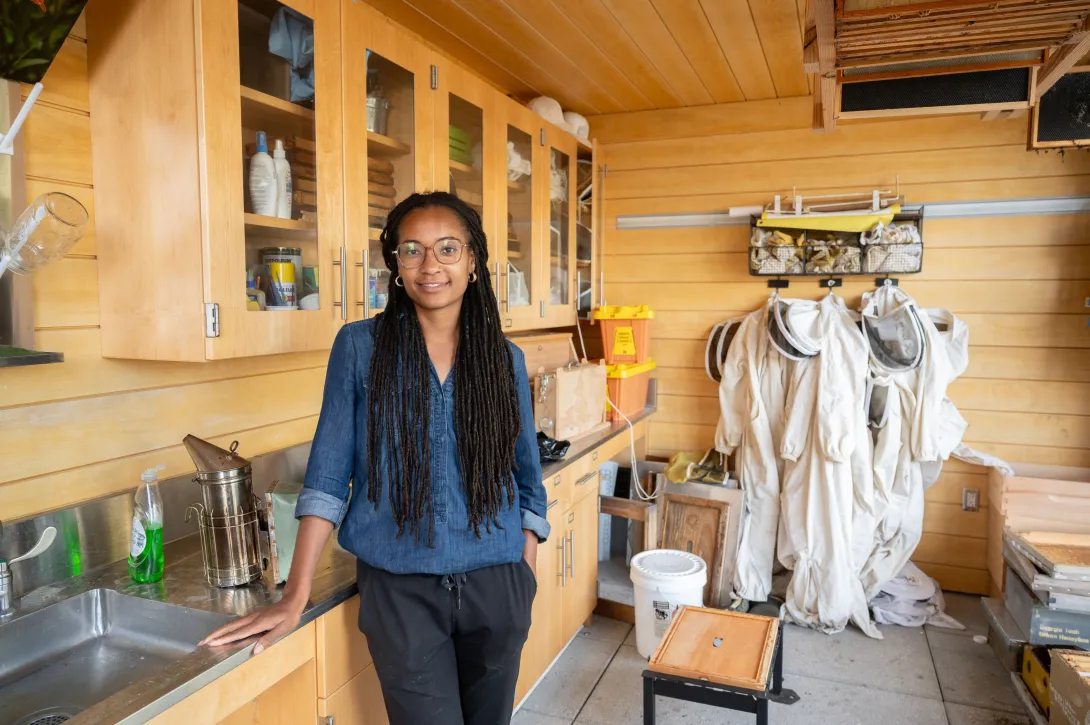
Janelle Dunlap conducts a hive inspection at The Kendeda Building for Innovative Sustainable Design. Photo by Allison Carter.
Hundreds of thousands of honeybees make their home atop The Kendeda Building for Innovative Sustainable Design, and it's up to Janelle Dunlap to make sure the hives thrive.
Dunlap was hired earlier this year as the Urban Honey Bee Project's (UHBP) first-ever beekeeper in residence. Throughout her residency, she'll conduct research into the pollinator's place in our ecosystem and how beekeeping may offer relief to veterans dealing with post-traumatic stress disorder (PTSD), while connecting with the bees through art.
Dunlap had been gardening for over a decade, but in 2016, when she got the urge to find new ways to engage with nature, she recalled a powerful piece of imagery that shaped her childhood — Wu-Tang Clan's music video for “Triumph” and its depiction of the group's members as a powerful swarm of Africanized killer bees.
"The political messaging and tying Africanized killer bees in with the stereotypes and the tropes of African Americans in the media, and the way that that was so poetically tied in, visually stuck with me,” she said. “It was the first time I recognized a political message being articulated through art. For that reason, it stuck with me that bees were a form of strong symbolism tied to resilience."
Living in Charlotte, North Carolina, Dunlap became a certified beekeeper under the Mecklenburg County Beekeepers Association in 2017. She continued practicing as she moved around the country, with stops in Chicago and Denver, eventually landing in Atlanta in 2021. Looking for a way to connect to the local beekeeping community, she attended an April presentation by UHBP Director Jennifer Leavey, who offered Dunlap a chance to get involved at Georgia Tech.
She now handles the inspection of the hives on The Kendeda Building roof, where she monitors for pests and ensures the bees have proper nutrition to sustain their population through the seasons. The UHBP began in 2012 with the goal of educating the Tech community on the importance of these pollinators within the Atlanta ecosystem and beyond — a charge that Dunlap carries on.
Over the next year, she will continue working on her sound art project that examines the frequency at which bees “buzz” and how it, along with the responsibilities of beekeeping, is being used by VA hospitals and programs to ease the effects of PTSD. While the science behind the connection is still being explored, beekeeping was recommended more than a century ago — to soldiers returning home from World War I — according to a CNBC profile of Bees4Vets, a nonprofit based in Nevada.
From the Hive to the Canvas
Whether it was baking sourdough bread or learning a new language, many people, including Dunlap, took the early days of the Covid-19 pandemic to pick up a new hobby. She began a master's program at the School of the Art Institute of Chicago with the goal of using beeswax in encaustic painting, which uses hot wax mixed with pigments. The use of natural materials collected through her beekeeping practice connects Dunlap to her work.
“It's a way of tapping into another level of consciousness. It's a way of articulating the noncommunicable relationship between me and the bees. When there's a language gap between people, we try to fill it in with translation, but without a direct way to translate the language or the sensation that I feel from the bees, this allows me to document my practice in an abstract form,” she said.
By layering the wax and applying heat throughout the process, Dunlap watches the pieces take shape, often with the unpredictability of an active hive, as she says the art “can create itself.” She collects the wax in small amounts, knowing that she can only produce her art if the bees are healthy.
"It's an eco-conscious practice, making sure I don't use more than I need," she explained. “I love the landscape it creates, and it's all about me creating a direct relationship with my medium and knowing that I earned it by developing a relationship with the bees."
As Dunlap continues her year-long residency with the UHBP, she intends to help educate the community, both on campus and around the Atlanta area, in the hopes that more prospective beekeepers will explore their curiosity to unlock the full potential of the practice.
"It's been a practice that keeps unveiling itself to me," she said. "As you get more engaged, you learn there is so much more to it than just the day-to-day hive inspections. There is a lot of beauty to it as well."
Students at Tech have several ways to get involved with research and beekeeping, including the Living Building Science VIP team, the Beekeeping Club, and various classes and workshops hosted by the UHBP.
News Contact
Steven Gagliano - Institute Communications
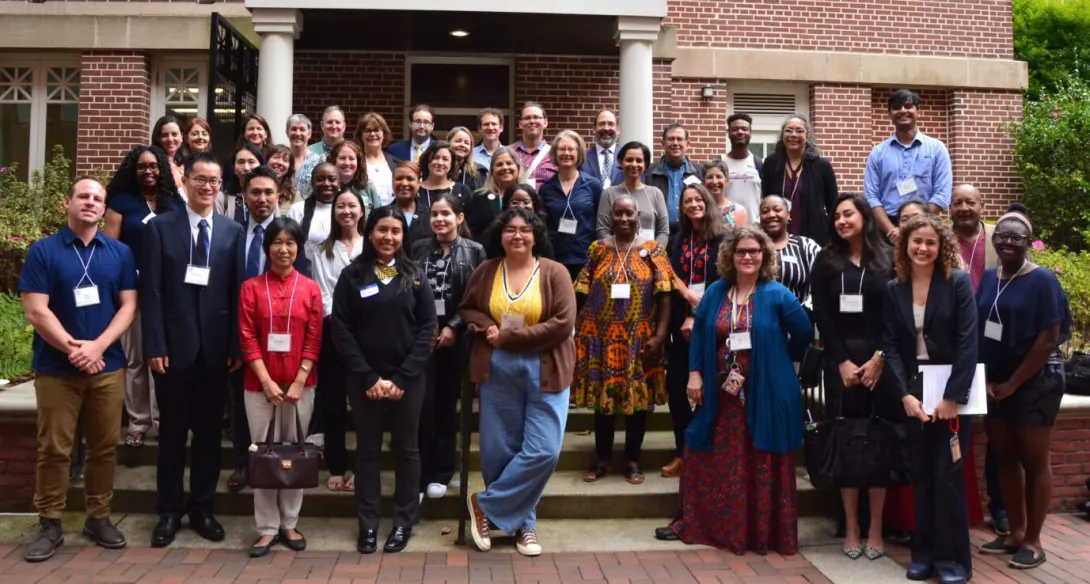
A group of attendees to the RCE Americas meeting in Atlanta pose for a group photo outside a red brick Georgia Tech building.
The Georgia Tech campus recently served as host to the 2023 RCE Americas Regional Meeting. From September 26 – 29, students, academics, and working professionals from around the Americas gathered to share their diverse perspectives and experiences, and delved into the discourse of sustainability. Participants attended panel sessions, presentations, site visits, and workshops (one of which was student led) over the three-day meeting, offering their unique viewpoints on how sustainability plays a role in their work and academic careers.
RCE Greater Atlanta was acknowledged by the United Nations University (UNU) on December 18, 2017, as a Regional Centre of Expertise on Education for Sustainable Development. RCE Greater Atlanta is one of over 190 RCEs recognized worldwide as part of the UNU RCE network. RCEs support multi-stakeholder implementation of the U.N. Sustainable Development Goals (SDGs) at the regional level, through education and training.
RCE Greater Atlanta is committed to leveraging educational resources for regional implementation of the SDGs, with a focus on equity and justice, building on Atlanta’s history as the home of the Civil Rights Movement. RCE Greater Atlanta members, representing all sectors of community, business, government, and civil society, contribute to the creation of an inclusive and collaborative community that advances SDG knowledge and action, and nurtures strong youth leadership by harnessing higher education capacity and knowledge for regional benefit.
Among the speakers were Keisuke Midori, section chief from the Ministry of the Environment of Japan; Jenny Hirsch, senior director of the Georgia Tech Center for Sustainable Communities Research and Education, representing RCE Greater Atlanta; and Georgia Tech President Ángel Cabrera. Several of the speakers traveled or participated virtually from around the United States, as well as from places as far-flung as Mexico, Puerto Rico, Canada, Peru, and Columbia. Atlanta was also well represented with participants and speakers from many area colleges and universities including Morehouse School of Medicine, Kennesaw State University, and Georgia Gwinnett College. A wide range of topics were presented such as “Youth Initiatives at Assateague Island,” “Energy Equity: Advancing SDG 7 Affordable and Clean Energy Through Community-University Partnerships,” and “Young Leaders of the Earth Charter at RCE Bogota.”
Several Georgia Tech students were in attendance and have offered their perspectives on the event. Lakshya Sharma, a master’s student in Human Computer Interaction and the student coordination manager for RCE Greater Atlanta, says, “The conference provided people coming from a wide variety of backgrounds an opportunity to present views, opinions, and talk about differences. I was given the responsibility to lead one of these sessions, where we discussed how important local community action is and how these actions can be made more efficient, inclusive, and effective. Participating in these discussions gave me a fresh perspective on things and made me explore new ways to solve problems, which I can now implement as a professional.”
Perrin Brady, who is studying History, Technology, and Society at Georgia Tech and serving as a student engagement coordinator for RCE Greater Atlanta, said, “I was able to raise questions to the room that I struggle with as a young person, like how to navigate possible conflict between requiring fast climate solutions and needing equitable/sustainable solutions that take time and consideration. People's answers gave me hope for future impacts I could make.”
Julie Chen, another student engagement coordinator, who is studying architecture at Georgia Tech, said, “The range of presentations remains an inspiration, as I was able to witness different RCEs actively involved in unique projects to further the UN SDGs. It was especially heartening to see young students taking the initiative. The RCE Americas Network is a great platform to share these efforts.”
The event was sponsored by Oak Ridge Associated Universities; Kennesaw State University’s Global Education Community Engagement and Outreach; Goethe Zentrum; and several Georgia Tech organizations, namely the Brook Byers Institute for Sustainable Systems, the Renewable Bioproducts Institute, the Strategic Energy Institute, the Atlanta Global Studies Center, and the Ray C. Anderson Center for Sustainable Business with the Drawdown Georgia Business Compact.
The RCE Americas Meeting is an annual event. For more information, see the following links:
Meeting Resources: https://drive.google.com/drive/folders/1K8XeWuCEXq66TEVZuQQm3X3EzfXQ3zVB?usp=sharing
Presentation Recordings: https://www.youtube.com/channel/UCpof6N7frRLybc0UW8dhX4A
News Contact
Kristina Chatfield, Program and Portfolio Manager, Center for Sustainable Communities Research and Education