
Successful test results of a new machine learning (ML) technique developed at Georgia Tech could help communities prepare for extreme weather and coastal flooding. The approach could also be applied to other models that predict how natural systems impact society.
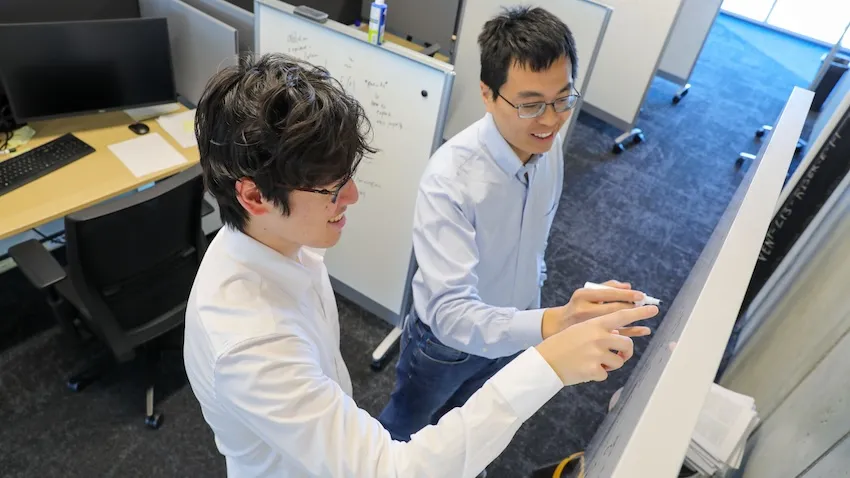
Ph.D. student Phillip Si and Assistant Professor Peng Chen developed Latent-EnSF, a technique that improves how ML models assimilate data to make predictions.
In experiments predicting medium-range weather forecasting and shallow water wave propagation, Latent-EnSF demonstrated higher accuracy, faster convergence, and greater efficiency than existing methods for sparse data assimilation.
“We are currently involved in an NSF-funded project aimed at providing real-time information on extreme flooding events in Pinellas County, Florida,” said Si, who studies computational science and engineering (CSE).
“We're actively working on integrating Latent-EnSF into the system, which will facilitate accurate and synchronized modeling of natural disasters. This initiative aims to enhance community preparedness and safety measures in response to flooding risks.”
Latent-EnSF outperformed three comparable models in assimilation speed, accuracy, and efficiency in shallow water wave propagation experiments. These tests show models can make better and faster predictions of coastal flood waves, tides, and tsunamis.
In experiments on medium-range weather forecasting, Latent-EnSF surpassed the same three control models in accuracy, convergence, and time. Additionally, this test demonstrated Latent-EnSF's scalability compared to other methods.
These promising results support using ML models to simulate climate, weather, and other complex systems.
Traditionally, such studies require employment of large, energy-intensive supercomputers. However, advances like Latent-EnSF are making smaller, more efficient ML models feasible for these purposes.
The Georgia Tech team mentioned this comparison in its paper. It takes hours for the European Center for Medium-Range Weather Forecasts computer to run its simulations. Conversely, the ML model FourCastNet calculated the same forecast in seconds.
“Resolution, complexity, and data-diversity will continue to increase into the future,” said Chen, an assistant professor in the School of CSE.
“To keep pace with this trend, we believe that ML models and ML-based data assimilation methods will become indispensable for studying large-scale complex systems.”
Data assimilation is the process by which models continuously ingest new, real-world data to update predictions. This data is often sparse, meaning it is limited, incomplete, or unevenly distributed over time.
Latent-EnSF builds on the Ensemble Filter Scores (EnSF) model developed by Florida State University and Oak Ridge National Laboratory researchers.
EnSF’s strength is that it assimilates data with many features and unpredictable relationships between data points. However, integrating sparse data leads to lost information and knowledge gaps in the model. Also, such large models may stop learning entirely from small amounts of sparse data.
The Georgia Tech researchers employ two variational autoencoders (VAEs) in Latent-EnSF to help ML models integrate and use real-world data. The VAEs encode sparse data and predictive models together in the same space to assimilate data more accurately and efficiently.
Integrating models with new methods, like Latent-EnSF, accelerates data assimilation. Producing accurate predictions more quickly during real-world crises could save lives and property for communities.
To share Latent-EnSF to the broader research community, Chen and Si presented their paper at the SIAM Conference on Computational Science and Engineering (CSE25). The Society of Industrial and Applied Mathematics (SIAM) organized CSE25, held March 3-7 in Fort Worth, Texas.
Chen was one of ten School of CSE faculty members who presented research at CSE25, representing one-third of the School’s faculty body. Latent-EnSF was one of 15 papers by School of CSE authors and one of 23 Georgia Tech papers presented at the conference.
The pair will also present Latent-EnSF at the upcoming International Conference on Learning Representations (ICLR 2025). Occurring April 24-28 in Singapore, ICLR is one of the world’s most prestigious conferences dedicated to artificial intelligence research.
“We hope to bring attention to experts and domain scientists the exciting area of ML-based data assimilation by presenting our paper,” Chen said. “Our work offers a new solution to address some of the key shortcomings in the area for broader applications.”
News Contact
Bryant Wine, Communications Officer
bryant.wine@cc.gatech.edu
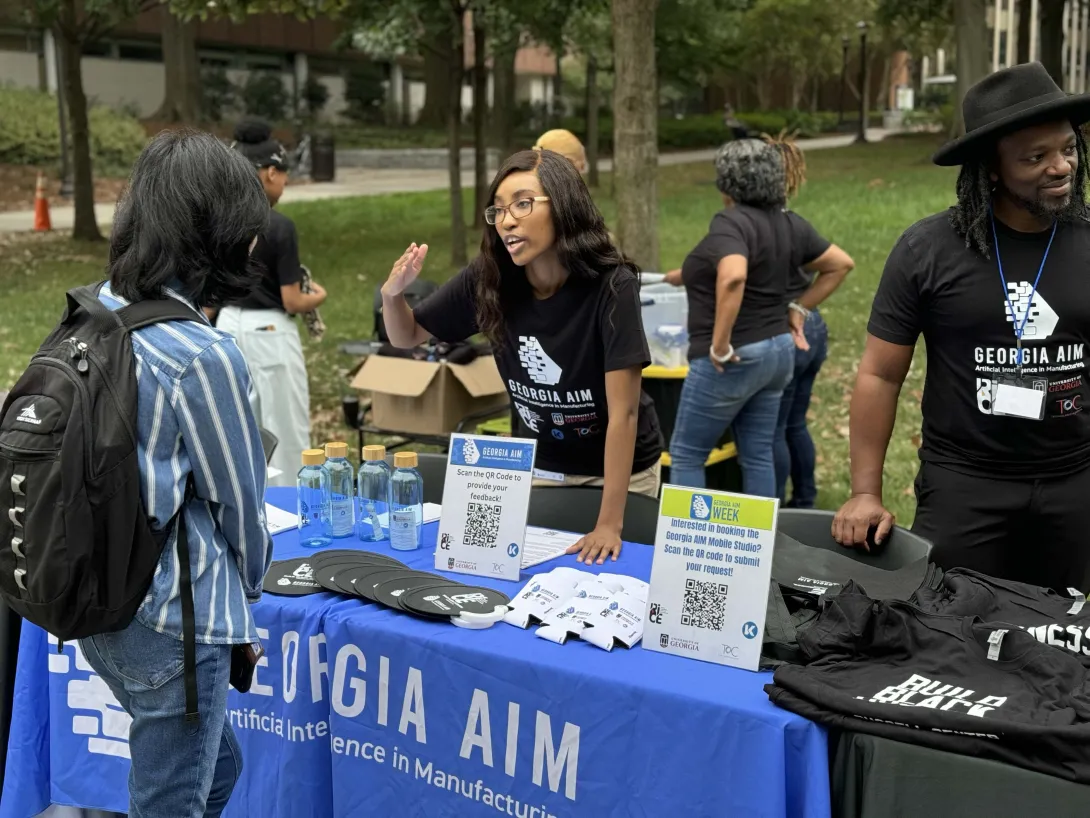
Georgia AIM representatives talk with students on Georgia Tech's campus during the launch event for their new mobile labs.
Gold and white pompoms fluttered while Buzz, the official mascot of the Georgia Institute of Technology, danced to marching band music. But the celebration wasn’t before a football or basketball game — instead, the cheers marked the official launch of Georgia AIM Week, a series of events and a new mobile lab designed to bring technology to all parts of Georgia
Organized by Georgia Artificial Intelligence in Manufacturing (Georgia AIM), Georgia AIM Week kicked off September 30 with a celebration on the Georgia Institute of Technology campus and culminated with another celebration on Friday at the University of Georgia in Athens and aligned with National Manufacturing Day.
In between, the Georgia AIM Mobile Studio made stops at schools and community organizations to showcase a range of technology rooted in AI and smart technology.
“Georgia AIM Week was a statewide opportunity for us to celebrate Manufacturing Day and to launch our Georgia AIM Mobile Studio,” said Donna Ennis, associate vice president, community-based engagement, for Georgia Tech’s Enterprise Innovation Institute and Georgia AIM co-director. “Georgia AIM projects planned events in cities around the state, starting here in Atlanta. Then we headed to Warner Robins, Southwest Georgia, and Athens. We’re excited about the opportunity to bring this technology to our communities and increase access and ideas related to smart technology.”
Georgia AIM is a collaboration across the state to provide the tools and knowledge to empower all communities, particularly those that have been underserved and overlooked in manufacturing. This includes rural communities, women, people of color, and veterans. Georgia AIM projects are located across the state and work within communities to create a diverse AI manufacturing workforce. The federally funded program is a collaborative project administered through Georgia Tech’s Enterprise Innovation Institute and the Georgia Tech Manufacturing Institute.
A cornerstone of Georgia AIM Week was the debut of the Georgia AIM Mobile Studio, a 53-foot custom trailer outfitted with technology that can be used in manufacturing — but also by anyone with an interest in learning about AI and smart technology. Visitors to the mobile studio can experience virtual reality, 3-D printing, drones, robots, sensors, computer vision, and circuits essential to running this new tech.
There’s even a dog — albeit a robotic one — named Nova.
The studio was designed to introduce students to the possibilities of careers in manufacturing and show small businesses some of the cost-effective ways they can incorporate 21st century technology into their manufacturing operations.
“We were awarded about $7.5 million to build this wonderful studio here,” said Kenya Asbill, who works at the Russell Innovation Center for Entrepreneurs (RICE) as the Economic Development Administration project manager for Georgia AIM. “We will be traveling around the state of Georgia to introduce artificial intelligence in manufacturing to our targeted communities, including underserved rural and urban residents.”
Some technology on the Georgia AIM Mobile Studio was designed in consultation with project partners Kitt Labs and Technologists of Color. An additional suite of “technology vignettes” were developed by students at the University of Georgia College of Engineering. RICE and UGA served as project leads for the mobile studio development, and RICE will oversee its deployment across the state in the coming months.
To request a mobile studio visit, please visit the Georgia AIM website.
During Monday’s kickoff, the Georgia Tech cheerleaders and Buzz fired up the crowd before an event that featured remarks by Acting Assistant Secretary of the U.S. EDA Christina Killingsworth; Jay Bailey, president and CEO of RICE; Beshoy Morkos, associate professor of mechanical engineering at the University of Georgia; Aaron Stebner, co-director of Georgia AIM; David Bridges, vice president of Georgia Tech’s Enterprise Innovation Institute; and lightning presentations by Georgia AIM project leads from around the state.
Following the presentations, mobile studio tours were led by Jon Exume, president and executive director, and Mark Lawson, director of technology, for Technologists of Color. The organization works to create a cohesive and thriving community of African Americans in tech.
“I’m particularly excited to witness the launch of the Georgia AIM Mobile Studio. It really will help demystify AI and bring its promise to underserved rural areas across the state,” Killingsworth said. “AI is the defining technology of our generation. It’s transforming the global economy, and it will continue to have tremendous impact on the global workforce. And while AI has the potential to democratize access to information, enhance efficiency, and allow humans to focus on the more complex, creative, and meaningful aspects of work, it also has the power to exacerbate economic disparity. As such, we must work together to embrace the promise of AI while mitigating its risks.”
Other events during Georgia AIM week included the Middle Georgia Innovation Corridor Manufacturing Expo in Warner Robins, West Georgia Manufacturing Day – Student Career Expo in LaGrange, and a visit to Colquitt County High School in Moultrie. The week wrapped on Friday, Oct. 4, at the University of Georgia in Athens with a National Manufacturing Day celebration.
“We’re focused on growing our manufacturing economy,” Ennis said. “We’re also focused on the development and deployment of innovation and talent in the manufacturing industry as it relates to AI and other technologies. Manufacturing is cool. It is a changing industry. We want our students and younger people to understand that this is a career.”
News Contact

The Georgia Tech EcoCommons (Photo by Nick Hubbard)
The College of Sciences is proud to launch Georgia Tech for Georgia’s Tomorrow, a new center focused on research that aims to improve life across the state.
“From resilient communities and agriculture, to health and sustainable energy resources, Georgia's Tomorrow will focus on improving the lives of Georgians and their communities,” Dean Susan Lozier says.
An expansion of the College’s strategic plan, the initiative will serve as a statewide fulcrum, fostering research in direct service to Georgia cities, counties, and communities.
The center specifically addresses critical health and climate challenges throughout Georgia, and aims to pave the way for increased public-private partnerships. The initiative will also expand access — broadening participation opportunities for Georgia students and communities to engage with research.
The search for an inaugural faculty director has commenced, and will be followed by a dedicated cluster hire in 2025, funded by the Office of the Provost. Dean Lozier, who also serves as a professor in the School of Earth and Atmospheric Sciences, has reserved funds from the College of Sciences Betsy Middleton and John Clark Sutherland Dean’s Chair to initiate the center.
People and planet
Selected from a pool of 17 faculty proposals, two dedicated faculty cluster hires will focus on improving the health of Georgians and Georgia’s communities — and the resilience of humans and ecosystems to current and anticipated climate change in the state. Appointments will be sought across the College’s six schools.
“These proposals address themes that are critically important right now for Georgia Tech research growth: sustainability and climate, along with health and well-being,” says Julia Kubanek, Vice President for Interdisciplinary Research at Georgia Tech and a professor in the School of Biological Sciences and the School of Chemistry and Biochemistry. “This is an opportunity for Georgia to be a model for the nation on how to solve health disparities.”
“These new cluster hires will strengthen the College’s existing research programs,” Lozier adds. “They will also facilitate large collaborations across campus, and educate the next generation of scientists who will tackle these problems in Georgia and beyond.”
Rising Tide Program
An adjacent effort, the new College of Sciences Rising Tide Program, is selecting promising early-career scientists for a two-year virtual mentorship initiative.
The Rising Tide Program will work in tandem with the Georgia's Tomorrow cluster hire, complementing the strong culture of mentorship in the College, while providing a pathway to support local research at the Institute.
“Rising Tide aims to help the College recruit scientists with professional or lived experiences in the Southeast — or focused on research with particular relevance to the Southeast,” explains Rising Tide Director Alex Robel, associate professor in the School of Earth and Atmospheric Sciences. “One of our key goals is to bring more faculty to Georgia Tech who can contribute to research and teaching that’s particularly relevant to communities in Georgia.”
“The reach of Georgia Tech is global,” Lozier adds. “Our fingerprints are on discoveries and innovations that benefit people and their communities around the world. As researchers at a leading public university in the state of Georgia, we are also cognizant of the responsibility and opportunity to focus our efforts more intently here at home.”
Georgia's Tomorrow: Director search
The College has launched an internal leadership search for the Georgia’s Tomorrow center, with an expected appointment to be announced in February 2025. The inaugural director will have the opportunity to shape the direction of this new initiative by:
- Formulating a strategic plan for the center in partnership with interested parties across campus
- Promoting synergies between faculty within the college, and elsewhere at Georgia Tech, whose work relates to the health of Georgia’s people, its ecosystems, and communities
- Fostering collaborations with offices at Georgia Tech that focus on community, government, and industry engagement so as to develop meaningful external partnerships that will advance the work of this center
All faculty who hold a majority appointment within the College of Sciences are eligible and encouraged to apply. Learn more and apply via InfoReady.
Funding
Initial support for Georgia Tech for Georgia's Tomorrow is generously provided by the College of Sciences Betsy Middleton and John Clark Sutherland Dean's Chair fund. Cluster hire funding has been awarded by Provost Steven W. McLaughlin.
Georgia's Tomorrow will also seek funding from state, national and international organizations, private foundations, and government agencies to expand impact. Philanthropic support will also be sought in the form of professorships, programmatic support for the center, and seed funding.
2025 updates:
Professor Joel Kostka has been selected to serve the center's inaugural faculty director.
Note: Georgia Tech for Georgia's Tomorrow initially launched under the working title Science for Georgia's Tomorrow (Sci4GT).
News Contact
Written by: Selena Langner
Media contact: Jess Hunt-Ralston
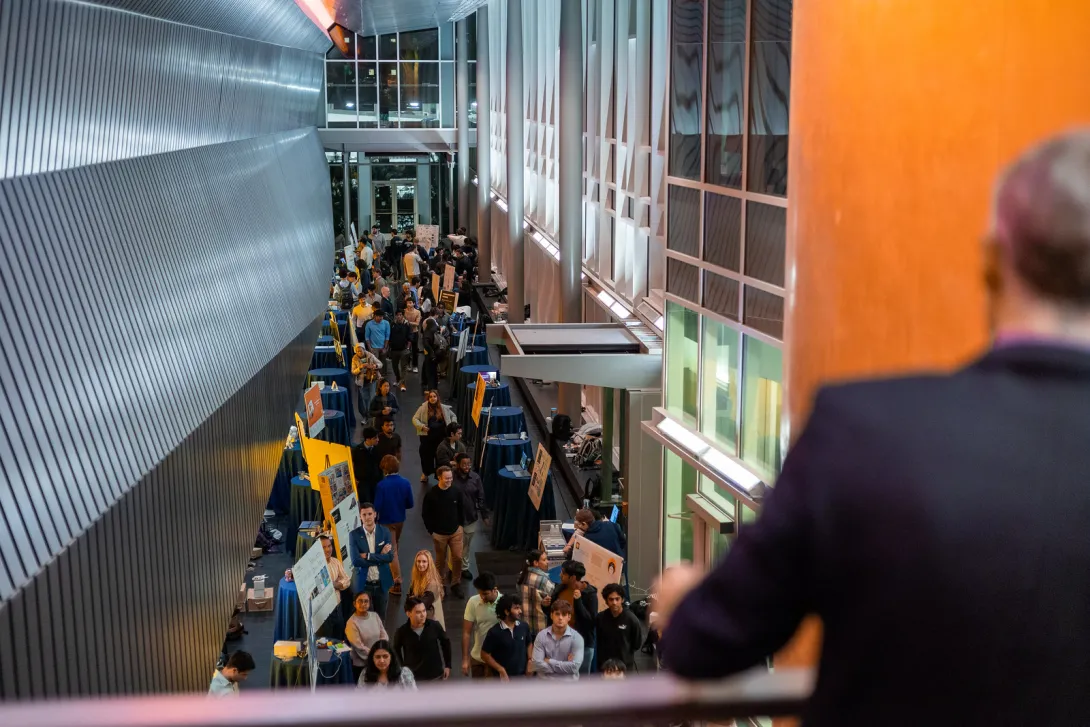
Craig Forest Overlooks I2P Showcase Fall 2023
Georgia Tech is days away from the Fall 2024 Idea to Prototype (I2P) Showcase, set to take place on Dec. 3 at 5 p.m. in the Exhibition Hall. This event offers students a platform to present solutions built over the semester to tackle real-world problems and compete for rewards, including a golden ticket into the CREATE-X summer startup accelerator, Startup Launch. The program offers optional seed funding, workspace, entrepreneurial education, and continued mentorship to help students turn their prototypes into viable startups. Over 50 teams will present their prototypes at the showcase.
The event is open to all Georgia Tech students, faculty, staff, and the local community. Tickets are available now but are limited, so register for the I2P Showcase today.
Each semester, students in the Idea-to-Prototype course take time out of their schedules, similar to undergraduate research, to build prototypes. Teams accepted into I2P receive a reimbursement of up to $500 for physical expenses, course credit (undergraduate students only), and mentorship from a Georgia Tech faculty member.
During the showcase, participants and judges interact with the projects and give feedback. The criteria for judging are centered on innovation and overall market and impact potential. Judges can include industry professionals, faculty members, and alumni.
Throughout I2P Showcase history, many winning projects have gone on to achieve significant success. One is CaseDocker, which provides an end-to-end workflow management system. The startup now has a user base of over 400 global clients, including Fortune 500 companies. Other winners of the showcase include a blockchain-based music application, Radiochain, a personal financial management platform, Dolfin Solutions, and an EEG monitoring device for pediatric seizure detection, NeuroChamp.
This semester, the I2P cohort includes a digital twin using individual data and AI for health screenings and early detection, an active shooter detection and tracking tool, an AR tool that turns walls into interactive canvases, a device that detects overdosages, 3D-printed circuit boards, an AI detector for digital media, and more.
Whether you're a student with a passion for entrepreneurship, a faculty member interested in the latest student innovations, or a community member looking to support local talent, the I2P Showcase is a perfect opportunity to explore student innovations, mingle, and enjoy refreshments. Register for the I2P Showcase today and join us at the Exhibition Hall for an evening of creativity and community.
Students interested in participating in I2P can do so in the spring, summer, or fall semesters. The registration process involves providing a brief description of the project, the team members involved, and the current stage of development. The deadline for applications is Jan. 6 for Spring 2025 and May 12 for Summer 2025.
News Contact
Breanna Durham
Marketing Strategist
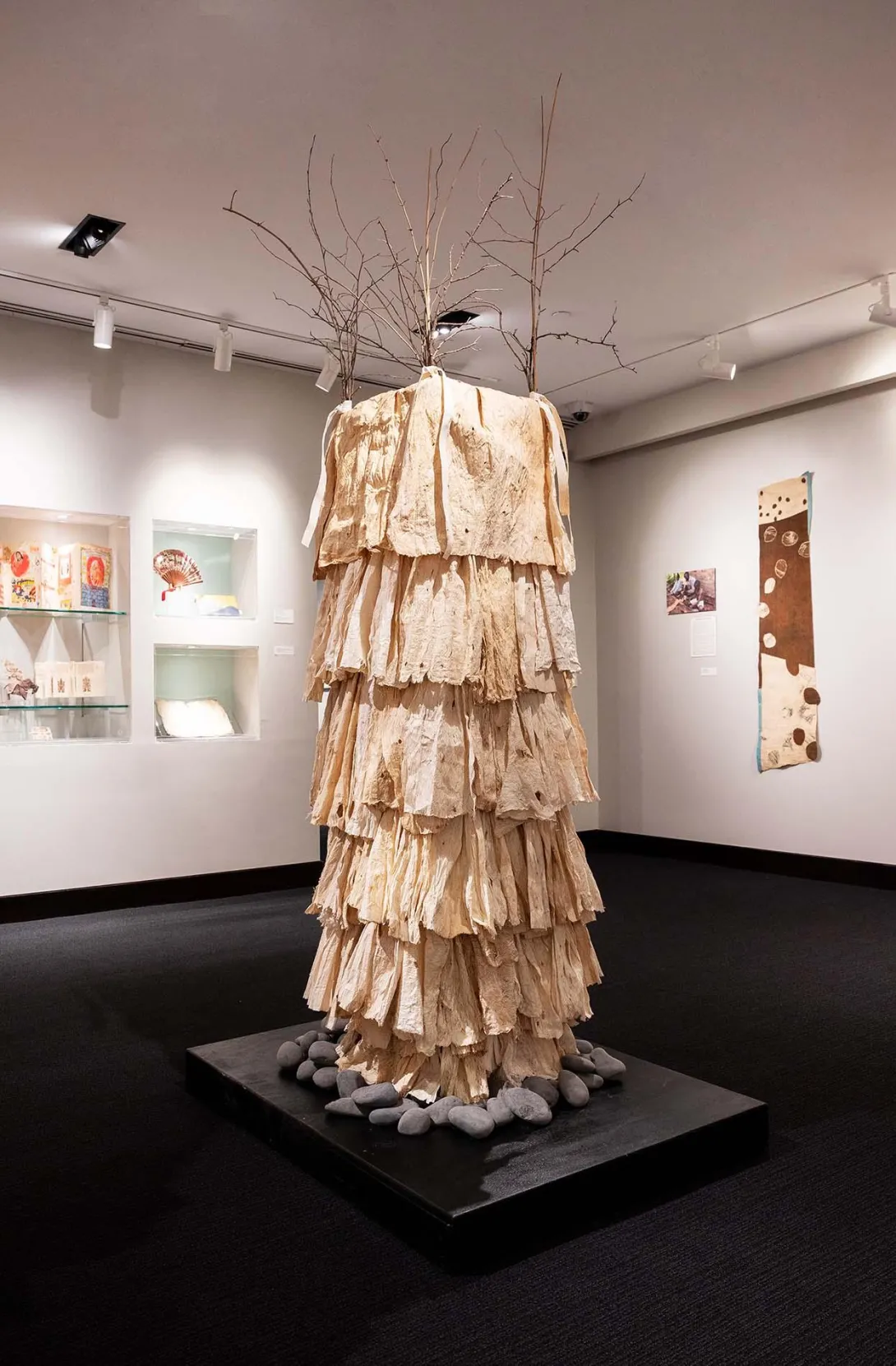
Bark Rhythms Exhibit
Credits
Photography: Allison Carter, Joya Chapman, and Rob Felt
Writing/Editing: Kristen Bailey, Stacy Braukma
The Bark Rhythms exhibit continues at the Robert C. Williams Museum of Papermaking through August. It features historical examples of hand-beaten bark papers, barkcloths, and traditional beaters, paired with the work of contemporary artists from global communities who use bark fiber materials and techniques. Photos taken June 24 by Joya Chapman.
Credits
Photography: Allison Carter, Joya Chapman, and Rob Felt
Writing/Editing: Kristen Bailey, Stacy Braukma
News Contact
Credits
Photography: Allison Carter, Joya Chapman, and Rob Felt
Writing/Editing: Kristen Bailey, Stacy Braukma
Anna Doll
Doll giving a tour of the Robert C. Williams Museum of Papermaking to K-12 Students
Anna Doll, Tom Balbo and workshop participants during the Big Paper Workshop
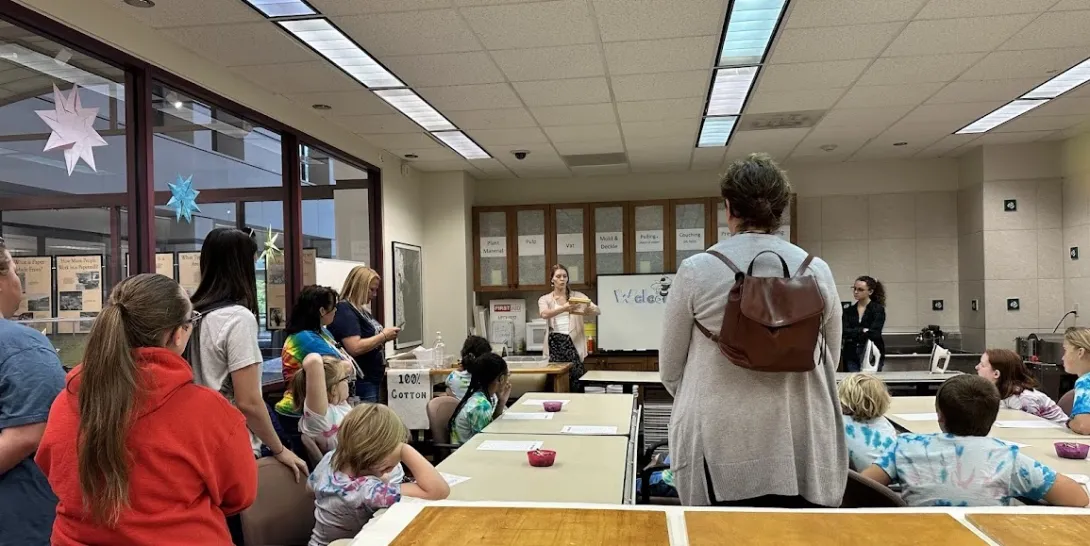
Doll during a paper-making session with K-12 Students
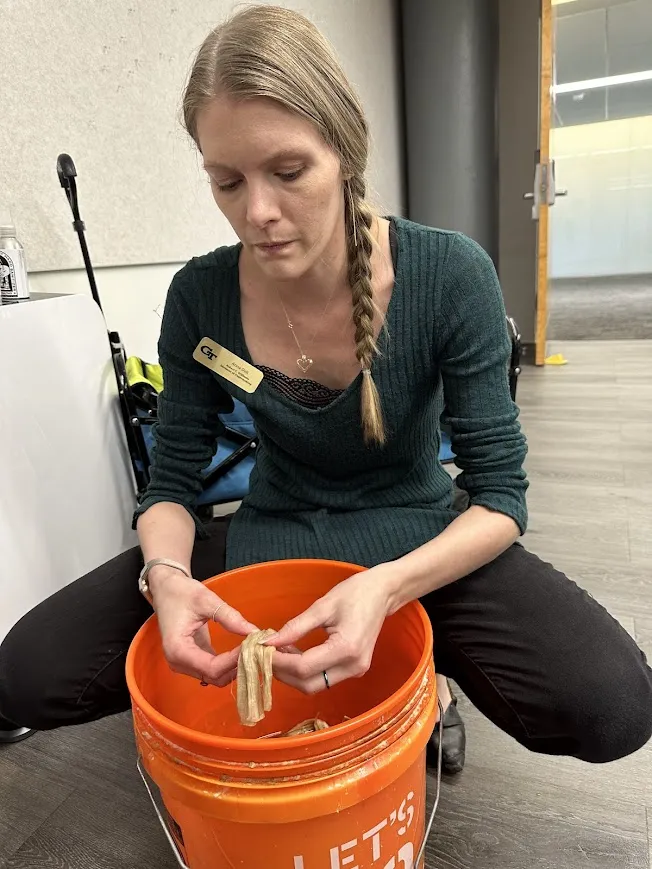
Doll prepping the fiber during Tech's Tactile Thursdays
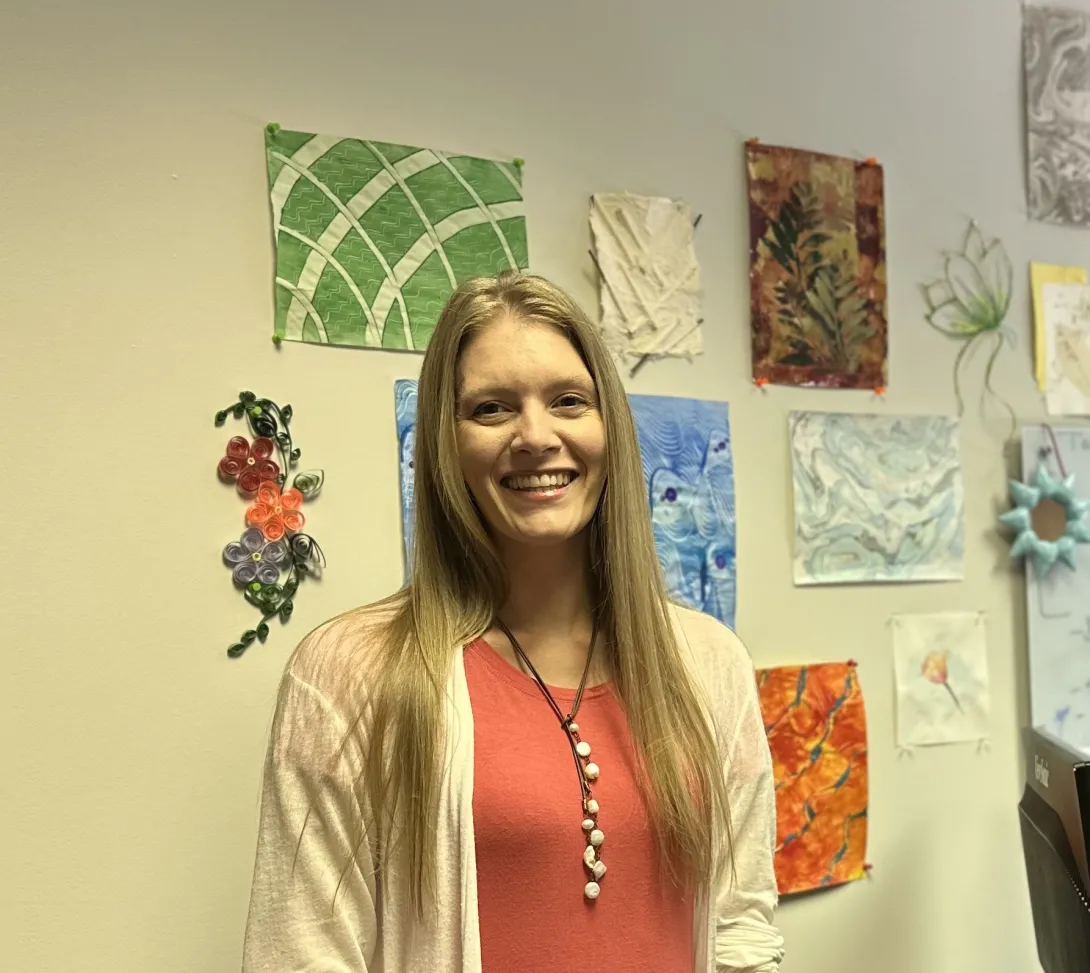
Anna Doll is the education curator at the Robert C. Williams Museum of Papermaking, located in Georgia Tech’s Renewable Bioproducts Institute. Doll’s day-to-day responsibilities, and the many projects she handles at the museum, bring tremendous value not only to the Georgia Tech community, but also to the papermaking community around the world.
With a degree in art education and a minor in art history, Doll began her career as an elementary school art teacher in Pinellas County, Florida. She then became the director of Museums for the Folk Pottery Museum of Northeast Georgia and the Sautee Nacoochee Cultural Center History Museum and Heritage Site.
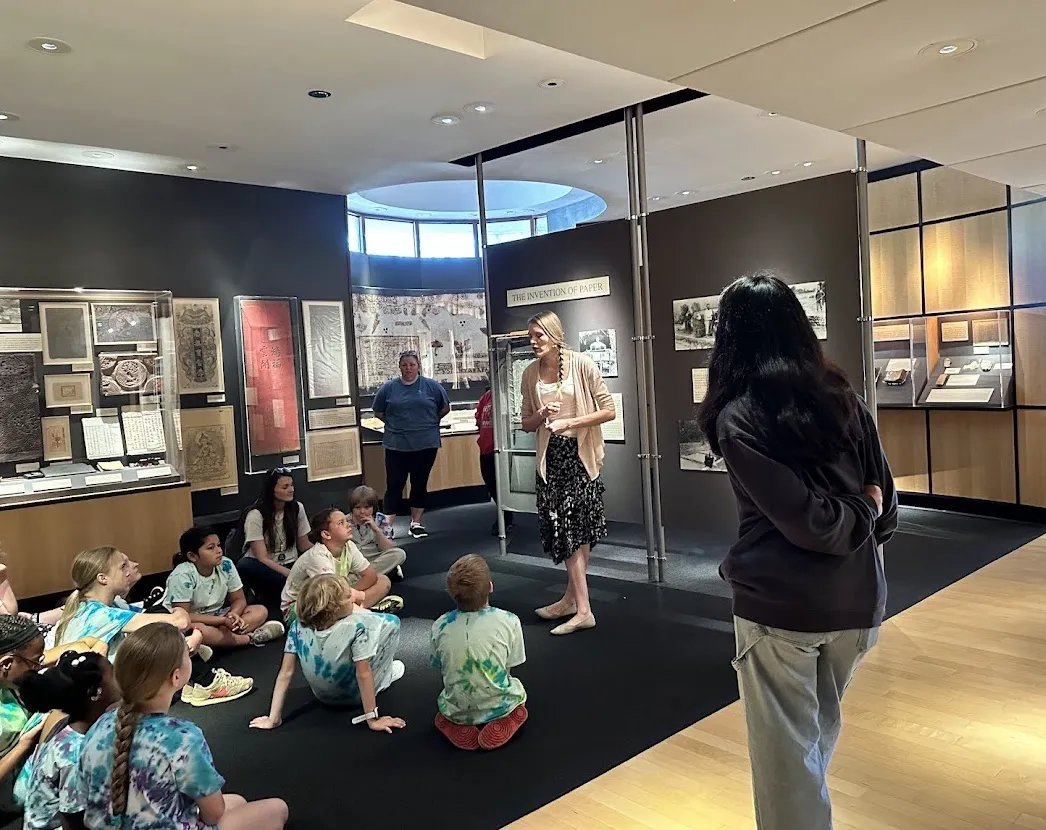
In 2019, Doll joined the Robert C. Williams Museum of Papermaking team as its education curator. At the museum, she creates and manages programs that include educational tours, private and public workshops on papermaking, specialized workshops through creative collaborations with artists, collaborations with other campus units for STEAM activities, and community events for kindergarten through senior adult audiences.
"I didn't know a whole lot about papermaking when I first started here," admits Doll, "but I knew how to be an education curator." Her ability to swiftly absorb the history and concept of papermaking and translate it into engaging educational experiences has been instrumental in her success. Below are a few highlights of Doll’s projects.
Museum Tours
Doll’s daily activities include educational tours of the papermaking museum for groups of all ages. The tours range from introducing the papermaking process to elementary and middle school students to sharing the history and heritage of papermaking with adults. In addition, she conducts virtual programs for groups interested in the history of paper and the technological advances of the papermaking process since its invention many centuries ago.
Workshops
Doll is the point of contact for public and private workshop bookings. She also develops the concepts for these sessions, catering to groups with various interests (e.g., Girl Scouts, Boy Scouts, people with disabilities, teachers, artists, college students, and public groups). This spring, Doll’s workshops included Suminagashi, Production Papermaking, Petal Fold Book, Paper Casting, and Magic Box: Jacob’s Ladder.
In addition to conceptualizing and conducting tours and workshops, she designs curricula and other resources involving paper art and science for K-12 teachers to integrate into their art classes.
Big Paper Workshop – Convening Artists, Educators, and Community Members for a Transformative Experience in Papermaking
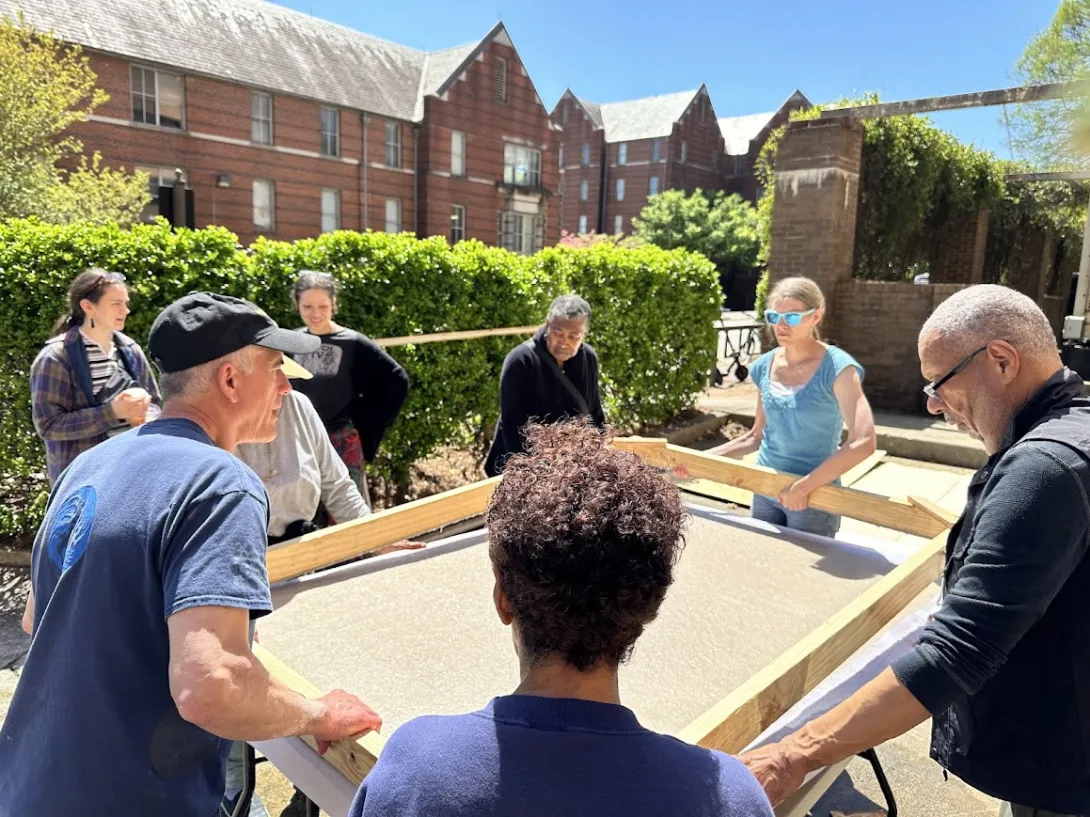
This spring, Doll and her colleague Jerushia Graham created a communal workshop called “Big Paper.” Offered on multiple days, this project included five college groups from Georgia and Alabama and community groups from metro Atlanta who got to create a large sheet of paper from pulp. Participants beat plant material by hand to prepare the fiber and worked with Tom Balbo, founding director of the Morgan Conservatory, to create a huge 4’x6’ sheet of paper that was mailed back to them once it was dry.
Through her work at the museum, Doll has cultivated relationships with various artists, all of whom collaborate with the museum to conduct workshops and create and showcase art exhibits.
Additional Collaborations Across Campus
Doll partners with other units on campus to create programs. She collaborated with the Georgia Tech Library on a program called “Tech's Tactile Thursdays.” Hosted on the first Thursday of each month, it allows students, faculty, and staff to work on hands-on projects related to paper and provides an opportunity for the largely technology-focused participants to take a break from their routine, relax, and explore their creative side and enhance their well-being.
Doll also has been an active educator at Georgia Tech Science and Engineering Day, which is part of the Atlanta Science Festival. This year, more than 3,000 K-12 students and parents visited Georgia Tech’s campus to engage in hands-on STEAM activities. Representing the museum, Doll worked with families to make prints on a clamshell printing press featuring a custom-designed Buzz image (designed by Doll) on a postcard for the kids to take home. The activity showcased the rich history of the printing press and modern technology with a photopolymer printing plate.
Through these diverse projects and initiatives at the museum, Doll continues to make a difference in the world of papermaking. Looking ahead, she hopes to expand the museum’s educational initiatives as well as the education team and its resources, and she envisions broadening the museum’s reach and impact by offering free programs to schools through grants. She is also working with Georgia Tech faculty and researchers on museum research into the art of nano cellulose and plans to establish a paper and natural dye garden for teaching.
News Contact
Priya Devarajan | RBI Communications Program Manager
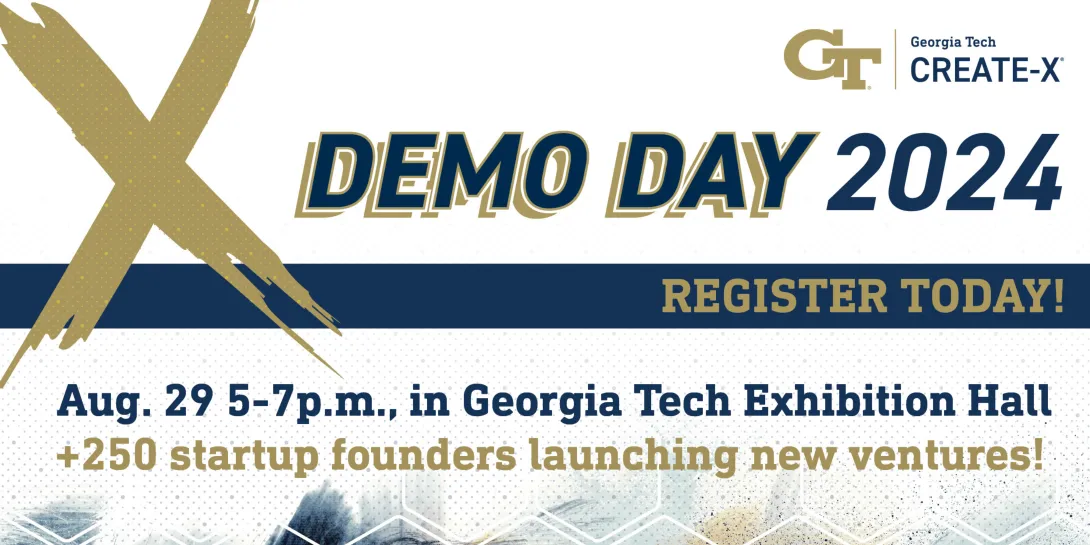
On Aug. 29, CREATE-X will celebrate its 10th anniversary at Demo Day, showcasing over 100 startups and more than 250 founders.
On Aug. 29 in the Exhibition Hall from 5 to 7p.m, CREATE-X will celebrate its 10th year of supporting entrepreneurship at Georgia Tech by introducing its next cohort of startup founders at Demo Day. This free event, attracting more than 1,500 people annually, allows the public to explore products from over 100 newly minted startups, ranging from consumer apps to deep tech. It also provides a chance to engage with more than 250 founders thanks to its no-pitch format.
Since its inception in 2014, CREATE-X has worked to infuse a spirit of entrepreneurship at Georgia Tech. From supporting eight teams in its inaugural cohort, the program has grown to support the launch of over 100 startups this summer, bringing the total to 560 startup teams boasting a total portfolio valuation of over $2 billion. In the last year, the program has expanded internationally and looks to continue building opportunities for its students.
“Our mission is to instill entrepreneurial confidence. We believe that entrepreneurship is a life skill,” says Rahul Saxena, CREATE-X director. “Georgia Tech students are capable of creating startups. We’re just giving them the tools and resources to do it. We want every Tech student to have this advantage when starting their business.”
At the kickoff for Startup Launch, the program’s summer startup accelerator, CREATE-X co-founder Chris Klaus spoke on the landscape of startups. “The secret sauce for unicorns is colleges. The number of unicorns is increasing, and I expect that trend to continue. This is the perfect place to build a startup,” he said.
Startup Launch has concluded for the summer, and the founders are preparing to showcase their solutions at Demo Day.
Register Now
“We invite you to become part of shaping what comes next. Support these founders as they creatively solve real-world issues. See future industry leaders be born. Join us for the culmination of these founders’ hard work, passion, and ingenuity at Demo Day,” Rahul said.
Demo Day 2024 registration is open. Tickets are free but limited. Don’t miss this chance to witness the future of innovation and entrepreneurship. For more information, visit the CREATE-X website.
News Contact
Breanna Durham
Marketing Strategist
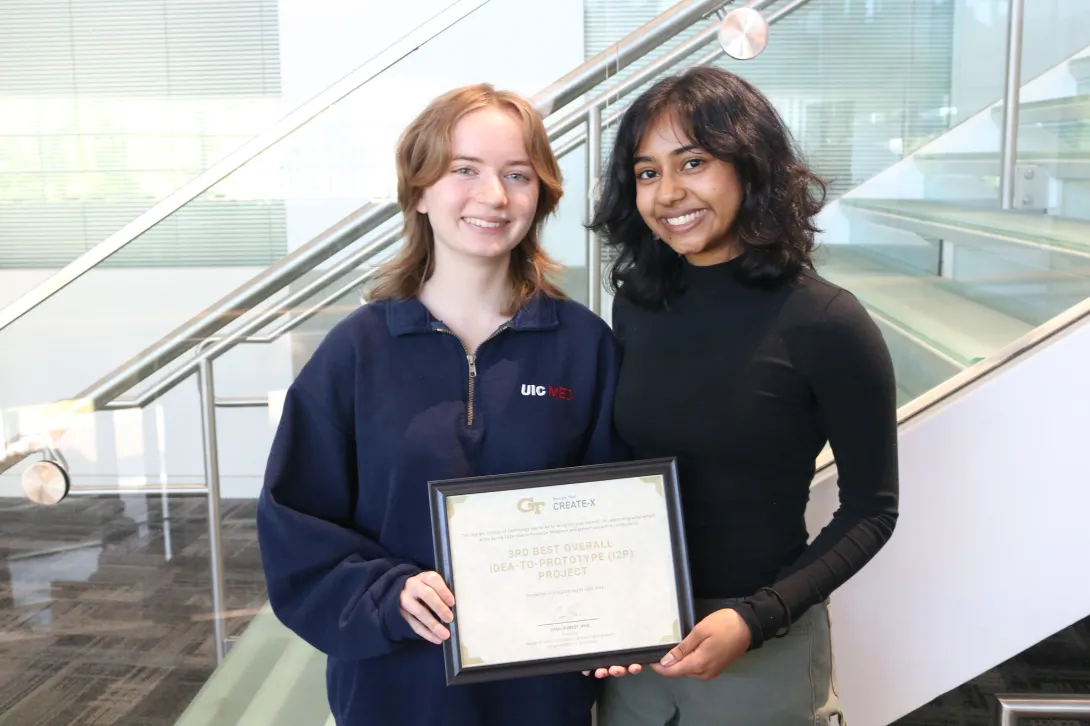
Electrosuit, a startup by Aubrey Hall and Sherya Chakraborty, secured third place in the Spring 2024 I2P Showcase, and their product, a garment for at-home electrical stimulation, targets individuals with chronic pain or motor impairments.
CREATE-X is built to help students integrate entrepreneurship into their academic journey through courses, workshops, and a startup accelerator. This spring, a new set of students displayed their solutions to real-world problems at the I2P Showcase. It’s our privilege to shine a light on and celebrate those journeys. Today’s spotlight focuses on the spring I2P Showcase third-place winners.
Electrosuit
Aubrey Hall, a first-year biomedical student, and Sherya Chakraborty, a first-year computer science major, founded a startup to produce a garment that eases the use of at-home, prescribed electrical stimulation for people with chronic pain, stroke, and motor impairments.
What made you interested in building this solution?
“I did research at Northwestern for a couple of years before this, and some of the patients I worked with had severe stroke and spasticity in their arms,” Chakraborty said. “I found out that when they tried using at-home prescribed electrical stimulation, they had trouble setting it off themselves. So, we created a garment to ease pressure on that.”
What part of the course was most helpful to you?
“One of our mentors, Sun Mi Park, was the first person to patent printable wires on fabric, and that gave us some inspiration to make our garment even more compact, easier to use, and integrate some interesting ideas that we wouldn’t have been able to without our mentors. So, our mentors are honestly the best part of the program,” Chakraborty said.
“For me, you don’t get a lot of chances to apply these engineering courses outside of the classroom,” said Hall. “This course is a really interesting way to get firsthand experience building a prototype and really understand the engineering process.”
What’s so special about CREATE-X?
“I think these student projects are the future, and a lot of these projects make it out of college and become actual companies. Giving students that possibility to make a change just from a simple idea and fueling that with funding so we don’t have to take risks out of our own pockets is a, really big deal,” Chakraborty said.
“It’s helpful to have that safety net, knowing that you have your mentors to back you, and also the people of the program to back you. It brings a lot of security and opportunity to try different things out and not have to be so fearful of failure. Even if you fail a million times, you can get back up and try again,” Hall said.
What’s the best insight you’ve gained from doing this?
“I think one big misconception is that entrepreneurship has a lot to do with finance and business and just lucrative ideas, but it’s pretty important to understand that you can solve a seemingly everyday problem,” said Chakraborty. “If it affects you or your friends, it’s still worth trying to find a way to solve it, especially backed up with money and mentors from CREATE-X. What’s the harm in trying something out?”
“Don’t try to make it feel like it’s an all-or-nothing project,” Hall said. “You’re allowed to live your life as a college student but also pursue these interesting ideas and figure out if you enjoy entrepreneurship. It shouldn’t be this daunting task where if you don’t put everything in, you’re going to fail.”
“It’s also important to keep an open mind. We might come in with an idea and a very specific way of executing that idea, but we found out through talking with mentors, and with other students and people who gave us advice, that sometimes the idea you come in with is not going to be the same thing you end up with,” Chakraborty said.
Next Steps
“We’ve only done four or five prototypes so far,” she noted. “We want to do at least 12 of those prototypes and keep working with our mentors, keep making connections at Emory, and just constantly getting more and more feedback about our prototypes until we get to a state where we’re satisfied, and we can demo our product and work with physical therapists across Atlanta.”
If you’re a student interested in building your own product for college credit, apply for I2P. And join us for Demo Day, Aug. 29, at 5 p.m., in the Georgia Tech Exhibition Hall to see new CREATE-X founders launch products in a variety of industries. Tickets are free but limited. Register today to secure your spot.
News Contact
Breanna Durham
Marketing Strategist
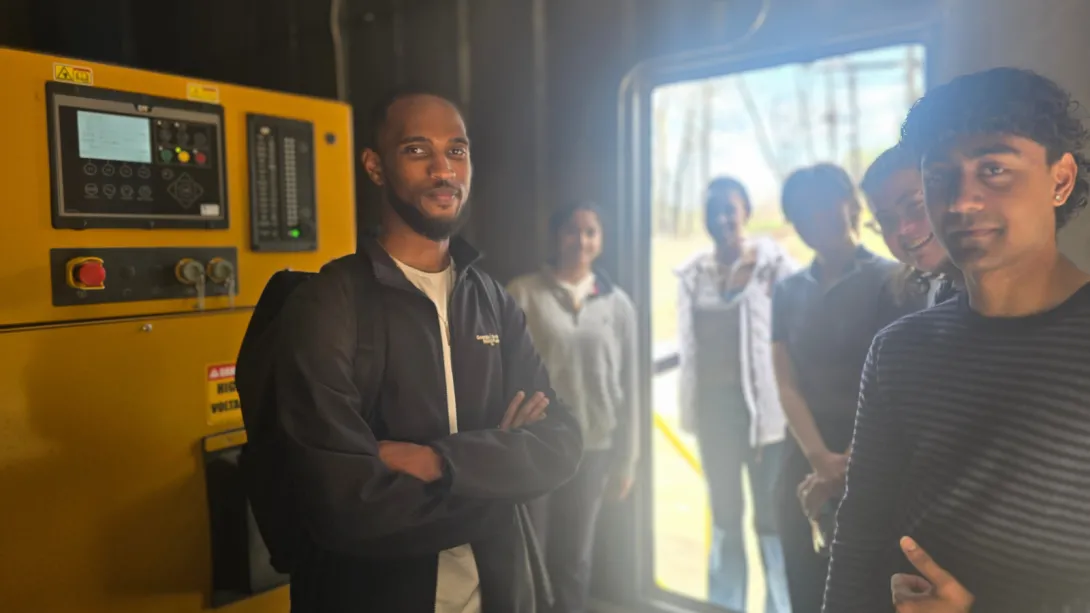
Students in the GROWER VIP on a site visit to Cobb EMC, a non-profit electric utility company, this spring.
Georgia Tech's new GROWER VIP is creating the country's most comprehensive real-time power outage tracker for research use. The database will help researchers explore questions about the causes and effects of power outages and how policy interventions can help strengthen grid resilience.
Why now?
This understanding is urgent in the wake of increasingly extreme climate change-driven weather events and natural disasters, as well as the federal government’s investment of more than $15 billion in grid modernization under the Inflation Reduction Act and Bipartisan Infrastructure Law.
The database will help researchers learn more about the causes of outages and their societal impacts, such as on housing prices, business activity, public health, and crime. It will also help them obtain greater insight into which communities experience the most frequent and longest outages and what can be done to help.
How does it work?
- Utility companies report real-time power outages, but the data is fractured across different service territories and states.
- Users can’t download data directly, making the information difficult to use for research and evaluation.
- Because of this, it's hard for researchers and agencies to understand the extent and scope of problems with the energy grid.
To address these challenges, the GROWER team developed algorithms and web scrapers. They use Amazon Web Services to crawl the utility websites every 15 minutes and collect the power outage data for many states in one place.
Who’s Involved?
The Grid Resilience, Outage, Weather, and Emergency Response (GROWER) Lab is a Vertically Integrated Project launched in 2024 by faculty and students in the Ivan Allen College of Liberal Arts and the College of Engineering.
Brian Y. An, an assistant professor in the School of Public Policy, and Constance Crozier, an assistant professor in the School of Industrial and Systems Engineering, lead the project alongside John Kim, the lab manager and a public policy Ph.D. student. The group includes 15 students in computer science, city and regional planning, business, public policy, and industrial systems and engineering programs.
What’s Next?
The GROWER team has already begun applying findings from the dataset to research questions.
They are writing a paper based on data showing that racial and ethnic minorities experience more frequent and longer power outages than other groups and have also begun examining the effects of power outages on crime and medical emergencies.
This summer, they will partner with the Oak Ridge National Laboratory to provide technical assistance to the Department of Energy Grid Deployment Office, which is the lead federal agency administering grid modernization grants.
“It is incredibly rewarding to connect with research groups in and out of Georgia Tech who share this vision with us,” An said. “We’re excited to conduct robust research that will inform real-word policy making across the country."
News Contact
Di Minardi
Ivan Allen College of Liberal Arts
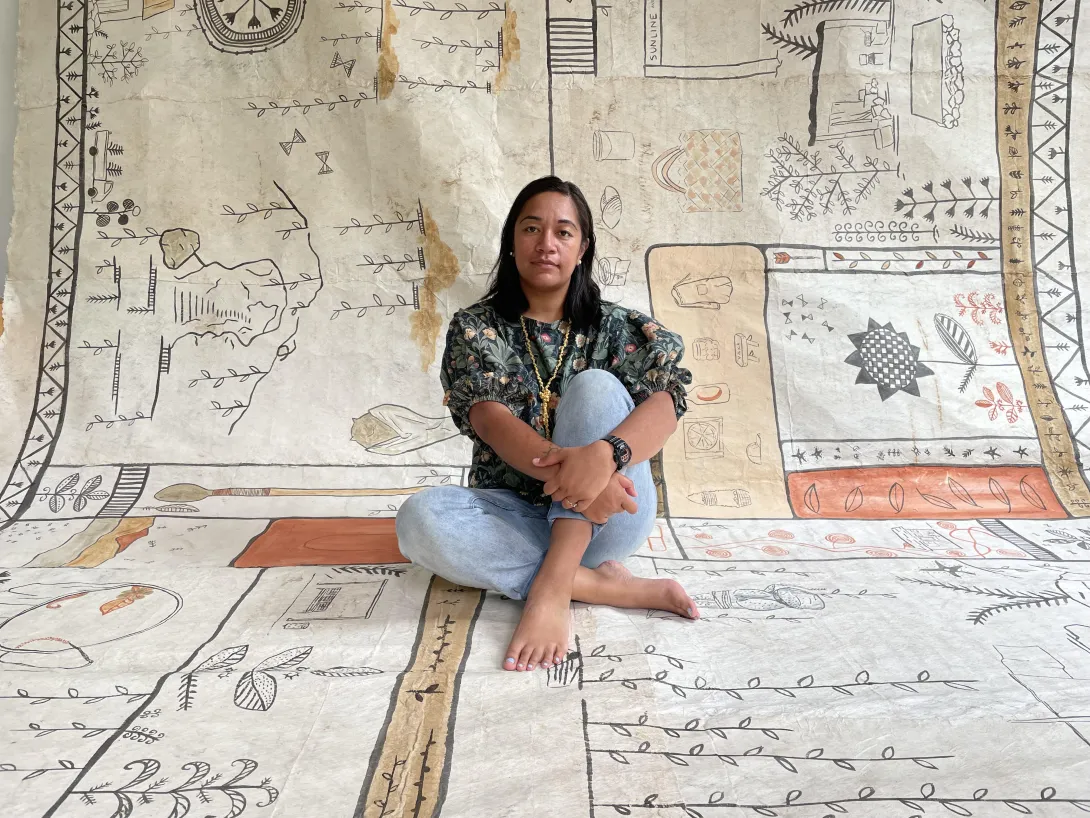
Artist Cora-Allan Lafaiki Twiss from New Zealand.
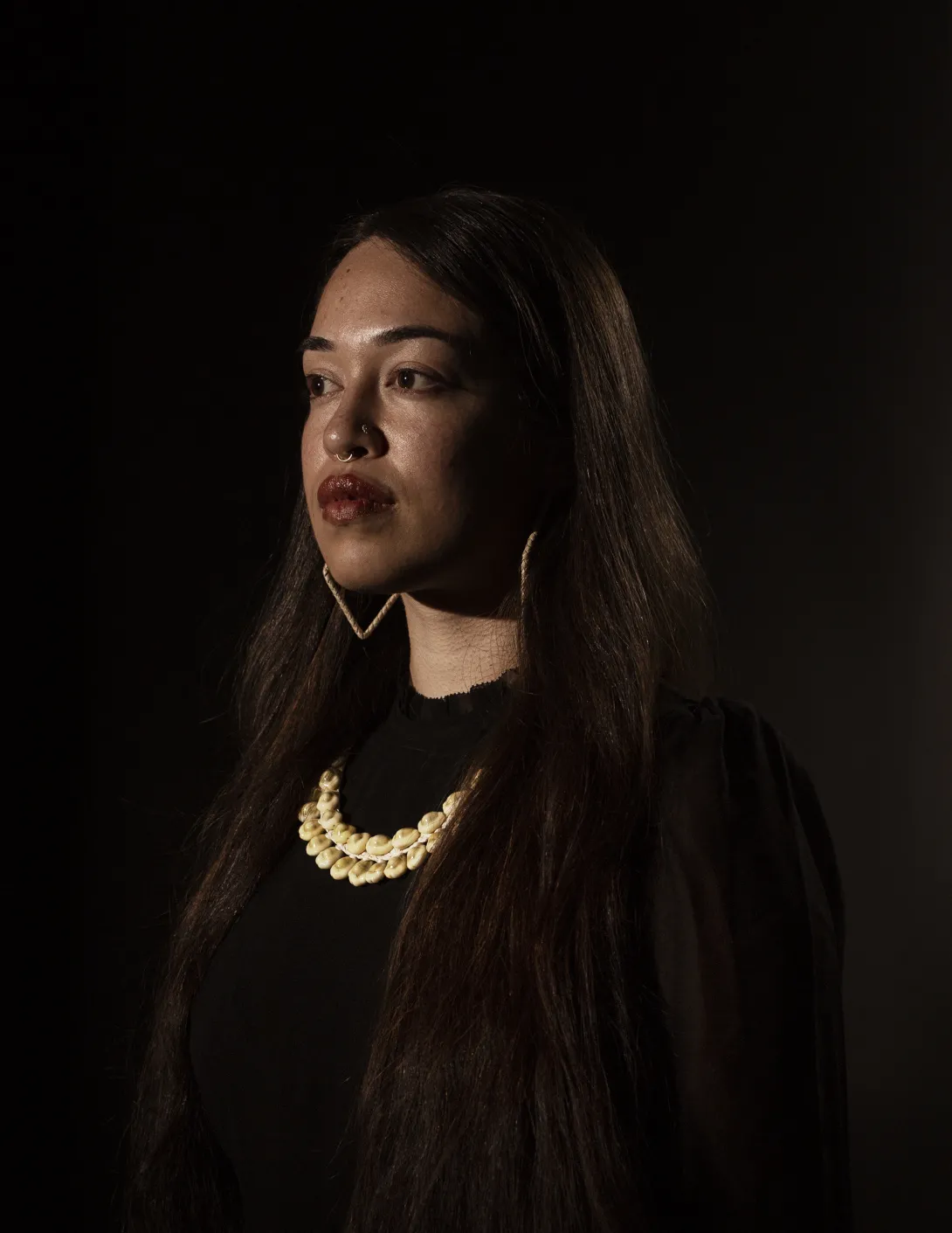
Artist Dalani Tanahy
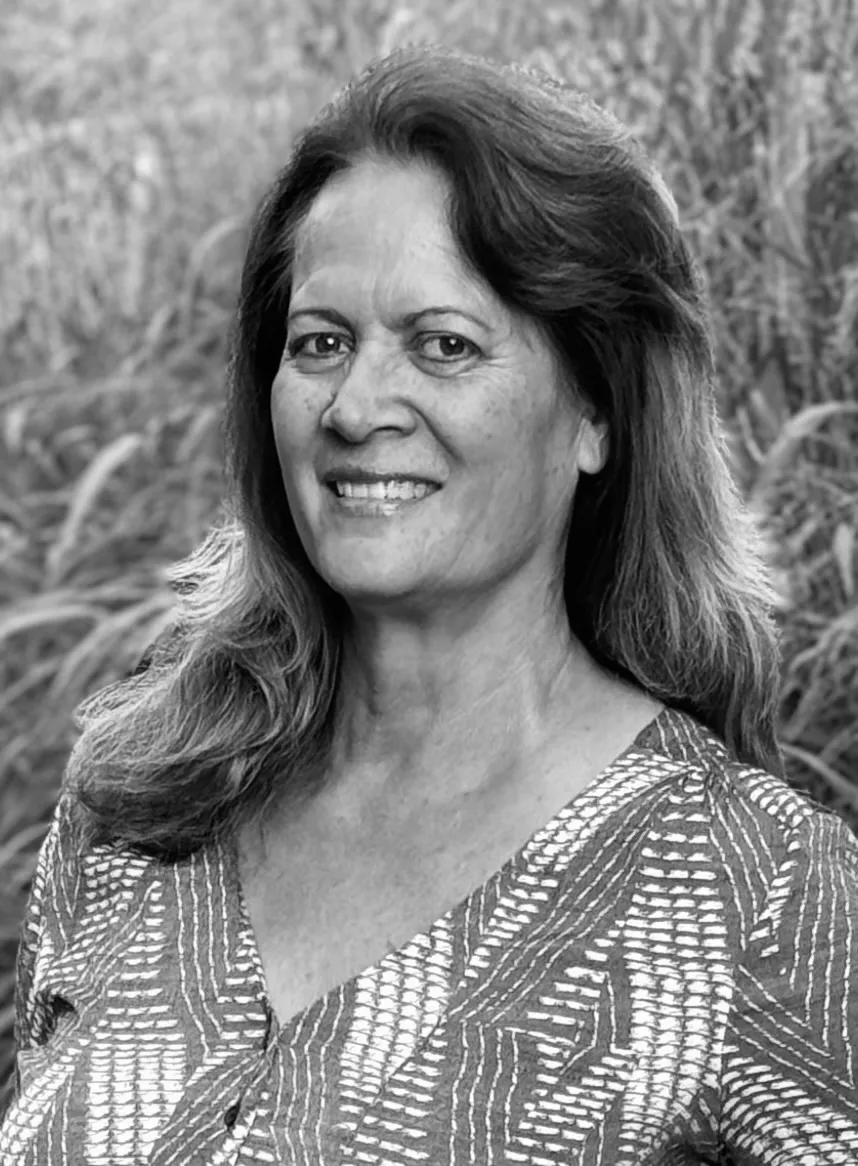
Lehuauakea - photo credit Leah Rose
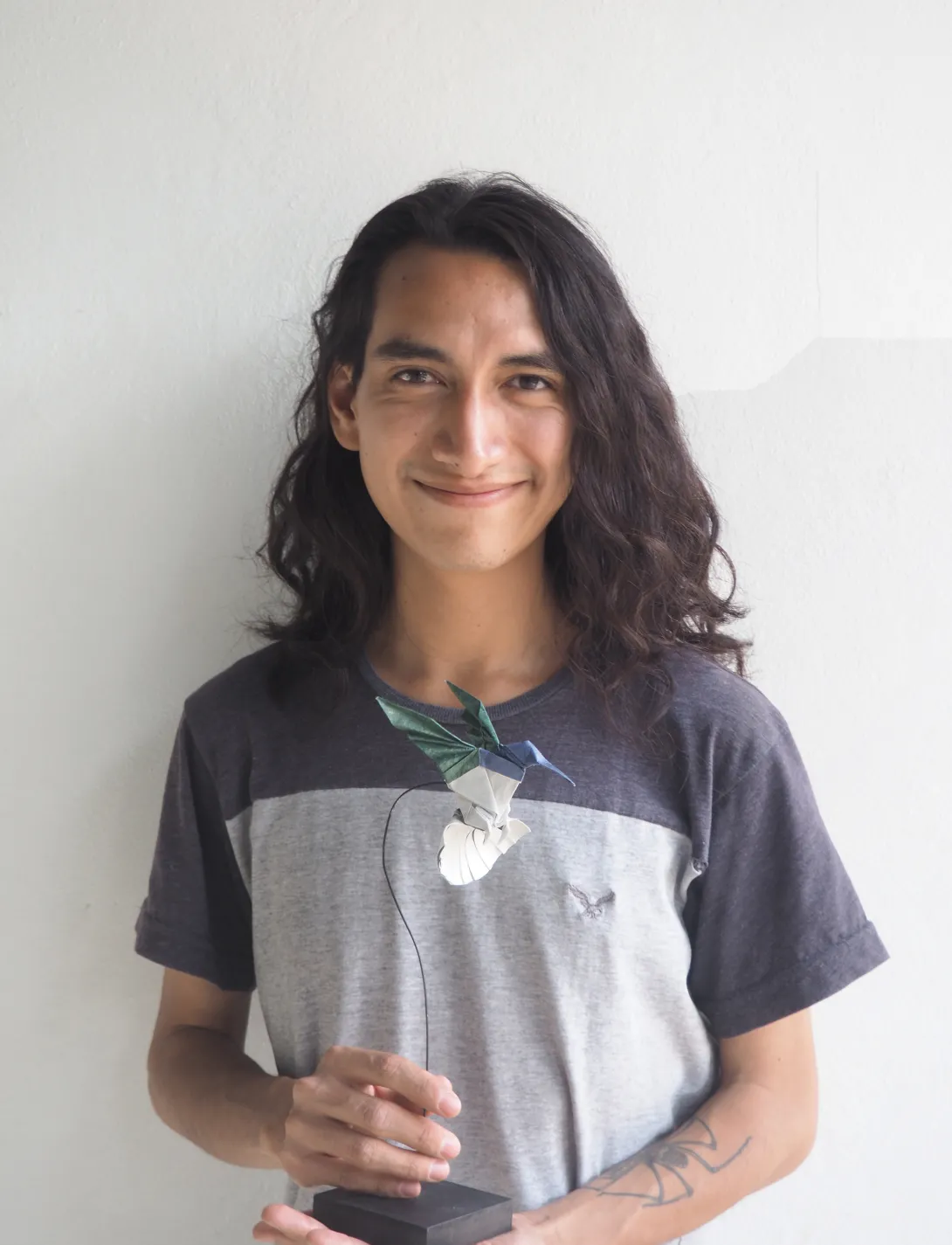
Artist Cekouat Elim Leon Peralta shows one of his works.
Artist Tedi Permadi
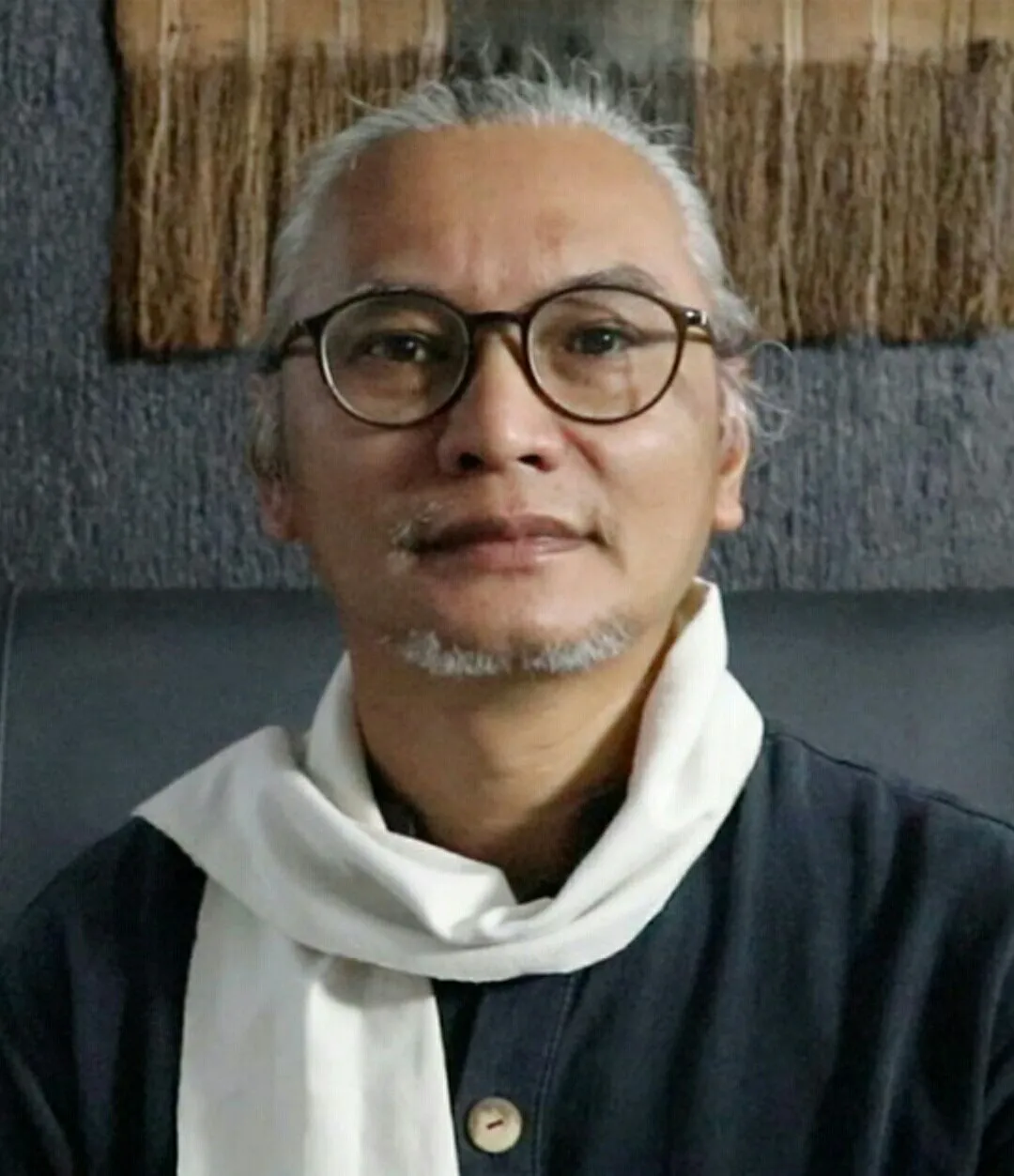
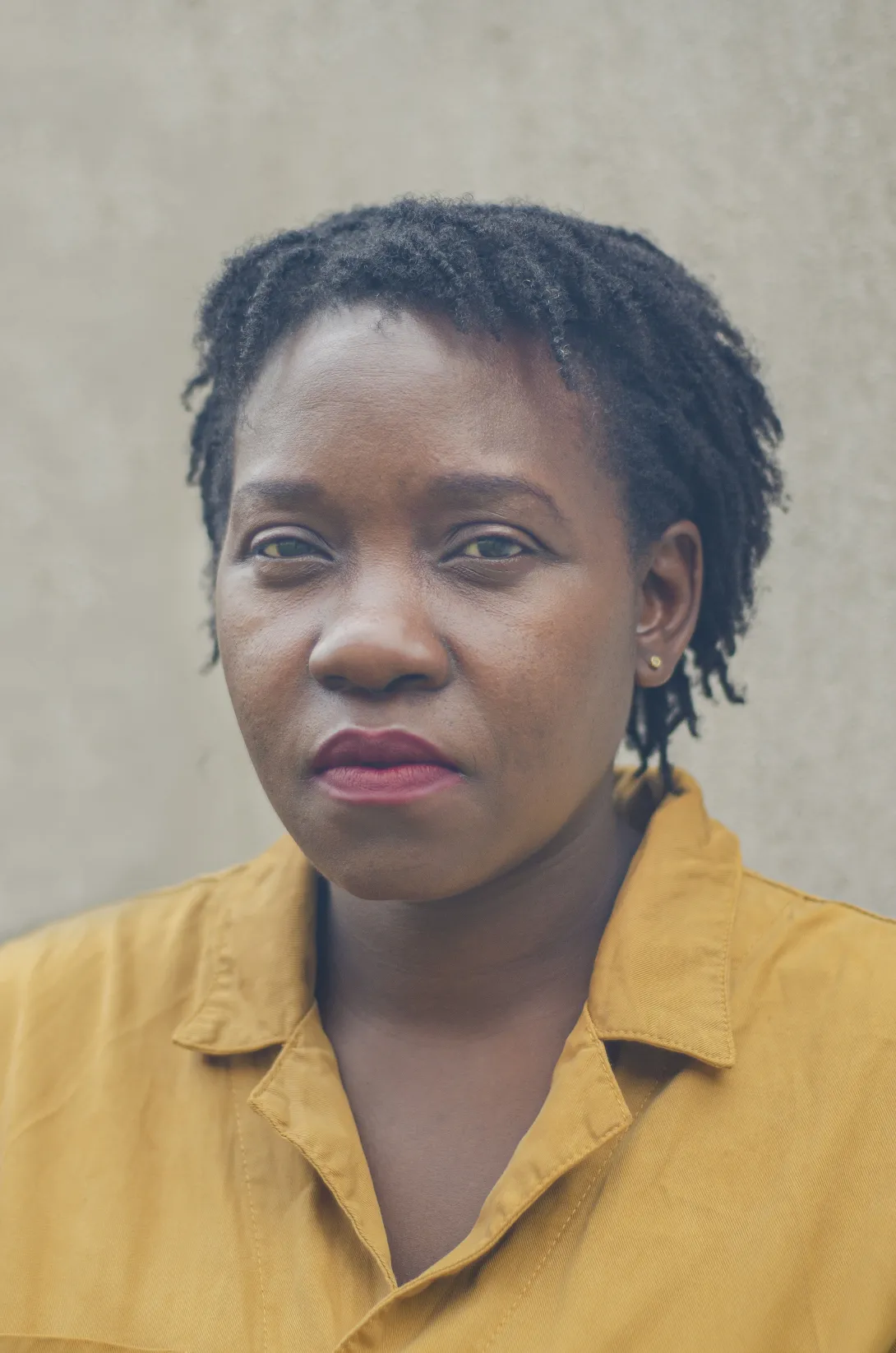
Image of Sheila Nakitende
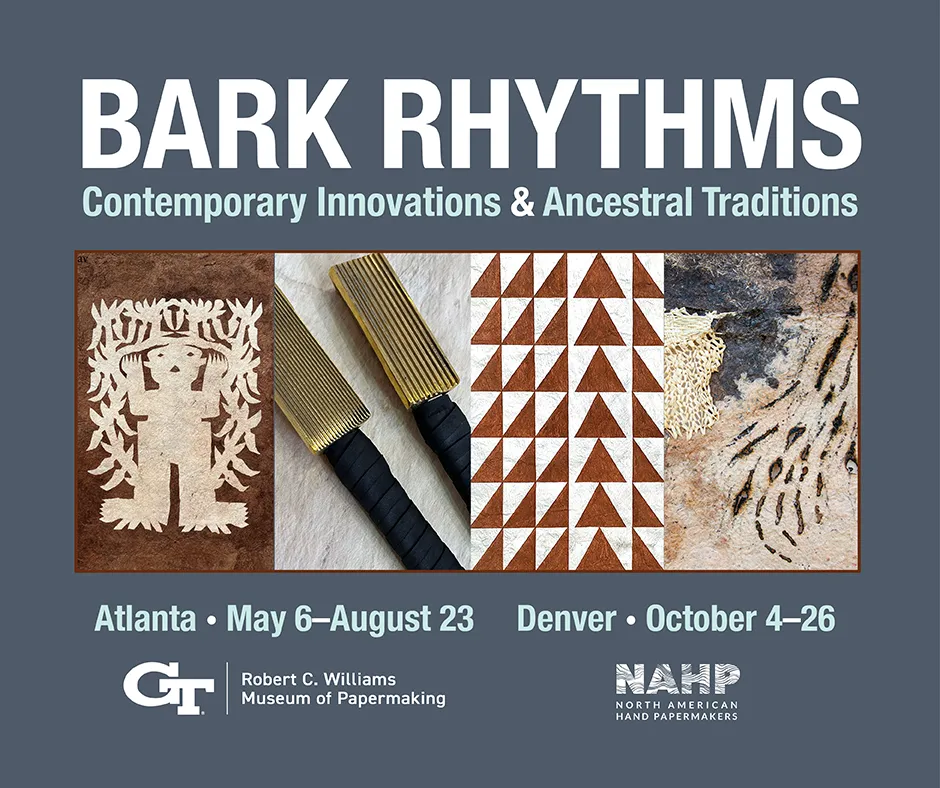
Bark Rhythms: Contemporary Innovations & Ancestral Traditions features historical examples of hand-beaten bark papers, barkcloth, and traditional beaters, paired with the work of contemporary artists from global communities who use bark fiber materials and techniques in innovative and unexpected ways.
The Paper Museum worked with Jill Powers and Lisa Miles to produce Bark Rhythms. The goal was to create an exhibit that showcased the ongoing practices of barkcloth and bark papers. Powers and Miles connected with artists around the world to develop an exhibit that is interesting and engaging, especially for people who have no experience with these materials. “One of the aspects emphasized by Bark Rhythms is that these practices are living— that the people who make bark paper and barkcloth are producing something that is important and relevant to the communities they are part of. That element really spoke to us as important to emphasize in an exhibit. Lisa and Jill wanted to ensure Bark Rhythms was as comprehensive as our space allowed,” says museum director Virginia Howell. The exhibit features contemporary artwork, but there are historic examples included throughout. In addition to artwork, the tools –beaters—used in production are prominently featured. This includes about a dozen wood beaters acquired by Dard Hunter in the first quarter of the 20th century.
In the world of handmade paper, the definition of paper has long venerated European and Asian traditions, which employ moulds to form sheets with macerated pulp. Bark paper and bark cloth are created by hand-beating the cooked or fermented inner bark of certain trees with a shaped stone, wood, or metal beating implement. Bark Rhythms seeks to elevate and honor Indigenous beaten bark fiber traditions that have been undervalued or excluded from exhibitions and scholarship within the field of papermaking and beyond. Highlighting the manifestation of ancient traditions into distinctive, contemporary art practices, this exhibition connects the dots between bark paper and barkcloth, and it shines a light on makers who maintain a deep respect for their materials, techniques, tools, and cultural origins. Although not comprehensive worldwide, Bark Rhythms focuses on bark paper and bark cloth traditions from Mexico, Hawaii, the Polynesian Islands, Indonesia, and Uganda, and marks the first time many of these artists have exhibited work in the United States.
Bark Rhythms opened at the Robert C. Williams Museum of Papermaking in Atlanta, Georgia, on May 6, 2024. A celebratory reception will be held on Thursday, July 11 from 4-7pm. Sponsored by North American Hand Papermakers and the Robert C. Williams Museum of Papermaking, Bark Rhythms is curated by papermakers Jill Powers and Lisa Miles as part of NAHP's second Guest Curated Exhibition Triennial.
Events
Wednesday, May 29 • Virtual talk: Sheila Nakitende & Tedi Permadi: Ugandan barkcloth, Indonesian Duluang bark paper
Tuesday, June 18 • Virtual talk: James Ojascastro & Cekouat Elim León Peralta : Bast fibers for bark paper & cloth, Papel amate from Mexico
Thursday, July 11 • Exhibit Reception 4-7pm
Wednesday, Aug 7 • Virtual talk: Lehuauakea, Dalani Tanahy, & Cora-Allan Lafaiki Twiss: Kapa bark cloth from Hawai‘i, Hiapo bark cloth from Niue
All events are free and open to the public. The virutal talks are held on Zoom. To register, visit the museum website (www.paper.gatech.edu) or email Anna.Doll@rbi.gatech.edu
Exhibiting Artists
Adnan Rusdi, Bobby Britnell, Cekouat Peralta, Cora-Allan Twiss, Dalani Tanahy, Enrique Chagoya, Faris Wibisono, Fred Mubuti, Gaal Cohen, Jennie Frederick, Lehuauakea, Maria Montaño Guerrero, Maribel Portela, Mufid Sururi, Sheila Nakitende, Tedi Permadi
About the Curators
Jill Powers is a paper and book artist, primarily working with hand cast and beaten bark fiber. Her art takes the form of sculpture, installation art, and book arts, and focuses on environmental themes. Powers has a graduate degree from Tyler School of Art in Philadelphia. She lives in Boulder Colorado, where she taught at Naropa University for 20 years, founding courses in 3D Ephemeral Media and Eco Art. Her work is in the Lieberman Collection and the RCW Museum of Papermaking, and many private and public collections. She has taught bark fiber courses at many places, including the Sitka Center for Art and Ecology in Oregon, the Honolulu Museum of Art in Hawaii, the Denver Botanical Gardens, and the Museo de las Americas.
Lisa Miles is a papermaker and book artist who creates one-of-a-kind, hand-beaten bark paperworks. Originally from New England, Miles is based in Santa Fe, New Mexico. She holds an MFA in Book Arts from the University of Iowa Center for the Book, a BFA in Graphic Design from the New England School of Art & Design, and an AA in Printmaking from the Santa Fe Community College. In 2016, she researched papel amate in Mexico, with the support of a University of Iowa Stanley Graduate Award for International Research. In 2017–2018, she received a Fulbright Arts Research grant for her project, “Bark Paper, Plant Dyes, and the Book Arts in Indonesia,” where she studied daluang bark paper in Java and fuya bark cloth in Sulawesi. In 2018, Miles was awarded the Holle Award for Excellence in Book Arts from the University of Alabama. Her work is held in public and private collections.
News Contact
Virginia Howell
404-894-5726
virginia.howell@rbi.gatech.edu