

New cybersecurity research indicates that one of the world’s leading age verification providers collects and shares highly sensitive personal data—including facial photos and device fingerprints—with third parties.
The research also reveals that most websites that require age verification don’t enforce the policy.
The findings come from a new paper that researchers from the Georgia Institute of Technology and the University of California, Irvine (UC Irvine) will present at this week’s IEEE Symposium on Security and Privacy conference in San Francisco.
The research team examined Yoti, a London-based company that provides age-verification services for an estimated 60% of websites that require it. Its client list includes Meta, OnlyFans, Sony PlayStation, and TikTok.
The research team determined that the process Yoti uses to verify a person’s age broadcasts the person’s personal information to third- and fourth-party companies.
When a bartender checks an ID, they quickly verify a customer’s date of birth and identity before serving them. Companies like Yoti that employ digital age verification claim their products function the same way, but in a completely private manner.
That analogy has justified laws passed in 25 U.S. states — comprising more than 40% of Americans — mandating the use of digital age verification to gate access to social media and adult online content.
However, by measuring online age verification, researchers reveal that the reality of these systems is far from ideal. The study found that most sites covered by these laws do not appear to enforce age verification.
When sites comply, they force users to use third-party age-verification services like Yoti, which collect and share highly sensitive data with other third parties.
“There have been laws passed and court cases settled on the promise that these companies are incentivized to keep users’ data private” said Assistant Professor Michael A. Specter at the School of Cybersecurity and Privacy. “We found that reality is starkly different.”
Digital age verification laws are being considered by other legislative bodies to bar minors from social media sites. The problem, Specter and his colleagues argue, is that current methods of age verification are ineffective and create new privacy risks.
“In legal arguments, there have been comparisons to these services acting like a bartender checking IDs,” said Specter. “However, what is really happening is the bartender is making photocopies of the patron’s license and sending it to their food vendors.”
According to the researchers, the data is then sent to credit card companies, IP geolocation services, and data brokers. The researchers found that the information being shared can be used to identify and track devices. For example, a single verification attempt may transmit a user’s facial image, IP address, and device fingerprint to credit card companies.
Aside from privacy concerns, researchers note that differing state policies could lead to what they call the Balkanization of the U.S. web. In other words, users may have access to different parts of the internet depending on the state they are in. This will potentially limit the free exchange of ideas and information.
According to Assistant Professor Harry Oppenheimer of the Jimmy and Rosalynn Carter School of Public Policy, users are already accustomed to experiencing the internet differently across countries. However, this may signal the beginning of similar fragmentation within the United States.
“We are going to start seeing comparable differences between U.S. states,” said Oppenheimer. “Users in some states will now have to go through additional steps to access information. Close your laptop in New York before a flight to Dallas and try to load the same web page—now you see two different results.”
“We also observed age verification deployed on websites accessed from New York, which has no law requiring verification,” said Associate Professor Paul Pearce of UC Irvine’s Department of Computer Science.
“We don’t know why these sites are deploying such verification—it could be a move to limit liability or simplify operations. Regardless, it points to an emerging threat for the open Internet where restrictive laws from some states could impact the entire country and beyond.”
“This is why we can’t have nice things,” Specter added.
The study, Papers Please: A First Look at Age Verification on the Web, was led by Georgia Tech Ph.D. student Shreyas Minocha, undergraduate Isaac Sheridan, and Oppenheimer, Pearce, and Specter. It is part of the proceedings of the 47th IEEE Symposium on Security and Privacy and will be presented in San Francisco on May 20, and was featured in Arstechnica.
News Contact
John Popham
Communications Officer II at the School of Cybersecurity and Privacy
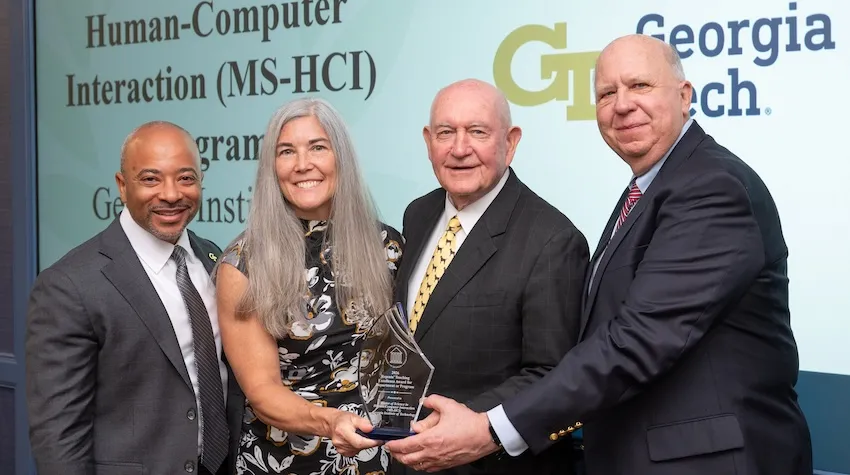
The Georgia Tech Master of Science in Human-Computer Interaction (MSHCI) program has another reason to celebrate as it prepares to mark its 30th anniversary later this year.
The Board of Regents of the University System of Georgia awarded the program the 2026 Teaching Excellence Award for Department or Program.
MSHCI program director Dick Henneman and assistant director Carrie Bruce received the award on May 12 during a Board of Regents (BOR) meeting.
Henneman has served as director of the program since 2015, and Bruce has served as assistant director since 2014. The program began in 1996 and has since expanded to be offered by four Georgia Tech schools:
“As we put our award submission together, it was nice for us to reflect on all our hard work and to understand the impact this program has had on students,” Bruce said. “We recently surveyed alums, and so many said they were thankful for the way this program shaped their careers.”
Under the leadership of Henneman and Bruce, the program has achieved a 99% graduation rate, with about 60 graduates per year, up from about 30 since 2015. Henneman said the program has become one of the most competitive of its kind in the world, with an admission rate under 10%.
“We have some incredibly qualified students who are a part of the program,” he said. “We’ve had a number of graduates move into design management positions, and some have started their own companies.”
Henneman and Bruce said that one thing that distinguishes Tech’s MSHCI program is its close partnerships and alignment with industry. The program has an industry advisory board that keeps students informed about the skills companies value.
“We adapted our core classes quite a bit to ensure that they weren’t just getting the academic version of HCI methods,” Bruce said. “Our program is practical and focuses on what they are going to do when they get into industry.”
Though the program continues to grow, Henneman says it has maintained a sense of community among students, which he says is another thing that sets it apart. Many alumni keep in touch and return to offer industry advice, critique resumes, and conduct mock interviews with current students.
“A lot of times graduate school can be all about the individual,” he said. “As we prepare students to go work in industry, it’s all about collaboration and the people you’re working with and learning how to work on teams.”
Georgia Tech had 21 faculty and researchers recognized in the 2026 Regents Awards. From the College of Computing, Santosh Vempala was named a Regents’ Professor, while Srinivas Aluru and Ellen Zegura had their Regents’ titles renewed.
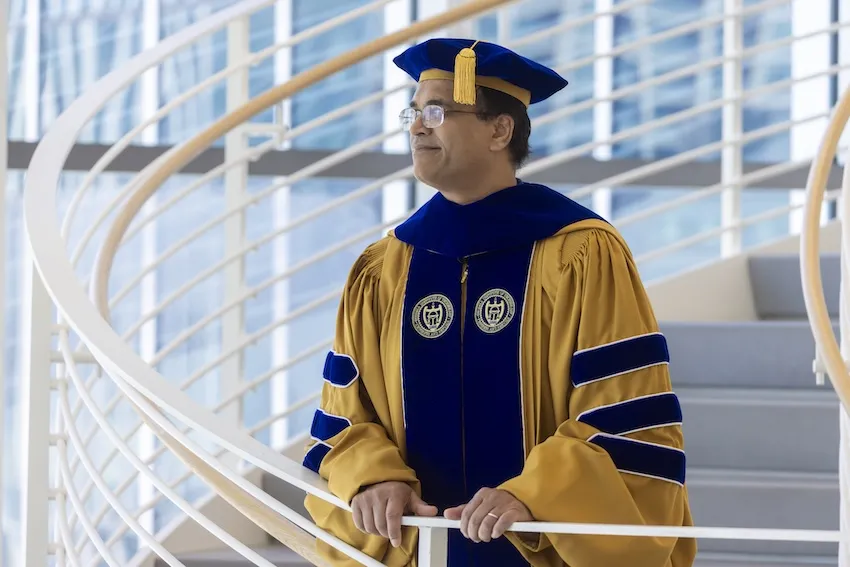
52-Year-Old Entrepreneur Has New Outlook After Completing Ph.D.
Mizan Rahman knows there’s much that academia and industry can learn from each other.
He’s living proof of it.
The 52-year-old entrepreneur will receive his Ph.D. in human-centered computing (HCC) as he walks across the stage on Thursday at Georgia Tech’s Spring 2026 Ph.D. Commencement.
When Rahman was accepted into the HCC Ph.D. program, he’d already founded three successful tech startups and was an angel investor in numerous others. He also earned a master’s in computational science and engineering from Georgia Tech in 2013.
Rahman took on the challenge of a Ph.D. because he’s always been in pursuit of a holistic view of technology. One perspective he said he needed to understand was that of the end user.
“I’d already done computer science and computational science and engineering, so I wanted to look at the human dimension, the user’s perspectives, and society,” Rahman said. “You’ve got to build technology that fits into our human dynamics.”
Rahman’s journey began as an undergraduate in chemical engineering at Miami Dade College and Florida Atlantic University. He switched to computer science after his roommate, also a CS major, showed him some programming he had been working on.
“I couldn’t sleep after that,” Rahman said. “I was writing software all night. I loved solving problems through technology.”
Early Success
Rahman invented BayBuilder, a strategic sourcing automation technology, in 1999. The software was adopted by major Fortune 500 companies. Rahman estimates it has saved these companies $1 billion in procurement spending.
Baybuilder was acquired by a NASDAQ-listed firm in 2001, and he was ready to start his next company.
“I’ve been an entrepreneur as far back as I can remember,” Rahman said. “I was born with it. If I saw something that didn’t exist, I created it.”
After relocating to Atlanta, Rahman founded a new company, M2SYS Technology. Governments around the world used the company’s innovative identity technology to automate processes and deliver efficient services to citizens. M2SYS also worked with the CDC to treat HIV in Haiti and Zambia, as well as many U.S. hospitals, including Grady Memorial in Atlanta, to protect patients from fraud and receiving the wrong treatment.
Rahman’s most recent startup, CloudApper AI, introduced a new system architecture that generates secure software requiring minimal ongoing maintenance. His non-biased algorithm, which he created during his Ph.D. for CloudApper, is now used by major companies to streamline automated resume analysis and candidate scoring.
Living in Two Worlds
Rahman began his Ph.D. in 2021, but he kept his new venture to himself and his family. He didn’t tell his employees he was pursuing a Ph.D., and he didn’t disclose his industry background to his fellow doctoral students.
“I kept the other side of me far away,” he said. “The people who knew, they knew, but I purposefully didn’t discuss my outside activities and experience. I wanted to fit in, and I think I was able to do that.”
When Rahman was at his company, he was a CEO and entrepreneur, and when he was at Georgia Tech, he was a researcher. But what he was learning as a researcher began to change how he perceived his business.
“I wanted to be a researcher and think like a researcher and not just always think about sales and marketing,” he said. “I started bringing in more ideas about how the user should be thought of in our products. I’m sure they were wondering why I was emphasizing that so much, but it was because I was applying what I was learning in my Ph.D.
“Now I’ve been on both sides, I want to be connected to both in the future, applying research principles and practices in product development and innovation.”
Building Community Through Makerspaces
When it came time for Rahman to choose a subject for his dissertation, he returned to his roots and looked for ways technology can support young entrepreneurs and their startups. That’s when he began conducting research in makerspaces.
“I wanted to find out how we can bring innovation to a scale where anybody can participate,” he said. “I saw this happening in makerspaces where regular people learn, collaborate, and build products and companies from scratch. I saw that the community at large is facing a sustainability crisis.”
Rahman argued in his dissertation that makerspaces can play a significant role in local innovation. When people struggle to survive, it disrupts communities in numerous ways.
Rahman details four studies conducted over three-and-a-half years that show how socio-technical factors drive organizational sustainability in makerspaces and how AI tools can foster an innovative culture within them.
“The compelling thing about his research is that he shows that people come to makerspaces for the tools, but they stay for the people,” said Rosa Arriaga, associate professor and Rahman’s advisor.
“He has plenty of work from his ethnographic research that shows that a makerspace can have all the tech and resources, but if there isn’t cohesion among the people, there’s a problem.”
It Takes a Village
Rahman is the first to admit that it’s not possible for one man to run a company while pursuing a Ph.D. He needed a community. This starts with his family. His wife, Mohu Sultana, now serves as interim CEO of M2SYS and has supported Rahman throughout his Ph.D. research.
The Georgia Tech community has been part of Rahman’s life in some way since he started his career.
Sultana holds a bachelor’s degree in computer science from Tech, and their daughter, Malisha Rahman, is graduating this week with a bachelor’s in economics and international affairs. Malisha Rahman has also been accepted into the HCC program and will begin her Ph.D. in the fall.
Rahman said that any student who wants to create a tech startup will have an advantage from access to Georgia Tech’s network.
“The Georgia Tech startup community is fantastic,” he said. “There is a tremendous amount of knowledge here, and the research community can help shape the next big thing. We have CREATE-X, a place where you can find mentorship from faculty who started in industry. You’ll learn things I wish I knew before I started.”
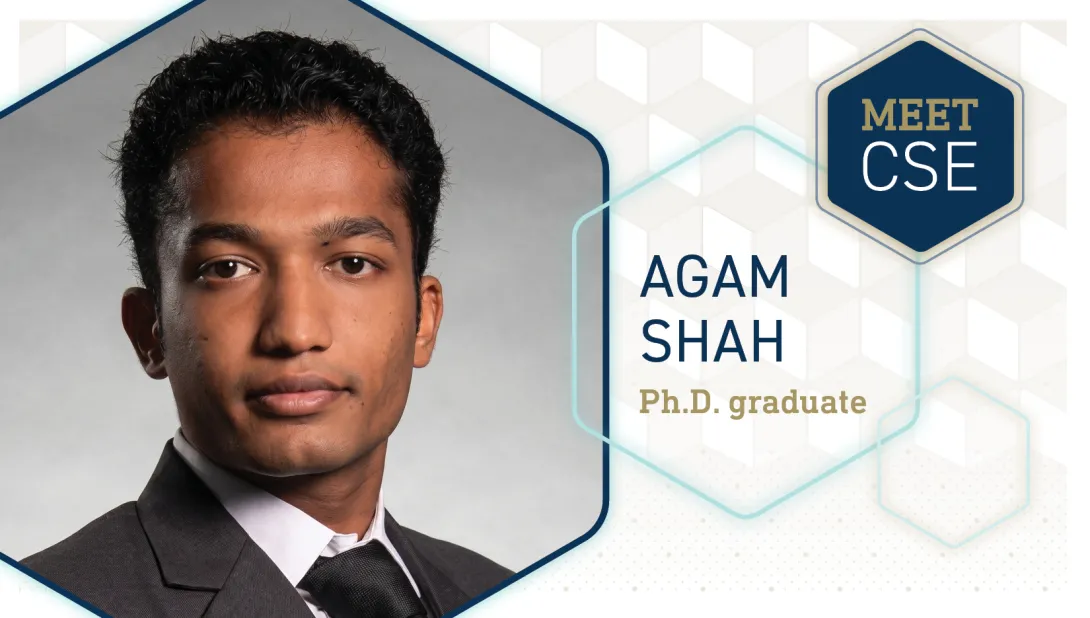
Investment is the best word that summarizes Agam Shah’s journey as a graduate student at Georgia Tech.
That is clearest on the surface, where Shah studied how public statements by businesses and financial institutions shape market behavior. At a deeper level, though, his success was buoyed by support from professors and his mentorship of younger students.
Shah’s ability to connect and invest in others led him to partner with Georgia Tech colleagues and start a financial technology business. He returns to campus this week to officially graduate from Tech, giving us a chance to catch up about his grad school experience and life as an entrepreneur.
Graduate: Agam Shah
Research Interests: Quantitative and computational finance, artificial intelligence, natural language processing, large language models (LLMs)
Education: Ph.D. in Machine Learning, home unit in the School of Computational Science and Engineering (CSE)
Faculty Advisors: Scheller College of Business Professor Sudheer Chava and School of CSE Associate Professor Chao Zhang
What persuaded you to attend graduate school at Georgia Tech?
Georgia Tech’s dedicated College of Computing strongly appealed to me. I was particularly drawn to the interdisciplinary nature of its machine learning Ph.D. program and the School of Computational Science and Engineering, both of which align well with my research interests.
What research project(s) from Georgia Tech are you most proud of and why?
I am proud of all 20-plus research papers I have had the opportunity to contribute to at Georgia Tech. However, if I had to choose one, it would be my work on Federal Open Market Committee (FOMC) text analysis, which was also highlighted in the news.
This work is not only well-cited in academic literature, but the language model developed in the paper is also actively used by economists at many of the world’s top central banks, including researchers at the FOMC and the Bank of England. It is also used by leading financial institutions such as BlackRock and Daiwa Securities. Since its release, the model has achieved over 100,000 downloads on Hugging Face.
What can you tell us more about your startup, ZettaQuant?
ZettaQuant aims to solve one of the biggest challenges in using LLMs and agents: working effectively with massive underlying datasets. We serve as a layer between raw data and LLMs, helping distill billions of tokens into the relevant context that models can use.
As a deep-tech startup, we are actively engaging with industry practitioners to better understand how to design and engineer our system to integrate seamlessly with their evolving AI workflows. Given the complexity of the problem we are tackling, particularly in advancing document intelligence systems, we are currently very focused on research and foundational development.
How did your Georgia Tech education prepare you for starting ZettaQuant?
Not just my education, but my entire experience at Georgia Tech, extending beyond the classroom, prepared me for this journey. I met my co-founders at Georgia Tech, and many of the initial use cases we are exploring at ZettaQuant are built on open-source research I conducted there.
In addition to research, I mentored more than 300 students through the Vertically Integrated Project “NLP for Financial Markets.” This experience taught me how to manage teams and think about building systems with a long-term vision.
What advice would you give someone interested in graduate school?
Most people pursue graduate school after already completing more than 15 years of education. Also, people who are admitted to a top school like Georgia Tech are often already well-positioned to secure strong job opportunities. So, graduate school should provide value beyond what you could learn outside the classroom.
Before deciding, think carefully about what you hope to gain from graduate school that you cannot otherwise. Once you enroll, take full advantage of the faculty, research labs, networks, and seminars. Many students underutilize these opportunities during their undergraduate and graduate years.
I would also like to quote the epilogue of my Ph.D. thesis: ‘Advice is abundant; conviction must be your own.’ Build a strong conviction about what you want to achieve from graduate school before committing to it.
What did you do for fun and relaxation while attending Georgia Tech? Do you still keep up with these now?
This may sound unconventional, but I spent a significant amount of time mentoring and teaching throughout my Ph.D. Many of my mentees went on to gain admission to top graduate programs. This included two students I mentored for all four years of their undergraduate studies who later joined the ML Ph.D. program at Georgia Tech. They are now teaching and mentoring students, completing a full-circle journey.
Working with mentees and supporting their growth gives me a strong sense of fulfillment and serves as a form of relaxation. In addition, I enjoy listening to music, especially while coding, and I continue to do that today.
What is your favorite Georgia Tech memory?
If I had to choose one favorite memory, beyond the many exciting late nights in the lab, it would be proposing to my wife on Tech Green at Georgia Tech. She is also a Yellow Jacket, having completed her undergraduate degree here and currently pursuing her Ph.D. Our home truly is a hive of Yellow Jackets.
News Contact
Bryant Wine, Communications Officer
bryant.wine@cc.gatech.edu
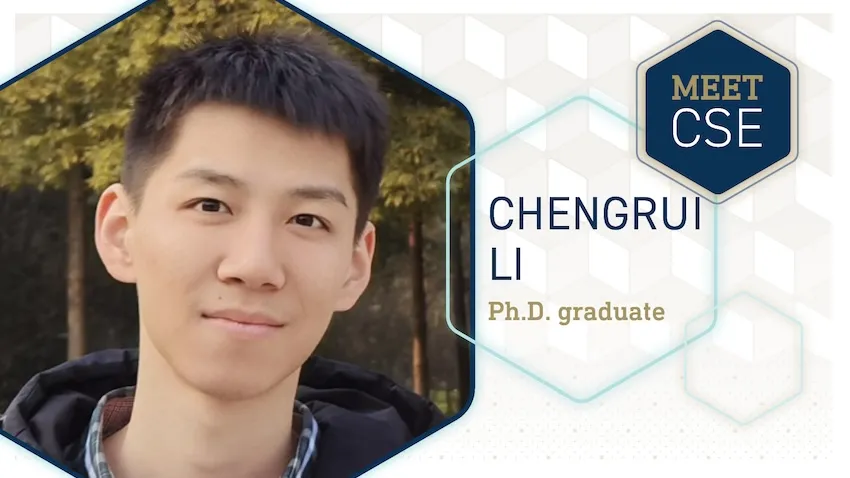
When Chengrui Li walks across the stage this Thursday at Commencement, it will be his final, and perhaps easiest, performance at Georgia Tech.
Between orchestra concerts, magic shows, and yo-yo exhibitions, Li thrives in the limelight. In fact, not much rattles his nerves considering the five years of pressure he endured studying computational neuroscience at Tech.
Before he returns to New York City to continue building brain-interface technologies at Meta, we caught up with Li to learn how he keeps such a cool head at Georgia Tech and beyond.
Graduate: Chengrui Li
Research Interests: Computational neuroscience, eye-tracking experiments and data analysis, statistical machine learning
Education: Ph.D. in Computational Science and Engineering (CSE)
Faculty Advisor: School of CSE Assistant Professor Anqi Wu
What persuaded you to attend graduate school at Georgia Tech?
My undergraduate was at Sichuan University in China. We knew that the most cutting-edge technology and research were in the United States, so I participated in an undergraduate exchange program at the University of Tennessee, Knoxville, during my third year.
I wanted to pursue a Ph.D. in neuroscience while also becoming very proficient in math and computer science (CS). This led me to apply to the CSE Ph.D. program over others. Georgia Tech’s CS ranking is very high, and the CSE program is very interdisciplinary, which matched my expectations super well. I did attain a solid education in math and CS at Georgia Tech. I also advanced my interest in neuroscience and its application by studying mathematical models and algorithms.
What research project from Georgia Tech are you most proud of?
My variational importance sampling paper is a favorite. That one was based heavily on statistical inference. I spent many hours working through complicated derivation calculations, often half-awake and half-asleep after several late nights.
This paper confirmed to me, though, that innovative research requires both hard work and inspiration, and that this endeavor can be rewarding. The paper was selected as a top 5% spotlight paper at ICLR 2024, a world-leading conference on artificial intelligence research.
Could you share more about your role as a research scientist at Meta?
I have been working on Meta’s electromyography (EMG) neural band. This next-generation human-computer interaction device connects with and navigates Meta’s AI glasses.
With the neural band, you can use finger gestures to control the display content you see through the glasses, like swiping your thumb to scroll the screen, or writing on your lap as if you had a pen in your hand to send WhatsApp messages.
How did your Georgia Tech education prepare you for this role?
By pursuing my Ph.D., I am more proficient in critical thinking, math, coding, and presentation. During my interview, I demonstrated these skills and provided my publication records. This helped me land an internship, enabled my success in that role, and led to a full-time position. Additionally, my background in computational neuroscience best matched the work on the EMG neural band team at a big tech company.
What advice would you give someone interested in graduate school?
First, be clear whether a bachelor’s or master’s degree meets your work needs, or if you are truly interested in a scientific research topic. This interest should be based on your own passion, not the current trends. Interest is an important factor in deciding to pursue a Ph.D. because you have to like the topic and like it for a long time. A Ph.D. will require you to dive deep into a subject you must be genuinely curious about.
Second, we are in a new era with rapid advances in information technology. Time is an invaluable resource and is shaped by technology. You have to think more about your time, consider where and how you spend it, and embrace ways to use it more efficiently.
Can you tell us more about your hobbies and how you keep up with them?
I started learning violin when I was five years old, and magic tricks when I was 11. The brain is a supercomputer suitable for functional computation. Our brain is an interface between the objective and subjective, where computation plays a core role in integrating these exact mechanics into interpretations of the world. This realization was one of the important factors that inspired me to pursue my Ph.D. research in computational neuroscience.
Another comparison I’ve learned after playing violin for 23 years is that the cochlea in our inner ear is a fast Fourier Transformer that simultaneously computes the aesthetic of music for us. Performing magic tricks for 17 years taught me that all the occurrences of seemingly low-probability magic phenomena are achieved by either letting it be a certain event or exhausting all possibilities.
I also have other hobbies, like yo-yo balls. I enjoy performing all these skills in front of audiences. Performing brings me satisfaction when I see excitement and happiness from the people I entertain. I am very grateful to my parents for their cultivation and encouragement in doing things that bring me fulfillment. They taught me to be curious and explore my interests, to enjoy pastimes, and instilled the habit to not give up my passions. These were not secondary things that distracted me from coursework or Ph.D. research, but rather complementary parts of my life that bring out the best in me.
What is your favorite Georgia Tech memory?
I have a lot. For my research, I debated frequently with Anqi Wu, my advisor. These often went late into the night to defend my stances. These challenged my beliefs and made me a stronger scholar, for which I am grateful to Anqi for her time and patience.
I also enjoyed performing in the Georgia Tech symphony orchestra with our great conductor, Chaowen Ting. I was involved with the Georgia Tech Chinese Students and Scholars Association, where I showcased magic and yo-yo performances at organization events.
News Contact
Bryant Wine, Communications Officer
bryant.wine@cc.gatech.edu
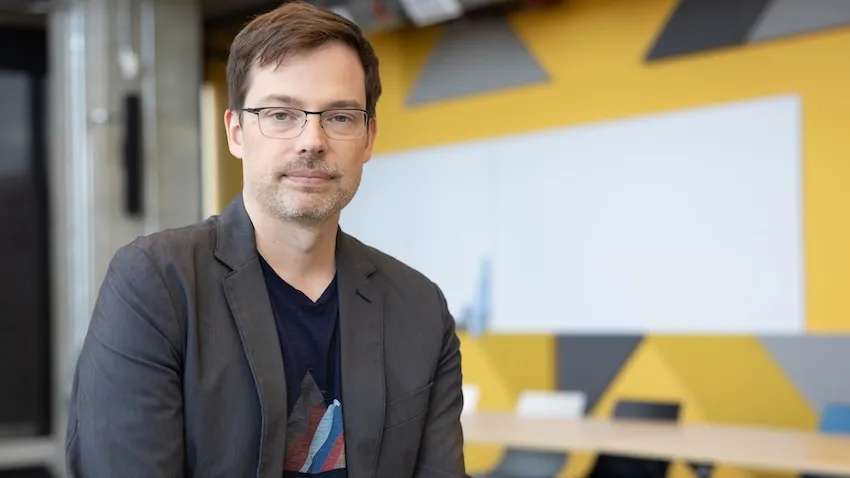
A Georgia Tech School of Interactive Computing professor and his Ph.D. student have been named to the 2026 list of Microsoft Research Fellows and Fellowship Advisors.
Associate Professor Alan Ritter and Ph.D. student Ethan Mendes were awarded fellowships for their work on creating artificial intelligence (AI) agents that function as teammates.
Mendes was named a fellow, while Ritter will serve as his fellowship advisor.
The Microsoft Research Fellowship is open to faculty, students, and postdocs. Ritter said that if Microsoft sees alignment in a project, it gives recipients the opportunity to work even closer with their collaborators by inviting them to join as additional fellows.
That turned out to be the case with Mendes after Ritter listed him as a collaborator in his fellowship proposal.
“I’m delighted to serve as Ethan Mendes’ fellowship advisor,” Ritter said. “He is an exceptionally strong researcher, and I’m excited to see his work recognized through the Microsoft Research Fellowship.”
Through the fellowship, Ritter and Mendes will design AI systems that better support collaboration and decision-making within organizations.
“The goal is to move beyond AI as a tool for a single user and instead study how AI can help groups make more informed, transparent, and coordinated decisions,” Ritter said. “We will focus on methods that bring together information from many different sources, help people reason under uncertainty, and generate analyses that support collective problem-solving in complex work settings.”
Professor Named to Sustainability Cohort
The Purple Mai’a Foundation has selected Associate Professor Josiah Hester to join its Eahou Global Immersion Cohort.
The Purple Mai’a Foundation is a technology education nonprofit headquartered in Aiea, Hawaii, that teaches coding and computer science to Native Hawaiian students.
The 29 members of the Eahou Global Immersion Cohort from 15 countries are leaders from indigenous communities recognized for their contributions to sustainability.
Hester is a Native Hawaiian whose research centers on sustainable and battery-free technology.
The cohort will gather on O’ahu May 1-3 for Eahou Fest, where they will share stories and solutions from research around the world.
“I’m honored to be selected for the Eahou Global Immersion Cohort and to learn alongside such an inspiring group of resilience leaders who come from around the globe,” Hester said.
“Participants are selected for their significant leadership over the past decade and their ability to bring what they learn back to their communities and integrate it into ongoing work and partnerships. I’m excited to connect these experiences with my work and bring these lessons back into research and teaching at Georgia Tech.”
Jill Watson Creator Receives AAAI Lecture Award
Professor Ashok Goel received one of the most distinguished awards from the Association for the Advancement of Artificial Intelligence (AAAI).
Goel was selected as the 20th recipient of the AAAI Robert S. Engel Memorial Lecture Award. Established in 2003, the award is given to those who have demonstrated excellence in AI scholarship, outstanding applications of AI, and extraordinary service to AAAI and the AI community.
Goel received the award in January during the AAAI Conference on Artificial Intelligence in Singapore. According to the awards program, Goel was recognized for contributions to biologically inspired design, case-based reasoning, and application of AI in virtual teaching.
Goel is the inventor of Jill Watson, one of the first AI virtual teaching assistants used in higher education classrooms.
AAAI is also the publisher of AI Magazine, which Goel served as editor-in-chief from 2016 to 2021.
“I am both honored and humbled to receive AAAI's Robert Engelmore Award,” Goel said. “Bob was a long-time editor of AAAI's AI Magazine, and many years after he retired, I became the editor of the magazine. This makes the Engelmore Award special to me.”
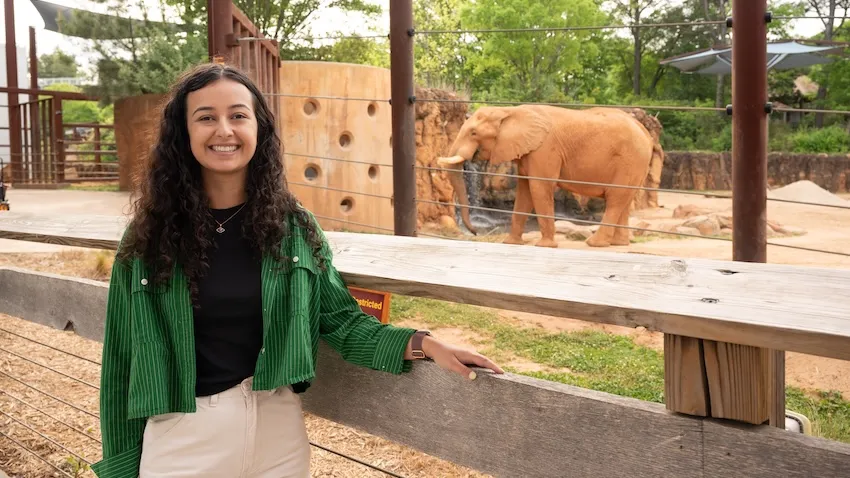
Elephants require mental stimulation in their everyday lives, which is why Zoo Atlanta redesigned its African Savanna habitat that shelters four African elephants in 2019. The habitat includes an elephant enrichment wall that has numerous holes for elephants to stick their trunks into as they search for food on the other side.
The elephant enrichment wall at Zoo Atlanta recently received an upgrade thanks to a Georgia Tech Ph.D. student. Arianna Mastali designed an audio enrichment system that uses computer vision to detect when an elephant sticks its trunk into the enrichment wall as it searches for food. The system then sends a signal to play a unique tone from a nearby speaker that corresponds to each hole. So far, Mastali has found that elephant wall interactions have increased by 176%, and the elephants are visiting the wall even when there isn't food behind it.

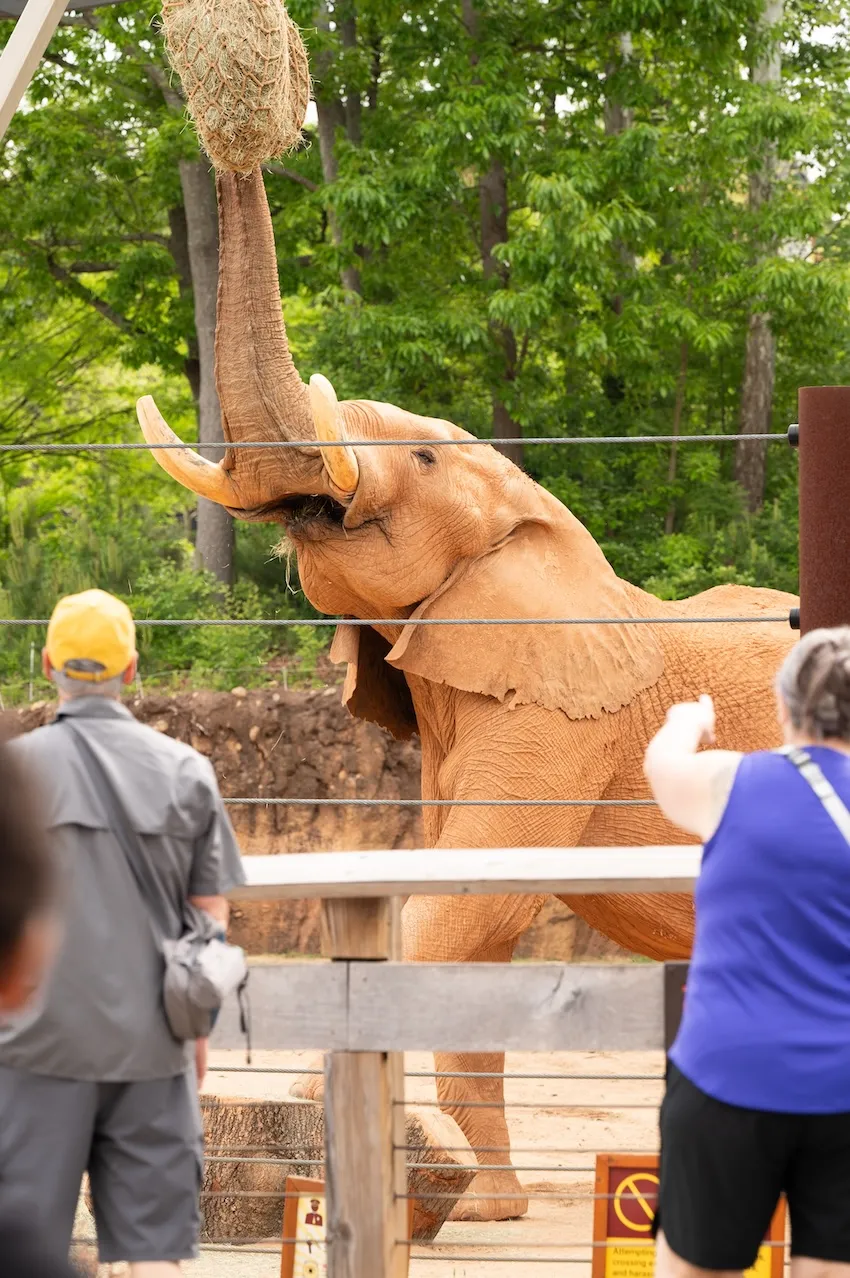
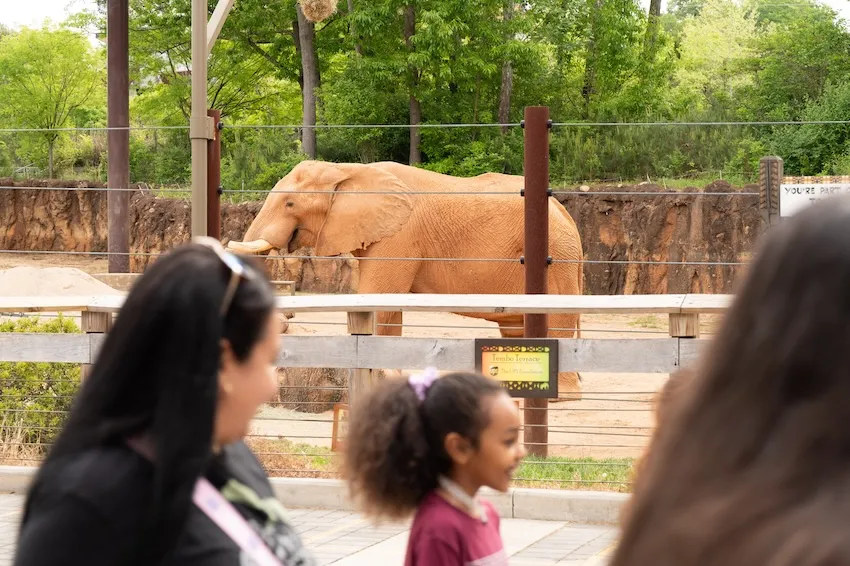
Titan, Msholo, Kelly, and Tara are just like any other African elephants — intelligent creatures that require mental stimulation in their everyday lives.
They would normally get this in their natural habitats while foraging for food and staying alert to predators that might target calves.
However, the four elephants reside at Zoo Atlanta, so they don’t have to worry about these things.
That’s why zoo caretakers are always on the lookout for better ways to help their elephants exercise their brains.
The caretakers at Zoo Atlanta found one when they met Arianna Mastali, a Ph.D. student in Georgia Tech’s School of Interactive Computing. Mastali designed an audio enrichment wall to help stimulate Zoo Atlanta’s elephants.
Many zoos build concrete enrichment walls to foster elephant problem-solving and critical thinking. The walls usually have holes for the elephants to reach through with their trunks as they search for food, treats, or playful objects on the other side.
Mastali enhanced Zoo Atlanta’s enrichment wall by adding an interactive audio component. A nearby speaker system emits distinctive low-frequency tones when an elephant sticks its trunk into a hole.
“They’re intelligent creatures that require a lot of complexity in their habitat,” Mastali said. “We wanted to add to that complexity while giving them more control.”
Experimenting in the Wild
Mastali’s system uses cameras and computer vision to detect when an elephant’s trunk is inside a hole and then sends a signal to the speakers to play a sound.
Mastali is a member of the Georgia Tech Animal Lab, directed by School of IC professor Melody Jackson. The lab often uses sensing technology to enhance animal wellness.
Mastali said she tried incorporating sensing devices into her project several times. She constructed an insert made of PVC pipe and attached a sensor to its base that used infrared beams to detect the elephant’s trunk.
However, she said it was difficult to account for the elephants’ strength. Their trunks would break the insert after a day or two.
She pivoted toward computer vision to remove the risk of damage and keep the enrichment wall as close to natural as possible.
“A big lesson we learned was that using existing materials the elephants are already familiar with was the best way to do things, and it simplified our design process,” she said.
Shane Rosse, a student in Georgia Tech’s Online Master of Science in Computer Science (OMSCS) program, assisted Mastali with the computer vision component.
Enhancing Environmental Enrichment
Mastali observed the elephants’ behavior at the wall seven days before and seven days after the installation of the audio enrichment system.
The number of times the elephants approached the wall after installation increased by 176%, and time spent at the wall increased by 71%
“We weren’t sure at first if they would care that much, so it was great to see how much time they spent at the wall, especially our less dominant females,” said Kirby Miller, senior elephant caretaker at Zoo Atlanta. “They seem to like it the most.”
Miller said the elephants used to only approach the wall when they knew there was food behind it. That started to change after the audio enrichment system was installed.
“We would be off somewhere else, and we’d hear the speaker playing the sounds, and we knew there wasn’t any food back there,” Miller said. “Tara had her trunk in one of the holes, just listening to the sound. That let us know they do like it, and they’re very curious about it.”
Miller said because elephants have sharp memories and acute senses of hearing and smell, their habitats must be designed with that in mind.
Zoo Atlanta’s African Savanna elephant habitat was redesigned in 2019. In addition to the enrichment wall, it includes a bathing pond, two waterfalls, and swing boom devices that hold hay for elephants to eat as they would in the wild.
Miller said elephants sheltered at any zoo or conservation would benefit from enrichment devices enhanced by technology.
“I think anything they can participate in that gives them choice and control is great for all zoo elephants,” she said. “It depends on the elephants, but with our elephants, they can hear much higher frequencies than we can. That noise isn’t that loud for us, but for them, they’re feeling that noise, and they can hear much more, which makes it more stimulating for them.”
News Contact
Nathan Deen
College of Computing
Georgia Tech
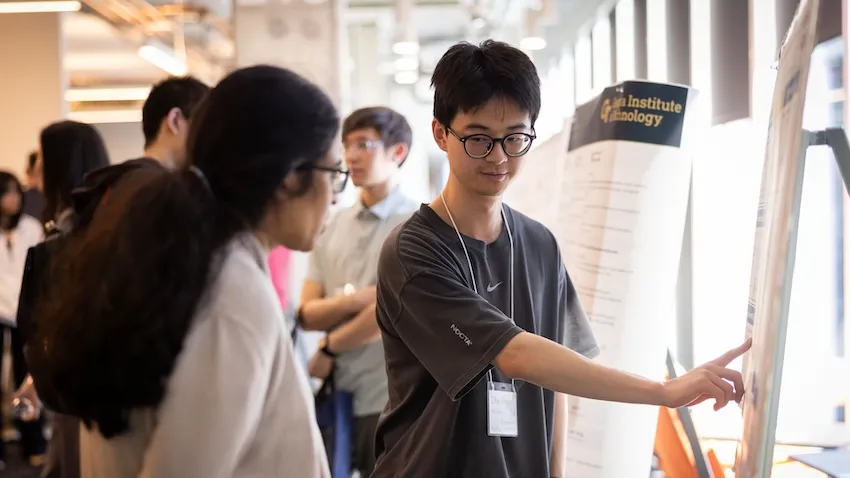
Generative artificial intelligence (AI) is best known for creating images and text. Now, it is helping industries make better planning decisions.
Georgia Tech researchers have created a new AI model for decision-focused learning (DFL), called Diffusion-DFL. Recent tests showed it makes more accurate decisions than current approaches.
Along with optimizing industrial output, Diffusion-DFL lowers costs and reduces risk. Experiments also showed it performs across different fields.
Diffusion-DFL doesn’t just surpass current methods; it also predicts more accurately as problem sizes grow. The model requires less computing power despite these high-performance marks, making it more accessible to smaller enterprises.
Diffusion-DFL runs on diffusion models, the same technology that powers DALL-E and other AI image generators. It is the first DFL framework based on diffusion models.
“Anyone who makes high-stakes decisions under uncertainty, including supply chain managers, energy operators, and financial planners, benefits from Diffusion-DFL,” said Zihao Zhao, a Georgia Tech Ph.D. student who led the project.
“Instead of optimizing around a single forecast, the model evaluates many possible scenarios, so decisions account for real-world risk and become more robust.”
To test Diffusion-DFL, the team ran experiments based on real-world settings, including:
- Factory manufacturing to meet product demand
- Power grid scheduling to meet energy demand
- Stock market portfolio optimization
In each case, Diffusion-DFL made more accurate decisions than current methods. It also performed better as problems became larger and more complex. These results confirm the model’s ability to make important decisions in real-world scenarios with noisy data and uncertainty.
The experiments also show that Diffusion-DFL is practical, not just accurate. Training diffusion models is expensive, so the team developed a way to reduce memory use. This cut training costs by more than 99.7%. As a result, Diffusion-DFL can reach more researchers and practitioners.
“Our score-function estimator cuts GPU memory from over 60 gigabytes to 0.13 with almost no loss in decision quality, reducing the requirement for massive computing resources,” Zhao said. “I hope this expands Diffusion-DFL into other domains, like healthcare, where decisions must be made quickly under complex uncertainty."
Beyond decision-making applications, Diffusion-DFL marks a shift in DFL techniques and in the broader use of generative AI models.
In supply chain management, planners estimate future demand before deciding how much product to stock. In this DFL problem, engineers align ML models with predetermined decision objectives, like minimizing risk or reducing costs.
One flaw of DFL methods is that they optimize around a single, deterministic prediction in an uncertain future.
Diffusion-DFL takes a different approach. Instead of making a single guess, it determines a range of possible outcomes. This leads to decisions based on many likely scenarios, rather than on a single assumed future.
To do this, the framework uses diffusion models. These generative AI models create high-quality data from images, text, and audio.
The forward diffusion process involves adding noise to data until it becomes pure noise. Models trained via forward diffusion can reverse diffusion. This means they can start with noisy data and then produce meaningful insights from training examples.
Real-world data is often noisy and uncertain. Traditional DFL methods struggle in these conditions, but diffusion models are designed to handle them.
Because of this, Diffusion-DFL can explore many possible outcomes and choose better actions. Like image-generation AI, the model works well with complex data from different sources. This enables its use across different industries.
“Diffusion models have achieved significant success in generative AI and image synthesis, but our work shows their potential extends far beyond that,” said Kai Wang, an assistant professor in the School of Computational Science and Engineering (CSE).
“What makes Diffusion-DFL unique is that the specific downstream application guides how the model learns to handle uncertainty.
“Whether we are scheduling energy for power grids, balancing risk in financial portfolios, or developing early warning systems in healthcare, we can explicitly train these highly expressive models to navigate the unique complexities of each domain.”
Zhao and Wang collaborated with Caltech Ph.D. candidate Christopher Yeh and Harvard University postdoctoral fellow Lingkai Kong on Diffusion-DFL. Kong earned his Ph.D. in CSE from Georgia Tech in 2024.
Wang will present Diffusion-DFL on behalf of the group at the upcoming International Conference on Learning Representations (ICLR 2026). Occurring April 23-27 in Rio de Janeiro, ICLR is one of the world’s most prestigious conferences dedicated to artificial intelligence research.
“ICLR is the perfect stage for Diffusion-DFL because it brings together the exact community that needs to see the bridge between generative modeling and high-stakes decision-making for real-world applications,” Wang said.
“Presenting Diffusion-DFL allows us to challenge the traditional training framework of diffusion models. It’s about sparking a broader conversation on how we can align the training objectives of generative AI directly with actual, downstream decision-making needs.”
News Contact
Bryant Wine, Communications Officer
bryant.wine@cc.gatech.edu
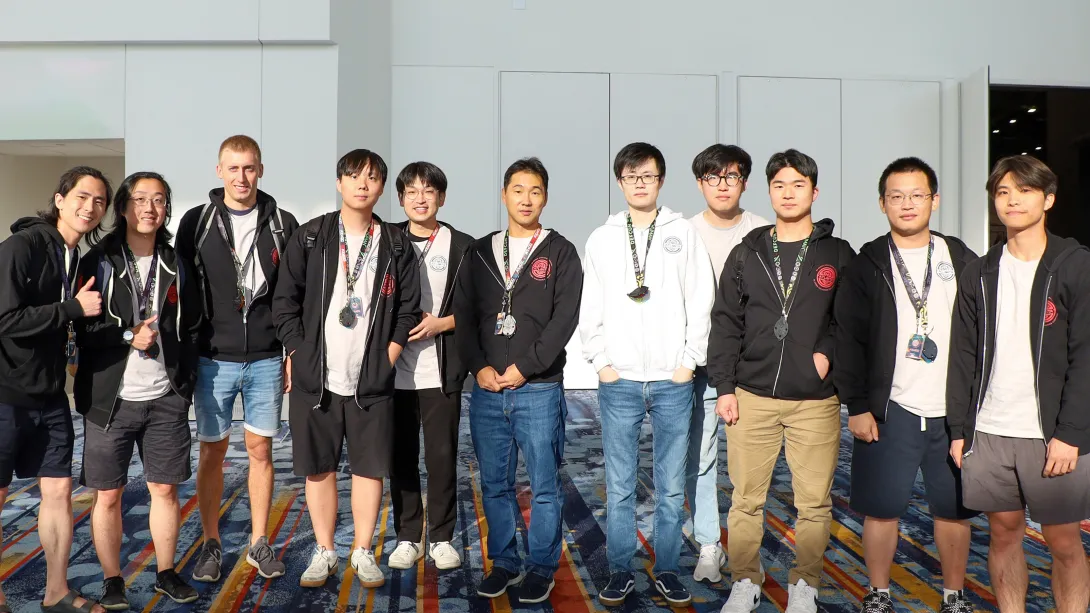
When Team Atlanta claimed first place in the DARPA AI Cyber Challenge last year, they weren’t just celebrating a win—they were demonstrating that artificial intelligence (AI) could autonomously detect and patch software vulnerabilities at a scale once considered impossible.
Now, the team is working with the Linux Foundation and the Open Source Security Foundation (OpenSSF) to ensure that its breakthrough doesn’t remain confined to a competition environment. The team’s new initiative, OSS-CRS, aims to standardize and operationalize cyber reasoning systems (CRSs) for real-world use.
“The AI Cyber Challenge pushed the boundaries of autonomous software security, with seven teams developing systems capable of finding and remediating vulnerabilities at scale,” said Andrew Chin, a Georgia Tech Ph.D. student and lead on the OSS-CRS program.
“However, after the competition’s conclusion, it has been difficult to apply these advancements to the open-source community due to infrastructure incompatibilities and the lack of long-term maintenance for the open-sourced CRS implementations.”
To address this gap, Georgia Tech’s Systems Software Lab (SSLab), directed by Professor Taesoo Kim, is leading the development of OSS-CRS, which provides both a common framework for CRS development and the infrastructure needed to deploy these systems seamlessly across open-source projects.
As part of this effort, the team has ported its competition-winning system, Atlantis, into the OSS-CRS framework. The move makes it compatible with laptops and other everyday machines with flexible resource and budget configurations.
Interoperability is also central to the framework’s design. Atlantis can be combined with other CRSs to improve performance, including systems developed by fellow AIxCC finalists and newer agentic, command-line-based tools. This modular approach reflects a key lesson the team learned from the competition: collaboration between systems can outperform any single solution.
OSS-CRS has been accepted as a sandbox project within OpenSSF’s AI/ML Security Working Group, a milestone that brings added technical guidance and community support to the project. This includes:
- Access to mentorship
- Dedicated working group meetings
- Broader visibility through industry events, publications, and outreach efforts
The collaboration will also foster stronger connections with open-source maintainers, helping streamline vulnerability disclosure and remediation workflows.
News Contact
John Popham
School of Cybersecurity and Privacy
Georgia Tech
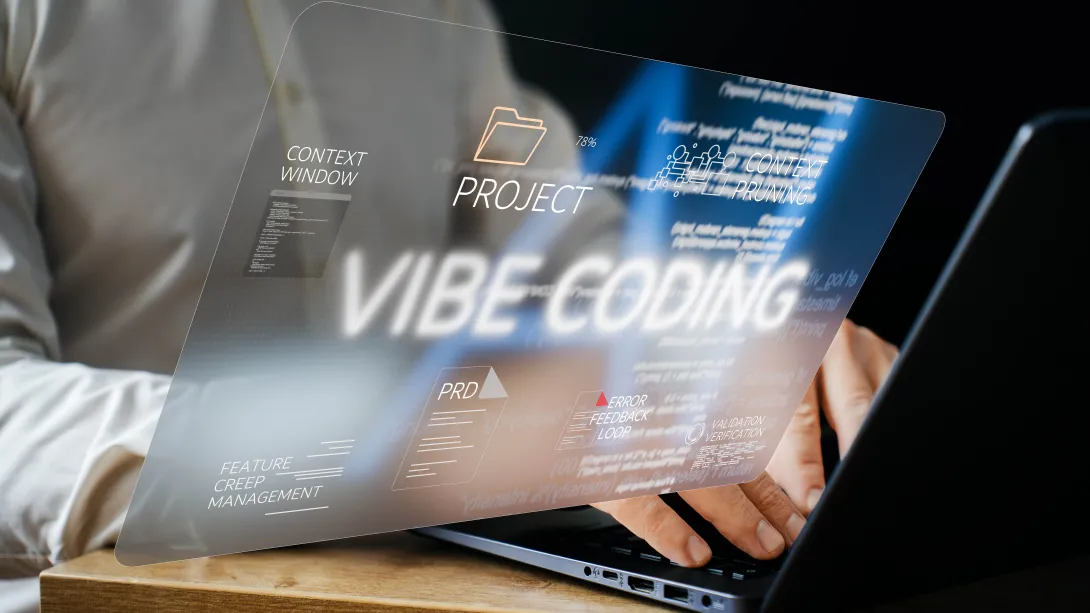
Vibe coding programmers are releasing batches of vulnerable code, according to researchers at the School of Cybersecurity and Privacy (SCP) at Georgia Tech, who have scanned over 43,000 security advisories across the web.
The programming style relies on using generative artificial intelligence (AI) to create software code using tools like Claude, Gemini, and GitHub Copilot. According to graduate research assistant Hanqing Zhao of the Systems Software & Security Lab (SSLab), no one had been tracking these common vulnerabilities and exposures before the launch of their Vibe Security Radar.
“The vulnerabilities we found lead to breaches,” he said. “Everyone is using these tools now. We need a feedback loop to identify which tools, which patterns, and which workflows create the most risk.”
The radar extensively scans public vulnerability databases, finds the error for each vulnerability, and then examines the code’s history to find who introduced the bug. If they discover an AI tool's signature, the radar flags it.
Of the 74 confirmed cases uncovered so far by the tool, 14 are critical risks, and 25 are high. These vulnerabilities include command injection, authentication bypass, and server-side request forgery. Zhao explained that since AI models tend to repeat the same mistakes, an attacker would need to find these bugs just once.
“Millions of developers using the same models means the same bugs showing up across different projects,” he said. “Find one pattern in one AI codebase, you can scan for it across thousands of repositories.”
Despite its success, the team has only scratched the surface of the problem. The radar can trace metadata like co-author tags, bot emails, and other known tool signatures, but it can't identify an issue if these markers have been removed.
The next step is behavioral detection. AI-written code has patterns in how it names variables, structures functions, and handles errors.
“We're building models that can identify AI code from the code itself, no metadata needed,” said Zhao. “That opens up a lot of cases we currently can't touch.”
The team is also improving its verification pipeline and expanding its sources to include more vulnerability databases. The goal is to get a more complete picture of AI-introduced vulnerabilities across open source, not just the ones that happen to leave signatures behind.
As more programmers rely on vibe coding, Zhao warns that it still needs to be reviewed as thoroughly as any other project.
“The whole point of vibe coding is not reading it afterward, I know,” he said. “But if you're shipping AI output to production, review it the way you'd review a junior developer's pull request. Especially anything around input handling and authentication.”
When prompting AI, SSLab also recommends providing more detailed instructions to get it closer to production-ready. There are also tools to check the code for vulnerabilities after code it has been generated. Not double-checking could lead to a catastrophe.
“The attack surface keeps growing,” said Zhao. “More people running AI agents locally means the attacker doesn't need to break into the company infrastructure. They just need one vulnerability in a model context protocol server that someone installed and never reviewed.”
One reason the attack surfaces are expanding rapidly is AI’s evolution. In the second half of 2025, the Vibe Security Radar found about 18 cases across seven months. Then, in the first three months of 2026, it identified 56. March 2026 alone had 35, more than all of 2025 combined.
Many tools, like Claude, are now more autonomous, allowing developers to write entire features, create files, and even make architecture decisions.
“When an agent builds something without authentication, that's not a typo,” said Zhao. “It's a design flaw baked in from the start. Claude Code and Copilot together account for most of what we detect, but that's partly because they leave the clearest signatures.”
News Contact
John Popham
Communications Officer II at the School of Cybersecurity and Privacy