
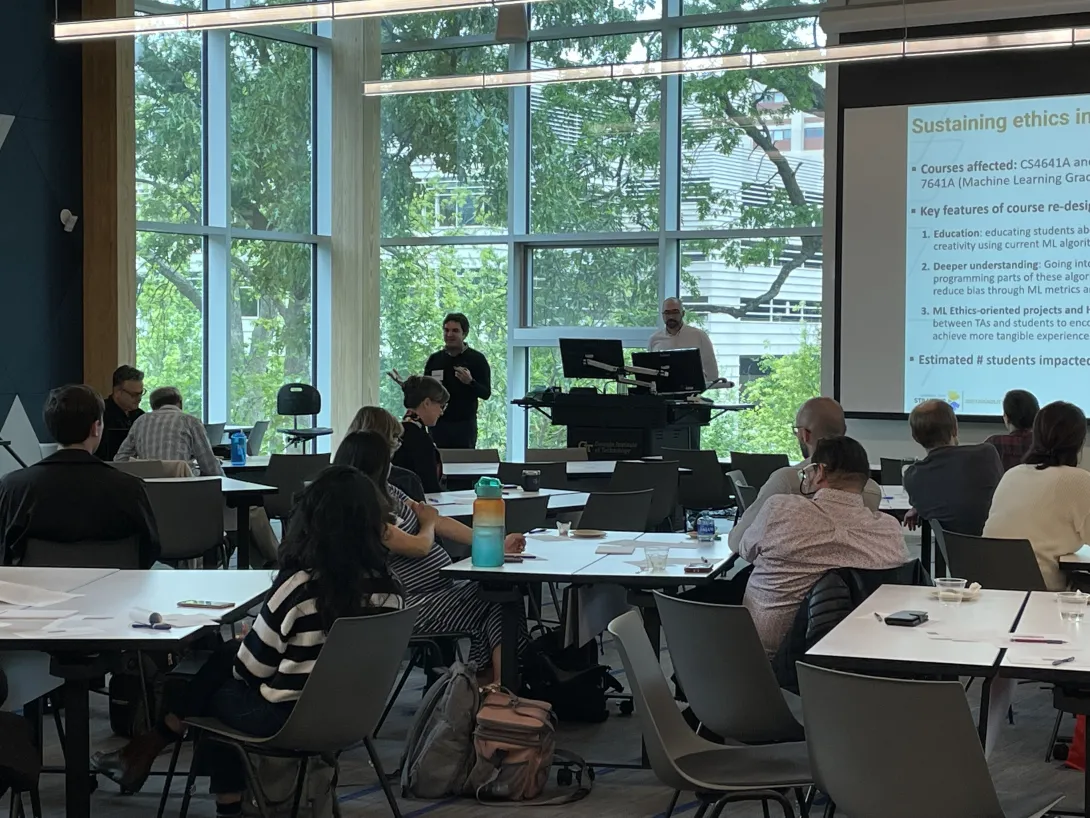
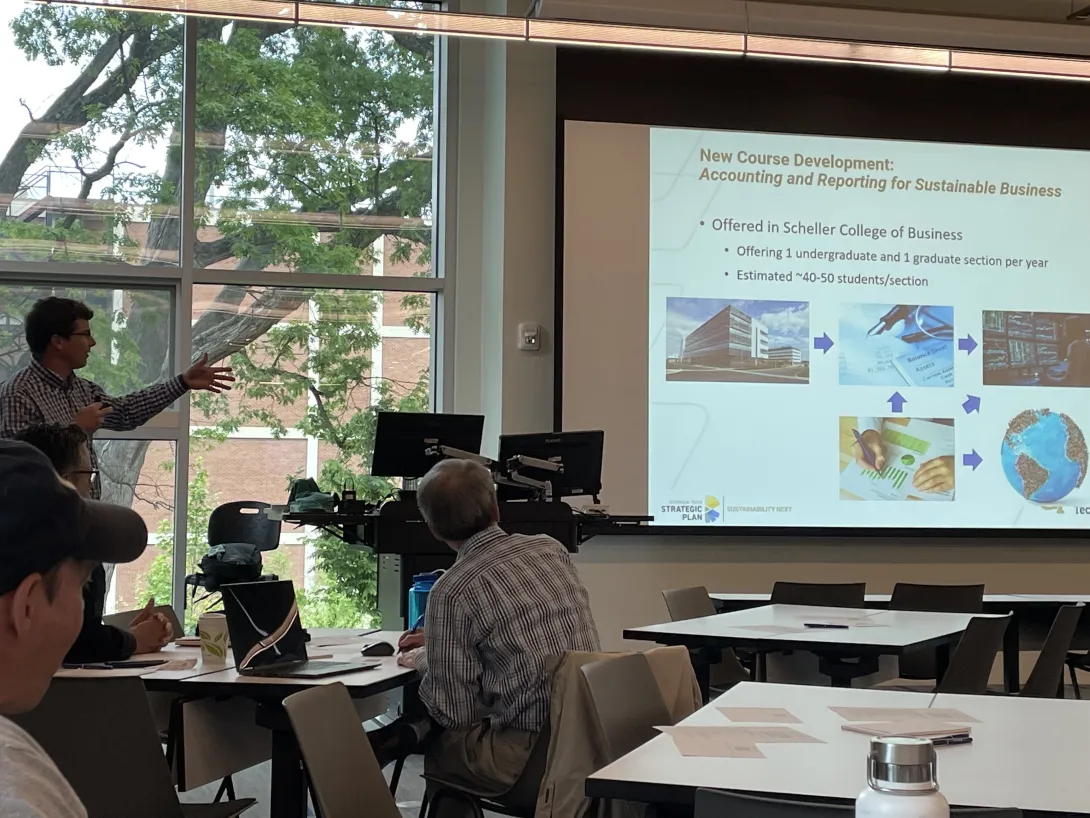
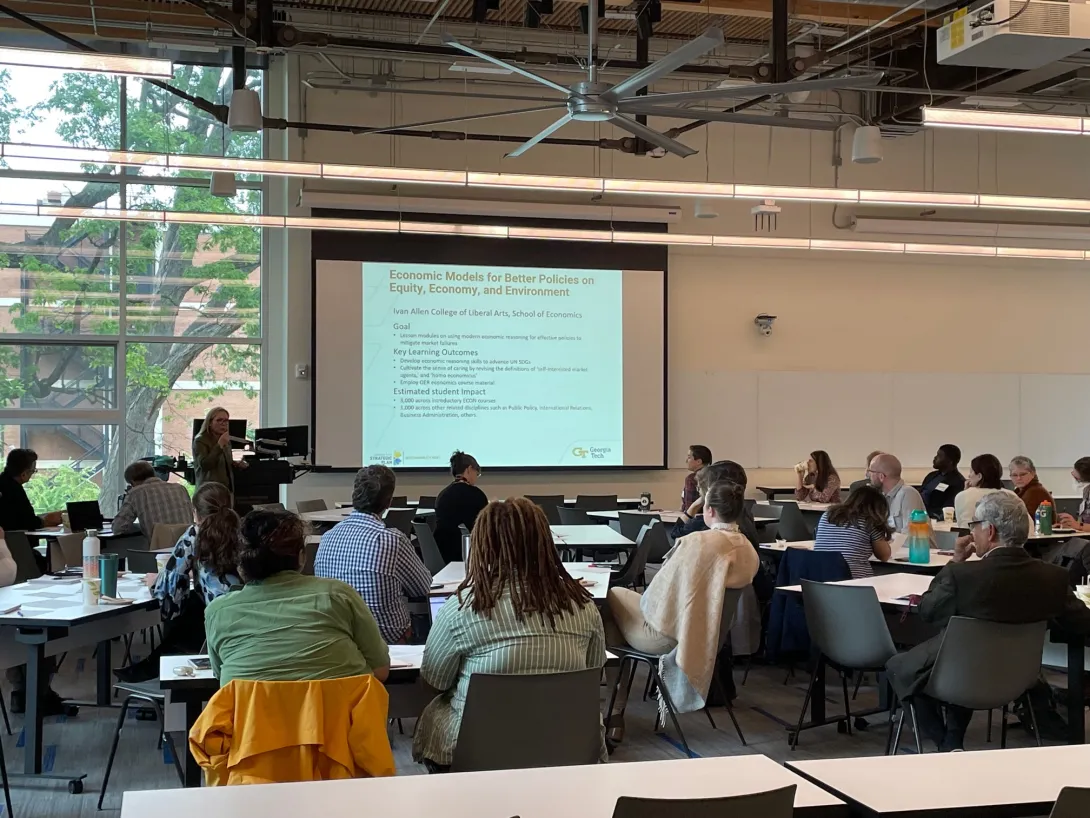
One of the Institute Strategic Plan (ISP) goals is to connect globally and amplify impact by contributing “to global collaborative efforts that advance the U.N. Sustainable Development Goals (SDGs) through our education, research, and service.” In response, Sustainability Next developed a plan to expand SDG concept and skill integration across the undergraduate curriculum. In support of the plan, 21 projects representing all six colleges and 15 schools were presented at the Undergraduate Sustainability Education Jamboree, held on April 26 in the Kendeda Building auditorium. With many winning projects featuring high enrollment and core courses, this first round of sustainability education “seed grants” will significantly expand the reach of Georgia Tech’s sustainability-across-the-curriculum initiatives.
“Our Strategic Plan commitment to bring the United Nations Sustainable Development Goals (SDGs) into our teaching is part of our vision for transformative teaching and learning more broadly,” explains Larry Jacobs, Senior Vice Provost for Education and Learning. “Helping students identify connections between disciplinary concepts and skills and complex societal challenges enhances learning and supports Georgia Tech’s mission to equip students to improve the human condition.”
The Jamboree featured lightning presentations from the award winners, as well as presentations about related initiatives at Georgia Tech to help instructors, students, and staff better understand the landscape of sustainability education innovation on campus. Instructors engaged in course design or re-design through the awards will have opportunities to collaborate with and learn from their peers through a Community of Practice on Transformative Teaching with the SDGs and a SoTL (Scholarship of Teaching and Learning) research group. Many began identifying potential collaborators at the event, as they heard from other award winners. “The afternoon of lightning presentations by fellow faculty was exhilarating,” Sabir Khan, Associate Professor, Schools of Industrial Design and Architecture, shared. “I came away impressed and excited at the range of projects and have already invited a few instructors to join my class in the fall to discuss their approaches to tackling the UN SDGs."
Presenter Kate Williams, Interim Director, Transformative Teaching and Learning, Faculty Initiatives, shared connections between the Sustainability Innovation Awards and Georgia Tech’s Transformative Teaching and Learning (TTL) strategic initiative. “The success of the first round of Sustainability Education Innovation Grants demonstrates our faculty's commitment to creating innovative experiential learning opportunities for students,” Dr. Williams noted.
For more information about future award opportunities or the communities of practice described above, please contact Jennifer Leavey (Assistant Dean for Faculty Mentoring, College of Sciences) or Rebecca Watts Hull (Assistant Director, Faculty Development for Sustainability Education Initiatives, Center for Teaching and Learning).
Review all 21 awarded Undergraduate Sustainability Education Innovation projects.
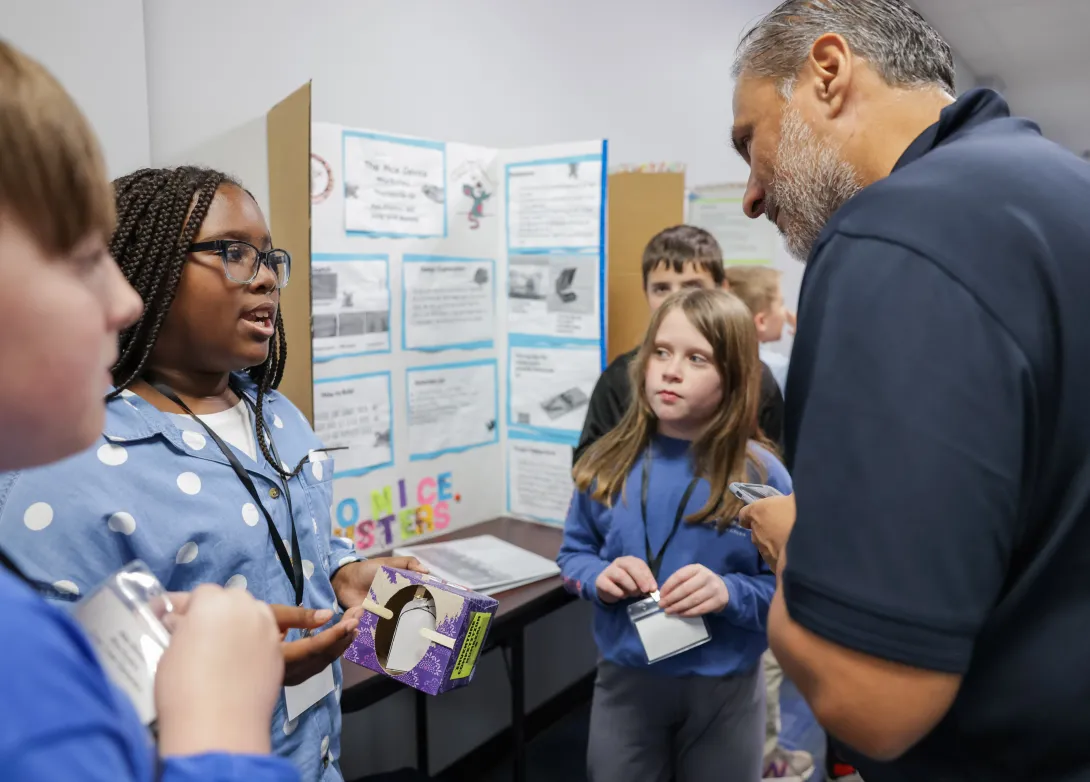
Students in Thomasville, Ga. explain their invention to a competition judge as a part of Georgia Tech’s expanding K-12 InVenture Prize program.
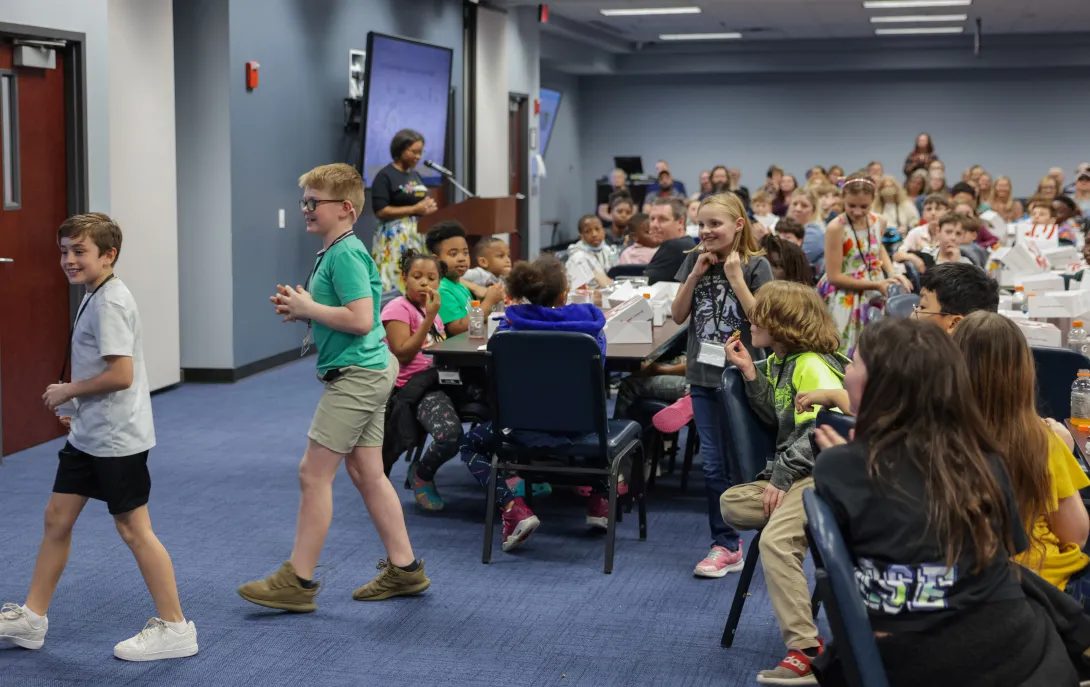
Students in Thomasville, Ga. present their own inventions as a part of Georgia Tech’s expanding K-12 InVenture Prize competition program.
Georgia Institute of Technology’s Center for Education Integrating Science, Mathematics, and Computing (CEISMC) is at the center of a new statewide initiative combining artificial intelligence and manufacturing innovations with transformational workforce development and K-12 outreach. The Georgia Artificial Intelligence Manufacturing Corridor project (Georgia AIM) is supported by a record-shattering $65 million grant Georgia Tech received in September 2022 from the U.S. Department of Commerce’s Economic Development Administration.
Georgia AIM will support a total of nine inter-related projects throughout the state and is designed to increase job and wage opportunities in distressed and rural communities and among historically underrepresented and underserved people. Georgia AIM targets rural residents, women, Black, Indigenous and People of Color (BIPOC), those living with disabilities, and veterans — groups historically underrepresented in manufacturing. Through innovation, collaboration, education, and participation, Georgia AIM will provide the tools and knowledge to empower these communities to participate fully in a diverse AI manufacturing workforce.
“Many people have preconceived notions about manufacturing and may not be able to see how they could possibly connect to it," said Roxanne Moore, Woodruff School of Mechanical Engineering’s senior research engineer and director of CEISMC’s K-12 InVenture Prize program. “What they may not realize is that manufacturing is what brings new ideas to life. AI is rapidly reshaping the manufacturing industry and changing the landscape for job opportunities. The work that we are doing will position Georgia to lead the nation into the future of AI and manufacturing.”
Moore explains that through Georgia AIM, CEISMC will expand its K-12 InVenture Prize invention and entrepreneurship program to collaborate with school districts and businesses in Southwest Georgia, Southeast Georgia and Northeast Georgia. The initiative will expand on existing partnerships Georgia Tech has established with technical colleges and minority-serving institutions.
The project will reach at least 1,000 K-12 students and 100 teachers from underserved areas, with a focus on rural communities via existing programs at Georgia Tech, other nonprofits, the Technical College System of Georgia, the Southwest Georgia Regional Commission, local manufacturers, and K-12 school leaders, Moore said.
“We need to illustrate the powerful relationships between innovation, entrepreneurship, and manufacturing so that students can see how ideas come to life and how they can improve their communities,” said Moore. “It is my hope that these regional ecosystems become a role model for how educational institutions can support each other in expanding access to high-quality STEM experiences for diverse students who typically are not empowered to create their futures.”
As part of Georgia AIM, CEISMC will also expand its offerings through partnerships with the institute’s GoSTEM program to better serve Latino populations. GoSTEM is a collaborative partnership at Georgia Tech between CEISMC and Institute Diversity, Equity and Inclusion (IDEI). Its mission is to promote STEM academic achievement and college attendance among Latino and other cultural and linguistic minority K-12 students. Plans include translating existing invention and entrepreneurship curriculum into Spanish, adding lessons to the curriculum on AI and manufacturing, assisting with the development of regionally focused curricula, and expanding training and events to make them more inclusive.
“Our goal is to make invention education accessible to everyone in the state, especially those who may have been previously left out of the conversation,” said Danyelle Larkin, educational outreach manager with CEISMC. “By going into more rural areas of the state and working to develop multi-lingual curricula that is focused on the needs of the region, we hope to serve as a national model for how to accelerate the transition to automation in manufacturing while diversifying the next generation of AI leadership.
Additional Georgia AIM expansion plans for CEISMC and K-12 InVenture Prize include supporting an existing high school entrepreneurship program in Fitzgerald and working with Albany State University to host teacher workshops, support local schools, and host regional competitions with a focus on inventiveness and the entrepreneurial mindset.
"The overall goal of Georgia AIM is to establish the United States as a leader in AI manufacturing while making sure that these systems complement rather than replace existing workers,” Larkin said. “The work that we are doing in CEISMC plays an integral role in Georgia AIM with our specific expertise in weaving invention education and entrepreneurship into K-12 classrooms and connecting with diverse communities. This huge grant gives us a chance to amplify our work and bring even more people into the AI conversation. It’s about building a better, more equitable future for the people of Georgia.”
—Randy Trammell, CEISMC Communications

Devyon wasn't having success landing interviews or getting call backs for job applications. A mentor at the National Urban League encouraged him to apply to Juma, an employment and job training program which helps youth overcome the hardships of poverty and aspire to career success. As part of its social enterprise operations in Atlanta, Juma offers year-round employment to over 140 Atlanta youth at SunTrust Park, Mercedes-Benz Stadium, and State Farm Arena—home of the Braves, Falcons, Hawks, and Dream—as well as the Georgia World Congress Convention Center.
Devyon applied and successfully enrolled in Juma, and found a path to earn money, build his resume, and pave his future. As part of the program, Devyon took Georgia Tech LEAP courses to learn more about supply and logistics and the career paths the field has to offer. His dedication to the job, his willingness to go above what was expected of him and his attention to detail were characteristics that made him stand out to Juma’s Enterprise Managers. After successfully completing Juma’s training program, Devyon secured a job at UPS, a Juma Atlanta job placement partner. Today, Devyon has stable employment and, after successfully passing UPS’ Supervisor Exam, became a Shift Manager.
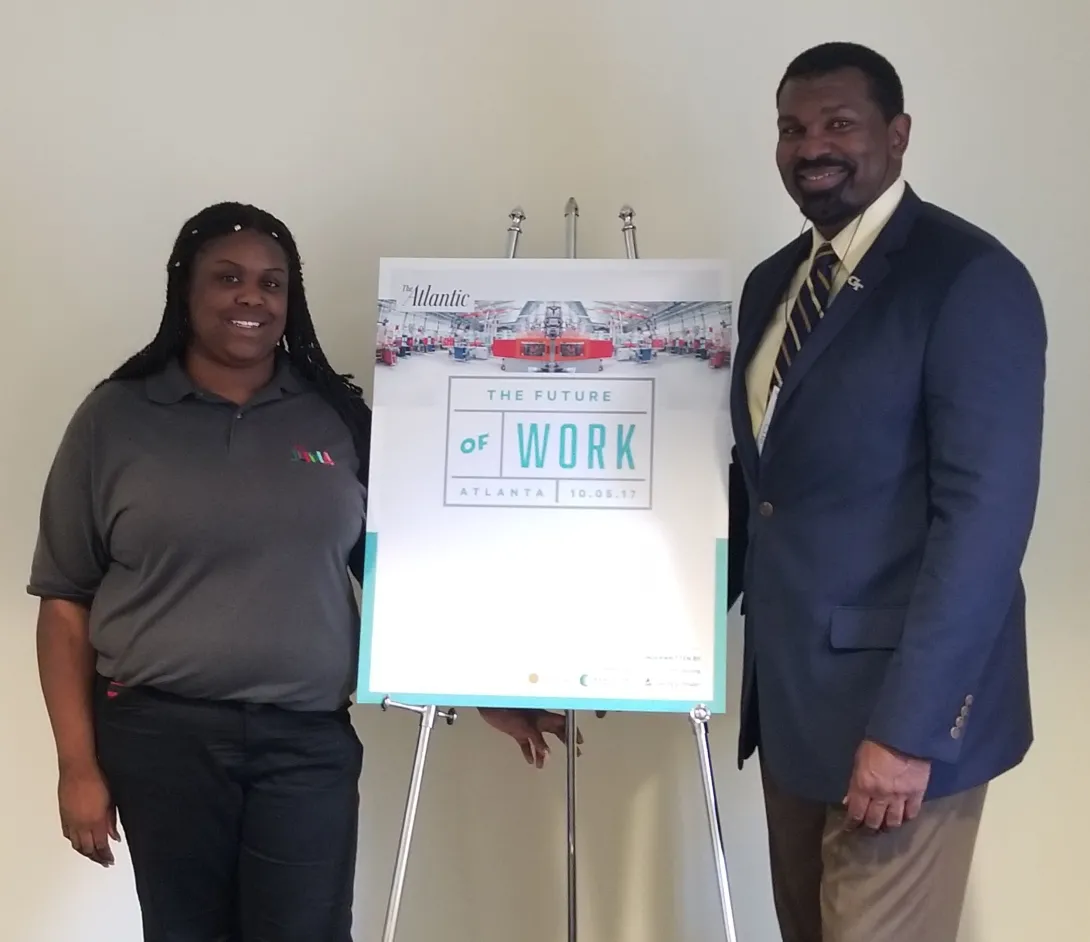

Zaria participated in Juma, an employment and job training program which helps youth overcome the hardships of poverty and aspire to career success. As part of its social enterprise operations in Atlanta, Juma offers year-round employment to over 140 Atlanta youth at SunTrust Park, Mercedes-Benz Stadium, and State Farm Arena—home of the Braves, Falcons, Hawks, and Dream—as well as the Georgia World Congress Convention Center.
Zuma promotes participants to earn while they learn, so while going to school during the week to pursue her GED, Zaria took GT LEAP courses at night and worked in the Juma Atlanta concessions operations group on the weekend. Through perseverance and her will to succeed, she later secured fulltime employment within the JUMA organization.
At the Future of Work 2017 summit sponsored by The Atlantic, Zaria was asked about her experience. She commented, “sometimes, people just need a second chance and an opportunity to take advantage of it.” The experience has opened her eyes to the possibilities and Ms. Walker has aspirations to be a crime scene investigator. Zaria plan to pursue further education and make that dream a reality some day.
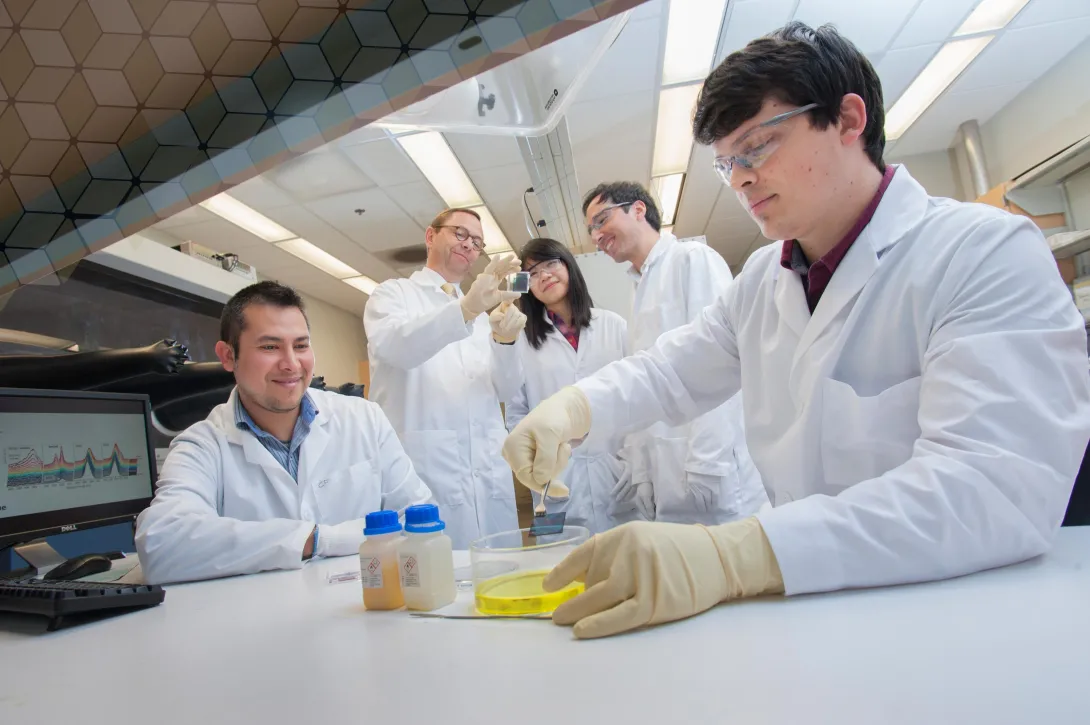
The Scalable Asymmetric Lifecycle Engagement Microelectronics Workforce Development program (SCALE) has announced the program will extend another five years and expand with $10.8 million additional Department of Defense (DoD) funding, with a ceiling of $99 million.
SCALE officials said this expansion of the nation’s preeminent program will further its goal to develop a next-generation workforce that can return the United States to prominence in global microelectronics manufacturing.
Georgia Tech participates in the partnership, which is led by Purdue University and managed by NSWC Crane. SCALE facilitates the training of highly skilled U.S. microelectronics engineers, hardware designers and manufacturing experts. SCALE brings together a public-private-academic partnership of 17 universities and 34 partners within the defense industry and government.
“This is an extremely exciting time in the country and at Tech for microchip design and manufacturing,” said Arijit Raychowdhury, the Steve W. Chaddick School Chair of Tech’s School of Electrical and Computer Engineering (ECE). “These newly announced funds for the SCALE program will help Georgia Tech recruit a new, diverse group of students ready to work in defense microelectronics. We’re thrilled to be a SCALE partner university and honored to be leading many of the project’s specialty areas.”
SCALE provides unique courses, mentoring, internship matching and targeted research projects for college students interested in five microelectronics specialty areas. Georgia Tech ECE faculty members will be the primary investigators for three of the areas:
- system on a chip will be led by Raychowdhury;
- radiation-hardening will be led by John Cressler;
- and heterogeneous integration/advanced packaging will be led by Madhavan Swaminathan.
The other two focus areas are embedded system security/trusted AI and supply chain awareness.
Industry and government partners regularly meet and update a list of knowledge, skills, and abilities important for new entrants to the workforce. The SCALE universities then update their curriculum to ensure the students are prepared for upcoming needs in the rapidly advancing microelectronics field.
Peter Bermel, SCALE director and the Elmore Associate Professor of Electrical and Computer Engineering at Purdue, said the United States will need 50,000 trained semiconductor engineers to meet overwhelming and rapidly growing demand.
“The United States is committed to expanding and strengthening its semiconductor industry and workforce rapidly over the next five years,” Bermel said. “SCALE takes a holistic approach to the microelectronics workforce gap by comprehensively addressing system challenges for workforce training and recruiting.”
Goals for the next five years include:
- Expanding student participation in SCALE fivefold to more than 1,000.
- Developing learning models for K-12 classrooms.
- Collaborating with community colleges nationwide to develop microelectronics classes.
The demand for microelectronics increased by 26.2% in 2021. But while the United States consumes about half of the chips produced worldwide, the country only manufactures about 12%, highlighting the pressing need for the U.S. to strengthen its domestic semiconductor supply chains and increase industrial capacity.
The funding announcement is the latest highlight in Georgia Tech’s leadership role in bolstering microelectronics and workforce development. Tech’s large engineering and science faculty bring a broad set of research expertise to strengthen the country’s semiconductor capacity. The Institute is uniquely positioned to train the microelectronics workforce, drive future microelectronics advances, and provide fabrication and packaging facilities for industry, academic and government partners to develop and test new solutions.
###
The Georgia Institute of Technology, or Georgia Tech, is a top 10 public research university developing leaders who advance technology and improve the human condition. The Institute offers business, computing, design, engineering, liberal arts, and sciences degrees. Its nearly 44,000 students, representing 50 states and 149 countries, study at the main campus in Atlanta, at campuses in France and China, and through distance and online learning. As a leading technological university, Georgia Tech is an engine of economic development for Georgia, the Southeast, and the nation, conducting more than $1 billion in research annually for government, industry, and society.
News Contact
Dan Watson
dwatson@ece.gatech.edu
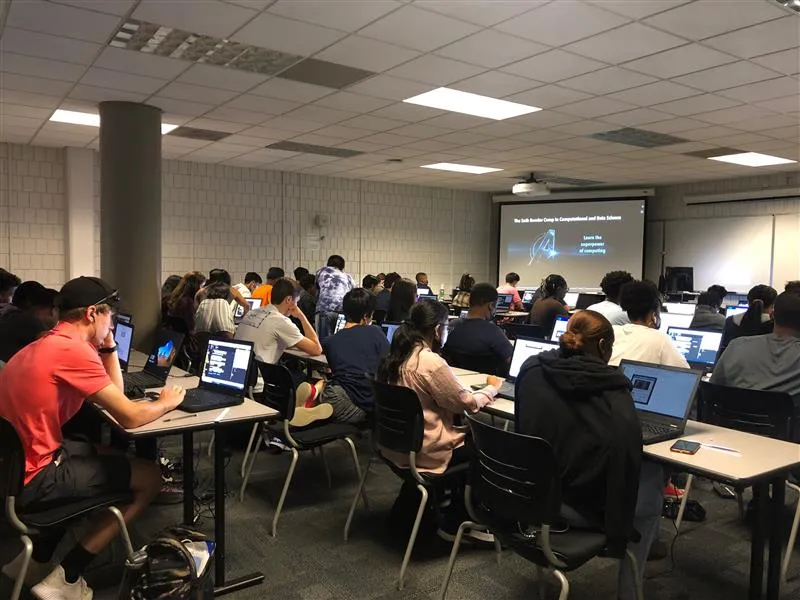
When Alexandria Sweeny, better known as Alex, considered what she wanted to accomplish before graduating from Drew Charter School, the then high school junior set two goals: complete her engineering internship and make a positive impact.
She did both while strengthening her coding knowledge during her time as a camper and mentor at the Seth Bonder Camp in Computational and Data Science for Engineering (SBC).
“I did it when it was fully virtual, and it was definitely an experience,” said Sweeny who spent a week being introduced to computing and data science where she performed virtual activities, last June.
The camp, which is offered either as an online course or on-campus summer camp at Georgia Tech, is designed to build students’ problem-solving and analytical skills while furthering their interest in computer science as a potential career. It is also part of AI4OPT’s mission to inspire young Georgians to pursue STEM (science, technology, engineering and mathematics).
AI4OPT hosted its first in-person summer camp at Georgia Tech in June. The camp brought together 60 students from schools across Georgia including Drew Charter, Banneker High School, and Westlake High School.
Sweeny was asked to return to this particular camp—but this time, as a mentor.
“Of course, I said yes, because it was something fun that I could do over the summer preparing for college without it being too hefty,” said Sweeny. “It was something that I felt prepared for from attending the camp.”
Responses like Sweeny’s motivates SBC Site Managers like Reem Khir to introduce more bright minds to the camp centered around computer programming logic, programming language for AI, and teamwork.
“We expose them [high school students] to certain types of education areas like Twitter analysis, how to solve a sudoku, and even computational biology, if they wanted to consider a career in biology,” said Khir, who joined the camp last year to help students with assignments. This year, she took on even bigger leadership role by maintaining and observing two camps and facilitating 50 students and seven teaching assistants (TAs). She worked under a ‘student to student and student to TA’ interactive structure so that each participant took away a useful skill in data science.
“It’s the time where high school students start forming opinions and decisions about the career path they want to pursue,” said Khir. “The steppingstone is their college education, and we can help students in that period.”
AI4OPT Will Acquire and Advance Seth Bonder Camp
AI4OPT is working to adopt a short-term system used to track students after the camp. The institute wants to build up the system to see majors, colleges, and career paths each student has vowed to pursue before they head off to college or the workforce.
“This is a critical period for students,” said Khir. “It’s a time where students start thinking about a major for college and later impacting the next 20 or 30 years of their life. Being a part of that is very unique in terms of creating a positive influence in the next generation.”
AI4OPT is taking the lead over the SBC to offer the initiative more organizational support as the program has seen tremendous growth and has become a much broader initiative. The Seth Bonder Foundation, which first introduced the camp to those ages 10-18, will continue to fund the camp now more targeted towards high school students interested in engineering, but do not have access to computer science and/or data science in their middle and high schools.
“A lot of the different communities are not exposed to this and may never see this opportunity. The Seth Bonder Camp exposes high school students to AI opportunities and gives them skills to successfully enter the field of STEM with confidence,” said Professor Pascal Van Hentenryck, who’s brought his data sciences skills and knowledge to Georgia Tech and leads both AI4OPT and the SBC.
AI4OPT is in transition to lead the SBC to offer more organizational support as the program sees tremendous growth. The research Institute will expand the longitudinal camps to engage middle and high school students in these topics, while also bringing AI education and research programs to HBCU’s and Hispanic-serving colleges throughout the nation, addressing the widening gap in job opportunities.
Though Sweeny has transitioned away from coding and transcended into research, she never stopped setting goals even now as a first-year biomedical engineering major at Georgia Tech.
“Do anything you can to take it [the SBC] even if you don't want to go into coding,” said Sweeny. “It is a good way to meet new people learn new skills, it is something that you don't necessarily have to have a love for coding to have to do it.”
To learn more about the Seth Bonder Camp in Computational and Data Science for Engineering and to partner with the camp, visit sethbondercamp.isye.gatech.edu.
(Writer’s note: This article is part of a series highlighting AI4OPT members, students, education programs and professional development testimonies.)
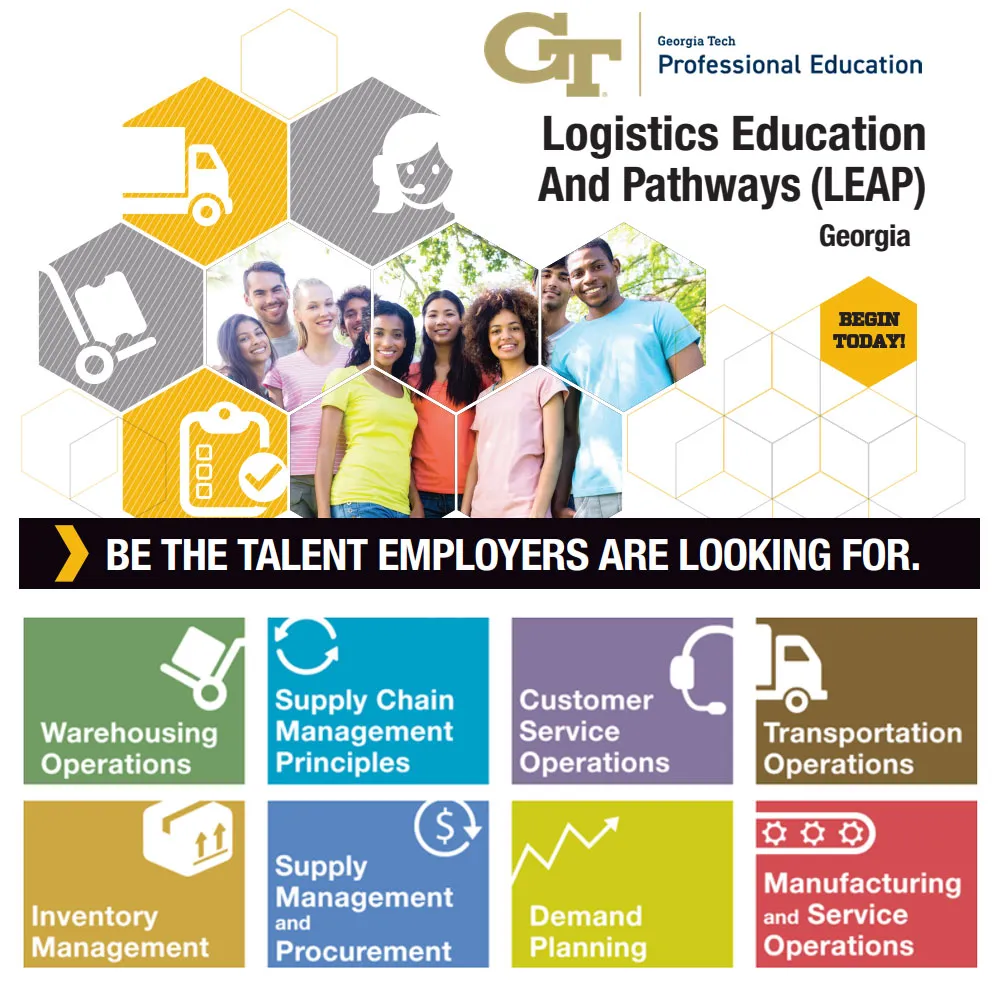
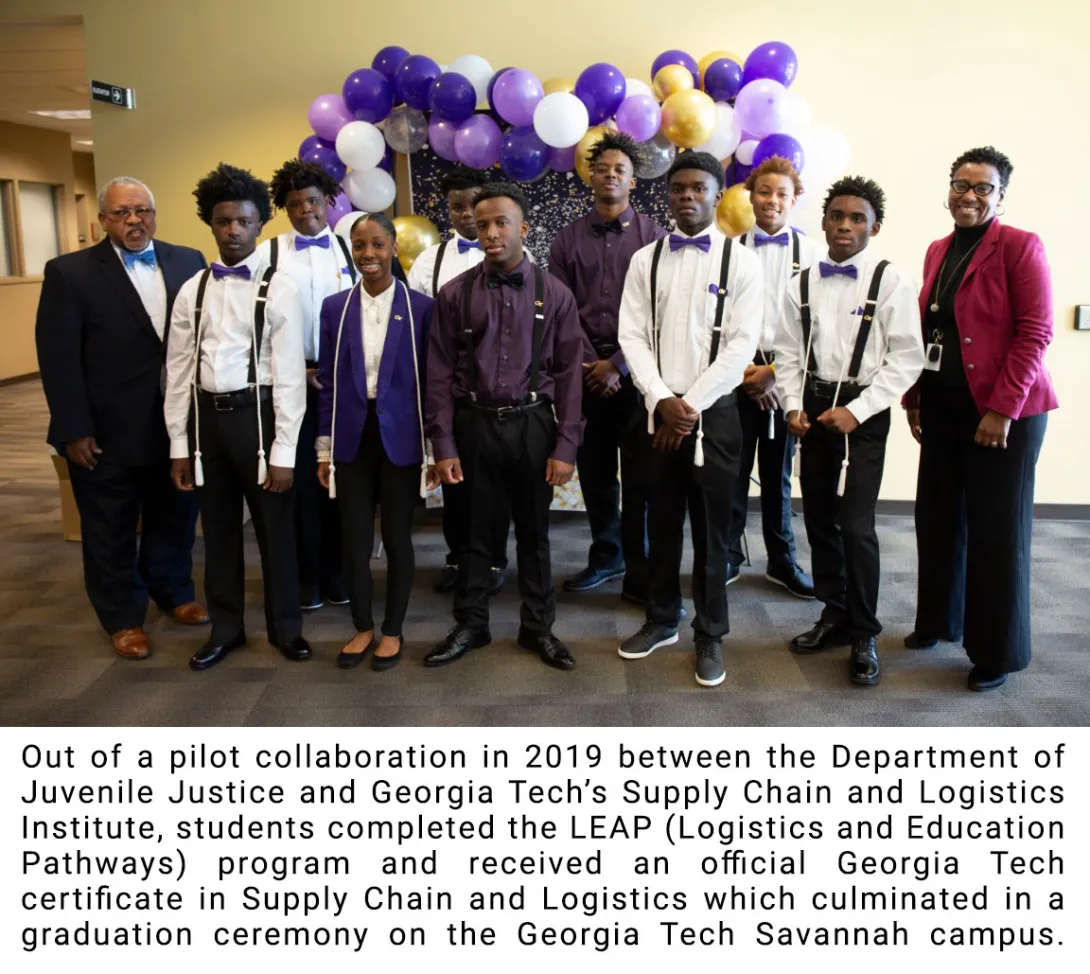
The Georgia Tech Supply Chain and Logistics Institute (GT-SCL) residing in and supported by the Stewart School of Industrial and Systems Engineering (ISyE), in coordination with Georgia Tech Professional Education (GTPE), is expanding its Logistics Education And Pathways (LEAP) program with the Georgia Department of Juvenile Justice (DJJ) Reentry Program to implement services for eligible participants in Chatham, Bibb, and Muscogee Education Transition Centers (ETC).
The goal of the ETCs is to reduce recidivisms and enable participants with the tools, training, and opportunities to move forward as a productive member of society with sustainable employment and a rewarding career. LEAP is a fast-paced certification program that prepares secondary education students to compete for successful high-growth jobs in the supply chain and logistics field, an outcome that is a natural component to the mission of the ETCs.
“I want to thank Georgia Tech for being a great corporate partner in rehabilitating our justice-involved youth,” said Tyrone Oliver, Commissioner of the Georgia Department of Juvenile Justice. “The LEAP program will help our youth gain valuable skills to aid them towards a brighter future.”
Initially, this partnership began with a pilot program in July of 2019, and culminated when the DJJ’s Chatham ETC hosted their Award Certification Ceremony on the Georgia Tech’s Savannah campus. Expanding this program in 2022 will equip students not only in Chatham County, but now in Bibb and Muscogee Counties with the knowledge, skills, and credentials for careers in the fast-growing Supply Chain and Logistics industry. All the funding for the LEAP program comes from industry partners like the GA Power Foundation, Schneider Foundation and JP Morgan Chase & Co. In addition, DJJ also contributed funding for this successful partnership with the ETCs.
The LEAP program initially covers understanding with the Supply Chain Management Principles course and then the various domains within the supply chain through three other optional courses (i.e., Customer Service, Warehousing Operations, and Transportation Operations). It also explores with students how the supply chain supports organizations’ strategic and financial goals, and current events through subject matter lectures and simulation exercises.
After completing the program, students receive an official GTPE Certificate of Completion for each completed pass/fail LEAP course (Supply Chain Management Principles, Customer Service Operations, Transportation Operations and Warehouse Operations), that are all sanctioned by the Board of Regents of the University System of Georgia. Typically, at their end-of-program, there is an Award ceremony where they receive their professional education certificate from Georgia Tech Professional Education (GTPE).
“While earning GT Professional Education credentials, attending fieldtrips to Gulfstream, GA Ports Authority, Amazon, or Dynacraft and improving their potential to secure employment in the exploding Savannah Supply Chain Industry, may have served as the initial motivation to attempt the program, the impact was immeasurable. Our students grew in areas that enhanced their self-confidence, work ethic, and intrinsic motivation. As a result, our students view themselves as productive citizens with credentials for quality jobs or careers in their future,” said ArtLisa Alston-Cone, Lead Teacher, DJJ Chatham ETC.
Students have a working knowledge of the fundamentals of Supply Chain and Logistics and will be immediately prepared for internships and job opportunities. Two students completed more than one course, indicating their interest and aptitude in this field. One student who was already working in a distribution operation actually completed four courses, earning a Logistics Fundamentals Program Certificate. After the program in December of 2019 with the DJJ’s Chatham ETC, seven of the eleven graduates received job offers, and another two were scheduled for interviews, making the program a great success. The students in the ETC’s have completed all requirements from the juvenile system. They are in transition to becoming productive members of society. At this point, many students are completing their High School Diploma requirements for graduation or getting their GED. They are typically living with family, a guardian or in a transition home.
“We’ve all had times in our lives when someone has discounted us, intentionally or unintentionally. There will always be that student in the corner who you think couldn’t care less, but given the proper attention and care, they can become a star. It’s easy to predetermine what someone is capable of doing; but when these students take this program, the lightbulb goes off, and they become interested and develop a passion and confidence because of this course,” said Charles Easley Jr., GT-SCL Project Director and Instructor.
The program is delivered in a cohort format so that the students always feel supported not only by the instructors but by their classmates as well. Students receive educational content but also learn how to integrate their training in the real world, so they are prepared to perform in the workplace. Students are taken on field trips with the support of community partners to learn how to apply their knowledge and see first-hand how the supply chain operates. In previous years, students were taken to Georgia Tech’s Atlanta campus to explore The Ferst Center for the Arts, The Supply Chain and Logistics Institute, and The H. Milton Stewart School of Industrial and Systems Engineering (ISyE) so they could see what options are open to them for their future working careers. During these visits they were able to participate in student information sessions, see the innovative technology in the ISyE Physical Internet Lab and interact with faculty like Benoit Montreuil, Tim Brown, GT-SCL, and role models like Gen. Ron Johnson, Professor of the Practice, and ISyE Student Ambassadors. Students were also taken to Gulfstream in Savannah and The Georgia Fair where they participated in a hands-on project to map out the supply chain process for food.
About the LEAP Program
GTSCL created LEAP in 2015 through a grant from JPMorgan Chase & Co. to further the financial services firm’s “New Skills at Work” initiative that promotes workforce development to bridge the gap between the talent employers need and the qualifications of the local talent pipeline. The curriculum and content were developed by The H. Milton Stewart School of Industrial and Systems Engineering (ISyE) at Georgia Tech. In August 2018, JPMorgan Chase & Co. continued once again committed to supporting LEAP with an additional grant. The Georgia Tech LEAP program has been delivered throughout Georgia to Schools, Cohorts, and Individual Students in 18 School Districts or Systems, at 46 different schools public and private, in 13 colleges and universities, and across several well-known organizations and employers. This includes schools like Maynard Jackson HS, Grady HS, North Atlanta HS, Effingham College Career and Career Academy, Fulton Schools College and Career Academy, Newton College and Career Academy, Social Circle HS, Griffin Region College & Career Academy, New Manchester HS; non-profit organizations like Goodwill, United Way(Career Rise), Scouts BSA(Crew 2421), The Latin American Association; and businesses like Sysco, and Mohawk Industries. The program has been continuously supported by generous donations from schools, civic organizations including Effingham College and Career Academy, Fulton Schools College and Career Academy, foundations including Home Depot Foundation, Fulton Education Foundation, Schneider Foundation, Georgia Power Foundation, Regions Foundation, and employers including companies like HMTX Industries, Inc.
News Contact
Kerry Jarvis
912-966-7913
kerry.jarvis@pe.gatech.edu
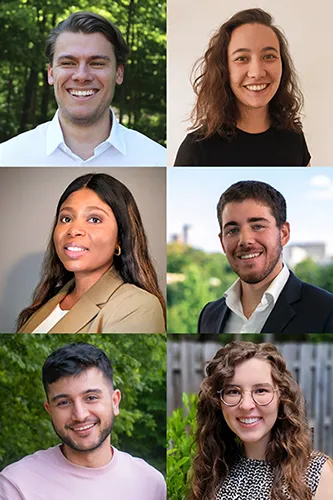
The second class of Brook Byers Institute for Sustainable Systems (BBISS) Graduate Fellows has been selected. The BBISS Graduate Fellows Program provides graduate students with enhanced training in sustainability, team science, and leadership in addition to their usual programs of study. Each two-year fellowship is funded by a generous gift from Brook and Shawn Byers and is additionally guided by a Faculty Advisory Board. The students apply their skills and talents, working directly with their peers, faculty, and external partners on long-term, large team, sustainability relevant projects. They are also afforded opportunities to organize and host seminar series, develop their professional networks, publish papers and draft proposals, and develop additional skills critical to their professional success and future careers leading research teams.
The 2022 class of Brook Byers Institute for Sustainable Systems Graduate Fellows are:
- Oliver Chapman - Ph.D. student, School of Public Policy, Ivan Allen College of Liberal Arts
- Megan Conville - Ph.D. student, School of City and Regional Planning, College of Design
- Carlos Fernandez - Ph.D. student, George W. Woodruff School of Mechanical Engineering, College of Engineering
- Sarah Roney - Ph.D. student, School of Biological Sciences
- Olianike Olaomo - Ph.D. student, School of History and Sociology, Ivan Allen College of Liberal Arts
- Vishal Sharma - Ph.D. student, School of Interactive Computing, College of Computing
The Faculty Advisory Board for the BBISS Graduate Fellows is composed of the faculty who submitted the students' nominations. Nominations for Class III of the BBISS Graduate Fellows program will open in the Spring 2023. It is expected that 6 to 8 scholars will be selected for next year’s group.
The Faculty Advisory Board for the inaugural class are:
Updates and outcomes will be posted to the BBISS website as the project progresses. Additional information is available at https://research.gatech.edu/sustainability/grad-fellows-program.
News Contact
Brent Verrill, Research Communications Program Manager
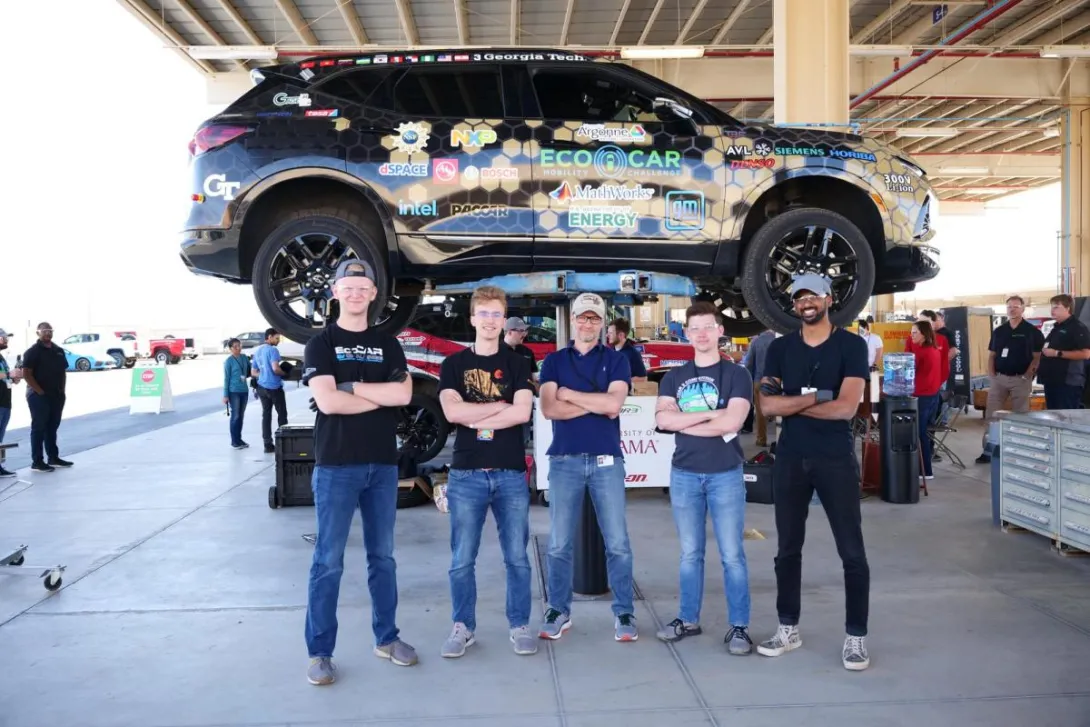

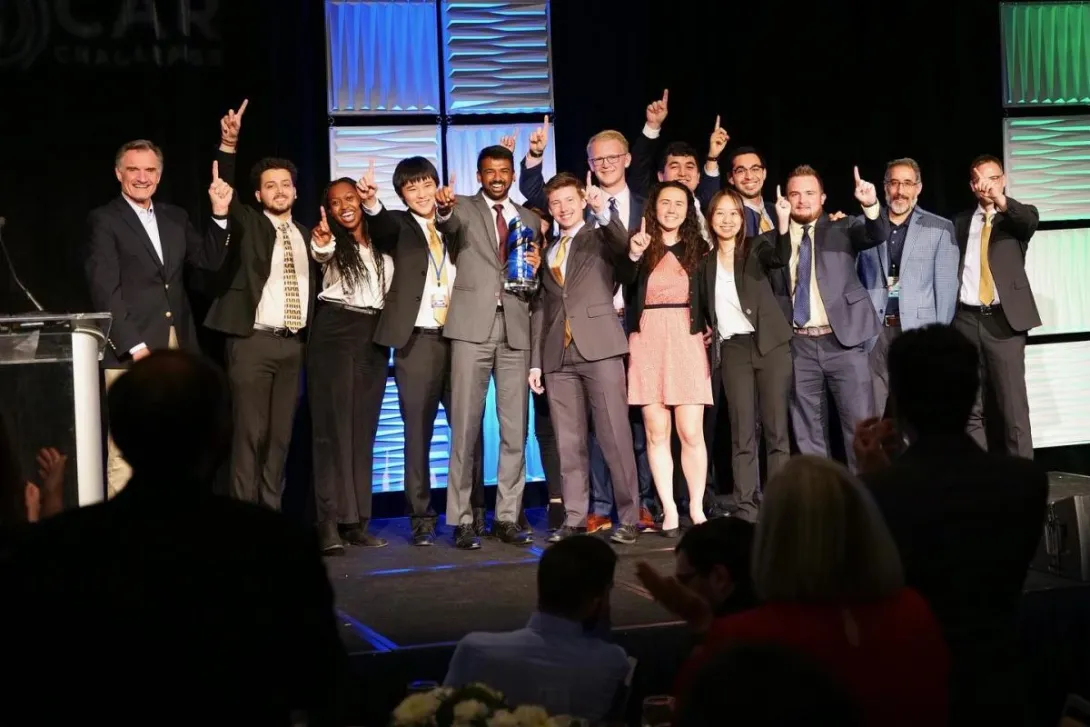
Multiple members of the School of Electrical and Computer Engineering (ECE) contributed to the four-year project.
Georgia Institute of Technology has been named the EcoCAR Mobility Challenge Year Four champion by the U.S. Department of Energy (DOE). Tech’s award-winning interdisciplinary team consists of approximately 60 undergraduate and graduate students from the College of Engineering, College of Computing, Scheller College of Business, and Georgia State University.
Eleven North American university EcoCAR teams gathered for the final challenge in Arizona from May 9-20, 2022. The event marked the culmination of the competition, which tasked the universities with applying propulsion system electrification, autonomous driving control, and vehicle-to-infrastructure connectivity, to improve the energy efficiency of a 2019 Chevrolet Blazer while maintaining safety, utility, and consumer acceptability.
Over the four-year competition — sponsored by the DOE, General Motors (GM) and MathWorks — each team transformed its vehicle from a design concept into a reality. The final year of competition challenged teams to test, prove, and refine their work from the previous three years, mimicking a real-world automotive product development cycle.
ECE professor David Taylor is a faculty advisor for Georgia Tech’s EcoCAR team, along with professors Michael Leamy in the George W. Woodruff School of Mechanical Engineering (ME), and Thomas Fuller in the School of Chemical and Biomolecular Engineering (ChBE).
“The role of ECE in this competition is significant, ranging from powertrain electrification to driving automation. Our team’s vehicle excelled in these areas, winning the events concerned with energy consumption and autonomous operation,” said Taylor. “The EcoCAR program provides valuable experiences for ECE students because the real-world challenges of the project effectively supplement classroom learning.”
Georgia Tech’s EcoCAR team is a $1 million research program housed under Georgia Tech’s Vertically Integrated Projects (VIP) Program. VIP allows undergraduate and graduate students to participate in ambitious, long-term, multidisciplinary project teams that are led by faculty. The VIP program originated in ECE under the leadership of professor Edward Coyle.
ECE graduate research assistant (GRA) Nicholas Hummel played a key leadership role on the team along with fellow GRA Nishan Nekoo in ME. Both Hummel and Nekoo received their master’s degrees this spring. Hummel also gave the first-place presentation on Connected and Automated Vehicle Systems with recent ECE bachelor’s degree graduate Joyce Zhao.
“I've been on the team for the past two years, and have seen it come from a nearly fully virtual format at the beginning of the pandemic to the success we've achieved this year,” said Hummel, who led the team’s driving automation efforts. “If I had not joined this team, I would never have had the opportunity to grow so much as a leader and increase my passion for automation and robotics.”
Additionally, recent ECE bachelor’s degree graduate Braeden Dickson, along with recent ME bachelor’s degree graduate Anna Cobb, gave the first-place presentation on Propulsion Controls and Modeling. Braeden worked on powertrain controls to convert the conventional Chevy Blazer to a hybrid electric vehicle architecture. With his efforts, Georgia Tech vehicle was the only vehicle of the competition to improve energy consumption over the stock Blazer.
Read more about the award-winning team, view pictures from the finale, and learn about future plans.
News Contact
Dan Watson
dwatson@ece.gatech.edu

Since June, Lalith Polepeddi and Akhil Chavan have been using their skills in computer science and machine learning to help study biodiversity in Georgia Tech’s new EcoCommons.
Both research staff at the Georgia Tech Global Change Program, Polepeddi and Chavan teamed up to apply for a micro research grant from the Kendeda Living Building last summer. The grants empower research and innovation at a student, staff, and faculty level through small, accessible, amounts of seed funding.