
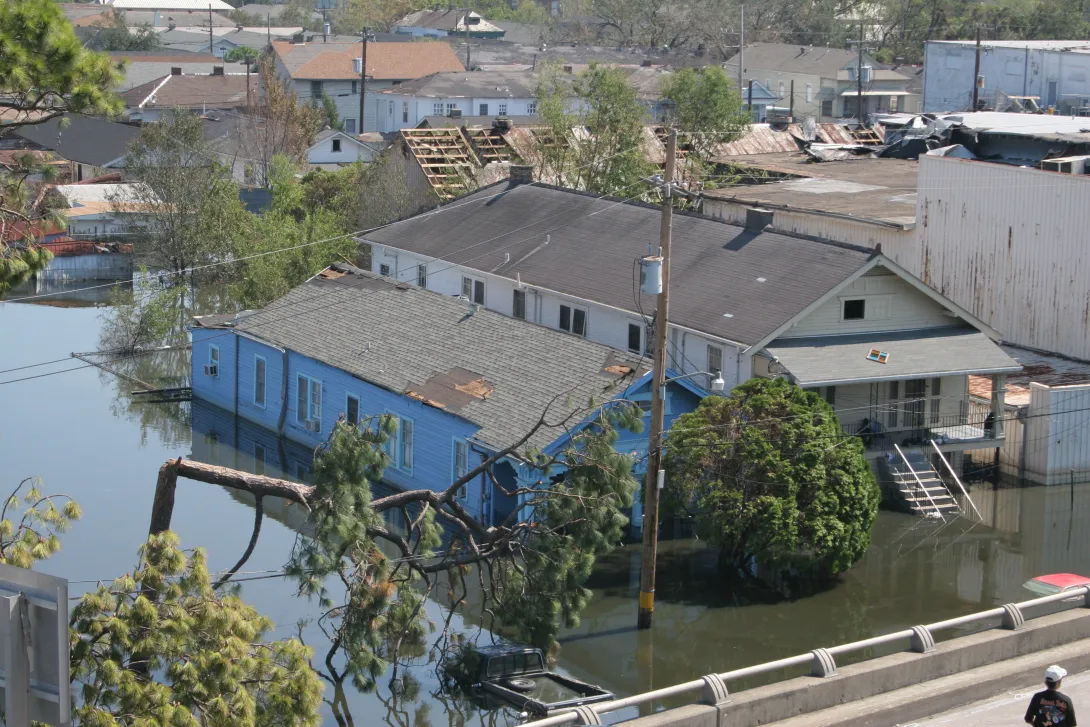
When Hurricane Katrina struck in 2005, it wasn’t just another storm — it was one of the deadliest hurricanes in U.S. history. Entire neighborhoods disappeared, families were scattered, and lives were split into “before” and “after.” Nearly 20 years later, the haunting images of submerged rooftops and boat rescues remain vivid.
The Surge That Shattered New Orleans
On Aug. 29, 2005, early reports claimed New Orleans had “dodged the bullet.” But offshore winds funneled water into the city’s canals, triggering multiple catastrophic levee failures. The Lower Ninth Ward, where most fatalities occurred, was devastated as many residents, misled by comparisons to Hurricane Camille, chose not to evacuate.
“Katrina’s storm surge was exceptional,” says Hermann Fritz, a civil engineering professor at Georgia Tech. “In some areas, we saw water levels over 27 feet — that’s like a three-story building.”
While much attention focused on New Orleans’ levee failures, Fritz points out that the surge’s sheer height and energy would have overwhelmed even more robust defenses in some areas. “Katrina showed us that nature can produce forces beyond our engineering designs,” he says.
A Disaster of Inequality
The storm didn’t strike evenly; it exposed and deepened existing social and economic inequalities. “The disaster hit lower-income Black neighborhoods hardest,” says Allen Hyde, associate professor of history and sociology. He notes how years of segregation, disinvestment, and discriminatory housing policies left these communities uniquely vulnerable. Hyde continues, “Many homes were in low-lying, flood-prone areas, and residents often lacked access to reliable transportation, making evacuation difficult or impossible.”
Georgia’s Changing Landscape: Migration and Impact
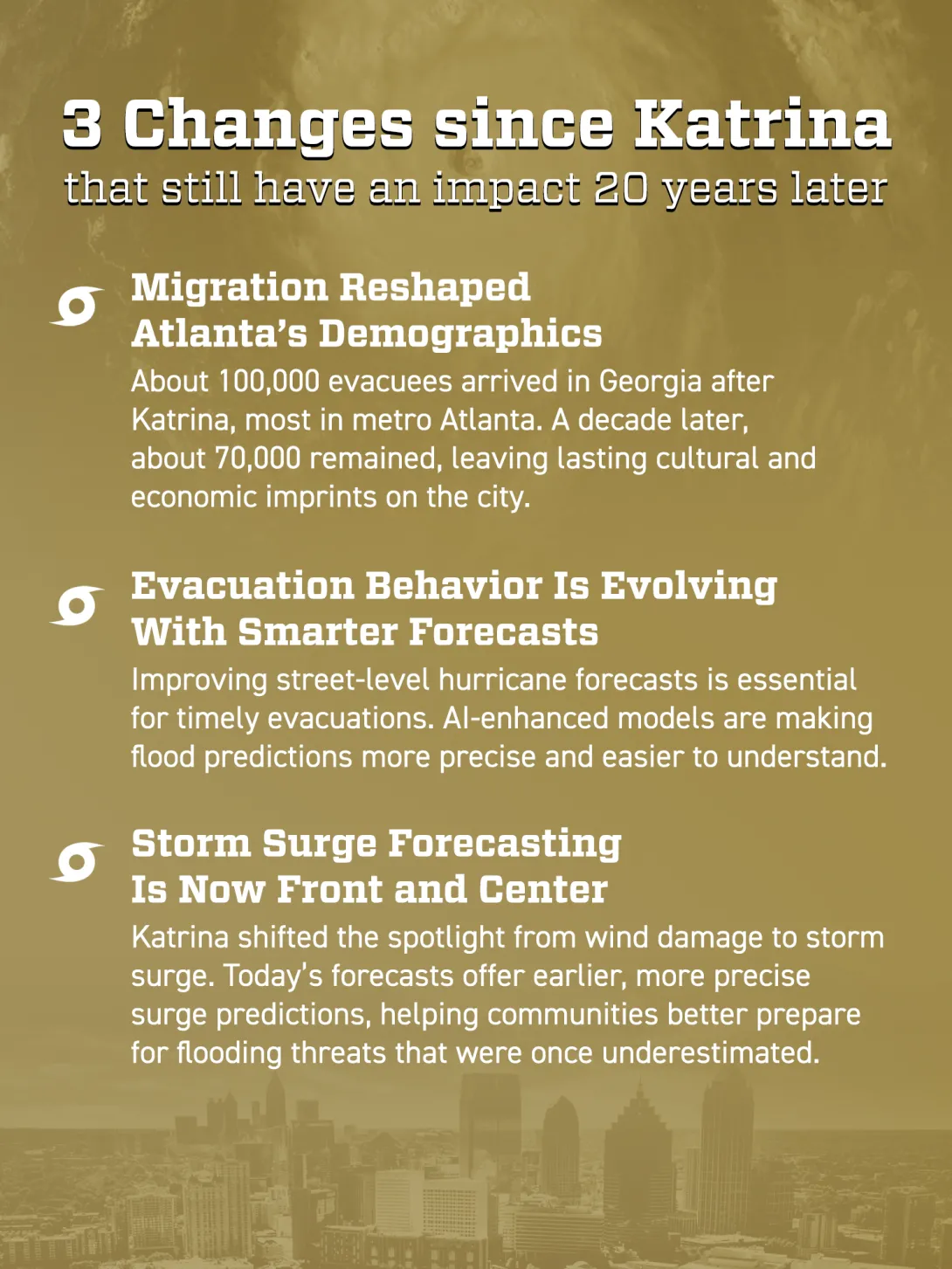
Katrina displaced hundreds of thousands and claimed a staggering toll of more than 1,800 lives. Georgia quickly absorbed many evacuees, reshaping its demographics and infrastructure. “Hurricane Katrina led to one of the largest displacements of people due to a natural disaster,” says Shatakshee Dhongde, a professor of economics. “It changed the demographics of Georgia in measurable ways, from school enrollment to the labor market.”
The U.S. Census Bureau tracked this migration, noting spikes in Louisiana-born residents in metro Atlanta. Local school districts enrolled hundreds of new students almost overnight, while housing markets saw increased demand from families looking for permanent homes. The arrival of so many displaced residents didn’t just strain schools and housing — it reshaped the state’s economy. Dhongde notes that evacuees often brought new skills, business ideas, and networks. At the same time, the state and local governments faced the financial burden of expanding social services, healthcare, and housing assistance.
Dhongde adds, “The impact of a disaster doesn’t stop at the water’s edge. It travels with people, and those effects can last for years.” While the influx strained services, it also enriched Georgia’s cultural and economic fabric.
Hyde notes, “Gentrification made many neighborhoods unaffordable for former residents,” and adds that many Black evacuees didn’t return to New Orleans due to economic barriers and post-Katrina gentrification. Cultural communities scattered across cities like Atlanta, Houston, and Baton Rouge.
Lessons the Levees Still Teach
For Fritz, Katrina remains a wake-up call for coastal preparedness. “We can’t stop hurricanes,” he says, “but we can improve how we design and maintain our defenses, and how we evacuate people before it’s too late.” He warns that climate change, with its potential to intensify storms, makes those improvements even more urgent.
Dhongde sees a parallel need for social and economic planning. “Disaster preparedness isn’t just about sandbags and levees,” she says. “It’s also about ensuring the communities receiving evacuees have the resources and support systems to integrate them successfully.”
Finally, Hyde stresses the importance of engaging youth and communities in preparedness efforts. “Youth advocacy programs, like those we’re piloting in Georgia, empower young people in marginalized neighborhoods with knowledge and agency to build long-term resilience. Disaster planning must be a community effort, inclusive and forward-looking.”
News Contact
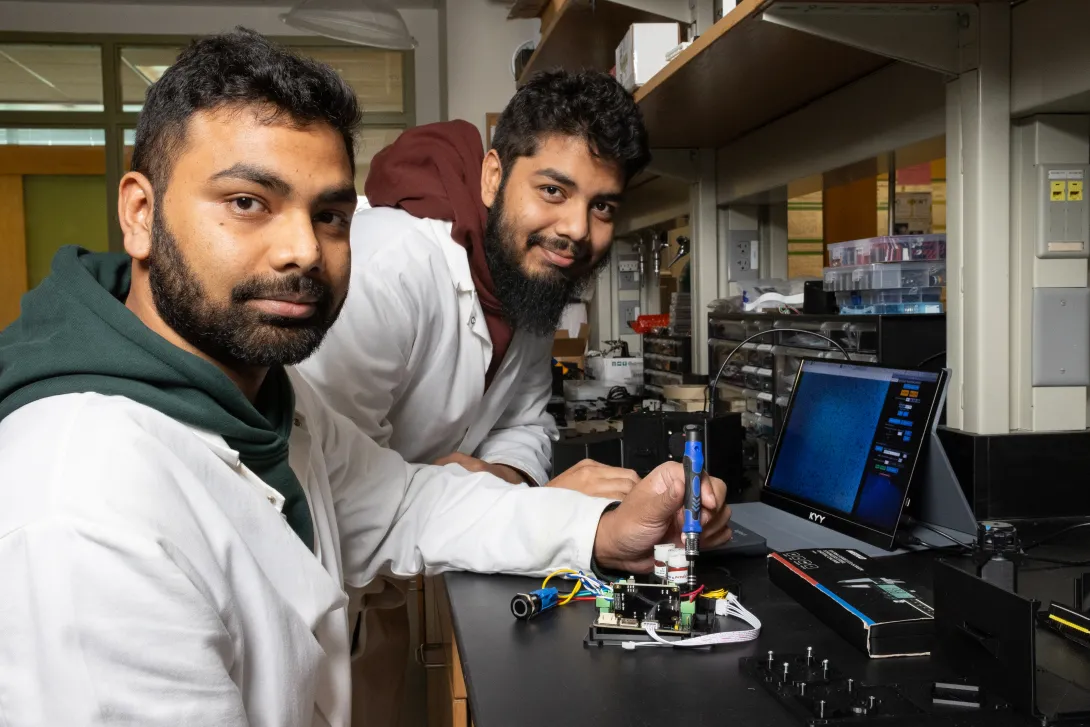
Environmental Engineering graduate students Farhan Khan and Farshid Khan are passionate about providing access to clean water.
They have a lot in common—starting with the fact that they are brothers. Farhan Khan came to Georgia Tech from Bangladesh to begin his Ph.D. studies in 2021. Farshid Khan followed in 2024, beginning his first semester assisting a doctoral student in the very same lab as his older brother.
“Georgia Tech undoubtedly has one of the best programs in this field,” Farshid Khan said. “Also because of the fact that my brother is here, when I got the admission offer, it was the perfect place to come.”
Their journey to Georgia Tech is deeply rooted in their experience growing up in Bangladesh.
“One of the major problems in Bangladesh is textile effluent pollution,” Farshid Khan said. “It is one of the largest textile exporters in the world. But the problem with the textile industry is they do not treat the water well. All of their effluents come into our rivers and they are highly polluted.
“I always wanted to work on that, and it is still my plan after going back to Bangladesh to work on that.”
Read more about their story on the School of Civil and Environmental Engineering website.
News Contact
Melissa Fralick
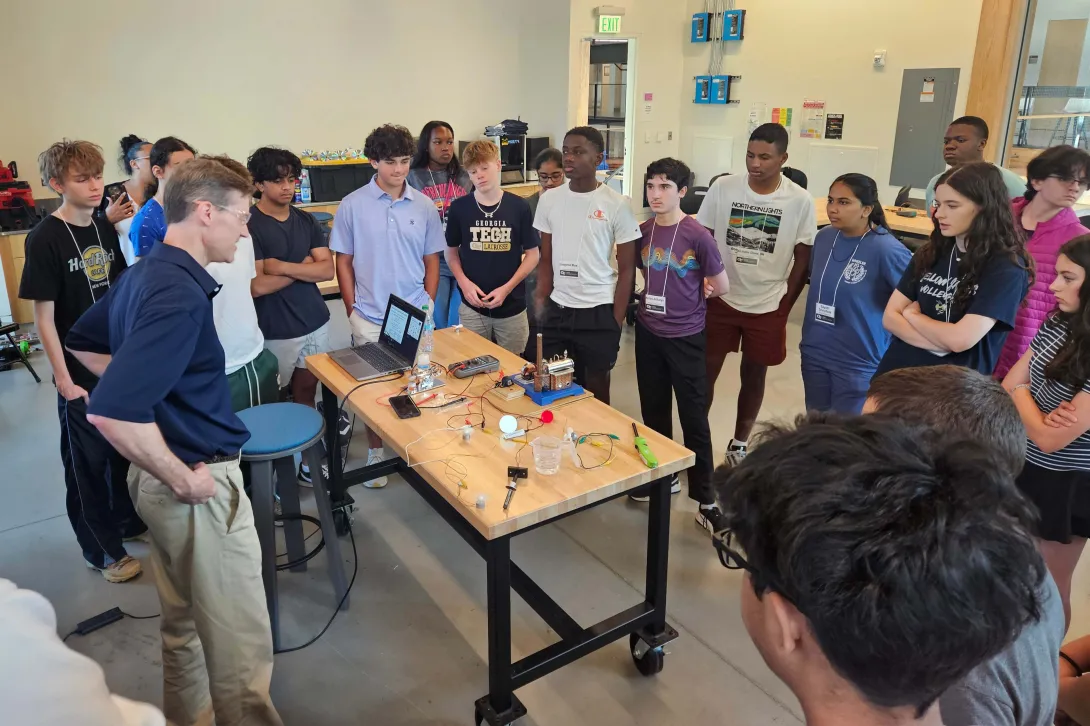
Rich Simmons and the Energy Unplugged participants during the final day presentations
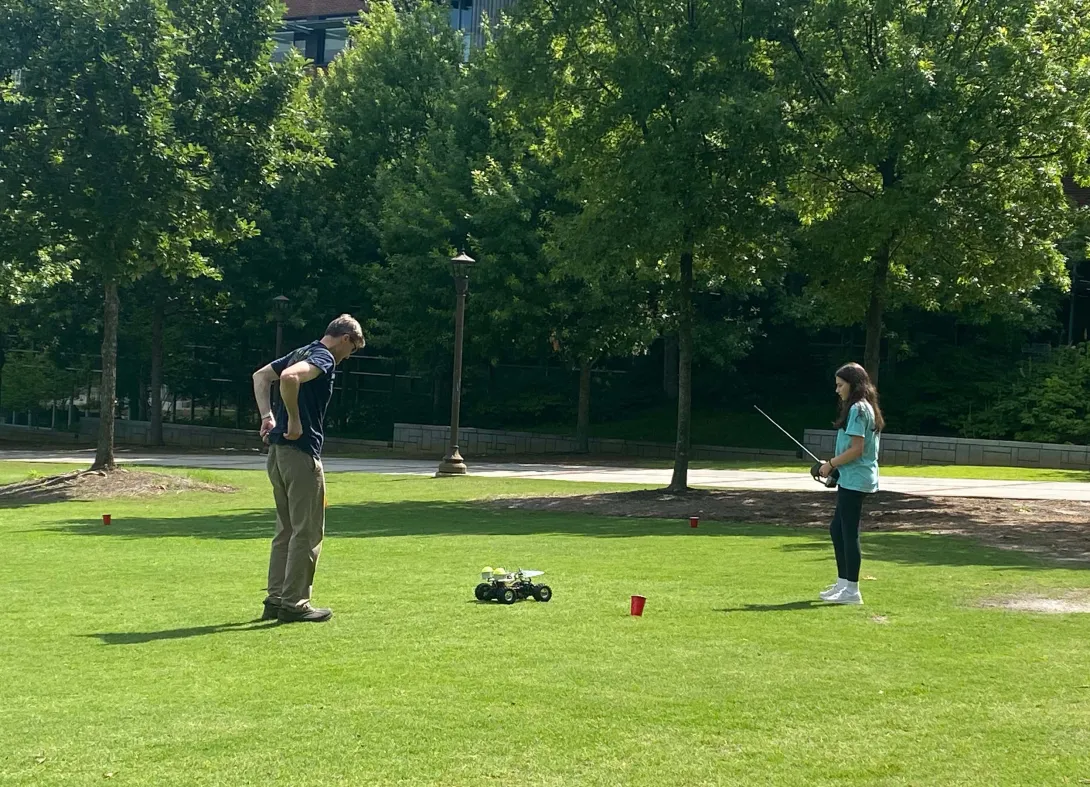
Energy Unplugged camper testing a remote car at Georgia Tech Green
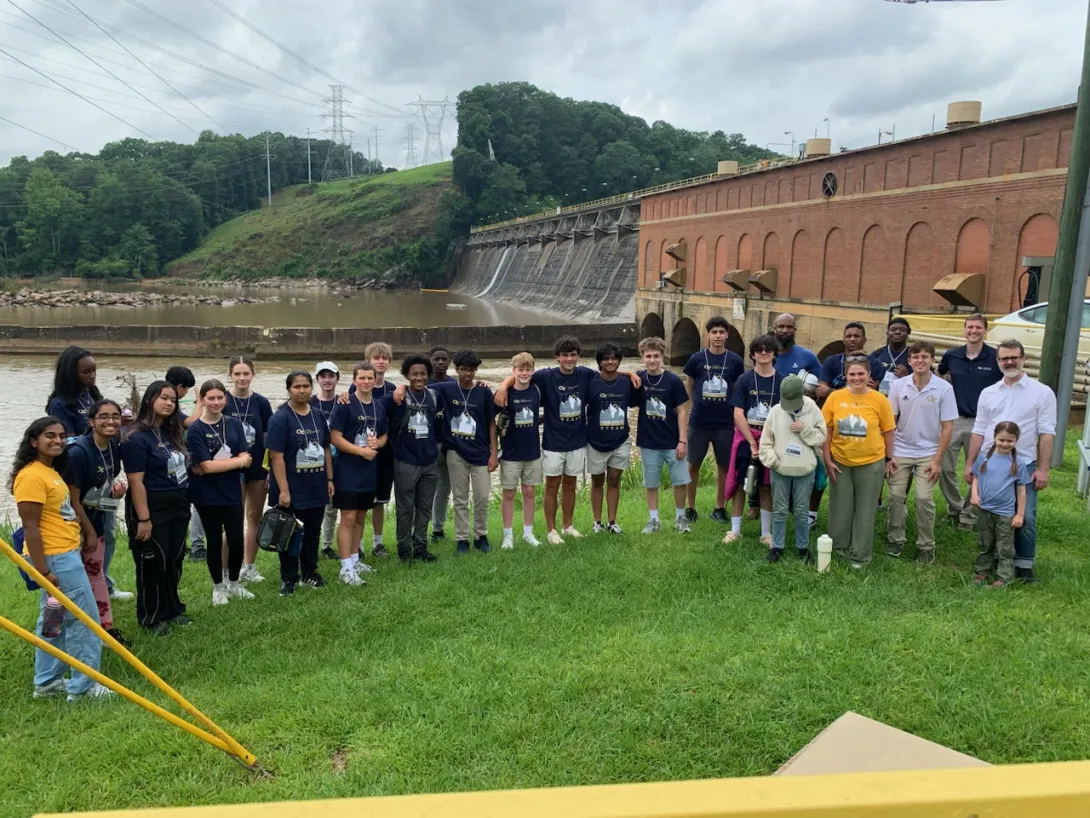
Energy Unplugged camp visit to the Morgan Falls hydroelectric plant
This summer, the Strategic Energy Institute (SEI) and the Energy Policy and Innovation Center (EPIcenter) hosted Energy Unplugged, an education and outreach program focused on science, technology, engineering, art, and mathematics (STEAM). The annual summer camp is organized through the Center for Education Integrating Science, Mathematics, and Computing (CEISMC), a unit of the College of Lifetime Learning at Georgia Tech. As one of Tech’s most sought-after programs for high school students, the weeklong summer camp continues to spark interest in energy innovation and develop foundational skills in science.
“Energy Unplugged introduces high school students to Georgia Tech’s vibrant innovation ecosystem, engaging young minds in shaping a more forward-thinking energy future,” said Christine Conwell, interim executive director of SEI.
Rich Simmons, SEI’s director of Research and Studies and a George W. Woodruff School of Mechanical Engineering faculty instructor, has led the camp’s curriculum since 2019. Under his leadership, students engage in applied learning experiences that introduce energy efficiency principles, foster creative thinking, and encourage real-world decision-making.
“Energy Unplugged features interactive activities and field trips which provide students tangible exposure to working energy facilities and STEM careers,” Simmons said. “As an integral part of our education and outreach efforts, the camp continues to inspire the next generation to think critically about energy and its impact on their communities and the world.”
“Collaborating with SEI on Energy Unplugged allows us to amplify CEISMC’s mission of expanding access to high-quality STEM experiences,” said Sirocus Barnes, director of Expanded Learning Programs at CEISMC. “By connecting students with real-world energy challenges and Georgia Tech’s research ecosystem, we’re helping them envision themselves as future innovators and problem-solvers.”
The week began with a hands-on workshop where students constructed mousetrap-powered cars, applying core physics concepts and the mechanics of energy conversion. In another activity, students raced remote-controlled cars to highlight the importance of swift decision-making while accounting for external variables. These experiments offered students a dynamic understanding of the relationship between energy and physics. Camp participants also explored electricity use in everyday life by experimenting with solar charging setups, learning how devices like cellphones can be powered through solar energy.
One participant, a rising high school senior, noted the program's differentiation from the typical classroom model: “We had a lot of experiences that aren’t typically offered in high school, which gave me a greater understanding of physics.”
The camp also featured site visits, including a tour of The Kendeda Building for Innovative Sustainable Design — the first building in the Southeast to meet the standards of the Living Building Challenge. Students explored the building’s facilities, including its rooftop garden and photovoltaic canopy. Additional field trips included tours of Oglethorpe’s Georgia System Operations plant and the Morgan Falls hydroelectric power plant, which offered students firsthand exposure to how energy is generated and managed across the state.
To conclude the week, students collaborated in teams on a mini design challenge: devising a sustainable taco business. They were tasked with cooking beans efficiently using either a slow cooker or a pressure cooker and learning how to balance time, energy use, and customer satisfaction. This final project reinforced lessons in energy trade-offs and problem-solving. Teams presented their findings to an audience of parents, faculty, and staff — a memorable opportunity that allowed them to develop public speaking and technical presentation skills as well.
“The presentation on the last day of camp encourages students to use their creativity in different ways to form new solutions and ideas,” said Jake Churchill, graduate student and former camp counselor, “which provides great exposure to an open-minded, nonlinear approach to engineering — and a great teacher, Rich Simmons.”
Contributed by: Katie Strickland
News Contact
Priya Devarajan || SEI Communications Program Manager
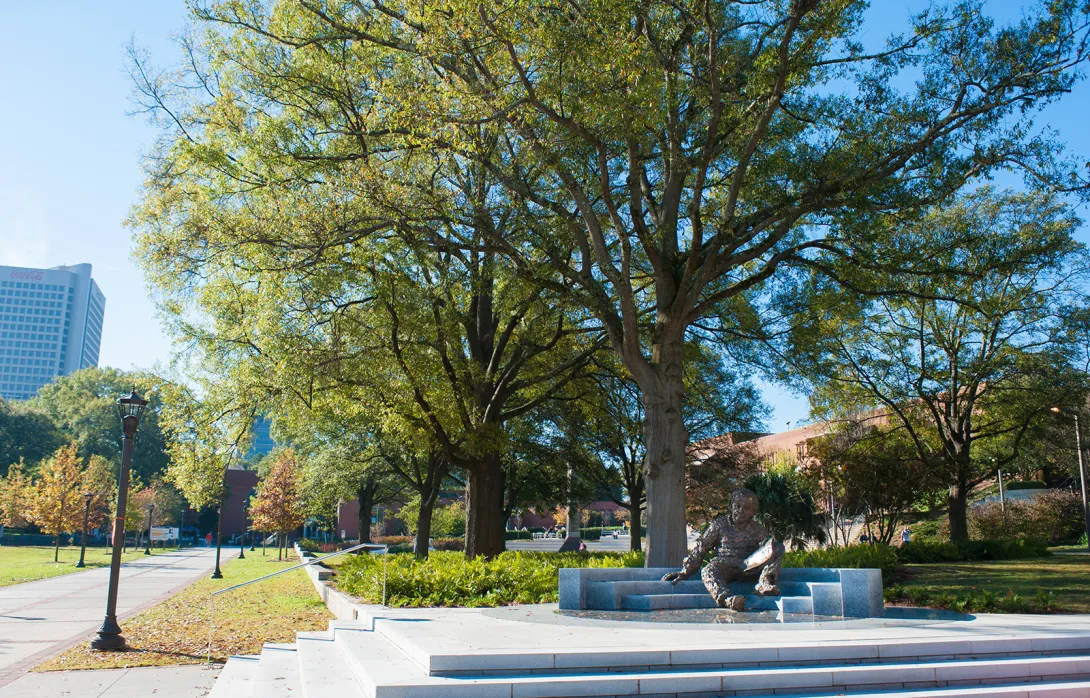
For more than 15 years, Georgia Tech has provided the City of Atlanta with the foundational data and insight that shape how the city tracks, understands, and plans for changes in its tree canopy. The latest cycle of this research — delivered through the Center for Urban Resilience and Analytics (CURA) — continues that legacy by offering a high-resolution, citywide canopy assessment using satellite imagery and field validation.
The assessment, funded by the city’s Tree Recompense Fund, uses advanced remote sensing tools such as WorldView-2 satellite data and a random forest classification model to categorize land into three land cover types. These include tree canopy, non-tree vegetation (grass, shrubs, and low lying vegetation) and non-vegetation (water, pervious surface). The methodology delivers a detailed spatial picture of land cover across the city.
“This is simply a tool in their planning arsenal,” said Anthony Giarrusso, who has led every canopy study since 2008. “Before they did any of this work in 2008, everything was anecdotal. It was reactionary.”
The new study is not advocacy — it’s information. Giarrusso emphasized that while researchers stay neutral in the politics of urban growth and conservation, their work equips city leaders with science-based knowledge to make more effective zoning and planning decisions.
In addition to mapping existing conditions, the Georgia Tech team developed the Potential Planting Index (PPI), a scalable tool that identifies where tree planting is physically possible based on current land cover. The tool quantifies the difference between tree canopy and non-tree vegetation, indicating zones with restoration potential.
Another key insight is the challenge of interpreting canopy change without understanding land use patterns. “It gives you a false sense of stability if you don’t understand the underlying land use,” said Giarrusso. “You might see canopy regrowth on paper, but that land could be cleared again tomorrow.” He explained that this false signal is particularly common in stalled development sites: “We saw a lot of properties where trees had regrown after initial clearing, but it was temporary and monoculture, low quality canopy. Several of those areas were cleared again for construction later.”
Giarrusso pointed to these “loss-gain-loss” cycles as one of the more misleading aspects of tree canopy analysis without strong land use context. “Some of them were pipe farms — land cleared for development with infrastructure like water and sewer lines installed, but then construction never happened. So trees grow back, and you get a canopy gain that doesn’t last and is nowhere near the quality of the trees originally cleared.”
He stressed that policymakers need to consider the permanence of canopy when using the data. “If it’s just going to be cleared again in two years, it’s not really a gain. That’s why long-term tracking and land use analysis together are so important.”
The city has incorporated these tools into broader planning efforts, including zoning reform and tree ordinance revisions. The research supports recommendations such as restricting full lot clearing in certain zoning categories and adjusting setback or lot coverage limits to better preserve existing canopy.
Giarrusso underscored the urgency of protecting larger, intact forested tracts. “If you can see it from space and it’s still forest — save it,” he said. “Once it’s cleared, you don’t get it back.”
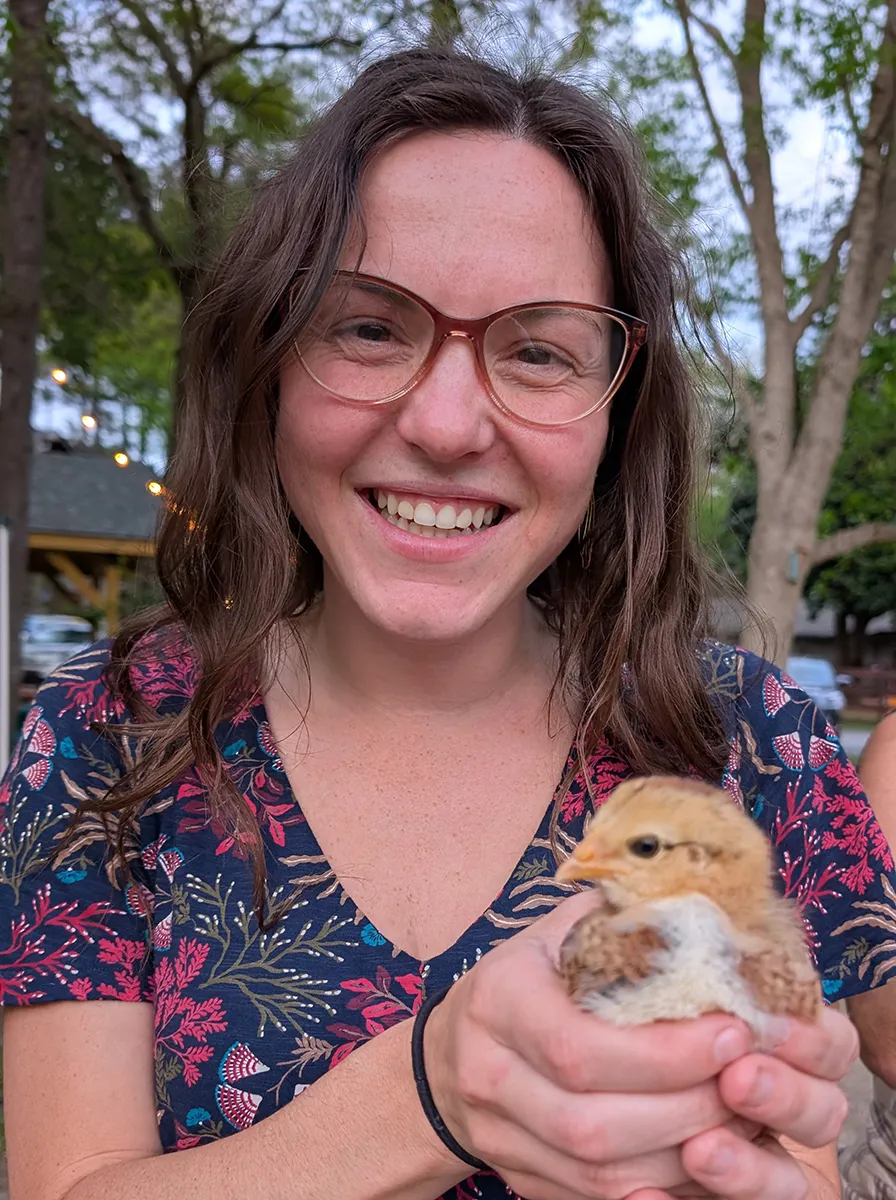
Nicole Kennard holds a young chicken.
Nicole Kennard’s passion for sustainability and food justice took root as a Georgia Tech undergraduate in materials science and engineering. It then blossomed across the Atlantic in the U.K., where she studied sustainable food systems as a Fulbright Scholar and later as a doctoral student.
Today, she’s back at Georgia Tech as assistant director for Community-Engaged Research in the Brook Byers Institute for Sustainable Systems (BBISS). Kennard supports faculty in building meaningful and co-creative research partnerships with local communities to address pressing sustainability and societal challenges.
“I find food very interesting because it’s interdisciplinary by necessity. Food is the great connector,” says Kennard.
She calls her journey back to Georgia Tech “a full-circle moment,” particularly since, as an undergrad, she worked on a community-engaged sustainability project for the Center for Serve-Learn-Sustain, now the Center for Sustainable Communities Research and Education (SCoRE).
While a Tech student, Kennard served for three years as president of the student chapter of Engineers for a Sustainable World, which started her interest in urban agriculture. She recalled a day when a nonprofit contacted her with a strange donation offer: hydroponic equipment they had received from the set of The Hunger Games. Hydroponics is a method of growing plants without soil.
“I googled it and thought, why not?” recalls Kennard, who started a campus hydroponics project. “We were just a group of students across different disciplines who took over the greenhouse on top of the biology building that hadn’t been used for a long time,” she said. “We got good at experimenting — we were growing food for the Atlanta Community Food Bank.”
The students’ expertise led them to build systems for other nonprofits and classrooms in the Atlanta area. From there, Kennard met Atlantans working in food justice and sustainable agriculture. It sparked a thirst for furthering her education, and Kennard was awarded a Fulbright scholarship to pursue a master’s in sustainable agriculture and food security at Newcastle University in the U.K. She stayed through the Covid pandemic, earning her Ph.D. in chemistry and biosciences from the University of Sheffield in 2023.
Now, she’s excited to be home and connecting faculty with community partners. She hopes to build co-creative research partnerships that are “meaningful, sustainable, and long-lasting.” Her vision is to make Tech’s research more locally beneficial by working directly with surrounding communities.
“Sustainability is so broad that I feel it can touch anyone. At Georgia Tech, we have so much expertise that is perfect for this field.”
Kennard is also passionate about training and connecting graduate students doing community-engaged research. She recently received a seed grant to build a cross-university network with Georgia State University, Emory University, and Spelman College.
Kennard’s research projects include mapping Atlanta's local food system and addressing challenges for local urban growers. She notes that accessing food can be an issue for many in Atlanta, complicated by financial and transportation barriers. At the same time, Atlanta is one of the leading U.S. cities in urban agriculture and has a rich agricultural history and food culture. The city has a wealth of urban farms, community gardens, and local nonprofits working together to increase access to fresh, healthy foods and build community through food.
An outdoor enthusiast, the Acworth, Georgia, native enjoys hiking, camping, traveling, foraging, and gardening in her free time.
— written by Anne Wainscott-Sargent
News Contact
Brent Verrill, Research Communications Program Manager, BBISS
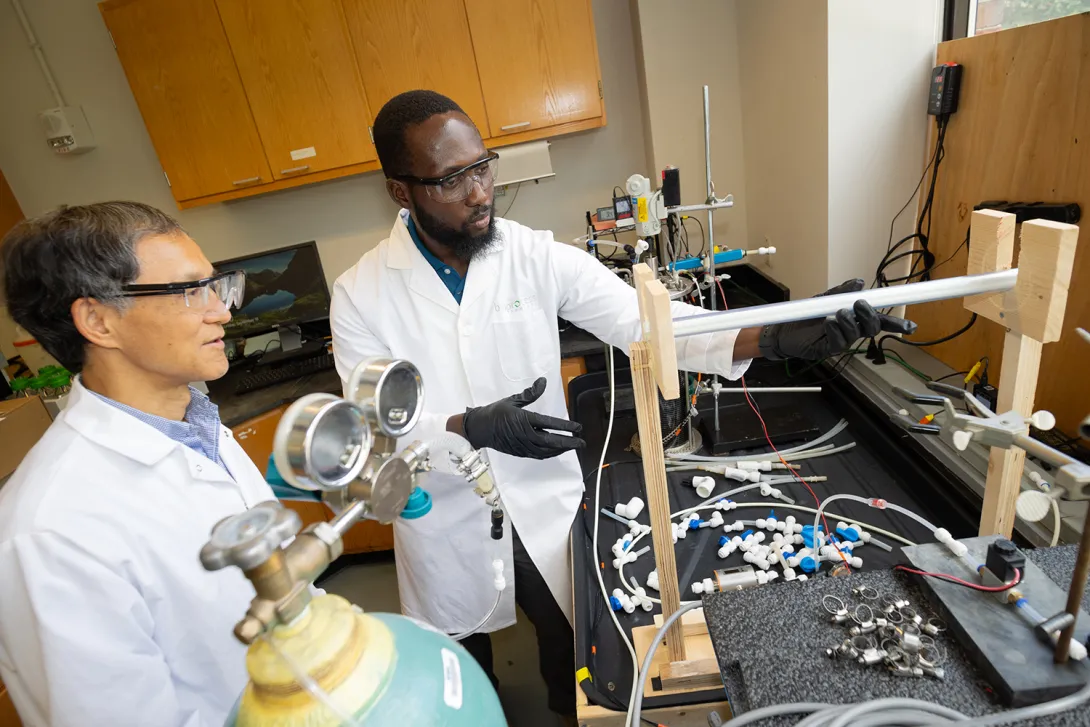
Professor Yongsheng Chen (left) and Ph.D. student Ahmed Yunus work with a wastewater reactor system in the lab. (Photo: Candler Hobbs)
A charcoal-like material made from leaves and branches that collect on forest floors could be a cheap, sustainable way to keep pollution from washing off roadways and into Georgia’s lakes and rivers.
Engineers at Georgia Tech and Georgia Southern University have found that this biological charcoal, or biochar, can be mixed with soil and used along roadways to catch grimy rainwater and filter it naturally before it pollutes surface water.
Their tests found the biochar effectively cleans contaminants from the rainwater and works just as well in the sandy soils of the coastal plain as in the clays of north Georgia. Their biochar-soil mixture can be easily substituted for expensive material mined from the earth that’s typically used on roads.
Though they focused on Georgia, the researchers said the findings could easily apply across the U.S., providing a simple, natural way to keep road pollutants out of water sources. They published their approach in the Journal of Environmental Management.
Learn about their system on the College of Engineering website.
News Contact
Joshua Stewart
College of Engineering
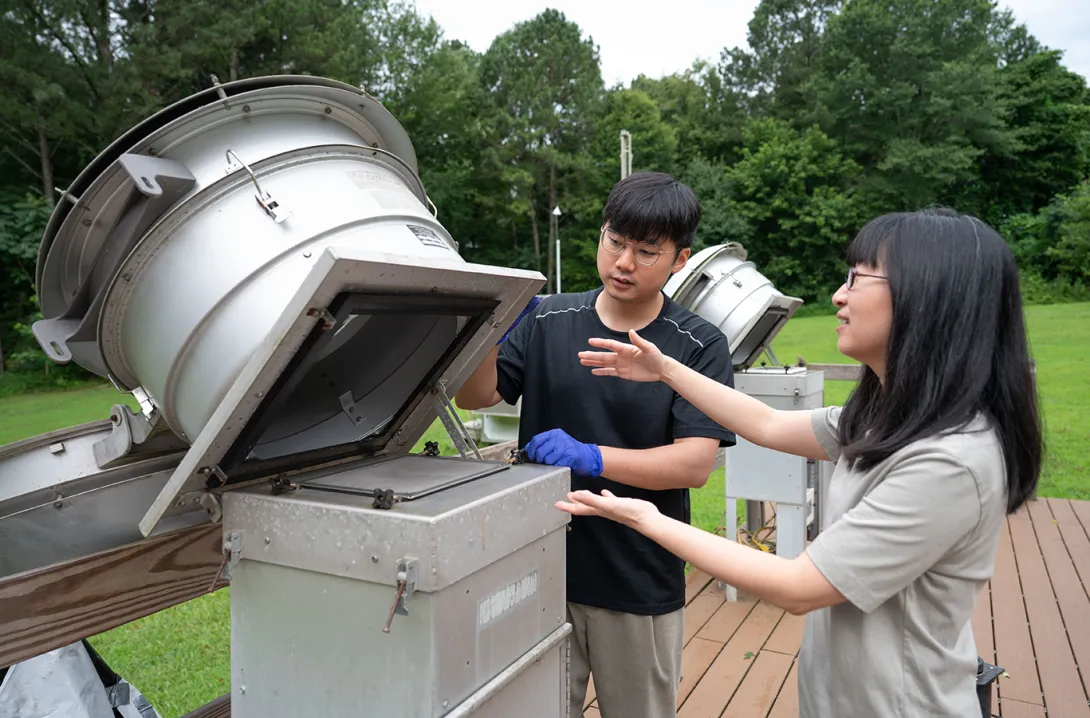
Wildfires have spread across the planet for millennia, but they are increasing as the climate warms. Decimated forests, depleted crops, and destroyed buildings are the hallmark of wildfire devastation. Another is the effect on air quality and even the entire climate system. Researchers at Georgia Tech offer solutions for not only surviving — but also benefiting from — fire.
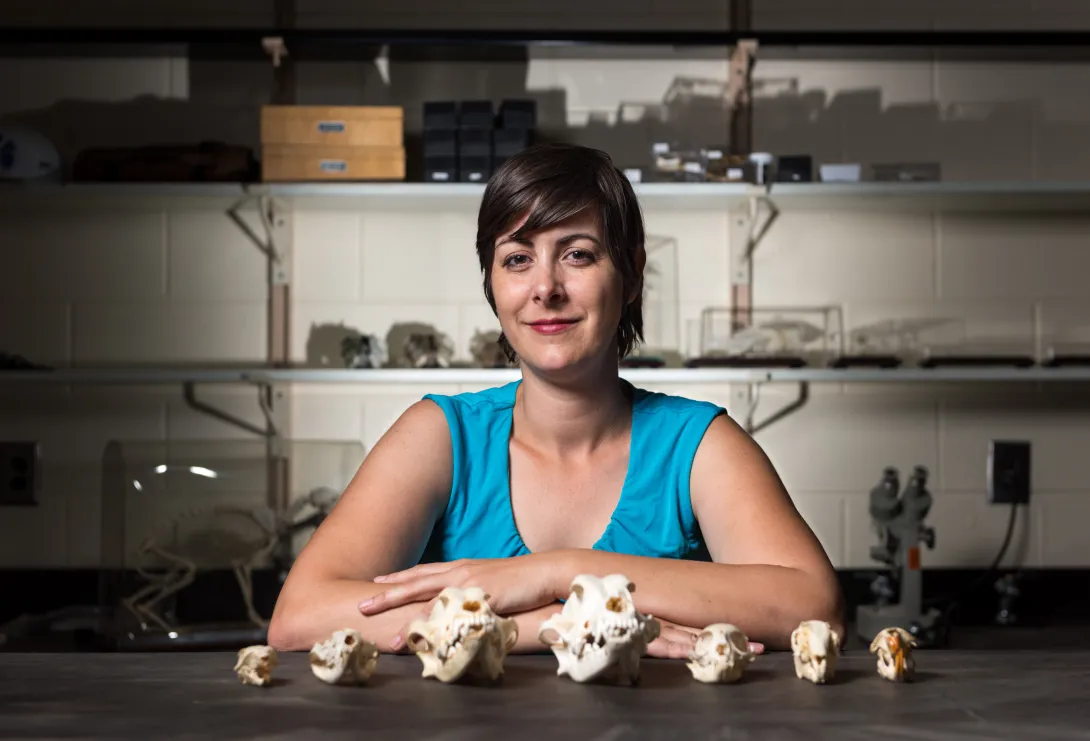
Jenny McGuire
The College of Sciences is pleased to announce Jenny McGuire as the recipient of the Harry and Anna Teasley Professorship in Ecology.
The newly endowed faculty position supports research and teaching that meaningfully advances the understanding and responsible stewardship of species and community dynamics amid evolving ecological interactions driven by global environmental change.
McGuire, an associate professor in the School of Biological Sciences and the School of Earth and Atmospheric Sciences, was selected for her pioneering ecological research and exceptional teaching efforts.
“Jenny’s creative and fundamental research in spatial and community ecology is helping to position Georgia Tech as a leader in biodiversity and ecosystem conservation,” says Todd Streelman, professor and chair of the School of Biological Sciences. “Her appointment continues a trend in the School to award research endowments to our most promising early- and mid-career scientists and highlights the strong support and generosity of alumni such as the Teasley family.”
Meet Jenny McGuire
McGuire joined the Georgia Tech faculty in 2017 as an assistant professor. She earned a Ph.D. in Integrative Biology from the University of California, Berkeley, and completed postdoctoral research at the National Evolutionary Synthesis Center and the University of Washington.
Her research explores how plants and animals respond to environmental changes across space and time — from the ancient past to modern urban environments to the future. She leads the Spatial Ecology and Paleontology Lab, which integrates paleontological data, ecological modeling, and fieldwork to understand how biodiversity shifts in response to climate change and human development.
“Our goal isn’t just to preserve biodiversity, but also to help it thrive in a changing landscape,” says McGuire.
She plans to use the Teasley endowment to advance wildlife redistribution research in the Southeastern U.S.
“Georgia is a climate change highway,” explains McGuire. “Species are moving northeast toward the Appalachian Mountains, but roads, development, and fragmented habitats often block their paths.”
McGuire believes Georgia Tech is uniquely positioned to lead in this field, thanks to its technological strengths. She and her team will collaborate across campus and the Southeast, implementing cutting-edge biodiversity monitoring to better understand how species experience and respond to environmental changes.
“Conducting this research in urban areas like Atlanta — where green infrastructure can serve as vital wildlife corridors — is especially important,” adds McGuire.
The Teasley Professorship will also support student involvement at all levels. McGuire hopes to build a more connected and proactive research community that brings together students, ecologists, biologists, engineers, computer scientists, and community partners to address biodiversity challenges across the Southeast.
McGuire is a 2024 Cullen-Peck Fellow, a Brook Byers Institute for Sustainable Systems Faculty Fellow since 2023, and an NSF CAREER Award winner. Her long-running outreach program, Fossil Fridays, invites students, families, and community members into the lab to sort and study real fossil specimens.
Looking ahead, she’s eager to explore the possibilities provided by the Teasley Professorship.
“It’s an incredible opportunity to elevate Georgia Tech’s role in shaping how we understand and protect life on a changing planet.”
A legacy of excellence
Harry E. Teasley, Jr. graduated from Georgia Tech in 1959 with a degree in industrial engineering and worked for over 33 years for The Coca-Cola Company. In addition to the many leadership roles he held at Coca-Cola, Mr. Teasley is remembered for pioneering the first Life Cycle Assessment (LCA) to be used in an industrial context. LCA was a pioneering analytical framework assessing environmental impacts of a product's life from "cradle to grave," and it is used across most major industries today.
The Harry and Anna Teasley Professorship in Ecology is the second Teasley Professorship supporting environmental research at Georgia Tech. School of Biological Sciences Regents’ Professor Mark Hay has held the Harry and Anna Teasley Chair in Environmental Biology since 1999.
Mrs. Teasley provided an official statement regarding the Harry and Anna Teasley Professorships at Georgia Tech:
“It was the intent of my late husband Harry E. Teasley Jr. that the funds he gave to Professor Mark Hay at Georgia Tech would be to support excellence in the field of environmental biology and to provide him with the freedom to study any concept, hypothesis, or organism that his experience-honed intuition guided him to.
With time, Professor Hay has proven to have been a very worthy choice and has made my late husband and I very proud through the breadth and depth of his studies, discoveries, and highest possible awards he has received. Once this was established, and along with the profound esteem both men had developed for each other, there was the wish to leave a legacy beyond the research: the human values and scientific approach to research that Professor Hay has demonstrated from the start.
Having been the unanimous choice of the evaluating committee, Associate Professor Jenny McGuire seems to be an excellent first recipient, and I am very proud to welcome her as I know my late husband would have been as well.
I wish her many successes in pursuing and teaching her very promising research, and I look forward to learning about the impact she will have in her field as we have through the years admired Professor Mark Hay’s achievements.
###
To learn more about Transforming Tomorrow: The Campaign for Georgia Tech, visit transformingtomorrow.gatech.edu.
News Contact
Laura S. Smith, writer
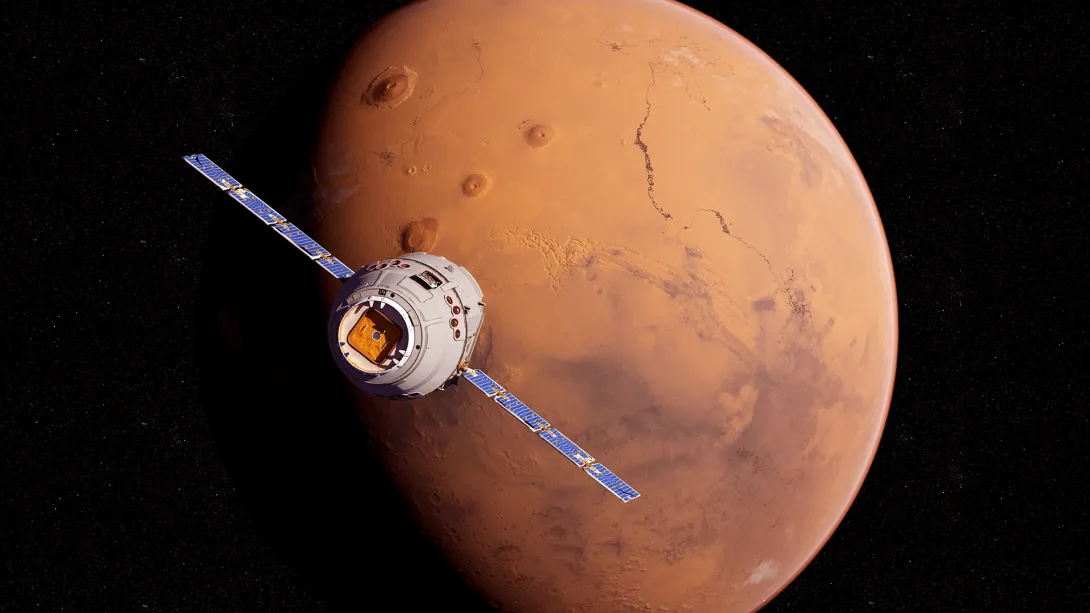
More than half a century after the United States won the race to the moon, the White House is setting its sights on a new frontier: Mars. In a move reminiscent of the Apollo era, the administration has proposed landing Americans on the red planet by the end of 2026 — a bold initiative that has reignited national ambition and drawn comparisons to the space race of the 20th century.
At Georgia Tech, researchers are already considering the mission’s implications, from engineering challenges to international diplomacy. While the White House has framed the mission as a demonstration of American leadership, experts say its success will depend on collaboration — across disciplines, sectors, and borders.
“This is more than a space race,” said Christos Athanasiou, an assistant professor in the Daniel Guggenheim School of Aerospace Engineering. “Mars isn’t just the next step for space exploration — it’s a stress test for everything we’ve learned about sustainability, resilience, and engineering under uncertainty.”
Engineering for the Red Planet
For Athanasiou, the Mars mission is a test of human ingenuity, creativity, and endurance. Unlike the moon, Mars is months away by spacecraft, with no quick return option. That distance introduces a host of engineering challenges that must be solved before a single boot touches Martian soil.
“Ensuring astronaut safety on such a long-duration mission requires us to understand how the Earth materials we will be using in our mission behave in extraterrestrial conditions,” he said.
In his recent TEDx talk, Athanasiou emphasized that the mission must also consider its environmental impact. Mars may be barren, but it is not immune to contamination. Athanasiou believes that strategies used for environmental remediation on Earth — such as waste recycling, habitat sustainability, and pollution control — can be adapted to protect the Martian environment.
“If we can build structures that survive Mars using recycled materials, AI, and Earth-born ingenuity, we’ll unlock entirely new ways to live — both out there and back here,” he said.
Reading the Martian Landscape
James Wray, a professor in the School of Earth and Atmospheric Sciences, has spent years analyzing Mars’ surface using data from orbiters and rovers. He sees the planet as both a scientific treasure trove and a logistical puzzle.
“Mars has vast lava plains, dust storms, and steep canyons that pose real risks to human settlement,” Wray said.
But beneath the challenges lies opportunity. Mars is home to significant deposits of water ice, especially near the poles and just below the surface in some mid-latitude regions. That water could be used not only for drinking but also for producing oxygen and rocket fuel — critical resources for long-term habitation and return missions.
“The presence of water ice near the surface is a game changer. It could support life, and more importantly, it could support us,” Wray said.
He also noted that Mars’ thin atmosphere — just 1% the density of Earth’s — complicates everything from landing spacecraft to shielding astronauts from cosmic radiation. “We’ve learned a lot from robotic missions. Now it’s time to apply that knowledge to human exploration.”
Diplomacy Beyond Earth
Lincoln Hines, an assistant professor in the Sam Nunn School of International Affairs, says that the Mars mission could have significant diplomatic implications. “The Mars mission has little to no bearing on space security; it has no military value,” he said. However, he noted that international cooperation could still play a valuable role in reducing the financial burden of such a costly endeavor.
Hines warned that shifting U.S. priorities from the moon to Mars could strain the international partnerships built through the Artemis program. He explained that some countries may view the Mars initiative as a distraction from the more immediate and economically promising lunar goals. Political instability in the U.S., he added, could further erode trust in its long-term commitments. “Countries may lose faith that the United States is a reliable partner to cooperate with for its lunar program if Mars seems to be the new priority,” he said.
He also pointed to existing legal frameworks like the Outer Space Treaty, which prohibits sovereign claims on celestial bodies, and the Rescue Agreement, which obliges nations to assist astronauts in distress. While these agreements provide a foundation, Hines emphasized that they don’t fully address the complexities of future Mars missions.
Establishing international norms for Mars exploration, he said, will be challenging. “Norms are really hard to develop,” Hines explained, noting that countries often hesitate to commit to rules without assurance that others will do the same. Still, he suggested that Mars — with its limited material value — might offer a rare opportunity for cooperation, if nations are willing to engage in good faith.
News Contact
Siobhan Rodriguez
Senior Media Relations Representative
Institute Communications
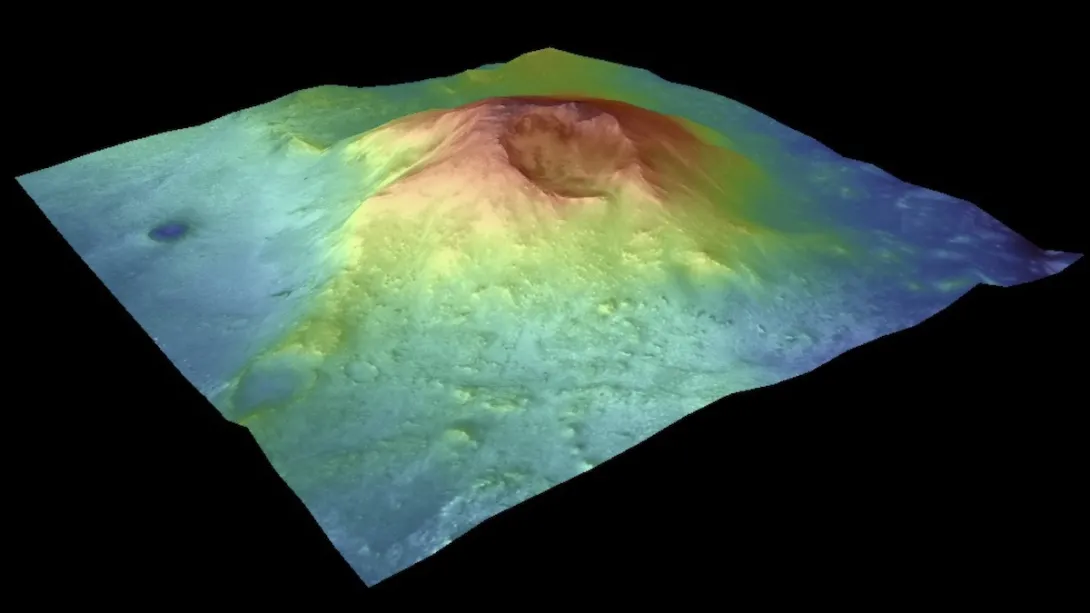
A view of Jezero Mons from the publication. The mountain is ~21 km across.
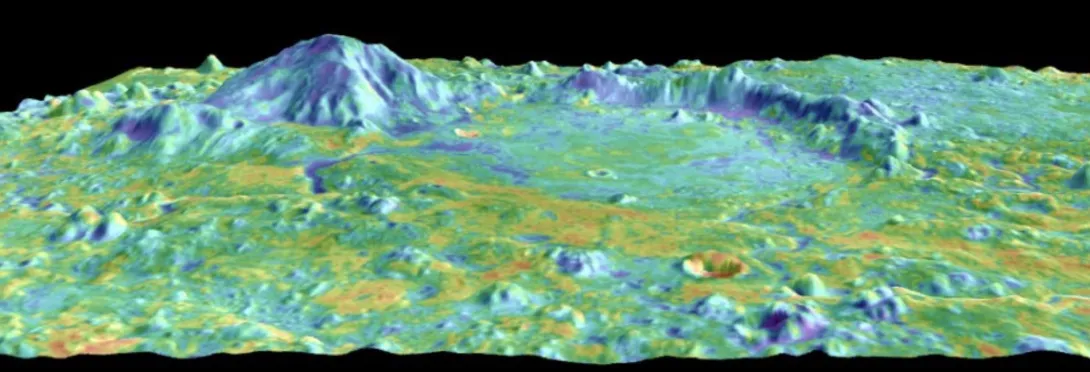
An image from the publication showing an oblique view from north-northeast of Jezero crater, with topography exaggerated ~3x
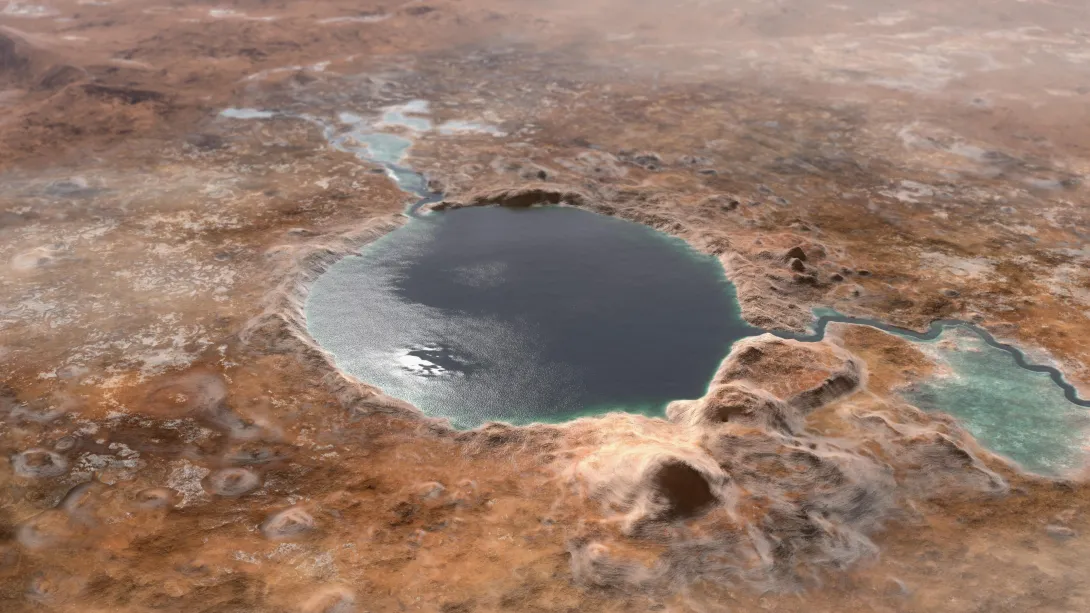
An illustration of Jezero Crater as it may have looked billions of years go on Mars, when it was a lake. Jezero Mons is visible on the front right-side of the crater rim. (Credit: NASA)
Georgia Tech scientists have uncovered evidence that a mountain on the rim of Jezero Crater — where NASA’s Perseverance Rover is currently collecting samples for possible return to Earth — is likely a volcano. Called Jezero Mons, it is nearly half the size of the crater itself and could add critical clues to the habitability and volcanism of Mars, transforming how we understand Mars’ geologic history.
The study, “Evidence for a composite volcano on the rim of Jezero crater on Mars,” was published this May in the Nature-family journal Communications Earth & Environment, and underscores how much we have left to learn about one of the most well-studied regions of Mars.
Lead author Sara C. Cuevas-Quiñones completed the research as an undergraduate during a summer program at Georgia Tech; she is now a graduate student at Brown University. The team also included corresponding author Professor James J. Wray (School of Earth and Atmospheric Sciences), Assistant Professor Frances Rivera-Hernández (School of Earth and Atmospheric Sciences), and Jacob Adler, then a postdoctoral fellow at Georgia Tech and now an assistant research professor at Arizona State University.
“Volcanism on Mars is intriguing for a number of reasons — from the implications it has on habitability, to better constraining the geologic history,” Wray says. “Jezero Crater is one of the best studied sites on Mars. If we are just now identifying a volcano here, imagine how many more could be on Mars. Volcanoes may be even more widespread across Mars than we thought.”
A mountain in the margins
Wray first noticed the mountain in 2007, while considering Jezero Crater as a graduate student.
“I was looking at low-resolution photos of the area and noticed a mountain on the crater’s rim,” he recalls. “To me, it looked like a volcano, but it was difficult to get additional images.” At the time, Jezero Crater was newly discovered, and imaging focused almost entirely on its intriguing water history, which is on the opposite side of the 28-mile-wide crater.
Then, Jezero Crater, due to these lake-like sedimentary deposits, was selected as the landing spot for the 2020 Perseverance Rover — an ongoing NASA mission seeking signs of ancient Martian life and collecting rock samples for possible return to Earth.
However, after landing, some of the first rocks Perseverance encountered were not the sedimentary deposits one might expect from a previously-flooded area — they were volcanic. Wray suspected he might know the origin of these rocks, but to make a case for it, he would need to show that the mountain on the edge of Jezero Crater could indeed be a volcano.
A new researcher — and old data
The opportunity presented itself several months after Perseverance landed when Cuevas-Quiñones applied to a Summer Research Experience for Undergraduates (REU) program hosted by the School of Earth and Atmospheric Sciences to work with Wray.
“A previous study led by Briony Horgan (professor of planetary science at Purdue University) had also suggested that Jezero Mons could be volcanic,” Cuevas-Quiñones says. “I began wondering if there was a way to home in on these suspicions.”
The team partnered with study coauthor Rivera-Hernández, who specializes in characterizing the surface of planets and their habitability. They decided to use datasets gathered from spacecraft orbiting Mars to compare the properties of Jezero Mons to other, known, volcanoes. “We can’t visit Mars and definitively prove that Jezero Mons is a volcano, but we can show that it shares the same properties with existing volcanoes — both here on Earth and Mars,” Wray explains.
“We used data from the Mars Odyssey Orbiter, Mars Reconnaissance Orbiter, ExoMars Trace Gas Orbiter, and Perseverance Rover, all in combination to puzzle this out,” he adds. “I think this shows that these older spacecraft can be extremely valuable long after their initial missions end — these old spacecraft can still make important discoveries and help us answer tricky questions.”
For Cuevas-Quiñones, it also underscores the importance of REU programs and opportunities for undergraduates. “I was an undergraduate student at the time, and this was my first time conducting research,” she says. “It was fascinating to learn how different data sets could be used to decode the origin of a landscape. After Jezero Mons, it became clear to me that I would continue to study Mars and other planetary bodies.”
The search for life — and determining Mars’ age
The discovery makes the crater even more intriguing in the search for past life on Mars. A volcano so close to watery Jezero Crater could add a critical source of heat on an otherwise cold planet, including the potential for hydrothermal activity — energy that life could use to thrive.
This type of system also holds interest for Mars as a whole. “The coalescence of these two types of systems makes Jezero more interesting than ever,” shares Wray. “We have samples of incredible sedimentary rocks that could be from a habitable region alongside igneous rocks with important scientific value.” If returned to Earth, igneous rocks can be radioisotope dated to know their age very precisely. Dating the Jezero Crater samples could be used to calibrate age estimates, providing an unprecedented window into the geologic history of the planet.
The take home message? “Mars is the best place we have to look in our solar system for signs of life, and thanks to the Perseverance Rover collecting samples in Jezero, the United States has samples from the best rocks in the best place on Mars,” Wray says. “If these samples are returned to Earth, we can do incredible, groundbreaking science with them.”
DOI: https://doi.org/10.1038/s43247-025-02329-7
Funding: Cuevas-Quiñones was supported by Georgia Tech’s 2021 Research Experience for Undergraduates program sponsored by NSF and 3M corporation. Wray was supported by NASA funding for Co-Investigators on HiRISE and CaSSIS. CaSSIS is a project of the University of Bern and funded through the Swiss Space Office via ESA’s PRODEX program. The instrument hardware development was also supported by the Italian Space Agency (ASI) (ASI-INAF agreement 2020-17-HH.0), INAF/Astronomical Observatory of Padova, and the Space Research Center (CBK) in Warsaw. Support from SGF (Budapest), the University of Arizona Lunar and Planetary Lab, and NASA are also gratefully acknowledged. Operation support from the UK Space Agency is also acknowledged.
News Contact
Written by Selena Langner