
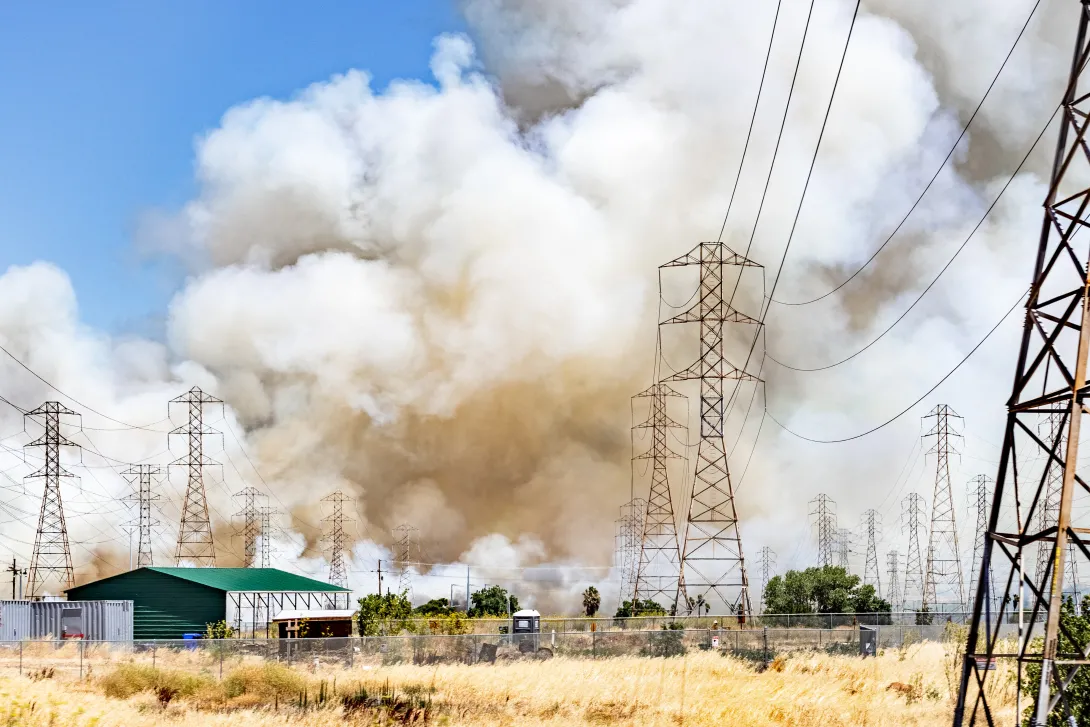
Smoke cloud rising from a brush wildfire burning in San Francisco, California (Source: Adobe Stock)
You’re managing the Texas Panhandle’s power grid. Heavy winds are blowing, and a worn-out utility pole ignites a fire by crashing onto a transmission line. Luckily, the fire department arrives quickly, putting out the fire before it spreads to nearby cities. But the same thing may happen again with gusty conditions predicted for the next 24 hours. Should you shut off miles of power lines to reduce that risk, causing outages for thousands of residents? Should you add batteries to the grid or move some power lines underground to lessen the impact of future fires? That sounds useful, but paying for these upgrades would require raising electricity rates.
Players of the Current Crisis video game are pondering these questions, similar to professional grid managers during the Texas Smokehouse Creek fire in 2024. But the players did not purchase Current Crisis at a run-of-the-mill gaming store. They might have played it at Georgia Tech’s Dataseum, which featured the game in a recent exhibition. Or they might have helped develop it in weekly meetings with Daniel Molzahn, associate professor in the School of Electrical and Computer Engineering and EPIcenter initiative lead.
“Current Crisis started as a computer simulation I programmed in Summer 2020 for a senior-level course I taught that fall,” says Molzahn. “My students had to dispatch crews to maintain or repair a simplified model of the Georgia power grid. In the middle of the Covid-19 pandemic, each dispatch had a risk of infection and quarantine, which meant losing the crew for the rest of that round. The students had a fixed budget to balance two competing goals: operating a power system with minimal outages and keeping the repair crews healthy.”
The class project was popular, and its scope began to grow. Molzahn proposed turning his simulation into a video game in a July 2021 grant application to the National Science Foundation. He received the five-year award that fall and launched his “Vertically Integrated Project” on power grid gaming the following spring. It soon attracted about 35 students per semester, from sophomores to those pursuing graduate degrees in various disciplines. Most students stay for three to four semesters.
Tristan Ziegler joined the VIP as a computational media sophomore in Spring 2022 — and still works on it three years later as a professional programmer. “I found the project by searching for ‘game’ on the VIP website,” says Ziegler, who graduated in 2024. “It offered much more freedom than traditional classes but still allowed me to earn credits and grades, unlike a student organization where you volunteer your time.”
The students quickly discovered the benefits of working toward a shared goal in smaller groups, focused on coding, grid modeling, graphic design, or artistic creativity. Some volunteered to lead initiatives, such as organizing the Dataseum exhibition or the 2025 Seth Bonder summer camps, where they will teach high schoolers the basics of game programming.
Another long-term member of the VIP team is Ryan Piansky, a doctoral student, who studies the resilience of power grids to wildfires. He combines well-known engineering tools — algorithms for finding a mathematically optimal problem solution — with historical wildfire data to evaluate grid management decisions.
“I have examined if policies based on established engineering principles help the people who need the most help, reduce the risk of outages broadly across the whole grid, and optimally allocate limited resources,” explains Piansky, who works in Molzahn's research lab. “To do that, I combine power grid models with realistic wildfire simulations to assess if those policies would likely generate desirable outcomes in a range of plausible scenarios.”
The VIP work on grid modeling has informed Piansky’s research, but the climate models he uses to mimic the spread of wildfires are too complex for a fast-moving video game. That’s why he has helped the students develop simplified versions of these models. Humidity and vegetation, for example, influence both real fires and those popping up in Current Crisis.
Piansky’s research is part of Molzahn’s long-term goal: developing computer tools that help professional grid managers improve the grid’s resilience to natural disasters — from pandemics and wildfires to hurricanes, heat waves and floods.
“We plan to record the choices made by Current Crisis players in crowdsourced datasets that will support our research,” says Molzahn. “By using these datasets to train machine-learning algorithms, we can harness the power of AI to develop better disaster response policies.” (The European Space Agency uses a similar gamification strategy to map moon craters.)
The project’s benefits go well beyond these research contributions. Its educational value includes experience working in multidisciplinary teams of students at different levels and leadership development. Molzahn also hopes the game will help build public acceptance of disruptive actions during real disasters.
“Recognizing the tradeoffs inherent in grid management is important, whether it’s understanding why power shutoffs reduce fire risks or why service restorations are time-consuming,” says Molzahn. “This may also generate broader public support for electricity rate increases and tax allocations to pay for infrastructure hardening.”
Written by: Silke Schmidt
News Contact
Story Written by: Silke Schmidt
Priya Devarajan || Research Communications Program Manager
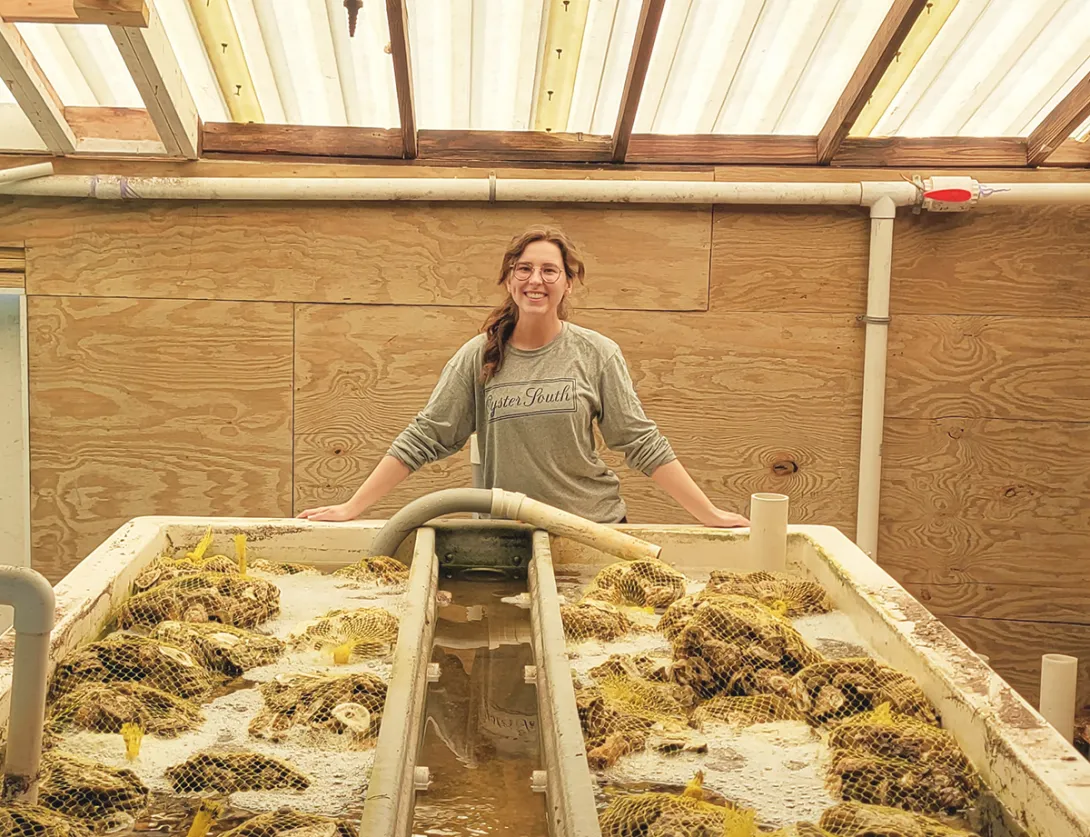
Sarah Roney oversees nursery troughs in the UGA Shellfish Research Lab filled with young oysters growing on shells recycled from restaurants all over Georgia.
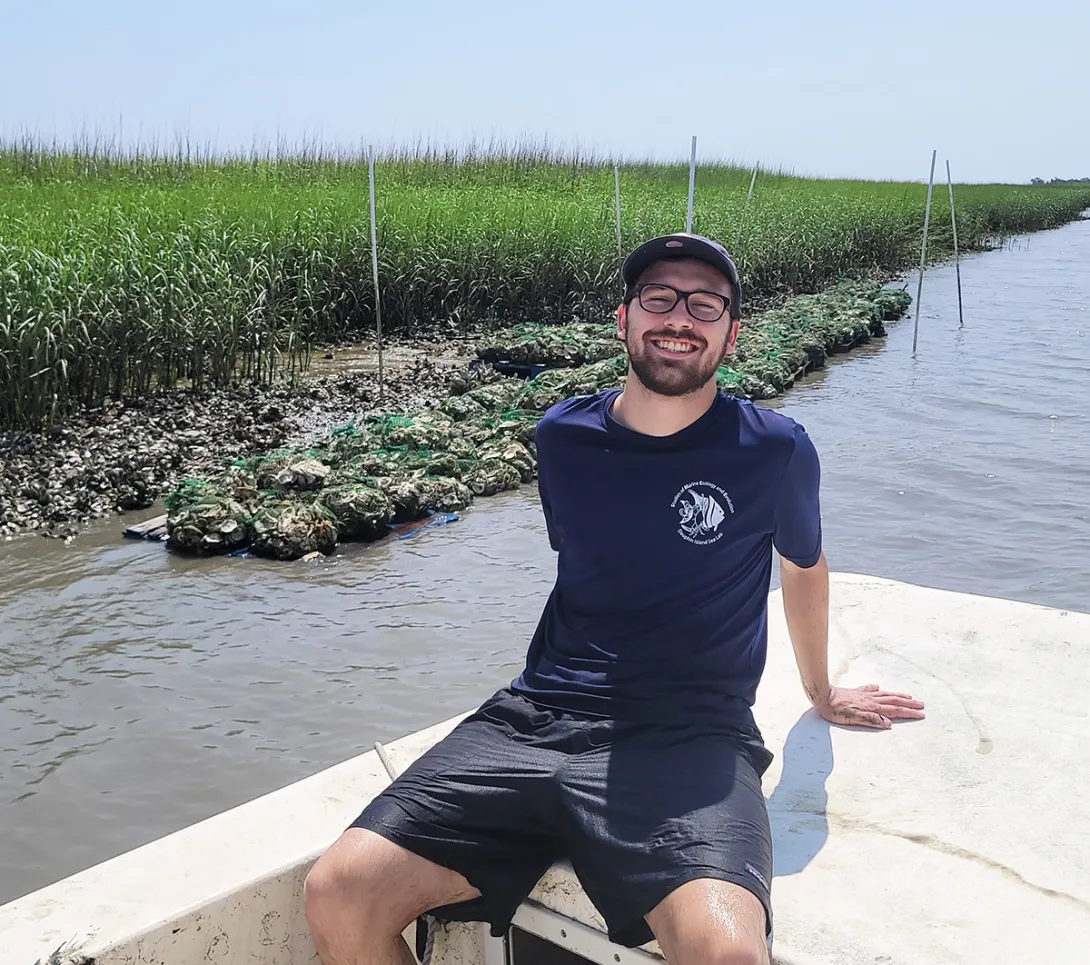
Tanner Lee (Georgia Tech, BS Biology '23) helped construct the oyster reef he observes from a boat as part of an undergraduate research project.
Sarah Roney studies oysters — and coastline restoration, wave energy, erosion, blue crabs, and predator chemical cues. A Ph.D. candidate in Georgia Tech’s Ocean Science and Engineering program and a Brook Byers Graduate Fellow, Roney has spent the past four years studying how strategically placing oyster reefs along Georgia’s coast could yield significant benefits.
Georgia’s coastal ecology is being degraded by several threats. Erosion caused by a combination of traffic from water vessels, sea-level rise, increased storm intensity and frequency, and property development, are negatively impacting both coastal living systems and the state’s economy. Tourism, agriculture, recreation, fisheries, property development, and trade (through the Port of Savannah) all rely on healthy coastlines.
Roney’s interest in coastal ecology and oysters drew her to focus her doctoral thesis on this problem. She divided her project into two parts. The first involved understanding how much oyster reefs reduce the erosion caused by wave energy (ship wake) from water traffic. The second part demonstrated a method for making young oysters resistant to predation — increasing their survival rates and that of the reef colonies they call home. Roney focused her research on two major waterways in the Savannah area. The Intracoastal Waterway and the South Channel of the Savannah River, which leads to the Port of Savannah, are both subject to heavy ship and boat traffic. According to Roney’s collaborators at Georgia Tech, 65% of the wave energy lashing the South Channel’s shores is generated by cargo vessels navigating to and from the Port of Savannah. Because traffic along the Intracoastal Waterway is subject to very few speed restrictions, there is plenty of erosive wave energy there also, even though the vessels are almost exclusively small.
Roney chose one site in each waterway to place her reef structures. Mesh bags of oyster shells were seeded with young oysters by personnel working at a University of Georgia Shellfish Research Lab. Roney created her reef structures by placing these bags in a row 15 to 20 meters long and a meter wide. Once established, Roney found that constructed reefs dissipate 40% of the wave energy before it reaches the marsh edge. “This is an experimental pilot study, so the reefs are on the smaller side,” Roney explained. “Reefs as large as 100 meters long may be necessary to protect certain areas — which sounds like a big investment. But because these are living shorelines, they are self-sustaining, and will keep growing and building on themselves.”
Establishing oyster reefs can be challenging, however, because predators feast on young oysters. Blue crabs are among the most voracious. The second part of Roney’s research was to develop a method that improves adolescent oysters’ chances of surviving to adulthood — when they infrequently succumb to predation. Roney and her collaborators at Georgia Tech identified two compounds found in blue crab urine, called trigonelline and homarine, that induce young oysters to devote more energy toward growing their shells, which become 25-60% stronger than normal. Roney found that after four to eight weeks of exposure to these compounds in hatchery conditions, their overall survival rate improved by 30% once placed in a reef. Her method not only helps constructed reefs to become established, but can also help existing oyster reefs become more resilient by slowing, or reversing, their decline.
While coastal restoration projects are not new in Georgia, the techniques Roney developed are relatively novel. Conventional shoreline restoration projects involve excavation, placing gravel beds, and extensive plantings, mostly with sea grasses. Roney has shown that using living shoreline strategies are less intensive and less expensive to establish and are also effective in reducing wave energy in waterways vulnerable to erosion. Perhaps most significantly, these techniques also restore the foundational functions of the ecosystems in which they are placed. The reefs become nurseries, incubating fish, bird, plant, and crustacean species.
Roney engaged several partners over the four years of her project, many in the communities along Georgia’s coast. Over 35 coastal residents, business owners, citizen scientists, and students volunteered their time and resources to help Roney’s project succeed. Roney said, “I think the most rewarding part of the project has been seeing how many people are truly invested in our coastal resources and want oyster reefs to thrive.”
This project isn’t likely to end once Roney earns her PhD. For living shoreline restoration practices to catch on, several other problems require investigation. Roney wants to devise a way to slowly release predator cue compounds into the water near oyster reefs, so baby oysters won’t need to spend as much time in a hatchery before being placed in the wild. Perfecting such a time-release mechanism could also help rejuvenate naturally occurring oyster reefs under threat from erosion and predation.
Roney also wants to try combining constructed oyster reefs with oyster farms, integrating one of the most sustainable ways that protein can be raised with living shoreline restoration. “As the mariculture industry in Georgia grows, there will be lots of opportunities to investigate the possible intersections between the ecological benefits, engineering benefits, and cultural benefits of oyster farming,” Roney said. “Food might be a continuous byproduct of shoreline restoration projects.”
Roney’s research shows that economic development and preserving, or even regenerating, diverse and productive coastal habitats for future generations don’t have to be mutually exclusive propositions.
Roney’s thesis advisor is Marc Weissburg, Brook Byers Professor in the School of Biological Sciences. Kevin Haas, professor in the School of Civil and Environmental Engineering, helped Roney map and measure the hydrodynamic forces in her study zones. The Coastal Resources Division of the Georgia Department of Natural Resources, the National Parks Service, and the University of Georgia Marine Extension and Georgia Sea Grant program provided access, permitting, funding, and resources.
News Contact
Brent Verrill, Research Communications Program Manager, BBISS
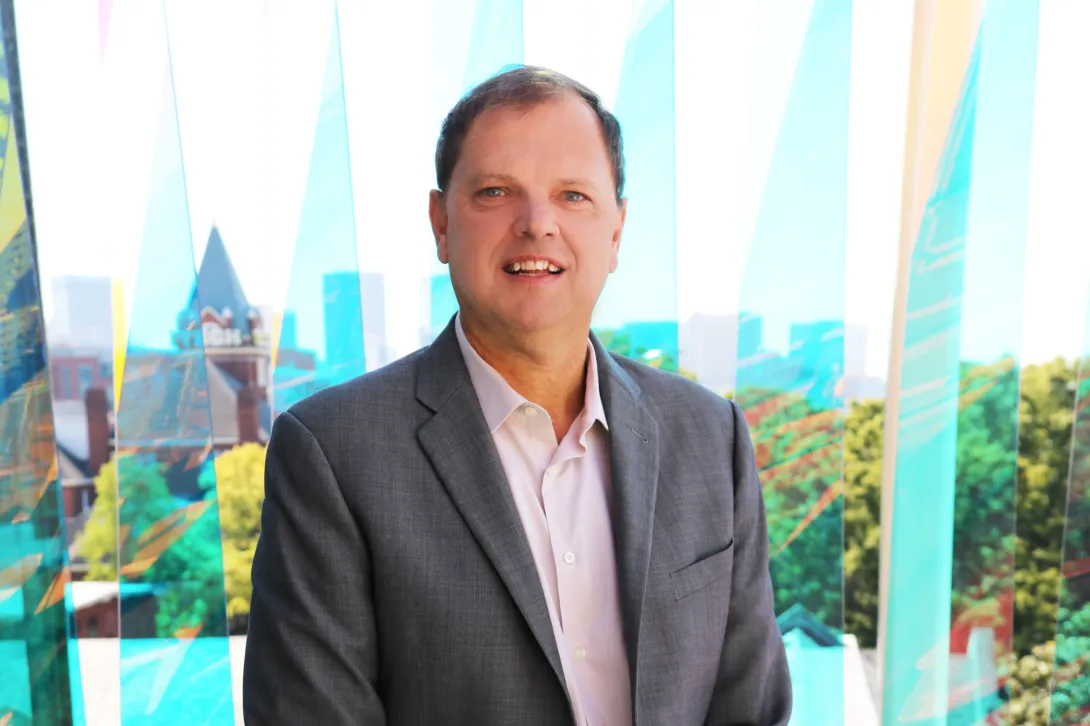
The College of Sciences has named Professor Joel Kostka the inaugural faculty director of Georgia Tech for Georgia's Tomorrow. The new center, announced by the College in December 2024, will drive research aimed at improving life across the state of Georgia.
“Joel is perfectly suited to lead this new initiative, especially since his research for a number of years has focused on Georgia and the vulnerability of both humans and ecosystems to climate change,” says Susan Lozier, dean of the College of Sciences, Betsy Middleton and John Clark Sutherland Chair, and professor in the School of Earth and Atmospheric Sciences. “I look forward to seeing how Science for Georgia’s Tomorrow takes shape and evolves under his thoughtful leadership.”
“I believe that my experience in research administration and in leading multidisciplinary research programs, along with the focus of my research on the vulnerability of Georgia’s communities to climate change, have prepared me well for this role,” says Kostka, who is the Tom and Marie Patton Distinguished Professor and associate chair for Research in the School of Biological Sciences with a joint appointment in the School of Earth and Atmospheric Sciences. “I am excited about the opportunity to lead the center as its inaugural director.”
Kostka’s appointment will begin on May 1, 2025.
Championing science in Georgia
Georgia's Tomorrow was created to foster research related to the health and resilience of Georgia’s people, ecosystems, and communities. Specifically, it will serve to boost research collaboration across the Institute, pave the way for public-private partnerships, and expand opportunities for Georgia students and communities to engage with Institute research.
Among Kostka’s first tasks as faculty director will be the development of the center’s strategic plan and the completion of two dedicated cluster hires from within the College of Sciences’ six schools.
Meet Joel Kostka
Kostka is known for bridging biogeochemistry and microbiology to elucidate the role of microorganisms in ecosystem function. He has emerged as an international leader in ecosystem biogeoscience, providing a quantitative predictive understanding of how ecosystems function as well as determining the mechanisms by which climate change alters ecosystem resilience. He partners with a variety of stakeholders to conduct research on the restoration and adaptive management of coastal ecosystems in Georgia.
Kostka has also served as the PI of a range of multidisciplinary research projects focused on environmental change as well as scientific advisory boards including Georgia Tech’s Strategic Energy Institute, the NSF-funded Plum Island Estuary Long-term Ecological Research program, and the Johnston Center for Coastal Sustainability on Bald Head Island.
Kostka received a B.S. in Biology from Western Illinois University and a Ph.D. in Marine Science from the University of Delaware. Prior to joining Georgia Tech in 2011, he was a professor at the Department of Oceanography and Associate Director of the Institute of Energy Systems, Economics, and Sustainability at Florida State University.
Initial support for Georgia Tech for Georgia’s Tomorrow is generously provided by the College of Sciences Betsy Middleton and John Clark Sutherland Dean's Chair fund. Cluster hire funding has been awarded by Provost Steven W. McLaughlin. The initiative will also seek funding from state, national and international organizations, private foundations, and government agencies to expand impact. Philanthropic support will also be sought in the form of professorships, programmatic support for the center, and seed funding.
Georgia Tech for Georgia's Tomorrow initially launched under the working name Science for Georgia's Tomorrow (Sci4GT).
News Contact
Writer: Lindsay C. Vidal

Hedwig Oldendorff vessel at the start of its emission monitoring voyage
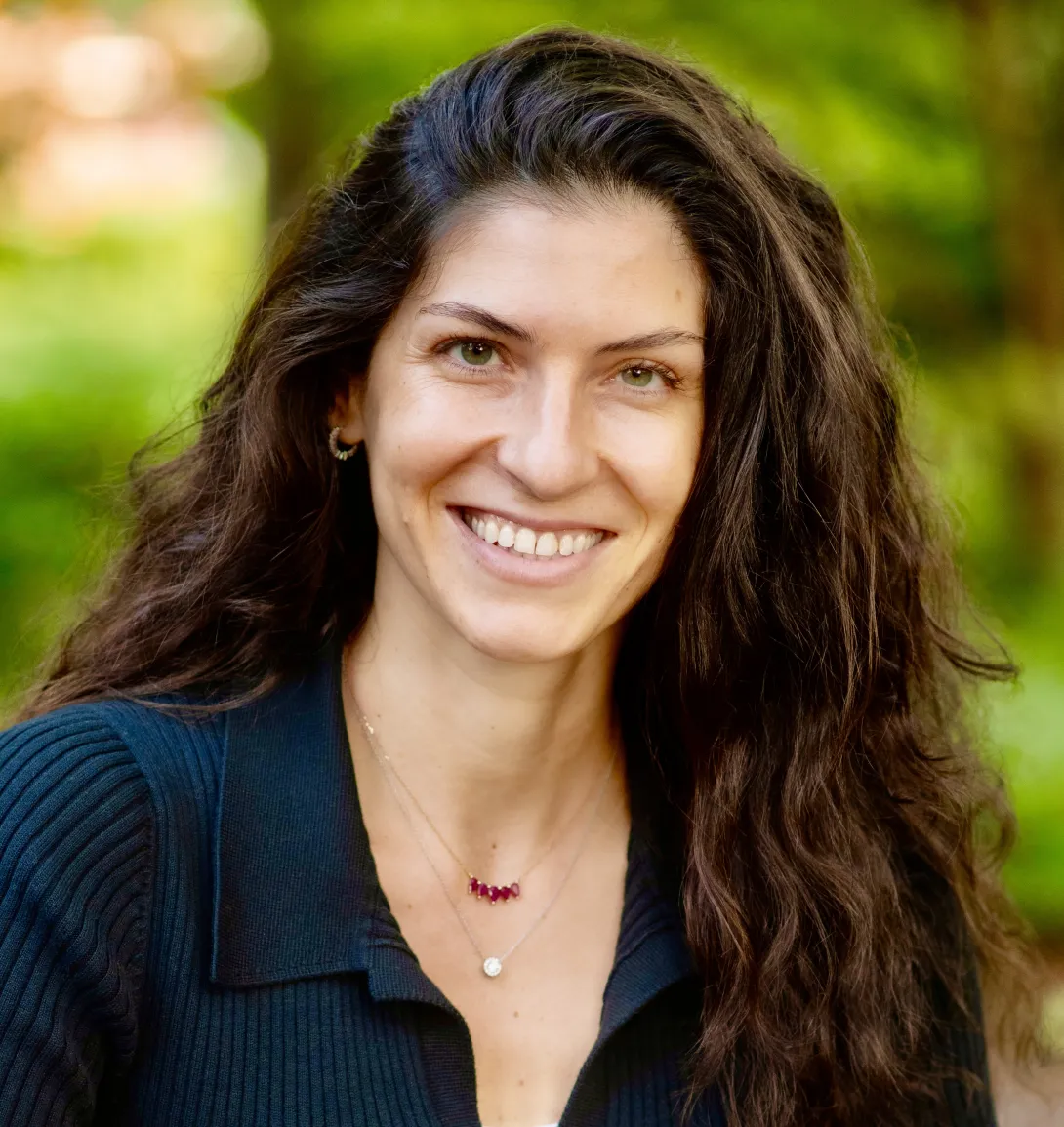
The study's lead author Patricia Stathatou is now an assistant professor at Georgia Tech. She began this study as a postdoc in MIT's Center for Bits and Atoms.
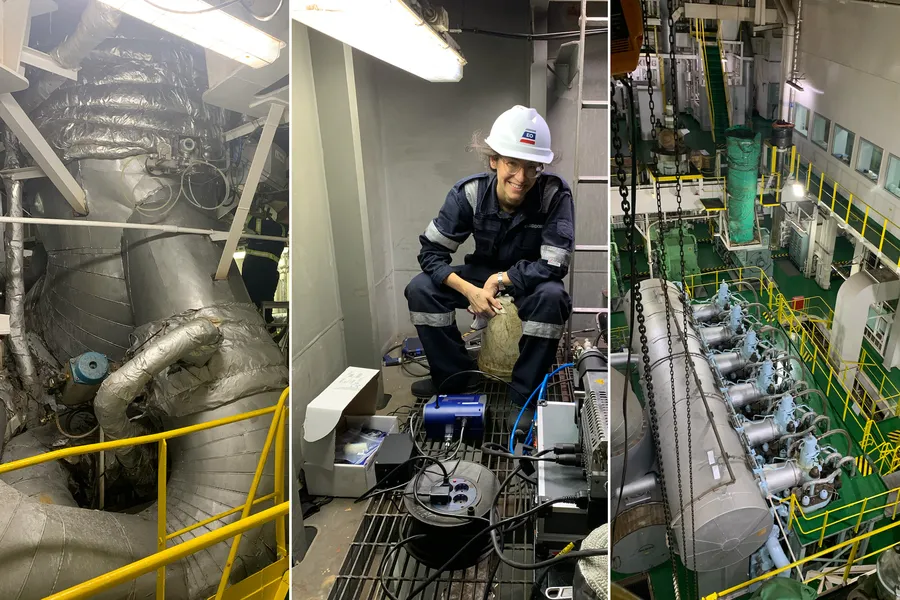
Patricia Stathatou onboard a bulk carrier vessel to measure emissions and gather seawater and washwater samples. The image shows (from left to right) measuring emissions upstream of the scrubber, Stathatou downsteam of the scrubber, and the enginer room aboard the bulk carrier vessel.
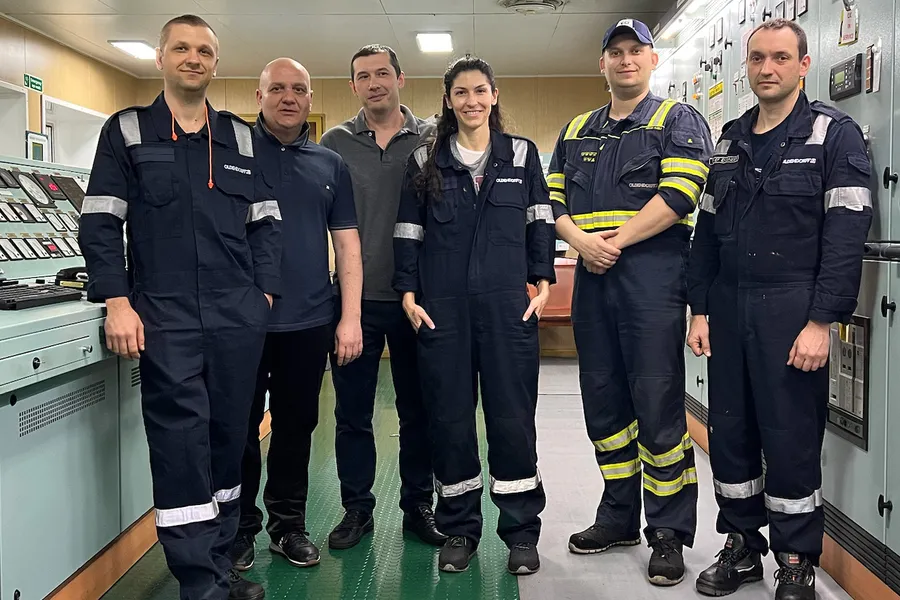
Stathatou (center) onboard the Hedwig Oldendorff vessel with crew members.
When the International Maritime Organization enacted a mandatory cap on the sulfur content of marine fuels in 2020, with an eye toward reducing harmful environmental and health impacts, it left shipping companies with three main options.
They could burn low-sulfur fossil fuels, like marine gas oil, or install cleaning systems to remove sulfur from the exhaust gas produced by burning heavy fuel oil. Biofuels with lower sulfur content offer another alternative, though their limited availability makes them a less feasible option.
While installing exhaust gas cleaning systems, known as scrubbers, is the most feasible and cost-effective option, there has been a great deal of uncertainty among firms, policymakers, and scientists as to how “green” these scrubbers are.
Through a novel lifecycle assessment, researchers from MIT, Georgia Tech, and elsewhere have now found that burning heavy fuel oil with scrubbers in the open ocean can match or surpass using low-sulfur fuels, when a wide variety of environmental factors is considered.
The scientists combined data on the production and operation of scrubbers and fuels with emissions measurements taken onboard an oceangoing cargo ship.
They found that, when the entire supply chain is considered, burning heavy fuel oil with scrubbers was the least harmful option in terms of nearly all 10 environmental impact factors they studied, such as greenhouse gas emissions, terrestrial acidification, and ozone formation.
“In our collaboration with Oldendorff Carriers to broadly explore reducing the environmental impact of shipping, this study of scrubbers turned out to be an unexpectedly deep and important transitional issue,” says Neil Gershenfeld, an MIT professor, director of the Center for Bits and Atoms (CBA), and senior author of the study.
“Claims about environmental hazards and policies to mitigate them should be backed by science. You need to see the data, be objective, and design studies that take into account the full picture to be able to compare different options from an apples-to-apples perspective,” adds lead author Patricia Stathatou, an assistant professor at Georgia Tech's School of Chemical and Biomolecular Engineering, who began this study as a postdoc in the CBA.
Stathatou is joined on the paper by Michael Triantafyllou and others at the National Technical University of Athens in Greece and the maritime shipping firm Oldendorff Carriers. The research appears today in Environmental Science and Technology.
Slashing sulfur emissions
Heavy fuel oil, traditionally burned by bulk carriers that make up about 30 percent of the global maritime fleet, usually has a sulfur content around 2 to 3 percent. This is far higher than the International Maritime Organization’s 2020 cap of 0.5 percent in most areas of the ocean and 0.1 percent in areas near population centers or environmentally sensitive regions.
Sulfur oxide emissions contribute to air pollution and acid rain, and can damage the human respiratory system.
In 2018, fewer than 1,000 vessels employed scrubbers. After the cap went into place, higher prices of low-sulfur fossil fuels and limited availability of alternative fuels led many firms to install scrubbers so they could keep burning heavy fuel oil.
Today, more than 5,800 vessels utilize scrubbers, the majority of which are wet, open-loop scrubbers.
“Scrubbers are a very mature technology. They have traditionally been used for decades in land-based applications like power plants to remove pollutants,” Stathatou says.
A wet, open-loop marine scrubber is a huge, metal, vertical tank installed in a ship’s exhaust stack, above the engines. Inside, seawater drawn from the ocean is sprayed through a series of nozzles downward to wash the hot exhaust gases as they exit the engines.
The seawater interacts with sulfur dioxide in the exhaust, converting it to sulfates — water-soluble, environmentally benign compounds that naturally occur in seawater. The washwater is released back into the ocean, while the cleaned exhaust escapes to the atmosphere with little to no sulfur dioxide emissions.
But the acidic washwater can contain other combustion byproducts like heavy metals, so scientists wondered if scrubbers were comparable, from a holistic environmental point of view, to burning low-sulfur fuels.
Several studies explored toxicity of washwater and fuel system pollution, but none painted a full picture.
The researchers set out to fill that scientific gap.
A “well-to-wake” analysis
The team conducted a lifecycle assessment using a global environmental database on production and transport of fossil fuels, such as heavy fuel oil, marine gas oil, and very-low sulfur fuel oil. Considering the entire lifecycle of each fuel is key, since producing low-sulfur fuel requires extra processing steps in the refinery, causing additional emissions of greenhouse gases and particulate matter.
“If we just look at everything that happens before the fuel is bunkered onboard the vessel, heavy fuel oil is significantly more low-impact, environmentally, than low-sulfur fuels,” she says.
The researchers also collaborated with a scrubber manufacturer to obtain detailed information on all materials, production processes, and transportation steps involved in marine scrubber fabrication and installation.
“If you consider that the scrubber has a lifetime of about 20 years, the environmental impacts of producing the scrubber over its lifetime are negligible compared to producing heavy fuel oil,” she adds.
For the final piece, Stathatou spent a week onboard a bulk carrier vessel in China to measure emissions and gather seawater and washwater samples. The ship burned heavy fuel oil with a scrubber and low-sulfur fuels under similar ocean conditions and engine settings.
Collecting these onboard data was the most challenging part of the study.
“All the safety gear, combined with the heat and the noise from the engines on a moving ship, was very overwhelming,” she says.
Their results showed that scrubbers reduce sulfur dioxide emissions by 97 percent, putting heavy fuel oil on par with low-sulfur fuels according to that measure. The researchers saw similar trends for emissions of other pollutants like carbon monoxide and nitrous oxide.
In addition, they tested washwater samples for more than 60 chemical parameters, including nitrogen, phosphorus, polycyclic aromatic hydrocarbons, and 23 metals.
The concentrations of chemicals regulated by the IMO were far below the organization’s requirements. For unregulated chemicals, the researchers compared the concentrations to the strictest limits for industrial effluents from the U.S. Environmental Protection Agency and European Union.
Most chemical concentrations were at least an order of magnitude below these requirements.
In addition, since washwater is diluted thousands of times as it is dispersed by a moving vessel, the concentrations of such chemicals would be even lower in the open ocean.
These findings suggest that the use of scrubbers with heavy fuel oil can be considered as equal to or more environmentally friendly than low-sulfur fuels across many of the impact categories the researchers studied.
“This study demonstrates the scientific complexity of the waste stream of scrubbers. Having finally conducted a multiyear, comprehensive, and peer-reviewed study, commonly held fears and assumptions are now put to rest,” says Scott Bergeron, managing director at Oldendorff Carriers and co-author of the study.
“This first-of-its-kind study on a well-to-wake basis provides very valuable input to ongoing discussion at the IMO,” adds Thomas Klenum, executive vice president of innovation and regulatory affairs at the Liberian Registry, emphasizing the need “for regulatory decisions to be made based on scientific studies providing factual data and conclusions.”
Ultimately, this study shows the importance of incorporating lifecycle assessments into future environmental impact reduction policies, Stathatou says.
“There is all this discussion about switching to alternative fuels in the future, but how green are these fuels? We must do our due diligence to compare them equally with existing solutions to see the costs and benefits,” she adds.
This study was supported, in part, by Oldendorff Carriers.
- Written by Adam Zewe, MIT News Office
News Contact
braddixon@gatech.edu
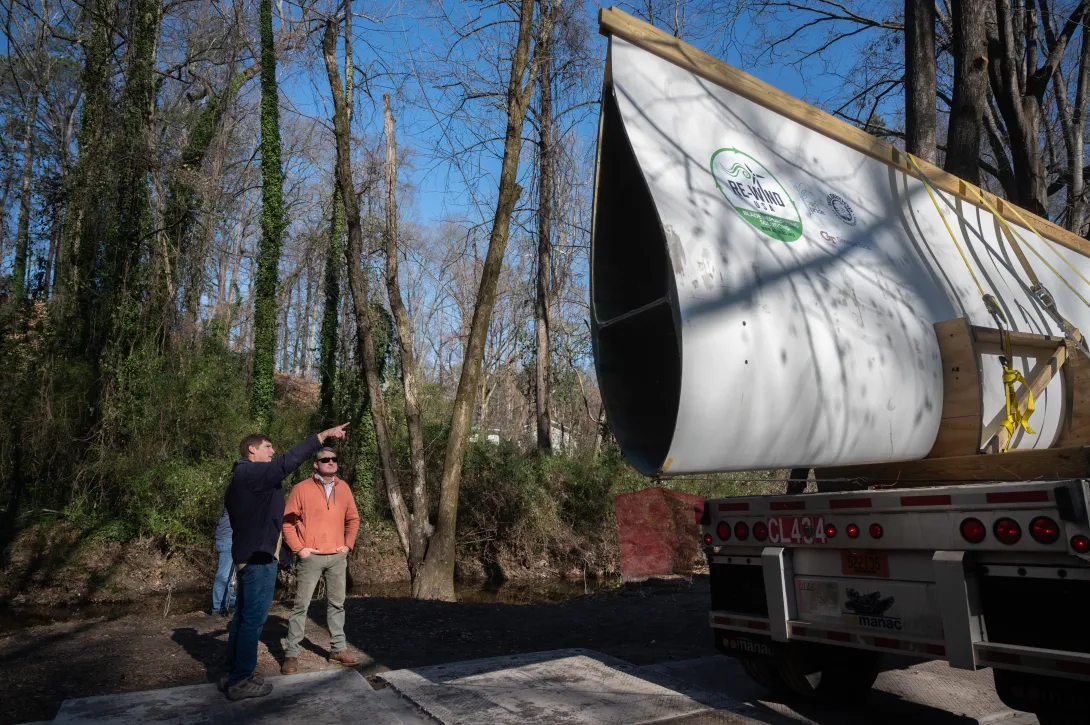
Photo by Allison Carter
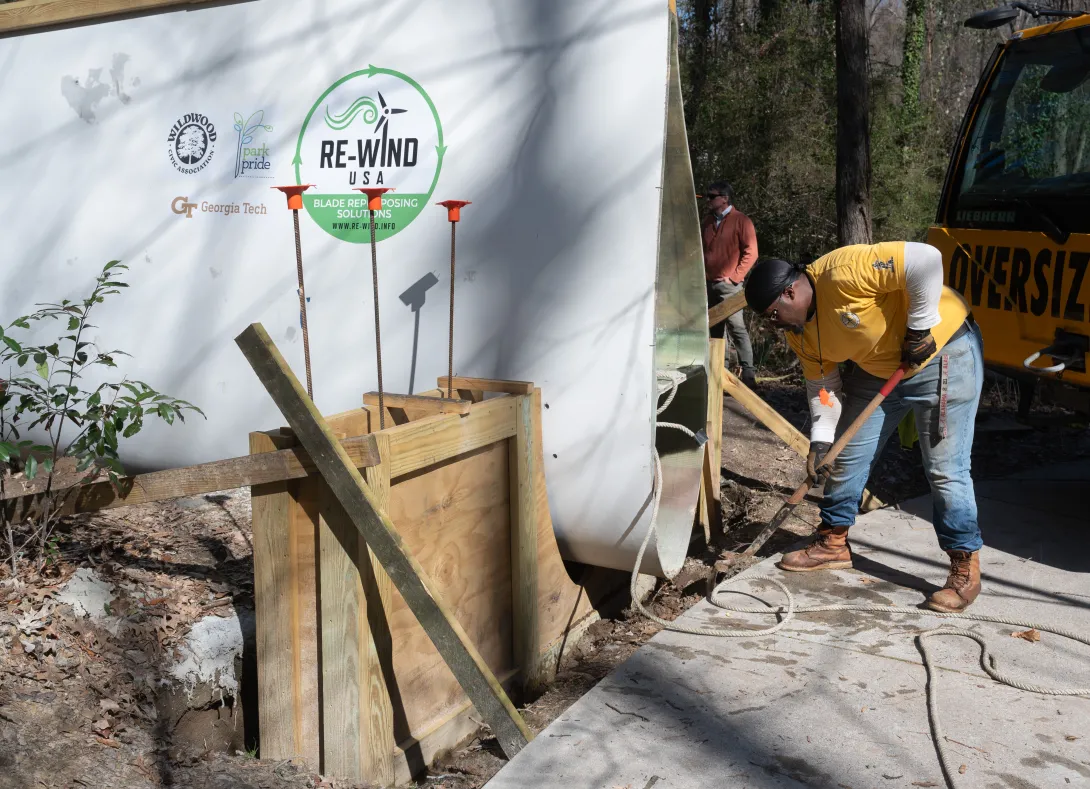
Photo by Allison Carter
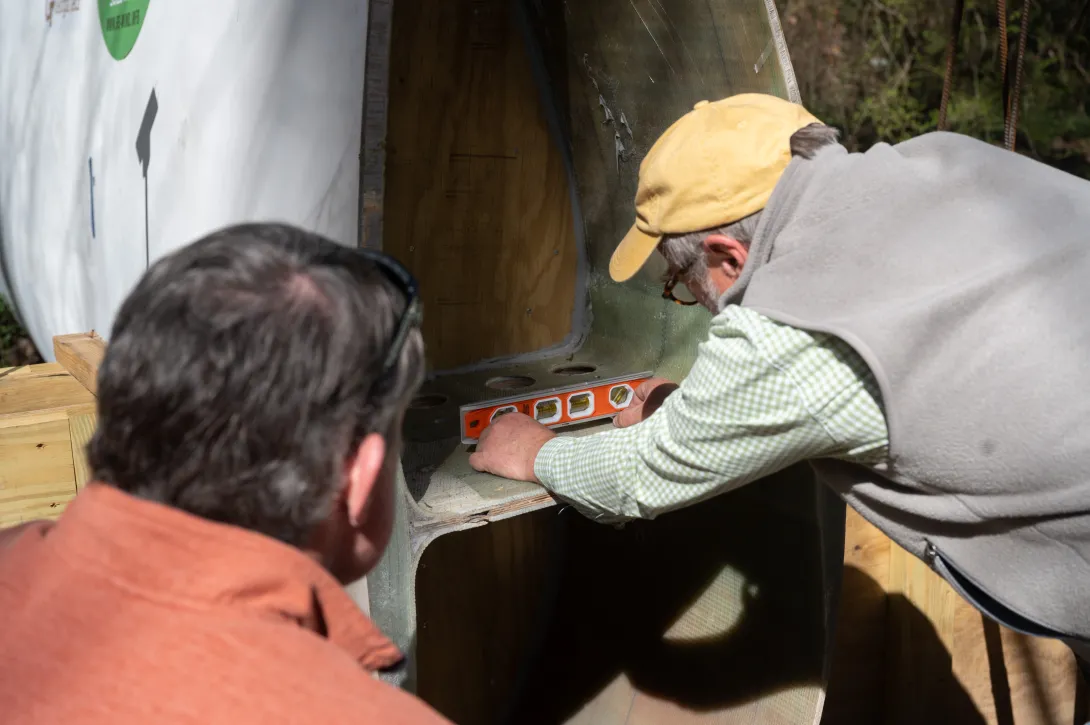
Photo by Allison Carter
Jud Ready first visited Beaverbrook Park for an adopt-a-stream event as a graduate student. When he moved to the northwest Atlanta neighborhood, he got involved with improvement efforts at the park.
“It was a muddy mess back then. Over time, we added an exercise trail, playgrounds, a gazebo, and ball fields, but we didn't have a place where you could just walk through the woods,” Ready said. The problem? A creek prevented easy passage, and the park lacked a bridge to cross it.
Despite receiving a grant from Park Pride, a nonprofit that helps residents improve their parks, Ready realized it wasn’t nearly enough money to build a bridge over the rushing waters. Then Ready, a principal research engineer at the Georgia Tech Research Institute with a joint appointment in the School of Materials Science and Engineering, learned that one of his colleagues was using decommissioned wind turbine blades for bridges.
For eight years, Russell Gentry, a professor in the School of Architecture and a member of the Re-Wind Network, has explored how to upcycle wind turbine blades into functional infrastructure. Re-Wind, an international organization, has constructed two bridges in Ireland, where wind energy is more prevalent. The Beaverbrook bridge is the first in the U.S., but building it hasn’t been a simple copy-and-paste process from across the Atlantic Ocean.
“It's not recycling because we're not taking the material back to its original state; it's really adaptive reuse,” explained Gentry. “Think of it as the difference between wood and paper. You can take a tree and grind it up finely for paper, but if you leave it in its original form, you have wood. It’s a much more capable material from a structural perspective.”
Like almost everything in America, the blades are bigger than their European counterparts. The 15-meter blade weighs around 7,000 pounds, so moving it from its first home in a Colorado wind farm to a Georgia public park was no easy feat. With funding from the National Science Foundation, the Department of Energy, and wind turbine manufacturer Siemens Gamesa, Ready and Gentry established a team of a dozen Georgia Tech students, researchers, and alumni to bring the blade to Beaverbrook Park.
Cayleigh Nicholson (architecture), Sakshi Kakkad (computing and architecture), who both graduated in 2024, and fourth-year civil engineering student Gabriel Ackall made sure the bridge was engineered well and that it complied with city regulations. Nicholson spent a semester surveying Beaverbrook to determine the best path and placement of the bridge. Kakkad developed software to better understand the geometry of the blade and position it in the bridge. Ackall was involved in the design process, working with the foundation contractor, Cantsink, to calculate stresses and deflections in the BladeBridges.
“We’ve essentially had to design the entire structural system of the bridge from scratch, as existing building and bridge codes do not have much information about either the composite materials used in wind turbine blades or in adaptive reuse for new construction,” Ackall noted. “We used advanced modeling software combined with the knowledge we’ve gained from over a half dozen years of wind turbine blade testing and prototyping to make the bridge a reality and ensure their safety.”
Even alumnus Tierson Boutte, CE 2002, who owns the tree company Boutte Tree, helped make the installation possible. “We’re grateful to be able to give back to the community by pruning the trees for the crane to be able to lift the turbine blades,” he said.
On a sunny day in mid-March, the bridge was installed with a combined crew of 16 from Chappell Construction, led by alumnus Wade Chappell, IE 2000; Williams Erection Company, owned by alumnus Art Williams, CE 1983; and ironworkers from Local 387. Finally, with a little help from an unusual source, a neighborhood can fully enjoy its park.
Video by Maxwell Guberman
Photos by Allison Carter
News Contact
Tess Malone, Senior Research Writer/Editor
tess.malone@gatech.edu
Successful test results of a new machine learning (ML) technique developed at Georgia Tech could help communities prepare for extreme weather and coastal flooding. The approach could also be applied to other models that predict how natural systems impact society.
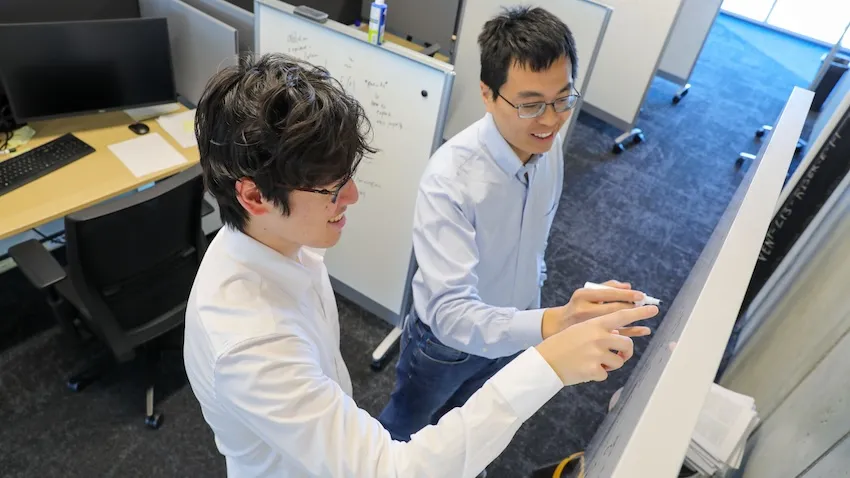
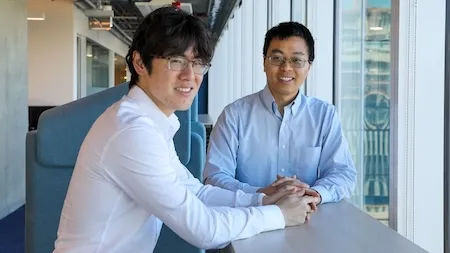
Ph.D. student Phillip Si and Assistant Professor Peng Chen developed Latent-EnSF, a technique that improves how ML models assimilate data to make predictions.
In experiments predicting medium-range weather forecasting and shallow water wave propagation, Latent-EnSF demonstrated higher accuracy, faster convergence, and greater efficiency than existing methods for sparse data assimilation.
“We are currently involved in an NSF-funded project aimed at providing real-time information on extreme flooding events in Pinellas County, Florida,” said Si, who studies computational science and engineering (CSE).
“We're actively working on integrating Latent-EnSF into the system, which will facilitate accurate and synchronized modeling of natural disasters. This initiative aims to enhance community preparedness and safety measures in response to flooding risks.”
Latent-EnSF outperformed three comparable models in assimilation speed, accuracy, and efficiency in shallow water wave propagation experiments. These tests show models can make better and faster predictions of coastal flood waves, tides, and tsunamis.
In experiments on medium-range weather forecasting, Latent-EnSF surpassed the same three control models in accuracy, convergence, and time. Additionally, this test demonstrated Latent-EnSF's scalability compared to other methods.
These promising results support using ML models to simulate climate, weather, and other complex systems.
Traditionally, such studies require employment of large, energy-intensive supercomputers. However, advances like Latent-EnSF are making smaller, more efficient ML models feasible for these purposes.
The Georgia Tech team mentioned this comparison in its paper. It takes hours for the European Center for Medium-Range Weather Forecasts computer to run its simulations. Conversely, the ML model FourCastNet calculated the same forecast in seconds.
“Resolution, complexity, and data-diversity will continue to increase into the future,” said Chen, an assistant professor in the School of CSE.
“To keep pace with this trend, we believe that ML models and ML-based data assimilation methods will become indispensable for studying large-scale complex systems.”
Data assimilation is the process by which models continuously ingest new, real-world data to update predictions. This data is often sparse, meaning it is limited, incomplete, or unevenly distributed over time.
Latent-EnSF builds on the Ensemble Filter Scores (EnSF) model developed by Florida State University and Oak Ridge National Laboratory researchers.
EnSF’s strength is that it assimilates data with many features and unpredictable relationships between data points. However, integrating sparse data leads to lost information and knowledge gaps in the model. Also, such large models may stop learning entirely from small amounts of sparse data.
The Georgia Tech researchers employ two variational autoencoders (VAEs) in Latent-EnSF to help ML models integrate and use real-world data. The VAEs encode sparse data and predictive models together in the same space to assimilate data more accurately and efficiently.
Integrating models with new methods, like Latent-EnSF, accelerates data assimilation. Producing accurate predictions more quickly during real-world crises could save lives and property for communities.
To share Latent-EnSF to the broader research community, Chen and Si presented their paper at the SIAM Conference on Computational Science and Engineering (CSE25). The Society of Industrial and Applied Mathematics (SIAM) organized CSE25, held March 3-7 in Fort Worth, Texas.
Chen was one of ten School of CSE faculty members who presented research at CSE25, representing one-third of the School’s faculty body. Latent-EnSF was one of 15 papers by School of CSE authors and one of 23 Georgia Tech papers presented at the conference.
The pair will also present Latent-EnSF at the upcoming International Conference on Learning Representations (ICLR 2025). Occurring April 24-28 in Singapore, ICLR is one of the world’s most prestigious conferences dedicated to artificial intelligence research.
“We hope to bring attention to experts and domain scientists the exciting area of ML-based data assimilation by presenting our paper,” Chen said. “Our work offers a new solution to address some of the key shortcomings in the area for broader applications.”
News Contact
Bryant Wine, Communications Officer
bryant.wine@cc.gatech.edu
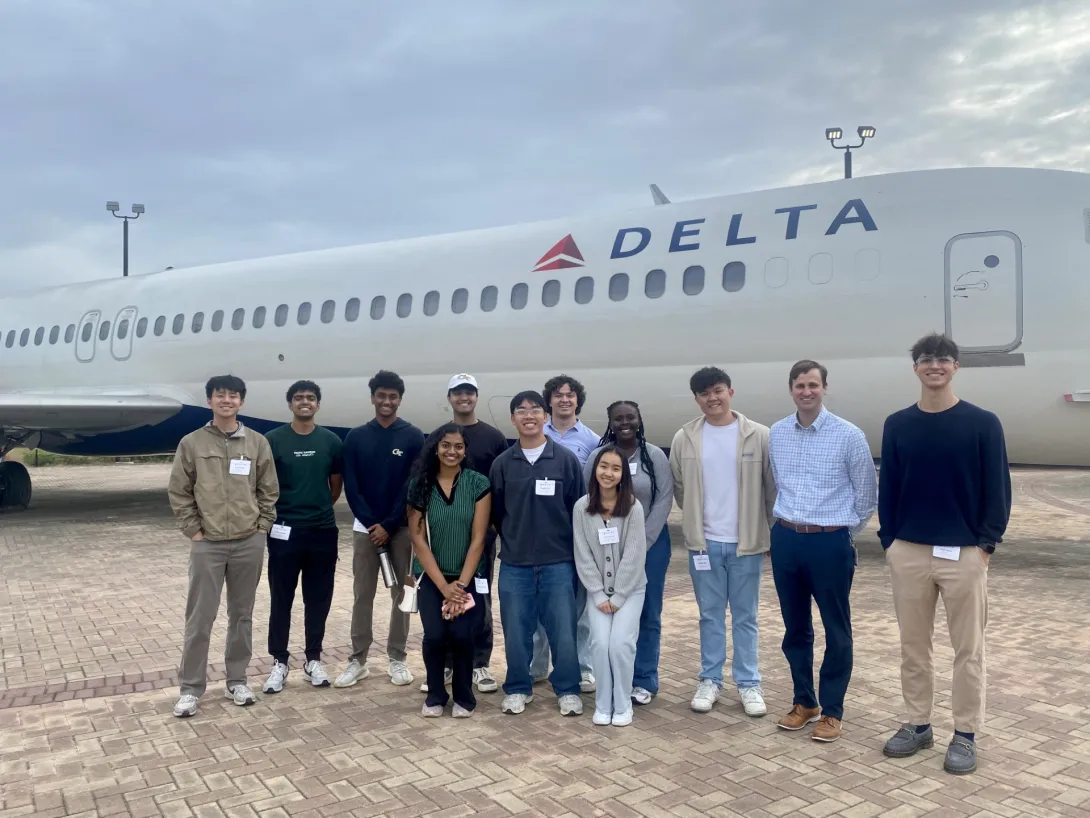
ElectrifyGT is at the forefront of Georgia Tech’s push for a cleaner future.
As a student-led consulting organization, ElectrifyGT focuses on decarbonization strategies, aiming to replace fossil fuel or carbon-intensive campus infrastructure with electric alternatives.
In alignment with Georgia Tech’s ambitious goal to reach net-zero emissions by 2050, ElectrifyGT receives data from Institute departments and administrators, performing financial and carbon analyses to develop informed proposals.
“We’re like a consulting group, but our only client is Georgia Tech,” Khim Viravan, second-year electrical engineering major and president of ElectrifyGT, explained. “Our mission is to raise the student body’s awareness of electrification and work toward obtaining 100% campus electrification.”
To achieve this, ElectrifyGT operates as a project-based organization, enabling members to work as consultants.
Past projects include securing two Ford Mustang Mach-E SUVs for the Georgia Tech Police Department as part of an ongoing effort to electrify campus fleets. In 2023, they submitted a Holland Plant electrification paper that won the Carbon Reduction Challenge for the Ray C. Anderson Center for Sustainable Business in the Scheller College of Business.
This semester, ElectrifyGT has five project teams focusing on fleet electrification analysis, regenerative elevators, building air conditioning efficiency, anaerobic digestion, and supercritical carbon dioxide mask sterilization.
The organization also engages its members by inviting guest speakers. In October, ElectrifyGT hosted Chad Bednar, Delta's senior global sustainability manager, to discuss the sustainability industry. This semester, they plan to host three speakers.
When asked about the future of ElectrifyGT, Viravan discussed her hopes to scale their efforts beyond Georgia Tech’s campus.
“This is our fourth year on campus, so we are a relatively new, smaller organization. I want to see member growth to expand the number of projects we do, but also to consult beyond campus to address the needs of the Atlanta metro area.”
ElectrifyGT hosts its general body meetings every Thursday from 5:30 to 6:30 p.m. in Room 200, Scheller College of Business.
Check out the organization on Engage and at @electrify_gt on Instagram to learn more.
News Contact
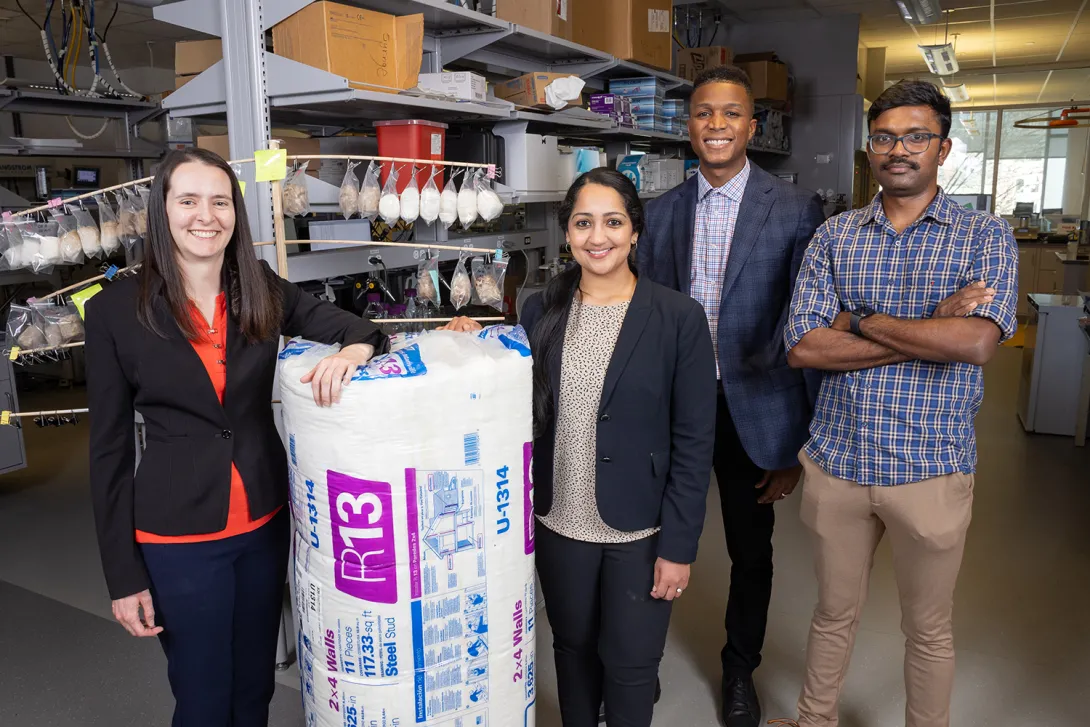
From left, Kelly Farmer, Akanksha Menon, Joe Bozeman, and Arjun Ramshankar with a package of traditional fiberglass insulation and a rack holding samples of potential hemp-based insulation materials created by graduate student Elyssa Ferguson in Menon's lab. The team has published an analysis outlining a path toward a viable hemp-based building insulation market in the U.S. Hemp insulation can be used in place of traditional fiberglass batt insulation and reduce the carbon footprint of buildings, but hemp materials currently cost twice as much. (Photo: Candler Hobbs)
It’s a fairly niche product now, but a new study from Georgia Tech engineers suggests insulation made from hemp fibers could be a viable industry in the U.S., creating jobs, a manufacturing base, and greener homes and buildings at the same time.
Making the switch could slash the impact of one of the biggest sources of greenhouse gas emissions: Buildings account for roughly 1/5 of emissions globally. By some estimates, using hemp-based products would reduce the environmental impact of insulation by 90% or more.
The Georgia Tech researchers’ work, reported this month in the Journal of Cleaner Production, is one of the first studies to evaluate the potential for scaling up U.S. production and availability of hemp-based insulation products.
Read about their findings on the College of Engineering website.
News Contact
Joshua Stewart
College of Engineering
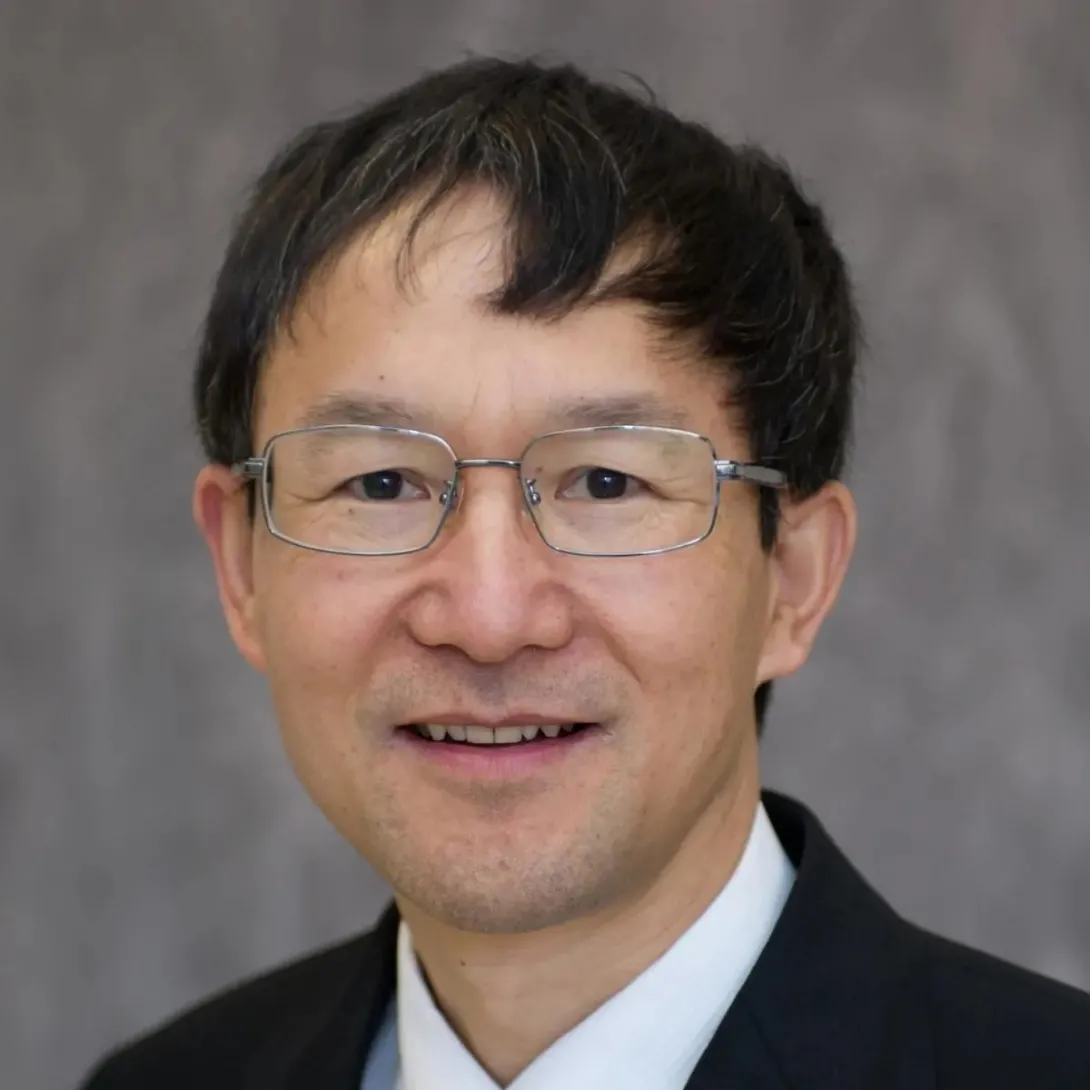
Yongsheng Chen, Bonnie W. and Charles W. Moorman IV Professor in environmental engineering at Georgia Tech
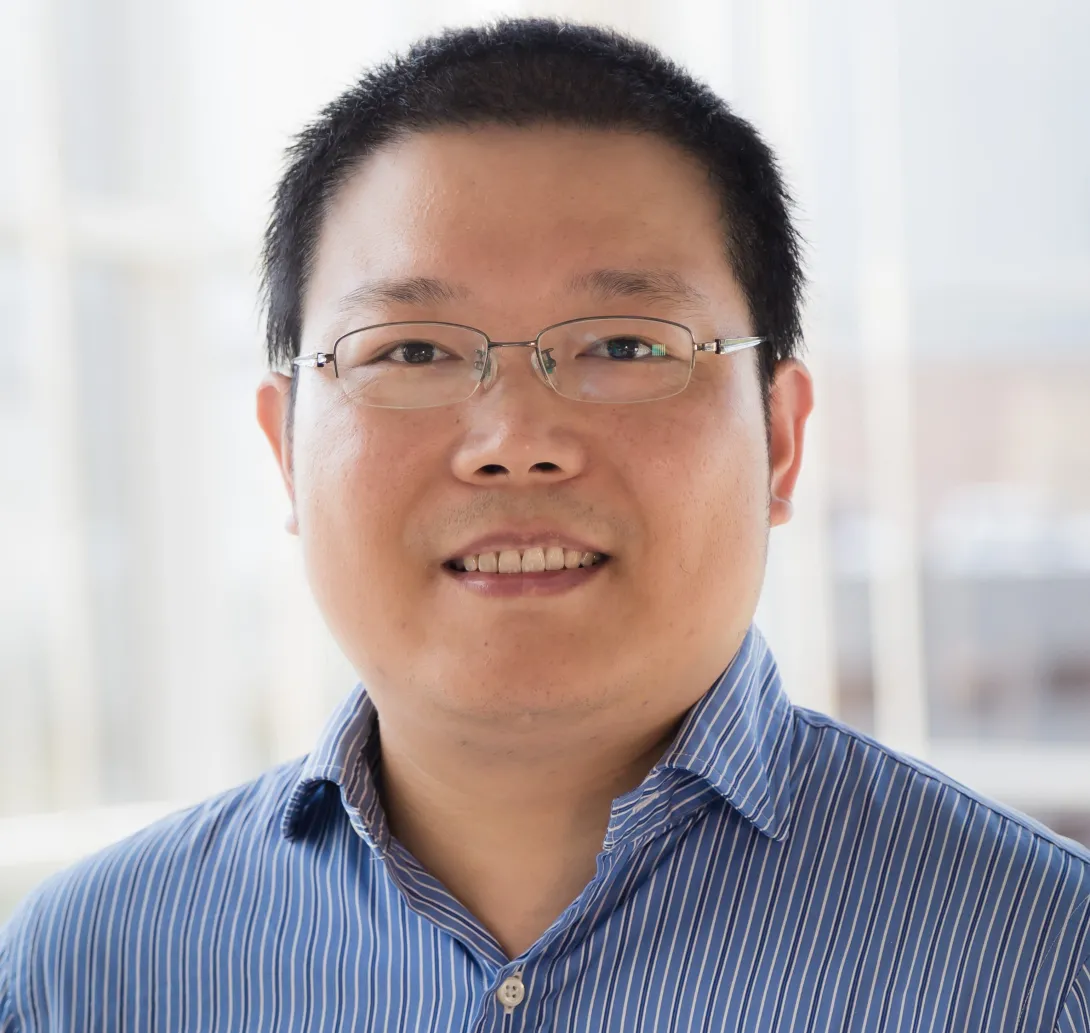
Ying Li, associate professor of mechanical engineering at University of Wisconsin-Madison
Tiezheng Tong, associate professor of environmental engineering at Arizona State University
Someday, your drinking water could be completely free of toxic “forever chemicals.”
These chemicals, called PFAS (per- and polyfluoroalkyl substances), are found in common household items like makeup, nonstick cookware, dental floss, batteries, and food packaging. PFAS permeate the soil, water, food, and air, and they can remain in the environment for millennia. Once inside the human body, PFAS can persist for years, suppressing the immune system and increasing cancer risk.
Georgia Tech researchers, armed with a cutting-edge machine learning (ML) model, are spearheading a multi-university initiative. Their goal? To design a better membrane that efficiently removes PFAS from drinking water, a significant source of human exposure.
“More than 200 million Americans in all 50 states are affected by PFAS in drinking water, with 1,400 communities having levels above health experts’ safety thresholds,” noted the study’s principal investigator Yongsheng Chen, Bonnie W. and Charles W. Moorman IV Professor in Georgia Tech’s School of Civil and Environmental Engineering. Chen also directs the Nutrients, Energy, and Water Center for Agriculture Technology, or NEW Center. “Our research aims to provide a scalable, efficient, and sustainable solution for mitigating these toxic chemicals’ impact on human health and the environment.”
The resulting work, funded with over $10 million in multiyear grants from the U.S. Department of Agriculture (USDA), the National Science Foundation, and the Environmental Protection Agency (EPA), was recently published in Nature Communications.
Sewage Treatment Limitations
Conventional water treatment processes are ineffective at removing PFAS. Too often, traditional cleansing methods, such as using chlorine to kill pathogens in water, create harmful byproducts.
“Solving one problem creates another problem,” said Chen.
He has already used ML and artificial intelligence in precision agriculture to monitor nutrient levels in plants and insists that tackling PFAS removal similarly requires new approaches. Rather than treating an entire body of water, Chen’s team first separated PFAS from the water stream. Success depended on finding the right membrane material to isolate the chemicals in the water.
Chen relied on a team of 10 Ph.D. students and nine research scientists to perform the ML modeling. In addition to Georgia Tech, two other schools contributed people and laboratory expertise. The University of Wisconsin-Madison (UWM) validated the model with molecular simulations, while Arizona State University (ASU) trained it using data from scientific literature and their lab.
“Applying machine learning to membrane separation represents an exciting frontier for environmental engineering,” said Tiezheng Tong, an associate professor of environmental engineering in ASU’s School of Sustainable Engineering and the Built Environment.
This is another step in tackling PFAS pollution, a widespread problem that has recently received significant public attention due to PFAS’ toxic nature and the recent EPA ruling on PFAS in drinking water, he said.
“By integrating with molecular simulation tools, we can better understand PFAS transport across nanofiltration and reverse osmosis membranes, pushing the boundary of fundamental science relating to membrane separation,” Tong said.
ML Accelerates Membrane-Material Discoveries
Using ML modeling significantly sped up the discovery process. For instance, one Ph.D. student in Chen’s lab used trial and error over two years to pinpoint one promising membrane. Machine learning modeling allowed the team to find eight membrane candidates 10 to 20 times faster, reducing discovery time from years to a few months.
“Our molecular dynamics simulations reveal that electrostatic interactions, size exclusion, and dehydration play critical roles in governing the transport of PFAS molecules across polyamide membranes,” Ying Li explained. Li is an associate professor of mechanical engineering at UWM. “These calculations indicate that electrostatic interactions dominate PFAS rejection, with charged functional groups significantly influencing transport behavior. The simulation results provide fundamental insights that align with ML predictions, highlighting the key molecular determinants of PFAS removal efficiency.”
Addressing PFAS Exposure in Agriculture
By addressing PFAS contamination, this research could also benefit the agriculture industry, which depends on fertilizer sourced from water treatment plants. Wastewater biosolids are processed into fertilizer, offering farmers and ranchers a cheaper alternative to chemical fertilizers. Unfortunately, PFAS-tainted fertilizers from sewage sludge have contaminated significant amounts of land and livestock. Industry groups estimate that almost 70 million acres of U.S. farmland could be contaminated by these forever chemicals.
By funding this research, the USDA hopes that an effective membrane will help the United States reclaim this crucial resource.
“Synthesizing a very smart membrane to get rid of PFAS also allows us to recover the fertilizer from municipal wastewater treatment plants,” Chen said. “Such a membrane could enable us to get rid of things we don’t want and keep the things we need, so we can keep the water for irrigation or other applications.”
Eliminating PFAS in fertilizers also could help address the mismatch of food and water demand in urban versus rural areas since 80% of the demand resides in cities. PFAS removal could directly support urban area resource recovery and food production.
“Our goal is achieving a circular economy where materials never become waste, and nature is regenerated,” Chen said.
What’s Next
The team will fine-tune the model and add more data to improve its training features. Chen will synthesize membranes in his lab to further test the model's PFAS removal predictions.
Today, scientists have found ways to remove long chains of PFAS, but the shorter chains of these chemicals persist, explained Chen.
“If we can better understand the mechanism, we’ll be able to design a good material membrane to get rid of all PFAS. That could be game-changing.”
— By Anne Wainscott-Sargent
Funding
This work is partially supported by the NSF (Award Nos. 2112533, 2427299, 2345543, Y.C.; 2448130, T.T.; and 2345542, Y.L.).
Y.C. acknowledges the financial support by the USDA (Award No.2018−68011-28371), NSF-USDA (Award No. 2020-67021-31526), and EPA (Award No. 840080010).
T.T. acknowledges the support of the USDA National Institute of Food and Agriculture (Hatch Project COL00799, accession 1022591).
Y.L. acknowledges the financial support by the National Alliance for Water Innovation (NAWI), funded by the US DOE, Office of Energy Efficiency and Renewable Energy (EERE), Advanced Manufacturing Office, under Funding Opportunity announcement Number DE-FOA-0001905, through a subcontract to the University of Wisconsin-Madison.
News Contact
Shelley Wunder-Smith | Director of Research Communications
shelley.wunder-smith@research.gatech.edu
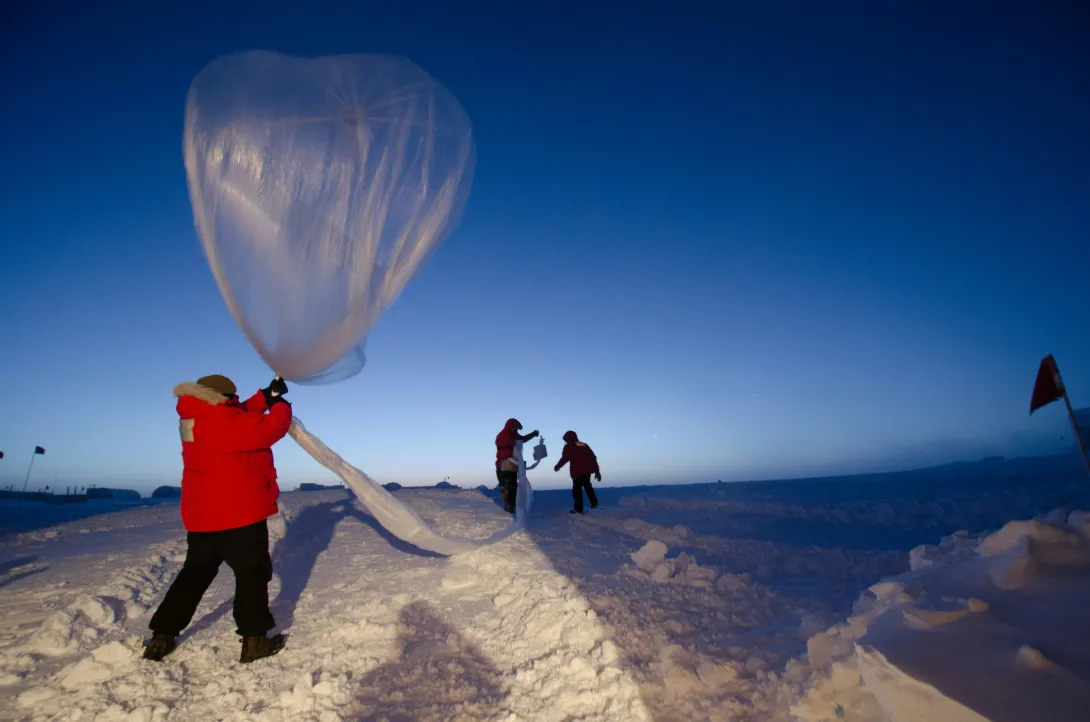
Researchers launch a a lightweight, balloon-borne instrument to collect data. "To keep advancing, we need scientists who can determine what data we need, collect that data, and solve problems," Bracco says. (NOAA)
Exponential growth in big data and computing power is transforming climate science, where machine learning is playing a critical role in mapping the physics of our changing climate.
“What is happening within the field is revolutionary,” says School of Earth and Atmospheric Sciences Associate Chair and Professor Annalisa Bracco, adding that because many climate-related processes — from ocean currents to melting glaciers and weather patterns — can be described with physical equations, these advancements have the potential to help us understand and predict climate in critically important ways.
Bracco is the lead author of a new review paper providing a comprehensive look at the intersection of AI and climate physics.
The result of an international collaboration between Georgia Tech’s Bracco, Julien Brajard (Nansen Environmental and Remote Sensing Center), Henk A. Dijkstra (Utrecht University), Pedram Hassanzadeh (University of Chicago), Christian Lessig (European Centre for Medium-Range Weather Forecasts), and Claire Monteleoni (University of Colorado Boulder), the paper, ‘Machine learning for the physics of climate,’ was recently published in Nature Reviews Physics.
“One of our team’s goals was to help people think deeply on how climate science and AI intersect,” Bracco shares. “Machine learning is allowing us to study the physics of climate in a way that was previously impossible. Coupled with increasing amounts of data and observations, we can now investigate climate at scales and resolutions we’ve never been able to before.”
Connecting hidden dots
The team showed that ML is driving change in three key areas: accounting for missing observational data, creating more robust climate models, and enhancing predictions, especially in weather forecasting. However, the research also underscores the limits of AI — and how researchers can work to fill those gaps.
“Machine learning has been fantastic in allowing us to expand the time and the spatial scales for which we have measurements,” says Bracco, explaining that ML could help fill in missing data points — creating a more robust record for researchers to reference. However, like patching a hole in a shirt, this works best when the rest of the material is intact.
“Machine learning can extrapolate from past conditions when observations are abundant, but it can’t yet predict future trends or collect the data we need,” Bracco adds. “To keep advancing, we need scientists who can determine what data we need, collect that data, and solve problems.”
Modeling climate, predicting weather
Machine learning is often used when improving climate models that can simulate changing systems like our atmosphere, oceans, land, biochemistry, and ice. “These models are limited because of our computing power, and are run on a three-dimensional grid,” Bracco explains: below the grid resolution, researchers need to approximate complex physics with simpler equations that computers can solve quickly, a process called ‘parameterization’.
Machine learning is changing that, offering new ways to improve parameterizations, she says. “We can run a model at extremely high resolutions for a short time, so that we don’t need to parameterize as many physical processes — using machine learning to derive the equations that best approximate what is happening at small scales,” she explains. “Then we can use those equations in a coarser model that we can run for hundreds of years.”
While a full climate model based solely on machine learning may remain out of reach, the team found that ML is advancing our ability to accurately predict weather systems and some climate phenomena like El Niño.
Previously, weather prediction was based on knowing the starting conditions — like temperature, humidity, and barometric pressure — and running a model based on physics equations to predict what might happen next. Now, machine learning is giving researchers the opportunity to learn from the past. “We can use information on what has happened when there were similar starting conditions in previous situations to predict the future without solving the underlying governing equations,” Bracco says. “And all while using orders-of-magnitude less computing resources.”
The human connection
Bracco emphasizes that while AI and ML play a critical role in accelerating research, humans are at the core of progress. “I think the in-person collaboration that led to this paper is, in itself, a testament to the importance of human interaction,” she says, recalling that the research was the result of a workshop organized at the Kavli Institute for Theoretical Physics — one of the team’s first in-person discussions after the Covid-19 pandemic.
“Machine learning is a fantastic tool — but it's not the solution to everything,” she adds. “There is also a real need for human researchers collecting high-quality data, and for interdisciplinary collaboration across fields. I see this as a big challenge, but a great opportunity for computer scientists and physicists, mathematicians, biologists, and chemists to work together.”
Funding: National Science Foundation, European Research Council, Office of Naval Research, US Department of Energy, European Space Agency, Choose France Chair in AI.
DOI: https://doi.org/10.1038/s42254-024-00776-3
News Contact
Written by Selena Langner