
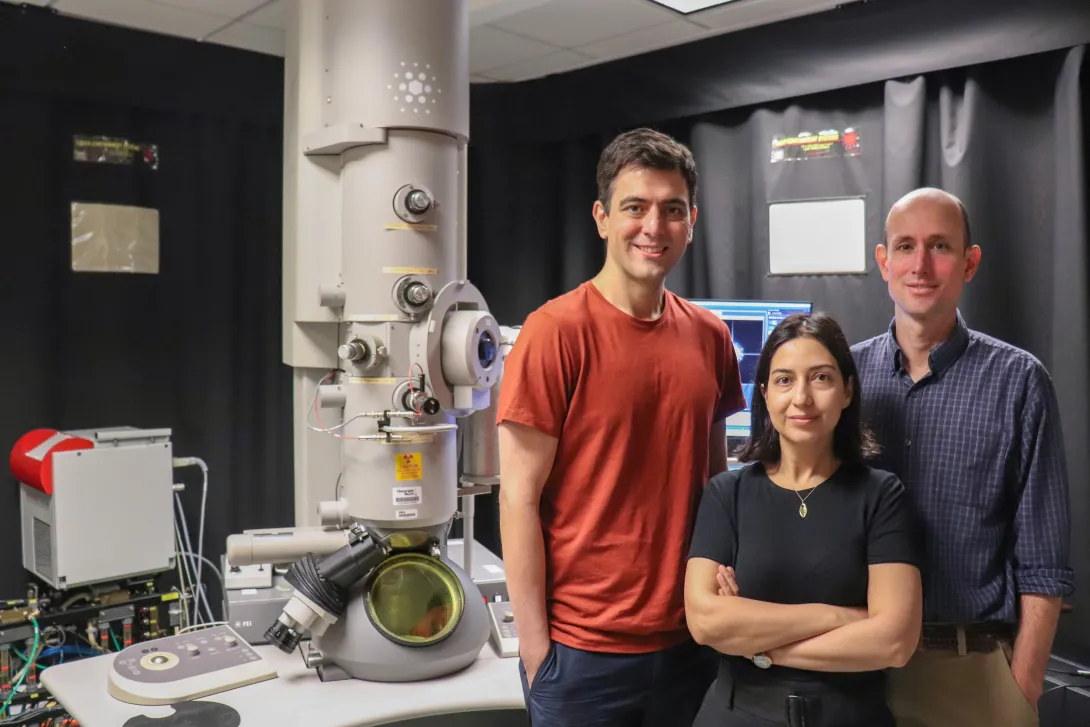
A photo of Vida Jamali, assistant professor the School of Chemical and Biomolecular Engineering; Amirali Aghazadeh, assistant professor in the School of Electrical and Computer Engineering; and Josh Kacher, associate professor in the School of Materials Science and Engineering standing in front of a TEM at Georgia Tech.
Scientific discovery is often portrayed as the result of long hours alone in a lab, but true science is inherently collaborative. The most robust experimental processes are developed through partnerships across multiple areas of research. The need for specialized, multidisciplinary teams slows experiment design, execution, data analysis, and process updates, delaying technological validation and deployment. But if the increasingly automated tools scientists already use in the lab could contribute to this team process of experimental design, the timeline for these goals could be greatly accelerated.
This concept of “lab tool as lab assistant” is the premise of a recent paper in npj | Computational Materials titled “Thinking Microscopes: Agentic AI and the Future of Electron Microscopy,” by Vida Jamali, assistant professor the School of Chemical and Biomolecular Engineering; Amirali Aghazadeh, assistant professor in the School of Electrical and Computer Engineering; and Josh Kacher, associate professor in the School of Materials Science and Engineering.
In the paper, the team introduces the concept of “thinking electron microscopes,” in which agentic AI systems are directly integrated with the instrument. This allows microscopes to move beyond their conventional role as characterization tools and toward functioning as co-scientists for human users.
Drawing on advances in specialized large language models, or LLMs, that demonstrate their ability to collaborate, reason over data, and integrate prior knowledge, the team envisions specialized LLM-based agents assigned to specific roles and areas of knowledge expertise. By explicitly incorporating domain knowledge into specialized agents and distributing information across multiple agents with focused expertise, the approach enables parallel evaluation of competing hypotheses, clearer separation of roles — such as planning, simulation, and critique — and more transparent and robust reasoning.
Within the experimental pipeline, these agents can analyze materials’ properties, physical data, chemical processes, and other relevant parameters. They could also collaborate with an agent that specializes in experimental design, refining iterative closed-loop experimentation, and real-time scientific discovery.
Although the research focuses on AI collaboration, the team notes that human researchers must retain accountability for the accuracy and integrity of both the experimental process and the results reported. This oversight begins with advocating for greater open access to research materials in all formats, building community-driven data repositories, and adopting standardization in how experimental parameters and metadata are reported. Equally important, researchers should be willing to report data from failed experiments as well as successful outcomes. Finally, organizations should work together to standardize secure APIs that enable shared, remote access to infrastructure across distances.
We see this as a step toward scientific instruments that do more than acquire data; systems that can reason over experiments, adapt measurements, and participate in the scientific discovery process alongside researchers. - Vida Jamali, assistant professor the School of Chemical and Biomolecular Engineering
The team is already developing these systems by connecting cloud-based, agentic infrastructures to microscopes at the Institute for Matter and Systems at Georgia Tech. With the addition of agentic AI, the goal is to accelerate discovery and engineering of new nanoscale materials for energy and quantum applications, as well as advance capabilities in cryo-electron microscopy and structural biology. These tools can optimize data collection, link real-time microscope observations with structural models of proteins, and dynamically adjust and prioritize experiments. The team sees this work as the first step toward the next generation of “thinking” electron microscopes, as well as an advancement in scientific discovery across domains.
- Christa M. Ernst
This research is supported by the Institute for Data Engineering and Science and the Institute for Matter and Systems
Original Publication
Jamali, V., Aghazadeh, A. & Kacher, J. Thinking microscopes: agentic AI and the future of electron microscopy. npj Computational Materials 12, 149 (2026). https://doi.org/10.1038/s41524-026-02077-y
News Contact

Hospitals filled to capacity. Case counts climbing by the hour. Quarantine became routine.
It was the beginning of the Covid-19 pandemic.
The world needed a vaccine that didn’t exist, and there was no clear timeline for one. No one knew how long the vaccine development process would take — or whether it would work at all.
Then, less than a year later, Pfizer and BioNTech set a record for how fast a drug moved from clinical trials to federal authorization — and to people waiting as the virus surged worldwide. That speed depended on more than scientific discovery. It hinged on trials, regulatory approval, and manufacturing at scale.
Experience Made the Difference
Startup BioNTech, a small biotech firm, had spent years developing mRNA technology. Pfizer, a huge pharmaceutical company, brought deep experience running large clinical trials, working with regulators, and manufacturing at scale. The two companies had worked together before, which meant they did not have to build trust, decision-making structures, or workflows in the middle of a crisis. Trials moved quickly. They knew what regulators required and how to meet those demands.
According to Georgia Tech research, that kind of business alignment is far from common — and can explain why many promising drugs never reach patients.
Manpreet Hora, senior associate dean for programs and professor of operations management in Georgia Tech’s Scheller College of Business, studies what happens after a drug leaves the lab. In a study published in Production and Operations Management, he and his coauthors analyzed nearly 300 biotech–pharma partnerships to understand why some drugs make it through and others stall.
“If you are a patient, this process is out of your control,” Hora said. “In some cases, it can cost lives.”
Where It Breaks Down
Drug development often depends on handoffs. Small biotech firms typically generate early discoveries. Larger pharmaceutical companies step in to run trials, work with regulators, and bring products to market.
But complications can arise when companies that lack similar experience levels try to develop the drug together.
Decision-making slows down. Roles become unclear. The process starts to erode.
"That's why partner choice matters," Hora said, comparing the process to a popular TV show. "It's like going on Shark Tank — just because someone is offering money doesn't mean they're the right partner."
Hora said the Pfizer–BioNTech partnership worked because both companies approached the work the same way, despite the difference in their size. Pfizer is one of the largest pharmaceutical companies in the world. BioNTech was a much smaller firm.
What Decides the Outcome
As of September 2025, 5 billion doses of the Pfizer–BioNTech Covid vaccine have been distributed globally.
Pfizer’s chairman and CEO, Albert Bourla, attributes the unprecedented success to a “world class collaboration” with BioNTech. He said, "I think it was because both companies had developed very similar cultures…We were both really very purpose-driven.”
Hora's research comes to the same conclusion: In an industry where drugs can take a decade to reach patients, the wrong partner can mean they never arrive at all.
News Contact
Michelle Azriel
Senior Writer, Editor — Research Communications
mazriel3@gatech.edu
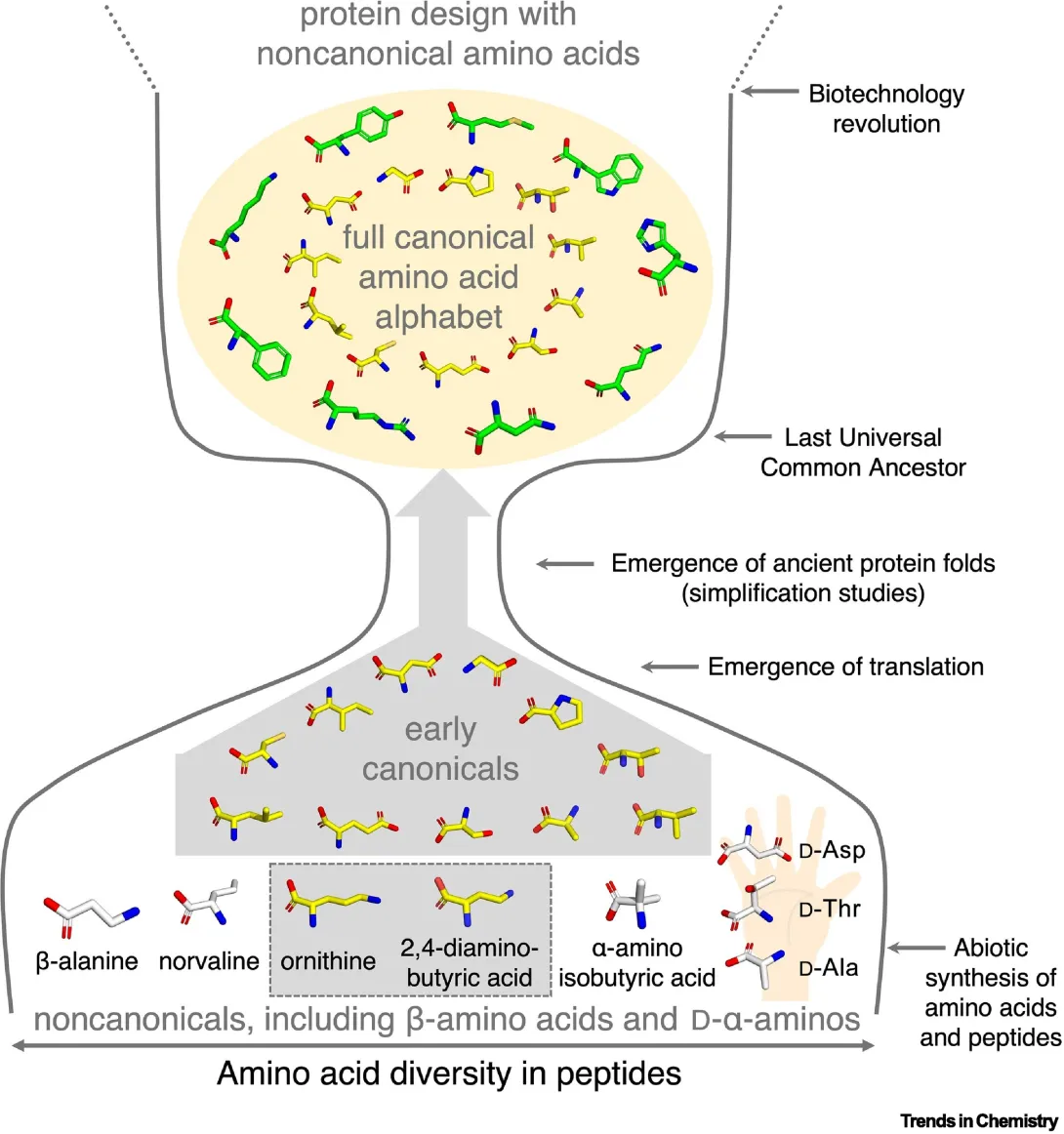
Amino acid diversity in peptides and proteins over time. Over time, the genetic code expanded into the 20-amino acid alphabet found in contemporary biology. Now, in the era of biotechnology, the amino acid alphabet is poised to expand once more. (Figure Credit: “The borderlands of foldability: lessons from simplified proteins,” Koh Seya, Alfie‑Louise R. Brownless, Shina C. L. Kamerlin, and Liam M. Longo, Trends in Chemistry, 2026)
How did the earliest life on Earth build complex biological machinery with so few tools? A new study explores how the simplest building blocks of proteins — once limited to just half of today’s amino acids — could still form the sophisticated structures life depends on.
The paper, The Borderlands of Foldability: Lessons from Simplified Proteins, is a meta-analysis of six decades of protein research and reveals that ancient proteins may have been far more complicated and dynamic than previously thought.
Recently published in the journal Trends in Chemistry, the study includes Georgia Tech researchers Lynn Kamerlin, professor in the School of Chemistry and Biochemistry and Georgia Research Alliance Vasser-Woolley Chair in Molecular Design, and Quantitative Biosciences Ph.D. candidate Alfie-Louise Brownless.
Co-authors also include Institute of Science Tokyo graduate student Koh Seya and Liam M. Longo, who serves as a specially appointed associate professor at Science Tokyo and as an affiliate research scientist at the Blue Marble Space Institute of Science.
The research has implications ranging from the origins of life and the search for life in the universe to cutting-edge medical innovation. “One of the biggest unanswered questions in science is how life first began,” says Kamerlin, who is a corresponding author of the study. “Understanding how the first protein-like molecules formed and what the earliest proteins may have been like is a key part of that puzzle.”
“Proteins power our bodies — and all life on Earth,” she adds. “Simply put, the evolution of proteins is the reason that we’re able to have this conversation at all.”
A Protein Folding Paradox
If proteins are the scaffolding of life, amino acids are the components that make up that scaffolding. “Today, an average protein is constructed from a chain of about 300 amino acids, involving 20 different types of amino acids,” Kamerlin shares. Proteins fold when these chains twist into a specific 3-dimensional shape, creating structures critical for biology.
However, while these folds are essential, exactly how a protein knows which way to fold remains a mystery. “We know that proteins didn’t just fold randomly,” Kamerlin shares, “because randomly trying all possible configurations would take a protein longer than the age of the universe.”
It’s a cornerstone problem in biological science called “Levinthal’s Paradox,” and highlights a fundamental mystery: Proteins fold incredibly quickly into very specific combinations — but like a sheet of paper spontaneously folding into an origami swan, researchers don’t know how proteins “choose” the folds they make.
“We can predict what a protein will look like, but can’t tell you how it got there,” Kamerlin adds. “That’s what we’re interested in exploring: how small early proteins developed into the complex proteins that support every living thing on today’s Earth.”
Simple Letters, Sophisticated Structures
Early proteins likely had access to just half of today’s amino acids. “About 10-12 amino acids were likely available on early Earth,” Kamerlin says. Like writing a story with just the letters “A” through “L,” researchers assumed that the ‘vocabulary’ proteins could build from such a limited amino acid alphabet would also be constrained.
“There is a language to protein folding,” Kamerlin explains. “That language is hidden in their structures. Our research is in trying to understand the rules — the grammar and vocabulary that dictate a protein fold.”
The grammar they discovered was surprising: with a combination of creative techniques and environmental support, complex structures can arise from limited amino acid alphabets.
“We found that it is possible to develop complex folds with very simple tools — and certain environments, like salty ones, can help support that,” Kamerlin shares. “Early proteins could also cross-link and associate, interacting like LEGO blocks to create more complex structures.”
Pioneering Proteins
Now, the team is conducting research in environments that could mimic conditions on early Earth — aiming to discover more about how these regions could have given rise to today’s complex proteins. “This aspect of our research also ties into the amazing space research happening at Georgia Tech,” Kamerlin says. “While we’re interested in understanding early life on Earth, our work could help inform where best to look for evidence of life beyond our planet.”
Kamerlin specializes in creating computer models that simulate possible scenarios – creating an opportunity to quickly and efficiently test many theories. The most compelling of these can then be tested by her collaborator and co-author at Science Tokyo, Liam Longo, in lab experiments.
Protein folding is also at the forefront of medical innovation, ranging from diagnostic tools to cancer treatments and neurodegenerative diseases. “In the broader scope, we’re interested in discovering what we can design, what we can stress test, and what we can reconstruct with AI and other computational tools,” Kamerlin says. “Because if you can understand how proteins fold, you gain the ability to design them.”
Funding: NASA, the Human Frontier Science Program, and the Knut and Alice Wallenberg Foundation
News Contact
Written by:
Selena Langner
College of Sciences
Georgia Institute of Technology

Karen Rommelfanger recently joined Georgia Tech as a professor of the practice, where she will work with the Institute for Neuroscience, Neurotechnology, and Society to embed neuroethics into Georgia Tech’s research and technology development ecosystem. Photo via the Dana Foundation.
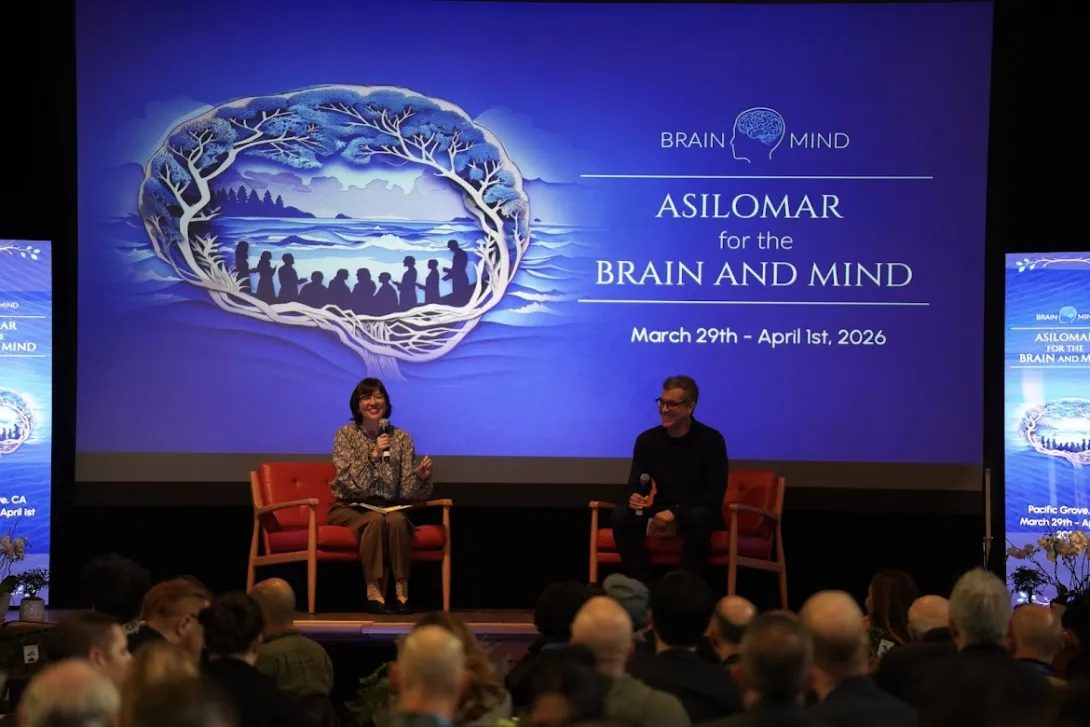
Karen Rommelfanger (left) is a leading voice in neuroethics, with years of experience bridging neuroscience, technology development, ethics, and public policy to address the societal impacts of emerging brain technologies.
Artificial intelligence has been touted as the most transformative technology of our time. With only a few years of mainstream use, it’s changed how we work and communicate, generated billions of dollars in investments, and sparked global debate. But according to leading neuroethics expert Karen Rommelfanger, the race isn’t over yet.
“Can you think of a more transformative technology than one that intervenes with the fundamental organ that drives your experience in the world?”
That fundamental organ is the brain.
Technologies interfacing directly with the brain have been reserved for treating severe injury or disease for decades. Now, neurotechnology is expanding into brain-responsive wearables meant to enhance, augment, and monitor everyday life. As these technologies accelerate and AI is incorporated, the question is no longer if neurotechnology will transform society, but how — and who will shape the boundaries.
These are some of the questions on which Karen Rommelfanger has built her career. Trained as a biomedical researcher and neuroscientist, Rommelfanger went on to found the Institute for Neuroethics, the world’s first think and do tank devoted entirely to neuroethics, public engagement, and policy implementation.
“The brain is special; it’s central to who we are,” says Rommelfanger, who was also an inaugural recipient of the Dana Foundation Neuroscience and Society Award. “And that means when you intervene with the brain, there are unique responsibilities. The field of neuroethics addresses things like: How do you ensure mental privacy? How do you protect free will? How do you ensure that people have the power to be narrators of their own lives and their cognitive experience?”
Now, Rommelfanger is joining Georgia Tech’s Institute for Neuroscience, Neurotechnology, and Society (INNS) as a professor of the practice, where she will work to further embed neuroethics into Georgia Tech’s research and technology development ecosystem.
“Georgia Tech is producing the next generation of neurotechnologists, and Karen’s expertise will help ensure we’re preparing them to think about societal impact as deeply as they think about the technical and scientific aspects of their work,” says Christopher Rozell, executive director of INNS. “Her leadership strengthens the Institute in exactly the way this moment in neurotechnology demands.”
“Georgia Tech has many, many ways that it leads in the technology ecosystem. But one of the powerful, unique ways it can lead is through neurotechnology,” says Rommelfanger. “I hope that the INNS, given its unique mandate for neuroscience, neurotechnology, and society, can be a lighthouse for these types of conversations.”
Neuroethics by Design
From institutional review boards to mandatory responsible research conduct training, ethics are a foundational part of scientific research. But designing neurotechnologies raises ethical challenges beyond the scope of typical training. What happens when discoveries leave the lab and enter people’s lives?
That question sits at the core of Rommelfanger’s work. She argues it’s a neurotechnologist’s responsibility to recognize and proactively address the need for unique safeguards for privacy, autonomy, and long-term responsibility. Her solution is to move neuroethics upstream, embedding it directly into the research, design, and deployment of neurotechnology through an approach she calls “neuroethics by design.”
“Neuroethics by design considers ethics as a core criterion where principles can drive innovation with more of a lens toward societal outcomes,” she says — an approach informed by years of advising national-level brain research initiatives and her experience at the intersection of clinical practice and ethics scholarship.
Rather than treating ethics as a compliance checklist or a post hoc review, neuroethics by design integrates ethical thinking throughout the entire innovation lifecycle, from early ideation and research questions to product requirements, governance strategies, and long-term sustainability. She has used the approach for years as an embedded partner for neurotechnology startups in her neuroethics consultancy, Ningen Co-Lab.
After decades as a traditional academic professor and then years advising companies and policymakers with this philosophy, Rommelfanger says Georgia Tech is the right place to scale this work. With its strength in neurotechnology and INNS’s rare focus on neuroscience and society, “I could not think of a better place to launch and pilot this neuroethics by design scaling effort.”
She will work with INNS to help equip researchers, students, and industry partners with practical tools for ethical decision-making. Her vision is not to create neuroethicists as a standalone profession, but to cultivate ethically engaged neurotechnologists and engineers.
Central to her plans at INNS are hands-on training programs that bring ethics out of the abstract and into practice. “I wanted to be a professor of the practice because, while the field does need more scholars, what it really needs most at this point are practitioners.”
Rommelfanger is exploring modular content that can be embedded into existing courses across disciplines, as well as immersive training — such as neuroethics boot camps and problem-solving hackathons — that bring together students, faculty, and professionals to tackle real-world challenges collaboratively.
“No one discipline can solve all the ethical challenges ahead,” says Rommelfanger. She is particularly interested in creating spaces where experts from across science and engineering, policy and law, design and the arts, and philosophy can work side by side with people with lived experience of neurological conditions. “The onus is not on scientists alone, but is a shared responsibility that benefits immensely from dialogue, accountability, and action across diverse communities.”
By situating neuroethics within Georgia Tech’s broader research ecosystem, Rommelfanger hopes INNS can help shift how the field evolves globally.
“It's really difficult to get your arms around something once it's out of the gate,” she says, citing the rapid adoption of AI without proper ethical or policy guidelines. “With neurotechnology, we still have a little bit of time, but not that much time. We are at that moment where we could change the course of global history.”
News Contact
Audra Davidson
Research Communications Program Manager
Institute for Neuroscience, Neurotechnology, and Society (INNS)
Researchers at Georgia Tech are using math, science, and artificial intelligence to better understand how people think, move, and perceive the world.
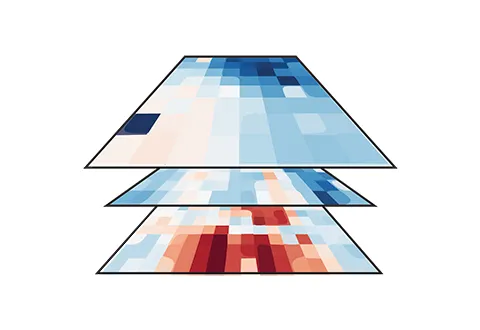
Caption: This image shows a topographic vision model trained to have a brain-like organization.
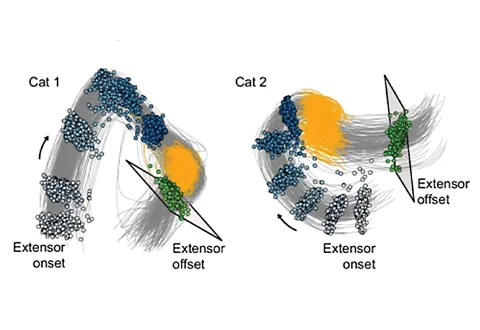
Caption: This shows how spinal cord activity guides transitions in muscle output for extensor muscles.
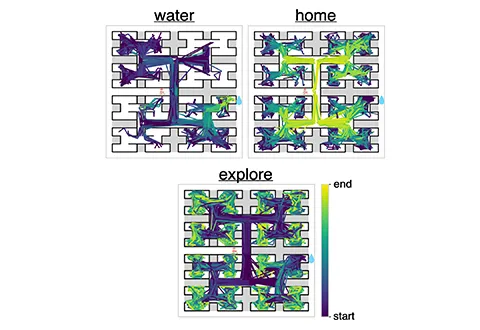
Caption: This shows how mice behave differently when they are pursuing different goals.
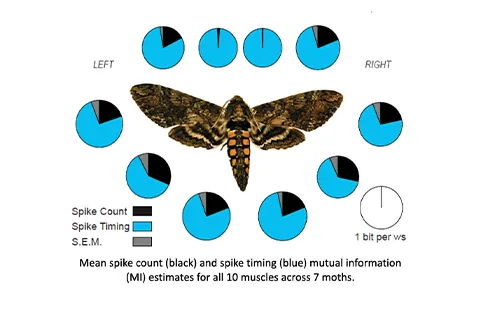
Caption: This shows the spike patterns of a hawk moth. Motor systems use spike codes to control motor output.
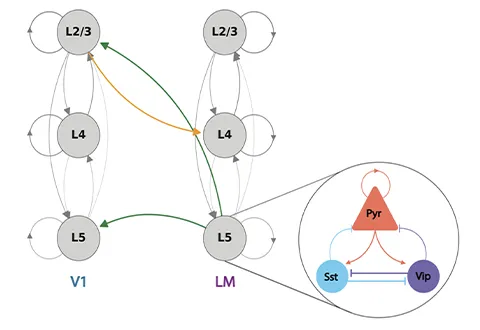
Caption: This shows how visual data from the retina is directed to the correct cognitive domain in the brain through a region of the visual cortex.
Nothing rivals the human brain’s complexity. Its 86 billion neurons and 85 billion other cells make an estimated 100 trillion connections. If the brain were a computer, it would perform an exaflop (a billion-billion) mathematical calculations every second and use the equivalent of only 20 watts of power. As impressive as the brain is, neurologists can’t fully explain how neurons work together.
To help find answers, researchers at the Institute for Neuroscience, Neurotechnology, and Society (INNS) are using math, data, and AI to unlock the secrets of thought. Together they are helping turn the brain’s raw electrical “noise” into real insights about how people think, move, and perceive the world.
Fair warning: Prepare your neurons for the complexity of this brain research ahead.
Building AI Like a Brain
What if artificial neurons in AI programs were arranged as they are in the brain?
AI programs would then help us understand why the brain is organized the way it is. This neuro-AI synthesis would also work faster, use less energy, and be easier to interpret. Creating such systems is the goal of Apurva Ratan Murty, an assistant professor of Psychology who is creating topographic AI models like the one above of three domains — vision, audition, and language inspired by the brain. In the near future, he predicts doctors might be able to use these patterns to predict the effects of brain lesions and other disorders. “We’re not there yet,” he says. “But our work brings us significantly closer to that future than ever before.”
Computing Thought and Movement
How cats walk keeps Chethan Pandarinath on his toes. This biomedical engineer uses sensors to analyze how two sets of feline leg muscles — flexors and extensors — are controlled by the spinal cord. Understanding how that happens could help patients partially paralyzed from spinal cord injuries, strokes, or progressive neuro-degenerative diseases get back on their feet again. “My lab is using AI tools that allow us to turn complex spinal cord activity data into something we can interpret. It tells us there’s a simple underlying structure behind the complex activity patterns,” says the associate professor.
Revealing the Brain’s Spike Patterns
“The brain is like a symphony conductor,” says Simon Sponberg. “Individual instruments have some independent control, but most of the music comes from the brain’s precise coordination of notes among the different players in the body.” This physics professor studies the fantastically fast-beating wings of the hummingbird-sized hawk moth (Manduca sexta). Its agile flight movement comes as a result of spikes in electrical activity in 10 muscles. Sponberg found something that surprised him — the brain focuses less on creating the number of spikes than in orchestrating their precise patterns over time. To Sponberg, every millisecond matters. “We are just beginning to understand how the nervous system first acquires precisely timed spiking patterns during development,” he says.
Predicting Decisions Through Statistics
Put a mouse in a maze with food far away, and it will learn to find it. But life for mice — and people — isn’t so simple. Sometimes they want to explore, only want water, or just want to go home. What’s more, animals make decisions based on their history, not just on how they feel at the moment. To dig deeper into the decision-making process, Anqi Wu, an assistant professor in the School of Computational Science and Engineering, is giving mice more options. By using a new computational framework called SWIRL (Switching Inverse Reinforcement Learning), her findings have outperformed models that fail to take historical behavior into account. “We’re seeking to understand not only animal behavior but also human behavior to gain insight into the human decision-making process over a long period of time,” she says.
Modeling the Mind’s Wiring With Math
Connectivity shapes cognition in the cerebral cortex, a layered structure in the brain. The visual cortex, in particular, processes visual data from the retina relayed through the Lateral Geniculate Nucleus (LGN) in the thalamus, and directs it to the correct cognitive domain in the brain. How it does this is the mystery that computational neuroscientist Hannah Choi wants to solve. “The big question I’m interested in is how network connectivity patterns in the architecture of the LGN are related to computations,” says this assistant math professor. To find answers, she shows mice repeated image patterns such as flower-cat-dog-house and then disrupts the pattern. The goal? To grasp how the thalamus’s nonlinear dynamical system works. If scientists and doctors better understand how brain regions are wired together, such knowledge could lead to better disease treatment.
This story was originally published through the Georgia Tech Alumni Magazine. Read the original publication here.
News Contact
Writer: George Spencer
News and Media Contact: Audra Davidson
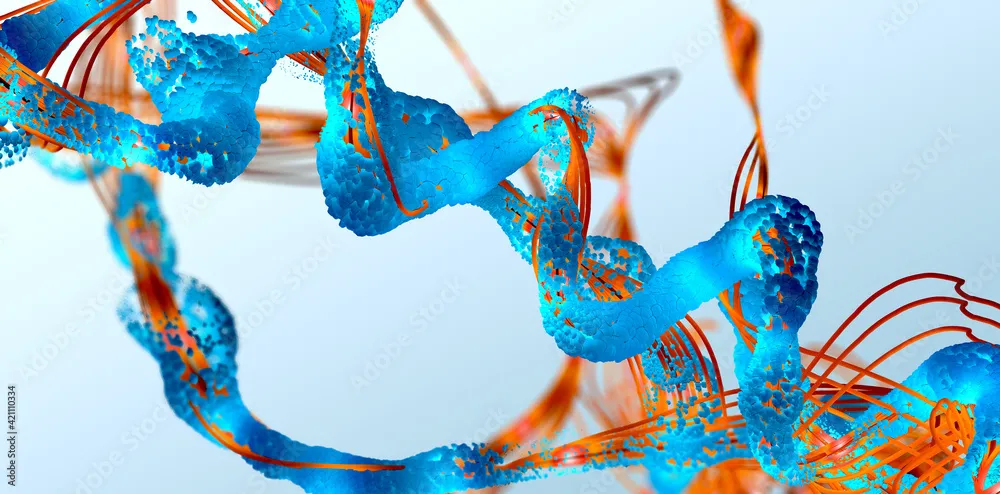
An illustration of a chain of amino acids forming a protein (Credit: Adobe Stock)
The building blocks of proteins, amino acids are essential for all living things. Twenty different amino acids build the thousands of proteins that carry out biological tasks. While some are made naturally in our bodies, others are absorbed through the food we eat.
Amino acids also play a critical role commercially where they are manufactured and added to pharmaceuticals, dietary supplements, cosmetics, animal feeds, and industrial chemicals — an energy-intensive process leading to greenhouse gas emissions, resource consumption, and pollution.
A landmark new system developed at Georgia Tech could lead to an alternative: a commercially scalable, environmentally sustainable method for amino acid production that is carbon negative, using more carbon than it emits.
The breakthrough builds on a method that the team pioneered in 2024 and solves a key issue – increasing efficiency to an unprecedented 97% and reducing the bioprocess cost by over 40%. It’s the highest reported conversion of CO2 equivalents into amino acids using any synthetic biology system to date.
Published in the journal ACS Synthetic Biology, the study, “Cell-Free-Based Thermophilic Biocatalyst for the Synthesis of Amino Acids From One-Carbon Feedstocks,” was led by Bioengineering Ph.D. student Ray Westenberg and Professor Pamela Peralta-Yahya, who holds joint appointments in the School of Chemistry and Biochemistry and School of Chemical and Biomolecular Engineering. The team also included Shaafique Chowdhury (Ph.D. ChBE 25) and Kimberly Wennerholm (ChBE 23); alongside University of Washington collaborators Ryan Cardiff, then a Ph.D. student and now a Chain Reaction Innovations Fellow at Argonne National Laboratory, and Charles W. H. Matthaei Endowed Professor in Chemical Engineering James M. Carothers; in addition to Pacific Northwest National Laboratory Synthetic Biology Team Leader Alexander S. Beliaev.
"This work shifts the narrative from simply reducing carbon emissions to actually consuming them to create value,” says Peralta-Yahya. “We are taking low-cost carbon sources and building essential ingredients in a truly carbon-negative process that is efficient, effective, and scalable.”
Heat-Loving Organisms
The work builds on the cell-free technology the team used in their earlier study. “Previously, we discovered that a system that uses the machinery of cells, without using actual living cells, could be used to create amino acids from carbon dioxide,” Peralta-Yahya explains. “But to create a commercially viable system, we needed to increase the system’s efficiency and reduce the cost.”
The team discovered that bits of leftover cells were consuming starting materials, and — like a machine with unnecessary gears or parts — this limited the system’s efficiency. To optimize their “machine,” the team would need to remove the extra background machinery.
"Leftover cell parts were using key resources without helping produce the amino acids we were looking for,” says Peralta-Yahya. “We knew that heating the system could be one way to purify it because heat can denature these components.”
The challenge was in how to protect the essential system components from the high temperatures, she adds. “We wondered if introducing enzymes produced by a heat-loving bacterium, Moorella thermoacetica, might protect our system, while still allowing us to denature and remove that inefficient background machinery.”
The results were astounding: after introducing the enzymes, heating and “cleaning” the system, and letting it cool to room temperature, synthesis of the amino acids serine and glycine leaped to 97% yield — nearly three times that of the team’s previous system.
Scaling for Sustainability
To make the system viable for large-scale use, the team also needed to reduce costs. “One of the most costly components in this system is the cofactor tetrahydrofolate (THF),” Peralta-Yahya shares. “Reducing the amount of THF needed to start the process was one way to make the system more inexpensive and ultimately more commercially viable.”
By linking reaction steps so waste from one step fueled the next, the team devised a method to recycle THF within the system that reduces the amount of THF needed by five-fold — lowering bioprocessing costs by 42%.
“This decrease in cost and increase in yield is a critical step forward in creating a method with real potential for use in industry and manufacturing,” Peralta-Yahya says. “This system could pave the way for moving this carbon-negative technology out of the lab and onto the continuous, industrial scale."
Funding: The Advanced Research Project Agency-Energy (ARPA-E); U.S. Department of Energy; and the U.S. Department of Energy, Office of Science, Biological and Environmental Research Program.
News Contact
Written by:
Selena Langner
College of Sciences
Georgia Institute of Technology


An estimated 4 million Americans have glaucoma, a group of eye diseases that can lead to irreversible blindness. Now, Georgia Tech is home to a Glaucoma Research Fund that will support cutting-edge work to understand and advance treatments for the disease.
The new initiative was sparked by ongoing research at Georgia Tech — and a Yellow Jacket connection: when Postdoctoral Research Fellow Hannah Youngblood’s work on exfoliation glaucoma (XFG) was featured by the BrightFocus Foundation, it caught the attention of Jennifer Rucker, an Alabama resident who was diagnosed with XFG several years ago.
Excited that the research could change outcomes for people like her — and proud that it’s happening at her husband Philip Rucker’s, EE 72, alma mater — Jennifer Rucker reached out to Youngblood and her advisor, School of Chemistry and Biochemistry Professor and Kelly Sepcic Pfeil, Ph.D. Chair Raquel Lieberman.
“As the wife of a Georgia Tech graduate and an individual with pseudoexfoliation glaucoma, I was inspired to support the scientists whose efforts may help me and others,” Jennifer Rucker says. What followed was a meaningful dialogue and a shared sense of purpose — and the creation of the Georgia Tech Glaucoma Research Fund (Wreck Glaucoma! Fund).
“It meant so much that Jennifer took the initiative to reach out to learn more about our research,” says Lieberman. “Moments like this remind me how deeply meaningful it is to connect with people in the broader community who are navigating glaucoma. Opportunities for such personal connections are rare, but they inspire and further motivate us to achieve our lab’s mission to improve the lives of individuals suffering from blindness diseases.”
A Personal Connection
Youngblood’s interest in glaucoma research also stems from a personal connection: her father was diagnosed with glaucoma as a young adult. Now, Youngblood studies the genetic and molecular factors behind XFG in the Lieberman research lab.
“XFG is an aggressive form of the disease with no known cure,” Youngblood says. While scientists know that XFG is the result of abnormal accumulation of proteins in the eye, current treatments only address symptoms rather than treating the root cause of the disease.
“We know XFG is driven by protein buildup, but we still don’t know why it happens,” she explains. “My work studying specific genetic variants aims to uncover this.”
The Genetics of Glaucoma
In particular, Youngblood is researching the role of LOXL1, a protein that plays a role in soft tissue throughout the body, including the eyes.
“Research has shown that people with variants in the genes responsible for this protein are more likely to have XFG,” she says. “That made me curious to see if the variants might be impacting the structure of the LOXL1 protein itself and how those variants might lead to disease.”
Youngblood is currently testing her theory in the lab. “My hope is that new insight into proteins like LOXL1 will bring us closer to treatments that address XFG at its source,” she says. “The new Georgia Tech Glaucoma Research Fund is a tremendous step forward in making that hope a reality.”
Support the Georgia Tech Glaucoma Research Fund
Please visit the Glaucoma Research Fund support page to give to this specific program. To discuss additional philanthropic opportunities, please contact the College of Sciences Development Team: development@cos.gatech.edu
Your investment ensures that these scholars and researchers have world-class resources, facilities, and mentors to excel in this critical work. Thank you for helping us shape the future.
News Contact
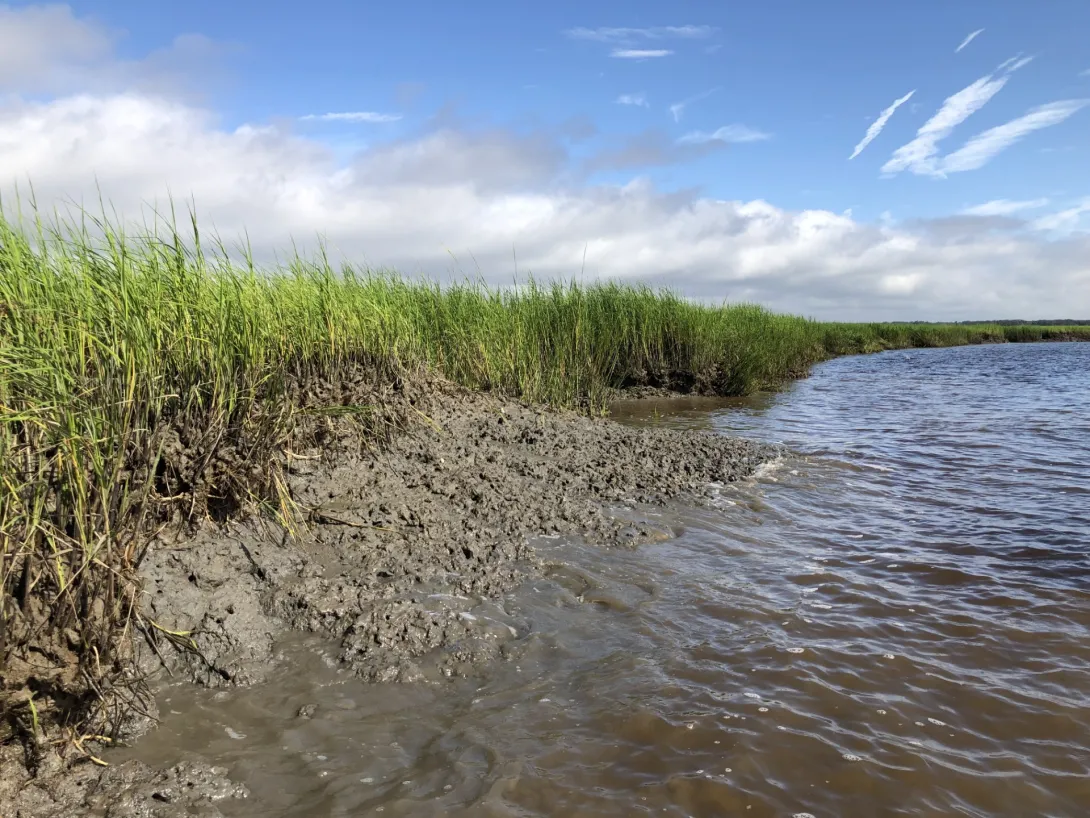
Degraded marsh on Cumberland Island, Georgia.
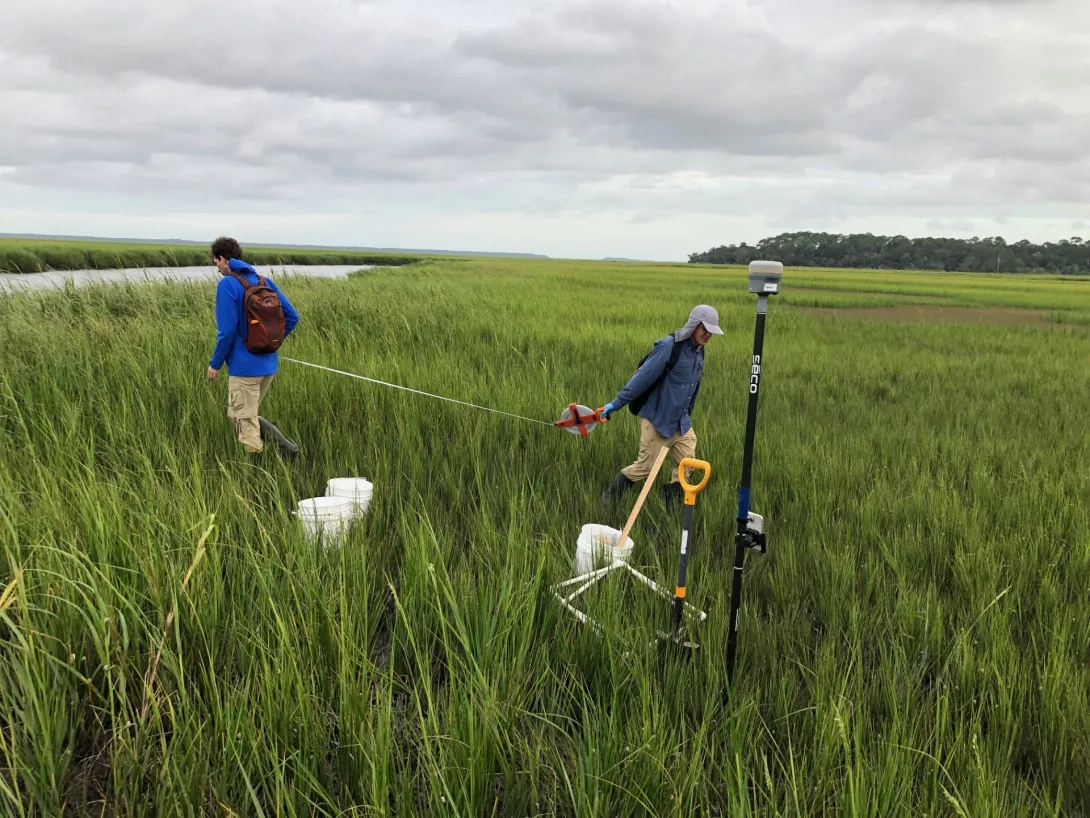
Kostka sampling transects of marshland on Cumberland Island, Georgia.
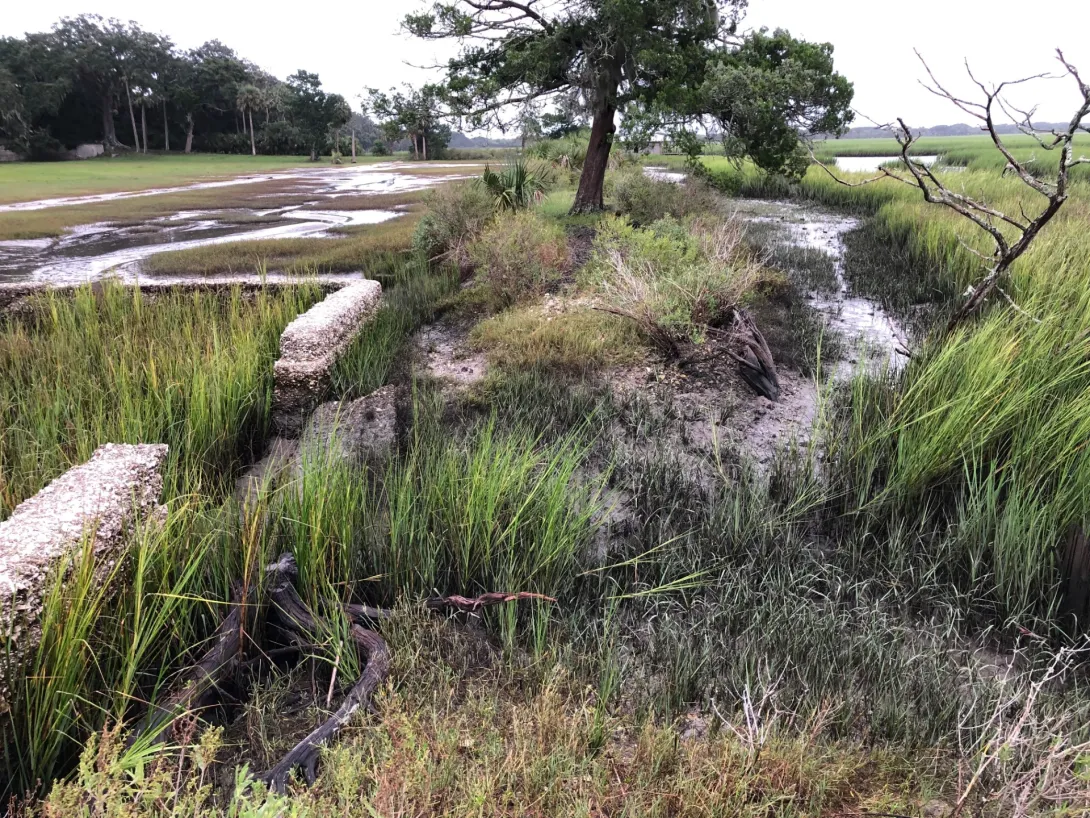
Erosion around the historic property “Dungeness” on Cumberland Island, Georgia.

Flooding in the town of St. Marys, a town in Camden County, Georgia.
The National Fish and Wildlife Foundation (NFWF) has awarded an interdisciplinary team nearly $1 million in funding through the National Coastal Resilience Fund to restore coastal wetlands in Georgia. It was the only project in Georgia to be selected for funding from the program's 2025 call for proposals.
The award will support the design of nature-based solutions including living shorelines and marsh restoration in flood-prone areas of Camden County, Georgia, adjacent to Naval Submarine Base Kings Bay, Cumberland Island National Seashore, and the city of St. Marys.
“Restoring wetlands in Camden County is not just an environmental priority — it’s a resilience strategy for the entire region,” says principal investigator (PI) Joel Kostka, Tom and Marie Patton Distinguished Professor, associate chair for Research in the School of Biological Sciences, and faculty director of Georgia Tech for Georgia’s Tomorrow. “Each acre of restored marshland protects coastal communities from natural hazards like storms and flooding, provides essential marine habitat, and has the potential to aid the Navy and the Army Corps of Engineers in developing management alternatives for dredged materials. When our wetlands flourish, our whole coastline does.”
In addition to Kostka, co-PI’s include University of Georgia (UGA) Skidaway Institute of Oceanography Director Clark Alexander, UGA Associate Professor Matt Bilskie and Professor Brian Bledsoe, The Nature Conservancy Coastal Climate Adaptation Director Ashby Worley, and Georgia Tech alumnus Nolan Williams of Robinson Design Engineers, a firm dedicated to the engineering of natural infrastructure in the Southeast that is owned and operated by Georgia Tech alumnus Joshua Robinson.
A coastal collaboration
The new project, known as a “pipeline project” by NFWF, builds on multiple resilience plans and years of previous research conducted by the established team. “This is a testament to the value of the long-term collaborations and partnerships that enable coastal resilience work,” Kostka says. “We’re working closely with local communities and a range of city, state, and federal stakeholders to ensure these solutions align with local priorities and protect what matters most.”
It’s not the first time that the team has brought this type of collaboration to the coastline. Since 2019, Kostka has worked alongside the South Carolina Department of Natural Resources, the South Carolina Aquarium, and Robinson Design Engineers in a $2.6 million effort to restore degraded salt marshes in historic Charleston, also funded by NFWF. Now in the implementation phase, much of the marsh restoration in Charleston involves planting salt-tolerant grasses, restoring oyster reefs, and excavating new tidal creeks — work that is being spearheaded by local volunteers.
“Coastal resilience isn’t something one group can tackle alone,” Kostka adds. “That shared, community-driven vision is what makes these projects possible.”
News Contact
Written by Selena Langner
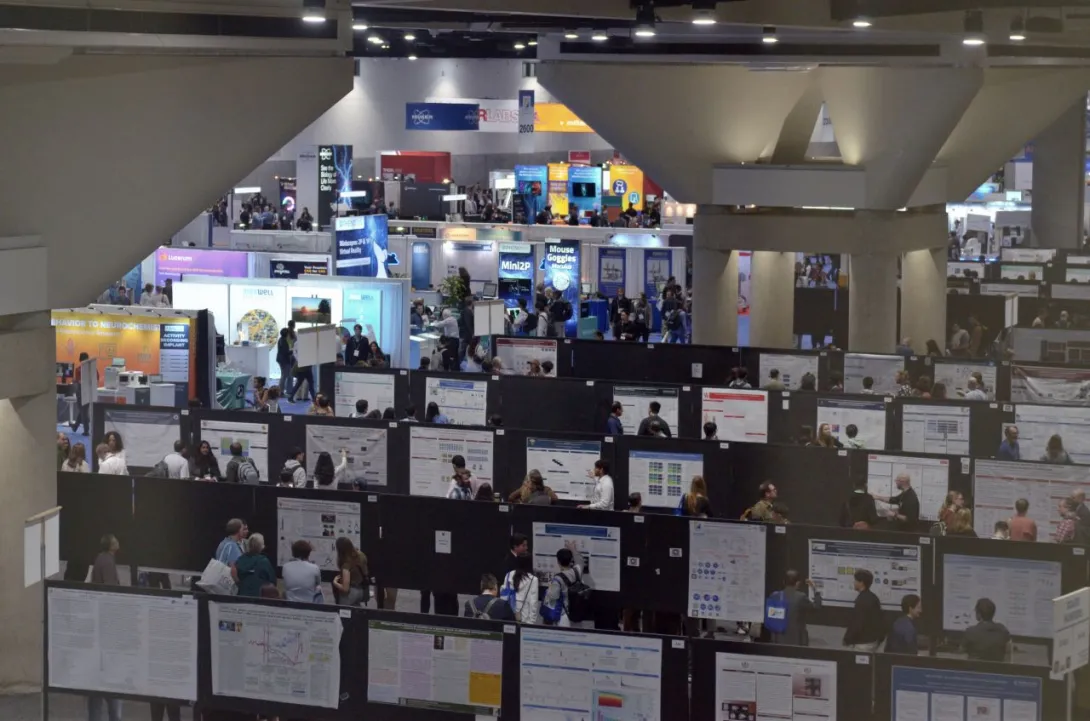
Affectionally called "DragonCon for neuroscience," the annual Society for Neuroscience meeting is one of the largest academic conferences in the world.
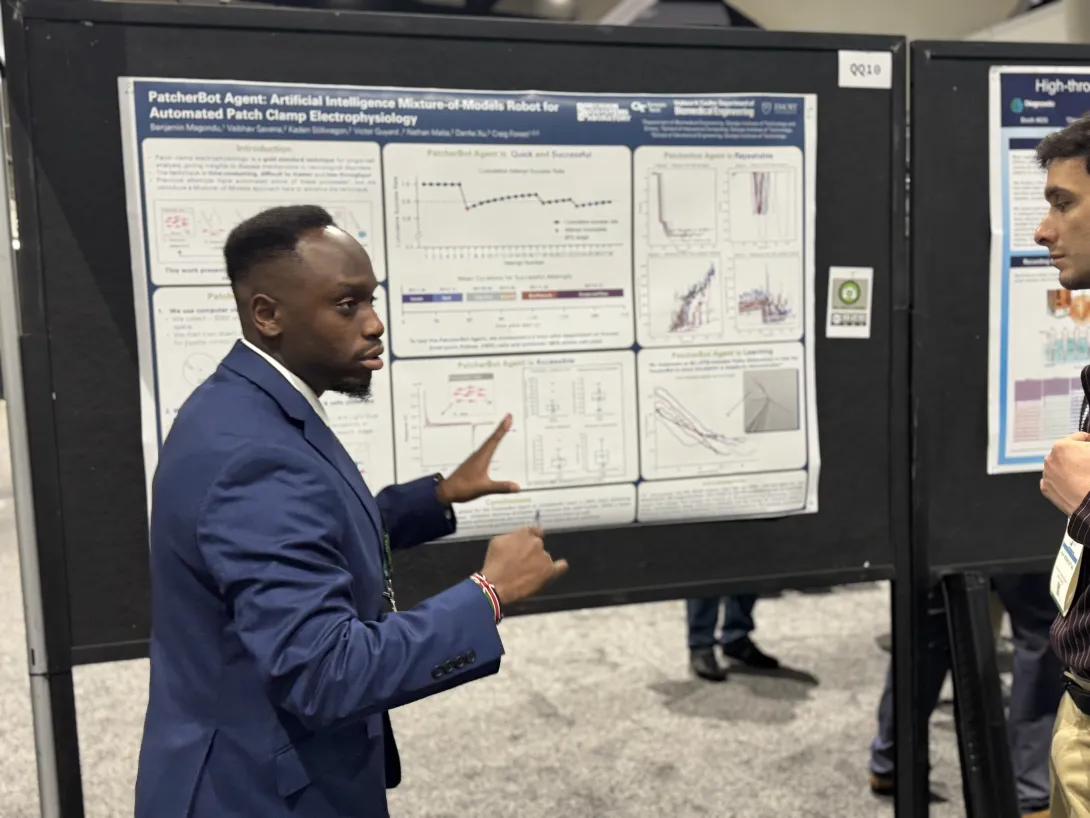
Benjamin Magondu, a graduate student in biomedical engineering, presented at SfN for the first time this year.
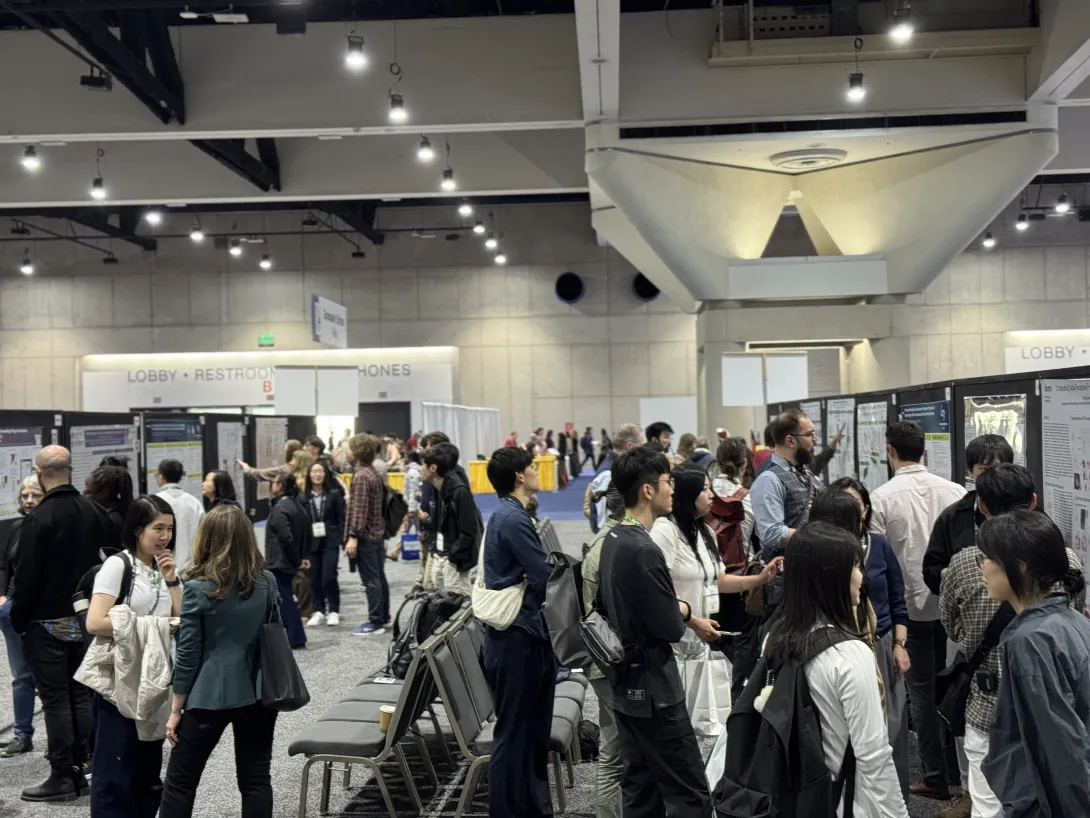
With hundreds of presentations happening simultaneously, the poster floor can be overwhelming at SfN — but for many, that's part of the draw.
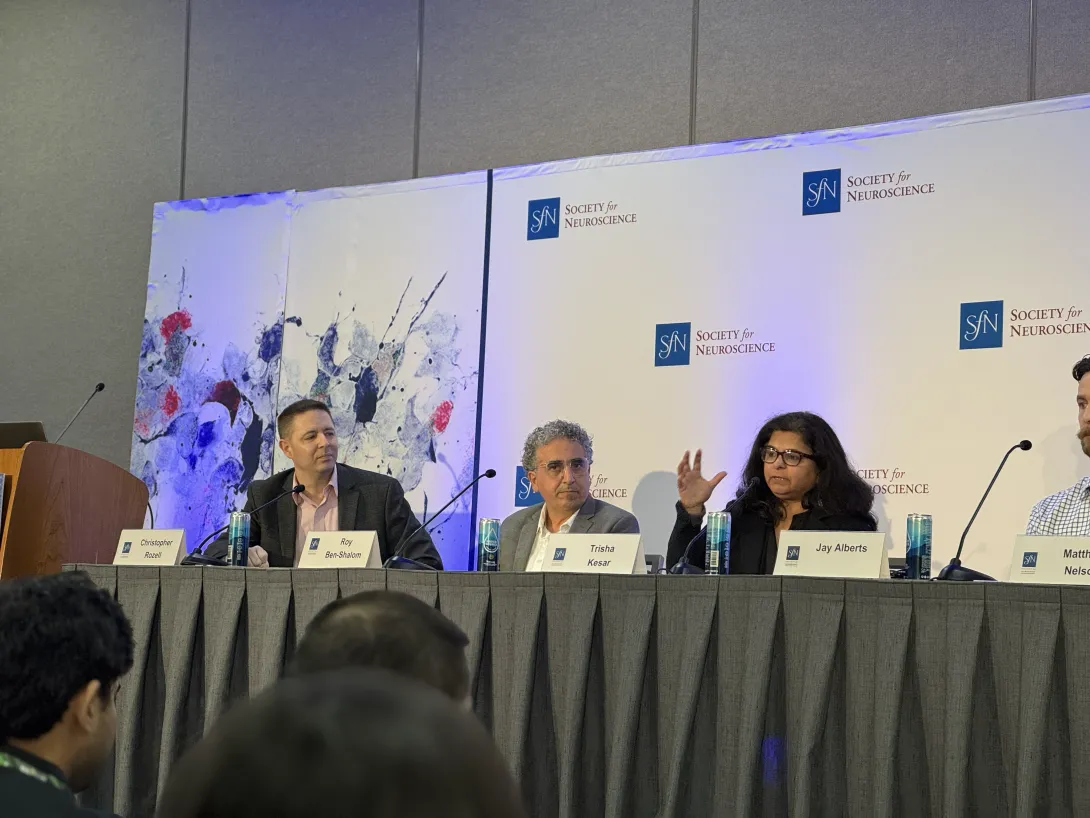
Trisha Kesar answers a question during the SfN press conference on AI in neuroscience, moderated by Chris Rozell.
Imagine stepping into a space the size of multiple football fields — only instead of turf and goalposts, it’s filled with science. Every inch is alive with posters, equipment demos, and researchers sharing the latest breakthroughs.
Welcome to the Society for Neuroscience (SfN) Conference, one of the largest scientific gatherings in the world, drawing more than 30,000 attendees to San Diego in November. According to Annabelle Singer, it is the place to be for neuroscientists. “If you want to know what is going on now in neuroscience, it is being talked about at SfN.”
Singer is a McCamish Foundation Early Career Professor in the Wallace H. Coulter Department of Biomedical Engineering (BME) at Georgia Tech and Emory University. A frequent SfN attendee, she describes the meeting as “Dragon Con for neuroscience, with thousands of talks and posters going on simultaneously.”
This year, Georgia Tech didn’t just show up — it made a statement with more than 60 presentations, a major outreach award, and a spotlight press conference.
“Seeing Georgia Tech and INNS represented so strongly at SfN is exciting,” says Chris Rozell, executive director of Tech’s Institute for Neuroscience, Neurotechnology, and Society (INNS). “It reflects the incredible breadth of neuroscience and neurotechnology research happening across our campus and how our work is shaping conversations at the highest level.”
Inside ‘Neuroscience Dragon Con’
Many conferences center around structured lectures, but at SfN, posters are the heart. You might find a senior researcher presenting groundbreaking findings right next to a first-time attendee sharing early results. This diversity is what makes the experience so valuable, says Singer. “Trainees get to talk directly with the scientist doing the work to get their questions answered, from wondering about future implications to clarifying technical details.”
The scale of SfN can feel overwhelming, but for many, that’s part of the excitement. “There are so many different posters from so many different fields. It’s a lot to absorb, but it’s all very interesting,” said Benjamin Magondu, a biomedical engineering Ph.D. student presenting for the first time. “I’ve definitely learned at least 47 things by just walking 10 feet.”
For students like Magondu, the experience is critical, says Biological Sciences Assistant Professor Farzaneh Najafi. “SfN has such a big scope, all the way from molecular to cognitive and computational systems. Especially for those deciding which direction of neuroscience they want to go into, it’s invaluable.”
That breadth also fosters connections across disciplines. “Conferences are usually pretty niche,” noted Tina Franklin, a research scientist in BME. “You have your own field that you’re really good at, but it’s difficult to venture out and find new people who can help you figure out what comes next. This conference brings people from all different fields together with the common interest of neuroscience and brain research.”
Leading the Charge
Georgia Tech’s impact went beyond the conference floor. Ming-fai Fong, an assistant professor in BME, received the prestigious Next Generation Award, one of SfN’s education and outreach awards. The honor recognizes members who make outstanding contributions to public communication and education about neuroscience.
“I’m certainly very grateful to the Society for Neuroscience for recognizing these types of contributions,” says Fong, who was recognized for her work supporting blind and visually impaired youth in Atlanta. “Rewarding outreach efforts reinforces my core belief that scientists and engineers can make an immediate impact on communities we care about through outreach. It’s a great parallel avenue to making a positive impact through research.”
Building on this recognition, Georgia Tech was in the spotlight during one of SfN’s selective press conferences — a session on artificial intelligence in neuroscience moderated by Rozell, who is also the Julian T. Hightower Chair in the School of Electrical and Computer Engineering.
During the SfN press event, Trisha Kesar, an associate professor in BME and adjunct faculty in the School of Biological Sciences, presented her research using AI to improve gait rehabilitation. Her work was among just 40 abstracts selected from more than 10,000 submissions for this honor, and one of five abstracts selected for the AI in neuroscience press conference. The project is a collaboration with Hyeok Kwon, a Georgia Tech computer science alumnus and an assistant professor in BME.
“It’s exciting to see Georgia Tech and Atlanta emerging as hubs for neuroscience innovation,” said Kesar. “Being part of a press conference on AI in neuroscience shows how much our community is contributing to the future of brain research, and how collaboration across institutions can accelerate progress.”
News Contact
Writer and media contact:
Audra Davidson
Research Communications Manager
Institute for Neuroscience, Neurotechnology, and Society (INNS)
Presenter Dashboard:
Created by Joshua Preston, Communications Manager, College of Computing
Data collection by Audra Davidson, Hunter Ashcraft
Proteins, including antibodies, hemoglobin, and insulin, power nearly every vital aspect of life. Breakthroughs in protein research are producing vaccines, resilient crops, bioenergy sources, and other innovative technologies.
Despite their importance, most of what scientists know about proteins only comes from a small sample size. This stands in the way of fully understanding how most proteins work and unlocking their full potential.
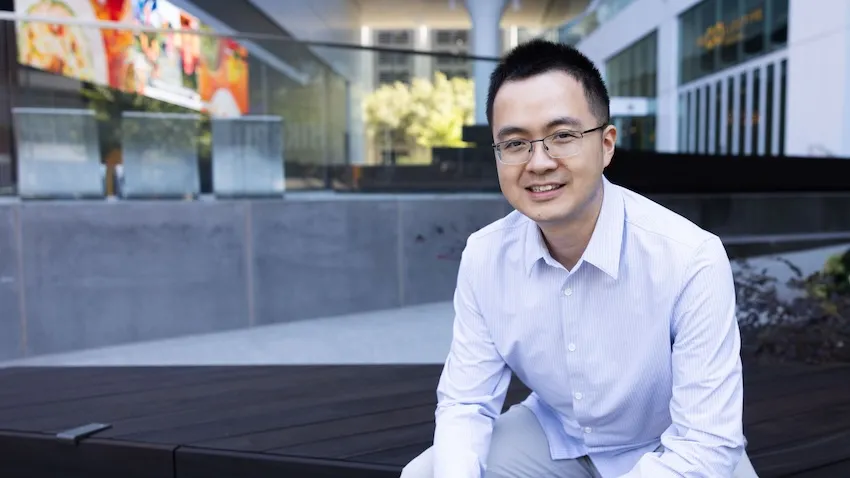
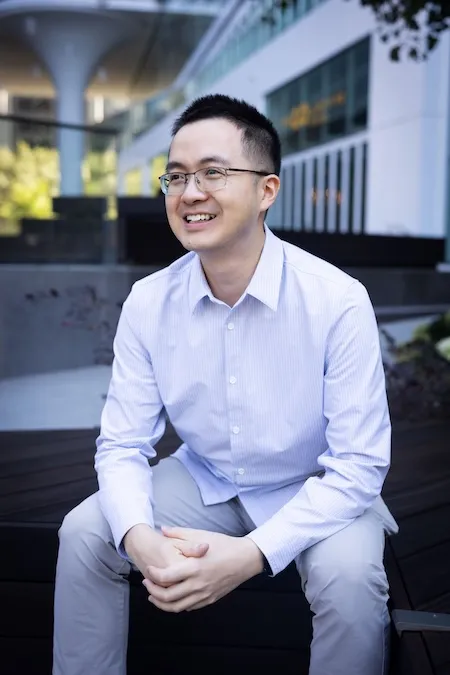
Georgia Tech’s Yunan Luo believes artificial intelligence (AI) could fill this knowledge gap. The National Science Foundation agrees. Luo is the recipient of an NSF Faculty Early Career Development (CAREER) award.
“So much of biology depends on knowing what proteins do, but decades of research have concentrated on a relatively small set of well-studied proteins. This imbalance in scientific attention leads to a distorted view of the biological landscape that quietly shapes our data and our algorithms,” Luo said.
“My group’s goal is to build machine learning (ML) models that actively close this gap by generating trustworthy function predictions for the many proteins that remain understudied.”
[Related: Yunan Luo to use AI for Protein Design and Discovery with Support of $1.8 Million NIH Grant]
In his proposal to NSF, Luo coined this rich-get-richer effect “annotation inequality.”
One problem of annotation inequality is that it slows progress in disease prognosis, drug discovery, and other critical biomedical areas. It is challenging to innovate the few proteins that scientists already know so much about.
A cascading effect of annotation inequality is that it diminishes the effectiveness of studying proteins with AI.
AI methods learn from existing experimental data. Datasets skewed toward well-known proteins propagate and become entrenched in models. Over time, this makes it harder for computers to research understudied proteins.
“Protein annotation inequality creates an effect analogous to a vast library where 95% of patrons only read the top 5% popular books, leaving the rest of the collection to gather dust,” Luo said.
“This has resulted in knowledge disparities across proteins in current literature and databases, biasing our understanding of protein functions.”
The NSF CAREER award will fund Luo with over $770,000 for the next five years to tackle head-on the problem of protein annotation inequality.
Luo will use the grant to build an accurate, unbiased protein function prediction framework at scale. His project aims to:
- Reveal how annotation inequality affects protein function prediction systems
- Create ML techniques suited for biological data, which is often noisy, incomplete, and imbalanced
- Integrate data and ML models into a scalable framework to accelerate discoveries involving understudied proteins
More enduring than the ML framework, Luo will leverage the NSF award to support educational and outreach programs. His goal is to groom the next generation of researchers to study other challenges in computational biology, not just the annotation inequality problem.
Luo teaches graduate and undergraduate courses focused on computational biology and ML. Problems and methods developed through the CAREER project can be used as course material in his classes.
Luo also championed collaboration with Georgia Tech’s Center for Education Integrating Science, Mathematics, and Computing (CEISMC) in his proposal.
Through this partnership, local high school teachers and students would gain access to his data and models. This promotes deeper learning of biology and data science through hands-on experience with real-world tools.
Luo sees reaching students and the community as a way of paying forward the support he received from Georgia Tech colleagues.
“I am incredibly grateful for this recognition from the NSF,” said Luo, an assistant professor in the School of Computational Science and Engineering (CSE).
“This would not have been possible without my students and collaborators, whose hard work laid the groundwork for this proposal.”
Luo praised CSE faculty members B. Aditya Prakash, Xiuwei Zhang, and Chao Zhang for their guidance. All three study machine learning and computational bioscience, two of CSE’s five core research areas.
Luo also thanked Haesun Park for her support and recommendation for the CAREER award. Park is a Regents’ Professor and the chair of the School of CSE.
News Contact
Bryant Wine, Communications Officer
bryant.wine@cc.gatech.edu