

Tim Lieuwen and Chris King
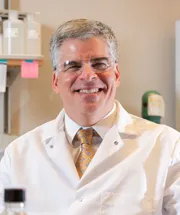
Andrés J. García
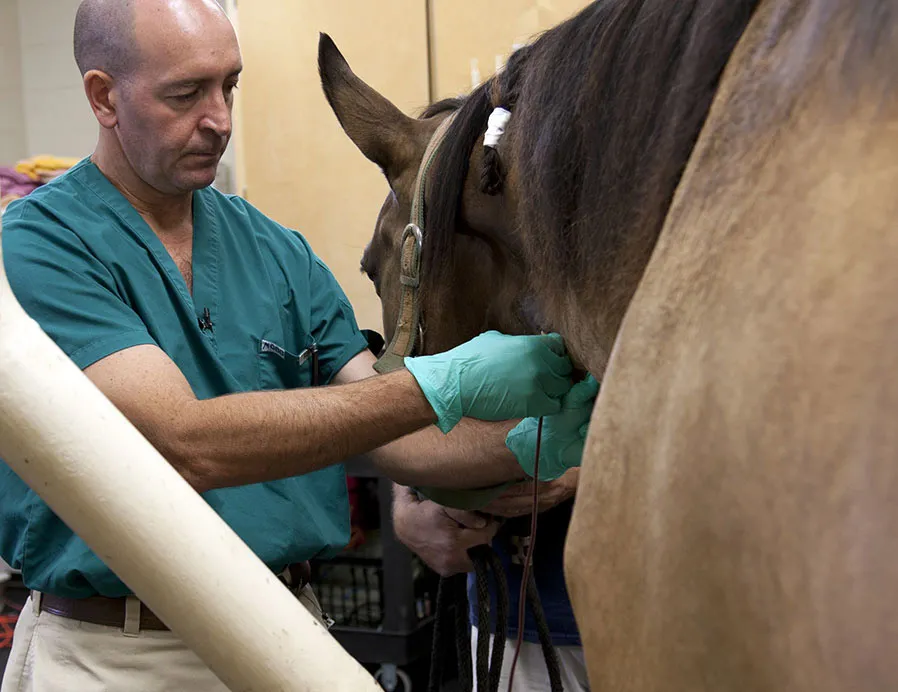
John Peroni
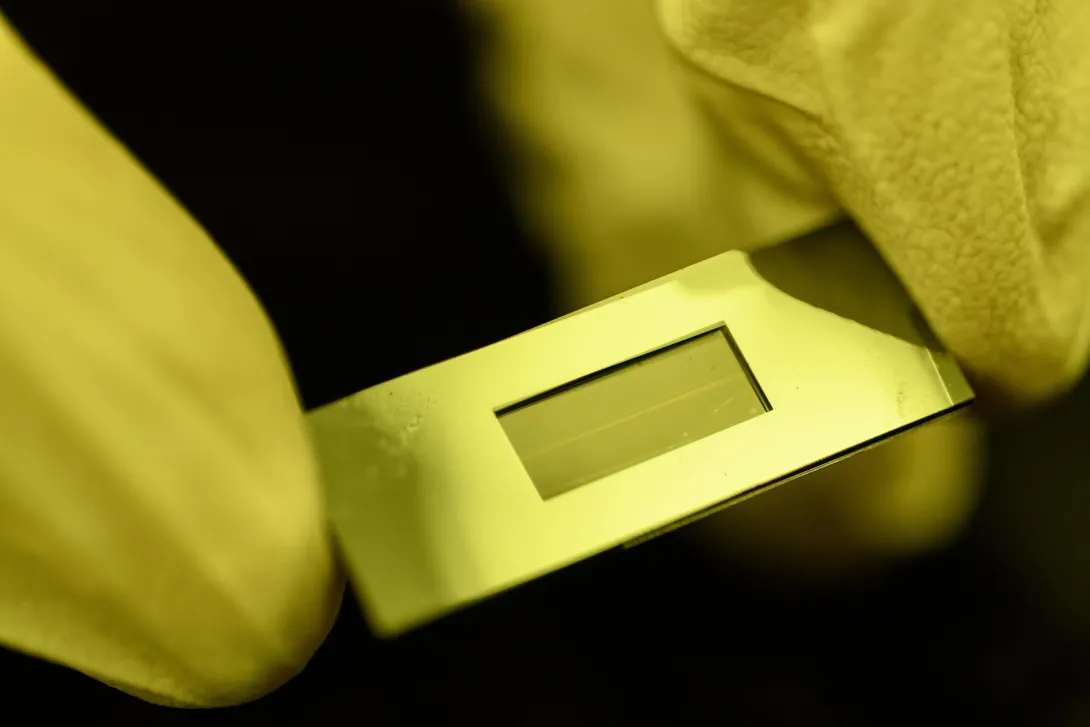
The Dynamic Mass Spectrometry Probe developed to monitor the health of living cell cultures (photo credit: Rob Felt)

Sarah Farmer
If you’ve lived in Georgia long enough, you’ve almost certainly heard the friendly jabs tossed across divided Thanksgiving tables. On one side, a smirk and a mention of the “North Avenue Trade School.” On the other, a pointed retort: “To hell with Georgia.”
Few rivalries run deeper than the one known as “Clean, Old-Fashioned Hate,” the annual showdown between Georgia Tech and the University of Georgia (UGA). On Friday afternoon, November 28, the two will face off in one of the most anticipated matchups in years. These teams don’t like each other, and for a few hours every year, neither do friends, families, and even significant others.
Off the field, however, the schools are proving that collaboration, not competition, is the schools’ true strength.
For more than a century, Georgia’s flagship universities have united around complementary strengths, tackling the state’s biggest challenges together. That starts with making Georgians healthier.
“When Georgia Tech and UGA combine their strengths, together we create solutions that neither institution could achieve alone,” said Tim Lieuwen, executive vice president for Research at Georgia Tech. “These collaborations accelerate innovation in healthcare, improve lives across our state, and demonstrate that partnership — not rivalry — is Georgia’s most powerful tradition."
“The common denominator between these two great institutions is the populations they serve,” said Chris King, interim vice president for Research at UGA. “We have a duty to find solutions that help improve the quality of life for all Georgians, and that’s what these partnerships are all about.”
From programs like the Georgia Clinical and Translational Science Alliance (Georgia CTSA) to the National Science Foundation’s Engineering Research Center for Cell Manufacturing Technologies (CMaT), researchers at UGA and Georgia Tech are setting rivalries aside to build lasting partnerships that fuel innovation and expand the workforce to meet the state’s needs.
Pushing Cell Therapy Across the Goal Line
CMaT is an NSF-funded consortium of more than seven universities and 40 member companies. At Georgia Tech and UGA, teams are conducting many early stage translational projects to improve manufacturing of cell-based therapeutics.
One joint project between Andrés García, executive director of Georgia Tech’s Parker H. Petit Institute for Bioengineering & Bioscience, and John Peroni, the Dr. Steeve Giguere Memorial Professor in Large Animal Medicine in UGA’s College of Veterinary Medicine, addresses treatment of bacterial infections that can follow bone repair surgeries.
Bone fractures and non-union defects often require surgical implants, but 1-5% are compromised by bacterial infection, costing hospitals more than $1.9 billion annually. Current treatments are limited to sustained, high doses of antibiotics, which are less effective and can generate antibiotic-resistant bacteria. García and Peroni are engineering synthetic biomaterials that locally deliver antimicrobial agents to eliminate infections and promote bone repair.
Steven Stice, D.W. Brooks Distinguished Professor and Georgia Research Alliance Eminent Scholar at UGA’s Regenerative Bioscience Center, is also working with Georgia Tech’s Andrei Fedorov, professor and Rae S. and Frank H. Neely Chair in the George W. Woodruff School of Mechanical Engineering, to improve the quality and control of producing natural, cell-derived healing materials for regenerative medicine.
Adult cells secrete tiny, bubble-like vesicles that help other cells heal and regenerate tissue. Stice developed methods to boost vesicle production, while Fedorov created a probe that accelerates the process.
“Cells simply don’t secrete these healing vesicles in the quantities needed for scalable, clinical-grade treatments,” said Stice, UGA lead and co-principal investigator for CMaT. “Our collaborative work changes that, accelerating production in a way that finally makes large-scale regenerative therapies feasible.”
“Georgia Tech and UGA's collective commitment to advancing science and technology exceeds the intensity of our athletic rivalry,” Fedorov said. “Together, we’re advancing cell and therapy biomanufacturing to develop lifesaving treatments for the most devastating diseases.”
Georgia Tech’s Francisco Robles and UGA’s Lohitash Karumbaiah are using manufactured T cells to target cancer. Robles, who leads the Optical Imaging and Spectroscopy Lab in the Wallace H. Coulter Department of Biomedical Engineering, developed quantitative Oblique Back-illumination Microscopy (qOBM) to monitor tumor growth in real time. The method allows scientists to visualize patient-derived glioblastoma cell clusters generated in the Karumbaiah Lab, tracking tumor structure and behavior at various stages.
“Assessing therapeutic potency is often complex, costly, and ineffective for solid tumors,” Karumbaiah said. “qOBM simplifies the process by providing real-time, label-free monitoring of therapeutic efficacy against 3D solid tumors.”
The work could help doctors personalize cancer treatments by providing early, detailed signs of whether a therapy is working.
“This technique is more compact and affordable and lets us watch T cells attack cell cultures in real time,” Robles said. “This breakthrough could transform how we study disease and screen new treatments.”
A Playbook for Local Healthcare
Created in 2007 by the National Institutes of Health, Georgia CTSA is one of several NIH-funded national partnerships advancing new health therapeutics and practices. Since 2017, it has comprised UGA, Georgia Tech, Emory, and the Morehouse School of Medicine. The alliance’s reach extends far beyond campus borders, bringing together researchers, clinicians, professional societies, and community and industry partners to identify local health challenges and translate research into practical solutions.
And out of this alliance have come many collaborative studies among CTSA’s members.
One, the Georgia Health Landscape Dashboard, is a tool to identify local health gaps and connect regional health professionals or policymakers with the researchers who can best address their community’s challenges. UGA College of Family and Consumer Sciences Associate Professors Alison Berg and Dee Warmath, along with community health engagement coordinator Courtney Still Brown, are working with Georgia Tech’s Jon Duke, director of the Center for Health Analytics and Informatics at the Georgia Tech Research Institute and a principal research scientist in the School of Interactive Computing.
The dashboard has already helped match researchers with communities by combining epidemiological data with “community voice” insights through surveys of residents and local leaders.
For example, when examining diabetes data, the dashboard indicates Randolph County has the state’s highest prevalence, despite declining by about 8% between 2021-24. Meanwhile, Treutlen County’s rate increased 29.2% during the same period. Perhaps Treutlen’s need for diabetic care is a growing concern, while Randolph’s is being addressed. And perhaps Hancock County, which ranks diabetes its top priority in the community voice category, is in search of immediate solutions.
“The Landscape Dashboard is a fantastic example of how the unique expertise found at Georgia Tech and UGA can be brought together to create something truly valuable for all Georgia,” Duke said. “By bringing together a range of data sources and health analytics approaches, this collaboration has created a tool that delivers novel insights into health, community, and policy across the state.”
Supported by UGA Cooperative Extension and the Biomedical and Translational Sciences Institute, the project leverages a network of agents in every county across the state. Warmath said the project’s strength lies in its ability to connect research with real-world needs.
“To build a community-responsive ecosystem for biomedical research, scientists must recognize local needs, share progress with communities to foster trust and acceptance, recruit clinicians and industry partners, and strengthen the relationships between patient and caregiver,” Warmath said.
Teaming Up for Maternal Health
Warmath and a team of researchers at UGA, Georgia Tech, and Emory are also collaborating on an NIH-funded project uniting experts in maternal health, biostatistics, and consumer science to explore how wearable technologies could improve delivery-room care.
During childbirth, clinicians monitor countless maternal and fetal vitals — contractions, heart rates, oxygen levels, kidney function, and more. What new insights, the researchers asked, could advanced wearable technologies offer in the delivery room, and what barriers might prevent their use?
Using nationwide surveys and focus groups, the team gathered information from a representative sample of pregnant, postpartum, and reproductive-age women, as well as healthcare professionals, to examine acceptance of wearable health technologies during labor and delivery. In their analysis of this rich data source, the team is identifying key variables that reveal gaps in technology acceptance and the unique needs of diverse maternal populations.
Each partner institution brings unique expertise. At Emory, principal investigator Suchitra Chandrasekaran contributes clinical insights from direct patient care. At UGA, Warmath applies her knowledge in consumer science to analyze end-user motivation, attitudes, and behaviors. At Georgia Tech, experts like Sarah Farmer in the Center for Advanced Communications Policy’s Home Lab facilitate large-scale data collection.
With data collection now complete, the team is analyzing results to inform future design and deployment of wearable technologies.
“Each school has a different perspective,” Farmer said. “It’s not as simple as one school does this but doesn’t do that. Each has their expertise, but they offer different perspectives and different resources that, when pooled, can make our research that much more effective.”
Whether advancing maternal health, mapping Georgia’s health needs, or engineering next-generation therapies, UGA and Georgia Tech continue to prove that collaboration is Georgia’s strongest tradition. Further, the undergraduate and graduate students who work in these labs and others represent the state’s highly skilled workforce of tomorrow.
“When our institutions work together, Georgia wins,” Warmath said.
— By David Mitchell
News Contact
For media inquiries:
Angela Bajaras Prendiville
Director of Media Relations
media@gatech.edu
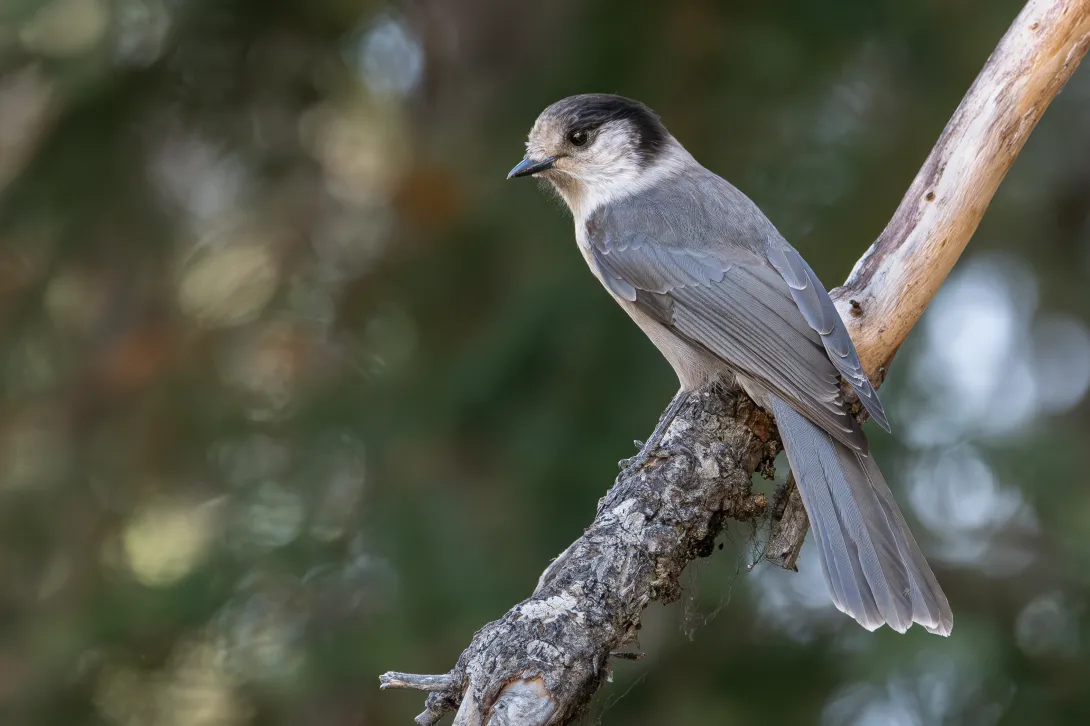
The Canada Jay is one of the birds struggling in the Pacific Northwest. (Credit: Mason Maron)

A placard still standing from the original surveys conducted in the early 90's. Finding these original sites was a "scavenger hunt," Freeman says. (Credit: Benjamin Freeman)

A large downed cedar tree in one of the lowland old-growth forests that Freeman navigated. (Credit: Benjamin Freeman)
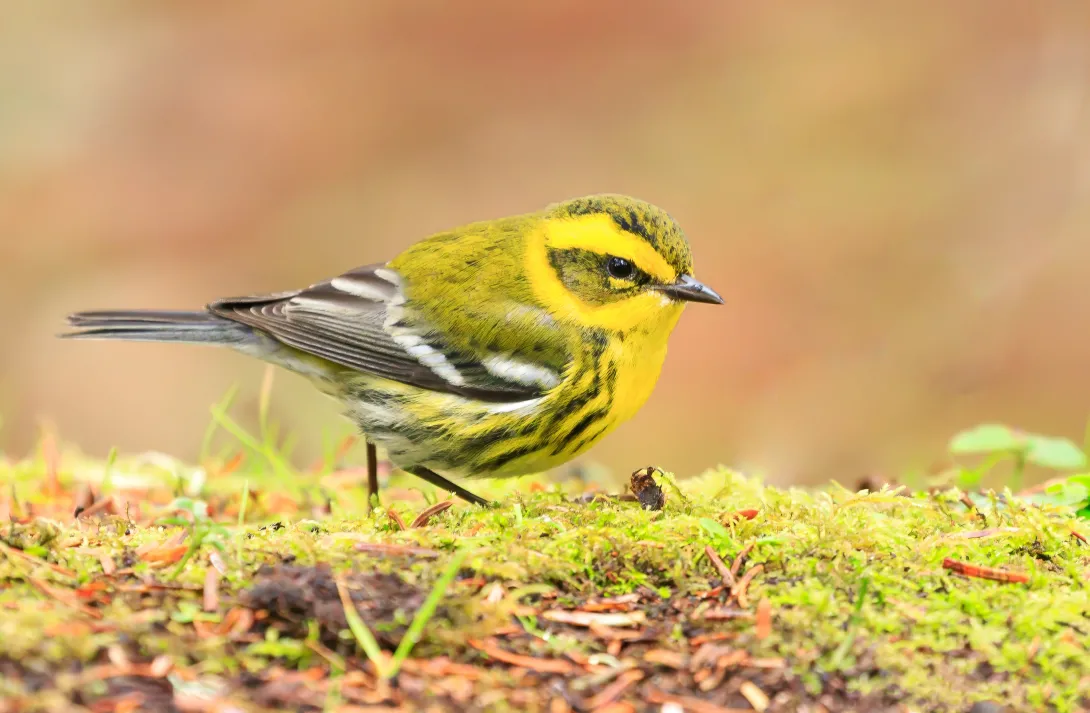
Townsend's Warbler, a small songbird that lives in the forests of the Pacific Northwest. (Credit: Melissa Hafting, @bcbirdergirl)
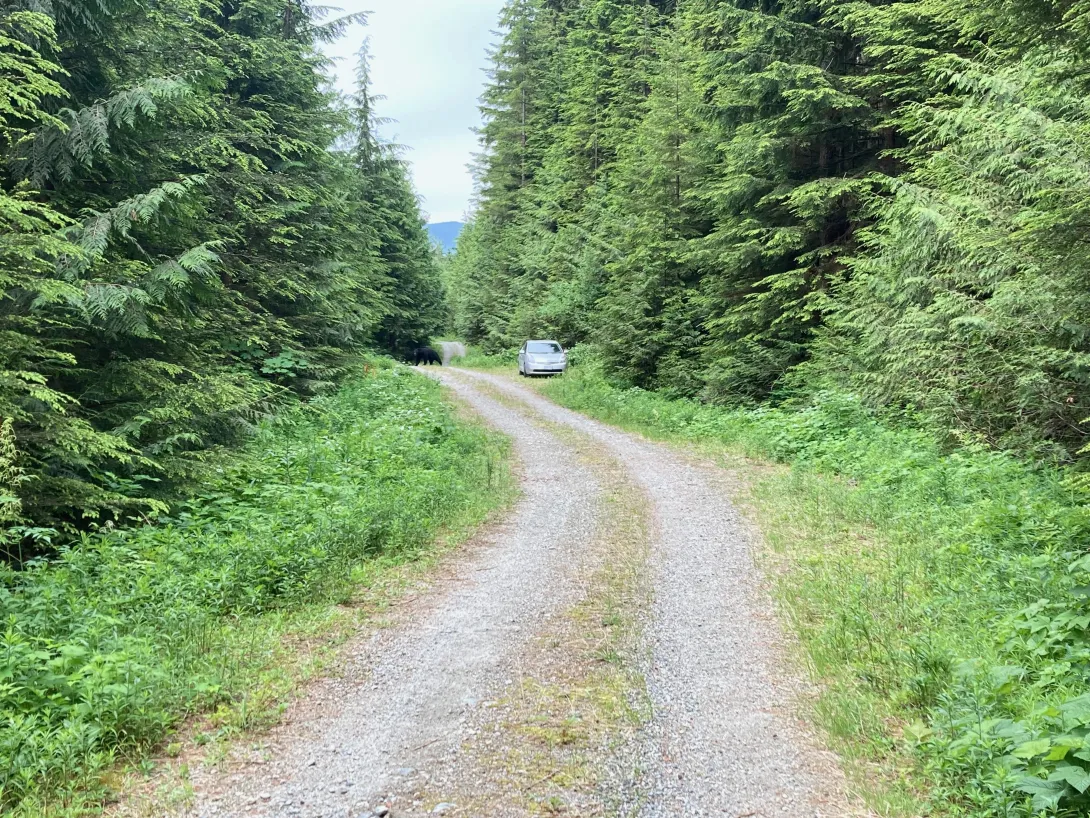
While locating the field sites, Freeman spotted this bear on an old road. (Credit: Benjamin Freeman)

An overgrown and abandoned road that Freeman traversed. (Credit: Benjamin Freeman)

The Varied Thrush is another bird common in the Pacific Northwest. (Credit: Melissa Hafting, @bcbirdergirl)
A 30-year “snapshot study” of birds in the Pacific Northwest is showing their surprising resilience in the face of climate change. The project started when School of Biological Sciences Assistant Professor Benjamin Freeman found a study by Louise Waterhouse detailing birds in the mountains near Vancouver three decades ago. What followed was an ecological scavenger hunt: Freeman revisited each of the old field sites, navigating using his local knowledge and Waterhouse’s hand-drawn maps.
Freeman, who grew up in Seattle, mainly studies the ecology of tropical birds — but the discovery of Waterhouse’s paper made him curious about research closer to home. The results were surprising: over the last three decades, most of the bird populations in the region were stable and had been increasing in abundance at higher elevations.
The study, “Pacific Northwest birds have shifted their abundances upslope in response to 30 years of warming temperatures” was published in the journal Ecology this fall. In addition to lead author Freeman, the team also included Harold Eyster (The Nature Conservancy), Julian Heavyside (University of British Columbia), Daniel Yip (Canadian Wildlife Service), Monica Mather (British Columbia Ministry of Water, Lands and Resource Stewardship), and Waterhouse (British Columbia Ministry of Forests, Coast Area Research).
“It is great news that most birds in the region are resilient, and by doing this work, we can focus on the species that do need help, like the Canada Jay, which is struggling in this region,” Freeman says. “Studies like this help us focus resources and effort.”
Songbirds and snow
Conducting the fieldwork was a detective game, Freeman says. Each day, he would wake up at four in the morning to locate and visit the research areas — often navigating trails, open forest, and rough terrain on foot.
This area of the Pacific Northwest is punctuated with old-growth stands of trees — sections of forest that have never been logged or altered. “These areas feel like islands,” Freeman shares. “They feel ancient and untouched, but even in pristine habitats, birds are still responding to climate change.”
Most of the work was conducted during the birds’ breeding season, from late May into June. This is when the birds are most vocal, which is ideal for surveys, Freeman says. The downside? Even in June, there is often snow in the mountains. “I was out at dawn, hiking through snow in the freezing cold, wondering why I didn’t stay in bed,” he recalls. “But then I’d hear birds singing all around me and realize it was all worth it.”
Upward expansion — and resilience
By comparing the two “snapshots,” the team showed that while temperatures have increased over the last 30 years, most bird populations in the region haven’t declined — but they have become more abundant at higher elevations. “It’s encouraging,” Freeman says. “Thirty years of warming has led to changes, but for the most part, these bird populations are mostly stable or improving.”
One reason for this resilience could be the stability that old growth forests provide, and Freeman suggests that conserving wide swaths of mountain habitat might help birds thrive as they continue to adapt, while still supporting populations at lower elevations. The study also helps identify which bird species need additional support, like the Canada Jay — a gray and white bird known for following hikers in pursuit of dropped snacks.
It’s just one piece of Freeman’s larger research goal — he aims to do this type of snapshot research in many different places to identify general patterns, especially differences in temperate versus tropical environments.
“In the tropics, most bird species are vulnerable, with only a few resilient species. In the Pacific Northwest, we saw the opposite,” he says. “A pattern is emerging: temperate zones show more resilience, tropics more vulnerability.”
Freeman is also conducting research with a group of students in Northern Georgia. “We predict that these Appalachian birds will be resilient as well,” he says, “but we need to study and understand what’s happening in nature — not just make predictions.”
DOI: https://doi.org/10.1002/ecy.70193
Funding: Packard Foundation
News Contact
Written by Selena Langner
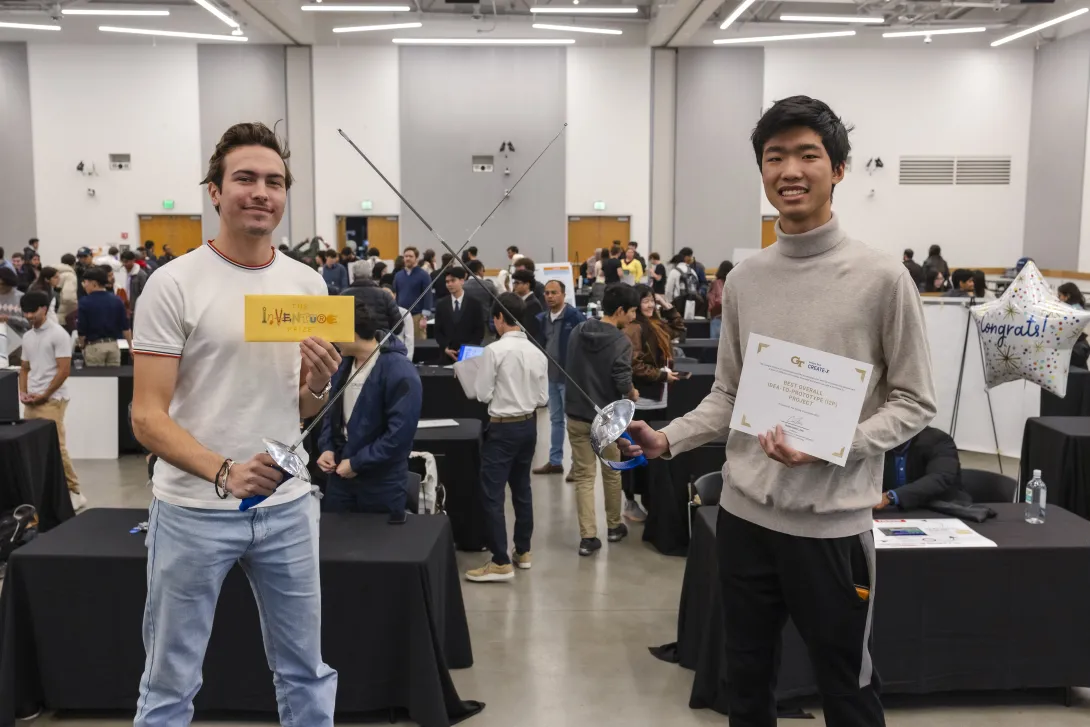
Founders of Allez Go: Adam Kulikowski and Jason Mo
Cricket powder-based protein brownies. A visualization system for fencing blades. A personalized AI application for analyzing blood work. All I2P Showcase prototypes. See what Georgia Tech students have been developing this semester at the Fall 2025 Idea to Prototype (I2P) Showcase on Tuesday, Dec. 2, at 5 p.m. in the Marcus Nanotechnology Building. This year, attendees will have even more original inventions to view, with over 60 teams displaying prototypes.
The event marks the culmination of the semester-long I2P course, where undergraduate students develop functional prototypes aimed at solving real-world problems. Prototypes this semester include a smart military drone, a gentler device for cervical cancer screening, a rotating espresso station, tools to keep AI safe, compact data centers, systems that simulate cyberattacks to help companies strengthen their defenses, and many more.
The showcase is free and open to students, faculty, staff, and members of the local community.
Winning teams will receive prizes and a “golden ticket” into CREATE-X’s Startup Launch, a summer accelerator that provides optional seed funding, accounting and legal service credits, mentorship, and more to help students turn their prototypes into viable startups.
This is a free event, and refreshments will be provided. Register for the Fall 2025 I2P Showcase today!
News Contact
Breanna Durham
Marketing Strategist
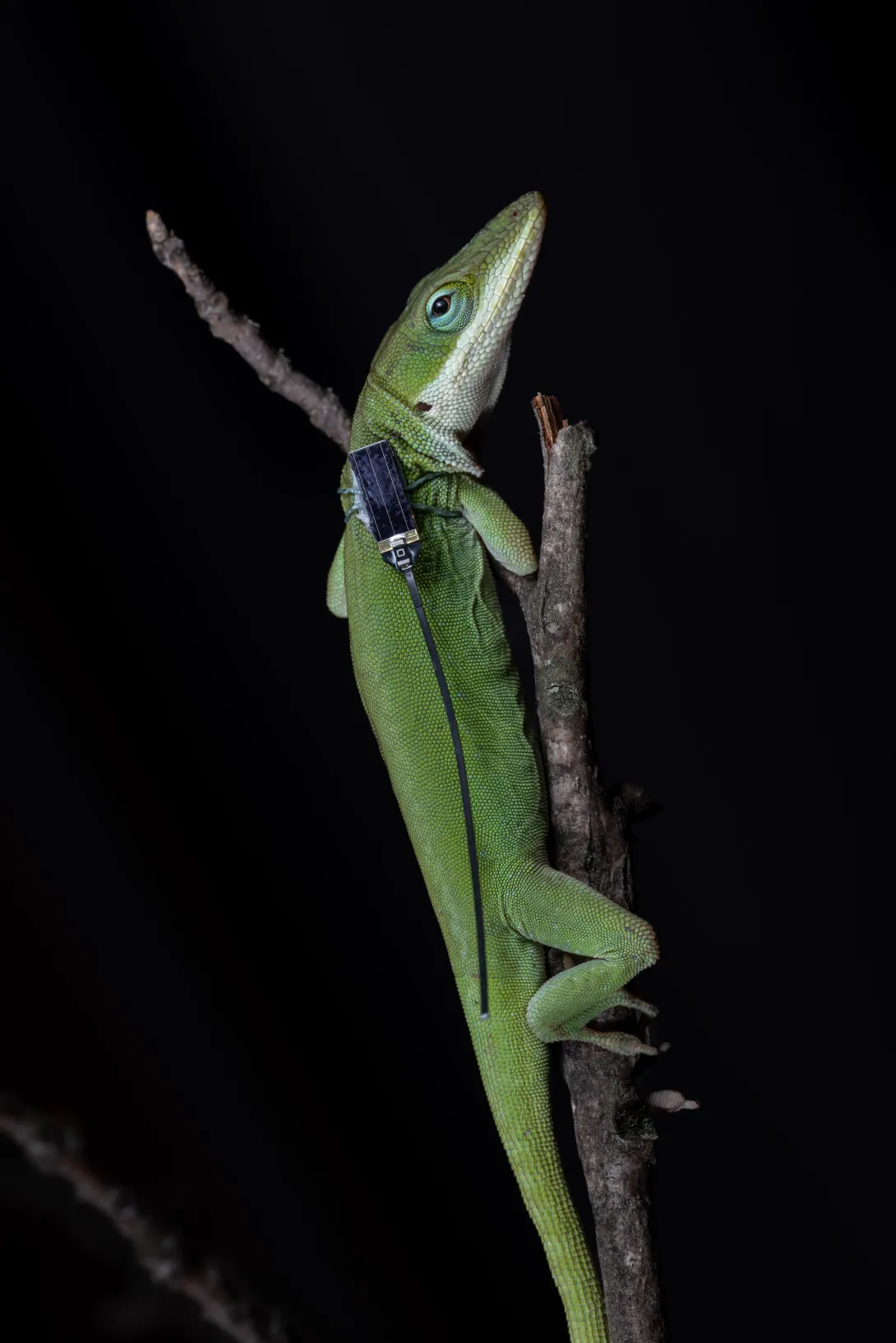
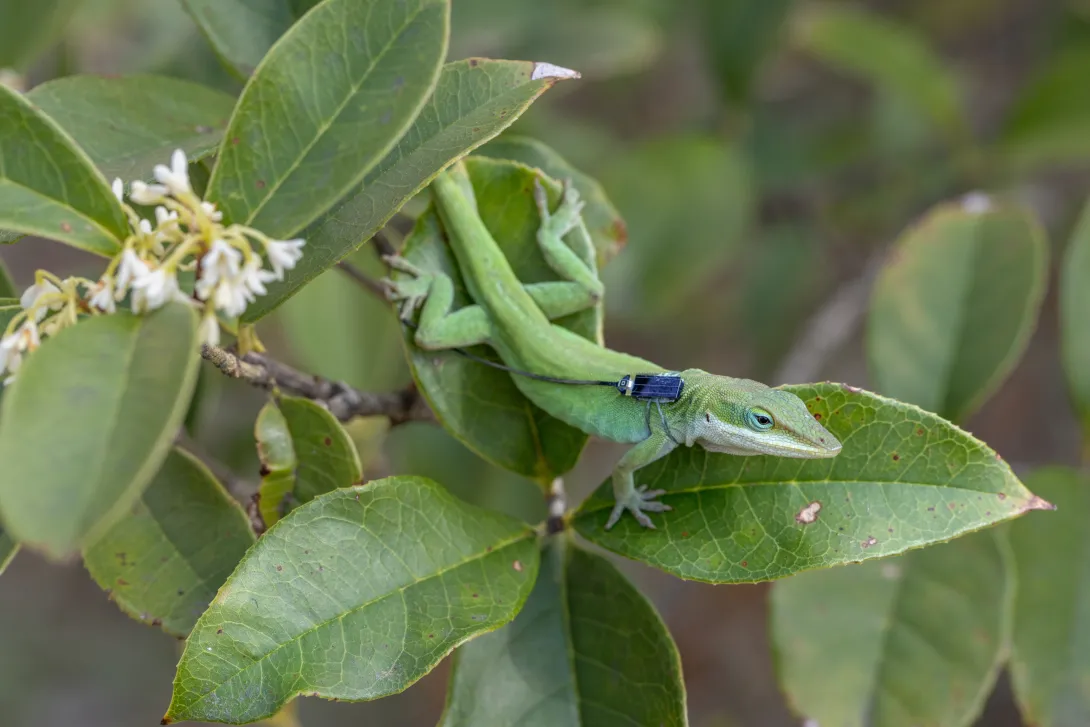
A lizard wearing one of the sensors, which weigh just three-hundredths of a gram each — the same as a two grains of rice. (Credit: Jon Suh)
Stroud will spend the next five years transforming Lizard Island into the world’s premier evolutionary observatory (Credit: Jon Suh)
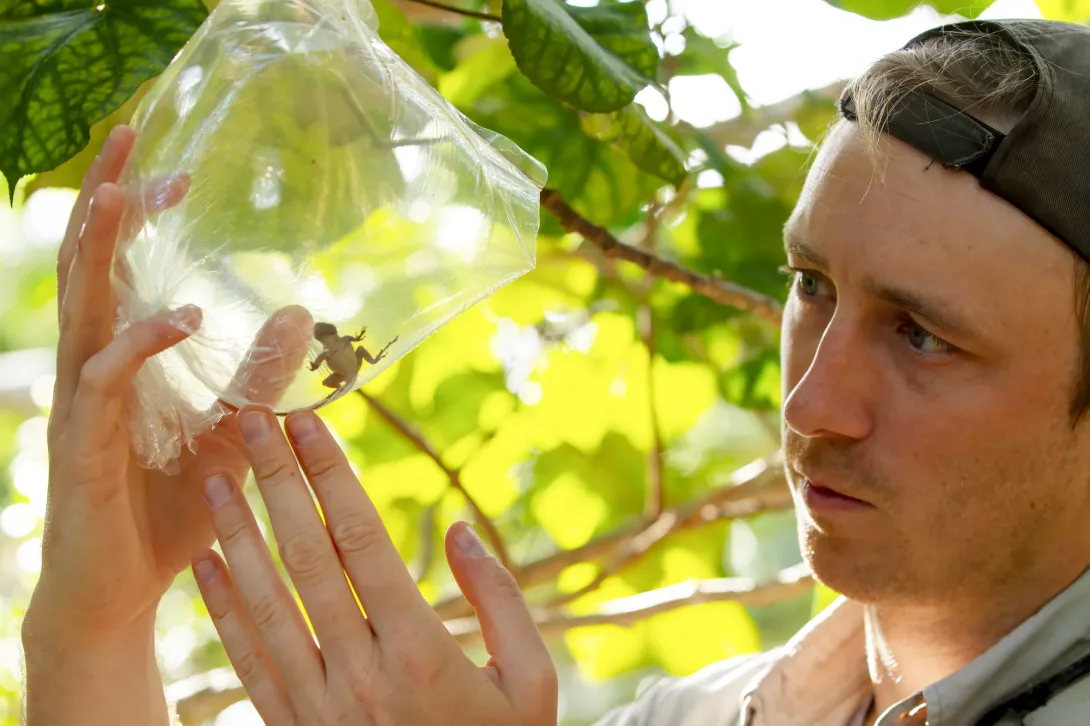
James Stroud examines a lizard in the field. (Credit: Day’s Edge Productions)
James Stroud has been named a 2025 Packard Fellow for his pioneering research in evolutionary biology. Stroud, Elizabeth Smithgall-Watts Early Career Assistant Professor in the School of Biological Sciences, will receive $875,000 over five years to fund his work on “Lizard Island” in South Florida. His goal? To create evolution’s first high-definition map — with the help of 1,000 backpack-wearing lizards.
Awarded annually to just 20 individuals by the David and Lucile Packard Foundation, Packard Fellowships for Science and Engineering support researchers pursuing cutting-edge research and ambitious goals. “These visionary Packard Fellows are pushing the boundaries of knowledge, and their bold ideas will become tomorrow’s real-world solutions,” says Nancy Lindborg, president and CEO of the Packard Foundation in a recent press release.
The flexible funding allows researchers to maximize their creativity and ingenuity. Stroud will spend the next five years transforming Lizard Island into the world’s premier evolutionary observatory, merging groundbreaking technology with long-term field research.
On Lizard Island, that means equipping every lizard with an ultra-lightweight sensor “backpack.” Although the sensors weigh just six-hundredths of a gram each — the same as two grains of rice — when combined with innovations in mapping technology, they will help Stroud investigate the role that behavior plays in driving evolution in the wild.
“I’m incredibly honored to be named a 2025 Packard Fellow,” says Stroud. “This support allows me to pursue a question that has fascinated evolutionary biologists for centuries: how does behavior shape evolution? It’s a transformative opportunity, and I’m deeply grateful to the Packard Foundation for believing in the potential of this work.”
Tiny sensors, big questions
Begun in 2015, Stroud’s work on Lizard Island is one of the longest-running evolutionary studies of its kind: for the last 10 years, he has carefully caught and released every lizard on the island, measuring evolution through documenting their body characteristics, habitat use, and survival.
Through his studies, he has captured evolution in action, but monitoring and measuring behavior in evolutionary studies has historically been an extremely difficult and elusive task. The problem? While smaller animals tend to have higher population densities and reproduce more quickly (making them ideal candidates for evolutionary field studies), it has been difficult to find durable and long-lasting sensors small enough for these animals to carry.
“This has been a missing link because behavior is a critical component of evolution,” Stroud says. “Behavior can both expose individuals to — or shield them from — natural selection. For example, an animal with a less favorable trait, like bad eyesight, could change its behavior to avoid situations where it is disadvantaged.
“These decisions can ultimately determine whether they survive and reproduce in the wild, directly influencing the outcome of natural selection. However, until now, we just haven’t had the technology to measure these types of extremely intricate behaviors across many individuals before.”
Mapping the future
Stroud won’t just know exactly where each lizard is — he’ll also create a detailed three-dimensional map of the entire island using remote sensing technology called LiDAR, updating it each year. “By shooting millions of laser beams, we can create a highly detailed three-dimensional map of Lizard Island, capturing the shape of every branch, rock, and blade of grass on the island,” he explains. “When connected to our lizard backpacks, we’ll know the exact microhabitats and resources available to each lizard as they move through this environment.”
Stroud will also deploy hundreds of microclimate sensors to understand how species are reacting to changes in temperature and climate. The result will be the world’s first comprehensive database: a record of minute lizard movements, the resources each individual uses, daily interactions, and changes in the environment spanning seasons and years.
“For evolutionary scientists, it has been seemingly impossible to track the moment-by-moment decisions of individual organisms… until now,” he says.
“Today, it’s possible to study what Darwin could only dream of — evolution occurring in real time,” Stroud adds. “Behavior is a critical component of evolution, understanding evolution is critical to understanding life on Earth, and understanding life on Earth is more important than ever.”
News Contact
Written by Selena Langner
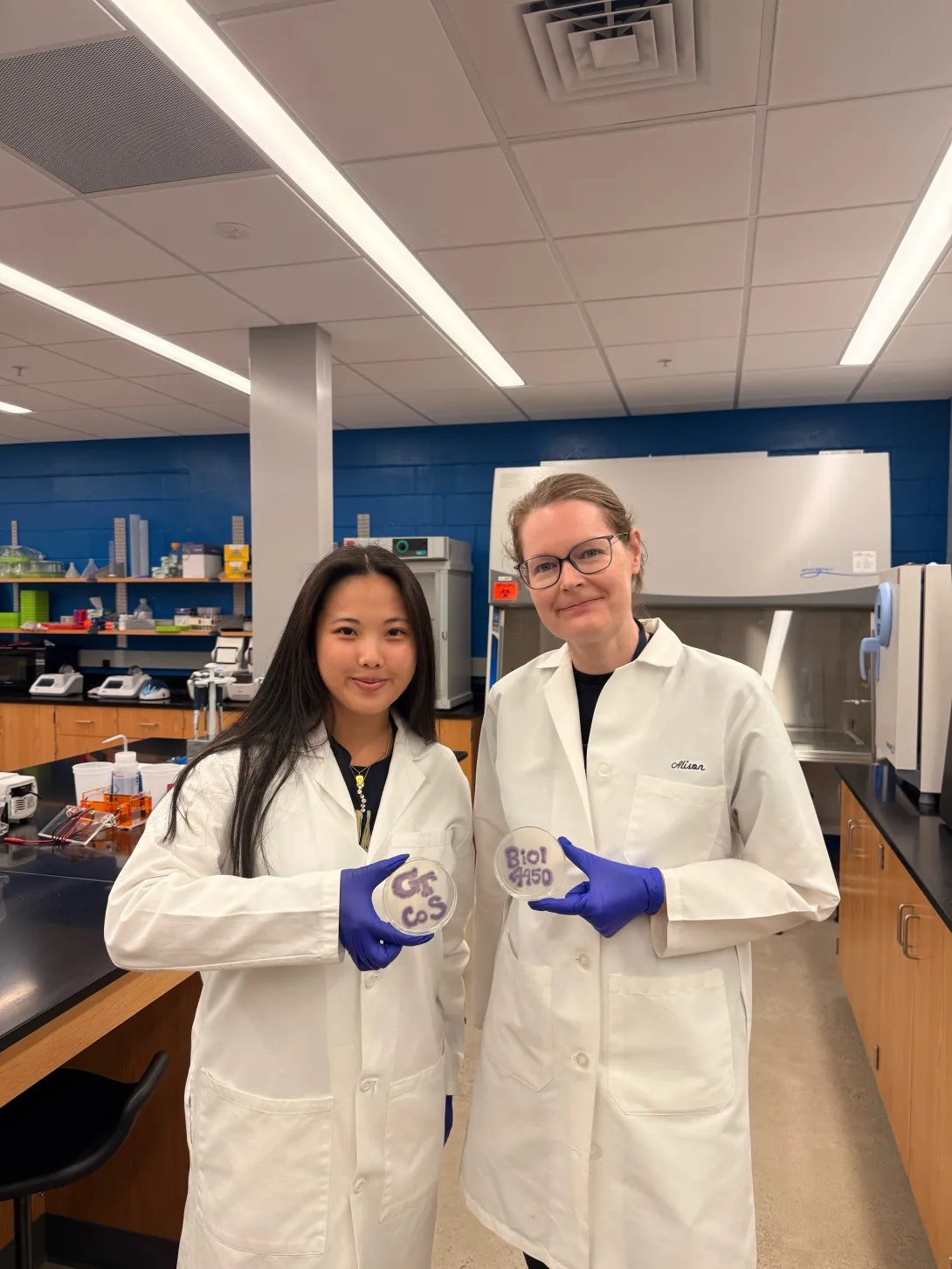
Grace Tang (Left) and Alison Onstine (Right) holding bacteria plates that spell "BIOL 4590" (Credit: Tang and Onstine)
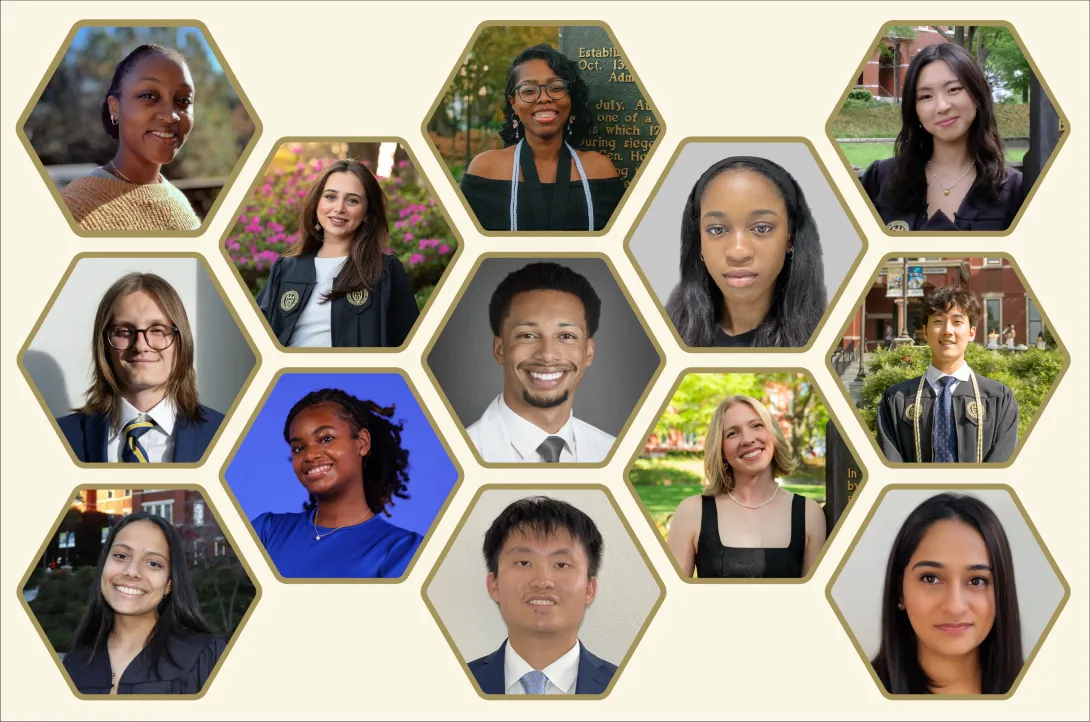
A collection of the undergraduate students who co-authored the paper. (Credit: Tang and Onstine)
This fall, 20 Georgia Tech students published a peer-reviewed scientific paper — the culmination of work done during a semester-long laboratory course. During the semester, students analyzed genomes sequenced from marine samples collected in Key West, Florida — doing hands-on original bioinformatics research on par with graduate students and working with bioinformatics tools to explore drug discovery potential.
The course, BIOS 4590, is a research project lab for senior biology majors that provides an opportunity for professors to share their expertise with students in a hands-on environment. In his class, Associate Professor Vinayak (Vinny) Agarwal, who holds joint appointments in the School of Chemistry and Biochemistry and School of Biological Sciences, aimed to introduce undergraduates to advanced bioinformatics tools through applied research using new-to-science raw data.
The resulting paper, “Phylogenomic Identification of a Highly Conserved Copper-Binding RiPP Biosynthetic Gene Cluster in Marine Microbulbifer Bacteria,” which was recently published in ACS Chemical Biology, involves the historically understudied genus of Microbulbifer, a type of bacteria often associated with sponges and corals. These microbial communities are rich sources of natural products, small biological molecules often associated with medicine and drug discovery.
"This class, and the resulting research, is a testament to the transformative power of hands-on learning,” says Susan Lozier, dean of the College of Sciences, Betsy Middleton and John Clark Sutherland Chair, and professor in the School of Earth and Atmospheric Sciences. “The success of this course — and the students’ remarkable achievement — reflects Georgia Tech's commitment to fostering curiosity, collaboration, and scientific rigor and to empowering the next generation of scientists and leaders."
Funded by Agarwal’s 2023 National Science Foundation CAREER grant and Camille and Henry Dreyfus Foundation Teacher-Scholar award, the class also received support from leadership in the College of Sciences, School of Biological Sciences, and School Chemistry and Biochemistry. The study’s lead author, graduate student Yifan (Grace) Tang, served as the class teaching assistant, and was funded in part by a Biochemistry and Biophysics Graduate Assistance in Areas of National Need fellowship.
“The students in this class are working on important, novel work — this cohort worked with real genomic data that had never been sequenced before,” she says. “Typically, researchers might work with one or two genome sequences, but we provided students with 42 — this might be the first time anyone has looked at Microbulbifer at such a wide scope.”
From classroom to publication
To prepare for the class, Tang worked alongside Laboratory Manager Alison Onstine, who manages the School of Biological Sciences teaching laboratory spaces, to sequence the Key West bacterial genomes.
“Our work in the Agarwal Lab is in natural product discovery. We focus on finding new pharmaceutical drugs through marine bacteria — but with a bioinformatics spin,” Tang explains. “We wanted to bring this type of experience to undergraduates, so we gave fully sequenced genomes to students and asked them to look for potential properties.”
Throughout the class, students learned different techniques for analyzing bacterial genome sequences and extracting data with various tools — gaining both lab and computational skills through hands-on experiences, live demos, and troubleshooting sessions.
“The highlight was showing students just how much we can learn about a bacterial genus, especially one that hasn’t been studied at this scale before,” Tang shares. “This is a growing field, so there are so many opportunities for students to make meaningful contributions while learning new skills.”
Empowering future students
For many students, it was their first time using these types of tools, but Agarwal says that it’s something they'll likely encounter in both industry and research. He sees this type of research experience as especially helpful for seniors, who are often deciding between entering the workforce or continuing their education.
“Bioinformatics is increasingly important for analyzing big data. Students need the ability to manipulate and understand data using computational tools, and this class plays an important role in familiarizing them with this process,” he shares. “Our goal is to demystify research and give students the confidence and tools for both graduate school and for the workforce after graduation.”
The class will be offered for a third time in Fall 2026. While the exact course of research hasn’t yet been decided, “we always aim for something new that can produce publication-quality research — students don’t repeat past year’s work,” Agarwal says. This recent cohort of students built on the success of 18 undergraduates who took the class in 2023, who also published a paper. “This course truly underscores Georgia Tech’s commitment to pioneering meaningful undergraduate experiences — no other peer institution I know of is exposing undergraduates to bioinformatics at this level.”
Funding: NSF CAREER and the Dreyfus Foundation
News Contact
Written by Selena Langner

Researchers across Georgia Tech are joining forces to explore the brain — advancing science, technology, and society through interdisciplinary collaboration.
The brain is the most intricate system known to science — billions of cells forming dynamic networks that allow us to think, feel, move, and adapt. Yet despite decades of research, much about how the brain works remains a mystery. At the same time, neurological and neuropsychiatric conditions are on the rise, affecting more than one-third of the global population and costing trillions in healthcare and lost productivity.
Understanding the brain is key to unlocking human health and flourishing. The need has never been more urgent, but this challenge is too vast for any single discipline to solve alone.
That’s why Georgia Tech recently launched the Institute for Neuroscience, Neurotechnology, and Society (INNS). A step toward a more connected, collaborative future, INNS brings together experts from across Georgia Tech’s seven colleges and the Georgia Tech Research Institute (GTRI) to study the brain in ways that connect scientific discovery with technological innovation and real-world societal needs.
INNS supports research that crosses traditional academic boundaries. As an Interdisciplinary Research Institute (IRI), it builds community, fosters collaboration, and fills critical gaps in education, professional development, and research infrastructure.
“Georgia Tech has a long-standing culture of interdisciplinary collaboration — it’s in our DNA,” says INNS Executive Director Chris Rozell. Rozell also serves as Julian T. Hightower Chaired Professor in the School of Electrical and Computer Engineering. “INNS builds on that strength to create a space where breakthroughs in neuroscience and neurotechnology can move from lab to life, impacting real people in real ways.”
A Community Built to Collaborate
INNS is home to a growing network of faculty, students, and research centers spanning the full spectrum of Georgia Tech’s research expertise. This diversity is not just a feature, it’s the foundation.
That foundation was laid over decades of growth, vision, and grassroots momentum. Georgia Tech welcomed its first neuroscience-focused faculty member in 1990, sparking a steady expansion of brain-related research across campus. As more faculty joined and new focus areas emerged, a vibrant, cross-disciplinary community began to take shape.
In 2014, that community organized under the name GT Neuro, a grassroots initiative that united researchers who shared a passion for understanding the brain. This collective energy led to new educational programs, including the launch of Georgia Tech’s undergraduate neuroscience major in the College of Sciences.
“Our undergraduate students absolutely love teaching others about Neuroscience,” said Christina Ragan, director of Outreach for the Undergraduate Neuroscience Program and senior academic professional in the School of Biological Sciences. “I'm really excited to explore ways for INNS to connect our neuroscience community at Tech with the public.”
By 2023, the Neuro Next Initiative launched to bring together leaders from across campus and chart a strategic path forward — the result of nearly two years of community-driven planning to formalize and expand Georgia Tech’s neuroscience ecosystem.
“The launch of INNS has built on the momentum of the Neuro Next Initiative, which ignited crucial conversations and fostered new collaborations between researchers at GTRI and Georgia Tech faculty,” says Tabitha Rosenbalm, GTRI senior research engineer. “The remarkable demonstration at Interface Neuro — witnessing a quadriplegic man walk and communicate thanks to innovative research — underscores the transformative breakthroughs possible when academic and applied researchers unite. INNS is uniquely positioned to serve as a catalyst, propelling Atlanta, Georgia Tech, and GTRI as national leaders in neurotechnology, driving advancements in both human health and engineering innovation.”
INNS is also helping shape the future of education. A new interdisciplinary Ph.D. program in neuroscience and neurotechnology welcomed its first cohort this fall, and INNS is poised to support it with professional development, research opportunities, and community engagement.
Breaking Boundaries to Advance Brain Science
Whether it’s developing neurotechnologies, designing therapeutic environments, or exploring the ethical implications of brain research, INNS is here to support work that spans fields and impacts lives.
“To responsibly address the societal and human impacts of advances in neuroscience and neurotechnology, we first need to understand them,” said Margaret Kosal, professor and director of Graduate Students in the Ivan Allen College of Liberal Arts. “That requires real and substantive collaboration beyond traditional engineering or biology labs.”
One example of INNS in action is the Smart Transitional Home Lab, a project funded by the inaugural INNS/Shepherd Center Seed Grant. This initiative brings together experts in architecture, inclusive design, neuroengineering, and rehabilitation to prototype environments that actively support stroke recovery, blending rigorous research with human-centered design.
“The establishment of INNS creates a powerful platform where diverse minds, from neuroscience to architecture to rehabilitation, can converge around a shared mission to advance human health,” says Hui Cai, professor in the School of Architecture, executive director of the SimTigrate Design Center, and co-leader of the project. “It enables interdisciplinary work with the potential to transform lives and redefine how we design for healing and recovery.”
“From whole brain recordings, to mapping the connectome, to the incredible advances in artificial intelligence, it's never been a more exciting time to study the mind and brain,” says Bob Wilson, director of the Center of Excellence for Computation and Cognition and associate professor in the School of Psychology. “I'm extremely excited for INNS to act as a central hub, building the neuroscience community at Georgia Tech and beyond.”
Join Us
INNS is more than an institute, it’s a growing, vibrant community of researchers, educators, students, and partners. Together, we’re working to understand the brain, develop technologies that improve lives, and ensure those innovations serve society responsibly.
Whether you're a student, researcher, policymaker, or simply curious about the brain, INNS is your gateway to interdisciplinary neuroscience at Georgia Tech. Get involved at neuro.gatech.edu.
News Contact
Audra Davidson
Research Communications Program Manager
Institute for Neuroscience, Neurotechnology, and Society
Institute Communications
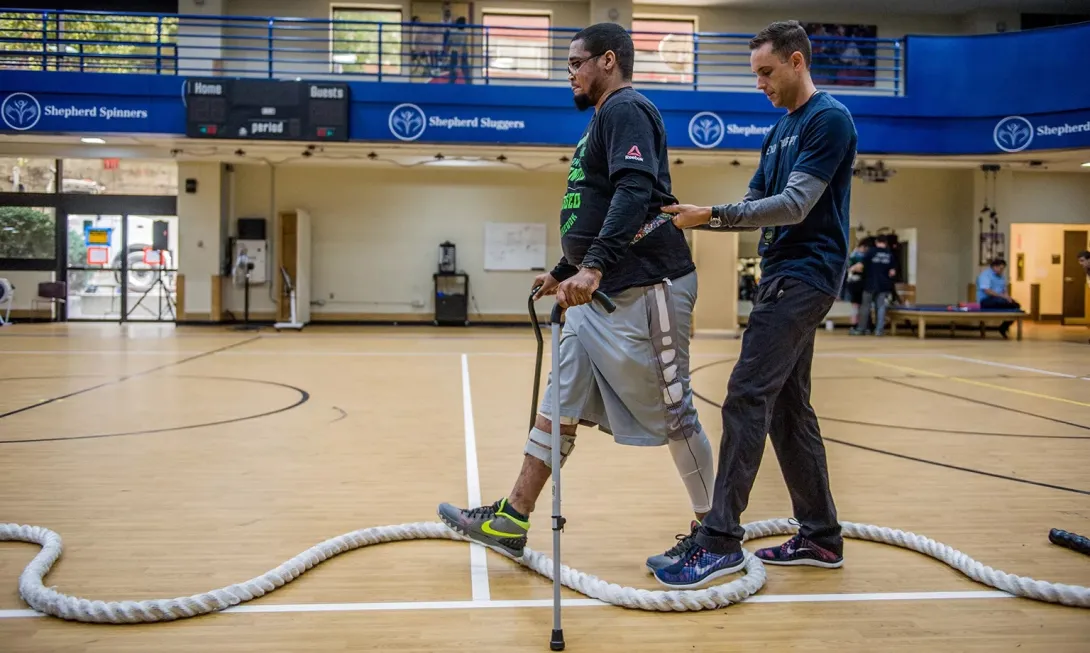
The seed grants will fund projects focused on enhancing wheelchair seating surfaces, supporting stroke patients as they transition home from rehabilitation, assessing lower limb exoskeleton technologies, and exploring the use of AI in remote rehab settings. Photo: Shepherd Center.
Georgia Tech and Shepherd Center recently awarded four seed grants totaling nearly $200,000 to researchers focusing on projects that will advance discoveries in neurorehabilitation, including acquired brain injury, spinal cord injury, multiple sclerosis, chronic pain, and other neurological conditions.
The Georgia Tech-Shepherd Center Seed Grant Program is part of an ongoing partnership between the two institutions that started in 2023 with the goal of advancing rehabilitative patient care and research.
“The seed grant program is intended to stimulate new interdisciplinary research collaborations by providing seed funding to obtain preliminary data or prototypes necessary for the submission of an external grant or industry opportunities,” says Deborah Backus, vice president of Research and Innovation at Shepherd Center. “As two leading research institutions, we know the potential for advancing rehabilitation therapies is even greater when we work together. We look forward to the solutions, treatments, and therapies that emerge from these initial seed grants.”
Experts from both institutions evaluated and scored seed grant applications based on the research’s innovation, approach, and potential for training opportunities, as well as its anticipated impact, prospects for commercial translation, and strategy for securing continued funding. This year, each awardee team received close to $50,000.
“We are very excited to launch this new seed grant program, which will spur ideas and propel research forward,” said Michelle LaPlaca, professor in the Coulter Department of Biomedical Engineering and the Georgia Tech lead of the Collaborative. “The complementary expertise of Georgia Tech and Shepherd Center researchers, combined with the motivation to find solutions for individuals with neurological injury and disability, is a winning formula for innovation.”
"Offering new hope for neurorehabilitation patients requires bringing together interdisciplinary researchers to explore new and creative ideas,” adds Chris Rozell, Julian T. Hightower Chaired professor in the School of Electrical and Computer Engineering and the inaugural executive director of the Institute of Neuroscience, Neurotechnology, and Society (INNS) at Georgia Tech. “I'm excited to see the talent at these world class institutions coming together to develop new solutions for these complex problems."
This year’s seed grants were awarded to the following projects:
- Proof of Concept Development of the Recovery Cushion – Stephen Sprigle, professor, School of Industrial Design and School of Mechanical Engineering, Georgia Tech; Jennifer Cowhig, research physical therapist, Shepherd Center.
- Paving a Smooth Path from Hospital to Home: A Feasibility Study of an Integrated Smart Transitional Home Lab to Support Stroke Rehabilitation Patients’ Transition to Home – John Morris, senior clinical research scientist, Shepherd Center; Hui Cai, professor in the School of Architecture, executive director of the SimTigrate Design Center, Georgia Tech.
- A Comparative Analysis of Lower-Limb Exoskeleton Technology for Non-Ambulatory Individuals with Spinal Cord Injury – Maegan Tucker, assistant professor, School of Electrical and Computer Engineering and School of Mechanical Engineering, Georgia Tech; Nicholas Evans (AP 2023), clinical research scientist, Shepherd Center.
- Improving Accessibility and Precision in Neurorehabilitation at the Point of Care with AI-Driven Remote Therapeutic Monitoring Solutions – Brad Willingham, clinical research scientist, director of Multiple Sclerosis Research, Shepherd Center; May Dongmei Wang, professor, Wallace H. Coulter Department of Biomedical Engineering, Georgia Tech.
News Contact
Kerry Ludlam
Director of Communications
Shepherd Center
Audra Davidson
Research Communications Program Manager
Institute for Neuroscience, Neurotechnology, and Society
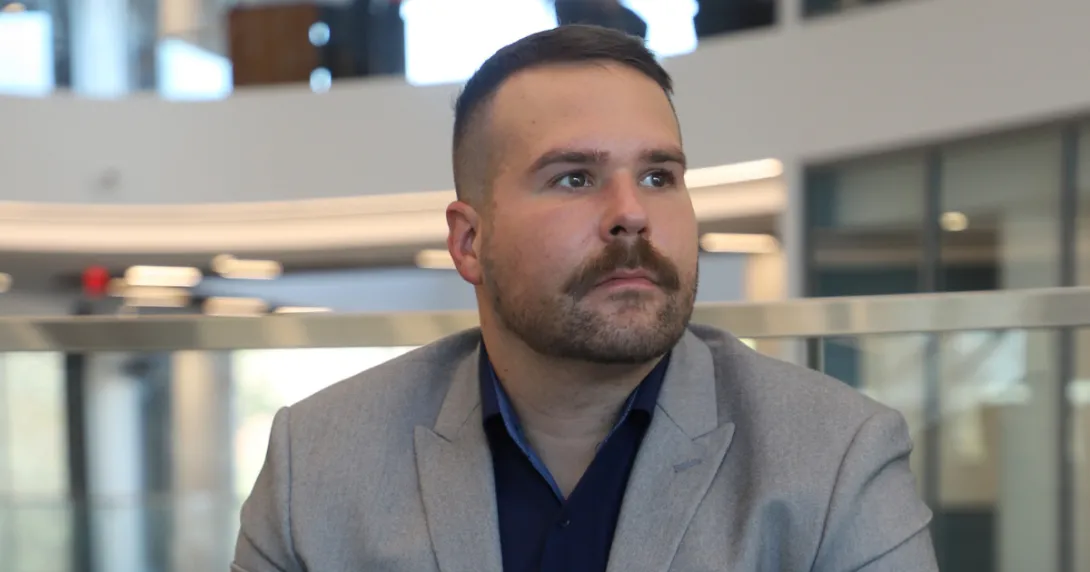
Adam-MacCallum, Jim Pope Fellow and translational research advocate in Georgia Tech’s Wallace H. Coulter Department of Biomedical Engineering
Epilepsy, Parkinson’s, Alzheimer’s, Huntington’s disease — as a Jim Pope Fellow, Adam McCallum is dedicated to helping students search for solutions to these and other devastating diseases. McCallum is a translational research advocate in the Wallace H. Coulter Department of Biomedical Engineering at Georgia Tech and Emory University, currently ranked No. 2 in the nation by U.S. News & World Report. He hopes to accelerate the commercialization of the most promising biotech advances.
When McCallum learned about the Jim Pope Fellowship, he saw it as a tremendous opportunity. “Biomedical engineering research has so much potential to be translated into products and solutions that tackle unmet clinical needs, that could be shaped to enhance society in general,” he says. “It’s a collaboration between biology, medicine, and engineering. The Pope Fellowship is a unique opportunity to explore new projects dedicated to entrepreneurship.”
McCallum is one of five faculty members to receive the Jim Pope Fellowship, which supports faculty in becoming entrepreneurial instructors and mentors in CREATE-X. He hopes to leverage this fellowship to instill entrepreneurial confidence in biomedical engineering graduate students and faculty and help them translate their research into IP and healthcare-focused products to be used in and out of the clinic.
Since being named a fellow, McCallum has applied the funding to attend conferences to learn more about new methods for teaching commercialization and entrepreneurship, develop programming to enhance the student experience, increase student understanding and interest in entrepreneurship, and explore creative new projects he has envisioned while at Georgia Tech.
Establishing a New Commercialization Course
Beginning in the fall, he will teach a new course, Fundamentals of Biotechnology Commercialization, targeting BME graduate students. McCallum developed the curriculum, which begins with an overview of technology commercialization and the commercialization process, followed by modules on IP — how to protect one’s inventions; financing, with a focus on early-stage commercialization funding opportunities; and choosing a commercialization path.
“In the second part of the course, students will simulate a patent filing,” says McCallum. “It’s a really important step in the commercialization process. In future iterations of the course, I would love to have students file real disclosures and provisional patent applications with our Tech Transfer Office and have a licensing associate talk to them about managing the IP.”
BME Innovations Pivotal to Georgia Tech’s IP Ecosystem
McCallum sees Georgia Tech BME researchers as an important driver of innovation, and the Institute’s patent track record reflects their critical role: More than 21% of U.S.-issued patents to Georgia Tech have at least one BME inventor listed, according to the Office of Commercialization.
In the past year, he has already seen the value of infusing an entrepreneurial spirit into his curriculum. Annabelle Singer (BME) and Levi Wood (ME) were mentored by McCallum while they were developing an audiovisual device to help stimulate brain activity in patients with Alzheimer’s disease and epilepsy. Through this mentorship, Singer and Wood recognized possible use cases and commercialization pathways for their technology.
“Their device has potential applications in a wide range of other neurological conditions — to lessen the impact of these disorders on people in their everyday life,” says McCallum, adding, “I’m excited about Georgia Tech and Emory’s commitment to developing programs to enhance neuroscience and neural engineering research. There’s so much potential in that space, especially for being able to significantly impact diseases like Alzheimer’s, Parkinson’s, and Huntington’s disease, as well as strokes and epilepsy. We are moving in the right direction with being able to improve the efficacy of the modalities to diagnose and treat these conditions.”
According to McCallum, his close connection to CREATE-X has given him a unique opportunity to see the impact of the program on the entrepreneurial endeavors of students and even faculty members.
“Previous fellows have been very successful with developing new educational programs and courses, as well as creating new spaces to spawn innovation, to instill entrepreneurial confidence in undergraduate students, and I want to use those successes as inspiration to make an impact on graduate student entrepreneurial confidence in BME, with much more to come,” he said.
As one of President Ángel Cabrera's four Big Bets, the drive for entrepreneurial education and opportunities has accelerated at Georgia Tech. In 2023, over a third of all Georgia Tech applicants selected entrepreneurship as an interest. Pope Fellows have a unique opportunity to help students tap into entrepreneurial pathways with CREATE-X, access an abundance of resources, and solve real-world problems. For faculty interested in joining, applications are open for the 2025 Jim Pope Fellowship until Sept. 2. For more information, visit https://create-x.gatech.edu/faculty/jim-pope-fellowship.
News Contact
Written by Anne Wainscott-Sargent
Internal Contact
Breanna Durham
Marketing Strategist
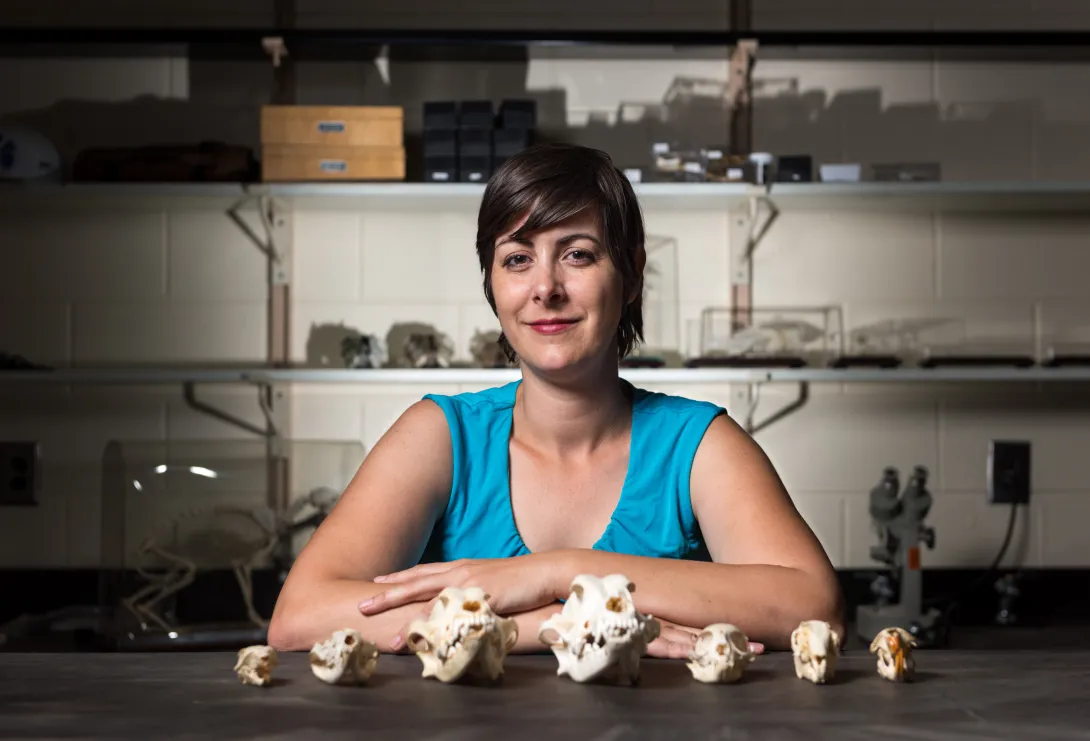
Jenny McGuire
The College of Sciences is pleased to announce Jenny McGuire as the recipient of the Harry and Anna Teasley Professorship in Ecology.
The newly endowed faculty position supports research and teaching that meaningfully advances the understanding and responsible stewardship of species and community dynamics amid evolving ecological interactions driven by global environmental change.
McGuire, an associate professor in the School of Biological Sciences and the School of Earth and Atmospheric Sciences, was selected for her pioneering ecological research and exceptional teaching efforts.
“Jenny’s creative and fundamental research in spatial and community ecology is helping to position Georgia Tech as a leader in biodiversity and ecosystem conservation,” says Todd Streelman, professor and chair of the School of Biological Sciences. “Her appointment continues a trend in the School to award research endowments to our most promising early- and mid-career scientists and highlights the strong support and generosity of alumni such as the Teasley family.”
Meet Jenny McGuire
McGuire joined the Georgia Tech faculty in 2017 as an assistant professor. She earned a Ph.D. in Integrative Biology from the University of California, Berkeley, and completed postdoctoral research at the National Evolutionary Synthesis Center and the University of Washington.
Her research explores how plants and animals respond to environmental changes across space and time — from the ancient past to modern urban environments to the future. She leads the Spatial Ecology and Paleontology Lab, which integrates paleontological data, ecological modeling, and fieldwork to understand how biodiversity shifts in response to climate change and human development.
“Our goal isn’t just to preserve biodiversity, but also to help it thrive in a changing landscape,” says McGuire.
She plans to use the Teasley endowment to advance wildlife redistribution research in the Southeastern U.S.
“Georgia is a climate change highway,” explains McGuire. “Species are moving northeast toward the Appalachian Mountains, but roads, development, and fragmented habitats often block their paths.”
McGuire believes Georgia Tech is uniquely positioned to lead in this field, thanks to its technological strengths. She and her team will collaborate across campus and the Southeast, implementing cutting-edge biodiversity monitoring to better understand how species experience and respond to environmental changes.
“Conducting this research in urban areas like Atlanta — where green infrastructure can serve as vital wildlife corridors — is especially important,” adds McGuire.
The Teasley Professorship will also support student involvement at all levels. McGuire hopes to build a more connected and proactive research community that brings together students, ecologists, biologists, engineers, computer scientists, and community partners to address biodiversity challenges across the Southeast.
McGuire is a 2024 Cullen-Peck Fellow, a Brook Byers Institute for Sustainable Systems Faculty Fellow since 2023, and an NSF CAREER Award winner. Her long-running outreach program, Fossil Fridays, invites students, families, and community members into the lab to sort and study real fossil specimens.
Looking ahead, she’s eager to explore the possibilities provided by the Teasley Professorship.
“It’s an incredible opportunity to elevate Georgia Tech’s role in shaping how we understand and protect life on a changing planet.”
A legacy of excellence
Harry E. Teasley, Jr. graduated from Georgia Tech in 1959 with a degree in industrial engineering and worked for over 33 years for The Coca-Cola Company. In addition to the many leadership roles he held at Coca-Cola, Mr. Teasley is remembered for pioneering the first Life Cycle Assessment (LCA) to be used in an industrial context. LCA was a pioneering analytical framework assessing environmental impacts of a product's life from "cradle to grave," and it is used across most major industries today.
The Harry and Anna Teasley Professorship in Ecology is the second Teasley Professorship supporting environmental research at Georgia Tech. School of Biological Sciences Regents’ Professor Mark Hay has held the Harry and Anna Teasley Chair in Environmental Biology since 1999.
Mrs. Teasley provided an official statement regarding the Harry and Anna Teasley Professorships at Georgia Tech:
“It was the intent of my late husband Harry E. Teasley Jr. that the funds he gave to Professor Mark Hay at Georgia Tech would be to support excellence in the field of environmental biology and to provide him with the freedom to study any concept, hypothesis, or organism that his experience-honed intuition guided him to.
With time, Professor Hay has proven to have been a very worthy choice and has made my late husband and I very proud through the breadth and depth of his studies, discoveries, and highest possible awards he has received. Once this was established, and along with the profound esteem both men had developed for each other, there was the wish to leave a legacy beyond the research: the human values and scientific approach to research that Professor Hay has demonstrated from the start.
Having been the unanimous choice of the evaluating committee, Associate Professor Jenny McGuire seems to be an excellent first recipient, and I am very proud to welcome her as I know my late husband would have been as well.
I wish her many successes in pursuing and teaching her very promising research, and I look forward to learning about the impact she will have in her field as we have through the years admired Professor Mark Hay’s achievements.
###
To learn more about Transforming Tomorrow: The Campaign for Georgia Tech, visit transformingtomorrow.gatech.edu.
News Contact
Laura S. Smith, writer
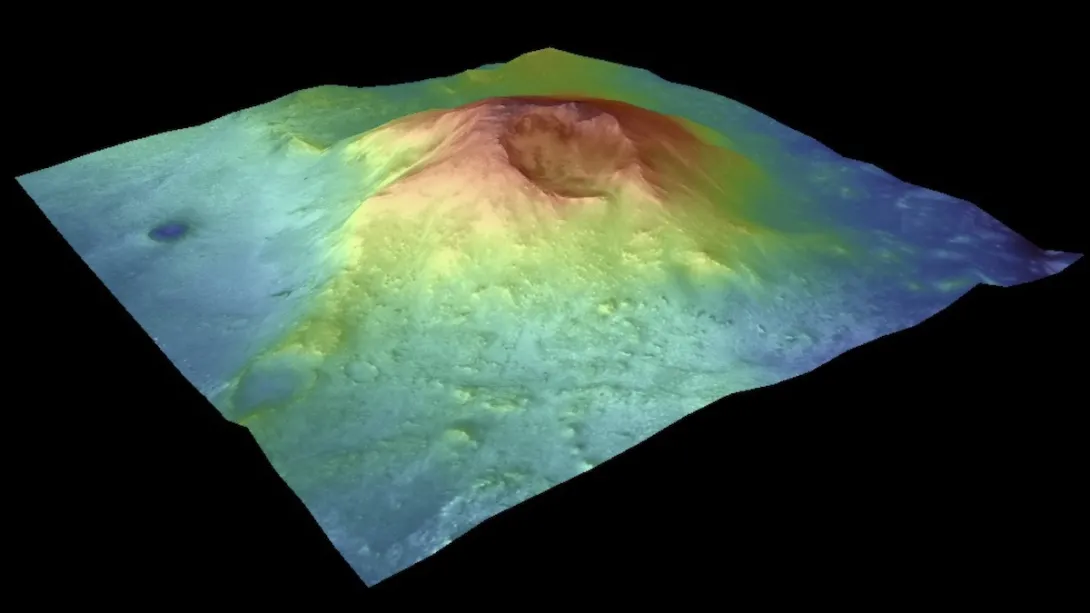
A view of Jezero Mons from the publication. The mountain is ~21 km across.
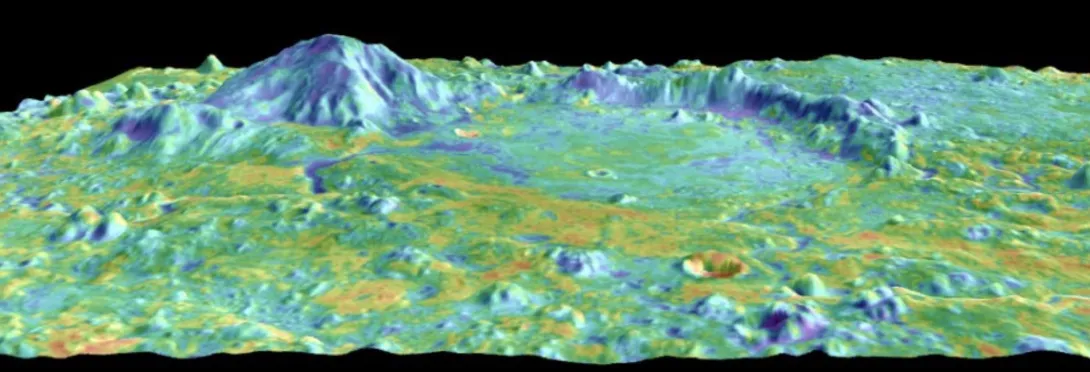
An image from the publication showing an oblique view from north-northeast of Jezero crater, with topography exaggerated ~3x

An illustration of Jezero Crater as it may have looked billions of years go on Mars, when it was a lake. Jezero Mons is visible on the front right-side of the crater rim. (Credit: NASA)
Georgia Tech scientists have uncovered evidence that a mountain on the rim of Jezero Crater — where NASA’s Perseverance Rover is currently collecting samples for possible return to Earth — is likely a volcano. Called Jezero Mons, it is nearly half the size of the crater itself and could add critical clues to the habitability and volcanism of Mars, transforming how we understand Mars’ geologic history.
The study, “Evidence for a composite volcano on the rim of Jezero crater on Mars,” was published this May in the Nature-family journal Communications Earth & Environment, and underscores how much we have left to learn about one of the most well-studied regions of Mars.
Lead author Sara C. Cuevas-Quiñones completed the research as an undergraduate during a summer program at Georgia Tech; she is now a graduate student at Brown University. The team also included corresponding author Professor James J. Wray (School of Earth and Atmospheric Sciences), Assistant Professor Frances Rivera-Hernández (School of Earth and Atmospheric Sciences), and Jacob Adler, then a postdoctoral fellow at Georgia Tech and now an assistant research professor at Arizona State University.
“Volcanism on Mars is intriguing for a number of reasons — from the implications it has on habitability, to better constraining the geologic history,” Wray says. “Jezero Crater is one of the best studied sites on Mars. If we are just now identifying a volcano here, imagine how many more could be on Mars. Volcanoes may be even more widespread across Mars than we thought.”
A mountain in the margins
Wray first noticed the mountain in 2007, while considering Jezero Crater as a graduate student.
“I was looking at low-resolution photos of the area and noticed a mountain on the crater’s rim,” he recalls. “To me, it looked like a volcano, but it was difficult to get additional images.” At the time, Jezero Crater was newly discovered, and imaging focused almost entirely on its intriguing water history, which is on the opposite side of the 28-mile-wide crater.
Then, Jezero Crater, due to these lake-like sedimentary deposits, was selected as the landing spot for the 2020 Perseverance Rover — an ongoing NASA mission seeking signs of ancient Martian life and collecting rock samples for possible return to Earth.
However, after landing, some of the first rocks Perseverance encountered were not the sedimentary deposits one might expect from a previously-flooded area — they were volcanic. Wray suspected he might know the origin of these rocks, but to make a case for it, he would need to show that the mountain on the edge of Jezero Crater could indeed be a volcano.
A new researcher — and old data
The opportunity presented itself several months after Perseverance landed when Cuevas-Quiñones applied to a Summer Research Experience for Undergraduates (REU) program hosted by the School of Earth and Atmospheric Sciences to work with Wray.
“A previous study led by Briony Horgan (professor of planetary science at Purdue University) had also suggested that Jezero Mons could be volcanic,” Cuevas-Quiñones says. “I began wondering if there was a way to home in on these suspicions.”
The team partnered with study coauthor Rivera-Hernández, who specializes in characterizing the surface of planets and their habitability. They decided to use datasets gathered from spacecraft orbiting Mars to compare the properties of Jezero Mons to other, known, volcanoes. “We can’t visit Mars and definitively prove that Jezero Mons is a volcano, but we can show that it shares the same properties with existing volcanoes — both here on Earth and Mars,” Wray explains.
“We used data from the Mars Odyssey Orbiter, Mars Reconnaissance Orbiter, ExoMars Trace Gas Orbiter, and Perseverance Rover, all in combination to puzzle this out,” he adds. “I think this shows that these older spacecraft can be extremely valuable long after their initial missions end — these old spacecraft can still make important discoveries and help us answer tricky questions.”
For Cuevas-Quiñones, it also underscores the importance of REU programs and opportunities for undergraduates. “I was an undergraduate student at the time, and this was my first time conducting research,” she says. “It was fascinating to learn how different data sets could be used to decode the origin of a landscape. After Jezero Mons, it became clear to me that I would continue to study Mars and other planetary bodies.”
The search for life — and determining Mars’ age
The discovery makes the crater even more intriguing in the search for past life on Mars. A volcano so close to watery Jezero Crater could add a critical source of heat on an otherwise cold planet, including the potential for hydrothermal activity — energy that life could use to thrive.
This type of system also holds interest for Mars as a whole. “The coalescence of these two types of systems makes Jezero more interesting than ever,” shares Wray. “We have samples of incredible sedimentary rocks that could be from a habitable region alongside igneous rocks with important scientific value.” If returned to Earth, igneous rocks can be radioisotope dated to know their age very precisely. Dating the Jezero Crater samples could be used to calibrate age estimates, providing an unprecedented window into the geologic history of the planet.
The take home message? “Mars is the best place we have to look in our solar system for signs of life, and thanks to the Perseverance Rover collecting samples in Jezero, the United States has samples from the best rocks in the best place on Mars,” Wray says. “If these samples are returned to Earth, we can do incredible, groundbreaking science with them.”
DOI: https://doi.org/10.1038/s43247-025-02329-7
Funding: Cuevas-Quiñones was supported by Georgia Tech’s 2021 Research Experience for Undergraduates program sponsored by NSF and 3M corporation. Wray was supported by NASA funding for Co-Investigators on HiRISE and CaSSIS. CaSSIS is a project of the University of Bern and funded through the Swiss Space Office via ESA’s PRODEX program. The instrument hardware development was also supported by the Italian Space Agency (ASI) (ASI-INAF agreement 2020-17-HH.0), INAF/Astronomical Observatory of Padova, and the Space Research Center (CBK) in Warsaw. Support from SGF (Budapest), the University of Arizona Lunar and Planetary Lab, and NASA are also gratefully acknowledged. Operation support from the UK Space Agency is also acknowledged.
News Contact
Written by Selena Langner