
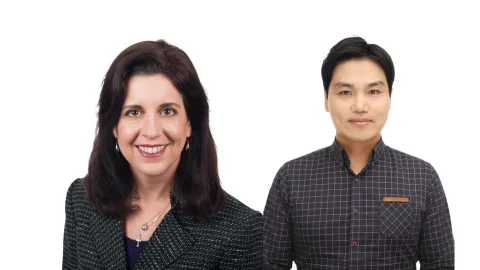
Michelle LaPlaca (left), associate chair for Faculty Development and professor in the Department of Biomedical Engineering; W. Hong Yeo, Harris Saunders, Jr. Professor in the George W. Woodruff School of Mechanical Engineering.
Georgia Tech professors Michelle LaPlaca and W. Hong Yeo have been selected as recipients of Peterson Professorships with the Children’s Healthcare of Atlanta Pediatric Technology Center (PTC) at Georgia Tech. The professorships, supported by the G.P. “Bud” Peterson and Valerie H. Peterson Faculty Endowment Fund, are meant to further energize the Georgia Tech and Children’s partnership by engaging and empowering researchers involved in pediatrics.
In a joint statement, PTC co-directors Wilbur Lam and Stanislav Emelianov said, “The appointment of Dr. LaPlaca and Dr. Yeo as Peterson Professors exemplifies the vision of Bud and Valerie Peterson — advancing innovation and collaboration through the Pediatric Technology Center to bring breakthrough ideas from the lab to the bedside, improving the lives of children and transforming healthcare.”
LaPlaca is a professor and associate chair for Faculty Development in the Department of Biomedical Engineering, a joint department between Georgia Tech and Emory University. Her research is focused on traumatic brain injury and concussion, concentrating on sources of heterogeneity and clinical translation. Specifically, she is working on biomarker discovery, the role of the glymphatic system, and novel virtual reality neurological assessments.
“I am thrilled to be chosen as one of the Peterson Professors and appreciate Bud and Valerie Peterson’s dedication to pediatric research,” she said. “The professorship will allow me to broaden research in pediatric concussion assessment and college student concussion awareness, as well as to identify biomarkers in experimental models of brain injury.”
In addition to the research lab, LaPlaca will work with an undergraduate research class called Concussion Connect, which is part of the Vertically Integrated Projects program at Georgia Tech.
“Through the PTC, Georgia Tech and Children’s will positively impact brain health in Georgia’s pediatric population,” said LaPlaca.
Yeo is the Harris Saunders, Jr. Professor in the George W. Woodruff School of Mechanical Engineering and the director of the Wearable Intelligent Systems and Healthcare Center at Georgia Tech. His research focuses on nanomanufacturing and membrane electronics to develop soft biomedical devices aimed at improving disease diagnostics, therapeutics, and rehabilitation.
“I am truly honored to be awarded the Peterson Professorship from the Children’s PTC at Georgia Tech,” he said. “This recognition will greatly enhance my research efforts in developing soft bioelectronics aimed at advancing pediatric healthcare, as well as expand education opportunities for the next generation of undergraduate and graduate students interested in creating innovative medical devices that align seamlessly with the recent NSF Research Traineeship grant I received. I am eager to contribute to the dynamic partnership between Georgia Tech and Children’s Healthcare of Atlanta and to empower innovative solutions that will improve the lives of children.”
The Peterson Professorships honor the former Georgia Tech President and First Lady, whose vision for the importance of research in improving pediatric healthcare has had an enormous positive impact on the care of pediatric patients in our state and region.
The Children’s PTC at Georgia Tech brings clinical experts from Children’s together with Georgia Tech scientists and engineers to develop technological solutions to problems in the health and care of children. Children’s PTC provides extraordinary opportunities for interdisciplinary collaboration in pediatrics, creating breakthrough discoveries that often can only be found at the intersection of multiple disciplines. These collaborations also allow us to bring discoveries to the clinic and the bedside, thereby enhancing the lives of children and young adults. The mission of the PTC is to establish the world’s leading program in the development of technological solutions for children’s health, focused on three strategic areas that will have a lasting impact on Georgia’s kids and beyond.
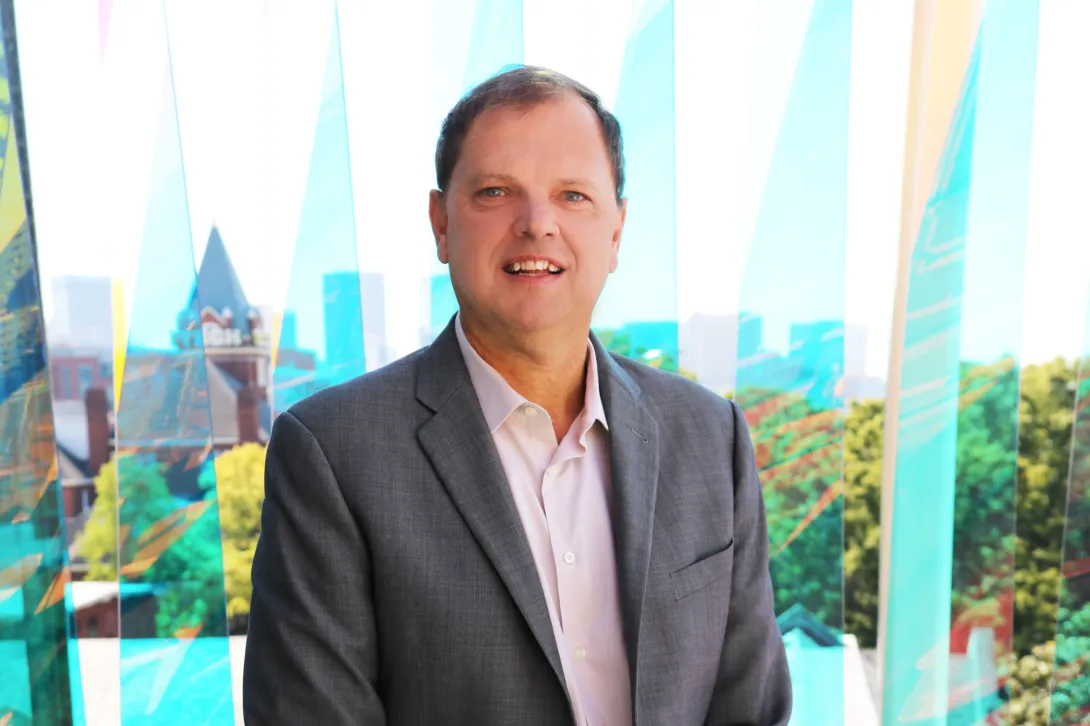
The College of Sciences has named Professor Joel Kostka the inaugural faculty director of Georgia Tech for Georgia's Tomorrow. The new center, announced by the College in December 2024, will drive research aimed at improving life across the state of Georgia.
“Joel is perfectly suited to lead this new initiative, especially since his research for a number of years has focused on Georgia and the vulnerability of both humans and ecosystems to climate change,” says Susan Lozier, dean of the College of Sciences, Betsy Middleton and John Clark Sutherland Chair, and professor in the School of Earth and Atmospheric Sciences. “I look forward to seeing how Science for Georgia’s Tomorrow takes shape and evolves under his thoughtful leadership.”
“I believe that my experience in research administration and in leading multidisciplinary research programs, along with the focus of my research on the vulnerability of Georgia’s communities to climate change, have prepared me well for this role,” says Kostka, who is the Tom and Marie Patton Distinguished Professor and associate chair for Research in the School of Biological Sciences with a joint appointment in the School of Earth and Atmospheric Sciences. “I am excited about the opportunity to lead the center as its inaugural director.”
Kostka’s appointment will begin on May 1, 2025.
Championing science in Georgia
Georgia's Tomorrow was created to foster research related to the health and resilience of Georgia’s people, ecosystems, and communities. Specifically, it will serve to boost research collaboration across the Institute, pave the way for public-private partnerships, and expand opportunities for Georgia students and communities to engage with Institute research.
Among Kostka’s first tasks as faculty director will be the development of the center’s strategic plan and the completion of two dedicated cluster hires from within the College of Sciences’ six schools.
Meet Joel Kostka
Kostka is known for bridging biogeochemistry and microbiology to elucidate the role of microorganisms in ecosystem function. He has emerged as an international leader in ecosystem biogeoscience, providing a quantitative predictive understanding of how ecosystems function as well as determining the mechanisms by which climate change alters ecosystem resilience. He partners with a variety of stakeholders to conduct research on the restoration and adaptive management of coastal ecosystems in Georgia.
Kostka has also served as the PI of a range of multidisciplinary research projects focused on environmental change as well as scientific advisory boards including Georgia Tech’s Strategic Energy Institute, the NSF-funded Plum Island Estuary Long-term Ecological Research program, and the Johnston Center for Coastal Sustainability on Bald Head Island.
Kostka received a B.S. in Biology from Western Illinois University and a Ph.D. in Marine Science from the University of Delaware. Prior to joining Georgia Tech in 2011, he was a professor at the Department of Oceanography and Associate Director of the Institute of Energy Systems, Economics, and Sustainability at Florida State University.
Initial support for Georgia Tech for Georgia’s Tomorrow is generously provided by the College of Sciences Betsy Middleton and John Clark Sutherland Dean's Chair fund. Cluster hire funding has been awarded by Provost Steven W. McLaughlin. The initiative will also seek funding from state, national and international organizations, private foundations, and government agencies to expand impact. Philanthropic support will also be sought in the form of professorships, programmatic support for the center, and seed funding.
Georgia Tech for Georgia's Tomorrow initially launched under the working name Science for Georgia's Tomorrow (Sci4GT).
News Contact
Writer: Lindsay C. Vidal
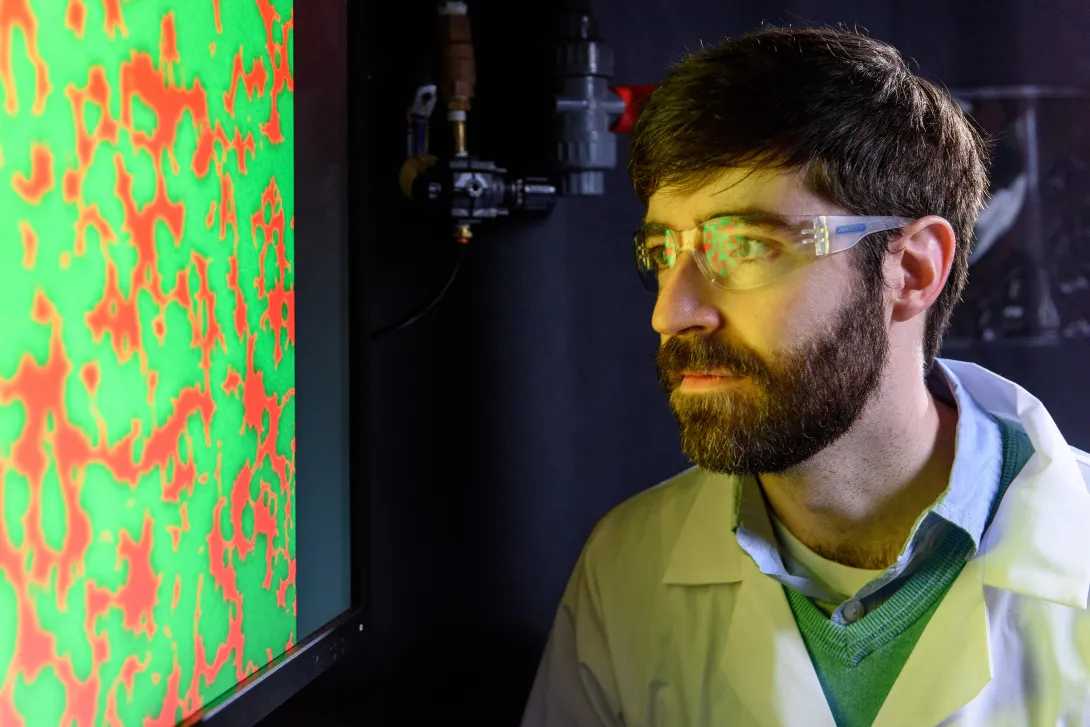
Peter Yunker boils down his advice for researchers wanting to commercialize their lab advances.
“You can’t go it alone,” said Yunker, an associate professor of physics at Georgia Tech.
In January, Yunker co-founded the biotechnology startup TopoDx LLC, with David Weiss, an Emory University School of Medicine researcher and director of the Emory Antibiotic Resistance Center, and Yogi Patel, a Georgia Tech alumnus with a background in business development and bioengineering.
“Researchers often think that they have a good commercialization idea to help people, but that alone does not guarantee success,” said Yunker. “Look for partners with complementary skills who understand aspects of the commercialization process that you don’t. Find mentors with business and scientific backgrounds in the specific industry you want to enter.”
TopoDx has developed a microbial test to identify antibiotic resistance and susceptibility rapidly and accurately. Current tests produce a result in three to five days. TopoDx’s approach can gain a result within four hours. Every hour counts in treating serious infections. Delays in accurate treatment can increase antibiotic resistance, which is a global challenge, causing up to 1 million deaths a year.
The company’s testing method was inspired by a fundamental biophysics project in Yunker’s lab. His team was interested in understanding how bacterial colonies behave. They tested white-light interferometry, a technology that can measure bacterial colonies down to the nanometer level.
“White-light interferometry allowed us to identify changes in the topography of a colony that indicated larger changes in the volume of cells in the entire colony,” said Yunker. “We thought this might have practical applications.”
The next step was giving research talks at meetings and looking for collaborators. “I wanted to find someone with expertise on the bacteriology side, and I was very fortunate to meet David Weiss,” Yunker said, noting his proficiency in heteroresistance, a phenomenon where a small subset of a bacterial colony resists an antibiotic.
“If you have just one antibiotic-resistant cell in a hundred cells, it can cause treatments to fail,” said Yunker.
The two collaborators hoped to commercialize their technology, identifying heteroresistance in microbial samples. However, they needed guidance in creating a business model. They consulted Harold Solomon, an entrepreneur with Georgia Tech VentureLab and a principal in the Quadrant-i program, a specialized program helping Georgia Tech faculty and students commercialize research.
Solomon became a key mentor. He guided them away from an ill-advised partnership and instead introduced them to Yogi Patel, who became a co-founder and the company CEO.
This new collaboration provided the team with an important lesson — one that Yunker passes along to other researchers looking to commercialize their discoveries. “Seek expertise outside your field, be humble about your knowledge limitations, and view collaboration as a strategic partnership,” he says.
When Patel came on board, he conducted extensive interviews with more than 15 clinical professionals.
“You need to interview end users or purchasers of whatever solution you want to build,” said Patel. “Ask them if the problem you think you may have solved is a problem with scale, with a market need.”
Clinicians, Patel learned, did not see heteroresistance as a significant issue. Instead, the slow pace of antibiotic testing was identified as a major problem. Faster testing could allow clinicians to prescribe targeted drugs more quickly and accurately, reducing unnecessary antibiotic use and the risk of multi-resistant infections.
With this survey information, Patel asked Yunker and Weiss to rethink how their technology could be commercialized.
“A company must solve a real-world problem,” said Patel. “I recommended that we switch from heteroresistance to solving slow antibiotic testing. We could keep heteroresistance as something we can still do as a second or third priority.”
TopoDx’s new technology can measure, with single-nanometer accuracy, how bacterial colonies are responding to antibiotics in real time. This method could revolutionize how antibiotics are tested and prescribed. Testing would be conducted on a countertop device about the size of a large microwave. The co-founders envision the device as eventually being used by urgent care facilities and hospitals.
“We want to make microbial testing susceptibility accessible anywhere and everywhere,” said Patel.
Adam Krueger, once a Ph.D. student in Yunker's lab, has continued to refine the technology. Now a post-doctoral researcher, Krueger joined TopoDx in a technical leadership role to expand the technology’s capabilities for microbiological diagnostics.
“We will keep pushing the envelope forward scientifically while we try to commercialize the accomplishments that we have already made,” Yunker said. “We hope that some fundamental studies we are doing now out of scientific curiosity could lead to further commercial applications.”
Georgia Tech faculty members and graduate students, join the Quadrant-i Startup Launch Program to commercialize your research this summer: Over 12 weeks, you'll receive comprehensive support including guidance from experienced mentors, a $10,000 commercialization grant, and $150,000 worth of in-kind services. Showcase your innovation at Demo Day, where you'll have the opportunity to present to over 1,500 attendees, including industry leaders and investors. Apply today! Applications close April 11.
News Contact
Written By John H. Tibbetts
Internal Contact:
Breanna Durham
Marketing Strategist
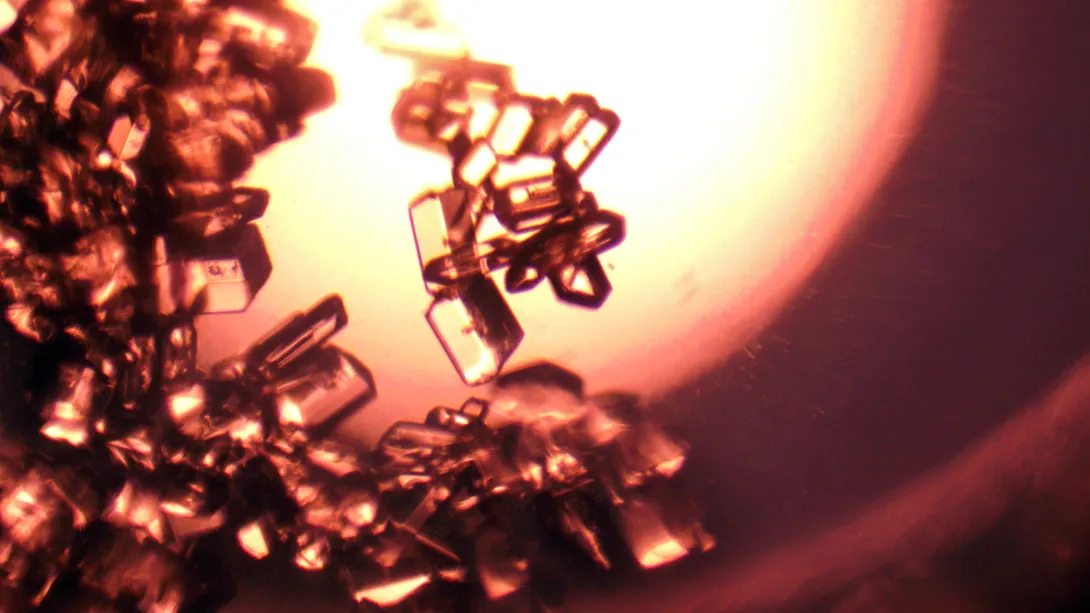
Glycine, one of the critical amino acids that the system coverts carbon dioxide into. (Image Credit: NASA)
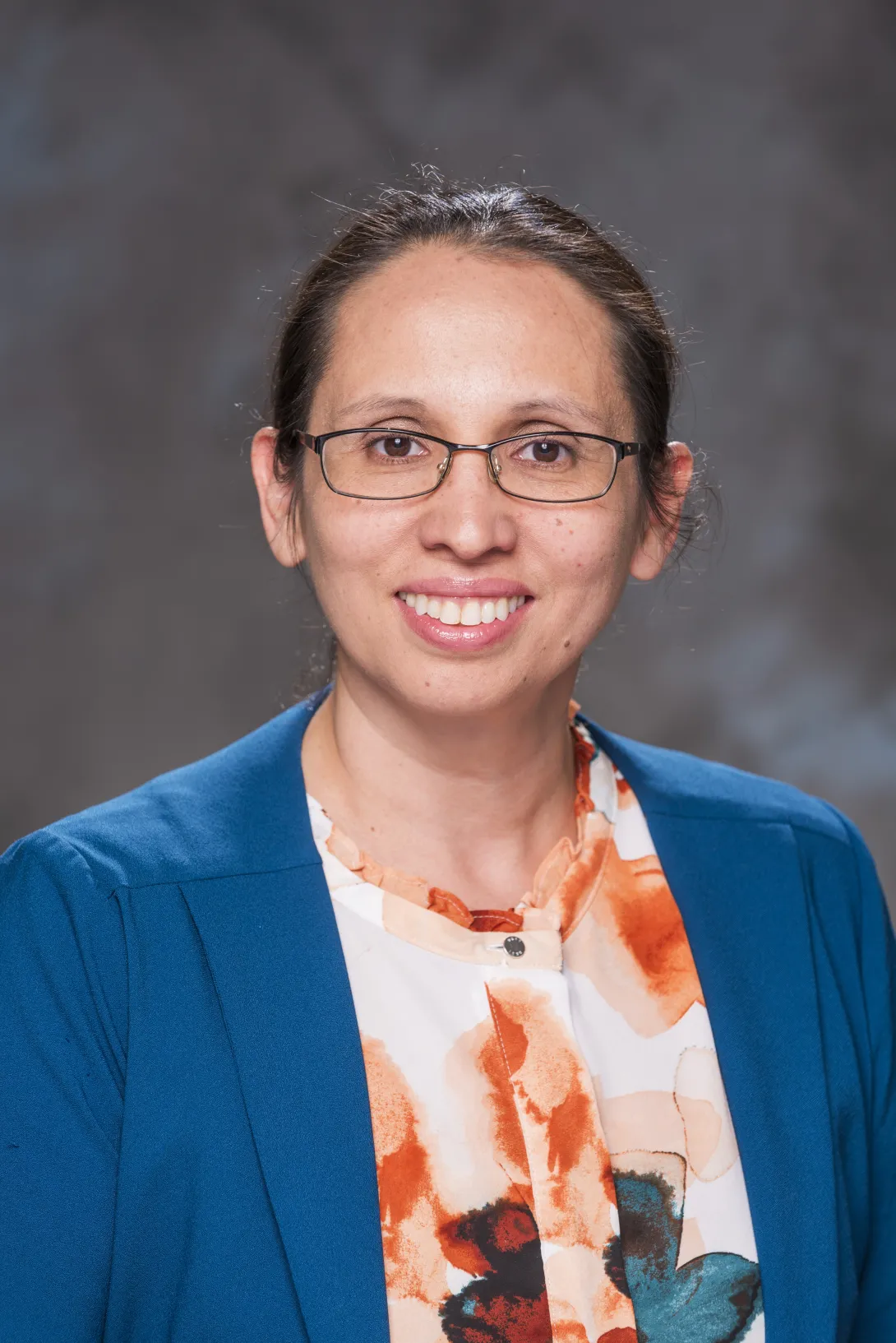
Professor Pamela Peralta-Yahya
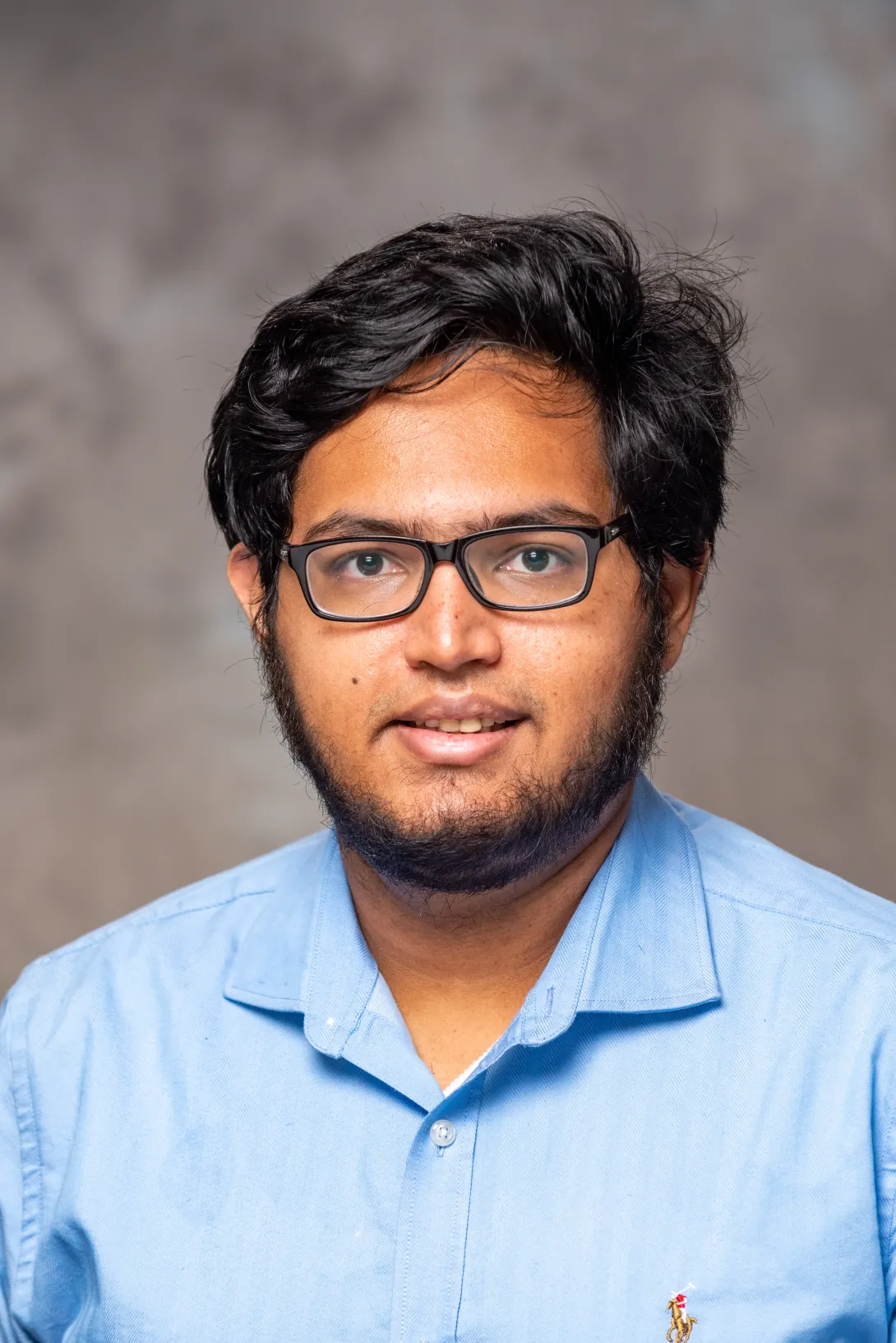
Ph.D. Student Shaafique Chowdhury, first author of the study.
Ph.D. Student Ray Westerberg
“Part of what makes a cell-free system so efficient,” Westenberg says, “is that it can use cellular enzymes without needing the cells themselves. By generating the enzymes and combining them in the lab, the system can directly convert carbon dioxide into the desired chemicals.”
Amino acids are essential for nearly every process in the human body. Often referred to as ‘the building blocks of life,’ they are also critical for commercial use in products ranging from pharmaceuticals and dietary supplements, to cosmetics, animal feed, and industrial chemicals.
And while our bodies naturally make amino acids, manufacturing them for commercial use can be costly — and that process often emits greenhouse gasses like carbon dioxide (CO2).
In a landmark study, a team of researchers has created a first-of-its kind methodology for synthesizing amino acids that uses more carbon than it emits. The research also makes strides toward making the system cost-effective and scalable for commercial use.
“To our knowledge, it’s the first time anyone has synthesized amino acids in a carbon-negative way using this type of biocatalyst,” says lead corresponding author Pamela Peralta-Yahya, who emphasizes that the system provides a win-win for industry and environment. “Carbon dioxide is readily available, so it is a low-cost feedstock — and the system has the added bonus of removing a powerful greenhouse gas from the atmosphere, making the synthesis of amino acids environmentally friendly, too.”
The study, “Carbon Negative Synthesis of Amino Acids Using a Cell-Free-Based Biocatalyst,” published today in ACS Synthetic Biology, is publicly available. The research was led by Georgia Tech in collaboration with the University of Washington, Pacific Northwest National Laboratory, and the University of Minnesota.
The Georgia Tech research contingent includes Peralta-Yahya, a professor with joint appointments in the School of Chemistry and Biochemistry and School of Chemical and Biomolecular Engineering (ChBE); first author Shaafique Chowdhury, a Ph.D. student in ChBE; Ray Westenberg, a Ph.D student in Bioengineering; and Georgia Tech alum Kimberly Wennerholm (B.S. ChBE ’23).
Costly chemicals
There are two key challenges to synthesizing amino acids on a large scale: the cost of materials, and the speed at which the system can generate amino acids.
While many living systems like cyanobacteria can synthesize amino acids from CO2, the rate at which they do it is too slow to be harnessed for industrial applications, and these systems can only synthesize a limited number of chemicals.
Currently, most commercial amino acids are made using bioengineered microbes. “These specially designed organisms convert sugar or plant biomass into fuel and chemicals,” explains first author Chowdhury, “but valuable food resources are consumed if sugar is used as the feedstock — and pre-processing plant biomass is costly.” These processes also release CO2 as a byproduct.
Chowdhury says the team was curious “if we could develop a commercially viable system that could use carbon dioxide as a feedstock. We wanted to build a system that could quickly and efficiently convert CO2 into critical amino acids, like glycine and serine.”
The team was particularly interested in what could be accomplished by a ‘cell-free’ system that leveraged some process of a cellular system — but didn’t actually involve living cells, Peralta-Yahya says, adding that systems using living cells need to use part of their CO2 to fuel their own metabolic processes, including cell growth, and have not yet produced sufficient quantities of amino acids.
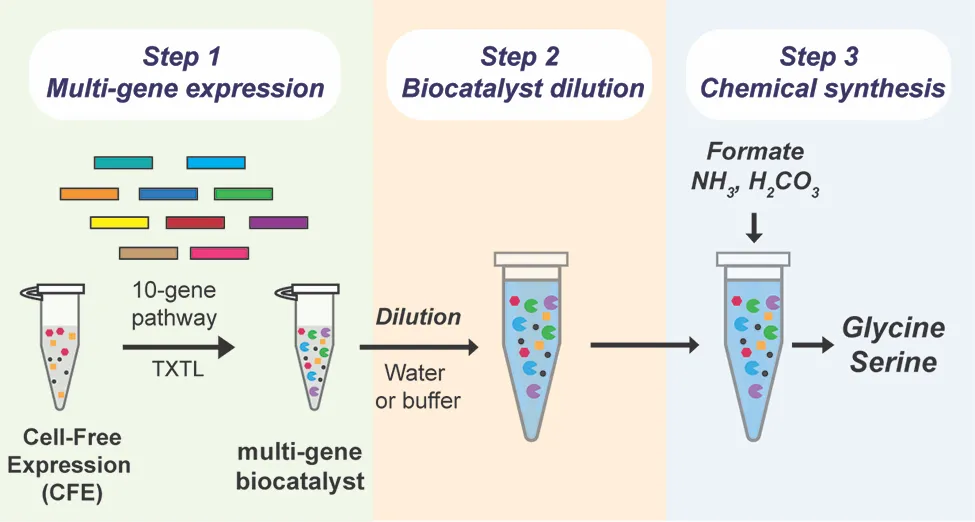
“Part of what makes a cell-free system so efficient,” Westenberg explains, “is that it can use cellular enzymes without needing the cells themselves. By generating the enzymes and combining them in the lab, the system can directly convert carbon dioxide into the desired chemicals. Because there are no cells involved, it doesn’t need to use the carbon to support cell growth — which vastly increases the amount of amino acids the system can produce.”
A novel solution
While scientists have used cell-free systems before, one of the necessary chemicals, the cell lysate biocatalyst, is extremely costly. For a cell-free system to be economically viable at scale, the team needed to limit the amount of cell lysate the system needed.
After creating the ten enzymes necessary for the reaction, the team attempted to dilute the biocatalyst using a technique called ‘volumetric expansion.’ “We found that the biocatalyst we used was active even after being diluted 200-fold,” Peralta-Yahya explains. “This allows us to use significantly less of this high-cost material — while simultaneously increasing feedstock loading and amino acid output.”
It’s a novel application of a cell-free system, and one with the potential to transform both how amino acids are produced, and the industry’s impact on our changing climate.
“This research provides a pathway for making this method cost-effective and scalable,” Peralta-Yahya says. “This system might one day be used to make chemicals ranging from aromatics and terpenes, to alcohols and polymers, and all in a way that not only reduces our carbon footprint, but improves it.”
Funding: Advanced Research Project Agency-Energy (ARPA-E), U.S. Department of Energy and the U.S. Department of Energy, Office of Science, Biological and Environmental Research Program.
News Contact
Written by Selena Langner
Industrial Robots sloving a puzzle
The Institute for Robotics and Intelligent Machines (IRIM) launched a new initiatives program, starting with several winning proposals, with corresponding initiative leads that will broaden the scope of IRIM’s research beyond its traditional core strengths. A major goal is to stimulate collaboration across areas not typically considered as technical robotics, such as policy, education, and the humanities, as well as open new inter-university and inter-agency collaboration routes. In addition to guiding their specific initiatives, these leads will serve as an informal internal advisory body for IRIM. Initiative leads will be announced annually, with existing initiative leaders considered for renewal based on their progress in achieving community building and research goals. We hope that initiative leads will act as the “faculty face” of IRIM and communicate IRIM’s vision and activities to audiences both within and outside of Georgia Tech.
Meet 2024 IRIM Initiative Leads
Stephen Balakirsky; Regents' Researcher, Georgia Tech Research Institute & Panagiotis Tsiotras; David & Andrew Lewis Endowed Chair, Daniel Guggenheim School of Aerospace Engineering | Proximity Operations for Autonomous Servicing
Why It Matters: Proximity operations in space refer to the intricate and precise maneuvers and activities that spacecraft or satellites perform when they are in close proximity to each other, such as docking, rendezvous, or station-keeping. These operations are essential for a variety of space missions, including crewed spaceflights, satellite servicing, space exploration, and maintaining satellite constellations. While this is a very broad field, this initiative will concentrate on robotic servicing and associated challenges. In this context, robotic servicing is composed of proximity operations that are used for servicing and repairing satellites in space. In robotic servicing, robotic arms and tools perform maintenance tasks such as refueling, replacing components, or providing operation enhancements to extend a satellite's operational life or increase a satellite’s capabilities.
Our Approach: By forming an initiative in this important area, IRIM will open opportunities within the rapidly evolving space community. This will allow us to create proposals for organizations ranging from NASA and the Defense Advanced Research Projects Agency to the U.S. Air Force and U.S. Space Force. This will also position us to become national leaders in this area. While several universities have a robust robotics program and quite a few have a strong space engineering program, there are only a handful of academic units with the breadth of expertise to tackle this problem. Also, even fewer universities have the benefit of an experienced applied research partner, such as the Georgia Tech Research Institute (GTRI), to undertake large-scale demonstrations. Georgia Tech, having world-renowned programs in aerospace engineering and robotics, is uniquely positioned to be a leader in this field. In addition, creating a workshop in proximity operations for autonomous servicing will allow the GTRI and Georgia Tech space robotics communities to come together and better understand strengths and opportunities for improvement in our abilities.
Matthew Gombolay; Assistant Professor, Interactive Computing | Human-Robot Society in 2125: IRIM Leading the Way
Why It Matters: The coming robot “apocalypse” and foundation models captured the zeitgeist in 2023 with “ChatGPT” becoming a topic at the dinner table and the probability occurrence of various scenarios of AI driven technological doom being a hotly debated topic on social media. Futuristic visions of ubiquitous embodied Artificial Intelligence (AI) and robotics have become tangible. The proliferation and effectiveness of first-person view drones in the Russo-Ukrainian War, autonomous taxi services along with their failures, and inexpensive robots (e.g., Tesla’s Optimus and Unitree’s G1) have made it seem like children alive today may have robots embedded in their everyday lives. Yet, there is a lack of trust in the public leadership bringing us into this future to ensure that robots are developed and deployed with beneficence.
Our Approach: This proposal seeks to assemble a team of bright, savvy operators across academia, government, media, nonprofits, industry, and community stakeholders to develop a roadmap for how we can be the most trusted voice to guide the public in the next 100 years of innovation in robotics here at the IRIM. We propose to carry out specific activities that include conducting the activities necessary to develop a roadmap about Robots in 2125: Altruistic and Integrated Human-Robot Society. We also aim to build partnerships to promulgate these outcomes across Georgia Tech’s campus and internationally.
Gregory Sawicki; Joseph Anderer Faculty Fellow, School of Mechanical Engineering & Aaron Young; Associate Professor, Mechanical Engineering | Wearable Robotic Augmentation for Human Resilience
Why It Matters: The field of robotics continues to evolve beyond rigid, precision-controlled machines for amplifying production on manufacturing assembly lines toward soft, wearable systems that can mediate the interface between human users and their natural and built environments. Recent advances in materials science have made it possible to construct flexible garments with embedded sensors and actuators (e.g., exosuits). In parallel, computers continue to get smaller and more powerful, and state-of-the art machine learning algorithms can extract useful information from more extensive volumes of input data in real time. Now is the time to embed lean, powerful, sensorimotor elements alongside high-speed and efficient data processing systems in a continuous wearable device.
Our Approach: The mission of the Wearable Robotic Augmentation for Human Resilience (WeRoAHR) initiative is to merge modern advances in sensing, actuation, and computing technology to imagine and create adaptive, wearable augmentation technology that can improve human resilience and longevity across the physiological spectrum — from behavioral to cellular scales. The near-term effort (~2-3 years) will draw on Georgia Tech’s existing ecosystem of basic scientists and engineers to develop WeRoAHR systems that will focus on key targets of opportunity to increase human resilience (e.g., improved balance, dexterity, and stamina). These initial efforts will establish seeds for growth intended to help launch larger-scale, center-level efforts (>5 years).
Panagiotis Tsiotras; David & Andrew Lewis Endowed Chair, Daniel Guggenheim School of Aerospace Engineering & Sam Coogan; Demetrius T. Paris Junior Professor, School of Electrical and Computer Engineering | Initiative on Reliable, Safe, and Secure Autonomous Robotics
Why It Matters: The design and operation of reliable systems is primarily an integration issue that involves not only each component (software, hardware) being safe and reliable but also the whole system being reliable (including the human operator). The necessity for reliable autonomous systems (including AI agents) is more pronounced for “safety-critical” applications, where the result of a wrong decision can be catastrophic. This is quite a different landscape from many other autonomous decision systems (e.g., recommender systems) where a wrong or imprecise decision is inconsequential.
Our Approach: This new initiative will investigate the development of protocols, techniques, methodologies, theories, and practices for designing, building, and operating safe and reliable AI and autonomous engineering systems and contribute toward promoting a culture of safety and accountability grounded in rigorous objective metrics and methodologies for AI/autonomous and intelligent machines designers and operators, to allow the widespread adoption of such systems in safety-critical areas with confidence. The proposed new initiative aims to establish Tech as the leader in the design of autonomous, reliable engineering robotic systems and investigate the opportunity for a federally funded or industry-funded research center (National Science Foundation (NSF) Science and Technology Centers/Engineering Research Centers) in this area.
Colin Usher; Robotics Systems and Technology Branch Head, GTRI | Opportunities for Agricultural Robotics and New Collaborations
Why It Matters: The concepts for how robotics might be incorporated more broadly in agriculture vary widely, ranging from large-scale systems to teams of small systems operating in farms, enabling new possibilities. In addition, there are several application areas in agriculture, ranging from planting, weeding, crop scouting, and general growing through harvesting. Georgia Tech is not a land-grant university, making our ability to capture some of the opportunities in agricultural research more challenging. By partnering with a land-grant university such as the University of Georgia (UGA), we can leverage this relationship to go after these opportunities that, historically, were not available.
Our Approach: We plan to build collaborations first by leveraging relationships we have already formed within GTRI, Georgia Tech, and UGA. We will achieve this through a significant level of networking, supported by workshops and/or seminars with which to recruit faculty and form a roadmap for research within the respective universities. Our goal is to identify and pursue multiple opportunities for robotics-related research in both row-crop and animal-based agriculture. We believe that we have a strong opportunity, starting with formalizing a program with the partners we have worked with before, with the potential to improve and grow the research area by incorporating new faculty and staff with a unified vision of ubiquitous robotics systems in agriculture. We plan to achieve this through scheduled visits with interested faculty, attendance at relevant conferences, and ultimately hosting a workshop to formalize and define a research roadmap.
Ye Zhao; Assistant Professor, School of Mechanical Engineering | Safe, Social, & Scalable Human-Robot Teaming: Interaction, Synergy, & Augmentation
Why It Matters: Collaborative robots in unstructured environments such as construction and warehouse sites show great promise in working with humans on repetitive and dangerous tasks to improve efficiency and productivity. However, pre-programmed and nonflexible interaction behaviors of existing robots lower the naturalness and flexibility of the collaboration process. Therefore, it is crucial to improve physical interaction behaviors of the collaborative human-robot teaming.
Our Approach: This proposal will advance the understanding of the bi-directional influence and interaction of human-robot teaming for complex physical activities in dynamic environments by developing new methods to predict worker intention via multi-modal wearable sensing, reasoning about complex human-robot-workspace interaction, and adaptively planning the robot’s motion considering both human teaming dynamics and physiological and cognitive states. More importantly, our team plans to prioritize efforts to (i) broaden the scope of IRIM’s autonomy research by incorporating psychology, cognitive, and manufacturing research not typically considered as technical robotics research areas; (ii) initiate new IRIM education, training, and outreach programs through collaboration with team members from various Georgia Tech educational and outreach programs (including Project ENGAGES, VIP, and CEISMC) as well as the AUCC (World’s largest consortia of African American private institutions of higher education) which comprises Clark Atlanta University, Morehouse College, & Spelman College; and (iii) aim for large governmental grants such as DOD MURI, NSF NRT, and NSF Future of Work programs.
-Christa M. Ernst
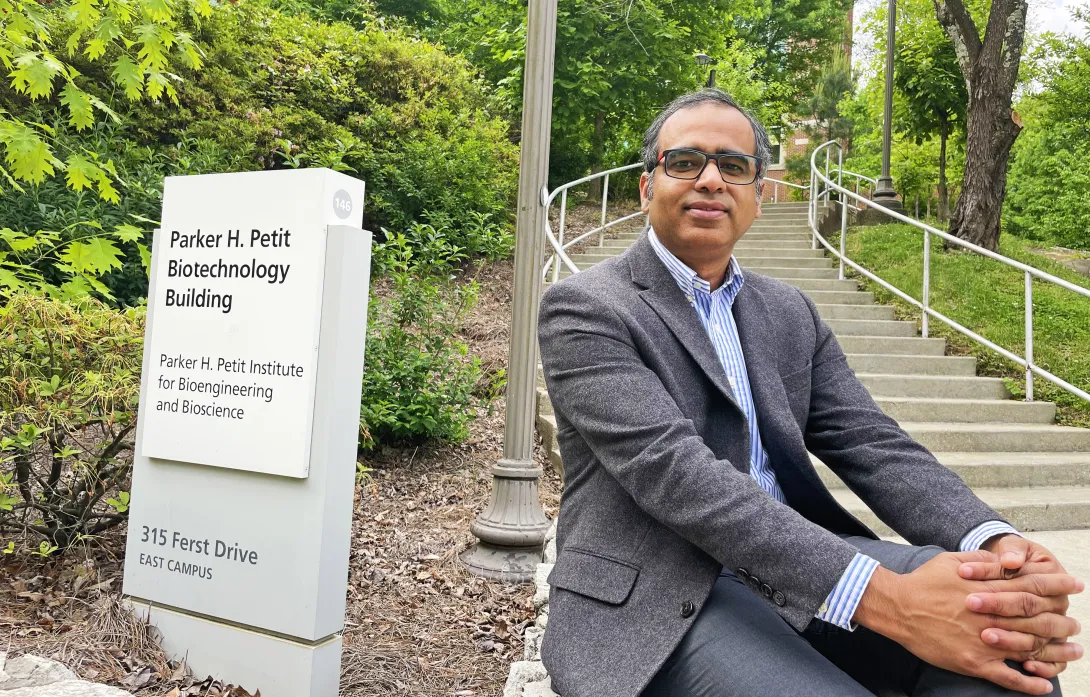
Ankur Singh has developed a new way of programming T cells that retains their naïve state, making them better fighters. — Photo by Jerry Grillo
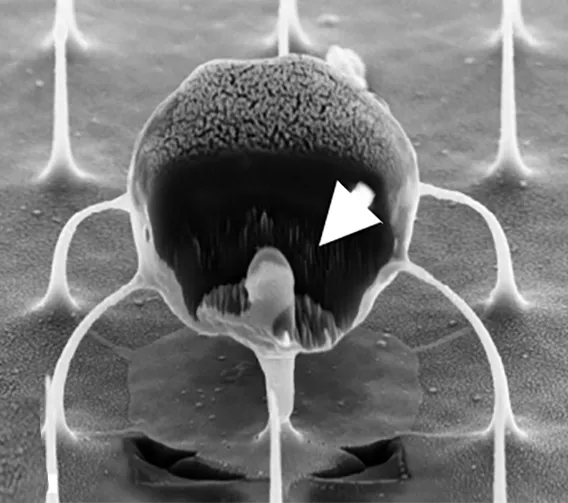
This is an image of a T cell on a nanowire array. The arrow indicates where a nanowire has penetrated the cell, delivering therapeutic miRNA.
Adoptive T-cell therapy has revolutionized medicine. A patient’s T-cells — a type of white blood cell that is part of the body’s immune system — are extracted and modified in a lab and then infused back into the body, to seek and destroy infection, or cancer cells.
Now Georgia Tech bioengineer Ankur Singh and his research team have developed a method to improve this pioneering immunotherapy.
Their solution involves using nanowires to deliver therapeutic miRNA to T-cells. This new modification process retains the cells’ naïve state, which means they’ll be even better disease fighters when they’re infused back into a patient.
“By delivering miRNA in naïve T cells, we have basically prepared an infantry, ready to deploy,” Singh said. “And when these naïve cells are stimulated and activated in the presence of disease, it’s like they’ve been converted into samurais.”
Lean and Mean
Currently in adoptive T-cell therapy, the cells become stimulated and preactivated in the lab when they are modified, losing their naïve state. Singh’s new technique overcomes this limitation. The approach is described in a new study published in the journal Nature Nanotechnology.
“Naïve T-cells are more useful for immunotherapy because they have not yet been preactivated, which means they can be more easily manipulated to adopt desired therapeutic functions,” said Singh, the Carl Ring Family Professor in the Woodruff School of Mechanical Engineering and the Wallace H. Coulter Department of Biomedical Engineering.
The raw recruits of the immune system, naïve T-cells are white blood cells that haven’t been tested in battle yet. But these cellular recruits are robust, impressionable, and adaptable — ready and eager for programming.
“This process creates a well-programmed naïve T-cell ideal for enhancing immune responses against specific targets, such as tumors or pathogens,” said Singh.
The precise programming naïve T-cells receive sets the foundational stage for a more successful disease fighting future, as compared to preactivated cells.
Giving Fighter Cells a Boost
Within the body, naïve T-cells become activated when they receive a danger signal from antigens, which are part of disease-causing pathogens, but they send a signal to T-cells that activate the immune system.
Adoptive T-cell therapy is used against aggressive diseases that overwhelm the body’s defense system. Scientists give the patient’s T-cells a therapeutic boost in the lab, loading them up with additional medicine and chemically preactivating them.
That’s when the cells lose their naïve state. When infused back into the patient, these modified T-cells are an effective infantry against disease — but they are prone to becoming exhausted. They aren’t samurai. Naïve T-cells, though, being the young, programmable recruits that they are, could be.
The question for Singh and his team was: How do we give cells that therapeutic boost without preactivating them, thereby losing that pristine, highly suggestable naïve state? Their answer: Nanowires.
NanoPrecision: The Pointed Solution
Singh wanted to enhance naïve T-cells with a dose of miRNA. miRNA is a molecule that, when used as a therapeutic, works as a kind of volume knob for genes, turning their activity up or down to keep infection and cancer in check. The miRNA for this study was developed in part by the study’s co-author, Andrew Grimson of Cornell University.
“If we could find a way to forcibly enter the cells without damaging them, we could achieve our goal to deliver the miRNA into naïve T cells without preactivating them,” Singh explained.
Traditional modification in the lab involves binding immune receptors to T-cells, enabling the uptake of miRNA or any genetic material (which results in loss of the naïve state). “But nanowires do not engage receptors and thus do not activate cells, so they retain their naïve state,” Singh said.
The nanowires, silicon wafers made with specialized tools at Georgia Tech’s Institute for Electronics and Nanotechnology, form a fine needle bed. Cells are placed on the nanowires, which easily penetrate the cells and deliver their miRNA over several hours. Then the cells with miRNA are flushed out from the tops of the nanowires, activated, eventually infused back into the patient. These programmed cells can kill enemies efficiently over an extended time period.
“We believe this approach will be a real gamechanger for adoptive immunotherapies, because we now have the ability to produce T-cells with predictable fates,” says Brian Rudd, a professor of immunology at Cornell University, and co-senior author of the study with Singh.
The researchers tested their work in two separate infectious disease animal models at Cornell for this study, and Singh described the results as “a robust performance in infection control.”
In the next phase of study, the researchers will up the ante, moving from infectious disease to test their cellular super soldiers against cancer and move toward translation to the clinical setting. New funding from the Georgia Clinical & Translational Science Alliance is supporting Singh’s research.
CITATION: Kristel J. Yee Mon, Sungwoong Kim, Zhonghao Dai, Jessica D. West, Hongya Zhu5, Ritika Jain, Andrew Grimson, Brian D. Rudd, Ankur Singh. “Functionalized nanowires for miRNA-mediated therapeutic programming of naïve T cells,” Nature Nanotechnology.
FUNDING: Curci Foundation, NSF (EEC-1648035, ECCS-2025462, ECCS-1542081), NIH (5R01AI132738-06, 1R01CA266052-01, 1R01CA238745-01A1, U01CA280984-01, R01AI110613 and U01AI131348).
News Contact
Jerry Grillo
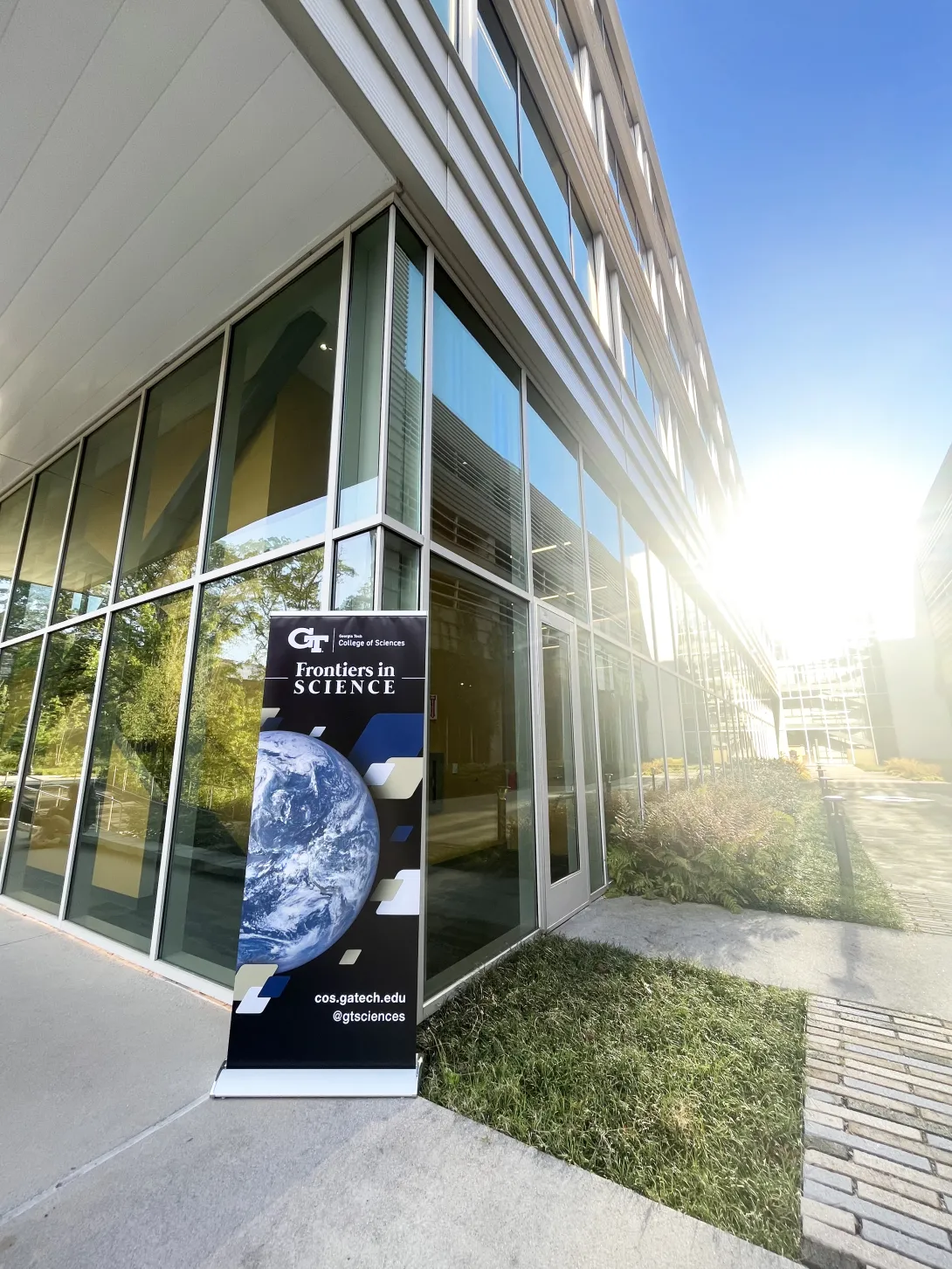
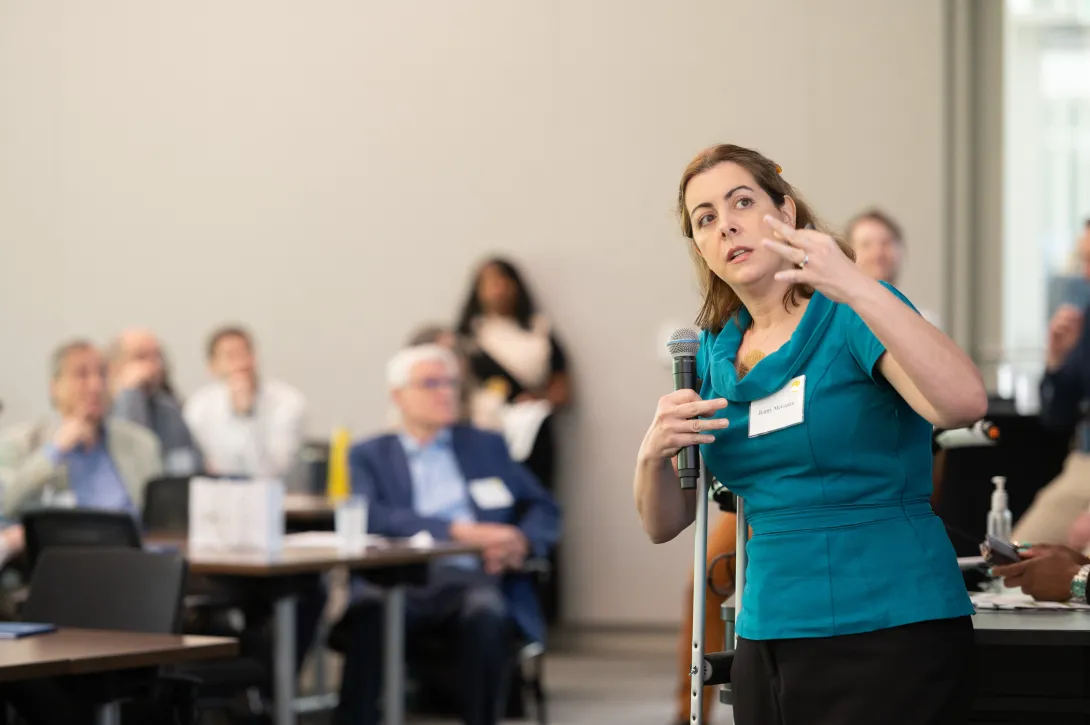
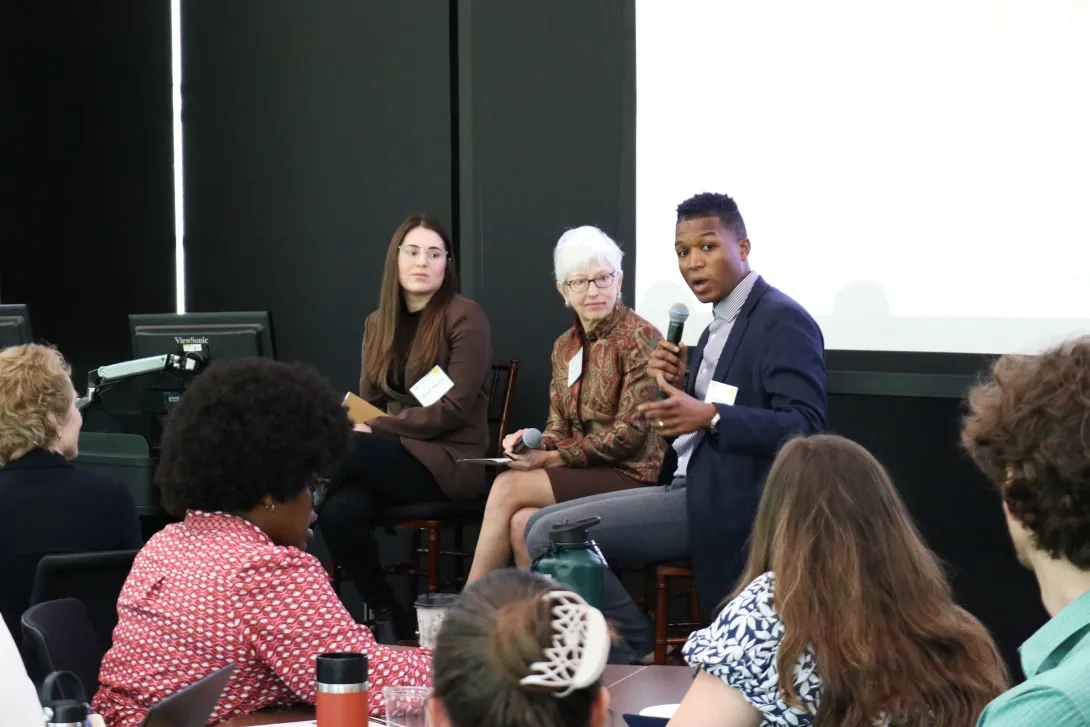
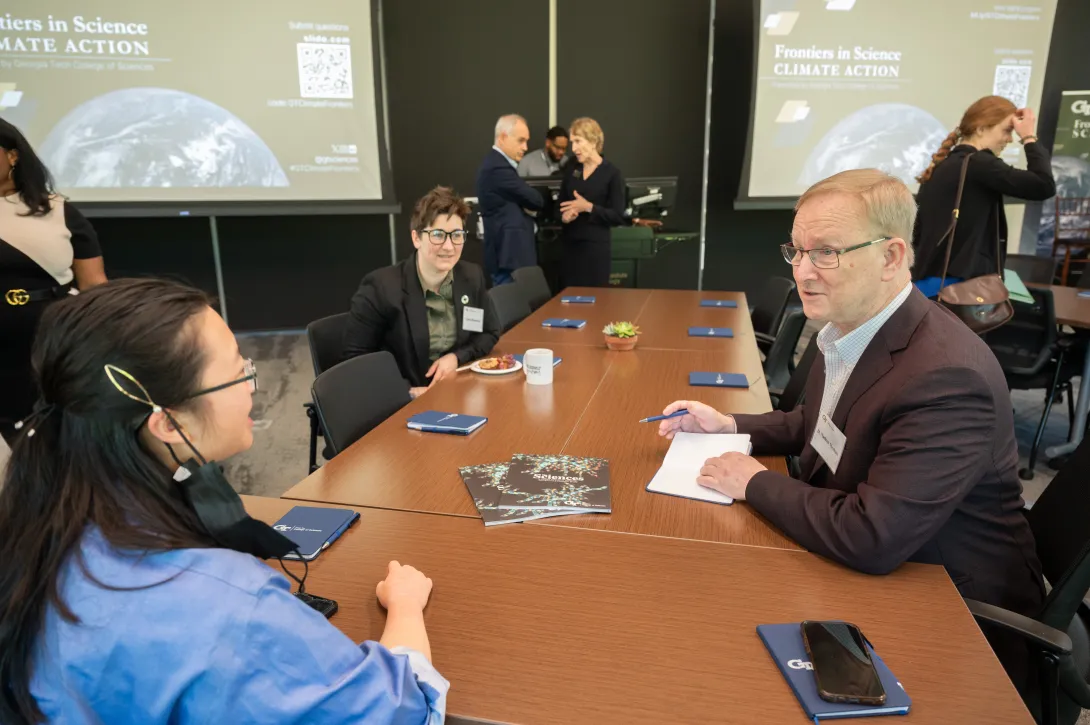
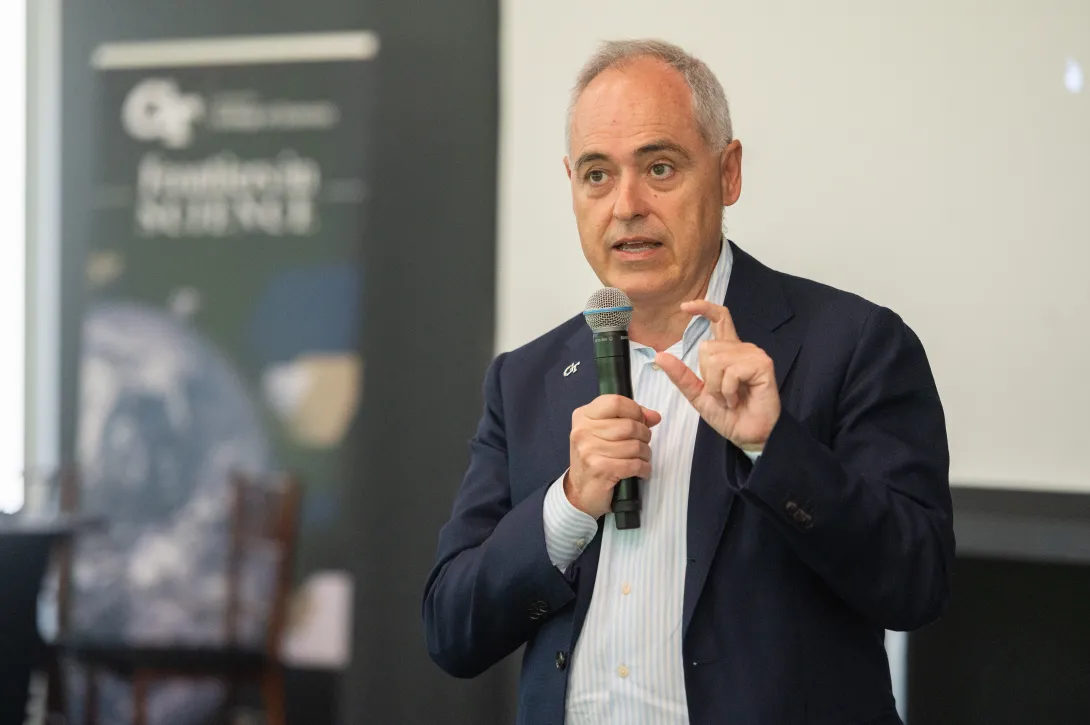
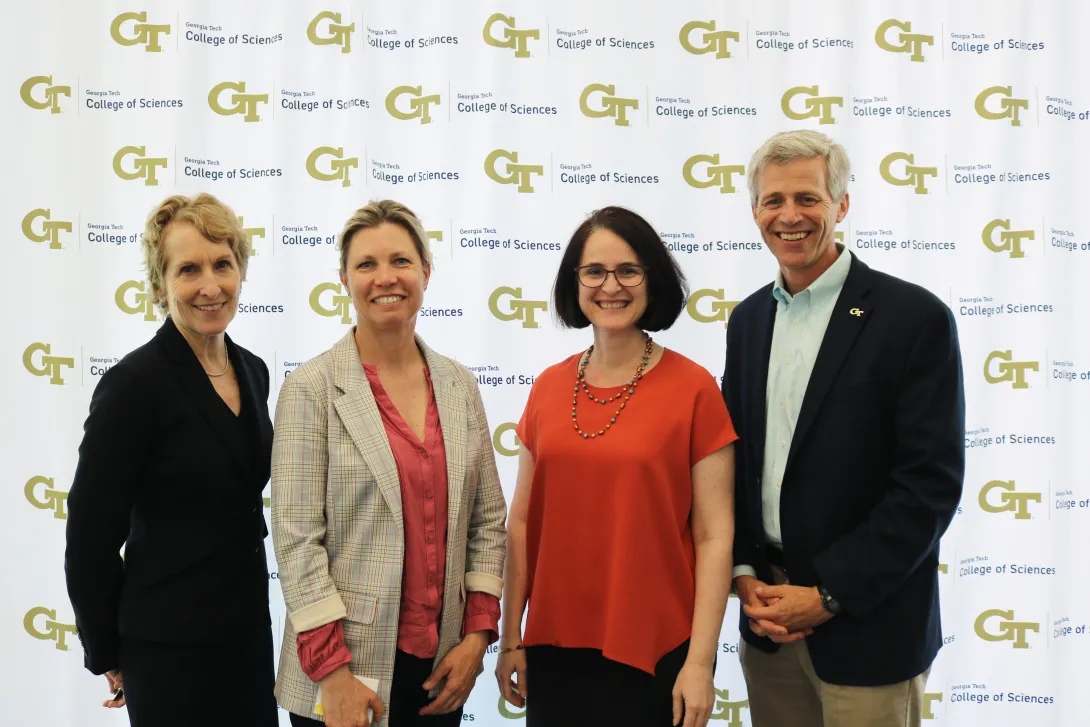
This Earth Month more than 100 campus and community stakeholders gathered near the Georgia Tech EcoCommons for the 2024 Frontiers in Science: Climate Action Conference and Symposium.
On April 18, the College of Sciences hosted more than 20 speakers and panelists from across the Institute and Atlanta community presenting groundbreaking research and discussing innovations and ideas in climate change, challenges, and solutions.
Georgia Tech President Ángel Cabrera (M.S. PSY 1993, Ph.D. PSY 1995) kicked off the morning sessions by highlighting the Institute’s new Climate Action Plan, which outlines the pathway to achieve net-zero emissions by 2050. Cabrera’s remarks focused on Georgia Tech’s role on the frontlines of research and education informing how we respond to climate challenges — and noted that the Institute’s work must extend beyond our laboratories and classrooms.
“It is essential that we not only do the science, but that we also tell that science to the world,” Cabrera says.
Interdisciplinary inquiry
This year, Frontiers in Science featured an array of climate research and initiatives led by the College of Sciences, fellow colleges across Georgia Tech, and the wider Atlanta community.
Following a three-year hiatus of the Frontiers series, the 2024 edition re-envisioned the signature annual event as a research conference and symposium to convene campus experts — and to incubate seed grant proposals to support the work of early career faculty.
Frontiers previously hosted Nobel laureates and invited thought leaders for individual talks across the College’s six schools, and celebrated milestones like the International Year of the Periodic Table of the Chemical Elements.
“This year, we wanted to showcase what we are doing right here in the College of Sciences and throughout the Institute,” says Susan Lozier, dean of the College of Sciences, Betsy Middleton and John Clark Sutherland Chair and professor in the School of Earth and Atmospheric Sciences. “Our faculty are at the forefront of broadening our knowledgebase and uncovering solutions in areas critical to the planet and our well-being. We wanted to uplift that work and see what sort of connections could be made.”
Connections and collaboration were key themes of the day as faculty, staff, students, and alumni participants representing all six Georgia Tech colleges shared research results and ongoing work and discussed collaborative ideas for horizons ahead.
“Scientists alone cannot [create accurate models],” noted Annalisa Bracco, professor in the School of Earth and Atmospheric Sciences and associate chair for Research, who shared her own research alongside Lozier, who presented a version of her 2024 TED Talk on ocean overturning. “Engineers alone cannot do it. We need social scientists, policy makers, communicators.”
The importance of an interdisciplinary approach was reinforced by the Strategic Energy Institute at Georgia Tech (SEI) and Brook Byers Institute for Sustainable Systems (BBISS), which announced an interdisciplinary seed grant funding opportunity for assistant professors with ideas for new climate solutions.
Frontiers in focus
Across three themed sessions, faculty and leadership from the Colleges of Sciences, Engineering, and Design spearheaded talks on the ocean and cryosphere, biodiversity, carbon cycling, coastal wetlands, biofuels production, and beyond.
Panels on climate challenges across community, technological, and policy initiatives were hosted by Georgia Tech Vice President for Interdisciplinary Research and Professor in the School of Biological Sciences and the School of Chemistry and Biochemistry Julia Kubanek.
Following a networking lunch with climate table topics, Georgia Tech Executive Vice President for Research and Professor in the School of Electrical and Computer Engineering Chaouki T. Abdallah (M.S. ECE 1982, Ph.D. ECE 1988) kicked off the afternoon sessions — which also announced the scholarship recipients of a student video competition and featured videos with a pair of alumnae working in meteorology, climate research, and policy.
Afternoon highlights also included discussions on the Georgia Tech Climate Action Plan and Sustainability Next initiative, led by Jennifer Chirico (B.S. MGMT 1997, Ph.D. PUBP 2011), associate vice president of Sustainability for Georgia Tech Infrastructure and Sustainability, and Jennifer Leavey (B.S. CHEM 1995), assistant dean for Faculty Mentoring in the College of Sciences and interim assistant director for Interdisciplinary Education in the Brook Byers Institute for Sustainable Systems.
Although many of the presentations provided a stern outlook of the state of our ecosystems, the conference concluded with a sense of hope. This optimism was grounded in the range of opportunities that exist to address climate challenges — thanks, in part, to the body of knowledge and solutions being tested and explored by Georgia Tech researchers.
At the end of the day, Katie Griffin, a first year undergraduate student in Environmental Science, read Amanda Gorman’s poem Earthrise and provided this reminder:
All of us bring light to exciting solutions never tried before
For it is our hope that implores us, at our uncompromising core,
To keep rising up for an earth more than worth fighting for.
Experience the event in pictures with the College of Sciences’ Flickr account, and discover the highlights through the day’s live tweets on College of Sciences’ X account.
News Contact
By: Lindsay Vidal
Jess Hunt-Ralston
Director of Communications
College of Sciences at Georgia Tech
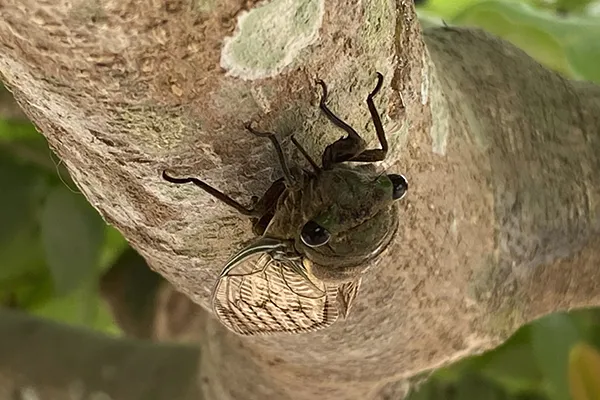
Cicadas are the soundtrack of summer, but their pee is more special than their music. Rather than sprinkling droplets, they emit jets of urine from their small frames. For years, Georgia Tech researchers have wanted to understand the cicada’s unique urination.
Cicadas are the soundtrack of summer, but their pee is more special than their music. Rather than sprinkling droplets, they emit jets of urine from their small frames. For years, Georgia Tech researchers have wanted to understand the cicada’s unique urination.
Saad Bhamla, an assistant professor in the School of Chemical and Biochemical Engineering, and his research group hoped for an opportunity to study a cicada’s fluid excretion. However, while cicadas are easily heard, they hide in trees, making them hard to observe. As such, seeing a cicada pee is an event. Bhamla’s team had only watched the process on YouTube.
Then, while doing fieldwork in Peru, the team got lucky: They saw numerous cicadas in a tree, peeing.
Read more about what they discovered at Georgia Tech Research News.
News Contact
Tess Malone, Senior Research Writer/Editor
tess.malone@gatech.edu
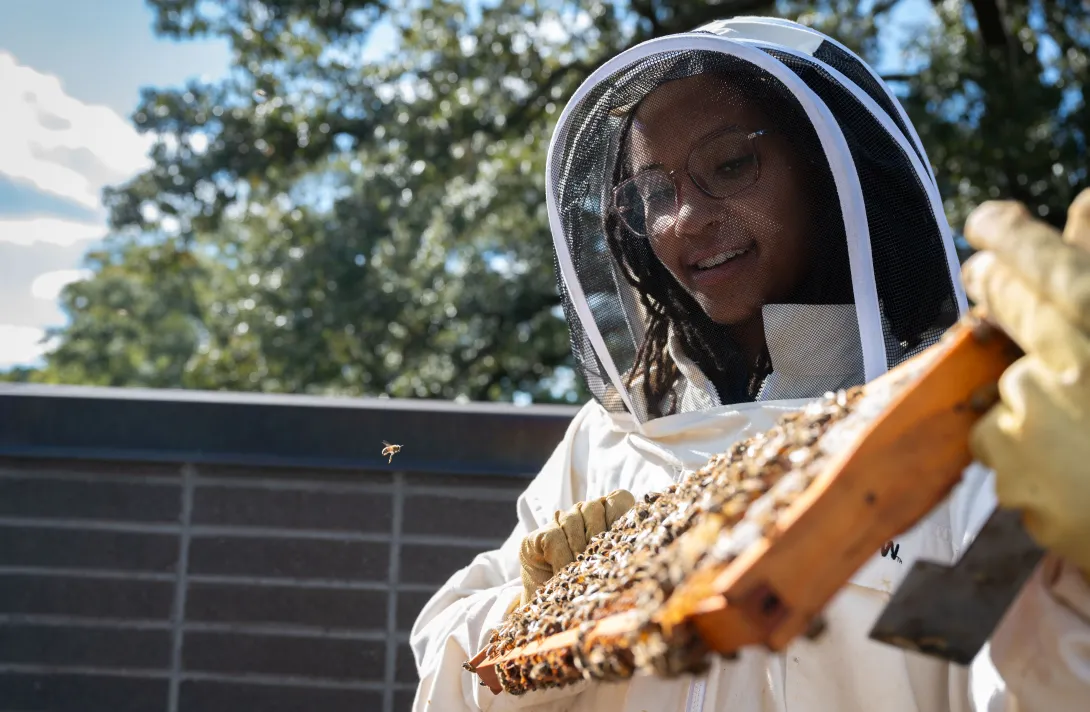
The Urban Honey Bee Project’s new beekeeper in residence is creating art and educating the public with her practice.
Janelle Dunlap conducts a hive inspection at The Kendeda Building for Innovative Sustainable Design. Photo by Allison Carter.
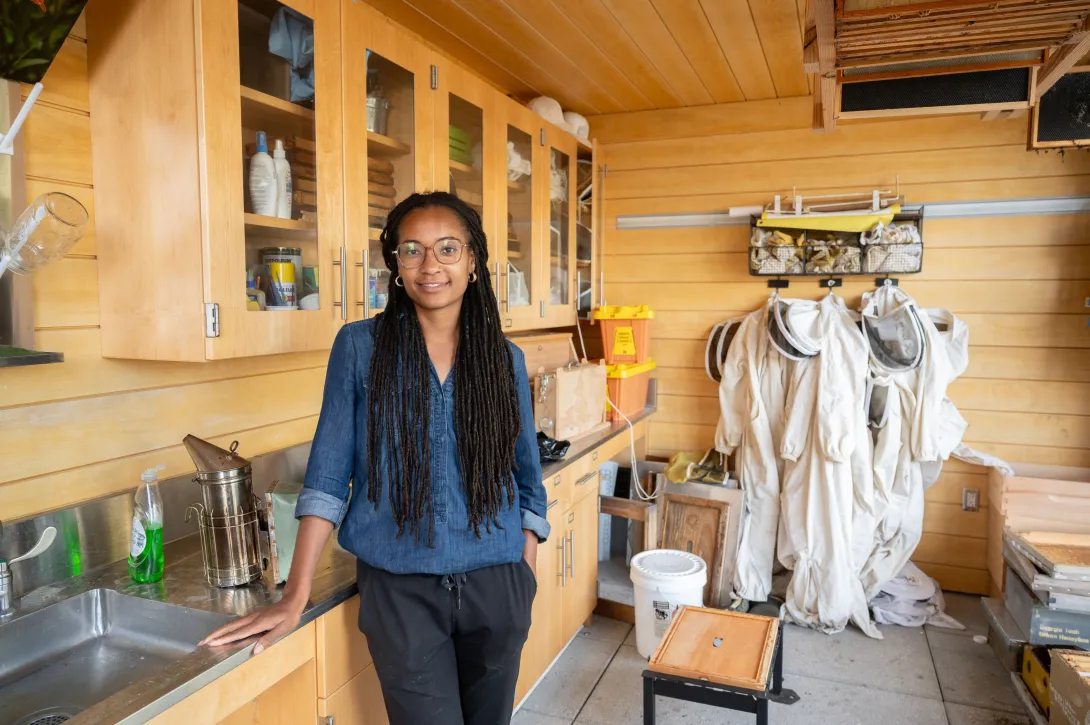
Hundreds of thousands of honeybees make their home atop The Kendeda Building for Innovative Sustainable Design, and it's up to Janelle Dunlap to make sure the hives thrive.
Dunlap was hired earlier this year as the Urban Honey Bee Project's (UHBP) first-ever beekeeper in residence. Throughout her residency, she'll conduct research into the pollinator's place in our ecosystem and how beekeeping may offer relief to veterans dealing with post-traumatic stress disorder (PTSD), while connecting with the bees through art.
Dunlap had been gardening for over a decade, but in 2016, when she got the urge to find new ways to engage with nature, she recalled a powerful piece of imagery that shaped her childhood — Wu-Tang Clan's music video for “Triumph” and its depiction of the group's members as a powerful swarm of Africanized killer bees.
"The political messaging and tying Africanized killer bees in with the stereotypes and the tropes of African Americans in the media, and the way that that was so poetically tied in, visually stuck with me,” she said. “It was the first time I recognized a political message being articulated through art. For that reason, it stuck with me that bees were a form of strong symbolism tied to resilience."
Living in Charlotte, North Carolina, Dunlap became a certified beekeeper under the Mecklenburg County Beekeepers Association in 2017. She continued practicing as she moved around the country, with stops in Chicago and Denver, eventually landing in Atlanta in 2021. Looking for a way to connect to the local beekeeping community, she attended an April presentation by UHBP Director Jennifer Leavey, who offered Dunlap a chance to get involved at Georgia Tech.
She now handles the inspection of the hives on The Kendeda Building roof, where she monitors for pests and ensures the bees have proper nutrition to sustain their population through the seasons. The UHBP began in 2012 with the goal of educating the Tech community on the importance of these pollinators within the Atlanta ecosystem and beyond — a charge that Dunlap carries on.
Over the next year, she will continue working on her sound art project that examines the frequency at which bees “buzz” and how it, along with the responsibilities of beekeeping, is being used by VA hospitals and programs to ease the effects of PTSD. While the science behind the connection is still being explored, beekeeping was recommended more than a century ago — to soldiers returning home from World War I — according to a CNBC profile of Bees4Vets, a nonprofit based in Nevada.
From the Hive to the Canvas
Whether it was baking sourdough bread or learning a new language, many people, including Dunlap, took the early days of the Covid-19 pandemic to pick up a new hobby. She began a master's program at the School of the Art Institute of Chicago with the goal of using beeswax in encaustic painting, which uses hot wax mixed with pigments. The use of natural materials collected through her beekeeping practice connects Dunlap to her work.
“It's a way of tapping into another level of consciousness. It's a way of articulating the noncommunicable relationship between me and the bees. When there's a language gap between people, we try to fill it in with translation, but without a direct way to translate the language or the sensation that I feel from the bees, this allows me to document my practice in an abstract form,” she said.
By layering the wax and applying heat throughout the process, Dunlap watches the pieces take shape, often with the unpredictability of an active hive, as she says the art “can create itself.” She collects the wax in small amounts, knowing that she can only produce her art if the bees are healthy.
"It's an eco-conscious practice, making sure I don't use more than I need," she explained. “I love the landscape it creates, and it's all about me creating a direct relationship with my medium and knowing that I earned it by developing a relationship with the bees."
As Dunlap continues her year-long residency with the UHBP, she intends to help educate the community, both on campus and around the Atlanta area, in the hopes that more prospective beekeepers will explore their curiosity to unlock the full potential of the practice.
"It's been a practice that keeps unveiling itself to me," she said. "As you get more engaged, you learn there is so much more to it than just the day-to-day hive inspections. There is a lot of beauty to it as well."
Students at Tech have several ways to get involved with research and beekeeping, including the Living Building Science VIP team, the Beekeeping Club, and various classes and workshops hosted by the UHBP.
News Contact
Steven Gagliano - Institute Communications
The 2022-23 Micro-Grants Community-Based Research awardees presented their findings at the second annual symposium, held on April 18, 2023, in the auditorium of the Kendeda Building for Innovative Sustainable Design, which is the region’s first Living Building. Ten teams presented to faculty, staff, students, and student family members. The topics were wide ranging, and dealt with both practical and theoretical issues. The work surpassed all expectations for quality and quantity.
Devised by the Kendeda Building Advisory Board and sponsored by the Brook Byers Institute for Sustainable Systems and the Kendeda Building, the Micro-Grants Research Program solicits proposals for very small scale ($50 to $500), short term, sustainability related, research studies to be conducted by members of the Georgia Tech community. Community investigators are encouraged to explore ways in which the Georgia Tech campus can continue to innovate, demonstrate, prove, and promote the adoption of best and next practices in regenerative design and operations. Researchers were also encouraged to use the United Nations Sustainable Development Goals as a framework for research design. All members of the Georgia Tech community were encouraged to apply. The program especially sought proposals from students and staff that had little or no prior research experience.
The program has four objectives:
- to expand scientific thinking and the understanding of the research process amongst those not (yet) directly involved in scientific research;
- to bolster the use of the campus as a living laboratory;
- to give voice to people and communities outside of research that have culturally novel perspectives on problems and their possible solutions, and to create new pathways for partnering with them; and
- to seed novel ideas and nurture nascent investigators.
The 2022-23 awardees and the titles of their projects are:
- Alex Lomis, Devi Patel, and Dr. Jung-Ho Lewe, "Design and Development of a Low-Cost and Highly-Scaleable Occupancy Counter to Optimize the Utilization of HVAC Resources"
- Kaitlyn Tran, Shivani Potdar, and Amanda Janusz, "Bird Safe Campus"
- Ricardo Martinez, "Chiropterans at Georgia Tech"
- Elizabeth Umanah, "Reimagining Eco-Friendly Parking Lot Design Through Simulations"
- Lujain Diab, Ally Kimpling, Jenna Sitta, Marcus Morris, Skylar Ryan, Dr. Jennifer Leavey, and Steve Place, "A Greener Grey: “Ironing” Out Issues in Greywater Systems"
- Jun Wang and Yilun Zha, "Kendeda’s Educational Role in Waste Management and Recycling"
- Siddharth Sivakumarun, "Investigating Capacity for Regenerative Energy through Foot Traffic"
- Alexandra Rodriguez Dalmau and John Fortner, "Recognition of Insect Species in the Georgia Tech campus with Machine Learning"
- Gray Simmons, Kevin Leach, and Dr. Jung-Ho Lewe, "IOT Climate Sensor Development for HVAC Efficiency Analysis"
- Kaylin Cross, Pranav Jothi, Maanas Kumar, Brian Wu, Savannah Howard, and Sheng Dai, "Prototyping Bio-inspired Geothermal Energy Recovery for Space Heating and Cooling"
More details and links to all the presentations are available at this web page.
News Contact
Brent Verrill, Research Communications Program Manager, BBISS