
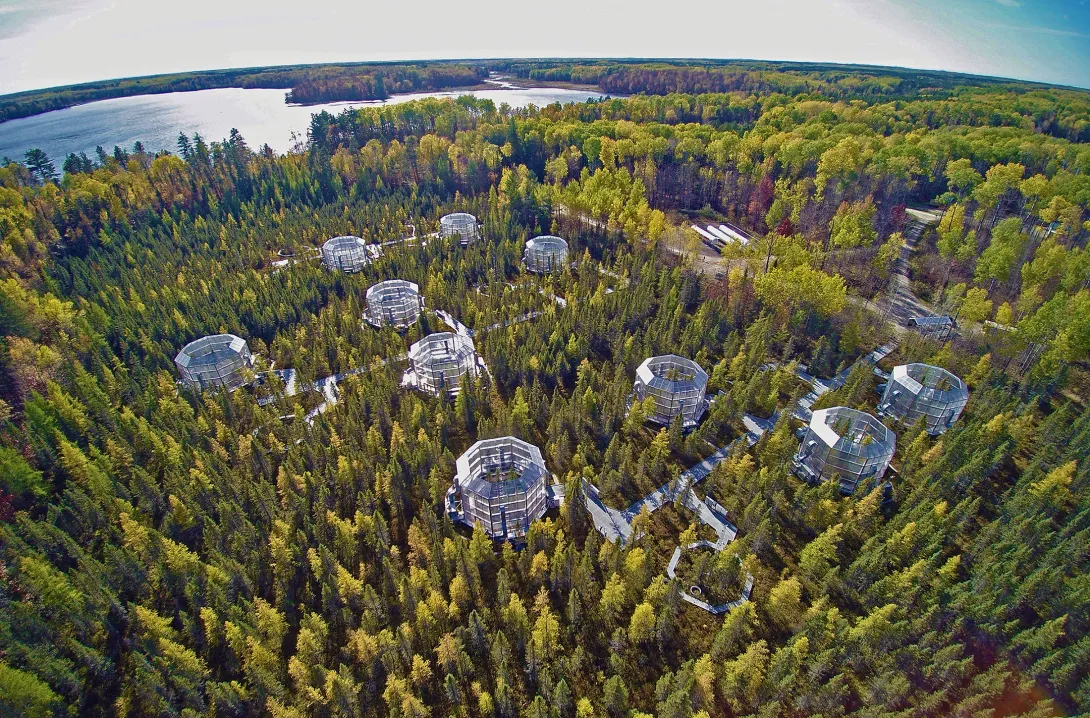
An aerial view of the SPRUCE enclosure.
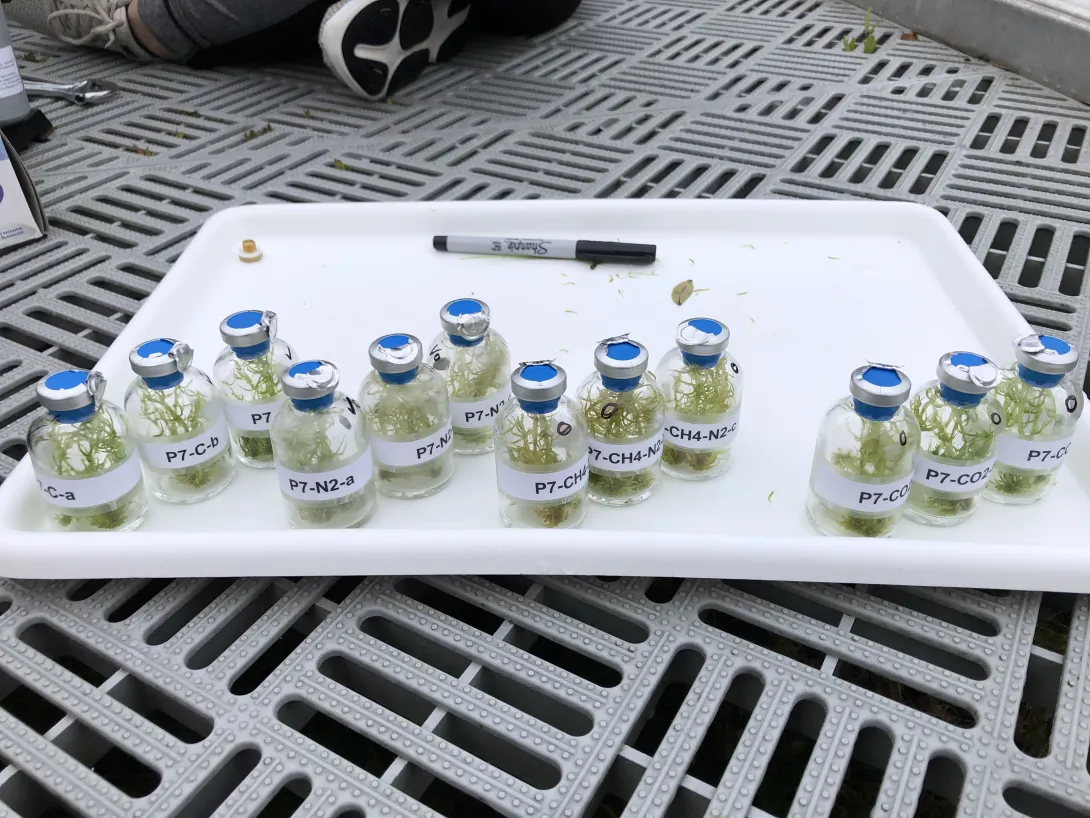
Sphagnum mosses were taken from different SPRUCE enclosures and incubated in glass jars for the study (Photo Jennifer Glass).
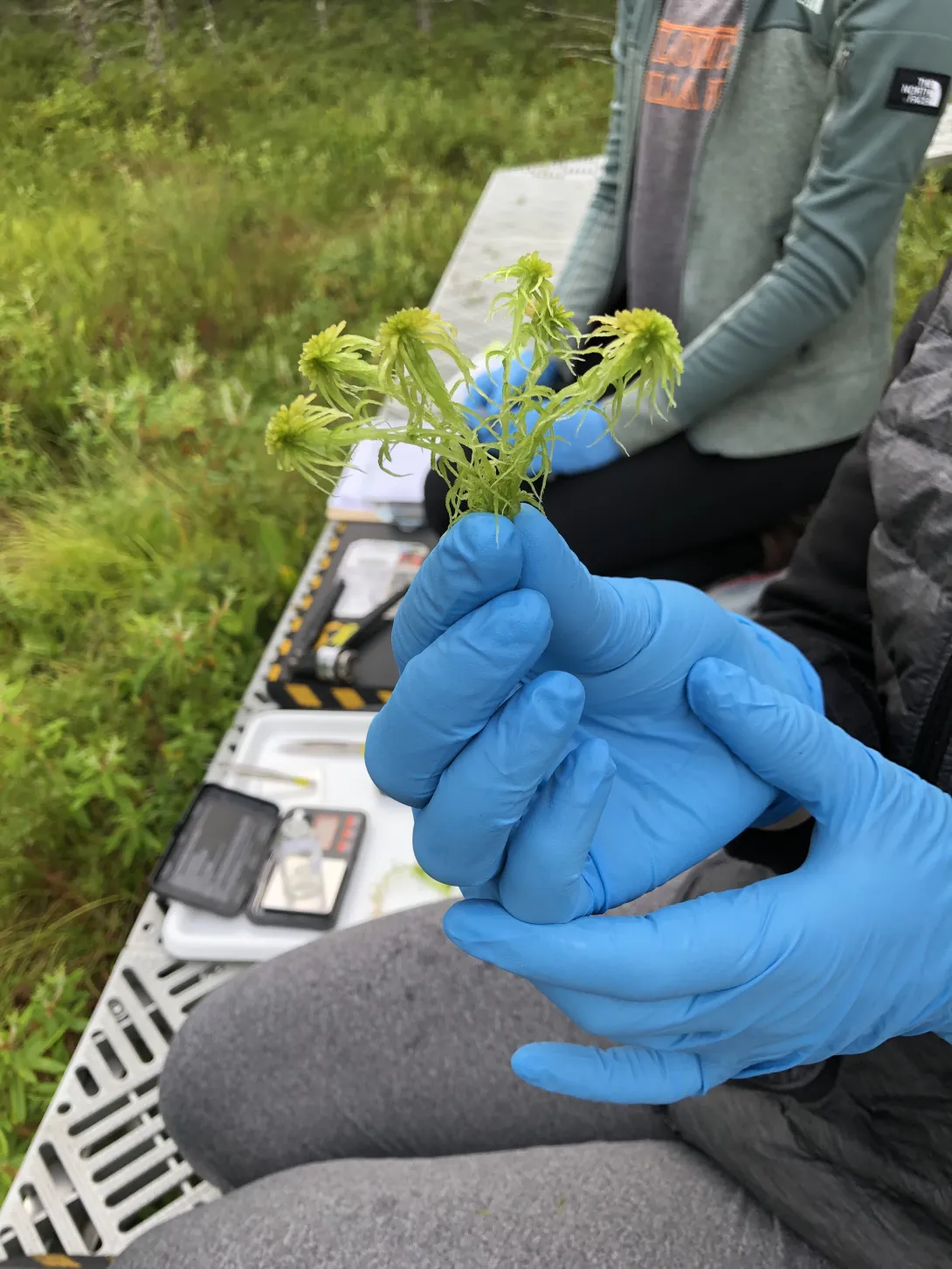
A closeup of a member of the research team holding Sphagnum moss, one of the key drivers of carbon sequestration in peatlands. (Photo Jennifer Glass).
If you’re an avid gardener, you may have considered peat moss — decomposed Sphagnum moss that helps retain moisture in soil — to enhance your home soil mixture. And while the potting medium can help plants thrive, it’s also a key component of peatlands: wetlands characterized by a thick layer of water-saturated, carbon-rich peat beneath living Sphagnum moss, trees, and other plant life.
These ecosystems cover just 3% of Earth’s land area, but “peatlands store over one-third of all soil carbon on the planet,” explains Joel Kostka, professor and associate chair of Research in the School of Biological Sciences at Georgia Tech.
This carbon storage is supported in large part by microbes. Two microbial processes in particular — nitrogen fixation and methane oxidation — strike a delicate balance, working together to give Sphagnum mosses access to critical nutrients in nutrient-depleted peatlands.
The coupling of these two processes is often referred to as the “missing link” of nutrient cycling in peatlands. Yet, how these processes will respond to changing climates along northern latitudes is unclear.
“There are tropical peatlands — but the majority of peatlands are in northern environments.” notes Caitlin Petro, a research scientist who works with Kostka in Biological Sciences at Tech. “And those are going to be hit harder by climate change.”
Kostka and Petro recently led a collaborative study to investigate how this critical type of ecosystem (and the “missing link” of microbial processes that support it) may react to the increased temperature and carbon dioxide levels predicted to come with climate change. The team, which also includes researchers from the Oak Ridge National Laboratory (ORNL), Florida State University, and the University of Tennessee, Knoxville, just published their work in the scientific journal Global Change Biology.
By testing the effects of increasing temperature and carbon dioxide on the growth of Sphagnum moss, its associated microbiome, and overall ecosystem health, Kostka and Petro say computational models will be better equipped to predict the effects of climate change.
“Down the road,” Kostka added, “we hope the results can be used by environmental managers and governments to adaptively manage or geoengineer peatlands to thrive in a warmer world.”
Raising the heat
To see how northern peatlands will react to climate change, the team, which also included School of Earth and Atmospheric Sciences Associate Professor Jennifer Glass, turned to the ORNL Spruce and Peatland Responses Under Changing Environments (SPRUCE) experiment — a unique field lab in northern Minnesota where the team warms peat bogs and experimentally changes the amount of carbon dioxide in the atmosphere.
Starting in 2016, the team exposed different parts of SPRUCE’s experimental peatlands to a gradient of higher temperatures ranging from an increase of 0°C to 9°C, capturing the Intergovernmental Panel on Climate Change models’ predicted 4°C to 6°C increase in northern regions by 2100.
The moss’s reaction was significant. Although nearly 100% of the bog’s surface was covered in moss at the beginning of the experiment, moss coverage dropped with each increase in temperature, plummeting to less than 15% in the warmest conditions.
Critically, the two microbial processes that had previously been consistently linked fell out of sync at higher temperatures.
“Peatlands are extremely nutrient-poor and microbial nitrogen fixation represents a major nitrogen input to the ecosystem,” Kostka explained. Fixing nitrogen is the process of turning atmospheric nitrogen into an organic compound that the moss can use for photosynthesis, while methane oxidation allows the moss to use methane released from decomposing peat as energy. “Methane oxidation acts to fuel nitrogen fixation while scavenging a really important greenhouse gas before it is released to the atmosphere. This study shows that these two processes, which are catalyzed by the Sphagnum microbiome, become disconnected as the moss dies.”
“These processes occurring together are really important for the community,” Petro explained. Yet many microbes that are able to both fix nitrogen and oxidize methane were absent in the mosses collected from higher temperature enclosures. And while elevated carbon dioxide levels appeared to offset some of the changes in nitrogen cycling caused by warming, the decoupling of these processes remained.
“These treatments are altering a fairly well-defined and consistent plant microbiome that we find in many different environments, and that has this consistent function,” Petro explained. “It's like a complete functional shift in the community.”
Though it’s not clear which of these changes — the moss dying or the altered microbial activity — is driving the other, it is clear that with warmer temperatures and higher carbon dioxide levels comes a cascade of unpredictable outcomes for peat bogs.
“In addition to the direct effects of climate warming on ecosystem function,” Petro adds, “it will also introduce all of these off-shooting effects that will impact peatlands in ways that we didn't predict before.”
This work was supported by the National Science Foundation (DEB grant no. 1754756). The SPRUCE project is supported by the U.S. Department of Energy's Office of Science, Biological, and Environmental Research (DOE BER) and the USDA Forest Service.
DOI: https://doi.org/10.1111/gcb.16651
Citation: Petro, C., et al. Climate drivers alter nitrogen availability in surface peat and decouple N2 fixation from CH4 oxidation in the Sphagnum moss microbiome. Global Change Biology. (2023).
Aerial Photo: Hanson, P.J., M.B. Krassovski, and L.A. Hook. 2020. SPRUCE S1 Bog and SPRUCE Experiment Aerial Photographs. Oak Ridge National Laboratory, TES SFA, U.S. Department of Energy, Oak Ridge, Tennessee, U.S.A. https://doi.org/10.3334/CDIAC/spruce.012 (UAV image number 0050 collected on October 4, 2020).
News Contact
Writer: Audra Davidson
Communications Officer II, College of Sciences
Editor: Jess Hunt-Ralston
Director of Communications, College of Sciences

This news release first appeared in the Chinese Academy of Sciences newsroom, and has been tailored for Georgia Tech readers.
Mycorrhizal symbiosis — a symbiotic relationship that can exist between fungi and plant roots — helps plants expand their root surface area, giving plants greater access to nutrients and water. Although the first and foremost role of mycorrhizal symbiosis is to facilitate plant nutrition, scientists have not been clear how mycorrhizal types mediate the nutrient acquisition and interactions of coexisting trees in forests.
To investigate this crucial relationship, Lingli Liu, a professor at the Institute of Botany of the Chinese Academy of Sciences (IBCAS) led an international, collaborative team, which included School of Biological Sciencesprofessor Lin Jiang. The team studied nutrient acquisition strategies of arbuscular mycorrhizae (AM) and ectomycorrhizal (EcM) trees in the Biodiversity–Ecosystem Functioning (BEF) experiment in a subtropical forest in China, where trees of the two mycorrhizal types were initially evenly planted in mixtures of two, four, eight, or 16 tree species.
The researchers found that as the diversity of species increased, the net primary production (NPP) of EcM trees rapidly decreased, but the NPP of AM trees progressively increased, leading to the sheer dominance (>90%) of AM trees in the highest diversity treatment.
The team's analyses further revealed that differences in mycorrhizal nutrient-acquisition strategies, both nutrient acquisition from soil and nutrient resorption within the plant, contribute to the competitive edge of AM trees over EcM ones.
In addition, analysis of soil microbial communities showed that EcM-tree monocultures have a high abundance of symbiotic fungi, whereas AM-tree monocultures were dominated by saprotrophic and pathogenic fungi.
According to the researchers, as tree richness increased, shifts in microbial communities, particularly a decrease in the relative abundance of Agaricomycetes (mainly EcM fungi), corresponded with a decrease in the NPP of EcM subcommunities, but had a relatively small impact on the NPP of AM subcommunities.
These findings suggest that more efficient nutrient-acquisition strategies, rather than microbial-mediated negative plant-soil feedback, drive the dominance of AM trees in high-diversity ecosystems.
This study, based on the world’s largest forest BEF experiment, provides novel data and an alternative mechanism for explaining why and how AM trees usually dominate in high-diversity subtropical forests.
These findings also have practical implications for species selection in tropical and subtropical reforestation—suggesting it is preferable to plant mixed AM trees, as they have a more efficient nutrient-acquisition strategy than EcM trees.
This study was published as an online cover article in Sciences Advances on Jan. 19 and was funded by the Strategic Priority Research Program of CAS and the National Natural Science Foundation of China.
News Contact
Georgia Tech Editor: Audra Davidson
Communications Officer II
College of Sciences

Beginning Summer 2023, prospective and current Georgia Tech students will have three new Bachelor of Science degrees to choose from in the School of Earth and Atmospheric Sciences. The expanded undergraduate offerings target a wider range of job and research opportunities — from academia to analytics, NASA to NOAA, meteorology to marine science, climate and earth science, to policy, law, consulting, sustainability, and beyond.
The Board of Regents of the University System of Georgia has approved two new specific degrees within the School: Atmospheric and Oceanic Sciences (AOS) and Solid Earth and Planetary Sciences (SEP). Regents also approved Environmental Science (ENVS) as an interdisciplinary College of Sciences degree between the School of Earth and Atmospheric Sciences and the School of Biological Sciences. The existing Earth and Atmospheric Sciences B.S. degree will sunset in two years for new students.
“We are really excited to be able to offer this new interdisciplinary undergraduate degree program in Environmental Science,” said Jean Lynch-Stieglitz, ADVANCE Professor in Earth and Atmospheric Sciences (EAS). “While it was developed jointly between the Schools of Earth and Atmospheric Sciences and Biological Sciences, it brings together Georgia Tech’s broad expertise and course offerings related to the Earth’s environment from across the Institute.”
“We are excited to see these new programs develop,” added Andrew Newman, professor and the School’s undergraduate coordinator, “as these degrees highlight the quantitative and computational skills of Georgia Tech students, and align better with their interests in global understanding of problems related to environmental impact and sustainability, natural hazards and landscape development, as well as planetary evolution, habitability, and exploration.”
“Students looking for specific types of programs will also be more understanding of what their program offers,” Newman said. “Under our current degree, a student interested in ocean science, planetary science, and environmental chemistry all would be looking at the same degree that doesn’t define their interests. Now, having programs with those interests in their name, and described well on the upcoming webpage, will greatly increase their interest in our program.”
The Evolution of EAS at Georgia Tech
Newman also shared that, in Fall 2021, the School surveyed current EAS undergraduate students and recent alumni for feedback and thoughts on the potential degrees. Responses from the community highlighted that the plan for transitioning the existing major could not only help new students hone their academic and career plans, but also help them communicate beyond EAS about their chosen major.
“These degrees make it more clear what the student is studying,” shared one student. “Before, people would ask what my major ‘even is’ and what kinds of jobs I could get with it. I think the new majors make it more clear.”
“Finally, Planetary Science!” said another student. “This degree would go well with a Physics or AE (Aerospace Engineering) certificate or dual degree.”
All about the new Georgia Tech EAS degrees
The expanded undergraduate degree offerings are designed to continue Georgia Tech’s reputation for academic rigor — and also reflect trends in student interests, as well as current and forecasted needs in the job marketplace.
“A key aspect of the new Environmental Science degree program will be its flexibility,” said Lynch-Stieglitz. “Students will be able to focus their study to support their interests and career goals whether those be in conservation, climate change, or environmental health. We’ve also left space in their program to encourage participation in especially impactful experiences such as study abroad and research projects. Georgia Tech students are fantastic — well prepared, diverse, smart, hard-working, and passionate. This flexible approach will allow them to become the broadly educated leaders who will envision the solutions to environmental problems that are so urgently needed.”
More on the new undergraduate degrees and what they will require:
B.S. Atmospheric and Oceanic Sciences (AOS) Degree
AOS uses the current Meteorology track as its foundation and will include aspects of Atmospheric Sciences, Oceanography and Climate Sciences.
EAS will continue to offer courses needed for American Meteorological Society (AMS) certifications as well as those required for eligibility for National Weather Service meteorology jobs.
Some courses will be reduced and others added (e.g. the existing course Physics of Weather will now be formally required instead of Earth Processes; the National Weather Service Practical Internship course in partnership with NWS Peachtree City will continue).
The AOS degree is designed to take advantage of Atlanta as a “hotspot” for major meteorological organizations including The Weather Channel, CNN, local stations in a top 10 TV market, and the National Weather Service (NWS) Peachtree City, Georgia office. The degree also builds on Georgia Tech’s existing expertise in Atmospheric Chemistry, Oceanography, Climate Dynamics, Paleoclimatology and Paleoceanography, and meteorological research.
AOS degree recipients looking for jobs or graduate research can target the energy sector, insurance risk modeling, broadcast meteorology, consulting, data analytics, aviation, military, and K-12 education, among other positions.
B.S. Environmental Science (ENVS) Degree
ENVS was developed by a joint committee involving EAS and the School of Biological Sciences.
ENVS requires core content in mathematics, physics, chemistry, biology, Earth sciences, and public policy.
Upper level coursework allows students to customize their program of study based on interest.
Students will complete a capstone research project that integrates the knowledge they have gained through the program.
This degree takes advantage of Georgia Tech’s expertise in Environmental Chemistry, climate science, marine science, Aquatic Chemical Ecology, microbial dynamics, and Environmental Policy. Newman added that there is a critical emerging market need for scientists with expertise in the Earth’s environmental systems.
The ENVS degree will provide a strong base for students pursuing graduate programs and careers in environmental policy, environmental law, medicine, and other master’s and Ph.D. programs in environmentally related disciplines.
B.S. Solid Earth and Planetary Sciences (SEP) Degree
SEP builds on the existing Earth Science track to include Planetary Sciences.
There is an opportunity to reduce some courses.
Some courses will now be required (e.g. Physics II, Physics of Planets, Introduction to Geophysics).
According to an SEP prospectus, “the degree will support Georgia Tech’s mission to develop leaders who advance technology and improve the human condition, through developing holistically minded students that can put human development in context of the environment for which we live, including resource availability, hazards that affect sustainability, and our exploratory nature to understand our place on the planet and solar system.”
Career and graduate opportunities include energy sector positions, NASA, NOAA, U.S. Geological Survey, environmental remediation, hazard assessment and data analytics.
Learn more, contact EAS Undergraduate Advising, and apply:
News Contact
Writer: Renay San Miguel
Communications Officer II/Science Writer
College of Sciences
404-894-5209
EAS Undergraduate Program Contacts:
eas.gatech.edu/undergraduate
Editor and Media Contact:
Jess Hunt-Ralston
Director of Communications
College of Sciences at Georgia Tech
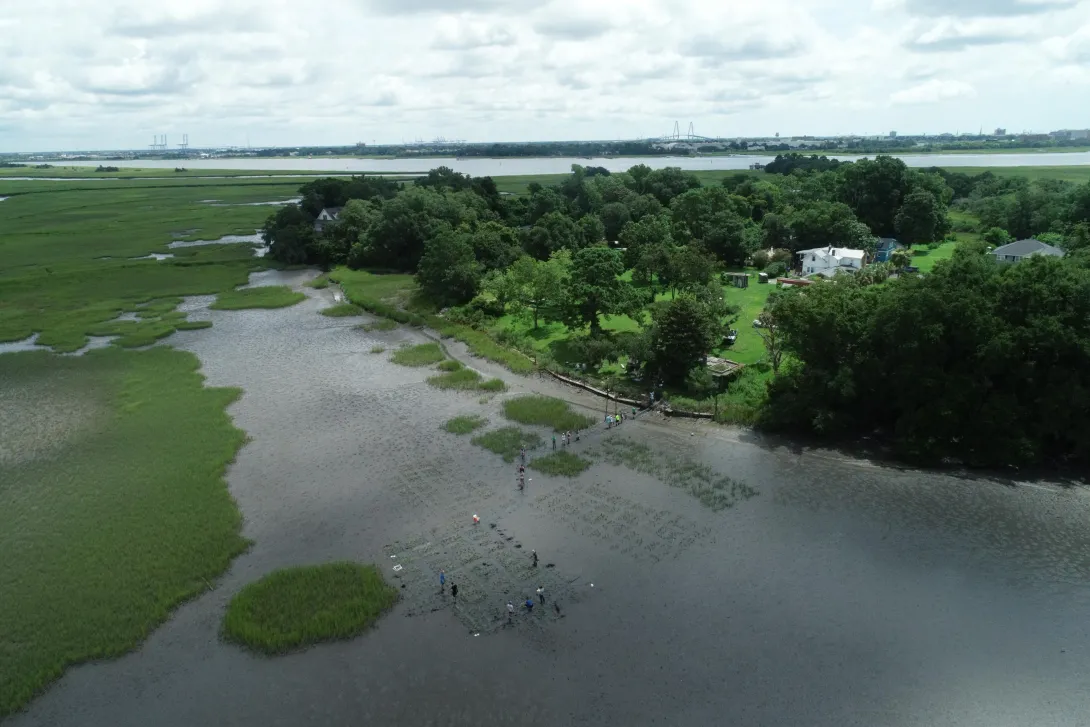
For marine scientist, climate activist, and Tech alumnus Albert George (MS HSTS 2009), the fight against climate change is also a fight for home.
Now, what started as a citizen science initiative led by George has turned into a $2.6 million National Fish and Wildlife Association effort to restore degraded salt marshes in Charleston, South Carolina. As part of the project, Joel Kostka, professor and associate chair of Research in the School of Biological Sciences, will lead a team of researchers to not only monitor these restoration efforts, but gain insights into why the marshes degraded in the first place — and how to prevent it from happening in the future.
Over the past three years, Kostka, who has a joint appointment in the School of Earth and Atmospheric Sciences, has worked with SCDNR and Robinson Design Engineers, a local firm co-led by Tech alum Joshua Robinson (CEE 2005), to develop engineering and design plans for the restoration of the salt marshes.
“That project went really well,” shared Kostka, “and now we have developed engineering and design plans for the actual restoration as we are moving forward with the next phase.”
Work for the current phase of the project is set to begin soon. Over the next four years, community volunteers will work to plant marsh grasses, restore oyster reefs, and excavate the tidal creeks that supply the marsh with sea water.
“Because if we don't do this work,” George shared, “then basically it means a place that I grew up in and a place that I call home will no longer exist.”
News Contact
Writer:
Audra Davidson, College of Sciences
Editor and Contact:
Jess Hunt-Ralston
Director of Communications
College of Sciences at Georgia Tech
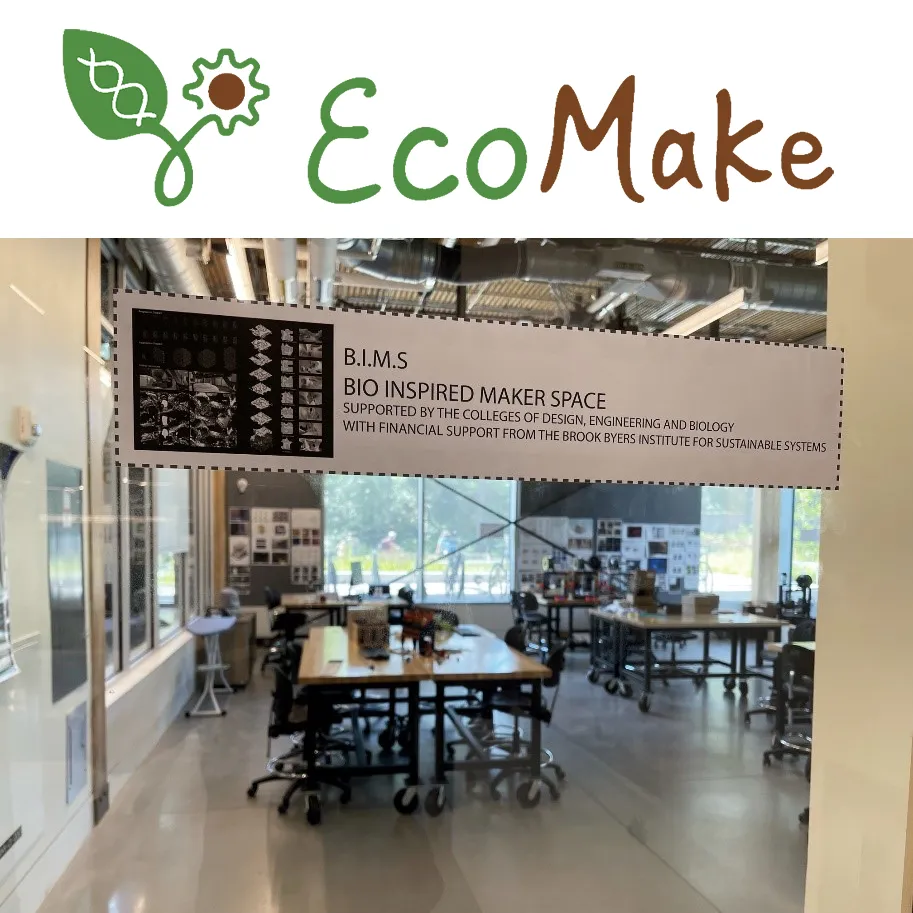
At first glance, the new maker space opening in the Kendeda Living Building for Innovative Sustainable Design might look like many others. However, the space, named EcoMake, has some important differences. Because it is housed in the Kendeda Building, there are strict standards for what types of materials and equipment can be used there in order to maintain its Living Building Certification. For example, you will find several 3-D printers there, like almost all maker spaces, but the plastic filament used in them is made from recycled plastic, perhaps recycled on-site with equipment in the lab itself.
Some might regard such restrictions as too limiting to their creativity or design goals. Viewed another way, this approach opens up a unique set of possibilities. Biologically Inspired and Green Design (BIG-D) is a field of study (sometimes referred to by different names, like “biomimicry”) that has demonstrated a lot of promise in the past few decades. This approach aims to translate the billions of years of knowledge and design wisdom embodied in our biological world into innovative green products. However, no matter how green the design of a product, they are often manufactured with traditional processes with limited consideration for energy, toxicity, water, or material use. Having a lab like EcoMake will help to usher in the field of study of Biologically Inspired and Green Manufacturing (BIG-M). BIG-M will require knowledge, equipment, and resources that are much different than traditional fabrication methods. Like natural systems, this new facility will operate within the means of nature, using no more energy or water than can be generated from its geometric footprint, and producing no more waste than it can assimilate on site.
EcoMake has the following tools and equipment (so far):
- 8 - Prusa I3S+ 3-D Printers
- 5 - Ender 3 Pro 3-D Printers
- EinScan-SP 3-D Object Scanner
- Mark-10 ESM303 Mechanical Tester
- 300-X Digital Microscope
- 3Devo Filament Extruder
- Shini SG-16N Plastic Granulator
- Plastic Chip Dryer
- Singer Heavy Duty 4423 Sewing Machine
- Complement of Standard Fabric Crafting Equipment
EcoMake, the bio-inspired maker space will be open to students from all disciplines. It is supported by the Colleges of Design, Engineering, and Biology, and the Brook Byers Institute for Sustainable Systems. Contact Michael Gamble for more information.
News Contact
Brent Verrill, Research Communications Program Manager, BBISS
For decades, engineers and scientists have looked to nature for inspiration. One of the most famous examples is Swiss electrical engineer George de Mestral. In 1955, he invented the hook and loop fastener (which he later named Velcro) after studying burdock burrs that kept sticking to his clothes during a hunting trip. For the birth of flight, the Wright brothers studied how birds change the angle of their wings to roll right or left while in the air. They would use the example to refine their control systems in the world’s first successful motor-operated airplane.
A number of Georgia Tech researchers are also focused on biologically inspired design, ranging from the study of how honey bees transport pollen pellets to how small, snakelike lizards move.
With the assistance of a $3 million National Science Foundation grant, Georgia Tech’s Center for Education Integrating Science, Mathematics, and Computing (CEISMC) and the Center for Biologically Inspired Design (CBID) are partnering on a three year research project that introduces biologically inspired design to high school students throughout metro Atlanta.
Read the Full Story at the College of Engineering Website
News Contact
Candler Hobbs, Communications Officer, College of Engineering
Since June, Lalith Polepeddi and Akhil Chavan have been using their skills in computer science and machine learning to help study biodiversity in Georgia Tech’s new EcoCommons.
Both research staff at the Georgia Tech Global Change Program, Polepeddi and Chavan teamed up to apply for a micro research grant from the Kendeda Living Building last summer. The grants empower research and innovation at a student, staff, and faculty level through small, accessible, amounts of seed funding.


When one or more coronavirus vaccines receives FDA emergency use authorization, it will launch a public health and logistics initiative unlike any in U.S. history.
Hundreds of millions of doses will have to distributed nationwide and kept cold until healthcare professionals can administer not one, but two doses to each person. And enough skeptical members of the population will have to be persuaded to receive the vaccine to slow virus transmission.
Beyond those challenges, the distribution effort will have to adapt to unexpected and uneven demand; accommodate recipients who may not return on time for a second dose; train hundreds of thousands of staff from clinics, pharmacies, doctor’s offices, and hospitals; prioritize serving high-risk groups first while encouraging others to wait — all while under tremendous pressure to get the much-anticipated vaccines into use as case counts and the death toll continue rising.
“Time is of the essence because the virus is already so widespread,” said Pinar Keskinocak, the William W. George Chair and professor in the H. Milton Stewart School of Industrial and Systems Engineering (ISyE) and director of the Center for Health and Humanitarian Systems at the Georgia Institute of Technology. “With the pressure on our timeline, knowledge of how quickly the disease is spreading, and the broad U.S. and global need, I can’t think of a comparable public health initiative that has ever been undertaken.”
Shipping and Keeping Hundreds of Millions of Doses Cold
Three vaccines, produced by Moderna, Pfizer and its German partner BioNTech, and Oxford-AstraZeneca, are expected to be available first. The Pfizer-BioNTech vaccine will need to be kept ultra-cold — minus 94 degrees Fahrenheit — on its journey to individual Americans. The Moderna drug won’t have such demanding conditions, but both it and the Pfizer vaccine will tax the existing “cold chain” that keeps vaccines and other temperature-sensitive products in a narrow range of conditions during transport and storage.
The Oxford-AstraZeneca vaccine will have much less stringent requirements and faster ramp-up in capacity, though early testing suggests its efficacy may be lower than the others. That will create tradeoffs between efficacy versus access and speed in distribution.
Plans already exist to get the vaccines from manufacturers to the states, each of which has developed its own distribution plan. Keskinocak worries mostly about “last mile” plans — getting the vaccines to where they will be injected — and getting individuals to those locations.
“Access is going to be a challenge,” she said. “You may be able to get it to locations where it can be distributed, but you have to make sure the people who really need the vaccine can easily access those locations.”
Cold chain transportation, tracking, tracing, and storage already exist in most areas, but refrigeration could be challenging for rural areas that may be at the end of the chain, especially for the vaccine requiring very cold temperatures beyond the capability of freezers found in most doctor’s offices and clinics. And cold can sometimes be too cold, Keskinocak said.
“We often think about keeping it cold, but sometimes it may be too cold, which is not good. It’s not just whether the temperature exceeded the required level, but also whether it went below that. It is important to keep the vaccine exactly at the required temperature level.”
Pfizer has developed a shipping container that includes a temperature tracking device — and 50 pounds of dry ice to maintain the right temperature during transit. Because it is contained in small vials and the liquid vaccine is diluted for use, the overall volume being shipped will be relatively small, limiting the number of packages that will be moved and stored, Keskinocak noted.
Ultimately, the cold chain may play a significant role in vaccine effectiveness. Currently, the vaccines being produced by Pfizer/BioNTech and Moderna are reported to have a higher efficacy than the Oxford-AstraZeneca vaccine — but only if they can be maintained at the proper temperatures. The timing, magnitude, and duration of temperature fluctuations during transport and before administration could affect that in ways that may be difficult to assess.
“Our current modeling shows that a vaccine that is less effective but that can be distributed more quickly and more widely might work better in some settings than a more effective vaccine, thereby reducing the total number of infections in the population,” Keskinocak said.
If You Build It, Will They Come?
Expectations are that the nation is hungry for a vaccine to escape the horrors of Covid-19. But a recent Gallup survey shows that only 58% of respondents said they planned to receive the vaccine when it becomes available. Boosting that percentage will require a massive communications effort to overcome vaccine reluctance and concerns fueled by the uneven nature of the U.S. pandemic response.
“If we can get the vaccine to locations where people can access it, and we have the necessary syringes, supplies, and PPE, as well as the healthcare staff to administer the injections, it’s not clear that people will come to receive it in large enough numbers,” Keskinocak said. “That’s one major component missing from a lot of the plans that I see at the state level.”
The communications program will have to run in parallel to the vaccine distribution, and they have to be coordinated so that supply meets demand.
“Public health communication and dissemination of information at the right time and in the right language is going to be at least as important and challenging as the logistics of distributing the vaccine,” Keskinocak said. “Communication is going to shape demand to a large extent. If one is more effective than the other, we will have a mismatch between demand and supply.”
Different demographic populations have different levels of trust for medicine in general and vaccines in particular, she said, so communications campaigns will have to focus on issues of concern to those groups. Unexpected variations in vaccine demand caused by these concerns could also create logistical uncertainties.
“We can try to forecast demand, and ship supplies to those locations,” she said. “But historically, we have seen that demand can exceed supply in one location while inventory builds up in another location. We need to avoid this situation of unmet demand and unused vaccine.”
Another issue will be the two doses necessary for the vaccine. The second dose must be received within a narrow range of time for the two-dose vaccine to be effective. Should a second dose be reserved for every person receiving a first dose, or should the goal be to get as many doses out as possible?
“Some people may never show up to be vaccinated, while others will receive the first dose, but may not come back for the second dose,” she said.
Getting the Program Started
The first available doses will likely go to healthcare workers and first responders who are on the front lines of battling Covid-19. That is expected to be the easier part of vaccination logistics, and the lessons learned there should help with the much more massive vaccination campaign for high-risk individuals and the general public.
As vaccine production and distribution capacity ramp up, other groups will be next in line. While distributing small batches as manufacturers produce it can create some supply challenges, that also allows the system to more easily adjust to unexpected demand.
Even though distributing and administering vaccines is something the U.S. healthcare system does routinely, the size and timeline of this project are unprecedented, Keskinocak noted.
Beyond the logistical and communications needs, the vaccination program will also have a strong information technology component. Administration will likely be by appointment, and each injection will have to be reported to a vaccine registry to provide a record of which vaccines people have received and when.
Vaccinating People Who May Already Be Immune
It’s estimated that the number of reported Covid-19 cases may be just 10% of the actual number of infections in the U.S. Assuming recovery from the virus confers immunity for some period of time means there may be quite a few people who don’t actually need the vaccine right away to be protected. But there are currently no plans to determine whether recipients are already immune before they receive the vaccine.
“There are a lot of people out there who have some level of immunity to the coronavirus,” Keskinocak said. “The plans I’ve seen don’t include the serological testing that would be needed to identify people with some level of immunity, which could be around 30% of the population by the time the vaccine gets out to the general public.”
Testing for immune antibodies could be done ahead of the vaccination program, but that would create an extra step in a process that is already quite complicated. Healthcare systems such as the U.S. Department of Veterans Affairs or certain private insurance plans could include that step, especially if vaccine supplies lag behind demand.
“The big complexity is timing,” she said. “Once vaccines become available, you’ll want to deliver them as quickly as possible to as many people as possible in a very short time frame.”
Annual vaccination campaigns for the seasonal flu set ambitious goals for the population levels they want to reach, but the time challenges will be much greater for the coronavirus vaccine.
“The seasonal flu vaccine becomes available months before the virus spreads broadly, so we have quite a bit of time to administer it before we get into the peak of the flu season,” she said. “We have been in the midst of the Covid-19 pandemic for several months now. We are really late in the game, so we don’t have the luxury of time.”
Keskinocak is cautiously optimistic that the challenges will ultimately be addressed.
“There are certainly still lots of unknowns,” she said. “But the state plans I have seen look reasonable from a supply chain standpoint. Some of the decisions will be made once the states receive the vaccine, and exactly how they do it will be somewhat up to the local jurisdictions. There are still many things that need to be decided to make this unprecedented initiative live up to its goals.”
Research News
Georgia Institute of Technology
177 North Avenue
Atlanta, Georgia 30332-0181 USA
Media Relations Contact: John Toon (404-894-6986) (jtoon@gatech.edu)
Writer: John Toon
News Contact
John Toon
Research News
(404-894-6986)
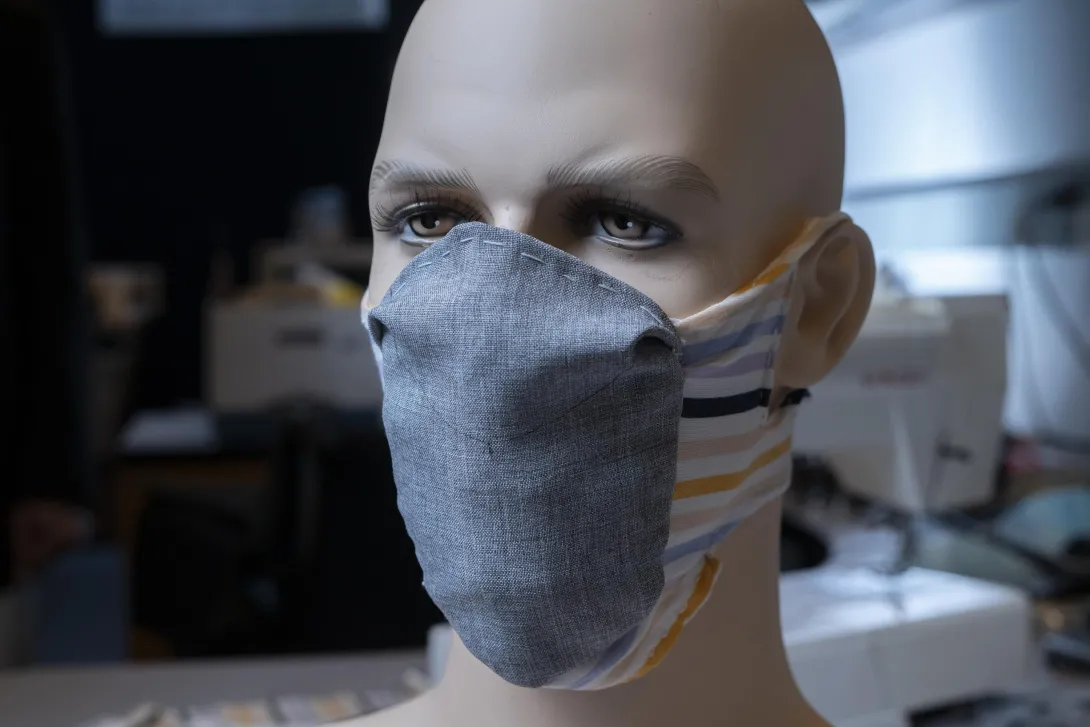
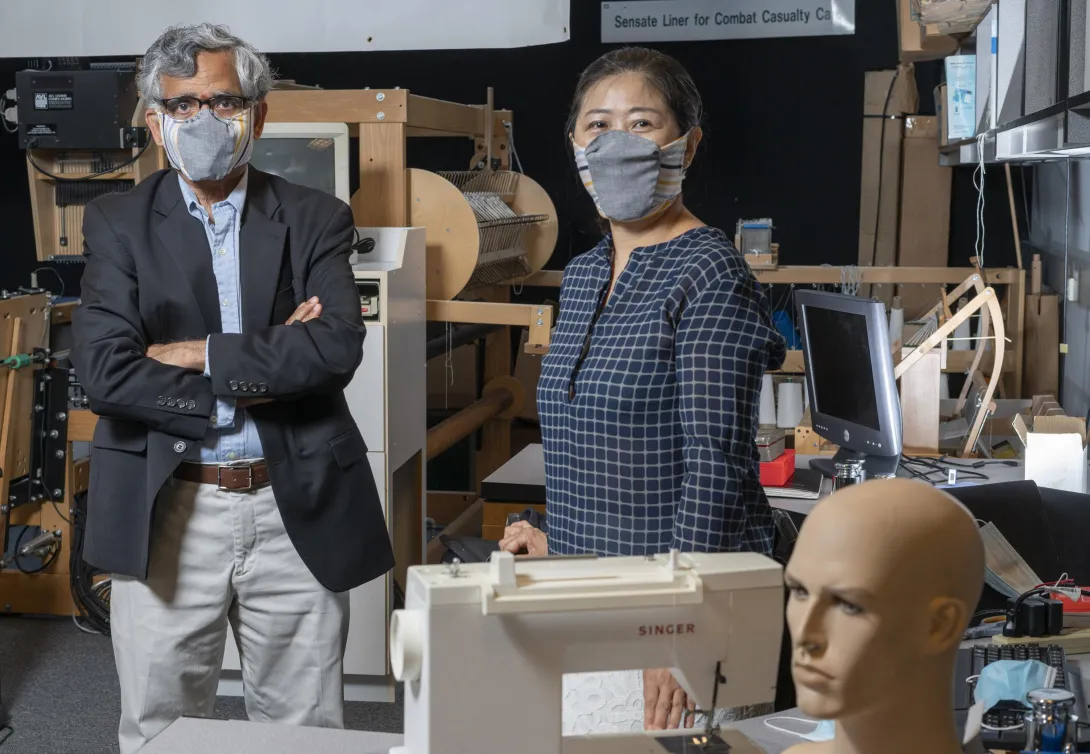
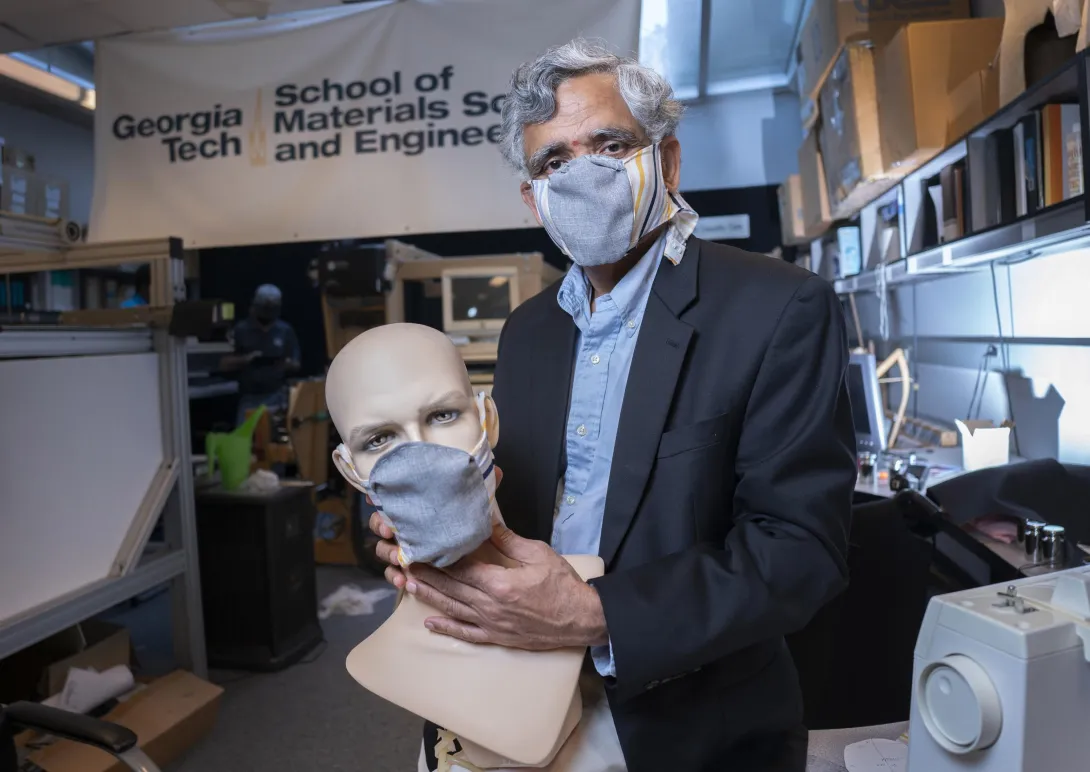
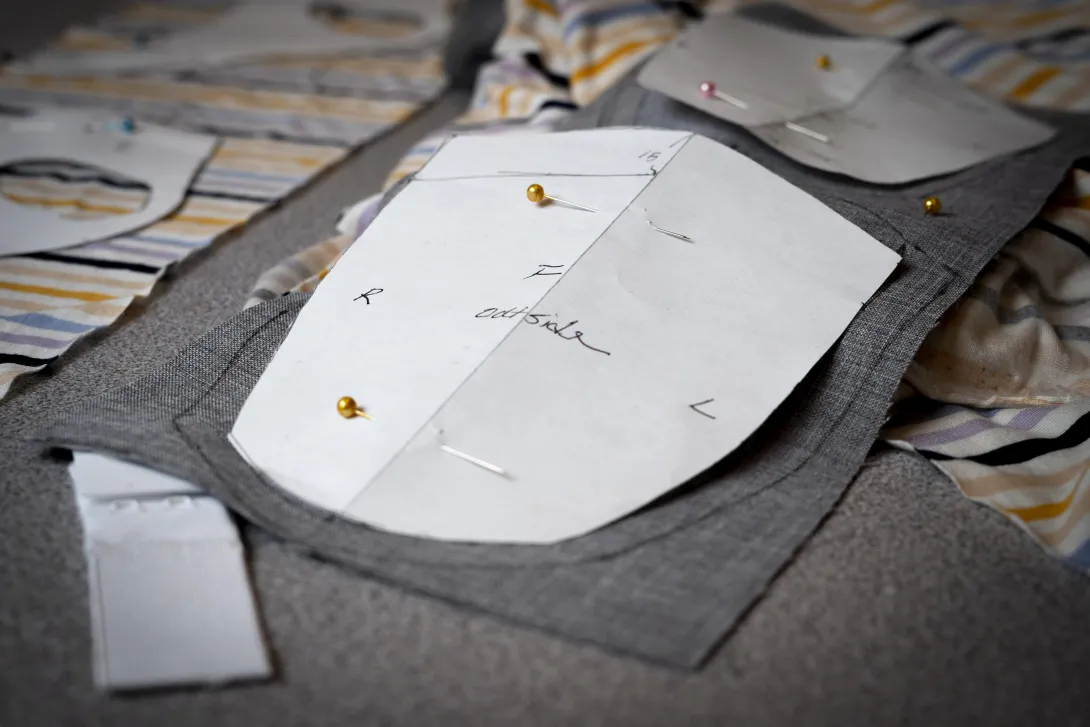
Imagine a reusable face mask that protects wearers and those around them from SARS-CoV-2, is comfortable enough to wear all day, and stays in place without frequent adjustment. Based on decades of experience with filtration and textile materials, Georgia Institute of Technology researchers have designed a new mask intended to do just that — and are providing the plans so individuals and manufacturers can make it.
The modular Georgia Tech mask combines a barrier filtration material with a stretchable fabric to hold it in place. Prototypes made for testing use hook and eye fasteners on the back of the head to keep the masks on, and include a pocket for an optional filter to increase protection. After 20 washings, the prototypes have not shrunk or lost their shape.
“If we want to reopen the economy and ask people to go back to work, we need a mask that is both comfortable and effective,” said Sundaresan Jayaraman, the Kolon Professor in Georgia Tech’s School of Materials Science and Engineering. “We have taken a science-based approach to designing a better mask, and we are very passionate about getting this out so people can use it to help protect themselves and others from harm.”
The fundamental flaw in existing reusable cloth masks is that they — unlike N95 respirators, which are fitted for individual users — leak air around the edges, bypassing their filtration mechanism. That potentially allows virus particles, both large droplets and smaller aerosols, to enter the air breathed in by users, and allows particles from infected persons to exit the mask.
The leakage problem shows up in complaints about eyeglasses fogging up as exhaled breath leaks around the nose, making people less likely to wear them. The fit problem can also be seen in constant adjustments made by wearers, who could potentially contaminate themselves whenever they touch the masks after touching other surfaces.
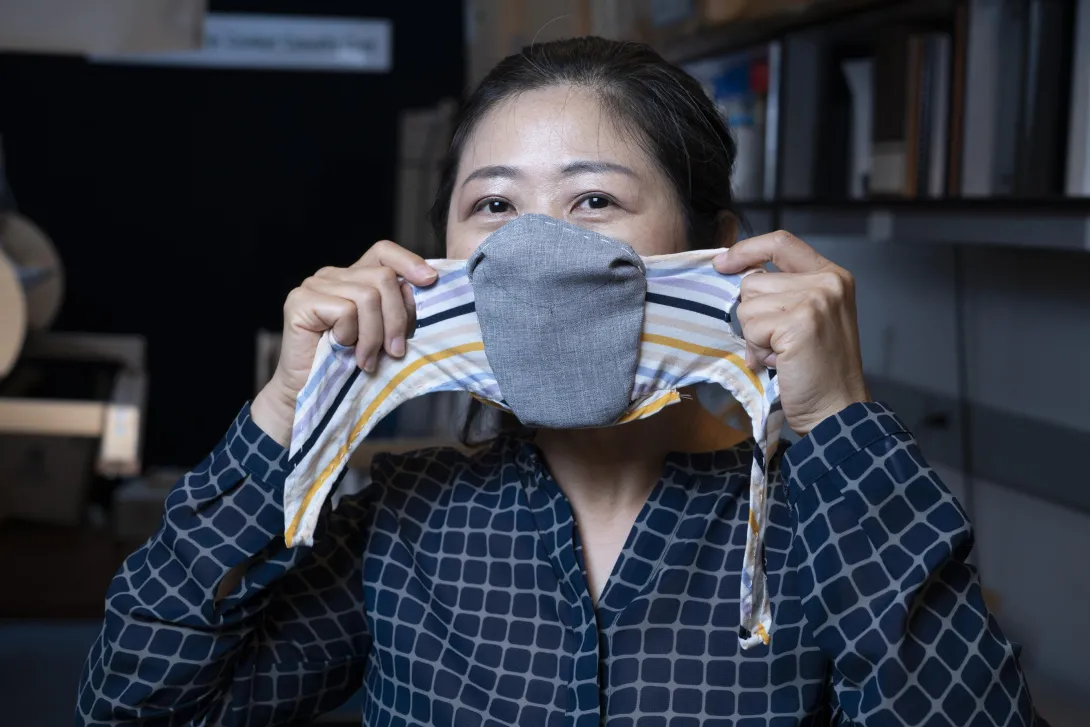
To address the leakage challenge, Jayaraman and principal research scientist Sungmee Park created a two-part mask that fastens behind the head like many N95 respirators. The front part — the barrier component — contains the filtration material and is contoured to fit tightly while allowing space ahead of the nose and mouth to avoid breathing restrictions and permit unrestricted speech. Made from the kind of moisture-wicking material used in athletic clothing, it includes a pocket into which a filter can be inserted to increase the filtration efficiency and thereby increase protection. The washable fabric filter is made of a blend of Spandex and polyester.
The second part of the mask is fashioned from stretchable material. The stretchable part, which has holes for the ears to help position the mask, holds the front portion in place and fastens with conventional hook and eyelet hardware, a mechanism that has been used in clothing for centuries.
“We want people to be able to get the mask in the right place every time,” Jayaraman said. “If you don’t position it correctly and easily, you are going to have to keep fiddling with it. We see that all the time on television with people adjusting their masks and letting them drop below their noses.”
Beyond controlling air leakage, designing a better mask involves a tradeoff between filtration effectiveness and how well users can breathe. If a mask makes breathing too difficult, users will simply not use it, reducing compliance with masking requirements.
Many existing mask designs attempt to increase filtration effectiveness by boosting the number of layers, but that may not be as helpful as it might seem, Park said. “We tested 16 layers of handkerchief material, and as we increased the layers, we measured increased breathing resistance,” she said. “While the breathing resistance went up, the filtration did not improve as much as we would have expected.”
“Good filtration efficiency is not enough by itself,” said Jayaraman. “The combination of fit, filtration efficiency, and staying in the right place make for a good mask.”
The stretchable part of the mask is made from knitted fabric — a Spandex/Lyocell blend — to allow for stretching around the head and under the chin. The researchers used a woven elastic band sewn with pleats to cover the top of the nose.
The researchers made their mask prototypes from synthetic materials instead of cotton. Though cotton is a natural material, it absorbs moisture and holds it on the face, reducing breathability, and potentially creating a “petri dish” for the growth of microbes.
“Masks have become an essential accessory in our wardrobe and add a social dimension to how we feel about wearing them,” Park said. So, the materials chosen for the mask come in a variety of colors and designs. “Integrating form and function is key to having a mask that protects individuals while making them look good and feel less self-conscious,” Jayaraman said.
The work of Jayaraman and Park didn’t begin with the Covid-19 pandemic. They received funding 10 years ago from the Centers for Disease Control and Prevention to study face masks during the avian influenza outbreak. Since then Jayaraman has been part of several National Academy of Medicine initiatives to develop recommendations for improved respiratory protection.
Covid-19 dramatically increased the importance of using face masks because of the role played by asymptomatic and pre-symptomatic exposure from persons who don’t know they are infected, Jayaraman said. While the proportion of aerosol contributions to transmission is still under study, they likely increase the importance of formfitting masks that don’t leak.
Jayaraman and Park have published their recommendations in The Journal of The Textile Institute, and will make the specifications and patterns for their mask available to individuals and manufacturers. The necessary materials can be obtained from retail fabric stores, and the instructions describe how to measure for customizing the masks.
“There is so much misinformation about what face masks can do and cannot do,” Jayaraman said. “Being scientists and engineers, we want to put out information backed by science that can help our community reduce the harm from SARS-CoV-2.”
Link to plans, patterns and specifications for this mask
CITATION: Sungmee Park and Sundaresan Jayaraman, “From containment to harm reduction from SARS-CoV-2: a fabric mask for enhanced effectiveness, comfort, and compliance.” (The Journal of The Textile Institute, 2020) https://doi.org/10.1080/00405000.2020.1805971
Research News
Georgia Institute of Technology
177 North Avenue
Atlanta, Georgia 30332-0181 USA
Media Relations Contact: John Toon (404-894-6986) (jtoon@gatech.edu).
Writer: John Toon
News Contact
John Toon
Research News
(404) 894-6986
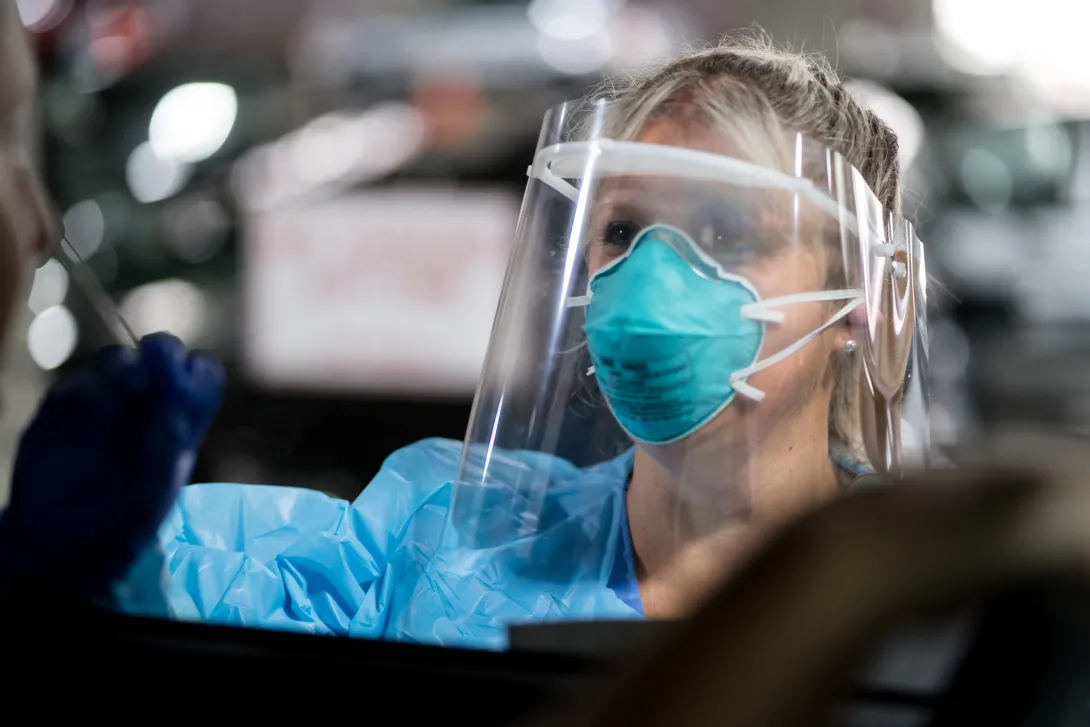
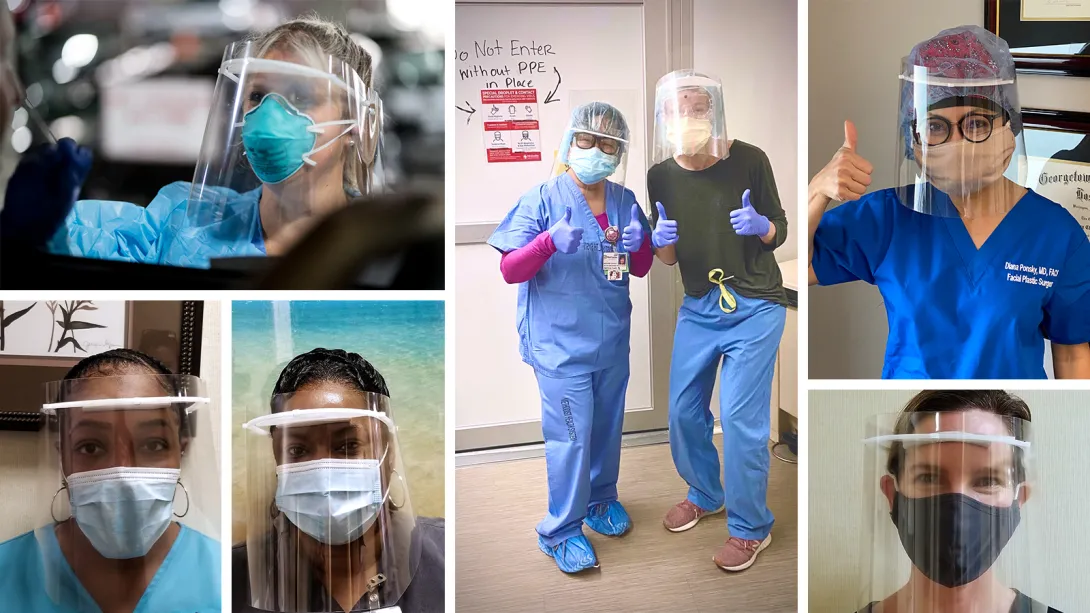
Personal initiatives by a pediatrician and by researchers to make face shields for medical workers have transformed into an industry collaboration that by June had delivered 1.8 million shields to hospitals and other organizations around the country with plans to produce 2.5 million all total. A $2 million donation from Aflac Incorporated for personal protective equipment (PPE) financed the bulk of the shields.
To make it happen, a team of researchers and industry partners convened at the Global Center for Medical Innovation (GCMI), a Georgia Tech-affiliated nonprofit that guides new experimental medical solutions to market. The group combined the physician’s vision with the researchers’ original designs, adjusted them to pass FDA emergency guidelines, and then coordinated mass production and distribution.
A physician’s wisdom
The project grew wings in mid-March, after Dr. Joanna Newton became concerned that the nationwide shortage of PPE was leaving healthcare workers across the country vulnerable. Newton is a physician specializing in improving healthcare safety through technology at Children’s Healthcare of Atlanta, and she was already collaborating with Georgia Tech on other projects.
She grabbed the phone to leverage the connection.
“I called Sherry Farrugia to tell her about my idea to 3D-print PPE. We needed to quickly find a solution for the PPE shortage around the country, and I knew we had the right team here in Atlanta to help,” said Newton, a pediatric hematologist/oncologist at the Aflac Cancer and Blood Disorders Center of Children’s.
“The situation was urgent, and I knew who would have the right expertise to get this done,” said Farrugia, chief operating officer and strategy officer of Children’s Healthcare of Atlanta Pediatric Technology Center, which is part of Georgia Tech.
Farrugia had Newton present her idea at GCMI to researchers, advisors, and industry partners who immediately put together a team to address the need for face shields to protect healthcare workers from droplets containing the coronavirus. She also discussed the need with Devesh Ranjan, associate chair of the George W. Woodruff School of Mechanical Engineering, who suggested connecting the effort to a parallel initiative in that school.
Bringing in engineers
At the same time, along with Ranjan, Sam Graham, chair of the George W. Woodruff School of Mechanical Engineering, and Susan Margulies, chair of the Wallace H. Coulter Department of Biomedical Engineering, were coordinating efforts across campus to develop various medical devices in response to the pandemic. Graham, Margulies, and Ranjan quickly connected GCMI with Christopher Saldana and Saad Bhamla, faculty members in Georgia Tech’s College of Engineering, who were leading an simultaneous effort to address the face shield problem with their students using rapid fabrication techniques like 3-D printing, laser cutting, and waterjet cutting.
“The Georgia Tech mechanical engineering team used rapid fabrication equipment and quickly produced multiple face shield designs that could be manufactured in high volumes for the rapid response environment that Covid-19 required,” Saldana said.
Making a few thousand shields in a lab had likely already saved lives, but the Georgia Tech researchers and GCMI put their designs on the internet, where they have been downloaded thousands of times by organizations manufacturing them around the world. And the manufacturing partners they engaged have been turning out hundreds of thousands of shields to save many more lives.
“You may need 45 minutes for a headband with a 3D printer, but manufacturers turn out six of them every 19 seconds. Then making a million face shields becomes a real possibility,” said Mike Fisher, who leads product development at GCMI.
GCMI opened a GoFundMe page, which brought in $20,000, and then engaged their first manufacturing partner, Delta Air Lines.
A manufacturing explosion
“Delta converted one of their groups from manufacturing airplane interiors to doing the face shields. They started off by manufacturing 6,000 shields, and that got the momentum going,” Leiter said. “Two thousand shields went to Mount Sinai Hospital in New York; 2,000 went to Piedmont Healthcare in Atlanta; and 2,000 went to Children’s Healthcare of Atlanta.”
Things began to snowball.
Graham engaged Siemens Industries to fulfill a face shield order from the Georgia Emergency Management Agency (GEMA) for distribution in Georgia. Partners from ExxonMobil began looking for more potential manufacturers. And Aflac contacted Children’s looking for worthy Covid-19 related efforts to support.
“We asked for a donation of $500,000 for manufacturers to retool their operations. Aflac made a gift of $2 million to GCMI to promote the production of PPE,” Farrugia said. “We were able to buy tooling for an automotive plastics manufacturer called Quality Model in South Carolina, and they have made over 750,000 face shields so far.”
GCMI won a bid from the Federal Emergency Management Agency (FEMA) for 1,141,600 face shields, which are being made by Quality Model, where ExxonMobil helped rearrange production lines for shields.
Siemens made an additional 100,000 shields from Aflac’s gift, which is also being used to purchase existing PPE to donate to healthcare workers. Kia Motors quickly produced an initial 15,000 shields, which the company financed itself.
“Kia got the open source design from the Georgia Tech website and ran with it on their own,” Saldana said.
These partners are delivering the following number of shields: Quality Model, 1,251,600; Kia Motors, 300,000; Siemens Industries, 205,000; Delta Air Lines, 106,100; Georgia Tech, 20,000; and EIS, 15,000. And more are still to come.
The shields went across the country, from hospitals in New York City to Prisma Health in South Carolina, to nursing homes in the Pensacola area, and to rural Louisiana and Mississippi, Leiter said.
Thanks in large part to Aflac’s gift, GCMI and Farrugia are coordinating with partners, including Georgia Tech engineers, to produce N95 masks, hospital gowns, and hand sanitizer, all redesigned for the Covid-19 age.
Research News
Georgia Institute of Technology
177 North Avenue
Atlanta, Georgia 30332-0181 USA
Media Relations Assistance: John Toon (404-894-6986) (jtoon@gatech.edu).
Writer: Ben Brumfield
News Contact
John Toon
Research News
(404) 894-6986