
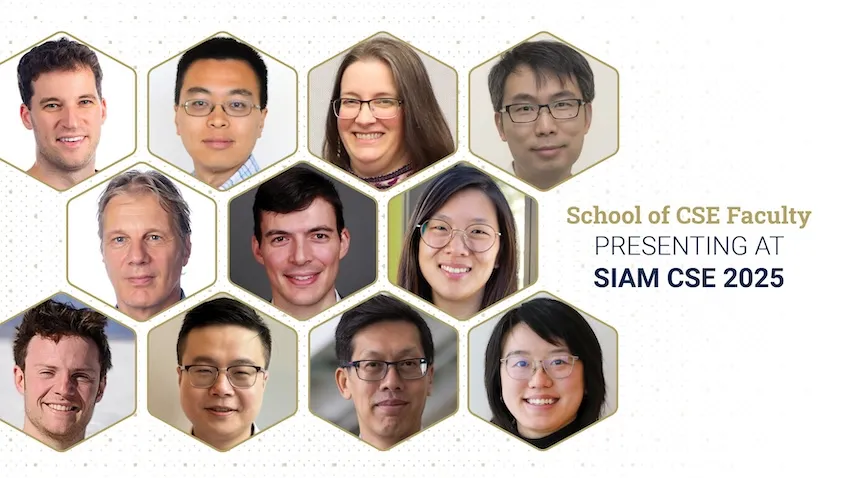
Many communities rely on insights from computer-based models and simulations. This week, a nest of Georgia Tech experts are swarming an international conference to present their latest advancements in these tools, which offer solutions to pressing challenges in science and engineering.
Students and faculty from the School of Computational Science and Engineering (CSE) are leading the Georgia Tech contingent at the SIAM Conference on Computational Science and Engineering (CSE25). The Society of Industrial and Applied Mathematics (SIAM) organizes CSE25, occurring March 3-7 in Fort Worth, Texas.
At CSE25, the School of CSE researchers are presenting papers that apply computing approaches to varying fields, including:
- Experiment designs to accelerate the discovery of material properties
- Machine learning approaches to model and predict weather forecasting and coastal flooding
- Virtual models that replicate subsurface geological formations used to store captured carbon dioxide
- Optimizing systems for imaging and optical chemistry
- Plasma physics during nuclear fusion reactions
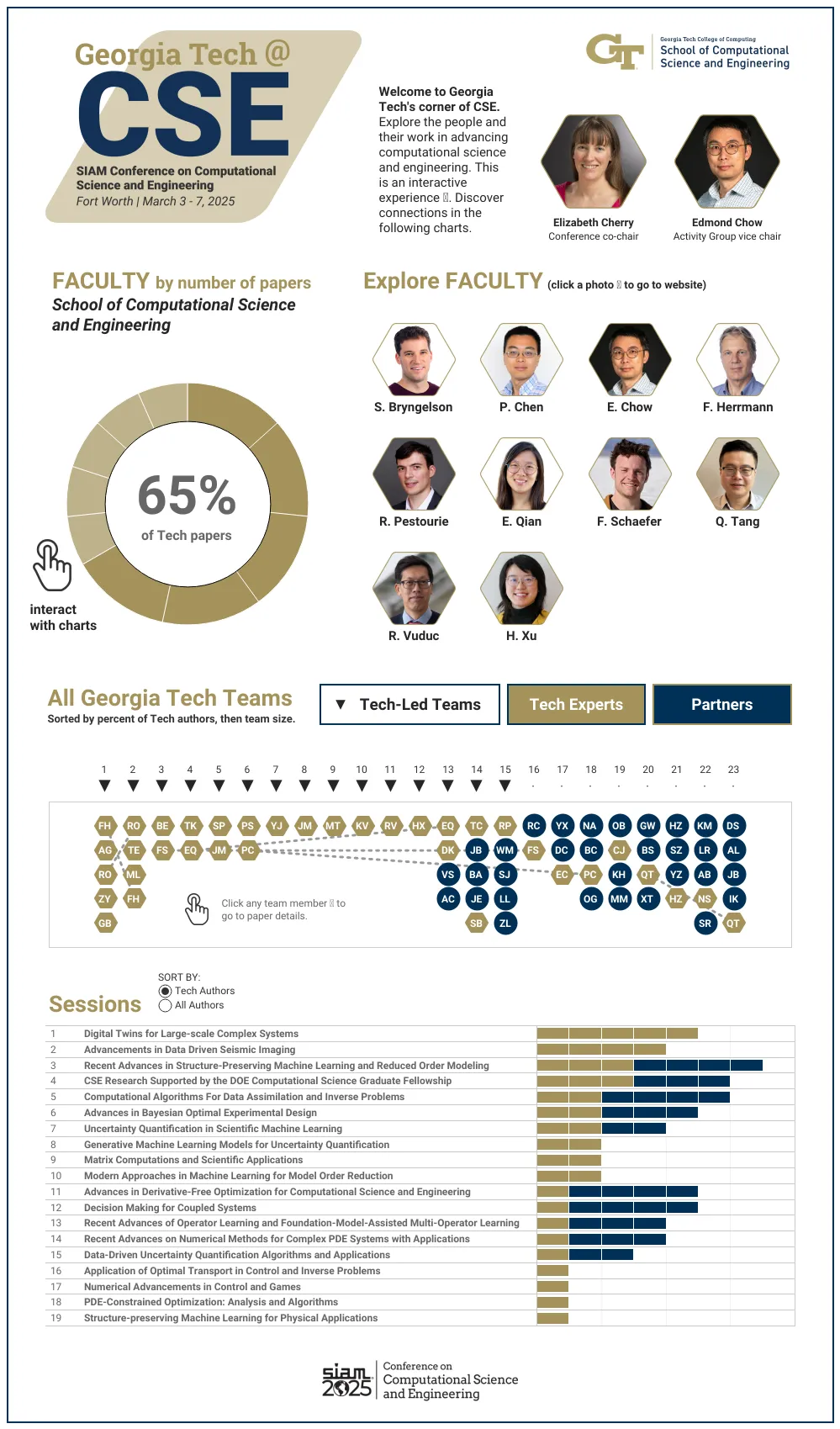
[Related: GT CSE at SIAM CSE25 Interactive Graphic]
“In CSE, researchers from different disciplines work together to develop new computational methods that we could not have developed alone,” said School of CSE Professor Edmond Chow.
“These methods enable new science and engineering to be performed using computation.”
CSE is a discipline dedicated to advancing computational techniques to study and analyze scientific and engineering systems. CSE complements theory and experimentation as modes of scientific discovery.
Held every other year, CSE25 is the primary conference for the SIAM Activity Group on Computational Science and Engineering (SIAG CSE). School of CSE faculty serve in key roles in leading the group and preparing for the conference.
In December, SIAG CSE members elected Chow to a two-year term as the group’s vice chair. This election comes after Chow completed a term as the SIAG CSE program director.
School of CSE Associate Professor Elizabeth Cherry has co-chaired the CSE25 organizing committee since the last conference in 2023. Later that year, SIAM members reelected Cherry to a second, three-year term as a council member at large.
At Georgia Tech, Chow serves as the associate chair of the School of CSE. Cherry, who recently became the associate dean for graduate education of the College of Computing, continues as the director of CSE programs.
“With our strong emphasis on developing and applying computational tools and techniques to solve real-world problems, researchers in the School of CSE are well positioned to serve as leaders in computational science and engineering both within Georgia Tech and in the broader professional community,” Cherry said.
Georgia Tech’s School of CSE was first organized as a division in 2005, becoming one of the world’s first academic departments devoted to the discipline. The division reorganized as a school in 2010 after establishing the flagship CSE Ph.D. and M.S. programs, hiring nine faculty members, and attaining substantial research funding.
Ten School of CSE faculty members are presenting research at CSE25, representing one-third of the School’s faculty body. Of the 23 accepted papers written by Georgia Tech researchers, 15 originate from School of CSE authors.
The list of School of CSE researchers, paper titles, and abstracts includes:
Bayesian Optimal Design Accelerates Discovery of Material Properties from Bubble Dynamics
Postdoctoral Fellow Tianyi Chu, Joseph Beckett, Bachir Abeid, and Jonathan Estrada (University of Michigan), Assistant Professor Spencer Bryngelson
[Abstract]
Latent-EnSF: A Latent Ensemble Score Filter for High-Dimensional Data Assimilation with Sparse Observation Data
Ph.D. student Phillip Si, Assistant Professor Peng Chen
[Abstract]
A Goal-Oriented Quadratic Latent Dynamic Network Surrogate Model for Parameterized Systems
Yuhang Li, Stefan Henneking, Omar Ghattas (University of Texas at Austin), Assistant Professor Peng Chen
[Abstract]
Posterior Covariance Structures in Gaussian Processes
Yuanzhe Xi (Emory University), Difeng Cai (Southern Methodist University), Professor Edmond Chow
[Abstract]
Robust Digital Twin for Geological Carbon Storage
Professor Felix Herrmann, Ph.D. student Abhinav Gahlot, alumnus Rafael Orozco (Ph.D. CSE-CSE 2024), alumnus Ziyi (Francis) Yin (Ph.D. CSE-CSE 2024), and Ph.D. candidate Grant Bruer
[Abstract]
Industry-Scale Uncertainty-Aware Full Waveform Inference with Generative Models
Rafael Orozco, Ph.D. student Tuna Erdinc, alumnus Mathias Louboutin (Ph.D. CS-CSE 2020), and Professor Felix Herrmann
[Abstract]
Optimizing Coupled Systems: Insights from Co-Design Imaging and Optical Chemistry
Assistant Professor Raphaël Pestourie, Wenchao Ma and Steven Johnson (MIT), Lu Lu (Yale University), Zin Lin (Virginia Tech)
[Abstract]
Multifidelity Linear Regression for Scientific Machine Learning from Scarce Data
Assistant Professor Elizabeth Qian, Ph.D. student Dayoung Kang, Vignesh Sella, Anirban Chaudhuri and Anirban Chaudhuri (University of Texas at Austin)
[Abstract]
LyapInf: Data-Driven Estimation of Stability Guarantees for Nonlinear Dynamical Systems
Ph.D. candidate Tomoki Koike and Assistant Professor Elizabeth Qian
[Abstract]
The Information Geometric Regularization of the Euler Equation
Alumnus Ruijia Cao (B.S. CS 2024), Assistant Professor Florian Schäfer
[Abstract]
Maximum Likelihood Discretization of the Transport Equation
Ph.D. student Brook Eyob, Assistant Professor Florian Schäfer
[Abstract]
Intelligent Attractors for Singularly Perturbed Dynamical Systems
Daniel A. Serino (Los Alamos National Laboratory), Allen Alvarez Loya (University of Colorado Boulder), Joshua W. Burby, Ioannis G. Kevrekidis (Johns Hopkins University), Assistant Professor Qi Tang (Session Co-Organizer)
[Abstract]
Accurate Discretizations and Efficient AMG Solvers for Extremely Anisotropic Diffusion Via Hyperbolic Operators
Golo Wimmer, Ben Southworth, Xianzhu Tang (LANL), Assistant Professor Qi Tang
[Abstract]
Randomized Linear Algebra for Problems in Graph Analytics
Professor Rich Vuduc
[Abstract]
Improving Spgemm Performance Through Reordering and Cluster-Wise Computation
Assistant Professor Helen Xu
[Abstract]
News Contact
Bryant Wine, Communications Officer
bryant.wine@cc.gatech.edu
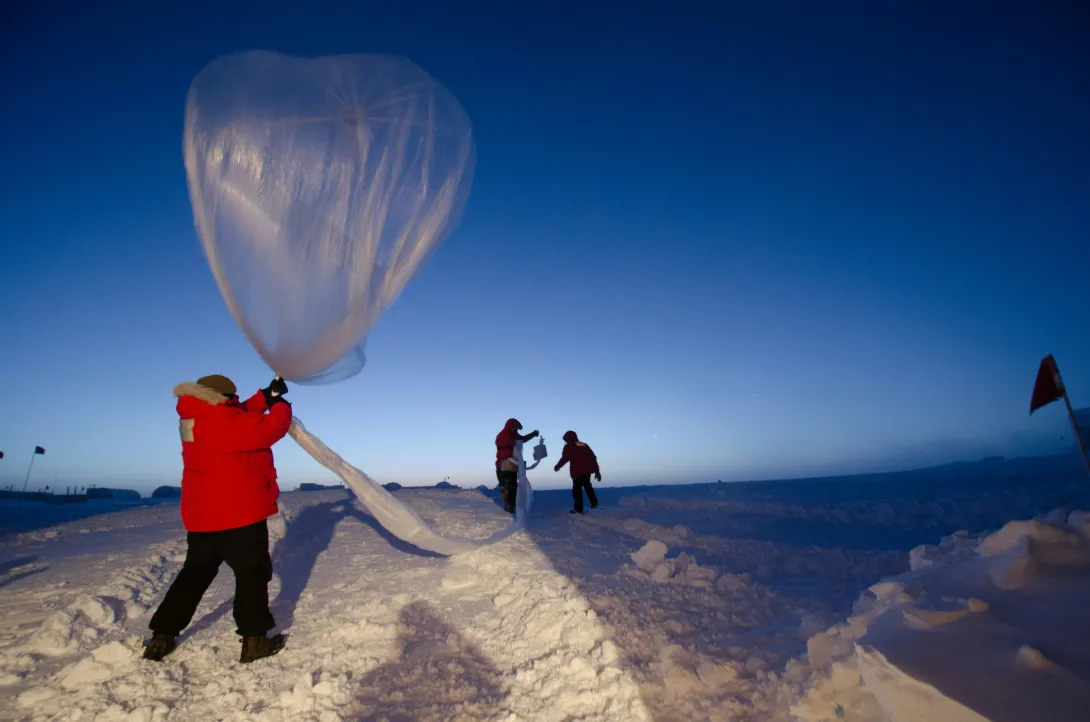
Researchers launch a a lightweight, balloon-borne instrument to collect data. "To keep advancing, we need scientists who can determine what data we need, collect that data, and solve problems," Bracco says. (NOAA)
Exponential growth in big data and computing power is transforming climate science, where machine learning is playing a critical role in mapping the physics of our changing climate.
“What is happening within the field is revolutionary,” says School of Earth and Atmospheric Sciences Associate Chair and Professor Annalisa Bracco, adding that because many climate-related processes — from ocean currents to melting glaciers and weather patterns — can be described with physical equations, these advancements have the potential to help us understand and predict climate in critically important ways.
Bracco is the lead author of a new review paper providing a comprehensive look at the intersection of AI and climate physics.
The result of an international collaboration between Georgia Tech’s Bracco, Julien Brajard (Nansen Environmental and Remote Sensing Center), Henk A. Dijkstra (Utrecht University), Pedram Hassanzadeh (University of Chicago), Christian Lessig (European Centre for Medium-Range Weather Forecasts), and Claire Monteleoni (University of Colorado Boulder), the paper, ‘Machine learning for the physics of climate,’ was recently published in Nature Reviews Physics.
“One of our team’s goals was to help people think deeply on how climate science and AI intersect,” Bracco shares. “Machine learning is allowing us to study the physics of climate in a way that was previously impossible. Coupled with increasing amounts of data and observations, we can now investigate climate at scales and resolutions we’ve never been able to before.”
Connecting hidden dots
The team showed that ML is driving change in three key areas: accounting for missing observational data, creating more robust climate models, and enhancing predictions, especially in weather forecasting. However, the research also underscores the limits of AI — and how researchers can work to fill those gaps.
“Machine learning has been fantastic in allowing us to expand the time and the spatial scales for which we have measurements,” says Bracco, explaining that ML could help fill in missing data points — creating a more robust record for researchers to reference. However, like patching a hole in a shirt, this works best when the rest of the material is intact.
“Machine learning can extrapolate from past conditions when observations are abundant, but it can’t yet predict future trends or collect the data we need,” Bracco adds. “To keep advancing, we need scientists who can determine what data we need, collect that data, and solve problems.”
Modeling climate, predicting weather
Machine learning is often used when improving climate models that can simulate changing systems like our atmosphere, oceans, land, biochemistry, and ice. “These models are limited because of our computing power, and are run on a three-dimensional grid,” Bracco explains: below the grid resolution, researchers need to approximate complex physics with simpler equations that computers can solve quickly, a process called ‘parameterization’.
Machine learning is changing that, offering new ways to improve parameterizations, she says. “We can run a model at extremely high resolutions for a short time, so that we don’t need to parameterize as many physical processes — using machine learning to derive the equations that best approximate what is happening at small scales,” she explains. “Then we can use those equations in a coarser model that we can run for hundreds of years.”
While a full climate model based solely on machine learning may remain out of reach, the team found that ML is advancing our ability to accurately predict weather systems and some climate phenomena like El Niño.
Previously, weather prediction was based on knowing the starting conditions — like temperature, humidity, and barometric pressure — and running a model based on physics equations to predict what might happen next. Now, machine learning is giving researchers the opportunity to learn from the past. “We can use information on what has happened when there were similar starting conditions in previous situations to predict the future without solving the underlying governing equations,” Bracco says. “And all while using orders-of-magnitude less computing resources.”
The human connection
Bracco emphasizes that while AI and ML play a critical role in accelerating research, humans are at the core of progress. “I think the in-person collaboration that led to this paper is, in itself, a testament to the importance of human interaction,” she says, recalling that the research was the result of a workshop organized at the Kavli Institute for Theoretical Physics — one of the team’s first in-person discussions after the Covid-19 pandemic.
“Machine learning is a fantastic tool — but it's not the solution to everything,” she adds. “There is also a real need for human researchers collecting high-quality data, and for interdisciplinary collaboration across fields. I see this as a big challenge, but a great opportunity for computer scientists and physicists, mathematicians, biologists, and chemists to work together.”
Funding: National Science Foundation, European Research Council, Office of Naval Research, US Department of Energy, European Space Agency, Choose France Chair in AI.
DOI: https://doi.org/10.1038/s42254-024-00776-3
News Contact
Written by Selena Langner
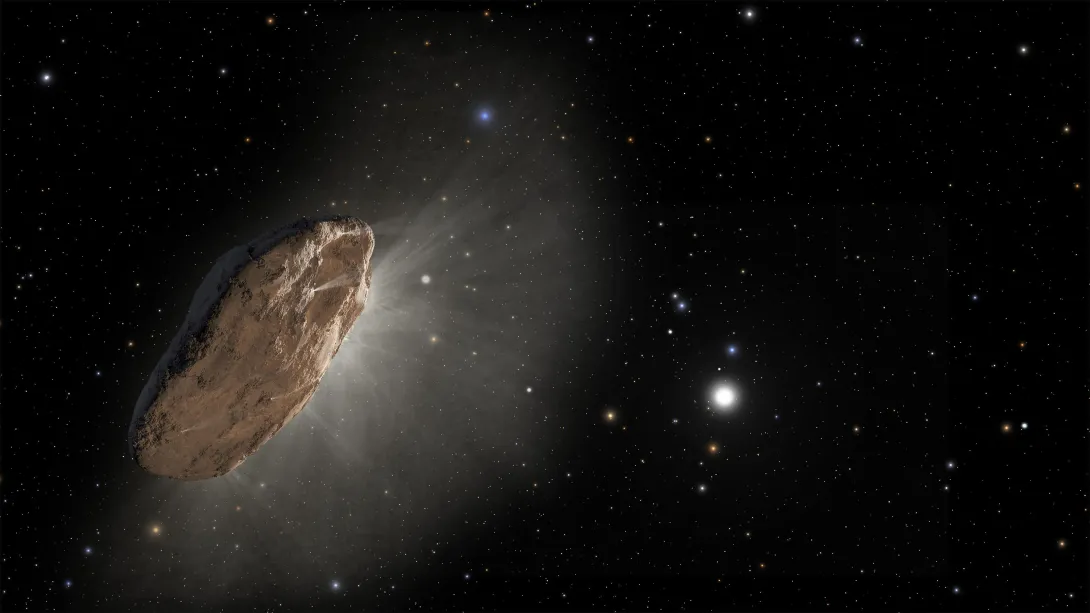
'Oumuamua at the edges of our solar system (Artist's Rendition, NASA)
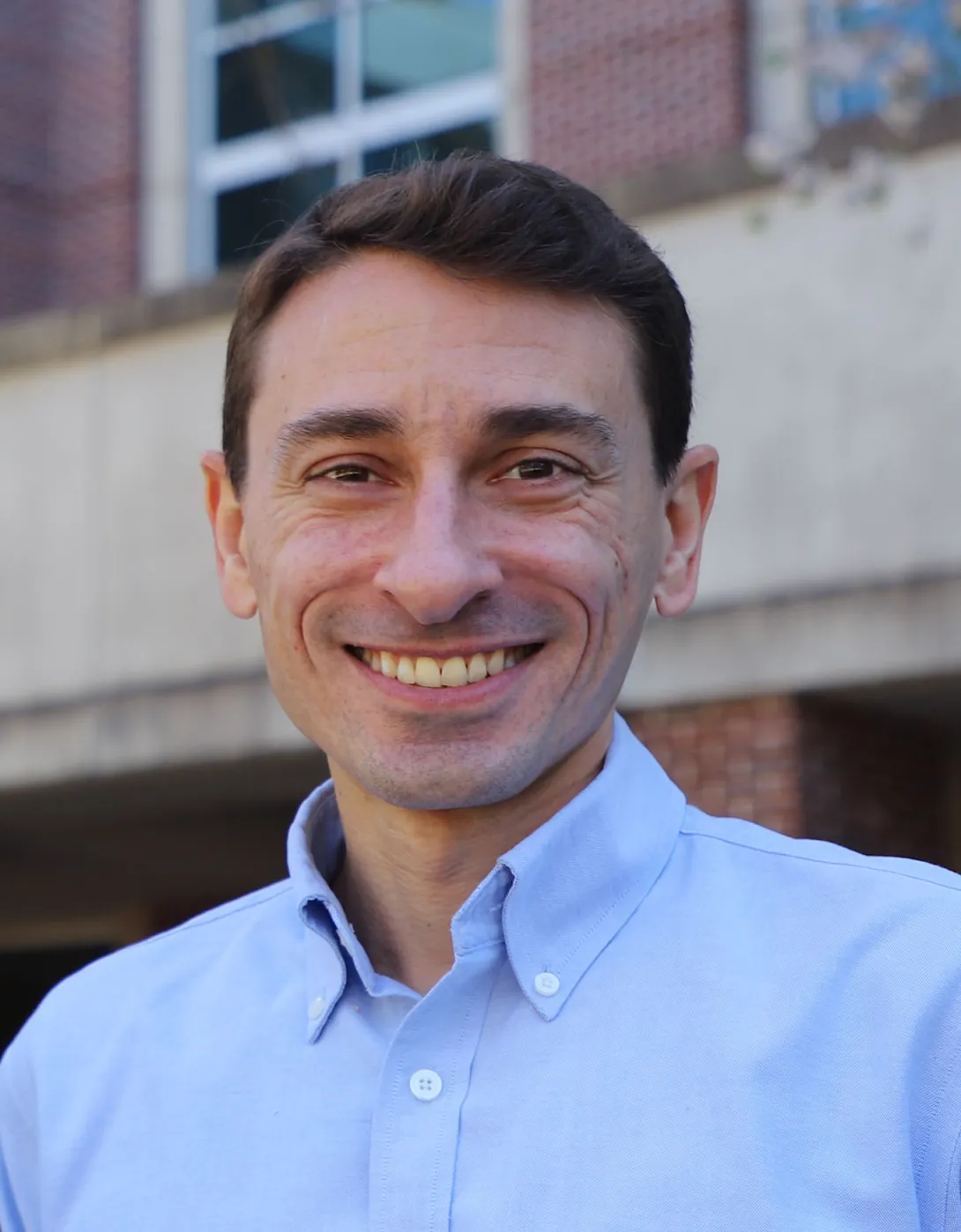
Professor James Wray
In 2017, a long, oddly shaped asteroid passed by Earth. Called ‘Oumuamua, it was the first known interstellar object to visit our solar system, but it wasn’t an isolated incident — less than two years later, in 2019, a second interstellar object (ISO) was discovered.
“‘Oumuamua was found passing just 15 million miles from Earth — that’s much closer than Mars or Venus,” says James Wray. “But it was formed in an entirely different solar system. Studying these objects could give us incredible insight into extrasolar planets, and how our planet fits into the universe.”
Wray, a professor in the School of Earth and Atmospheric Sciences at Georgia Tech, has just been awarded a Simons Foundation Pivot Fellowship to do just that. Pivot Fellowships are among the most prestigious sources of funding for cutting-edge research, and support leading researchers who have the deep interest, curiosity and drive to make contributions to a new discipline.
Wray has primarily studied the geoscience of Mars. He will leverage knowledge of nearby planets to understand ISOs and planets much farther away. “I want to understand how planets got to be the way they are, and if they could have ever hosted life,” he explains. “Extrasolar planets give us many more places to ask those questions than our solar system does, but they're too distant to visit with spacecraft. ISOs provide a unique opportunity to explore other solar systems without leaving our own.”
The Fellowship will provide salary support as well as funding for research, travel, and professional development. “Seed funds like this are so valuable,” says Wray. “I’m incredibly grateful to the Simons Foundation. I’d also like to thank Georgia Tech for its support,” he adds, sharing that the Center for Space Technology and Research supported a related research effort at the University of Hawaii earlier this year. “My mentor and I were able to spend some of that time improving our Pivot Fellowship proposal, which played a critical role in securing this Fellowship.”
In search of ISOs
Wray will study small solar system bodies like asteroids and comets to decode the processes of planet formation and space weathering, and will analyze data from the 2017 and 2019 ISOs.
He will also work alongside collaborators including Karen Meech of the University of Hawaii, who led the paper characterizing ‘Oumuamua, to conceptualize what an intercept mission might look like.
“We still have a lot of questions regarding ISOs,” he says. “Hundreds of papers have already been written about them, but we still don't know the answers.” One key mystery is the composition of the bodies: both the 2017 and 2019 objects were compositionally different from those in our solar system.
“Are they inherently different from the bodies in our solar system, or did the long journey to our solar system make them that way? Is our solar system different from others?” Wray asks. “We could answer so many questions with even a simple picture of the next ISO that comes close enough for us to intercept with spacecraft.”
A cosmic timeline
While there is no guarantee that another ISO might be spotted in our solar system, the timing is opportune — upcoming telescope surveys are poised to detect such interstellar objects. “In mid-2025, when I will start this Fellowship, the new Rubin Observatory will begin scanning the entire sky,” Wray says. “It has the potential to discover up to several new ISOs per year.”
“ISO visits are always brief,” he adds, “so the research needs to be in place for when one is spotted.” If an interstellar object is detected, Wray and Meech will be poised to leverage specialized telescopes in Hawaii, along with others worldwide, to better understand it, studying its size, shape, and composition — and potentially sending spacecraft to image it.
“We might never find another ISO — or they might be the key to imminent breakthroughs in understanding our place in the galaxy,” Wray adds. “I'm extremely grateful to the Simons Foundation for the flexibility to pursue this research at whatever pace the cosmos allows.”
News Contact
Written by Selena Langner
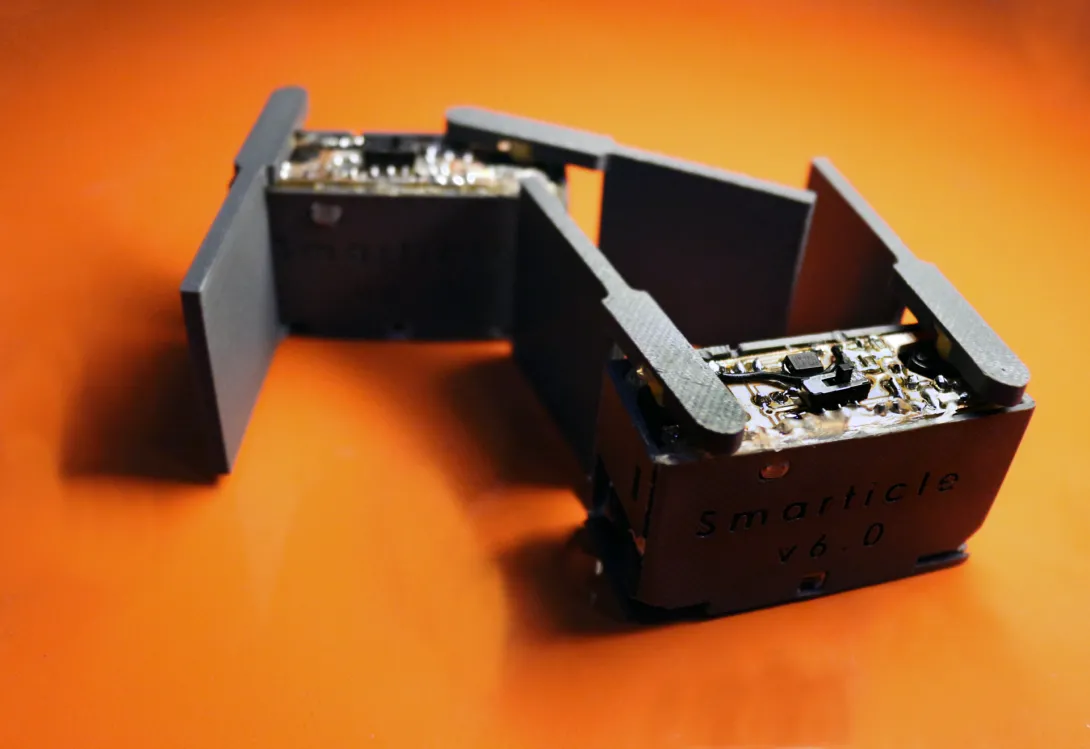
A pair of Smarticle robots from the lab of Prof. Dan Goldman. Earlier research from his group observed the arise of order in active matter from the physics of low rattling. (Photo Credit: Christa M. Ernst)
If you’ve ever watched a large flock of birds on the wing, moving across the sky like a cloud with various shapes and directional changes appearing from seeming chaos, or the maneuvers of an ant colony forming bridges and rafts to escape floods, you’ve been observing what scientists call self-organization. What may not be as obvious is that self-organization occurs throughout the natural world, including bacterial colonies, protein complexes, and hybrid materials. Understanding and predicting self-organization, especially in systems that are out of equilibrium, like living things, is an enduring goal of statistical physics.
This goal is the motivation behind a recently introduced principle of physics called rattling, which posits that systems with sufficiently “messy” dynamics organize into what researchers refer to as low rattling states. Although the principle has proved accurate for systems of robot swarms, it has been too vague to be more broadly tested, and it has been unclear exactly why it works and to what other systems it should apply.
Dana Randall, a professor in the School of Computer Science, and Jacob Calvert, a postdoctoral fellow at the Institute for Data Engineering and Science, have formulated a theory of rattling that answers these fundamental questions. Their paper, “A Local-Global Principle for Nonequilibrium Steady States,” published last week in Proceedings of the National Academy of Sciences, characterizes how rattling is related to the amount of time that a system spends in a state. Their theory further identifies the classes of systems for which rattling explains self-organization.
When we first heard about rattling from physicists, it was very hard to believe it could be true. Our work grew out of a desire to understand it ourselves. We found that the idea at its core is surprisingly simple and holds even more broadly than the physicists guessed.
Dana Randall Professor, School of Computer Science & Adjunct Professor, School of Mathematics
Georgia Institute of Technology
Beyond its basic scientific importance, the work can be put to immediate use to analyze models of phenomena across scientific domains. Additionally, experimentalists seeking organization within a nonequilibrium system may be able to induce low rattling states to achieve their desired goal. The duo thinks the work will be valuable in designing microparticles, robotic swarms, and new materials. It may also provide new ways to analyze and predict collective behaviors in biological systems at the micro and nanoscale.
The preceding material is based on work supported by the Army Research Office under award ARO MURI Award W911NF-19-1-0233 and by the National Science Foundation under grant CCF-2106687. Any opinions, findings, and conclusions or recommendations expressed in this material are those of the authors and do not necessarily reflect the views of the sponsoring agencies.
Jacob Calvert and Dana Randall. A local-global principle for nonequilibrium steady states. Proceedings of the National Academy of Sciences, 121(42):e2411731121, 2024.
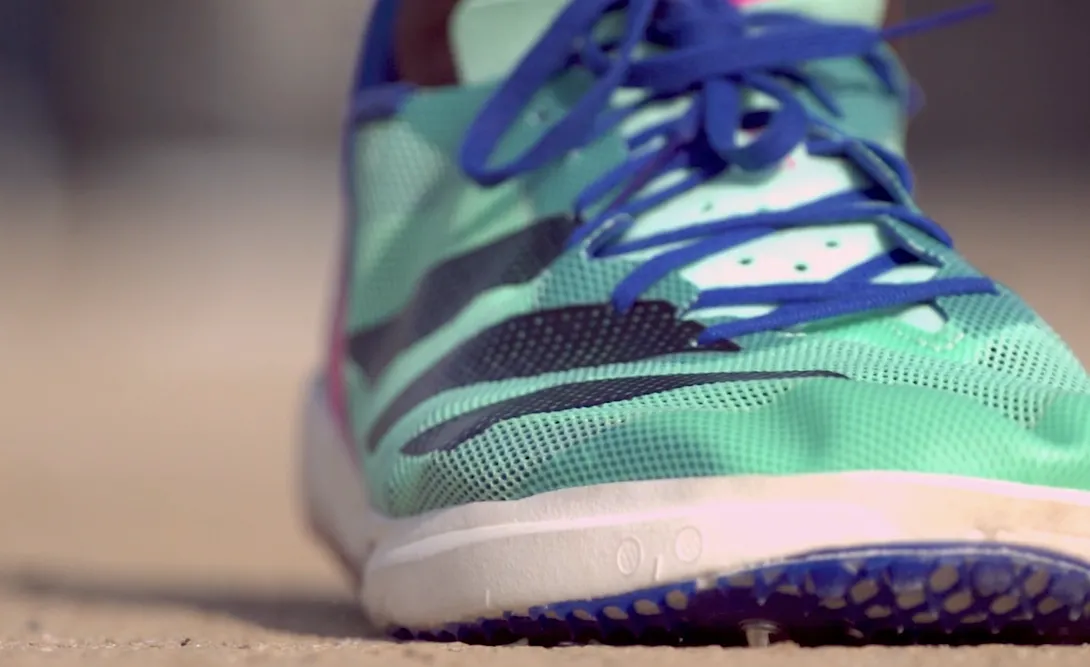
Like the track laid down at Georgia Tech before the 1996 Olympic Games, the Mondo track in Paris was engineered to produce fast times. Yellow Jacket Men's Track and Field Coach Grover Hinsdale and Principal Research Engineer Jud Ready explain the science of the surface.
Every millisecond will matter when the world's best athletes gather in Paris for the Summer Olympics, and track and field athletes will compete on a surface designed to produce record-breaking performances.
Mondo athletic tracks have been underneath the feet of Olympians since 1972. In that time, 300 records were broken on surfaces designed and constructed in Alba, Italy, including 15 at the Centennial Olympic Games in Atlanta.
Consistency Is Key
Georgia Tech’s George C. Griffin Track and Field Facility was outfitted with a Mondo track before the 1996 Games to serve as the workout track for the Olympic Village, and the material has been a staple at the facility ever since. Yellow Jacket Track and Field Coach Grover Hinsdale, a coach to three Olympic gold medalists, explains that the consistency in Mondo's construction sets it apart from all other tracks.
"A Mondo track is made in a climate-controlled factory, processed from the raw rubber to the finished product. So, every square inch of Mondo is the same — same durometer, same thickness, everything is the same. All other rubberized track surfaces are poured on-site, so variables like temperature and humidity affect the result, and you may end up with lanes that don't set uniformly,” he said.
Hinsdale likened the installation process to laying carpet. It will take more than 2,800 glue pots to set the 13,000 square meters of track inside Stade de France. Jud Ready, a principal research engineer in the School of Materials Science and Engineering, says the evolution of the company’s technology has also contributed to producing faster tracks.
"They're able to alter the rubber track's energy return mechanism by changing the shape of the particulate and the compressibility of it," Ready said. "Longevity is less of a concern for the Paris track, so they can tune it to emphasize speed."
Maximizing Performance
Each layer of the track surface plays a different role in helping athletes achieve peak performance. Hinsdale describes how those layers come together with each step.
"When your foot strikes down on an asphalt surface or you're running down a sidewalk, there's virtually no give other than what's taking place in the muscles and joints of your body. The surface is giving nothing back. When your foot strikes a Mondo surface, it'll sink in slightly, and the surface gives energy back. This pushes your foot back off that track quicker, putting the foot back into the cycle to complete another stride,” he said.
Because of the energy given back by the thin and firm surface of the Mondo track, Hinsdale says, sprinters and distance runners will run faster with the same effort they normally exert on any other surface.
Athletes look for every edge to get ahead of the competition. Ready's course, Materials Science and Engineering of Sports, examines how that advantage can be found at the scientific level.
"All sports are so heavily driven by material advancements these days,” he said. “Yes, we use the mechanical properties we've used since the Egyptians started racing chariots, but as material scientists, we keep trying to make things better.”
Viewers will notice the unique purple hue of the Paris track when the games begin, but Ready and Hinsdale don't expect the striking color to affect performance.
News Contact
Steven Gagliano - Institute Communications

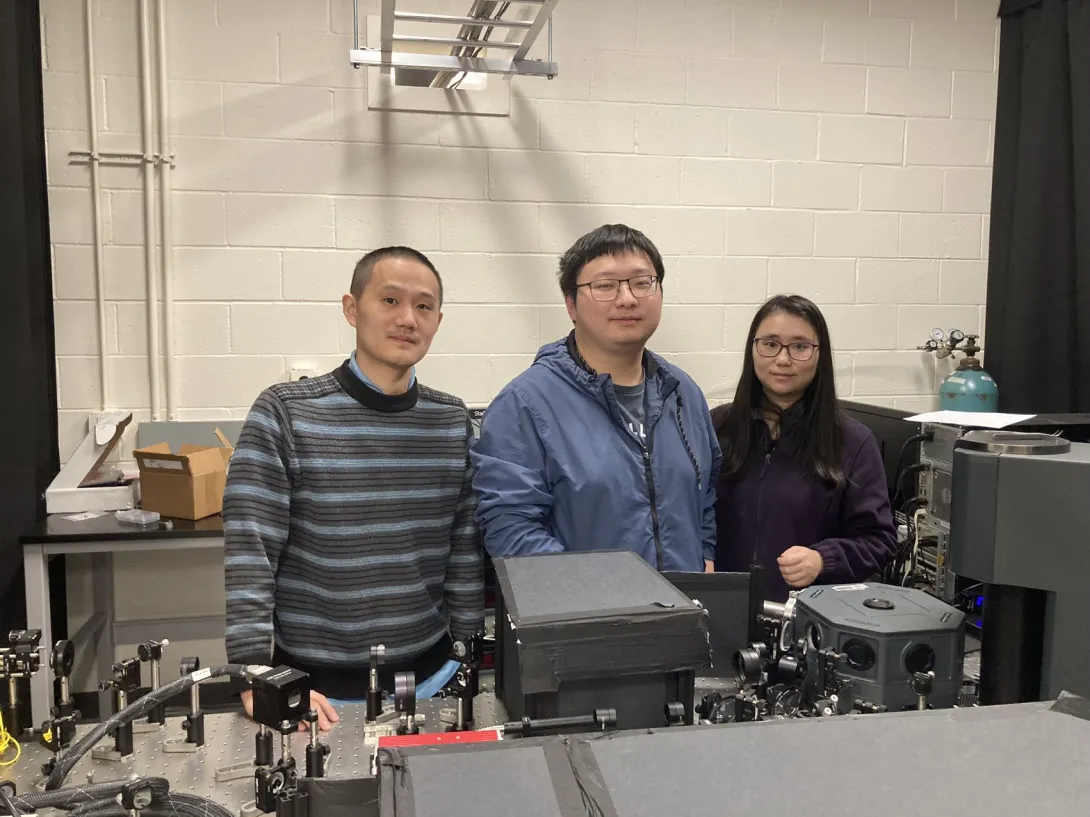
Quantum sensors detect the smallest of environmental changes — for example, an atom reacting to a magnetic field. As these sensors “read” the unique behaviors of subatomic particles, they also dramatically improve scientists’ ability to measure and detect changes in our wider environment.
Monitoring these tiny changes results in a wide range of applications — from improving navigation and natural disaster forecasting, to smarter medical imaging and detection of biomarkers of disease, gravitational wave detection, and even better quantum communication for secure data sharing.
Georgia Tech physicists are pioneering new quantum sensing platforms to aid in these efforts. The research team’s latest study, “Sensing Spin Wave Excitations by Spin Defects in Few-Layer Thick Hexagonal Boron Nitride” was published in Science Advances this week.
The research team includes School of Physics Assistant Professors Chunhui (Rita) Du and Hailong Wang (corresponding authors) alongside fellow Georgia Tech researchers Jingcheng Zhou, Mengqi Huang, Faris Al-matouq, Jiu Chang, Dziga Djugba, and Professor Zhigang Jiang and their collaborators.
An ultra-sensitive platform
The new research investigates quantum sensing by leveraging color centers — small defects within crystals (Du’s team uses diamonds and other 2D layered materials) that allow light to be absorbed and emitted, which also give the crystal unique electronic properties.
By embedding these color centers into a material called hexagonal boron nitride (hBN), the team hoped to create an extremely sensitive quantum sensor — a new resource for developing next-generation, transformative sensing devices.
For its part, hBN is particularly attractive for quantum sensing and computing because it could contain defects that can be manipulated with light — also known as "optically active spin qubits."
The quantum spin defects in hBN are also very magnetically sensitive, and allow scientists to “see” or “sense” in more detail than other conventional techniques. In addition, the sheet-like structure of hBN is compatible with ultra-sensitive tools like nanodevices, making it a particularly intriguing resource for investigation.
The team’s research has resulted in a critical breakthrough in sensing spin waves, Du says, explaining that “in this study, we were able to detect spin excitations that were simply unattainable in previous studies.”
Detecting spin waves is a fundamental component of quantum sensing, because these phenomena can travel for long distances, making them an ideal candidate for energy-efficient information control, communication, and processing.
The future of quantum
“For the first time, we experimentally demonstrated two-dimensional van der Waals quantum sensing — using few-layer thick hBN in a real-world environment,” Du explains, underscoring the potential the material holds for precise quantum sensing. “Further research could make it possible to sense electromagnetic features at the atomic scale using color centers in thin layers of hBN.”
Du also emphasizes the collaborative nature of the research, highlighting the diverse skill sets and resources of researchers within Georgia Tech.
“Within the School of Physics, Professor Zhigang Jiang's research group provided the team with high-quality hBN crystals. Jingcheng Zhou, who is a member of both Professor Hailong Wang’s and my research teams, performed the cutting-edge quantum sensing measurements,” she says. “Many incredible students also helped with this project.”
Du is a leading scientist in the field of quantum sensing — this year, she received a new grant from the U.S. Department of Energy, along with a Sloan Research Fellowship for her pioneering work on developing state-of-the-art quantum sensing techniques for quantum information technology applications. The prestigious Sloan award recognizes researchers whose “creativity, innovation, and research accomplishments make them stand out as the next-generation of leaders in the fields.”
This work is supported by the U. S. National Science Foundation (NSF) under award No. DMR-2342569, the Air Force Office of Scientific Research under award No. FA9550-20-1-0319 and its Young Investigator Program under award No. FA9550-21-1-0125, the Office of Naval Research (ONR) under grant No. N00014-23-1-2146, NASA-REVEALS SSERVI (CAN No. NNA17BF68A), and NASA-CLEVER SSERVI (CAN No. 80NSSC23M0229).
News Contact
Written by Selena Langner
Contact: Jess Hunt-Raston
Director of Communications
College of Sciences at Georgia Tech

In keeping with a strong strategic focus on AI for the 2023-2024 Academic Year, the Institute for Data Engineering and Science (IDEaS) has announced the winners of its 2023 Seed Grants for Thematic Events in AI and Cyberinfrastructure Resource Grants to support research in AI requiring secure, high-performance computing capabilities. Thematic event awards recipients will receive $8K to support their proposed workshop or series and Cyberinfrastructure winners will receive research support consisting of 600,000 CPU hours on the AMD Genoa Server as well as 36,000 hours of NVIDIA DGX H-100 GPU server usage and 172 TB of secure storage.
Congratulations to the award winners listed below!
Thematic Events in AI Awards
Proposed Workshop: “Foundation of scientific AI (Artificial Intelligence) for Optimization of Complex Systems”
Primary PI: Peng Chen, Assistant Professor, School of Computational Science and Engineering
Proposed Series: “Guest Lecture Seminar Series on Generative Art and Music”
Primary PI: Gil Weinberg, Professor, School of Music
Cyber-Infrastructure Resource Awards
Title: Human-in-the-Loop Musical Audio Source Separation
Topics: Music Informatics, Machine Learning
Primary PI: Alexander Lerch, Associate Professor, School of Music
Co-PIs: Karn Watcharasupat, Music Informatics Group | Yiwei Ding, Music Informatics Group | Pavan Seshadri, Music Informatics Group
Title: Towards A Multi-Species, Multi-Region Foundation Model for Neuroscience
Topics: Data-Centric AI, Neuroscience
Primary PI: Eva Dyer, Assistant Professor, Biomedical Engineering
Title: Multi-point Optimization for Building Sustainable Deep Learning Infrastructure
Topics: Energy Efficient Computing, Deep Learning, AI Systems OPtimization
Primary PI: Divya Mahajan, Assistant Professor, School of Electrical and Computer Engineering, School of Computer Science
Title: Neutrons for Precision Tests of the Standard Model
Topics: Nuclear/Particle Physics, Computational Physics
Primary PI: Aaron Jezghani - OIT-PACE
Title: Continual Pretraining for Egocentric Video
Primary PI: : Zsolt Kira, Assistant Professor, School of Interactive Computing
Co-PI: Shaunak Halbe, Ph.D. Student, Machine Learning
Title: Training More Trustworthy LLMs for Scientific Discovery via Debating and Tool Use
Topics: Trustworthy AI, Large-Language Models, Multi-Agent Systems, AI Optimization
Primary PIs: Chao Zhang, School of Computational Science and Engineering & Bo Dai, College of Computing
Title: Scaling up Foundation AI-based Protein Function Prediction with IDEaS Cyberinfrastructure
Topics: AI, Biology
Primary PI: Yunan Luo, Assistant Professor, School of Computational Science and Engineering
- Christa M. Ernst
News Contact
Christa M. Ernst - Research Communications Program Manager
Robotics | Data Engineering | Neuroengineering
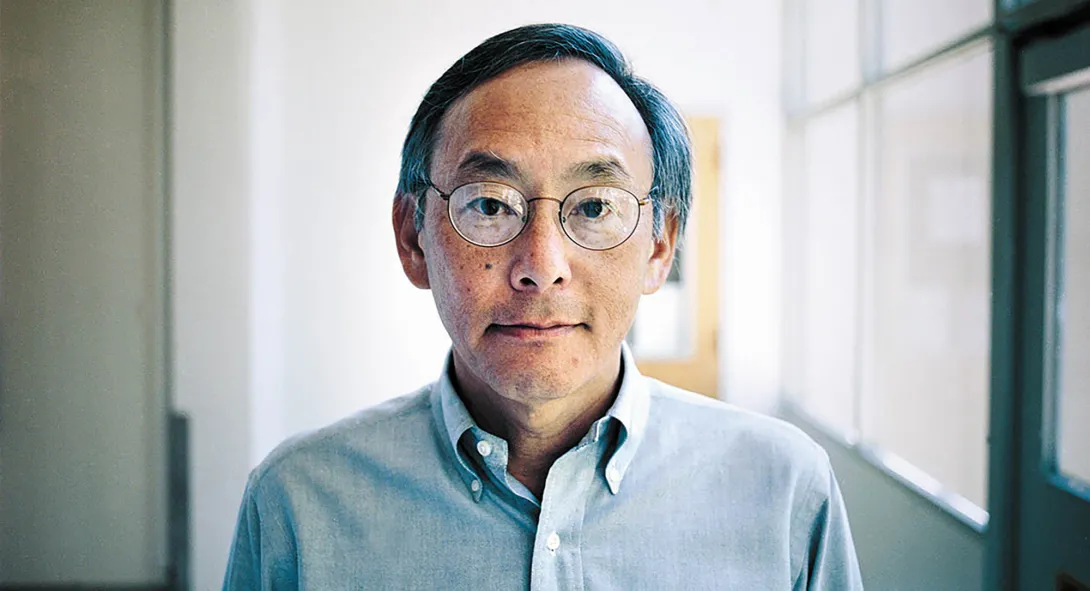

On April 26, 2023, the School of Physics and College of Sciences at Georgia Tech will welcome Stanford University physicist Steven Chu to speak on climate change and innovative paths towards a more sustainable future. Chu is the 1997 co-recipient of the Nobel Prize in Physics, and in his former role as U.S. Secretary of Energy, became the first scientist to hold a U.S. Cabinet position.
About the Talk
The event is part of the School of Physics “Inquiring Minds” public lecture series, and will be held at the Ferst Center for the Arts. The talk is free and open to campus and the Atlanta community, and no RSVP is required. Refreshments begin at 4:30, and the lecture will start at 5 p.m. ET.
“The multiple industrial and agricultural revolutions have transformed the world,” Chu recently shared in an abstract for the lecture. “However, an unintended consequence of this progress is that we are changing the climate of our planet. In addition to the climate risks, we will need to provide enough clean energy, water, and food for a more prosperous world that may grow to 11 billion by 2100.”
The talk will discuss the significant technical challenges and potential solutions that could provide better paths to a more sustainable future. “How we transition from where we are now to where we need to be within 50 years is arguably the most pressing set of issues that science, innovation, and public policy have to address,” Chu added.
The event’s faculty host is Daniel Goldman, Dunn Family Professor in the School of Physics at Georgia Tech.
About Steven Chu
Steven Chu is the William R. Kenan, Jr. Professor of Physics and a professor of Molecular and Cellular Physiology in the Medical School at Stanford University.
Chu served as the 12th U.S. Secretary of Energy from January 2009 until the end of April 2013. As the first scientist to hold a U.S. Cabinet position and the longest serving Energy Secretary, Chu led several initiatives including ARPA-E (Advanced Research Projects Agency – Energy), the Energy Innovation Hubs, and was personally tasked by President Obama to assist in the Deepwater Horizon oil leak.
In the spring of 2010, Chu was the keynote speaker for the Georgia Tech Ph.D. and Master's Commencement Ceremony.
Prior to his cabinet post, Chu was director of the Lawrence Berkeley National Laboratory, where he was active in pursuit of alternative and renewable energy technologies, and a professor of Physics and Applied Physics at Stanford, where he helped launch Bio-X, a multi-disciplinary institute combining the physical and biological sciences with medicine and engineering. Previously he also served as head of the Quantum Electronics Research Department at AT&T Bell Laboratories.
He is the co-recipient of the 1997 Nobel Prize in Physics for his contributions to laser cooling and atom trapping. He is a member of the National Academy of Sciences, the American Philosophical Society, the American Academy of Arts and Sciences, the Pontifical Academy Sciences, and of seven foreign academies. He formerly served as president, and then chair of the American Association for the Advancement of Science.
Chu earned an A.B. degree in mathematics and a B.S. degree in physics from the University of Rochester, and a Ph.D. in physics from the University of California, Berkeley, as well as 35 honorary degrees.
He has published over 280 papers in atomic and polymer physics, biophysics, biology, bio-imaging, batteries, and other energy technologies. He holds 15 patents, and an additional 15 patent disclosures or filings since 2015.
News Contact
Jess Hunt-Ralston
Director of Communications
College of Sciences at Georgia Tech
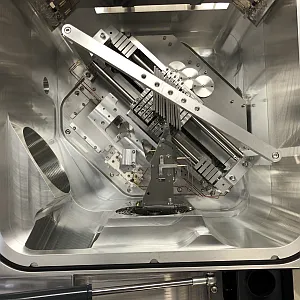
The Materials Characterization Facility (MCF) at Georgia Tech has installed a new inorganic m spectrometry facility. The facility includes two new inductively couple plasma mass spectrometry (ICP-MS) systems: a Thermo iCAP RQ quadrupole ICP-MS for streamlined and high-throughput determinations of elemental concentrations and a Thermo Neoma multicollector ICP-MS with collision cell technology for the precise determinations of isotope ratios within a given sample.
Each instrument can measure elemental variability in both dissolved aqueous samples as well as solids/minerals via laser ablation microsampling from a Teledyne Iridia laser ablation system. Together the system can measure isotopes at precision in elemental systems from Li and U.
Planned applications include: (1) high-resolution measurements of Ca, Sr, Ba, Mg, and B elemental and isotopic variability in seawater and marine and terrestrial carbonates for paleoclimate reconstructions, (2) (U-Th)/Pb dating and Hf isotope measurements to study the origin of critical mineral deposits, with a potential engineering application and the development of novel methods for increasing precision/accuracy and minimizing sample consumption during routine analyses of water quality and environmental contamination.
The MCF welcomes users interested in these and other potential applications of this new facility to their scientific and engineering research to contact David Tavakoli (atavakoli6@gatech.edu).
News Contact
David Tavakoli (atavakoli6@gatech.edu).
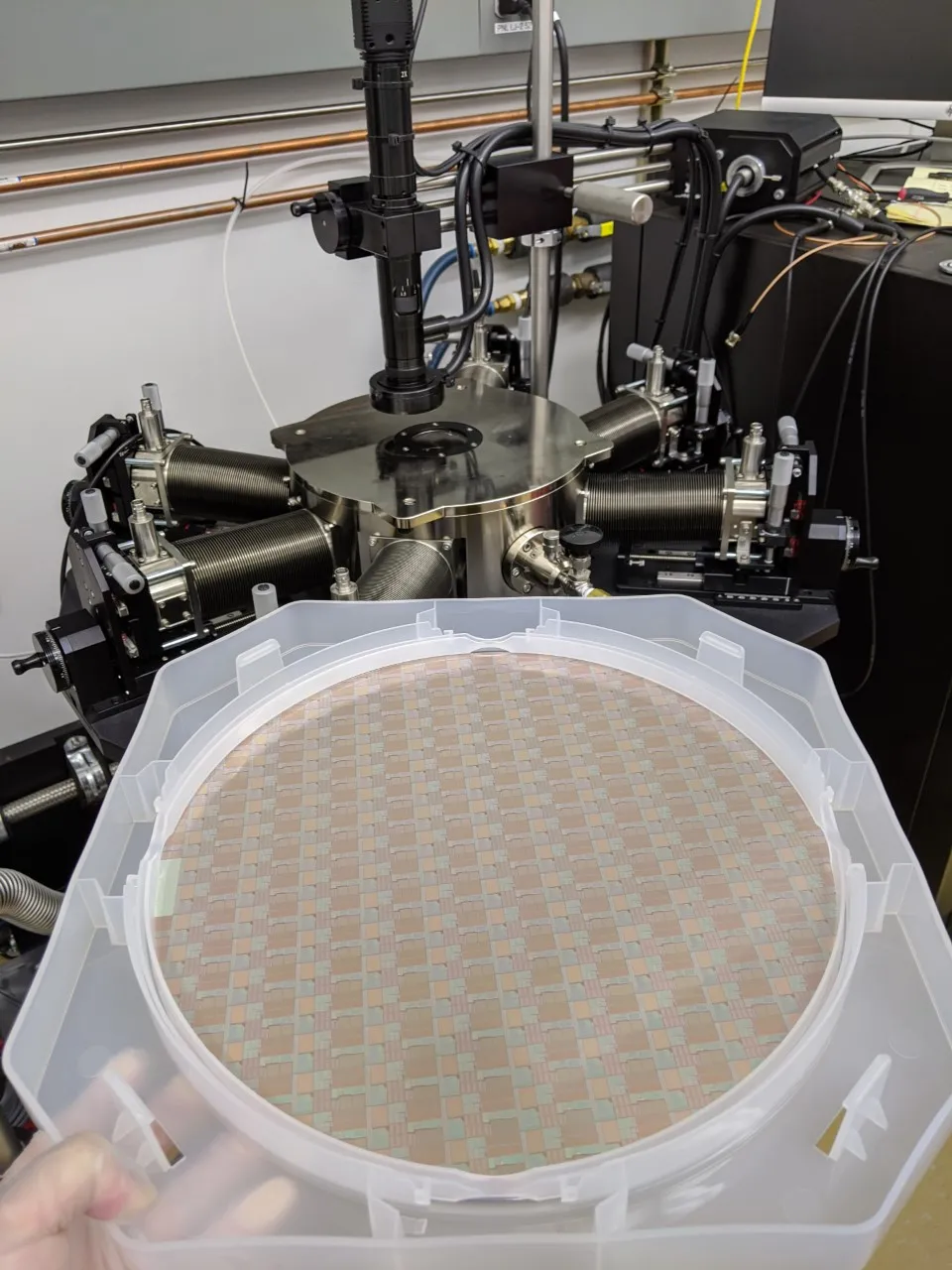
The world’s dependence on semiconductors came into sharp focus in 2021, when automotive manufacturing ground to a halt because of massive computer chip shortages – as Asian suppliers couldn’t keep up with demand for microelectronics – miniaturized electronic circuits and components that drive everything from smartphones to new vehicle components to hypersonics weapons systems.
The culprit was global supply chain disruptions caused by the Covid-19 pandemic. The crisis has highlighted the pressing need for the U.S. to bolster its domestic semiconductor supply chains and industrial capacity, after three decades of decline as a semiconductor producer. The U.S. share of global semiconductor fabrication has dropped to 12% today, compared to 37% in 1990, according to the Semiconductor Industry Association (SIA). In addition, the semiconductor industry today only accounts for 250,000 direct U.S. jobs.
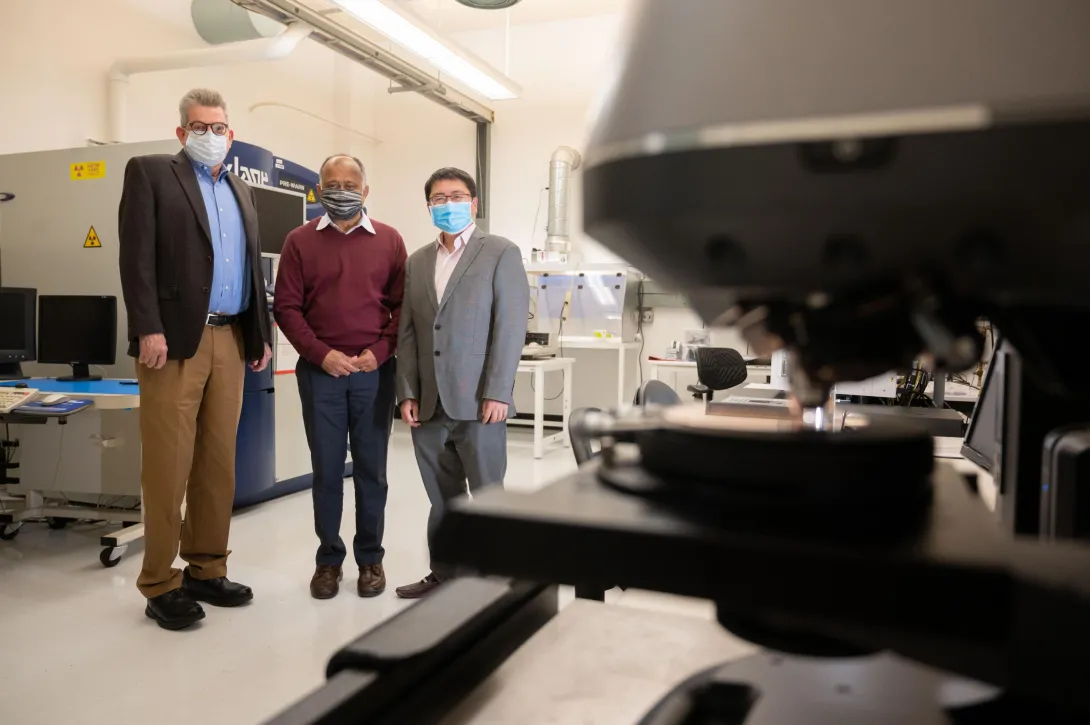
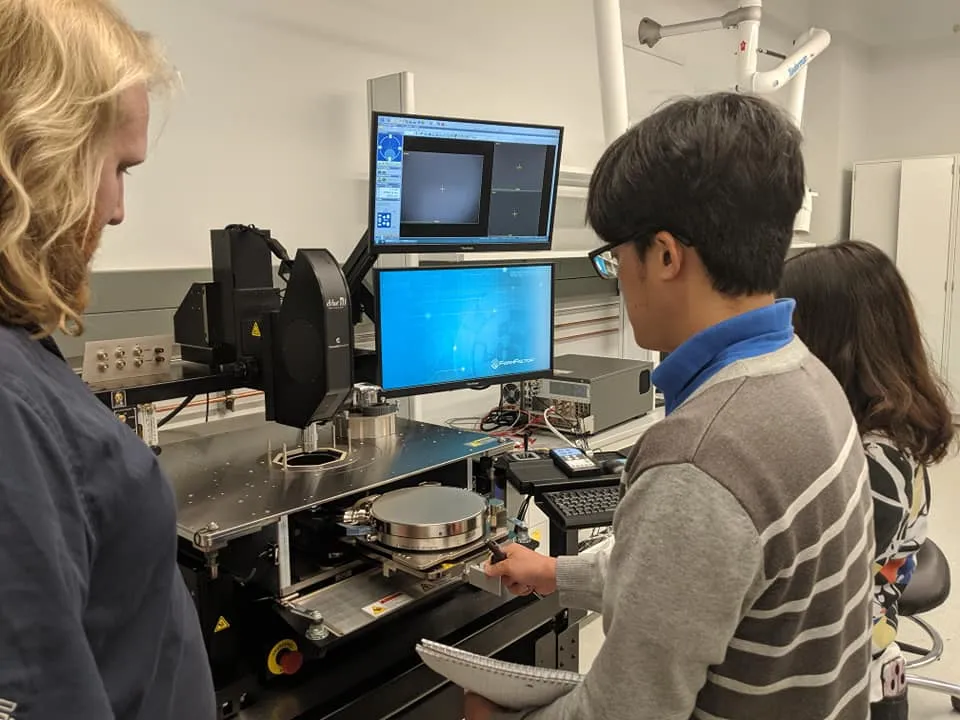
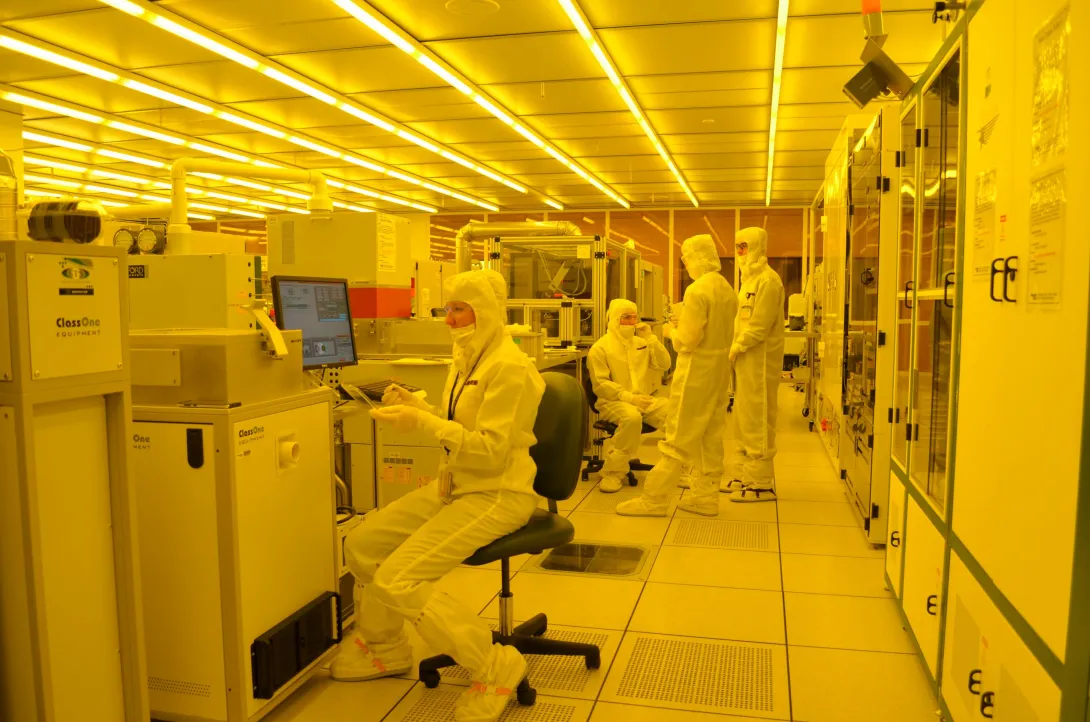
As the country rebuilds its semiconductor infrastructure at home, Georgia Tech serves as a vital partner – to train the microelectronics workforce, drive future microelectronics advances, and provide unique fabrication and packaging facilities for industry, academic and government partners to develop and test new solutions.
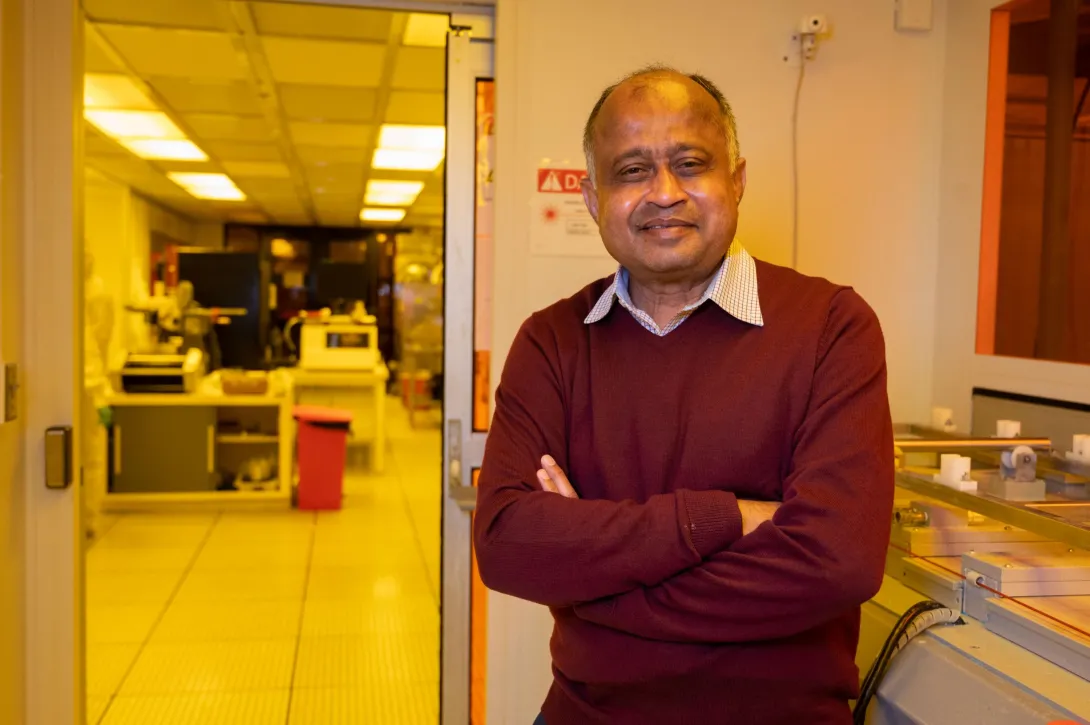
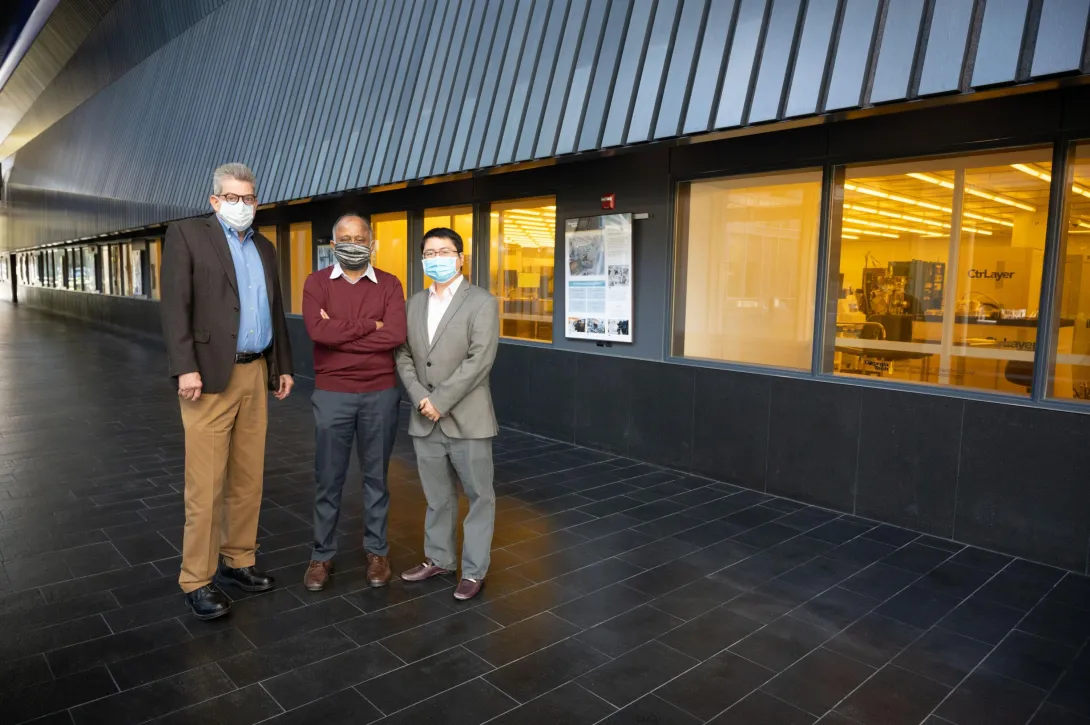
“We’re one of the only universities that can support the whole microelectronics stack – from new materials and devices to packaging and systems,” said Madhavan Swaminathan, the John Pippin Chair in Microsystems Packaging in the School of Electrical and Computer Engineering and director of the 3D Systems Packaging Research Center.