
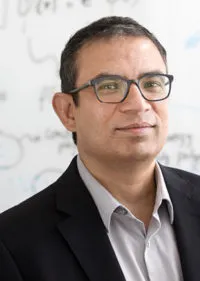
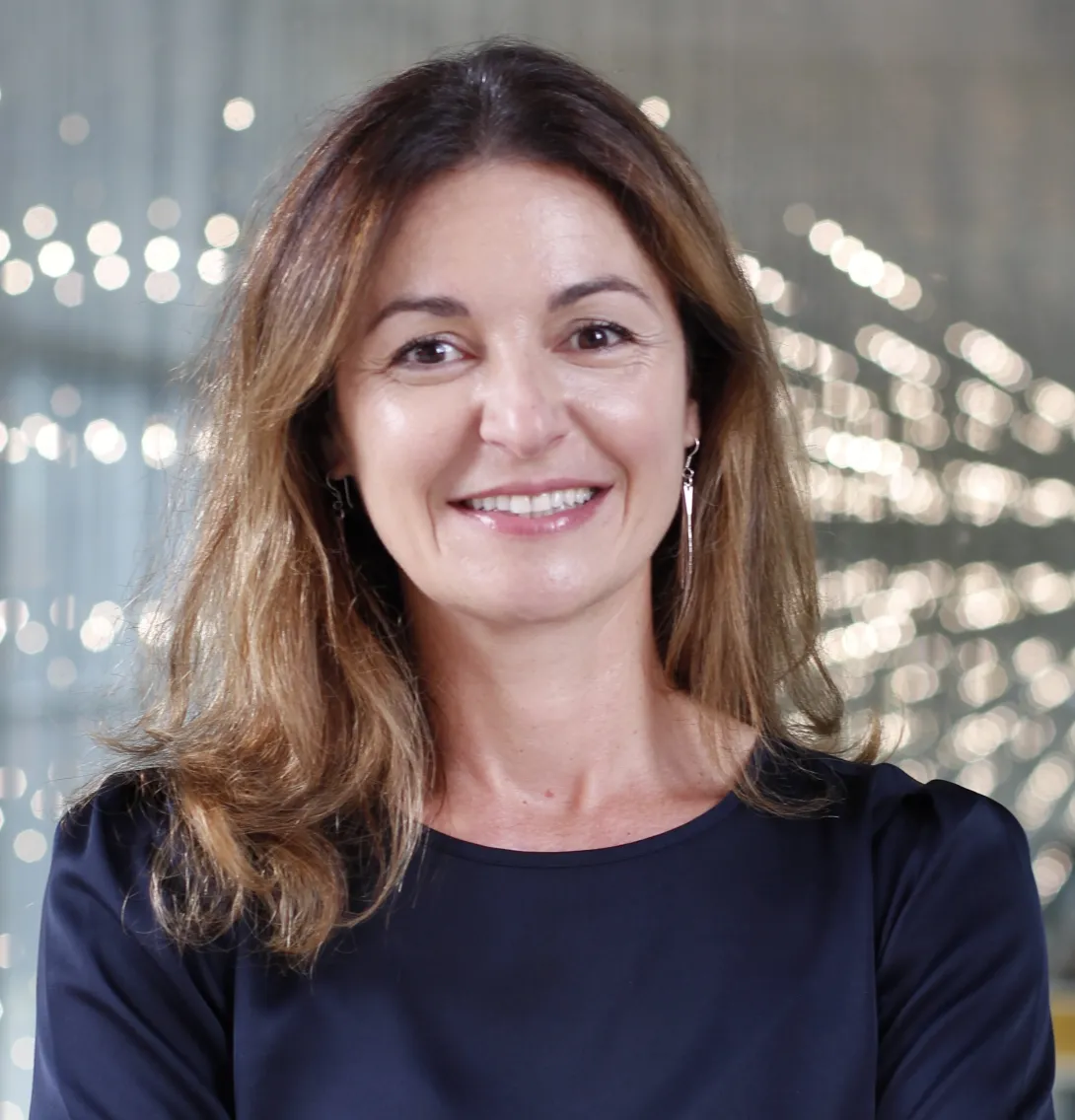
Rampi Ramprasad
The National Science Foundation (NSF) has awarded School of Materials Science and Engineering (MSE) Professor & Regents’ Entrepreneur Rampi Ramprasad a $2 million grant to advance research at the intersection of artificial intelligence (AI) and polymer science. He and a multidisciplinary team of Georgia Tech researchers will design next-generation polymer-based packaging materials that can easily be recycled or biodegraded at the end of their use. The project addresses one of the most pressing challenges in global sustainability: plastic waste.
Read more on the Georgia Tech Materials Science and Engineering Newspage
The general theme of the journal is the development and solution of problems that are adequately motivated to deal with important aspects of the design and/or analysis of transportation systems.
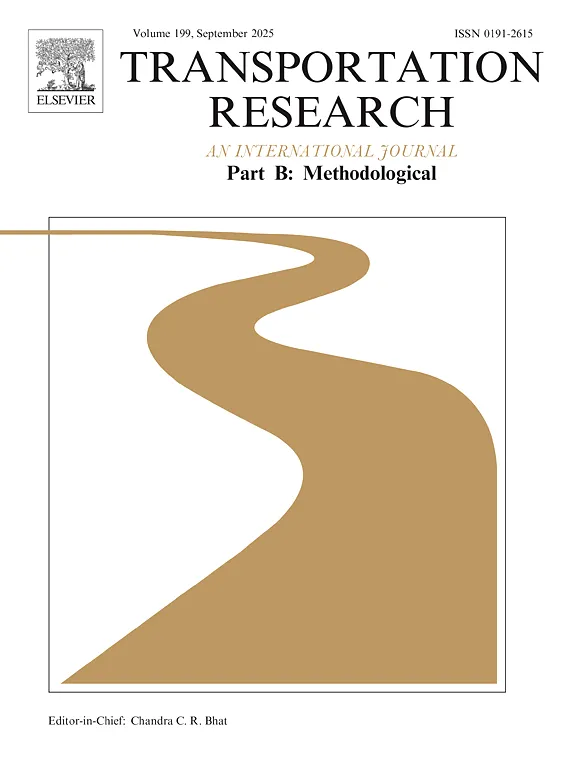
Srinivas Peeta, the Frederick R. Dickerson Chair in Transportation Systems at Georgia Tech’s School of Civil and Environmental Engineering, has been appointed Co-Editor-in-Chief of Transportation Research Part B: Methodological. This prestigious journal focuses on the mathematical and analytical foundations of transportation systems, addressing critical challenges in areas such as traffic flow, network design, control and scheduling, optimization, queuing theory, logistics, and behavioral modeling.
Transportation Research Part B complements other journals in the series—Part A (Policy and Practice), Part C (Emerging Technologies), and Part D (Transport and Environment)—forming a comprehensive suite of publications that collectively represent the forefront of transportation science. The journal serves a diverse and specialized audience, including operations researchers, logisticians, economists, econometricians, mathematical modelers, transportation engineers, geographers, and planners.
Professor Peeta brings decades of experience to this role. His research spans dynamic traffic assignment, congestion mitigation, and the development of resilient transportation networks. His association with Transportation Research Part B began in the early 1990s as a reviewer, and he has since published approximately 25 papers in the journal. Since 2019, he has served as an Associate Editor, playing a key role in managing the editorial process and upholding the journal’s high standards.
Please join us in congratulating Professor Peeta for this well-earned recognition. We are confident he will continue to guide Transportation Research Part B with excellence and vision, shaping the future of transportation research.
News Contact
info@scl.gatech.edu
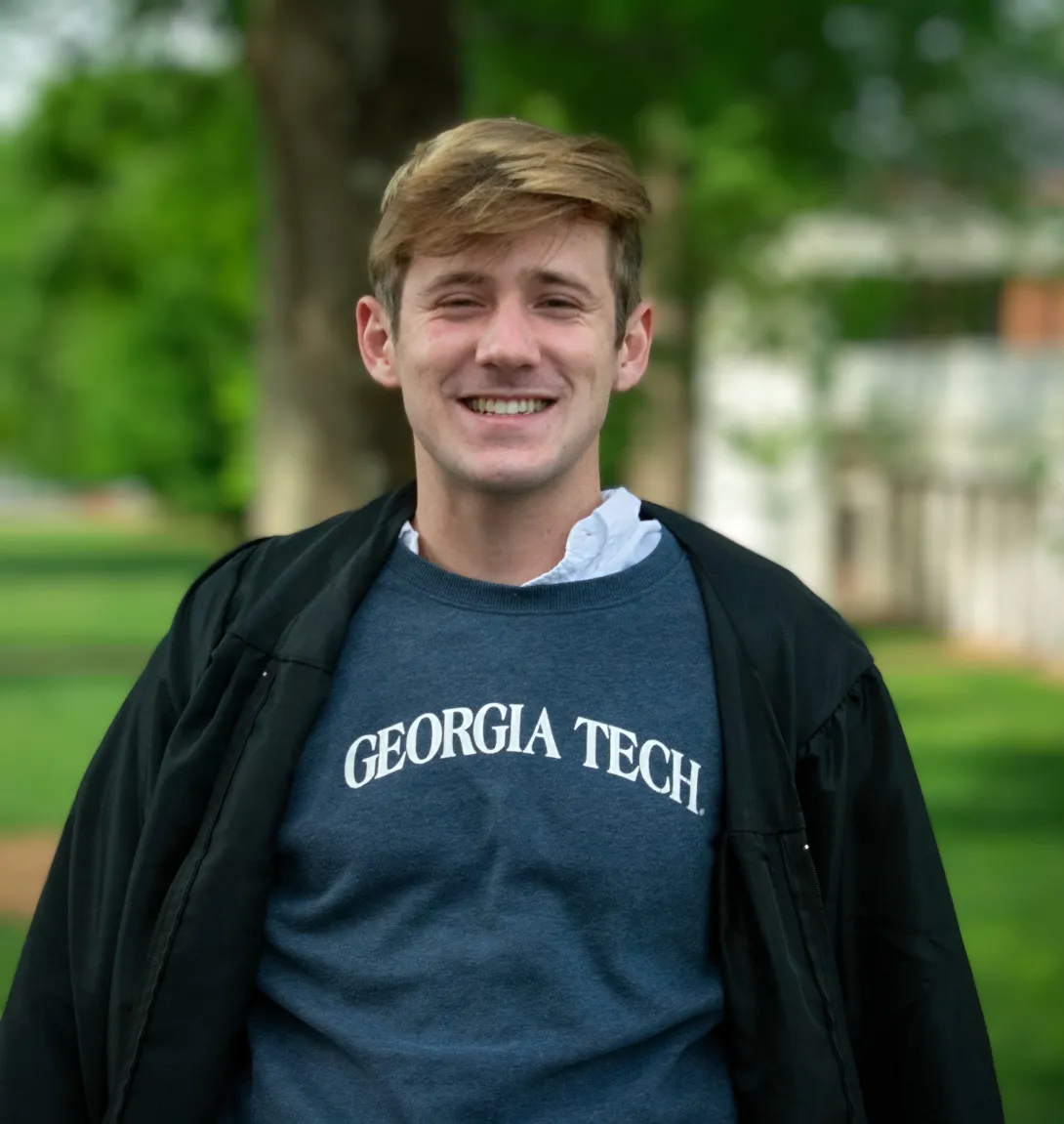
J. Cole Faggert, a Ph.D. student in the School of Physics, has received a NASA FINESST (Future Investigators in NASA Earth and Space Science and Technology) Award to study supermassive black holes and the physics of their plasma flows. His research proposal was one of 24 selected from more than 450 astrophysics submissions this year.
“It’s amazing to be recognized for this research,” says Faggert. “I am grateful to my research group for helping me prepare the proposal and inspiring my ideas.”
Through the FINESST program, NASA’s Science Mission Directorate provides three-year grants for “graduate student-designed and performed research projects that contribute to its science, technology, and exploration goals,” according to the program’s website.
Faggert will serve as the future investigator of the award and will be advised by Feryal Özel, chair and professor in the School of Physics.
“I am very proud that Cole has been selected for the FINESST Fellowship, one of the most competitive graduate awards in the country,” says Özel, who is the principal investigator of the research. “This fellowship will support groundbreaking research on multi-wavelength imaging of black holes — an area central to advancing our understanding of black holes and galaxies. It is especially exciting that this work also contributes directly to the development of our space-based mission at Georgia Tech.”
A key aspect of Faggert’s proposal is its multi-frequency approach, which generates and analyzes images of supermassive black holes using different radio wavelengths. When combined and compared, these multi-frequency observations allow scientists to learn about black holes and explore fundamental physical concepts such as gravity and plasma behavior.
“One of the coolest things about studying cosmic objects like black holes is that you have to work with the information you have,” explains Faggert. “But when you combine several avenues of information, like in multi-frequency radio imaging, you can gain a better understanding of phenomena and under conditions that can’t be replicated on Earth.”
This research aligns with current trends in astrophysics that focus on advanced imaging techniques to broaden the data available on the structure, formation, and behavior of black holes and other celestial objects. According to Faggert, this information can then be contrasted with theoretical simulations, providing insights into fundamental physics and the nature of the universe.
Receiving the FINESST Award is particularly meaningful for Faggert, given his longstanding interest in space and his previous exposure to NASA’s Wallops Flight Facility and Langley Research Center through the Virginia Aerospace Science and Technology Scholars program.
“Being associated with NASA holds a special place in my heart. Over the years, my focus has shifted from designing space missions to studying the science those missions make possible. It is definitely rewarding to come full circle and be recognized by NASA for this research,” he adds.
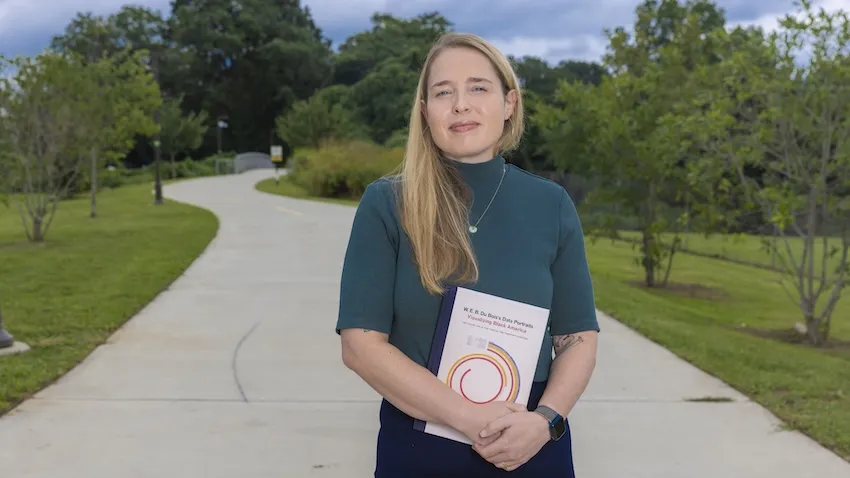
Research Scientist Amanda Meng
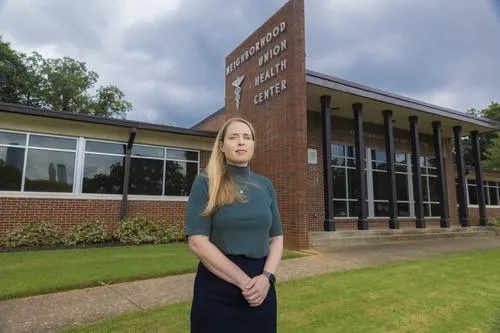
Amanda Meng
As technology becomes increasingly intertwined with all aspects of society, more researchers are interested in how to use these tools to advance social equity.
One of these researchers is Amanda Meng, senior research scientist in the School of Computer Science (SCS). The overarching theme in Meng’s work is the relationship between power and data and how different social groups can make use of data to shift power.
As the only social scientist in SCS, Meng sees her role as an “important and potentially powerful interdisciplinary connection.”
Connecting Social Justice with Data
Although focused on political and social change, Meng’s work has always had links to technology.
After completing her undergraduate education at Georgia Tech, Meng joined the Peace Corps, where she served in the Dominican Republic. She spent two years there working to improve computer literacy in schools and create community computer labs.
Meng said her time in the Peace Corps made her interested in how communities advocated for themselves. She explored this idea further while completing her Ph.D. from the Georgia Tech Sam Nunn School of International Affairs.
With her Ph.D. in hand, Meng was hired as a research scientist in SCS, working under Professor Ellen Zegura and School of Interactive Computing Professor Carl DiSalvo on civic data projects based in Atlanta.
This experience made her curious about the interaction between data literacy and civic literacy.
“We live in such a data-fied society that a lot of advocacy work often does involve data because to make your claims legitimate, policy makers want to see and understand the data,” she said.
Following a brief stint in the private sector as a data consultant, Meng returned to SCS, this time as a research scientist working on IODA (Internet Outage Detection and Analysis) with Associate Professor Alberto Dainotti. IODA is a research project and online platform that provides real-time measurements on global internet connectivity.
In her contribution to the IODA project, Meng aims to improve the usability of IODA, particularly by users affected by government-ordered shutdowns, by developing IODA users’ internet measurement literacy. Currently, IODA provides the most granular, near-real-time data on Internet infrastructure connectivity. Meng uses this data to collaborate with global advocacy groups to publish reports detailing IODA’s measurements alongside its sociopolitical context. Meng said the eventual goal of her work with IODA is for others to know how to use the platform to monitor for events and advocate against shutdowns.
“The platform is really only as successful as its userbase is at understanding, making use, and acting on its data,” Meng said.
In the past year, Meng was awarded her first grant as principal investigator. The grant uses Aggie, an open-source tool developed at Tech that aggregates content from the internet.
Previously, Aggie has been used to monitor elections on social media. Meng said she wants to explore using it to monitor internet shutdowns or censorship events. She is currently conducting a pilot study to test the system, which will determine whether Aggie offers a more collaborative and coordinated way to monitor connectivity across measurement and social media data.
The Role of a Research Scientist
As a research scientist, almost all of Meng’s work is oriented toward research. This includes working on proposals and existing grants, as well as advising students.
“We love to involve students in our research,” she said. “We aren’t just here to do research. We are here to involve students in research so they can learn and develop domain skills and research skills.”
Since 2024, Meng has served on the School Advisory Committee in SCS. She says it’s important to have research faculty in service roles, as they have a different set of needs in their position.
“Through the funding we can apply for, the research we do, and the work we do with students, we are an important multiplier for the work that the School wants to cultivate,” Meng said.
Community Driven
Even as a Ph.D. student, Meng said she wanted to contribute to local community groups. An important value she learned in the Peace Corps was to be an active participant in the community she lived in.
Meng started getting involved in a housing justice project in Atlanta’s Westside neighborhood that was collecting data related to their mission. They soon discovered that some residents’ data was more accurate than official records because they lived there.
“We also learned it’s not all about impacting legislation,” Meng said. “It’s about mobilizing resources within the community, and the fact that data could be used to do that was an important finding, and it’s something that I want to continue to draw out with data and AI.”
Meng has continued to work with the group from that project and wants to continue ethnographic research into how data and AI are used to create change.
“AI could have the ability to consolidate power in the hands of those who develop closed-source models," Meng said. "It’s important to study the entities that are developing AI as much as we study the communities that might make use of or be most minoritized by AI."
News Contact
Morgan Usry, School of Computer Science Communications Officer
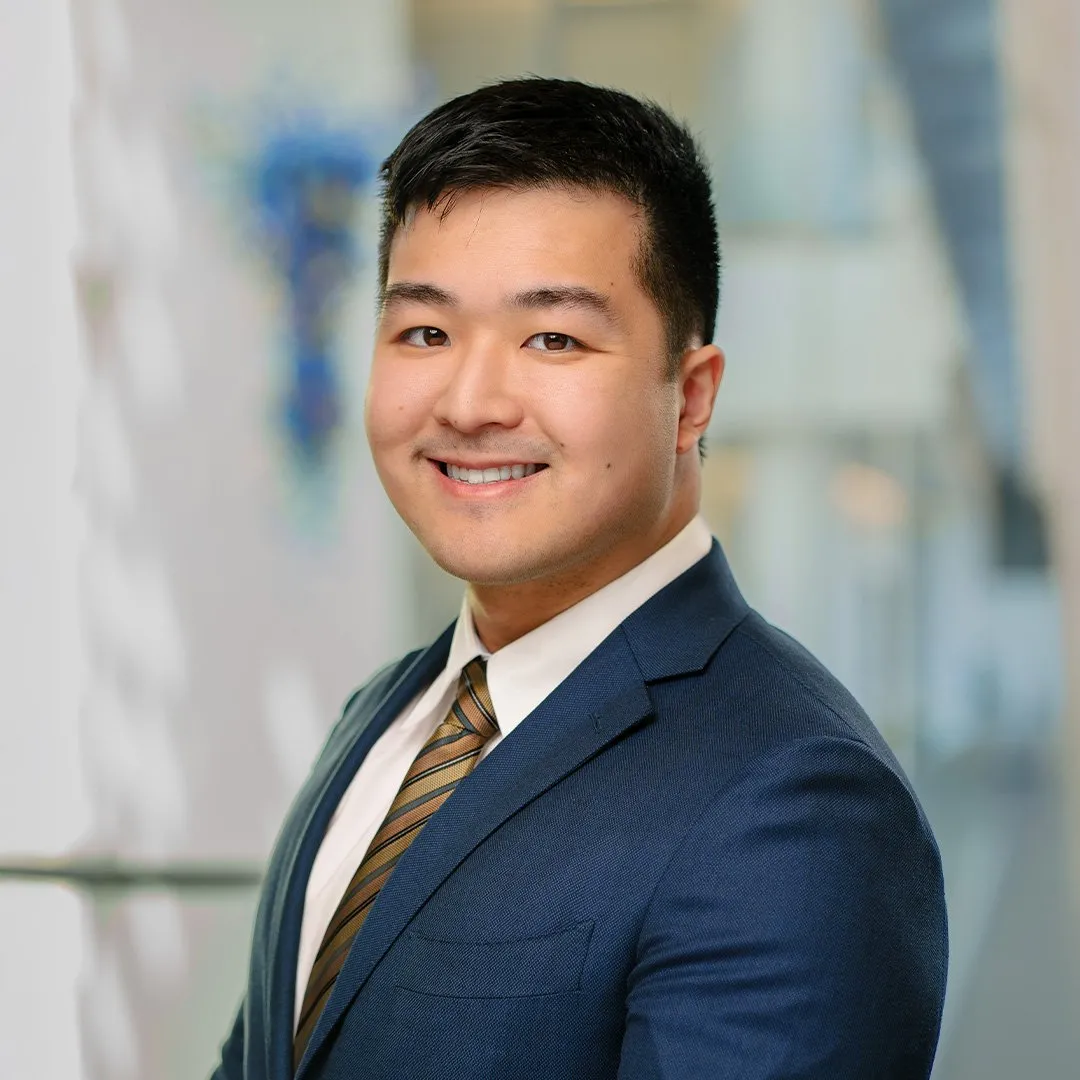
Daniel Yue, assistant professor of IT Management
Daniel Yue, assistant professor of IT Management at the Scheller College of Business, has been awarded the prestigious Best Dissertation Award by the Technology and Innovation Management Division of the Academy of Management. The recognition celebrates the most impactful doctoral research in the field of business and innovation.
Yue’s dissertation, developed during his Ph.D. at Harvard Business School, explores a paradox at the heart of the AI industry: why do firms openly share their innovations, like scientific knowledge, software, and models, despite the apparent lack of direct financial return? His work sheds light on the strategic and economic mechanisms that drive this openness, offering new frameworks for understanding how firms contribute to and benefit from shared technological progress.
“We typically think of firms as trying to capture value from their innovations,” Yue explained. “But in AI, we see companies freely publishing research and releasing open-source software. My dissertation investigates why this happens and what firms gain from it.”
News Contact
Kristin Lowe (She/Her)
Content Strategist
Georgia Institute of Technology | Scheller College of Business
kristin.lowe@scheller.gatech.edu
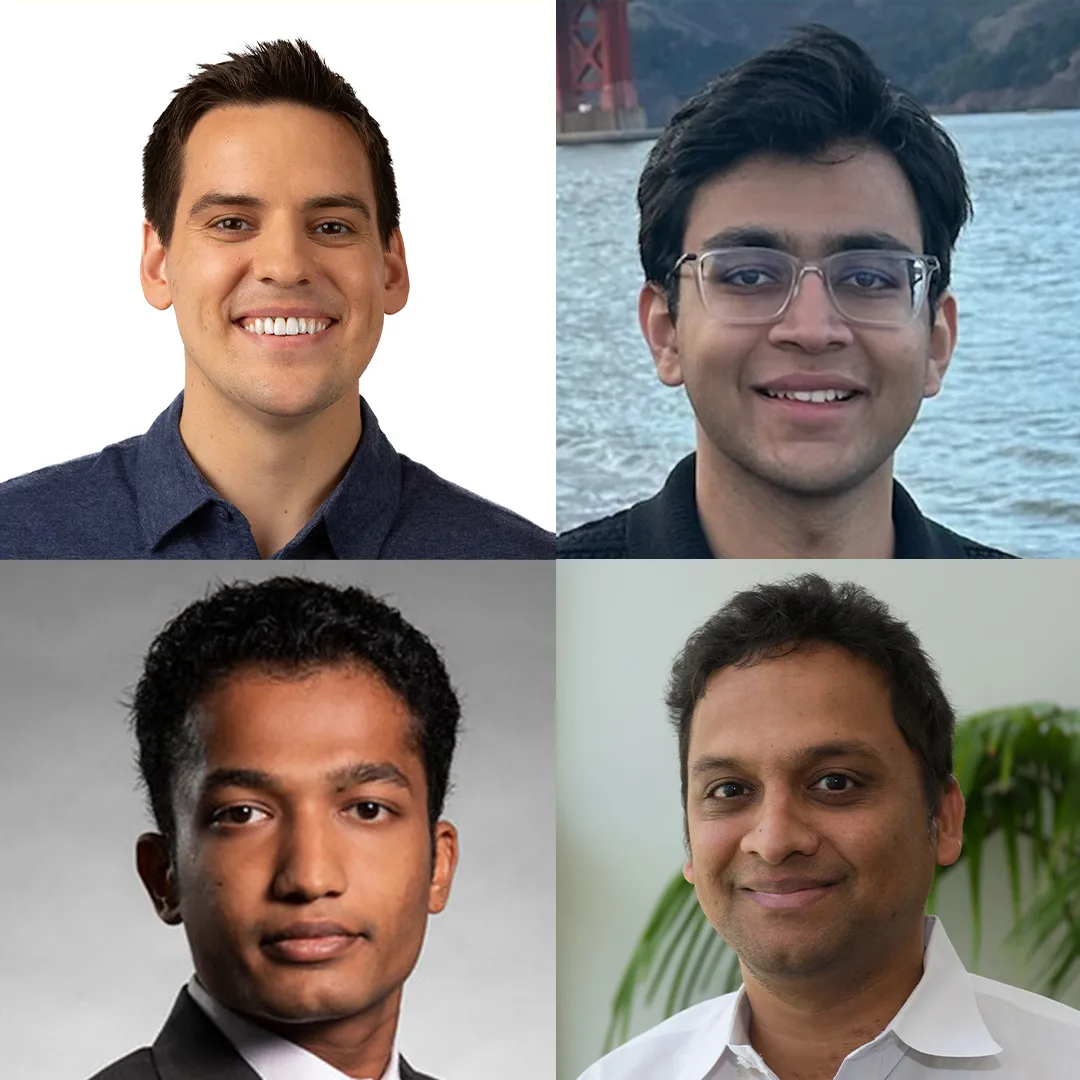
Michael Galarnyk, Ph.D. Machine Learning ’28; Veer Kejriwal, B.S. Computer Science ’25; Agam Shah, Ph.D. Machine Learning ’26; and Sudheer Chava, Alton M. Costley Chair and professor of Finance at Georgia Tech
Georgia Tech researchers have designed the first benchmark that tests how well existing AI tools can interpret advice from YouTube financial influencers, also known as finfluencers.
Lead author Michael Galarnyk, Ph.D. Machine Learning ’28, joined lead authors Veer Kejriwal, B.S. Computer Science ’25, and Agam Shah, Ph.D. Machine Learning ’26, along with co-authors Yash Bhardwaj, École Polytechnique, M.S. Trustworthy and Responsible AI ‘27; Nicholas Meyer, B.S. Electrical and Computer Engineering ’22 and Quantitative and Computational Finance ’24; Anand Krishnan, Stanford University, B.S. Computer Science ‘27; and, Sudheer Chava, Alton M. Costley Chair and professor of Finance at Georgia Tech.
Aptly named VideoConviction, the multimodal benchmark included hundreds of video clips. Experts labelled each clip with the influencer’s recommendation (buy, sell, or hold) and how strongly the influencer seemed to believe in their advice, based on tone, delivery, and facial expressions. The goal? To see how accurately AI can pick up on both the message and the conviction behind it.
“Our work shows that financial reasoning remains a challenge for even the most advanced models,” said Michael Galarnyk, lead author. “Multimodal inputs bring some improvement, but performance often breaks down on harder tasks that require distinguishing between casual discussion and meaningful analysis. Understanding where these models fail is a first step toward building systems that can reason more reliably in high stakes domains.”
News Contact
Kristin Lowe (She/Her)
Content Strategist
Georgia Institute of Technology | Scheller College of Business
kristin.lowe@scheller.gatech.edu
The Strategic Energy Institute and the Energy Policy and Innovation Center at Georgia Tech are pleased to announce that applications are now open for two graduate student fellowships this fall.
The James G. Campbell Fellowship is designed to support Georgia Tech graduate students conducting research in the field of renewable energy and provides a $1,500 award.
The annual SPARK award is given to current Georgia Tech graduate students who have demonstrated outstanding leadership in advancing student engagement with energy research and with evidence of broader impacts and service or leadership. The number of SPARK awards is variable, depending on funding.
To be eligible, student applicants must be U.S. citizens or permanent residents and currently writing a thesis or dissertation focused on renewable energy.
The application deadline is Sept. 4, 2025.
Applicants must submit the following materials to the Energy Comments Mailbox of the Strategic Energy Institute:
- A brief cover letter (one to two paragraphs) explaining their motivation for studying their academic discipline and what they hope to accomplish in the field.
- Their full name, GTID number, anticipated graduation date, and field of research.
- A current resume.
- In addition, a one-page letter of nomination from a faculty member must be submitted separately to the same mailbox. Graduate students are strongly encouraged to begin the process of securing this nomination letter as early as possible.
These fellowships offer a valuable opportunity to gain recognition and support for work in renewable energy. All eligible graduate students are encouraged to apply and take the next step in advancing their academic and professional goals.
News Contact
Priya Devarajan || SEI Communications Program Manager
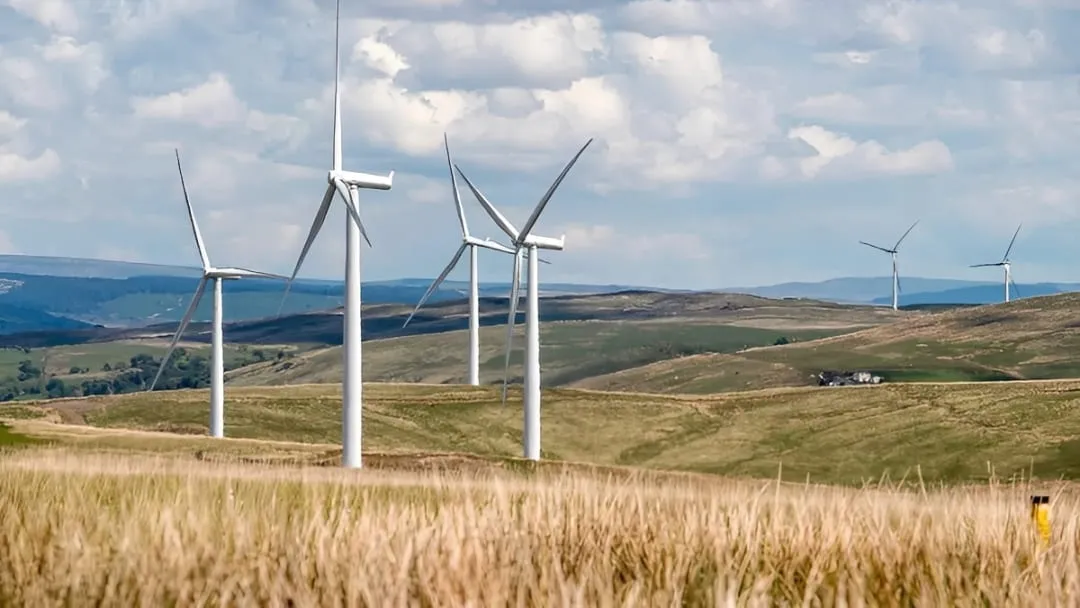
A Georgia Tech study examines how short-term variability in wind power—known as wind intermittency—affects real-time electricity system imbalances in U.S. regional power markets.
This study examines how short-term variability in wind power—known as wind intermittency—affects real-time electricity system imbalances in U.S. regional power markets. The authors, Victoria Godwin and Matthew E. Oliver of the Georgia Institute of Technology and EPIcenter affiliates, analyze data from four major system operators: Bonneville Power Administration (BPA), New York ISO (NYISO), Southwest Power Pool (SPP), and PJM Interconnection. They focus on Area Control Error (ACE), a real-time metric used by grid operators to measure the mismatch between electricity supply and demand, adjusted for frequency deviations. Maintaining ACE near zero is essential for grid stability.
The authors find that a doubling of hourly wind generation variance increases average hourly ACE by 2% in BPA, 3.7% in NYISO, and 11.4% in SPP—equivalent to 1.2 MW, 1.8 MW, and 9.35 MW increases in system imbalance, respectively. PJM shows no significant effect, likely due to less granular data. They also show that sudden increases in wind generation are more likely to cause oversupply (positive ACE), while sudden drops lead to undersupply (negative ACE), confirming asymmetric operational impacts.
Read Full Story on the EPIcenter Website
News Contact
Gilbert Gonzalez || EPIcenter
Media Contact: Priya Devarajan | Strategic Energy Institute
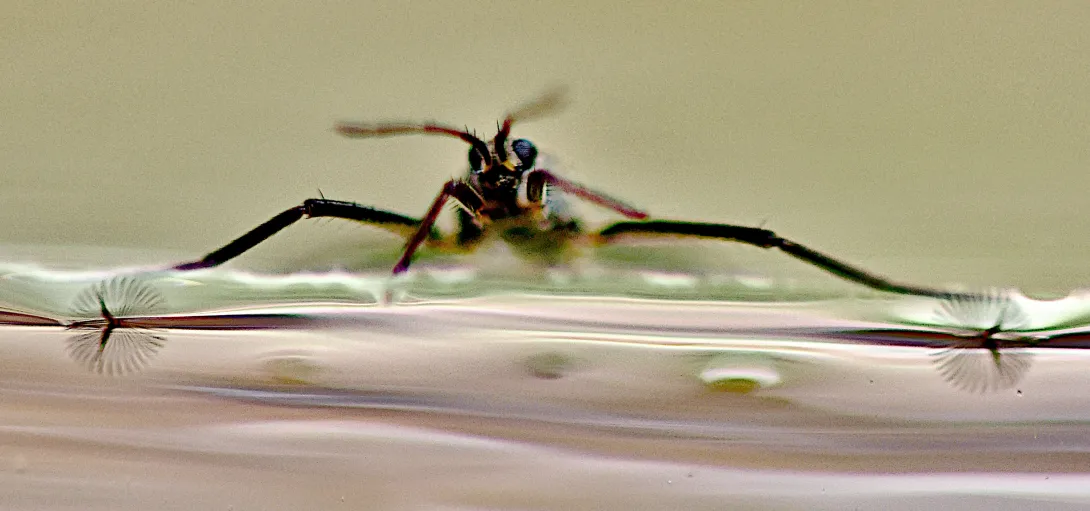
A new study explains how tiny water bugs use fan-like propellers to zip across streams at speeds up to 120 body lengths per second. The researchers then created a similar fan structure and used it to propel and maneuver an insect-sized robot.
The discovery offers new possibilities for designing small machines that could operate during floods or other challenging situations.
Instead of relying on their muscles, the insects about the size of a grain of rice use the water’s surface tension and elastic forces to morph the ribbon-shaped fans on the end of their legs to slice the water surface and change directions.
Once they understood the mechanism, the team built a self-deployable, one-milligram fan and installed it into an insect-sized robot capable of accelerating, braking, and maneuvering right and left.
The study is featured on the cover of the journal Science.
Read the entire story and see the robot in action on the College of Engineering website.
News Contact
Jason Maderer
College of Engineering
maderer@gatech.edu
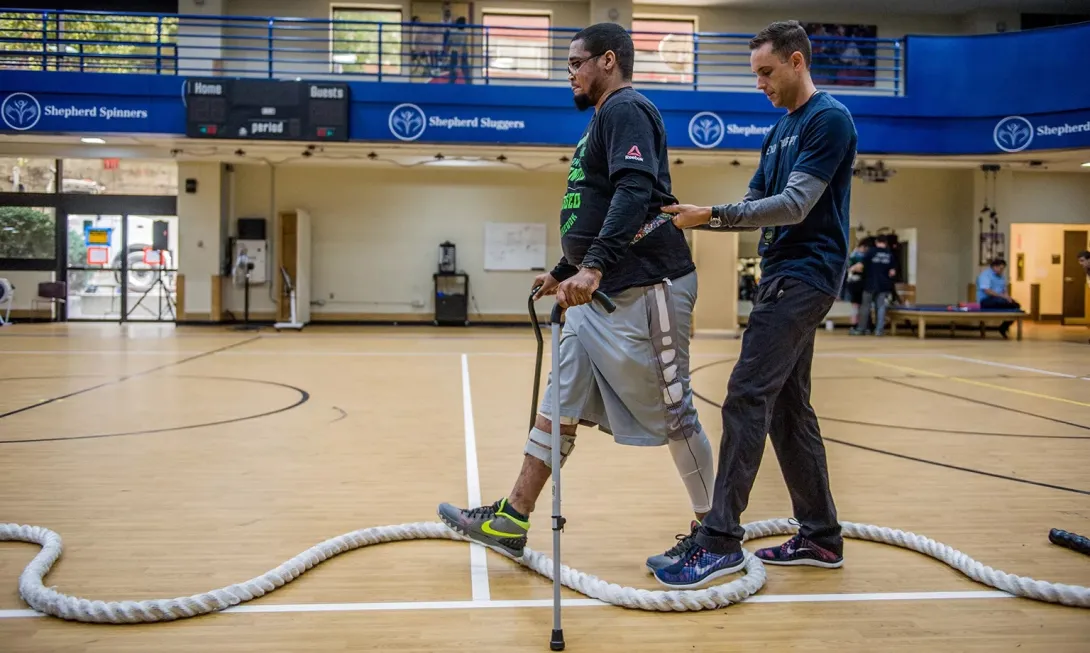
The seed grants will fund projects focused on enhancing wheelchair seating surfaces, supporting stroke patients as they transition home from rehabilitation, assessing lower limb exoskeleton technologies, and exploring the use of AI in remote rehab settings. Photo: Shepherd Center.
Georgia Tech and Shepherd Center recently awarded four seed grants totaling nearly $200,000 to researchers focusing on projects that will advance discoveries in neurorehabilitation, including acquired brain injury, spinal cord injury, multiple sclerosis, chronic pain, and other neurological conditions.
The Georgia Tech-Shepherd Center Seed Grant Program is part of an ongoing partnership between the two institutions that started in 2023 with the goal of advancing rehabilitative patient care and research.
“The seed grant program is intended to stimulate new interdisciplinary research collaborations by providing seed funding to obtain preliminary data or prototypes necessary for the submission of an external grant or industry opportunities,” says Deborah Backus, vice president of Research and Innovation at Shepherd Center. “As two leading research institutions, we know the potential for advancing rehabilitation therapies is even greater when we work together. We look forward to the solutions, treatments, and therapies that emerge from these initial seed grants.”
Experts from both institutions evaluated and scored seed grant applications based on the research’s innovation, approach, and potential for training opportunities, as well as its anticipated impact, prospects for commercial translation, and strategy for securing continued funding. This year, each awardee team received close to $50,000.
“We are very excited to launch this new seed grant program, which will spur ideas and propel research forward,” said Michelle LaPlaca, professor in the Coulter Department of Biomedical Engineering and the Georgia Tech lead of the Collaborative. “The complementary expertise of Georgia Tech and Shepherd Center researchers, combined with the motivation to find solutions for individuals with neurological injury and disability, is a winning formula for innovation.”
"Offering new hope for neurorehabilitation patients requires bringing together interdisciplinary researchers to explore new and creative ideas,” adds Chris Rozell, Julian T. Hightower Chaired professor in the School of Electrical and Computer Engineering and the inaugural executive director of the Institute of Neuroscience, Neurotechnology, and Society (INNS) at Georgia Tech. “I'm excited to see the talent at these world class institutions coming together to develop new solutions for these complex problems."
This year’s seed grants were awarded to the following projects:
- Proof of Concept Development of the Recovery Cushion – Stephen Sprigle, professor, School of Industrial Design and School of Mechanical Engineering, Georgia Tech; Jennifer Cowhig, research physical therapist, Shepherd Center.
- Paving a Smooth Path from Hospital to Home: A Feasibility Study of an Integrated Smart Transitional Home Lab to Support Stroke Rehabilitation Patients’ Transition to Home – John Morris, senior clinical research scientist, Shepherd Center; Hui Cai, professor in the School of Architecture, executive director of the SimTigrate Design Center, Georgia Tech.
- A Comparative Analysis of Lower-Limb Exoskeleton Technology for Non-Ambulatory Individuals with Spinal Cord Injury – Maegan Tucker, assistant professor, School of Electrical and Computer Engineering and School of Mechanical Engineering, Georgia Tech; Nicholas Evans (AP 2023), clinical research scientist, Shepherd Center.
- Improving Accessibility and Precision in Neurorehabilitation at the Point of Care with AI-Driven Remote Therapeutic Monitoring Solutions – Brad Willingham, clinical research scientist, director of Multiple Sclerosis Research, Shepherd Center; May Dongmei Wang, professor, Wallace H. Coulter Department of Biomedical Engineering, Georgia Tech.
News Contact
Kerry Ludlam
Director of Communications
Shepherd Center
Audra Davidson
Research Communications Program Manager
Institute for Neuroscience, Neurotechnology, and Society