
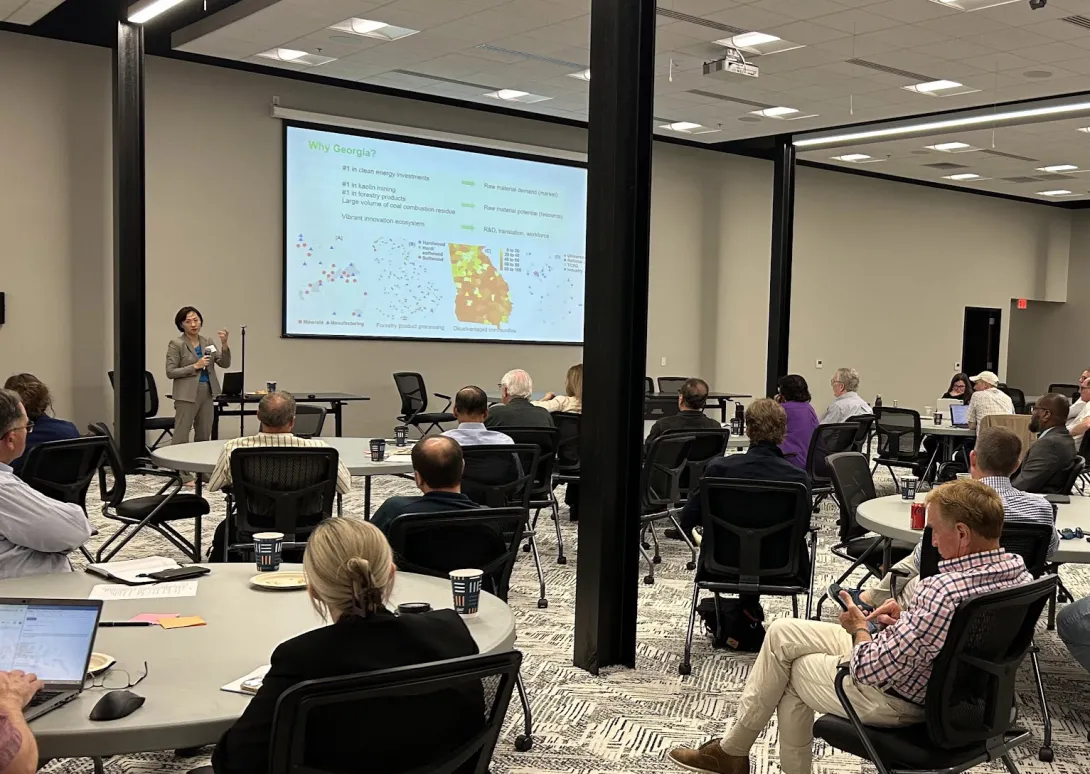
Yuanzhi Tang, Georgia Tech Professor, and Strategic Energy Institute's initiative lead for Sustainable Resources providing an overview of GEMs-3 and GRACE Engine at the workshop in Macon, GA
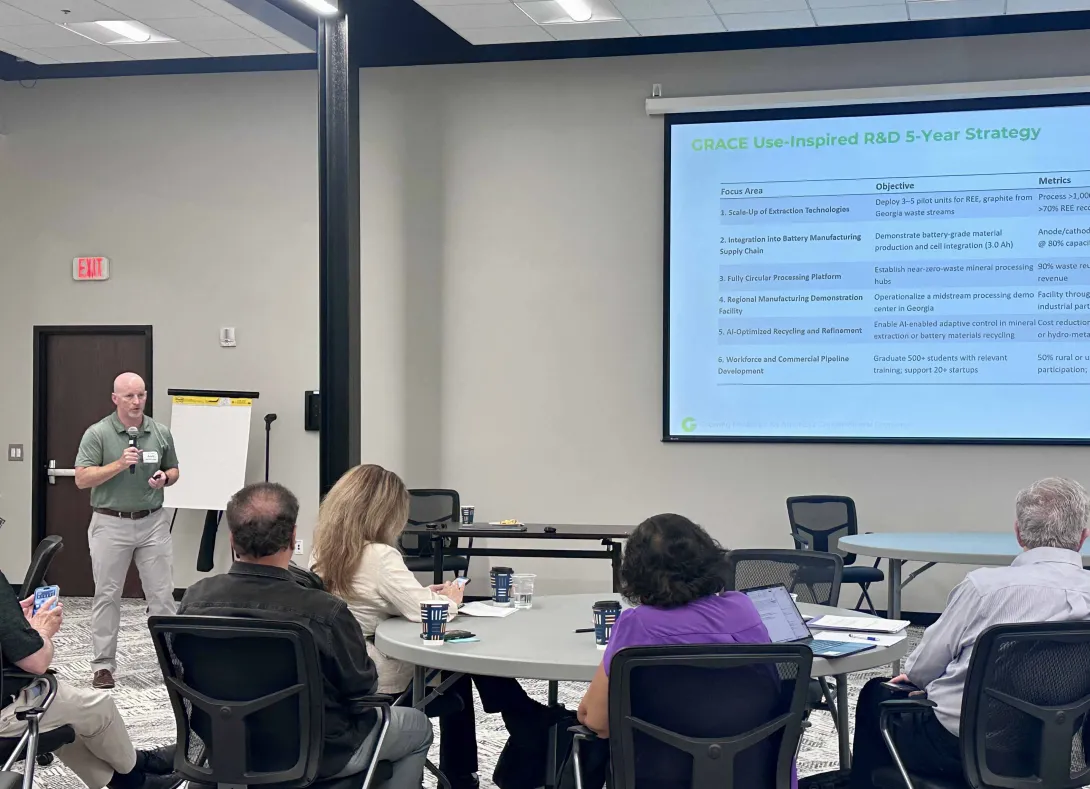
Scott McWhorter, Distinguishied External Fellow and Federal Funding Lead at the Strategic Energy Institute presenting during the GEMs-3 and GRACE Workshop
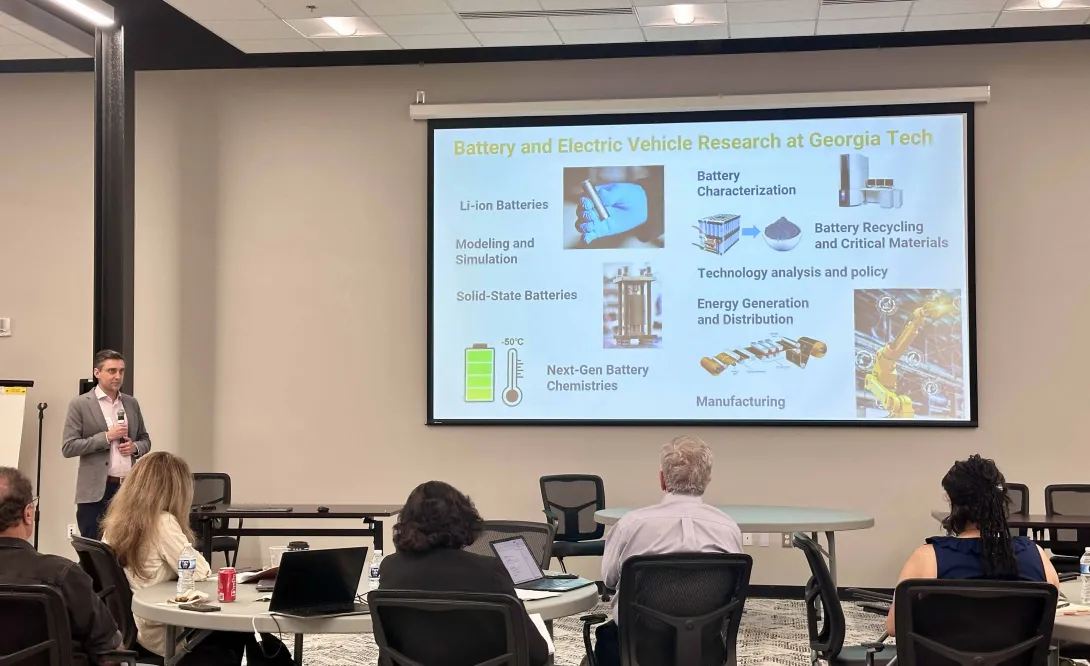
Matt McDowell, Professor at Georgia Tech presenting during the GEMs-3 and GRACE Workshop
On April 29, nearly 70 attendees representing 36 organizations from industry, government, academia, and nonprofits gathered at the Middle Georgia Regional Commission for the third Georgia Partnerships for Essential Minerals (GEMs) Workshop, held jointly with the Growing Resilience for America’s Critical Mineral Economy (GRACE) Engine initiative. The workshop marked a pivotal step in the region’s critical mineral strategy, bringing together leaders across sectors to align priorities and accelerate ecosystem development.
Hosted by the Center for Critical Mineral Solutions and Strategic Energy Institute at Georgia Tech in partnership with the Middle Georgia Regional Commission, GEMs-3 highlighted the economic development potential of critical minerals through production and recycling. Critical Minerals such as rare earth elements, gallium, and graphite are materials essential for technologies ranging from electric vehicles, permanent magnets to national defense systems. Building on the industry-led conception of GEMs-1 and road mapping efforts at GEMs-2, this workshop focused on translating strategy into action, with particular emphasis on use-inspired innovation, commercialization, workforce development, community engagement, and strategic investment.
Keynote speaker Costas Simoglou, director of the Center of Innovation for Energy Technology at the Georgia Department of Economic Development, emphasized the state’s leadership in advanced energy manufacturing and innovation. Sessions highlighted ecosystem capabilities and insights from experts at Southern Company, Chemours, Ginn Technology Group, Savannah River National Laboratory, Georgia Research Alliance, Georgia Cleantech Innovation Hub, Georgia Artificial Intelligence in Manufacturing, Technical College System of Georgia, University of Georgia, Partnership for Innovation, the Supply Chain and Logistics Institute, and the Advanced Battery Center.
Yuanzhi Tang, professor at Georgia Tech and director of the Center for Critical Mineral Solutions, shared an update on the GRACE Engine initiative, which aims to develop a co-located innovation ecosystem that integrates extraction, processing and advanced manufacturing across Georgia. “The GRACE vision is to move from potential to practice,” said Tang, “by building a regional supply chain that is resilient, sustainable, built for speed and benefits all stakeholders.”
Afternoon breakout discussions brought participants together into focused groups to explore commercialization models, community advisory board structures, and pilot program priorities. Participants emphasized the importance of fast-start strategies, shared economic development, and leveraging existing regional strengths and infrastructure.
As Georgia continues to lead in kaolin mining and advanced manufacturing, the GEMs-GRACE platform stands as a model for how states can turn mineral resources and waste streams into new engines of economic opportunity.
For more information, visit gems.research.gatech.edu.
News Contact
Written by: Yuanzhi Tang
News contact: Priya Devarajan | SEI Communications Program Manager
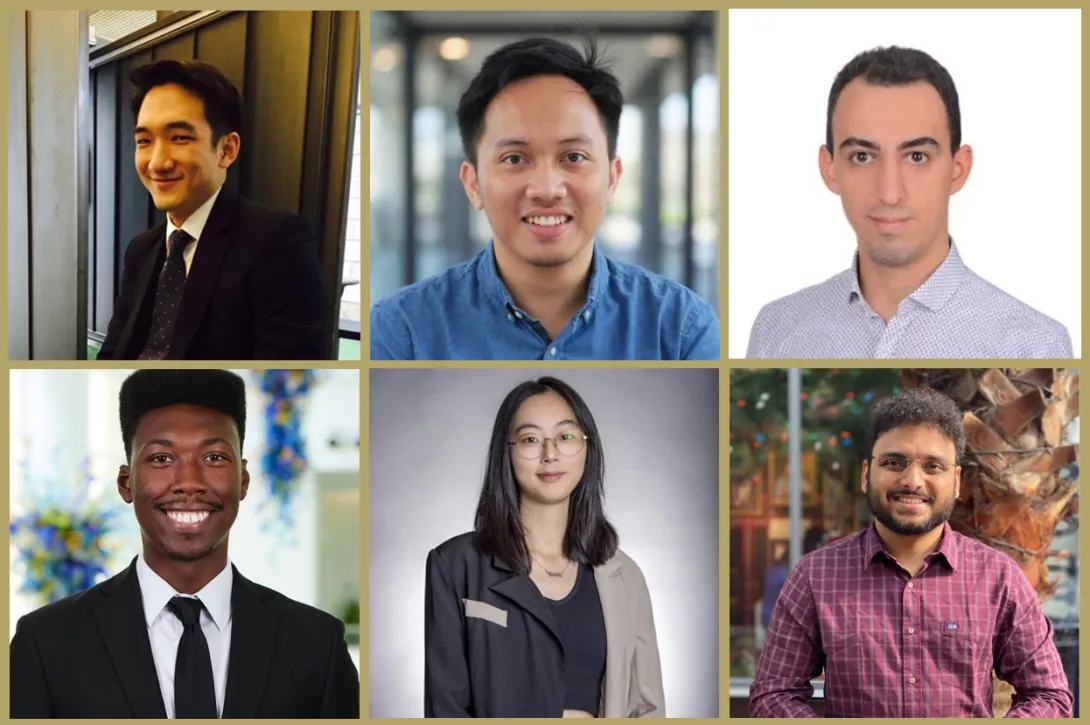
Top (Left to Right): John Kim, Maghfira “Afi” Ramadhani, Mehmet “Akif” Aglar
Bottom (Left to Right): La’Darius Thomas, Yifan Liu, Niraj Palsule
The Energy Policy and Innovation Center (EPIcenter) at Georgia Tech has announced the selection of six students for its inaugural Summer Research Program. The doctoral candidates, pursuing degrees in electrical and computer engineering, economics, computer science, and public policy, will be on campus working full-time on their dissertation research throughout the summer semester and present their findings in a final showcase.
EPIcenter will provide a full stipend and tuition for the 2025 summer semester to support the students.
“I look forward to hosting a fantastic cohort of early-career energy scholars this summer,” said Laura Taylor, EPIcenter’s director. “The summer research program will not only help the students advance their research while engaging in interdisciplinary dialogue but also offers professional development opportunities to position them for a strong start to their careers.”
The students will work with EPIcenter staff and be provided with on-campus workshops on written and oral communications. Biweekly meetings over the summer will offer the students an opportunity to share their work, progress, and ideas with each other and the EPIcenter faculty affiliates. In addition, the students will have the opportunity to engage with programs and distinguished guests of the center.
For students interested in presenting their research at a conference, EPIcenter also will provide travel grants of up to $600 pursuant to having their paper/presentation posted on the EPIcenter website.
"I applied to the Summer Research Program because its structure and community aligned perfectly with my summer plan on dissertation work in energy policy,” said Yifan Liu. “I aim to finalize key dissertation chapters and engage closely with peers and mentors to prepare me for the job market."
The program offers students an opportunity to promote their work through the EPIcenter communication channels including the website, news feeds, blogs, and the SEI newsletter.
“I am very excited to spend my summer at EPIcenter exploring how battery storage entry affects competition in the electricity market,” said Maghfira “Afi” Ramadhani, one of the student affiliates selected for the summer research program. “Specifically, I look at how the rollout of battery storage in the Texas electricity market impacts renewable curtailment, fossil-fuel generator markup, and generator entry and exit.”
With a variety of backgrounds and perspectives on energy, each of the students in the summer program brings something unique to EPIcenter.
La’Darius Thomas: “My project explores the potential of peer-to-peer energy trading systems in promoting decentralized, sustainable energy solutions. I aim to contribute to the development of energy models that empower individuals and communities to directly participate in electricity markets.”
Niraj Palsule: “I intend to gain interdisciplinary insights interfacing energy transition technology and policy developments by participating in the EPIcenter Summer Research Program.”
John Kim: “I believe the EPIcenter Summer Research Program will deepen my investigation of how environmental hazards disproportionately affect vulnerable communities through research on power outage impacts and lead contamination. This summer, I hope to refine my analysis and complete research on the socioeconomic dimensions of power reliability and environmental resilience.”
Mehmet “Akif” Aglar: "I applied to the EPIcenter Summer Research Program because it offers the chance to work alongside and learn from a community of highly qualified researchers across various fields. I believe the opportunity to present my work, receive feedback, and benefit from the structure the program provides will be invaluable for advancing my research."
About EPICenter
The mission of the Energy Policy and Innovation Center is to conduct rigorous studies and deliver high impact insights that address critical regional, national, and global energy issues from a Southeastern U.S. perspective. EPICenter is pioneering a holistic approach that calls upon multidisciplinary expertise to engage the public on the issues that emerge as the energy transformation unfolds. The center operates within Georgia Tech’s Strategic Energy Institute.
News Contact
Priya Devarajan || SEI Communications Program Manager
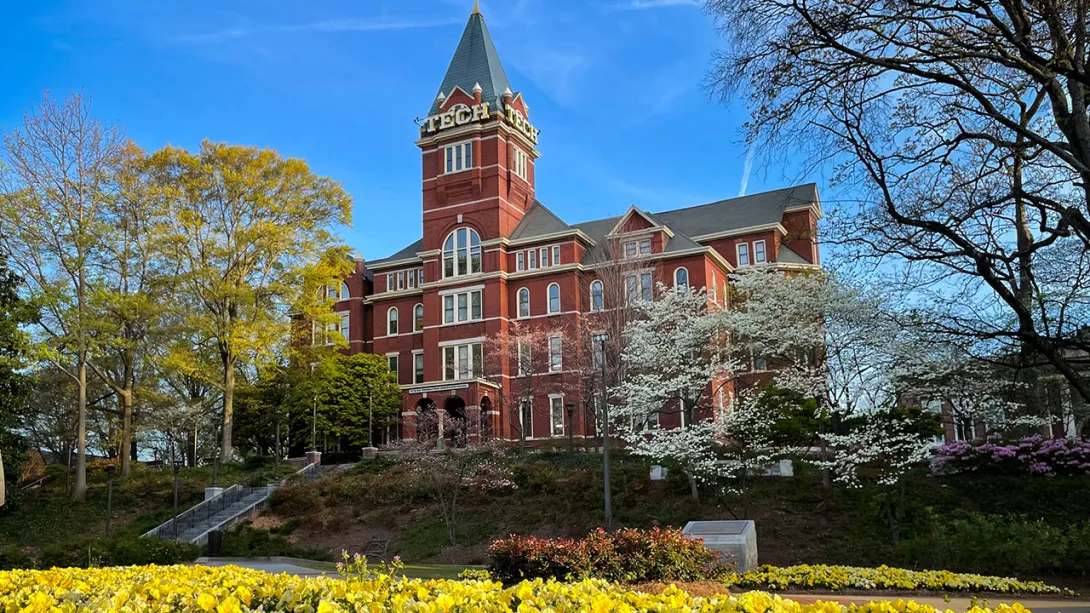
Daniel Molzahn will readily admit he’s a Cheesehead.
Born and brought up in Wisconsin, the associate professor at the School of Electrical and Computer Engineering attended the University of Wisconsin, Madison, for undergraduate and graduate studies. It was also at Madison that he decided to go into the family business: power engineering.
Molzahn’s grandfather was a Navy electrician in World War II and later completed a bachelor’s in electrical engineering. He eventually was plant director at a big coal plant in Green Bay. Molzahn’s dad was also a power engineer and worked at a utility company, focusing on nuclear power.
It was not uncommon for family vacations to include a visit to a coal mine or a nuclear power plant. Being steeped in everything power engineering eventually seeped into Molzahn’s bones. “I remember seeing all the infrastructure that goes into producing energy and it was endlessly fascinating for me,” he says.
That endless fascination has worked its way into Molzahn’s research today—at the intersection of computation and power systems.
News Contact
Written by: Poornima Apte
News Contact: Priya Devarajan || SEI Communications Program Manager
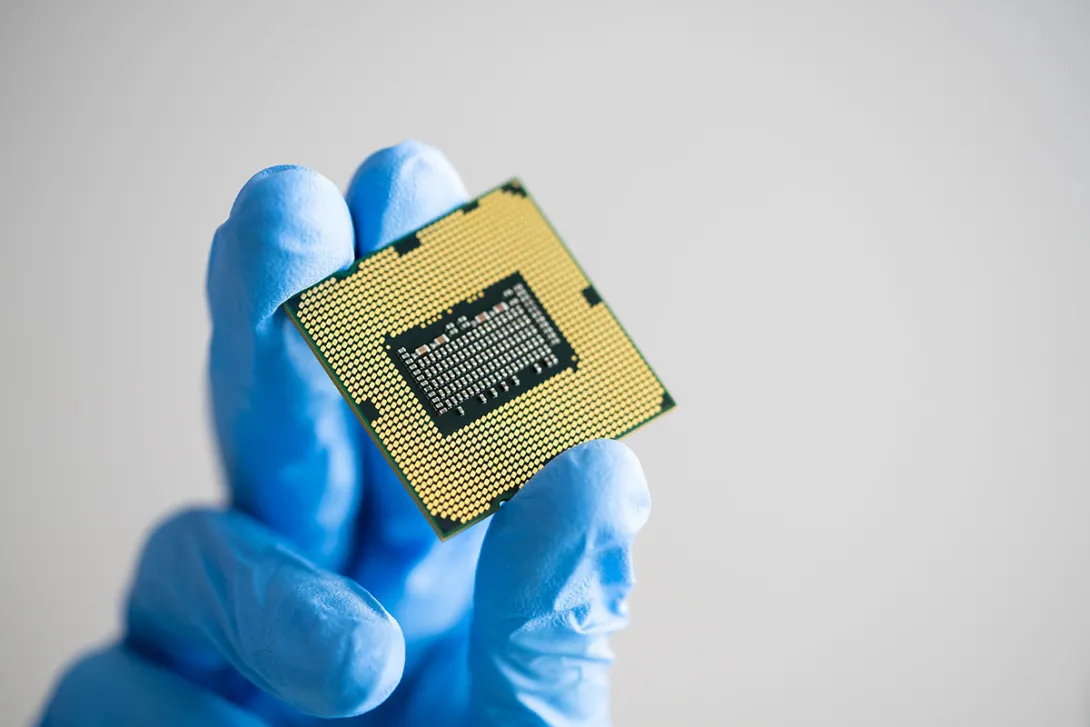
The Georgia Institute of Technology will receive up to $2 million to research advanced semiconductor packaging technologies. Georgia Tech was selected as a partner institution by the South Korean Ministry of Trade.
The Institute for Matter and Systems (IMS), George W. Woodruff School of Mechanical Engineering, and the 3D Systems Packaging Research Center (PRC) will work with Myongji University and industry partners in South Korea on a seven-year collaborative project that focuses on developing core evaluation technologies for advanced semiconductor packaging.
The project is led by Seung-Joon Paik, IMS research engineer; Yongwon Lee, research engineer in the George W. Woodruff School of Mechanical Engineering; and Kyoung-Sik “Jack” Moon, PRC research engineer. It is funded by the Korea Planning & Evaluation Institute of Industrial Technology of the Ministry of Trade, Industry and Energy in Korea.
The project aims to develop validation technologies for next-generation 3D packaging with strategic globally competitive capabilities. The developed platform will meet the high growing demand for advanced packaging technologies for artificial intelligence, high-performance computing, and chiplet-based semiconductor. As a designated partner, Georgia Tech will play a pivotal role in developing core evaluation technologies.
The project’s outcomes will contribute to the commercialization of dependable packaging technologies and the resilience of the global semiconductor supply chain.
News Contact
Amelia Neumeister | Research Communications Program Manager

By unlocking a new type of origami-inspired folding, a recent physics study could lead to advances in everything from heart stents to airplane wings. (Adobe Stock)
Origami — the Japanese art of folding paper — could be at the next frontier in innovative materials.
Practiced in Japan since the early 1600s, origami involves combining simple folding techniques to create intricate designs. Now, Georgia Tech researchers are leveraging the technique as the foundation for next-generation materials that can both act as a solid and predictably deform, “folding” under the right forces. The research could lead to innovations in everything from heart stents to airplane wings and running shoes.
Recently published in Nature Communications, the study, “Coarse-grained fundamental forms for characterizing isometries of trapezoid-based origami metamaterials,” was led by first author James McInerney, who is now a NRC Research Associate at the Air Force Research Laboratory. McInerney, who completed the research while a postdoctoral student at the University of Michigan, was previously a doctoral student at Georgia Tech in the group of study co-author Zeb Rocklin. The team also includes Glaucio Paulino (Princeton University), Xiaoming Mao (University of Michigan), and Diego Misseroni (University of Trento).
“Origami has received a lot of attention over the past decade due to its ability to deploy or transform structures,” McInerney says. “Our team wondered how different types of folds could be used to control how a material deforms when different forces and pressures are applied to it” — like a creased piece of cardboard folding more predictably than one that might crumple without any creases.
The applications of that type of control are vast. “There are a variety of scenarios ranging from the design of buildings, aircraft, and naval vessels to the packaging and shipping of goods where there tends to be a trade-off between enhancing the load-bearing capabilities and increasing the total weight,” McInerney explains. “Our end goal is to enhance load-bearing designs by adding origami-inspired creases — without adding weight.”
The challenge, Rocklin adds, is using physics to find a way to predictably model what creases to use and when to achieve the best results.
Deformable solids
Rocklin, a theoretical physicist and associate professor in the School of Physics at Georgia Tech, emphasizes the complex nature of these types of materials. “If I tug on either end of a sheet of paper, it's solid — it doesn’t separate,” he explains. “But it's also flexible — it can crumple and wave depending on how I move it. That’s a very different behavior than what we might see in a conventional solid, and a very useful one.”
But while flexible solids are uniquely useful, they are also very hard to characterize, he says. “With these materials, it is often difficult to predict what is going to happen — how the material will deform under pressure because they can deform in many different ways. Conventional physics techniques can't solve this type of problem, which is why we're still coming up with new ways to characterize structures in the 21st century.”
When considering origami-inspired materials, physicists start with a flat sheet that's carefully creased to create a specific three-dimensional shape; these folds determine how the material behaves. But the method is limited: only parallelogram-based origami folding, which uses shapes like squares and rectangles, had previously been modeled, allowing for limited types of deformation.
“Our goal was to expand on this research to include trapezoid faces,” McInerney says. Parallelograms have two sets of parallel sides, but trapezoids only need to have one set of parallel sides. Introducing these more variable shapes makes this type of creasing more difficult to model, but potentially more versatile.
Breathing and shearing
“From our models and physical tests, we found that trapezoid faces have an entirely different class of responses,” McInerney shares. In other words — using trapezoids leads to new behavior.
The designs had the ability to change their shape in two distinct ways: "breathing" by expanding and contracting evenly, and “shearing" by deforming in a twisting motion. “We learned that we can use trapezoid faces in origami to constrain the system from bending in certain directions, which provides different functionality than parallelogram faces,” McInerney adds.
Surprisingly, the team also found that some of the behavior in parallelogram-based origami carried over to their trapezoidal origami, hinting at some features that might be universal across designs.
“While our research is theoretical, these insights could give us more opportunities for how we might deploy these structures and use them,” Rocklin shares.
Future folding
“We still have a lot of work to do,” McInerney says, sharing that there are two separate avenues of research to pursue. “The first is moving from trapezoids to more general quadrilateral faces, and trying to develop an effective model of the material behavior — similar to the way this study moved from parallelograms to trapezoids.” Those new models could help predict how creased materials might deform under different circumstances, and help researchers compare those results to sheets without any creases at all. “This will essentially let us assess the improvement our designs provide,” he explains.
“The second avenue is to start thinking deeply about how our designs might integrate into a real system,” McInerney continues. “That requires understanding where our models start to break down, whether it is due to the loading conditions or the fabrication process, as well as establishing effective manufacturing and testing protocols.”
“It’s a very challenging problem, but biology and nature are full of smart solids — including our own bodies — that deform in specific, useful ways when needed,” Rocklin says. “That’s what we’re trying to replicate with origami.”
This research was funded by the Office of Naval Research, European Union, Army Research Office, and National Science Foundation.
News Contact
Written by Selena Langner
Contact: Jess Hunt-Ralston
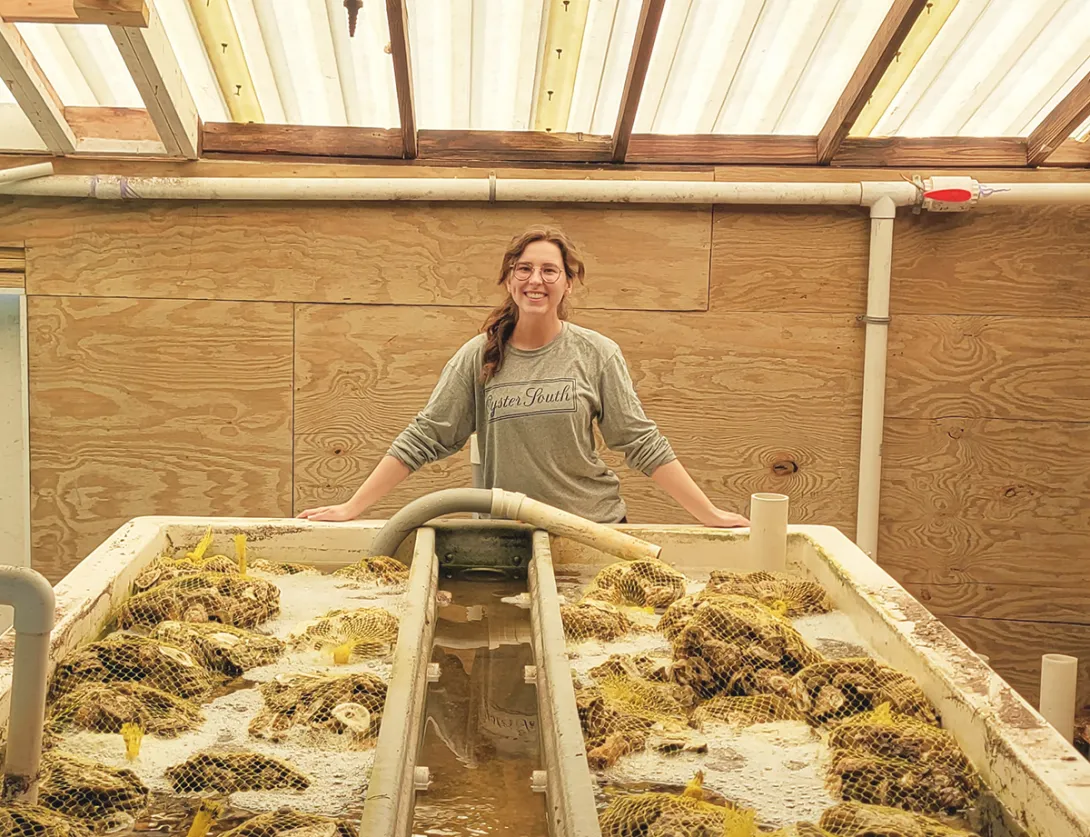
Sarah Roney oversees nursery troughs in the UGA Shellfish Research Lab filled with young oysters growing on shells recycled from restaurants all over Georgia.
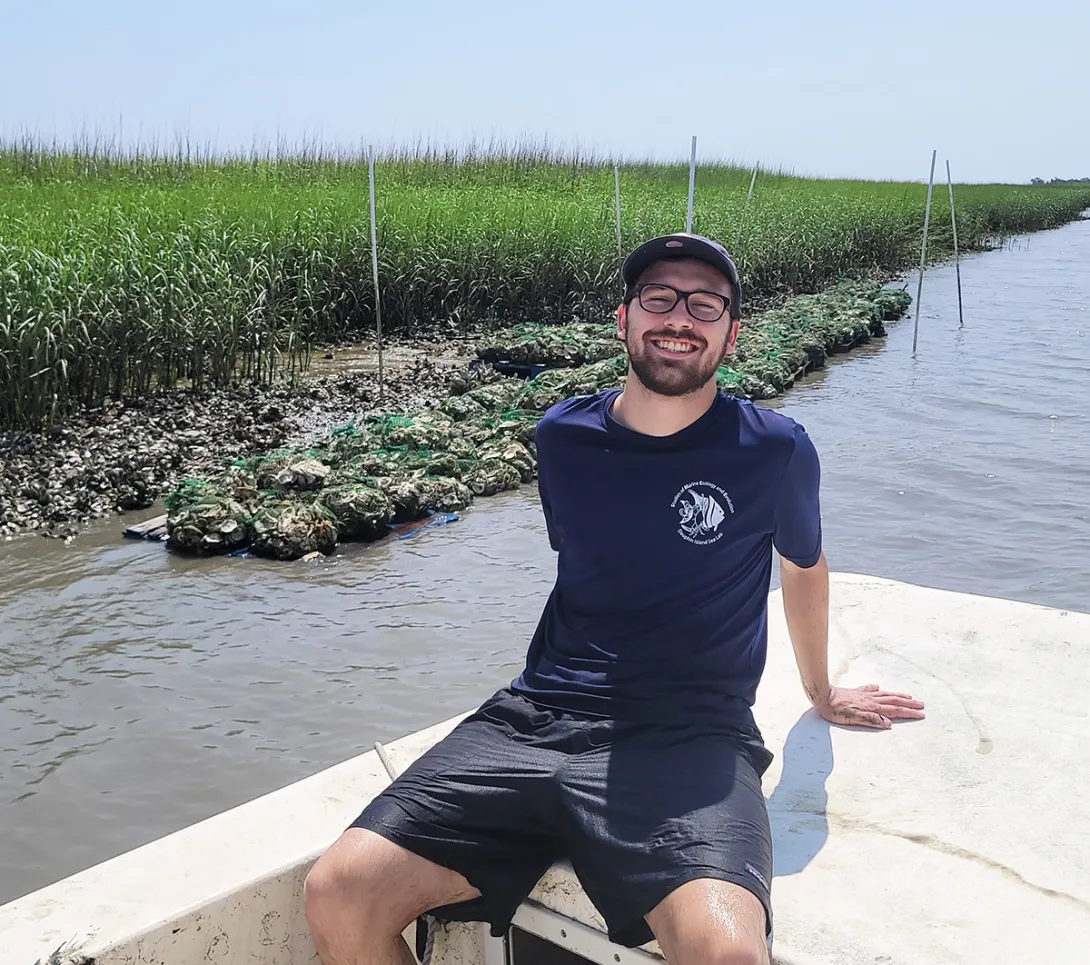
Tanner Lee (Georgia Tech, BS Biology '23) helped construct the oyster reef he observes from a boat as part of an undergraduate research project.
Sarah Roney studies oysters — and coastline restoration, wave energy, erosion, blue crabs, and predator chemical cues. A Ph.D. candidate in Georgia Tech’s Ocean Science and Engineering program and a Brook Byers Graduate Fellow, Roney has spent the past four years studying how strategically placing oyster reefs along Georgia’s coast could yield significant benefits.
Georgia’s coastal ecology is being degraded by several threats. Erosion caused by a combination of traffic from water vessels, sea-level rise, increased storm intensity and frequency, and property development, are negatively impacting both coastal living systems and the state’s economy. Tourism, agriculture, recreation, fisheries, property development, and trade (through the Port of Savannah) all rely on healthy coastlines.
Roney’s interest in coastal ecology and oysters drew her to focus her doctoral thesis on this problem. She divided her project into two parts. The first involved understanding how much oyster reefs reduce the erosion caused by wave energy (ship wake) from water traffic. The second part demonstrated a method for making young oysters resistant to predation — increasing their survival rates and that of the reef colonies they call home. Roney focused her research on two major waterways in the Savannah area. The Intracoastal Waterway and the South Channel of the Savannah River, which leads to the Port of Savannah, are both subject to heavy ship and boat traffic. According to Roney’s collaborators at Georgia Tech, 65% of the wave energy lashing the South Channel’s shores is generated by cargo vessels navigating to and from the Port of Savannah. Because traffic along the Intracoastal Waterway is subject to very few speed restrictions, there is plenty of erosive wave energy there also, even though the vessels are almost exclusively small.
Roney chose one site in each waterway to place her reef structures. Mesh bags of oyster shells were seeded with young oysters by personnel working at a University of Georgia Shellfish Research Lab. Roney created her reef structures by placing these bags in a row 15 to 20 meters long and a meter wide. Once established, Roney found that constructed reefs dissipate 40% of the wave energy before it reaches the marsh edge. “This is an experimental pilot study, so the reefs are on the smaller side,” Roney explained. “Reefs as large as 100 meters long may be necessary to protect certain areas — which sounds like a big investment. But because these are living shorelines, they are self-sustaining, and will keep growing and building on themselves.”
Establishing oyster reefs can be challenging, however, because predators feast on young oysters. Blue crabs are among the most voracious. The second part of Roney’s research was to develop a method that improves adolescent oysters’ chances of surviving to adulthood — when they infrequently succumb to predation. Roney and her collaborators at Georgia Tech identified two compounds found in blue crab urine, called trigonelline and homarine, that induce young oysters to devote more energy toward growing their shells, which become 25-60% stronger than normal. Roney found that after four to eight weeks of exposure to these compounds in hatchery conditions, their overall survival rate improved by 30% once placed in a reef. Her method not only helps constructed reefs to become established, but can also help existing oyster reefs become more resilient by slowing, or reversing, their decline.
While coastal restoration projects are not new in Georgia, the techniques Roney developed are relatively novel. Conventional shoreline restoration projects involve excavation, placing gravel beds, and extensive plantings, mostly with sea grasses. Roney has shown that using living shoreline strategies are less intensive and less expensive to establish and are also effective in reducing wave energy in waterways vulnerable to erosion. Perhaps most significantly, these techniques also restore the foundational functions of the ecosystems in which they are placed. The reefs become nurseries, incubating fish, bird, plant, and crustacean species.
Roney engaged several partners over the four years of her project, many in the communities along Georgia’s coast. Over 35 coastal residents, business owners, citizen scientists, and students volunteered their time and resources to help Roney’s project succeed. Roney said, “I think the most rewarding part of the project has been seeing how many people are truly invested in our coastal resources and want oyster reefs to thrive.”
This project isn’t likely to end once Roney earns her PhD. For living shoreline restoration practices to catch on, several other problems require investigation. Roney wants to devise a way to slowly release predator cue compounds into the water near oyster reefs, so baby oysters won’t need to spend as much time in a hatchery before being placed in the wild. Perfecting such a time-release mechanism could also help rejuvenate naturally occurring oyster reefs under threat from erosion and predation.
Roney also wants to try combining constructed oyster reefs with oyster farms, integrating one of the most sustainable ways that protein can be raised with living shoreline restoration. “As the mariculture industry in Georgia grows, there will be lots of opportunities to investigate the possible intersections between the ecological benefits, engineering benefits, and cultural benefits of oyster farming,” Roney said. “Food might be a continuous byproduct of shoreline restoration projects.”
Roney’s research shows that economic development and preserving, or even regenerating, diverse and productive coastal habitats for future generations don’t have to be mutually exclusive propositions.
Roney’s thesis advisor is Marc Weissburg, Brook Byers Professor in the School of Biological Sciences. Kevin Haas, professor in the School of Civil and Environmental Engineering, helped Roney map and measure the hydrodynamic forces in her study zones. The Coastal Resources Division of the Georgia Department of Natural Resources, the National Parks Service, and the University of Georgia Marine Extension and Georgia Sea Grant program provided access, permitting, funding, and resources.
News Contact
Brent Verrill, Research Communications Program Manager, BBISS
Michelle LaPlaca (left), associate chair for Faculty Development and professor in the Department of Biomedical Engineering; W. Hong Yeo, Harris Saunders, Jr. Professor in the George W. Woodruff School of Mechanical Engineering.
Georgia Tech professors Michelle LaPlaca and W. Hong Yeo have been selected as recipients of Peterson Professorships with the Children’s Healthcare of Atlanta Pediatric Technology Center (PTC) at Georgia Tech. The professorships, supported by the G.P. “Bud” Peterson and Valerie H. Peterson Faculty Endowment Fund, are meant to further energize the Georgia Tech and Children’s partnership by engaging and empowering researchers involved in pediatrics.
In a joint statement, PTC co-directors Wilbur Lam and Stanislav Emelianov said, “The appointment of Dr. LaPlaca and Dr. Yeo as Peterson Professors exemplifies the vision of Bud and Valerie Peterson — advancing innovation and collaboration through the Pediatric Technology Center to bring breakthrough ideas from the lab to the bedside, improving the lives of children and transforming healthcare.”
LaPlaca is a professor and associate chair for Faculty Development in the Department of Biomedical Engineering, a joint department between Georgia Tech and Emory University. Her research is focused on traumatic brain injury and concussion, concentrating on sources of heterogeneity and clinical translation. Specifically, she is working on biomarker discovery, the role of the glymphatic system, and novel virtual reality neurological assessments.
“I am thrilled to be chosen as one of the Peterson Professors and appreciate Bud and Valerie Peterson’s dedication to pediatric research,” she said. “The professorship will allow me to broaden research in pediatric concussion assessment and college student concussion awareness, as well as to identify biomarkers in experimental models of brain injury.”
In addition to the research lab, LaPlaca will work with an undergraduate research class called Concussion Connect, which is part of the Vertically Integrated Projects program at Georgia Tech.
“Through the PTC, Georgia Tech and Children’s will positively impact brain health in Georgia’s pediatric population,” said LaPlaca.
Yeo is the Harris Saunders, Jr. Professor in the George W. Woodruff School of Mechanical Engineering and the director of the Wearable Intelligent Systems and Healthcare Center at Georgia Tech. His research focuses on nanomanufacturing and membrane electronics to develop soft biomedical devices aimed at improving disease diagnostics, therapeutics, and rehabilitation.
“I am truly honored to be awarded the Peterson Professorship from the Children’s PTC at Georgia Tech,” he said. “This recognition will greatly enhance my research efforts in developing soft bioelectronics aimed at advancing pediatric healthcare, as well as expand education opportunities for the next generation of undergraduate and graduate students interested in creating innovative medical devices that align seamlessly with the recent NSF Research Traineeship grant I received. I am eager to contribute to the dynamic partnership between Georgia Tech and Children’s Healthcare of Atlanta and to empower innovative solutions that will improve the lives of children.”
The Peterson Professorships honor the former Georgia Tech President and First Lady, whose vision for the importance of research in improving pediatric healthcare has had an enormous positive impact on the care of pediatric patients in our state and region.
The Children’s PTC at Georgia Tech brings clinical experts from Children’s together with Georgia Tech scientists and engineers to develop technological solutions to problems in the health and care of children. Children’s PTC provides extraordinary opportunities for interdisciplinary collaboration in pediatrics, creating breakthrough discoveries that often can only be found at the intersection of multiple disciplines. These collaborations also allow us to bring discoveries to the clinic and the bedside, thereby enhancing the lives of children and young adults. The mission of the PTC is to establish the world’s leading program in the development of technological solutions for children’s health, focused on three strategic areas that will have a lasting impact on Georgia’s kids and beyond.

Raegan Cook
Reagan Cook stood at a career crossroads when her undergraduate degree in mechanical engineering intersected with her recent master’s in data analytics.
She wanted to connect her experience in manufacturing with her burgeoning interest in data science but wasn’t sure which way to turn. Then, she stumbled upon a job opportunity that brought both into one path forward: A fellowship focused on artificial intelligence in manufacturing through the Partnership for Inclusive Innovation, or PIN.
“I happened upon this fellowship and the vertical I landed on was AI in manufacturing, which was a good marriage of the two disciplines,” said Cook, who began the one-year paid position over the summer. The PIN fellowship, part of Georgia Institute of Technology’s Enterprise Innovation Institute, places early career professionals into public and private opportunities.
The fellowship is made possible through support from Georgia Artificial Intelligence in Manufacturing, or Georgia AIM. Georgia AIM supports several PIN fellows each year through the AI in Manufacturing vertical. Participants spend six months working on a research project through the Georgia Tech Manufacturing Institute (GTMI) and then six months with a partner company where they focus on a project that enhances the use of smart technologies.
Cook recently completed her first six-month rotation as a researcher with the Melkote Advanced Manufacturing Research Group at Georgia Tech, working with GTMI Associate Director Shreyes Melkote. She is now in her next role at Carbice, an Atlanta semiconductor manufacturer.
That’s the interesting part of the PIN fellowship: those accepted into the program gain experience in both the public and private sectors. Upon completing the program, fellows enter the workforce with a unique, innovative skillset that contributes to the emerging roles AI is creating in manufacturing.
The PIN program also helps address a gap in the workforce. There is a growing need for professionals who understand AI and smart technologies, and the program’s public/private partnership provides useful training and experience to early career professionals who are eager to solve these challenges.
In Cook’s case, her first job after college was with a small manufacturer doing engineering design and CAD work. Her role expanded a bit to accommodate her data analytics background while working on her master’s degree practicum project. But due to the size of the company, her work returned to strictly engineering after she graduated. In contrast, through the PIN fellowship, Cook is working on developing machine learning models that can be used to search for parts in a database of CAD designs. This would allow manufacturers looking for CAD drawings or 3D models to find similar parts with designs already created, saving time by giving engineers a starting point. This research allows her to leverage both her analytics and engineering knowledge.
"I feel like I am learning a lot,” said Cook. The research position allows her to apply theoretical knowledge from her master’s degree in a research environment. “That’s been very interesting and eye-opening. I’m still early in my career and my only experience is fairly traditional corporate jobs, so working in the realm of the unknown is a different situation. With research, you’re just exploring and have no assurances that what you’re doing is going to work. ”
Moving to Carbice for the second half of her fellowship adds another layer of learning, she added, because it’s one thing to test out a theory in a lab; it’s different when you are working for a company that needs to see results.
“Working in the private sector allows you to identify and reality-check the needs of actual workplaces,” she added. “Because sometimes you have a compelling idea and interesting research, but in a corporate setting, first, is it useful, and second, if it is useful, is it even something the industry wants or is willing to adopt?”
This is a paradox Cook will face not only during the second half of her fellowship, but also going forward in her career. The foundational experiences attained through the PIN fellowship will give Cook an edge as she moves into her next role. Many manufacturers are interested in adopting AI and smart technologies, but the challenge is in identifying problems to solve.
Cook said she is confident the fellowship will give her new insights that can be beneficial to future employers. The program also offers networking opportunities and connections with respected professionals that will be beneficial in years to come, she added.
“It’s really good to have both the public and private perspectives. And because I’ve worked in a couple different manufacturing environments, I’m interested in how different my manufacturing rotation will be and if I can identify patterns, similar issues, or inefficiencies. And all that is useful knowledge to have,” she said. “For me specifically, the content of this work is going to be very helpful in tying my whole resume together.”
For more details on the AI and Manufacturing-focused PIN fellowship supported by Georgia AIM, visit the PIN website.
News Contact

Scott Duncan, SEI initiative lead for microgrids.
Scott Duncan leads the microgrid initiative at the Georgia Tech Strategic Energy Institute, principally facilitating access to the Tech Square Microgrid for Georgia Tech students and researchers. He is a senior research engineer within the School of Aerospace Engineering, where he is a member of the Digital Engineering Division of the Aerospace Systems Design Laboratory (ASDL).
In his current position, Duncan leads and manages multidisciplinary research teams in projects relating to terrestrial infrastructure systems, including community energy systems comprising grid-interactive efficient buildings, electrified loads, district thermal systems, distributed energy resources (DERs), and microgrids. The teams assess and support the design of these systems by applying techniques from data analysis, modeling and simulation, design space exploration, visualization, optimization, digital twinning, and model-based systems engineering. Duncan also supports the long-running Smart Campus Initiative between ASDL and Georgia Tech Infrastructure & Sustainability (I&S), where researchers analyze and model campus utility systems.
Duncan is a member of the American Institute of Aeronautics and Astronautics (AIAA), serving on its Terrestrial Energy Systems (TES) Technical Committee, as well as a member of the American Society of Heating, Refrigerating and Air-Conditioning Engineers.
Below is a brief Q&A with Duncan, where he discusses his research and how it influences the microgrids initiative at Georgia Tech.
- What is your field of expertise and at what point in your life did you first become interested in this area?
My expertise lies in systems engineering for managing energy infrastructure, with a recent focus on the “grid edge,” where demand-side systems like buildings and community-scale projects intersect with distributed energy resources (DERs) and wider utility grids. Initially, as a research engineer, I worked on optimizing combined cycle power plant design. Over the last decade, my research has shifted towardThank the increasing complexity of energy systems on the demand side, including electrified buildings and vehicle charging. Systems engineering involves techniques to understand, design, and manage large-scale systems, evaluating trade-offs and multi-objective goals. It is a privilege to work in this field, especially within the built environment, which is a burgeoning area for these techniques. Overall, I am passionate about orchestrating large systems rather than focusing on specific disciplinary sciences or smaller mechanical aspects.
- What questions or challenges sparked your current energy research? What are the big issues facing your research area right now?
Since my graduate studies at Georgia Tech, where I completed my Ph.D. in mechanical engineering and was affiliated with a sustainable design and manufacturing research group, I have been deeply interested in sustainability. My research on systems design and life cycle management led me to recognize energy as a critical element in sustainability. The conversation around climate impacts has shifted from avoidance to adaptation, highlighting the need for resilient energy systems. As a systems engineer, I find the complexity of managing interconnected energy systems fascinating. Understanding and co-managing these systems is crucial, as is demonstrating their effectiveness beyond simulations. Over the past few years, I have shifted toward more applied, infrastructure-as-a-laboratory experiments to address these challenges.
- What interests you the most leading SEI’s research initiative on microgrids? Why is your initiative important to the development of Georgia Tech’s energy research strategy?
I manage research operations for the Tech Square Microgrid (TSMG), which was established in partnership with Georgia Power and Southern Company. This urban microgrid serves as a resiliency resource for part of the data center on the Coda block and as a test bed for innovative experiments. Although the TSMG project predates my involvement, I have the privilege of coordinating its broader use by the Georgia Tech community. My work focuses on creating a living lab for microgrids, balancing the operation of a real system with accessibility for research and education. This involves managing the complexity of interconnected systems and ensuring their components are understood and effectively deployed. U.S. national labs and funding agencies are interested in such dual-purpose systems that demonstrate real-world applications while pushing the boundaries of current performance. Over the past few years, I have shifted toward more applied, infrastructure-as-a-laboratory experiments to address these challenges.
We have been collecting several years of streaming data from approximately 800 different parameters of the microgrid. This data is stored in a historian and made accessible to the Georgia Tech community, allowing us to observe the grid while Georgia Power maintains its operations. We have accumulated valuable data on operations, status, and faults, which is available to certain parts of the Georgia Tech community. Our goal is to expand access and build a collective understanding and knowledge around this data. We are especially interested in finding data scientists to help maximize the use of data in understanding TSMG behaviors.
- What are the broader global and social benefits of the research you and your team conduct on microgrids?
The research conducted by my team on microgrids offers significant global and social benefits, particularly in the realm of decarbonization. By integrating non-dispatchable renewable energy sources such as solar and wind with dispatchable storage solutions, fuel cells, and reciprocating engines, we aim to create a resilient and stable energy grid. This microgrid not only supports high-performance computing assets at Georgia Tech but also serves as a demonstrator for backup alternatives and their interoperability. Our work provides valuable insights into the strengths and weaknesses of different energy sources and storage options, contributing to the broader goal of increasing renewable energy use while supporting grid stability.
- What are your plans for engaging a wider Georgia Tech faculty pool with the broader energy community?
To engage a wider Georgia Tech faculty pool with the broader energy community, we are building a community around the Tech Square Microgrid. This initiative fosters collaboration and knowledge sharing among Georgia Tech faculty, Georgia Power, and Southern Company. We have set up a Microsoft Teams site for collaboration and understanding of the microgrid, allowing users to access documents, models, and data. This platform encourages innovative experiments and supports both educational and research purposes. Interested Georgia Tech members can contact me or use this Microsoft Forms link to gain access, ask questions, and share knowledge. We are continuously refining this approach and seeking more participants to expand our community.
- What are your hobbies?
These days, my hobbies revolve around spending time with my family, including hiking and traveling. My kids are developing interests in chess, sports, and engineering, which has rekindled my own passion for technical pursuits and outdoor activities. I also enjoy music and tinkering with new technologies like devices, 3D printing, and software engineering.
- Who has influenced you the most?
I realize my outlook on life is shaped by a mosaic of influences. As a systems engineer, I appreciate the interconnectedness of various elements. But I’d say that my parents, both psychology professors, have been particularly influential. Their academic lifestyle and mode of inquiry inspired me, and their approach to engaging with students and fostering curiosity has been a primary influence in my life.
News Contact
Priya Devarajan || Research Communications Program Manager
EmCool, a Georgia Tech spinout, is tackling one of tech’s biggest challenges: overheating.Developed by Ph.D. alum Daniel Lorenzini, EmCool’s patented microfluidic cooling system is embedded directly into silicon chips—making it faster, smaller, and more efficient than traditional fans or heat sinks.
What’s the hottest thing in electronics and high-performance computing? In a word, it’s “cool.”
To be more precise, it’s a liquid cooling system developed at Georgia Tech for electronics aimed at solving a long-standing problem: overheating.
Developed by Daniel Lorenzini, a 2019 Tech graduate who earned his Ph.D. in mechanical engineering, the cooling system uses microfluidic channels — tiny, intricate pathways for liquids — that are embedded within the chip packaging.
He worked with VentureLab, a Tech program in the Office of Commercialization, to spin his research into a startup company, EMCOOL, headquartered in Norcross.
“Our solution directly addresses the heat at the source of the silicon chip and therefore makes it faster,” Lorenzini said. “Our design has our system sitting directly on the silicon chips that generate the most heat. Using the fluids in the micro-pin fins, it carries the heat that’s produced away from the chip.”
That cooling solution is directly integrated into the electronic components, making it significantly more efficient than conventional cooling methods, because it enhances the heat dissipation process.
The result is a much lower risk of overheating and reduced power consumption, he said.
Lorenzini, who researched and refined the technology in the lab of Yogendra Joshi at the George W. Woodruff School of Mechanical Engineering, was awarded a patent for the technology in September 2024.
Now, EMCOOL, which has five empoloyees, is actively pursuing venture capital funding to scale its technology and address the escalating thermal management challenges posed by AI processors in modern data centers.
The system uses a cooling block with tiny, pin-like fins on one side and a special thermal interface material on the other. There's also a junction attached to the block, with ports for the fluid to flow in and out. The cooling fluid moves through the micro-pin fins and helps to carry away the heat.
Since the ports are designed to match the shape of the fins, it ensures that the fluid flows efficiently and the heat is dissipated as effectively as possible at chip-scale.
As electronic devices — from high-performance personal computers to data centers used for artificial intelligence processing — become more powerful, they generate more heat. This excess heat can damage components or cause the device to underperform.
Traditional cooling methods, which include fans or heat sinks, often struggle to keep pace with the increasing demands of the newer model electronics. Lorenzini’s microfluidic system addresses the challenge of overheating with his patented, more effective, compact, and integrated cooling solution.
With the guidance of Jonathan Goldman, director of Quadrant-i in Tech’s Office of Commercialization, Lorenzini secured grant funding through the National Science Foundation and the Georgia Research Alliance to further the research and build design prototypes.
“We immediately had the sense there was commercial potential here,” Goldman said. “Thermal management, or getting rid of heat, is a ubiquitous problem in the computer industry, so when we saw what Daniel was doing, we immediately began to engage with him to understand what the commercial potential was.”
Indeed, the initial focus for the technology was the $159 billion global electronic gaming market. Gamers need a lot of computing power, which generates a lot of heat, causing lag.
But beyond gaming systems, the company, which manufactures custom cooling blocks and kits at its Norcross facility, is eyeing more sectors, which also suffer from overheating, Goldman said.
The technology addresses similar overheating electronics challenges in high-performance computing, telecommunications, and energy systems.
“This work propels us forward in pushing the boundaries of what traditional cooling technologies can achieve because by harnessing the power of microfluidics, EMCOOL's systems offer a compact and energy-efficient way to manage heat,” Goldman said. “This has the potential to revolutionize industries reliant on high-performance computing, where heat management is a constant challenge.”
News Contact
Péralte C. Paul
peralte@gatech.edu
404.316.1210