
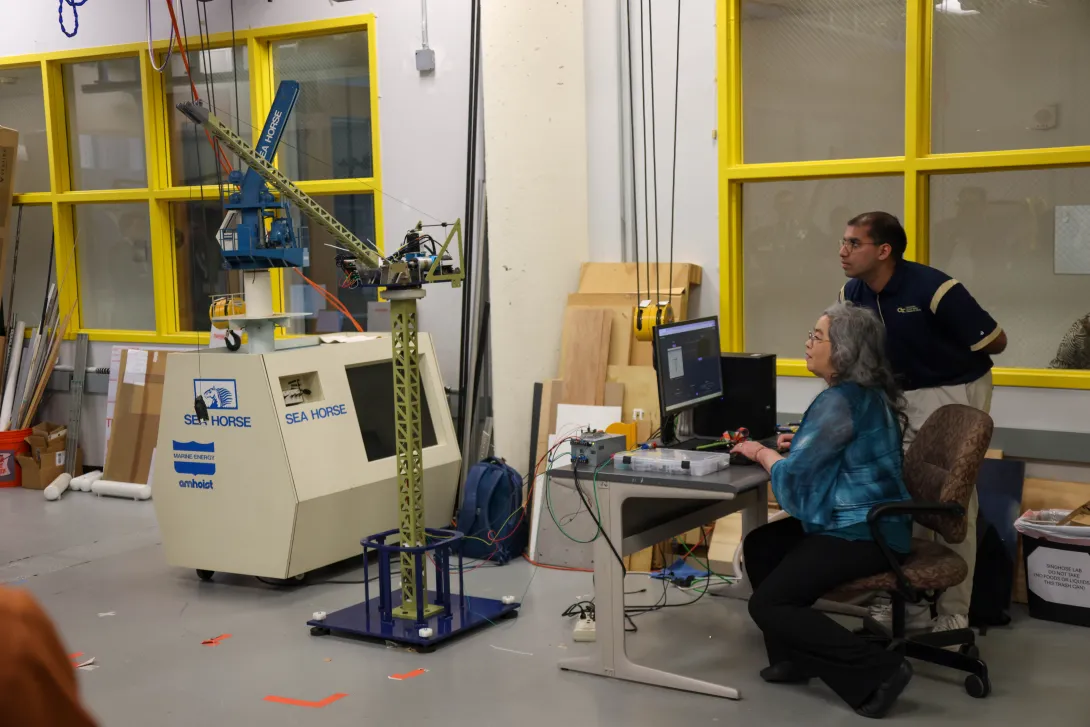
Georgia Tech hosted the third annual Crane Safety Research Center meeting April 9–10, uniting students, faculty, safety advocates, and crane industry representatives for two days focused on innovation, research, and safety.
Presentations and lab demonstrations from nearly 50 faculty, graduate, and undergraduate students at Georgia Tech’s George W. Woodruff School of Mechanical Engineering, as well as partners from the University of Washington and the University of Texas at Austin, spotlighted new research and technologies to improve tower crane safety.
Read the full story on the George W. Woodruff School of Mechanical Engineering website.
News Contact
Ashley Ritchie
George W. Woodruff School of Mechanical Engineering
- written by Seungho Lee
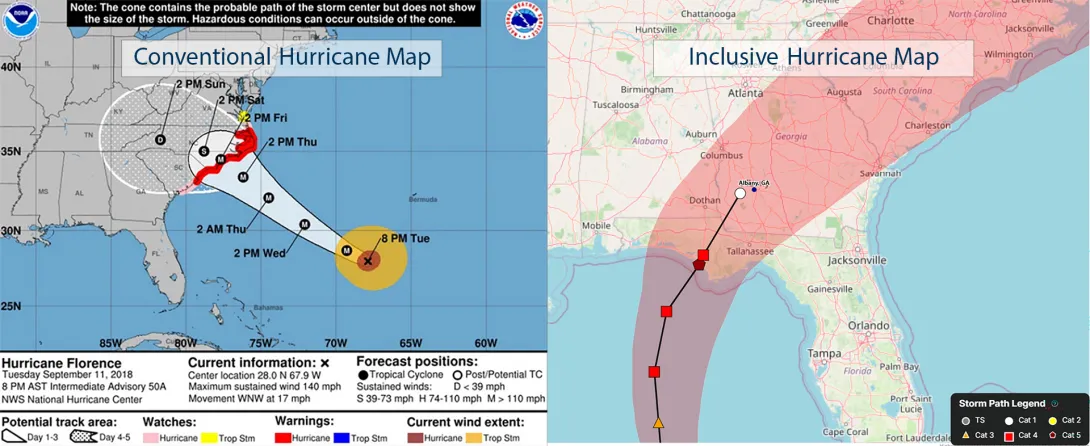
The North American hurricane season is, for many on the East Coast and Gulf Coast, six months of vigilance, and among the resources most likely to be consulted during this time are storm tracking maps. If you learn that your home might be in the path of a storm, you probably actively search for the most current version of one of these maps. Bruce Walker, a professor in the schools of Psychology and Interactive Computing at Georgia Tech, wants to ensure that storm-tracking maps and other emergency and environmental communication tools convey the most important information in the most understandable manner to the largest number of people possible. “Weather and climate affect every single person on Earth,” he said, “so no one can be left behind when it comes to these critical communications.”
Walker is director of the Center for Inclusive Climate Communication (CICC) at Georgia Tech. CICC is a new and growing consortium of researchers, organizations, agencies, and companies whose goal is to ensure that climate information of all types is widely accessible. The center is housed in the School of Psychology but has affiliated faculty from all around campus, and several universities around the U.S. CICC is expanding internationally as well, developing sub-networks in Europe, Africa, and Australia.
As part of its efforts, the CICC is working with the coastal city of Brunswick, Georgia. Situated about 65 miles northeast of Jacksonville, Florida, Brunswick is no stranger to hurricanes and tropical storms. The city is working to develop a comprehensive Community-Based Emergency Warning System, which will include maps and other emergency communications that ensure language, culture, level of education, or other differences in lived experience are not barriers to residents understanding critical safety information. This work is supported by the Brook Byers Institute for Sustainable Systems (BBISS) and the Center for Sustainable Communities Research and Education (SCoRE) through the Sustainability Next Seed Grant Program.
Hurricane maps and related information can come from many sources. Government agencies, municipal emergency management agencies, media outlets, and meteorological organizations all may have their own versions, which vary in how they visually display data. The information used to generate the maps is collected and distributed to the public domain by the National Oceanic and Atmospheric Administration (NOAA) every few hours. The maps that the public sees show the important information that one would expect, but they may not do so with an eye for how different people might interpret, or misinterpret, that info.
“Once we determine the best way to present hurricane data to the most people, we will work with content providers to standardize the way they generate these resources,” says Walker. “Reliable data and what we call inclusive communications lead to better decisions by the public.”
The CICC investigators’ process aspires to the philosophy of Universal Design, but since no design can be 100% universal, they refer to what they create as “inclusive designs.” Inclusive design means adapting to the diverse needs of the broadest possible audience. Since the language skills, education, lived experience, and physical ability of the person in the storm’s path can vary, these maps must present information in many alternative ways.
For those who can see the map, for example, improving the visual design (e.g., a better use of symbols and a clearer visual layout) can help. For those with vision impairment, adding audio layers (called “sonification”) to the map can help. For many people, simply comprehending a map can itself be a challenge. In that case, adding more explanations about how to interpret a map, what different terms mean, and what the storm is likely to do can make it more understandable.
All of these strategies provide multiple means of accessing, understanding, and acting on the data represented by the map. When studying how to design inclusive maps, soliciting input and suggestions from as many different potential users as possible helps the CICC team ensure that vital information is understandable and useful to the most people.
One of CICC’s primary goals is to take lessons from their research projects, such as the inclusive hurricane map, and derive general principles for the effective design of emergency communications tools of all types. While every disaster, from floods and wildfires to tsunamis, tornadoes, and ice storms, will require the distribution of unique pieces of data, the CICC researchers and their community partners are identifying design strategies that will make these communications understandable and actionable to everyone.
Walker and other CICC researchers engage students in this work. Isabella Martincic, a Ph.D. student in engineering psychology, shepherds many of the center’s research and design efforts, including AccessCORPS, a team that makes educational materials more inclusive and accessible. Jessica Herring and Ishan Vepa, students in the M.S. program in human-computer interaction, have led the hurricane map project, including overhauling existing maps from recent storms by applying CICC design guidelines to them. And undergraduate student Cal Price has been the lead researcher on the Brunswick collaboration, engaging with both community members and civic officials.
These efforts — adding more features, revamping existing maps, and consulting with weather experts and end users — demonstrate how seemingly simple changes can lead to significantly better interpretations of the data by the target audience. The research behind the inclusive hurricane maps will be presented at the 23rd International Web for All Conference, which takes place later this year.
CICC researchers are also engaging in partnerships with companies that see the potential benefits of this approach. Data visualization company Highcharts, for example, is a supporter and collaborator. Since their business models revolve around distributing such information, they have a keen interest in the lessons learned from CICC research. CICC does not regard its findings as intellectual property; they prefer that good design guidelines proliferate.
“Ultimately, our goal is for anyone to be able to look at a communication tool, quickly grasp critical pieces of information that may impact their lives and well-being, and take appropriate actions,” Walker said, “whether that be for the daily weather or for an impending natural disaster.”
News Contact
Brent Verrill, Research Communications Program Manager, BBISS
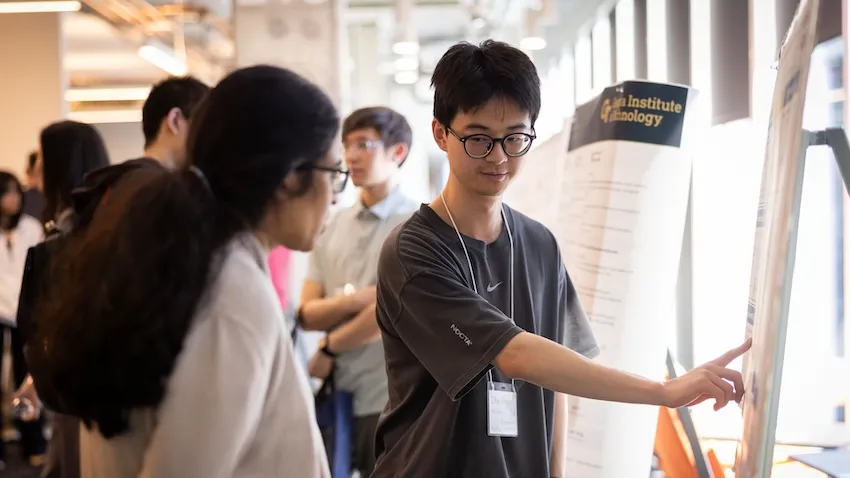
Generative artificial intelligence (AI) is best known for creating images and text. Now, it is helping industries make better planning decisions.
Georgia Tech researchers have created a new AI model for decision-focused learning (DFL), called Diffusion-DFL. Recent tests showed it makes more accurate decisions than current approaches.
Along with optimizing industrial output, Diffusion-DFL lowers costs and reduces risk. Experiments also showed it performs across different fields.
Diffusion-DFL doesn’t just surpass current methods; it also predicts more accurately as problem sizes grow. The model requires less computing power despite these high-performance marks, making it more accessible to smaller enterprises.
Diffusion-DFL runs on diffusion models, the same technology that powers DALL-E and other AI image generators. It is the first DFL framework based on diffusion models.
“Anyone who makes high-stakes decisions under uncertainty, including supply chain managers, energy operators, and financial planners, benefits from Diffusion-DFL,” said Zihao Zhao, a Georgia Tech Ph.D. student who led the project.
“Instead of optimizing around a single forecast, the model evaluates many possible scenarios, so decisions account for real-world risk and become more robust.”
To test Diffusion-DFL, the team ran experiments based on real-world settings, including:
- Factory manufacturing to meet product demand
- Power grid scheduling to meet energy demand
- Stock market portfolio optimization
In each case, Diffusion-DFL made more accurate decisions than current methods. It also performed better as problems became larger and more complex. These results confirm the model’s ability to make important decisions in real-world scenarios with noisy data and uncertainty.
The experiments also show that Diffusion-DFL is practical, not just accurate. Training diffusion models is expensive, so the team developed a way to reduce memory use. This cut training costs by more than 99.7%. As a result, Diffusion-DFL can reach more researchers and practitioners.
“Our score-function estimator cuts GPU memory from over 60 gigabytes to 0.13 with almost no loss in decision quality, reducing the requirement for massive computing resources,” Zhao said. “I hope this expands Diffusion-DFL into other domains, like healthcare, where decisions must be made quickly under complex uncertainty."
Beyond decision-making applications, Diffusion-DFL marks a shift in DFL techniques and in the broader use of generative AI models.
In supply chain management, planners estimate future demand before deciding how much product to stock. In this DFL problem, engineers align ML models with predetermined decision objectives, like minimizing risk or reducing costs.
One flaw of DFL methods is that they optimize around a single, deterministic prediction in an uncertain future.
Diffusion-DFL takes a different approach. Instead of making a single guess, it determines a range of possible outcomes. This leads to decisions based on many likely scenarios, rather than on a single assumed future.
To do this, the framework uses diffusion models. These generative AI models create high-quality data from images, text, and audio.
The forward diffusion process involves adding noise to data until it becomes pure noise. Models trained via forward diffusion can reverse diffusion. This means they can start with noisy data and then produce meaningful insights from training examples.
Real-world data is often noisy and uncertain. Traditional DFL methods struggle in these conditions, but diffusion models are designed to handle them.
Because of this, Diffusion-DFL can explore many possible outcomes and choose better actions. Like image-generation AI, the model works well with complex data from different sources. This enables its use across different industries.
“Diffusion models have achieved significant success in generative AI and image synthesis, but our work shows their potential extends far beyond that,” said Kai Wang, an assistant professor in the School of Computational Science and Engineering (CSE).
“What makes Diffusion-DFL unique is that the specific downstream application guides how the model learns to handle uncertainty.
“Whether we are scheduling energy for power grids, balancing risk in financial portfolios, or developing early warning systems in healthcare, we can explicitly train these highly expressive models to navigate the unique complexities of each domain.”
Zhao and Wang collaborated with Caltech Ph.D. candidate Christopher Yeh and Harvard University postdoctoral fellow Lingkai Kong on Diffusion-DFL. Kong earned his Ph.D. in CSE from Georgia Tech in 2024.
Wang will present Diffusion-DFL on behalf of the group at the upcoming International Conference on Learning Representations (ICLR 2026). Occurring April 23-27 in Rio de Janeiro, ICLR is one of the world’s most prestigious conferences dedicated to artificial intelligence research.
“ICLR is the perfect stage for Diffusion-DFL because it brings together the exact community that needs to see the bridge between generative modeling and high-stakes decision-making for real-world applications,” Wang said.
“Presenting Diffusion-DFL allows us to challenge the traditional training framework of diffusion models. It’s about sparking a broader conversation on how we can align the training objectives of generative AI directly with actual, downstream decision-making needs.”
News Contact
Bryant Wine, Communications Officer
bryant.wine@cc.gatech.edu
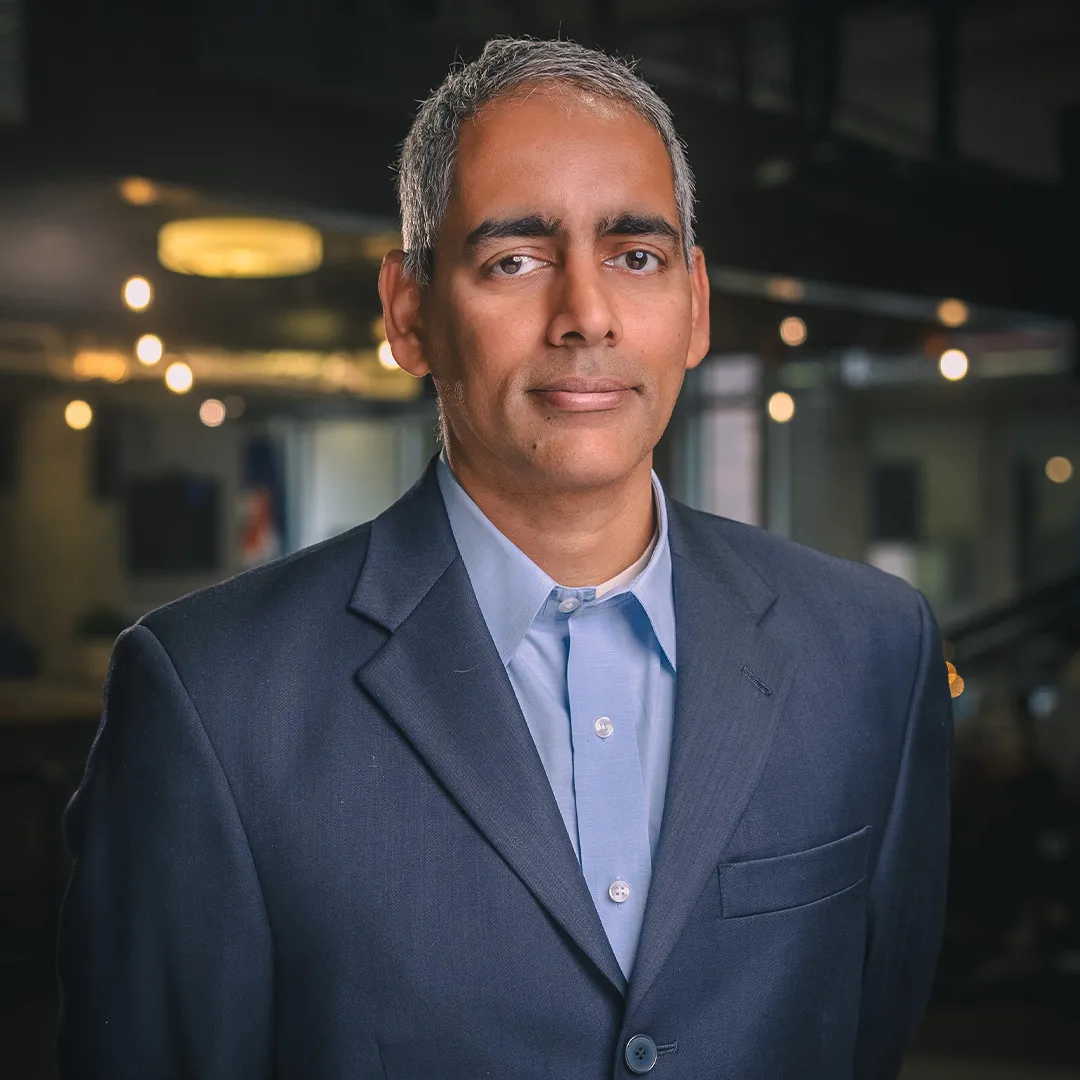
Karthik Ramachandran, Dunn Family Professor, Operations Management
Pioneering development teams behind innovative products like the Dyson Supersonic hair dryer and SpaceX’s reusable Falcon 9 rocket rely on complex interdisciplinary collaboration among engineers, designers, and project managers. Karthik Ramachandran, Dunn Family Professor of Operations Management, knows that breakthrough products often don’t emerge from the solitary efforts of a lone genius.
In a new research article, “Help or Hindrance? The Role of Familiarity in Product Development Teams,” Ramachandran and his co-authors Necati Tereyagoglu and Murat Unal, show the crucial role familiarity plays in team dynamics.
“Every creative organization deals with a fundamental tension,” Ramachandran said. “People love working with teammates they know well, but innovation often depends on fresh perspectives.”
There is a lot to be said about familiarity. Famously, it breeds contempt. Previous studies have shown that repeat collaboration helps teams execute smoothly. But smooth operations don’t always translate to commercial success. Ramachandran’s research shows that it can breed a different kind of trouble — an environment free from friction, debate, and novelty. Those conditions may be comfortable, but they don’t help creativity thrive. Video game development, it turns out, provides the perfect setting for productive tension.
“Video games require both bold creative ideas and flawless execution,” Ramachandran shared. “They blend art, engineering, storytelling, and software into a single product. We were curious about how familiarity impacts team dynamics within this industry. When does it help and when does it quietly get in the way?”
Amino acid diversity in peptides and proteins over time. Over time, the genetic code expanded into the 20-amino acid alphabet found in contemporary biology. Now, in the era of biotechnology, the amino acid alphabet is poised to expand once more. (Figure Credit: “The borderlands of foldability: lessons from simplified proteins,” Koh Seya, Alfie‑Louise R. Brownless, Shina C. L. Kamerlin, and Liam M. Longo, Trends in Chemistry, 2026)
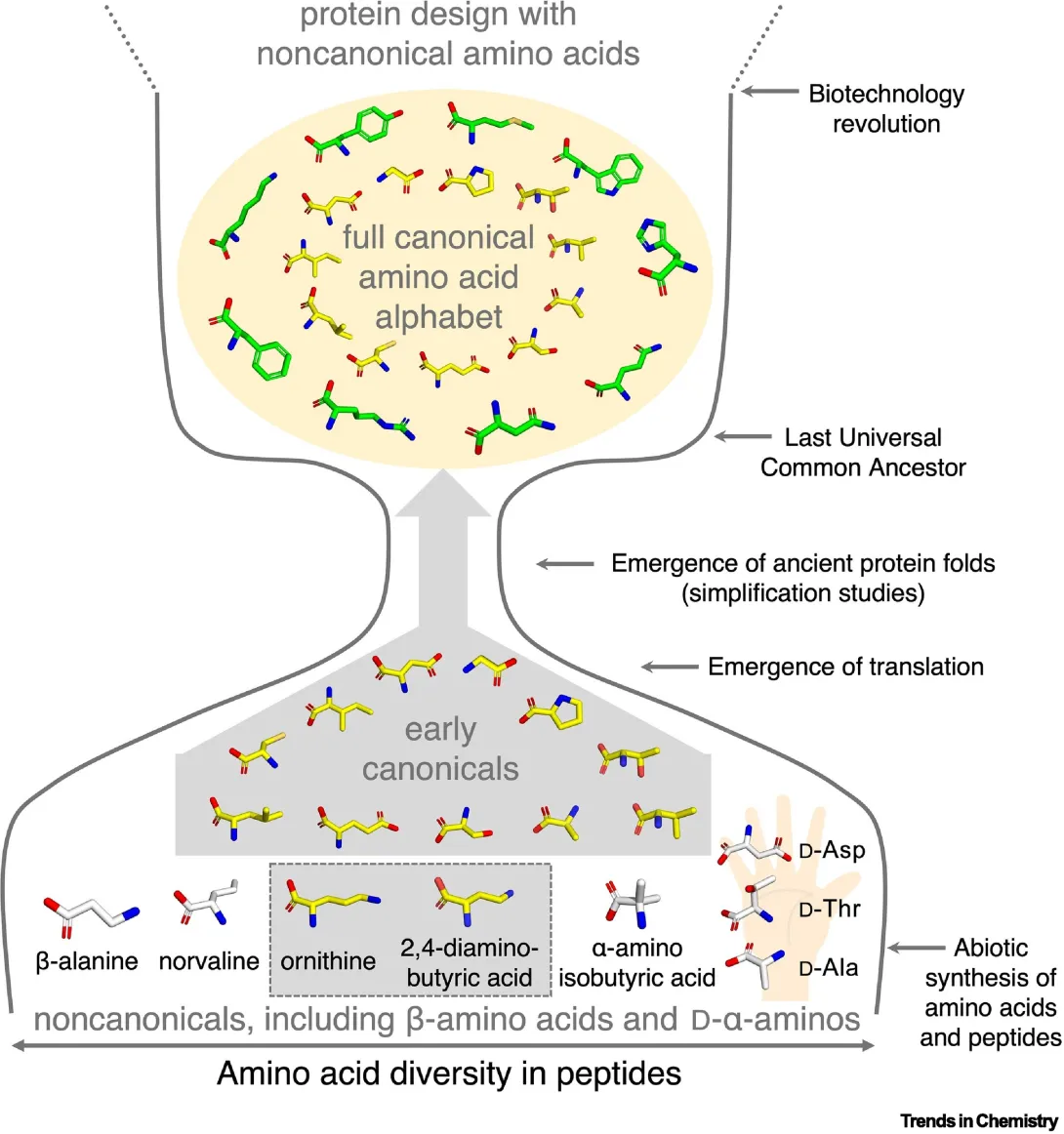
How did the earliest life on Earth build complex biological machinery with so few tools? A new study explores how the simplest building blocks of proteins — once limited to just half of today’s amino acids — could still form the sophisticated structures life depends on.
The paper, The Borderlands of Foldability: Lessons from Simplified Proteins, is a meta-analysis of six decades of protein research and reveals that ancient proteins may have been far more complicated and dynamic than previously thought.
Recently published in the journal Trends in Chemistry, the study includes Georgia Tech researchers Lynn Kamerlin, professor in the School of Chemistry and Biochemistry and Georgia Research Alliance Vasser-Woolley Chair in Molecular Design, and Quantitative Biosciences Ph.D. candidate Alfie-Louise Brownless.
Co-authors also include Institute of Science Tokyo graduate student Koh Seya and Liam M. Longo, who serves as a specially appointed associate professor at Science Tokyo and as an affiliate research scientist at the Blue Marble Space Institute of Science.
The research has implications ranging from the origins of life and the search for life in the universe to cutting-edge medical innovation. “One of the biggest unanswered questions in science is how life first began,” says Kamerlin, who is a corresponding author of the study. “Understanding how the first protein-like molecules formed and what the earliest proteins may have been like is a key part of that puzzle.”
“Proteins power our bodies — and all life on Earth,” she adds. “Simply put, the evolution of proteins is the reason that we’re able to have this conversation at all.”
A Protein Folding Paradox
If proteins are the scaffolding of life, amino acids are the components that make up that scaffolding. “Today, an average protein is constructed from a chain of about 300 amino acids, involving 20 different types of amino acids,” Kamerlin shares. Proteins fold when these chains twist into a specific 3-dimensional shape, creating structures critical for biology.
However, while these folds are essential, exactly how a protein knows which way to fold remains a mystery. “We know that proteins didn’t just fold randomly,” Kamerlin shares, “because randomly trying all possible configurations would take a protein longer than the age of the universe.”
It’s a cornerstone problem in biological science called “Levinthal’s Paradox,” and highlights a fundamental mystery: Proteins fold incredibly quickly into very specific combinations — but like a sheet of paper spontaneously folding into an origami swan, researchers don’t know how proteins “choose” the folds they make.
“We can predict what a protein will look like, but can’t tell you how it got there,” Kamerlin adds. “That’s what we’re interested in exploring: how small early proteins developed into the complex proteins that support every living thing on today’s Earth.”
Simple Letters, Sophisticated Structures
Early proteins likely had access to just half of today’s amino acids. “About 10-12 amino acids were likely available on early Earth,” Kamerlin says. Like writing a story with just the letters “A” through “L,” researchers assumed that the ‘vocabulary’ proteins could build from such a limited amino acid alphabet would also be constrained.
“There is a language to protein folding,” Kamerlin explains. “That language is hidden in their structures. Our research is in trying to understand the rules — the grammar and vocabulary that dictate a protein fold.”
The grammar they discovered was surprising: with a combination of creative techniques and environmental support, complex structures can arise from limited amino acid alphabets.
“We found that it is possible to develop complex folds with very simple tools — and certain environments, like salty ones, can help support that,” Kamerlin shares. “Early proteins could also cross-link and associate, interacting like LEGO blocks to create more complex structures.”
Pioneering Proteins
Now, the team is conducting research in environments that could mimic conditions on early Earth — aiming to discover more about how these regions could have given rise to today’s complex proteins. “This aspect of our research also ties into the amazing space research happening at Georgia Tech,” Kamerlin says. “While we’re interested in understanding early life on Earth, our work could help inform where best to look for evidence of life beyond our planet.”
Kamerlin specializes in creating computer models that simulate possible scenarios – creating an opportunity to quickly and efficiently test many theories. The most compelling of these can then be tested by her collaborator and co-author at Science Tokyo, Liam Longo, in lab experiments.
Protein folding is also at the forefront of medical innovation, ranging from diagnostic tools to cancer treatments and neurodegenerative diseases. “In the broader scope, we’re interested in discovering what we can design, what we can stress test, and what we can reconstruct with AI and other computational tools,” Kamerlin says. “Because if you can understand how proteins fold, you gain the ability to design them.”
Funding: NASA, the Human Frontier Science Program, and the Knut and Alice Wallenberg Foundation
News Contact
Written by:
Selena Langner
College of Sciences
Georgia Institute of Technology
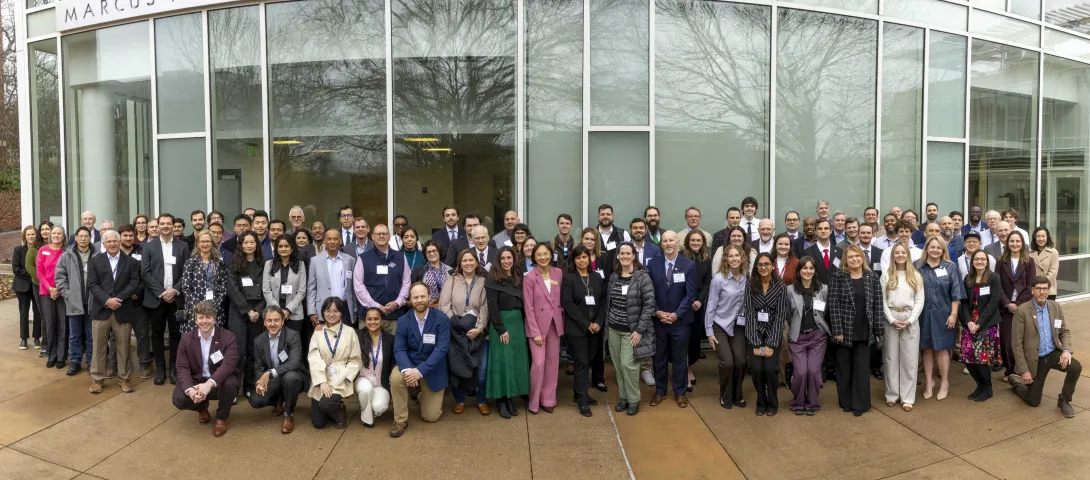
Group photo of the attendees of the GEMs-4 symposium.
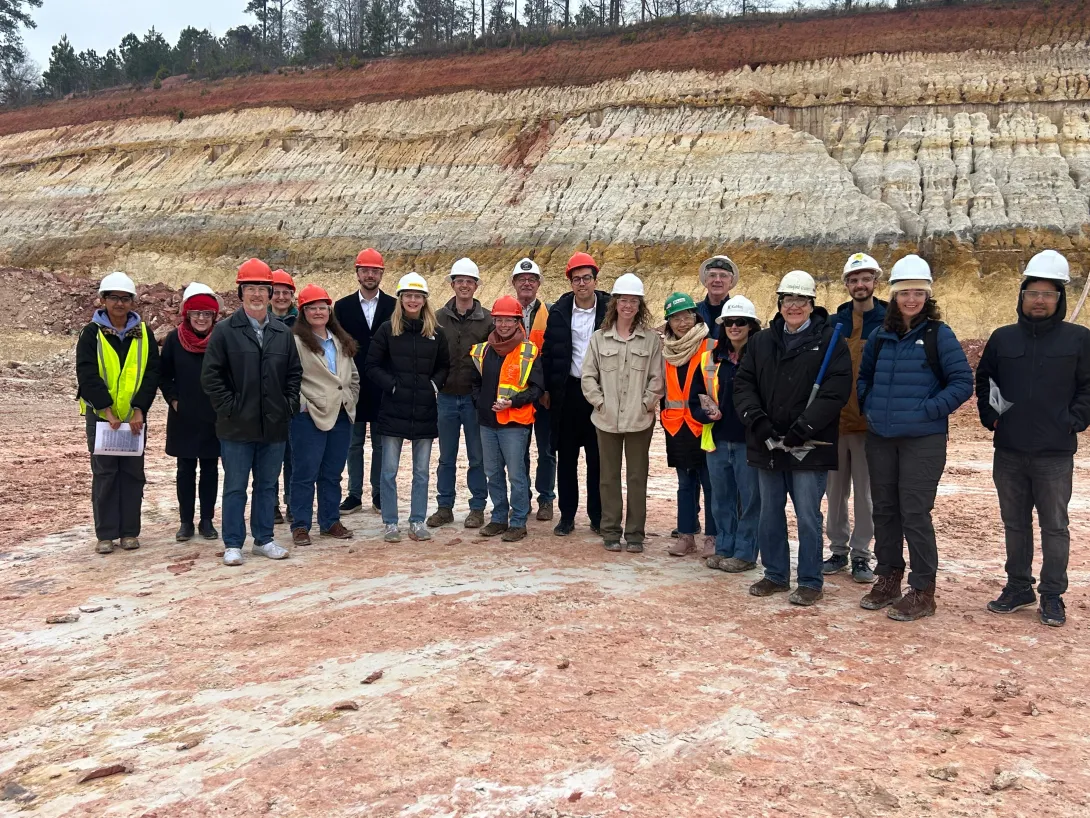
Day 2 of the symposium included a visit to a Georgia mining operation.
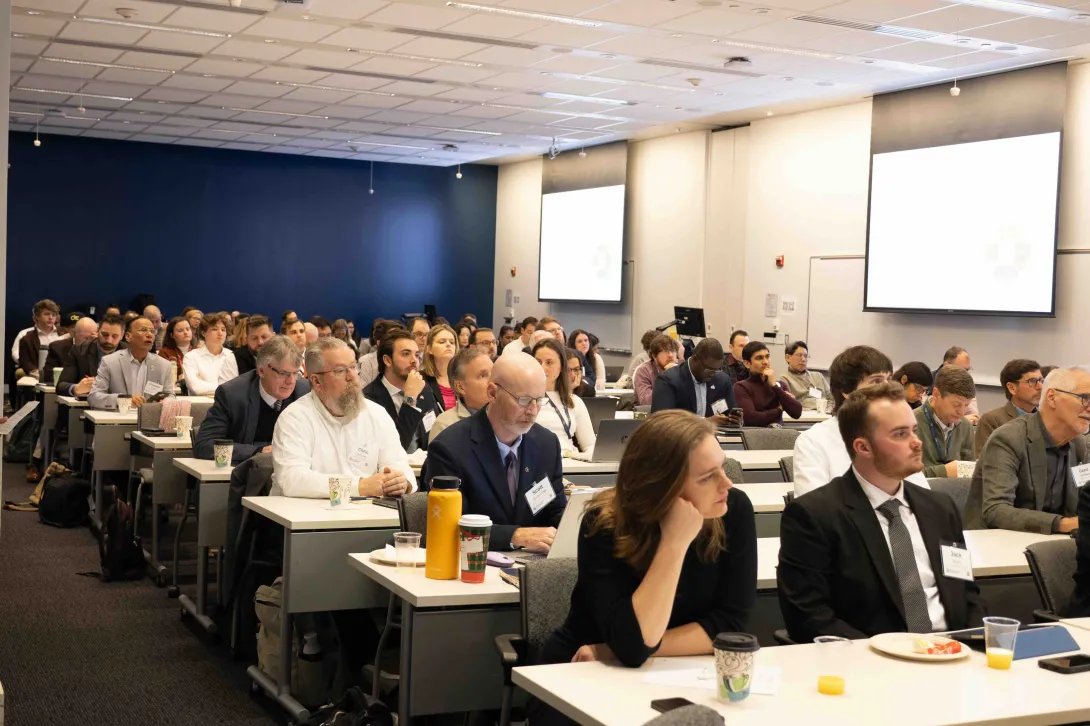
Attendees at the GEMs-4 workshop
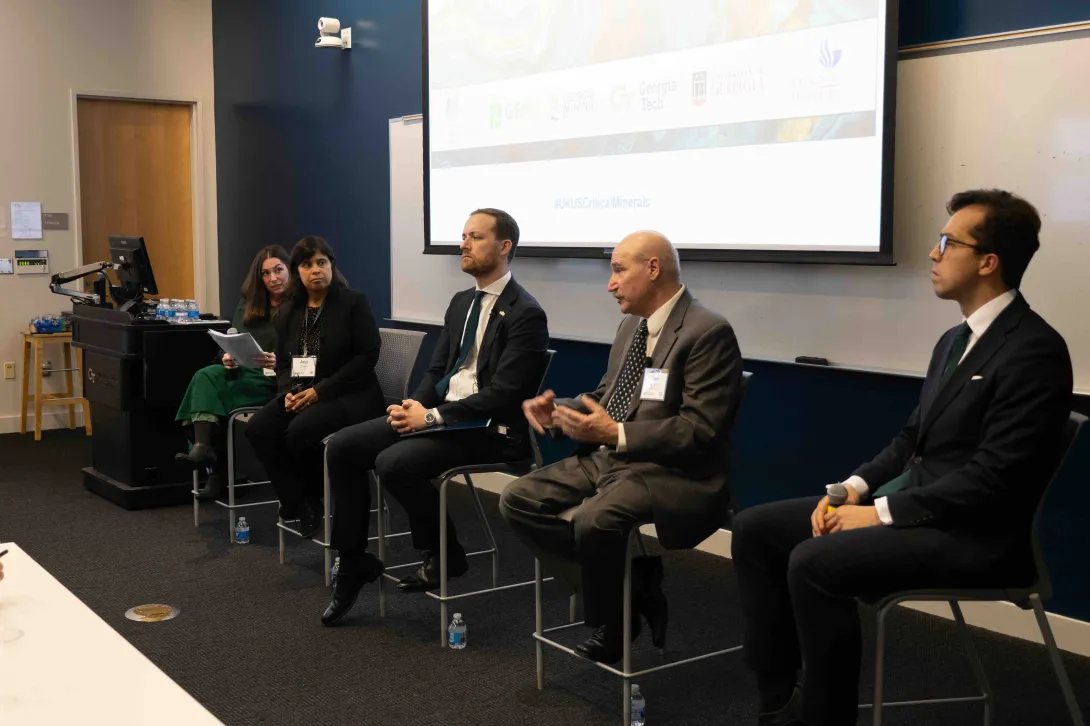
Critical Mineral Significance and Resources Panel at the GEMs-4 symposium
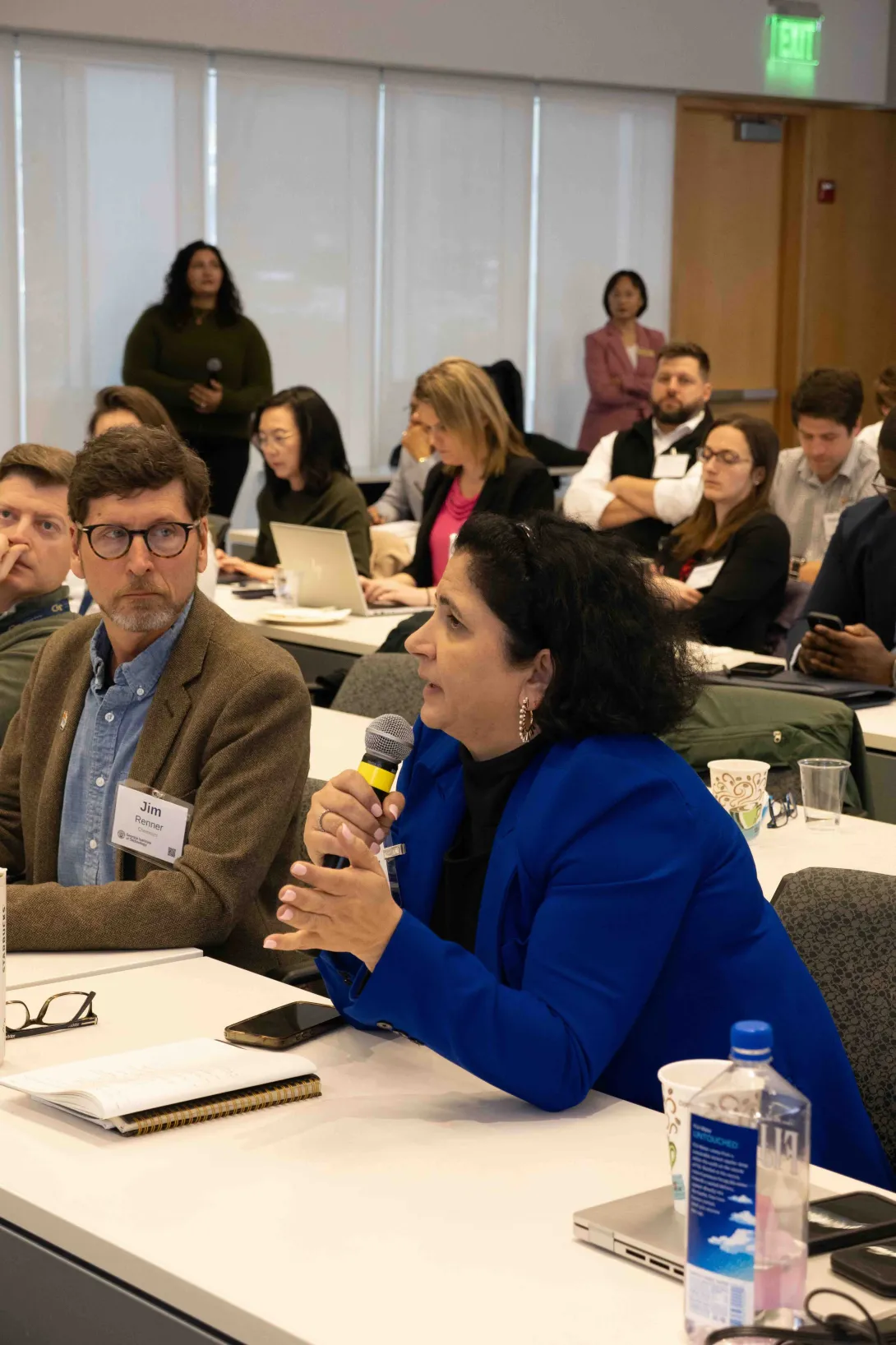
Attendee asking a question to the panel at the GEMS-4 Symposium
In February, the Georgia Institute of Technology, together with the University of Georgia, Georgia State University, the Georgia Mining Association, and the British Consulate‑General Atlanta, hosted the fourth Growing Partnerships for Essential Minerals (GEMs‑4) workshop in Atlanta. The workshop built on a growing transatlantic partnership dedicated to advancing innovation across the critical minerals value chain.
The two‑day event took place Feb. 4 – 5, coinciding with the Critical Minerals Ministerial hosted by U.S. Secretary of State Marco Rubio in Washington, D.C., on Feb. 4, which brought together more than 50 nations to strengthen and diversify global critical mineral supply chains. During this ministerial, U.K. Minister Seema Malhotra and U.S. Under Secretary of State Jacob Helberg signed a Critical Minerals Memorandum of Understanding, strengthening bilateral cooperation between the United States and the United Kingdom on critical mineral supply chains.
These broad efforts are supported by White House Executive Order 14363, which defines the Genesis Mission and aims to accelerate scientific discovery through AI. The order identifies critical minerals supply chain resilience as a national security imperative.
In Atlanta, these themes were brought to life in real time. The GEMs-4 workshop brought together researchers, policymakers, national labs, industry leaders, and workforce organizations from both the U.S. and the U.K. to address shared challenges in technology translation, permitting, investment, and talent development.
The state of Georgia’s integrated ecosystem, linking research universities, legacy industries, technical colleges, national labs, and public‑private partnerships, served as a case study. Presenters highlighted how existing industrial assets in the Southeast are being incorporated into emerging clean energy and critical minerals supply chains, offering a model for other regions seeking to build capabilities around extraction, processing, and manufacturing.
A U.K. member of Parliament representing Cornwall, where the U.K. has lithium reserves and deep critical mineral expertise, joined the convening, as well as representatives from the U.K. Critical Mineral Association, Camborne School of Mines, and the University of Kent. Together, they explored opportunities and challenges, from a fundamental science to a commercialization perspective grounded in real-world experience.
The alignment between the ministerial in Washington and the expertise present in Atlanta demonstrated the value of state-level engagement and how national agreements translate into practical collaboration on the ground.
“The Southeast has the research depth, industrial footprint, and collaborative spirit needed to lead in critical minerals innovation,” said Yuanzhi Tang, Georgia Power Professor in the School of Earth and Atmospheric Sciences, executive director of the Strategic Energy Institute, and founding director of the Center for Critical Mineral Solutions at Georgia Tech. “GEMs‑4 showed what’s possible when universities, industry, and government partners align around shared priorities.”
Day one featured strategic dialogue on critical mineral resources, innovation pathways, and partnership models. A recurring theme was the co-production of critical minerals alongside major mineral commodities. “Many critical minerals are produced as byproducts of larger mining operations, making it essential to integrate recovery strategies into existing mineral industries rather than developing entirely new extraction systems,” noted Crawford Elliott, professor of geosciences at Georgia State University.
Day two transitioned to field‑based learning, led by Paul Schroeder, professor of geology at the University of Georgia. Participants visited active operations to better understand how regional industrial strengths can support national and international supply chain goals. Schroeder said, “Connecting people to the long-standing mineral extraction economy at the mining and plant sites, where the work gets done with an amazingly skilled workforce, underscores the unique role of Georgia’s place‑based capacity in advancing national and transatlantic supply chain goals.”
Organizers emphasized that resilient supply chains rely on regional capabilities built over time through university collaboration, industry partnerships, and community engagement. With three years of inter‑university coordination now underpinning the GEMS platform, the 2026 workshop demonstrated how the Southeast is contributing actionable models for U.S.-U.K. cooperation.
“Ecosystem-building at this scale requires participation from every part of the value chain, and we are encouraged by the model GEMs presents,” said Rachel Galloway, Consul General at British Consulate General Atlanta. “The collaboration across universities, industry, and government is exactly what enables long‑term impact on both sides of the Atlantic.”
Through focused dialogue and partnership-building, the symposium strengthened transatlantic collaboration, highlighted regional strengths, and accelerated innovation and translation across the critical minerals value chain, from resource characterization and processing to recycling, manufacturing, and deployment.
For more information about the GEMS initiative, visit: https://gems.research.gatech.edu/.
News Contact
Priya Devarajan
Georgia Tech
British Consulate-Atlanta
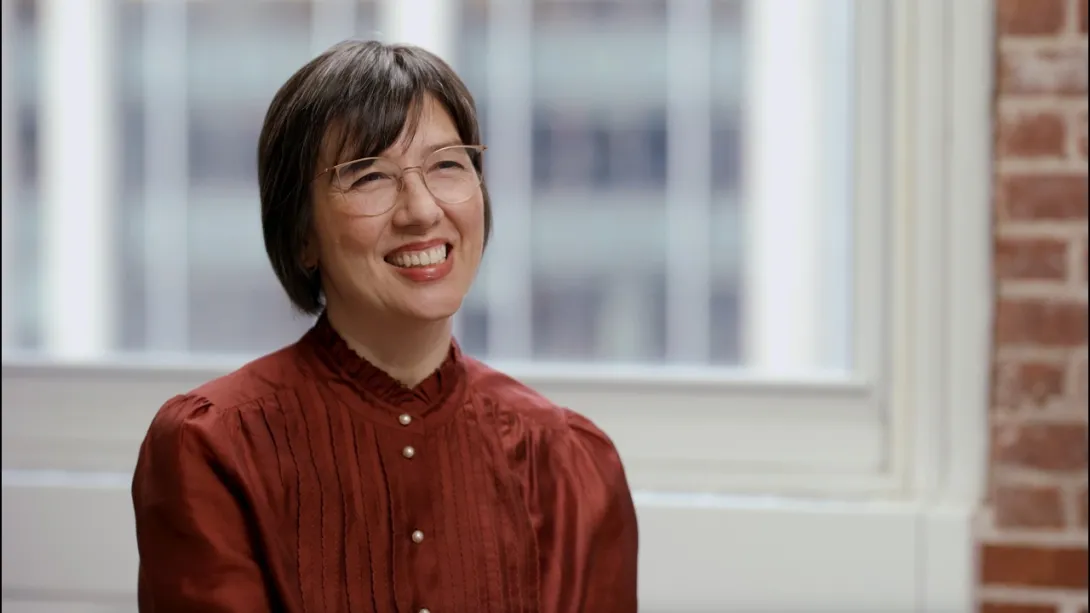
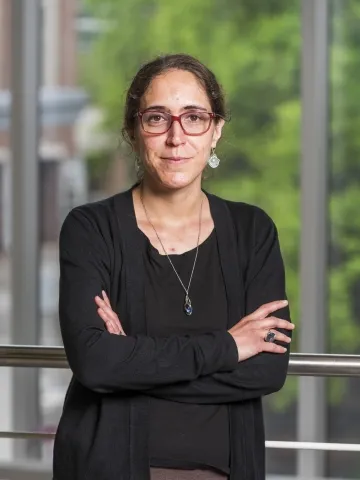
Karen Rommelfanger recently joined Georgia Tech as a professor of the practice, where she will work with the Institute for Neuroscience, Neurotechnology, and Society to embed neuroethics into Georgia Tech’s research and technology development ecosystem. Photo via the Dana Foundation.
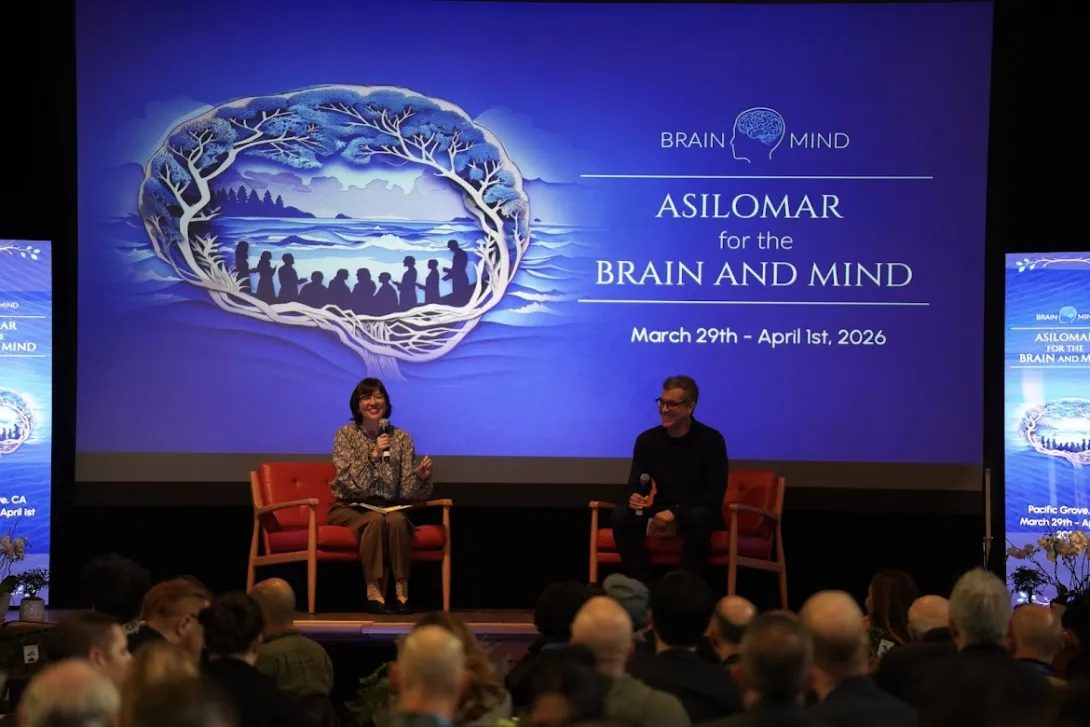
Karen Rommelfanger (left) is a leading voice in neuroethics, with years of experience bridging neuroscience, technology development, ethics, and public policy to address the societal impacts of emerging brain technologies.
Artificial intelligence has been touted as the most transformative technology of our time. With only a few years of mainstream use, it’s changed how we work and communicate, generated billions of dollars in investments, and sparked global debate. But according to leading neuroethics expert Karen Rommelfanger, the race isn’t over yet.
“Can you think of a more transformative technology than one that intervenes with the fundamental organ that drives your experience in the world?”
That fundamental organ is the brain.
Technologies interfacing directly with the brain have been reserved for treating severe injury or disease for decades. Now, neurotechnology is expanding into brain-responsive wearables meant to enhance, augment, and monitor everyday life. As these technologies accelerate and AI is incorporated, the question is no longer if neurotechnology will transform society, but how — and who will shape the boundaries.
These are some of the questions on which Karen Rommelfanger has built her career. Trained as a biomedical researcher and neuroscientist, Rommelfanger went on to found the Institute for Neuroethics, the world’s first think and do tank devoted entirely to neuroethics, public engagement, and policy implementation.
“The brain is special; it’s central to who we are,” says Rommelfanger, who was also an inaugural recipient of the Dana Foundation Neuroscience and Society Award. “And that means when you intervene with the brain, there are unique responsibilities. The field of neuroethics addresses things like: How do you ensure mental privacy? How do you protect free will? How do you ensure that people have the power to be narrators of their own lives and their cognitive experience?”
Now, Rommelfanger is joining Georgia Tech’s Institute for Neuroscience, Neurotechnology, and Society (INNS) as a professor of the practice, where she will work to further embed neuroethics into Georgia Tech’s research and technology development ecosystem.
“Georgia Tech is producing the next generation of neurotechnologists, and Karen’s expertise will help ensure we’re preparing them to think about societal impact as deeply as they think about the technical and scientific aspects of their work,” says Christopher Rozell, executive director of INNS. “Her leadership strengthens the Institute in exactly the way this moment in neurotechnology demands.”
“Georgia Tech has many, many ways that it leads in the technology ecosystem. But one of the powerful, unique ways it can lead is through neurotechnology,” says Rommelfanger. “I hope that the INNS, given its unique mandate for neuroscience, neurotechnology, and society, can be a lighthouse for these types of conversations.”
Neuroethics by Design
From institutional review boards to mandatory responsible research conduct training, ethics are a foundational part of scientific research. But designing neurotechnologies raises ethical challenges beyond the scope of typical training. What happens when discoveries leave the lab and enter people’s lives?
That question sits at the core of Rommelfanger’s work. She argues it’s a neurotechnologist’s responsibility to recognize and proactively address the need for unique safeguards for privacy, autonomy, and long-term responsibility. Her solution is to move neuroethics upstream, embedding it directly into the research, design, and deployment of neurotechnology through an approach she calls “neuroethics by design.”
“Neuroethics by design considers ethics as a core criterion where principles can drive innovation with more of a lens toward societal outcomes,” she says — an approach informed by years of advising national-level brain research initiatives and her experience at the intersection of clinical practice and ethics scholarship.
Rather than treating ethics as a compliance checklist or a post hoc review, neuroethics by design integrates ethical thinking throughout the entire innovation lifecycle, from early ideation and research questions to product requirements, governance strategies, and long-term sustainability. She has used the approach for years as an embedded partner for neurotechnology startups in her neuroethics consultancy, Ningen Co-Lab.
After decades as a traditional academic professor and then years advising companies and policymakers with this philosophy, Rommelfanger says Georgia Tech is the right place to scale this work. With its strength in neurotechnology and INNS’s rare focus on neuroscience and society, “I could not think of a better place to launch and pilot this neuroethics by design scaling effort.”
She will work with INNS to help equip researchers, students, and industry partners with practical tools for ethical decision-making. Her vision is not to create neuroethicists as a standalone profession, but to cultivate ethically engaged neurotechnologists and engineers.
Central to her plans at INNS are hands-on training programs that bring ethics out of the abstract and into practice. “I wanted to be a professor of the practice because, while the field does need more scholars, what it really needs most at this point are practitioners.”
Rommelfanger is exploring modular content that can be embedded into existing courses across disciplines, as well as immersive training — such as neuroethics boot camps and problem-solving hackathons — that bring together students, faculty, and professionals to tackle real-world challenges collaboratively.
“No one discipline can solve all the ethical challenges ahead,” says Rommelfanger. She is particularly interested in creating spaces where experts from across science and engineering, policy and law, design and the arts, and philosophy can work side by side with people with lived experience of neurological conditions. “The onus is not on scientists alone, but is a shared responsibility that benefits immensely from dialogue, accountability, and action across diverse communities.”
By situating neuroethics within Georgia Tech’s broader research ecosystem, Rommelfanger hopes INNS can help shift how the field evolves globally.
“It's really difficult to get your arms around something once it's out of the gate,” she says, citing the rapid adoption of AI without proper ethical or policy guidelines. “With neurotechnology, we still have a little bit of time, but not that much time. We are at that moment where we could change the course of global history.”
News Contact
Audra Davidson
Research Communications Program Manager
Institute for Neuroscience, Neurotechnology, and Society (INNS)
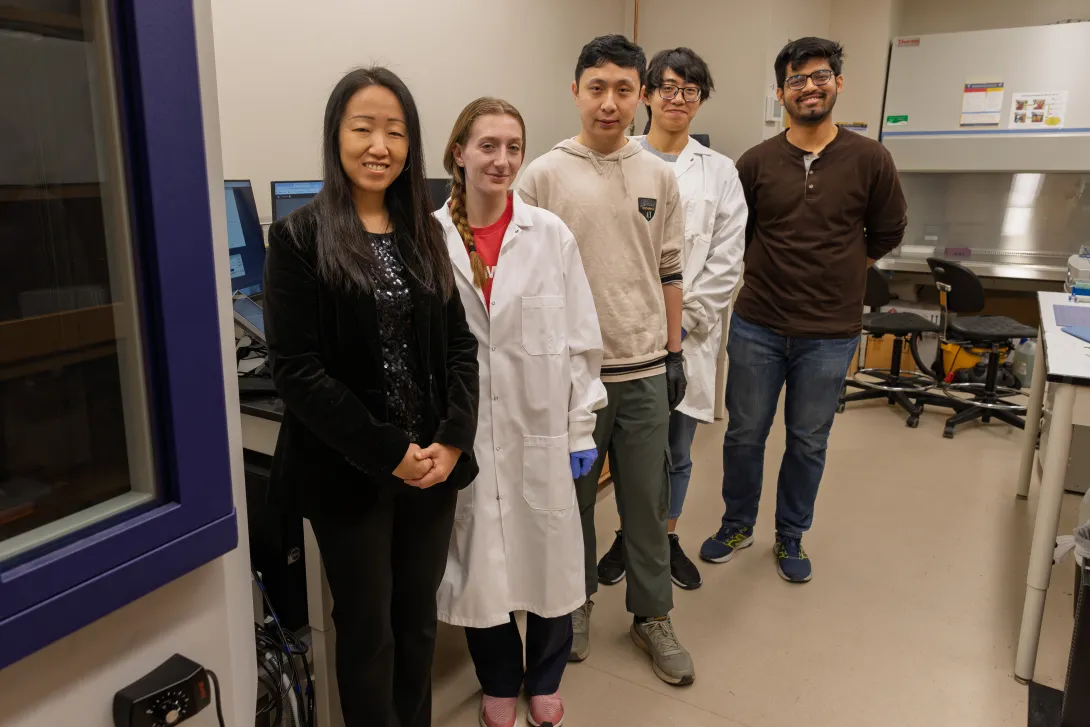
Most plastic and rubber materials remain in a fixed shape from the moment they leave the mold. Their size and function are the same until they wear out or break. But what if synthetic materials could behave more like living organisms, growing or repairing themselves when needed?
A research team led by Yuhang Hu, associate professor in the George W. Woodruff School of Mechanical Engineering and the School of Chemical and Biomolecular Engineering, has created a new material designed to do exactly that. In a new study published in Advanced Materials, Hu and her collaborators describe a groundbreaking class of “living” polymers that can grow, shrink, heal, and even regenerate long after fabrication.
Their work combines advances in chemistry, mechanics, and materials design into a polymer platform that could reshape how engineered products are built, maintained, and recycled.
Read the full story on the George W. Woodruff School of Mechanical Engineering website.
News Contact
Ashley Ritchie
George W. Woodruff School of Mechanical Engineering
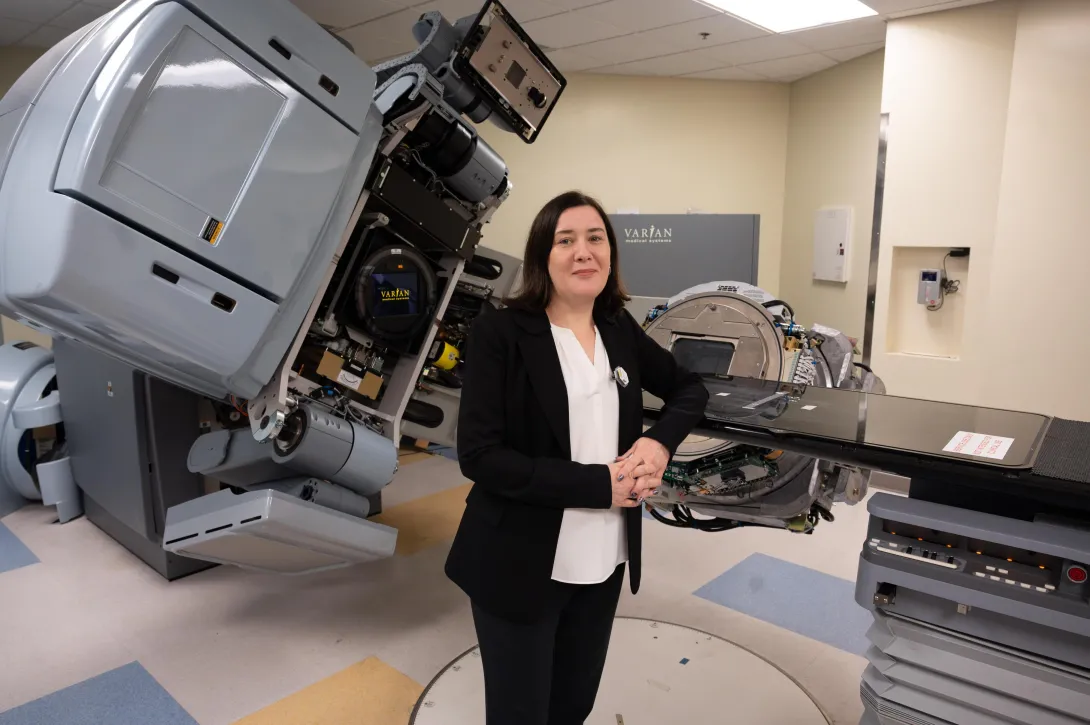
Anna Erickson, Woodruff Professor of nuclear and radiological engineering in the George W. Woodruff School of Mechanical Engineering, has been awarded the 2026 James Corones Award in Leadership, Community Building and Communication from the Krell Institute.
The award, named for the Iowa-based nonprofit’s founder, recognizes midcareer scientists and engineers for research impact, mentoring, scientific-community activities, and commitment to communicating science and technology. It will be formally presented to Erickson in May on the Georgia Tech campus.
Read the full story on the George W. Woodruff School of Mechanical Engineering website.
News Contact
Ashley Ritchie
George W. Woodruff School of Mechanical Engineering
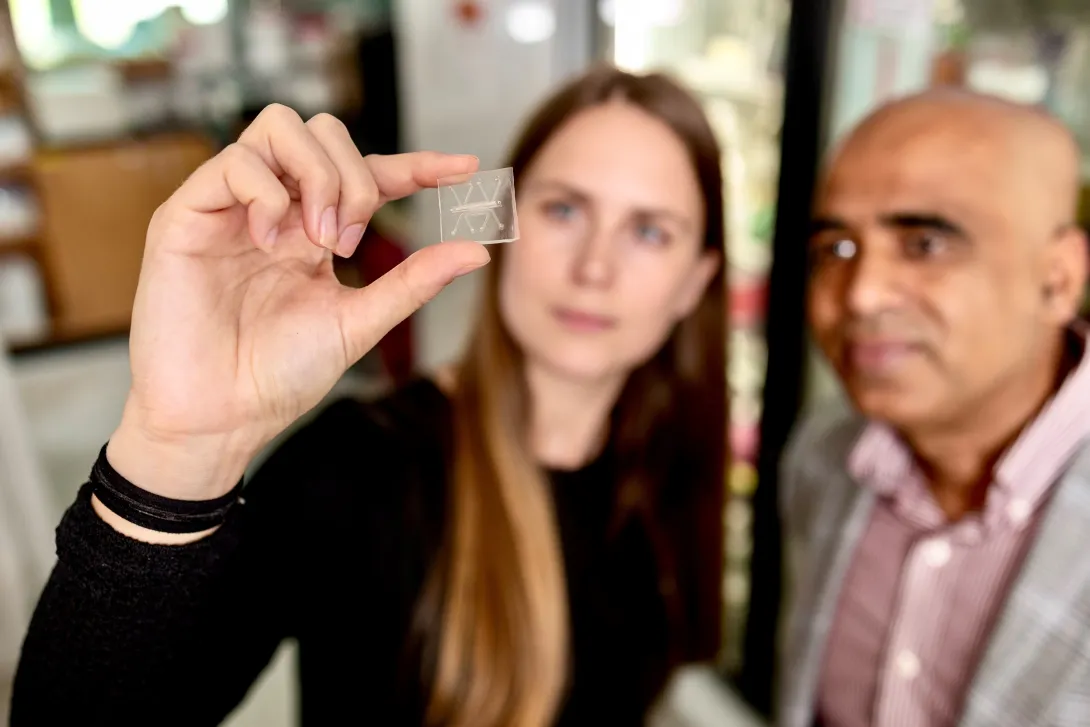
The United States continues to face deadly infectious disease outbreaks, from emerging viruses to antibiotic-resistant bacteria, underscoring the nation’s need for rapid, effective response systems. These threats extend beyond public health, disrupting daily life, straining health care systems, and impacting military readiness.
A team of researchers led by Ankur Singh, the Carl Ring Family Professor in the George W. Woodruff School of Mechanical Engineering and professor in the Wallace H. Coulter Department of Biomedical Engineering at Georgia Tech and Emory University, has been awarded up to $6 million from the Defense Threat Reduction Agency (DTRA) of the U.S. Department of Defense to accelerate the development of medical countermeasures (MCMs) against deadly biological threats that endanger public health, national security, and warfighters.
DTRA’s mission is to provide solutions that enable the Department of Defense, the U.S. government, and international partners to deter strategic threats. A key priority is advancing new or improved MCMs that can be deployed before or after exposure to biological or chemical agents.
Singh’s multi-year project, Systematic Human Immune Engineering for Lethal Disease (SHIELD) Countermeasures, aims to create a threat-agnostic platform that transforms how respiratory pathogens and toxins are studied. The platform is designed to speed up the discovery, development, and production of immune-based countermeasures.
Read the full story on the George W. Woodruff School of Mechanical Engineering website.
News Contact
Ashley Ritchie
George W. Woodruff School of Mechanical Engineering