
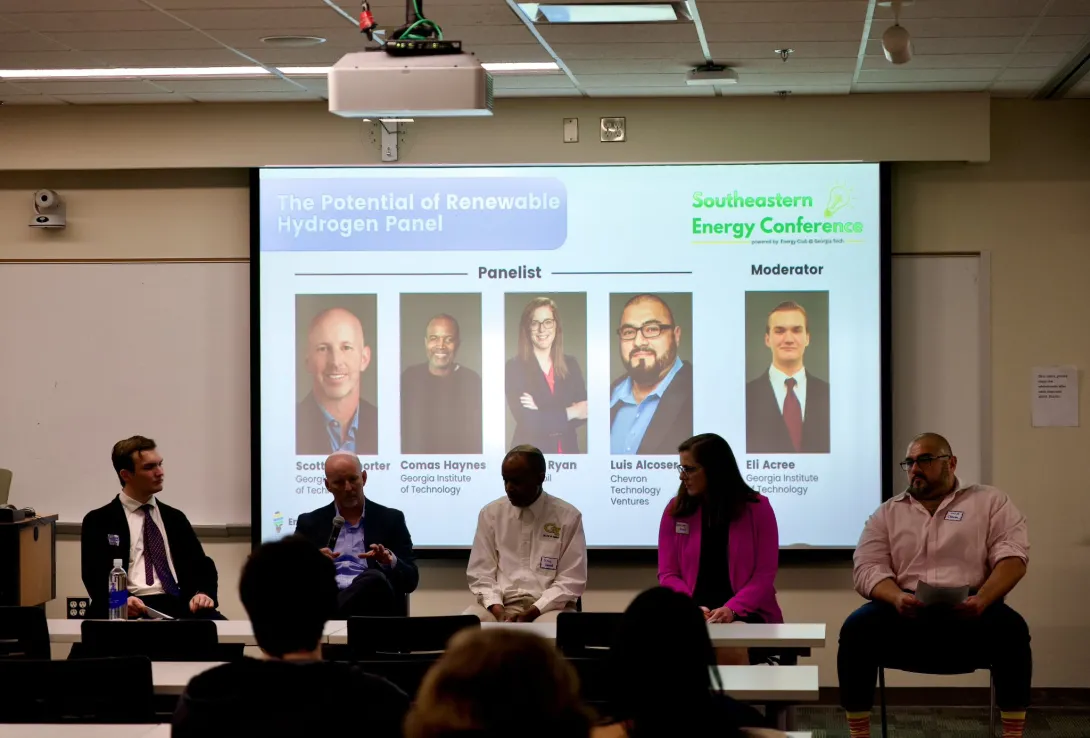
Energy Club's 11th Southeastern Energy Conference Panel on The Potential of Renewable Hydrogen featured Eli Acree, Chemical & Biomolecular Engineering Undergraduate, Georgia Tech (Moderator), Panelists Scott McWhorter, Federal Opportunities and Strategy, Georgia Tech Strategic Energy Institute, and Board Chairman, Southeast Hydrogen Energy Alliance, Comas Haynes, Hydrogen Initiative Lead, Georgia Tech Strategic Energy Institute, Hayley Ryan, Field Engineering Manager, ExxonMobil, Luis Alcoser, GM Future Energy, Chevron Technology Ventures
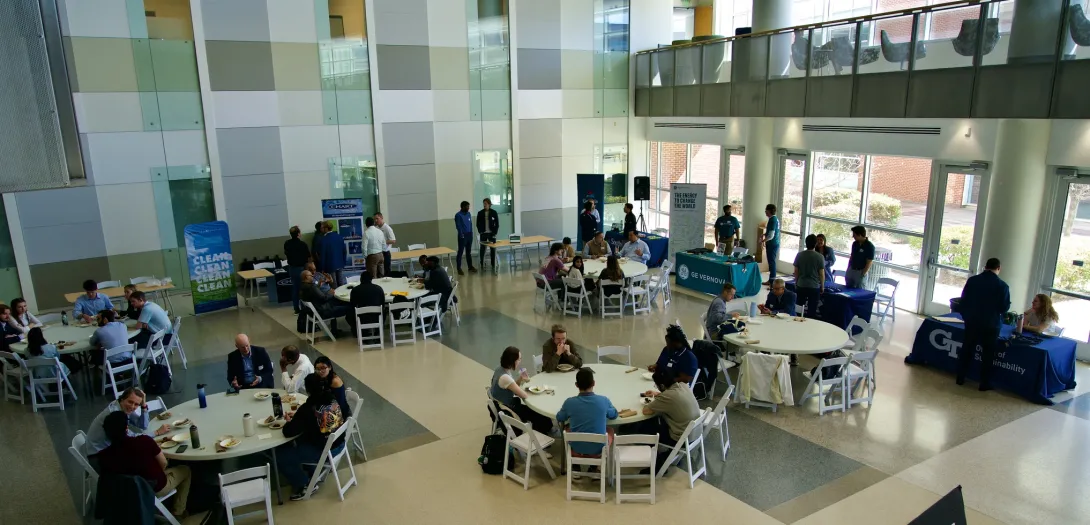
Industry Showcase at the 2025 Southeastern Energy Conference, organized by the student-led Energy Club at Georgia Tech
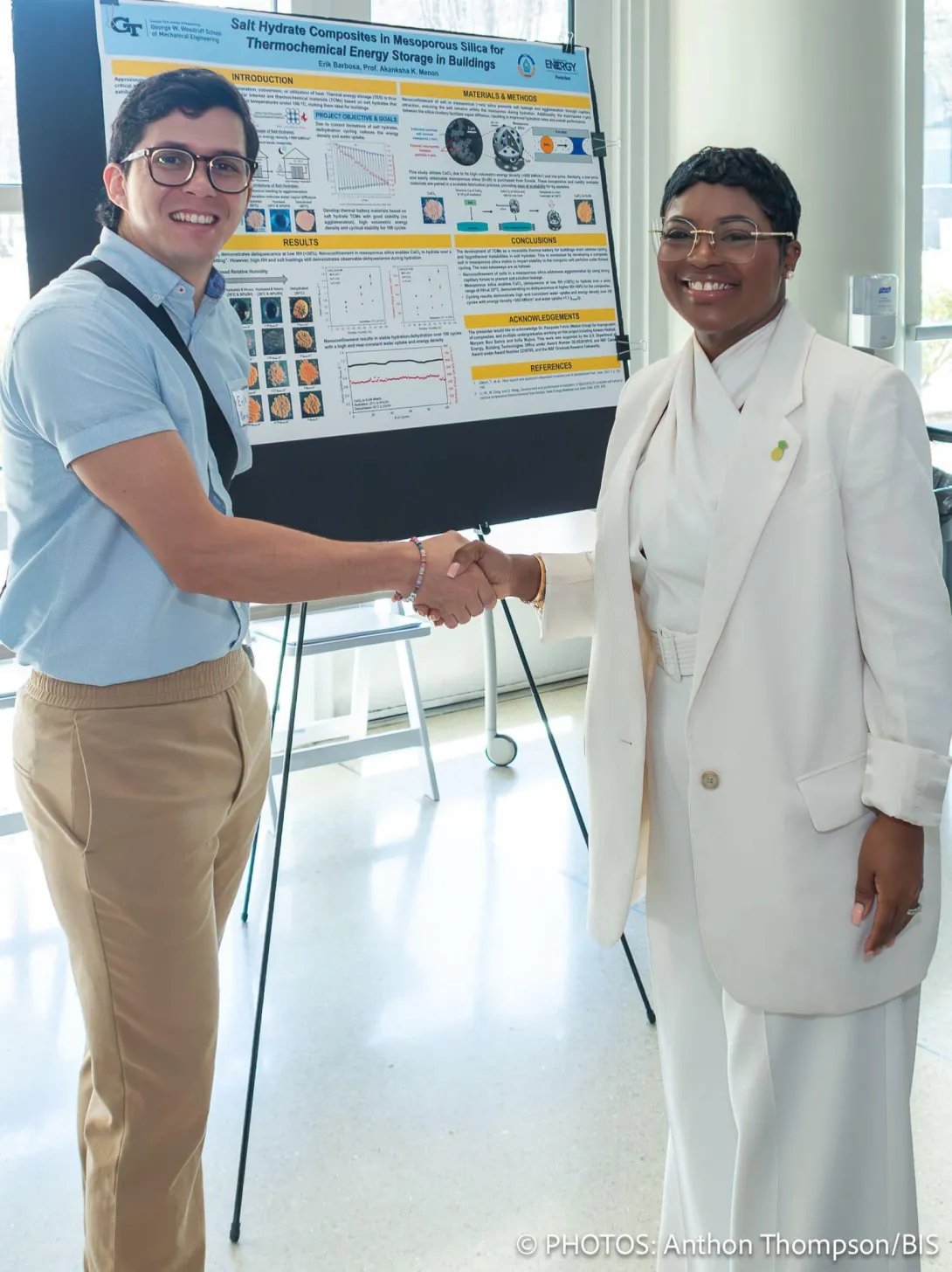
Georgia Tech Student with Hon. Jobeth Lillian Coleby-Davis, Minister of Energy and Transport, Government of The Bahamas during the Student Poster Competition at the 2025 Southeastern Energy Conference.
The 2025 Southeastern Energy Conference, Georgia Tech’s annual student-led energy and sustainability conference, took place from Feb. 28 to March 1, 2025. Organized by the Energy Club at Georgia Tech, the conference welcomed over 100 attendees, including industry leaders, policymakers, researchers, and students, fostering dynamic discussions on the future of energy. The theme for this year’s conference, "Going Global: Energy’s Place on the World Stage," highlighted the international nature of energy challenges and solutions, emphasizing collaboration across borders.
The event kicked off with a keynote address from Hon. John Tien, who provided thought-provoking insights into the evolving energy landscape. Following the keynote, the first panel of the day, "The Ukraine Energy War: Lessons in Energy Security," featured expert analysis from Anna Mikulsa of the IDA Science and Technology Policy Institute and Gabriel Collins of Rice University’s Baker Institute. The session was moderated by Georgia Tech student Grant Espy. This was followed by a discussion on the role of nuclear energy globally, where Seth Grae, president and CEO of Lightbridge Corporation, and CJ Fong, vice president of Regulatory Affairs at Blue Energy, shared their perspectives, moderated by Anna Schafer, a student at Georgia Tech.
Throughout the day, attendees had the opportunity to engage with representatives from 10 local and regional energy companies through the Industry Showcase. Companies such as GE Vernova, Georgia Power, Kimley-Horn, and the Georgia Cleantech Innovation Hub were present, providing valuable networking and career development opportunities for students and professionals alike. The day concluded with an engaging panel on "The Potential of Clean Hydrogen," featuring insights from industry leaders including Comas Haynes of Georgia Tech's Strategic Energy Institute, Hayley Ryan of ExxonMobil, Luis Alcoser of Chevron Technology Ventures, and Scott McWhorter of the Southeast Hydrogen Energy Alliance, moderated by Eli Acree, a student at Georgia Tech.
The second day of the conference opened with a keynote speech from Tim Lieuwen, executive vice president for Research at Georgia Tech, who laid out what a carbon-neutral future could truly look like in energy. The "Cybersecurity for Energy Systems" panel brought together Seymour E. Goodman of Georgia Tech, Jake Braun of the University of Chicago, Juan Villarreal of Villarreal Energy, and Forrest Shriver of Sentinel Devices to discuss the challenges and solutions in securing energy infrastructure. Following that, the "Applications of Solar Microgrids" panel moderated by John Blankenhorn, a Ph.D. candidate at Georgia Tech, featured expert perspectives from Letian Dou of Purdue University, Ben Ollis of Oak Ridge National Laboratory, and Raymond Hill of Emory University’s Goizueta Business School.
One of the standout moments of the conference was the Student Symposium, where seven student researchers had the opportunity to present their work, competing for $500 in prize money. Projects explored topics ranging from photocatalysts to heat-driven desalination to thermal batteries for buildings.
The final panel of the event, "Scaled Sustainable Development," moderated by Conference Chair Sam Woolsey, a student at Georgia Tech, featured Jonathan Elkind of Columbia University’s Center on Global Energy Policy, Miguel Granier of the Cox Cleantech Accelerator, and Hon. Jobeth Lillian Coleby-Davis, Minister of Energy & Transport for the Government of the Bahamas.
Faculty Advisor Dan Molzahn also praised the conference, stating, "I've been incredibly impressed by the student organizers in pulling together such a remarkable and well-executed event. Given all the change occurring in the world today around energy, the students' foresight to focus on this topic by bringing in a broad range of experts was a huge benefit to the Georgia Tech community."
Reflecting on the success of the event, Sam Woolsey shared, "I was honored to serve as Energy Club's 2025 Conference Chair and to see the conference so positively received. It was a pleasure to see the ways this year's conference encouraged Georgia Tech engineers to get out of their comfort zone and discuss the policy and international affairs of energy."
The 11th annual Southeastern Energy Conference set a high standard for future student-led initiatives in energy and sustainability at Georgia Tech, fostering meaningful discussions and connections that will continue shaping the field. With a diverse lineup of experts, engaging panels, and invaluable networking opportunities, this event demonstrated Georgia Tech’s leadership in fostering innovative discussions on global energy challenges. The Energy Club extends its heartfelt thanks to all speakers, panelists, industry representatives, and attendees for making this conference a success. Stay tuned for future events and continued conversations on the evolving energy landscape!
Written by: Energy Conference Committee Members: Braden Queen, Eli Acree, Sam Woolsey, Anna Schafer, Grant Espy, John Blankenhorn
News Contact
News Contact: Priya Devarajan || SEI Communications Program Manager
Written by: Energy Conference Committee Members: Braden Queen, Eli Acree, Sam Woolsey, Anna Schafer, Grant Espy, John Blankenhorn
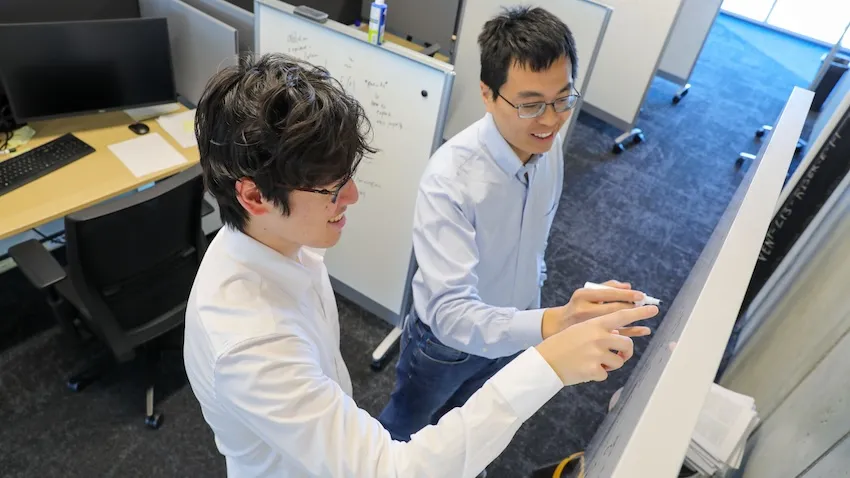
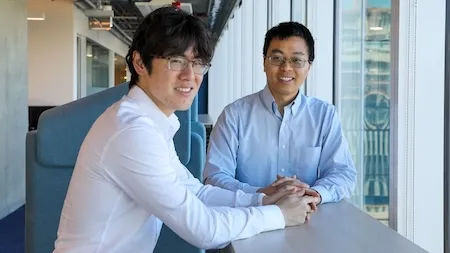
Successful test results of a new machine learning (ML) technique developed at Georgia Tech could help communities prepare for extreme weather and coastal flooding. The approach could also be applied to other models that predict how natural systems impact society.
Ph.D. student Phillip Si and Assistant Professor Peng Chen developed Latent-EnSF, a technique that improves how ML models assimilate data to make predictions.
In experiments predicting medium-range weather forecasting and shallow water wave propagation, Latent-EnSF demonstrated higher accuracy, faster convergence, and greater efficiency than existing methods for sparse data assimilation.
“We are currently involved in an NSF-funded project aimed at providing real-time information on extreme flooding events in Pinellas County, Florida,” said Si, who studies computational science and engineering (CSE).
“We're actively working on integrating Latent-EnSF into the system, which will facilitate accurate and synchronized modeling of natural disasters. This initiative aims to enhance community preparedness and safety measures in response to flooding risks.”
Latent-EnSF outperformed three comparable models in assimilation speed, accuracy, and efficiency in shallow water wave propagation experiments. These tests show models can make better and faster predictions of coastal flood waves, tides, and tsunamis.
In experiments on medium-range weather forecasting, Latent-EnSF surpassed the same three control models in accuracy, convergence, and time. Additionally, this test demonstrated Latent-EnSF's scalability compared to other methods.
These promising results support using ML models to simulate climate, weather, and other complex systems.
Traditionally, such studies require employment of large, energy-intensive supercomputers. However, advances like Latent-EnSF are making smaller, more efficient ML models feasible for these purposes.
The Georgia Tech team mentioned this comparison in its paper. It takes hours for the European Center for Medium-Range Weather Forecasts computer to run its simulations. Conversely, the ML model FourCastNet calculated the same forecast in seconds.
“Resolution, complexity, and data-diversity will continue to increase into the future,” said Chen, an assistant professor in the School of CSE.
“To keep pace with this trend, we believe that ML models and ML-based data assimilation methods will become indispensable for studying large-scale complex systems.”
Data assimilation is the process by which models continuously ingest new, real-world data to update predictions. This data is often sparse, meaning it is limited, incomplete, or unevenly distributed over time.
Latent-EnSF builds on the Ensemble Filter Scores (EnSF) model developed by Florida State University and Oak Ridge National Laboratory researchers.
EnSF’s strength is that it assimilates data with many features and unpredictable relationships between data points. However, integrating sparse data leads to lost information and knowledge gaps in the model. Also, such large models may stop learning entirely from small amounts of sparse data.
The Georgia Tech researchers employ two variational autoencoders (VAEs) in Latent-EnSF to help ML models integrate and use real-world data. The VAEs encode sparse data and predictive models together in the same space to assimilate data more accurately and efficiently.
Integrating models with new methods, like Latent-EnSF, accelerates data assimilation. Producing accurate predictions more quickly during real-world crises could save lives and property for communities.
To share Latent-EnSF to the broader research community, Chen and Si presented their paper at the SIAM Conference on Computational Science and Engineering (CSE25). The Society of Industrial and Applied Mathematics (SIAM) organized CSE25, held March 3-7 in Fort Worth, Texas.
Chen was one of ten School of CSE faculty members who presented research at CSE25, representing one-third of the School’s faculty body. Latent-EnSF was one of 15 papers by School of CSE authors and one of 23 Georgia Tech papers presented at the conference.
The pair will also present Latent-EnSF at the upcoming International Conference on Learning Representations (ICLR 2025). Occurring April 24-28 in Singapore, ICLR is one of the world’s most prestigious conferences dedicated to artificial intelligence research.
“We hope to bring attention to experts and domain scientists the exciting area of ML-based data assimilation by presenting our paper,” Chen said. “Our work offers a new solution to address some of the key shortcomings in the area for broader applications.”
News Contact
Bryant Wine, Communications Officer
bryant.wine@cc.gatech.edu
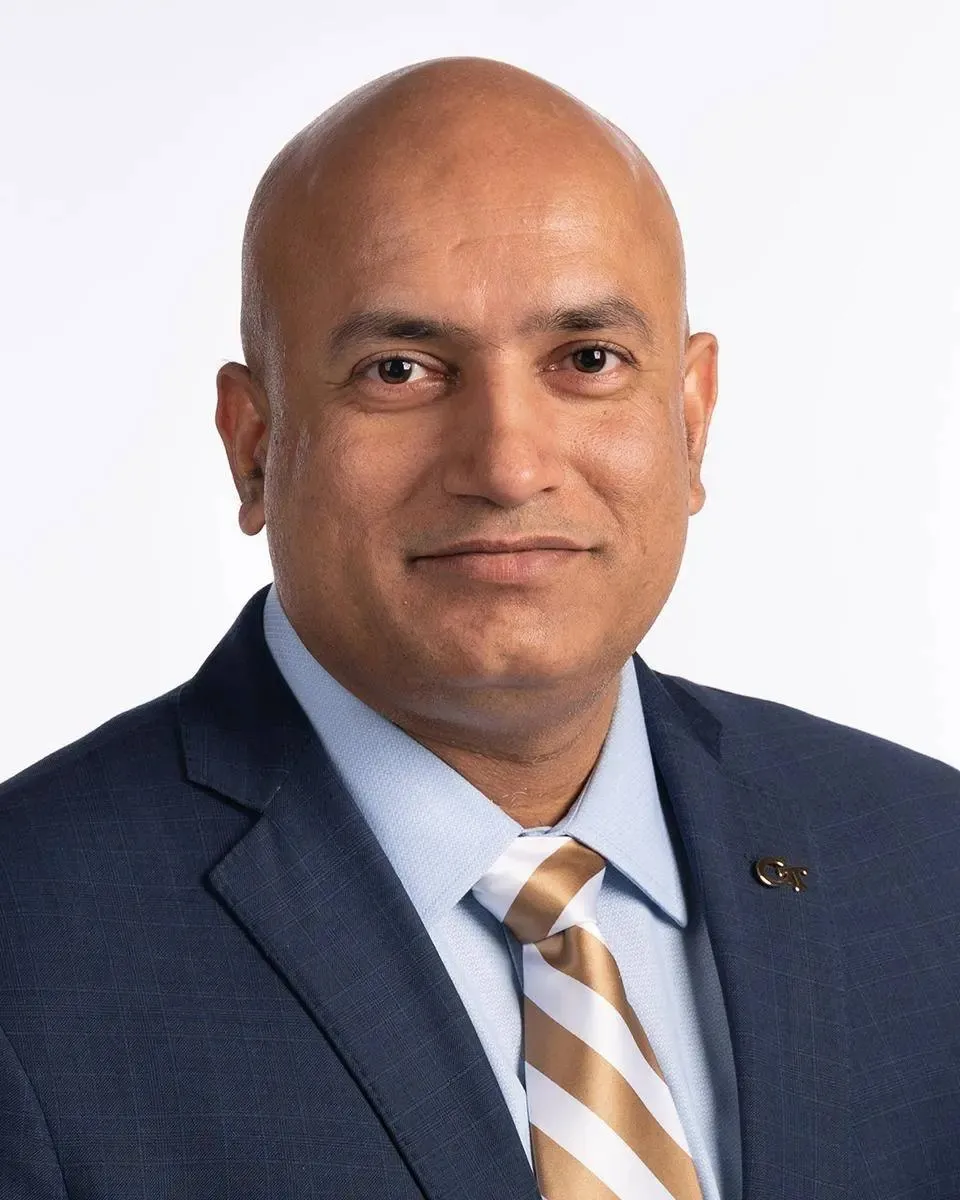
Devesh Ranjan
Devesh Ranjan, the Eugene C. Gwaltney, Jr. School Chair of the George W. Woodruff School of Mechanical Engineering, has been named dean of the College of Engineering at the University of Wisconsin-Madison (UW).
Ranjan graduated from UW and has been at Georgia Tech since 2014. He was selected as dean by UW Provost Charles Isbell, a Georgia Tech graduate and former dean of the College of Computing.
Ranjan will lead the Woodruff School through the spring semester. He will join UW in June.
“Devesh is a visionary leader who has created numerous programs to strengthen the Woodruff School community,” said Raheem Beyah, dean of the College of Engineering and Southern Company Chair. “Georgia Tech is my alma mater, and I know there’s nothing like going home. Devesh’s deep commitment and determination will undoubtedly lead to his continued success as he returns to UW to innovate and lead the university’s college of engineering. I’m grateful for his commitment to Tech and the Woodruff School, as well as his valuable guidance and partnership.”
News Contact
Jason Maderer (maderer@gatech.edu)
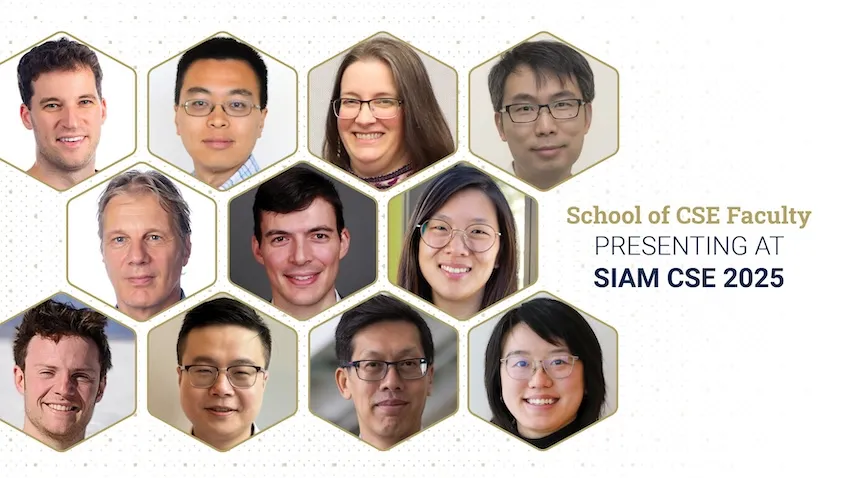
Many communities rely on insights from computer-based models and simulations. This week, a nest of Georgia Tech experts are swarming an international conference to present their latest advancements in these tools, which offer solutions to pressing challenges in science and engineering.
Students and faculty from the School of Computational Science and Engineering (CSE) are leading the Georgia Tech contingent at the SIAM Conference on Computational Science and Engineering (CSE25). The Society of Industrial and Applied Mathematics (SIAM) organizes CSE25, occurring March 3-7 in Fort Worth, Texas.
At CSE25, the School of CSE researchers are presenting papers that apply computing approaches to varying fields, including:
- Experiment designs to accelerate the discovery of material properties
- Machine learning approaches to model and predict weather forecasting and coastal flooding
- Virtual models that replicate subsurface geological formations used to store captured carbon dioxide
- Optimizing systems for imaging and optical chemistry
- Plasma physics during nuclear fusion reactions
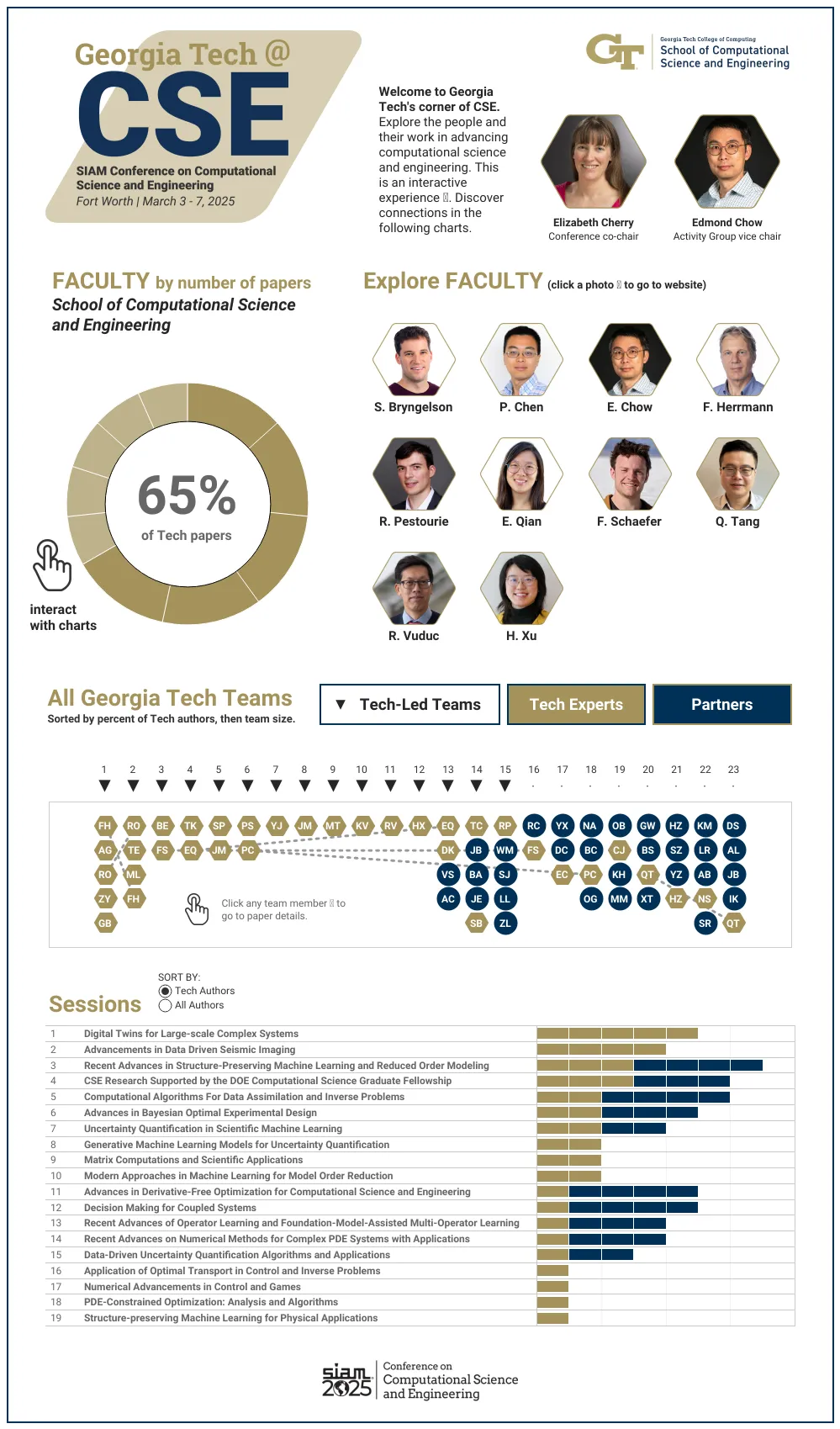
[Related: GT CSE at SIAM CSE25 Interactive Graphic]
“In CSE, researchers from different disciplines work together to develop new computational methods that we could not have developed alone,” said School of CSE Professor Edmond Chow.
“These methods enable new science and engineering to be performed using computation.”
CSE is a discipline dedicated to advancing computational techniques to study and analyze scientific and engineering systems. CSE complements theory and experimentation as modes of scientific discovery.
Held every other year, CSE25 is the primary conference for the SIAM Activity Group on Computational Science and Engineering (SIAG CSE). School of CSE faculty serve in key roles in leading the group and preparing for the conference.
In December, SIAG CSE members elected Chow to a two-year term as the group’s vice chair. This election comes after Chow completed a term as the SIAG CSE program director.
School of CSE Associate Professor Elizabeth Cherry has co-chaired the CSE25 organizing committee since the last conference in 2023. Later that year, SIAM members reelected Cherry to a second, three-year term as a council member at large.
At Georgia Tech, Chow serves as the associate chair of the School of CSE. Cherry, who recently became the associate dean for graduate education of the College of Computing, continues as the director of CSE programs.
“With our strong emphasis on developing and applying computational tools and techniques to solve real-world problems, researchers in the School of CSE are well positioned to serve as leaders in computational science and engineering both within Georgia Tech and in the broader professional community,” Cherry said.
Georgia Tech’s School of CSE was first organized as a division in 2005, becoming one of the world’s first academic departments devoted to the discipline. The division reorganized as a school in 2010 after establishing the flagship CSE Ph.D. and M.S. programs, hiring nine faculty members, and attaining substantial research funding.
Ten School of CSE faculty members are presenting research at CSE25, representing one-third of the School’s faculty body. Of the 23 accepted papers written by Georgia Tech researchers, 15 originate from School of CSE authors.
The list of School of CSE researchers, paper titles, and abstracts includes:
Bayesian Optimal Design Accelerates Discovery of Material Properties from Bubble Dynamics
Postdoctoral Fellow Tianyi Chu, Joseph Beckett, Bachir Abeid, and Jonathan Estrada (University of Michigan), Assistant Professor Spencer Bryngelson
[Abstract]
Latent-EnSF: A Latent Ensemble Score Filter for High-Dimensional Data Assimilation with Sparse Observation Data
Ph.D. student Phillip Si, Assistant Professor Peng Chen
[Abstract]
A Goal-Oriented Quadratic Latent Dynamic Network Surrogate Model for Parameterized Systems
Yuhang Li, Stefan Henneking, Omar Ghattas (University of Texas at Austin), Assistant Professor Peng Chen
[Abstract]
Posterior Covariance Structures in Gaussian Processes
Yuanzhe Xi (Emory University), Difeng Cai (Southern Methodist University), Professor Edmond Chow
[Abstract]
Robust Digital Twin for Geological Carbon Storage
Professor Felix Herrmann, Ph.D. student Abhinav Gahlot, alumnus Rafael Orozco (Ph.D. CSE-CSE 2024), alumnus Ziyi (Francis) Yin (Ph.D. CSE-CSE 2024), and Ph.D. candidate Grant Bruer
[Abstract]
Industry-Scale Uncertainty-Aware Full Waveform Inference with Generative Models
Rafael Orozco, Ph.D. student Tuna Erdinc, alumnus Mathias Louboutin (Ph.D. CS-CSE 2020), and Professor Felix Herrmann
[Abstract]
Optimizing Coupled Systems: Insights from Co-Design Imaging and Optical Chemistry
Assistant Professor Raphaël Pestourie, Wenchao Ma and Steven Johnson (MIT), Lu Lu (Yale University), Zin Lin (Virginia Tech)
[Abstract]
Multifidelity Linear Regression for Scientific Machine Learning from Scarce Data
Assistant Professor Elizabeth Qian, Ph.D. student Dayoung Kang, Vignesh Sella, Anirban Chaudhuri and Anirban Chaudhuri (University of Texas at Austin)
[Abstract]
LyapInf: Data-Driven Estimation of Stability Guarantees for Nonlinear Dynamical Systems
Ph.D. candidate Tomoki Koike and Assistant Professor Elizabeth Qian
[Abstract]
The Information Geometric Regularization of the Euler Equation
Alumnus Ruijia Cao (B.S. CS 2024), Assistant Professor Florian Schäfer
[Abstract]
Maximum Likelihood Discretization of the Transport Equation
Ph.D. student Brook Eyob, Assistant Professor Florian Schäfer
[Abstract]
Intelligent Attractors for Singularly Perturbed Dynamical Systems
Daniel A. Serino (Los Alamos National Laboratory), Allen Alvarez Loya (University of Colorado Boulder), Joshua W. Burby, Ioannis G. Kevrekidis (Johns Hopkins University), Assistant Professor Qi Tang (Session Co-Organizer)
[Abstract]
Accurate Discretizations and Efficient AMG Solvers for Extremely Anisotropic Diffusion Via Hyperbolic Operators
Golo Wimmer, Ben Southworth, Xianzhu Tang (LANL), Assistant Professor Qi Tang
[Abstract]
Randomized Linear Algebra for Problems in Graph Analytics
Professor Rich Vuduc
[Abstract]
Improving Spgemm Performance Through Reordering and Cluster-Wise Computation
Assistant Professor Helen Xu
[Abstract]
News Contact
Bryant Wine, Communications Officer
bryant.wine@cc.gatech.edu

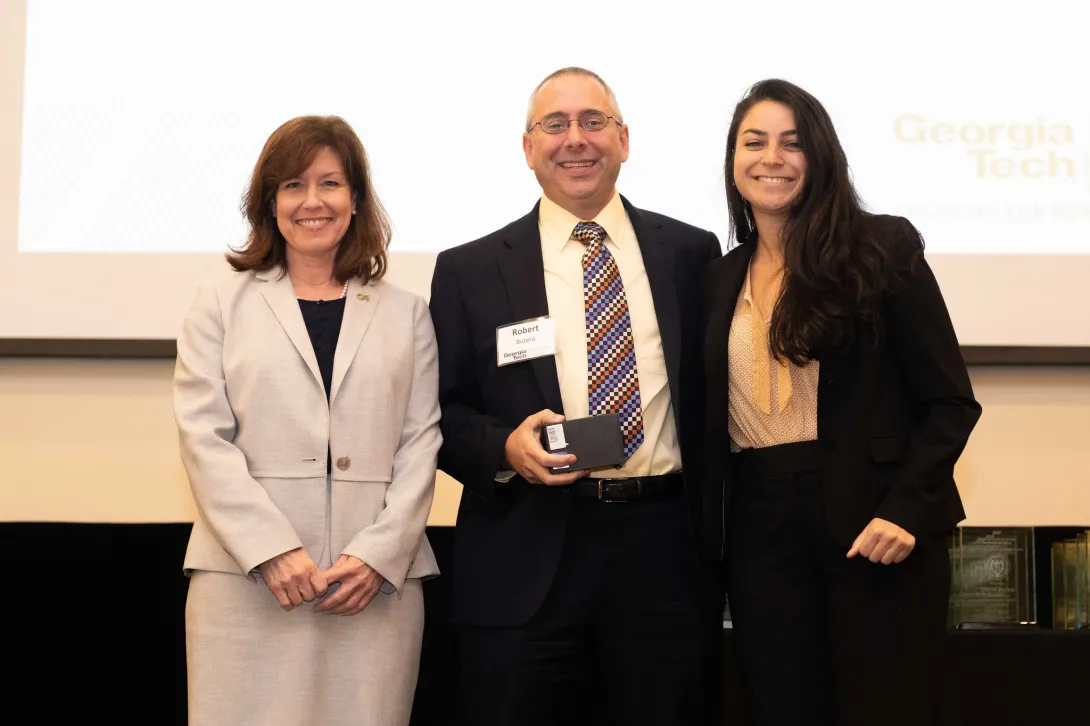

Celebrating the Remarkable Career of Robert Butera
Bill Dracos Appointed Interim Chief Research Operations Officer as Rob Butera Announces His Retirement
It is with immense gratitude and admiration that we announce the retirement of Robert Butera, who has served Georgia Tech with the highest dedication and excellence. As the chief research operations officer (CROO), Butera has facilitated the Institute’s research activities, overseeing research integrity assurance, research administration, research operations/infrastructure, and research development. His leadership and vision have left an indelible mark on Georgia Tech's research enterprise.
Butera’s journey at Georgia Tech began long before his role as CROO. He received his undergraduate degree in electrical engineering from Georgia Tech in 1991. He joined the Institute’s faculty in 1999, after earning his Ph.D. from Rice University and spending several years as a postdoctoral researcher at the National Institutes of Health. Over the years, Butera has held numerous pivotal roles, including vice president for research development and operations, associate dean for research in the College of Engineering, and director of the Neural Engineering Center. Prior to joining Georgia Tech’s research leadership, Butera directed the interdisciplinary bioengineering graduate program, then co-founded the Grand Challenges Living Learning Community.
As a professor, Butera graduated 15 Ph.D. students and mentored over 100 undergraduates, for which he received Georgia Tech’s Senior Faculty Outstanding Undergraduate Research Mentor Award in 2016. He also mentored several postdocs and master’s students.
Butera’s accolades are numerous, including the prestigious Georgia Tech ANAK award and election as a Fellow to both the American Association for the Advancement of Science and the American Institute of Medical and Biological Engineering. He held significant leadership roles within the IEEE Engineering in Medicine and Biology Society. These honors reflect his impact on the field of biomedical engineering and his dedication to advancing scientific knowledge.
Beyond his professional achievements, Butera’s personal passions have also enriched the larger Georgia Tech community. His love for whitewater kayaking, which he discovered through Outdoor Recreation Georgia Tech (ORGT), led to a decade of volunteering as an instructor and trip leader. This commitment to adventure and leadership development has inspired many students and colleagues alike.
"Rob's unwavering commitment to excellence and his visionary leadership have been instrumental in advancing Georgia Tech's research mission. His contributions have not only elevated our institution but have also profoundly impacted the broader scientific community. We are deeply grateful for his service and wish him all the best in his well-deserved retirement,” said Tim Lieuwen, executive vice president for Research.
Andrés J. García, executive director of the Parker H. Petit Institute for Bioengineering and Bioscience, shared these heartfelt words: "Rob, the ultimate Yellow Jacket, has been a tireless champion to improve research, educational, and operational processes at Georgia Tech. He has had tremendous positive impact in Georgia Tech, the state, and the nation. We will miss his deep knowledge and expertise, exceptional problem solving, practical perspective, and genuine care for faculty, staff, and students, and we wish him continued success in his next chapter."
Lena Ting, McCamish Foundation Distinguished Chair in Biomedical Engineering in the Walter H. Coulter Department of Biomedical Engineering, said, “Rob’s heart has a huge ‘GT’ stamped on it: He has always been engaged in all aspects of Georgia Tech life. I’m always amazed to hear about his undergrad teaching and mentoring, kayaking with ORGT, and advising his fraternity. At the same time, he worked tirelessly to enhance interdisciplinary research and solve challenges affecting faculty research, all while conducting his own innovative research. Rob is a GT nexus, always in the know about what is going on around campus and – more importantly – how and why it got to be that way. He is a great friend and colleague who is always available for a beer, and I’ll miss him dearly.”
As we bid farewell to Rob, we also extend a warm welcome to Bill Dracos, who will serve as the interim chief research operations officer, effective immediately. Bill brings a wealth of experience from his role as Deputy Chief Operating Officer at the Georgia Tech Research Institute and his previous leadership positions at George Mason University, Emory University, and PricewaterhouseCoopers. We are confident Bill will continue to build on Rob's legacy of excellence and innovation.
Thank you, Rob, for your years of service, your unwavering commitment to Georgia Tech, and your inspiring leadership. We wish you all the best in your retirement and look forward to seeing the new adventures you will undoubtedly embark upon.
Georgia Tech is conducting a national search for the next Chief Research Operations Officer. Learn more about the open position.
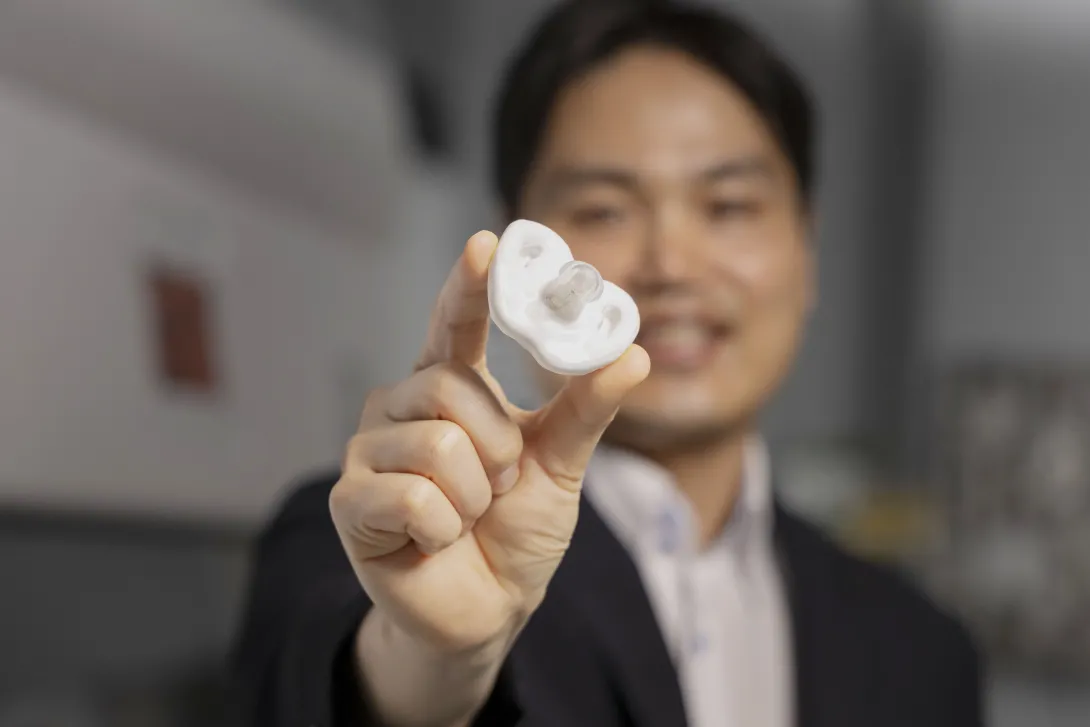
Hong Yeo, associate professor and Harris Saunders Jr. Endowed Professor in the George W. Woodruff School of Mechanical Engineering, came up with the pacifier idea at a pediatric technology conference.
Georgia Tech researchers have developed a pacifier that can constantly monitor a baby’s electrolyte levels in real time, eliminating the need for repeated invasive blood draws.
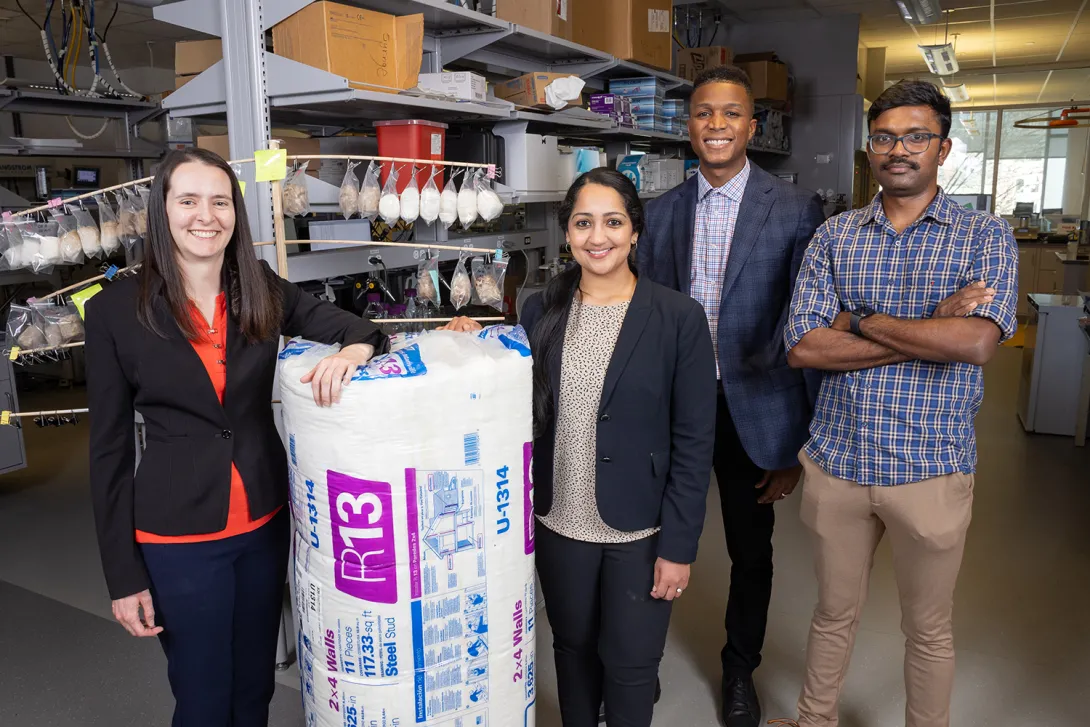
From left, Kelly Farmer, Akanksha Menon, Joe Bozeman, and Arjun Ramshankar with a package of traditional fiberglass insulation and a rack holding samples of potential hemp-based insulation materials created by graduate student Elyssa Ferguson in Menon's lab. The team has published an analysis outlining a path toward a viable hemp-based building insulation market in the U.S. Hemp insulation can be used in place of traditional fiberglass batt insulation and reduce the carbon footprint of buildings, but hemp materials currently cost twice as much. (Photo: Candler Hobbs)
It’s a fairly niche product now, but a new study from Georgia Tech engineers suggests insulation made from hemp fibers could be a viable industry in the U.S., creating jobs, a manufacturing base, and greener homes and buildings at the same time.
Making the switch could slash the impact of one of the biggest sources of greenhouse gas emissions: Buildings account for roughly 1/5 of emissions globally. By some estimates, using hemp-based products would reduce the environmental impact of insulation by 90% or more.
The Georgia Tech researchers’ work, reported this month in the Journal of Cleaner Production, is one of the first studies to evaluate the potential for scaling up U.S. production and availability of hemp-based insulation products.
Read about their findings on the College of Engineering website.
News Contact
Joshua Stewart
College of Engineering
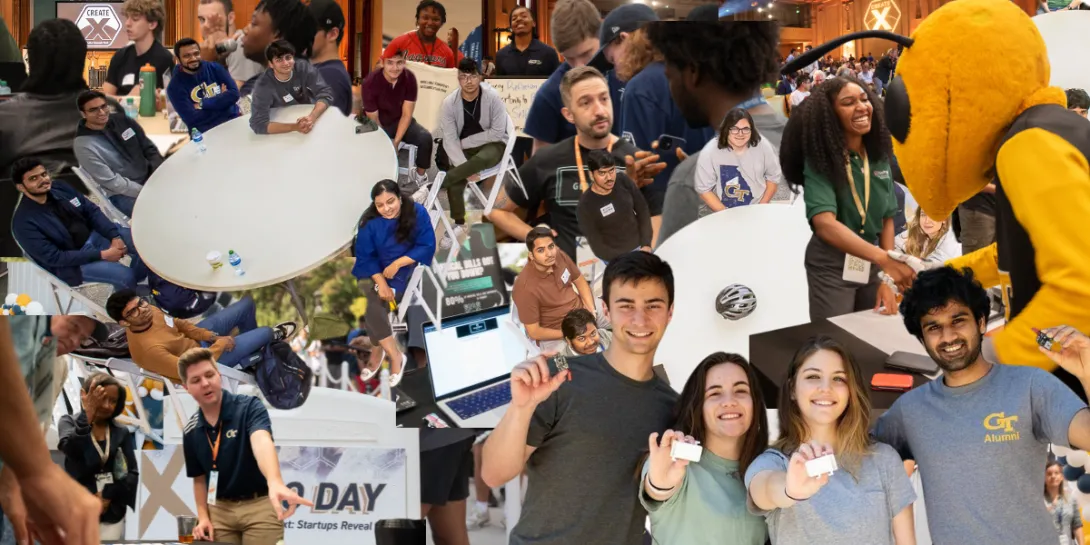
Image of CREATE-X Founders in the Startup Launch program, showing their products, meeting guests of Demo Day, and networking
As CREATE-X enters 2025, the program is more committed than ever to helping students build the future they envision. Through workshops, courses, mentorship, and support, CREATE-X provides a low-risk environment where students can tackle real-world problems and develop solutions.
So far, we have helped launch more than 650 startups by founders from over 38 majors, seen eight founders featured in the Forbes 30 Under 30 Atlanta listing this year, and generated a total portfolio valuation of over $2.4 billion.
Startup Launch, our 12-week summer startup accelerator, continues to be a cornerstone of student entrepreneurship at Georgia Tech, and the program is expanding to accommodate additional teams. Students are encouraged to apply and can even use course projects for their startups. Teams can be in any stage of development and must have at least one Georgia Tech faculty member, alumnus, or current student. Solopreneurs are also accepted. Apply to this summer’s Startup Launch by Monday, March 17.
Benefits of Startup Launch
- Education and Mentorship: Learn from experienced entrepreneurs and business experts.
- Financial Support: Receive $5,000 in optional seed funding and $150,000 of in-kind services like legal counsel and accounting.
- Networking Opportunities: Access a rich entrepreneurial network that will last a lifetime.
- Time in Front of Investors: Participate in Demo Day, Tech’s premier startup showcase, which attracts over 1,500 attendees annually, including investors, business and government leaders, field experts, and potential customers.
- Hands-On Experience: Fully immerse yourself in the startup process and intern for yourself.
- Skill Development: Build skills and confidence that will benefit you in any career path.
Rahul Saxena, director of CREATE-X, encouraged students not to feel like they have to be 100% ready before applying.
“We have seen classroom projects and hackathon teams move on to build very successful startups, even though they weren't originally thinking about it,” he said. “Students should apply for Launch to explore the possibility of it with whatever project they are doing now. You never know what could come of it.”
CREATE-X uses rolling admissions, so apply to Startup Launch today to increase your chances of acceptance. CREATE-X believes in producing quickly, failing fast, and iterating again. The team offers feedback to all applicants and encourages them to submit, even if they’re not entirely sure about their application. A previous info session on Startup Launch and a Startup Launch sample application are available to help students prepare. Attend CREATE-X events to get insights into entrepreneurship, workshop business ideas, find teammates, and prepare your Startup Launch applications. For additional questions, email create-x@groups.gatech.edu.
News Contact
Breanna Durham
Marketing Strategist
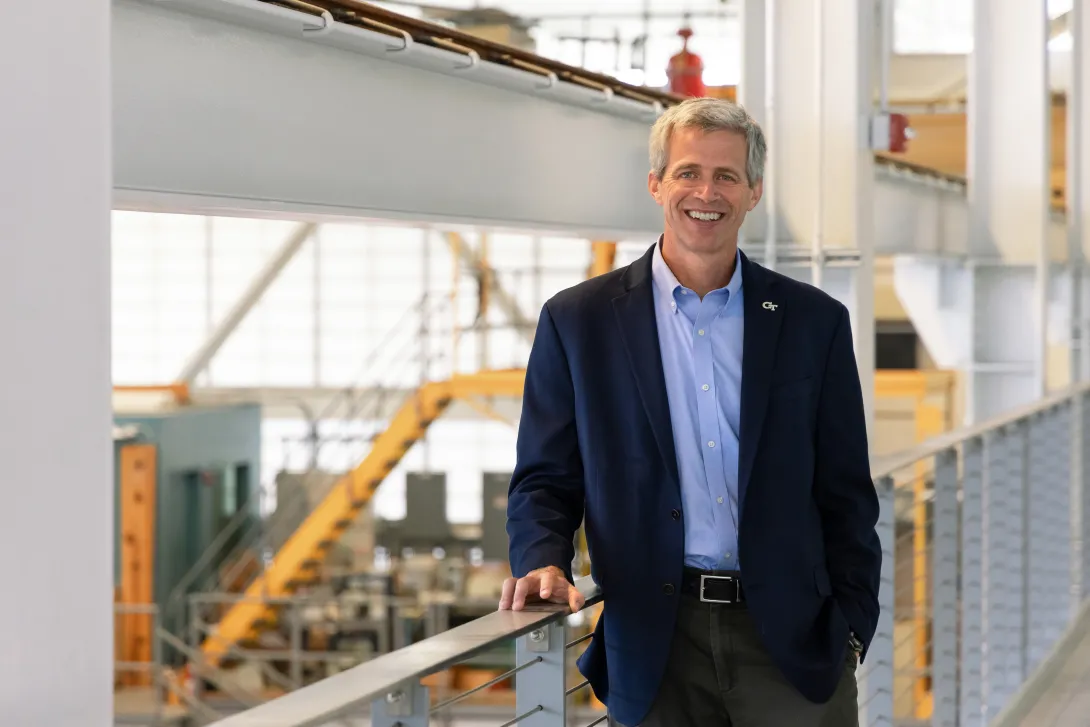
Tim Lieuwen, Executive Vice President for Research
Following a nationwide search, Georgia Tech President Ángel Cabrera has named Timothy Lieuwen the Executive Vice President for Research (EVPR). Lieuwen has served as interim EVPR since September 10, 2024.
“Tim’s ability to bridge academia, industry, and government has been instrumental in driving innovation and positioning Georgia Tech as a critical partner in tackling complex global challenges,” said Cabrera. “With his leadership, I am confident Georgia Tech will continue to expand its impact, strengthen its strategic collaborations, and further solidify its reputation as a world leader in research and innovation.”
A proud Georgia Tech alumnus (M.S. ME 1997, Ph.D. ME 1999), Lieuwen has spent more than 25 years at the Institute. He is a Regents’ Professor and holds the David S. Lewis, Jr. Chair in the Daniel Guggenheim School of Aerospace Engineering. Prior to the interim EVPR role, Lieuwen served as executive director of the Strategic Energy Institute for 12 years. His expertise spans energy, propulsion, energy policy, and national security, and he has worked closely with industry and government to develop new knowledge and see its implementation in the field.
Lieuwen has been widely recognized for his contributions to research and innovation. He is a member of the National Academy of Engineering, as well as a fellow of multiple other professional organizations. Recently, he was elected an International Fellow of the U.K.’s Royal Academy of Engineering, one of only three U.S. engineers in 2024 to receive this prestigious commendation. The honor acknowledges Lieuwen’s contributions to engineering and his efforts to advance research, education initiatives, and industry collaborations.
He has authored or edited four books, published over 400 scientific articles, and holds nine patents — several of which are licensed to industry. He also founded TurbineLogic, an analytics firm working in the energy industry. Additionally, Lieuwen serves on governing and advisory boards for three Department of Energy national labs and was appointed by the U.S. Secretary of Energy to the National Petroleum Council.
The EVPR is the Institute’s chief research officer and directs Georgia Tech’s $1.37 billion portfolio of research, development, and sponsored activities. This includes leadership of the Georgia Tech Research Institute, the Enterprise Innovation Institute, nine Interdisciplinary Research Institutes and numerous associated research centers, and related research administrative support units: commercialization, corporate engagement, research development and operations, and research administration.
“I am honored to step into this role at a time when research and innovation have never been more critical,” Lieuwen said. “Georgia Tech’s research enterprise is built on collaboration — across disciplines, across industries, and across communities. Our strength lies not just in the breakthroughs we achieve, but in how we translate them into real-world impact.
“My priority is to put people first — empowering our researchers, students, and partners to push boundaries, scale our efforts, and deepen our engagement across Georgia and beyond. Together, we will expand our reach, accelerate discovery, and ensure that Georgia Tech remains a driving force for progress and service.”
News Contact
Shelley Wunder-Smith | Director of Research Communications
shelley.wunder-smith@research.gatech.edu
Men and women in California put their lives on the line when battling wildfires every year, but there is a future where machines powered by artificial intelligence are on the front lines, not firefighters.
However, this new generation of self-thinking robots would need security protocols to ensure they aren’t susceptible to hackers. To integrate such robots into society, they must come with assurances that they will behave safely around humans.
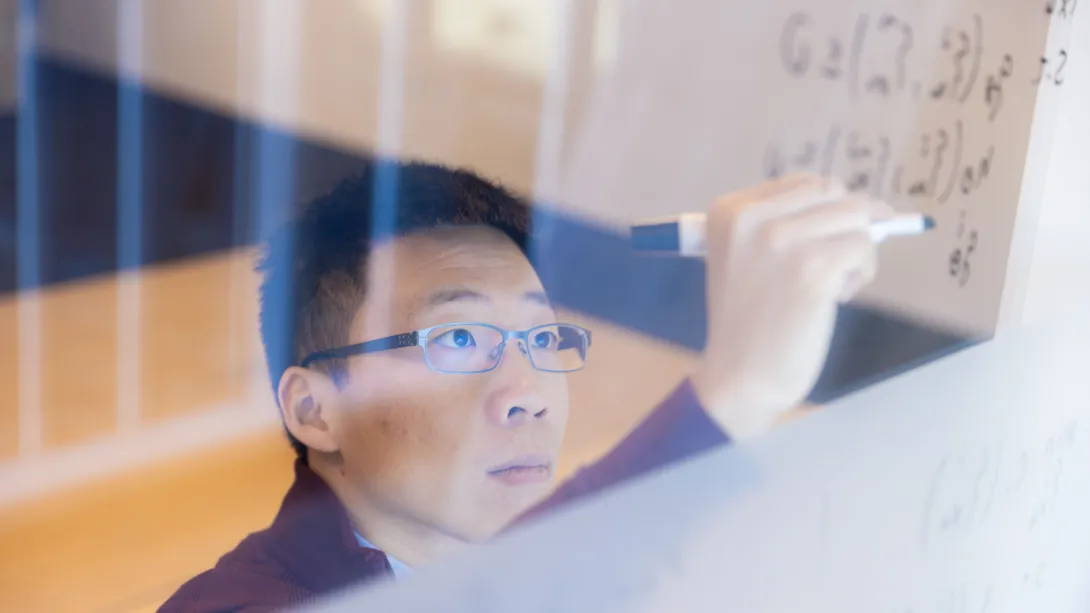
It begs the question: can you guarantee the safety of something that doesn’t exist yet? It’s something Assistant Professor Glen Chou hopes to accomplish by developing algorithms that will enable autonomous systems to learn and adapt while acting with safety and security assurances.
He plans to launch research initiatives, in collaboration with the School of Cybersecurity and Privacy and the Daniel Guggenheim School of Aerospace Engineering, to secure this new technological frontier as it develops.
“To operate in uncertain real-world environments, robots and other autonomous systems need to leverage and adapt a complex network of perception and control algorithms to turn sensor data into actions,” he said. “To obtain realistic assurances, we must do a joint safety and security analysis on these sensors and algorithms simultaneously, rather than one at a time.”
This end-to-end method would proactively look for flaws in the robot’s systems rather than wait for them to be exploited. This would lead to intrinsically robust robotic systems that can recover from failures.
Chou said this research will be useful in other domains, including advanced space exploration. If a space rover is sent to one of Saturn’s moons, for example, it needs to be able to act and think independently of scientists on Earth.
Aside from fighting fires and exploring space, this technology could perform maintenance in nuclear reactors, automatically maintain the power grid, and make autonomous surgery safer. It could also bring assistive robots into the home, enabling higher standards of care.
This is a challenging domain where safety, security, and privacy concerns are paramount due to frequent, close contact with humans.
This will start in the newly established Trustworthy Robotics Lab at Georgia Tech, which Chou directs. He and his Ph.D. students will design principled algorithms that enable general-purpose robots and autonomous systems to operate capably, safely, and securely with humans while remaining resilient to real-world failures and uncertainty.
Chou earned dual bachelor’s degrees in electrical engineering and computer sciences as well as mechanical engineering from University of California Berkeley in 2017, a master’s and Ph.D. in electrical and computer engineering from the University of Michigan in 2019 and 2022, respectively. He was a postdoc at MIT Computer Science & Artificial Intelligence Laboratory prior to joining Georgia Tech in November 2024. He is a recipient of the National Defense Science and Engineering Graduate fellowship program, NSF Graduate Research fellowships, and was named a Robotics: Science and Systems Pioneer in 2022.
News Contact
John (JP) Popham
Communications Officer II
College of Computing | School of Cybersecurity and Privacy