
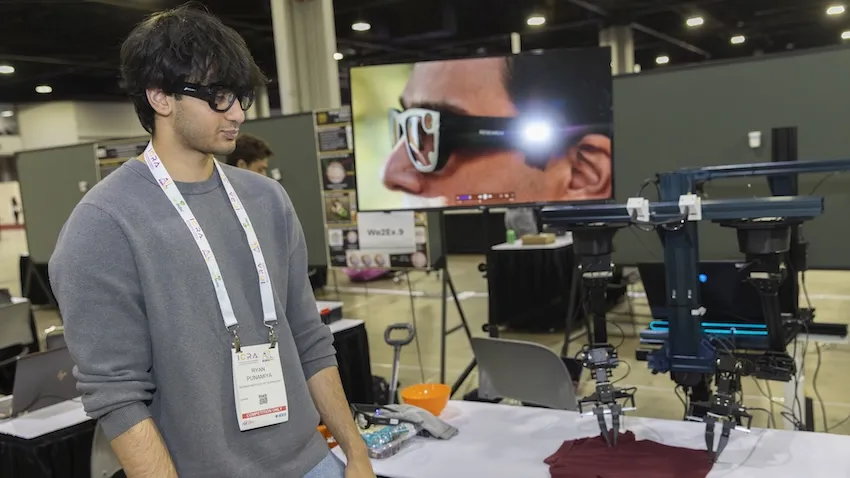
Two Georgia Tech undergraduates are being recognized for their contributions to computing research.
Ryan Punamiya (CS 2025) and Summer Abramson, a third-year computational media student, have been honored by the Computing Research Association (CRA) through its 2025–2026 Outstanding Undergraduate Researcher Award (URA) program.
Punamiya was named a runner-up for the prestigious award, while Abramson received an honorable mention among hundreds of applicants from universities across North America.
The CRA Outstanding Undergraduate Researcher Award program recognized eight awardees in 2026, along with eight runners-up, nine finalists, and over 200 honorable mentions from thousands of applications.
Advancing Robotics Research
Punamiya knew early on that he didn’t want to wait until starting his Ph.D. to do meaningful and impactful robotics research.
Punamiya joined the Robot Learning and Reasoning Lab (RL2) directed by Assistant Professor Danfei Xu. While there, he contributed to the lab’s Meta-sponsored EgoMimic project, which trains robots to perform human tasks using recordings captured by Meta’s Project Aria research glasses.
Punamiya is also the first author of a paper accepted to the 2025 Conference on Neural Information Processing Systems (NeurIPS), one of the world’s most prestigious artificial intelligence (AI) and machine learning conferences.
“Ryan is the strongest undergraduate I've worked with,” Xu said, “including students who went on to Stanford, Berkeley, and leadership roles in major tech companies. He’s already operating at the level of a strong third-year Ph.D. student.”
Punamiya said it was a challenge to balance his undergraduate coursework with his research in Xu’s lab.
“You get out how much you put in,” he said. “I built my class schedule to give myself as much time to do research as possible. It also boils down to having the right research mentors.
“(Xu) never saw me as an undergrad who’s just there to do grunt work. I was fortunate he saw my curiosity and cultivated me as a researcher. That’s really how you get more undergrads motivated to research — giving them the chance to be independent and explore ideas of their own.”
Punamiya said his work in Xu’s lab has already helped him identify the research areas he wants to focus on as he considers his next steps. He will continue developing generalized training models for robots using human data so they can perform tasks instantly upon deployment.
"The amount of data needed to train a robot is difficult to obtain even for top industry companies," he said. "We have embodied robot data available in billions of humans. With the advent of extended reality devices, we can get a scalable source of diverse interactions within environments."
Punamiya graduated in December and recently started an internship at Nvidia. He mentioned he has been accepted into several Ph.D. programs, including Georgia Tech, and he is choosing where to continue his research.
“It’s the first time my research has been acknowledged externally by the robotics community,” he said. “It’s good to know the problem I’m working on is important, and that motivates me. Robotics is an exciting field. We are doing things now that two years ago were difficult to do.”
Researching Inclusion in Computing Education
Abramson conducts research in the People-Agents Research for Computing Education (PARCE) Laboratory under the mentorship of Pedro Guillermo Feijóo-García, a faculty member in the School of Computing Instruction. He and the Associate Dean for Undergraduate Education, Olufisayo Omojokun, nominated her for the award.
Her work focuses on the intersection of computing education and human-AI interaction, where she’s been exploring ways to create more equitable technology.
“This is such a huge milestone, and I couldn't be prouder of Summer,” Feijóo-García said. “Mentoring her for almost two years has been an amazing experience.”
Abramson has received the Georgia Tech President’s Undergraduate Research Award (PURA) twice, which supports her research exploring how user-centered design curricula can help address attrition among women in computing.
“I’ve had the amazing opportunity to pursue research at the intersection of student identity, community belonging, and how we can build tools that support our diverse student population,” Abramson said.
“Dr. Pedro and I have a goal to build community through a human-first approach, and I could not be more grateful for his support and guidance in my own journey. The CRA highlights the best of what the computing discipline has to offer, and I am incredibly honored for our work to be recognized.”
Abramson will spend the summer researching how user-centered design curricula can help promote confidence, belonging, and retention for women in computing.
Nominees for the PURA program were recognized for contributing to multiple research projects, authoring or coauthoring papers, presenting at conferences, developing widely used software artifacts, and supporting their communities as teaching assistants, tutors, and mentors.
School of Computing Instruction Communications Officer Emily Smith contributed to this story.
Main Photo: Ryan Punamiya works with a robot during the 2025 International Conference on Robotics and Automation in Atlanta. Photo by Terence Rushin/College of Computing.
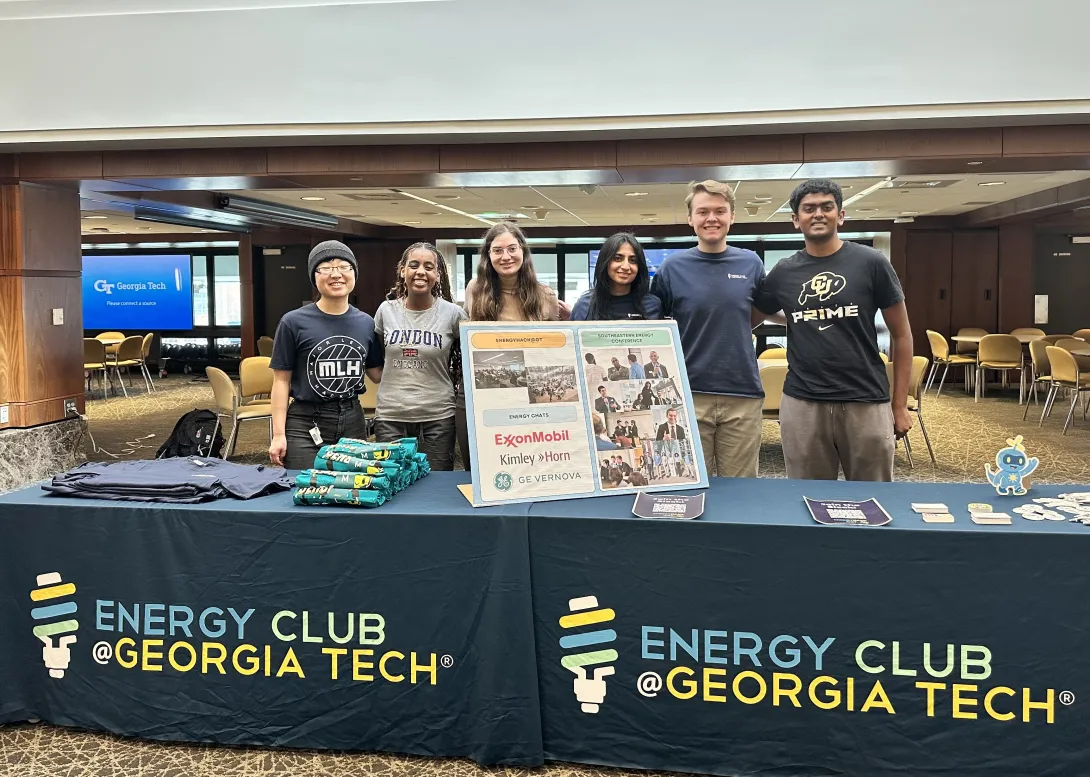
Energy Club Team
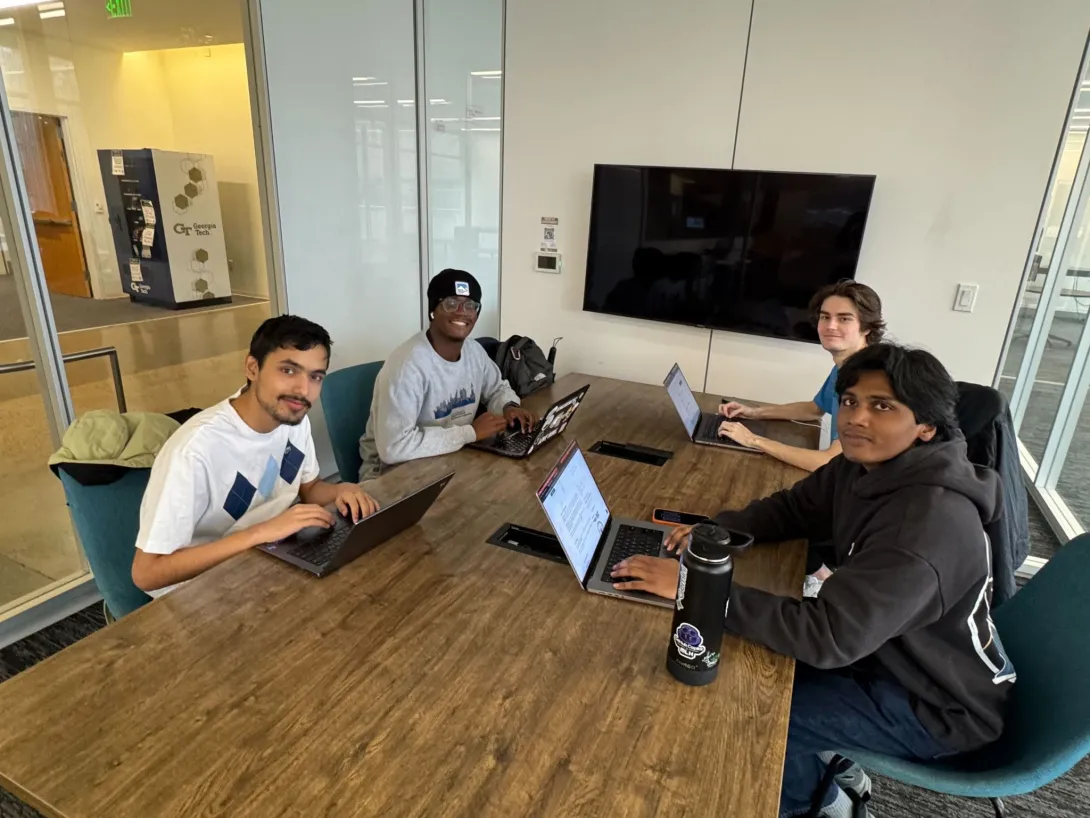
EnergyHack@GT 2026 Winning Team
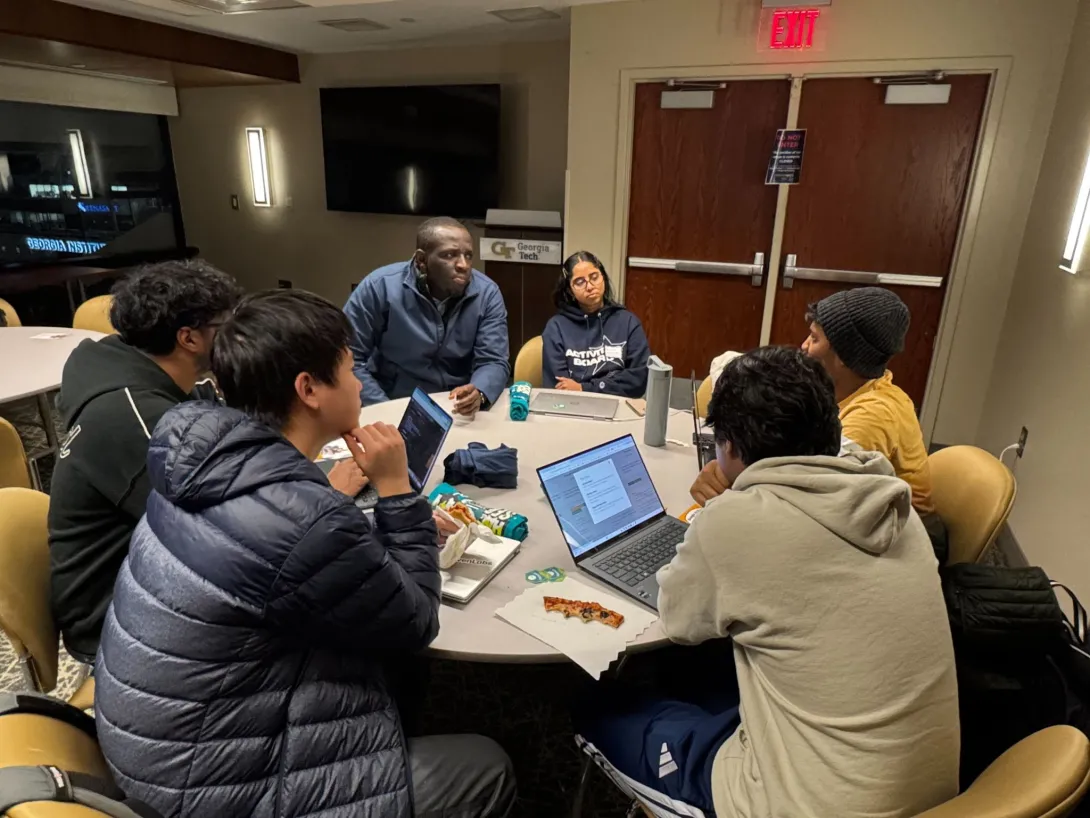
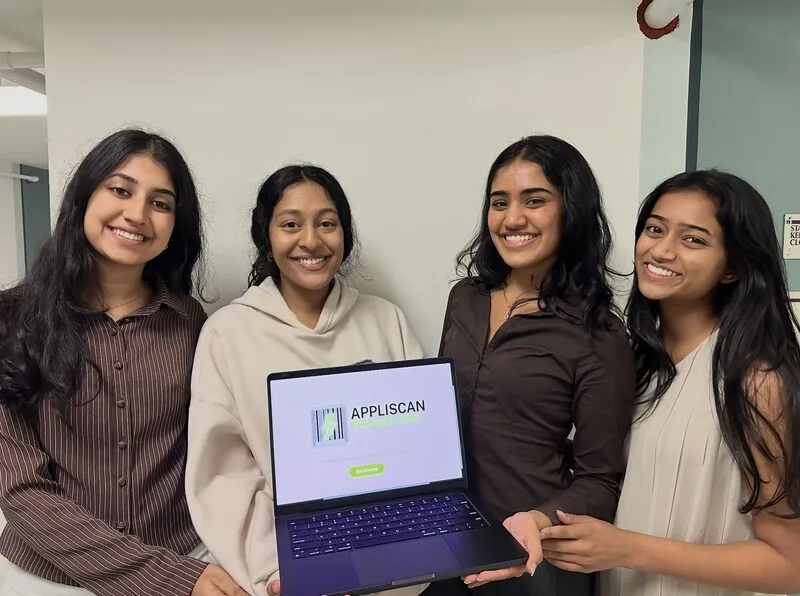
EnergyHack@GT, Georgia Tech’s second annual student-run energy and sustainability hackathon, took place over the weekend of Jan. 23 – 25, 2026. Organized by the Energy Club at Georgia Tech, the hackathon’s mission was to unite passionate students, tackle critical challenges in the energy industry, and foster innovation and collaboration.
Over the course of 36 hours, participants collaborated in teams to brainstorm, design, and prototype projects that promote sustainable practices based on diverse problem statements, addressing this year’s tracks: renewables; electrification & mobility; and smart grid. These themes targeted urgent issues, from balancing renewable energy supply and demand to safeguarding infrastructure against cyber threats and reducing greenhouse gas emissions. Despite the arrival of a winter storm and the hackathon shifting to a fully virtual format, students persevered and produced top-tier projects, which were evaluated by a panel of judges.
The event kicked off with an engaging opening ceremony featuring inspiring keynote speeches that set the tone for the hackathon’s ambitious objectives. Ann Dunkin, Distinguished External Fellow at Georgia Tech’s Strategic Energy Institute (SEI), served as the first of these keynotes, presenting her experiences as chief information officer for the U.S. Department of Energy. She gave participants, whether newcomers or veterans in the energy space, diverse problems to tackle, ranging from cybersecurity risks in substations to climate concerns in the age of artificial intelligence. Dunkin emphasized that no matter the challenge, a strong team can always develop innovative solutions.
“I was impressed by the quality and completeness of the solutions that the students created over about 40 hours,” said Dunkin. "Students created real solutions that meet market needs, and they conveyed an incredible amount of information in the three minutes they had to present their solutions.”
Despite the switch to a virtual format, participants could still talk to mentors throughout the event. These mentors included a Google lead, startup CEOs, Ph.D. researchers, and other professionals with decades of experience in the energy industry. Mentors provided feedback on participants’ ideas and guided them to think more deeply about the problems they chose. The various workshops also provided participants with a chance to dig deep into specific topics.
Michael Levy, U.S. utilities lead at global consulting firm Baringa, presented his workshop on using data and modeling to shape utility decisions, policy, and regulatory strategy. GE Vernova representatives presented “The Energy of Change,” an interactive workshop featuring climate simulations and team challenges to explore the trade-offs between cost, grid capacity, and carbon impact in the real world. Major League Hacking provided guides on GitHub Copilot and Google AI Studio. The final workshop, “Org Efficiency in Early Startups,” was led by Hunter Harris from the technology incubator complex Atlanta Tech Village. Harris taught participants what to prioritize in an early startup, including how to build a management structure and find the right strategy for attracting customers.
Troy Rice, vice president and general manager of Florida Power and Light under NextEra Energy, gave a keynote speech on utility business models and how to set yourself apart in a large industry. Rice discussed his experience, which began as a Tech graduate from the H. Milton Stewart School of Industrial and Systems Engineering. After learning about NextEra’s business model, he eventually created and taught an internal class called “How NextEra Makes Money.” Rice used this story to explain the importance of becoming an expert in knowledge that others in your company overlook. He also discussed the future of energy generation, emphasizing the growth of renewable energy in utility portfolios and often-overlooked potential career opportunities.
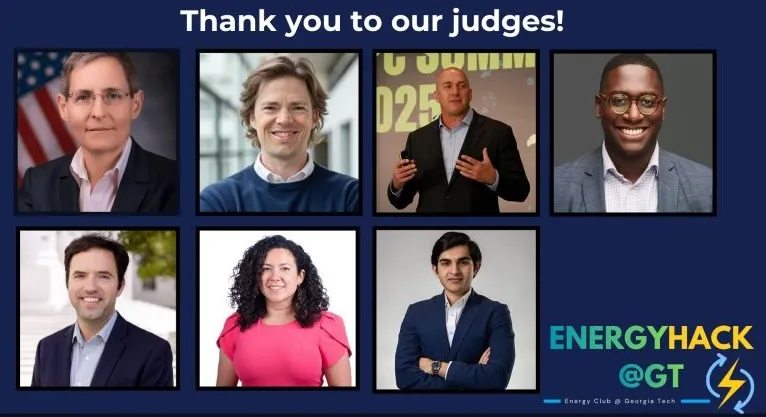
The energy and creativity culminated in the Project Expo, where 22 innovative solutions were showcased. Representatives from the Strategic Energy Institute, Microsoft, NextEra Energy, GE Vernova, and Georgia Tech professors judged projects, offering insights and feedback.
The closing ceremony celebrated the participants’ achievements and the event highlights, featuring Emily Morris, founder and CEO of Emrgy, as the final keynote speaker. Morris shared insights from her experience as a technology startup founder in the energy sector, discussing the unique challenges of navigating a risk-averse industry. She encouraged aspiring entrepreneurs to start by envisioning their future press release to clarify their end goal and avoid getting lost in immediate challenges. Morris emphasized the importance of leveraging your network, whether your Georgia Tech connections or hometown community, regardless of whether you pursue academia, industry, or the startup world.
With more than 110 registered participants, 22 project submissions, and leaders from some of the biggest energy and tech companies, EnergyHack@GT served as a platform for innovation and learning, showcasing the potential of student-led initiatives in shaping the future of energy and sustainability. Awards were presented to the top three projects for their creativity and impact, with the winning teams receiving cash prizes provided by the startup Tractian:
- Best Overall Hack: AppliScan
- Second Place: TeraWatt
- Third Place: WattsUp
Take a look at all the projects submitted: https://energyhack-gt-26.devpost.com/project-gallery
Written by Georgia Tech students: Braden Queen, Orit Endalk, Radhika Sharma
News Contact
Priya Devarajan || SEI Communications Program Manager
Written by Georgia Tech students: Braden Queen, Orit Endalk, Radhika Sharma
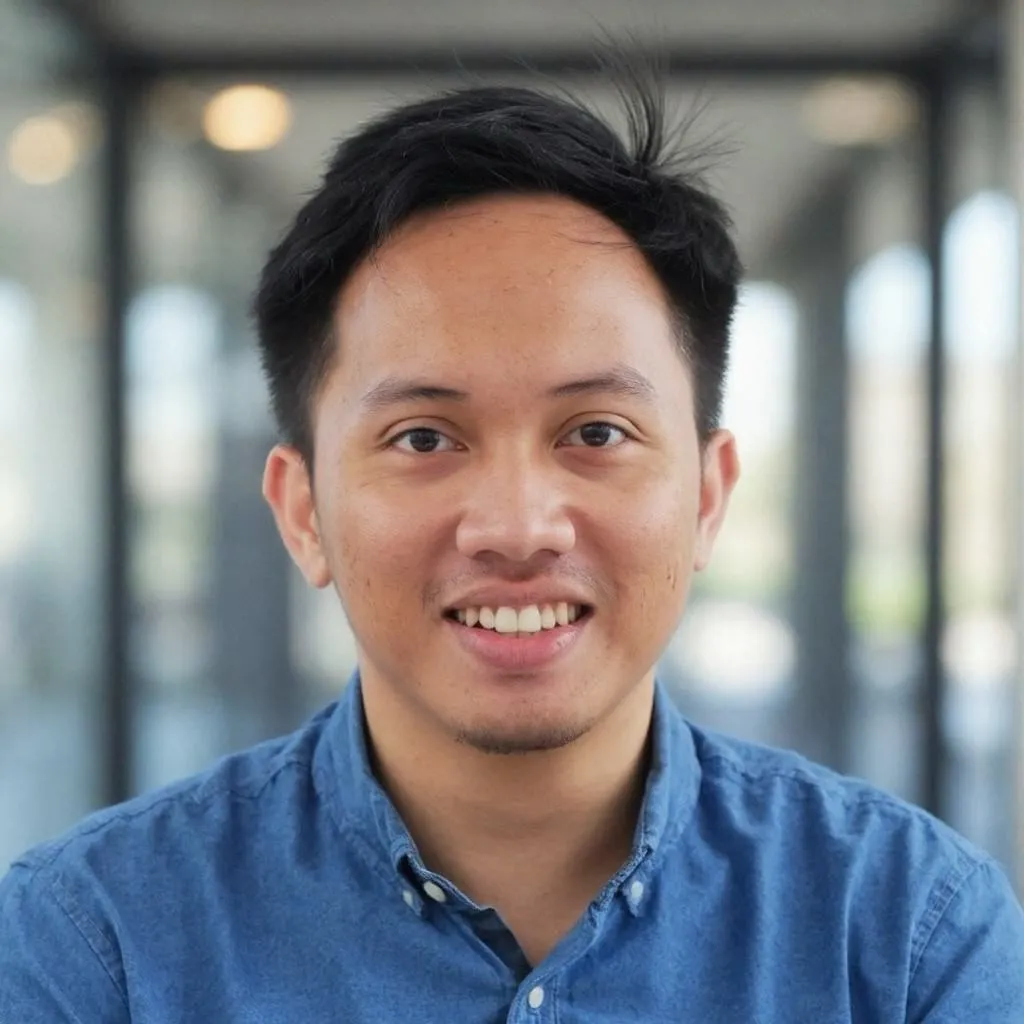
Afi Ramadhani, Ph.D. student at the School of Economics and EPIcenter Student Affiliate
Afi Ramadhani, a graduate student in economics and a student affiliate of Georgia Tech’s Energy Policy Innovation Center, has won a prize for the best research paper from the School of Economics. The research developed in the paper was supported by EPIcenter’s Graduate Student Summer Research Program.
The prize recognizes outstanding student research produced within the School and highlights the value of EPIcenter’s sustained research support and professional development for graduate students.
Ramadhani’s award-winning paper, titled “Battery Storage and Natural Gas Generator Market Power,” was developed during his participation in EPIcenter’s Summer Research Program for graduate and doctoral students pursuing energy policy research at Georgia Tech. Through the program, he received research mentoring and communications coaching that strengthened his work.
“This award reflects what can happen when students have the time, mentorship, and support to fully develop their ideas,” said Laura Taylor, director of EPIcenter. “Our Summer Research Program is designed to help graduate students advance rigorous energy policy research while also building the skills needed to communicate that work effectively.”
Supporting Graduate Research in Energy Policy
The program supports graduate students whose work contributes to energy policy and innovation. Student affiliates receive funding, mentorship, and access to EPIcenter’s research and communications resources, helping them build their academic profiles and translate complex research for broader audiences.
In addition, they gain valuable opportunities to present their work, participate in EPIcenter programs and events, share their research through EPIcenter’s communications platforms, and build their skills through tailored collaboration and training with EPIcenter staff.
During the summer, Ramadhani worked closely with EPIcenter staff and mentors. The program’s stipend allowed him to spend those months fully focused on his research, rather than taking on teaching or other responsibilities.
"Participating in the program really made my summer productive. I got a lot of good feedback on how to shape the idea into a paper," he said.
Advancing Emerging Scholars
Ramadhani’s recognition reflects EPIcenter’s broader commitment to supporting graduate students whose research addresses critical energy and policy challenges. By pairing research support with mentorship and communications training, the center helps students develop work that earns recognition well beyond the program itself.
News Contact
Priya Devarajan || SEI Communications Program Manager
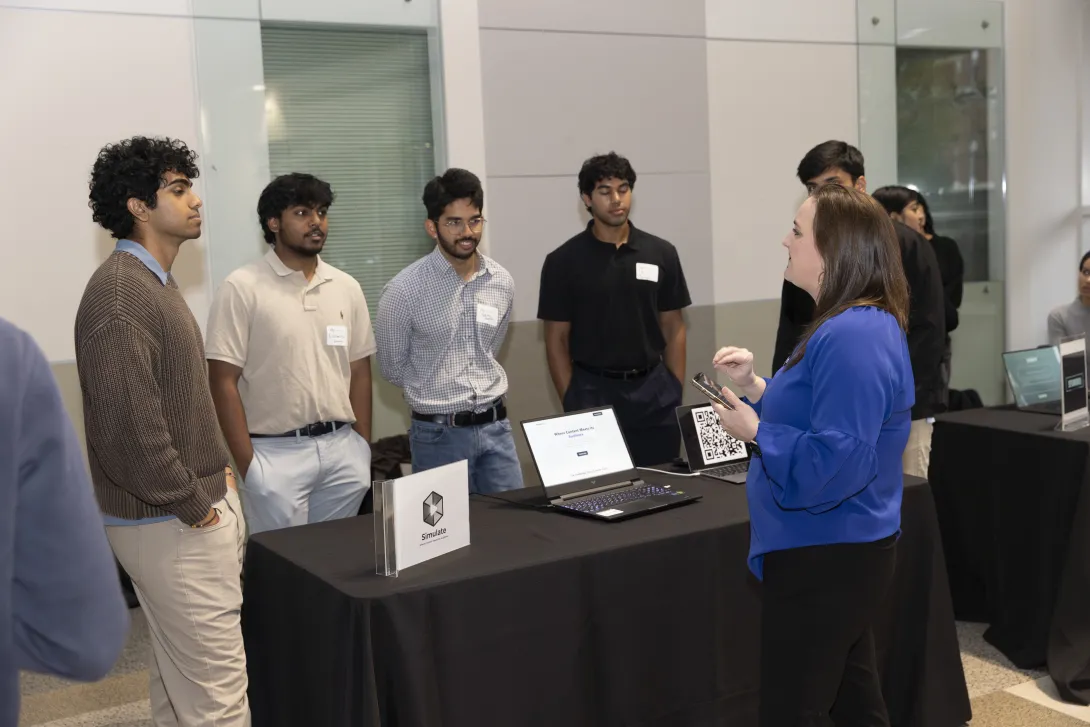
SCI's Jennifer Whitlow speaks with a team presenting at the new entrepreneur section of Junior Design Capstone. Photos by Terence Rushin/ College of Computing.
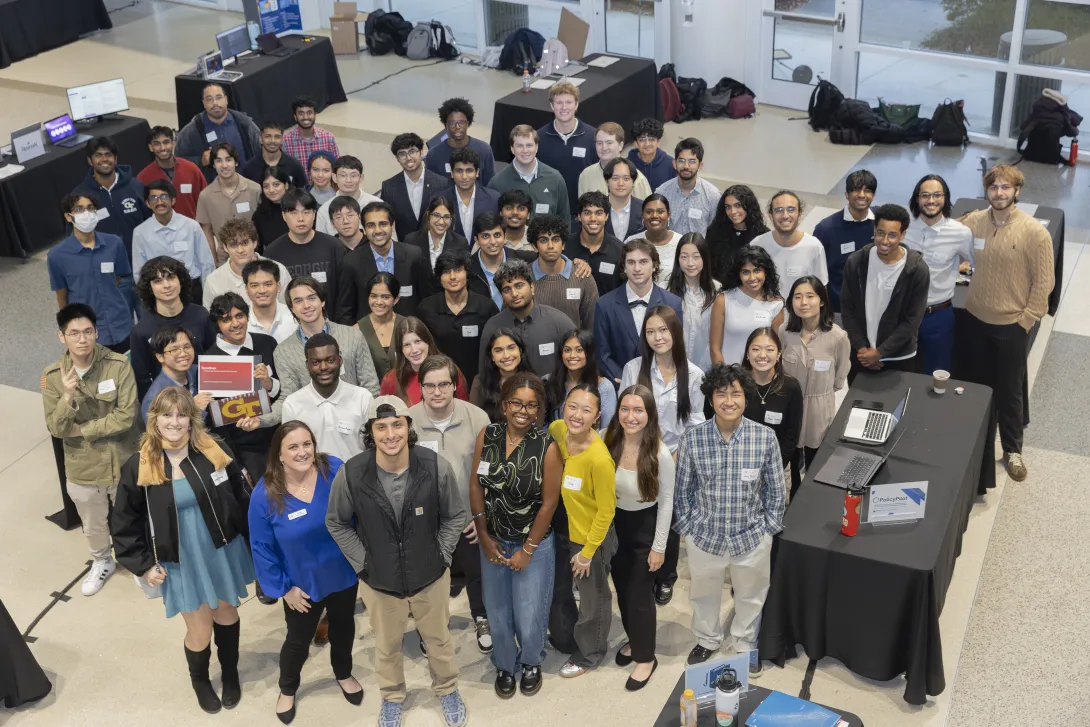
Students present at the expo
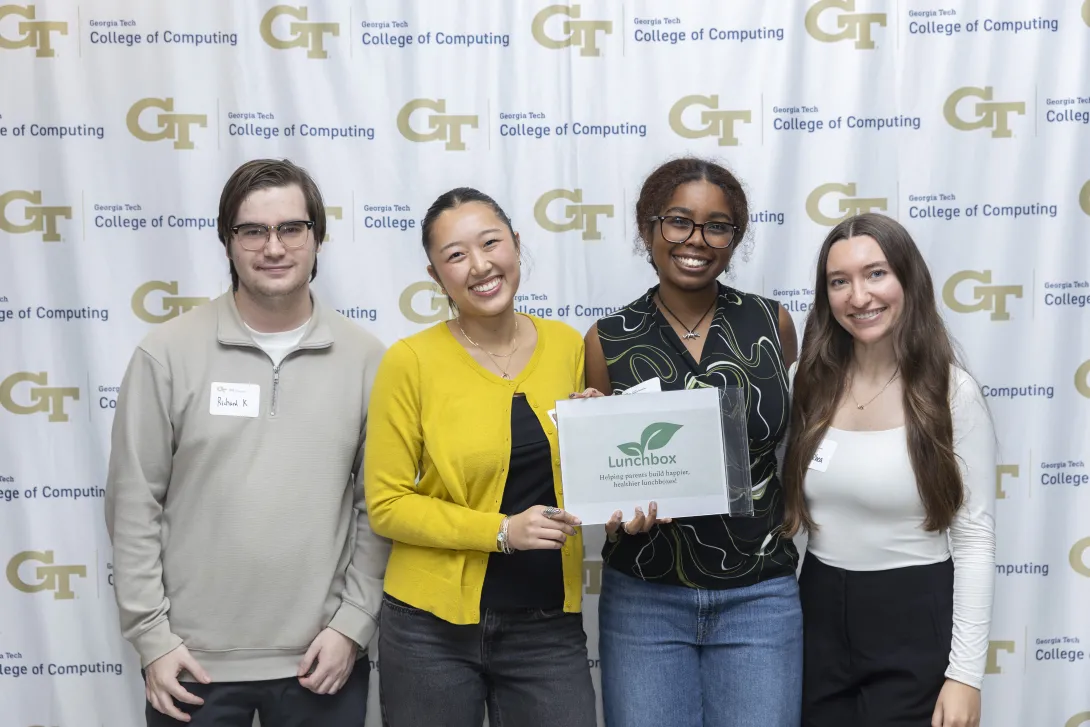
Team Lunchbox created a prototype to help parents of neurodivergent children with safe foods. Photo by Terence Rushin/ College of Computing.
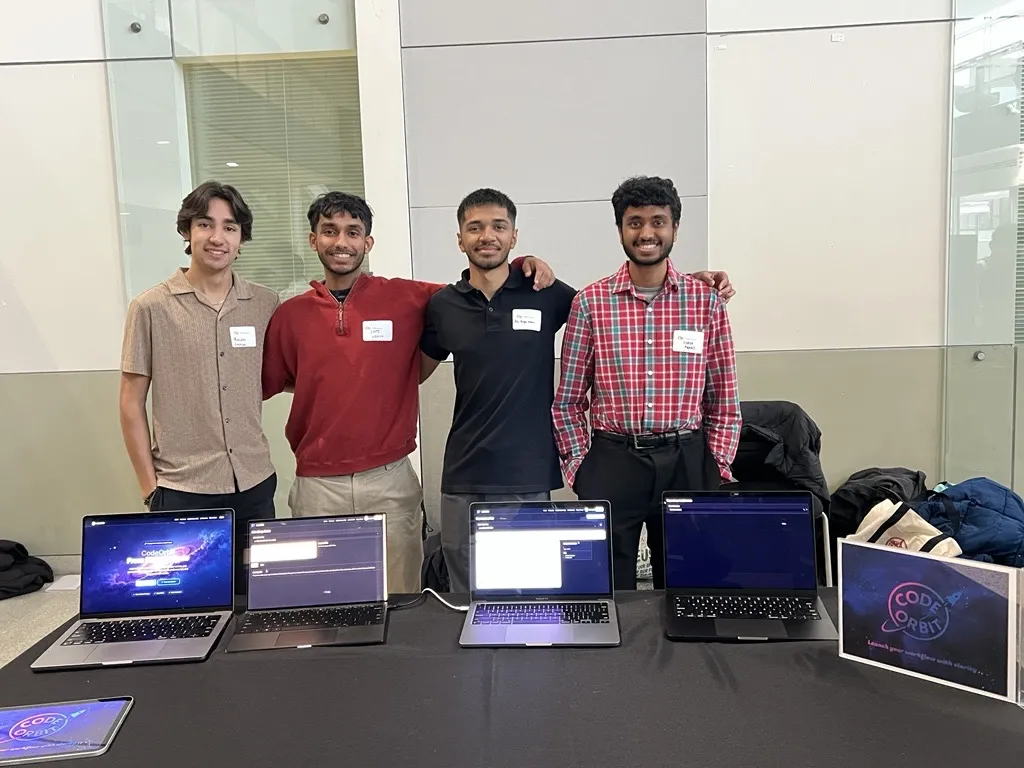
Team CodeOrbit took first place at the Expo. Photo by Jennifer Whitlow.
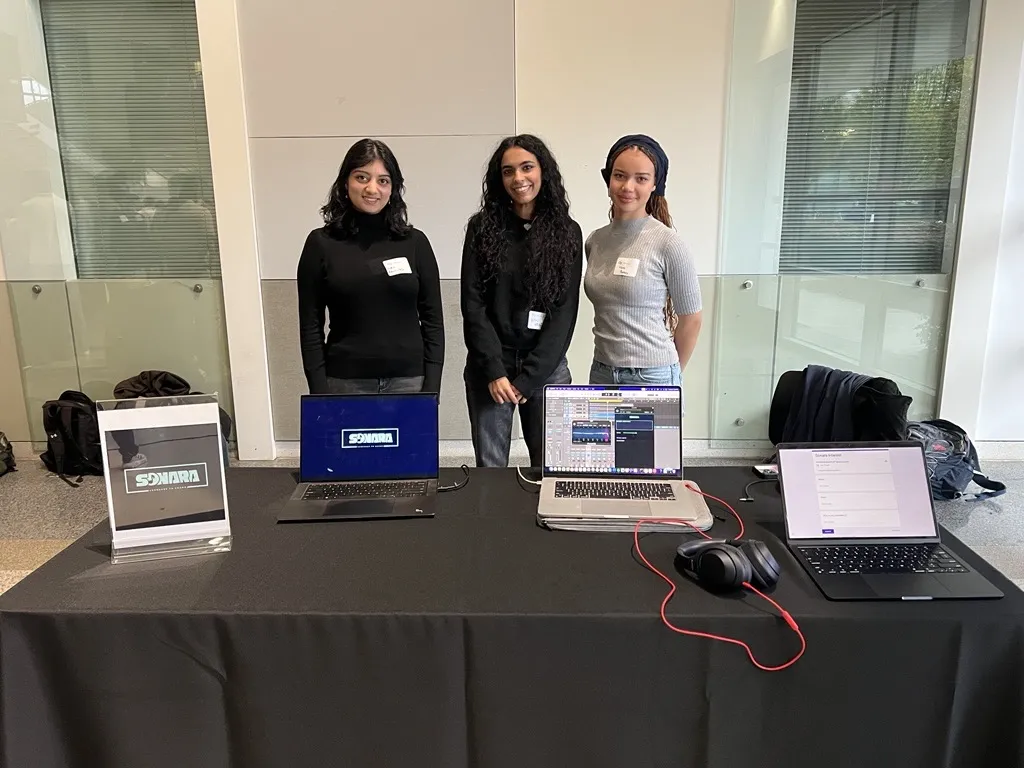
Team Sonara took second place at the Expo. Photo by Jennifer Whitlow.
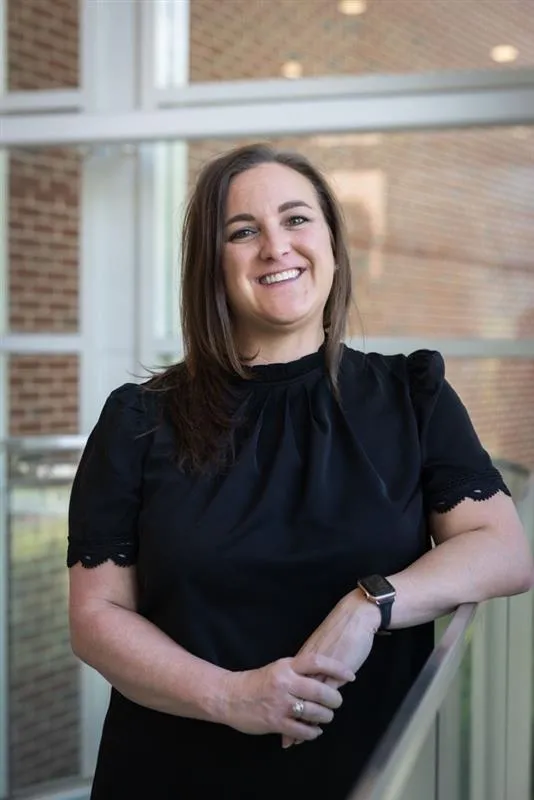
Whitlow, who has years of experience working with startups, leads the new section of Junior Design Capstone. Photo by Kevin Beasley/ College of Computing.
From zero to working prototype in just four months, students in the College of Computing’s new entrepreneurial Junior Design Capstone tackle real-world problems with guidance from startup mentors.
Led by School of Computing Instruction faculty member and Georgia Tech alumna Jennifer Whitlow, the course gives students a founder’s perspective on building technology that meets real user needs.
A Startup Approach to Junior Design
Unlike the traditional CS Junior Design course where teams work with sponsors, students in the entrepreneurial track act as their own clients. They begin the semester with no predetermined problem and follow a structured process, which is anchored by deliverables that reflect professional expectations.
“Students come in with nothing,” Whitlow said. “They identify a problem, conduct customer discovery, realize which assumptions were wrong, refine their direction, figure out what to build and then build it. And they own it 100 percent.”
Customer-discovery interviews ensure every idea is grounded in real user needs, and the semester culminates in a fully functioning prototype paired with a written justification of the decisions behind it. This combination of development and reflection gives students a framework that mirrors startup practices.
Expert Alumni Coached and AI-Driven Development
To further simulate a startup environment, Whitlow recruited alumni coaches with startup or executive experience. Coaches were paired with teams based on their areas of expertise, advising anywhere from one to four groups. The roster includes a former chief technology officer and longtime startup advisor, along with alumni startup founders.
Students also incorporate AI tools into development, accelerating early prototype work while still making critical decisions themselves.
“AI can accelerate the early stages,” Whitlow said. “But students have to understand their design well enough to guide it. AI doesn’t replace their decision-making.”
Top Teams Earn CREATE-X Acceptance
Sixteen teams completed the entrepreneurial capstone this fall.
The top two scoring projects earned automatic acceptance into CREATE-X Launch, Georgia Tech’s startup accelerator:
- CodeOrbit
- Sonara
These teams showcase the program’s ability to quickly bring student ideas to a level that’s ready for real-world startup incubation.
Putting the Process into Action: Lunchbox
One team that exemplifies how the capstone’s structure supports innovation is LunchBox. Created by computational media major Abigail Rhea and her teammates, LunchBox helps parents and caregivers of neurodivergent children navigate limited safe-food options.
The idea evolved after early customer discovery revealed that the original concept had too much competition, so the team narrowed its focus.
“During research, one of our teammates came across a testimonial from the mother of an autistic child,” Rhea said. “It spoke to all of us and helped us shift toward a truly underserved demographic.”
The team conducted more than 20 interviews with caregivers and special education teachers, reshaping its approach. “We realized families didn’t need another daily task,” Rhea said. “They needed personalized guidance that runs in the background. Everything we built came directly from those conversations.”
The team's biggest technical challenge was engineering a dynamic, emotionally supportive roadmap for food-exposure therapy. While AI accelerated development of SwiftUI code, all core decisions remained human-driven.
At the Capstone Expo, attendees connected strongly with the project. “So many people told us how applicable LunchBox is to their lives,” Rhea said. “Most joined the waitlist. We couldn’t be more excited for what’s next.”
Looking Ahead
Whitlow sees the pilot already fulfilling its purpose: giving students the tools and confidence to turn ideas into real ventures. Teams can continue work by applying to CREATE-X programs or building on their prototypes after the semester.
“This course shows students they can create something real,” Whitlow said. “That’s the goal: empowering them to innovate.”
A Startup Approach to Junior DA Startup Approach to Junior DesiUnlike the traditional CS Junior Design course where teams work with sponsors, students in the entrepreneurial track act as their own clients. They begin the semester with no predetermined problem and follow a structured process, which is anchored by deliverables that reflect professional expectatio
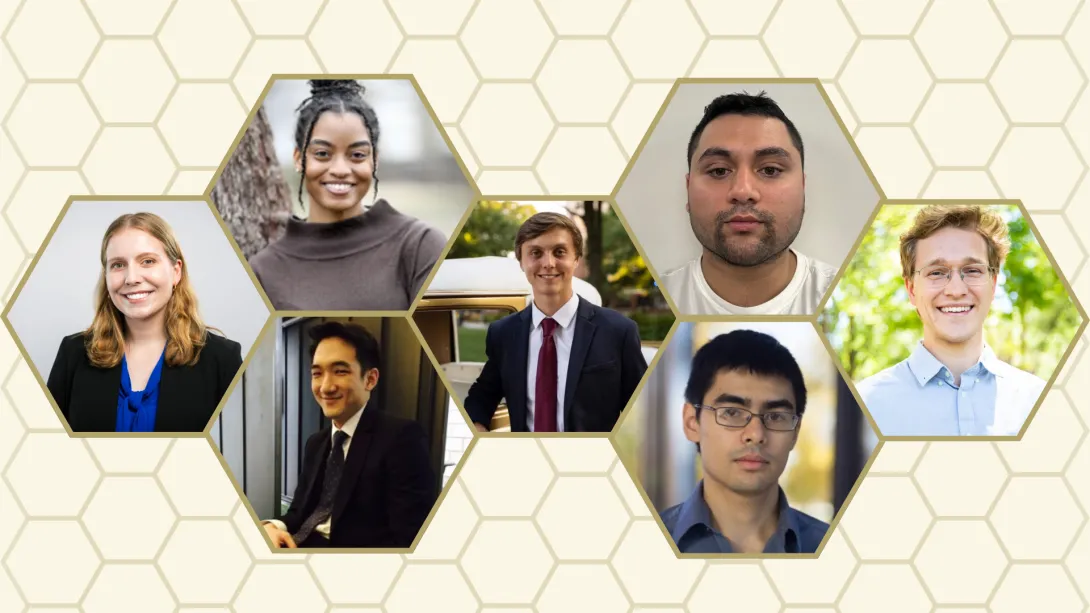
From the Left: Anna Raymaker, Talia Thomas, John Kim, Kristian Lockyear, Daksh Adhikari, Alex Magalhaes, and Douglas Lars Nelson.
The Strategic Energy Institute and the Energy, Policy, and Innovation Center at the Georgia Institute of Technology have announced the recipients of this year’s James G. Campbell Fellowship and Spark Awards.
Kristian Lockyear, a doctoral student in the Sustainable Systems Thermal Lab, received the Campbell Fellowship, which recognizes a Georgia Tech graduate student conducting outstanding research in renewable energy systems. Candidates are nominated by their advisors for exceptional academic achievement in the field.
Lockyear’s research, advised by Professor Srinivas Garimella in the George W. Woodruff School of Mechanical Engineering, centers on developing a biomass-powered adsorption cooling system to address food supply shortages in the cold chain and enable vaccine delivery to remote regions. He also holds a bachelor’s degree in chemical and biomolecular engineering from Georgia Tech and is committed to advancing sustainable cooling technologies that improve access in developing areas and promote global energy equity.
The Spark Award honors Georgia Tech graduate students who have demonstrated exceptional leadership in advancing student engagement with energy research, along with a strong record of service and broader impact. This year’s recipients are Daksh Adhikari, John Kim, Douglas Lars Nelson, Alex Magalhaes, Anna Raymaker, and Talia Thomas. “This year saw one of the largest pools of applications for the annual awards,” said Jordann Britt, SEI’s program coordinator, who led the selection process. “Awardees were thoughtfully chosen based on research excellence, a strong record of service, and projects demonstrating broader impact on advancing renewable energy. Through these scholarships, we hope to encourage and support students as they grow into future leaders in the energy industry.”
Daksh Adhikari is a second-year doctoral student in mechanical engineering working in the MiNDS Lab. His research focuses on increasing the adoption of two-phase thermal management techniques in artificial intelligence data centers to reduce water consumption. Adhikari is developing machine learning-based control systems to manage the unstable regions inherent in two-phase cooling processes. Outside of the lab, he enjoys playing guitar and exploring scientific topics related to space.
John Kim is a doctoral candidate in public policy, advised by Professor Daniel Matisoff. His research examines the distributional effects of environmental and energy infrastructure challenges, with a focus on grid resilience, public safety, and environmental justice. Kim’s broader research agenda includes analyzing inequities in power grid restoration, the economic impacts of EPA Superfund cleanups, and the socioeconomic drivers of electric vehicle adoption.
Douglas Lars Nelson is a fifth-year doctoral candidate at the School of Materials Science and Engineering, advised by Professor Matthew McDowell. His research uses advanced characterization techniques to quantify degradation in next-generation battery materials, contributing to the development of safer, high-energy batteries. Nelson earned his undergraduate degree in materials science and engineering from Clemson University.
Alex Magalhaes is a master’s student in computational science and engineering, advised by Professor Qi Tang. His research centers on developing scalable, high-fidelity numerical algorithms to simulate plasma confinement and equilibrium in nuclear fusion reactors. Magalhaes holds a bachelor’s degree in physics from Wesleyan University and previously worked as a data scientist at Quantiphi. He plans to pursue a doctorate in computational plasma physics. In his free time, he enjoys rock climbing, which he’s done at Yosemite and Grand Teton National Park.
Anna Raymaker is a doctoral student in the School of Electrical and Computer Engineering, advised by Professor Saman Zonouz. Her research focuses on securing critical infrastructure by identifying and mitigating cyber risks in systems, such as maritime networks and distributed energy resources. Raymaker leads a U.S. Department of Energy-aligned initiative to locate exposed solar inverters worldwide and assess their impact on operational power grids. She currently serves as president of the Graduate Student Association for the School of Cybersecurity and Privacy.
Talia Thomas is a doctoral candidate in mechanical engineering working in the McDowell Lab. Her research focuses on sustainable carbon materials for next-generation lithium- and sodium-ion batteries by using biomass precursors such as lignin and cellulose to develop high-performance anodes. Thomas also integrates life cycle and techno-economic assessments to evaluate scalability and environmental impact. She is an active leader in the graduate community, organizing initiatives that promote inclusion and student engagement. Before graduate school, she worked as a maintenance engineer at Dow and as a chemistry research associate at Zymergen.
Written by: Katie Strickland.
News Contact
Priya Devarajan || SEI Communications Program Manager
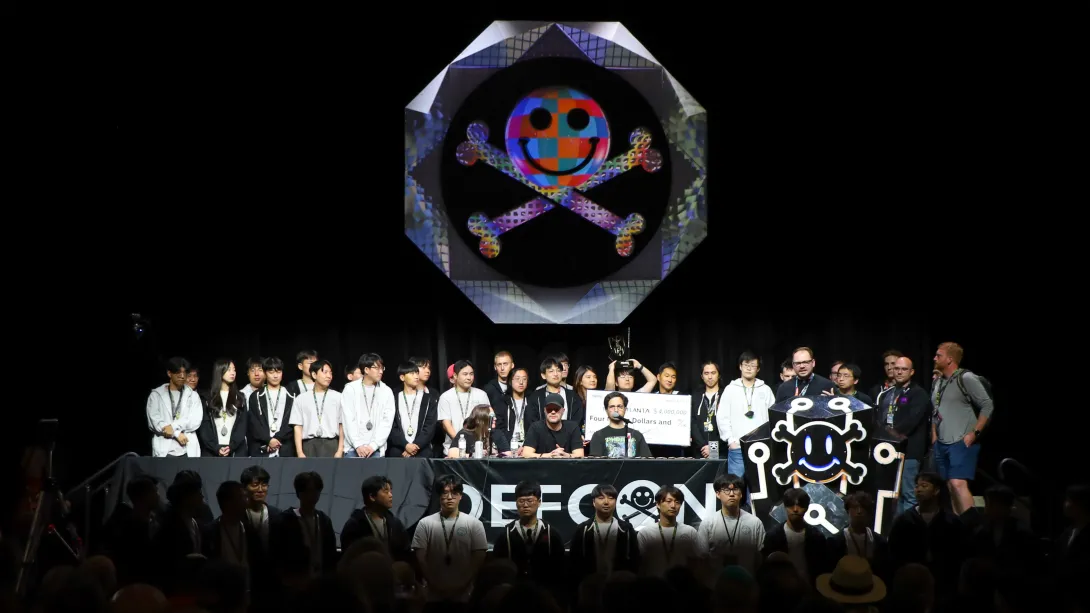
Team Atlanta, a group of Georgia Tech students, faculty, and alumni, achieved international fame on Friday when they won DARPA’s AI Cyber Challenge (AIxCC) and its $4 million grand prize.
AIxCC was a two-year long competition to create an artificial intelligence (AI) enabled cyber reasoning system capable of autonomously finding and patching vulnerabilities.
“This is a once in a generation competition organized by DARPA about how to utilize recent advancements in AI to use in security related tasks,” said Georgia Tech Professor Taesoo Kim.
“As hackers we started this competition as AI skeptics, but now we truly believe in the potential of adopting large language models (LLM) when solving security problems."
The Atlantis system was Team Atlanta’s submission. Atlantis is a fuzzer- or an automated software that finds vulnerabilities or bugs- and enhanced it with several different types of LLMs.
While developing the system, Team Atlanta reported the heat put out by the GPU rack was hot enough to roast marshmallows.
The team was comprised of hackers, engineers, and cybersecurity researchers. The Georgia Tech alumni on the team also represented their employers which include KAIST, POSTECH, and Samsung Research. Kim is also the vice president of Samsung Research.
News Contact
John Popham
Communications Officer II at the School of Cybersecurity and Privacy

An Adobe Stock image of a woman using a wheelchair and wearing a grey business suit meets with work colleagues.
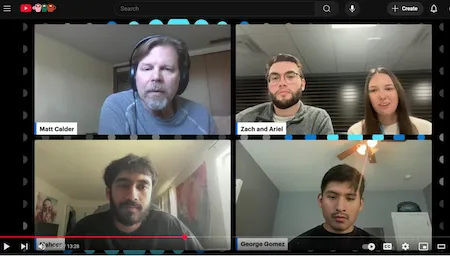
A team of Georgia Tech graduate students is using artificial intelligence (AI) to help people with disabilities find their dream jobs.
Searching for the right job is stressful for most, but it can be overwhelming for people with disabilities. However, using an innovative approach, the student entrepreneurs created a customizable AI-powered "job coach" that connects people with accessible employment opportunities.
OMSCS students George Gomez, Ariel Magyar, Zachary Patrignani, and Maheer Sayeed created Interstellar Jobs as their entry for the March 2025 Microsoft Azure Innovation Challenge. The team beat over 70 international entries to secure first place and $10,000.
Interstellar Jobs uses information about job seekers' disabilities, job preferences, and other personal details to provide detailed coaching tips for specific jobs. The tips let job seekers know if they're a good fit for the position, what challenges they can expect, and what they can do to manage these challenges successfully.
The challenge, co-sponsored by TechBridge, required teams to create a functional proof of concept within a tight timeframe using AI, analytics, networking, and other Microsoft Azure Web Services.
Selecting which services to use was the starting point for most teams. In fact, Sayeed says most of the competition tried to use as many Azure services as possible for their projects.
"We didn't do that. We kept it simple," said Sayeed.
"Our mindset going into the challenge was that we'd find the problem first, and then we would look at the services we would use."
Their entrepreneurial approach led the team to develop Interstellar Jobs using just three Azure services. As an example of their approach, the team faced the challenge of addressing specific disabilities in relation to thousands of job listings.
Developers usually depend on drop-down menus when presenting an extensive list of options. However, this method might not cover all disabilities or could use outdated or overly broad language. It also wouldn't account for people with multiple or nuanced disabilities that don't fit neatly into a single category.
The Interstellar Jobs team opted for a blank field for users to list their disabilities.
"We kept it very open-ended for our users," said Sayeed.
The team used OpenAI Service to 'clean' entries on the backend, regardless of what users wrote in the blank field. This method ensures that users can always get a structured and actionable response from Interstellar Jobs.
"As a user, not having to pick from a drop-down menu just feels good," said Matt Calder, senior product marketing manager at Microsoft.
Calder hosts Microsoft DevRadio and recently interviewed the Interstellar Jobs team. "I like how your approach changes how people interact with the whole system. If you make something really usable, it's going to be accessible as well," said Calder.
Despite its success, the team has no immediate plans to expand Interstellar Jobs. Each member balances a full-time job and their studies in Georgia Tech's Online Master of Science in Computer Science (OMSCS) program.
"We gained so much about cloud development and Azure Web Services from the experience," said Sayeed. "We also learned the value of AI in these applications."
News Contact
Ben Snedeker, Communications Manager II
Georgia Tech College of Computing
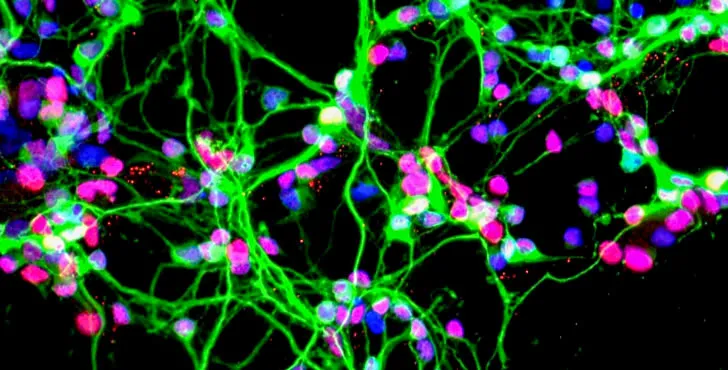
Neurons growing in a culture dish (NASA)
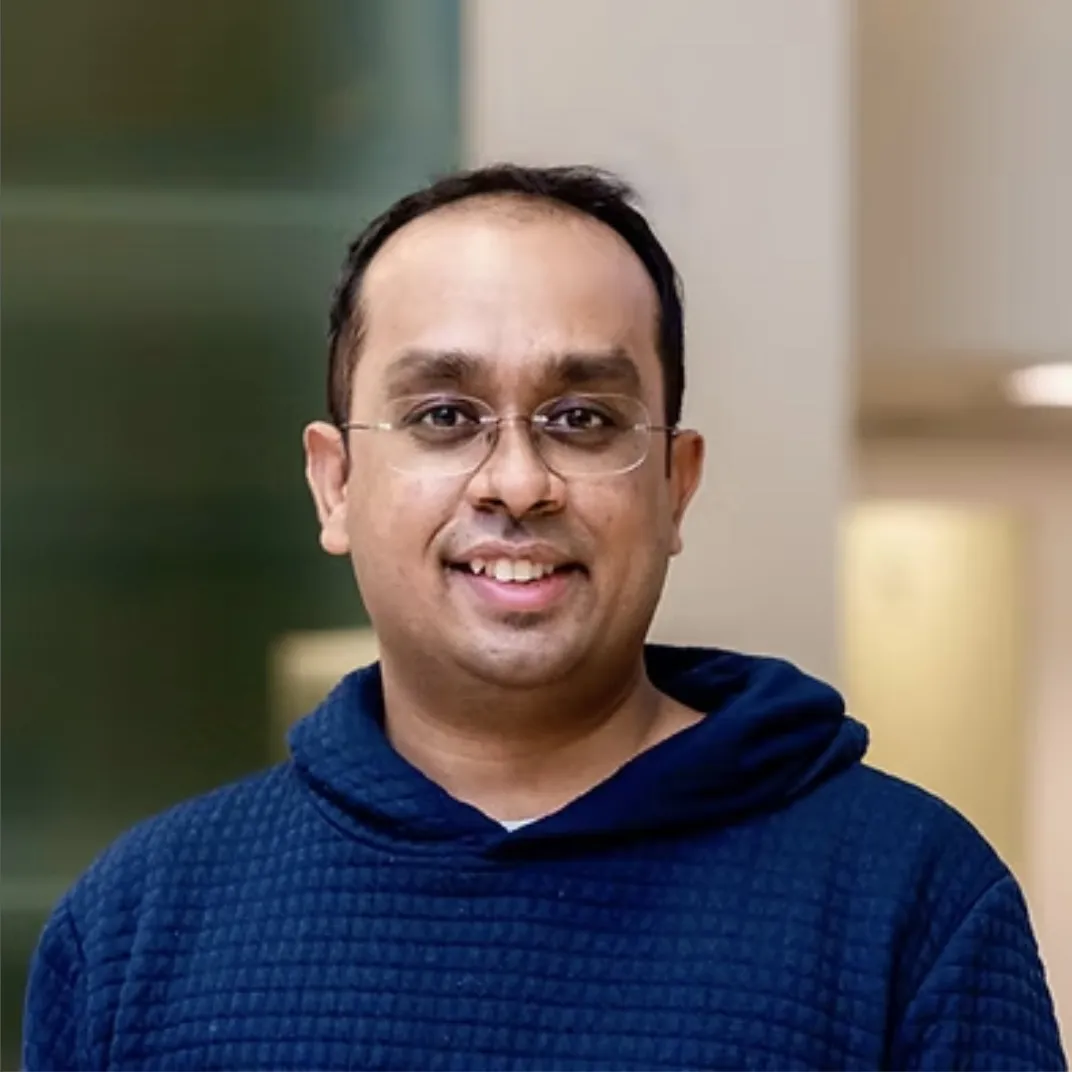
School of Psychology Assistant Professor Apurva Ratan Murty

Graduate Student Mayukh Deb
Researchers at Georgia Tech have taken a critical step forward in creating efficient, useful and brain-like artificial intelligence (AI). The key? A new algorithm that results in neural networks with internal structure more like the human brain.
The study, “TopoNets: High-Performing Vision and Language Models With Brain-Like Topography,” was awarded a spotlight at this year’s International Conference on Learning Representations (ICLR), a distinction given to only 2 percent of papers. The research was led by graduate student Mayukh Deb alongside School of Psychology Assistant Professor Apurva Ratan Murty.
Thirty-two of Tech’s computing, engineering, and science faculty represented the Institute at ICLR 2025, which is globally renowned for sharing cutting-edge research.
“We started with this idea because we saw that AI models are unstructured, while brains are exquisitely organized,” says first-author Deb. “Our models with internal structure showed more than a 20 percent boost in efficiency with almost no performance losses. And this is out-of-the-box — it’s broadly applicable to other models with no extra fine-tuning needed.”
For Murty, the research also underscores the importance of a rapidly growing field of research at the intersection of neuroscience and AI. “There's a major explosion in understanding intelligence right now,” he says. “The neuro-AI approach is exciting because it helps emulate human intelligence in machines, making AI more interpretable.”
“In addition to advancing AI, this type of research also benefits neuroscience because it informs a fundamental question: Why is our brain organized the way it is?,” Deb adds. “Making AI more interpretable helps everyone.”
Brain-inspired blueprints
In the brain, neurons form topographic maps: neurons used for comparable tasks are closer together. The researchers applied this concept to AI by organizing how internal components (like artificial neurons) connect and process information.
This type of organization has been tried in the past but has been challenging, Murty says. “Historically, rules constraining how the AI could structure itself often resulted in lower-performing models. We realized that for this type of biophysical constraint, you simply can’t map everything — you need an algorithmic solution.”
“Our key insight was an algorithmic trick that gives the same structure as brains without enforcing things that models don't respond well to,” he adds. “That breakthrough was what Mayukh (Deb) worked on.”
The algorithm, called TopoLoss, uses a loss function to encourage brain-like organization in artificial neural networks, and it is compatible with many AI systems capable of understanding language and images.
“The resulting training method, TopoNets, is very flexible and broadly applicable,” Murty says. “You can apply it to contemporary models very easily, which is a critical advancement when compared to previous methods.”
Neuro-AI innovations
Murty and Deb plan to continue refining and designing brain-inspired AI systems. “All parts of the brain have some organization — we want to expand into other domains,” Deb says. “On the neuroscience side of things, we want to discover new kinds of organization in brains using these topographic systems.”
Deb also cites possibilities in robotics, especially in situations like space exploration where resources are limited. “Imagine running a model inside a robot with limited power,” he says. “Structured models can help us achieve 80 percent of performance with just 20 percent of energy consumption, saving valuable energy and space. This is still experimental, but it's the direction we are interested in exploring.”
“This success highlights the potential of a new approach, designing systems that benefit both neuroscience and AI — and beyond,” Murty adds. “We can learn so much from the human brain, and this project shows that brain-inspired systems can help current AI be better. We hope our work stimulates this conversation.”
News Contact
Written by Selena Langner
Contact: Jess Hunt-Ralston
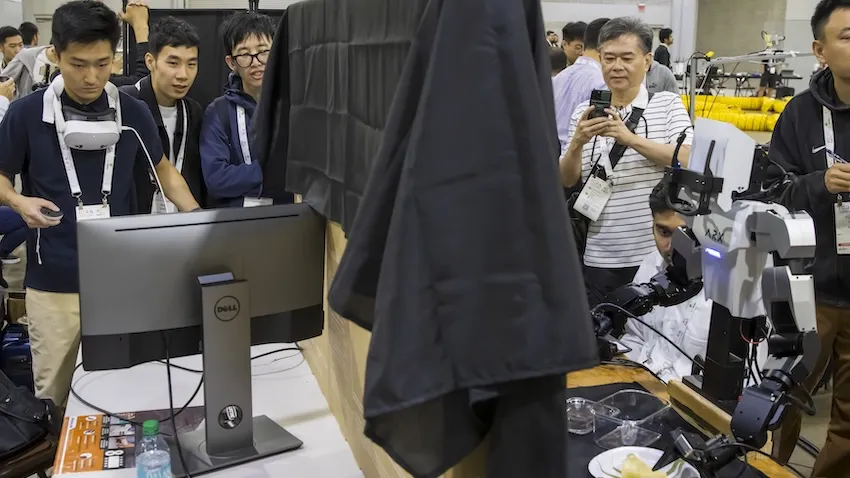
An algorithmic breakthrough from School of Interactive Computing researchers that earned a Meta partnershipdrew more attention at the IEEE International Conference on Robotics and Automation (ICRA).
Meta announced in February its partnership with the labs of professors Danfei Xu and Judy Hoffman on a novel computer vision-based algorithm called EgoMimic. It enables robots to learn new skills by imitating human tasks from first-person video footage captured by Meta’s Aria smart glasses.
Xu’s Robot Learning and Reasoning Lab (RL2) displayed EgoMimic in action at ICRA May 19-23 at the World Congress Center in Atlanta.
Lawrence Zhu, Pranav Kuppili, and Patcharapong “Elmo” Aphiwetsa — students from Xu’s lab — used Egomimic to compete in a robot teleoperation contest at ICRA. The team finished second in the event titled What Bimanual Teleoperation and Learning from Demonstration Can Do Today, earning a $10,000 cash prize.
Teams were challenged to perform tasks by remotely controlling a robot gripper. The robot had to fold a tablecloth, open a vacuum-sealed container, place an object into the container, and then reseal it in succession without any errors.
Teams completed the tasks as many times as possible in 30 minutes, earning points for each successful attempt.
The competition also offered different challenge levels that increased the points awarded. Teams could directly operate the robot with a full workstation view and receive one point for each task completion. Or, as the RL2 team chose, teams could opt for the second challenge level.
The second level required an operator to control the task with no view of the workstation except for what was provided to through a video feed. The RL2 team completed the task seven times and received double points for the challenge level.
The third challenge level required teams to operate remotely from another location. At this level, teams could earn four times the number of points for each successful task completed. The fourth level challenged teams to deploy an algorithm for task performance and awarded eight points for each completion.
Using two of Meta’s Quest wireless controllers, Zhu controlled the robot under the direction of Aphiwetsa, while Kuppili monitored the coding from his laptop.
“It’s physically difficult to teleoperate for half an hour,” Zhu said. “My hands were shaking from holding the controllers in the air for that long.”
Being in constant communication with Aphiwetsa helped him stay focused throughout the contest.
“I helped him strategize the teleoperation and noticed he could skip some of the steps in the folding,” Aphiwetsa said. “There were many ways to do it, so I just told him what he could fix and how to do it faster.”
Zhu said he and his team had intended to tackle the fourth challenge level with the EgoMimic algorithm. However, due to unexpected time constraints, they decided to switch to the second level the day before the competition due to unexpected time constraints.
“I think we realized the day before the competition training the robot on our model would take a huge amount of time,” Zhu said. “We decided to go for the teleoperation and started practicing.”
He said the team wants to tackle the highest challenge level and use a training model for next year’s ICRA competition in Vienna, Austria.
ICRA is the world’s largest robotics conference, and Atlanta hosted the event for the third time in its history, drawing a record-breaking attendance of over 7,000.
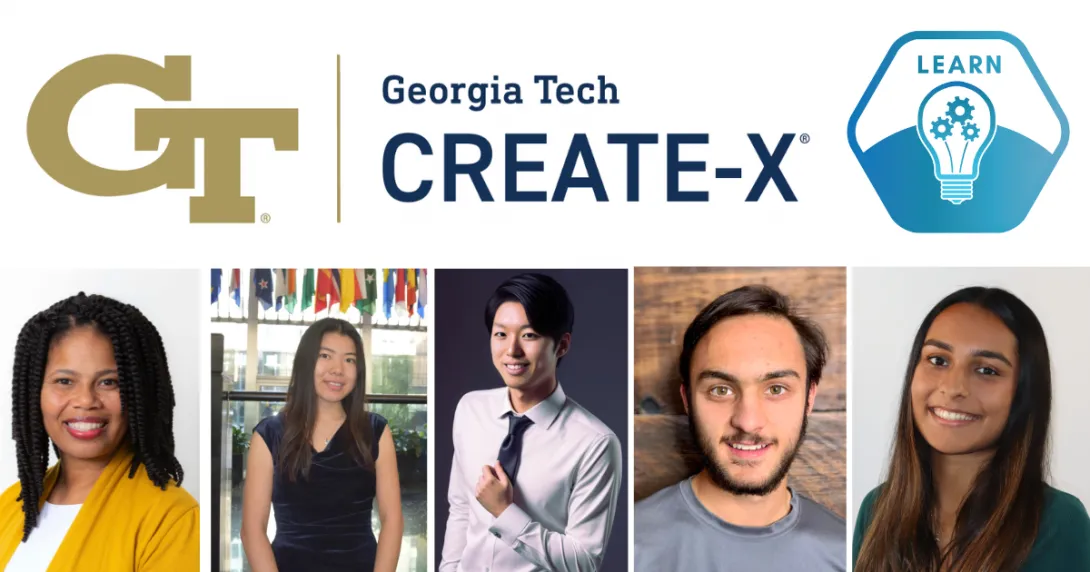
Left to right: Yolanda Payne, Christie Peng, Shinhai Chen, Alex Aridgides, and Varuni Chopra. Four Georgia Tech students from Startup Lab—Alex Aridgides, Shinhai Chen, Varuni Chopra, and Christie Peng—have been selected for the 2025 immersive cohort at South by Southwest (SXSW) in Austin, Texas. This weeklong, all-expenses-paid program allows university-affiliated innovators to refine their innovations, engage in customer discovery, and network with industry leaders.
Four students from Startup Lab have been selected to join the 2025 immersive cohort at South by Southwest (SXSW) in Austin, Texas. Alex Aridgides (mechanical engineering and economics), Shinhai Chen (industrial engineering), Varuni Chopra (industrial engineering), and Christie Peng (computer science) are the first Georgia Tech students to be invited to the program.
The weeklong, all-expenses-paid program offers university-affiliated innovators the chance to refine their innovations, engage in customer discovery, and network with industry leaders and peers at SXSW. The annual festival celebrates technology, film, music, education, and culture. Students participated in a competitive application process, which involved submitting applications, meeting specific evaluation criteria, and being selected by a panel of industry experts, mentors, and SXSW organizers.
Yolanda Payne, the students’ Startup Lab instructor, presented the SXSW opportunity in class.
"My goal is to be their biggest cheerleader,” she explained. “I had great teachers who helped me get to where I am today, and I strive to emulate their support. I’m always willing to guide students toward new opportunities."
She learned about the SXSW immersive cohort from Nakia Melecio, director of the National Science Foundation I-Corps Southeast Hub. The $15 million initiative crosses nine major research universities in the southern U.S. and accelerates the translation of deep tech research into commercial ventures. The hub works closely with entrepreneurial faculty, students, and researchers to equip them with the tools, networks, and support to bring their innovations to market.
Melecio plays a central role in identifying and advancing strategic opportunities for university partners and their entrepreneurial teams. “When the opportunity to participate in SXSW arose, I recognized it as an ideal platform to showcase the talent and innovation coming out of our region.”
Melecio added that Startup Lab is ideal for amplifying NSF I-Corps’ goals because of the course’s proven track record of fostering hands-on learning and commercialization readiness. “Startup Lab helps prepare students not just to think entrepreneurially, but to act on their ideas with confidence and a structured path forward. It was a natural fit for this opportunity.”
Payne says the experience students gained in Startup Lab helped prepare them for the immersive cohort. “The knowledge is being solidified by an experience you’re having in my class and the real world.”
Chopra agrees that Startup Lab teaches essential business development fundamentals and customer discovery principles, skills that are relevant to the SXSW program. She recommends the course to other students and emphasizes the value of combining engineering or technical backgrounds with entrepreneurship skills.
“We take a lot of classes that are directly related to our major, and they're very technical. But when it comes to wanting to start something of your own or even understanding how startups work, it's completely different than the rest of our coursework.”
Startup Lab is a three-credit course that focuses on evidence-based entrepreneurship. This hands-on class covers ideation, teamwork, customer discovery, minimum viable products, the business model canvas, and other topics. Students learn how to launch a startup by integrating in-class lectures with practical, out-of-class activities, including interviewing potential customers and refining their startup ideas based on real-world feedback.
The program provides access to valuable resources, mentorship from seasoned entrepreneurs, and a supportive community to help students develop their startups. Startup Lab and NSF I-Corps are also exploring other industry showcases for student entrepreneurs like SXSW.
Chen chose Startup Lab to pursue his entrepreneurial interests. “I knew that Georgia Tech had a really good startup culture, so I researched what they had to offer, and Startup Lab was the first step." He also noted Payne's impact as an instructor. "The best part is how much she cares about the topic. She has a lot of background knowledge and is passionate.”
Startup Lab is unique because it "de-risks the business model,” Payne says. Many entrepreneurs first build their products and then talk to potential customers. However, Startup Lab students perform customer discovery, sharing their ideas with potential end users, listening to their needs and feedback, and then building the product.
Peng recalls a powerful moment of pitching an idea for an app to streamline MARTA operations. “I had a fun time coming up with this idea. We learned a lot about interviewing, coming up with possible solutions, and refining our idea,” she says. "Being surrounded by so many brilliant individuals at Georgia Tech makes it easy to get idea formation or networking connections you need for your idea to succeed."
Aridgides has ambitious post-program goals, envisioning creating change through entrepreneurship. "I want to start a company to change the world for the better and make a big impact. That's my life goal. I think through a company, I can achieve that."
Payne reminds students that they possess something many adults lack: time to explore different ideas. She also says Startup Lab can help students value and see their ideas in new ways.
“They don't recognize that the product they're working on could be pursued through entrepreneurship or think of themselves as entrepreneurs. And even if they don't pursue it, it helps them in all aspects of life because business and capitalism are part of what we do every day.”
If you’re a student interested in adding entrepreneurship to your course schedule, registration for the summer and fall semesters opens on April 15. In addition to Startup Lab, students also have the opportunity to build a prototype with support through Idea to Prototype and CREATE-X Capstone Design.
News Contact
Contact
Article by Alyson Key
CREATE-X Contact:
Breanna Durham
Marketing Strategist