
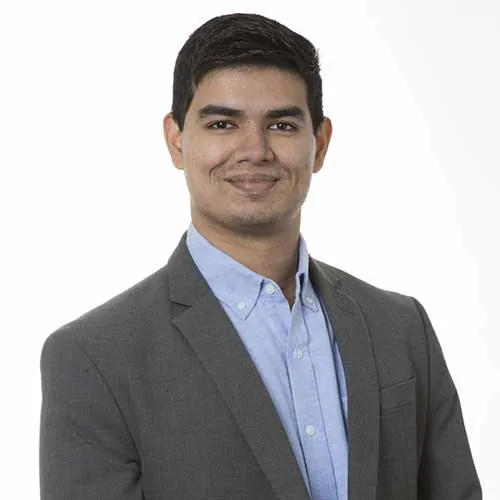

Dipayan Banerjee and Sushil Varma, Ph.D. students in Operations Research at the H. Milton Stewart School of Industrial and Systems Engineering (ISyE), were recently selected as finalists for the INFORMS Transportation Science and Logistics (TSL) student paper competition. The winner will receive the TSL Best Student Paper Award, given to an outstanding paper primarily authored by a student(s) and whose topic is of interest to the broad TSL community.
Out of a total of 40 submissions, four were designated as finalists. The winner will be chosen at the October 15-18, 2023 INFORMS Annual Meeting taking place in Phoenix Arizona, during which the finalists will showcase their work in a dedicated session. All finalists receive a commemorative plaque, and the winning entrant(s) receives a $500 honorarium. In addition, the winning paper, if not published or under review elsewhere, will be invited for a fast-track review at Transportation Science.
Dipayan Banerjee
Fleet Sizing and Service Region Partitioning for Same-Day Delivery Systems
Many existing Same-Day Delivery (SDD) studies focus primarily on operational dispatch problems and do not consider system design questions. Furthermore, prior work on SDD system design does not consider the fleet sizing decision when a service region may be partitioned into zones dedicated to individual vehicles (such designs have been shown to improve system efficiency in related vehicle routing settings). Banerjee's research utilizes a novel approach to addressing two key tactical design challenges when planning an SDD system: figuring out how many delivery vehicles you need and dividing the delivery area into manageable zones.
Using continuous approximations to capture average-case operational behavior, the problem of independently maximizing the area of a single-vehicle delivery zone is considered first. The approach then characterizes area-maximizing dispatching policies and leverages the results to develop a procedure for calculating optimal areas as a function of a zone's distance from the depot, given a maximum number of daily dispatches per vehicle. Using minimal computation, the approach specifies fleet sizes and builds vehicle delivery zones that meet operational requirements, verified by simulation results.
Sushil Varma
Electric Vehicle Fleet and Charging Infrastructure Planning
Varma's research focuses on finding the best way to dispatch electric vehicles to pick up customers while making sure they charge periodically. As customer requests arrive, system operators must determine the minimum number of vehicles and chargers for a given service level, along with a matching and charging policy that maximizes that service level. Varma's approach provides a sharp characterization of the fleet size and the charging infrastructure requirements as demand grows. The research highlights the fundamental differences between planning for an electric vehicle system and a gas-powered system. To understand the difference, note that serving a customer comprises two steps - pickup and trip, each contributing to the fleet size requirement of the system. As EVs require charging time, they need more vehicles to compensate for the trip part of the service. In turn, the optimal dispatching policy can reduce the EV requirement induced by the pick up part of the service by lowering the pickup times, owing to the extra EVs due to the trip phase. The reduction in the EV requirement depends on the number of charging stations and the size of the EV battery packs.
The research proposes the "Power-of-d" dispatching policy, which achieves this performance by selecting the d closest vehicles to a trip request and choosing the one with the highest battery level. Varma also conducted detailed simulations that verified the scaling results. The paper discusses how the results extend to accommodate demand that increases/decreases repetitively or cyclically over time.
About Dipayan
Dipayan Banerjee is a fifth-year ISyE Ph.D. candidate advised by Professors Alan Erera and Alejandro Toriello. He is broadly interested in optimization for logistics and supply chain management with a focus on modern e-commerce systems. His doctoral research, supported by the NSF Graduate Research Fellowship and the Eisenhower Transportation Research Fellowship, studies demand management and delivery optimization for e-retail fulfillment. Dipayan was jointly awarded ISyE's Atlanta Air Cargo Association Fellowship for Ph.D. Research Excellence in Supply Chain Engineering in 2022. In addition to being named a finalist for the 2023 INFORMS TSL Society Best Student Paper Award, he also was a finalist for the 2019 INFORMS Undergraduate Operations Research Prize.
About Sushil
Sushil Varma, also a 5th-year ISyE Ph.D. student, is advised by Professor Siva Theja Maguluri. His research interests include queueing theory, game theory, and revenue management with applications in electric vehicles, online marketplaces like ride-hailing, load balancing, and stochastic processing/matching networks. Sushil was awarded the Stephen. S. Lavenberg Best Student Paper Award in IFIP Performance 2021 and the Alice and John Jarvis Best Student Paper Award in 2022.
We extend our wishes for success to both of these remarkable students. Their dedication, hard work, and commitment to their research have already set them on a remarkable path. Regardless of the outcome, their recognition is a testament to academic excellence.

Daan Rutten, a Ph.D. student in Operations Research at the H. Milton Stewart School of Industrial and Systems Engineering, was selected as a finalist in the Nicholson Student Paper Competition.
The George Nicholson Committee Competition is held each year to identify and honor outstanding papers in the field of operations research and management sciences written by a student. This year they received a record number of 139 submissions and only six were selected as finalists.
All finalists are invited to present their papers in the Nicholson Student Paper special sessions at the INFORMS Annual Meeting in Phoenix, AZ. The winner(s) will be announced at the Awards Ceremony at the Annual Meeting.
The paper, “Mean-field Analysis for Load Balancing on Spatial Graphs,” solves a long-standing open problem in load balancing, which dates back to the 90s. The paper introduces a novel approach to establish a mean-field approximation for systems which have data locality constraints between tasks and servers. The paper extends the applicability of mean-field analysis far beyond traditional assumptions.
Daan received his B.S. in Applied Physics and Applied Mathematics and his M.S. in Computer Science and Applied Mathematics from Eindhoven, University of Technology. His Ph.D. research focuses on the performance of large-scale systems and the optimization thereof by incorporating machine learning algorithms and making smart design decisions.
His previous work has studied how to structure cloud networks in the presence of task-server constraints, how to implement machine learning predictions while maintaining robustness and how to learn optimal decision policies in dynamic environments. He is a recipient of the Stewart Fellowship, the ARC-TRIAD Fellowship, a finalist for the Alice and John Jarvis Ph.D. Student Research Award and the INFORMS Junior Faculty Paper Award and has been awarded the ACM SIGMETRICS Best Paper Award.
News Contact
Nat M. Esparza, Communications Officer II
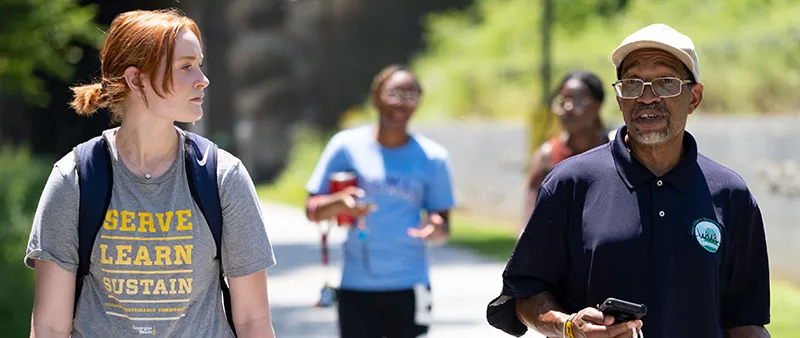
A student wearing a "Serve-Learn-Sustain" tee shirt walks along a campus walkway with a Georgia Tech faculty member. Photo Credit Ben Gray, AJC.
The Vice President for Interdisciplinary Research (VPIR) and the Office of Undergraduate Education (OUE) are excited to announce an institutionalization plan for Serve-Learn-Sustain (SLS) that will advance two of Georgia Tech’s Institute Strategic Plan (ISP) initiatives - Sustainability Next and Transformative Teaching and Learning (TTL) - and strengthen our service learning, community engagement, and sustainability ecosystems at Georgia Tech. Established as Georgia Tech’s last Quality Enhancement Plan (QEP), SLS launched in 2016 as a unit in OUE and concluded its official QEP work in 2021. Its work on the QEP earned Georgia Tech a commendation from the Southern Association of Colleges and Schools Commission on Colleges and established a strong foundation to build on moving forward.
Effective July 1, 2023, the current SLS team will establish a new center, the Center for Sustainable Communities Research and Education (CSCRE), under the VPIR. The Brook Byers Institute for Sustainable Systems (BBISS), which is serving as a hub for coordinating Georgia Tech’s Sustainability Next Strategic Plan initiative, will serve as the administrative home for the new center.
CSCRE will collaborate with the sustainability cluster of the Interdisciplinary Research Institutes (IRIs), including BBISS, the Strategic Energy Institute (SEI), and the Renewable Bioproducts Institute (RBI), as well as Infrastructure and Sustainability, another key Sustainability Next hub, to enhance Georgia Tech’s competitiveness in applying for grants that require meaningful community partnerships as a key component of their research and education plans. It will also continue to support sustainable communities education, in close collaboration with the Center for Teaching and Learning (CTL), OUE, and Education and Learning, to assure the continuity of SLS’s signature programs.
Established as Georgia Tech’s last QEP, Serve-Learn-Sustain launched in 2016 as a unit in OUE and concluded its official QEP work in 2021. Georgia Tech earned a commendation from the Southern Association of Colleges and Schools Commission on Colleges in 2021 for the “exceptional execution” of the 2016 QEP, citing, among other things, that the program “inspired a closer dialogue among faculty regarding research and instructional practices, and thus serves as a model of how a QEP can transform an academic culture.”
To continue advancing and scaling undergraduate service learning and community engagement as a high-impact practice, OUE will establish a new service learning team, as a priority that supports the Transformative Teaching and Learning ISP initiative. Institutionalizing the service-learning functions of SLS within OUE and aligning it with other high impact practices - such as undergraduate research, student innovation programs, first-year seminars, co-op and internships, and learning communities - will position these programs to work collectively in support of the development of Georgia Tech’s next QEP, which will begin in 2025.
Thank you to the SLS staff and to everyone who has collaborated with and supported the work that SLS has spearheaded to make Georgia Tech a better place for our students, our faculty and staff, and our surrounding communities. We look forward to continuing to advance this work, together.
News Contact
Brent Verrill, Research Communications Program Manager, BBISS

Earth (Credit NASA/Joshua Stevens)
Georgia Tech’s newest interdisciplinary degree program, the Environmental Science B.S. degree (ENVS), developed jointly by faculty of the School of Earth and Atmospheric Sciences and the School of Biological Sciences, has launched and is now enrolling students.
The ENVS degree will provide a strong foundation in the basic sciences, requiring core content in mathematics, physics, chemistry, biology, earth sciences, and environmental policy. Flexible electives in upper-level coursework will allow students to customize their program of study to their interest and career goals.
A launch event for the degree program will take place at the Kendeda Building on the afternoon of Friday, August 25, 2023.
“The new degree will prepare students to be future leaders who are well-versed on how the Earth's systems can be influenced by human activity and contribute to human well-being,” says Greg Huey, professor and chair of the School of Earth and Atmospheric Sciences. “Graduates will be positioned to be leaders in industry, academia, education, and communication to create innovative solutions to the most significant environmental challenges of our time.”
Two faculty members in the School of Earth and Atmospheric Sciences (EAS) and a faculty member in the School of Biological Sciences will serve as inaugural leadership: Jennifer Glass, associate professor, is program director; Samantha Wilson, academic professional, is director of Undergraduate Studies; and Linda Green, senior academic professional in the School of Biological Sciences, is director of Experiential Learning.
The foundational science classes in this new degree will be complemented by courses in Public Policy and City Planning, including Geographical Information Systems (GIS) and Environmental Policy and Politics, before opening up and providing students with flexibility in course options to better fit their career paths and interests.
“Past EAS students have been interested in careers related to environmental consulting, environmental law, and continuing their studies in graduate school,” Wilson says. “The variety of environmental career paths was the driver behind allowing students to diversify their options within the degree.”
“This degree will give Georgia Tech students a unique opportunity to customize their environmental science program of study to their interests and career goals in science, policy, public service, non-profit, government, industry, academia, or beyond,” adds Glass. “We are committed to building an academic community in ENVS that values student leadership, ethics, justice, accessibility, and belonging.”
Hands-on learning opportunities will include field station experiences and field trip excursions, study abroad programs, and internships, Green says. “This major sustains the Institute’s strategic plan to lead by example, champion innovation, and connect globally — particularly in an area so critical as addressing Earth’s environmental issues.”
Glass added that the Schools of Chemistry, Biological Sciences, and Earth and Atmospheric Sciences are currently revamping several classes to meet United Nations Sustainable Development Goals (SDGs). Students will advance to be global leaders of environmental solutions that draw upon the U.N. Sustainable Development Goals and incorporate awareness of cultural relevance.
“We can’t wait for August to celebrate the ENVS launch with our incoming and current students,” Glass says.
More information on the Environment Science (ENVS) degree:
General information: jennifer.glass@eas.gatech.edu
Curriculum and enrollment: samantha.wilson@eas.gatech.edu
Co-curricular initiatives: linda.green@gatech.edu
Learn more: Three new EAS undergraduate degrees
Beginning Summer 2023, prospective and current Georgia Tech students will have three new Bachelor of Science degrees to choose from in the School of Earth and Atmospheric Sciences. The expanded undergraduate offerings target a wider range of job and research opportunities — from academia to analytics, NASA to NOAA, meteorology to marine science, climate and earth science, to policy, law, consulting, sustainability, and beyond.
The Board of Regents of the University System of Georgia has approved two new specific degrees within the School: Atmospheric and Ocean Sciences (AOS) and Solid Earth and Planetary Sciences (SEP). Regents also approved Environmental Science (ENVS) as an interdisciplinary College of Sciences degree between the School of Earth and Atmospheric Sciences and the School of Biological Sciences. The existing Earth and Atmospheric Sciences B.S. degree will sunset in two years for new students. Learn more.
News Contact
Writer: Renay San Miguel
Communications Officer II/Science Writer
College of Sciences
404-894-5209
Editor: Jess Hunt-Ralston
James X Zhong Manis
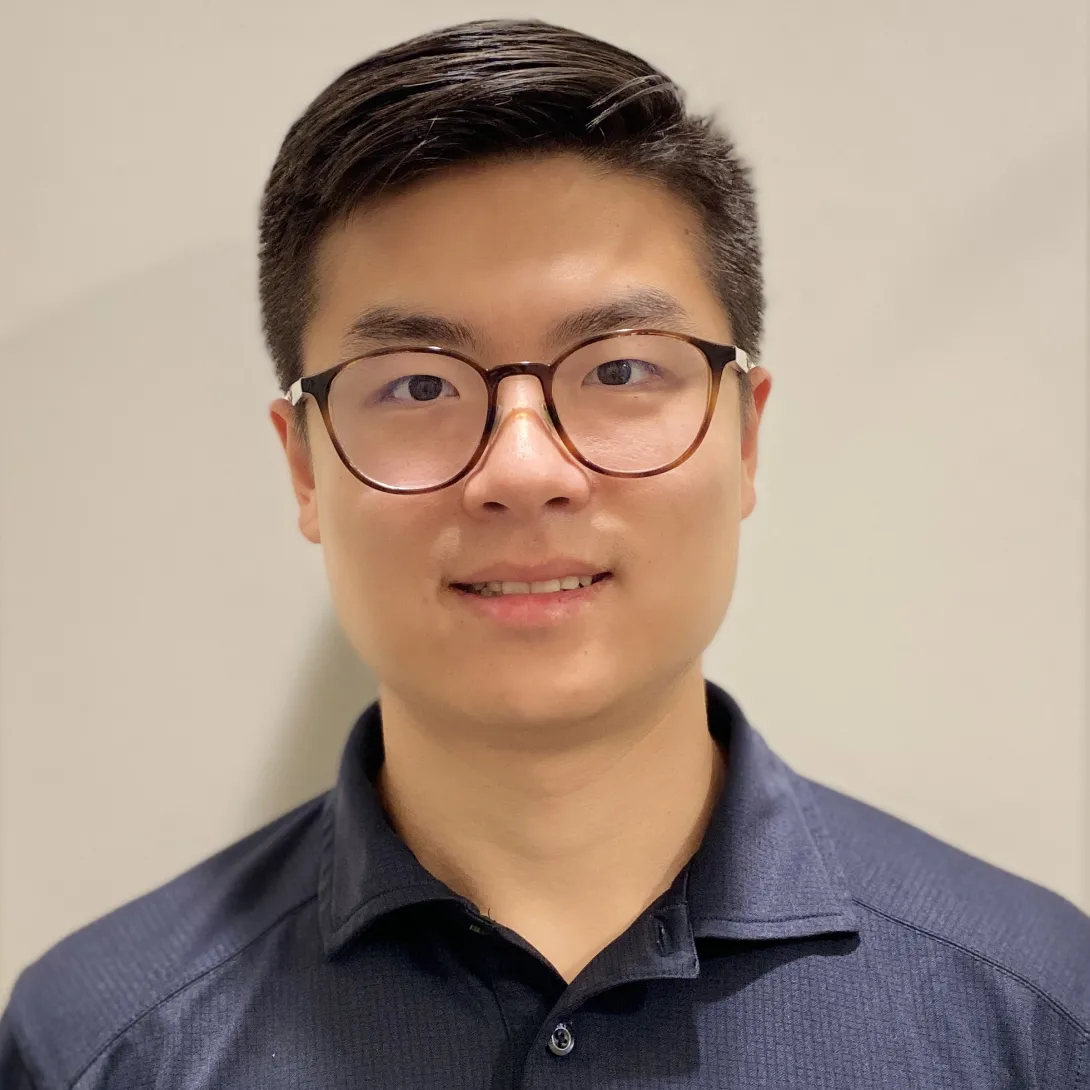
James X. Zhong Manis, who is pursuing his Ph.D. in Physical Chemistry at Georgia Tech, will get a chance to conduct his thesis research at a Department of Energy national laboratory at Stanford University, thanks to his selection to the DOE Office of Science Graduate Student Research (SCGSR) program.
The goal of the SCGSR program is to prepare graduate students for science, technology, engineering, or mathematics (STEM) careers critically important to the DOE Office of Science mission. The agency provides graduate thesis research opportunities through extended residency at DOE national laboratories.
“I am so excited and feel extremely lucky to have this opportunity to continue my research with DOE help,” Manis said. “I am thankful for everyone’s help to get me where I am, especially my principal investigator Thomas Orlando, our lab senior research scientist Brant Jones, my collaborating DOE scientist Thorsten Weber, and also everyone else in my research group. I am so thrilled to be working with world class scientists on cutting edge equipment.”
Manis is one of 87 awardees from 58 different universities who will conduct research at 16 DOE national laboratories. The research projects proposed by the new awardees are aligned with the priority mission areas of the DOE Office of Science that have a high need for workforce development.
“The SCGSR program provides a way for graduate students to enrich their scientific research by engaging with researchers at DOE National Labs, learning from world class scientists, and using state-of-the-art equipment and facilities,” notes Asmeret Asefaw Berhe, Director of the DOE Office of Science. “In addition, they get valuable opportunities to network and observe firsthand what it’s like to have a scientific career. I can’t wait to see what these young researchers do in the future. I know they will meet upcoming scientific challenges in new and innovative ways.”
Manis, who also earned a Bachelor of Science degree from the Wallace H. Coulter Department of Biomedical Engineering in 2018, will join the DOE’s Gas Phase Chemical Physics program at the Stanford Linear Accelerator Center (SLAC) at Stanford University. The Center supports research on fundamental gas-phase chemical processes important in energy applications.
SCGSR awardees work on research projects of significant importance to the Office of Science mission that address critical energy, environmental, and nuclear challenges at national and international scales. Projects in this new cohort span eight different DOE Office of Science research programs.
Manis’ project falls into the Basic Energy Sciences category. “I am interested in understanding the low energy electron interaction with biomolecules, which is a potential way of causing DNA damage,” he said. “The research I will conduct at the SLAC National Accelerator Laboratory is to first help in commissioning the DREAM (Dynamic REAction Microscope) end station in the TMO (time-resolved atomic, molecular and optical science) instrument hub.
“I have never visited SLAC before, but I am extremely excited to work there,” Manis added. “It’s going to be a change of pace collaborating with another group of scientists, and I can’t wait to start.”
News Contact
Writer: Renay San Miguel
Communications Officer II/Science Writer
College of Sciences
404-894-5209
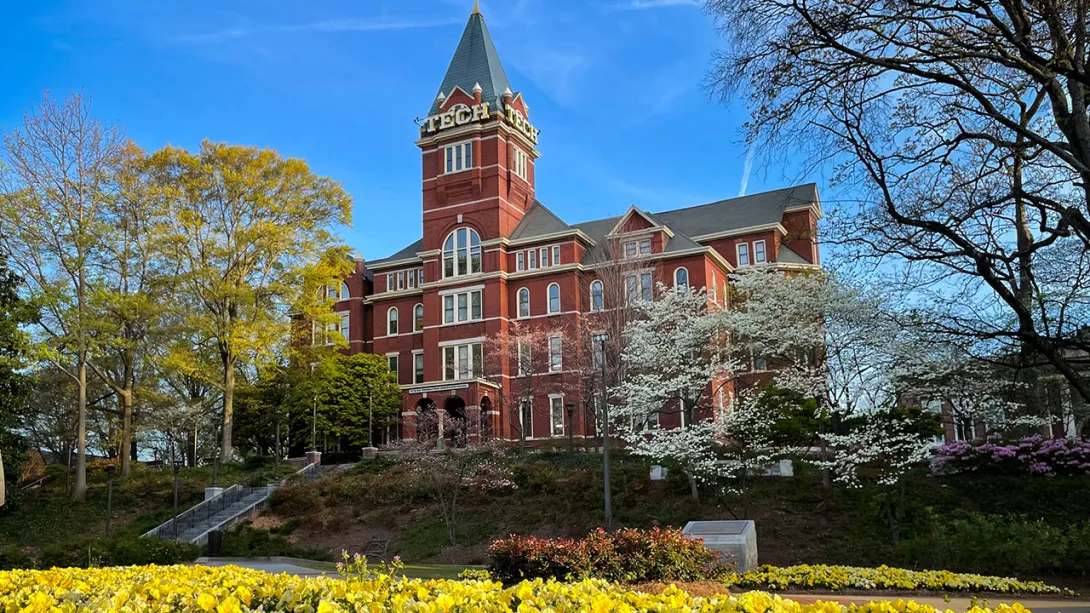
The 2022-23 Micro-Grants Community-Based Research awardees presented their findings at the second annual symposium, held on April 18, 2023, in the auditorium of the Kendeda Building for Innovative Sustainable Design, which is the region’s first Living Building. Ten teams presented to faculty, staff, students, and student family members. The topics were wide ranging, and dealt with both practical and theoretical issues. The work surpassed all expectations for quality and quantity.
Devised by the Kendeda Building Advisory Board and sponsored by the Brook Byers Institute for Sustainable Systems and the Kendeda Building, the Micro-Grants Research Program solicits proposals for very small scale ($50 to $500), short term, sustainability related, research studies to be conducted by members of the Georgia Tech community. Community investigators are encouraged to explore ways in which the Georgia Tech campus can continue to innovate, demonstrate, prove, and promote the adoption of best and next practices in regenerative design and operations. Researchers were also encouraged to use the United Nations Sustainable Development Goals as a framework for research design. All members of the Georgia Tech community were encouraged to apply. The program especially sought proposals from students and staff that had little or no prior research experience.
The program has four objectives:
- to expand scientific thinking and the understanding of the research process amongst those not (yet) directly involved in scientific research;
- to bolster the use of the campus as a living laboratory;
- to give voice to people and communities outside of research that have culturally novel perspectives on problems and their possible solutions, and to create new pathways for partnering with them; and
- to seed novel ideas and nurture nascent investigators.
The 2022-23 awardees and the titles of their projects are:
- Alex Lomis, Devi Patel, and Dr. Jung-Ho Lewe, "Design and Development of a Low-Cost and Highly-Scaleable Occupancy Counter to Optimize the Utilization of HVAC Resources"
- Kaitlyn Tran, Shivani Potdar, and Amanda Janusz, "Bird Safe Campus"
- Ricardo Martinez, "Chiropterans at Georgia Tech"
- Elizabeth Umanah, "Reimagining Eco-Friendly Parking Lot Design Through Simulations"
- Lujain Diab, Ally Kimpling, Jenna Sitta, Marcus Morris, Skylar Ryan, Dr. Jennifer Leavey, and Steve Place, "A Greener Grey: “Ironing” Out Issues in Greywater Systems"
- Jun Wang and Yilun Zha, "Kendeda’s Educational Role in Waste Management and Recycling"
- Siddharth Sivakumarun, "Investigating Capacity for Regenerative Energy through Foot Traffic"
- Alexandra Rodriguez Dalmau and John Fortner, "Recognition of Insect Species in the Georgia Tech campus with Machine Learning"
- Gray Simmons, Kevin Leach, and Dr. Jung-Ho Lewe, "IOT Climate Sensor Development for HVAC Efficiency Analysis"
- Kaylin Cross, Pranav Jothi, Maanas Kumar, Brian Wu, Savannah Howard, and Sheng Dai, "Prototyping Bio-inspired Geothermal Energy Recovery for Space Heating and Cooling"
More details and links to all the presentations are available at this web page.
News Contact
Brent Verrill, Research Communications Program Manager, BBISS

Beginning Summer 2023, prospective and current Georgia Tech students will have three new Bachelor of Science degrees to choose from in the School of Earth and Atmospheric Sciences. The expanded undergraduate offerings target a wider range of job and research opportunities — from academia to analytics, NASA to NOAA, meteorology to marine science, climate and earth science, to policy, law, consulting, sustainability, and beyond.
The Board of Regents of the University System of Georgia has approved two new specific degrees within the School: Atmospheric and Oceanic Sciences (AOS) and Solid Earth and Planetary Sciences (SEP). Regents also approved Environmental Science (ENVS) as an interdisciplinary College of Sciences degree between the School of Earth and Atmospheric Sciences and the School of Biological Sciences. The existing Earth and Atmospheric Sciences B.S. degree will sunset in two years for new students.
“We are really excited to be able to offer this new interdisciplinary undergraduate degree program in Environmental Science,” said Jean Lynch-Stieglitz, ADVANCE Professor in Earth and Atmospheric Sciences (EAS). “While it was developed jointly between the Schools of Earth and Atmospheric Sciences and Biological Sciences, it brings together Georgia Tech’s broad expertise and course offerings related to the Earth’s environment from across the Institute.”
“We are excited to see these new programs develop,” added Andrew Newman, professor and the School’s undergraduate coordinator, “as these degrees highlight the quantitative and computational skills of Georgia Tech students, and align better with their interests in global understanding of problems related to environmental impact and sustainability, natural hazards and landscape development, as well as planetary evolution, habitability, and exploration.”
“Students looking for specific types of programs will also be more understanding of what their program offers,” Newman said. “Under our current degree, a student interested in ocean science, planetary science, and environmental chemistry all would be looking at the same degree that doesn’t define their interests. Now, having programs with those interests in their name, and described well on the upcoming webpage, will greatly increase their interest in our program.”
The Evolution of EAS at Georgia Tech
Newman also shared that, in Fall 2021, the School surveyed current EAS undergraduate students and recent alumni for feedback and thoughts on the potential degrees. Responses from the community highlighted that the plan for transitioning the existing major could not only help new students hone their academic and career plans, but also help them communicate beyond EAS about their chosen major.
“These degrees make it more clear what the student is studying,” shared one student. “Before, people would ask what my major ‘even is’ and what kinds of jobs I could get with it. I think the new majors make it more clear.”
“Finally, Planetary Science!” said another student. “This degree would go well with a Physics or AE (Aerospace Engineering) certificate or dual degree.”
All about the new Georgia Tech EAS degrees
The expanded undergraduate degree offerings are designed to continue Georgia Tech’s reputation for academic rigor — and also reflect trends in student interests, as well as current and forecasted needs in the job marketplace.
“A key aspect of the new Environmental Science degree program will be its flexibility,” said Lynch-Stieglitz. “Students will be able to focus their study to support their interests and career goals whether those be in conservation, climate change, or environmental health. We’ve also left space in their program to encourage participation in especially impactful experiences such as study abroad and research projects. Georgia Tech students are fantastic — well prepared, diverse, smart, hard-working, and passionate. This flexible approach will allow them to become the broadly educated leaders who will envision the solutions to environmental problems that are so urgently needed.”
More on the new undergraduate degrees and what they will require:
B.S. Atmospheric and Oceanic Sciences (AOS) Degree
AOS uses the current Meteorology track as its foundation and will include aspects of Atmospheric Sciences, Oceanography and Climate Sciences.
EAS will continue to offer courses needed for American Meteorological Society (AMS) certifications as well as those required for eligibility for National Weather Service meteorology jobs.
Some courses will be reduced and others added (e.g. the existing course Physics of Weather will now be formally required instead of Earth Processes; the National Weather Service Practical Internship course in partnership with NWS Peachtree City will continue).
The AOS degree is designed to take advantage of Atlanta as a “hotspot” for major meteorological organizations including The Weather Channel, CNN, local stations in a top 10 TV market, and the National Weather Service (NWS) Peachtree City, Georgia office. The degree also builds on Georgia Tech’s existing expertise in Atmospheric Chemistry, Oceanography, Climate Dynamics, Paleoclimatology and Paleoceanography, and meteorological research.
AOS degree recipients looking for jobs or graduate research can target the energy sector, insurance risk modeling, broadcast meteorology, consulting, data analytics, aviation, military, and K-12 education, among other positions.
B.S. Environmental Science (ENVS) Degree
ENVS was developed by a joint committee involving EAS and the School of Biological Sciences.
ENVS requires core content in mathematics, physics, chemistry, biology, Earth sciences, and public policy.
Upper level coursework allows students to customize their program of study based on interest.
Students will complete a capstone research project that integrates the knowledge they have gained through the program.
This degree takes advantage of Georgia Tech’s expertise in Environmental Chemistry, climate science, marine science, Aquatic Chemical Ecology, microbial dynamics, and Environmental Policy. Newman added that there is a critical emerging market need for scientists with expertise in the Earth’s environmental systems.
The ENVS degree will provide a strong base for students pursuing graduate programs and careers in environmental policy, environmental law, medicine, and other master’s and Ph.D. programs in environmentally related disciplines.
B.S. Solid Earth and Planetary Sciences (SEP) Degree
SEP builds on the existing Earth Science track to include Planetary Sciences.
There is an opportunity to reduce some courses.
Some courses will now be required (e.g. Physics II, Physics of Planets, Introduction to Geophysics).
According to an SEP prospectus, “the degree will support Georgia Tech’s mission to develop leaders who advance technology and improve the human condition, through developing holistically minded students that can put human development in context of the environment for which we live, including resource availability, hazards that affect sustainability, and our exploratory nature to understand our place on the planet and solar system.”
Career and graduate opportunities include energy sector positions, NASA, NOAA, U.S. Geological Survey, environmental remediation, hazard assessment and data analytics.
Learn more, contact EAS Undergraduate Advising, and apply:
News Contact
Writer: Renay San Miguel
Communications Officer II/Science Writer
College of Sciences
404-894-5209
EAS Undergraduate Program Contacts:
eas.gatech.edu/undergraduate
Editor and Media Contact:
Jess Hunt-Ralston
Director of Communications
College of Sciences at Georgia Tech
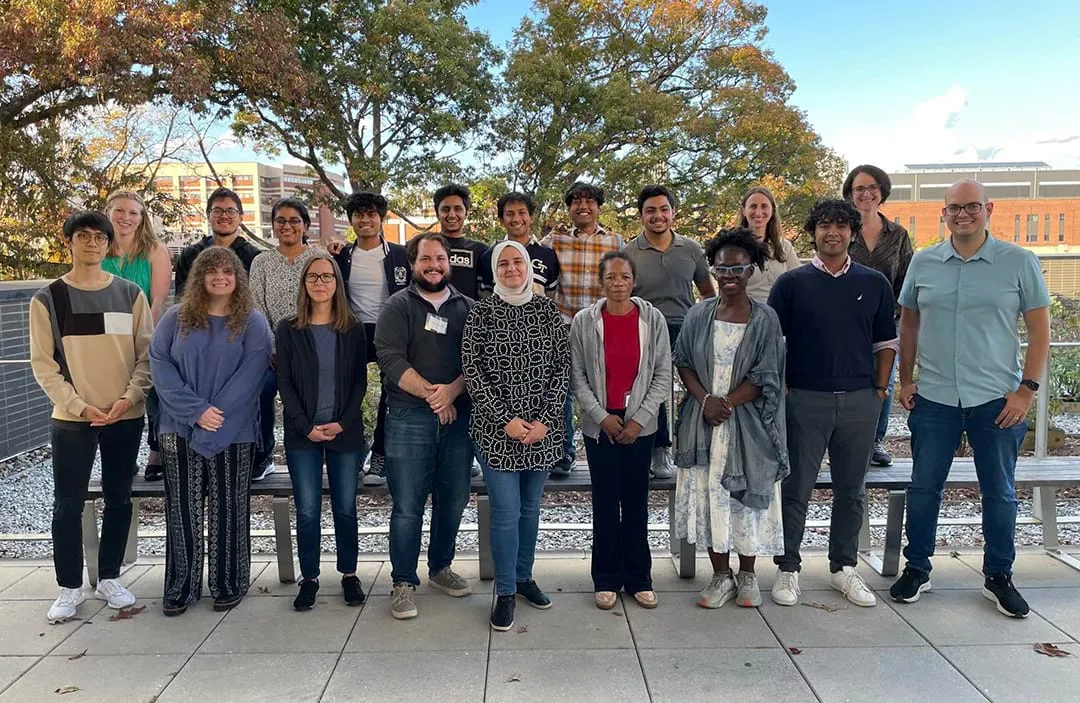
“Georgia Tech is a beacon of innovation that aims to empower entrepreneurs to create ventures with a positive impact on society and the environment. As a hub of forward-thinking ideas, Georgia Tech is leading Atlanta, Georgia, and the United States into a more sustainable future,” said Andre Calmon, assistant professor of operations management, at the launch event for Sustainable-X. An offshoot of the successful CREATE-X entrepreneurship initiative at Georgia Tech, Sustainable-X gives students, faculty, staff, and community members the tools and confidence to create and grow startups that address social and environmental challenges.
Sustainable-X is supported by Sustainability Next, the implementation roadmap for sustainability goals within Georgia Tech’s Strategic Plan 2020-2030. The new program launches in tandem with a climate action plan, a living learning campus initiative, seed funding for teaching through the lens of the UN Sustainable Development Goals, and more.
CREATE-X and the Ray C. Anderson Center for Sustainable Business (“Center”) are partnering on Sustainable-X programming. Organizers include Scheller College of Business faculty and staff: co-directors Andre Calmon and Karthik Ramachandran (Dunn Family Professor), advisor Beril Toktay (Brady Family Chair and Regents’ Professor), and program manager Kjersti Lukens (program support coordinator for the Center).
The program kicked off with the Social and Environmental Entrepreneurs Bootcamp, held at the Kendeda Building for Innovative Sustainable Design from November 5-6, 2022. Twenty participants from Georgia Tech and the community learned how to tackle complex sustainability problems and create startup solutions. The bootcamp was facilitated by Jackie Stenson, an expert in sustainable innovation and co-founder of multiple social enterprises. Participants progressed through problem framing and ideation exercises to design solutions inspired by the UN Sustainable Development Goals.
The participants shared their projects in a pitch session, where judges and peers listened to an array of business solutions related to STEM education in under-resourced communities, meal preparation kits to help reduce food waste, water management for golf courses, and infrastructure and innovation to accelerate the transition to renewable energy. First prize was awarded to the group that focused on water management. Team members included Isha Dogra (environmental engineering graduate student at Georgia Tech), Emma Vail (student at University of North Georgia), and Michelle Wong (assistant director of the Petit Institute at Georgia Tech ).
Tanju Özdemir, a first-year materials science and engineering major who is also serving as a 2022-23 Scheller College Undergraduate Sustainability Ambassador, remarked, “I signed up for the bootcamp because it felt relevant to my future career goal of being an entrepreneur in the energy sector. The SDG innovation process was completely new to me and exposed me to how difficult and exciting it is to explore solutions to different problems.” The bootcamp revealed to Özdemir how “even the seemingly chaotic process of creativity can have structure.”
Next Steps and Resources
Participants in the bootcamp will be invited to take part in a series of forthcoming events and opportunities related to mentoring, transitioning from idea to prototype (through CREATE-X programming), and funding. The Sustainable-X 2022-23 program will culminate in a showcase in March in which selected participants, along with their counterparts in CREATE-X, will pitch their startups in hopes of obtaining support from investors.
Reflecting on the weekend launch event, Toktay said, “I enjoyed seeing how teams including students, staff members, and community participants – which we intentionally included in the bootcamp – gelled so well. They helped each other stay grounded in real problems while exploring creative solutions.” She said that she and her fellow organizers look forward to the growth of the program. “We believe that the teams have great potential to make a positive impact.”
“With the new Sustainable-X program, Scheller College is creating a new wave of impact at the intersection of sustainability, entrepreneurship, and innovation,” stated Dean Maryam Alavi. She continued, “This program will empower a new generation of Georgia Tech community members as they address some of the most pressing sustainability challenges of our time. I look forward to seeing what results.”
Co-directors Calmon and Ramachandran have worked with student and faculty entrepreneurs at Georgia Tech, INSEAD, and MIT. They recognize Georgia Tech’s potential to produce the next generation of sustainability and climate-impact startups, and look forward to building the pathway to support these startups through Sustainable-X.
Click here to sign up for updates.
Interested in getting involved? Contact Kjersti Lukens for more information.
Written by Jennifer Holley Lux
News Contact
Jennifer Lux, Writer/Editor, Scheller College of Business
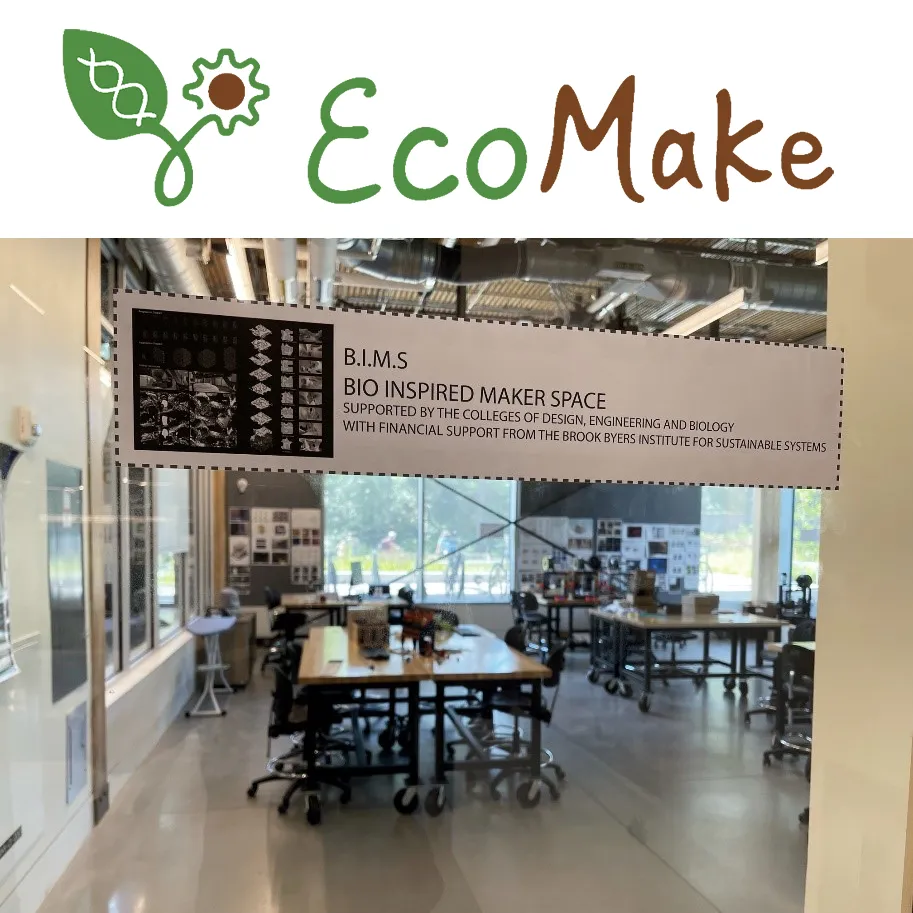
At first glance, the new maker space opening in the Kendeda Living Building for Innovative Sustainable Design might look like many others. However, the space, named EcoMake, has some important differences. Because it is housed in the Kendeda Building, there are strict standards for what types of materials and equipment can be used there in order to maintain its Living Building Certification. For example, you will find several 3-D printers there, like almost all maker spaces, but the plastic filament used in them is made from recycled plastic, perhaps recycled on-site with equipment in the lab itself.
Some might regard such restrictions as too limiting to their creativity or design goals. Viewed another way, this approach opens up a unique set of possibilities. Biologically Inspired and Green Design (BIG-D) is a field of study (sometimes referred to by different names, like “biomimicry”) that has demonstrated a lot of promise in the past few decades. This approach aims to translate the billions of years of knowledge and design wisdom embodied in our biological world into innovative green products. However, no matter how green the design of a product, they are often manufactured with traditional processes with limited consideration for energy, toxicity, water, or material use. Having a lab like EcoMake will help to usher in the field of study of Biologically Inspired and Green Manufacturing (BIG-M). BIG-M will require knowledge, equipment, and resources that are much different than traditional fabrication methods. Like natural systems, this new facility will operate within the means of nature, using no more energy or water than can be generated from its geometric footprint, and producing no more waste than it can assimilate on site.
EcoMake has the following tools and equipment (so far):
- 8 - Prusa I3S+ 3-D Printers
- 5 - Ender 3 Pro 3-D Printers
- EinScan-SP 3-D Object Scanner
- Mark-10 ESM303 Mechanical Tester
- 300-X Digital Microscope
- 3Devo Filament Extruder
- Shini SG-16N Plastic Granulator
- Plastic Chip Dryer
- Singer Heavy Duty 4423 Sewing Machine
- Complement of Standard Fabric Crafting Equipment
EcoMake, the bio-inspired maker space will be open to students from all disciplines. It is supported by the Colleges of Design, Engineering, and Biology, and the Brook Byers Institute for Sustainable Systems. Contact Michael Gamble for more information.
News Contact
Brent Verrill, Research Communications Program Manager, BBISS
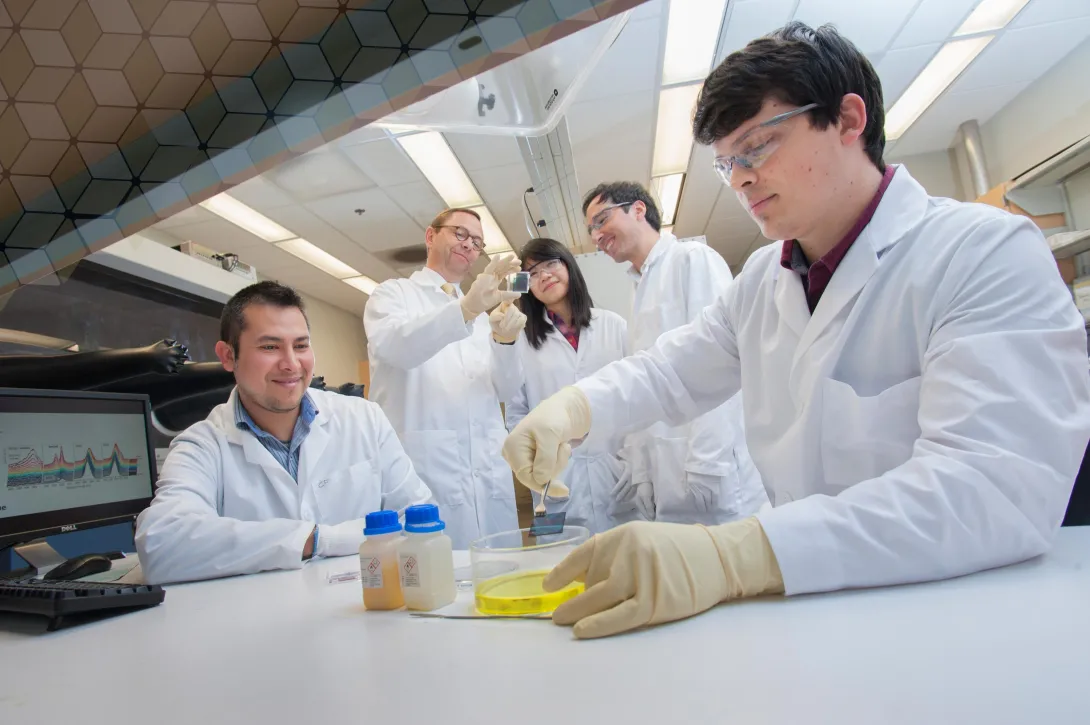
The Scalable Asymmetric Lifecycle Engagement Microelectronics Workforce Development program (SCALE) has announced the program will extend another five years and expand with $10.8 million additional Department of Defense (DoD) funding, with a ceiling of $99 million.
SCALE officials said this expansion of the nation’s preeminent program will further its goal to develop a next-generation workforce that can return the United States to prominence in global microelectronics manufacturing.
Georgia Tech participates in the partnership, which is led by Purdue University and managed by NSWC Crane. SCALE facilitates the training of highly skilled U.S. microelectronics engineers, hardware designers and manufacturing experts. SCALE brings together a public-private-academic partnership of 17 universities and 34 partners within the defense industry and government.
“This is an extremely exciting time in the country and at Tech for microchip design and manufacturing,” said Arijit Raychowdhury, the Steve W. Chaddick School Chair of Tech’s School of Electrical and Computer Engineering (ECE). “These newly announced funds for the SCALE program will help Georgia Tech recruit a new, diverse group of students ready to work in defense microelectronics. We’re thrilled to be a SCALE partner university and honored to be leading many of the project’s specialty areas.”
SCALE provides unique courses, mentoring, internship matching and targeted research projects for college students interested in five microelectronics specialty areas. Georgia Tech ECE faculty members will be the primary investigators for three of the areas:
- system on a chip will be led by Raychowdhury;
- radiation-hardening will be led by John Cressler;
- and heterogeneous integration/advanced packaging will be led by Madhavan Swaminathan.
The other two focus areas are embedded system security/trusted AI and supply chain awareness.
Industry and government partners regularly meet and update a list of knowledge, skills, and abilities important for new entrants to the workforce. The SCALE universities then update their curriculum to ensure the students are prepared for upcoming needs in the rapidly advancing microelectronics field.
Peter Bermel, SCALE director and the Elmore Associate Professor of Electrical and Computer Engineering at Purdue, said the United States will need 50,000 trained semiconductor engineers to meet overwhelming and rapidly growing demand.
“The United States is committed to expanding and strengthening its semiconductor industry and workforce rapidly over the next five years,” Bermel said. “SCALE takes a holistic approach to the microelectronics workforce gap by comprehensively addressing system challenges for workforce training and recruiting.”
Goals for the next five years include:
- Expanding student participation in SCALE fivefold to more than 1,000.
- Developing learning models for K-12 classrooms.
- Collaborating with community colleges nationwide to develop microelectronics classes.
The demand for microelectronics increased by 26.2% in 2021. But while the United States consumes about half of the chips produced worldwide, the country only manufactures about 12%, highlighting the pressing need for the U.S. to strengthen its domestic semiconductor supply chains and increase industrial capacity.
The funding announcement is the latest highlight in Georgia Tech’s leadership role in bolstering microelectronics and workforce development. Tech’s large engineering and science faculty bring a broad set of research expertise to strengthen the country’s semiconductor capacity. The Institute is uniquely positioned to train the microelectronics workforce, drive future microelectronics advances, and provide fabrication and packaging facilities for industry, academic and government partners to develop and test new solutions.
###
The Georgia Institute of Technology, or Georgia Tech, is a top 10 public research university developing leaders who advance technology and improve the human condition. The Institute offers business, computing, design, engineering, liberal arts, and sciences degrees. Its nearly 44,000 students, representing 50 states and 149 countries, study at the main campus in Atlanta, at campuses in France and China, and through distance and online learning. As a leading technological university, Georgia Tech is an engine of economic development for Georgia, the Southeast, and the nation, conducting more than $1 billion in research annually for government, industry, and society.
News Contact
Dan Watson
dwatson@ece.gatech.edu