

Timothy Lieuwen has been appointed interim executive vice president for Research (EVPR) by Georgia Tech President Ángel Cabrera, effective September 10.
Lieuwen is a Regents’ Professor, the David S. Lewis, Jr. Chair in the Daniel Guggenheim School of Aerospace Engineering, and executive director of the Strategic Energy Institute. His research interests range from clean energy and propulsion systems to energy policy, national security, and regional economic development. He works closely with industry and government to address fundamental problems and identify solutions in the development of clean energy systems and alternative fuels.
A proud Georgia Tech alumnus, Lieuwen (M.S. ME 1997, Ph.D. ME 1999) has had a remarkable academic career. He is a member of the National Academy of Engineering and is a fellow of the American Society of Mechanical Engineers, the American Institute of Aeronautics and Astronautics, the American Physical Society, the Combustion Institute, and the Indian National Academy of Engineering (foreign fellow). He has received numerous awards, including the ASME George Westinghouse Gold Medal and the AIAA Pendray Award. He serves on governing or advisory boards of three Department of Energy national labs: Oak Ridge National Laboratory, Pacific Northwest National Laboratory, and the National Renewable Energy Laboratory and was appointed by the U.S. Secretary of Energy to the National Petroleum Council.
Lieuwen has authored or edited four books on combustion and over 400 scientific publications. He also holds nine patents, several of which are licensed to industry, and is founder of an energy analytics company, Turbine Logic, where he acts as chief technology officer.
In Lieuwen’s appointment announcement, President Cabrera said, “Tim’s extensive experience and knowledge of Georgia Tech makes him uniquely suited to lead our research enterprise as we search for a permanent EVPR. I am grateful for his willingness to serve the Institute during this period of remarkable growth, and I look forward to working with him and the rest of the team.”
News Contact
Shelley Wunder-Smith
Director of Research Communications
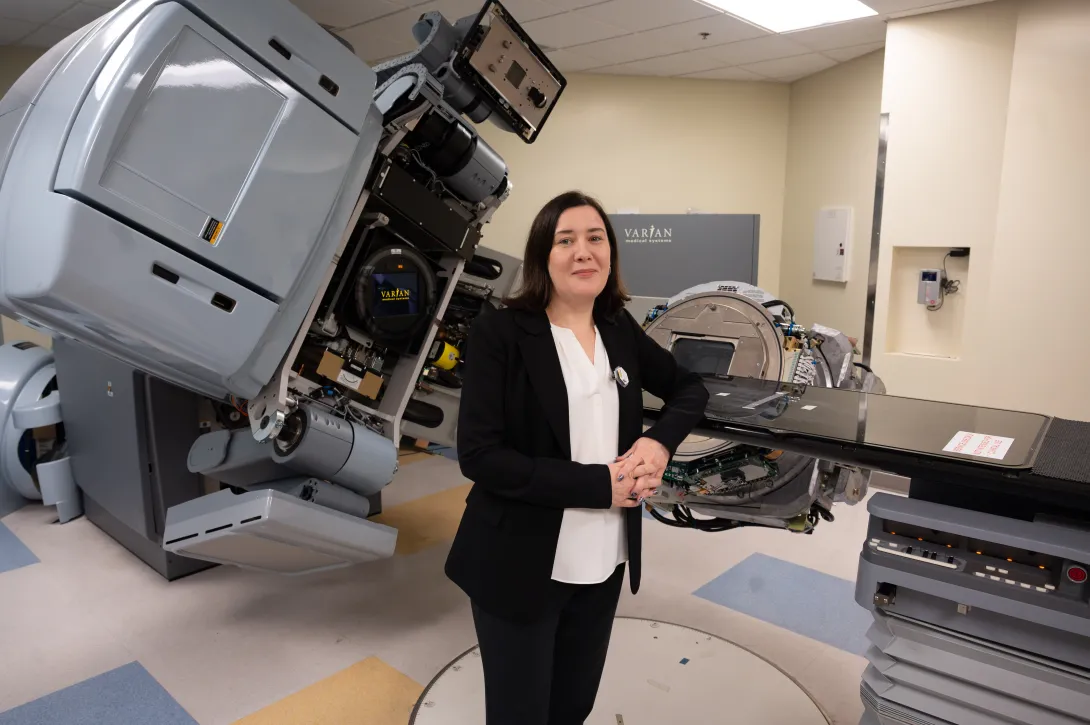
Photo by Joya Chapman
Georgia Tech will lead a consortium of 12 universities and 12 national labs as part of a $25 million U.S. Department of Energy National Nuclear Security Administration (NNSA) award. This is the second time Georgia Tech has won this award and led research and development efforts to aid NNSA’s nonproliferation, nuclear science, and security endeavors.
The Consortium for Enabling Technologies and Innovation (ETI) 2.0 will leverage the strong foundation of interdisciplinary, collaboration-driven technological innovation developed in the ETI Consortium funded in 2019. The technical mission of the ETI 2.0 team is to advance technologies across three core disciplines: data science and digital technologies in nuclear security and nonproliferation, precision environmental analysis for enhanced nuclear nonproliferation vigilance and emergency response, and emerging technologies. They will be advanced by research projects in novel radiation detectors, algorithms, testbeds, and digital twins.
“What we're trying to do is bring those emergent technologies that are not implemented right now to fruition,” said Anna Erickson, Woodruff Professor and associate chair for research in the George W. Woodruff School of Mechanical Engineering, who leads both grants. “We want to understand what's ahead in the future for both the technology and the threats, which will help us determine how we can address it today.”
While half the original collaborators remain, Erickson sought new institutional partners for their research expertise, including Abilene Christian University, University of Alaska Fairbanks, Stony Brook University, Rensselaer Polytechnic Institute, and Virginia Commonwealth University. Other university collaborators include the Colorado School of Mines, the Massachusetts Institute of Technology, Ohio State University, Texas A&M University, the University of Texas at Austin, and the University of Wisconsin–Madison.
National lab partners are the Argonne National Laboratory, Brookhaven National Laboratory, Idaho National Laboratory, Lawrence Berkeley National Laboratory, Lawrence Livermore National Laboratory, Los Alamos National Laboratory, Nevada National Security Site, Oak Ridge National Laboratory, Pacific Northwest National Laboratory, Princeton Plasma Physics Laboratory, Sandia National Laboratories, and Savannah River National Laboratory.
The partners, along with the other NNSA Consortia, gathered at Texas A&M in June to present the new results of the research — NNSA DNN R&D University Program Review — and the kickoff will be hosted in Atlanta in February 2025. More than 300 collaborators, including 150 students, met for four days to share their research and develop new partnerships.
Engaging students in research in the nuclear nonproliferation field is a key part of the award. The plan is to train over 50 graduate students, provide internships for graduate and undergraduate students, and offer faculty-student lab visit fellowships. This pipeline aims to develop well-rounded professionals equipped with the expertise to tackle future nonproliferation challenges.
“Because nuclear proliferation is a multifaceted problem, we try to bring together people from outside nuclear engineering to have a conversation about the problems and solutions,” Erickson said.
“One of the biggest accomplishments of ETI 1.0 is this incredible relationship that our university PIs have been able to forge with national labs,” she said. “Over five years, we've supported over 70 student internships at national labs, and we have already transitioned a number of Ph.D. students to careers at national labs.”
As the consortium efforts continue, the team looks forward to the next phase of engagement with government, university, and national lab partners.
“With a united team and a focus on cutting-edge technologies, the ETI 2.0 consortium is poised to break new ground in nuclear nonproliferation,” Erickson said. “Collaboration is the fuel, and innovation is the engine.”
News Contact
Tess Malone, Senior Research Writer/Editor
tess.malone@gatech.edu

Illustration of a smart thermostat within the image of a house
People using energy-efficient smart thermostats are willing to sacrifice comfort and control to save relatively small amounts of energy that could add up if enough people sign on, a Georgia Tech economist reported in a recent study.
With federal and state energy policies targeting aggressive decarbonization in the next 15 years, smart technologies have the potential to help achieve these goals at a reasonable cost, said Casey J. Wichman, associate professor in the Georgia Institute of Technology School of Economics.
In a forthcoming issue of American Economic Journal: Applied Economics, Wichman and colleagues report that automation within smart thermostats can lead to potentially large reductions in household electricity use and costs.
Utilities look to time-of-use (TOU) pricing — where prices are higher during peak demand and lower during lags in demand — to save consumers money and relieve pressure on the grid.
“From an economics perspective, there's this idea that if you set the price right, everything will work out,” Wichman said. “But if consumers don't actually respond to those prices, that limits the effectiveness of the solution.”
For the study, more than 2,100 Toronto-area residents using Ecobee smart thermostats agreed to share their usage data during the 2019 rollout of a suite of new thermostat features that included an automated component.
Participants opted to allow the thermostats to precool or preheat their homes at times of the day when electricity was less expensive, choosing on a sliding scale how aggressive they wanted the algorithm to be. Degree changes within the homes varied from around 1 to 5 degrees, saving participants up to 30 Canadian cents per day in the summer.
“I have always liked applying economic concepts to simple decisions we make in our daily lives,” Wichman said. “This allows me to answer new questions about how decisions matter for the environment, and how policies or technologies can be designed to generate social change. In this project, we’re leveraging new data sources to try to capture the unaccounted-for costs of those policies.”
Studies on energy savings, he said, often miss the in-home comfort cost. These results showed that people seemed willing to trade relatively small monetary savings for a small increase in discomfort, although discomfort was most pronounced for residents who typically spend more time at home. For the most part, people were willing to sacrifice control over their heating and cooling decisions to an algorithm.
This finding surprised Wichman. “We thought we would see more people turn off the feature,” he said. That didn't happen.
As time-varying electricity pricing rolls out across North America, utilities could provide incentives for customers to opt into energy-saving settings programmed into internet-connected home appliances, like water heaters, pool pumps, and electric vehicles.
The researchers’ results suggest that such programs could be designed in a way that customers will accept. This gives Wichman a sense of optimism for the future.
“What is interesting here is that technology can complement economic incentives,” he said. “You can have technology correct for humans’ inability to remember to set their heating and cooling schedule in a way that's consistent with social goals.”
Author: Deborah Halber
News Contact

Ice caps
April is Earth Month, and according to the National Oceanic and Atmospheric Administration, 2023 was the warmest year on record for our planet. As the global conversation around the climate and humans’ effect on it continues, Georgia Tech researchers are taking a leading role in quantifying the issues posed by climate change and crafting solutions for the road ahead.
The latest episode of Generating Buzz follows the College of Sciences’ Frontiers in Science event, giving listeners an opportunity to hear from experts, including dean and renowned oceanographer Susan Lozier, Associate Professor Alex Robel, Professor Valerie Thomas, and Associate Vice President of Sustainability Jennifer Chirico as they explore the intersection of science, policy, and human nature.

Dylan Brewer, Assistant Professor in the School of Economics, Georgia Tech
Are you under the impression that air pollution is a dichotomous problem where the air is either polluted or it’s not? What else is there to know about air pollution? The surprising answer to this question lies not with a lab scientist but with an economist.
Assistant Professor Dylan Brewer of the School of Economics studies the health impacts of air pollution and the statistical methods useful for teasing apart factors that can confound those answers, all from the lens of an economist. It turns out that viewing the problem of air pollution through an economic framework and applying statistical methods commonly used in the field of economics can shed light on the multiple factors that influence the health impact of exposure to air pollution on different populations.
Recently, Brewer was the featured guest on the podcast The Health Deli, where the hosts were surprised to find an economist making waves at this critical research intersection. Brewer explains why viewing this problem from the perspective of an economist is so valuable and discusses some of his research team’s surprising findings.
The podcast, hosted by three pharmacists, approaches health news from a scientific bent, which turned out to be a great fit for an economist who studies air pollution. You can listen to the podcast episode, “Is It Safe To Breathe Air? How Is This a Real Question?’ on Apple Podcasts or Spotify, as well as other major podcast providers.
Spotify Link https://open.spotify.com/episode/1PDPUZNGEifWA5IvCnVUNK
News Contact
Written by: Sharon Murphy, Research Associate, SEI
News Contact:
Priya Devarajan, SEI Communications Program Manager
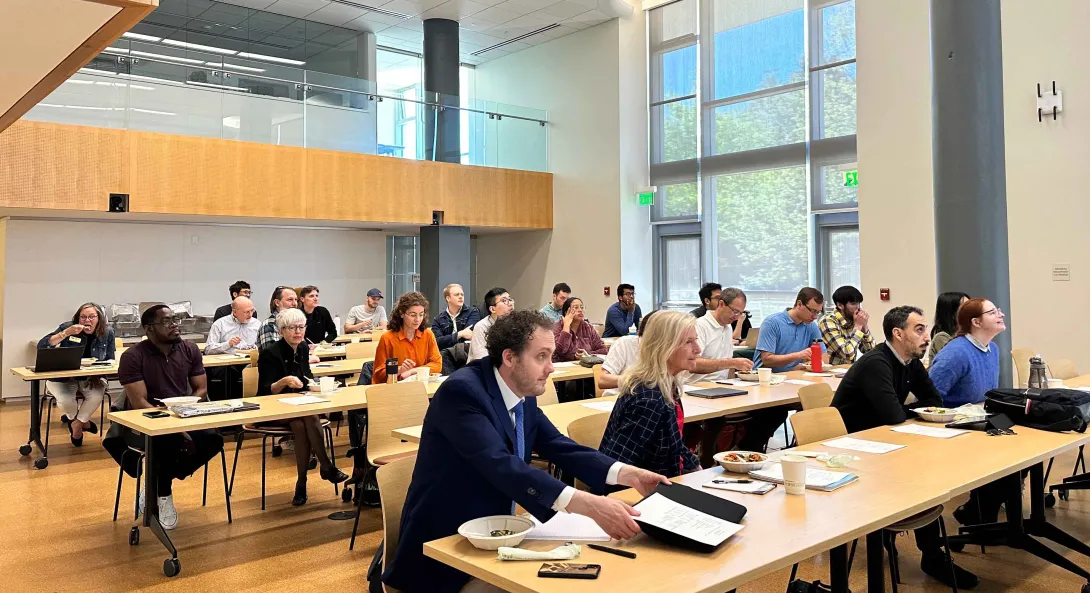
Audience at the EPICenter Lightning Talks (Round 2) held at the Georgia Tech Library
On April 12, the Energy, Policy, and Innovation Center (EPICenter) hosted its second round of the “Friday Lightning Talk Series” at the Scholars Event Network space in the Price Gilbert Library.
Eight multidisciplinary participants from Georgia Tech, including postdoctoral students, graduate students, research faculty, and research associates from public policy, economics, electrical and computer engineering, industrial and systems engineering, and EPICenter, presented an overview of an energy-related research project during the session.
Laura Taylor, chair of the School of Economics and interim director of EPICenter, introduced the organization’s new faculty affiliate program through which affiliates, their students, and postdocs present and share research ideas and receive feedback from the audience.
Topics covered during the session included understanding the social costs of natural gas deregulation, managing EV charging during emergencies, exploring whether daylight saving time saves energy, the green energy workforce, the effects of community solar on household energy use, the Atlanta Energyshed project, clean hydrogen production in Georgia, and household responses to grid emergencies.
The interactive session was well attended with over 25 attendees asking thought-provoking questions and providing suggestions on future areas to explore.
The first round was held on March 1 and was such a success that this second round had a full slate of presenters and a full house of audience members. The agendas for both lightning round talks are available below, along with links to presentation slides.
A unit of the Strategic Energy Institute of Georgia Tech, EPICenter’s mission is to conduct rigorous research and deliver high-impact insights that address the energy needs of the southeastern U.S., while keeping a national and global perspective. EPICenter calls upon broad, multidisciplinary expertise to engage the public and create solutions for critical emerging issues as our nation’s energy transformation unfolds.
News Contact
Priya Devarajan || SEI Communications Program Manager
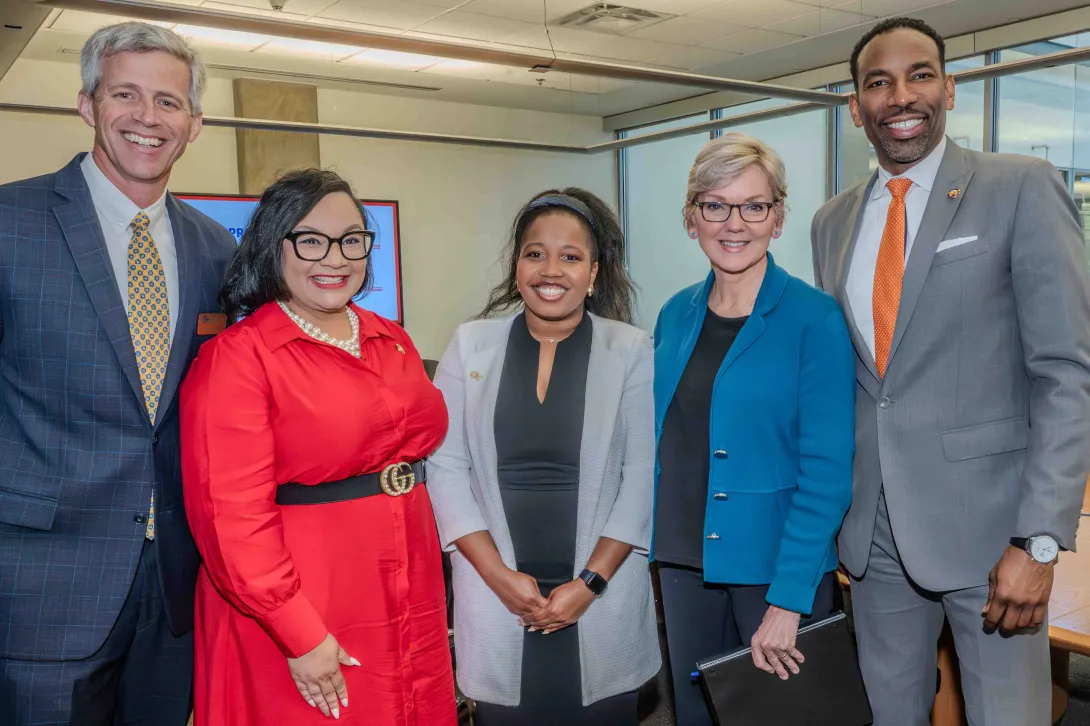
From the Left: SEI Executive Director Tim Lieuwen, U.S. Rep. Nikema Williams, Georgia Tech Student Azell Francis, Secretary Jennifer Granholm, Mayor Andrew Dickens
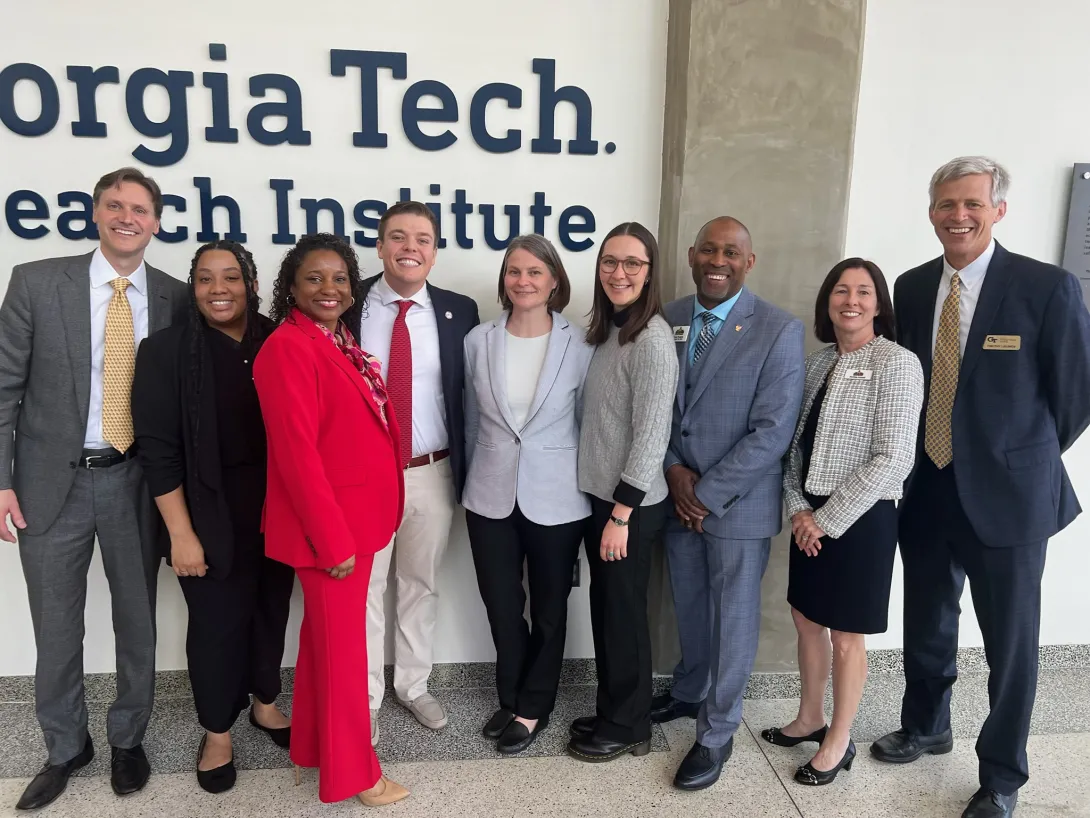
From the Left: Richard Simmons (SEI), Jordann Shields (SEI), Chandra Farley (City of Atlanta), John R Seydel (City of Atlanta), Catherine Mercier-Baggett (Southeast Sustainability Directors Network), Rachel Usher (SSDN), Tony Powers (City of Decatur), Andrea Arnold (City of Decatur), Tim Lieuwen (SEI)
On a recent visit to the Georgia Tech campus, Secretary of Energy Jennifer Granholm announced that a tri-city alliance of Atlanta, Decatur, and Savannah in partnership with Georgia Tech will receive funding to drive clean energy solutions.
The funding is part of DOE’s Energy Future Grants program, and the Atlanta-Decatur-Savannah partners will receive $500,000 during the planning phase to develop initiatives, policies, and tools to promote green energy deployment in their communities. In total, the grants will provide $27 million in financial and technical assistance to support strategies that increase resiliency and improve access to affordable clean energy. The team will compete with other recipients for additional funding in subsequent phases of the program.
The Georgia Energyshed (G-SHED) team, led by Richard Simmons of the Strategic Energy Institute, will partner with the tri-city team in this project. The modeling and simulation-driven analysis from G-SHED will be used by the Tri-City Alliance project to develop deployment-ready blueprints of clean energy innovations focused on community benefits.
The G-SHED team, formed through another DOE grant, is developing a metropolitan energy planning organization informed by an integrated modeling effort that includes technical, social, and community inputs. Georgia Tech is collaborating with the Atlanta Regional Commission and the Southface Institute in this project.
Granholm said announcing the funding at Georgia Tech was fitting because its tools “are going to be magnificent for this project for communities to decide the best path for them based on data.” Atlanta Mayor Andrew Dickens, U.S. Rep. Nikema Williams, and several other dignitaries were present during the announcement. Secretary Granholm toured parts of the Georgia Tech campus including the Carbon Neutral Energy Solutions building during her visit.
“It’s exciting when the Secretary of Energy makes a special trip to campus to announce a new Award. I appreciate Secretary Granholm and the Department of Energy for enabling this innovative energy partnership with Atlanta, Decatur, and Savannah,” said Tim Lieuwen, executive director of the Strategic Energy Institute.
News Contact
Priya Devarajan || SEI Communications Program Manager
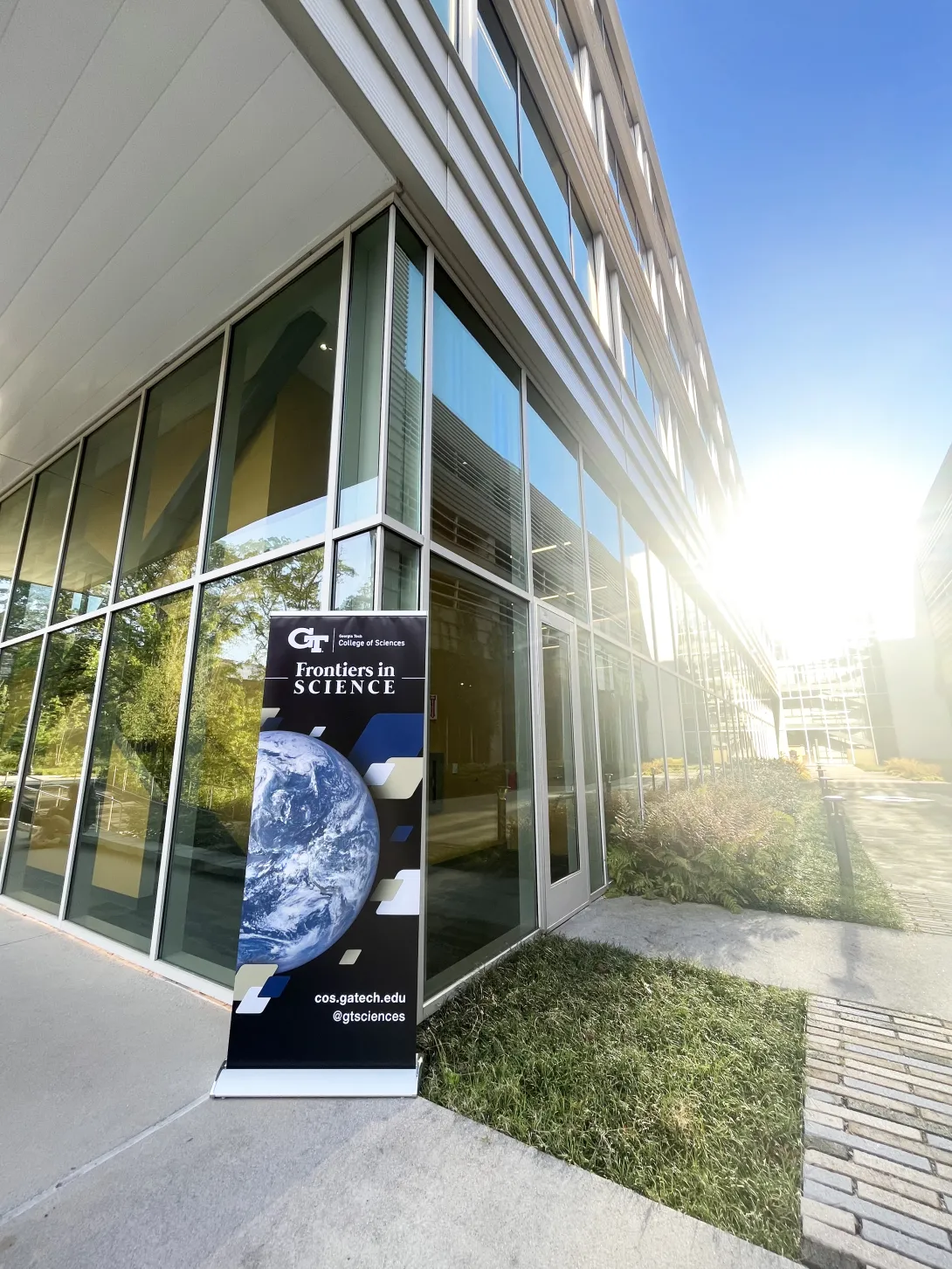
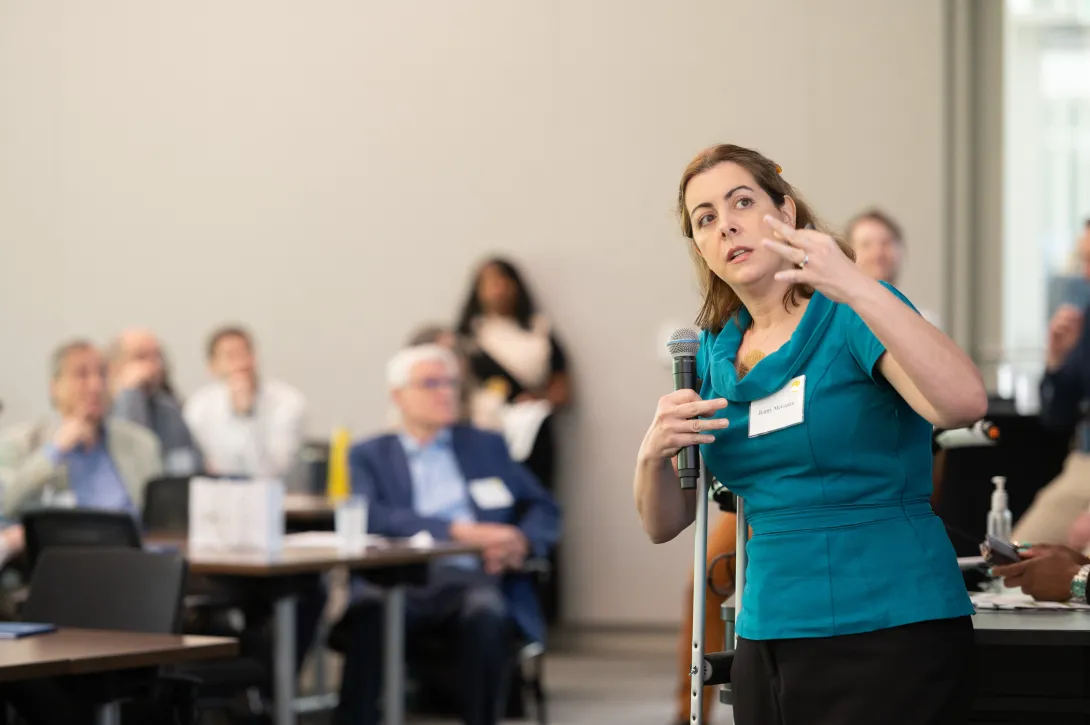
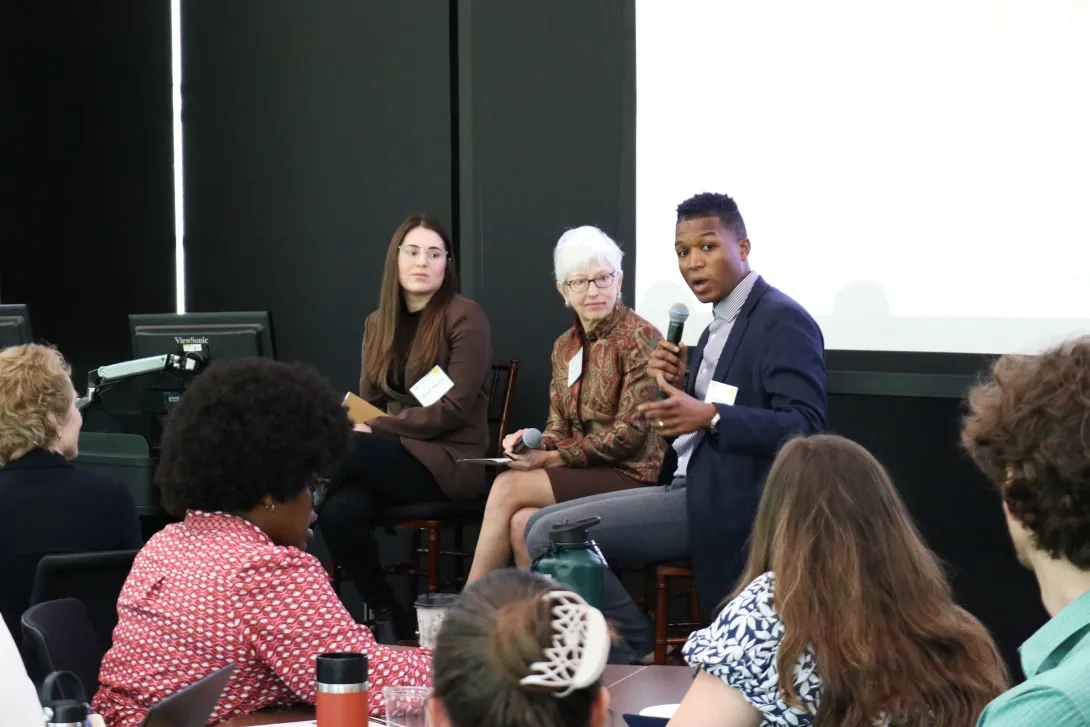
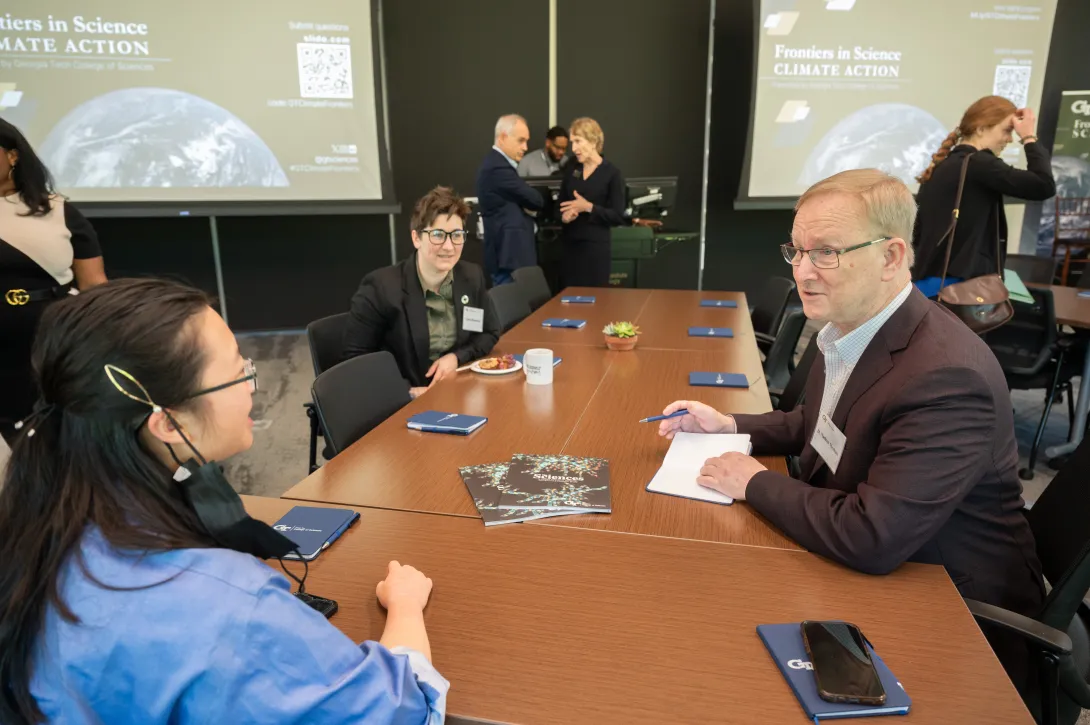
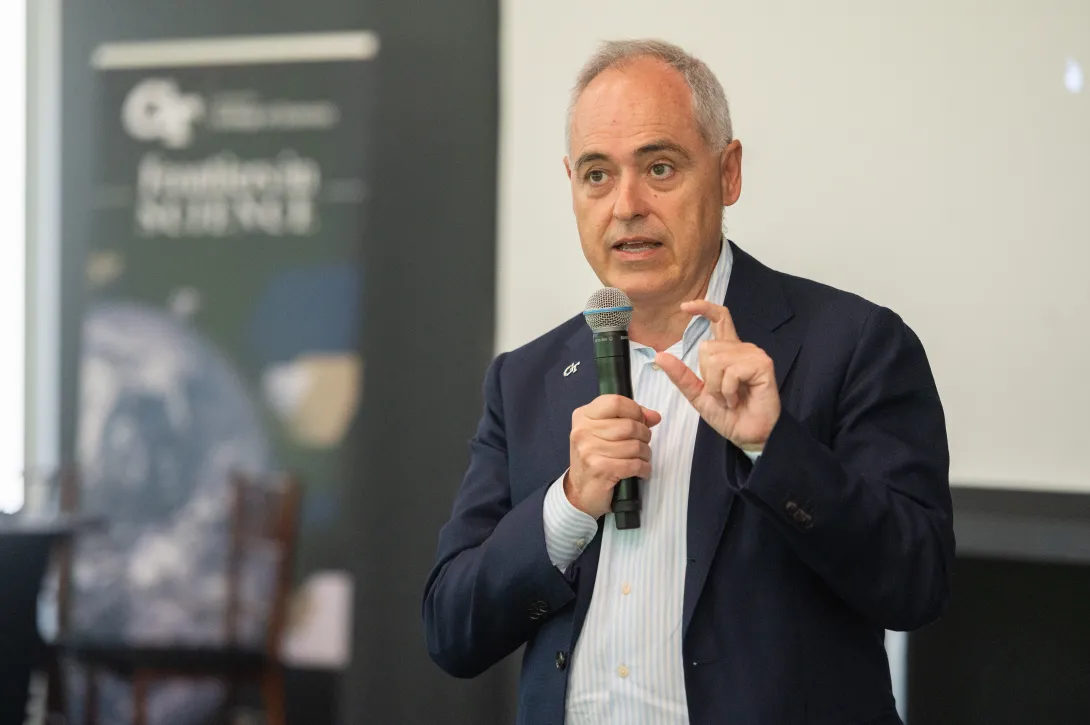
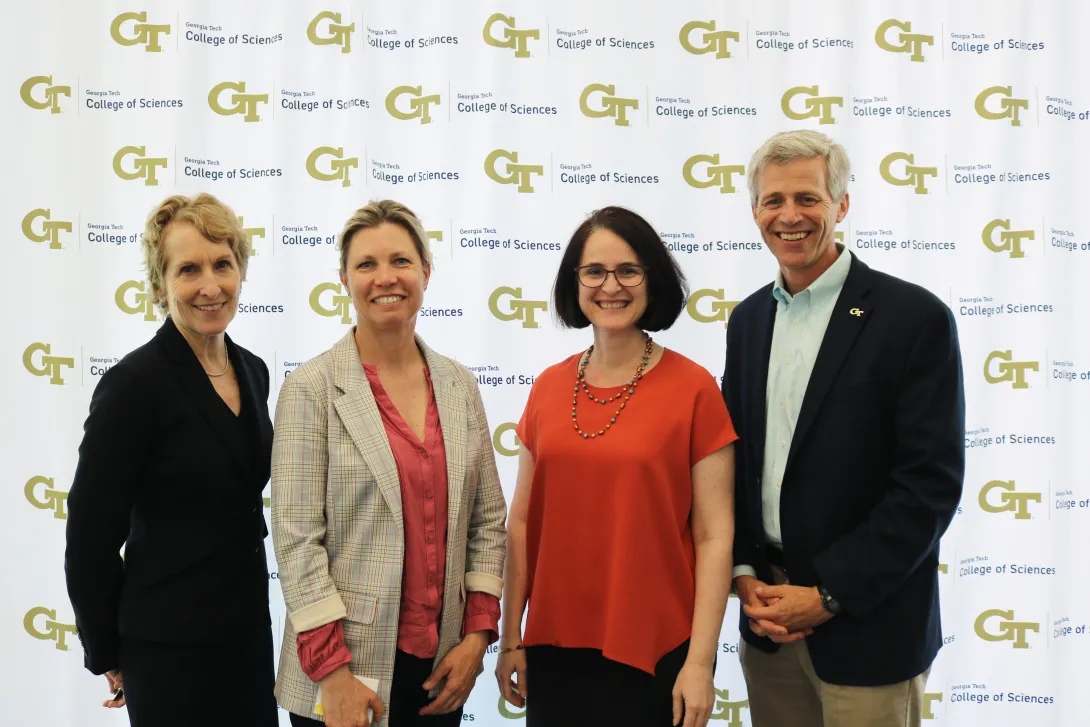
This Earth Month more than 100 campus and community stakeholders gathered near the Georgia Tech EcoCommons for the 2024 Frontiers in Science: Climate Action Conference and Symposium.
On April 18, the College of Sciences hosted more than 20 speakers and panelists from across the Institute and Atlanta community presenting groundbreaking research and discussing innovations and ideas in climate change, challenges, and solutions.
Georgia Tech President Ángel Cabrera (M.S. PSY 1993, Ph.D. PSY 1995) kicked off the morning sessions by highlighting the Institute’s new Climate Action Plan, which outlines the pathway to achieve net-zero emissions by 2050. Cabrera’s remarks focused on Georgia Tech’s role on the frontlines of research and education informing how we respond to climate challenges — and noted that the Institute’s work must extend beyond our laboratories and classrooms.
“It is essential that we not only do the science, but that we also tell that science to the world,” Cabrera says.
Interdisciplinary inquiry
This year, Frontiers in Science featured an array of climate research and initiatives led by the College of Sciences, fellow colleges across Georgia Tech, and the wider Atlanta community.
Following a three-year hiatus of the Frontiers series, the 2024 edition re-envisioned the signature annual event as a research conference and symposium to convene campus experts — and to incubate seed grant proposals to support the work of early career faculty.
Frontiers previously hosted Nobel laureates and invited thought leaders for individual talks across the College’s six schools, and celebrated milestones like the International Year of the Periodic Table of the Chemical Elements.
“This year, we wanted to showcase what we are doing right here in the College of Sciences and throughout the Institute,” says Susan Lozier, dean of the College of Sciences, Betsy Middleton and John Clark Sutherland Chair and professor in the School of Earth and Atmospheric Sciences. “Our faculty are at the forefront of broadening our knowledgebase and uncovering solutions in areas critical to the planet and our well-being. We wanted to uplift that work and see what sort of connections could be made.”
Connections and collaboration were key themes of the day as faculty, staff, students, and alumni participants representing all six Georgia Tech colleges shared research results and ongoing work and discussed collaborative ideas for horizons ahead.
“Scientists alone cannot [create accurate models],” noted Annalisa Bracco, professor in the School of Earth and Atmospheric Sciences and associate chair for Research, who shared her own research alongside Lozier, who presented a version of her 2024 TED Talk on ocean overturning. “Engineers alone cannot do it. We need social scientists, policy makers, communicators.”
The importance of an interdisciplinary approach was reinforced by the Strategic Energy Institute at Georgia Tech (SEI) and Brook Byers Institute for Sustainable Systems (BBISS), which announced an interdisciplinary seed grant funding opportunity for assistant professors with ideas for new climate solutions.
Frontiers in focus
Across three themed sessions, faculty and leadership from the Colleges of Sciences, Engineering, and Design spearheaded talks on the ocean and cryosphere, biodiversity, carbon cycling, coastal wetlands, biofuels production, and beyond.
Panels on climate challenges across community, technological, and policy initiatives were hosted by Georgia Tech Vice President for Interdisciplinary Research and Professor in the School of Biological Sciences and the School of Chemistry and Biochemistry Julia Kubanek.
Following a networking lunch with climate table topics, Georgia Tech Executive Vice President for Research and Professor in the School of Electrical and Computer Engineering Chaouki T. Abdallah (M.S. ECE 1982, Ph.D. ECE 1988) kicked off the afternoon sessions — which also announced the scholarship recipients of a student video competition and featured videos with a pair of alumnae working in meteorology, climate research, and policy.
Afternoon highlights also included discussions on the Georgia Tech Climate Action Plan and Sustainability Next initiative, led by Jennifer Chirico (B.S. MGMT 1997, Ph.D. PUBP 2011), associate vice president of Sustainability for Georgia Tech Infrastructure and Sustainability, and Jennifer Leavey (B.S. CHEM 1995), assistant dean for Faculty Mentoring in the College of Sciences and interim assistant director for Interdisciplinary Education in the Brook Byers Institute for Sustainable Systems.
Although many of the presentations provided a stern outlook of the state of our ecosystems, the conference concluded with a sense of hope. This optimism was grounded in the range of opportunities that exist to address climate challenges — thanks, in part, to the body of knowledge and solutions being tested and explored by Georgia Tech researchers.
At the end of the day, Katie Griffin, a first year undergraduate student in Environmental Science, read Amanda Gorman’s poem Earthrise and provided this reminder:
All of us bring light to exciting solutions never tried before
For it is our hope that implores us, at our uncompromising core,
To keep rising up for an earth more than worth fighting for.
Experience the event in pictures with the College of Sciences’ Flickr account, and discover the highlights through the day’s live tweets on College of Sciences’ X account.
News Contact
By: Lindsay Vidal
Jess Hunt-Ralston
Director of Communications
College of Sciences at Georgia Tech

Omar Asensio is Associate Professor at Georgia Institute of Technology and Climate Fellow, Harvard Business School
With new vehicle models being developed by major brands and a growing supply chain, the electric vehicle (EV) revolution seems well underway. But, as consumer purchases of EVs have slowed, car makers have backtracked on planned EV manufacturing investments. A major roadblock to wider EV adoption remains the lack of a fully realized charging infrastructure. At just under 51,000 public charging stations nationwide, and sizeable gaps between urban and rural areas, this inconsistency is a major driver of buyer hesitance.
How do we understand, at a large scale, ways to make it easier for consumers to have confidence in public infrastructure? That is a major issue holding back electrification for many consumer segments.
- Omar Asensio, Associate Professor at Georgia Institute of Technology and Climate Fellow, Harvard Business School | Director, Data Science & Policy Lab
Omar Asensio, associate professor in the School of Public Policy and director of the Data Science and Policy Lab at the Georgia Institute of Technology, and his team have been working to solve this trust issue using the Microsoft CloudHub partnership resources. Asensio is also currently a visiting fellow with the Institute for the Study of Business in Global Society at the Harvard Business School.
The CloudHub partnership gave the Asensio team access to Microsoft’s Azure OpenAI to sift through vast amounts of data collected from different sources to identify relevant connections. Asensio’s team needed to know if AI could understand purchaser sentiment as negative within a population with an internal lingo outside of the general consumer population. Early results yielded little. The team then used specific example data collected from EV enthusiasts to train the AI for a sentiment classification accuracy that now exceeds that of human experts and data parsed from government-funded surveys.
The use of trained AI promises to expedite industry response to consumer sentiment at a much lower cost than previously possible. “What we’re doing with Azure is a lot more scalable,” Asensio said. “We hit a button, and within five to 10 minutes, we had classified all the U.S. data. Then I had my students look at performance in Europe, with urban and non-urban areas. Most recently, we aggregated evidence of stations across East and Southeast Asia, and we used machine learning to translate the data in 72 detected languages.”
We are excited to see how access to compute and AI models is accelerating research and having an impact on important societal issues. Omar's research sheds new light on the gaps in electric vehicle infrastructure and AI enables them to effectively scale their analysis not only in the U.S. but globally.
- Elizabeth Bruce, Director, Technology for Fundamental Rights, Microsoft
Asensio's pioneering work illustrates the interdisciplinary nature of today’s research environment, from machine learning models predicting problems to assisting in improving EV infrastructure. The team is planning on applying the technique to datasets next, to address access concerns and reduce the number of “charging deserts.” The findings could lead to the creation of policies that help in the adoption of EVs in infrastructure-lacking regions for a true automotive electrification revolution and long-term environmental sustainability in the U.S.
- Christa M. Ernst
Source Paper: Reliability of electric vehicle charging infrastructure: A cross-lingual deep learning approach - ScienceDirect
News Contact
Christa M. Ernst
Research Communications Program Manager
Topic Expertise: Robotics | Data Sciences| Semiconductor Design & Fab
Research @ the Georgia Institute of Technology
christa.ernst@research.gatech.edu
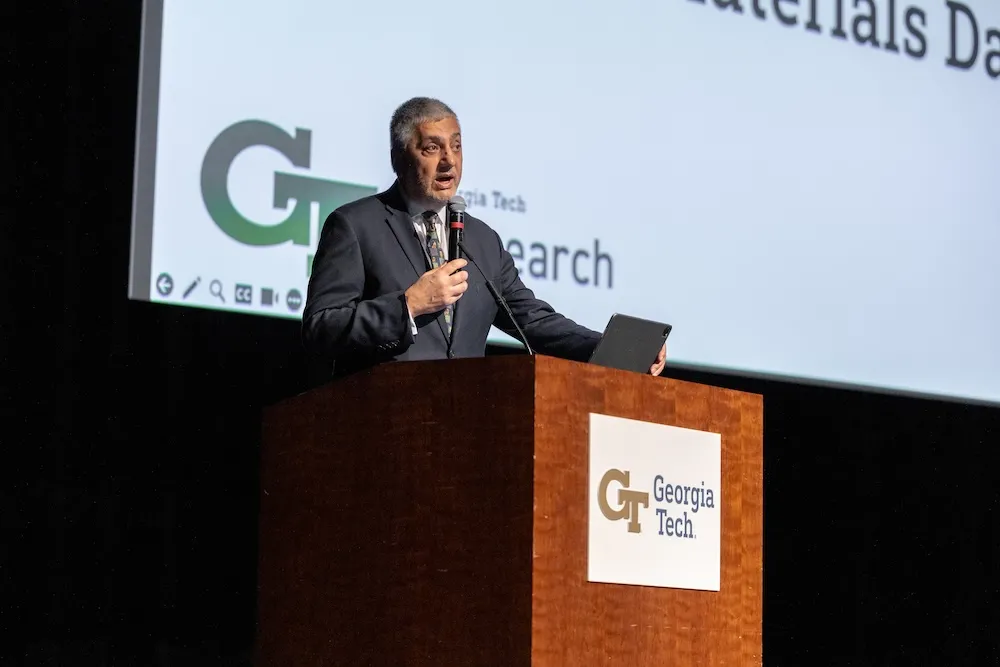
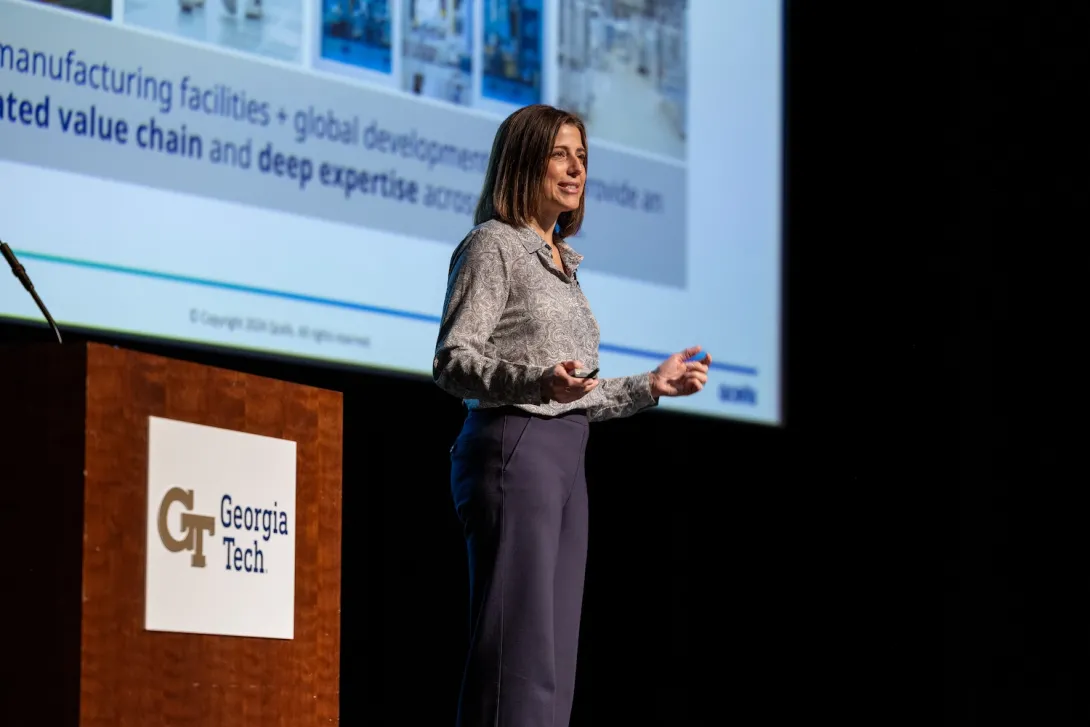
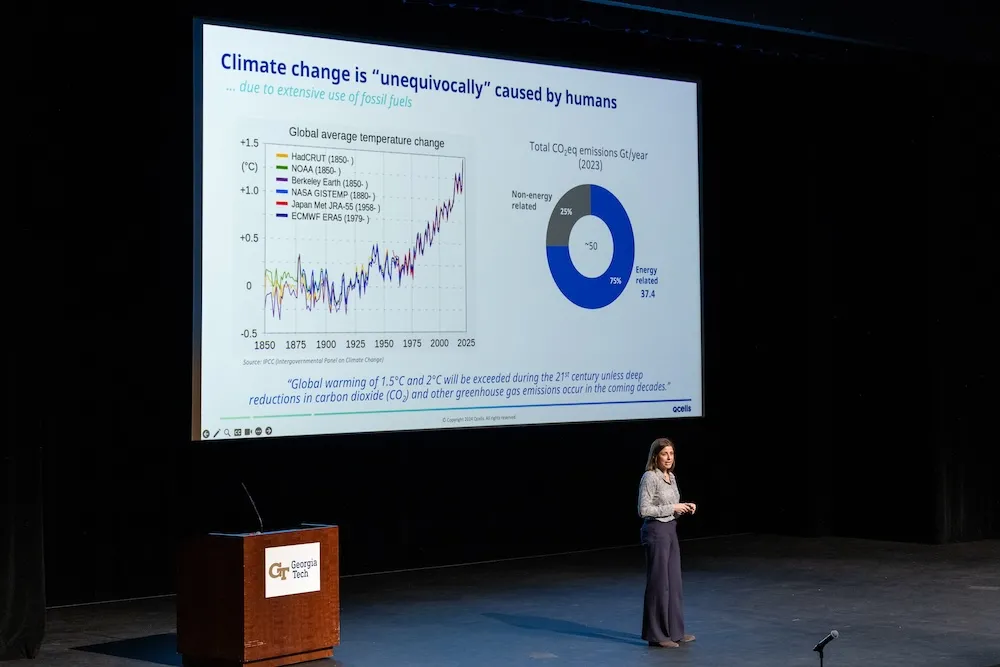
More than 400 people participated in Energy Materials Day on March 27, as researchers and industry leaders came together to discuss and advance energy materials technologies such as solar energy, carbon-neutral fuels, and batteries.
Energy materials are the things — natural, manufactured, or both — that aid the use of energy. They also play a key role in developing cleaner, more efficient energy solutions.
Energy Materials Day was co-hosted by Georgia Tech’s Strategic Energy Institute (SEI), the Institute for Materials (IMat), and the Georgia Tech Advanced Battery Center. The event evolved out of last year’s Georgia Tech Battery Day.
“As an engine of innovation in science and technology, Georgia Tech has incredible opportunities and the responsibility to conduct research to benefit society,” said Chaouki Abdallah, executive vice president for Research at Georgia Tech. “We call this ‘research that matters.’”
Events like Energy Materials Day are part of an ongoing, long-range effort to position Georgia Tech, and Georgia, as a go-to location for modern energy companies. Tech was recently ranked by U.S. News & World Report as the top public university for energy research. Abdallah also outlined why Georgia Tech, with more than 1,000 researchers across campus working in the energy space, is a natural fit for events that foster collaboration between the public and private sectors.
“Right here, right now, we have the opportunity to harness our collective powers, our collective knowledge, our collective resources to become a global engine of innovation,” he said.
Plenary speaker Danielle Merfeld, global chief technology officer at QCells, highlighted opportunities for the current and future clean energy infrastructure in the United States.
"At the heart of our discussions today [are these questions]: What is new technology, and how do you make it ... and make it at scale, in an affordable, accessible, and reliable way?” she said.
"... [The] good news is this country has taken a very deliberate step toward creating the most robust industrial policy we've had in decades. ... This is driving opportunity and creating the foundation for manufacturing. So, [we can] use that industrial base of making and consuming power [and] decarbonize the electric grid by 2035...."
“Events like this are so important to forwarding progress in research and industry,” said Eric Vogel, IMat’s executive director. “It’s important to bring together professionals throughout the industry to keep these lines of communication open.”
The day was divided into three tracks: battery materials and technologies, photovoltaics and the grid, and materials for carbon-neutral fuel production. Attendees were encouraged to listen to talks from all three areas. Each track included academic speakers who shared their research and private-sector speakers who described how technological advancements are affecting the industry.
“With its rich history in energy research, Georgia Tech remains a leader in addressing global energy challenges,” said Tim Lieuwen, executive director of SEI. “The success of Energy Materials Day is encouraging, and I eagerly anticipate continuing these discussions in 2025.”
News Contact
Amelia Neumeister
Research Communications Program Manager