
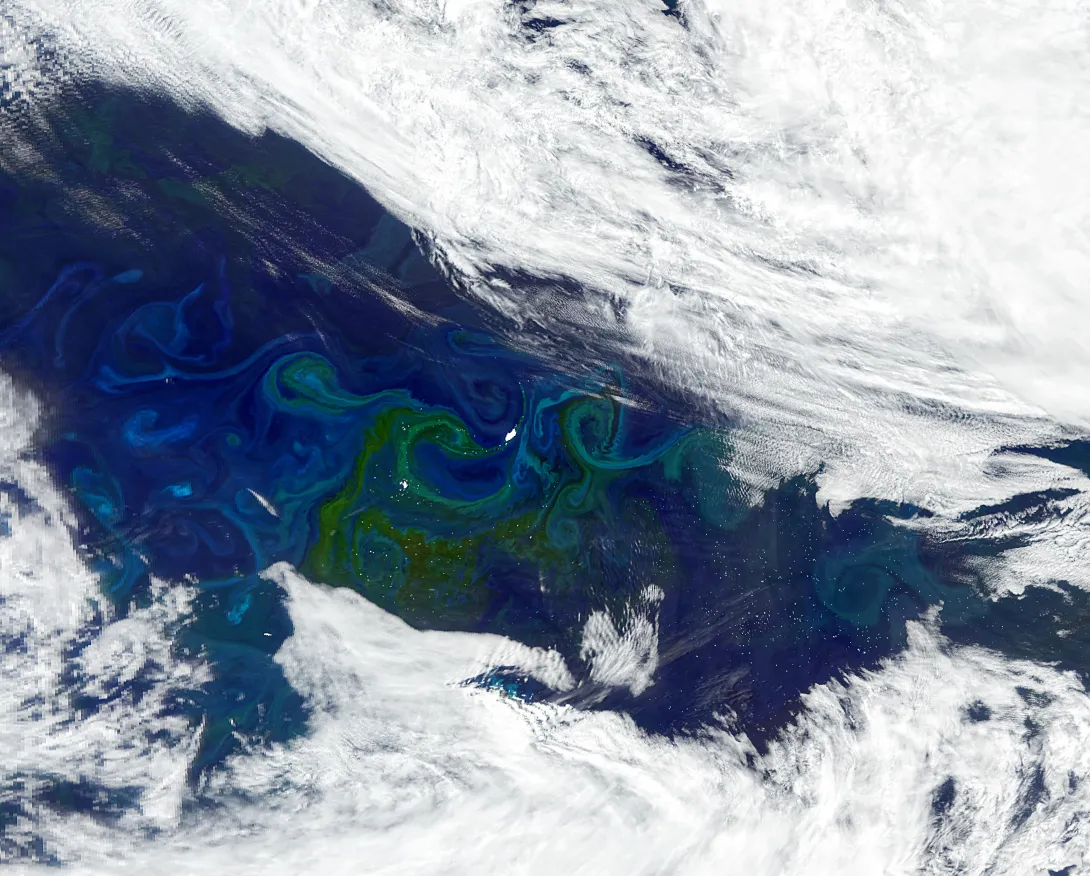
A satellite image of blooming phytoplankton, visible as green-tinted swirls, in the South Atlantic. Credit: NASA (OCI sensor aboard PACE on January 5, 2025)
Ocean waters are getting greener at the poles and bluer toward the equator, according to an analysis of satellite data published in Science on June 19. The change reflects shifting concentrations of a green pigment called chlorophyll made by phytoplankton, photosynthetic marine organisms at the base of the ocean food chain. If the trend continues, marine food webs could be affected, with potential repercussions for global fisheries.
“In the ocean, what we see based on satellite measurements is that the tropics and the subtropics are generally losing chlorophyll, whereas the polar regions — the high-latitude regions — are greening,” says first author Haipeng Zhao, a postdoctoral researcher at Georgia Tech working with Susan Lozier, dean of the College of Sciences and Betsy Middleton and John Sutherland Chair at Georgia Tech and Nicolas Cassar, the Lee Hill Snowdon Bass Chair at Duke University’s Nicholas School of the Environment.
Since the 1990s, many studies have documented enhanced greening on land, where global average leaf cover is increasing due to rising temperatures and other factors. But documenting photosynthesis across the ocean has been more difficult, according to the team. Although satellite images can provide data on chlorophyll production at the ocean’s surface, the picture is incomplete.
The study analyzed satellite data collected from 2003 to 2022 by a NASA instrument that combs the entire Earth every two days, measuring light wavelength. The researchers were looking for changes in chlorophyll concentration, a proxy for phytoplankton biomass. For consistency, they focused on the open ocean and excluded data from coastal waters.
“There are more suspended sediments in coastal waters, so optical properties are different than in the open ocean,” Zhao explains.
The satellite data revealed broad trends in color, indicating that chlorophyll is decreasing in subtropical and tropical regions and increasing toward the poles. Building on that finding, the team examined how chlorophyll concentration is changing at specific latitudes. To work around background noise and gaps in data, they had to get creative.
“We borrowed concepts from economics called the Lorenz curve and the Gini index, which together show how wealth is distributed in a society. So, we thought, let’s apply these to see whether the proportion of the ocean that holds the most chlorophyll has changed over time,” Cassar says.
They found similar but opposing trends in chlorophyll concentration over the two-decade period. Green areas became greener, particularly in the northern hemisphere, while blue regions got even bluer.
“It’s like rich people getting richer and the poor getting poorer,” Zhao says.
Next, the team examined how the patterns they observed were affected by several variables, including sea surface temperature, wind speed, light availability and mixed layer depth — a measure that reflects mixing in the ocean’s top layer by wind, waves and surface currents. Warming seas correlated with changes in chlorophyll concentration, but the other variables showed no significant associations.
The authors cautioned that their findings cannot be attributed to climate change.
“The study period was too short to rule out the influence of recurring climate phenomena such as El Niño,” Lozier says. “Having measurements for the next several decades will be important for determining influences beyond climate oscillations.”
If poleward shifts in phytoplankton continue, however, they could affect the global carbon cycle. During photosynthesis, phytoplankton act like sponges, soaking up carbon dioxide from the atmosphere. When these organisms die and sink to the ocean bottom, carbon goes down with them. The location and depth of that stored carbon can influence climate warming.
“If carbon sinks deeper or in places where water doesn’t resurface for a long time, it stays stored much longer. In contrast, shallow carbon can return to the atmosphere more quickly, reducing the effect of phytoplankton on carbon storage,” Cassar says.
Additionally, a persistent decline in phytoplankton in equatorial regions could alter fisheries that many low- and middle-income nations, such as those in the Pacific Islands, rely on for food and economic development — especially if that decline carries over to coastal regions, according to the authors.
“Phytoplankton are at the base of the marine food chain. If they are reduced, then the upper levels of the food chain could also be impacted, which could mean a potential redistribution of fisheries,” Cassar says.
Funding: National Science Foundation and NASA.
Citation: “Greener green and bluer blue: Ocean poleward greening over the past two decades,” Zhao H., Manizza M., Lozier S.M. and Cassar N. Science, June 19, 2025, DOI: 10.1126/science.adr9715
This story by Julie Leibach is shared with the Duke University Nicholas School of the Environment newsroom.
News Contact
Media Contacts:
Jess Hunt-Ralston
Director of Communications
College of Sciences
Georgia Tech
Julie Leibach
Senior Science Writer
Nicholas School of the Environment
Duke University

The College of Sciences has named Professor Joel Kostka the inaugural faculty director of Georgia Tech for Georgia's Tomorrow. The new center, announced by the College in December 2024, will drive research aimed at improving life across the state of Georgia.
“Joel is perfectly suited to lead this new initiative, especially since his research for a number of years has focused on Georgia and the vulnerability of both humans and ecosystems to climate change,” says Susan Lozier, dean of the College of Sciences, Betsy Middleton and John Clark Sutherland Chair, and professor in the School of Earth and Atmospheric Sciences. “I look forward to seeing how Science for Georgia’s Tomorrow takes shape and evolves under his thoughtful leadership.”
“I believe that my experience in research administration and in leading multidisciplinary research programs, along with the focus of my research on the vulnerability of Georgia’s communities to climate change, have prepared me well for this role,” says Kostka, who is the Tom and Marie Patton Distinguished Professor and associate chair for Research in the School of Biological Sciences with a joint appointment in the School of Earth and Atmospheric Sciences. “I am excited about the opportunity to lead the center as its inaugural director.”
Kostka’s appointment will begin on May 1, 2025.
Championing science in Georgia
Georgia's Tomorrow was created to foster research related to the health and resilience of Georgia’s people, ecosystems, and communities. Specifically, it will serve to boost research collaboration across the Institute, pave the way for public-private partnerships, and expand opportunities for Georgia students and communities to engage with Institute research.
Among Kostka’s first tasks as faculty director will be the development of the center’s strategic plan and the completion of two dedicated cluster hires from within the College of Sciences’ six schools.
Meet Joel Kostka
Kostka is known for bridging biogeochemistry and microbiology to elucidate the role of microorganisms in ecosystem function. He has emerged as an international leader in ecosystem biogeoscience, providing a quantitative predictive understanding of how ecosystems function as well as determining the mechanisms by which climate change alters ecosystem resilience. He partners with a variety of stakeholders to conduct research on the restoration and adaptive management of coastal ecosystems in Georgia.
Kostka has also served as the PI of a range of multidisciplinary research projects focused on environmental change as well as scientific advisory boards including Georgia Tech’s Strategic Energy Institute, the NSF-funded Plum Island Estuary Long-term Ecological Research program, and the Johnston Center for Coastal Sustainability on Bald Head Island.
Kostka received a B.S. in Biology from Western Illinois University and a Ph.D. in Marine Science from the University of Delaware. Prior to joining Georgia Tech in 2011, he was a professor at the Department of Oceanography and Associate Director of the Institute of Energy Systems, Economics, and Sustainability at Florida State University.
Initial support for Georgia Tech for Georgia’s Tomorrow is generously provided by the College of Sciences Betsy Middleton and John Clark Sutherland Dean's Chair fund. Cluster hire funding has been awarded by Provost Steven W. McLaughlin. The initiative will also seek funding from state, national and international organizations, private foundations, and government agencies to expand impact. Philanthropic support will also be sought in the form of professorships, programmatic support for the center, and seed funding.
Georgia Tech for Georgia's Tomorrow initially launched under the working name Science for Georgia's Tomorrow (Sci4GT).
News Contact
Writer: Lindsay C. Vidal
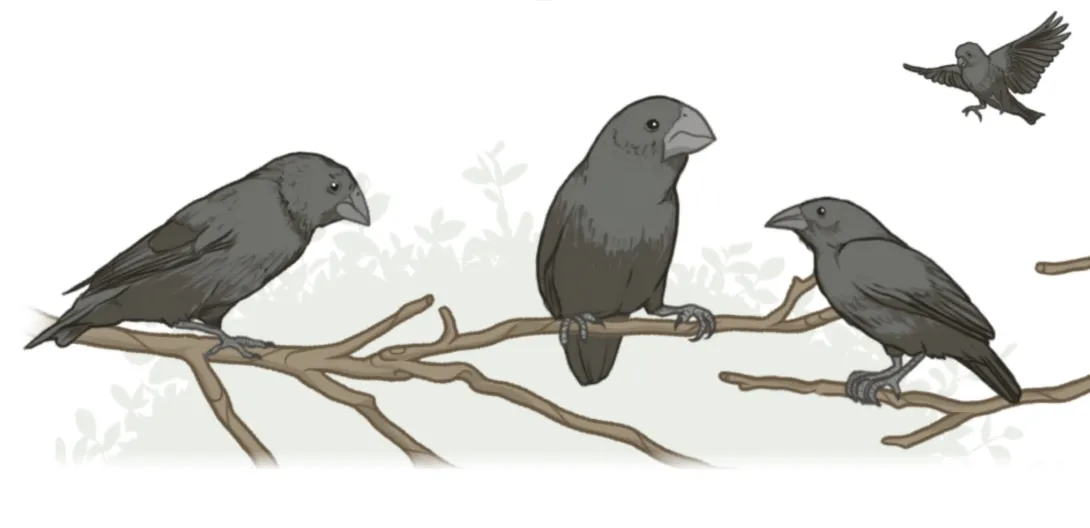
A 40-year field study of Galápagos ground finches (Geospiza sp.) has provided unparalleled insights into how natural selection operates in the wild and how new species might form. (Illustration: Mark Belan/ArtSciStudios)
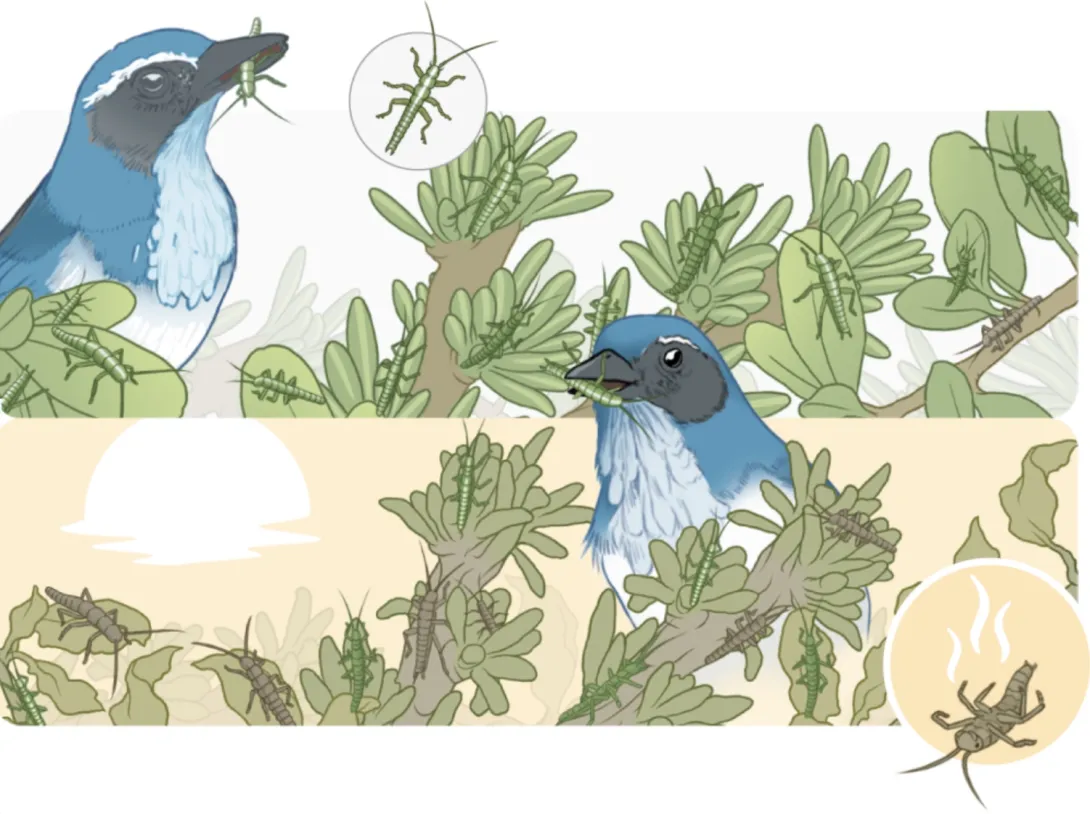
A long-term field study of Californian stick insects (Timema cristinae) reveals how competing selection pressures shape their evolution. While brown-colored stick insects experience lower predation rates from Californian scrub jays (Aphelocoma californica) than their green counterparts during hot, dry years when bright green leaves are scarce, they face higher mortality due to reduced heat tolerance. This trade-off demonstrates how climate and predation simultaneously drive evolutionary adaptation in natural populations, and this case study has been used to develop statistical models that predict future evolutionary outcomes. (Illustration: Mark Belan/ArtSciStudios)
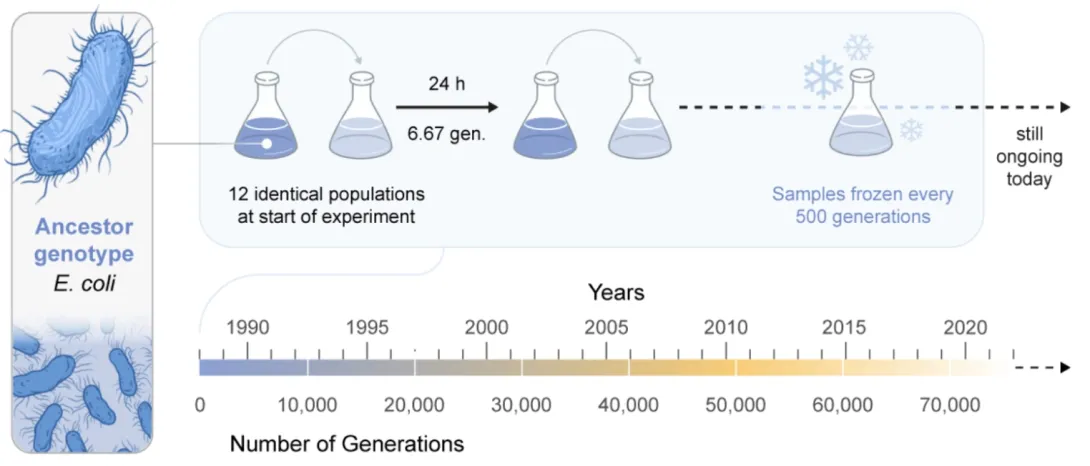
Founded in 1988, the Long-Term Evolution Experiment (LTEE) is the world’s longest-running ongoing evolution experiment now spanning 75,000 generations. Twelve genetically identical populations of the bacterium Escherichia coli have been allowed to evolve under constant conditions, and have uncovered general principles of evolutionary dynamics, such as how evolutionary novelties arise. (Illustration: Mark Belan/ArtSciStudios)
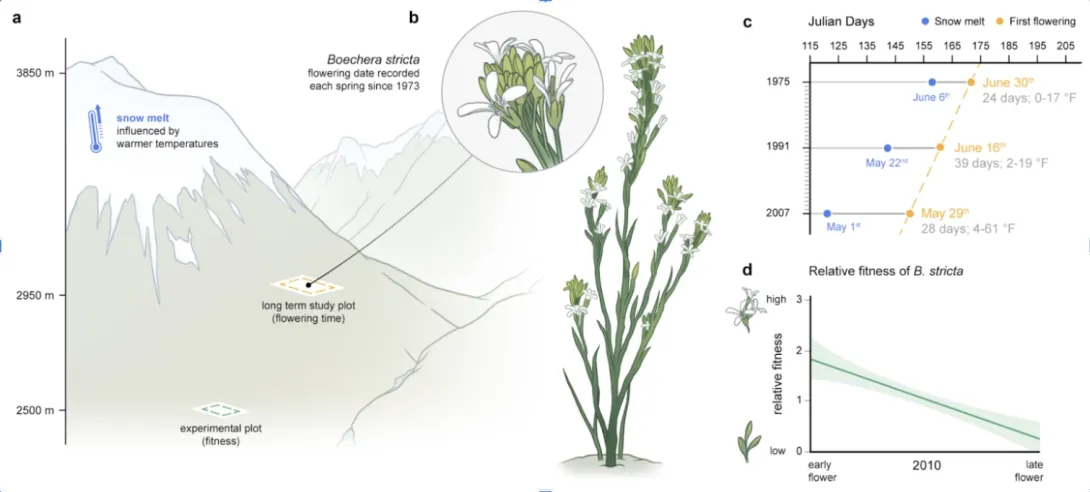
Long-term studies at the Rocky Mountain Biological Laboratory in Colorado, USA, reveal that Drummond’s rockcress (Boechera stricta), a North American wildflower, now bloom almost 4 days earlier each decade since the 1970s, responding to earlier snowmelt in the region. Long-term field studies are the key to understanding how species in the wild are evolving in response to climate change. (Illustration: Mark Belan/ArtSciStudios)
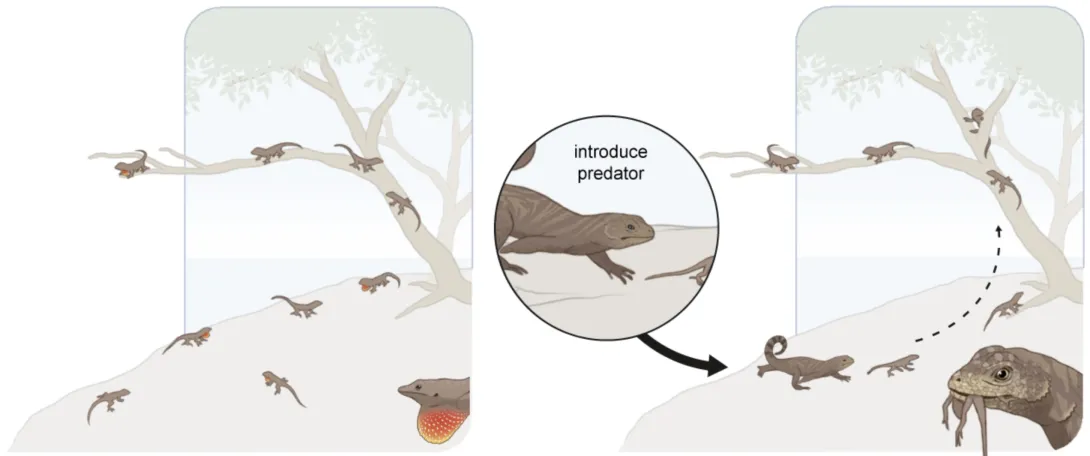
A series of experiment spanning 40 years on small islands in the Bahamas have revealed how prey species, like small brown anole lizards (Anolis sagrei), evolve in response to predators, like the larger curly-tailed lizard (Leiocepahlus carinatus). Importantly, due to the long-term nature of this research, scientists were able to track ecosystem changes in response to this predator-driven rapid evolution. (Illustration: Mark Belan/ArtSciStudios)
Georgia Tech scientists are revealing how decades-long research programs have transformed our understanding of evolution, from laboratory petri dishes to tropical islands — along the way uncovering secrets that would remain hidden in shorter studies.
Through a new review paper published in Nature, the researchers underscore how long-term studies have captured evolution's most elusive processes, including the real-time formation of new species and the emergence of biological innovations.
"Evolution isn't just about change over millions of years in fossils — it's happening all around us, right now," says James Stroud, the paper’s lead author and an Elizabeth Smithgall Watts Early Career Assistant Professor in the School of Biological Sciences at Georgia Tech. "However, to understand evolution, we need to watch it unfold in real time, often over many generations. Long-term studies allow us to do that by giving us a front-row seat to evolution in action."
The paper, “Long-term studies provide unique insights into evolution,” is the first-ever comprehensive analysis of these types of long-term evolutionary studies, and examines some of the longest-running evolutionary experiments and field studies to date, highlighting how they provide new perspectives on evolution. For example, in the Galápagos, a 40-year field study of Darwin’s finches — songbirds named after evolutionary biology’s famous founder — documented the formation of a new species through hybridization. In the lab, a study spanning 75,000 generations of bacteria showed populations unexpectedly evolving completely new metabolic abilities.
“These remarkable evolutionary events were only caught because of the long-term nature of the research programs,” Stroud says. “Even if short-term studies captured similar events, their evolutionary significance would be hard to assess without the historical context that long-term research provides.”
“The most fascinating results from long-term evolution studies are often completely unexpected — they're serendipitous discoveries that couldn't have been predicted at the start,” explains the paper’s co-author, Will Ratcliff, Sutherland Professor in the School of Biological Sciences and co-director of the Interdisciplinary Ph.D. in Quantitative Biosciences at Georgia Tech.
“While we can accelerate many aspects of scientific research today, evolution still moves at its own pace,” Ratcliff adds. “There's no technological shortcut for watching species adapt across generations.”
Decades of discovery — from labs to islands
The new paper also highlights a growing challenge in modern science: the critical importance of supporting long-term research in an academic landscape that increasingly favors quick results and short-term funding. Yet, they say, some of biology's most profound insights emerge only through multi-decadal efforts.
Those challenges and rewards are familiar to Stroud and Ratcliff, who operate their own long-term evolutionary research programs at Georgia Tech.
In South Florida, Stroud’s ‘Lizard Island’ is helping document evolution in action across the football field-sized island’s 1,000-lizard population. By studying a community of five species, his research is providing unique insights into how evolution maintains species’ differences, and how species evolve when new competitors arrive. Now operating for a decade, it is one of the world’s longest-running active evolutionary studies of its kind.
In his lab at Georgia Tech, Ratcliff studies the origin of complex life — specifically, how single-celled organisms become multicellular. His Multicellularity Long Term Evolution Experiment (MuLTEE) on snowflake yeast has run for more than 9,000 generations, with aims to continue for the next 25 years. The work has shown how key steps in the evolutionary transition from single-celled organisms to multi-celled organisms occur far more easily than previously understood.
Important work in a changing world
Stroud says that the insights from these types of studies, and this review paper, are arriving at a crucial moment. “The world is rapidly changing, which poses unprecedented challenges to Earth's biodiversity,” he explains. “It has never been more important to understand how organisms adapt to changing environments over time.”
“Long-term studies provide our best window into achieving this,” he adds. “We can document, in real time, both short-term and long-term evolutionary responses of species to changes in their environment like climate change and habitat modification."
By drawing together evolution's longest-running experiments and field studies for the first time, Stroud and Ratcliff offer key insights into studying this fundamental process, suggesting that understanding life's past — and predicting its future — requires not just advanced technology or new methods, but also the simple power of time.
Funding: The US National Institutes of Health and the NSF Division of Environmental Biology
News Contact
Written by Selena Langner
Contact: Jess Hunt-Ralston
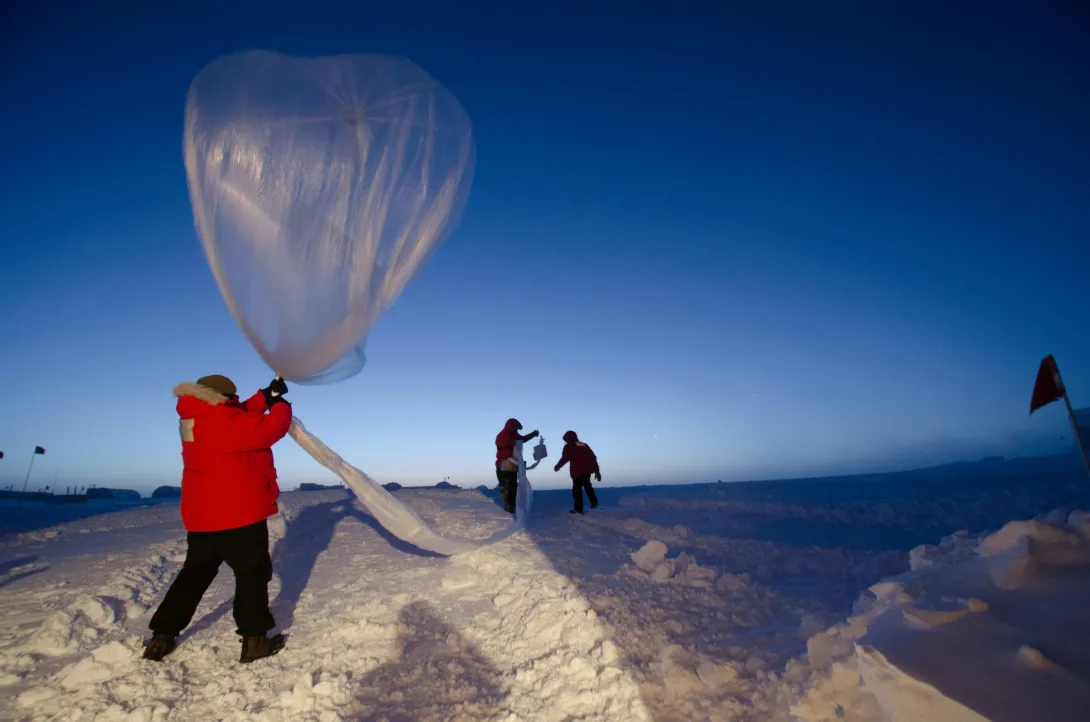
Researchers launch a a lightweight, balloon-borne instrument to collect data. "To keep advancing, we need scientists who can determine what data we need, collect that data, and solve problems," Bracco says. (NOAA)
Exponential growth in big data and computing power is transforming climate science, where machine learning is playing a critical role in mapping the physics of our changing climate.
“What is happening within the field is revolutionary,” says School of Earth and Atmospheric Sciences Associate Chair and Professor Annalisa Bracco, adding that because many climate-related processes — from ocean currents to melting glaciers and weather patterns — can be described with physical equations, these advancements have the potential to help us understand and predict climate in critically important ways.
Bracco is the lead author of a new review paper providing a comprehensive look at the intersection of AI and climate physics.
The result of an international collaboration between Georgia Tech’s Bracco, Julien Brajard (Nansen Environmental and Remote Sensing Center), Henk A. Dijkstra (Utrecht University), Pedram Hassanzadeh (University of Chicago), Christian Lessig (European Centre for Medium-Range Weather Forecasts), and Claire Monteleoni (University of Colorado Boulder), the paper, ‘Machine learning for the physics of climate,’ was recently published in Nature Reviews Physics.
“One of our team’s goals was to help people think deeply on how climate science and AI intersect,” Bracco shares. “Machine learning is allowing us to study the physics of climate in a way that was previously impossible. Coupled with increasing amounts of data and observations, we can now investigate climate at scales and resolutions we’ve never been able to before.”
Connecting hidden dots
The team showed that ML is driving change in three key areas: accounting for missing observational data, creating more robust climate models, and enhancing predictions, especially in weather forecasting. However, the research also underscores the limits of AI — and how researchers can work to fill those gaps.
“Machine learning has been fantastic in allowing us to expand the time and the spatial scales for which we have measurements,” says Bracco, explaining that ML could help fill in missing data points — creating a more robust record for researchers to reference. However, like patching a hole in a shirt, this works best when the rest of the material is intact.
“Machine learning can extrapolate from past conditions when observations are abundant, but it can’t yet predict future trends or collect the data we need,” Bracco adds. “To keep advancing, we need scientists who can determine what data we need, collect that data, and solve problems.”
Modeling climate, predicting weather
Machine learning is often used when improving climate models that can simulate changing systems like our atmosphere, oceans, land, biochemistry, and ice. “These models are limited because of our computing power, and are run on a three-dimensional grid,” Bracco explains: below the grid resolution, researchers need to approximate complex physics with simpler equations that computers can solve quickly, a process called ‘parameterization’.
Machine learning is changing that, offering new ways to improve parameterizations, she says. “We can run a model at extremely high resolutions for a short time, so that we don’t need to parameterize as many physical processes — using machine learning to derive the equations that best approximate what is happening at small scales,” she explains. “Then we can use those equations in a coarser model that we can run for hundreds of years.”
While a full climate model based solely on machine learning may remain out of reach, the team found that ML is advancing our ability to accurately predict weather systems and some climate phenomena like El Niño.
Previously, weather prediction was based on knowing the starting conditions — like temperature, humidity, and barometric pressure — and running a model based on physics equations to predict what might happen next. Now, machine learning is giving researchers the opportunity to learn from the past. “We can use information on what has happened when there were similar starting conditions in previous situations to predict the future without solving the underlying governing equations,” Bracco says. “And all while using orders-of-magnitude less computing resources.”
The human connection
Bracco emphasizes that while AI and ML play a critical role in accelerating research, humans are at the core of progress. “I think the in-person collaboration that led to this paper is, in itself, a testament to the importance of human interaction,” she says, recalling that the research was the result of a workshop organized at the Kavli Institute for Theoretical Physics — one of the team’s first in-person discussions after the Covid-19 pandemic.
“Machine learning is a fantastic tool — but it's not the solution to everything,” she adds. “There is also a real need for human researchers collecting high-quality data, and for interdisciplinary collaboration across fields. I see this as a big challenge, but a great opportunity for computer scientists and physicists, mathematicians, biologists, and chemists to work together.”
Funding: National Science Foundation, European Research Council, Office of Naval Research, US Department of Energy, European Space Agency, Choose France Chair in AI.
DOI: https://doi.org/10.1038/s42254-024-00776-3
News Contact
Written by Selena Langner
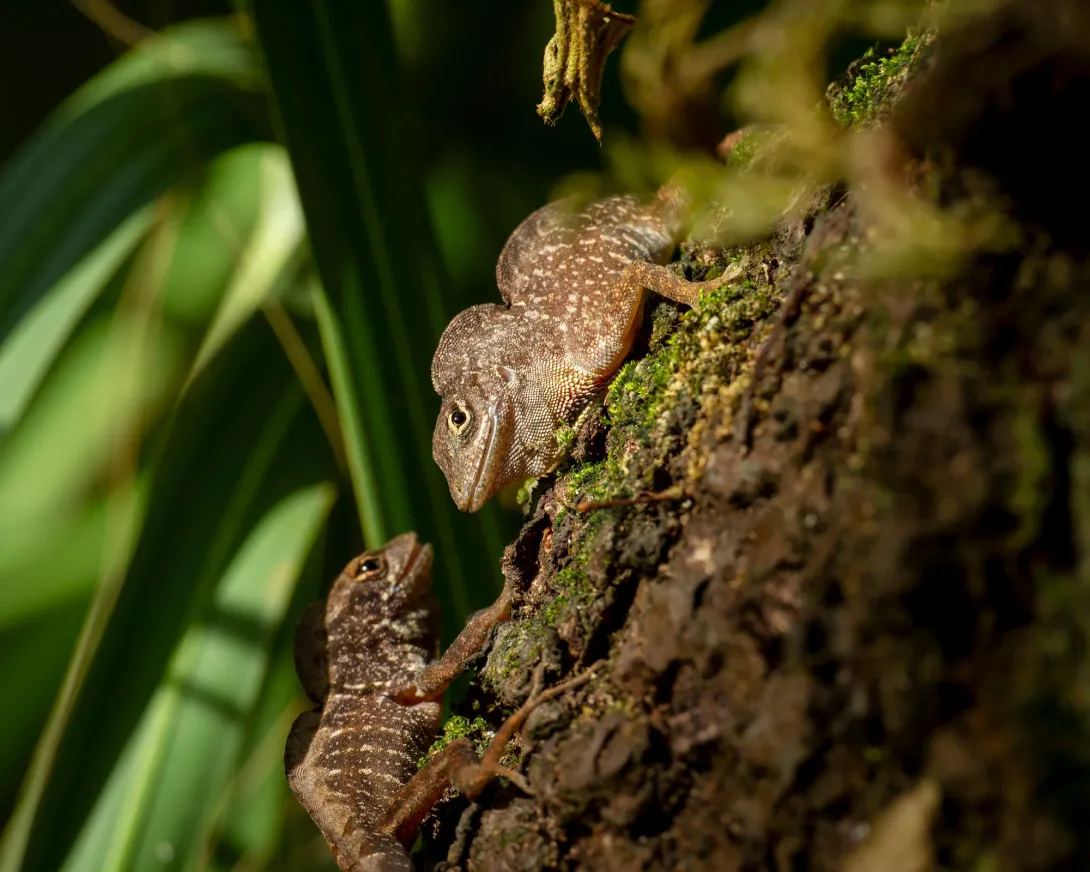
Two Cuban brown anoles, Anolis sagrei (Credit: Day's Edge Productions)
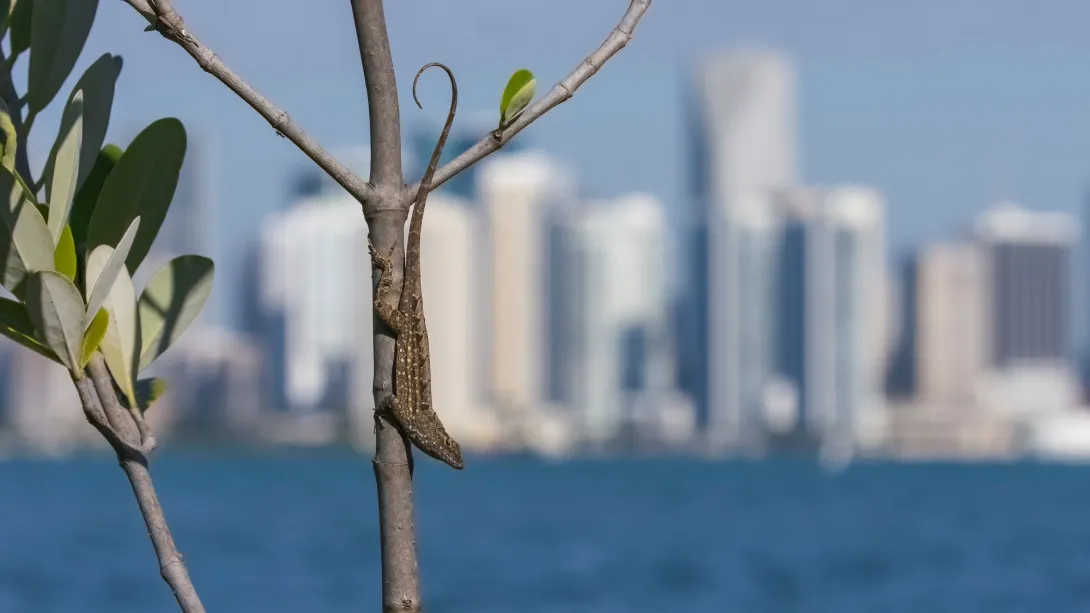
A Cuban brown anole (Anolis sagrei) in Miami (Credit: Day's Edge Productions)
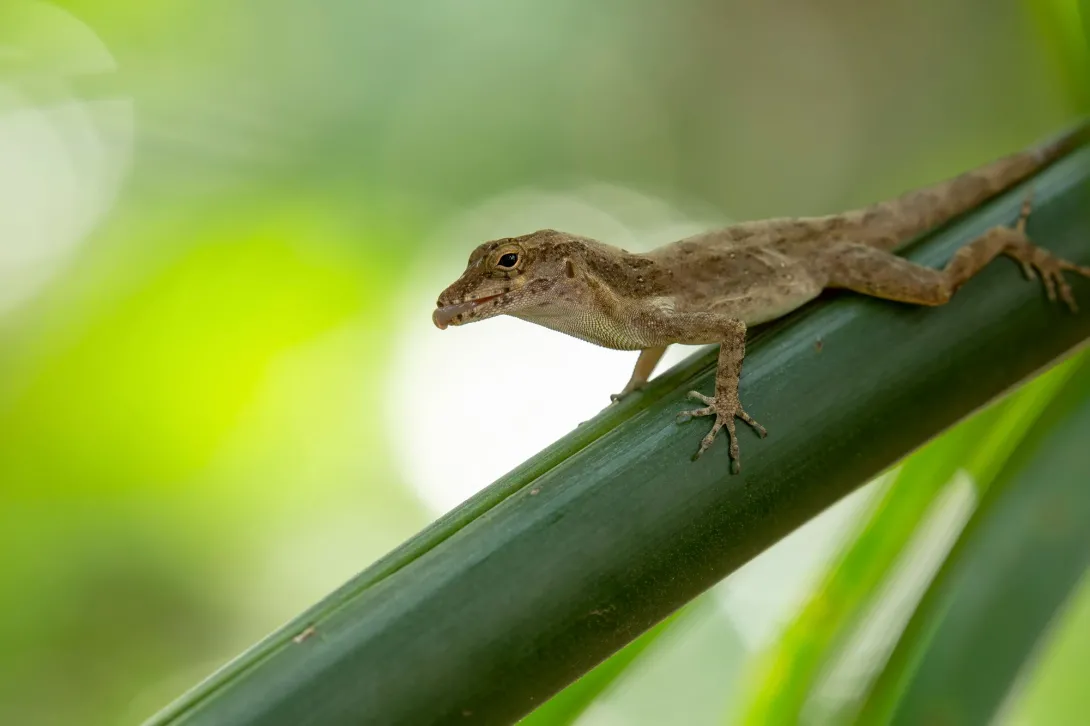
A Puerto Rican crested anole, Anolis cristatellus (Credit: Day's Edge Productions)
In South Florida, two Caribbean lizard species met for the first time. What followed provided some of the clearest evidence to date of evolution in action.
Lead author James Stroud, an assistant professor in the School of Biological Sciences, was studying Cuban brown anoles (Anolis sagrei) in South Florida when the Puerto Rican crested anole (Anolis cristatellus), suddenly appeared in the region.
Published in Nature Communications, the study documents what happens as the two Anolis lizards adapted in response to the new competitor, while helping to resolve a longstanding challenge in evolutionary biology — directly observing the role of natural selection in character displacement: how similar animals adapt in response to competition.
"Most of what we know about how animals change in response to this process comes from studying patterns that evolved long ago,” Stroud says. “This was a rare opportunity where we could watch evolution as it happened."
Competition from coexistence
While these two small, brown lizards diverged evolutionarily between 40-60 million years ago and evolved on completely separate Caribbean islands, the two species are nearly identical, and fill similar ecological niches.
So, when the Puerto Rican crested anole suddenly appeared in Cuban brown anole habitat at Fairchild Tropical Botanic Garden in 2018, the two were competing for similar habitats and food sources.
“When two similar species compete for the same resources, like food and territory, they often evolve differences that allow them to coexist,” Stroud says. But, while scientists have found many examples of similar species developing different traits to ease this overlap, “scientists have rarely been able to observe this process as it unfolds in nature.”
Stroud’s team had already been studying Cuban brown anoles at the Fairchild Tropical Botanic Gardens in Miami, Florida, two years prior to when the crested anoles invaded. The team was able to quickly pivot to observe how the invasion changed both species, analyzing the lizards’ changing diets, measuring if the lizards were moving through foliage or on the forest floor, and recording the different species’ locations relative to each other. For over a thousand lizards, they also measured perch height — the distance from the ground that the lizard is perching — a primary marker of how Anolis lizards divvy up habitat.
“We not only observed how these lizards changed their habitat use and behavior when they encountered each other,” says Stroud, “but we also documented the natural selection pressures driving their physical evolution in real-time."
Human-made habitats and natural experiments
The research team found that when these lizard species occur together, they divide up their habitat in predictable ways — the Cuban brown anole shifted to spend more time on the ground, and evolved longer legs to run faster in this habitat, while the slightly larger Cuban crested anole lived in vegetation above the ground.
"We found that brown anoles with longer legs had higher survival after crested anoles showed up," says Stroud. "This matches perfectly with the physical differences we see in populations where these species have been living together for many generations."
Stroud adds that while the research provides some of the strongest observations of evolution in action to date, it also demonstrates how human activities can create natural experiments that help us understand fundamental evolutionary processes — both species of Anolis lizard in the study were originally non-native to South Florida.
“As species increasingly come into contact due to human-mediated introductions and climate change, these studies may be important for predicting how communities will respond,” he says. "By studying these non-native lizards who are meeting each other for the first time in their existence, we had a unique opportunity to see the actual process unfold and connect it to the patterns we observe in nature."
News Contact
Written by Selena Langner
Contact: Jess Hunt-Ralston
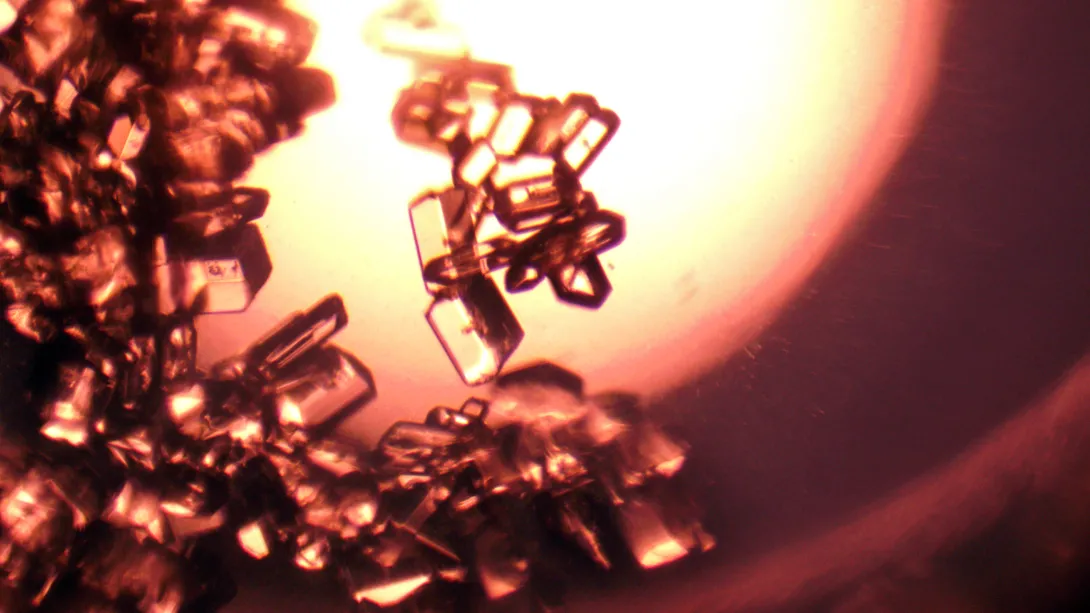
Glycine, one of the critical amino acids that the system coverts carbon dioxide into. (Image Credit: NASA)

Professor Pamela Peralta-Yahya

Ph.D. Student Shaafique Chowdhury, first author of the study.

Ph.D. Student Ray Westerberg
“Part of what makes a cell-free system so efficient,” Westenberg says, “is that it can use cellular enzymes without needing the cells themselves. By generating the enzymes and combining them in the lab, the system can directly convert carbon dioxide into the desired chemicals.”
Amino acids are essential for nearly every process in the human body. Often referred to as ‘the building blocks of life,’ they are also critical for commercial use in products ranging from pharmaceuticals and dietary supplements, to cosmetics, animal feed, and industrial chemicals.
And while our bodies naturally make amino acids, manufacturing them for commercial use can be costly — and that process often emits greenhouse gasses like carbon dioxide (CO2).
In a landmark study, a team of researchers has created a first-of-its kind methodology for synthesizing amino acids that uses more carbon than it emits. The research also makes strides toward making the system cost-effective and scalable for commercial use.
“To our knowledge, it’s the first time anyone has synthesized amino acids in a carbon-negative way using this type of biocatalyst,” says lead corresponding author Pamela Peralta-Yahya, who emphasizes that the system provides a win-win for industry and environment. “Carbon dioxide is readily available, so it is a low-cost feedstock — and the system has the added bonus of removing a powerful greenhouse gas from the atmosphere, making the synthesis of amino acids environmentally friendly, too.”
The study, “Carbon Negative Synthesis of Amino Acids Using a Cell-Free-Based Biocatalyst,” published today in ACS Synthetic Biology, is publicly available. The research was led by Georgia Tech in collaboration with the University of Washington, Pacific Northwest National Laboratory, and the University of Minnesota.
The Georgia Tech research contingent includes Peralta-Yahya, a professor with joint appointments in the School of Chemistry and Biochemistry and School of Chemical and Biomolecular Engineering (ChBE); first author Shaafique Chowdhury, a Ph.D. student in ChBE; Ray Westenberg, a Ph.D student in Bioengineering; and Georgia Tech alum Kimberly Wennerholm (B.S. ChBE ’23).
Costly chemicals
There are two key challenges to synthesizing amino acids on a large scale: the cost of materials, and the speed at which the system can generate amino acids.
While many living systems like cyanobacteria can synthesize amino acids from CO2, the rate at which they do it is too slow to be harnessed for industrial applications, and these systems can only synthesize a limited number of chemicals.
Currently, most commercial amino acids are made using bioengineered microbes. “These specially designed organisms convert sugar or plant biomass into fuel and chemicals,” explains first author Chowdhury, “but valuable food resources are consumed if sugar is used as the feedstock — and pre-processing plant biomass is costly.” These processes also release CO2 as a byproduct.
Chowdhury says the team was curious “if we could develop a commercially viable system that could use carbon dioxide as a feedstock. We wanted to build a system that could quickly and efficiently convert CO2 into critical amino acids, like glycine and serine.”
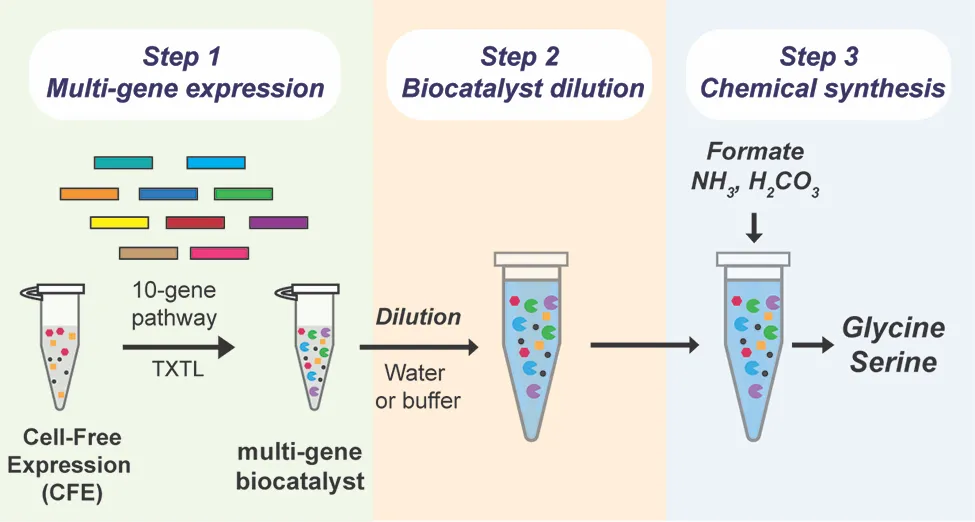
The team was particularly interested in what could be accomplished by a ‘cell-free’ system that leveraged some process of a cellular system — but didn’t actually involve living cells, Peralta-Yahya says, adding that systems using living cells need to use part of their CO2 to fuel their own metabolic processes, including cell growth, and have not yet produced sufficient quantities of amino acids.
“Part of what makes a cell-free system so efficient,” Westenberg explains, “is that it can use cellular enzymes without needing the cells themselves. By generating the enzymes and combining them in the lab, the system can directly convert carbon dioxide into the desired chemicals. Because there are no cells involved, it doesn’t need to use the carbon to support cell growth — which vastly increases the amount of amino acids the system can produce.”
A novel solution
While scientists have used cell-free systems before, one of the necessary chemicals, the cell lysate biocatalyst, is extremely costly. For a cell-free system to be economically viable at scale, the team needed to limit the amount of cell lysate the system needed.
After creating the ten enzymes necessary for the reaction, the team attempted to dilute the biocatalyst using a technique called ‘volumetric expansion.’ “We found that the biocatalyst we used was active even after being diluted 200-fold,” Peralta-Yahya explains. “This allows us to use significantly less of this high-cost material — while simultaneously increasing feedstock loading and amino acid output.”
It’s a novel application of a cell-free system, and one with the potential to transform both how amino acids are produced, and the industry’s impact on our changing climate.
“This research provides a pathway for making this method cost-effective and scalable,” Peralta-Yahya says. “This system might one day be used to make chemicals ranging from aromatics and terpenes, to alcohols and polymers, and all in a way that not only reduces our carbon footprint, but improves it.”
Funding: Advanced Research Project Agency-Energy (ARPA-E), U.S. Department of Energy and the U.S. Department of Energy, Office of Science, Biological and Environmental Research Program.
News Contact
Written by Selena Langner
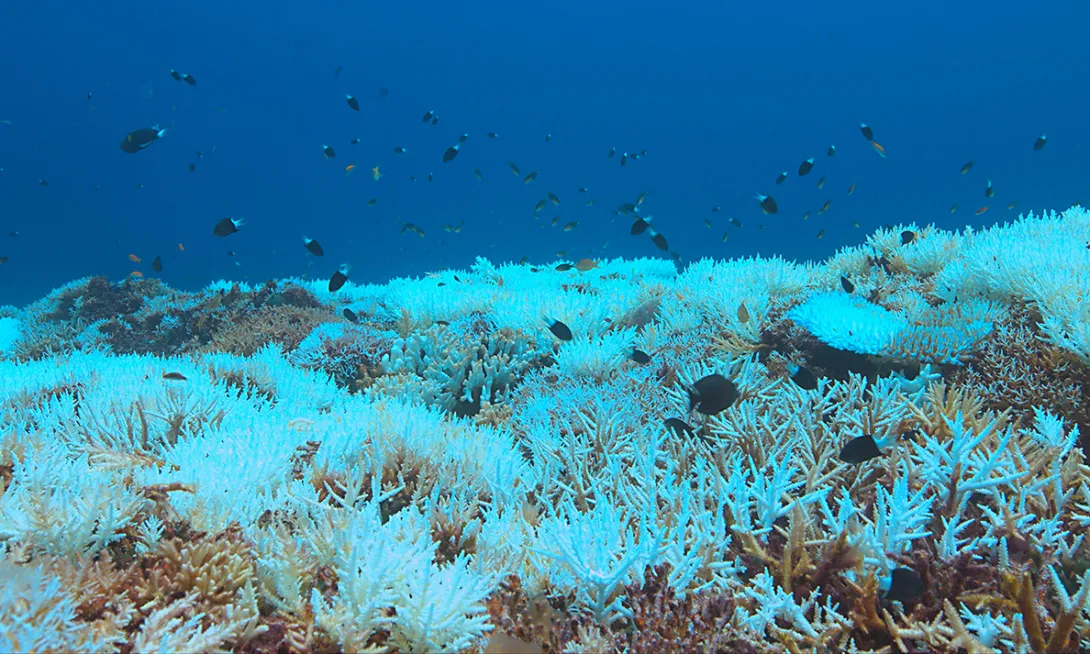
Ocean science and engineering Ph.D. students, left to right, Kelly Lumpkin, David Clark, Skylar Lama, Luisa Lopera developed a system to cool the water around coral by drawing up and circulating colder water from 150 meters below the ocean's surface. They were one of four teams invited to devise a cooling system and present their idea to the National Marine Sanctuary Foundation. (Photo Courtesy: Skylar Lama)

Coral reefs are home to about a quarter of all marine life. They support millions of jobs around the world and protect coastal communities from storms. Scientists report they’re also in the midst of a crisis, with a fourth mass bleaching event spreading around the world.
Bleaching happens when ocean waters heat up, causing corals to expel the colorful algae that live in their tissues. It can lead to disease and death for coral, wiping out critical and complex marine ecosystems.
Four Georgia Tech Ocean Science and Engineering (OSE) Ph.D. students have spent the last few months working on creative ways to prevent bleaching by cooling the water around coral reefs. They presented their ideas in late October to marine biologists and conservations in the Florida Keys as part of the National Marine Sanctuary Foundation’s Coral Reef Thermal Stress Design Thinking Challenge & Workshop.
Read about the team's coral-cooling solution on the College of Engineering website.
News Contact
Writer: Dhanesh Amin
Contact: Joshua Stewart
College of Engineering

Ice fog over Fairbanks as seen from the University of Alaska Fairbanks. (Debbie Dean)
New research shows that an effort to improve wintertime air quality in Fairbanks, Alaska — particularly in frigid conditions around 40 below zero Fahrenheit — may not be as effective as intended.
Led by a team of University of Alaska Fairbanks and Georgia Tech researchers that includes School of Earth and Atmospheric Sciences Professor Rodney Weber, the researchers' latest findings are published in Science Advances.
In the study, the team leveraged state-of-the-art thermodynamic tools used in global air quality models, with an aim to better understand how reducing the amount of primary sulfate in the atmosphere might affect sub-zero air quality conditions.
The project stems from the 2022 Alaskan Layered Pollution and Chemical Analysis project, or ALPACA, an international project funded by the National Science Foundation, the National Oceanic and Atmospheric Administration and European sources. It is part of an international air quality effort called Pollution in the Arctic: Climate Environment and Societies.
Read the full story in the University of Alaska Fairbanks newsroom.
News Contact
Jess Hunt-Ralston
Director of Communications
College of Sciences
Georgia Institute of Technology
Rod Boyce
University of Alaska Fairbanks
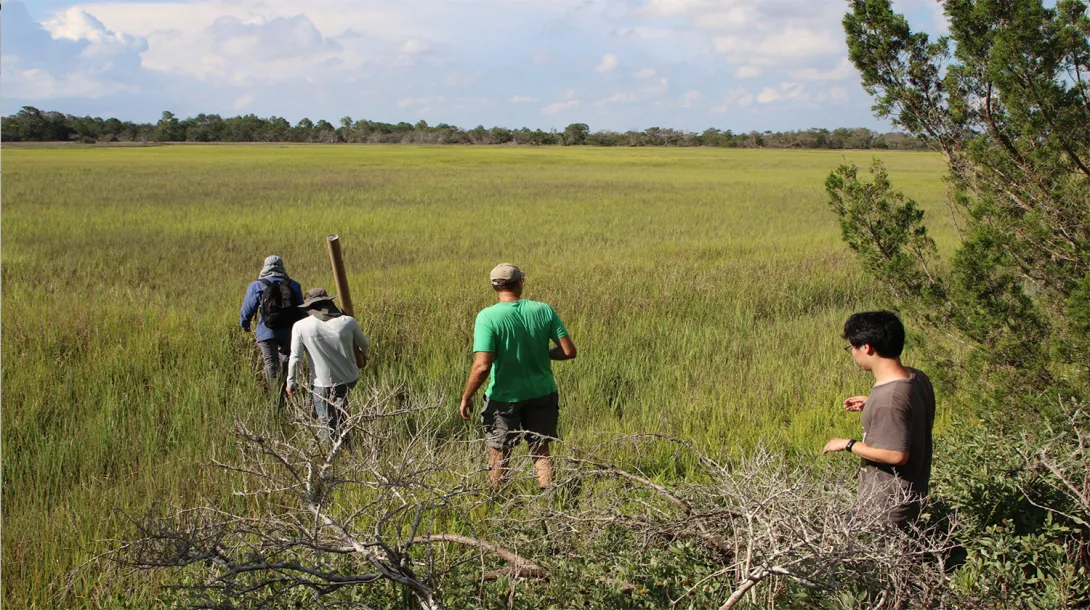
Georgia Tech researchers surveying field sites in the salt marshes of Sapelo Island, Georgia.
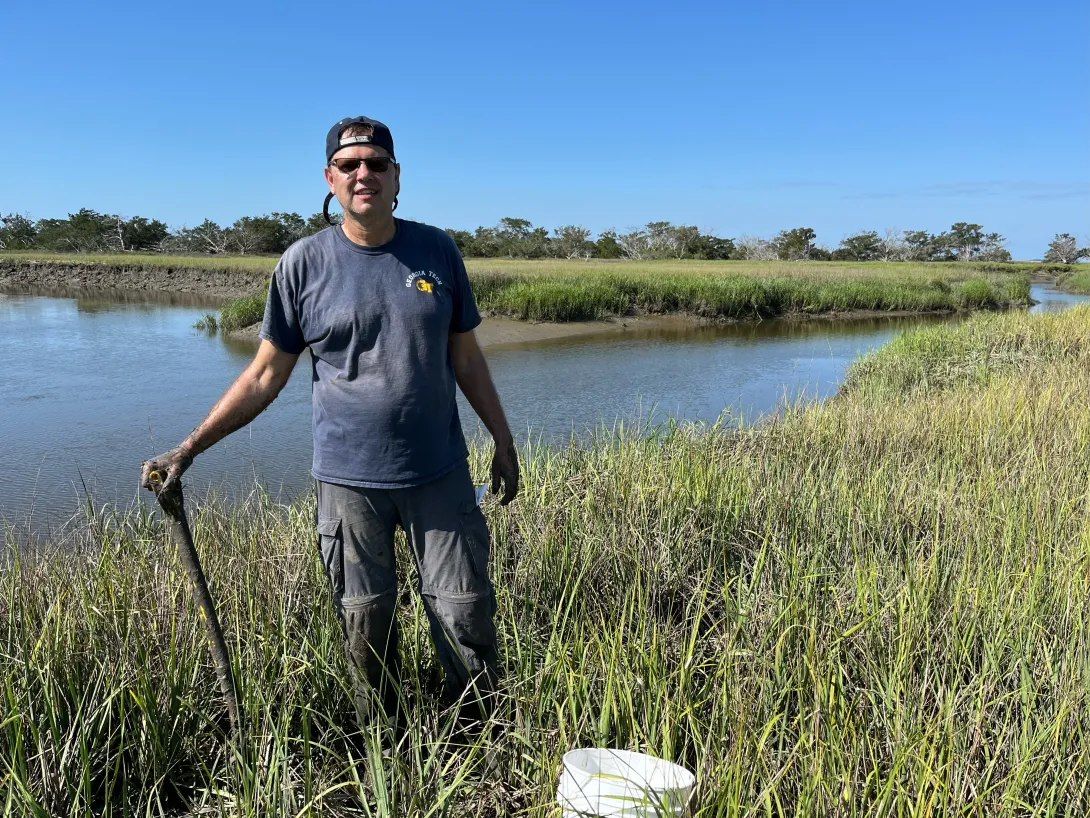
Joel Kostka, the Tom and Marie Patton Distinguished Professor and associate chair for Research in the School of Biological Sciences.
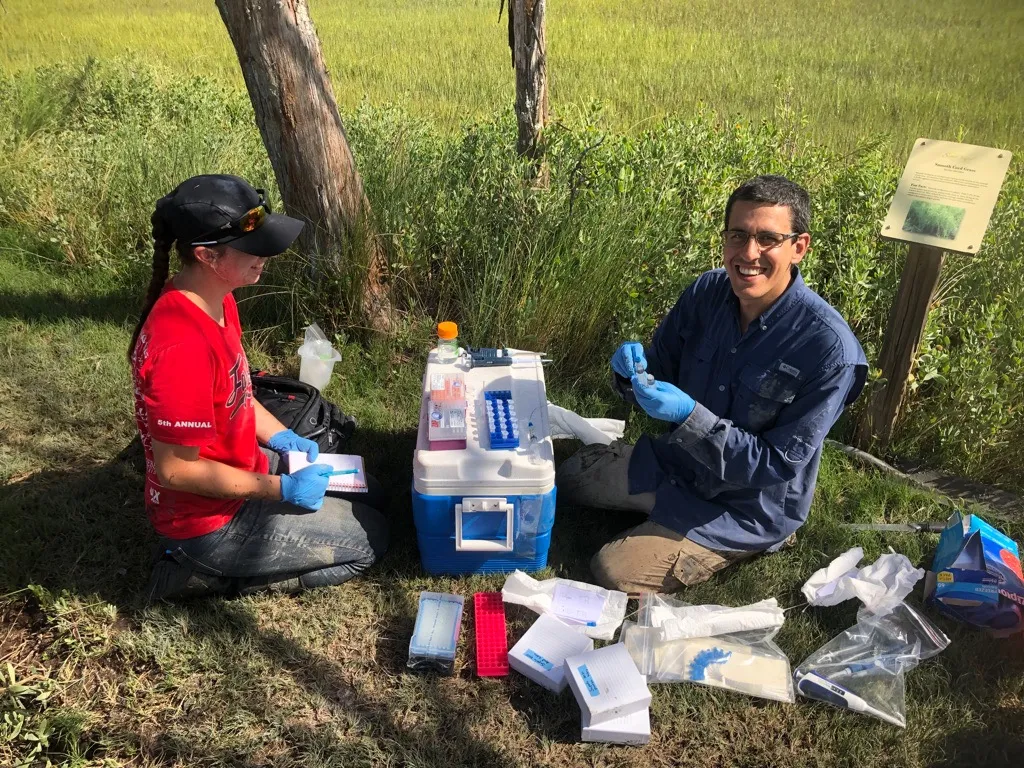
Georgia Tech postdoctoral fellow Jose Rolando (right) and graduate student Gabrielle Krueger prepare samples for chemical analysis in the field at Sapelo Island, Georgia.
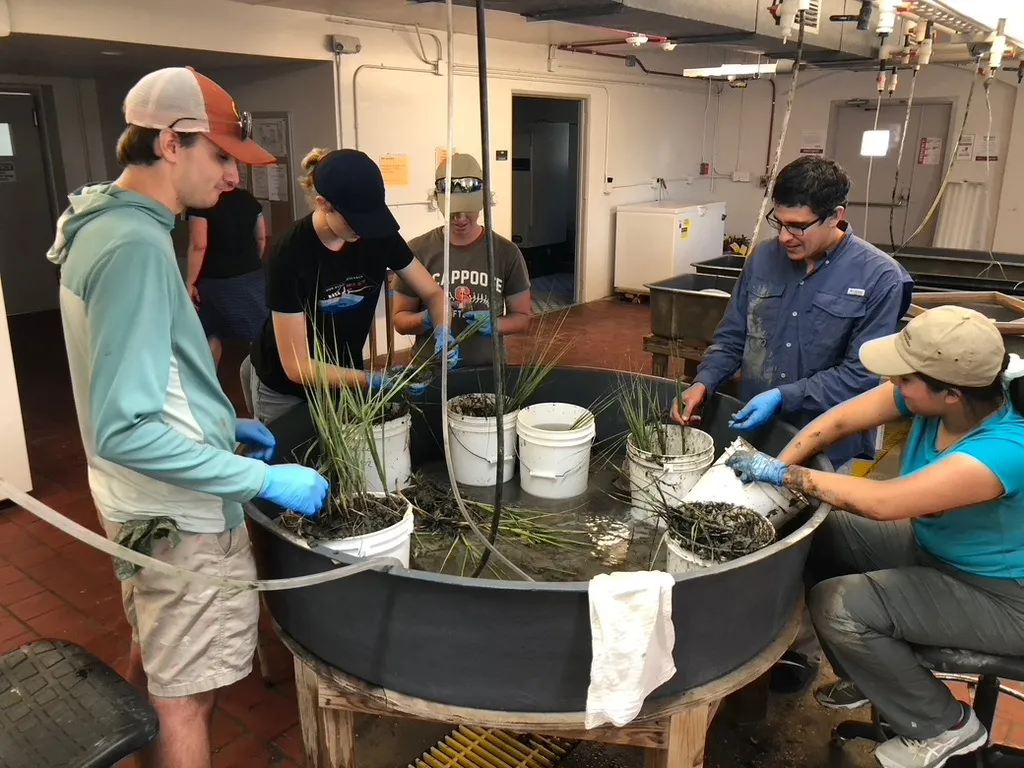
Researchers washing cordgrass roots for microbial analysis.
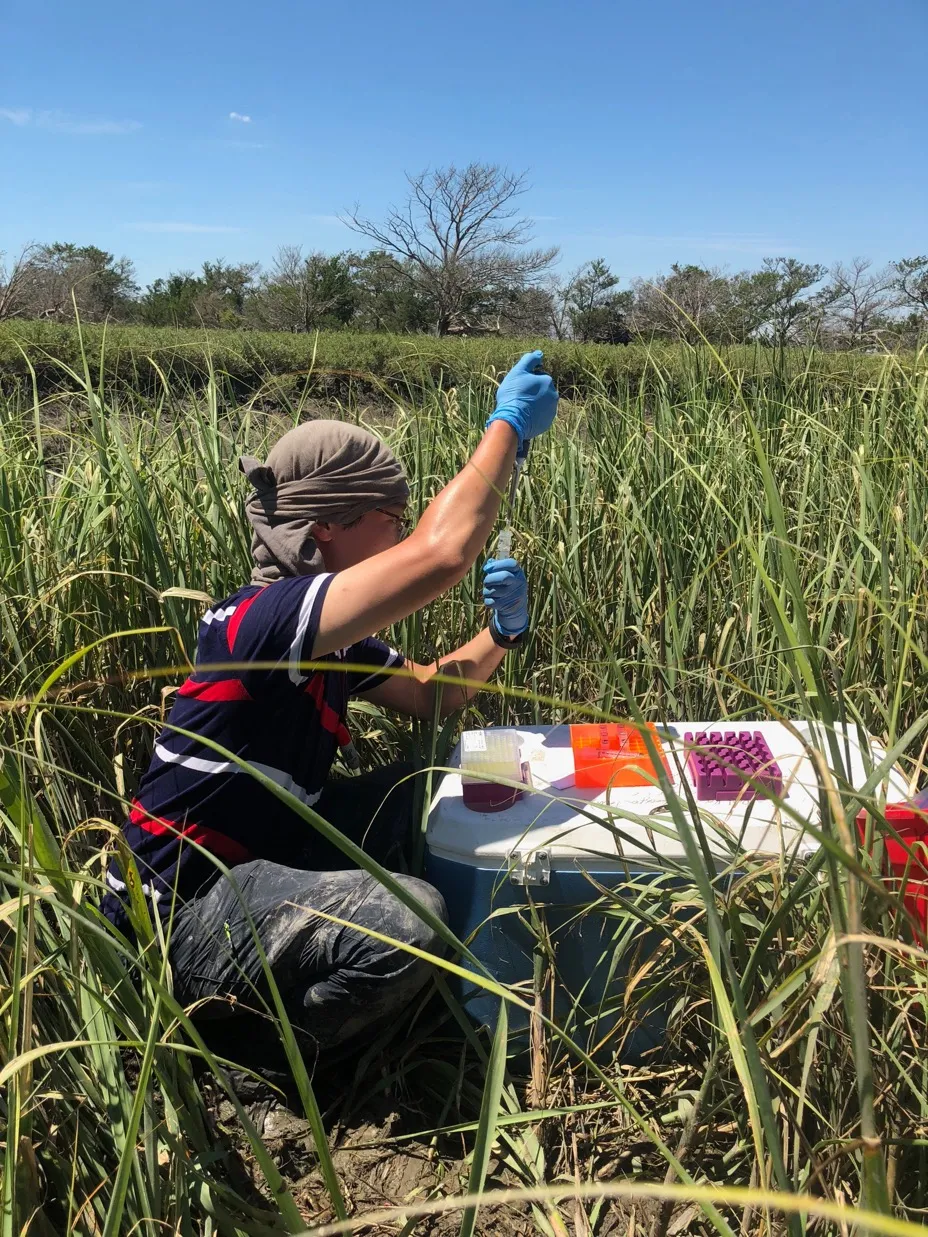
Georgia Tech graduate student Tianze Song collects porewater samples for chemical analysis in the marsh on Sapelo Island, Georgia.
Georgia’s saltwater marshes — living where the land meets the ocean — stretch along the state’s entire 100-mile coastline. These rich ecosystems are largely dominated by just one plant: grass.
Known as cordgrass, the plant is an ecosystem engineer, providing habitats for wildlife, naturally cleaning water as it moves from inland to the sea, and holding the shoreline together so it doesn’t collapse. Cordgrass even protects human communities from tidal surges.
Understanding how these plants stay healthy is of crucial ecological importance. For example, one known plant stressor prevalent in marsh soils is the dissolved sulfur compound, sulfide, which is produced and consumed by bacteria. But while the Georgia coastline boasts a rich tradition of ecological research, understanding the nuanced ways bacteria interact with plants in these ecosystems has been elusive. Thanks to recent advances in genomic technology, Georgia Tech biologists have begun to reveal never-before-seen ecological processes.
The team’s work was published in Nature Communications.
Joel Kostka, the Tom and Marie Patton Distinguished Professor and associate chair for Research in the School of Biological Sciences, and Jose Luis Rolando, a postdoctoral fellow, set out to investigate the relationship between the cordgrass Spartina alterniflora and the microbial communities that inhabit their roots, identifying the bacteria and their roles.
“Just like humans have gut microbes that keep us healthy, plants depend on microbes in their tissues for health, immunity, metabolism, and nutrient uptake,” Kostka said. “While we’ve known about the reactions that drive nutrient and carbon cycling in the marsh for a long time, there’s not as much data on the role of microbes in ecosystem functioning.”
Out in the Marsh
A major way that plants get their nutrients is through nitrogen fixation, a process in which bacteria convert nitrogen into a form that plants can use. In marshes, this role has mostly been attributed to heterotrophs, or bacteria that grow and get their energy from organic carbon. Bacteria that consume the plant toxin sulfide are chemoautotrophs, using energy from sulfide oxidation to fuel the uptake of carbon dioxide to make their own organic carbon for growth.
“Through previous work, we knew that Spartina alterniflora has sulfur bacteria in its roots and that there are two types: sulfur-oxidizing bacteria, which use sulfide as an energy source, and sulfate reducers, which respire sulfate and produce sulfide, a known toxin for plants,” Rolando said. “We wanted to know more about the role these different sulfur bacteria play in the nitrogen cycle.”
Kostka and Rolando headed to Sapelo Island, Georgia, where they have regularly conducted fieldwork in the salt marshes. Wading into the marsh, shovels and buckets in hand, the researchers and their students collected cordgrass along with the muddy sediment samples that cling to their roots. Back at the field lab, the team gathered around a basin filled with creek water and carefully washed the grass, gently separating the plant roots.
Next, they used a special technique involving heavier versions of chemical elements that occur in nature as tracers to track the microbial processes. They also analyzed the DNA and RNA of the microbes living in different compartments of the plants.
Using a sequencing technology known as shotgun metagenomics, they were able to retrieve the DNA from the whole microbial community and reconstruct genomes from newly discovered organisms. Similarly, untargeted RNA sequencing of the microbial community allowed them to assess which microbial species and specific functions were active in close association with plant roots.
Using this combination of techniques, they found that chemoautotrophic sulfur-oxidizing bacteria were also involved in nitrogen fixation. Not only did these bacteria help plants by detoxifying the root zone, but they also played a crucial role in providing nitrogen to the plants. This dual role of the bacteria in sulfur cycling and nitrogen fixation highlights their importance in coastal ecosystems and their contribution to plant health and growth.
"Plants growing in areas with high levels of sulfide accumulation tend to be smaller and less healthy," said Rolando. "However, we found that the microbial communities within Spartina roots help to detoxify the sulfide, enhancing plant health and resilience."
Local to Global Significance
Cordgrasses aren’t just the main player in Georgia marshes; they also dominate marsh landscapes across the entire Southeast, including the Carolinas and the Gulf Coast. Moreover, the researchers found that the same bacteria are associated with cordgrass, mangrove, and seagrass roots in coastal ecosystems across the planet.
"Much of the shoreline in tropical and temperate climates is covered by coastal wetlands,” Rolando said. “These areas likely harbor similar microbial symbioses, which means that these interactions impact ecosystem functioning on a global scale."
Looking ahead, the researchers plan to further explore the details of how marsh plants and microbes exchange nitrogen and carbon, using state-of-the-art microscopy techniques coupled with ultra-high-resolution mass spectrometry to confirm their findings at the single-cell level.
"Science follows technology, and we were excited to use the latest genomic methods to see which types of bacteria were there and active,” Kostka said. “There's still much to learn about the intricate relationships between plants and microbes in coastal ecosystems, and we are beginning to uncover the extent of the microbial complexity that keeps marshes healthy.”
Citation: Rolando, J.L., Kolton, M., Song, T. et al. Sulfur oxidation and reduction are coupled to nitrogen fixation in the roots of the salt marsh foundation plant Spartina alterniflora. Nat Commun 15, 3607 (2024).
DOI: https://doi.org/10.1038/s41467-024-47646-1
Funding: This work was supported in part by an institutional grant (NA18OAR4170084) to the Georgia Sea Grant College Program from the National Sea Grant Office, National Oceanic and Atmospheric Administration, US Department of Commerce, and by a grant from the National Science Foundation (DEB 1754756).

Jie He, assistant professor in the School of Earth and Atmospheric Sciences, wants to predict how rainfall will change in the presence of continuing climate change. — Photo by Jerry Grillo
Georgia Tech researcher Jie He set out to predict how rainfall will change as Earth’s atmosphere continues to heat up. In the process, he made some unexpected discoveries that might explain how greenhouse gas emissions will impact tropical oceans, affecting climate on a global scale.
“This is not a story with just one punch line,” said He, assistant professor in Georgia Tech’s School of Earth and Atmospheric Sciences, whose most recent work appeared in the journal Nature Climate Change. “I didn’t really expect to find anything this interesting—there were a few surprises.”
He is principal investigator of the Climate Modeling and Dynamics Group, which combines expertise in physics, mathematics, and computer science to study climate change. The team’s latest study, a collaboration with Mississippi State University and Princeton University, examines hydrological sensitivity in the planet’s three tropical basins: the central portions of both the Pacific and Atlantic oceans and most of the Indian Ocean, an equatorial belt girding the Earth between the Tropic of Cancer (north) and Tropic of Capricorn (south).
Hydrological sensitivity (HS) refers to the precipitation change per degree of surface warming. Hydrological sensitivity is a key metric researchers use in evaluating or predicting how rainfall will respond to future climate change. Positive HS indicates a wetter climate, while negative HS indicates a drier climate.
“The projection of hydrological sensitivity and future precipitation has been widely investigated, but most studies look at global averages — nobody had yet looked closely at each individual basin,” He said. “And the real impact on global climate change will come from the regional scale.”
In other words, what happens in tropical waters has far-reaching effects.
Long Reach of the Tropics
He wanted to specifically examine the tropical basins because they already have a well-known influence on remote locations: El Niños and La Niñas. These weather patterns that shift every couple of years are examples of tropical oceanic precipitation changes that have a global impact.
“These precipitation changes create heating and cooling in the atmosphere that set off atmospheric waves affecting remote climates across the globe,” He said. During El Niño winters, for example, the southeastern U.S. typically gets more precipitation than usual.
But El Niños and La Niñas are naturally occurring, whereas the tropical precipitation changes He identified are projected as outcomes of human-induced global warming — a simulation, part of a climate model.
Climate models are an essential tool for He and other researchers, who use them to simulate possible future scenarios. These are computer programs that rely on complex math equations to project the atmospheric interactions of energy and matter likely to occur across the planet.
What surprised He was the substantial difference in HS between tropical basins. Essentially, in He’s model the Pacific tropical basin has an HS more than twice as large as the Indian basin, with the Atlantic basin projected as a negative value.
“It was surprising because these differences can’t be explained by the mainstream theories on tropical precipitation changes,” He said. “In other words, none of the theories we knew would have predicted it.”
Modeling the Sensitive Future
The effects of such diverging hydrological sensitivity would be widespread, according to He. For example, his experiments suggest that the continental U.S. will get wetter, and the Amazon will become drier.
“If these model projections are true, these effects will materialize as the climate continues to warm,” said He, who can’t predict exactly how long it will be before these effects can be detected in actual observations of our three-dimensional world.
That’s because they only have reliable observations of oceanic tropical precipitation since 1979. Precipitation changes over decades are strongly affected by internal climate variability — that is, climate change that isn’t caused by humans. When human-induced precipitation changes are significantly greater than internal climate variability, we should be able to detect the wide-ranging effects of diverging hydrological sensitivity.
But the challenges of continuing climate change do not allow the luxury of waiting until every aspect of climate projection becomes a reality, He noted, adding, “We are relying on climate projections to some extent to guide our adaptation and mitigation plans. Therefore, it is important to study and understand the climate projections.”
Based on the scenario projected by climate models used in He’s research, the effects of El Niños and La Niñas on remote climates will become stronger.
“What we can imply is that this strengthening would be partly due to the diverging HS among tropical basins,” He concluded.
While the future effects of HS on El Niños and La Niñas weren’t discussed in this study, He believes it would make a very interesting research subject going forward.