
In 2015, before the cleaning crews hit the sidewalks of downtown Atlanta and before scavenger animals arose to snag an easy meal, Adam Betuel would venture into the darkness of the early mornings to look for birds.
Some were still alive, but most of the birds were dead. They were all too easy to find.
“I knew birds hit buildings, but I didn’t know much more about the issue at that time, and I was surprised how easily I just found birds,” Betuel said.
Birds flying into windows aren’t isolated events. Environmentalists estimate between 365 million and one billion birds die each year from colliding with structures in the U.S.
“That statistic is hard for most people to comprehend,” Betuel said. “When you think about the millions of homes we have and these high-rise buildings, and if each one is killing a few a year, that number can get big pretty quick.”
Betuel is the executive director of Birds Georgia, a nonprofit affiliate of the Audubon network that leads bird conservation efforts in Georgia. For 10 years, volunteers from the organization have combed Atlanta’s streets, collecting bird specimens.
Birds Georgia launched Project Safe Flight in 2015 to reduce bird building-collision mortality through data collection. Through legislation, the group aims to make building construction bird-friendly and reduce light pollution.
Environmentalists who study the issue have ranked Atlanta, which sits squarely on a migration route, as the fourth-most dangerous city for birds during fall migration. It is the ninth-most dangerous city during spring migration.
The number of bird deaths from collisions in Atlanta and across the state remains unknown. However, new data tools developed by student researchers in the College of Computing at Georgia Tech are helping Birds Georgia get a clearer picture of the issue.
“We’ve been working with different folks at Georgia Tech for years now, but it’s really picked up lately,” Betuel said. “There’s a lot of momentum and interest on campus to try to make the city safer for birds.”
Pushing for Policy
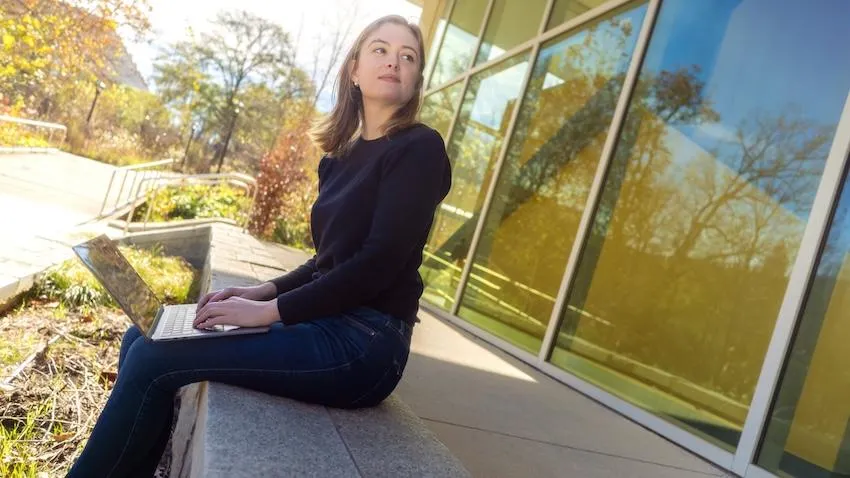
Ashley Boone, a Ph.D. student in human-centered computing in Tech’s School of Interactive Computing, has led the student effort to help Birds Georgia organize its data.
Boone said organizing data and knowing how to use it is critical to spark conversations about adopting legislation.
“We often see a gap between data collection and data advocacy,” she said. “Birds Georgia has done an amazing job of tracking collisions in Atlanta over the last 10 years. My goal is to understand the role technology can play in making data useful for policy change.”
User-interface tools designed by computer science undergraduate students James Kemerait and Ian Wood have ramped up that process. One tool converts data input into visualizations optimized for social media, while another consolidates the data collected by volunteers and external sources.
Boone said the desired legislation would mirror policies implemented by New York City. Those policies require the use of bird-safe materials — like window film with patterned designs that break up reflections — in new buildings and buildings undergoing significant renovations.
What Can Residents Do?
Residents, whose homes account for about 40% of bird collision deaths in the U.S., can also make an impact.
“Households are an underexamined cause of bird collisions,” Boone said. “We focus on the big buildings because it’s easier to convince one manager of a large building to use bird-safe materials, and it’s easier for a policy to address a commercial building. But the sheer volume of residential buildings in the U.S. has a tremendous impact on the number of collisions.”
Steps that homeowners can take include:
- Buying bird-safe film or making do-it-yourself versions of it to put on windows.
- Placing attractive objects like birdhouses and birdfeeders very close or very far away from windows.
- Turning off lights after 9 p.m. on the busiest migration nights of the year.
Betuel said millions of birds can fly over Atlanta on a single night during migration, and they are attracted to the city lights.
“They’ll come into urban centers and collide with an illuminated building, or maybe they overnight somewhere that isn’t safe,” he said. “The next day, they’re surrounded by glass, and birds don’t understand reflection.”
Residents can visit the Birds Georgia website to sign up for the Lights Out Pledge. Those who sign up will receive a text on the 10 busiest migratory nights of the year, and they will be asked to turn their lights off early.
The tools provided by Georgia Tech gave Birds Georgia insight into the number of bird species affected by collisions — more than 140, according to Betuel.
Betuel said that when the organization reaches an estimate of bird collisions, he hopes the number will raise alarms and turn people’s attention to the ecological impact.
“All these birds being lost results in fewer birds to eat pest insects, fewer birds to pollinate flowers, fewer birds to disperse seeds — all the ecological functions that we need, that they’re doing in the background that most people aren’t keen to,” he said. “If this decline in bird life continues to happen, at some point, there will be issues with our ecosystems functioning as they always have.”
News Contact
Nathan Deen, Communications Officer I
Georgia Tech School of Interactive Computing
ndeen6@gatech.edu
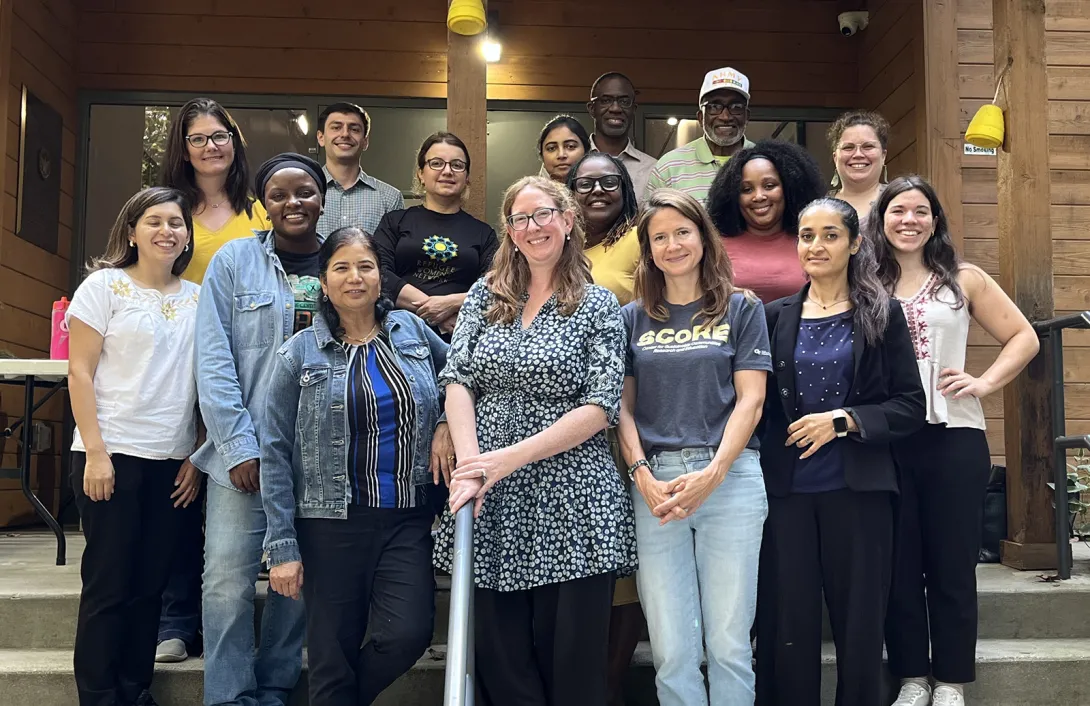
Grant readiness training participants and facilitators, pictured at the West Atlanta Watershed Alliance's Outdoor Activity Center. Photo includes: Kristin Janacek (BBISS), Thomas Fuentes (Cascade Springs Nature Preserve), Awaz Jabari (Refugee Women's Network), Anurupa Roy (Center for Sustainable Communities), Freddie Stevens III (Re'Gen Community Advisory), Chuck Barlow Sr. (Henderson School Alumni Association and Trust), Katie Kissel (Unearthing Farm and Market), Anna Tinoco Santiago (SCoRE), Tia Davis (ArtsXChange), Cassandra Knight (Henderson School Alumni Association and Trust), Desiree Jones (Georgia Advancing Communities Together), Alexandra Rodriguez Dalmau (SCoRE), Pabitra Poudyel (Refugee Women's Network), Katie O'Connell (Georgia Tech School of City and Regional Planning), Ruthie Yow (SCoRE), and Meena Khodayar (Refugee Women's Network)
Georgia Tech’s research enterprise is expanding its reach beyond campus walls, thanks to the work of the Community-Engaged Research (CER) Council. Formed in 2024, the council focuses on making collaborations between Georgia Tech and community partners easier, more strategic, and more impactful.
“At Georgia Tech, there’s incredible expertise in community engagement,” said Ruthie Yow SCoRE’s associate director, who facilitates the council. “But until now, there was no centralized way to connect those efforts. The council fills that gap.”
Five Pillars for Impact
The council’s strategy centers on five pillars: Coordination, Partners, Faculty Training and Recognition, Communication, and Resource Development. These priorities emerged from a strategic planning process involving seven interdisciplinary research institutes (IRIs) and centers, including Brook Byers Institute for Sustainable Systems (BBISS), Institute for People and Technology (IPaT), Strategic Energy Institute (SEI), Renewable Bioproducts Institute (RBI), the Enterprise Innovation Institute (EI²), Partnership for Inclusive Innovation (PIN) and SCoRE.
New Tool: Community Connect Website
Council members are developing new tools to support these priorities, including the brand-new Community Connect website, led by Nicole Kennard, assistant director for Community-Engaged Research in BBISS. The platform connects faculty and community partners by allowing them to create profiles, post engagement opportunities, and view an interactive map of partnerships.
“When I started this role, faculty told me they wanted to know who Georgia Tech was already working with and how to find new partners,” Kennard said. “They didn’t want to duplicate efforts or cold-call potential partners. This website addresses this challenge by showing existing connections and helping track engagement.”
The site will also serve as a data repository to measure impact of partnerships. “Having this data will help us advocate for infrastructure and support for community-engaged research,” Kennard added.
BBISS, IPaT, and more than 70 people from five of the Institute’s colleges and 18 units across GT supported the development of this new interactive site. The site is up and running while the team makes minor adjustments before a full launch in Spring 2026. Make a profile and share any website feedback with Nicole Kennard.
Building Capacity: Grant Readiness Training
In September, the council sponsored a grant readiness training for 18 community-based organizations. Led by SCoRE, the two-day workshop covered proposal basics, budgeting, logic models, and outcome measurement parameters. Over the course of two full days at the Outdoor Activity Center in West Atlanta, participants in the training helped these partners build the foundational systems, content, and strategies needed for effective grant seeking. Rather than focusing solely on writing techniques, this intensive workshop emphasized organizational readiness—equipping participants with materials such as boilerplate content, budget templates, outcome measurement frameworks, and funder research strategies. Tailored for organizations with limited staff who juggle multiple roles, the training provided practical, immediately applicable tools that support a proactive, long-term approach to securing grant funding. Read more about the training here.
Collaboration in Action: Clarkston Project
Through the leadership of council members Leigh Hopkins and Candice McKie, the council is launching a collaboration with the Center for Economic Development Research (CEDR), to support strategic visioning for the City of Clarkston after funding cuts threatened its planning process. Clarkston, Georgia, one of the most culturally diverse cities in the country, is moving into the second phase of their collaboration with CEDR. The two groups together are continuing to work on place-making, community-wide events, and creative incentives to attract and retain new businesses.
“It was a great example of pooling resources to lift up community vision and meet a community need,” Yow said.
Networking for Impact
On December 10, the council will host a networking event for faculty and staff engaged in CER. The goal is to share successes, attract new collaborators, and identify projects for 2026.
Join us at 2 p.m. in the Student Success Center, President’s Suite B , for light refreshments.
Engagement Across IRIs
Georgia Tech’s interdisciplinary research institutes are already leading impactful projects: IPaT’s CEAR Hub supports climate and cultural resilience in Georgia’s barrier islands; BBISS works on conservation and cultural sustainability with tribal Ojibwe partners; SEI’s Energy Faculty Fellows Program builds research networks with minority-serving institutions; RBI’s ReWood initiative advances renewable forest biotechnology for a climate-smart economy.
Faculty interested in learning more about CER can start by connecting with the council members. “We want to make it easy for researchers and communities to create mutually beneficial partnerships,” Yow said. “Reach out, share your work, and join us in building Georgia Tech’s impact.”
Council members include Terri Sapp (RBI), Clint Zeagler (IPaT), Nicole Kennard (BBISS), Leigh Hopkins and Candice McKie (CEDR), Yang You (SEI), Katie O'Connor (PIN), Ruthie Yow (SCoRE), and Rose Santa Gonzalez (Institute for Robotics & Intelligent Machines.)
News Contact
Jennifer Martin, Assistant Director of Research Communications Services
“Map region. Graphic clickable. Blank.”
That’s usually the only information Brandon Biggs receives from digital maps.
Biggs is a human-centered computing Ph.D. student in Georgia Tech’s School of Interactive Computing. He is almost totally blind due to Leber’s Congenital Amaurosis (LCA), a rare degenerative eye disorder affecting about one in 40,000 people.
Based on his experience, Biggs argues that most digital maps aren’t accessible to people who are blind. Even worse, he said, the needs of the blind are usually overlooked.
“When I started research on maps, I had never viewed a weather, campus, or building map, so I didn’t realize the amount of information maps contain,” Biggs said. “How do you represent shapes, orientation, and layout through audio and translate that into a geographic map?”
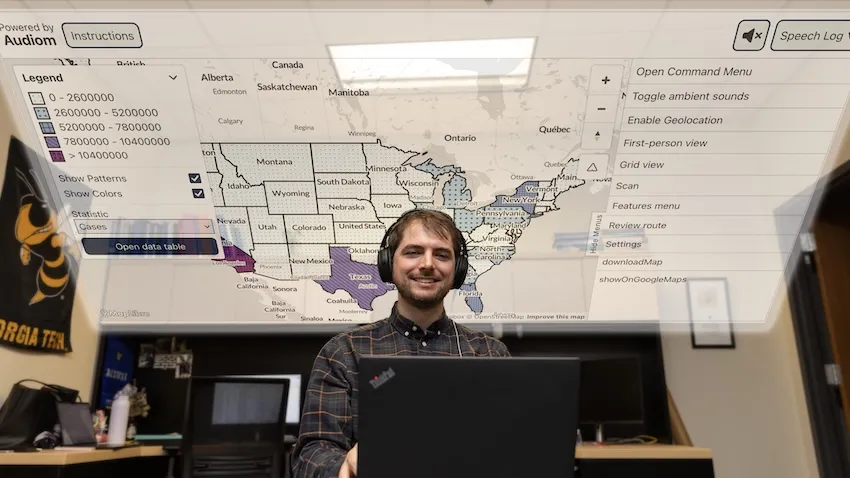
To answer these questions, Biggs founded XRNavigation, a company focused on developing accessible digital tools. Its flagship product, Audiom, is a cross-sensory map that people can see and hear through text.
“Sighted people view about 300 maps per year, while blind people view fewer than one,” he said. “Blind people don’t view maps; it’s not part of their lives.
“I want to ensure that for blind users, digital maps are no longer just ‘blank.’ They receive the information they need to know to navigate in this world and become more autonomous.”
Organizations that need to include accessible maps in their digital spaces can integrate Audiom into their website or app.
Georgia Tech recently became one such organization and used Audiom to introduce the first fully accessible digital campus map.
Professor Bruce Walker advises Biggs in Walker’s Sonification Lab, which designs auditory displays for technologies.
“Brandon has the perfect and unique blend of technical skills, research savvy, innovativeness, lived experience, and never-stop attitude to tackle this problem while impacting and improving many lives,” Walker said.
Defining Accessibility
Biggs said most maps limit accessibility features to turn-by-turn directions, tables, or other kinds of alternative text that disregard spatial information. The ability to communicate spatial information distinguishes Audiom.
“According to Web Content Accessibility Guidelines (WCAG), all non-text content — like maps — must include a text alternative with an equivalent purpose,” Biggs said. “But what does ‘equivalent purpose’ mean for geographic maps?
“We argue that every single map, regardless of what it’s showing, communicates general spatialized information and relationships.”
Audiom also prioritizes the information that’s most important to blind users, including sidewalks and buildings.
“There’s a lot of information blind people just don’t get on maps but desperately need,” he said. “They couldn’t care less about the roads. They might need the road name, but they really need the sidewalks.
“If a blind person made a map, they might not even add the roads. And then they would add in the location of doorways, a critical detail that sighted people completely leave out.”
Biggs’s work is already gaining national recognition. XRNavigation was recently one of three companies selected by the Global Accessibility Awareness Day (GAAD) Foundation for a 2025 Gaady Award, which honors work being done to make digital technologies more accessible.
Past and present winners of Gaady Awards range from tech startups to major brands like T-Mobile.
Biggs will accept the award during a banquet on Thursday in San Francisco.
311 chatbots make it easier for people to report issues to their local government without long wait times on the phone. However, a new study finds that the technology might inhibit civic engagement.
311 systems allow residents to report potholes, broken fire hydrants, and other municipal issues. In recent years, the use of artificial intelligence (AI) to provide 311 services to community residents has boomed across city and state governments. This includes an artificial virtual assistant (AVA) developed by third-party vendors for the City of Atlanta in 2023.
Through survey data, researchers from Tech’s School of Interactive Computing found that many residents are generally positive about 311 chatbots. In addition to eliminating long wait times over the phone, they also offer residents quick answers to permit applications, waste collection, and other frequently asked questions.
However, the study, which was conducted in Atlanta, indicates that 311 chatbots could be causing residents to feel isolated from public officials and less aware of what’s happening in their community.
Jieyu Zhou, a Ph.D. student in the School of IC, said it doesn’t have to be that way.
Uniting Communities
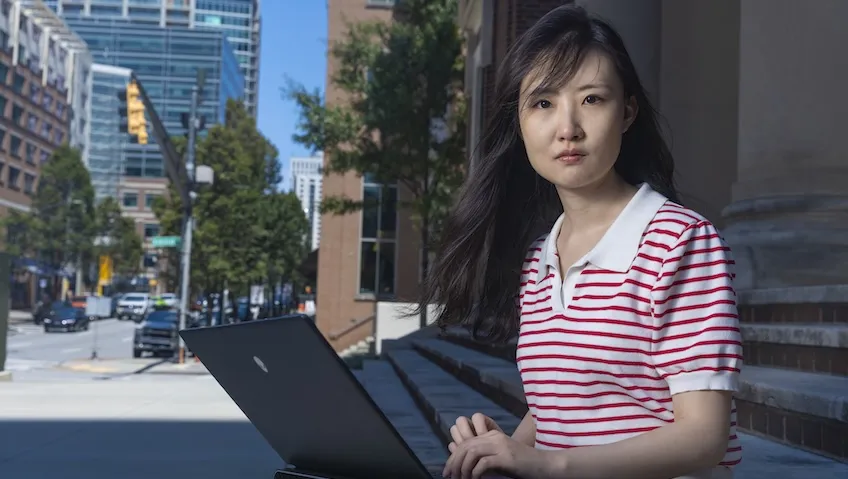
Zhou and her advisor, Assistant Professor Christopher MacLellan, published a paper at the 2025 ACM Designing Interactive Systems (DIS) Conference that focuses on improving public service chatbot design and amplifying their civic impact. They collaborated with Professor Carl DiSalvo, Associate Professor Lynn Dombrowski, and graduate students Rui Shen and Yue You.
Zhou said 311 chatbots have the potential to be agents that drive community organization and improve quality of life.
“Current chatbots risk isolating users in their own experience,” Zhou said. “In the 311 system, people tend to report their own individual issues but lose a sense of what is happening in their broader community.
“People are very positive about these tools, but I think there’s an opportunity as we envision what civic chatbots could be. It’s important for us to emphasize that social element — engaging people within the community and connecting them with government representatives, community organizers, and other community members.”
Zhou and MacLellan said 311 chatbots can leave users wondering if others in their communities share their concerns.
“If people are at a town hall meeting, they can get a sense of whether the problems they are experiencing are shared by others,” Zhou said. “We can’t do that with a chatbot. It’s like an isolated room, and we’re trying to open the doors and the windows.”
Adding a Human Touch
In their paper, the researchers note that one of the biggest criticisms of 311 chatbots is they can’t replace interpersonal interaction.
Unlike chatbots, people working in local government offices are likely to:
- Have direct knowledge of issues
- Provide appropriate referrals
- Empathize with the resident’s concerns
MacLellan said residents are likely to grow frustrated with a chatbot when reporting issues that require this level of contextual knowledge.
One person in the researchers’ survey noted that the chatbot they used didn’t understand that their report was about a sidewalk issue, not a street issue.
“Explaining such a situation to a human representative is straightforward,” MacLellan said. “However, when the issue being raised does not fall within any of the categories the chatbot is built to address, it often misinterprets the query and offers information that isn’t helpful.”
The researchers offer some design suggestions that can help chatbots foster community engagement and improve community well-being:
- Escalation. Regarding the sidewalk report, the chatbot did not offer a way to escalate the query to a human who could resolve it. Zhou said that this is a feature that chatbots should have but often lack.
- Transparency. Chatbots could provide details about recent and frequently reported community issues. They should inform users early in the call process about known problems to help avoid an overload of user complaints.
- Education. Chatbots can keep users updated about what’s happening in their communities.
- Collective action. Chatbots can help communities organize and gather ideas to address challenges and solve problems.
“Government agencies may focus mainly on fixing individual issues,” Zhou said, “But recognizing community-level patterns can inspire collective creativity. For example, one participant suggested that if many people report a broken swing at a playground, it could spark an initiative to design a new playground together—going far beyond just fixing it.”
These are just a few examples of things, the researchers argue, that 311 services were originally designed to achieve.
“Communities were already collaborating on identifying and reporting issues,” Zhou said. “These chatbots should reflect the original intentions and collaboration practices of the communities they serve.
“Our research suggests we can increase the positive impact of civic chatbots by including social aspects within the design of the system, connecting people, and building a community view.”
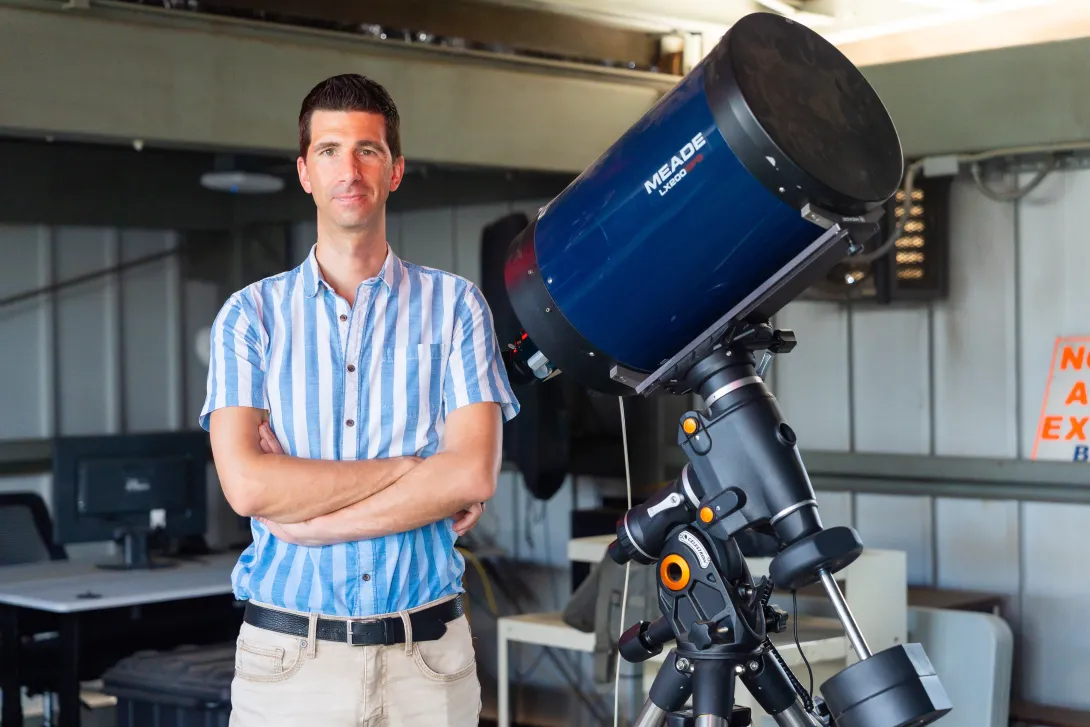
The College of Sciences has named Paul Sell as the new director of the Georgia Tech Observatory. Sell joined the Institute in Fall 2025 as a senior academic professional in the School of Physics. He also serves as advisor of the new B.S. in Astrophysics degree program.
“Paul Sell is a wonderful addition to our College of Sciences community,” says Susan Lozier, dean of the College of Sciences, Betsy Middleton and John Clark Sutherland Chair, and professor in the School of Earth and Atmospheric Sciences. “His leadership brings renewed energy to the Georgia Tech Observatory, and I look forward to seeing how he expands its impact across campus and in the broader community.”
Observing the cosmos from campus
The Georgia Tech Observatory was established nearly two decades ago at a time when the Institute’s astronomy and astrophysics research and teaching ecosystem was in its infancy.
School of Physics Principal Academic Professional Emeritus Jim Sowell created the facility on the roof of the Howey Physics Building in 2007 and served as its director until his retirement in 2024.
“The Observatory — and its numerous variety of telescopes — makes it possible for Georgia Tech students and Atlanta-area visitors to see with their own eyes some of the best, awe-inspiring celestial delights, including craters on the Moon, Jupiter’s Red Spot, Saturn’s rings, and many other objects,” says Sowell.
The Observatory’s primary instrument is a 20-inch diameter telescope by Officina Stellare. Known as the Georgia Tech’s Space Object Research Telescope (GT-SORT), this Raven-class space surveillance telescope is used by researchers in the Daniel Guggenheim School of Aerospace Engineering to monitor man-made spacecraft.
“What’s unique about the Georgia Tech Observatory is that it’s right on campus, offering a meaningful, hands-on experience to everyone,” explains Sell. “It can be readily integrated into experiential learning projects on campus all year round.”
Sell’s upper-level astronomy lab, which combines lectures with experiences at the Observatory, highlights the facility’s academic importance.
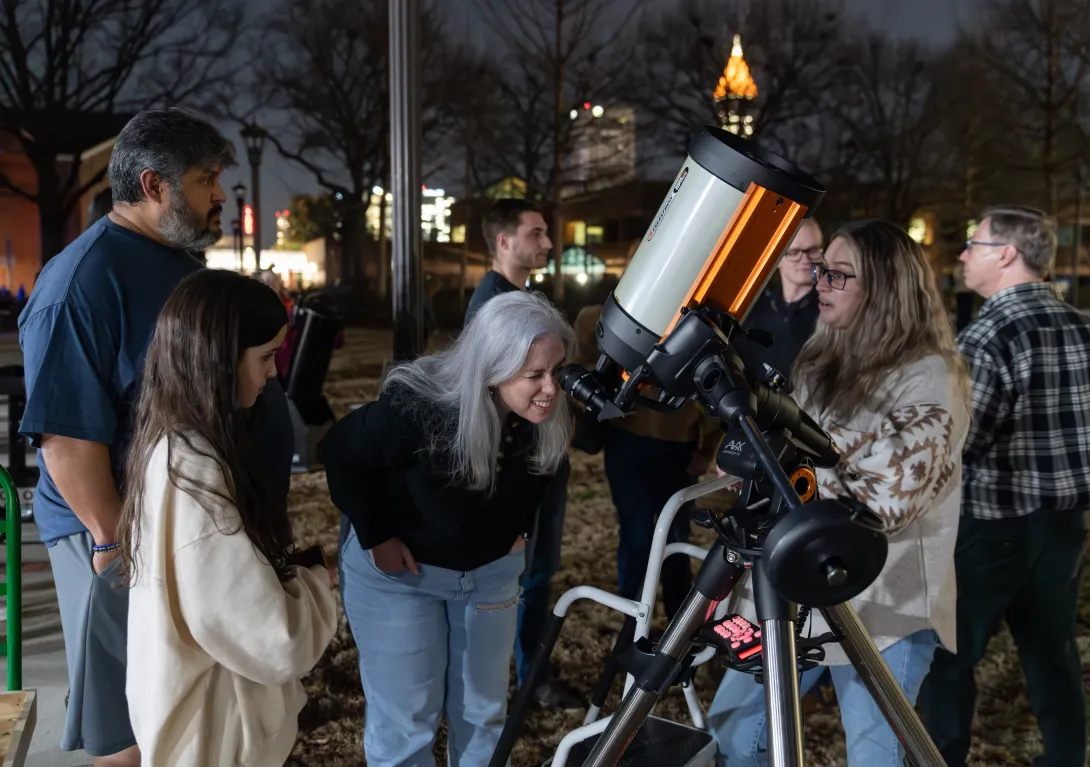
Yet, the Observatory’s impact extends beyond the classroom, thanks to free community events like “Public Nights at the Observatory,” which offer attendees the opportunity to explore the night sky.
Held most months, weather permitting, this event features telescopes stationed outside the Howey Physics Building, allowing astronomy enthusiasts from Georgia Tech and beyond to view the Moon, Jupiter, Saturn, and other cosmic wonders. These gatherings typically draw more than 100 stargazers.
Specialized groups are also hosted at the Observatory. For example, the Georgia Tech Astronomy Club uses the facility during its weekly meetings.
“The Observatory is a haven where students can step outside for a moment and get lost in the stars,” says AJ Chadha, club president and fourth-year computer science major. “With one of the largest telescopes in Georgia, the on-campus 20-inch GT-SORT, we weave astronomy directly into student life.”
Under Sell’s leadership, the Observatory will continue to strengthen partnerships with student organizations, campus units, and community groups.
“I'm excited to explore additional ways we can use this resource for outreach and academic purposes that benefit both Georgia Tech and the Atlanta community,” Sell adds.
A passion for astronomy
Before joining Georgia Tech, Sell served as senior lecturer, astronomy undergraduate coordinator, and interim director of the teaching observatory at the University of Florida.
His passion for astronomy began at an early age, sparked by a gift from his parents: an Orion refracting lens telescope.
“I remember taking out that telescope, even in freezing cold Ohio winters, simply because the observing conditions were better,” he recalls.
Sell nurtured his interest in astronomy through his university studies and extracurricular activities, which included working in planetaria as an undergraduate at the University of Toledo. He later obtained a Ph.D. in Astronomy from the University of Wisconsin-Madison.
“I am grateful for the opportunity to share my passion for astronomy, not only with our physics students but with the larger Georgia Tech community — through classroom lectures, student advising, and Observatory outreach,” Sell says.
News Contact
Writer: Lindsay C. Vidal
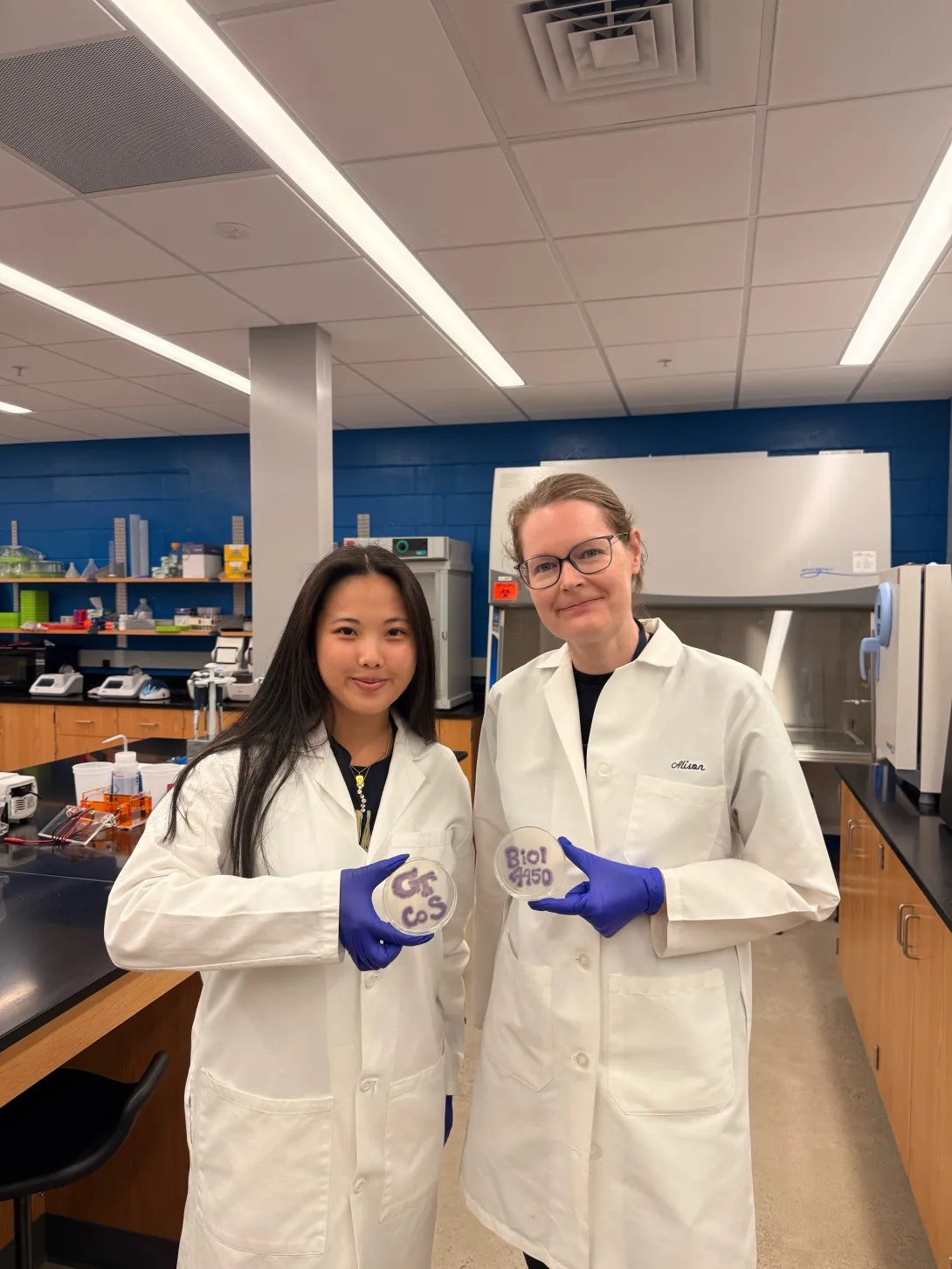
Grace Tang (Left) and Alison Onstine (Right) holding bacteria plates that spell "BIOL 4590" (Credit: Tang and Onstine)
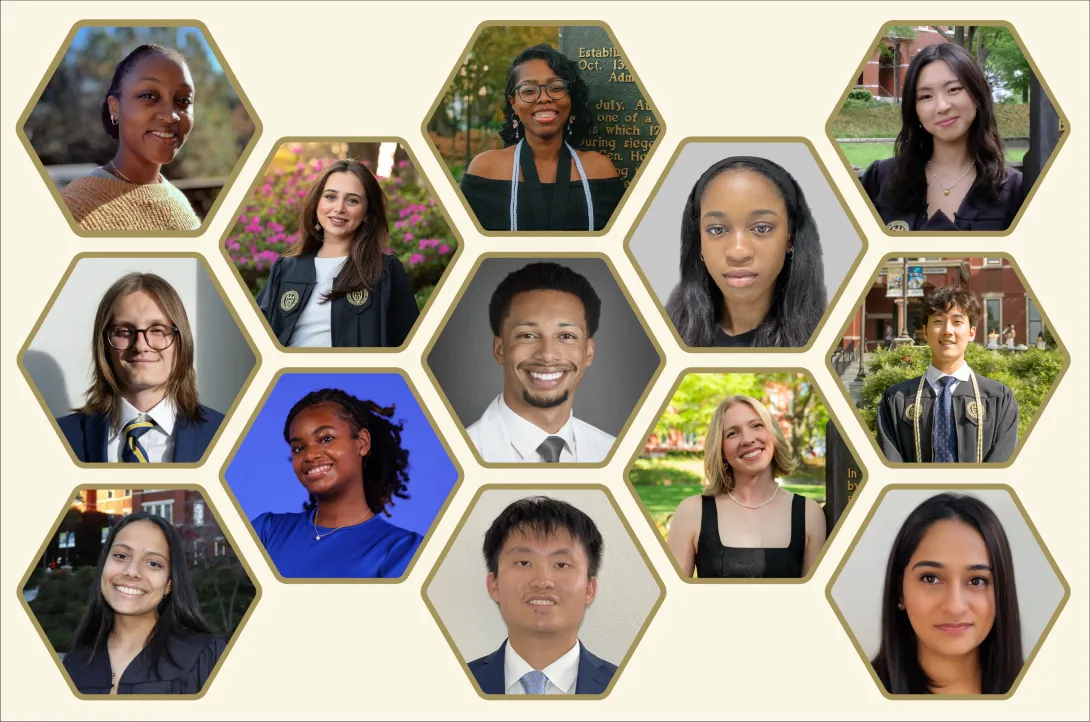
A collection of the undergraduate students who co-authored the paper. (Credit: Tang and Onstine)
This fall, 20 Georgia Tech students published a peer-reviewed scientific paper — the culmination of work done during a semester-long laboratory course. During the semester, students analyzed genomes sequenced from marine samples collected in Key West, Florida — doing hands-on original bioinformatics research on par with graduate students and working with bioinformatics tools to explore drug discovery potential.
The course, BIOS 4590, is a research project lab for senior biology majors that provides an opportunity for professors to share their expertise with students in a hands-on environment. In his class, Associate Professor Vinayak (Vinny) Agarwal, who holds joint appointments in the School of Chemistry and Biochemistry and School of Biological Sciences, aimed to introduce undergraduates to advanced bioinformatics tools through applied research using new-to-science raw data.
The resulting paper, “Phylogenomic Identification of a Highly Conserved Copper-Binding RiPP Biosynthetic Gene Cluster in Marine Microbulbifer Bacteria,” which was recently published in ACS Chemical Biology, involves the historically understudied genus of Microbulbifer, a type of bacteria often associated with sponges and corals. These microbial communities are rich sources of natural products, small biological molecules often associated with medicine and drug discovery.
"This class, and the resulting research, is a testament to the transformative power of hands-on learning,” says Susan Lozier, dean of the College of Sciences, Betsy Middleton and John Clark Sutherland Chair, and professor in the School of Earth and Atmospheric Sciences. “The success of this course — and the students’ remarkable achievement — reflects Georgia Tech's commitment to fostering curiosity, collaboration, and scientific rigor and to empowering the next generation of scientists and leaders."
Funded by Agarwal’s 2023 National Science Foundation CAREER grant and Camille and Henry Dreyfus Foundation Teacher-Scholar award, the class also received support from leadership in the College of Sciences, School of Biological Sciences, and School Chemistry and Biochemistry. The study’s lead author, graduate student Yifan (Grace) Tang, served as the class teaching assistant, and was funded in part by a Biochemistry and Biophysics Graduate Assistance in Areas of National Need fellowship.
“The students in this class are working on important, novel work — this cohort worked with real genomic data that had never been sequenced before,” she says. “Typically, researchers might work with one or two genome sequences, but we provided students with 42 — this might be the first time anyone has looked at Microbulbifer at such a wide scope.”
From classroom to publication
To prepare for the class, Tang worked alongside Laboratory Manager Alison Onstine, who manages the School of Biological Sciences teaching laboratory spaces, to sequence the Key West bacterial genomes.
“Our work in the Agarwal Lab is in natural product discovery. We focus on finding new pharmaceutical drugs through marine bacteria — but with a bioinformatics spin,” Tang explains. “We wanted to bring this type of experience to undergraduates, so we gave fully sequenced genomes to students and asked them to look for potential properties.”
Throughout the class, students learned different techniques for analyzing bacterial genome sequences and extracting data with various tools — gaining both lab and computational skills through hands-on experiences, live demos, and troubleshooting sessions.
“The highlight was showing students just how much we can learn about a bacterial genus, especially one that hasn’t been studied at this scale before,” Tang shares. “This is a growing field, so there are so many opportunities for students to make meaningful contributions while learning new skills.”
Empowering future students
For many students, it was their first time using these types of tools, but Agarwal says that it’s something they'll likely encounter in both industry and research. He sees this type of research experience as especially helpful for seniors, who are often deciding between entering the workforce or continuing their education.
“Bioinformatics is increasingly important for analyzing big data. Students need the ability to manipulate and understand data using computational tools, and this class plays an important role in familiarizing them with this process,” he shares. “Our goal is to demystify research and give students the confidence and tools for both graduate school and for the workforce after graduation.”
The class will be offered for a third time in Fall 2026. While the exact course of research hasn’t yet been decided, “we always aim for something new that can produce publication-quality research — students don’t repeat past year’s work,” Agarwal says. This recent cohort of students built on the success of 18 undergraduates who took the class in 2023, who also published a paper. “This course truly underscores Georgia Tech’s commitment to pioneering meaningful undergraduate experiences — no other peer institution I know of is exposing undergraduates to bioinformatics at this level.”
Funding: NSF CAREER and the Dreyfus Foundation
News Contact
Written by Selena Langner
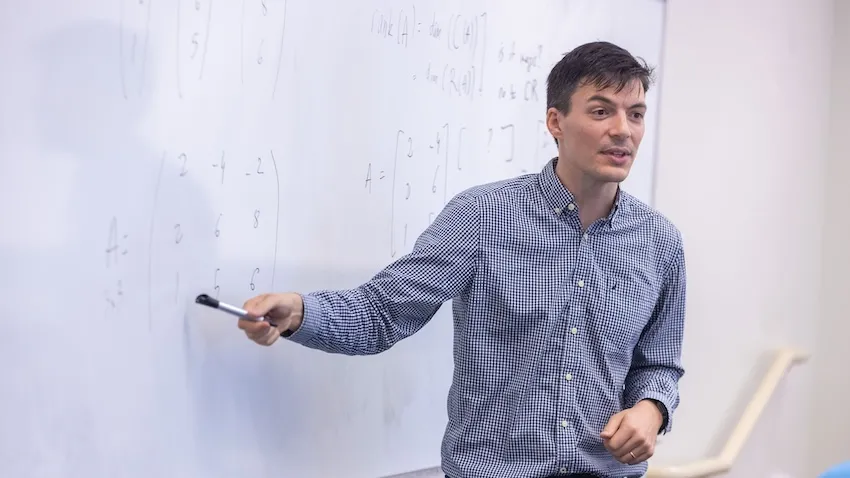
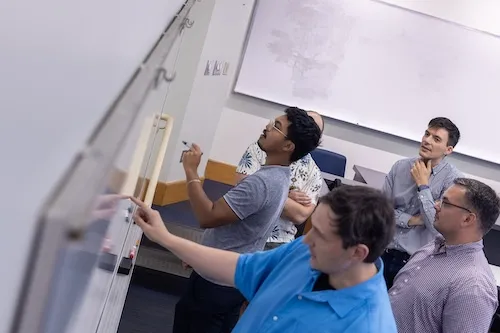
Students in machine learning and linear algebra courses this semester are learning from one of Georgia Tech’s most celebrated instructors.
Raphaël Pestourie has earned back-to-back selections to the Institute’s Course Instructor Opinion Survey (CIOS) honor roll, placing him among the top-ranked teachers for Fall 2024 and Spring 2025.
By returning to the classroom this semester to teach two more courses, Pestourie continues to leverage proven experience to mentor the next generation of researchers in his field.
“Students played a very important part in the survey process, and I thank them for making the classes great,” said Pestourie, an assistant professor in the School of Computational Science and Engineering (CSE).
“I'm incredibly grateful that students shared their feedback so that I could go the extra mile to not only apply my expertise to teach in ways that I think work, but transform my instruction to reach students in the most impactful way I can.”
CIOS honor rolls recognize instructors for outstanding teaching and educational impact, based on student feedback provided through end-of-course surveys.
Student praise of Pestourie’s CSE 8803: Scientific Machine Learning class placed him on the Fall 2024 CIOS honor roll. He earned selection to the Spring 2025 honor roll for his instruction of CX 4230: Computer Simulation.
CSE 8803 is a graduate-level, special topics class that Pestourie created around his field of expertise. Scientific machine learning involves merging two traditionally distinct fields: scientific computing and machine learning.
In scientific computing, researchers build and use models based on established physical laws. Machine learning differs in that it employs data-driven models to find patterns without prior assumptions. Combining the two fields opens new ways to analyze data and solve challenging problems in science and engineering.
Pestourie organized student-focused scientific machine learning symposiums in Fall 2023 and 2024. CSE 8803 students work on projects throughout the course and present their work at these symposiums. Pestourie will use the same approach this semester.
Compared to CSE 8803, CX 4230 is an undergraduate course that teaches students how to create computer models of complex systems. A complex system has many interacting entities that influence each other’s behaviors and patterns. Disease spread in a human network is one example of a complex system.
CX 4230 is a required course for computer science students studying the Modeling & Simulation thread. It is also an elective course in the Scientific and Engineering Computing minor.
“I see 8803 as my educational baby. Being acknowledged for it with a CIOS honor roll felt great,” Pestourie said.
“In a way, I'm prouder of CX 4230 because it was a large, undergraduate regular offering that I was teaching for the first time. The honor roll selection came almost as a surprise.”
To be eligible for the honor roll recognition, instructors must have a minimum CIOS response rate of 70%. Composite scores for three CIOS items are then used to rank instructors. Those items are:
- Instructor’s respect and concern for students
- Instructor’s level of enthusiasm about the course
- Instructor’s ability to stimulate interest in the subject matter
Georgia Tech’s Center for Teaching and Learning (CTL) and the Office of Academic Effectiveness present the CIOS Honor Rolls. CTL recognizes honor roll recipients at its Celebrating Teaching Day events, held annually in March.
CTL offers the Class of 1969 Teaching Fellowship, in which Pestourie participated in the 2024-2025 cohort. The program aims to broaden perspectives with insight into evidence-based best practices and exposure to new and innovative teaching methods.
The fellowship offers one-on-one consultations with a teaching and learning specialist. Cohorts meet weekly in the fall semester and monthly in the spring semester for instruction seminars.
The fellowship facilitates peer observations where instructors visit other classrooms, exchange feedback, and learn effective techniques to try in their own classes.
“I'm very grateful for the Class of 1969 fellowship program and to Karen Franklin, who coordinates it,” Pestourie said. “The honor roll is not just a one-person award. Support from the Institute and other people in the program made it happen.”
Like in Fall 2023 and 2024, Pestourie is teaching CSE 8803: Scientific Machine Learning again this semester. Additionally, he teaches CSE 8801: Linear Algebra, Probability, and Statistics.
Linear algebra and applied probability are among the fundamental subjects in modern data science. Like his scientific machine learning class, Pestourie created CSE 8801. This semester marks the second time Pestourie is teaching the course since Fall 2024.
Pestourie designed CSE 8801 as a refresher course for newer graduate students. This addresses a point of need to help students get off to a good start at Georgia Tech. By offering guidance early in their graduate careers, Pestourie’s work in the classroom also aims to cultivate future collaborators and serve his academic community.
“I see teaching as our one shot at making a good first impression as a research field and a community,” he said.
“I see my work as a teacher as training my future colleagues, and I see it as my duty to our community to do my best in attracting the best talent toward our research field.”
News Contact
Bryant Wine, Communications Officer
bryant.wine@cc.gatech.edu
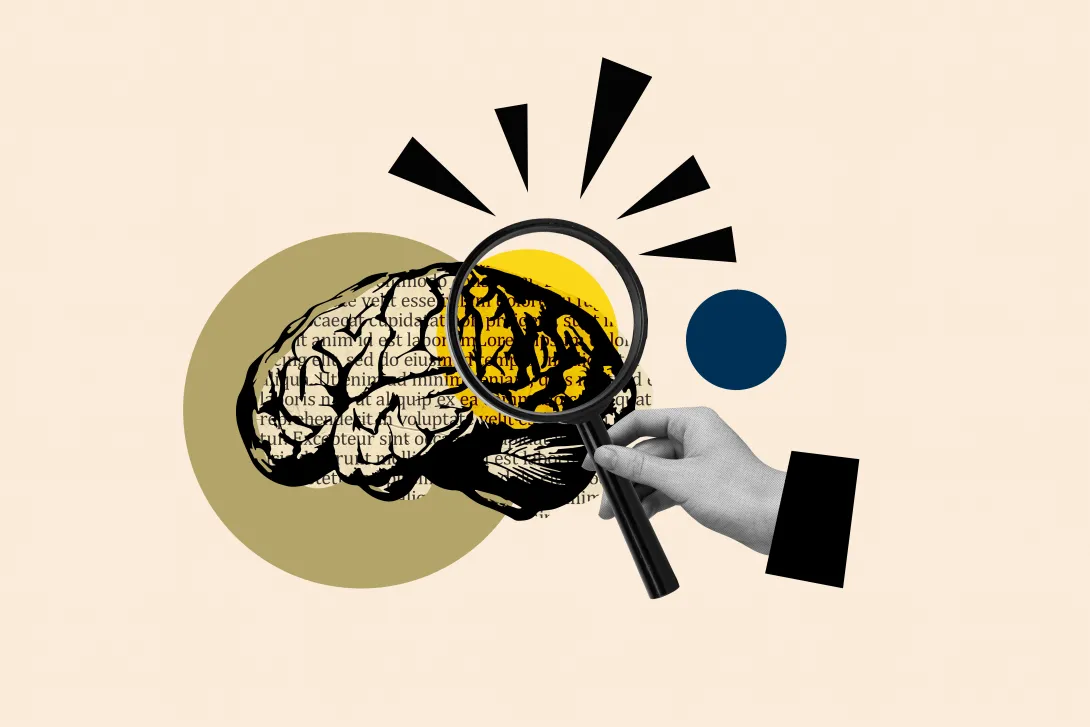
Researchers across Georgia Tech are joining forces to explore the brain — advancing science, technology, and society through interdisciplinary collaboration.
The brain is the most intricate system known to science — billions of cells forming dynamic networks that allow us to think, feel, move, and adapt. Yet despite decades of research, much about how the brain works remains a mystery. At the same time, neurological and neuropsychiatric conditions are on the rise, affecting more than one-third of the global population and costing trillions in healthcare and lost productivity.
Understanding the brain is key to unlocking human health and flourishing. The need has never been more urgent, but this challenge is too vast for any single discipline to solve alone.
That’s why Georgia Tech recently launched the Institute for Neuroscience, Neurotechnology, and Society (INNS). A step toward a more connected, collaborative future, INNS brings together experts from across Georgia Tech’s seven colleges and the Georgia Tech Research Institute (GTRI) to study the brain in ways that connect scientific discovery with technological innovation and real-world societal needs.
INNS supports research that crosses traditional academic boundaries. As an Interdisciplinary Research Institute (IRI), it builds community, fosters collaboration, and fills critical gaps in education, professional development, and research infrastructure.
“Georgia Tech has a long-standing culture of interdisciplinary collaboration — it’s in our DNA,” says INNS Executive Director Chris Rozell. Rozell also serves as Julian T. Hightower Chaired Professor in the School of Electrical and Computer Engineering. “INNS builds on that strength to create a space where breakthroughs in neuroscience and neurotechnology can move from lab to life, impacting real people in real ways.”
A Community Built to Collaborate
INNS is home to a growing network of faculty, students, and research centers spanning the full spectrum of Georgia Tech’s research expertise. This diversity is not just a feature, it’s the foundation.
That foundation was laid over decades of growth, vision, and grassroots momentum. Georgia Tech welcomed its first neuroscience-focused faculty member in 1990, sparking a steady expansion of brain-related research across campus. As more faculty joined and new focus areas emerged, a vibrant, cross-disciplinary community began to take shape.
In 2014, that community organized under the name GT Neuro, a grassroots initiative that united researchers who shared a passion for understanding the brain. This collective energy led to new educational programs, including the launch of Georgia Tech’s undergraduate neuroscience major in the College of Sciences.
“Our undergraduate students absolutely love teaching others about Neuroscience,” said Christina Ragan, director of Outreach for the Undergraduate Neuroscience Program and senior academic professional in the School of Biological Sciences. “I'm really excited to explore ways for INNS to connect our neuroscience community at Tech with the public.”
By 2023, the Neuro Next Initiative launched to bring together leaders from across campus and chart a strategic path forward — the result of nearly two years of community-driven planning to formalize and expand Georgia Tech’s neuroscience ecosystem.
“The launch of INNS has built on the momentum of the Neuro Next Initiative, which ignited crucial conversations and fostered new collaborations between researchers at GTRI and Georgia Tech faculty,” says Tabitha Rosenbalm, GTRI senior research engineer. “The remarkable demonstration at Interface Neuro — witnessing a quadriplegic man walk and communicate thanks to innovative research — underscores the transformative breakthroughs possible when academic and applied researchers unite. INNS is uniquely positioned to serve as a catalyst, propelling Atlanta, Georgia Tech, and GTRI as national leaders in neurotechnology, driving advancements in both human health and engineering innovation.”
INNS is also helping shape the future of education. A new interdisciplinary Ph.D. program in neuroscience and neurotechnology welcomed its first cohort this fall, and INNS is poised to support it with professional development, research opportunities, and community engagement.
Breaking Boundaries to Advance Brain Science
Whether it’s developing neurotechnologies, designing therapeutic environments, or exploring the ethical implications of brain research, INNS is here to support work that spans fields and impacts lives.
“To responsibly address the societal and human impacts of advances in neuroscience and neurotechnology, we first need to understand them,” said Margaret Kosal, professor and director of Graduate Students in the Ivan Allen College of Liberal Arts. “That requires real and substantive collaboration beyond traditional engineering or biology labs.”
One example of INNS in action is the Smart Transitional Home Lab, a project funded by the inaugural INNS/Shepherd Center Seed Grant. This initiative brings together experts in architecture, inclusive design, neuroengineering, and rehabilitation to prototype environments that actively support stroke recovery, blending rigorous research with human-centered design.
“The establishment of INNS creates a powerful platform where diverse minds, from neuroscience to architecture to rehabilitation, can converge around a shared mission to advance human health,” says Hui Cai, professor in the School of Architecture, executive director of the SimTigrate Design Center, and co-leader of the project. “It enables interdisciplinary work with the potential to transform lives and redefine how we design for healing and recovery.”
“From whole brain recordings, to mapping the connectome, to the incredible advances in artificial intelligence, it's never been a more exciting time to study the mind and brain,” says Bob Wilson, director of the Center of Excellence for Computation and Cognition and associate professor in the School of Psychology. “I'm extremely excited for INNS to act as a central hub, building the neuroscience community at Georgia Tech and beyond.”
Join Us
INNS is more than an institute, it’s a growing, vibrant community of researchers, educators, students, and partners. Together, we’re working to understand the brain, develop technologies that improve lives, and ensure those innovations serve society responsibly.
Whether you're a student, researcher, policymaker, or simply curious about the brain, INNS is your gateway to interdisciplinary neuroscience at Georgia Tech. Get involved at neuro.gatech.edu.
News Contact
Audra Davidson
Research Communications Program Manager
Institute for Neuroscience, Neurotechnology, and Society
Institute Communications
Jaden Wang
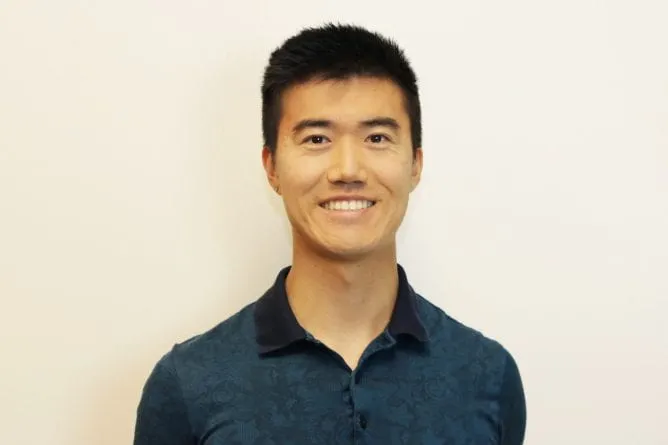
Georgia Tech’s Jaden Wang (Zhuochen Wang) has been awarded a NASA Space Technology Graduate Research Opportunity (NSTGRO). The grant supports graduate students who “show significant potential to contribute to NASA’s goal of creating innovative new space technologies for our nation’s science, exploration, and economic future.”
Wang, who is a Ph.D. student in the School of Mathematics and a master’s student in the Daniel Guggenheim School of Aerospace Engineering, will focus on developing mathematically-backed landing solutions for spacecraft.
“I first became interested in powered descent problems during my Fall 2024 internship with NASA’s Human Landing System at Marshall Space Flight Center,” he says. “With my mathematical background in optimization and topology, and my passion for space exploration, I saw this research topic as a perfect fit when my co-advisor Dr. Panagiotis Tsiotras suggested it.”
Wang is co-advised by School of Mathematics Professor and Hubbard Research Fellow John Etnyre alongside Panagiotis Tsiotras, who holds the David and Andrew Lewis Endowed Chair in the Daniel Guggenheim School of Aerospace Engineering and is also associate director at the Institute for Robotics and Intelligent Machines.
In addition to his Georgia Tech advisors, Wang will collaborate with a NASA Subject Matter Expert, who will connect him with the larger technical community. He will perform part of the research as a visiting technologist at multiple NASA centers, giving him the opportunity to work with leading engineers and scientists and share his research results directly with the NASA community.
From abstractions to space exploration
“NASA’s upcoming missions to the Moon, Mars, and beyond need technology that allows spacecraft to land precisely at their intended sites,” says Wang. “My research will focus on the last stage of landing, called powered descent. This stage powers up engines, which guide the spacecraft into a safe landing using a pre-designed trajectory that autopilot follows.”
This means that researchers need to figure out the correct thrust, direction, and timing to reach a landing spot — all while navigating a landing that uses as little fuel as possible.
“A common approach is to treat this as an optimization problem: minimizing fuel consumption with rigid-body physics as constraints to determine the best thrust profile,” Wang explains. “This can work well, but it has drawbacks. It assumes that there is no uncertainty in the system (for example, that the thrust of the engines is applied perfectly) and it simplifies the motion of the spacecraft by treating it as though it’s traveling through flat space instead of on a true curved geometry. Both shortcuts introduce errors — our research aims to address these gaps.”
To improve landing precision, Wang will develop a curved-space geometric mathematical model, which takes into account the curved-space geometry of spacecraft motion rather than assuming flat space. To find a fuel-efficient landing trajectory, Wang will develop the model around optimal covariance steering, a stochastic control problem that both minimizes fuel costs while keeping the uncertainty of the spacecraft's exact landing spot within a safe amount.
It’s a problem that leverages his experience in theoretical math and his background in aerospace engineering. “I’m incredibly honored that NASA finds this research exciting and is supporting my pursuit of it,” he says. “There are so many fascinating engineering problems that could benefit from deeper theoretical scrutiny, especially using abstract machineries not typically covered in an engineering curriculum. I hope this inspires more theoretical researchers and graduate students to explore bridging these gaps.”
News Contact
Written by Selena Langner
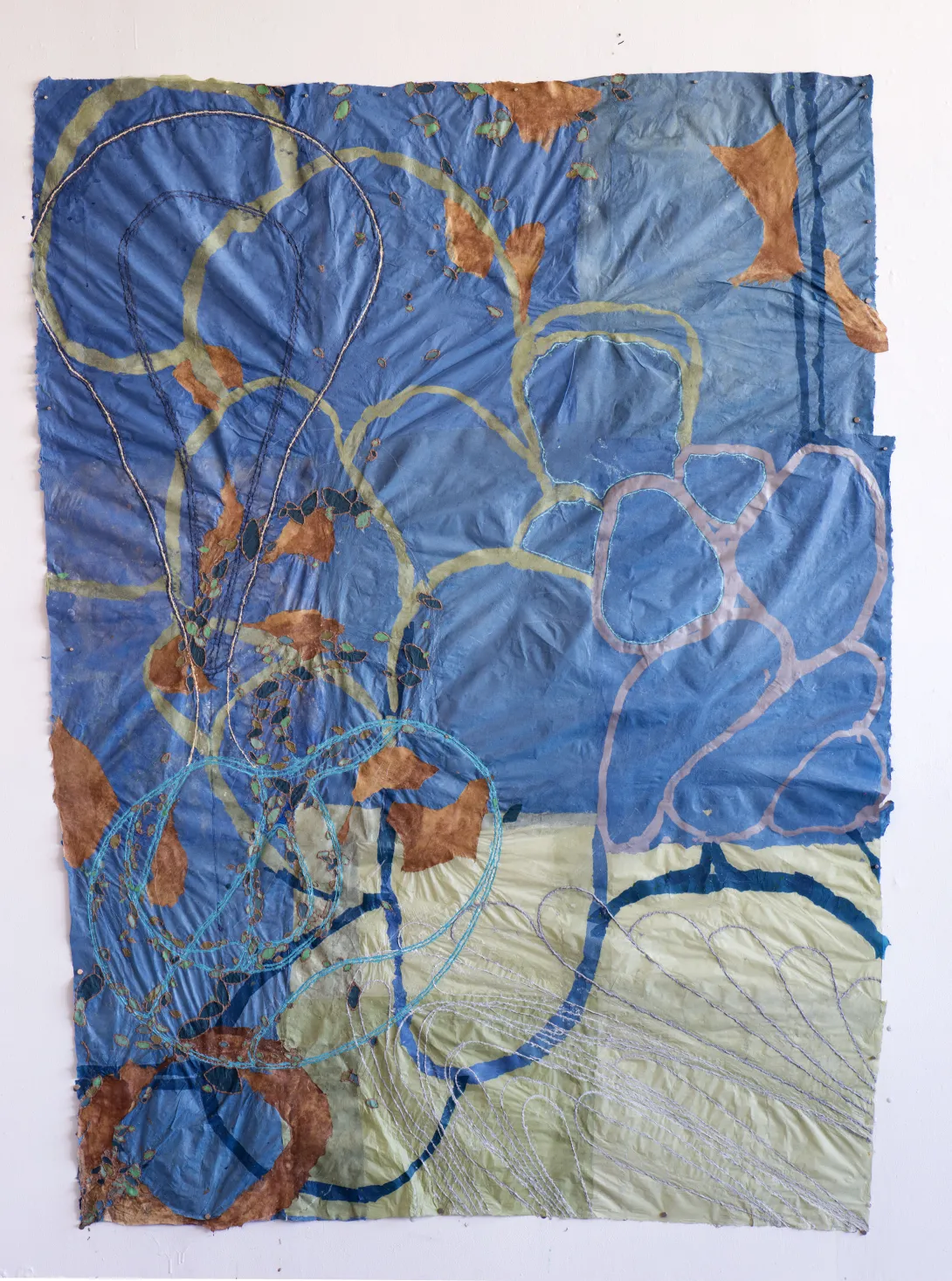
Fire Balloon by Nancy Cohen
New Exhibition Series Honors Decades of Creative Exploration
ATLANTA, Georgia (August 25, 2025) -- Legacies in Paper: Nancy Cohen, Sara Garden Armstrong, & Helen Hiebert is on view at the Robert C. Williams Museum of Papermaking, September 4, 2025, through January 30, 2026. The exhibit brings together the work of three artists who have incorporated hand papermaking into their artistic practices for years. Nancy Cohen, Sara Garden Armstrong, and Helen Hiebert each describe a formative period of searching for versatile materials with the ability to take on the qualities required for two and three-dimensional work; could mimic textures of nature and the body; and could facilitate installation work of various scales. Individually, each artist found that the unique medium of hand papermaking could be transformed to encompass their visions, and it quickly became integral to their artwork.
Armstrong, Cohen, and Hiebert build on the legacy of a community of artists pushing the craft of papermaking forward into contemporary forms. They bring unique voices to the medium: Hiebert’s luminous constructions explore the interplay of light and structure; Cohen’s sculptural works reflect ecological fragility and resilience; and Armstrong’s immersive environments blur the boundaries between the organic and the engineered. Together, their works speak to the transformative potential of paper—not only as a surface for expression but as a sculptural, spatial, and conceptual force. Through their hands, paper becomes a language of memory, a vessel of emotion, and a bridge between past and present.
Join the museum staff and featured artists for a reception, 4-7 pm, Thursday, September 4, 2025 at 500 Tenth St. NW, Atlanta, GA 30332. This event is free and open to the public.
A full listing of associated programs can be found at https://paper.gatech.edu/program-listing
Sara Garden Armstrong received her Master of Fine Arts from the University of Alabama and a Master of Art Education from UAB. A past recipient of the Joan Mitchell Foundation CALL (Creating a Living Legacy) project, Armstrong’s national and international exhibition record extends over a period of more than 40 years. Her artist’s books can be found in the collections of the Museum of Modern Art, New York, and the Victoria and Albert Museum, London, among others. Atrium commissions have focused on scientific phenomena and their interactions with the human condition. Armstrong currently lives and works in Birmingham, Alabama.
Nancy Cohen has an M.F.A. from Columbia University and a B.F.A from Rochester Institute of Technology. Awards include a Pollock Krasner Foundation Grant, The Murry Reich Distinguished Artist Award and six fellowships from the New Jersey State Council on the Arts. Museum collections include the Asheville Art Museum, Memphis Brooks Museum, Montclair Museum, NJ State Museum, Smith College Museum, Tang Teaching Museum, Weatherspoon Art Gallery, Yale University Art Gallery and the Zimmerli Museum. Cohen has completed large scale paper installations for the Noyes Museum, the Katonah Museum, the Power Point Gallery at Duke University and New Jersey City University, The CODA Museum in the Netherlands and the NTCRI Museum of Craft Design in Taiwan. She lives in Jersey City, New Jersey.
Helen Hiebert is a Colorado artist who constructs installations, sculptures, films, artists’ books and works in paper using handmade paper as her primary medium. She teaches, lectures and exhibits her work internationally and online, and is the author of several how-to books about papermaking and papercrafts. Helen has an extensive network of paper colleagues around the world and her interest in how things are made (from paper) keeps her up-to-date on current paper trends, which she writes about in her weekly blog called The Sunday Paper. She interviews papermakers and paper artists on her podcast Paper Talk, and she holds an annual paper retreat and papermaking master classes in her Red Cliff studio.