
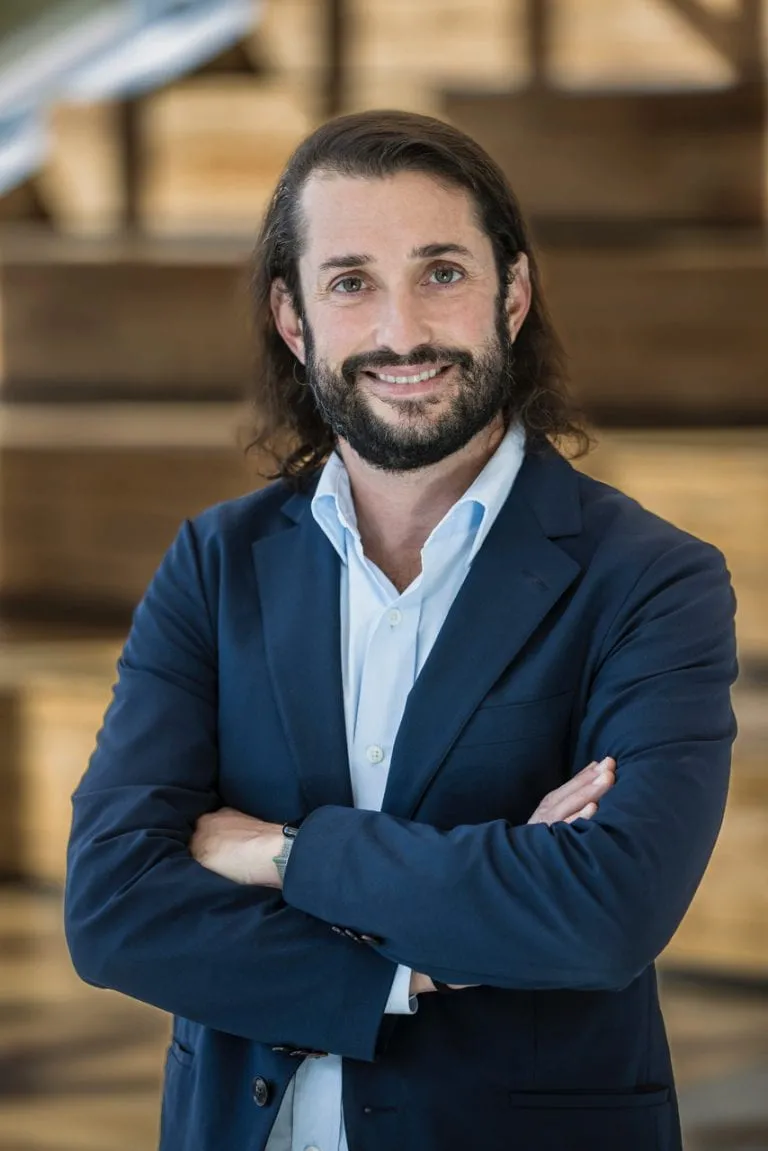
Dan Matisoff
As an undergraduate at the University of Pennsylvania, Daniel Matisoff was intrigued by the ability of economic markets to help solve environmental problems. “Learning about the regulatory role of governments in cap-and-trade markets for reducing carbon emissions shaped my career path,” says Matisoff, a professor at the Jimmy and Rosalynn Carter School of Public Policy and EPIcenter faculty affiliate. “It helped me decide to enter academia after earning my PhD in public policy at Indiana University, where I compared voluntary and mandatory emission reduction policies.”
Today, Matisoff continues research activities in this space and also directs a professional master’s program whose graduates help implement environmental policies in the public and private sector. Soon after joining the Georgia Tech faculty in 2009, he began to focus on market transformation through regulation, government subsidies and other financial incentives.
This led to an award-winning 2023 book about the Leadership in Energy and Environmental Design (LEED) certification program. It sparked the construction industry’s green building movement and incentivized early adopters of sustainable technology to create new supply chains. For Matisoff, LEED is a perfect example of using governance as a lever for environmental change.
News Contact
Gil Gonzalez
Program Coordinator
EPIcenter
Written by: Silke Schmidt
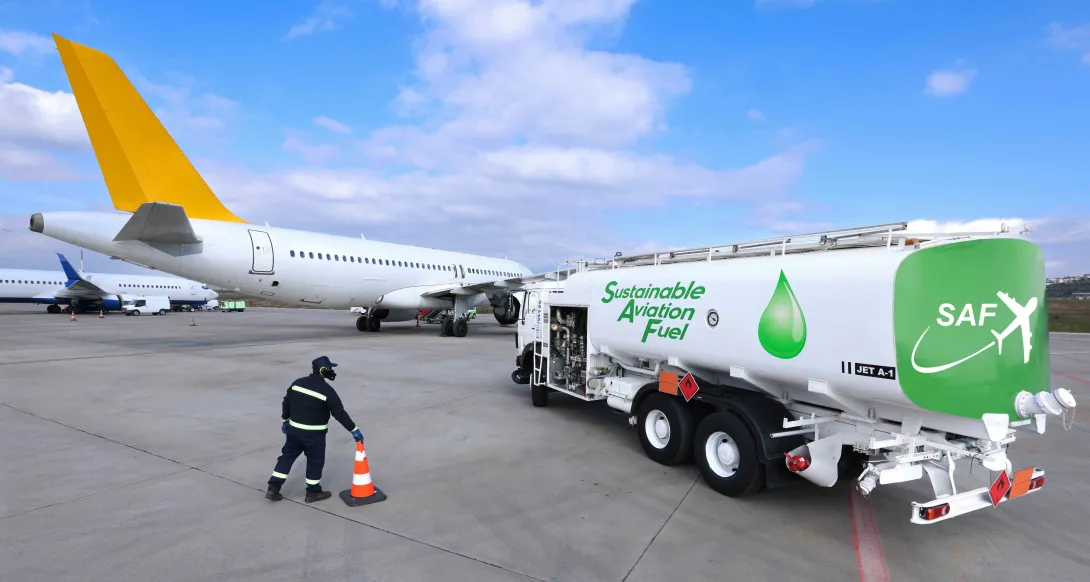
Georgia Tech’s Energy Policy and Innovation Center (EPIcenter) has collaborated with Dan Matisoff, professor in the Jimmy and Rosalynn Carter School of Public Policy and EPIcenter’s faculty affiliate, to develop a new Sustainable Aviation Fuel (SAF) Data Dashboard, designed to provide clear, accessible insights into the rapidly evolving SAF market.
The interactive dashboard compiles and visualizes data gathered by Matisoff, along with Program and Operations Manager Michael Morley, offering a comprehensive view of SAF production, feedstock availability, and policy trends.
EPIcenter Research Associate Yang You has designed the dashboard to translate complex datasets into policy-relevant insights for decision-makers. By organizing key metrics into interactive visuals, the dashboard helps stakeholders assess market readiness and identify regulatory actions that could accelerate SAF adoption.
Emphasizing the importance of data-driven insights, Matisoff said, “The Department of Energy has a Grand Challenge to produce 3 billion gallons a year of Sustainable Aviation Fuel by 2030, and 35 billion gallons a year by 2050. By compiling and visualizing SAF data, we can help policymakers and researchers understand progress towards these goals, where the key opportunities and bottlenecks are – and how to move forward effectively”.
Why SAF Matters
While aviation only accounts for about 3% of global greenhouse gas emissions, it is a rapidly growing share, and decarbonizing this sector is considered one of the most challenging aspects of the energy transition. Produced from renewable feedstocks, sustainable aviation fuel offers a pathway to reduce lifecycle emissions from air travel without requiring major changes to aircraft or infrastructure. However, SAF production and deployment face hurdles related to cost, supply chain development, and policy support.
EPIcenter’s Director Laura Taylor highlighted the dashboard’s role in addressing these challenges:
“Sustainable aviation fuel is a cornerstone of decarbonizing air travel, but the market is complex and rapidly evolving. The dashboard provides clarity by organizing the relevant data in a way that’s accessible and actionable for decision-makers.”
“This tool is meant to bridge analysis and action,” said You. “By visualizing SAF production, capacity, and offtake dynamics, the dashboard allows policymakers and stakeholders to see where the market is moving, where gaps remain, and how targeted infrastructure investments or supportive policies could unlock scale.”
The EPIcenter SAF Dashboard is intended as a resource for industry leaders, policymakers, and researchers working to accelerate SAF adoption. By providing transparent, data-driven insights, Georgia Tech aims to support informed decisions that advance innovation and sustainability in aviation.
To explore the dashboard and learn more about Georgia Tech’s work on sustainable aviation fuel, visit EPIcenter’s SAF page.
News Contact
Priya Devarajan || SEI Communications Program Manager
The Ray C. Anderson Center for Sustainable Business (Center), in partnership with Georgia Tech Scheller College of Business Executive Education and the Georgia Manufacturing Extension Partnership at Georgia Tech, is launching an Energy Management and Reporting course designed specifically for small and medium-sized enterprises (SMEs). The course has been developed in response to a growing challenge: Large corporations increasingly need their suppliers to track and report energy and emissions data, yet many SMEs lack the resources and expertise to do so.
News Contact
acsb@scheller.gatech.edu
Artificial intelligence doesn’t just consume energy via data centers and hardware. It also increases productivity, which comes with its own energy and emissions costs.
A new study from Georgia Tech’s Jimmy and Rosalynn Carter School of Public Policy is one of the first to estimate how changes in productivity due to AI will affect energy consumption.
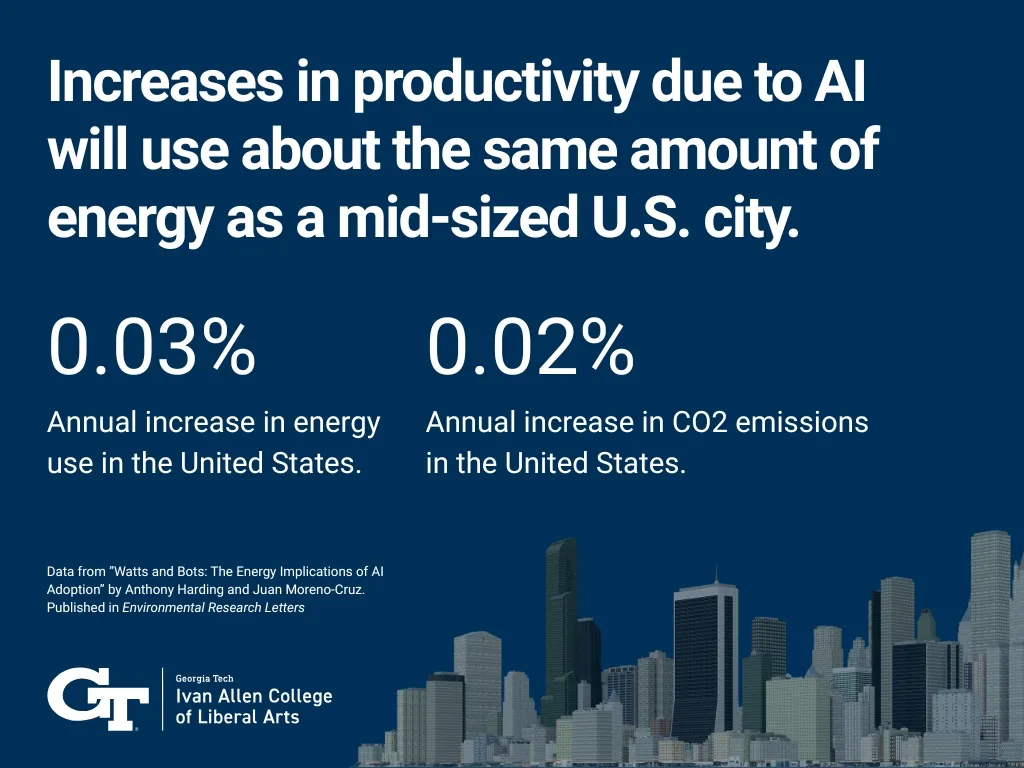
The paper, written by Anthony Harding and co-author Juan Moreno-Cruz at the University of Waterloo, suggests that greater productivity due to AI will result in a 0.03% annual increase in energy use in the United States and a 0.02% increase in CO2 emissions. That’s about equal to the yearly electricity use of a mid-sized U.S. city.
“If AI is as transformational as some expect it to be, it makes it even more important to think about the knock-on effects throughout the economy, beyond just the demands of the technology itself,” Harding said. “U.S. energy demand has stabilized since the mid-2000s. There is potential for AI to disrupt this, but there is also large uncertainty.”
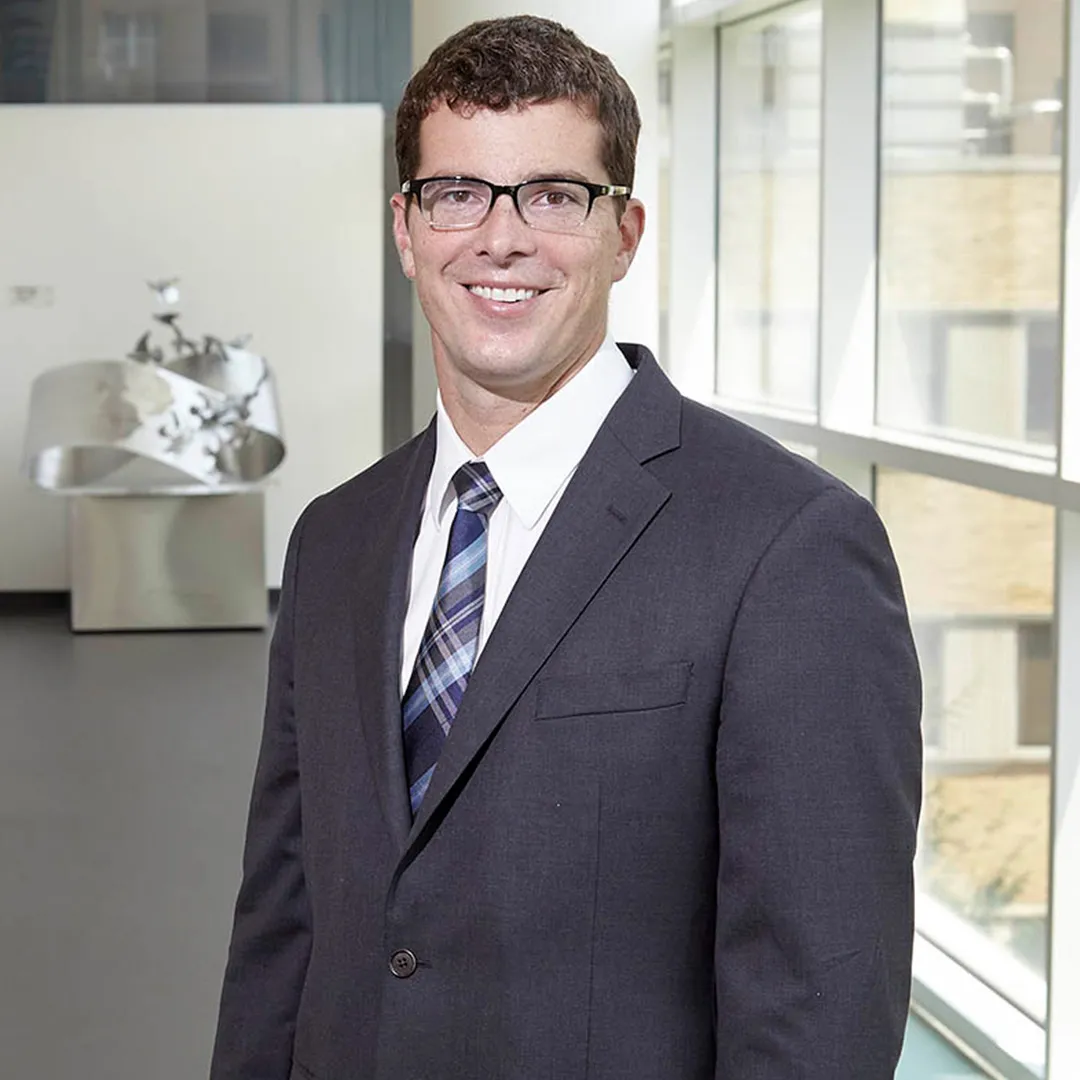
Robbie Moon, associate professor of Accounting
Cryptocurrency continues to reshape the financial landscape. As cryptocurrency moves from niche to mainstream, companies are grappling with how to account for these volatile digital assets. New research from Scheller College of Business accounting professor Robbie Moon, and his co-authors Chelsea M. Anderson, Vivian W. Fang, and Jonathan E. Shipman, sheds light on how U.S. public companies have navigated crypto holdings and accounting practices over the past decade.
ASU 2023-08, the Financial Accounting Standards Board’s (FASB) newly enacted rule, aims to bring clarity and consistency to crypto asset reporting with the mandate for fair value reporting. Moon’s research, which examined a comprehensive set of companies from 2013 to 2022, looks at the exponential rise in corporate crypto investments and the diverse, and often inconsistent, ways firms have reported them.
In “Accounting for Cryptocurrencies,” Moon and his co-authors work to better understand this pivotal point in financial reporting with research that dives into why firms hold crypto – whether for mining, payment acceptance, or investment – and how reporting practices have evolved to meet this current moment.
Keep reading to learn more about Moon’s research and why it matters right now.
Why do companies hold cryptocurrencies, and how has this changed over time?
Companies hold cryptocurrency for three main reasons: they mine it, they accept it as payment, or they consider it an investment. Early on, most businesses kept crypto because customers used it to pay for goods and services. Around 2017, that trend declined, and more companies began mining crypto themselves. Today, mining accounts for about half of corporate crypto holdings, while payment acceptance and investment make up the rest.
What were the main challenges companies face when trying to report cryptocurrency holdings in their financial statements?
Until the end of 2023, there were no official rules on how companies should report cryptocurrency on their financial statements. Back in 2018, the Big Four accounting firms (Deloitte, PwC, EY, and KPMG) stepped in with guidance, suggesting that crypto be treated like intangible assets, similar to things like patents or trademarks. This is known as the impairment model.
What is the difference between the “fair value model” and the “impairment model” for accounting crypto assets, and why does it matter?
The two accounting methods differ in how they handle changes in crypto value. The fair value model updates the value of a company’s crypto to match current market prices every reporting period. If the price goes up or down, the change shows up on the company’s income statement as a gain or loss.
The impairment model only lets companies record losses when the value drops below what they paid. If the price goes up, they can’t record the increase.
The difference in the two approaches can best be seen when crypto prices rise. Under the impairment model, companies’ balance sheets understate the true value of the crypto since the gains cannot be recorded. The fair value model allows companies to adjust the balance sheet value of crypto as market prices change.
What factors led ASU 2023-08 to favor fair value reporting?
When the FASB was trying to decide if they should add crypto accounting to their standard setting agenda, they reached out to the public for feedback. The response was overwhelming and most practitioners and firms called for the use of the fair value model.
How do big accounting firms, like Deloitte or PwC, influence how companies report their crypto holdings?
When there aren’t official rules for complex issues like crypto accounting, the Big Four firms often step in to guide companies. In 2018, they recommended using the impairment model, which they viewed as most appropriate based on existing standards. After that, most companies switched from fair value reporting to the impairment approach.
Their guidance in 2018 was based on what was allowed under the standards at that time. With the new rule in place, the firms will likely help clients manage the transition.
Does using fair value accounting for crypto make a company’s stock price more volatile or its earnings reports more useful to investors?
The primary downside of using a fair value model for a risky asset like crypto is how volatility affects earnings. Moon’s research suggests that stock price volatility increases for firms using the fair value model, and it doesn’t appear the model makes earnings more useful for investors. That said, the results should be viewed cautiously because the study’s sample largely consisted of smaller companies.
Why does this research matter right now?
This research matters because more companies are investing in cryptocurrency. That trend is only expected to grow. This research looks at how businesses handled crypto before official rules came out in 2023, showing that many treated it like traditional investments. This provides a baseline against which future research can evaluate the new rule. The research also warns that the fair value approach could make stock prices more volatile without necessarily making earnings reports more useful for investors.
Read More: Accounting for Cryptocurrencies
News Contact
Kristin Lowe
kristin.lowe@scheller.gatech.edu
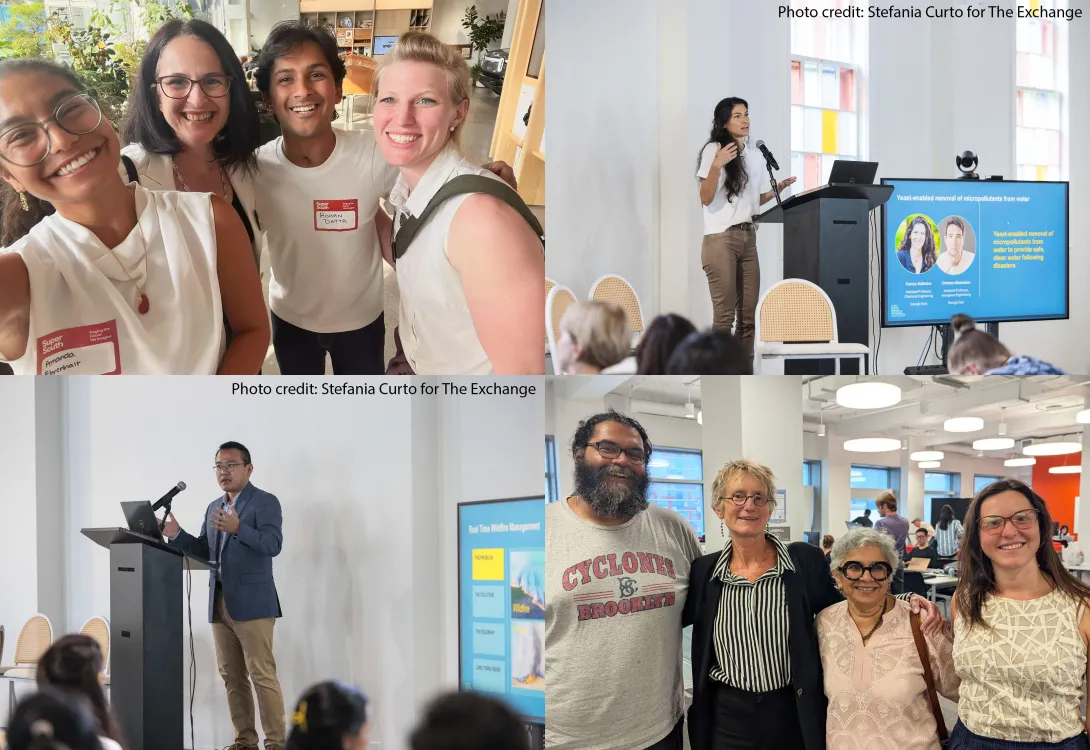
Collage of four images taken at the New York Climate Exchange 2025 events with Georgia Tech participants.
Beril Toktay, Regents’ Professor and Brady Family Chair, Scheller College of Business
Executive Director, Brook Byers Institute for Sustainable Systems
Board of Directors, New York Climate Exchange
I returned from Climate Week NYC energized by what I witnessed: Georgia Tech faculty, students, and startups showcasing the breadth and depth of our climate innovation work on one of the world's biggest stages.
Climate Week NYC brings together more than 900 events, but what stood out wasn’t the scale — it was the substance. Across five New York Climate Exchange partner events, the Georgia Tech community demonstrated something essential. Georgia Tech bridges research and real-world impact where it matters most — in people’s lives.
At the Super South event, we flipped the script on where climate innovation happens and demonstrated the Southeast as a climate tech powerhouse. Too often, conversations about climate tech center on coastal hubs. But Georgia Tech-affiliated entrepreneurs Tarek Rakha (Lamarr.AI), Mya Love Griesbaum (Mycorrhiza Fashion), Joe Metzler (Metzev), Laura Stoy (Ph.D. ECE 2021, Rivalia Chemical), Charlie Cichetti (MGT 2004, Skema), Joseph Mooney (research engineer, School of Civil and Environmental Engineering, WattAir), Lewis Motion (MBA 2017, WEAV3D), and Ramtin Motahar (IE 2004, ECON 2004, M.S. AE 2017, Joulea) showed that the Southeast isn’t just participating in the clean energy transition — we’re leading it.
The Climate Tech Fellowship Showcase was personal. Seeing two Georgia Tech teams — Patricia Stathatou and Christos Athanasiou’s yeast-based water purification system, and Xiao Liu’s AI-powered wildfire management platform — selected for the inaugural cohort reminded me why partnerships like the New York Climate Exchange matter. These early-stage innovators need more than good ideas. They need networks, mentorship, and funding pathways. NYCE provides those connections.
From flooding to batteries, two symposia highlighted GT faculty doing research that matters. At Weathering the Future, Iris Tien joined experts from AECOM, NVIDIA, and the NYC Department of Environmental Protection to discuss integrating resilience into urban infrastructure. Her work on coastal adaptation and infrastructure resilience addresses real vulnerabilities that cities face today. The Global Battery Alliance Leadership Meeting and Urban Battery Forum brought Yuanzhi Tang into conversations about building sustainable, circular battery value chains. As EVs scale and stationary storage grows, how we manage battery lifecycles — from securing raw resources to manufacturing to second-life reuse/recycling — will determine how we balance electrification, sustainability, environmental considerations, and economics; more details can be found in the NYCE report on battery circularity co-authored by Wyatt Williams (M.S. CEE 2024, MBA 2024).
Nicole Kennard’s leadership in the Climate Storytelling Workshop reinforced something I believe deeply: Technical solutions alone won’t solve the climate crisis. We need approaches that center community voices, acknowledge environmental justice concerns, and build trust. This became particularly clear in Kennard’s lecture for NYU’s Center for Urban Science and Progress: "Food, Place, and Belonging: From Global Visions to Local Sustainability." Presented with Janelle Wright (M CP 2022) from the West Atlanta Watershed Alliance, this lecture demonstrated how sustainable food systems can draw on global frameworks but must center community values and honor the history of place.
A few insights emerged from the week:
1. Geography matters — and so does bridging it. Collaborative platforms like NYCE that create genuine partnerships across regions will be more effective in achieving Georgia Tech’s vision of doing climate work that is grounded in Georgia and global in impact.
2. Visibility accelerates impact. Several faculty and entrepreneurs told me that Climate Week NYC opened doors — to investors, to funders, to partners, and to media. Platforms like NYCE amplify work that might otherwise stay local.
3. Students are passionate about climate opportunities. Every conversation about internships, fellowships, and experiential learning generated immediate interest. We need to build more pathways for students like Rohan Datta and Amanda Ehrenhalt to engage in climate work across both New York and Atlanta ecosystems — creating opportunities for hands-on experience, knowledge diffusion across regions, and the professional networks that will define their careers.
4. Our community extends far beyond campus. Meeting alumnus Alan Warren (PHYS 1978) drove this message home. Alan brings a unique vantage point on coastal resilience challenges faced in New York — and he’s energized by what our partnership can achieve. His offer to serve as Georgia Tech’s “envoy” in NYC, connecting our climate work to networks and opportunities there, is exactly the kind of volunteer leadership that accelerates impact. Alan’s own inspirational story of resilience and regeneration makes his commitment to climate resilience work even more meaningful.
Looking ahead, I see Georgia Tech’s partnership with the NYCE creating a powerful platform: NYCE amplifies our work through capital and convening; Georgia Tech anchors deployment with Southeast roots and global reach. Working alongside a distinguished board led by incoming chair Andrea Goldsmith, president of Stony Brook University, gives me confidence in this direction.
President Ángel Cabrera met with Goldsmith this week and reaffirmed our shared vision for bridging research and impact. “Georgia Tech’s mission has always been about translating knowledge into progress that serves society,” said Cabrera. “The New York Climate Exchange partnership exemplifies this commitment to innovative solutions that can be scaled to create real human impact. By connecting our strengths in community-engaged climate research with networks that can amplify and accelerate solutions, we’re living our motto of Progress and Service as we address one of humanity’s most urgent challenges.”
The Brook Byers Institute for Sustainable Systems (BBISS) convenes faculty, students, and partners to address sustainability challenges through research, education, and collaboration. Connect with BBISS on LinkedIn to be part of the ongoing discussion and/or reach out to Susan Ryan (susan.ryan@gatech.edu) to be added to BBISS’ climate science and solutions community of practice.
News Contact
Brent Verrill, Research Communications Program Manager, BBISS

Lukas Berg (right), who flew several variants of the UH-60 Blackhawk over the course of his career, celebrated his final flight before joining the Georgia Tech Manufacturing Institute in August.
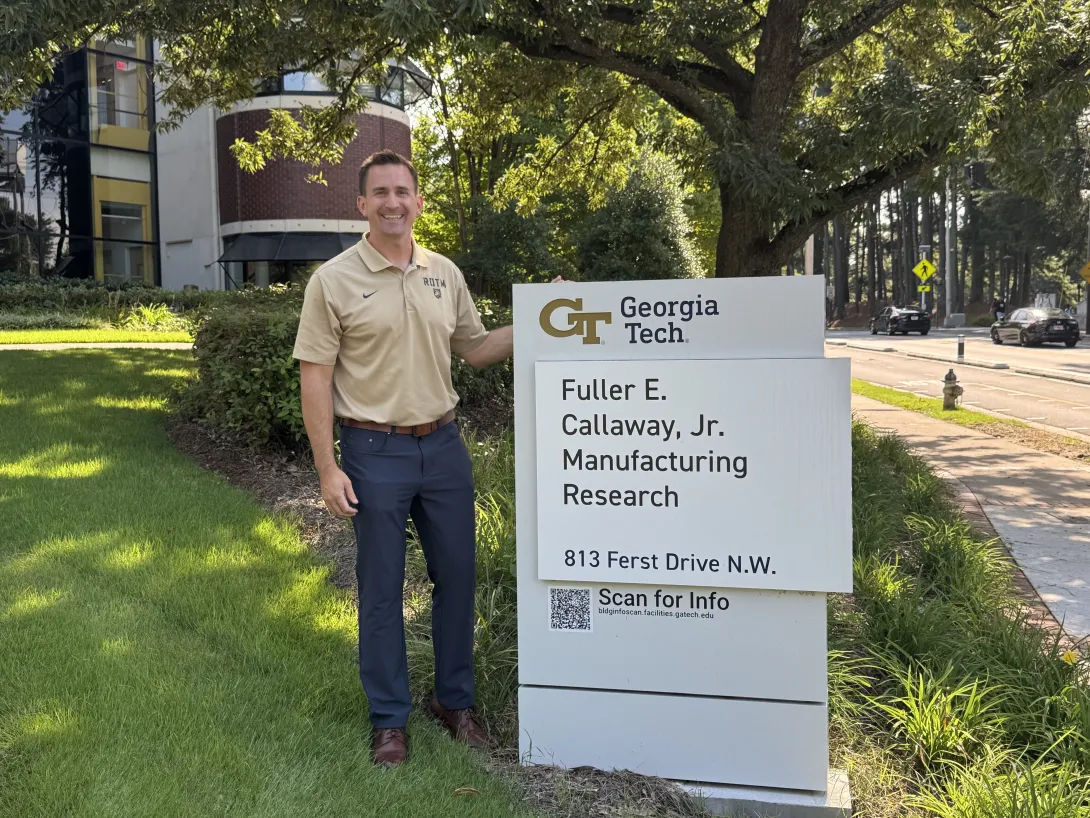
Berg will be working with GTMI for the course of his fellowship with the Hiring Our Heroes program.

Maria Venable, Berg's grandmother, joined the Georgia Tech faculty in 1963 as a 28-year-old native German speaker.
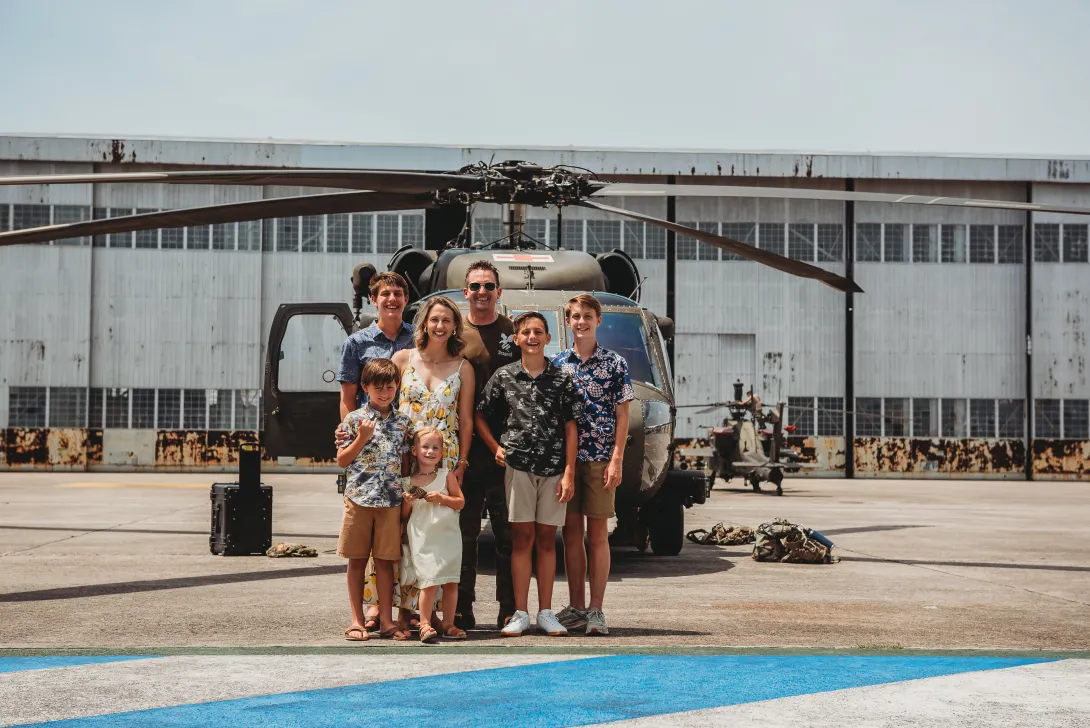
Berg and his family stand next to the model of helicopter frequently flown during his career.
As the U.S. works to strengthen its industrial base and reshore critical manufacturing capabilities, workforce development has emerged as a central challenge — and opportunity.
The Georgia Tech Manufacturing Institute (GTMI) recently welcomed its first Hiring Our Heroes (HOH) Fellow to help address this growing need. Lukas Berg, a retiring U.S. Army officer, will be working with GTMI to support new education and training programs aimed at preparing Georgians for careers in advanced manufacturing.
“Lukas Berg brings a unique blend of operational experience, academic insight, and a deep commitment to service,” said Thomas Kurfess, executive director of GTMI. “His perspective will be invaluable as we work to build stronger connections between Georgia’s communities and the advanced manufacturing sector.”
Hiring Our Heroes is a nationwide initiative led by the U.S. Chamber of Commerce Foundation that helps veterans and military spouses transition into civilian careers through short-term fellowships. Since 2021, Georgia Tech has hosted more than two dozen HOH fellows, beginning with U.S. Army veteran Erik Andersen, who now serves as interim deputy director for the Research, Electronics, Optics, and Systems Directorate at the Georgia Tech Research Institute (GTRI), where he also helps lead the HOH program.
Berg is the first fellow to be placed outside of GTRI, a sign of the program’s growing reach across campus and its potential to support a broader range of workforce development efforts.
“It’s been exciting to see how the Hiring Our Heroes program has grown at Georgia Tech,” said Andersen. “Berg’s placement at GTMI reflects the Institute’s commitment to connecting military talent with real-world innovation and workforce development. Veterans bring a unique perspective and skill set to these challenges, and I’m proud to see the program expanding to new parts of campus.”
Berg’s military career includes aviation command roles, teaching positions at West Point and the Joint Special Operations University, and deployments across multiple regions. At GTMI, he will be contributing to a new initiative that partners with rural school districts to introduce students to hands-on learning in advanced manufacturing, an effort designed to spark interest in high-potential career paths and support long-term workforce readiness.
With personal ties to Georgia Tech and a strong sense of purpose, Berg sees this fellowship as a meaningful next step. We spoke with him to learn more about what brought him to GTMI and how he views the role of manufacturing and workforce development in shaping the country’s future.
What inspired you to pursue a fellowship at the Georgia Tech Manufacturing Institute after your military service?
Last year, I visited Georgia Tech with many of the junior officers and pilots assigned to my helicopter battalion in Savannah. Our agenda included stops at the Georgia Tech Manufacturing Institute and the Advanced Manufacturing Pilot Facility, both of which struck me as being absolutely vital to maintaining the technological edge required to fight and win on the modern battlefield. Pursuing a fellowship at GTMI felt like a natural extension of my military service, and I suspected that it would put me back at the intersection of thinkers and doers (where I have always felt most at home).
You mentioned your grandmother taught at Georgia Tech for over 30 years — how has her legacy influenced your academic and professional journey?
My grandmother, Maria Venable, was the first woman to serve as a full-time faculty member in Georgia Tech’s School of Modern Languages. She poured herself into both her family and her students, and I was lucky to count myself in both populations, as she agreed to tutor me for the AP German exam in high school (but only if I behaved as well as her students at Tech). Her example inspired me to pursue a teaching assignment at West Point halfway through my Army career, and I experienced the same joy in teaching that she did. It’s something that I will continue to do for the rest of my life, whether in a formal or informal capacity.
Can you share more about the specific initiatives you'll be working on at GTMI related to advanced manufacturing education?
Most immediately, I am joining a new GTMI initiative that partners with rural school districts to deliver several weeks’ worth of curriculum and hands-on practice in advanced manufacturing. We just kicked off a pilot program with Bainbridge High School in Decatur, and it’s exciting to see their students leveraging sophisticated systems to design and build Pinewood Derby cars that would make Cub Scouts across the country green with envy. Beyond this initiative, I hope to contribute to other efforts that get young people excited about careers in manufacturing and that assist adult learners in re-skilling and up-skilling for this high-potential industry.
What are you most looking forward to as you begin your fellowship at GTMI?
Georgia Tech feels like a physical and intellectual crossroads of modern civilization. I’m excited to not only contribute as a member of GTMI but also to learn about the countless other departments, institutes, and programs that are convening talent to solve the world’s thorniest problems.
What skills or insights are you hoping to gain during your time at GTMI that will support your next career chapter?
As an Army officer, I’ve been stationed across the country and deployed around the world, but Georgia has always been home. (Gladys Knight’s “Midnight Train to Georgia” has been a fixture on my playlist since I left for West Point at the age of 17.) Now back with my family, I look forward to using my time at GTMI to learn about my home state and identify ways that I can contribute to its near and long-term prosperity, whether through roles in academia, government, or private industry. I also look forward to expanding my network in all these communities, as no single one has a monopoly on problem-solving.
Why do you believe rebuilding America’s industrial base and manufacturing workforce is critical to national security today?
As a career aviator, much of my professional life was spent agonizing over the availability of parts to repair my helicopters. It seemed like there were never enough, and they always took too long to get to me. This experience, coupled with lessons learned from our support of Ukraine’s self-defense, contrasted starkly with my recent study of America’s 20th-century role as the “arsenal of democracy.” I’m convinced that we need to regain that reputation, and I would like to see Georgia at the forefront of associated design, manufacturing, and education initiatives.
How do you see veterans playing a unique role in strengthening the U.S. manufacturing workforce?
I think veterans are the most natural candidates in the world for roles in the manufacturing workforce. They possess the knowledge, skills, and abilities to be successful in most endeavors, but most are looking for ways to extend their service beyond their time in uniform. What better way than to contribute to a field that is so vital to our national security and prosperity?
What does “Progress and Service” mean to you, and what does it mean to you personally to be contributing to that mission?
I love Tech’s motto. I grew up in a family and community that reinforced at every turn the idea that our highest potential as human beings is realized when we serve others. This motivated my choice to serve in the military for the past 20 years, and it remains my North Star for this next chapter. I also love the idea of technological progress being the vehicle by which Georgia Tech collectively serves others, and I hope to accelerate this progress during my time at GTMI.
If you could give one piece of advice to other service members considering a fellowship like this, what would it be?
Inventory your passions and define your purpose. Then start reaching out to people in related fields. I have been amazed at how generous people have been with their time and how eager they have been to help me find my second calling and related opportunities.
News Contact
Audra Davidson
Research Communications Program Manager
Georgia Tech Manufacturing Institute
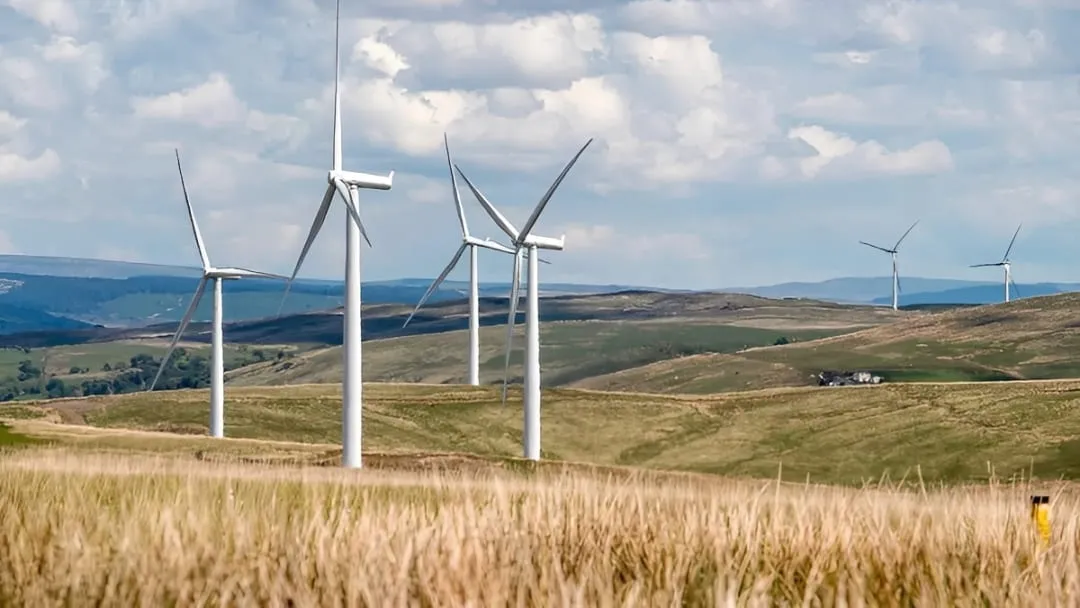
A Georgia Tech study examines how short-term variability in wind power—known as wind intermittency—affects real-time electricity system imbalances in U.S. regional power markets.
This study examines how short-term variability in wind power—known as wind intermittency—affects real-time electricity system imbalances in U.S. regional power markets. The authors, Victoria Godwin and Matthew E. Oliver of the Georgia Institute of Technology and EPIcenter affiliates, analyze data from four major system operators: Bonneville Power Administration (BPA), New York ISO (NYISO), Southwest Power Pool (SPP), and PJM Interconnection. They focus on Area Control Error (ACE), a real-time metric used by grid operators to measure the mismatch between electricity supply and demand, adjusted for frequency deviations. Maintaining ACE near zero is essential for grid stability.
The authors find that a doubling of hourly wind generation variance increases average hourly ACE by 2% in BPA, 3.7% in NYISO, and 11.4% in SPP—equivalent to 1.2 MW, 1.8 MW, and 9.35 MW increases in system imbalance, respectively. PJM shows no significant effect, likely due to less granular data. They also show that sudden increases in wind generation are more likely to cause oversupply (positive ACE), while sudden drops lead to undersupply (negative ACE), confirming asymmetric operational impacts.
Read Full Story on the EPIcenter Website
News Contact
Gilbert Gonzalez || EPIcenter
Media Contact: Priya Devarajan | Strategic Energy Institute
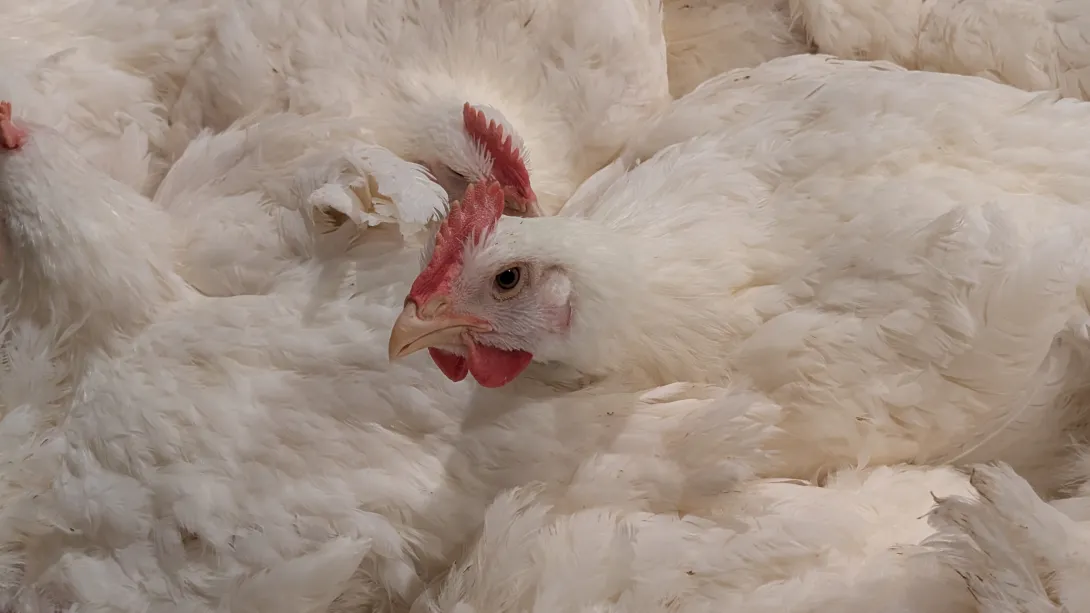
In Georgia, chickens make up the biggest agricultural product with a whopping annual state economic impact of over $28 billion. However, it can be extremely challenging - and costly - for poultry farmers to maintain optimal temperature and moisture levels inside poultry houses. By addressing this challenge, GTRI's two technologies could result in healthier birds and save farmers money.
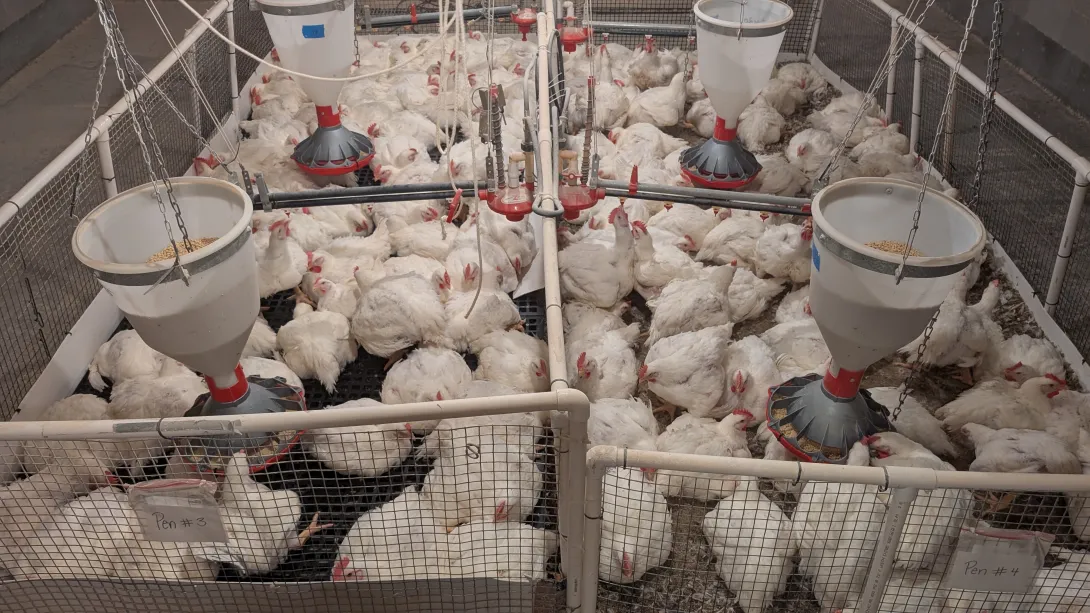
During recent trials at UGA, GTRI observed that birds on GTRI's BHIG-MESS flooring system (on left) had fewer instances of footpad dermatitis along with similar weight patterns and better overall health in some cases than those on raised traditional wood shavings (Photo Credit: Alex Samoylov).
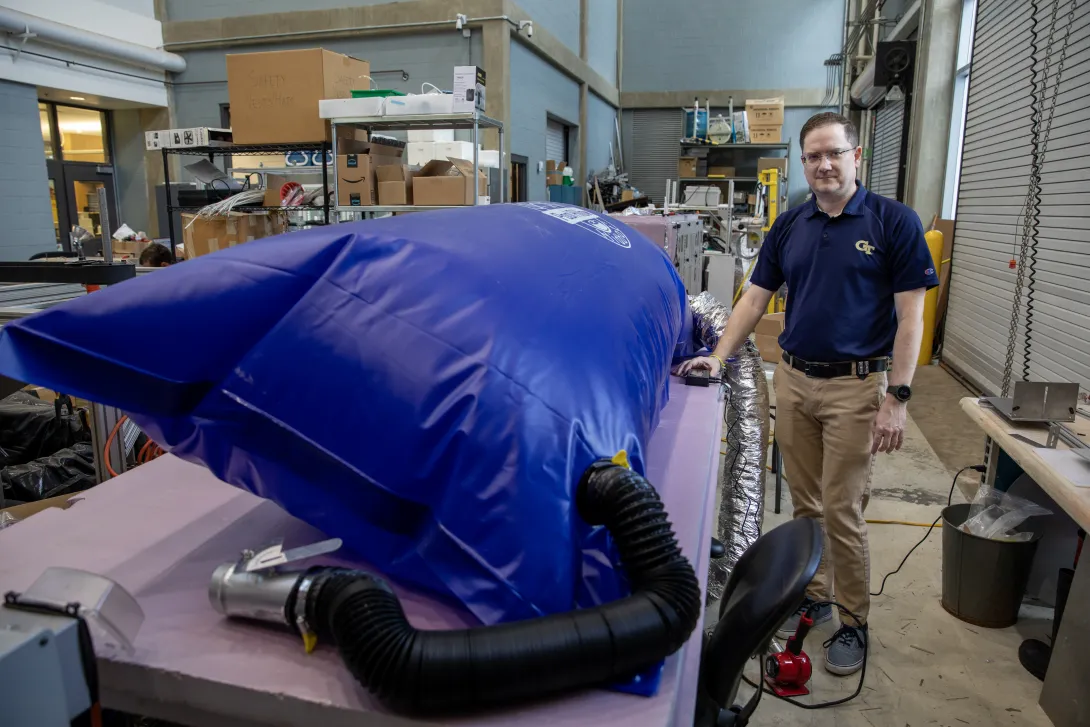
GTRI Principal Research Scientist and project lead Alex Samoylov stands next to a prototype he has developed of GTRI's "chicken bubble" technology. "Chicken bubble" reduces the volume of air in poultry houses that needs conditioning, lowering energy expenses that are among the highest costs for farmers. GTRI plans to test this technology out in the field sometime next year (Photo Credit: Sean McNeil, GTRI).
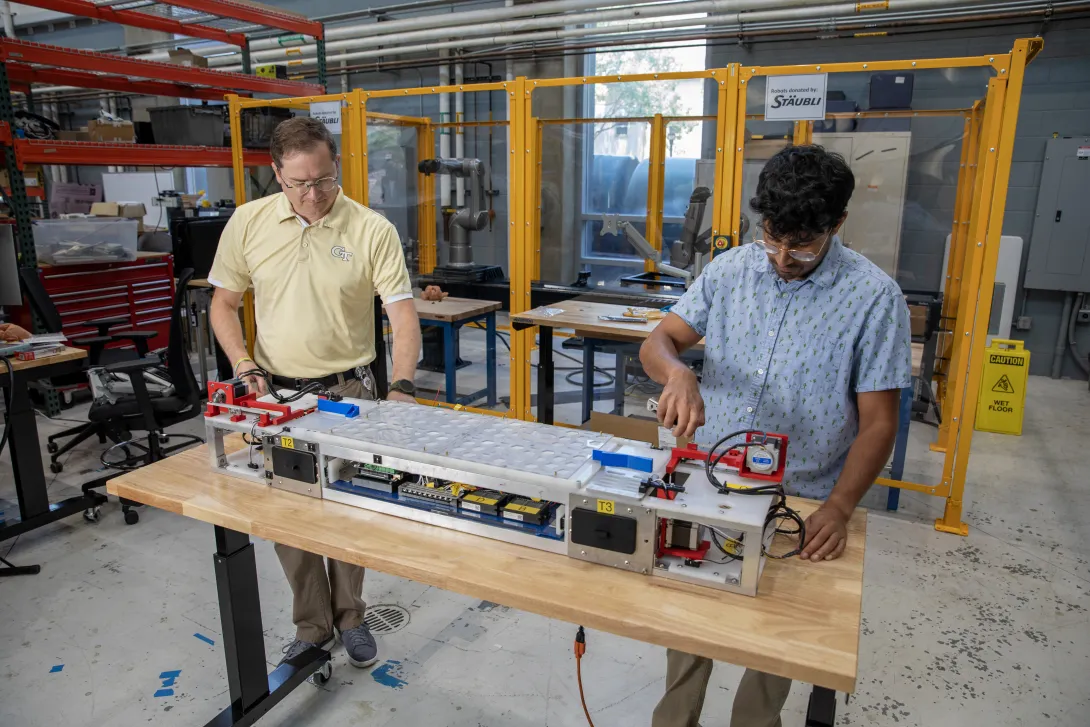
GTRI Principal Research Scientist and project lead Alex Samoylov (left) and GTRI Research Engineer Parth Mandrekar (right) have developed a BHIG-MESS prototype and are seen working on it here (Photo Credit: Sean McNeil, GTRI). BHIG-MESS addresses moisture concerns in poultry houses by removing waste regularly and automatically, which helps reduce ventilation needs and energy consumption.
In Georgia, where chickens are the biggest agricultural product with an annual state economic impact of over $28 billion, maintaining the right temperature and moisture levels in a poultry house is crucial for bird health and efficiency. However, this can be challenging due to changing weather, bird density and size, and high energy costs.
The Georgia Tech Research Institute (GTRI) is addressing these challenges with two technologies: the Broiler House Integrated Guided-Motion Excreta Saturation System (BHIG-MESS) and a protective chicken enclosure known as “chicken bubble.” BHIG-MESS addresses moisture concerns by removing poultry waste from the house regularly and automatically, which helps reduce ventilation needs and energy consumption. “Chicken bubble” uses an inflatable barrier to reduce the volume of air that needs conditioning, lowering energy expenses that are among the highest costs for farmers.
“One of the biggest challenges for poultry houses and farmers is maintaining the internal environment of the house,” said GTRI Principal Research Scientist Alex Samoylov. “While issues related to feed and water have been more or less resolved, creating an optimal environment within the house is still very much an art rather than an exact science.”
Poultry house energy costs are primarily driven by heating fuel and electricity for essential needs like keeping chickens warm, providing adequate lighting and powering ventilation systems.
“How well farmers manage their energy costs directly impacts the health and productivity of the birds – and by extension, their profitability,” Samoylov said.
BHIG-MESS consists of a specially designed tiled floor where manure falls through into a tray beneath, allowing for daily removal. In traditional houses, wood shavings absorb manure and it remains in place for the flock's entire stay. By clearing out the manure every day, BHIG-MESS significantly reduces moisture levels inside the house and, consequently, the need for intensive ventilation.
The “chicken bubble” system’s inflatable technology reduces the amount of air that needs to be ventilated and conditioned. By displacing a significant portion of air inside the house, farmers could cut these air requirements by at least half, Samoylov said.
GTRI has conducted trials of BHIG-MESS at the University of Georgia’s (UGA) Poultry Experimental Center. During the trials, researchers replaced half of the floor with GTRI’s system and the other half remained traditional wood shavings. The birds were raised for seven weeks and GTRI collected data on manure accumulation, bird health and weight distribution.
They observed that the birds on GTRI’s flooring system had significantly fewer instances of footpad dermatitis, a condition in chickens where the skin on the bottom of their feet becomes inflamed and irritated, often caused by wet and dirty litter. The system also demonstrated that it did not cause more chicken deaths compared to traditional methods. Chickens on the new system also had similar weight patterns and, in some cases, were healthier than those raised on the traditional wood shavings.
GTRI plans to test “chicken bubble” in 2026, starting in controlled environments before moving to larger poultry houses. This project has been supported by GTRI’s Agricultural Technology Research Program (ATRP).Once more testing has been completed, GTRI plans to partner with commercial entities that would manufacture and distribute these technologies. Samoylov said his team envisions a partnership where these companies would handle production and installation while GTRI continues focusing on further research and technical refinement.
“Our focus is on enhancing sustainability and profitability for the poultry industry,” he said. “By creating innovative solutions, we aim to secure food supply and help growers thrive.”
Writer: Anna Akins
Photos: Sean McNeil
Additional Photo Credit: Alex Samoylov
GTRI Communications
Georgia Tech Research Institute
Atlanta, Georgia
For more information, please contact gtri.media@gtri.gatech.edu.
To learn more about GTRI, visit: Georgia Tech Research Institute | GTRI
News Contact
Author: Anna Akins anna.akins@gtri.gatech.edu
GTRI media contact info: gtri.media@gtri.gatech.edu

Agriculture is the largest cause of deforestation. So, it follows that forest expansion efforts would displace agriculture — but new research from Georgia Tech's School of Economics reports that that’s not necessarily the case. And not only that, forest expansion actually increased agricultural output in the study.
These findings can help governments, policymakers, and conservation organizations more accurately assess the costs and benefits of forest expansion projects in the fight against climate change.
“The key policy implication is that there may be co-benefits to using forest expansion as a tool to sequester carbon,” said Matthew E. Oliver, associate professor at the School of Economics and co-author on the paper. Without accounting for them, the net social benefits may be significantly underestimated, the researchers write.
The findings could also suggest alternative paths for aid organizations, Oliver said.
“Development programs don’t have to be in the form of direct aid. This project was about increasing forest areas, but it also supported the local economy in another indirect way.”
Main Findings
The paper, written by Oliver and Dylan Brewer at Georgia Tech and Vikrant K. Kamble at Muskingum University, was published in Land Economics. The project began as Kamble’s Ph.D. dissertation, on which Oliver and Brewer co-advised. They find:
- Following one of the largest forest expansion programs in Rajasthan, India, agricultural production in the area increased by 24% in the seven to 14 years after planting.
- The researchers hypothesize this could be due to increased pollinator activity in the newly forested areas and the 2% increase in rainfall they measured.
- While the 2% increase is statistically insignificant, yields for crops relying on rainfall grew considerably while yields for crops relying on irrigation did not, suggesting a connection between forest expansion, rainfall, and improved agricultural outputs.
This is some of the first evidence of its kind, and the researchers caution that the results may not hold true everywhere.
However, “our task was to rule out a negative impact on agriculture, and the fact that we're not seeing that and that there could be a positive impact is really strong evidence that we don't see a reverse trade-off,” Brewer said. “When you go back and reforest, it's not going to eat into agricultural resources.”
“Is There a Tradeoff between Forest Expansion and Agriculture?” was published in Land Economics in August 2025. Read more at https://doi.org/10.3368/le.101.3.022924-0020R
News Contact
Ivan Allen College of Liberal Arts