
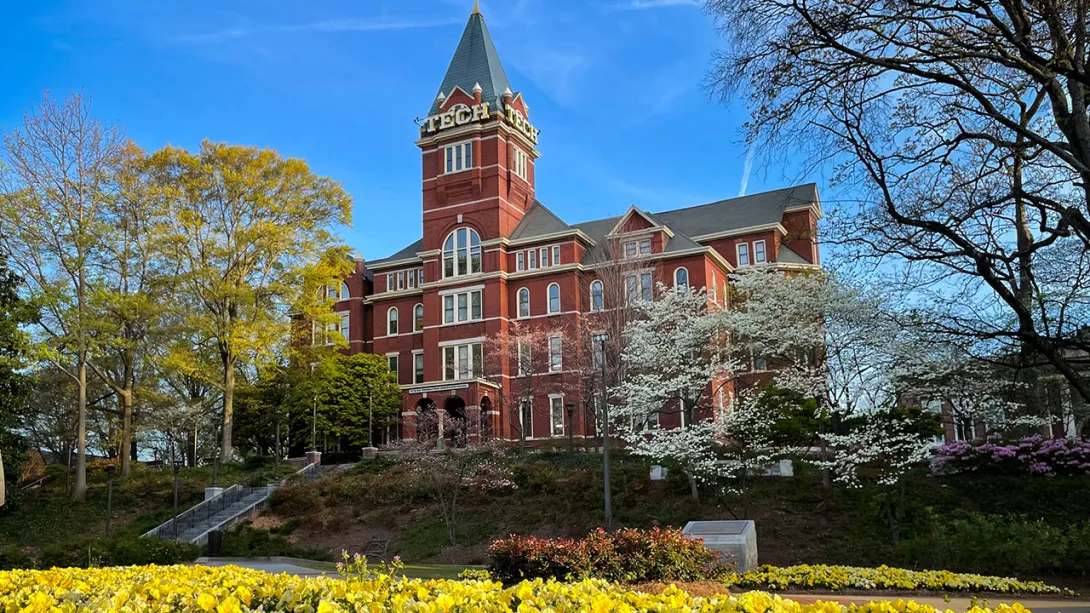
In mid-April Georgia Tech's Renewable Bioproducts Institute hosted a mini-symposium discussing the challenges and potential solutions to integration at different scales and levels of abstraction.
Challenges Discussed:
-Technical Compatibility: Ensuring biomass-derived feedstocks are compatible with existing refinery processes without causing operational disruptions.
-Economic Viability: Balancing the costs of biomass processing and integration with the potential economic benefits.
-Environmental Impact: Addressing the environmental implications of biomass integration, including emissions and sustainability.
-Infrastructure Adaptation: Modifying existing refinery infrastructure to accommodate biomass feedstocks without significant capital investment.
Proposed Solutions:
-Advanced Hydroprocessing Techniques: Utilizing mild hydro treatment and esterification to make biomass-derived feedstocks compatible with refinery processes.
-Cost-Effective Precipitation Methods: Implementing efficient lignin extraction processes to reduce costs and improve economic viability.
-Green Hydrogen Utilization: Leveraging green hydrogen produced from electrolysis to minimize environmental impact.
-Strategic Infrastructure Investments: Identifying key areas for infrastructure adaptation to facilitate seamless integration of biomass feedstocks.
This workshop underscored the importance of collaborative efforts in advancing biomass integration, paving the way for a more sustainable and economically viable future in the refining industry.
To listen to the workshop:
We’d like to share our thanks with our speakers for their insights:
Joseph Samac - Valorization of Forestry Side-stream
Ana Indes Torres - Biomass integration in Refineries with a Focus on System-Level Modeling and Optimization of Integration Strategies
Michael Reynolds - Advances in Catalysts for Feeds that Contain Blends of Seed and Tallow Oils
Nicholas Carlson Refinery Integration Anaysis: Pathways, Challenges, and Opportunities
Mike Griffin Producing Hydrocarbon Fuels from Woody Biomass via Catalytic Pyrolysis and Refinery Hydrotreating
Ryan Lively Separation of Bioderived Compounds Using Membrane Technology
RBI would love to hear from you on future topics you would like to hear us cover. Share your feedback with Executive Director Carson Meredith.
News Contact

Gaurav Doshi, Assistant Professor in Applied Economics, Georgia Tech School of Economics
Gaurav Doshi, assistant professor in applied economics and a faculty affiliate of the Georgia Tech Energy Policy and Innovation Center researches, among other topics, ways to make the benefits of large electrification projects more transparent.
It’s a chicken and egg situation: Should renewable energy projects launch first hoping that transmission lines to pipe generated power to distant places will follow on their heels? Or should the transmission lines be stood up first as a way to attract investments in renewable energy projects? Which comes before the other? It’s a question that has intrigued Gaurav Doshi, assistant professor at the School of Economics at Georgia Tech, for a while now. His award-winning paper about this research explores the downstream effects of building power lines.
After a bachelor’s and master’s degree in applied economics from the Indian Institute of Technology at Kanpur, Doshi earned his doctorate in the same field from the University of Wisconsin at Madison in 2023. He explored questions about environmental economics as part of his doctoral work.
“Once I started researching energy markets in the U.S., I kept getting deeper and coming up with new questions,” Doshi says. Among the many his work explores: What are the effects of infrastructure policies and how can they help decarbonization efforts? What are some of the unintended consequences policy makers need to think about?
One of his current research projects has roots in his doctoral work. It explores how to quantify the benefits of difficult-to-quantify environmental infrastructure projects. Case in point: Decarbonization will likely lead to more electrification from renewable energy resources and will need power lines to transport this energy to places of demand. The costs for such infrastructure are pretty transparent as part of government project funding. But the benefits are less so, Doshi points out. To develop effective policy, both the costs and benefits need clear visibility. “Otherwise the question arises ‘why should we spend billions of dollars of taxpayer money if we don’t know the benefits?’”
News Contact
Written by: Poornima Apte
Contact: Priya Devarajan || SEI Communications Program Manager
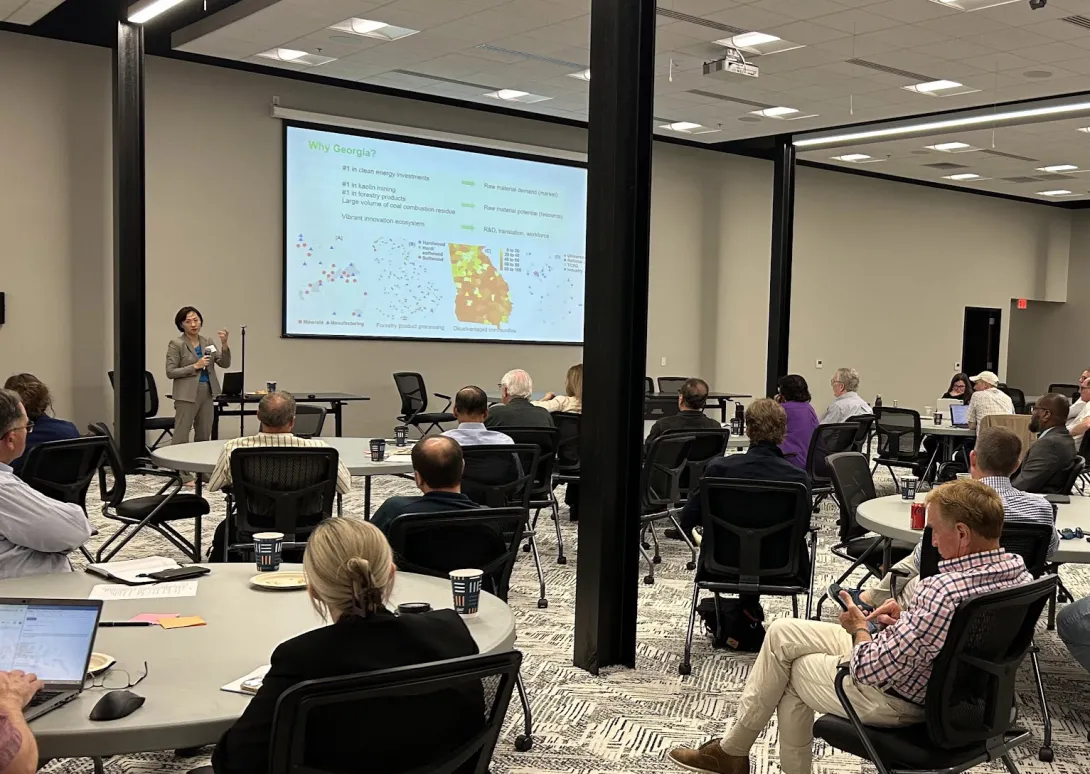
Yuanzhi Tang, Georgia Tech Professor, and Strategic Energy Institute's initiative lead for Sustainable Resources providing an overview of GEMs-3 and GRACE Engine at the workshop in Macon, GA
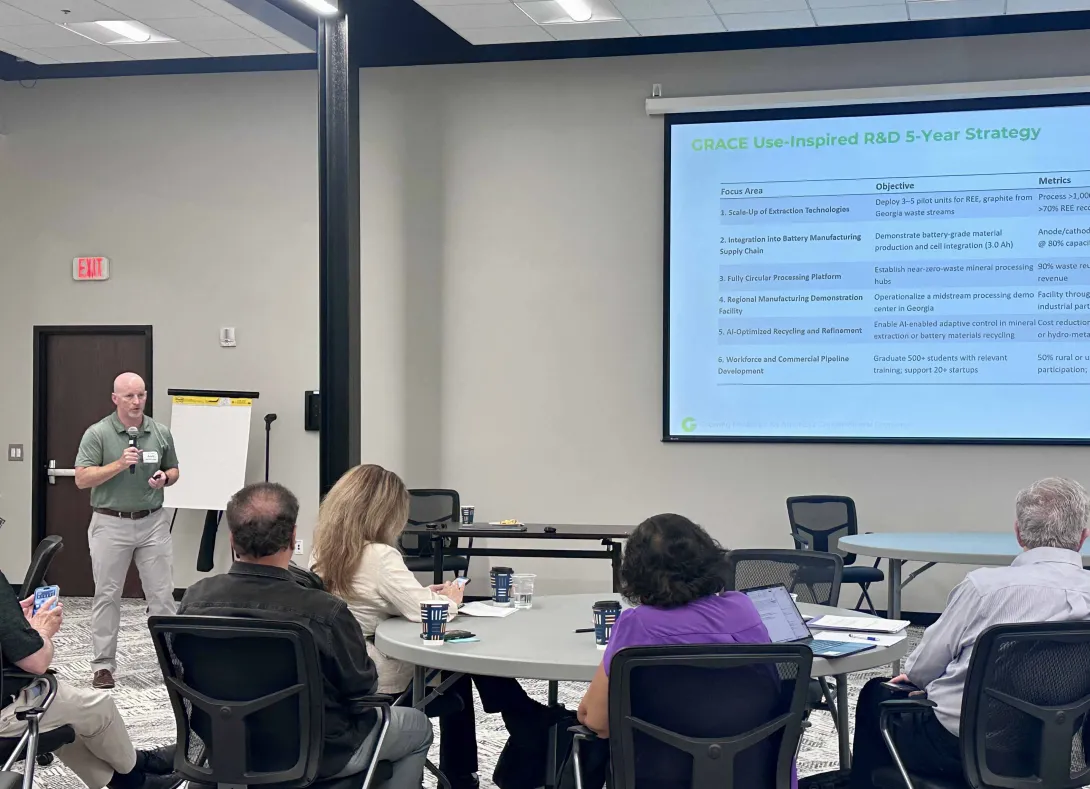
Scott McWhorter, Distinguishied External Fellow and Federal Funding Lead at the Strategic Energy Institute presenting during the GEMs-3 and GRACE Workshop
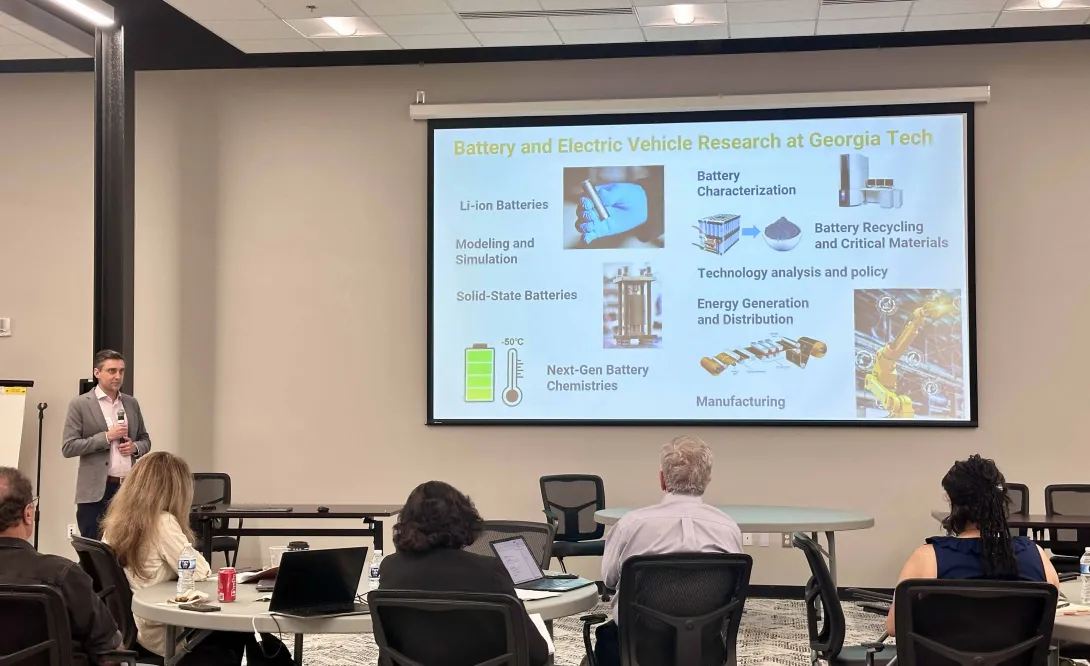
Matt McDowell, Professor at Georgia Tech presenting during the GEMs-3 and GRACE Workshop
On April 29, nearly 70 attendees representing 36 organizations from industry, government, academia, and nonprofits gathered at the Middle Georgia Regional Commission for the third Georgia Partnerships for Essential Minerals (GEMs) Workshop, held jointly with the Growing Resilience for America’s Critical Mineral Economy (GRACE) Engine initiative. The workshop marked a pivotal step in the region’s critical mineral strategy, bringing together leaders across sectors to align priorities and accelerate ecosystem development.
Hosted by the Center for Critical Mineral Solutions and Strategic Energy Institute at Georgia Tech in partnership with the Middle Georgia Regional Commission, GEMs-3 highlighted the economic development potential of critical minerals through production and recycling. Critical Minerals such as rare earth elements, gallium, and graphite are materials essential for technologies ranging from electric vehicles, permanent magnets to national defense systems. Building on the industry-led conception of GEMs-1 and road mapping efforts at GEMs-2, this workshop focused on translating strategy into action, with particular emphasis on use-inspired innovation, commercialization, workforce development, community engagement, and strategic investment.
Keynote speaker Costas Simoglou, director of the Center of Innovation for Energy Technology at the Georgia Department of Economic Development, emphasized the state’s leadership in advanced energy manufacturing and innovation. Sessions highlighted ecosystem capabilities and insights from experts at Southern Company, Chemours, Ginn Technology Group, Savannah River National Laboratory, Georgia Research Alliance, Georgia Cleantech Innovation Hub, Georgia Artificial Intelligence in Manufacturing, Technical College System of Georgia, University of Georgia, Partnership for Innovation, the Supply Chain and Logistics Institute, and the Advanced Battery Center.
Yuanzhi Tang, professor at Georgia Tech and director of the Center for Critical Mineral Solutions, shared an update on the GRACE Engine initiative, which aims to develop a co-located innovation ecosystem that integrates extraction, processing and advanced manufacturing across Georgia. “The GRACE vision is to move from potential to practice,” said Tang, “by building a regional supply chain that is resilient, sustainable, built for speed and benefits all stakeholders.”
Afternoon breakout discussions brought participants together into focused groups to explore commercialization models, community advisory board structures, and pilot program priorities. Participants emphasized the importance of fast-start strategies, shared economic development, and leveraging existing regional strengths and infrastructure.
As Georgia continues to lead in kaolin mining and advanced manufacturing, the GEMs-GRACE platform stands as a model for how states can turn mineral resources and waste streams into new engines of economic opportunity.
For more information, visit gems.research.gatech.edu.
News Contact
Written by: Yuanzhi Tang
News contact: Priya Devarajan | SEI Communications Program Manager
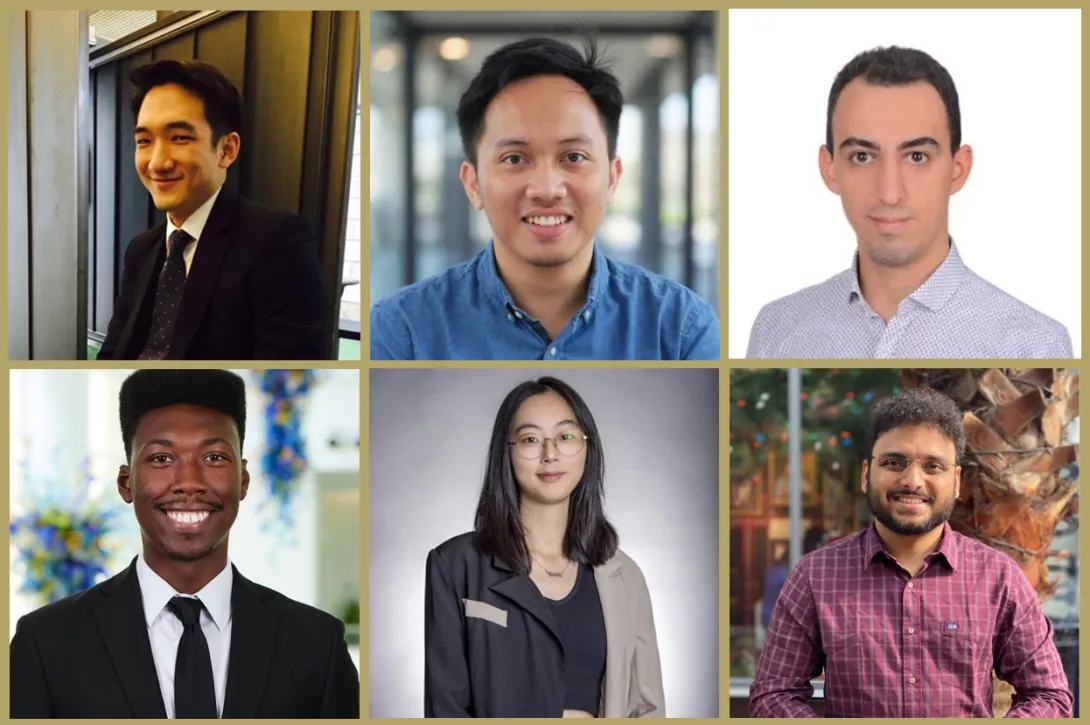
Top (Left to Right): John Kim, Maghfira “Afi” Ramadhani, Mehmet “Akif” Aglar
Bottom (Left to Right): La’Darius Thomas, Yifan Liu, Niraj Palsule
The Energy Policy and Innovation Center (EPIcenter) at Georgia Tech has announced the selection of six students for its inaugural Summer Research Program. The doctoral candidates, pursuing degrees in electrical and computer engineering, economics, computer science, and public policy, will be on campus working full-time on their dissertation research throughout the summer semester and present their findings in a final showcase.
EPIcenter will provide a full stipend and tuition for the 2025 summer semester to support the students.
“I look forward to hosting a fantastic cohort of early-career energy scholars this summer,” said Laura Taylor, EPIcenter’s director. “The summer research program will not only help the students advance their research while engaging in interdisciplinary dialogue but also offers professional development opportunities to position them for a strong start to their careers.”
The students will work with EPIcenter staff and be provided with on-campus workshops on written and oral communications. Biweekly meetings over the summer will offer the students an opportunity to share their work, progress, and ideas with each other and the EPIcenter faculty affiliates. In addition, the students will have the opportunity to engage with programs and distinguished guests of the center.
For students interested in presenting their research at a conference, EPIcenter also will provide travel grants of up to $600 pursuant to having their paper/presentation posted on the EPIcenter website.
"I applied to the Summer Research Program because its structure and community aligned perfectly with my summer plan on dissertation work in energy policy,” said Yifan Liu. “I aim to finalize key dissertation chapters and engage closely with peers and mentors to prepare me for the job market."
The program offers students an opportunity to promote their work through the EPIcenter communication channels including the website, news feeds, blogs, and the SEI newsletter.
“I am very excited to spend my summer at EPIcenter exploring how battery storage entry affects competition in the electricity market,” said Maghfira “Afi” Ramadhani, one of the student affiliates selected for the summer research program. “Specifically, I look at how the rollout of battery storage in the Texas electricity market impacts renewable curtailment, fossil-fuel generator markup, and generator entry and exit.”
With a variety of backgrounds and perspectives on energy, each of the students in the summer program brings something unique to EPIcenter.
La’Darius Thomas: “My project explores the potential of peer-to-peer energy trading systems in promoting decentralized, sustainable energy solutions. I aim to contribute to the development of energy models that empower individuals and communities to directly participate in electricity markets.”
Niraj Palsule: “I intend to gain interdisciplinary insights interfacing energy transition technology and policy developments by participating in the EPIcenter Summer Research Program.”
John Kim: “I believe the EPIcenter Summer Research Program will deepen my investigation of how environmental hazards disproportionately affect vulnerable communities through research on power outage impacts and lead contamination. This summer, I hope to refine my analysis and complete research on the socioeconomic dimensions of power reliability and environmental resilience.”
Mehmet “Akif” Aglar: "I applied to the EPIcenter Summer Research Program because it offers the chance to work alongside and learn from a community of highly qualified researchers across various fields. I believe the opportunity to present my work, receive feedback, and benefit from the structure the program provides will be invaluable for advancing my research."
About EPICenter
The mission of the Energy Policy and Innovation Center is to conduct rigorous studies and deliver high impact insights that address critical regional, national, and global energy issues from a Southeastern U.S. perspective. EPICenter is pioneering a holistic approach that calls upon multidisciplinary expertise to engage the public on the issues that emerge as the energy transformation unfolds. The center operates within Georgia Tech’s Strategic Energy Institute.
News Contact
Priya Devarajan || SEI Communications Program Manager
Daniel Molzahn will readily admit he’s a Cheesehead.
Born and brought up in Wisconsin, the associate professor at the School of Electrical and Computer Engineering attended the University of Wisconsin, Madison, for undergraduate and graduate studies. It was also at Madison that he decided to go into the family business: power engineering.
Molzahn’s grandfather was a Navy electrician in World War II and later completed a bachelor’s in electrical engineering. He eventually was plant director at a big coal plant in Green Bay. Molzahn’s dad was also a power engineer and worked at a utility company, focusing on nuclear power.
It was not uncommon for family vacations to include a visit to a coal mine or a nuclear power plant. Being steeped in everything power engineering eventually seeped into Molzahn’s bones. “I remember seeing all the infrastructure that goes into producing energy and it was endlessly fascinating for me,” he says.
That endless fascination has worked its way into Molzahn’s research today—at the intersection of computation and power systems.
News Contact
Written by: Poornima Apte
News Contact: Priya Devarajan || SEI Communications Program Manager
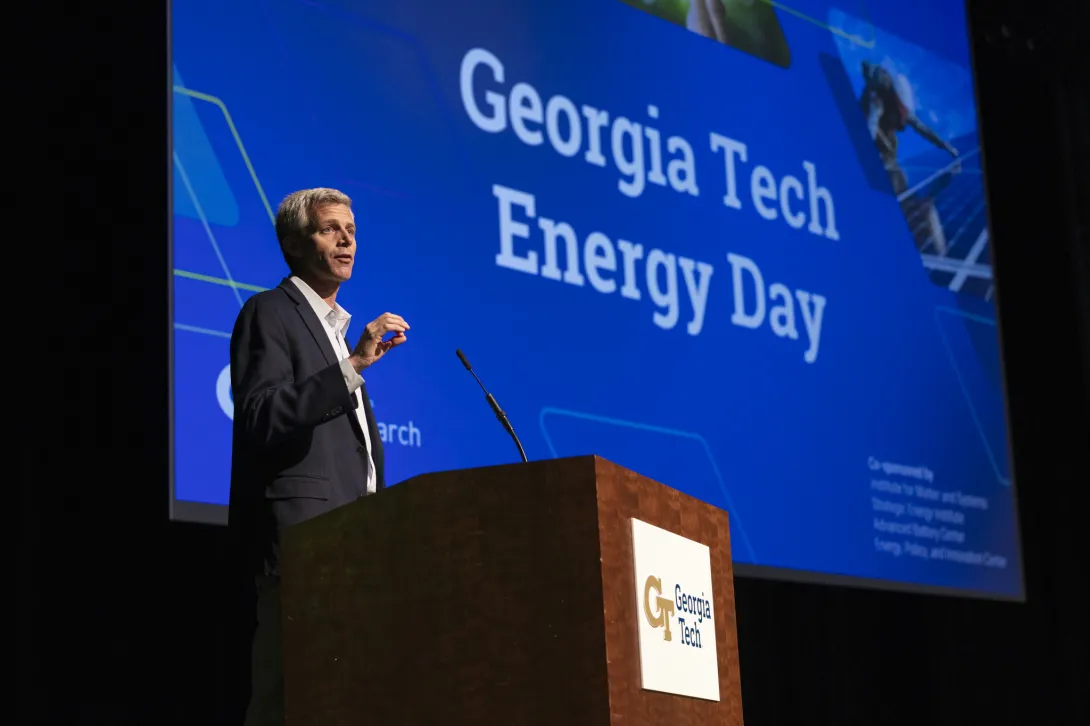
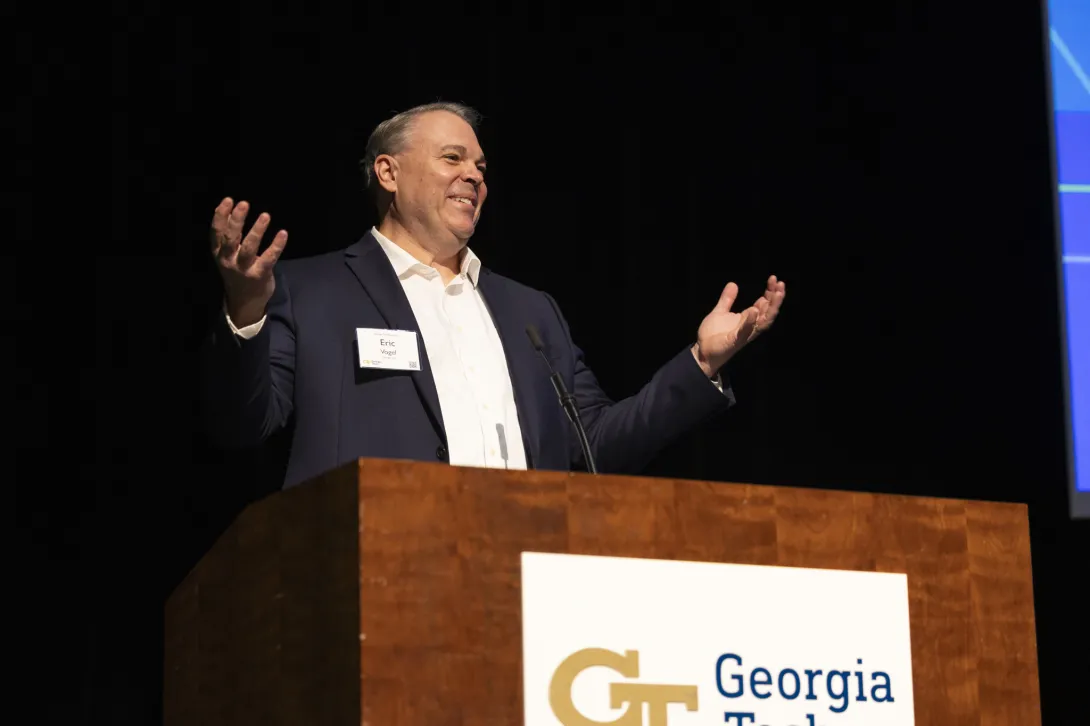
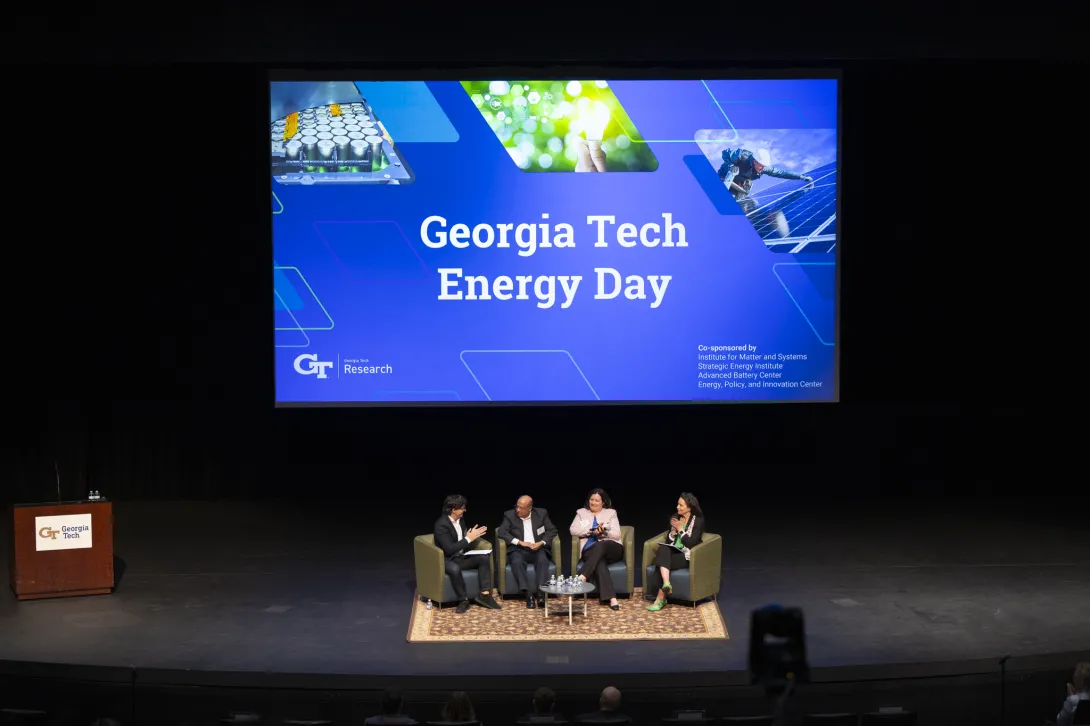
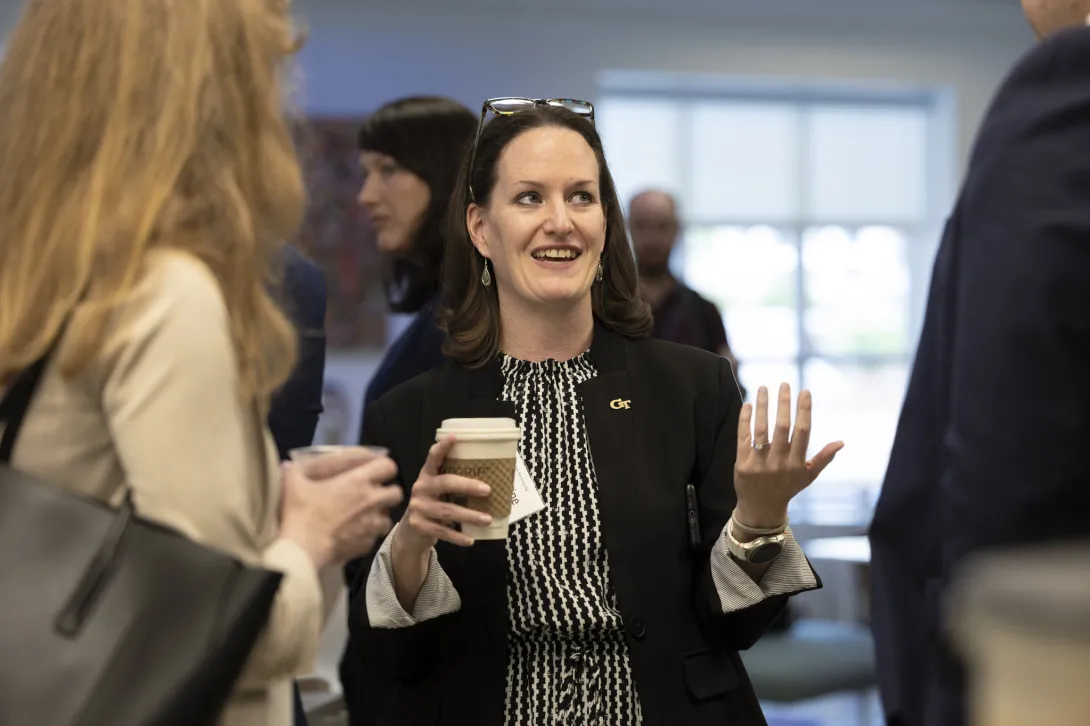
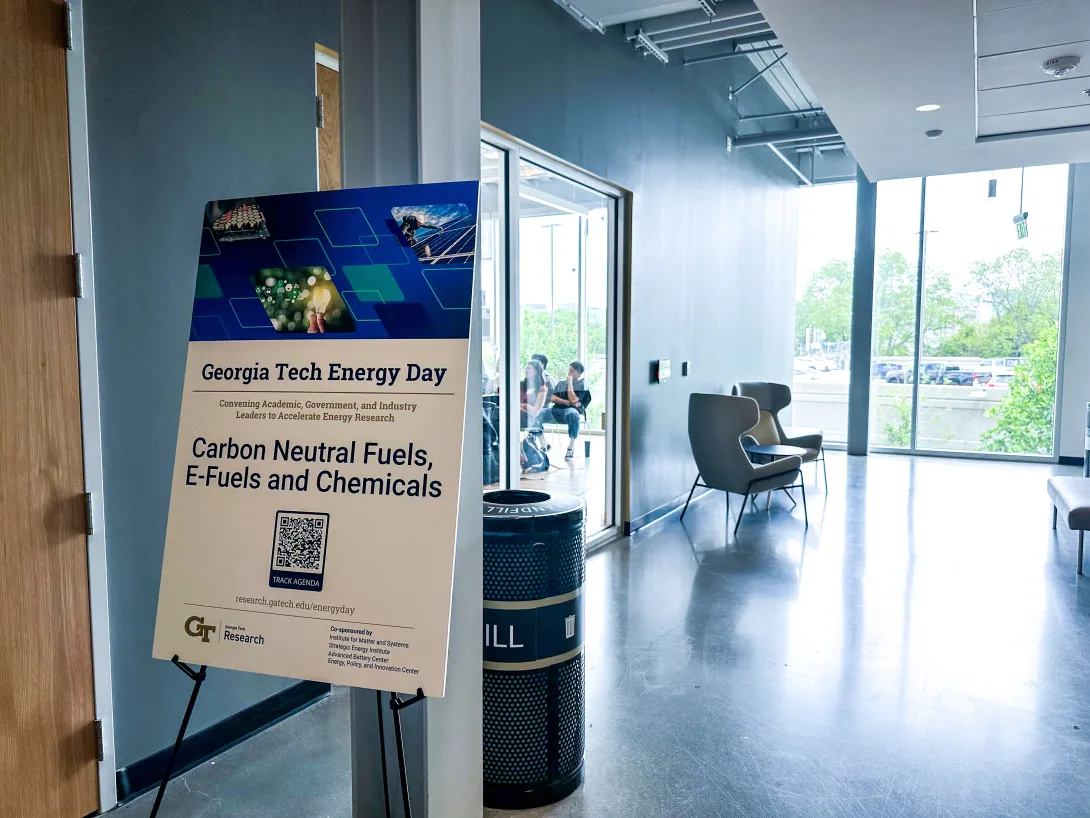
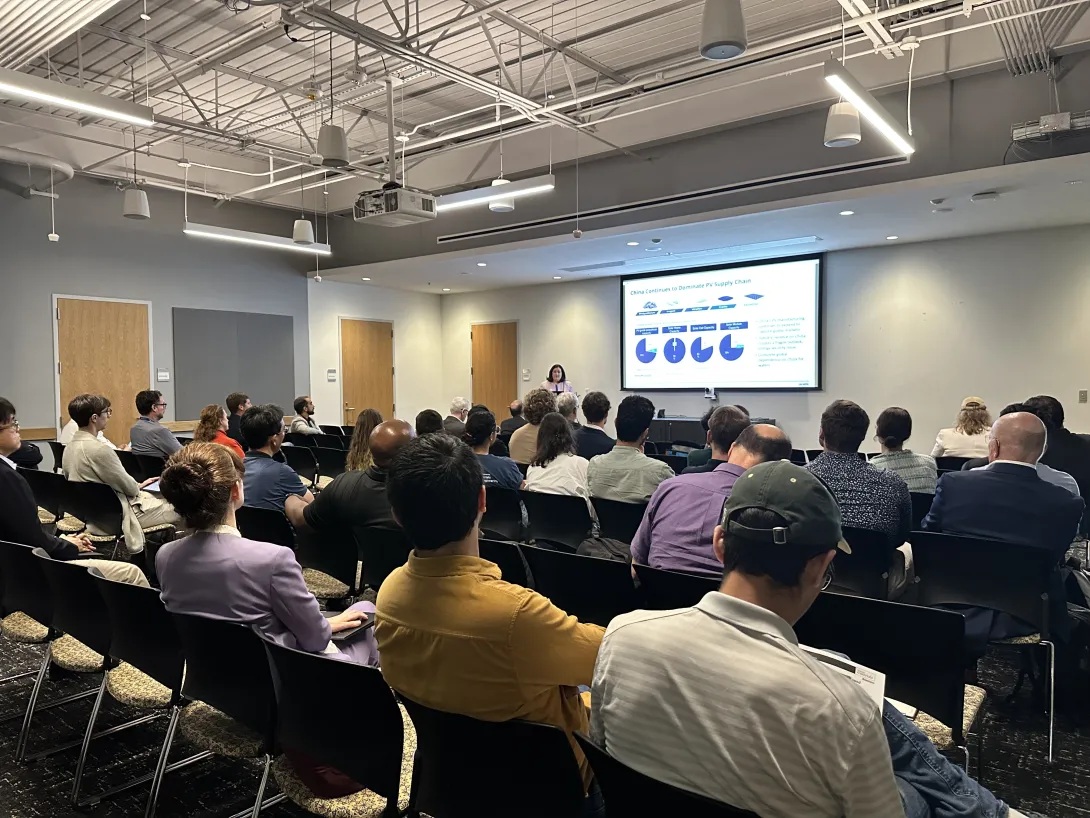
More than 300 people from industry, government, and academia converged on Georgia Tech’s campus for Energy Day. They gathered for discussion and collaboration on the topics of energy storage, solar energy conversion, and developments in carbon-neutral fuels.
Taking place on April 23, Energy Day was cohosted by Georgia Tech’s Institute for Matter and Systems (IMS), Strategic Energy Institute (SEI), the Georgia Tech Advanced Battery Center, and the Energy Policy and Innovation Center.
“The ideas coming out of Georgia Tech and other research universities can drive greater partnerships with our local and state officials. Whether you live in Georgia or elsewhere, we are changing how energy is viewed and consumed,” said Tim Lieuwen, Georgia Tech executive vice president for Research.
Energy Day 2025 is the latest evolution in a series of events that began as in 2023 Battery Day. As local and national energy research needs have evolved, the event has grown to highlight Georgia Tech, and the state of Georgia, as a go-to location for modern energy companies.
“At Georgia Tech, we approach energy holistically, leveraging innovative R&D, economic policy, community-building and strategic partnerships,” said Christine Conwell, SEI's interim executive director. “We are thrilled to convene this event for the third year. The keynote and sessions highlight our comprehensive strategy, showcasing cutting-edge advancements and collaborative efforts driving the next big energy innovations."
The day was divided into two parts: a morning session that included a keynote speaker and two panels, and an afternoon session with separate tracks addressing three different energy research areas. Speakers shared research being conducted at Georgia Tech, as well as updates from industry leaders, to create an open dialogue about current energy needs.
“We believe we can solve problems and build the economy when you bring various disciplines together and work from matter — the fundamental scientists and devices all the way out to final systems at large — economic systems, societal systems,” said Eric Vogel, executive director for IMS. “Not only did we share the latest research, but we discussed and debated how we can continue to transform the energy economy.”
Discussions ranged from adapting to rapid changes in battery storage to advancing photo-voltaic manufacturing in the U.S. to the environmental impacts and sustainable practices of e-fuels and renewable energy.
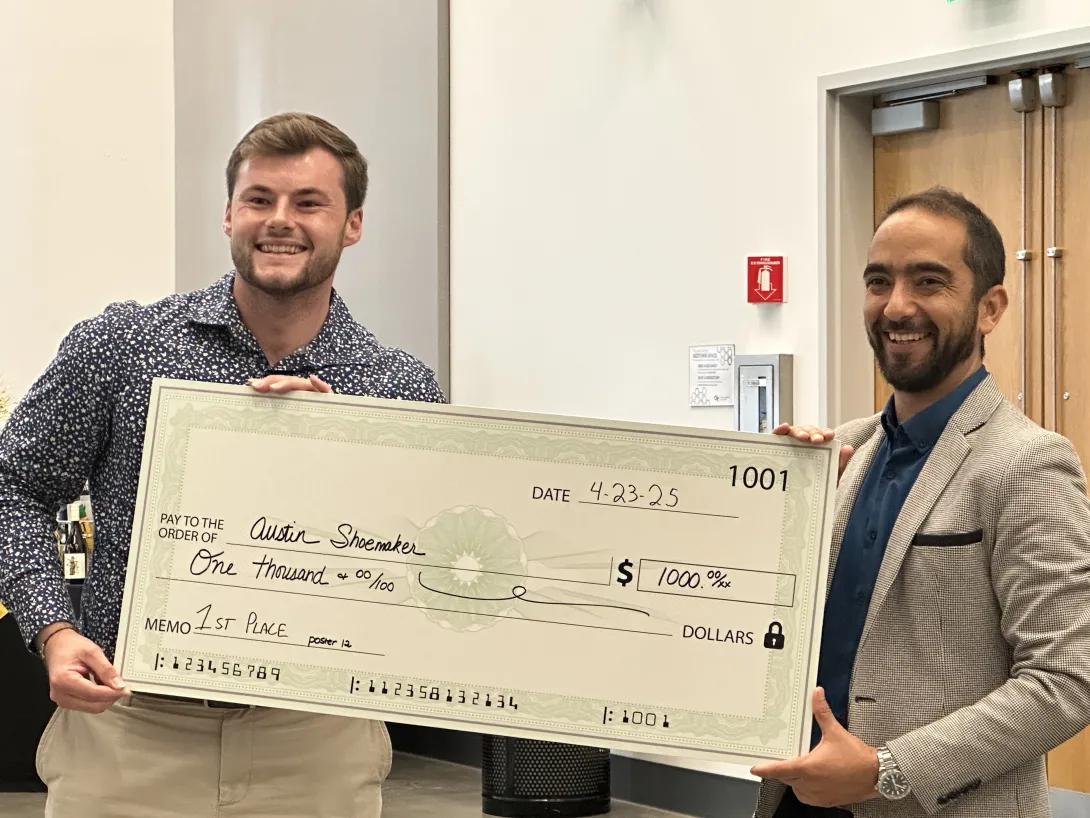
The day ended with a robust poster session that attracted more than 25 student posters presentations. Three were awarded best posters.
First place: Austin Shoemaker
Second Place: Roahan Zhang
Third Place: Connor Davel
Related Links:
Advancing Clean Energy: Georgia Tech Hosts Energy Materials Day
Georgia Tech Battery Day Reveals Opportunities in Energy Storage Research
News Contact
Amelia Neumeister | Research Communications Program Manager

Scott Duncan, SEI initiative lead for microgrids.
Scott Duncan leads the microgrid initiative at the Georgia Tech Strategic Energy Institute, principally facilitating access to the Tech Square Microgrid for Georgia Tech students and researchers. He is a senior research engineer within the School of Aerospace Engineering, where he is a member of the Digital Engineering Division of the Aerospace Systems Design Laboratory (ASDL).
In his current position, Duncan leads and manages multidisciplinary research teams in projects relating to terrestrial infrastructure systems, including community energy systems comprising grid-interactive efficient buildings, electrified loads, district thermal systems, distributed energy resources (DERs), and microgrids. The teams assess and support the design of these systems by applying techniques from data analysis, modeling and simulation, design space exploration, visualization, optimization, digital twinning, and model-based systems engineering. Duncan also supports the long-running Smart Campus Initiative between ASDL and Georgia Tech Infrastructure & Sustainability (I&S), where researchers analyze and model campus utility systems.
Duncan is a member of the American Institute of Aeronautics and Astronautics (AIAA), serving on its Terrestrial Energy Systems (TES) Technical Committee, as well as a member of the American Society of Heating, Refrigerating and Air-Conditioning Engineers.
Below is a brief Q&A with Duncan, where he discusses his research and how it influences the microgrids initiative at Georgia Tech.
- What is your field of expertise and at what point in your life did you first become interested in this area?
My expertise lies in systems engineering for managing energy infrastructure, with a recent focus on the “grid edge,” where demand-side systems like buildings and community-scale projects intersect with distributed energy resources (DERs) and wider utility grids. Initially, as a research engineer, I worked on optimizing combined cycle power plant design. Over the last decade, my research has shifted towardThank the increasing complexity of energy systems on the demand side, including electrified buildings and vehicle charging. Systems engineering involves techniques to understand, design, and manage large-scale systems, evaluating trade-offs and multi-objective goals. It is a privilege to work in this field, especially within the built environment, which is a burgeoning area for these techniques. Overall, I am passionate about orchestrating large systems rather than focusing on specific disciplinary sciences or smaller mechanical aspects.
- What questions or challenges sparked your current energy research? What are the big issues facing your research area right now?
Since my graduate studies at Georgia Tech, where I completed my Ph.D. in mechanical engineering and was affiliated with a sustainable design and manufacturing research group, I have been deeply interested in sustainability. My research on systems design and life cycle management led me to recognize energy as a critical element in sustainability. The conversation around climate impacts has shifted from avoidance to adaptation, highlighting the need for resilient energy systems. As a systems engineer, I find the complexity of managing interconnected energy systems fascinating. Understanding and co-managing these systems is crucial, as is demonstrating their effectiveness beyond simulations. Over the past few years, I have shifted toward more applied, infrastructure-as-a-laboratory experiments to address these challenges.
- What interests you the most leading SEI’s research initiative on microgrids? Why is your initiative important to the development of Georgia Tech’s energy research strategy?
I manage research operations for the Tech Square Microgrid (TSMG), which was established in partnership with Georgia Power and Southern Company. This urban microgrid serves as a resiliency resource for part of the data center on the Coda block and as a test bed for innovative experiments. Although the TSMG project predates my involvement, I have the privilege of coordinating its broader use by the Georgia Tech community. My work focuses on creating a living lab for microgrids, balancing the operation of a real system with accessibility for research and education. This involves managing the complexity of interconnected systems and ensuring their components are understood and effectively deployed. U.S. national labs and funding agencies are interested in such dual-purpose systems that demonstrate real-world applications while pushing the boundaries of current performance. Over the past few years, I have shifted toward more applied, infrastructure-as-a-laboratory experiments to address these challenges.
We have been collecting several years of streaming data from approximately 800 different parameters of the microgrid. This data is stored in a historian and made accessible to the Georgia Tech community, allowing us to observe the grid while Georgia Power maintains its operations. We have accumulated valuable data on operations, status, and faults, which is available to certain parts of the Georgia Tech community. Our goal is to expand access and build a collective understanding and knowledge around this data. We are especially interested in finding data scientists to help maximize the use of data in understanding TSMG behaviors.
- What are the broader global and social benefits of the research you and your team conduct on microgrids?
The research conducted by my team on microgrids offers significant global and social benefits, particularly in the realm of decarbonization. By integrating non-dispatchable renewable energy sources such as solar and wind with dispatchable storage solutions, fuel cells, and reciprocating engines, we aim to create a resilient and stable energy grid. This microgrid not only supports high-performance computing assets at Georgia Tech but also serves as a demonstrator for backup alternatives and their interoperability. Our work provides valuable insights into the strengths and weaknesses of different energy sources and storage options, contributing to the broader goal of increasing renewable energy use while supporting grid stability.
- What are your plans for engaging a wider Georgia Tech faculty pool with the broader energy community?
To engage a wider Georgia Tech faculty pool with the broader energy community, we are building a community around the Tech Square Microgrid. This initiative fosters collaboration and knowledge sharing among Georgia Tech faculty, Georgia Power, and Southern Company. We have set up a Microsoft Teams site for collaboration and understanding of the microgrid, allowing users to access documents, models, and data. This platform encourages innovative experiments and supports both educational and research purposes. Interested Georgia Tech members can contact me or use this Microsoft Forms link to gain access, ask questions, and share knowledge. We are continuously refining this approach and seeking more participants to expand our community.
- What are your hobbies?
These days, my hobbies revolve around spending time with my family, including hiking and traveling. My kids are developing interests in chess, sports, and engineering, which has rekindled my own passion for technical pursuits and outdoor activities. I also enjoy music and tinkering with new technologies like devices, 3D printing, and software engineering.
- Who has influenced you the most?
I realize my outlook on life is shaped by a mosaic of influences. As a systems engineer, I appreciate the interconnectedness of various elements. But I’d say that my parents, both psychology professors, have been particularly influential. Their academic lifestyle and mode of inquiry inspired me, and their approach to engaging with students and fostering curiosity has been a primary influence in my life.
News Contact
Priya Devarajan || Research Communications Program Manager
EmCool, a Georgia Tech spinout, is tackling one of tech’s biggest challenges: overheating.Developed by Ph.D. alum Daniel Lorenzini, EmCool’s patented microfluidic cooling system is embedded directly into silicon chips—making it faster, smaller, and more efficient than traditional fans or heat sinks.
What’s the hottest thing in electronics and high-performance computing? In a word, it’s “cool.”
To be more precise, it’s a liquid cooling system developed at Georgia Tech for electronics aimed at solving a long-standing problem: overheating.
Developed by Daniel Lorenzini, a 2019 Tech graduate who earned his Ph.D. in mechanical engineering, the cooling system uses microfluidic channels — tiny, intricate pathways for liquids — that are embedded within the chip packaging.
He worked with VentureLab, a Tech program in the Office of Commercialization, to spin his research into a startup company, EMCOOL, headquartered in Norcross.
“Our solution directly addresses the heat at the source of the silicon chip and therefore makes it faster,” Lorenzini said. “Our design has our system sitting directly on the silicon chips that generate the most heat. Using the fluids in the micro-pin fins, it carries the heat that’s produced away from the chip.”
That cooling solution is directly integrated into the electronic components, making it significantly more efficient than conventional cooling methods, because it enhances the heat dissipation process.
The result is a much lower risk of overheating and reduced power consumption, he said.
Lorenzini, who researched and refined the technology in the lab of Yogendra Joshi at the George W. Woodruff School of Mechanical Engineering, was awarded a patent for the technology in September 2024.
Now, EMCOOL, which has five empoloyees, is actively pursuing venture capital funding to scale its technology and address the escalating thermal management challenges posed by AI processors in modern data centers.
The system uses a cooling block with tiny, pin-like fins on one side and a special thermal interface material on the other. There's also a junction attached to the block, with ports for the fluid to flow in and out. The cooling fluid moves through the micro-pin fins and helps to carry away the heat.
Since the ports are designed to match the shape of the fins, it ensures that the fluid flows efficiently and the heat is dissipated as effectively as possible at chip-scale.
As electronic devices — from high-performance personal computers to data centers used for artificial intelligence processing — become more powerful, they generate more heat. This excess heat can damage components or cause the device to underperform.
Traditional cooling methods, which include fans or heat sinks, often struggle to keep pace with the increasing demands of the newer model electronics. Lorenzini’s microfluidic system addresses the challenge of overheating with his patented, more effective, compact, and integrated cooling solution.
With the guidance of Jonathan Goldman, director of Quadrant-i in Tech’s Office of Commercialization, Lorenzini secured grant funding through the National Science Foundation and the Georgia Research Alliance to further the research and build design prototypes.
“We immediately had the sense there was commercial potential here,” Goldman said. “Thermal management, or getting rid of heat, is a ubiquitous problem in the computer industry, so when we saw what Daniel was doing, we immediately began to engage with him to understand what the commercial potential was.”
Indeed, the initial focus for the technology was the $159 billion global electronic gaming market. Gamers need a lot of computing power, which generates a lot of heat, causing lag.
But beyond gaming systems, the company, which manufactures custom cooling blocks and kits at its Norcross facility, is eyeing more sectors, which also suffer from overheating, Goldman said.
The technology addresses similar overheating electronics challenges in high-performance computing, telecommunications, and energy systems.
“This work propels us forward in pushing the boundaries of what traditional cooling technologies can achieve because by harnessing the power of microfluidics, EMCOOL's systems offer a compact and energy-efficient way to manage heat,” Goldman said. “This has the potential to revolutionize industries reliant on high-performance computing, where heat management is a constant challenge.”
News Contact
Péralte C. Paul
peralte@gatech.edu
404.316.1210

Railroads are key components of the nation’s critical infrastructure. Jeremy Epstein poses with rail cars on a siding. (Credit: Sean McNeil, GTRI)
To be based at the Georgia Tech Research Institute (GTRI), Jeremy Epstein will serve as co-director of ICARIS, collaborating with PNNL co-director Danny Herrera to identify and develop ways to confront threats against the nation’s critical infrastructure. He will also serve as an adjunct professor in Georgia Tech’s School of Cybersecurity and Privacy, which is partnering with GTRI.
ICARIS was formed to serve as the leading national resource for delivering the technologies, testbeds, and talent necessary to serve the nation’s critical infrastructure.
“Anyone using a mobile phone or laptop computer, watching television, driving a modern vehicle, traveling on a highway controlled by traffic signals – or using electricity for most any purpose – is subject to cybersecurity and privacy issues,” said Epstein. “Everything is now computer-controlled, and the security opportunities are there for deliberate adversaries at the nation-state level or malicious actors. We have to look at the big picture and not simply solve challenges one at a time.”
News Contact
Media Inquiries
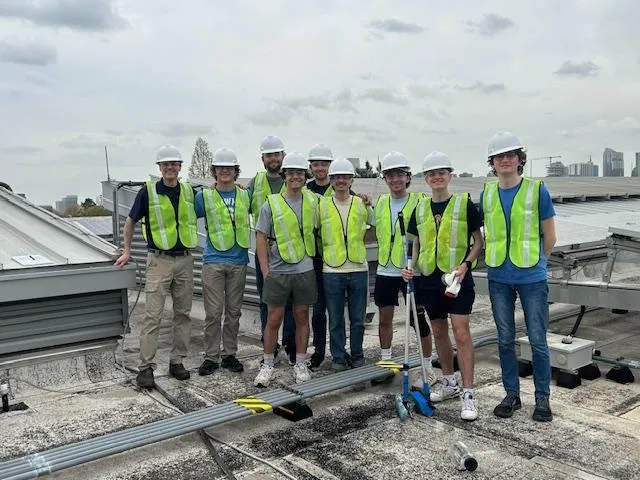
Georgia Tech Beautification Day student volunteers along with Rich Simmons, SEI's director of research and studies, on the rooftop of CNES building with the solar panels in the background
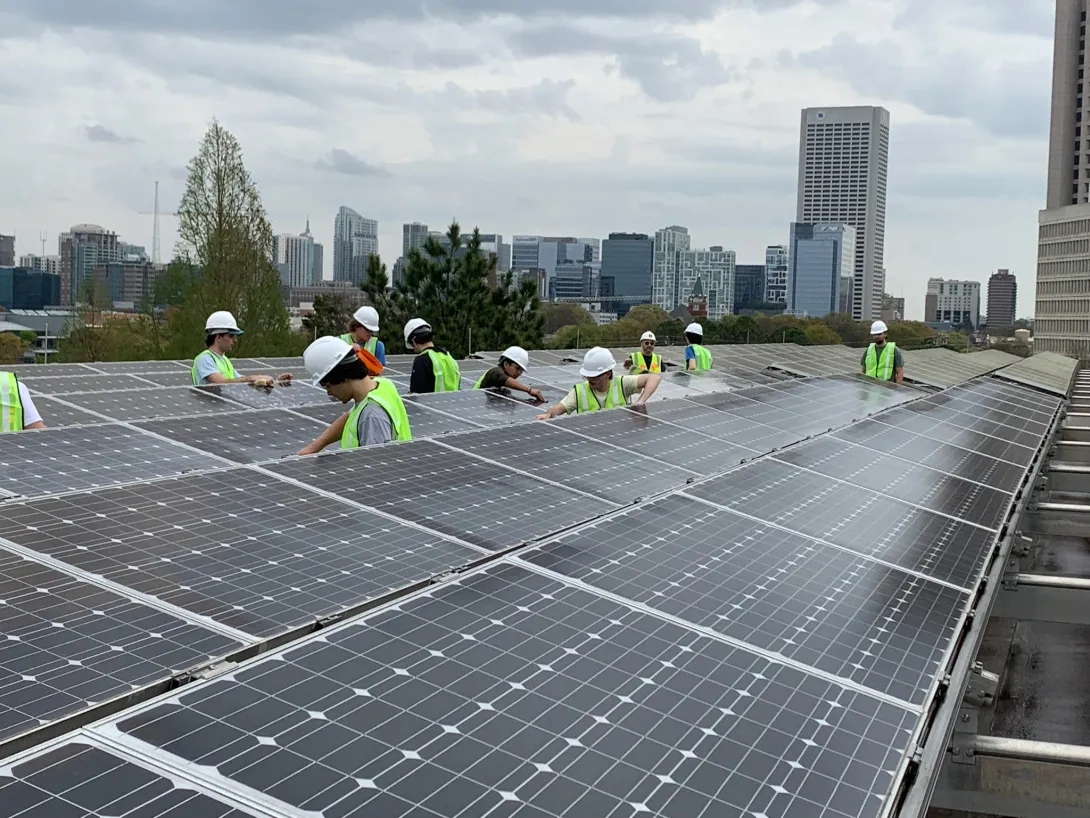
Georgia Tech students busy cleaning the solar PV arrays on the rooftop of the carbon neutral energy solutions building during Georgia Tech Beautification Day
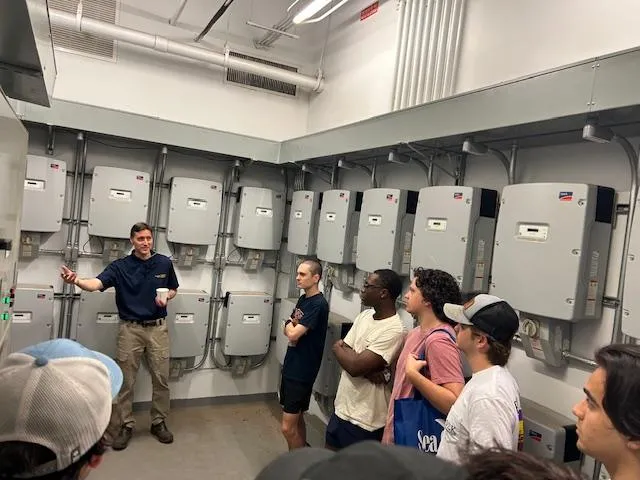
Rich Simmons, providing a tour of the inverter room in the CNES building to the student volunteers
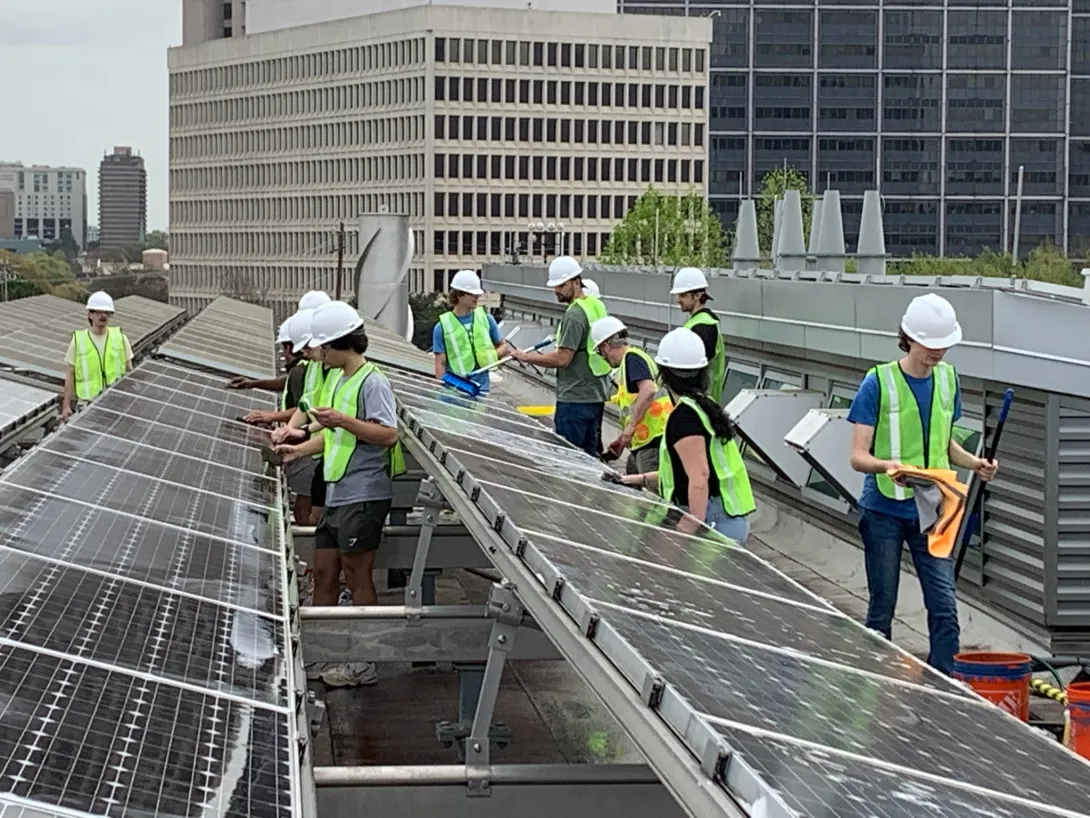
Student volunteers busy at work cleaning the solar panels
On a cloudy spring day in Atlanta, Rich Simmons, director of research and studies at the Georgia Tech Strategic Energy Institute (SEI), led a group of a dozen student volunteers to the roof of the Carbon Neutral Energy Solutions Laboratory (CNES). The students were part of the nearly 300 student volunteers participating in Georgia Tech Beautification Day and visited CNES to clean the building’s rooftop solar array made of photovoltaic (PV) panels. The CNES building entered operation in 2011 and its panels have accumulated grime over the years, impacting their efficiency.
Simmons explained the importance of this project, emphasizing how cleaning the panels restores their efficiency and contributes to ongoing research. "We've used this project to better understand PV efficiency in an urban environment and have instrumented the newly cleaned arrays to continue monitoring. An initial study last year suggested efficiency could increase by 10-20% just from a thorough cleaning. This project is both a handy research tool, an educational conduit, and a means of campus engagement related to sustainability," he shared.
Safety was paramount, and proactive communication between the research, health and safety, and infrastructure and sustainability teams ensured a successful event. Equipped with hard hats, eye protection, and high-visibility safety vests, the students scrubbed the panels with sponges and bristle brushes. The hands-on experience was both educational and rewarding.
After cleaning, Simmons led the group to the inverter room, where the DC electricity generated by the panels is converted into AC so that it can be consumed within the building or exported to the campus grid. He explained that excess solar power can also be stored in the newly installed 150-kWh Stryten battery system or used to charge campus vehicles through the newly installed EV chargers in the building’s parking lot. He demonstrated how magnetic monitoring devices measure the electricity produced by the arrays, allowing for a comparison of the efficiency of panels that were just cleaned, to those that were cleaned last year, and those that have never been cleaned in the 13 years since their installation.
Through initiatives like this, Georgia Tech continues to lead in research and education, inspiring the next generation of innovators and problem-solvers.
This article was written with the assistance of Microsoft Copilot (Apr. 9, 2025) and edited by Georgia Tech EPIcenter's Gilbert X. Gonzalez and Rich Simmons.
News Contact
Priya Devarajan | Research Communications Program Manager
Written by: Gilbert Gonzalez, Rich Simmons, EPIcenter