
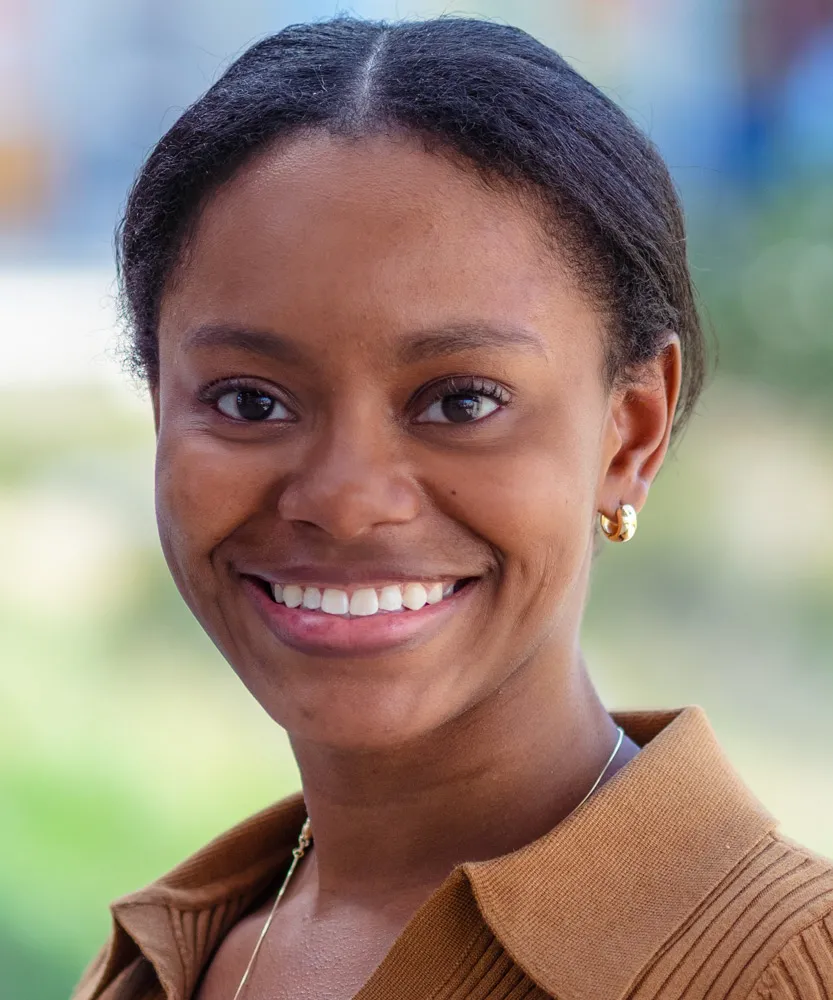
Using what she learned from her PIN fellowship, Iesha Baldwin now serves as the inaugural sustainability coordinator for Spelman College.
Whether it’s typing an email or guiding travel from one destination to the next, artificial intelligence (AI) already plays a role in simplifying daily tasks.
But what if it could also help people live more efficiently — that is, more sustainably, with less waste?
It’s a concept that often runs through the mind of Iesha Baldwin, the inaugural Georgia AIM Fellow with the Partnership for Inclusive Innovation (PIN) at the Georgia Institute of Technology’s Enterprise Innovation Institute. Born out of the Georgia Tech Manufacturing Institute, the Georgia AIM (Artificial Intelligence in Manufacturing) project works with PIN fellows to advance the project's mission of equitably developing and deploying talent and innovation in AI for manufacturing throughout the state of Georgia.
When she accepted the PIN Fellowship for 2023, she saw an opportunity to learn more about the nexus of artificial intelligence, manufacturing, waste, and education. With a background in environmental studies and science, Baldwin studied methods for waste reduction, environmental protection, and science education.
“I took an interest in AI technology because I wanted to learn how it can be harnessed to solve the waste problem and create better science education opportunities for K-12 and higher education students,” said Baldwin.
This type of unique problem-solving is what defines the PIN Fellowship programs. Every year, a cohort of recent college graduates is selected, and each is paired with an industry that aligns with their expertise and career goals — specifically, cleantech, AI manufacturing, supply chain and logistics, and cybersecurity/information technology. Fellowships are one year, with fellows spending six months with a private company and then six months with a public organization.
Through the experience, fellows expand their professional network and drive connections between the public and private sectors. They also use the opportunity to work on special projects that involve using new technologies in their area of interest.
With a focus on artificial intelligence in manufacturing, Baldwin led an inventory management project at the Georgia manufacturer Freudenberg-NOK, where the objective was to create an inventory management system that reduced manufacturing downtime and, as a result, increased efficiency, and reduced waste.
She also worked in several capacities at Georgia Tech: supporting K-12 outreach programs at the Advanced Manufacturing Pilot Facility, assisting with energy research at the Marcus Nanotechnology Research Center, and auditing the infamous mechanical engineering course ME2110 to improve her design thinking and engineering skills.
“Learning about artificial intelligence is a process, and the knowledge gained was worth the academic adventure,” she said. “Because of the wonderful support at Georgia Tech, Freudenberg NOK, PIN, and Georgia AIM, I feel confident about connecting environmental sustainability and technology in a way that makes communities more resilient and sustainable.”
Since leaving the PIN Fellowship, Baldwin connected her love for education, science, and environmental sustainability through her new role as the inaugural sustainability coordinator for Spelman College, her alma mater. In this role, she is responsible for supporting campus sustainability initiatives.
News Contact
Kristen Morales
Marketing Strategist
Georgia Artificial Intelligence in Manufacturing
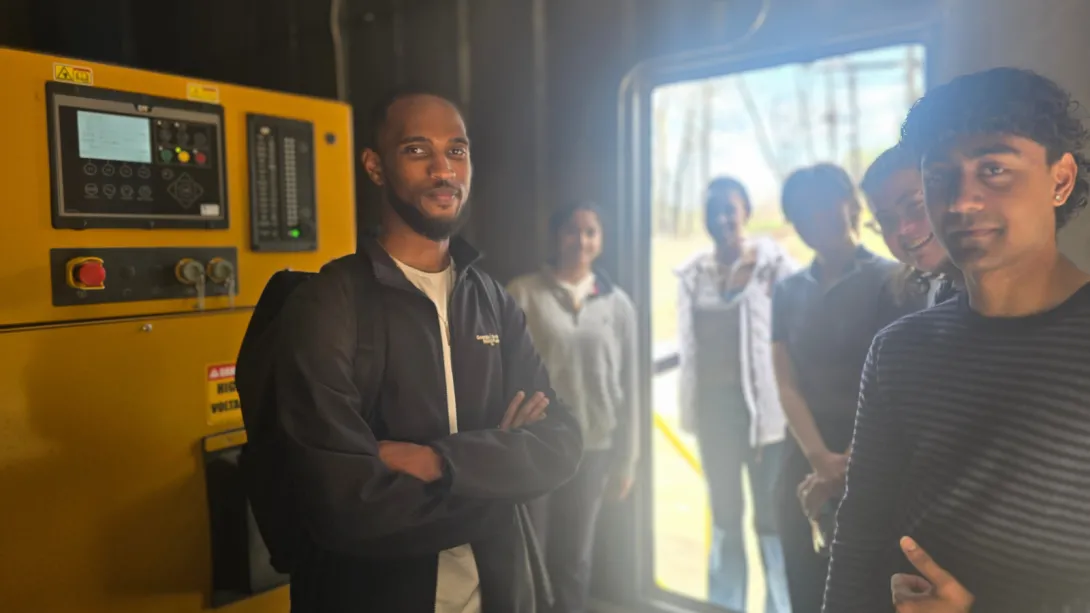
Students in the GROWER VIP on a site visit to Cobb EMC, a non-profit electric utility company, this spring.
Georgia Tech's new GROWER VIP is creating the country's most comprehensive real-time power outage tracker for research use. The database will help researchers explore questions about the causes and effects of power outages and how policy interventions can help strengthen grid resilience.
Why now?
This understanding is urgent in the wake of increasingly extreme climate change-driven weather events and natural disasters, as well as the federal government’s investment of more than $15 billion in grid modernization under the Inflation Reduction Act and Bipartisan Infrastructure Law.
The database will help researchers learn more about the causes of outages and their societal impacts, such as on housing prices, business activity, public health, and crime. It will also help them obtain greater insight into which communities experience the most frequent and longest outages and what can be done to help.
How does it work?
- Utility companies report real-time power outages, but the data is fractured across different service territories and states.
- Users can’t download data directly, making the information difficult to use for research and evaluation.
- Because of this, it's hard for researchers and agencies to understand the extent and scope of problems with the energy grid.
To address these challenges, the GROWER team developed algorithms and web scrapers. They use Amazon Web Services to crawl the utility websites every 15 minutes and collect the power outage data for many states in one place.
Who’s Involved?
The Grid Resilience, Outage, Weather, and Emergency Response (GROWER) Lab is a Vertically Integrated Project launched in 2024 by faculty and students in the Ivan Allen College of Liberal Arts and the College of Engineering.
Brian Y. An, an assistant professor in the School of Public Policy, and Constance Crozier, an assistant professor in the School of Industrial and Systems Engineering, lead the project alongside John Kim, the lab manager and a public policy Ph.D. student. The group includes 15 students in computer science, city and regional planning, business, public policy, and industrial systems and engineering programs.
What’s Next?
The GROWER team has already begun applying findings from the dataset to research questions.
They are writing a paper based on data showing that racial and ethnic minorities experience more frequent and longer power outages than other groups and have also begun examining the effects of power outages on crime and medical emergencies.
This summer, they will partner with the Oak Ridge National Laboratory to provide technical assistance to the Department of Energy Grid Deployment Office, which is the lead federal agency administering grid modernization grants.
“It is incredibly rewarding to connect with research groups in and out of Georgia Tech who share this vision with us,” An said. “We’re excited to conduct robust research that will inform real-word policy making across the country."
News Contact
Di Minardi
Ivan Allen College of Liberal Arts

Ioanna Maria Spyrou, a Ph.D. candidate in the School of Economics, uses artificial intelligence (AI) and machine learning to predict food insecurity in Africa.
She hopes the tool she’s developing can help policymakers and community organizations implement more timely and targeted interventions to alleviate hunger on the continent.
Why now?
- Nearly 150 million people in Sub-Saharan Africa lack access to the amount and quality of food they need.
- This is primarily due to armed conflicts and more frequent droughts and natural disasters from climate change.
- Understanding which factors impact food shortages the most can help communities plan ahead, adapt to new weather patterns, and be more resilient.
- Spyrou and her advisor, Professor Shatakshee Dhongde in the School of Economics, are working with data from Sudan, South Sudan, the Democratic Republic of the Congo, and Somalia and hope to eventually expand to include more countries.
What’s new?
Other algorithms incorporate machine learning and AI to predict when and where food shortages will occur.
However, Dhongde and Spyrou’s approach is unique because it uses recent data from 2020 to 2023 and includes additional predictors, such as monthly data on conflict, which can be a powerful driver of food insecurity in Africa. (The Africa Center for Strategic Studies says 82% of people experiencing hunger on the continent live in countries in conflict.). Changing weather patterns also means relying on historical data no longer gives accurate information.
“By identifying which factors contribute most to food insecurity in different regions, we can adapt agricultural systems, try new strategies, and build stronger social networks and support systems,” Spyrou said.
What’s next?
Spyrou and Dhongde are working to determine how accurately they can predict food insecurity in Africa with these inputs, and they are optimistic about the results.
They hope the tool can eventually help policymakers, aid organizations, and communities do more with less.
“AI enables us to analyze these large datasets quickly and accurately and create real-time predictions," Dhongde said. "The ultimate goal is to achieve food security and end a crisis that is getting worse and worse.”
News Contact
Di Minardi
Ivan Allen College of Liberal Arts
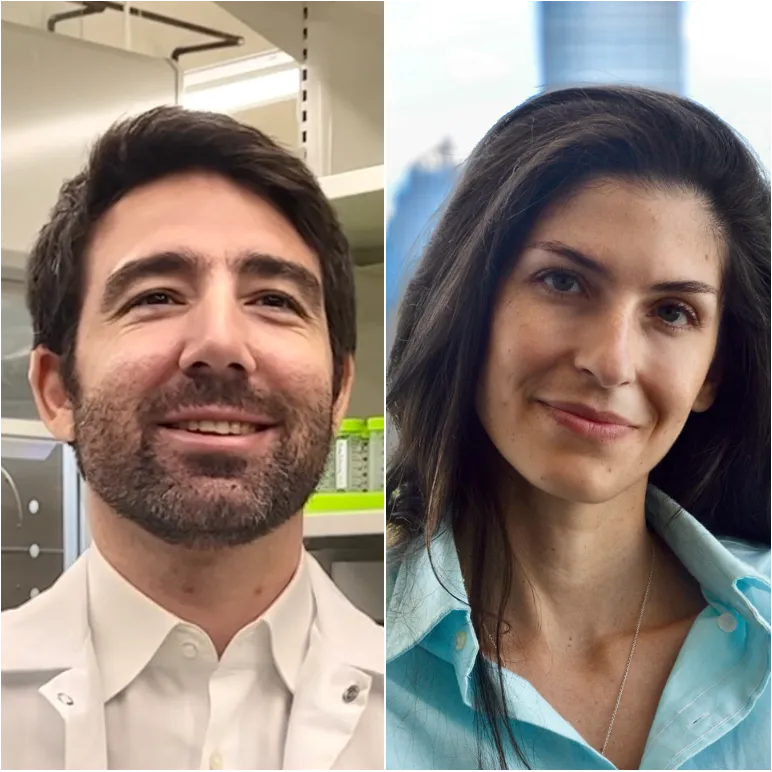
Patricia Stathatou and Christos Athanasiou at Georgia Tech
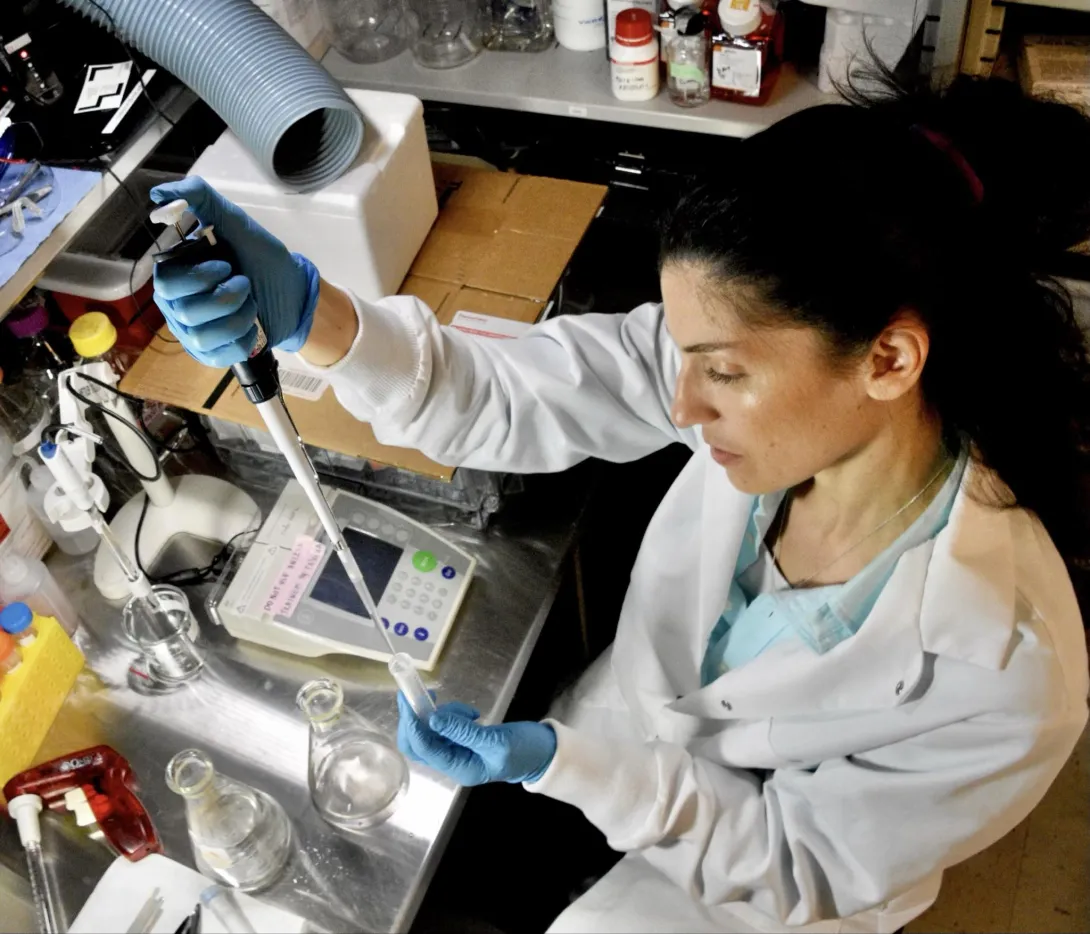
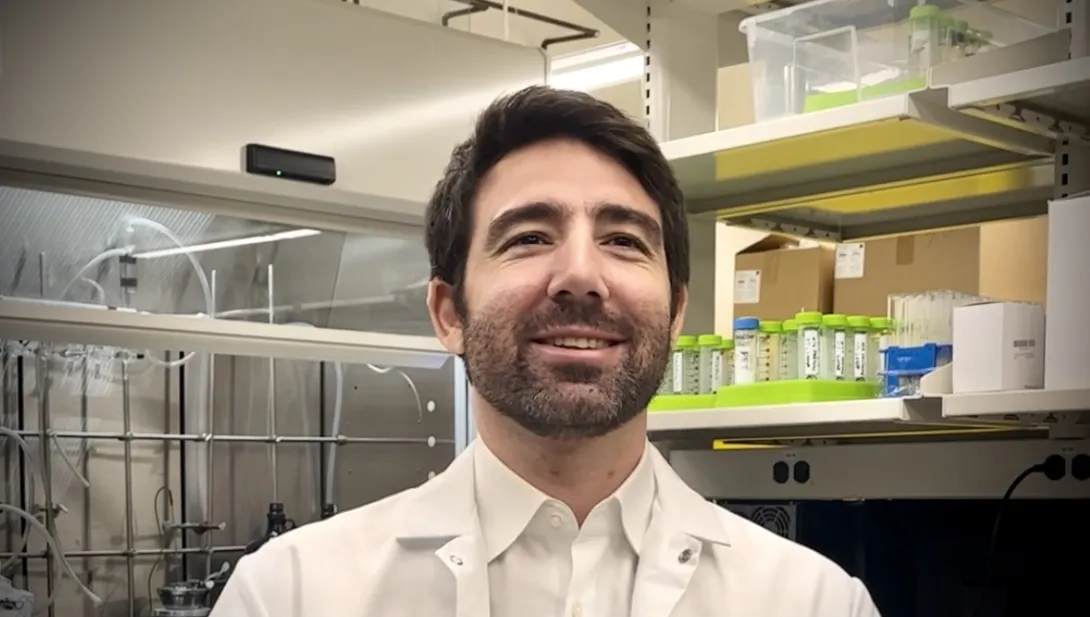

When looking for an environmentally friendly and cost-effective way to clean up contaminated water and soil, Georgia Tech researchers Patricia Stathatou and Christos Athanasiou turned to yeast. A cheap byproduct from fermentation processes — e.g., something your local brewery discards in mass quantities after making a batch of beer — yeast is widely known as an effective biosorbent. Biosorption is a mass transfer process by which an ion or molecule binds to inactive biological materials through physicochemical interactions.
When they initially studied this process, Stathatou and Athanasiou found that yeast can effectively and rapidly remove trace lead — at challenging initial concentrations below one part per million — from drinking water. Conventional water treatment methods either fail to eliminate lead at these low levels or result in high financial and environmental costs to do so. In a paper published today in RSC Sustainability, the researchers show how this process can be scaled.
“If you put yeast directly into water to clean it, you will need an additional treatment step to remove the yeast from the water afterward,” said Stathatou, a research scientist at the Renewable Bioproducts Institute and an incoming assistant professor at the School of Chemical and Biomolecular Engineering. “To implement this process at scale without requiring additional separation steps, the yeast cells need a housing.”
“Additionally, because yeast is abundant— in some cases, brewers even pay companies to haul it away as a waste byproduct — this process gives the yeast a second life,” said Athanasiou, an assistant professor in the Daniel Guggenheim School of Aerospace Engineering. “It’s a plentiful low, or even negative, value resource, making this purification process inexpensive and scalable.”
To develop a housing for the yeast, Stathatou and Athanasiou partnered with MIT chemical engineers Devashish Gokhale and Patrick S. Doyle. Gokhale and Stathatou are the lead authors of this new study that demonstrates the yeast water purification process’s scalability.
“We decided to make these hollow capsules— analogous to a multivitamin pill — but instead of filling them up with vitamins, we fill them up with yeast cells,” Gokhale said. “These capsules are porous, so the water can go into the capsules and the yeast are able to bind all of that lead, but the yeast themselves can’t escape into the water.”
The yeast-laden capsules are sufficiently large, about half a millimeter in diameter, for easy separation from water by gravity. This means they can be used to make packed-bed bioreactors or biofilters, with contaminated water flowing through these hydrogel-encased yeast cells and coming out clean.
Stathatou and Athanasiou envision using these hydrogel yeast capsules in small biofilters consumers can put on their kitchen faucets, or biofilters large enough to fit municipal or industrial wastewater treatment systems. But to enable such scalability, the yeast-laden capsules’ ability to withstand the force generated by water flowing inside such systems needed to be studied as well.
To determine this, Athanasiou tested the capsules’ mechanical robustness, which is how strong and sturdy they are in the presence of waterflow forces. He found they can withstand forces like those generated by water running from a faucet, or even flows like those in water treatment plants that serve a few hundred homes. “In previous attempts to scale up biosorption with similar approaches, lack of mechanical robustness has been a common cause of failure,” Athanasiou said. “We wanted to make sure our work addressed this issue from the very beginning to ensure scalability.”
“After assessing the mechanical robustness of the yeast-laden capsules, we made a prototype biofilter using a 10-ml syringe,” Stathatou explained. “The initial lead concentration of water entering the biofilter was 100 parts per billion; we demonstrated that the biofilter could treat the contaminated water, meeting EPA drinking water guidelines, while operating continuously for 12 days.”
The researchers hope to identify ways to isolate and collect specific contaminants left behind in the filtering yeast, so those too can be used for other purposes.
“Apart from lead, which is widely used in systems for energy generation and storage, this process could be used to remove and recover other metals and rare earth elements as well,” Athanasiou said. “This process could even be useful in space mining or other space applications.”
They also would like to find a way to keep reusing the yeast. “But even if we can’t reuse yeast indefinitely, it is biodegradable,” Stathatou noted. “It doesn’t need to be put into an industrial composter or sent to a landfill. It can be left on the ground, and the yeast will naturally decompose over time, contributing to nutrient cycling.”
This circular approach aims to reduce waste and environmental impact, while also creating economic opportunities in local communities. Despite numerous lead contamination incidents across the U.S., the team’s successful biosorption method notably could benefit low-income areas historically burdened by pollution and limited access to clean water, offering a cost-effective remediation solution. “We think there’s an interesting environmental justice aspect to this, especially when you start with something as low-cost and sustainable as yeast, which is essentially available anywhere,” Gokhale says.
Moving forward, Stathatou and Athanasiou are exploring other uses for their hydrogel-yeast purification method. The researchers are optimistic that, with modifications, this process can be used to remove additional inorganic and organic contaminants of emerging concern, such as PFAS — or “forever” chemicals — from the water or the ground.
Citation: Devashish Gokhale, Patritsia M. Stathatou, Christos E. Athanasiou, and Patrick S. Doyle, “Yeast-laden Hydrogel Capsules for Scalable Trace Lead Removal from Water,” RSC Sustainability. DOI:
Funding: Patricia Stathatou was supported by funding from the Renewable Bioproducts Institute at Georgia Tech. Devashish Gokhale was supported by the Rasikbhai L. Meswani Fellowship for Water Solutions and the MIT Abdul Latif Jameel Water and Food Systems Lab (J-WAFS).
News Contact
Shelley Wunder-Smith
Director of Research Communications
Georgia Institute of Technology
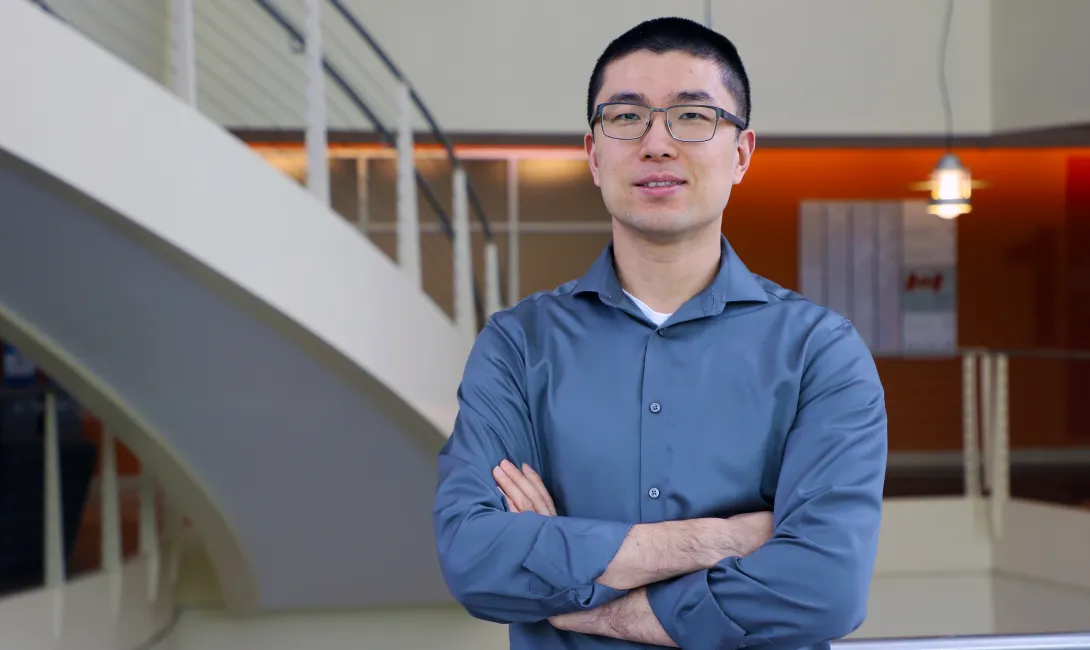
Jie He, assistant professor in the School of Earth and Atmospheric Sciences, wants to predict how rainfall will change in the presence of continuing climate change. — Photo by Jerry Grillo
Georgia Tech researcher Jie He set out to predict how rainfall will change as Earth’s atmosphere continues to heat up. In the process, he made some unexpected discoveries that might explain how greenhouse gas emissions will impact tropical oceans, affecting climate on a global scale.
“This is not a story with just one punch line,” said He, assistant professor in Georgia Tech’s School of Earth and Atmospheric Sciences, whose most recent work appeared in the journal Nature Climate Change. “I didn’t really expect to find anything this interesting—there were a few surprises.”
He is principal investigator of the Climate Modeling and Dynamics Group, which combines expertise in physics, mathematics, and computer science to study climate change. The team’s latest study, a collaboration with Mississippi State University and Princeton University, examines hydrological sensitivity in the planet’s three tropical basins: the central portions of both the Pacific and Atlantic oceans and most of the Indian Ocean, an equatorial belt girding the Earth between the Tropic of Cancer (north) and Tropic of Capricorn (south).
Hydrological sensitivity (HS) refers to the precipitation change per degree of surface warming. Hydrological sensitivity is a key metric researchers use in evaluating or predicting how rainfall will respond to future climate change. Positive HS indicates a wetter climate, while negative HS indicates a drier climate.
“The projection of hydrological sensitivity and future precipitation has been widely investigated, but most studies look at global averages — nobody had yet looked closely at each individual basin,” He said. “And the real impact on global climate change will come from the regional scale.”
In other words, what happens in tropical waters has far-reaching effects.
Long Reach of the Tropics
He wanted to specifically examine the tropical basins because they already have a well-known influence on remote locations: El Niños and La Niñas. These weather patterns that shift every couple of years are examples of tropical oceanic precipitation changes that have a global impact.
“These precipitation changes create heating and cooling in the atmosphere that set off atmospheric waves affecting remote climates across the globe,” He said. During El Niño winters, for example, the southeastern U.S. typically gets more precipitation than usual.
But El Niños and La Niñas are naturally occurring, whereas the tropical precipitation changes He identified are projected as outcomes of human-induced global warming — a simulation, part of a climate model.
Climate models are an essential tool for He and other researchers, who use them to simulate possible future scenarios. These are computer programs that rely on complex math equations to project the atmospheric interactions of energy and matter likely to occur across the planet.
What surprised He was the substantial difference in HS between tropical basins. Essentially, in He’s model the Pacific tropical basin has an HS more than twice as large as the Indian basin, with the Atlantic basin projected as a negative value.
“It was surprising because these differences can’t be explained by the mainstream theories on tropical precipitation changes,” He said. “In other words, none of the theories we knew would have predicted it.”
Modeling the Sensitive Future
The effects of such diverging hydrological sensitivity would be widespread, according to He. For example, his experiments suggest that the continental U.S. will get wetter, and the Amazon will become drier.
“If these model projections are true, these effects will materialize as the climate continues to warm,” said He, who can’t predict exactly how long it will be before these effects can be detected in actual observations of our three-dimensional world.
That’s because they only have reliable observations of oceanic tropical precipitation since 1979. Precipitation changes over decades are strongly affected by internal climate variability — that is, climate change that isn’t caused by humans. When human-induced precipitation changes are significantly greater than internal climate variability, we should be able to detect the wide-ranging effects of diverging hydrological sensitivity.
But the challenges of continuing climate change do not allow the luxury of waiting until every aspect of climate projection becomes a reality, He noted, adding, “We are relying on climate projections to some extent to guide our adaptation and mitigation plans. Therefore, it is important to study and understand the climate projections.”
Based on the scenario projected by climate models used in He’s research, the effects of El Niños and La Niñas on remote climates will become stronger.
“What we can imply is that this strengthening would be partly due to the diverging HS among tropical basins,” He concluded.
While the future effects of HS on El Niños and La Niñas weren’t discussed in this study, He believes it would make a very interesting research subject going forward.
News Contact
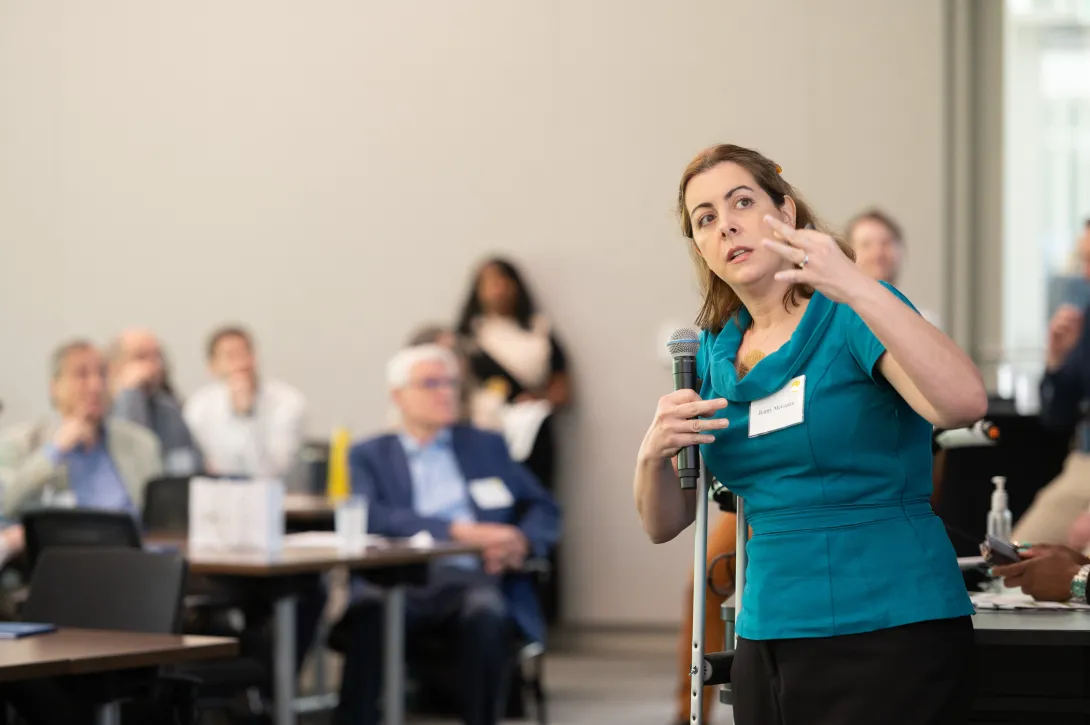
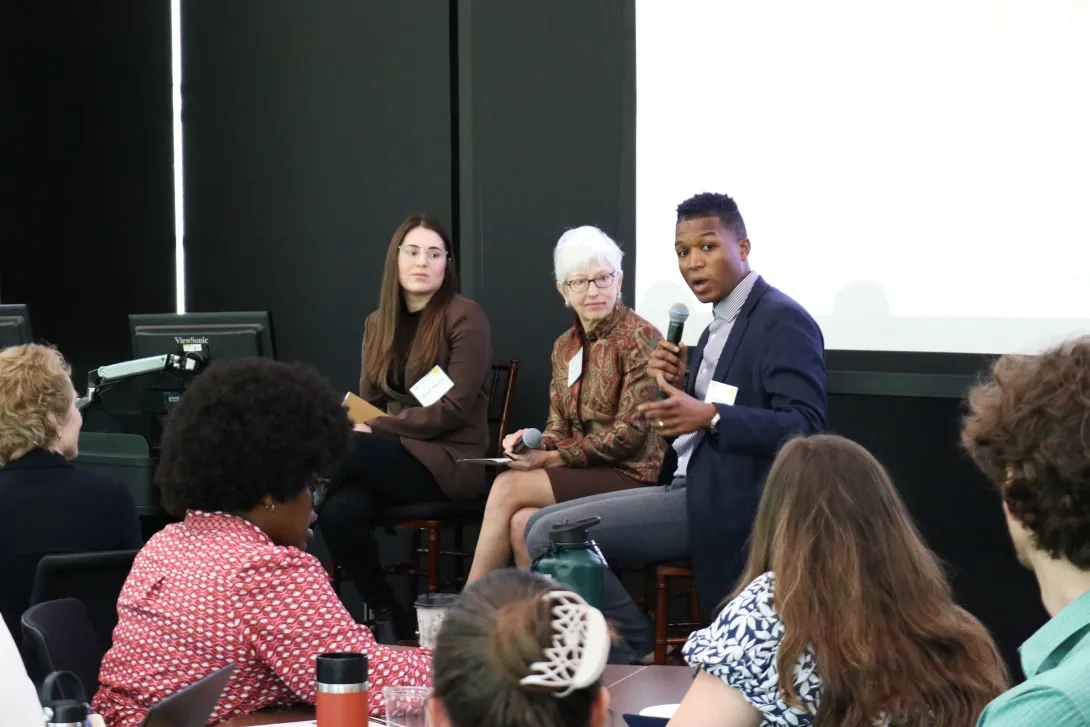
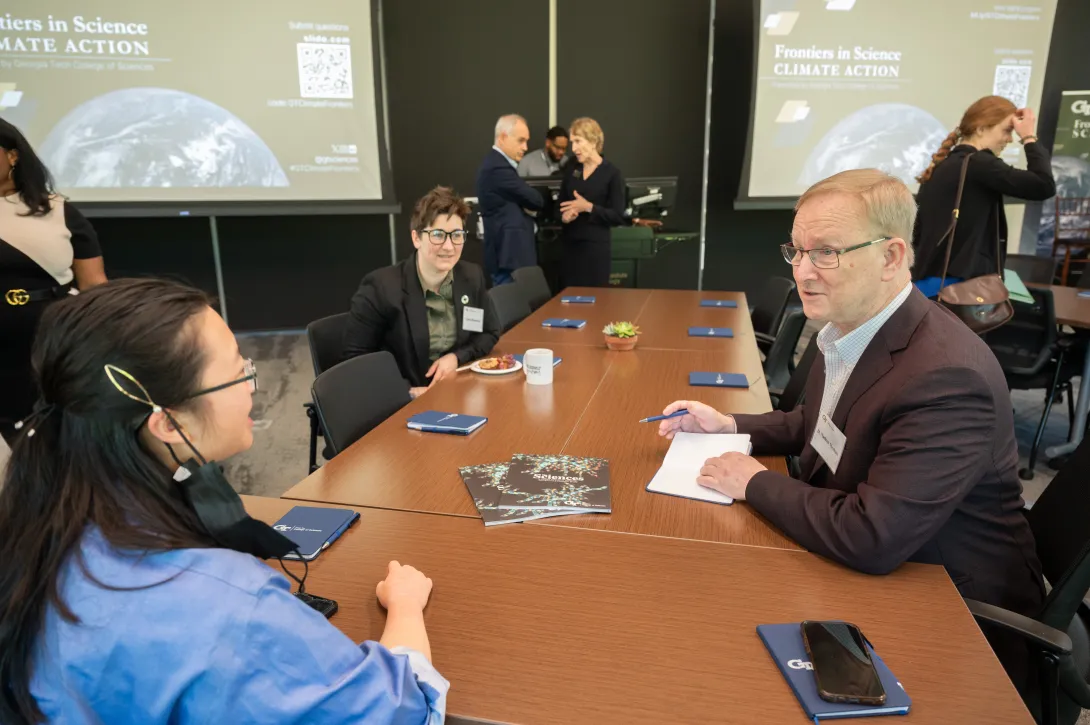
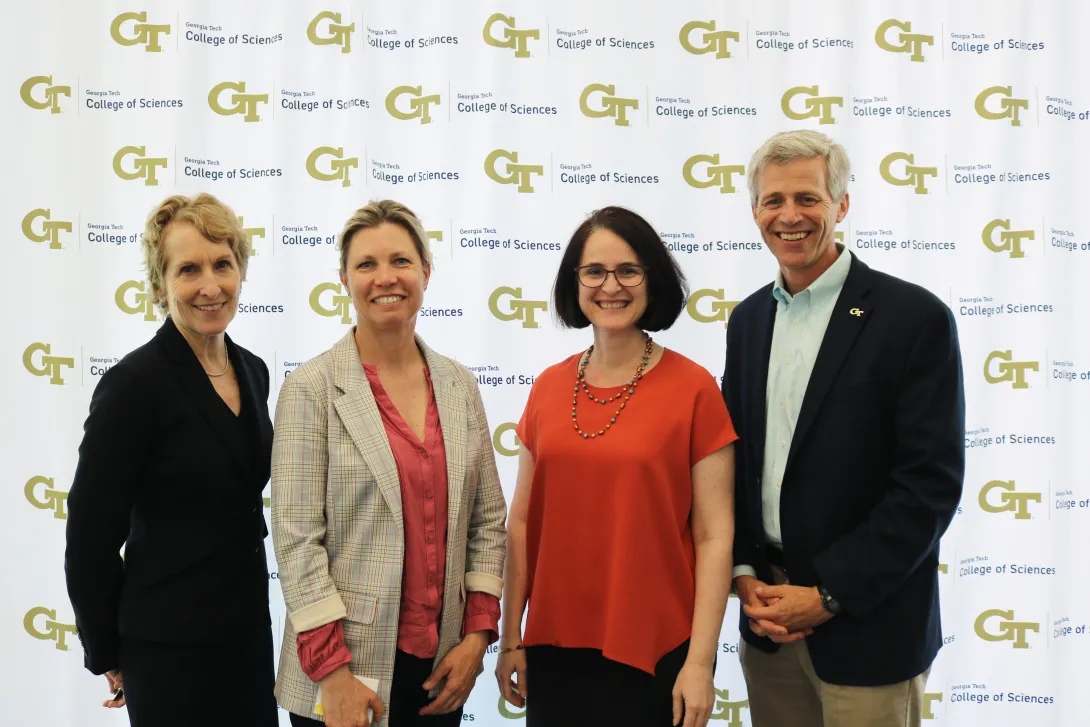
This Earth Month more than 100 campus and community stakeholders gathered near the Georgia Tech EcoCommons for the 2024 Frontiers in Science: Climate Action Conference and Symposium.
On April 18, the College of Sciences hosted more than 20 speakers and panelists from across the Institute and Atlanta community presenting groundbreaking research and discussing innovations and ideas in climate change, challenges, and solutions.
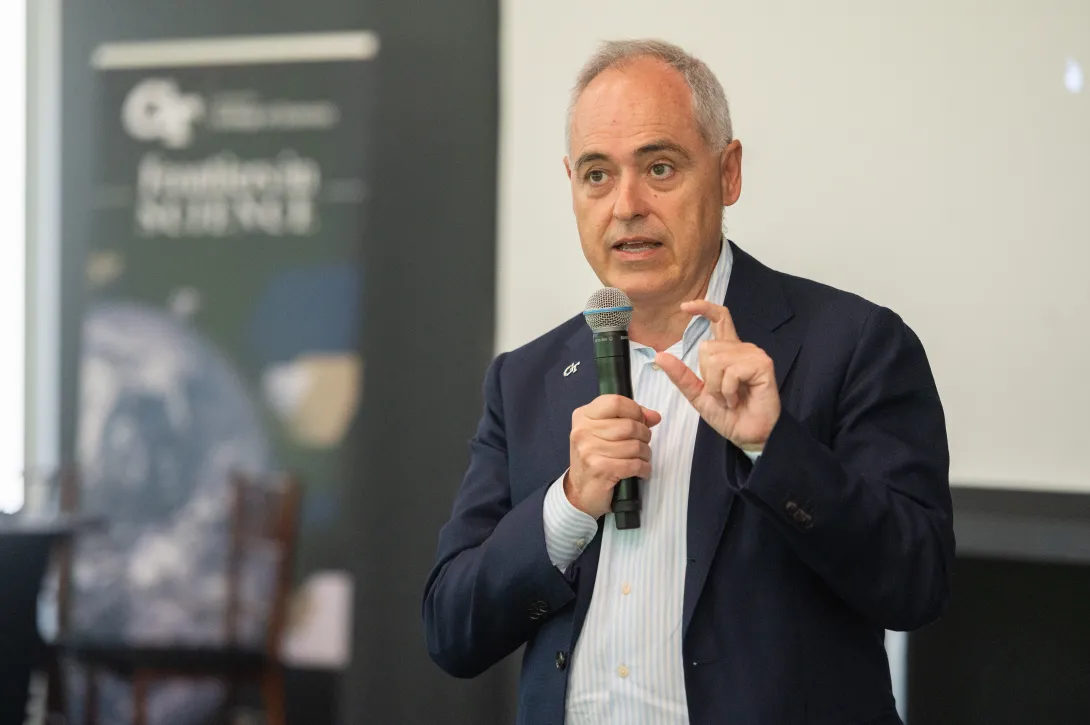
Georgia Tech President Ángel Cabrera (M.S. PSY 1993, Ph.D. PSY 1995) kicked off the morning sessions by highlighting the Institute’s new Climate Action Plan, which outlines the pathway to achieve net-zero emissions by 2050. Cabrera’s remarks focused on Georgia Tech’s role on the frontlines of research and education informing how we respond to climate challenges — and noted that the Institute’s work must extend beyond our laboratories and classrooms.
“It is essential that we not only do the science, but that we also tell that science to the world,” Cabrera says.
Interdisciplinary inquiry
This year, Frontiers in Science featured an array of climate research and initiatives led by the College of Sciences, fellow colleges across Georgia Tech, and the wider Atlanta community.
Following a three-year hiatus of the Frontiers series, the 2024 edition re-envisioned the signature annual event as a research conference and symposium to convene campus experts — and to incubate seed grant proposals to support the work of early career faculty.
Frontiers previously hosted Nobel laureates and invited thought leaders for individual talks across the College’s six schools, and celebrated milestones like the International Year of the Periodic Table of the Chemical Elements.
“This year, we wanted to showcase what we are doing right here in the College of Sciences and throughout the Institute,” says Susan Lozier, dean of the College of Sciences, Betsy Middleton and John Clark Sutherland Chair and professor in the School of Earth and Atmospheric Sciences. “Our faculty are at the forefront of broadening our knowledgebase and uncovering solutions in areas critical to the planet and our well-being. We wanted to uplift that work and see what sort of connections could be made.”
Connections and collaboration were key themes of the day as faculty, staff, students, and alumni participants representing all six Georgia Tech colleges shared research results and ongoing work and discussed collaborative ideas for horizons ahead.
“Scientists alone cannot [create accurate models],” noted Annalisa Bracco, professor in the School of Earth and Atmospheric Sciences and associate chair for Research, who shared her own research alongside Lozier, who presented a version of her 2024 TED Talk on ocean overturning. “Engineers alone cannot do it. We need social scientists, policy makers, communicators.”
The importance of an interdisciplinary approach was reinforced by the Strategic Energy Institute at Georgia Tech (SEI) and Brook Byers Institute for Sustainable Systems (BBISS), which announced an interdisciplinary seed grant funding opportunity for assistant professors with ideas for new climate solutions.
Frontiers in focus
Across three themed sessions, faculty and leadership from the Colleges of Sciences, Engineering, and Design spearheaded talks on the ocean and cryosphere, biodiversity, carbon cycling, coastal wetlands, biofuels production, and beyond.
Panels on climate challenges across community, technological, and policy initiatives were hosted by Georgia Tech Vice President for Interdisciplinary Research and Professor in the School of Biological Sciences and the School of Chemistry and Biochemistry Julia Kubanek.
Following a networking lunch with climate table topics, Georgia Tech Executive Vice President for Research and Professor in the School of Electrical and Computer Engineering Chaouki T. Abdallah (M.S. ECE 1982, Ph.D. ECE 1988) kicked off the afternoon sessions — which also announced the scholarship recipients of a student video competition and featured videos with a pair of alumnae working in meteorology, climate research, and policy.
Afternoon highlights also included discussions on the Georgia Tech Climate Action Plan and Sustainability Next initiative, led by Jennifer Chirico (B.S. MGMT 1997, Ph.D. PUBP 2011), associate vice president of Sustainability for Georgia Tech Infrastructure and Sustainability, and Jennifer Leavey (B.S. CHEM 1995), assistant dean for Faculty Mentoring in the College of Sciences and interim assistant director for Interdisciplinary Education in the Brook Byers Institute for Sustainable Systems.
Although many of the presentations provided a stern outlook of the state of our ecosystems, the conference concluded with a sense of hope. This optimism was grounded in the range of opportunities that exist to address climate challenges — thanks, in part, to the body of knowledge and solutions being tested and explored by Georgia Tech researchers.
At the end of the day, Katie Griffin, a first year undergraduate student in Environmental Science, read Amanda Gorman’s poem Earthrise and provided this reminder:
All of us bring light to exciting solutions never tried before
For it is our hope that implores us, at our uncompromising core,
To keep rising up for an earth more than worth fighting for.
Experience the event in pictures with the College of Sciences’ Flickr account, and discover the highlights through the day’s live tweets on College of Sciences’ X account.
News Contact
By: Lindsay Vidal
Jess Hunt-Ralston
Director of Communications
College of Sciences at Georgia Tech

Omar Asensio is Associate Professor at Georgia Institute of Technology and Climate Fellow, Harvard Business School
With new vehicle models being developed by major brands and a growing supply chain, the electric vehicle (EV) revolution seems well underway. But, as consumer purchases of EVs have slowed, car makers have backtracked on planned EV manufacturing investments. A major roadblock to wider EV adoption remains the lack of a fully realized charging infrastructure. At just under 51,000 public charging stations nationwide, and sizeable gaps between urban and rural areas, this inconsistency is a major driver of buyer hesitance.
How do we understand, at a large scale, ways to make it easier for consumers to have confidence in public infrastructure? That is a major issue holding back electrification for many consumer segments.
- Omar Asensio, Associate Professor at Georgia Institute of Technology and Climate Fellow, Harvard Business School | Director, Data Science & Policy Lab
Omar Asensio, associate professor in the School of Public Policy and director of the Data Science and Policy Lab at the Georgia Institute of Technology, and his team have been working to solve this trust issue using the Microsoft CloudHub partnership resources. Asensio is also currently a visiting fellow with the Institute for the Study of Business in Global Society at the Harvard Business School.
The CloudHub partnership gave the Asensio team access to Microsoft’s Azure OpenAI to sift through vast amounts of data collected from different sources to identify relevant connections. Asensio’s team needed to know if AI could understand purchaser sentiment as negative within a population with an internal lingo outside of the general consumer population. Early results yielded little. The team then used specific example data collected from EV enthusiasts to train the AI for a sentiment classification accuracy that now exceeds that of human experts and data parsed from government-funded surveys.
The use of trained AI promises to expedite industry response to consumer sentiment at a much lower cost than previously possible. “What we’re doing with Azure is a lot more scalable,” Asensio said. “We hit a button, and within five to 10 minutes, we had classified all the U.S. data. Then I had my students look at performance in Europe, with urban and non-urban areas. Most recently, we aggregated evidence of stations across East and Southeast Asia, and we used machine learning to translate the data in 72 detected languages.”
We are excited to see how access to compute and AI models is accelerating research and having an impact on important societal issues. Omar's research sheds new light on the gaps in electric vehicle infrastructure and AI enables them to effectively scale their analysis not only in the U.S. but globally.
- Elizabeth Bruce, Director, Technology for Fundamental Rights, Microsoft
Asensio's pioneering work illustrates the interdisciplinary nature of today’s research environment, from machine learning models predicting problems to assisting in improving EV infrastructure. The team is planning on applying the technique to datasets next, to address access concerns and reduce the number of “charging deserts.” The findings could lead to the creation of policies that help in the adoption of EVs in infrastructure-lacking regions for a true automotive electrification revolution and long-term environmental sustainability in the U.S.
- Christa M. Ernst
Source Paper: Reliability of electric vehicle charging infrastructure: A cross-lingual deep learning approach - ScienceDirect
News Contact
Christa M. Ernst
Research Communications Program Manager
Topic Expertise: Robotics | Data Sciences| Semiconductor Design & Fab
Research @ the Georgia Institute of Technology
christa.ernst@research.gatech.edu

Energy is everywhere, affecting everything, all the time. And it can be manipulated and converted into the kind of energy that we depend on as a civilization. But transforming this ambient energy (the result of gyrating atoms and molecules) into something we can plug into and use when we need it requires specific materials.
These energy materials — some natural, some manufactured, some a combination — facilitate the conversion or transmission of energy. They also play an essential role in how we store energy, how we reduce power consumption, and how we develop cleaner, efficient energy solutions.
“Advanced materials and clean energy technologies are tightly connected, and at Georgia Tech we’ve been making major investments in people and facilities in batteries, solar energy, and hydrogen, for several decades,” said Tim Lieuwen, the David S. Lewis Jr. Chair and professor of aerospace engineering, and executive director of Georgia Tech’s Strategic Energy Institute (SEI).
That research synergy is the underpinning of Georgia Tech Energy Materials Day (March 27), a gathering of people from academia, government, and industry, co-hosted by SEI, the Institute for Materials (IMat), and the Georgia Tech Advanced Battery Center. This event aims to build on the momentum created by Georgia Tech Battery Day, held in March 2023, which drew more than 230 energy researchers and industry representatives.
“We thought it would be a good idea to expand on the Battery Day idea and showcase a wide range of research and expertise in other areas, such as solar energy and clean fuels, in addition to what we’re doing in batteries and energy storage,” said Matt McDowell, associate professor in the George W. Woodruff School of Mechanical Engineering and the School of Materials Science and Engineering (MSE), and co-director, with Gleb Yushin, of the Advanced Battery Center.
Energy Materials Day will bring together experts from academia, government, and industry to discuss and accelerate research in three key areas: battery materials and technologies, photovoltaics and the grid, and materials for carbon-neutral fuel production, “all of which are crucial for driving the clean energy transition,” noted Eric Vogel, executive director of IMat and the Hightower Professor of Materials Science and Engineering.
“Georgia Tech is leading the charge in research in these three areas,” he said. “And we’re excited to unite so many experts to spark the important discussions that will help us advance our nation’s path to net-zero emissions.”
Building an Energy Hub
Energy Materials Day is part of an ongoing, long-range effort to position Georgia Tech, and Georgia, as a go-to location for modern energy companies. So far, the message seems to be landing. Georgia has had more than $28 billion invested or announced in electric vehicle-related projects since 2020. And Georgia Tech was recently ranked by U.S. News & World Report as the top public university for energy research.
Georgia has become a major player in solar energy, also, with the announcement last year of a $2.5 billion plant being developed by Korean solar company Hanwha Qcells, taking advantage of President Biden’s climate policies. Qcells’ global chief technology officer, Danielle Merfeld, a member of SEI’s External Advisory Board, will be the keynote speaker for Energy Materials Day.
“Growing these industry relationships, building trust through collaborations with industry — these have been strong motivations in our efforts to create a hub here in Atlanta,” said Yushin, professor in MSE and co-founder of Sila Nanotechnologies, a battery materials startup valued at more than $3 billion.
McDowell and Yushin are leading the battery initiative for Energy Materials Day and they’ll be among 12 experts making presentations on battery materials and technologies, including six from Georgia Tech and four from industry. In addition to the formal sessions and presentations, there will also be an opportunity for networking.
“I think Georgia Tech has a responsibility to help grow a manufacturing ecosystem,” McDowell said. “We have the research and educational experience and expertise that companies need, and we’re working to coordinate our efforts with industry.”
Marta Hatzell, associate professor of mechanical engineering and chemical and biomolecular engineering, is leading the carbon-neutral fuel production portion of the event, while Juan-Pablo Correa-Baena, assistant professor in MSE, is leading the photovoltaics initiative.
They’ll be joined by a host of experts from Georgia Tech and institutes across the country, “some of the top thought leaders in their fields,” said Correa-Baena, whose lab has spent years optimizing a semiconductor material for solar energy conversion.
“Over the past decade, we have been working to achieve high efficiencies in solar panels based on a new, low-cost material called halide perovskites,” he said. His lab recently discovered how to prevent the chemical interactions that can degrade it. “It’s kind of a miracle material, and we want to increase its lifespan, make it more robust and commercially relevant.”
While Correa-Baena is working to revolutionize solar energy, Hatzell’s lab is designing materials to clean up the manufacturing of clean fuels.
“We’re interested in decarbonizing the industrial sector, through the production of carbon-neutral fuels,” said Hatzell, whose lab is designing new materials to make clean ammonia and hydrogen, both of which have the potential to play a major role in a carbon-free fuel system, without using fossil fuels as the feedstock. “We’re also working on a collaborative project focusing on assessing the economics of clean ammonia on a larger, global scale.”
The hope for Energy Materials Day is that other collaborations will be fostered as industry’s needs and the research enterprise collide in one place — Georgia Tech’s Exhibition Hall — over one day. The event is part of what Yushin called “the snowball effect.”
“You attract a new company to the region, and then another,” he said. “If we want to boost domestic production and supply chains, we must roll like a snowball gathering momentum. Education is a significant part of that effect. To build this new technology and new facilities for a new industry, you need trained, talented engineers. And we’ve got plenty of those. Georgia Tech can become the single point of contact, helping companies solve the technical challenges in a new age of clean energy.”
News Contact
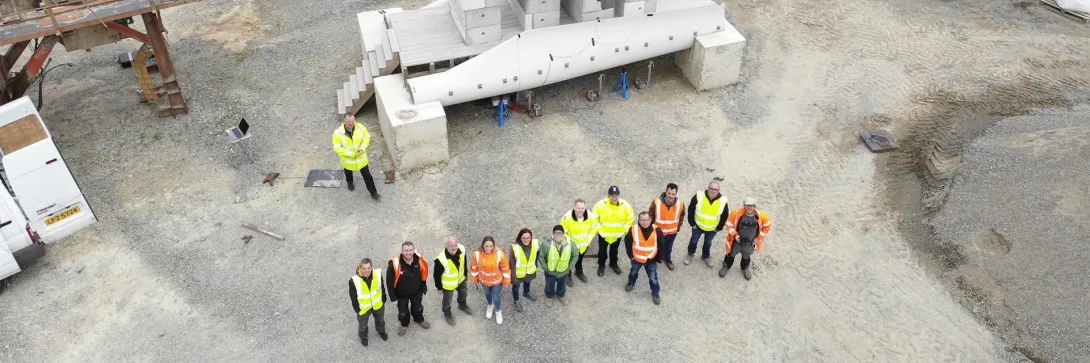
Overhead view of the Re-Wind crew doing structural testing on a decommissioned wind turbine blade bridge on an industrial lot.
Pioneering a new recycling approach led to a big win for Re-Wind USA, a Georgia Tech research team led by Russell Gentry. The team has won the first phase of the Department of Energy's Wind Turbine Materials Recycling Prize, receiving $75,000 and an invitation to compete in the final phase.
"Our innovation for end-of-service wind turbine blades is both simple and elegant – at its core, our technology captures all the embodied energy in the composite materials in the blade," said Gentry, professor in the School of Architecture.
"The Re-Wind Network has pioneered structural recycling, the only of a number of competing technologies that upcycles the material of the blade and preserves the embodied energy from manufacturing," Gentry said.
"Little additional energy is used to remanufacture the blade and the life of the blade, typically 20 years, is extended at least 50 years. This is a win-win solution from an environmental and economic perspective."
Other methods for dealing with decommissioned wind blades involve mechanical grinding and landfilling of subsequent waste, an expensive and energy-intensive process, he said.
Team members include Gentry, Sakshi Kakkad, Cayleigh Nicholson, Mehmet Bermek, and Larry Bank, from the School of Architecture; Gabriel Ackall, Yulizza Henao, and Aeva Silverman, from the School of Civil and Environmental Engineering; and Eric Johansen, a business consultant from Fiberglass Trusses Inc.
The team is part of the Re-Wind Network, a multinational research and development network which develops large-scale infrastructure projects from decommissioned wind turbine blades.
Re-Wind's pedestrian bridges, known as BladeBridges, have already captured media attention. Two more BladeBridges are expected in Atlanta in 2024, Gentry said. Re-Wind has also developed, prototyped, and tested transmission poles made from blade segments. The team's other proposals include culverts, barriers, and floats.
News Contact
Ann Hoevel, Director of Communications, College of Design
Portrait of Marta Hatzell
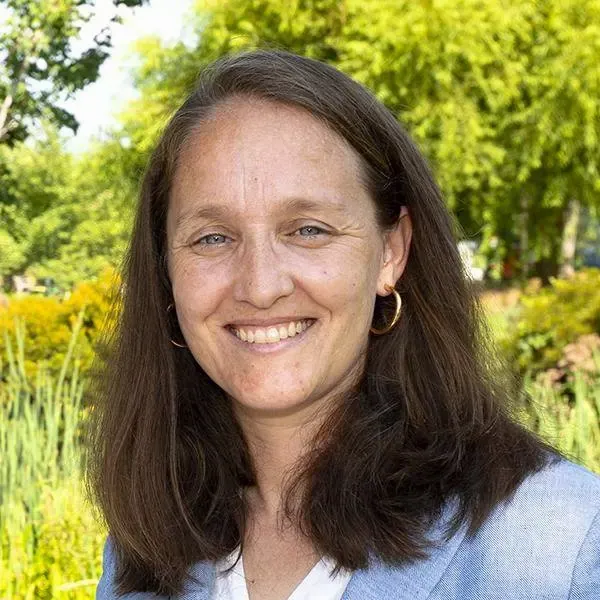
Associate Professor Marta Hatzell has won a 2024 ACS Sustainable Chemistry & Engineering Lectureship Award, which recognizes leading contributions of scientists and engineers active in the general fields of green chemistry, green engineering, and sustainability in the broadest sense of the chemical enterprise.
Hatzell, who holds joint appointments in Georgia Tech's School of Mechanical Engineering and School of Chemical and Biomolecular Engineering, was honored for her multiple contributions that drive the application of electrochemistry to enable critical systems with enhanced circularity.
The ACS Sustainable Chemistry & Engineering Lectureship awards were created to celebrate early to midcareer investigators who completed academic training no more than 10 years prior to nomination. In support of their commitment to nurture and stimulate a global community of outstanding practice. ACS Sustainable Chemistry & Engineering and the ACS Green Chemistry Institute gave three Lectureship Awards to recognize outstanding levels of contribution from The Americas, Europe/Middle East/Africa, and Asia/Pacific.
The award recipients will be honored at a joint plenary session of the 28th Annual Green Chemistry & Engineering Conference in their honor (June 3–5, 2024; https://www.gcande.org/).
News Contact
Brad Dixon, Communications Manager, School of Chemical and Biomolecular Engineering