

Humans have looked to the stars for guidance for thousands of years — and when it comes to questions of sustainability, the practice is no different.
The best way to deal with climate change is a heated topic of debate here on Earth — laws are created, nonprofits are formed, investments are made, and lobbyists have their say — but the concept also transcends terrestrial boundaries. As we navigate the complexities of shifting to a more sustainable world, it turns out there is a lot we can learn from and apply to our ventures in outer space.
Researchers in the Ivan Allen College think big to explore questions of sustainability on Earth, in outer space, and on a cosmic scale.
The Importance of Megaregions
Brian Woodall, a professor at the Sam Nunn School of International Affairs, uses satellite data to rethink how we understand and address sustainability in our cities. He directs the Sustainable Megaregion Research Project with Mariel Borowitz, an associate professor in the Nunn School, and experts across Georgia Tech.
The group uses data generated by NASA and the National Oceanic and Atmospheric Administration to draw definitive boundaries around Earth's megaregions — large, densely-populated areas such as the Boston-Washington corridor, Greater Tokyo, and the Amsterdam-Brussels-Antwerp triangle. Then, the researchers combine light emissions and other datasets to analyze CO2 emissions, urban buildup, green space, population density, transportation infrastructure, and more.
"In this way, satellite data is critical in our efforts to fashion a comparative, time-sensitive, and data-driven system for delineating megaregion boundaries," Woodall said. "Then, we can assess their effectiveness in addressing sustainable development challenges."
According to the project website, three-quarters of America's population and employment growth will occur in just eight to ten megaregions by 2050. To ensure sustainability in the face of climate threats, we must build resilience and protect critical infrastructure in these areas, the group says.
Political Parallels
However, whether it’s in megaregions or across international borders, it's no secret that humans don't always get along. Lincoln Hines, an assistant professor in the Nunn School, studies the politics of outer space with a focus on the Chinese space program. He says that comparing sustainability challenges on Earth to those in space — such as the 100 million+ pieces of space junk littering Earth's orbit — underscores the political nature of these problems and their international nature.
"The politics of space sustainability largely reflect the politics of sustainability on Earth, as humans continue to confront difficult collective action problems in both domains," Hines explains. "Neither global warming nor space debris care for the human constructs of sovereignty and national borders."
Tony Harding, an economist and assistant professor in the School of Public Policy, echoes this sentiment.
"We have this public good, which is space and near Earth's orbit, where we put satellites. And because no one is in control and has property rights in that area, we end up with an overuse and a lot of space junk," he says. "This parallels the Tragedy of the Commons problem we see on Earth — we have issues with climate change because we're all contributing a small amount to the problem and not facing the full cost of it."
Harding studies the costs and benefits of solar geoengineering, which uses atmospheric particles to reflect the sun's radiation to slow global warming. Whether it's adding sulfate to the skies or cleaning up Earth's orbit, an intergenerational perspective is helpful, he says.
"Should we develop geoengineering technology so the next generation has the choice to use it? Should we leave them with millions of pieces of space debris just because we don't want to clean it ourselves?"
Second Time's a Charm(?)
Despite the growing space debris problem, Borowitz emphasizes that we can proactively address the challenges of space sustainability and learn from our mistakes on Earth.
"It's still early on in space, so we have the opportunity to think about sustainability from the beginning and address these issues before the debris is completely out of control," she says. "We are on an unsustainable path at the moment, but we can adjust before anything goes wrong."
She adds that as interest and activity on the moon ramp up, the same questions apply. Because the moon doesn't have wind or weather like we do on Earth, when something changes its surface it can stay like that for thousands of years.
"So it's really another place where you've got to do it right the first time," Borowitz says. "This is the test, right? The test for humanity — can we do it differently?"
Sustainability on a Cosmic Scale
Chris Michaels, a Marion L. Brittain Postdoctoral Scholar in the School of Literature, Media, and Communication, thinks about space from a symbolic perspective: What would happen if we scale up our consciousness to the level of the cosmos? Michaels teaches a course on modern terraforms and says contemplating the vast reaches of space can challenge us to think about sustainability in new ways.
"The idea of space serves as a new frontier to be explored and colonized. If humans can migrate to other planets and make them home, then sustainability on Earth may look quaint and outdated," he says. "Humans tend to experience time on an atomized scale around their individual lives and have trouble thinking as concretely about the long term. But imagine if humans had a life span of 500 years, or they thought and acted less as individuals and more as members of a human race that extends thousands or even millions of years into the future. Thinking and acting on this larger scale would better align us with the geological timescales of the Earth, where sustaining our lives goes hand in hand with sustaining the Earth."
The sprawling expanse of space is more than just an escape route from our troubled planet, and pondering it helps us shift our perspective from that of the starring role in our little galaxy to a bit character in a much larger play.
Traditional Inspiration, New Solutions
From satellite-driven research to geopolitical challenges and cosmic contemplation, humans continue to look to the stars for inspiration and information on keeping our planet and its orbit healthy.
When it comes to our mandate for more sustainable living, it's not just about protecting our home but how we fit into the wider universe. Becoming better caretakers of our planet connects us to our past and future, here on Earth and out among the stars.
News Contact
Ivan Allen College of Liberal Arts
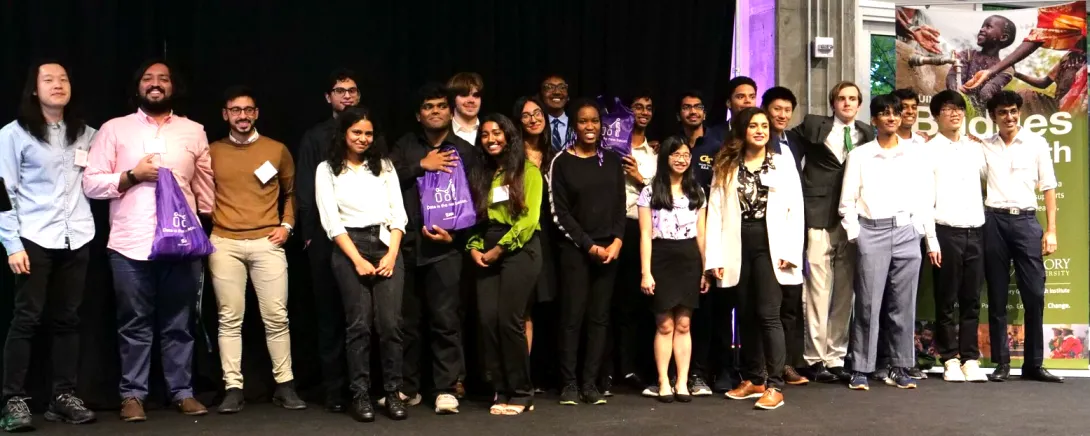
Students tackled climate change in the Fall 2023 Emory Global Health Institute (EGHI) /Georgia Institute of Technology (GT) Global Health Hackathon, Nov. 11, at Tech Square ATL Social. Competing for cash prizes and a spot in GT Startup Launch, first place went to Team iManhole. The team created an integrated system that gathers real-time data from manholes and uses machine learning algorithms to predict flooding to manage traffic and evacuation routes.
“The effects of climate change are felt in every country with the brunt and burden of an unmanaged climate crises threatening to set back global health progress by eroding decades of poverty eradication and health equity efforts worldwide,” said Dr. Rebecca Martin, EGHI director of Emory Global Health Institute. “Students are an important partner in our work as a global community to mitigate the impacts of climate change on health, safety, and security.”
The EGHI/GT Global Health Hackathon is a partner event between EGHI and CREATE-X. It provides multidisciplinary student teams from Emory University and the Georgia Institute of Technology an opportunity to create technology-based product solutions for global health problems. The target for this fall’s event was creating solutions that address urban flooding, urban heat, or global sea level rise in densely populated, low-resource urban settings. Prizes included $4,000 and a golden ticket into CREATE-X Startup Launch for first place winners, $3,000 for second place winners, $2,000 for third place winners, and $500 each for two honorable mention winners.
“This hackathon continues to be a wonderful partnership between our two institutions that gives these talented students the platform and support to put forward solutions to the most pressing issues we face today,” Rahul Saxena, director of CREATE-X, said. “Each hackathon, I’m increasingly impressed with their ingenuity and their dedication to build something of impact.”
Check out the event program on the EGHI website and see photos from the event on the CREATE-X Flickr account. The full list of the winners of this year’s event includes:
1st Place: iManhole
An integrated system that gathers real-time data from manholes and uses machine learning algorithms to predict flooding to manage traffic and evacuation routes
Team Members: Imran Shah, Leonardo Molinari, and Jiaqi Yang
2nd Place: Canopy
A climate-tech software platform for democratizing climate analytics using machine learning for urban development planning.
Team Members: Deesha Panchal, Kruthik Ravikanti, Vaibhav Mishra, Nicholas Swanson, Jennifer Samuel, and Vaishnavi Sanjeev
3rd Place: Floodwise
A package of effective simulations and an informed chatbot that help facilitate wise decisions during floods.
Team Members: Ansh Gupta, Dimi Deju, Mukund Chidambaram, and Sahit Mamidipaka
Honorable Mention
Conquering Heat Islands
Process and hardware that uses excess solar power to mine crypto
Team Members: Rida Akbar, DJ Louis, Edward Zheng, Dmitri Kalinin, and Jade Bondy
Real-Time Computational Modeling of Urban Flooding and Evacuation in Local Atlanta Communities
Integrated system to gather real-time data from manholes and use machine learning algorithms to predict flooding and optimize traffic/evacuation.
Team Members: Imran Shah, Leonardo Molinari, and Jiaqi Yang
News Contact
Breanna Durham
Marketing Strategist
breanna.durham@gatech.edu
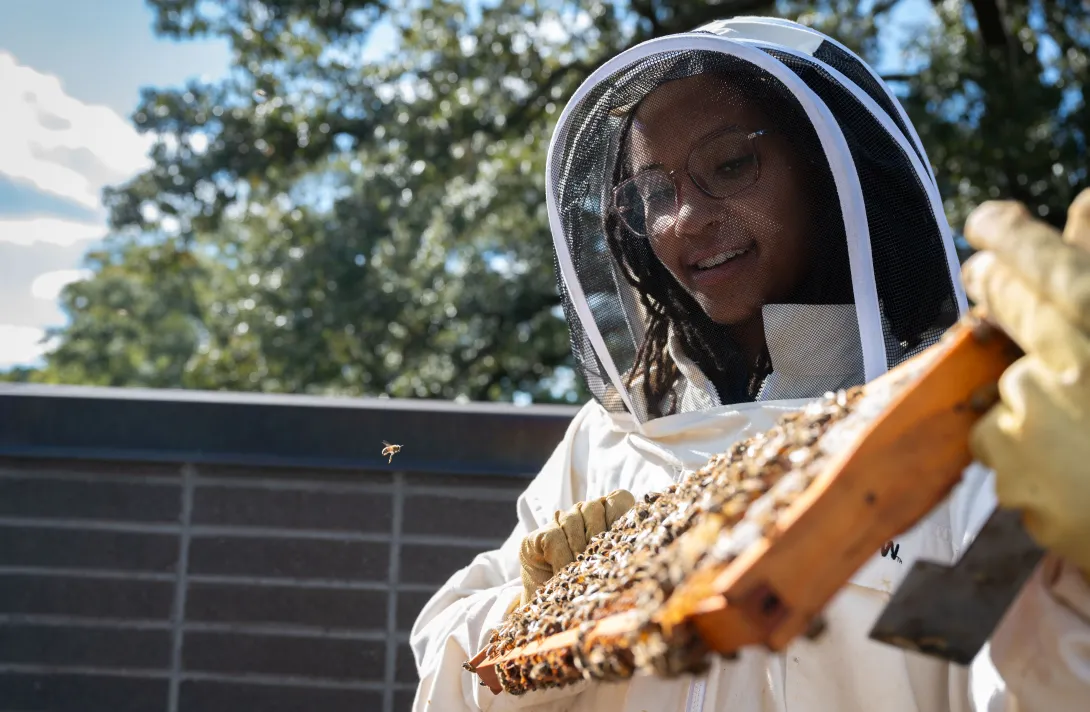
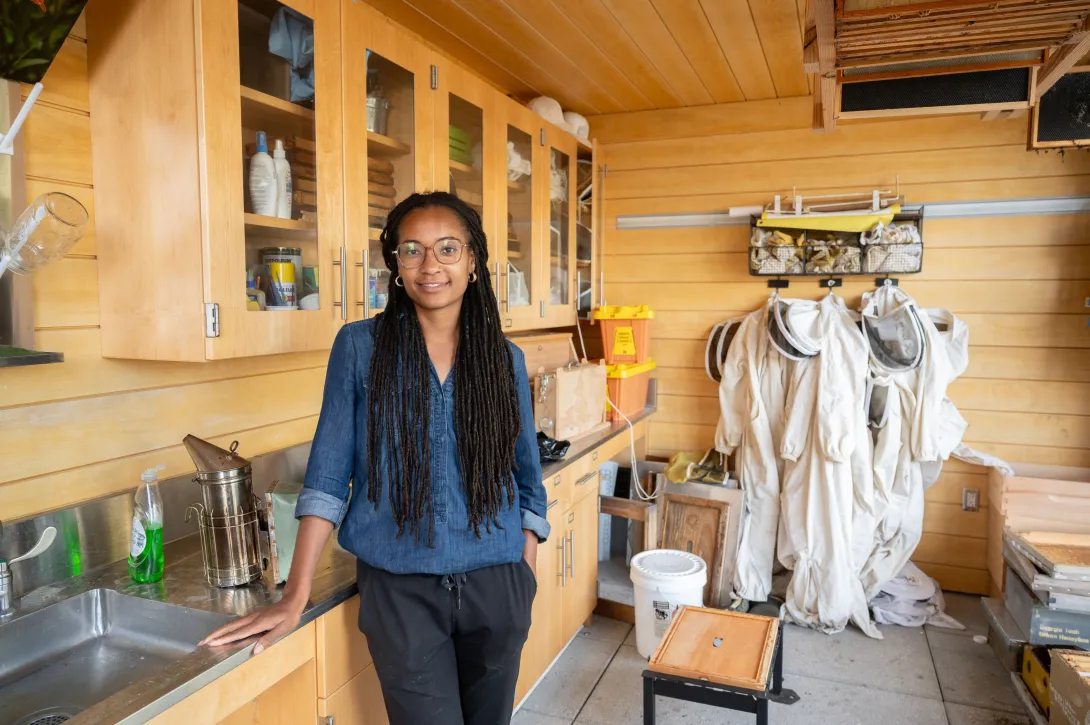
The Urban Honey Bee Project’s new beekeeper in residence is creating art and educating the public with her practice.
Janelle Dunlap conducts a hive inspection at The Kendeda Building for Innovative Sustainable Design. Photo by Allison Carter.
Hundreds of thousands of honeybees make their home atop The Kendeda Building for Innovative Sustainable Design, and it's up to Janelle Dunlap to make sure the hives thrive.
Dunlap was hired earlier this year as the Urban Honey Bee Project's (UHBP) first-ever beekeeper in residence. Throughout her residency, she'll conduct research into the pollinator's place in our ecosystem and how beekeeping may offer relief to veterans dealing with post-traumatic stress disorder (PTSD), while connecting with the bees through art.
Dunlap had been gardening for over a decade, but in 2016, when she got the urge to find new ways to engage with nature, she recalled a powerful piece of imagery that shaped her childhood — Wu-Tang Clan's music video for “Triumph” and its depiction of the group's members as a powerful swarm of Africanized killer bees.
"The political messaging and tying Africanized killer bees in with the stereotypes and the tropes of African Americans in the media, and the way that that was so poetically tied in, visually stuck with me,” she said. “It was the first time I recognized a political message being articulated through art. For that reason, it stuck with me that bees were a form of strong symbolism tied to resilience."
Living in Charlotte, North Carolina, Dunlap became a certified beekeeper under the Mecklenburg County Beekeepers Association in 2017. She continued practicing as she moved around the country, with stops in Chicago and Denver, eventually landing in Atlanta in 2021. Looking for a way to connect to the local beekeeping community, she attended an April presentation by UHBP Director Jennifer Leavey, who offered Dunlap a chance to get involved at Georgia Tech.
She now handles the inspection of the hives on The Kendeda Building roof, where she monitors for pests and ensures the bees have proper nutrition to sustain their population through the seasons. The UHBP began in 2012 with the goal of educating the Tech community on the importance of these pollinators within the Atlanta ecosystem and beyond — a charge that Dunlap carries on.
Over the next year, she will continue working on her sound art project that examines the frequency at which bees “buzz” and how it, along with the responsibilities of beekeeping, is being used by VA hospitals and programs to ease the effects of PTSD. While the science behind the connection is still being explored, beekeeping was recommended more than a century ago — to soldiers returning home from World War I — according to a CNBC profile of Bees4Vets, a nonprofit based in Nevada.
From the Hive to the Canvas
Whether it was baking sourdough bread or learning a new language, many people, including Dunlap, took the early days of the Covid-19 pandemic to pick up a new hobby. She began a master's program at the School of the Art Institute of Chicago with the goal of using beeswax in encaustic painting, which uses hot wax mixed with pigments. The use of natural materials collected through her beekeeping practice connects Dunlap to her work.
“It's a way of tapping into another level of consciousness. It's a way of articulating the noncommunicable relationship between me and the bees. When there's a language gap between people, we try to fill it in with translation, but without a direct way to translate the language or the sensation that I feel from the bees, this allows me to document my practice in an abstract form,” she said.
By layering the wax and applying heat throughout the process, Dunlap watches the pieces take shape, often with the unpredictability of an active hive, as she says the art “can create itself.” She collects the wax in small amounts, knowing that she can only produce her art if the bees are healthy.
"It's an eco-conscious practice, making sure I don't use more than I need," she explained. “I love the landscape it creates, and it's all about me creating a direct relationship with my medium and knowing that I earned it by developing a relationship with the bees."
As Dunlap continues her year-long residency with the UHBP, she intends to help educate the community, both on campus and around the Atlanta area, in the hopes that more prospective beekeepers will explore their curiosity to unlock the full potential of the practice.
"It's been a practice that keeps unveiling itself to me," she said. "As you get more engaged, you learn there is so much more to it than just the day-to-day hive inspections. There is a lot of beauty to it as well."
Students at Tech have several ways to get involved with research and beekeeping, including the Living Building Science VIP team, the Beekeeping Club, and various classes and workshops hosted by the UHBP.
News Contact
Steven Gagliano - Institute Communications
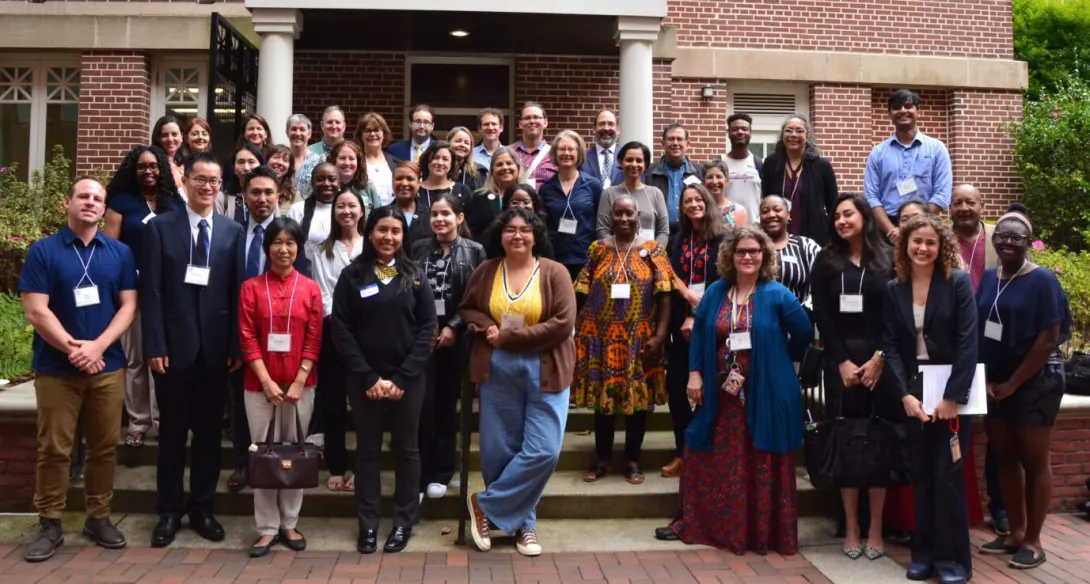
A group of attendees to the RCE Americas meeting in Atlanta pose for a group photo outside a red brick Georgia Tech building.
The Georgia Tech campus recently served as host to the 2023 RCE Americas Regional Meeting. From September 26 – 29, students, academics, and working professionals from around the Americas gathered to share their diverse perspectives and experiences, and delved into the discourse of sustainability. Participants attended panel sessions, presentations, site visits, and workshops (one of which was student led) over the three-day meeting, offering their unique viewpoints on how sustainability plays a role in their work and academic careers.
RCE Greater Atlanta was acknowledged by the United Nations University (UNU) on December 18, 2017, as a Regional Centre of Expertise on Education for Sustainable Development. RCE Greater Atlanta is one of over 190 RCEs recognized worldwide as part of the UNU RCE network. RCEs support multi-stakeholder implementation of the U.N. Sustainable Development Goals (SDGs) at the regional level, through education and training.
RCE Greater Atlanta is committed to leveraging educational resources for regional implementation of the SDGs, with a focus on equity and justice, building on Atlanta’s history as the home of the Civil Rights Movement. RCE Greater Atlanta members, representing all sectors of community, business, government, and civil society, contribute to the creation of an inclusive and collaborative community that advances SDG knowledge and action, and nurtures strong youth leadership by harnessing higher education capacity and knowledge for regional benefit.
Among the speakers were Keisuke Midori, section chief from the Ministry of the Environment of Japan; Jenny Hirsch, senior director of the Georgia Tech Center for Sustainable Communities Research and Education, representing RCE Greater Atlanta; and Georgia Tech President Ángel Cabrera. Several of the speakers traveled or participated virtually from around the United States, as well as from places as far-flung as Mexico, Puerto Rico, Canada, Peru, and Columbia. Atlanta was also well represented with participants and speakers from many area colleges and universities including Morehouse School of Medicine, Kennesaw State University, and Georgia Gwinnett College. A wide range of topics were presented such as “Youth Initiatives at Assateague Island,” “Energy Equity: Advancing SDG 7 Affordable and Clean Energy Through Community-University Partnerships,” and “Young Leaders of the Earth Charter at RCE Bogota.”
Several Georgia Tech students were in attendance and have offered their perspectives on the event. Lakshya Sharma, a master’s student in Human Computer Interaction and the student coordination manager for RCE Greater Atlanta, says, “The conference provided people coming from a wide variety of backgrounds an opportunity to present views, opinions, and talk about differences. I was given the responsibility to lead one of these sessions, where we discussed how important local community action is and how these actions can be made more efficient, inclusive, and effective. Participating in these discussions gave me a fresh perspective on things and made me explore new ways to solve problems, which I can now implement as a professional.”
Perrin Brady, who is studying History, Technology, and Society at Georgia Tech and serving as a student engagement coordinator for RCE Greater Atlanta, said, “I was able to raise questions to the room that I struggle with as a young person, like how to navigate possible conflict between requiring fast climate solutions and needing equitable/sustainable solutions that take time and consideration. People's answers gave me hope for future impacts I could make.”
Julie Chen, another student engagement coordinator, who is studying architecture at Georgia Tech, said, “The range of presentations remains an inspiration, as I was able to witness different RCEs actively involved in unique projects to further the UN SDGs. It was especially heartening to see young students taking the initiative. The RCE Americas Network is a great platform to share these efforts.”
The event was sponsored by Oak Ridge Associated Universities; Kennesaw State University’s Global Education Community Engagement and Outreach; Goethe Zentrum; and several Georgia Tech organizations, namely the Brook Byers Institute for Sustainable Systems, the Renewable Bioproducts Institute, the Strategic Energy Institute, the Atlanta Global Studies Center, and the Ray C. Anderson Center for Sustainable Business with the Drawdown Georgia Business Compact.
The RCE Americas Meeting is an annual event. For more information, see the following links:
Meeting Resources: https://drive.google.com/drive/folders/1K8XeWuCEXq66TEVZuQQm3X3EzfXQ3zVB?usp=sharing
Presentation Recordings: https://www.youtube.com/channel/UCpof6N7frRLybc0UW8dhX4A
News Contact
Kristina Chatfield, Program and Portfolio Manager, Center for Sustainable Communities Research and Education

Earth (Credit NASA/Joshua Stevens)
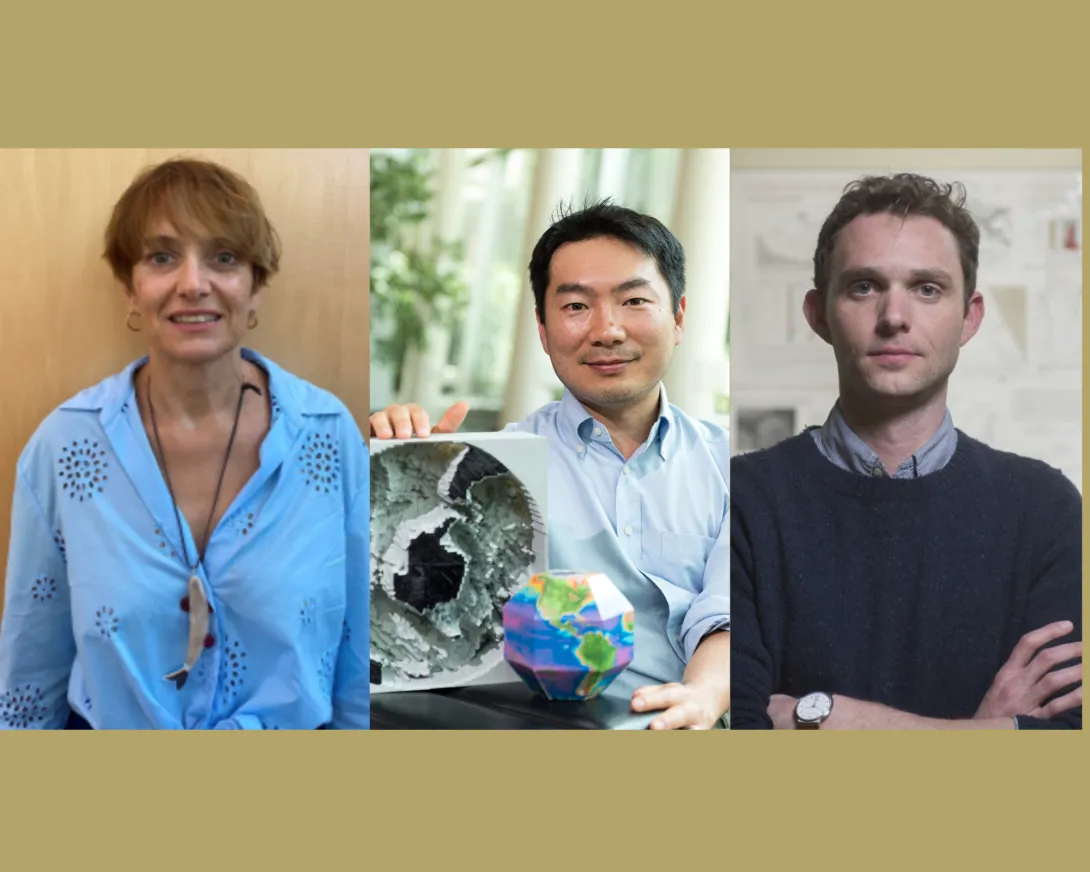
(From left) Annalisa Bracco, Taka Ito, Chris Reinhard
Three Georgia Tech School of Earth and Atmospheric Sciences researchers — Professor and Associate Chair Annalisa Bracco, Professor Taka Ito, and Georgia Power Chair and Associate Professor Chris Reinhard — will join colleagues from Princeton, Texas A&M, and Yale University for an $8 million Department of Energy (DOE) grant that will build an “end-to-end framework” for studying the impact of carbon dioxide removal efforts for land, rivers, and seas.
The proposal is one of 29 DOE Energy Earthshot Initiatives projects recently granted funding, and among several led by and involving Georgia Tech investigators across the Sciences and Engineering.
Overall, DOE is investing $264 million to develop solutions for the scientific challenges underlying the Energy Earthshot goals. The 29 projects also include establishing 11 Energy Earthshot Research Centers led by DOE National Laboratories.
The Energy Earthshots connect the Department of Energy's basic science and energy technology offices to accelerate breakthroughs towards more abundant, affordable, and reliable clean energy solutions — seeking to revolutionize many sectors across the U.S., and relying on fundamental science and innovative technology to be successful.
Carbon Dioxide Removal
The School of Earth and Atmospheric Sciences project, “Carbon Dioxide Removal and High-Performance Computing: Planetary Boundaries of Earth Shots,” is part of the agency’s Science Foundations for the Energy Earthshots program. Its goal is to create a publicly-accessible computer modeling system that will track progress in two key carbon dioxide removal (CDR) processes: enhanced earth weathering, and global ocean alkalinization.
In enhanced earth weathering, carbon dioxide is converted into bicarbonate by spreading minerals like basalt on land, which traps rainwater containing CO2. That gets washed out by rivers into oceans, where it is trapped on the ocean floor. If used at scale, these nature-based climate solutions could remove atmospheric carbon dioxide and alleviate ocean acidification.
The research team notes that there is currently “no end-to-end framework to assess the impacts of enhanced weathering or ocean alkalinity enhancement — which are likely to be pursued at the same time.”
“The proposal is for a three-year effort, but our hope is that the foundation we lay down in that time will represent a major step forward in our ability to track carbon from land to sea,” says Reinhard, the Georgia Power Chair who is a co-investigator on the grant.
“Like many folks interested in better understanding how climate interventions might impact the Earth system across scales, we are in some ways building the plane in midair,” he adds. “We need to develop and validate the individual pieces of the system — soils, rivers, the coastal ocean — but also wire them up and prove from observations on the ground how a fully integrated model works.”
That will involve the use of several existing computer models, along with Georgia Tech’s PACE supercomputers, Professor Ito explains. “We will use these models as a tool to better understand how the added alkalinity, carbon and weathering byproducts from the soils and rivers will eventually affect the cycling of nutrients, alkalinity, carbon and associated ecological processes in the ocean,” Ito adds. “After the model passes the quality check and we have confidence in our output, we can start to ask many questions about assessment of different carbon sequestration approaches or downstream impacts on ecosystem processes.”
Professor Bracco, whose recent research has focused on rising ocean heat levels, says CDR is needed just to keep ocean systems from warming about 2 degrees centigrade (Celsius).
“Ninety percent of the excess heat caused by greenhouse gas emissions is in the oceans,” Bracco shares, “and even if we stop emitting all together tomorrow, that change we imprinted will continue to impact the climate system for many hundreds of years to come. So in terms of ocean heat, CDRs will help in not making the problem worse, but we will not see an immediate cooling effect on ocean temperatures. Stabilizing them, however, would be very important.”
Bracco and co-investigators will study the soil-river-ocean enhanced weathering pipeline “because it’s definitely cheaper and closer to scale-up.” Reverse weathering can also happen on the ocean floor, with new clays chemically formed from ocean and marine sediments, and CO2 is included in that process. “The cost, however, is higher at the moment. Anything that has to be done in the ocean requires ships and oil to begin,” she adds.
Reinhard hopes any tools developed for the DOE project would be used by farmers and other land managers to make informed decisions on how and when to manage their soil, while giving them data on the downstream impacts of those practices.
“One of our key goals will also be to combine our data from our model pipeline with historical observational data from the Mississippi watershed and the Gulf of Mexico,” Reinhard says. “This will give us some powerful new insights into the impacts large-scale agriculture in the U.S. has had over the last half-century, and will hopefully allow us to accurately predict how business-as-usual practices and modified approaches will play out across scales.”
News Contact
Writer: Renay San Miguel
Communications Officer II/Science Writer
College of Sciences
404-894-5209
Editor: Jess Hunt-Ralston
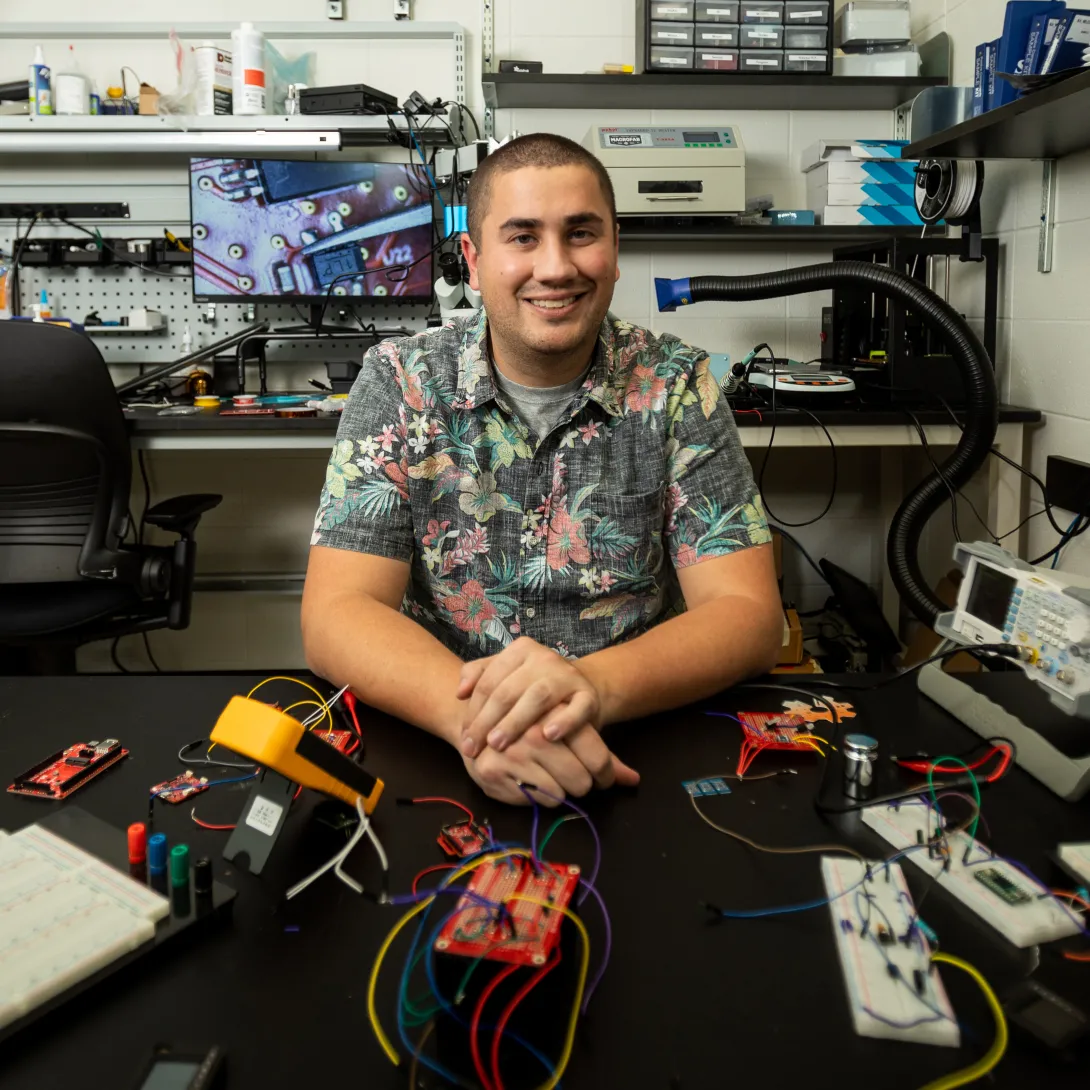
Josiah Hester sits at a desk in an electronics lab at Georgia Tech with an array of prototype projects and test equipment in front of him.
Edge devices, such as wearables, cameras, smartphones, and smart home devices, have become the foundation of our daily interactions with technology. But the exponential growth in the number of these devices comes at a significant environmental cost, currently accounting for more than a third of the 4% of global carbon emissions attributed to information and communication technologies. This ecological impact is projected to worsen as the number of edge devices surges into trillions over the next few decades.
Josiah Hester, associate professor in the College of Computing, along with researchers from Cornell and Harvard Universities, has received a $2 million grant from the newly established Design for Environmental Sustainability in Computing program at the National Science Foundation. The investigators aim to study and mitigate the environmental impact of edge computing devices. Their winning project will make carbon and sustainability a first-order design parameter for future edge computing devices that range from tiny, energy-harvesting Internet of Things devices — often found in manufacturing lines, cars, agriculture, and cities — to higher performance consumer electronics like tablets and smartphones.
As part of the research, investigators will capture a first-of-its-kind dataset on actual emissions and resource usage of complex fabrication processes, build and validate tools for carbon-aware design, and establish an Electronic Sustainability Record for edge devices, similar to nutrition labels for food, or a digital health record, that allows consumers and manufacturers to understand the carbon costs of computing devices and use that in decision-making. The grant proposal was catalyzed through the Brook Byers Institute for Sustainable Systems Initiative Leads program, with additional funds from the Institute for Data Engineering and Science.
“Right now, hardware designers, programmers, and consumers have only a vague idea of the actual carbon cost of the phone, wearable, or smart device they are working with. With rising e-waste and technology’s increasing contributions to climate change, we have to figure out how to do better. This project will lay the foundations for edge devices that can last for decades, or at least have a lifetime commensurate with the carbon cost, potentially reducing e-waste, emissions, and environmental footprint,” said Hester. “Our design tools, new datasets, and carbon models will consider factors like energy, e-waste, and water usage from the manufacturing of computational devices, as well as operational carbon footprint from factors like machine learning and software lifecycles.”
With the grant money, Hester’s team will develop an end-to-end framework that prioritizes environmental impact, while considering user experience, performance, and efficiency when designing edge devices. The framework, which they are calling Delphi, will enable sustainable technological growth by laying out a path for the design of environmentally conscious edge devices with substantially longer lifecycles.
“Eventually, this research could lead to a kind of ‘nutrition label’ for computing devices, like your phone, to empower consumers with data to make more sustainability-friendly purchasing and use decisions,” Hester said. “This could incentivize and enable hardware companies to build lower carbon devices meant to last for many years, versus trading up after a contract renewal. We have a long way to go before this is reality, but this project will lay foundational steps in data collection, model building, and design tools — a sustainable vision of edge computing.”
News Contact
Brent Verrill, Research Communications Program Manager, BBISS
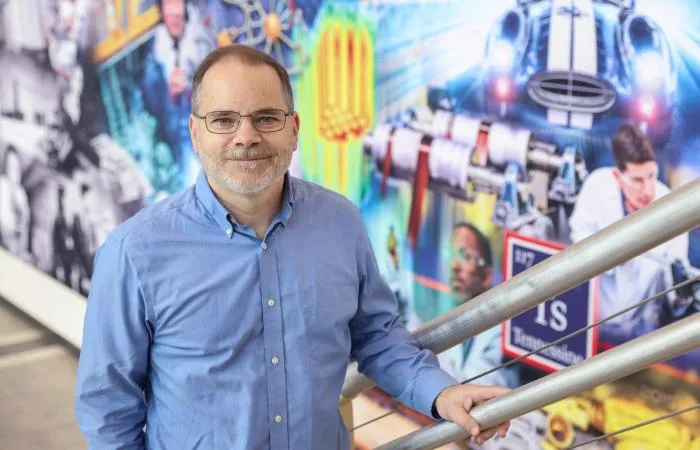
David Sholl, a professor in Georgia Tech's School of Chemical and Biomolecular Engineering and director of Oak Ridge National Laboratory'sTransformational Decarbonization Initiative, is director of the ORNL-led Non-Equilibrium Energy Transfer for Efficient Reactions (NEETER).
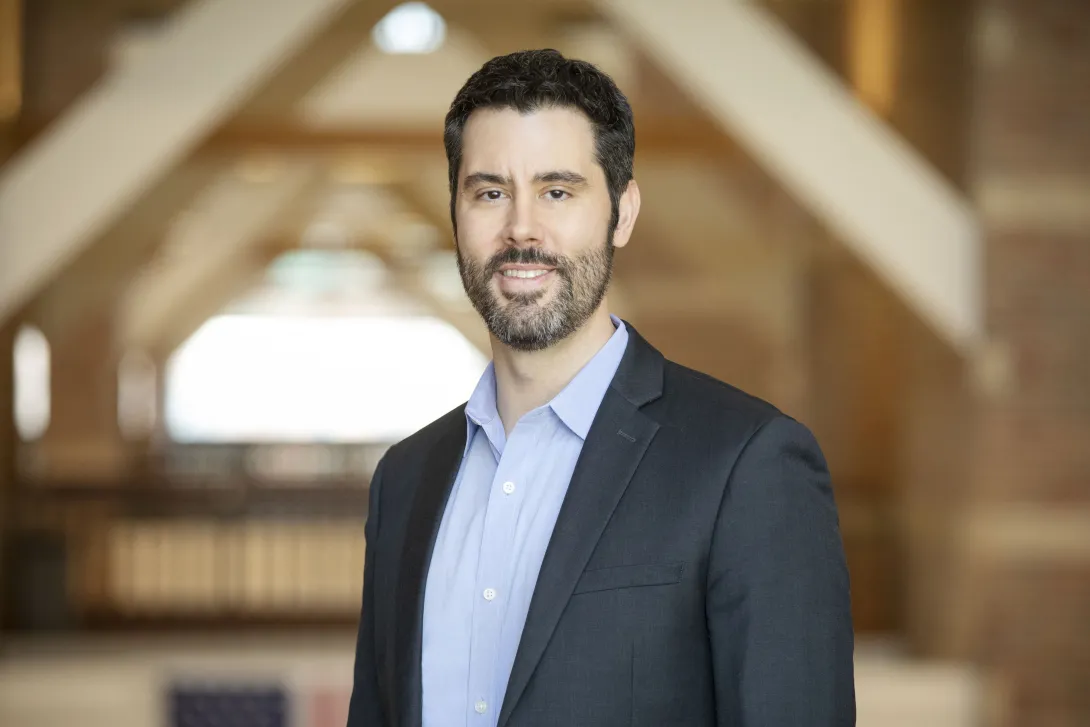
David Flaherty, a professor in Georgia Tech's School of Chemical and Biomolecular Engineering
David Sholl, a professor in Georgia Tech’s School of Chemical and Biomolecular Engineering (ChBE), is leading a new Energy Earthshot Research Center (EERC) at the Department of Energy's Oak Ridge National Laboratory (ORNL) that is focused on developing chemical processes that use sustainable methods instead of burning fossil fuels to radically reduce industrial greenhouse gas emissions to stem climate change and limit the crisis of a rapidly warming planet.
Sholl, who is director of ORNL’s Transformational Decarbonization Initiative, is director of the ORNL-led Non-Equilibrium Energy Transfer for Efficient Reactions (NEETER), which also involves ChBE faculty members Fani Boukouvala and Carsten Sievers as key members.
NEETER is one of two new DoE EERCs involving ChBE faculty; the other (co-led by Professor David Flaherty) is Harnessing Electrostatics for the Conversion of Organics, Water and Air: Driving Redox on Particulate Liquids Earthshot (DROPLETS).
Debaronizing Large-scale Processes
NEETER will coordinate a research team from across the nation focused on replacing bulk heating for chemical processes with electrified means, providing a new way to do chemistry, and decarbonizing large-scale processes in the chemical industry. The Department of Energy has committed $19 million over four years for the center.
“This center is an exciting opportunity to advance innovative methods for performing important chemical reactions with heat derived from electricity instead of burning fossil fuels,” Sholl said. “Our world-class team will combine powerful fundamental insights with leadership-class computing to push forward use of mechanochemistry and resistive heating to achieve chemical outcomes that are simply not possible with traditional heating methods.”
Sholl, who also serves as interim executive director of the University of Tennessee Oak Ridge Innovation Institute, will lead the NEETER effort to harness the expertise of more than 20 co-principal investigators from two other national laboratories and several universities.
In addition to ORNL, other center investigators come from DOE’s SLAC National Accelerator Laboratory at Stanford University and the Princeton Plasma Physics Laboratory, Delaware State University, the Georgia Institute of Technology, Princeton University, the University of Houston, and the University of Maryland.
The scientists, in addition to using their own laboratories, will use DOE Office of Science user facilities, including ORNL’s Oak Ridge Leadership Computing Facility, Spallation Neutron Source, High Flux Isotope Reactor, and Center for Nanophase Materials Sciences. They will also include the beam line at SLAC.
Energy Earthshot Goals
“Our Energy Earthshots are game-changing endeavors to unleash the technologies of the clean energy transition and make them accessible, affordable, and abundant,” said U.S. Secretary of Energy Jennifer M. Granholm. “The Energy Earthshot Research Centers and the related work happening on college campuses around the country will be instrumental in developing the clean energy and decarbonization solutions we need to establish a 100% clean grid and beat climate change.”
NEETER’s proposed research is a radical departure from traditional chemistry and holds promise for transformational breakthroughs in energy-related chemical reactions. The NEETER EERC addresses the DOE’s Industrial Heat Shot announced in 2022, which aims to develop cost-competitive industrial heat decarbonization technologies with at least 85% lower greenhouse gas emissions by 2035. This EERC will employ new kinds of chemical catalysis as one pathway toward electrifying the delivery of process heat.
Industrial heat involves the burning of fossil fuels, which contributes massive amounts of carbon dioxide to the atmosphere. About 40% of those emissions come from chemicals and refining procedures. Because many industrial processes require extremely high energy, decarbonizing these chemical processes via electrification would radically alter the industrial chemical landscape.
Researchers propose two main ways of electrification, Sholl explained. One is through a process called mechanocatalysis, which creates mechanically initiated reactions. Another is Joule heating — using electricity to achieve very rapid temperature increases. The aim is to control chemical reactivity through temperature and pressure, by rapid heating in the Joule heating case, or by mechanical collisions in the case of mechanocatalysis.
NEETER’s mission is “To understand and control spatial and temporal non-equilibrium heat transfer to enable transformational breakthroughs in energy- and atom-efficient endothermic catalytic reactions beyond limitations of thermodynamic and kinetic equilibrium to decarbonize the US chemical industry.”
Said Sholl, “We envision a future where we use renewable electricity to provide heat and produce chemicals without greenhouse gas emissions.”
DROPLETS Earthshot
David Flaherty, a professor in Georgia Tech’s School of Chemical and Biomolecular Engineering, is co-principal investigator of another Energy Earthshot Energy Research Center called Harnessing Electrostatics for the Conversion of Organics, Water and Air: Driving Redox on Particulate Liquids Earthshot (DROPLETS).
The overall objective of DROPLETS is to explore an unconventional, straightforward, and underutilized approach based on microdroplet-enabled redox reactions (which involve the transfer of electrons between substances) towards H2 production (a clean and renewable energy source), CO2 activation (which can help mitigate greenhouse gas emissions), and the synthesis of redox species for long-duration energy storage (LDES).
DROPLETS strives to achieve simplicity and lower the energy input and reactor cost for complex chemical reactions, a key advantage to simultaneously achieve multiple Energy Earthshots, including the Hydrogen Shot, the Long Duration Storage Shot, and the Carbon Negative Shot.
DROPLETS is led by Professor Joaquin Rodriguez Lopez of the University of Illinois, Urbana-Champaign.
News Contact
Brad Dixon, braddixon@gatech.edu
Cover of the Sustainability Next Plan
On the one-year anniversary of the launch of Sustainability Next, a publicly available version of the plan is being released and several plan initiatives are coming to life.
Following the creation of Georgia Tech’s 2020 – 2030 strategic plan, the Institute’s executive leadership team launched a task force to create a strategic sustainability roadmap — the Sustainability Next Plan — to help advance some of its most important goals.
“Sustainability Next is central to Georgia Tech’s commitment to developing leaders who advance technology and improve the human condition,” said President Ángel Cabrera. “As one of the largest technological universities in the world, we have the opportunity and responsibility to help find solutions to the biggest problems we face, achieve the United Nations Sustainable Development Goals, and support a human population that will soon rise to 10 billion while reducing the stress we’re causing on our planet.”
The plan calls on Georgia Tech to:
Be a global sustainability thought leader.
Catalyze innovation through education and research.
Lead by example in the practice and culture of sustainability.
Since the fall of 2022, Sustainability Next has begun to implement projects, including:
The Climate Action Plan to develop a roadmap for integrating climate action strategies across operations, research, and education focusing on climate justice and reducing emissions.
Sustainable X, which supports students interested in and passionate about developing climate tech, sustainability, and social impact startups.
Sustainability Education Innovation Grants for faculty to expand Sustainable Development Goals concept and skill integration across the undergraduate curriculum.
Research Seed Grants to support interdisciplinary climate and sustainability research initiatives.
Living Campus connecting Georgia Tech’s built environment and surrounding landscape to serve as opportunities for collaborations between academics, research, industry, operations, and community partnerships.
These initiatives alone have created collaborations between several sustainability-focused departments on campus, including the Office of Sustainability, the Brook Byers Institute for Sustainable Systems, the Ray C. Anderson Center for Sustainable Business, and the Center for Teaching and Learning.
Creating the Foundation for Successful Implementation
As an outcome of the strategic plan to more intentionally integrate sustainability and lead by example with campus operations, Georgia Tech restructured its facilities management into Infrastructure and Sustainability (I&S) in 2021. The following year, the Office of Campus Sustainability was restructured into the Office of Sustainability within I&S to bridge sustainability efforts across research, education, and operations. It was later expanded to integrate the departments of utilities, sustainable building operations, and The Kendeda Building for Innovative Sustainable Design.
Additionally, Sustainability Next has supported the Brook Byers Institute in becoming a transformative unit focused on climate and sustainability that integrates research and education. It has also strengthened ties in the sustainability cluster of the Vice President for Institutional Research, comprising the Byers Institute, the Renewable Bioproducts Institute, and the Strategic Energy Institute — including the permanent integration of Serve-Learn-Sustain into the newly established Center for Sustainable Communities Research and Education.
Looking Ahead
In the next few months, the Sustainability Next Plan will be supported by a refreshed website, a schedule of sustainability-related events, and calls to action, reinvigorating the sustainability charge set forth in the Institute’s strategic plan.
The Sustainability Next co-chairs invite every member and unit of the Georgia Tech community to join in bringing the Sustainability Next Plan to life and expanding its ambitions over time so that we can build a just, equitable, and sustainable future — together.
For continuous updates and to find out how you can get involved, visit the new Sustainability Next webpage.
News Contact
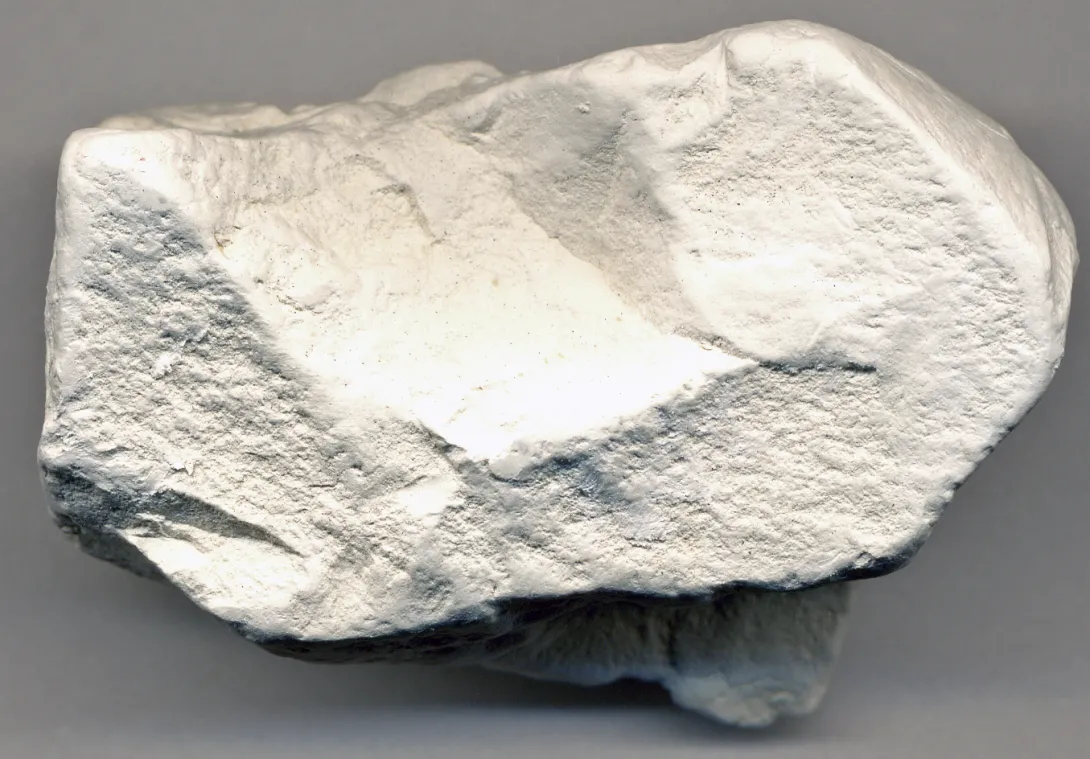
Kaolinite from Twiggs Co., GA

Yuanzhi Tang
Yuanzhi Tang has received a National Science Foundation grant to see if areas along the middle and coastal plains of Georgia that produce a highly sought-after clay are also home to large amounts of rare earth elements (REEs) needed for a wide range of industries, including rapidly evolving clean energy efforts.
Tang is an associate professor in the School of Earth and Atmospheric Sciences at Georgia Tech. She is joined by Crawford Elliott, associate professor at Georgia State University, on their proposal, “The occurrences of the rare earth elements in highly weathered sedimentary rocks, Georgia kaolins,” funded by the NSF Division of Earth Sciences.
All about REEs
REEs such as cerium, terbium, neodymium, and yttrium, are critical minerals used in many industrial technology components such as semiconductors, permanent magnets, and rechargeable batteries (smart phones, computers), phosphors (flat screen TVs, light-emitting diodes), and catalysts (fuel combustion, auto emissions controls, water purification). They impact a wide range of industries such as health care, transportation, power generation (including wind turbines), petroleum refining, and consumer electronics.
“With the increasing global demand for green and sustainable technologies, REE demand is projected to increase rapidly in the U.S. and globally,” Tang says. “Yet currently the domestic REE production is very low, and the U.S. relies heavily on imports. The combination of growing demand and high dependence on international supplies has prompted the U.S. to explore new resources and develop environmentally friendly extraction and processing technologies.”
Georgia geology
Kaolin is a white, aluminosilicate clay mineral used in making paper, plastics, rubber, paints, and many other products. More than $1 billion worth of kaolin is mined from Georgia’s kaolin deposits every year, more than any other state.
Tang and Elliott say considerable amounts of the REEs have been found in the waste residues generated from Georgia kaolin mining.
“These occurrences have high REE contents and might add significantly to domestic resources,” Tang says. “By understanding the geological and geochemical processes controlling the occurrence and distribution of REEs in these weathered environments, we might be able to provide fundamental information for the identification of REE resources, and the design of efficient and green extraction technologies.”
“The new work with Dr. Tang has the potential to advance our fundamental understanding of the occurrences, mineralogical speciation, and distribution of the REEs in bauxite and kaolin ore,” Elliott says. “I am thrilled to be working with Dr. Tang on this project.”
Laterite thinking
The Department of Energy notes the 17 rare earth elements are found in highly weathered environments, such as the laterites, a type of soil and rock located in eastern and southeastern China, which currently comprises around 80 percent of the world’s REE reserves. To promote domestic production of REEs, the NSF sought proposals to explore natural unconventional element resources located in highly weathered sedimentary/regolith (loose rocky material covering bedrock) settings in the U.S. Georgia’s kaolin deposits and mines extend in the state from southwest to northeast, paralleling the state’s ‘fall line’ that separates the Piedmont Plateau from the coastal plains.
With the NSF grant, Tang and Elliott will find out more about the geochemical factors and processes controlling REE mobility, distribution, and fractionation (enrichment of light REE versus heavy REE) in these environments, which can provide the foundation to identify domestic resources, and for the rational design of extraction technologies.
Community connections
The proposed work will also integrate research with education, combining student training with undergraduate education and research, as well as K-12 and community outreach emphasizing the participation of underrepresented groups in geological sciences.
The grant relates to Tang’s work at two Georgia Tech interdisciplinary research institutes dedicated to sustainability, energy, and climate: the Strategic Energy Institute and the Brook Byers Institute for Sustainable Systems (BBISS), where she is a co-lead with Hailong Chen, an associate professor in the School of Materials Science and Engineering. Tang and Chen’s BBISS project is “Sustainable Resources for Clean Energy.” Tang also serves as an SEI/BBISS initiative lead on sustainable resources.
“The state of Georgia has already been experiencing rapid and exciting developments in the clean energy industry,” Tang says. “We hope to bridge an important link in this space. We hope to help identify and explore regional critical resources for clean energy development by both understanding the geological/geochemical fundamentals, and developing sustainable extraction technologies.”
Georgia Tech is also investing in the community outreach and social aspects of energy research, not just in science and engineering, Tang adds. “Collaboration with Georgia State University also gives exciting opportunities for the engagement with underrepresented student groups, especially in geological sciences, which will serve in the long term for workforce development.”
News Contact
Writer: Renay San Miguel
Communications Officer II/Science Writer
College of Sciences
404-894-5209
Editor: Jess Hunt-Ralston

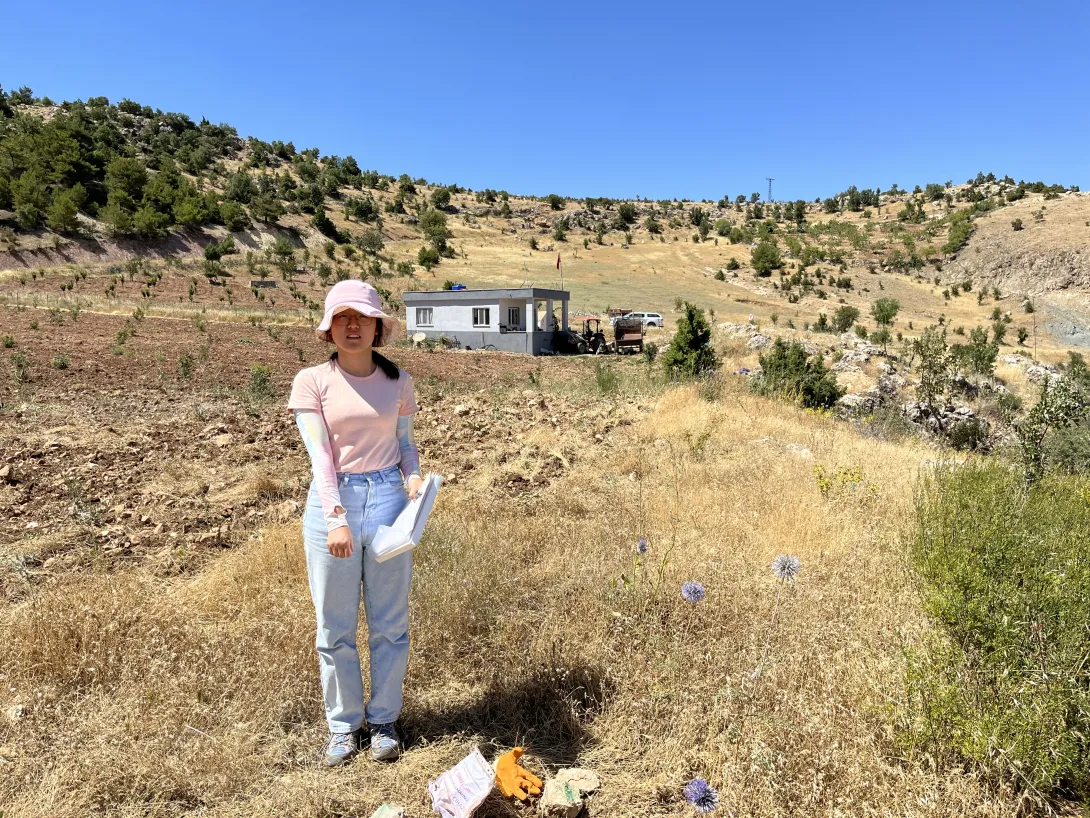
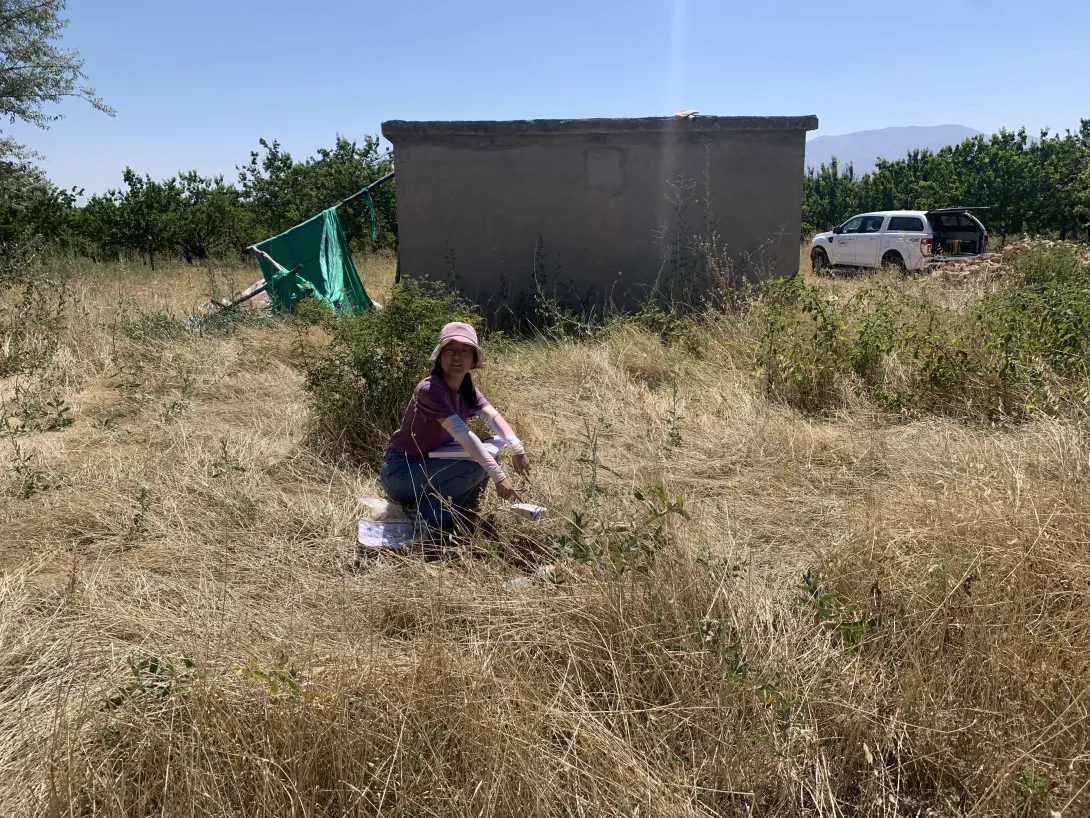
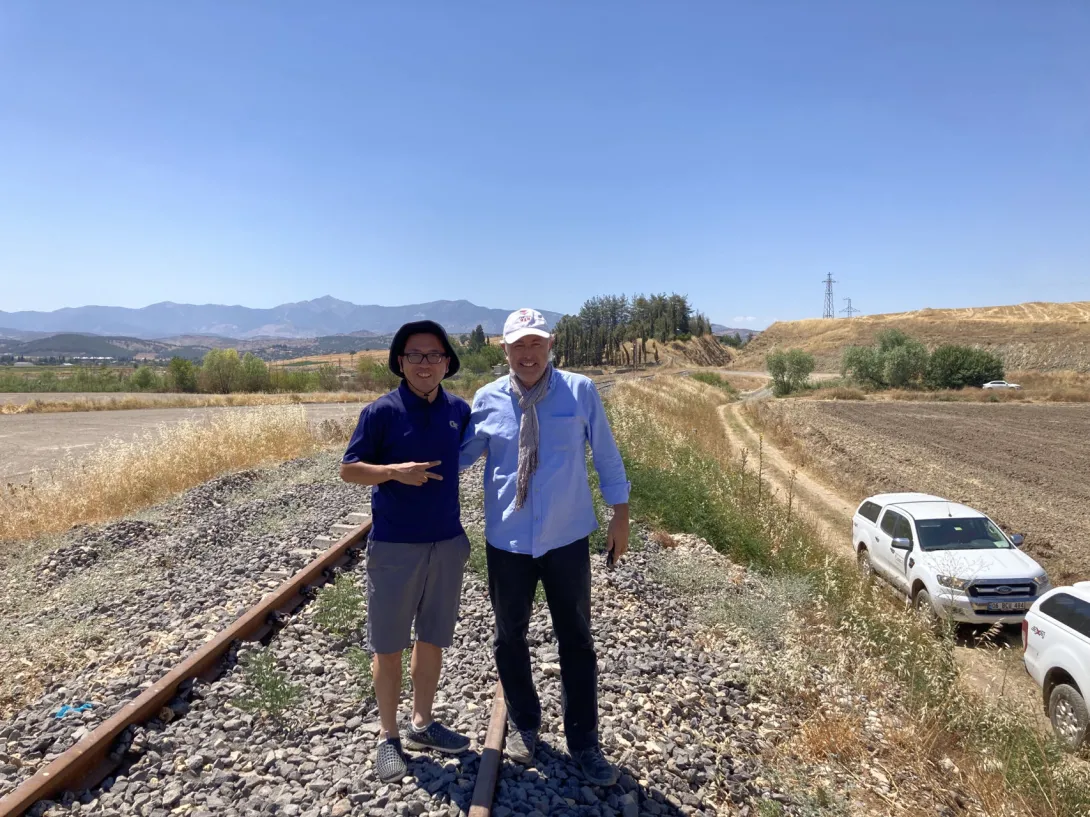
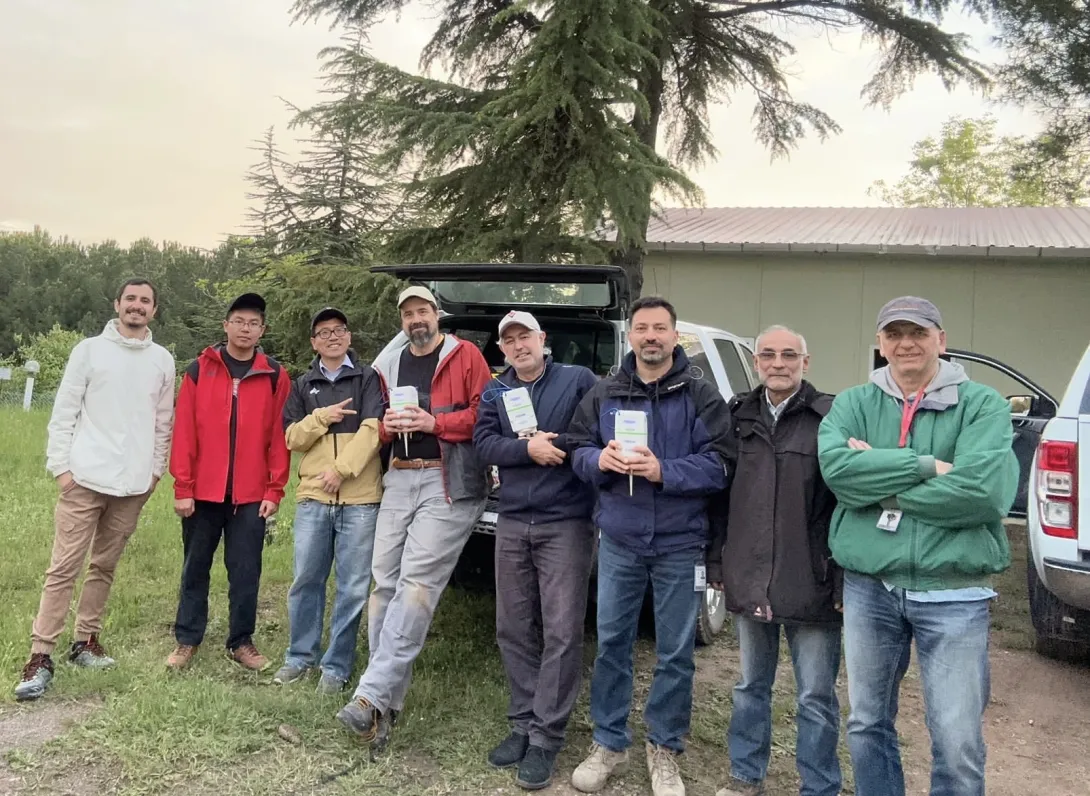
In February, a major earthquake event devastated the south-central region of the Republic of Türkiye (Turkey) and northwestern Syria. Two earthquakes, one magnitude 7.8 and one magnitude 7.5, occurred nine hours apart, centered near the heavily populated city of Gaziantep. The total rupture lengths of both events were up to 250 miles. The president of Turkey has called it the “disaster of the century,” and the threat is still not over — aftershocks could still affect the region.
Now, Zhigang Peng, a professor in the School of Earth and Atmospheric Sciences at Georgia Tech and graduate students Phuc Mach and Chang Ding, alongside researchers at the Scientific and Technological Research Institution of Türkiye (TÜBİTAK) and researchers at the University of Missouri, are using small seismic sensors to better understand just how, why, and when these earthquakes are occurring.
Funded by an NSF RAPID grant, the project is unique in that it aims to actively respond to the crisis while it’s still happening. National Science Foundation (NSF) Rapid Response Research (RAPID) grants are used when there is a severe urgency with regard to availability of or access to data, facilities or specialized equipment, including quick-response research on natural or anthropogenic disasters and other similar unanticipated events.
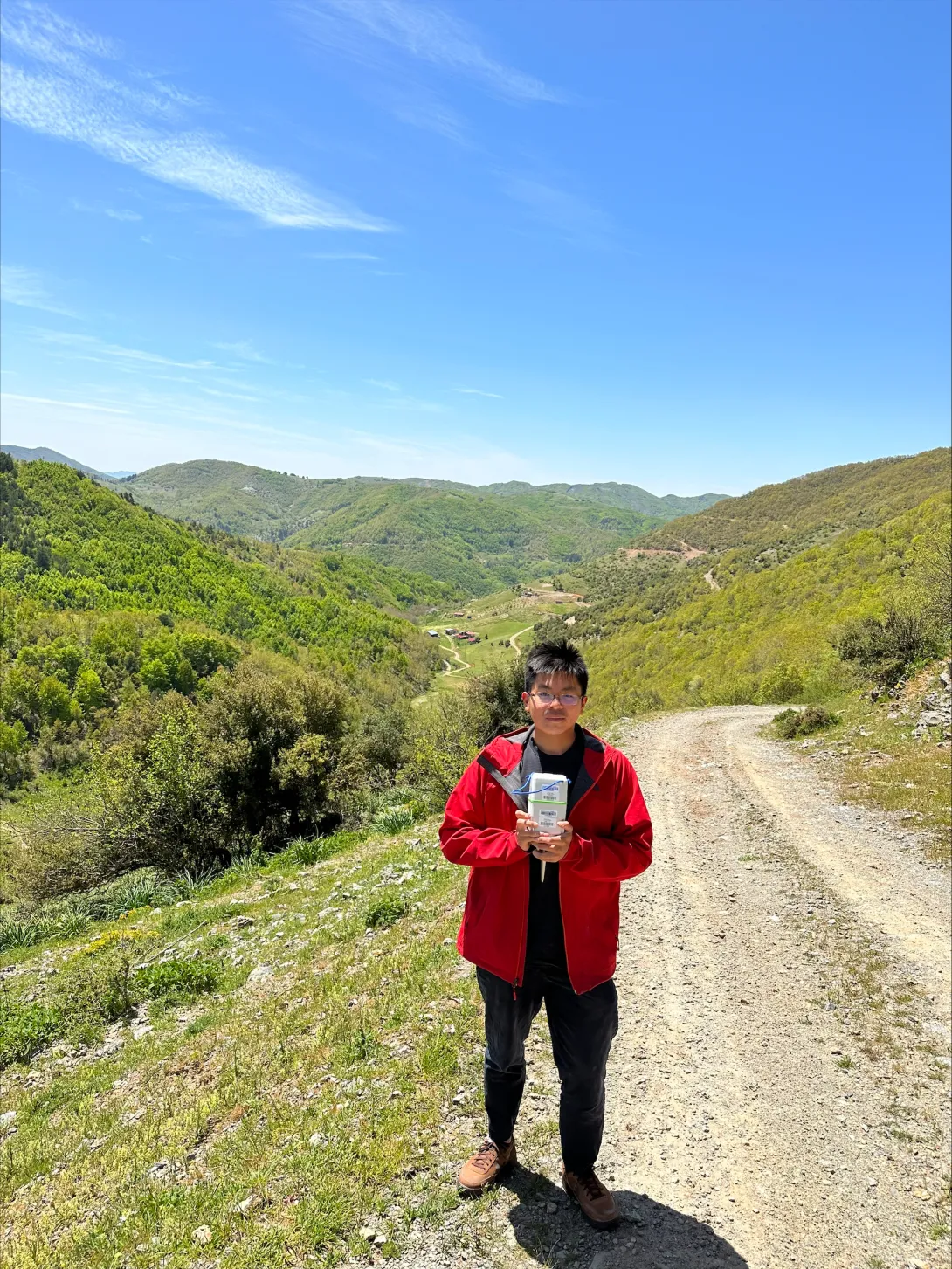
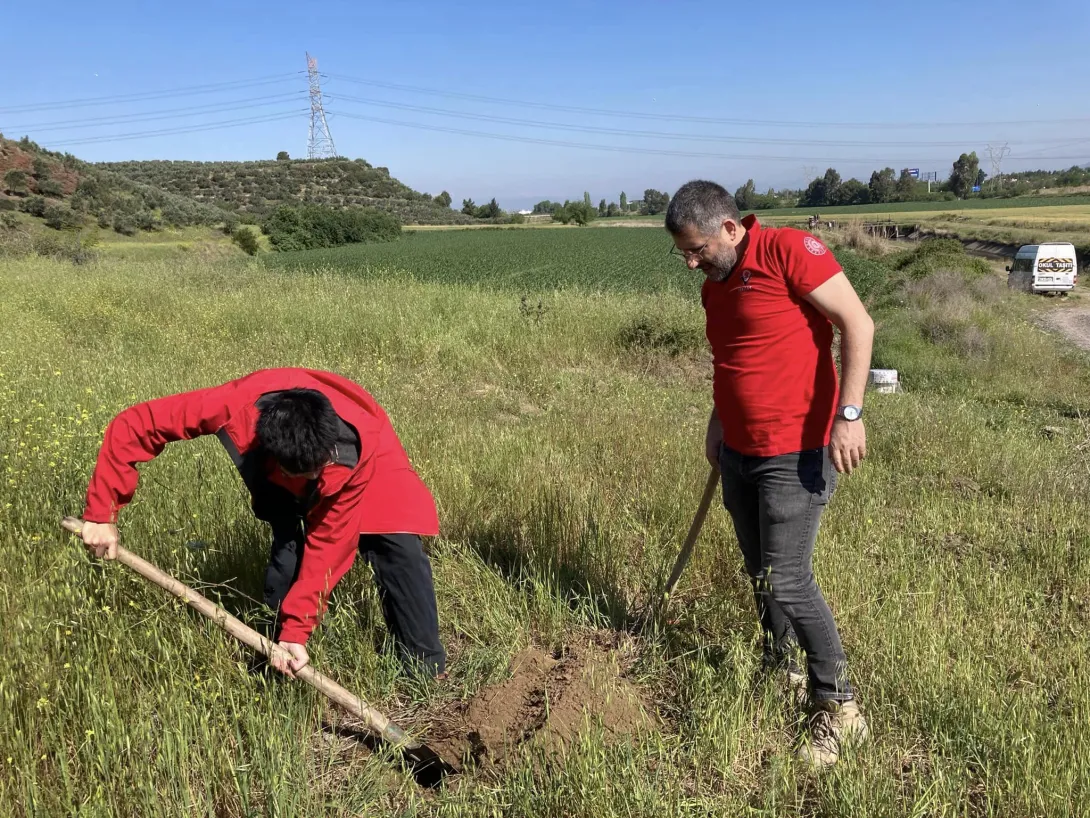
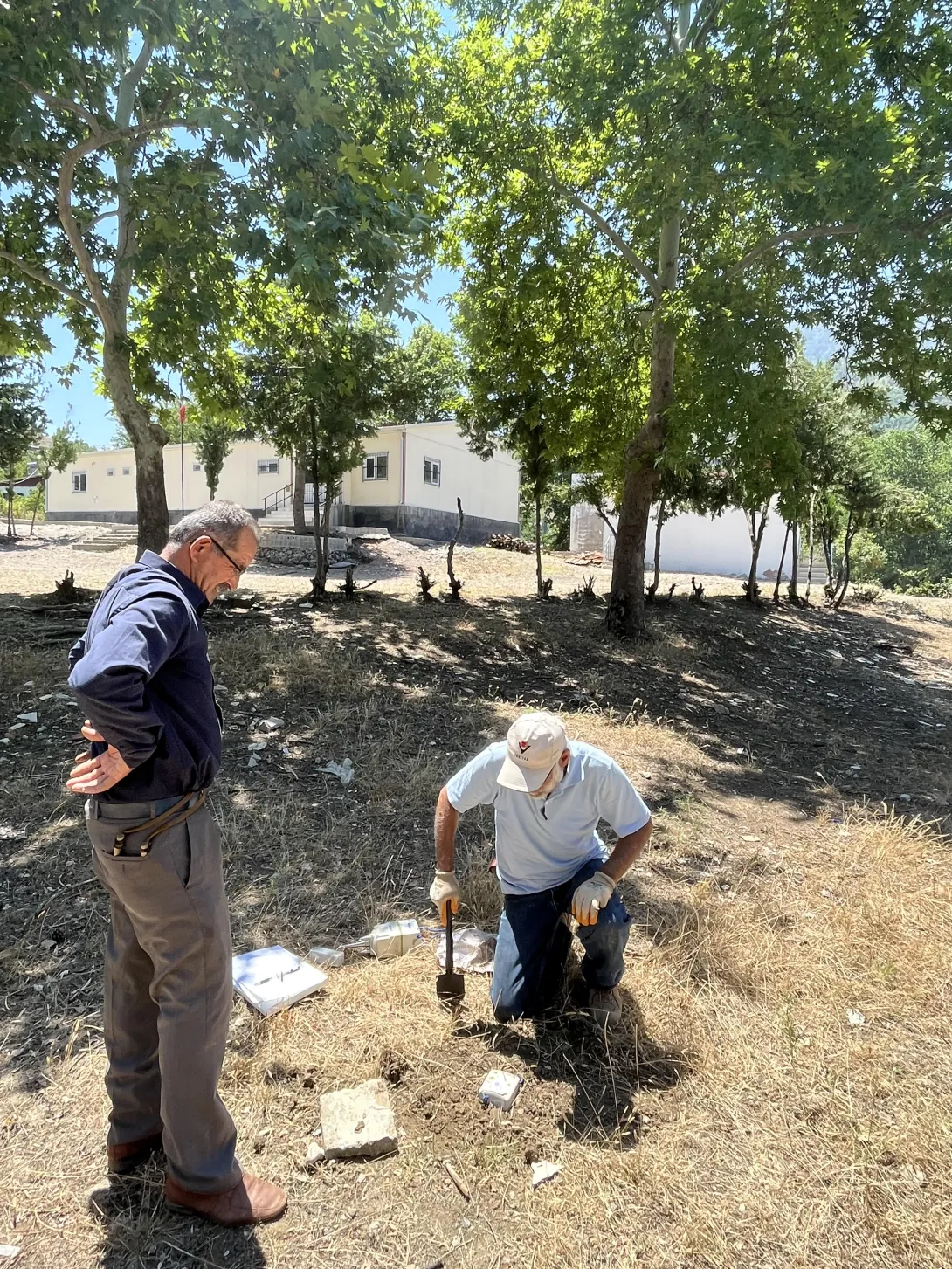
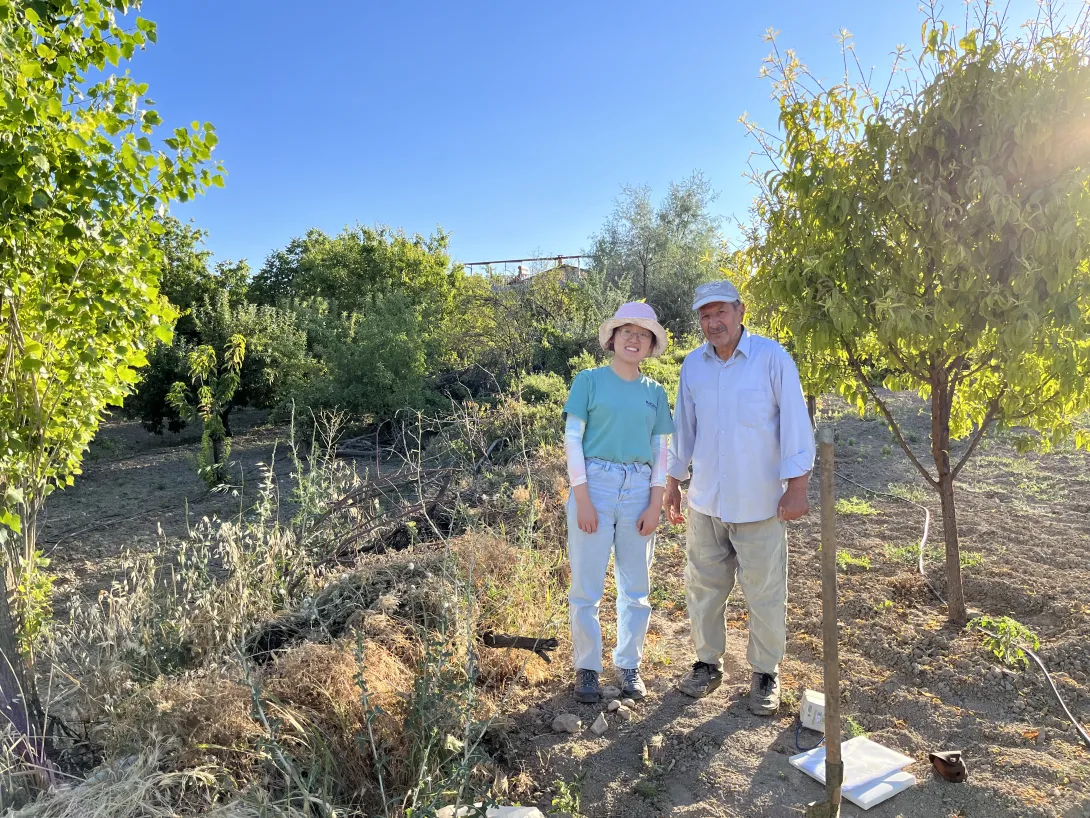
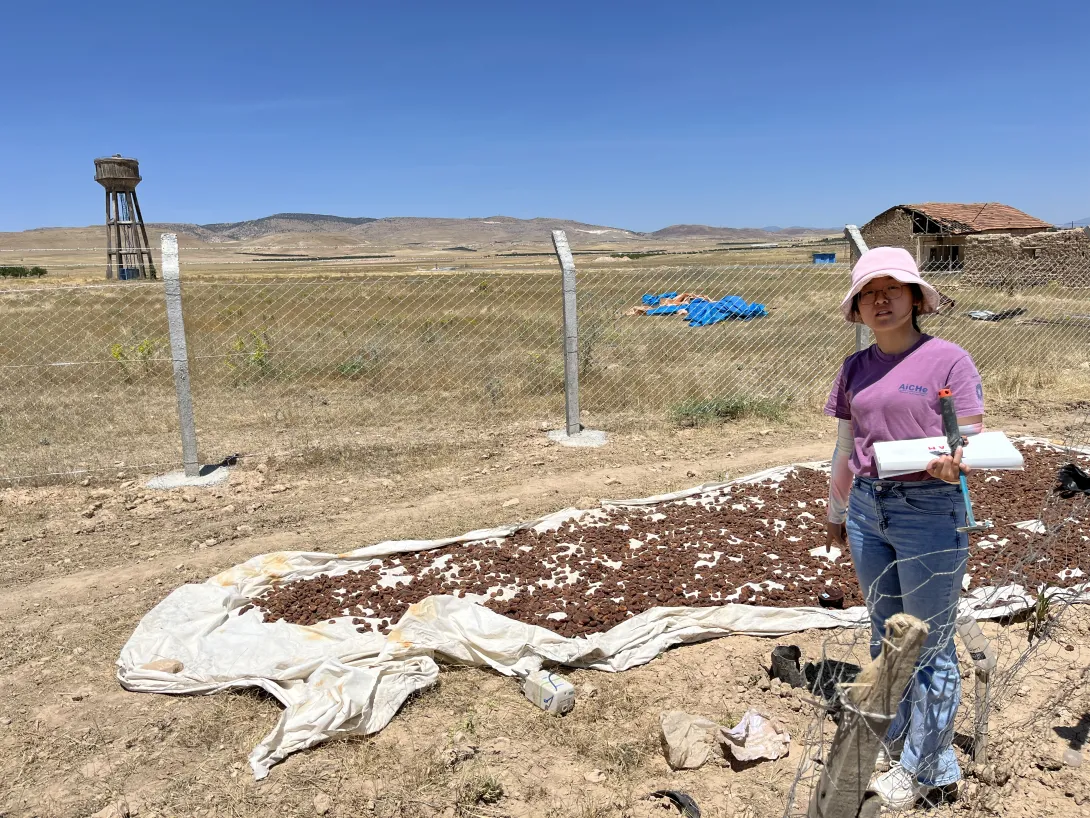
In an effort to better map the aftershocks of the earthquake event — which can occur weeks or months after the main event — the team placed approximately 120 small sensors, called nodes, in the East Anatolian fault region this past May. Their deployment continues through the summer.
It’s the first time sensors like this have been deployed in Turkey, says Peng.
“These sensors are unique in that they can be placed easily and efficiently," he explains. "With internal batteries that can work up to one month when fully charged, they’re buried in the ground and can be deployed within minutes, while most other seismic sensors need solar panels or other power sources and take much longer time and space to deploy.” Each node is about the size of a 2-liter soda bottle, and can measure ground movement in three directions.
“The primary reason we’re deploying these sensors quickly following the two mainshocks is to study the physical mechanisms of how earthquakes trigger each,” Peng adds. Mainshocks are the largest earthquake in a sequence. “We’ll use advanced techniques such as machine learning to detect and locate thousands of small aftershocks recorded by this network. These newly identified events can provide new important clues on how aftershocks evolve in space and time, and what drives foreshocks that occur before large events.”
Unearthing fault mechanisms
The team will also use the detected aftershocks to illuminate active faults where three tectonic plates come together — a region known as the Maraş Triple Junction. “We plan to use the aftershock locations and the seismic waves from recorded events to image subsurface structures where large damaging earthquakes occur,” says Mach, the Georgia Tech graduate researcher. This will help scientists better understand why sometimes faults ‘creep’ without any large events, while in other cases faults lock and then violently release elastic energy, creating powerful earthquakes.
Getting high-resolution data of the fault structures is another priority. “The fault line ruptured in the first magnitude 7.8 event has a bend in it, where earthquake activity typically terminates, but the earthquake rupture moved through this bend, which is highly unusual,” Peng says. By deploying additional ultra-dense arrays of sensors in their upcoming trip this summer, the team hopes to help researchers ‘see’ the bend under the Earth’s surface, allowing them to better understand how fault properties control earthquake rupture propagation.
The team also aims to learn more about the relationship between the two main shocks that recently rocked Turkey, sometimes called doublet events. Doublet events can happen when the initial earthquake triggers a secondary earthquake by adding extra stress loading. While in this instance, the doublet may have taken place only 9 hours after the initial event, these secondary earthquakes have been known to take place days, months, or even years after the initial one — a famous example being the sequence of earthquakes that spanned 60 years in the North Anatolian fault region in Northern Turkey.
“Clearly the two main shocks in 2023 are related, but it is still not clear how to explain the time delays,” says Peng. The team plans to work with their collaborators at TÜBİTAK to re-analyze seismic and other types of geophysical data right before and after those two main shocks in order to better understand the triggering mechanisms.
“In our most recent trip in southern Türkiye, we saw numerous buildings that were partially damaged during the mainshock, and many people will have to live in temporary shelters for years during the rebuilding process,” Peng adds. “While we cannot stop earthquakes from happening in tectonically active regions, we hope that our seismic deployment and subsequent research on earthquake triggering and fault imaging can improve our ability to predict what will happen next — before and after a big one — and could save countless lives.”
News Contact
Written By:
Selena Langner
Media Contact:
Jess Hunt-Ralston