
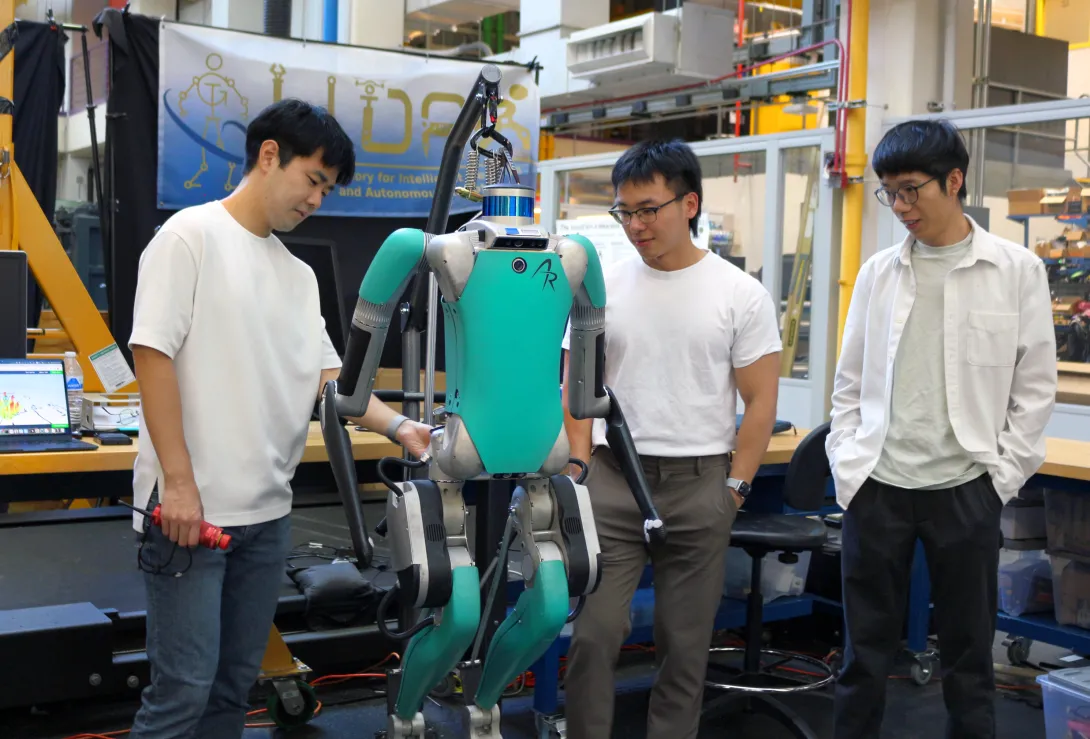
Members of the LIDAR Lab involved with the research with the DIGIT robot used in the trainings.
Viral videos abound with humanoid robots performing amazing feats of acrobatics and dance but finding videos of a humanoid robot performing a common household task or traversing a new multi-terrain environment easily, and without human control, are much rarer. This is because training humanoid robots to perform these seemingly simple functions involves the need for simulation training data that lack the complex dynamics and degrees of freedom of motion that are inherent in humanoid robots.
To achieve better training outcomes with faster deployment results, Fukang Liu and Feiyang Wu, graduate students under Professor Ye Zhao from the Woodruff School of Mechanical Engineering and faculty member of the Institute for Robotics and Intelligent Machines, have published a duo of papers in IEEE Robotics and Automation Letters. This is a collaborative work with three other IRIM affiliated faculties, Profs. Danfei Xu, Yue Chen, and Sehoon Ha, as well as Prof. Anqi Wu from School of Computational Science and Engineering.
To develop more reliable motion learning for humanoid robots and enable humanoid robots to perform complex whole-body movements in the real world, Fukang led a team and developed Opt2Skill, a hybrid robot learning framework that combines model-based trajectory optimization with reinforcement learning. Their framework integrates dynamics and contacts into the trajectory planning process and generates high-quality, dynamically feasible datasets, which result in more reliable motion learning for humanoid robots and improved position tracking and task success rates. This approach shows a promising way to augment the performance and generalization of humanoid RL policies using dynamically feasible motion datasets. Incorporating torque data also improved motion stability and force tracking in contact-rich scenarios, demonstrating that torque information plays a key role in learning physically consistent and contact-rich humanoid behaviors.
While other datasets, such as inverse kinematics or human demonstrations, are valuable, they don’t always capture the dynamics needed for reliable whole-body humanoid control.” said by Fukang Liu. “With our Opt2Skill framework, we combine trajectory optimization with reinforcement learning to generate and leverage high-quality, dynamically feasible motion data. This integrated approach gives robots a richer and more physically grounded training process, enabling them to learn these complex tasks more reliably and safely for real-world deployment. - Fukang Liu
In another line of humanoid research, Feiyang established a one-stage training framework that allows humanoid robots to learn locomotion more efficiently and with greater environmental adaptability. Their framework, Learn-to-Teach (L2T), unlike traditional two-stage “teacher-student” approaches, which first train an expert in simulation and then retrain a limited-perception student, teaches both simultaneously, sharing knowledge and experiences in real time. The result of this two-way training is a 50% reduction in training data and time, while maintaining or surpassing state-of-the-art performance in humanoid locomotion. The lightweight policy learned through this process enables the lab’s humanoid robot to traverse more than a dozen real-world terrains—grass, gravel, sand, stairs, and slopes—without retraining or depth sensors.
By training an expert and a deployable controller together, we can turn rich simulation feedback into a lightweight policy that runs on real hardware, letting our humanoid adapt to uneven, unstructured terrain with far less data and hand-tuning than traditional methods. - Feiyang Wu
By the application of these training processes, the team hopes to speed the development of deployable humanoid robots for home use, manufacturing, defense, and search and rescue assistance in dangerous environments. These methods also support advances in embodied intelligence, enabling robots to learn richer, more context-aware behaviors.Additionally, the training data process can be applied to research to improve the functionality and adaptability of human assistive devices for medical and therapeutic uses.
As humanoid robots move from controlled labs into messy, unpredictable real-world environments, the key is developing embodied intelligence—the ability for robots to sense, adapt, and act through their physical bodies,” said Professor Ye Zhao. “The innovations from our students push us closer to robots that can learn robust skills, navigate diverse terrains, and ultimately operate safely and reliably alongside people. - Prof. Ye Zhao
Author - Christa M. Ernst
Citations
Liu F, Gu Z, Cai Y, Zhou Z, Jung H, Jang J, Zhao S, Ha S, Chen Y, Xu D, Zhao Y. Opt2skill: Imitating dynamically-feasible whole-body trajectories for versatile humanoid loco-manipulation. IEEE Robotics and Automation Letters. 2025 Oct 13.
Wu F, Nal X, Jang J, Zhu W, Gu Z, Wu A, Zhao Y. Learn to teach: Sample-efficient privileged learning for humanoid locomotion over real-world uneven terrain. IEEE Robotics and Automation Letters. 2025 Jul 23.
News Contact
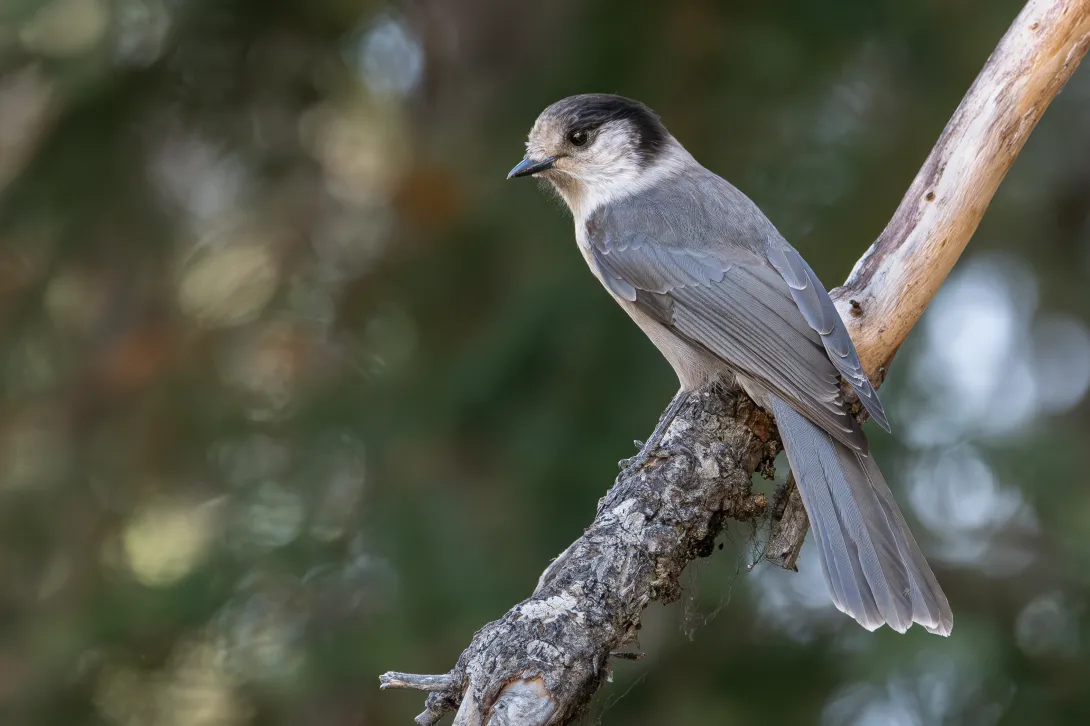
The Canada Jay is one of the birds struggling in the Pacific Northwest. (Credit: Mason Maron)

A placard still standing from the original surveys conducted in the early 90's. Finding these original sites was a "scavenger hunt," Freeman says. (Credit: Benjamin Freeman)

A large downed cedar tree in one of the lowland old-growth forests that Freeman navigated. (Credit: Benjamin Freeman)
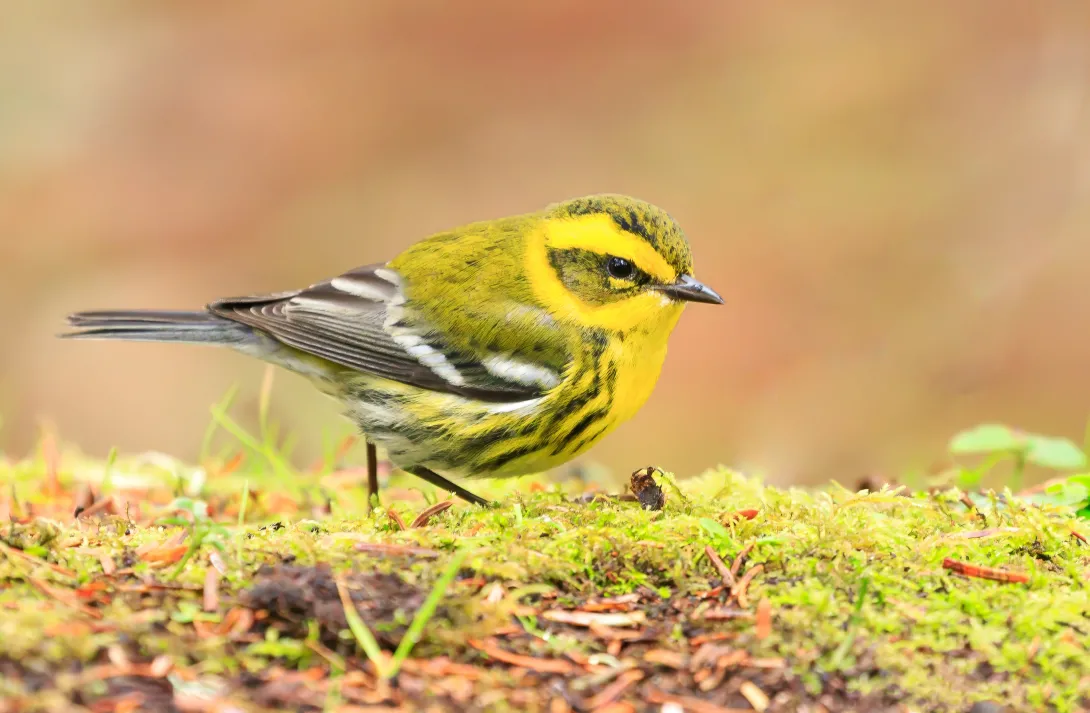
Townsend's Warbler, a small songbird that lives in the forests of the Pacific Northwest. (Credit: Melissa Hafting, @bcbirdergirl)
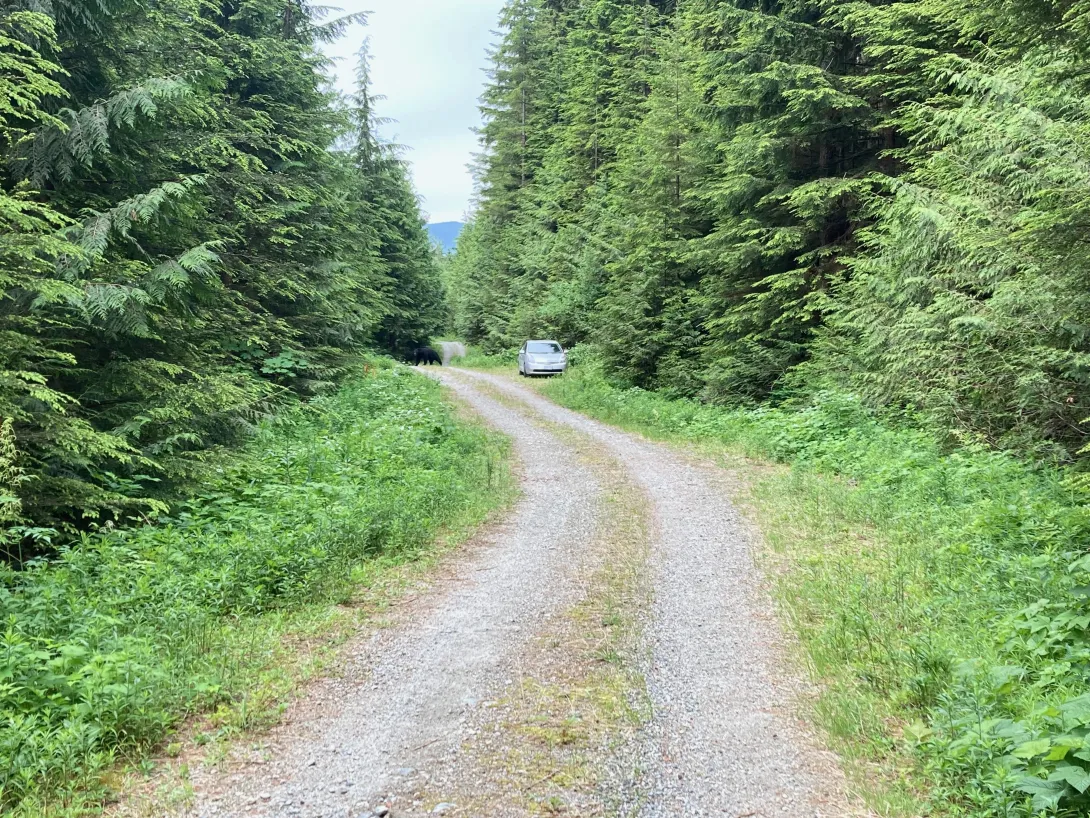
While locating the field sites, Freeman spotted this bear on an old road. (Credit: Benjamin Freeman)

An overgrown and abandoned road that Freeman traversed. (Credit: Benjamin Freeman)

The Varied Thrush is another bird common in the Pacific Northwest. (Credit: Melissa Hafting, @bcbirdergirl)
A 30-year “snapshot study” of birds in the Pacific Northwest is showing their surprising resilience in the face of climate change. The project started when School of Biological Sciences Assistant Professor Benjamin Freeman found a study by Louise Waterhouse detailing birds in the mountains near Vancouver three decades ago. What followed was an ecological scavenger hunt: Freeman revisited each of the old field sites, navigating using his local knowledge and Waterhouse’s hand-drawn maps.
Freeman, who grew up in Seattle, mainly studies the ecology of tropical birds — but the discovery of Waterhouse’s paper made him curious about research closer to home. The results were surprising: over the last three decades, most of the bird populations in the region were stable and had been increasing in abundance at higher elevations.
The study, “Pacific Northwest birds have shifted their abundances upslope in response to 30 years of warming temperatures” was published in the journal Ecology this fall. In addition to lead author Freeman, the team also included Harold Eyster (The Nature Conservancy), Julian Heavyside (University of British Columbia), Daniel Yip (Canadian Wildlife Service), Monica Mather (British Columbia Ministry of Water, Lands and Resource Stewardship), and Waterhouse (British Columbia Ministry of Forests, Coast Area Research).
“It is great news that most birds in the region are resilient, and by doing this work, we can focus on the species that do need help, like the Canada Jay, which is struggling in this region,” Freeman says. “Studies like this help us focus resources and effort.”
Songbirds and snow
Conducting the fieldwork was a detective game, Freeman says. Each day, he would wake up at four in the morning to locate and visit the research areas — often navigating trails, open forest, and rough terrain on foot.
This area of the Pacific Northwest is punctuated with old-growth stands of trees — sections of forest that have never been logged or altered. “These areas feel like islands,” Freeman shares. “They feel ancient and untouched, but even in pristine habitats, birds are still responding to climate change.”
Most of the work was conducted during the birds’ breeding season, from late May into June. This is when the birds are most vocal, which is ideal for surveys, Freeman says. The downside? Even in June, there is often snow in the mountains. “I was out at dawn, hiking through snow in the freezing cold, wondering why I didn’t stay in bed,” he recalls. “But then I’d hear birds singing all around me and realize it was all worth it.”
Upward expansion — and resilience
By comparing the two “snapshots,” the team showed that while temperatures have increased over the last 30 years, most bird populations in the region haven’t declined — but they have become more abundant at higher elevations. “It’s encouraging,” Freeman says. “Thirty years of warming has led to changes, but for the most part, these bird populations are mostly stable or improving.”
One reason for this resilience could be the stability that old growth forests provide, and Freeman suggests that conserving wide swaths of mountain habitat might help birds thrive as they continue to adapt, while still supporting populations at lower elevations. The study also helps identify which bird species need additional support, like the Canada Jay — a gray and white bird known for following hikers in pursuit of dropped snacks.
It’s just one piece of Freeman’s larger research goal — he aims to do this type of snapshot research in many different places to identify general patterns, especially differences in temperate versus tropical environments.
“In the tropics, most bird species are vulnerable, with only a few resilient species. In the Pacific Northwest, we saw the opposite,” he says. “A pattern is emerging: temperate zones show more resilience, tropics more vulnerability.”
Freeman is also conducting research with a group of students in Northern Georgia. “We predict that these Appalachian birds will be resilient as well,” he says, “but we need to study and understand what’s happening in nature — not just make predictions.”
DOI: https://doi.org/10.1002/ecy.70193
Funding: Packard Foundation
News Contact
Written by Selena Langner
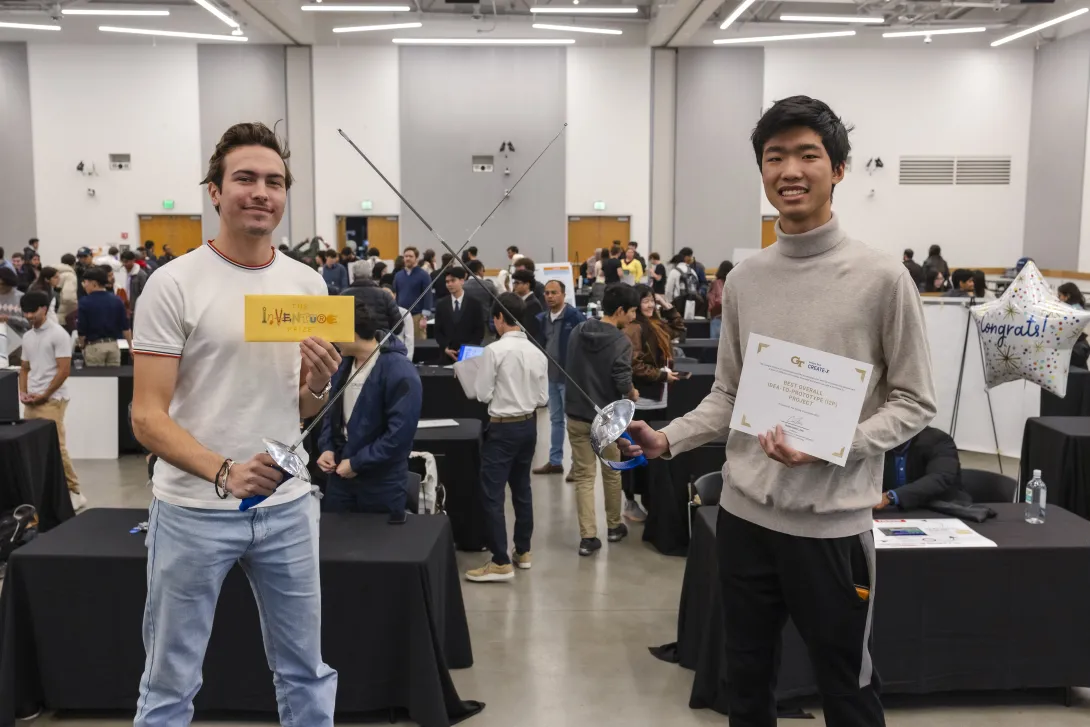
Founders of Allez Go: Adam Kulikowski and Jason Mo
Cricket powder-based protein brownies. A visualization system for fencing blades. A personalized AI application for analyzing blood work. All I2P Showcase prototypes. See what Georgia Tech students have been developing this semester at the Fall 2025 Idea to Prototype (I2P) Showcase on Tuesday, Dec. 2, at 5 p.m. in the Marcus Nanotechnology Building. This year, attendees will have even more original inventions to view, with over 60 teams displaying prototypes.
The event marks the culmination of the semester-long I2P course, where undergraduate students develop functional prototypes aimed at solving real-world problems. Prototypes this semester include a smart military drone, a gentler device for cervical cancer screening, a rotating espresso station, tools to keep AI safe, compact data centers, systems that simulate cyberattacks to help companies strengthen their defenses, and many more.
The showcase is free and open to students, faculty, staff, and members of the local community.
Winning teams will receive prizes and a “golden ticket” into CREATE-X’s Startup Launch, a summer accelerator that provides optional seed funding, accounting and legal service credits, mentorship, and more to help students turn their prototypes into viable startups.
This is a free event, and refreshments will be provided. Register for the Fall 2025 I2P Showcase today!
News Contact
Breanna Durham
Marketing Strategist
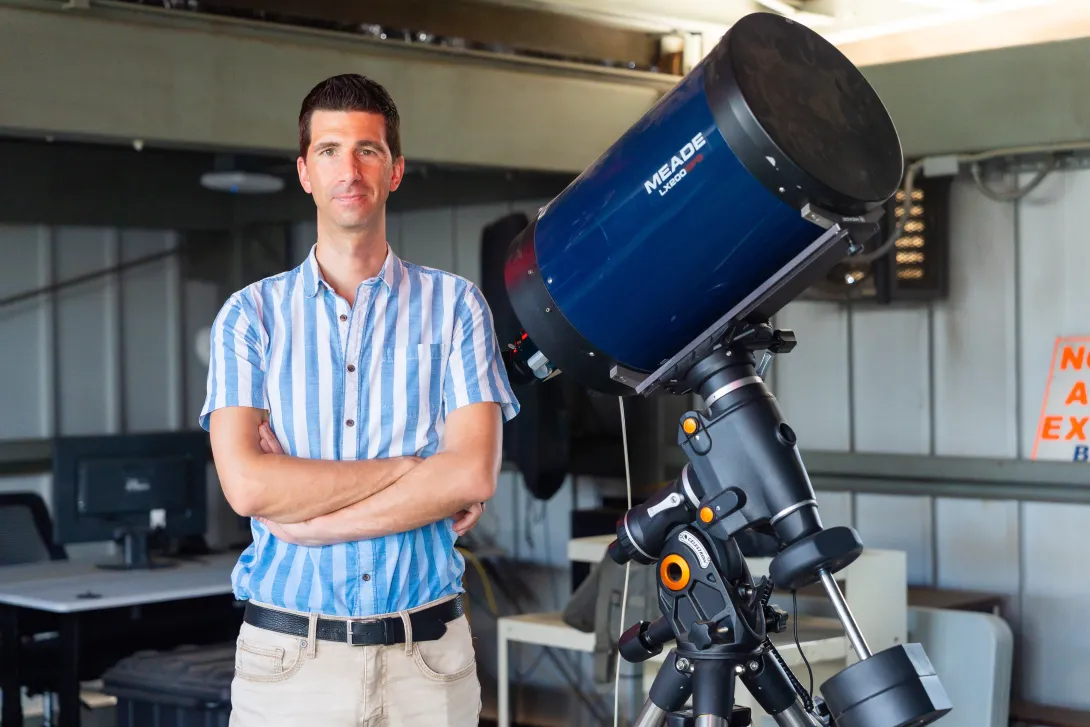
The College of Sciences has named Paul Sell as the new director of the Georgia Tech Observatory. Sell joined the Institute in Fall 2025 as a senior academic professional in the School of Physics. He also serves as advisor of the new B.S. in Astrophysics degree program.
“Paul Sell is a wonderful addition to our College of Sciences community,” says Susan Lozier, dean of the College of Sciences, Betsy Middleton and John Clark Sutherland Chair, and professor in the School of Earth and Atmospheric Sciences. “His leadership brings renewed energy to the Georgia Tech Observatory, and I look forward to seeing how he expands its impact across campus and in the broader community.”
Observing the cosmos from campus
The Georgia Tech Observatory was established nearly two decades ago at a time when the Institute’s astronomy and astrophysics research and teaching ecosystem was in its infancy.
School of Physics Principal Academic Professional Emeritus Jim Sowell created the facility on the roof of the Howey Physics Building in 2007 and served as its director until his retirement in 2024.
“The Observatory — and its numerous variety of telescopes — makes it possible for Georgia Tech students and Atlanta-area visitors to see with their own eyes some of the best, awe-inspiring celestial delights, including craters on the Moon, Jupiter’s Red Spot, Saturn’s rings, and many other objects,” says Sowell.
The Observatory’s primary instrument is a 20-inch diameter telescope by Officina Stellare. Known as the Georgia Tech’s Space Object Research Telescope (GT-SORT), this Raven-class space surveillance telescope is used by researchers in the Daniel Guggenheim School of Aerospace Engineering to monitor man-made spacecraft.
“What’s unique about the Georgia Tech Observatory is that it’s right on campus, offering a meaningful, hands-on experience to everyone,” explains Sell. “It can be readily integrated into experiential learning projects on campus all year round.”
Sell’s upper-level astronomy lab, which combines lectures with experiences at the Observatory, highlights the facility’s academic importance.
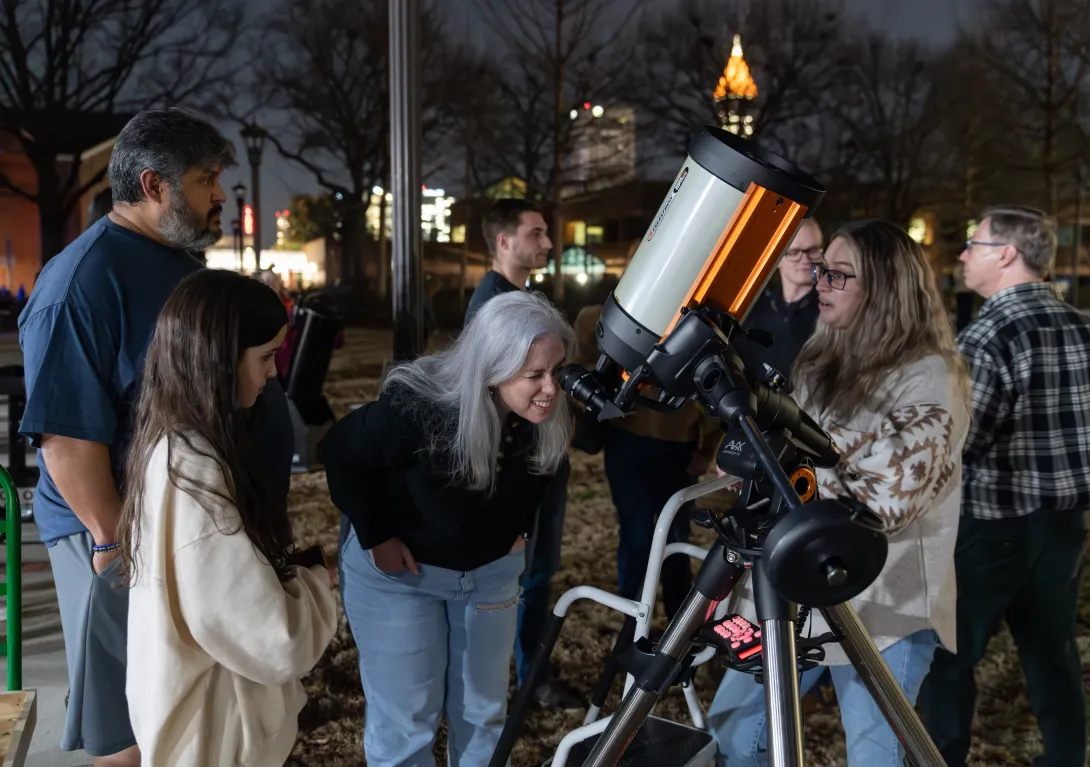
Yet, the Observatory’s impact extends beyond the classroom, thanks to free community events like “Public Nights at the Observatory,” which offer attendees the opportunity to explore the night sky.
Held most months, weather permitting, this event features telescopes stationed outside the Howey Physics Building, allowing astronomy enthusiasts from Georgia Tech and beyond to view the Moon, Jupiter, Saturn, and other cosmic wonders. These gatherings typically draw more than 100 stargazers.
Specialized groups are also hosted at the Observatory. For example, the Georgia Tech Astronomy Club uses the facility during its weekly meetings.
“The Observatory is a haven where students can step outside for a moment and get lost in the stars,” says AJ Chadha, club president and fourth-year computer science major. “With one of the largest telescopes in Georgia, the on-campus 20-inch GT-SORT, we weave astronomy directly into student life.”
Under Sell’s leadership, the Observatory will continue to strengthen partnerships with student organizations, campus units, and community groups.
“I'm excited to explore additional ways we can use this resource for outreach and academic purposes that benefit both Georgia Tech and the Atlanta community,” Sell adds.
A passion for astronomy
Before joining Georgia Tech, Sell served as senior lecturer, astronomy undergraduate coordinator, and interim director of the teaching observatory at the University of Florida.
His passion for astronomy began at an early age, sparked by a gift from his parents: an Orion refracting lens telescope.
“I remember taking out that telescope, even in freezing cold Ohio winters, simply because the observing conditions were better,” he recalls.
Sell nurtured his interest in astronomy through his university studies and extracurricular activities, which included working in planetaria as an undergraduate at the University of Toledo. He later obtained a Ph.D. in Astronomy from the University of Wisconsin-Madison.
“I am grateful for the opportunity to share my passion for astronomy, not only with our physics students but with the larger Georgia Tech community — through classroom lectures, student advising, and Observatory outreach,” Sell says.
News Contact
Writer: Lindsay C. Vidal
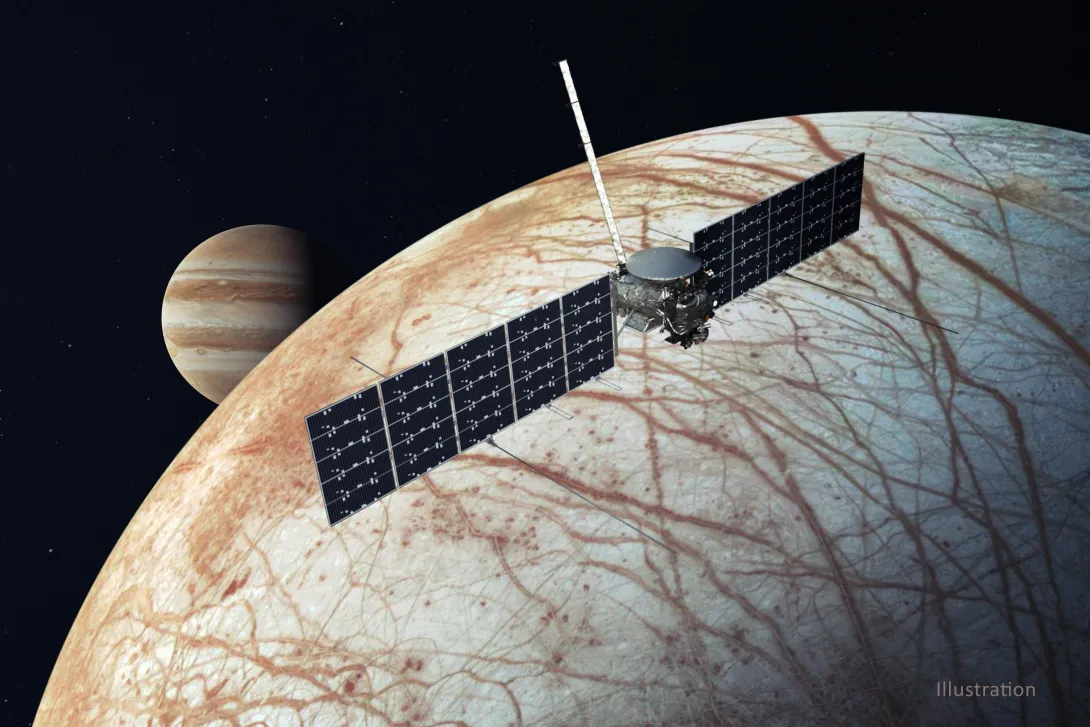
In four years, National Aeronautics and Space Administration (NASA)’s Europa Clipper mission will arrive in Jupiter’s orbit to investigate whether the planet’s icy moon, Europa, could support life. In the interim, researchers like Sven Simon, a professor in the Schools of Earth and Atmospheric Sciences and Physics, are working to uncover critical information to support the rapid analysis of measurements from the mission.
Simon’s research team has been awarded $1.4 million through NASA’s Precursor Science Investigations for Europa (PSI-E) program. Their project is one of seven selected to provide essential insights that, according to the program announcement, “will maximize the science return during the radiation-limited lifetime of the Europa Clipper.”
Simon also serves as the institutional lead co-investigator of a second $1.4 million project, led by researchers at the University of California, Berkeley, which seeks to decipher how Europa's atmosphere and ionosphere contribute to the magnetic field near the moon. This project was selected during the same call for proposals.
“The research award is a fantastic opportunity to contribute to a mission centered on Europa’s complex plasma and electromagnetic environment,” says Simon, referencing the Georgia-Tech led proposal. “Our project combines foundational plasma physics from our School of Physics and geophysical knowledge from our School of Earth and Atmospheric Sciences to understand how the magnetic field near Europa is affected by the plasma populating Jupiter’s environment.”
The research team includes Earth and Atmospheric Sciences Ph.D. students Ariel Tello Fallau and Charles Michael Haynes. Neil Baker, a Ph.D. student in the School of Physics, is contributing to the Berkeley-led PSI-E project that also includes Georgia Tech alumnus Lucas Liuzzo (Ph.D. EAS 2018), now an assistant research scientist at the University of California, Berkeley’s Space Sciences Laboratory.
Groundwork for discovery
With a radius of only 1,560 kilometers, Europa is one of Jupiter’s four largest moons, known as the Galilean moons, discovered by Italian astronomer Galileo Galilei in the 1600s.
More than two decades ago, data from NASA’s Galileo mission — specifically magnetic field measurements collected far above Europa’s surface — pointed to the existence of a global subsurface ocean. This ocean, which may contain more liquid water than all of the Earth’s oceans combined, has made Europa a prime candidate in the search for life beyond Planet Earth.
“Finding evidence of a saltwater ocean lurking beneath Europa’s surface was a serendipitous discovery during the Galileo mission,” Simon explains. “NASA’s Europa Clipper mission picks up where the Galileo mission left off.”
Launched in October 2024, the Europa Clipper space probe is expected to reach Jupiter’s orbit in 2030. That gives Simon and his team only a few years to complete their analysis.
“Our research is doing the preparatory work to determine what and where we can measure further magnetic evidence of the ocean beneath Europa’s surface,” says Simon. “When the spacecraft arrives, we will find out whether our predictions are correct.”
Using advanced computer simulations, the team aims to better understand the magnetic fields near Europa. Part of these fields is generated by electric currents in the moon’s saltwater ocean; the other part is created by fast-moving flows of plasma — ionized matter that fills much of space — as it interacts with Europa’s atmosphere and surface.
“Our project focuses on how the magnetic fields from plasma flow patterns compete with the magnetic signal from Europa’s ocean,” says Simon. “We want to determine which part of the magnetic field near Europa originates from the ocean and which part is a disruptive effect from the plasma.”
Deciphering these magnetic signals will provide essential context for interpreting Europa Clipper’s measurements, helping to not only confirm the ocean’s existence but also reveal details about its structure.
News Contact
Writer: Lindsay C. Vidal

Flooding dominated the headlines of summer 2025. Atypical storms and rising rivers in the Texas Hill Country washed away an entire summer camp. Glacial snow melt, combined with flash river floods, caused hundreds of deaths in Pakistan. As the Atlantic hurricane season hits its peak, Americans wait to see if another storm may be as unexpectedly devastating as 2024’s Hurricane Helene.
Flooding can be an existential threat, affecting everything from infrastructure to health. Georgia Tech researchers are developing solutions to monitor and forecast flooding, as well as restore ecosystems to prevent future flooding. These efforts support communities’ resilience in the face of climate change and keep the U.S. secure.
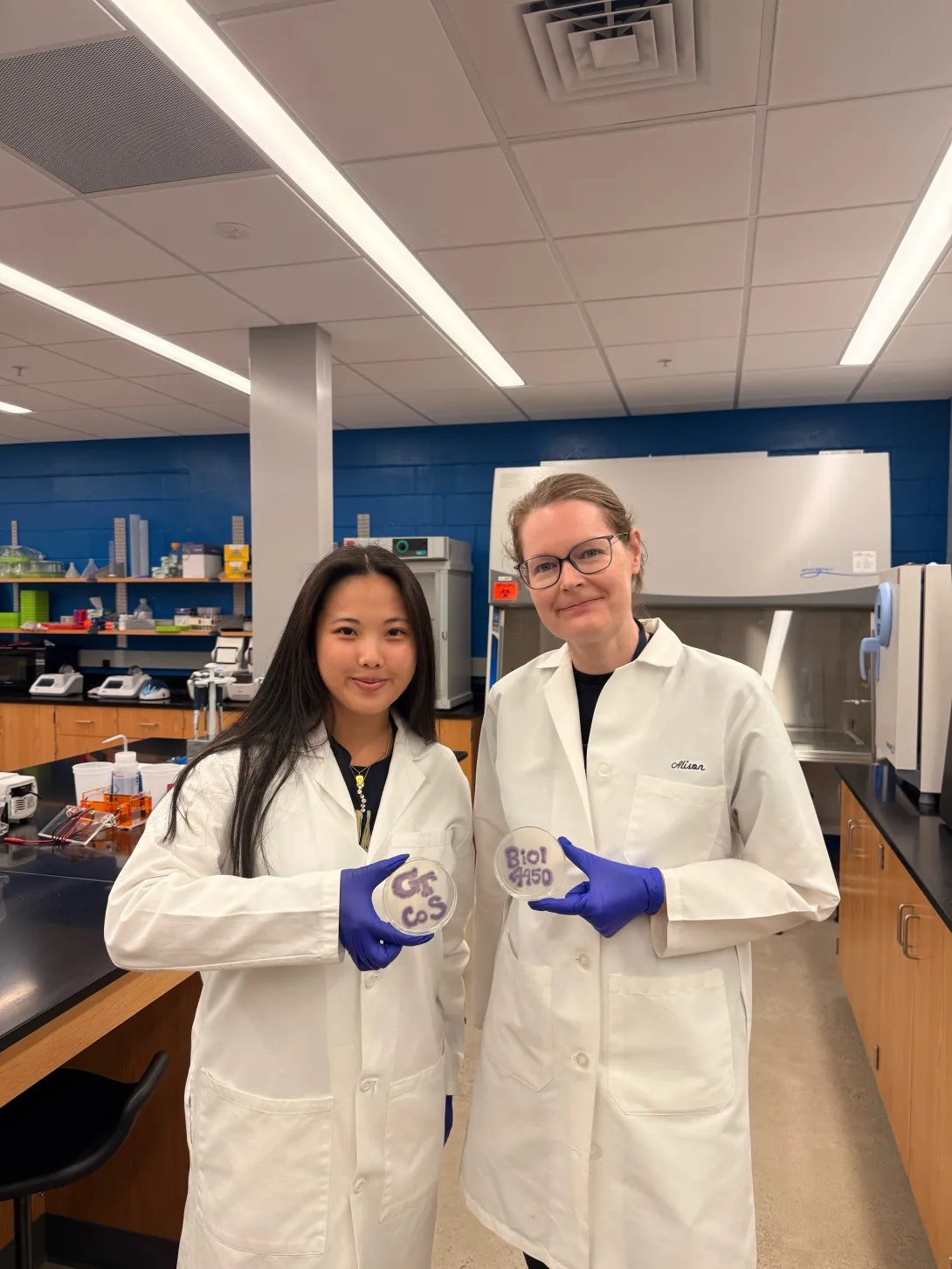
Grace Tang (Left) and Alison Onstine (Right) holding bacteria plates that spell "BIOL 4590" (Credit: Tang and Onstine)
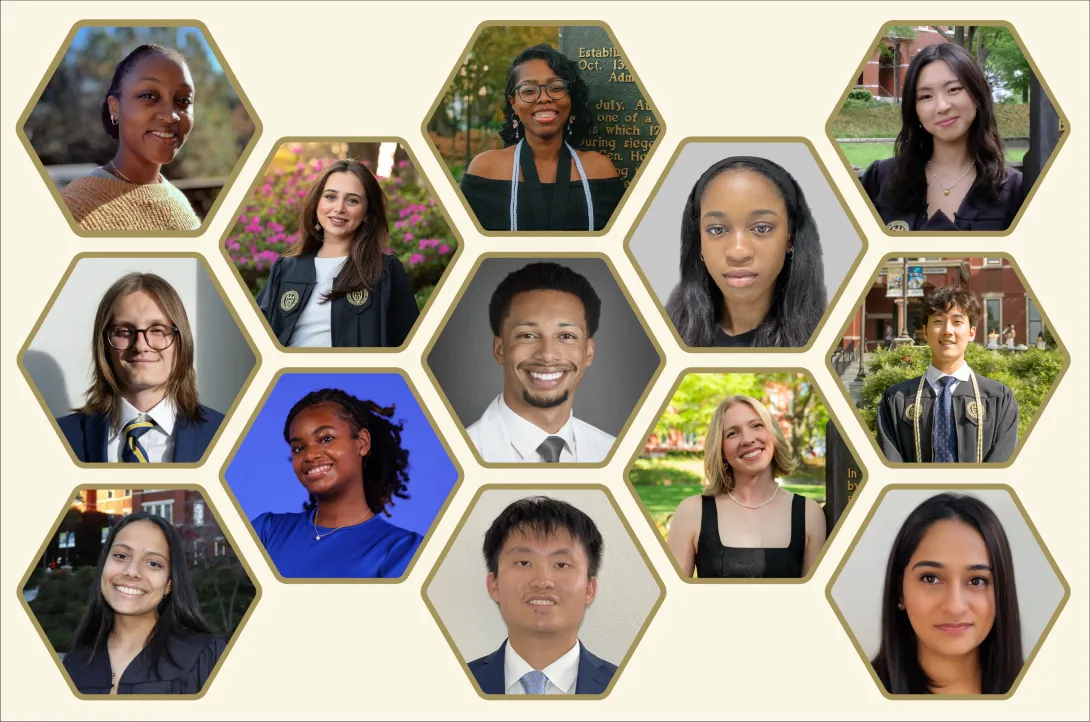
A collection of the undergraduate students who co-authored the paper. (Credit: Tang and Onstine)
This fall, 20 Georgia Tech students published a peer-reviewed scientific paper — the culmination of work done during a semester-long laboratory course. During the semester, students analyzed genomes sequenced from marine samples collected in Key West, Florida — doing hands-on original bioinformatics research on par with graduate students and working with bioinformatics tools to explore drug discovery potential.
The course, BIOS 4590, is a research project lab for senior biology majors that provides an opportunity for professors to share their expertise with students in a hands-on environment. In his class, Associate Professor Vinayak (Vinny) Agarwal, who holds joint appointments in the School of Chemistry and Biochemistry and School of Biological Sciences, aimed to introduce undergraduates to advanced bioinformatics tools through applied research using new-to-science raw data.
The resulting paper, “Phylogenomic Identification of a Highly Conserved Copper-Binding RiPP Biosynthetic Gene Cluster in Marine Microbulbifer Bacteria,” which was recently published in ACS Chemical Biology, involves the historically understudied genus of Microbulbifer, a type of bacteria often associated with sponges and corals. These microbial communities are rich sources of natural products, small biological molecules often associated with medicine and drug discovery.
"This class, and the resulting research, is a testament to the transformative power of hands-on learning,” says Susan Lozier, dean of the College of Sciences, Betsy Middleton and John Clark Sutherland Chair, and professor in the School of Earth and Atmospheric Sciences. “The success of this course — and the students’ remarkable achievement — reflects Georgia Tech's commitment to fostering curiosity, collaboration, and scientific rigor and to empowering the next generation of scientists and leaders."
Funded by Agarwal’s 2023 National Science Foundation CAREER grant and Camille and Henry Dreyfus Foundation Teacher-Scholar award, the class also received support from leadership in the College of Sciences, School of Biological Sciences, and School Chemistry and Biochemistry. The study’s lead author, graduate student Yifan (Grace) Tang, served as the class teaching assistant, and was funded in part by a Biochemistry and Biophysics Graduate Assistance in Areas of National Need fellowship.
“The students in this class are working on important, novel work — this cohort worked with real genomic data that had never been sequenced before,” she says. “Typically, researchers might work with one or two genome sequences, but we provided students with 42 — this might be the first time anyone has looked at Microbulbifer at such a wide scope.”
From classroom to publication
To prepare for the class, Tang worked alongside Laboratory Manager Alison Onstine, who manages the School of Biological Sciences teaching laboratory spaces, to sequence the Key West bacterial genomes.
“Our work in the Agarwal Lab is in natural product discovery. We focus on finding new pharmaceutical drugs through marine bacteria — but with a bioinformatics spin,” Tang explains. “We wanted to bring this type of experience to undergraduates, so we gave fully sequenced genomes to students and asked them to look for potential properties.”
Throughout the class, students learned different techniques for analyzing bacterial genome sequences and extracting data with various tools — gaining both lab and computational skills through hands-on experiences, live demos, and troubleshooting sessions.
“The highlight was showing students just how much we can learn about a bacterial genus, especially one that hasn’t been studied at this scale before,” Tang shares. “This is a growing field, so there are so many opportunities for students to make meaningful contributions while learning new skills.”
Empowering future students
For many students, it was their first time using these types of tools, but Agarwal says that it’s something they'll likely encounter in both industry and research. He sees this type of research experience as especially helpful for seniors, who are often deciding between entering the workforce or continuing their education.
“Bioinformatics is increasingly important for analyzing big data. Students need the ability to manipulate and understand data using computational tools, and this class plays an important role in familiarizing them with this process,” he shares. “Our goal is to demystify research and give students the confidence and tools for both graduate school and for the workforce after graduation.”
The class will be offered for a third time in Fall 2026. While the exact course of research hasn’t yet been decided, “we always aim for something new that can produce publication-quality research — students don’t repeat past year’s work,” Agarwal says. This recent cohort of students built on the success of 18 undergraduates who took the class in 2023, who also published a paper. “This course truly underscores Georgia Tech’s commitment to pioneering meaningful undergraduate experiences — no other peer institution I know of is exposing undergraduates to bioinformatics at this level.”
Funding: NSF CAREER and the Dreyfus Foundation
News Contact
Written by Selena Langner
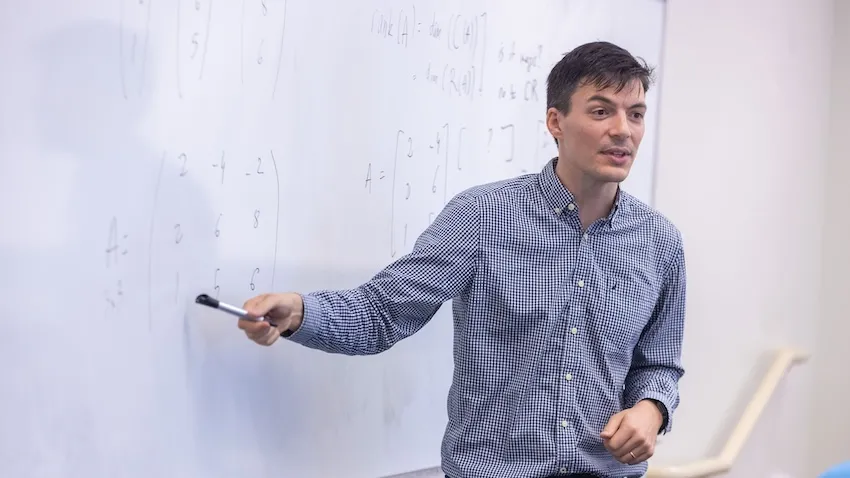
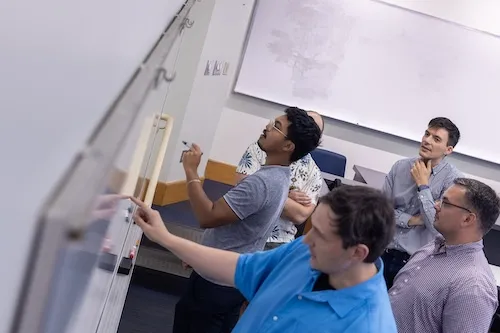
Students in machine learning and linear algebra courses this semester are learning from one of Georgia Tech’s most celebrated instructors.
Raphaël Pestourie has earned back-to-back selections to the Institute’s Course Instructor Opinion Survey (CIOS) honor roll, placing him among the top-ranked teachers for Fall 2024 and Spring 2025.
By returning to the classroom this semester to teach two more courses, Pestourie continues to leverage proven experience to mentor the next generation of researchers in his field.
“Students played a very important part in the survey process, and I thank them for making the classes great,” said Pestourie, an assistant professor in the School of Computational Science and Engineering (CSE).
“I'm incredibly grateful that students shared their feedback so that I could go the extra mile to not only apply my expertise to teach in ways that I think work, but transform my instruction to reach students in the most impactful way I can.”
CIOS honor rolls recognize instructors for outstanding teaching and educational impact, based on student feedback provided through end-of-course surveys.
Student praise of Pestourie’s CSE 8803: Scientific Machine Learning class placed him on the Fall 2024 CIOS honor roll. He earned selection to the Spring 2025 honor roll for his instruction of CX 4230: Computer Simulation.
CSE 8803 is a graduate-level, special topics class that Pestourie created around his field of expertise. Scientific machine learning involves merging two traditionally distinct fields: scientific computing and machine learning.
In scientific computing, researchers build and use models based on established physical laws. Machine learning differs in that it employs data-driven models to find patterns without prior assumptions. Combining the two fields opens new ways to analyze data and solve challenging problems in science and engineering.
Pestourie organized student-focused scientific machine learning symposiums in Fall 2023 and 2024. CSE 8803 students work on projects throughout the course and present their work at these symposiums. Pestourie will use the same approach this semester.
Compared to CSE 8803, CX 4230 is an undergraduate course that teaches students how to create computer models of complex systems. A complex system has many interacting entities that influence each other’s behaviors and patterns. Disease spread in a human network is one example of a complex system.
CX 4230 is a required course for computer science students studying the Modeling & Simulation thread. It is also an elective course in the Scientific and Engineering Computing minor.
“I see 8803 as my educational baby. Being acknowledged for it with a CIOS honor roll felt great,” Pestourie said.
“In a way, I'm prouder of CX 4230 because it was a large, undergraduate regular offering that I was teaching for the first time. The honor roll selection came almost as a surprise.”
To be eligible for the honor roll recognition, instructors must have a minimum CIOS response rate of 70%. Composite scores for three CIOS items are then used to rank instructors. Those items are:
- Instructor’s respect and concern for students
- Instructor’s level of enthusiasm about the course
- Instructor’s ability to stimulate interest in the subject matter
Georgia Tech’s Center for Teaching and Learning (CTL) and the Office of Academic Effectiveness present the CIOS Honor Rolls. CTL recognizes honor roll recipients at its Celebrating Teaching Day events, held annually in March.
CTL offers the Class of 1969 Teaching Fellowship, in which Pestourie participated in the 2024-2025 cohort. The program aims to broaden perspectives with insight into evidence-based best practices and exposure to new and innovative teaching methods.
The fellowship offers one-on-one consultations with a teaching and learning specialist. Cohorts meet weekly in the fall semester and monthly in the spring semester for instruction seminars.
The fellowship facilitates peer observations where instructors visit other classrooms, exchange feedback, and learn effective techniques to try in their own classes.
“I'm very grateful for the Class of 1969 fellowship program and to Karen Franklin, who coordinates it,” Pestourie said. “The honor roll is not just a one-person award. Support from the Institute and other people in the program made it happen.”
Like in Fall 2023 and 2024, Pestourie is teaching CSE 8803: Scientific Machine Learning again this semester. Additionally, he teaches CSE 8801: Linear Algebra, Probability, and Statistics.
Linear algebra and applied probability are among the fundamental subjects in modern data science. Like his scientific machine learning class, Pestourie created CSE 8801. This semester marks the second time Pestourie is teaching the course since Fall 2024.
Pestourie designed CSE 8801 as a refresher course for newer graduate students. This addresses a point of need to help students get off to a good start at Georgia Tech. By offering guidance early in their graduate careers, Pestourie’s work in the classroom also aims to cultivate future collaborators and serve his academic community.
“I see teaching as our one shot at making a good first impression as a research field and a community,” he said.
“I see my work as a teacher as training my future colleagues, and I see it as my duty to our community to do my best in attracting the best talent toward our research field.”
News Contact
Bryant Wine, Communications Officer
bryant.wine@cc.gatech.edu
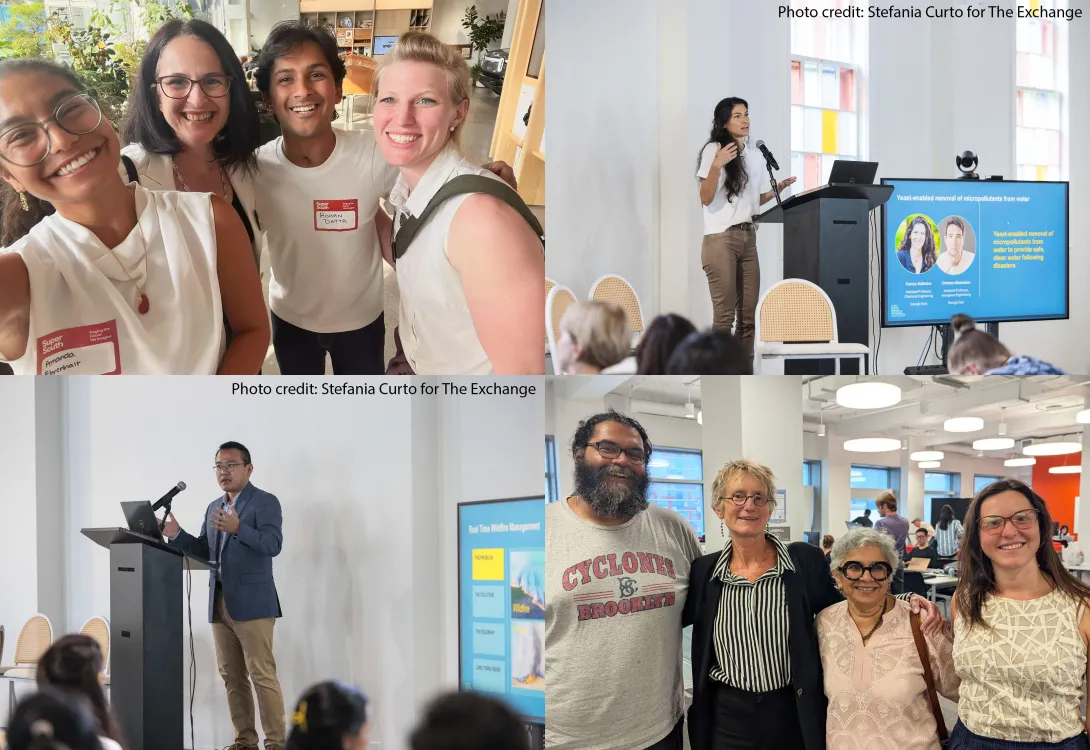
Collage of four images taken at the New York Climate Exchange 2025 events with Georgia Tech participants.
Beril Toktay, Regents’ Professor and Brady Family Chair, Scheller College of Business
Executive Director, Brook Byers Institute for Sustainable Systems
Board of Directors, New York Climate Exchange
I returned from Climate Week NYC energized by what I witnessed: Georgia Tech faculty, students, and startups showcasing the breadth and depth of our climate innovation work on one of the world's biggest stages.
Climate Week NYC brings together more than 900 events, but what stood out wasn’t the scale — it was the substance. Across five New York Climate Exchange partner events, the Georgia Tech community demonstrated something essential. Georgia Tech bridges research and real-world impact where it matters most — in people’s lives.
At the Super South event, we flipped the script on where climate innovation happens and demonstrated the Southeast as a climate tech powerhouse. Too often, conversations about climate tech center on coastal hubs. But Georgia Tech-affiliated entrepreneurs Tarek Rakha (Lamarr.AI), Mya Love Griesbaum (Mycorrhiza Fashion), Joe Metzler (Metzev), Laura Stoy (Ph.D. ECE 2021, Rivalia Chemical), Charlie Cichetti (MGT 2004, Skema), Joseph Mooney (research engineer, School of Civil and Environmental Engineering, WattAir), Lewis Motion (MBA 2017, WEAV3D), and Ramtin Motahar (IE 2004, ECON 2004, M.S. AE 2017, Joulea) showed that the Southeast isn’t just participating in the clean energy transition — we’re leading it.
The Climate Tech Fellowship Showcase was personal. Seeing two Georgia Tech teams — Patricia Stathatou and Christos Athanasiou’s yeast-based water purification system, and Xiao Liu’s AI-powered wildfire management platform — selected for the inaugural cohort reminded me why partnerships like the New York Climate Exchange matter. These early-stage innovators need more than good ideas. They need networks, mentorship, and funding pathways. NYCE provides those connections.
From flooding to batteries, two symposia highlighted GT faculty doing research that matters. At Weathering the Future, Iris Tien joined experts from AECOM, NVIDIA, and the NYC Department of Environmental Protection to discuss integrating resilience into urban infrastructure. Her work on coastal adaptation and infrastructure resilience addresses real vulnerabilities that cities face today. The Global Battery Alliance Leadership Meeting and Urban Battery Forum brought Yuanzhi Tang into conversations about building sustainable, circular battery value chains. As EVs scale and stationary storage grows, how we manage battery lifecycles — from securing raw resources to manufacturing to second-life reuse/recycling — will determine how we balance electrification, sustainability, environmental considerations, and economics; more details can be found in the NYCE report on battery circularity co-authored by Wyatt Williams (M.S. CEE 2024, MBA 2024).
Nicole Kennard’s leadership in the Climate Storytelling Workshop reinforced something I believe deeply: Technical solutions alone won’t solve the climate crisis. We need approaches that center community voices, acknowledge environmental justice concerns, and build trust. This became particularly clear in Kennard’s lecture for NYU’s Center for Urban Science and Progress: "Food, Place, and Belonging: From Global Visions to Local Sustainability." Presented with Janelle Wright (M CP 2022) from the West Atlanta Watershed Alliance, this lecture demonstrated how sustainable food systems can draw on global frameworks but must center community values and honor the history of place.
A few insights emerged from the week:
1. Geography matters — and so does bridging it. Collaborative platforms like NYCE that create genuine partnerships across regions will be more effective in achieving Georgia Tech’s vision of doing climate work that is grounded in Georgia and global in impact.
2. Visibility accelerates impact. Several faculty and entrepreneurs told me that Climate Week NYC opened doors — to investors, to funders, to partners, and to media. Platforms like NYCE amplify work that might otherwise stay local.
3. Students are passionate about climate opportunities. Every conversation about internships, fellowships, and experiential learning generated immediate interest. We need to build more pathways for students like Rohan Datta and Amanda Ehrenhalt to engage in climate work across both New York and Atlanta ecosystems — creating opportunities for hands-on experience, knowledge diffusion across regions, and the professional networks that will define their careers.
4. Our community extends far beyond campus. Meeting alumnus Alan Warren (PHYS 1978) drove this message home. Alan brings a unique vantage point on coastal resilience challenges faced in New York — and he’s energized by what our partnership can achieve. His offer to serve as Georgia Tech’s “envoy” in NYC, connecting our climate work to networks and opportunities there, is exactly the kind of volunteer leadership that accelerates impact. Alan’s own inspirational story of resilience and regeneration makes his commitment to climate resilience work even more meaningful.
Looking ahead, I see Georgia Tech’s partnership with the NYCE creating a powerful platform: NYCE amplifies our work through capital and convening; Georgia Tech anchors deployment with Southeast roots and global reach. Working alongside a distinguished board led by incoming chair Andrea Goldsmith, president of Stony Brook University, gives me confidence in this direction.
President Ángel Cabrera met with Goldsmith this week and reaffirmed our shared vision for bridging research and impact. “Georgia Tech’s mission has always been about translating knowledge into progress that serves society,” said Cabrera. “The New York Climate Exchange partnership exemplifies this commitment to innovative solutions that can be scaled to create real human impact. By connecting our strengths in community-engaged climate research with networks that can amplify and accelerate solutions, we’re living our motto of Progress and Service as we address one of humanity’s most urgent challenges.”
The Brook Byers Institute for Sustainable Systems (BBISS) convenes faculty, students, and partners to address sustainability challenges through research, education, and collaboration. Connect with BBISS on LinkedIn to be part of the ongoing discussion and/or reach out to Susan Ryan (susan.ryan@gatech.edu) to be added to BBISS’ climate science and solutions community of practice.
News Contact
Brent Verrill, Research Communications Program Manager, BBISS
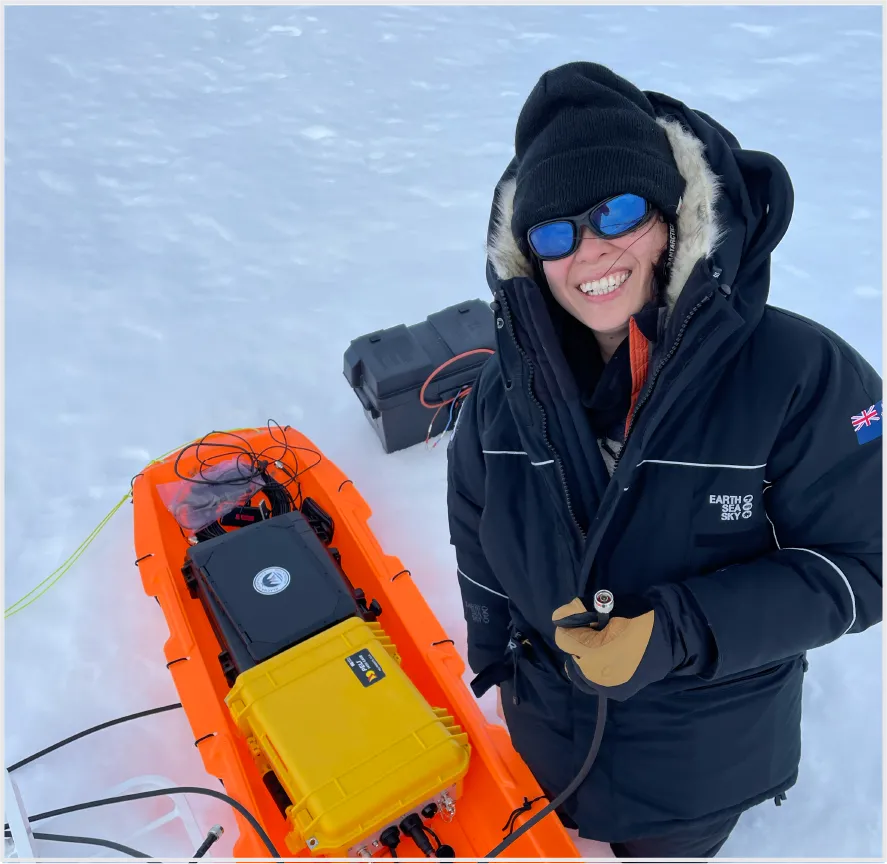
Winnie Chu
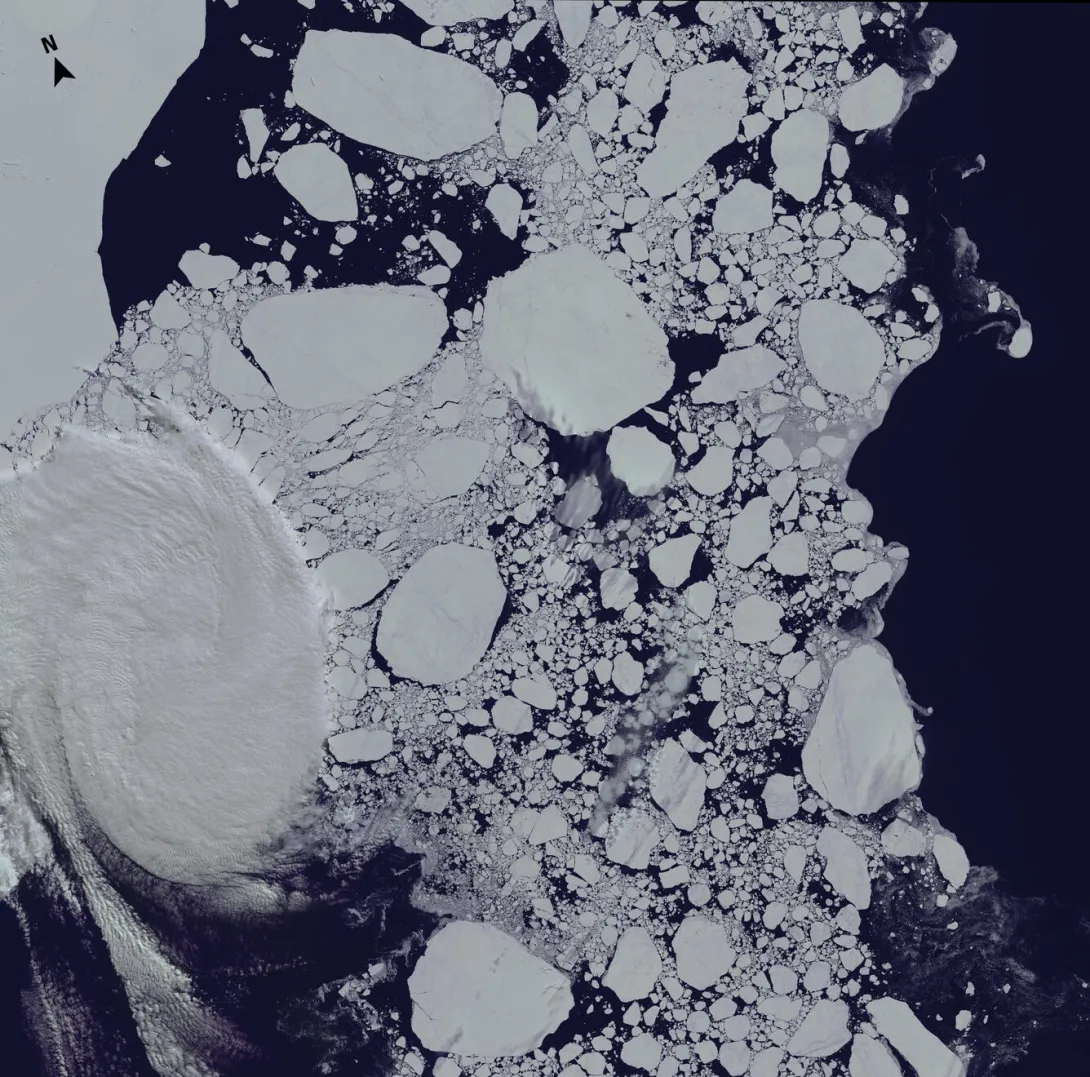
The Ross Archipelago near the McMurdo Station in Antarctica. (Credit: USGS)
Covering 98% of the continent and spanning more than 5.4 million square miles, the Antarctic ice sheet is the largest single mass on Earth. Georgia Tech’s Winnie Chu is going to map it.
Chu, an assistant professor in the School of Earth and Atmospheric Sciences has been awarded a $770,000 CAREER grant from the National Science Foundation (NSF) to create the first-ever comprehensive map of temperatures at the bottom of the ice sheet — a map that will span the entire Antarctic continent.
The NSF Faculty Early Career Development Program is a five-year grant designed to help promising researchers establish a foundation for a lifetime of leadership in their field. Known as CAREER awards, the grants are NSF’s most prestigious funding for early-career faculty.
In total, the Antarctic ice sheet holds enough water to raise global sea levels by over 200 feet — more than 50 feet higher than the top of Tech Tower. Climate models help predict how much of this ice may melt in the coming years, providing critical safety and planning information for coastal communities. However, researchers have limited knowledge of temperatures at the base of the ice sheet — miles beneath the surface — and these temperatures play a critical role in melting.
“Our research addresses this critical gap in Antarctic ice sheet modeling,” Chu explains. “If temperatures at the base are warm enough, the ice can melt and lubricate the interface.” The result? The surface acts like a slip-and-slide, carrying ice toward the ocean and accelerating melt.
“It is crucial that we can accurately predict this behavior,” Chu says. “This map will be an essential step forward in refining our climate models for the safety of coastal communities, for infrastructure planning, and for climate adaptation worldwide.”
Mapping miles-thick ice
The process isn’t as simple as measuring the temperature with a thermometer though. The Antarctic ice sheet is, on average, over a mile thick and can range up to three miles thick.
Chu, who leads the Polar Geophysical Simulation Lab at Georgia Tech, will combine 20 years of radar data — the result of multiple international polar programs — and leverage a technique called “radar sounding,” which analyzes the echoes of airborne radar measurements. The brightness and shape of the echoes can reveal clues about subglacial meltwater and temperatures. To complete the picture, Chu will use cutting-edge generative artificial intelligence (AI) models.
“Innovations in generative AI are part of what makes this research possible,” says Chu, “but the driving force is the data collected by these long-term research studies. AI can help complete the picture — but only because that data exists.”
Preparing for the future
Chu aims for the temperature map to improve the parameterization of climate models and ice sheet projections. This will enable better predictions of future melt and help scientists assess areas that may be particularly vulnerable.
She hopes that the map will drive further advances in polar science. “Our datasets and radar observations will be open access, meaning they’ll be available for all researchers to use,” Chu shares. “We’ll also be sharing the AI processing codes that we develop and the enhanced ice sheet model outputs.”
Additionally, the research will train the next generation of climate scientists through developing educational programs for high schoolers, empowering and engaging students nationwide with hands-on polar science and AI applications.
“This research is about more than just mapping Antarctica — it’s about building tools that help us prepare for the future,” Chu says. “By making our data and models openly available, and by engaging students in the science behind climate change, we’re not only advancing polar research — we’re empowering the next generation to carry it forward.”
News Contact
Written by Selena Langner