
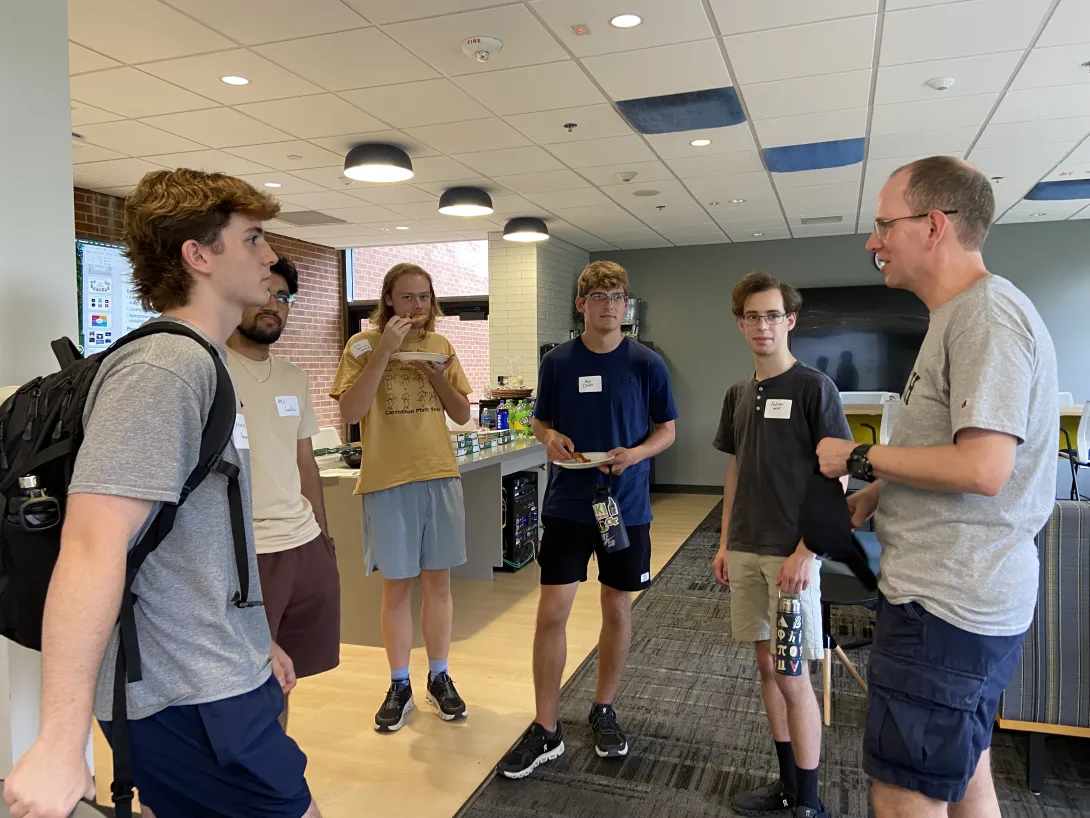
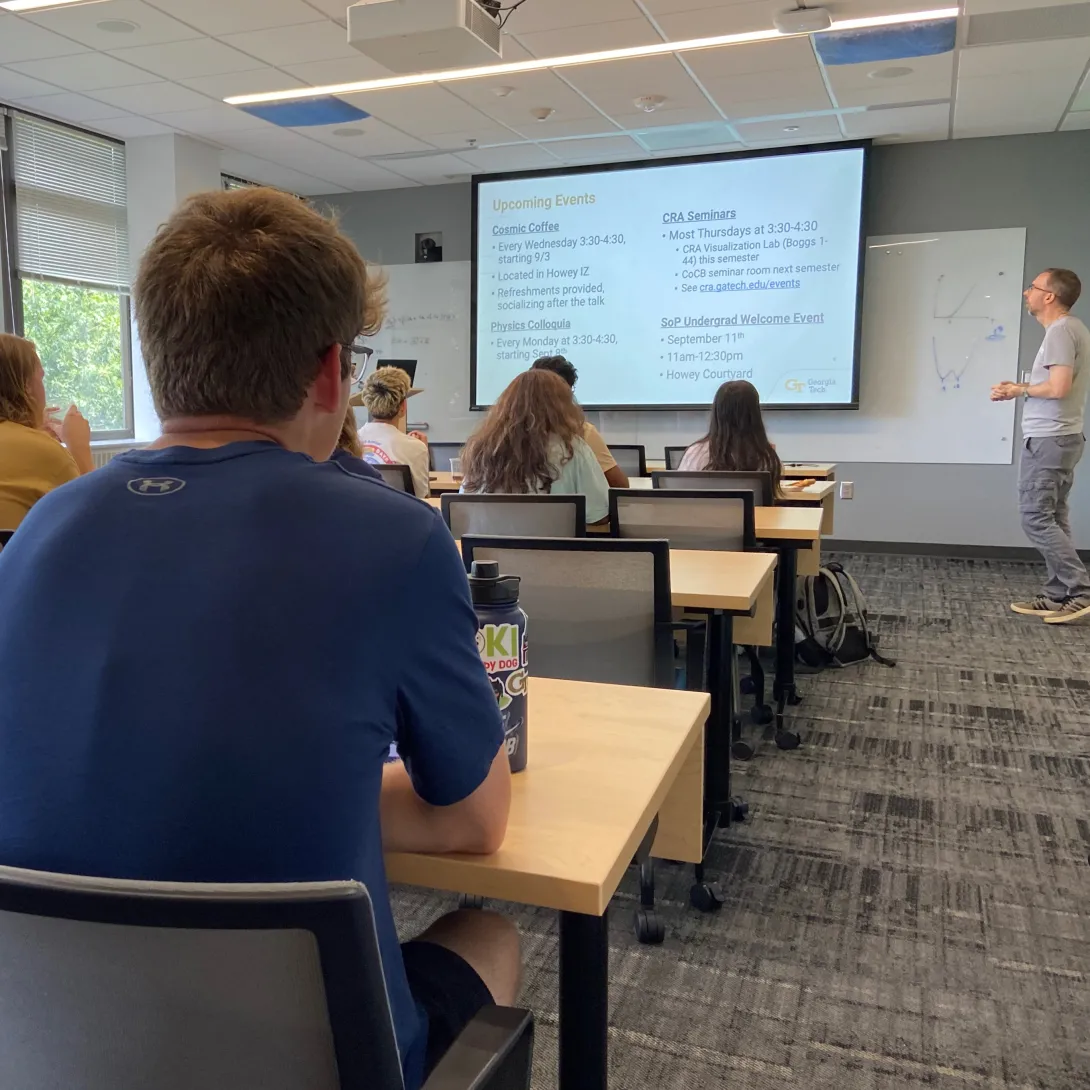
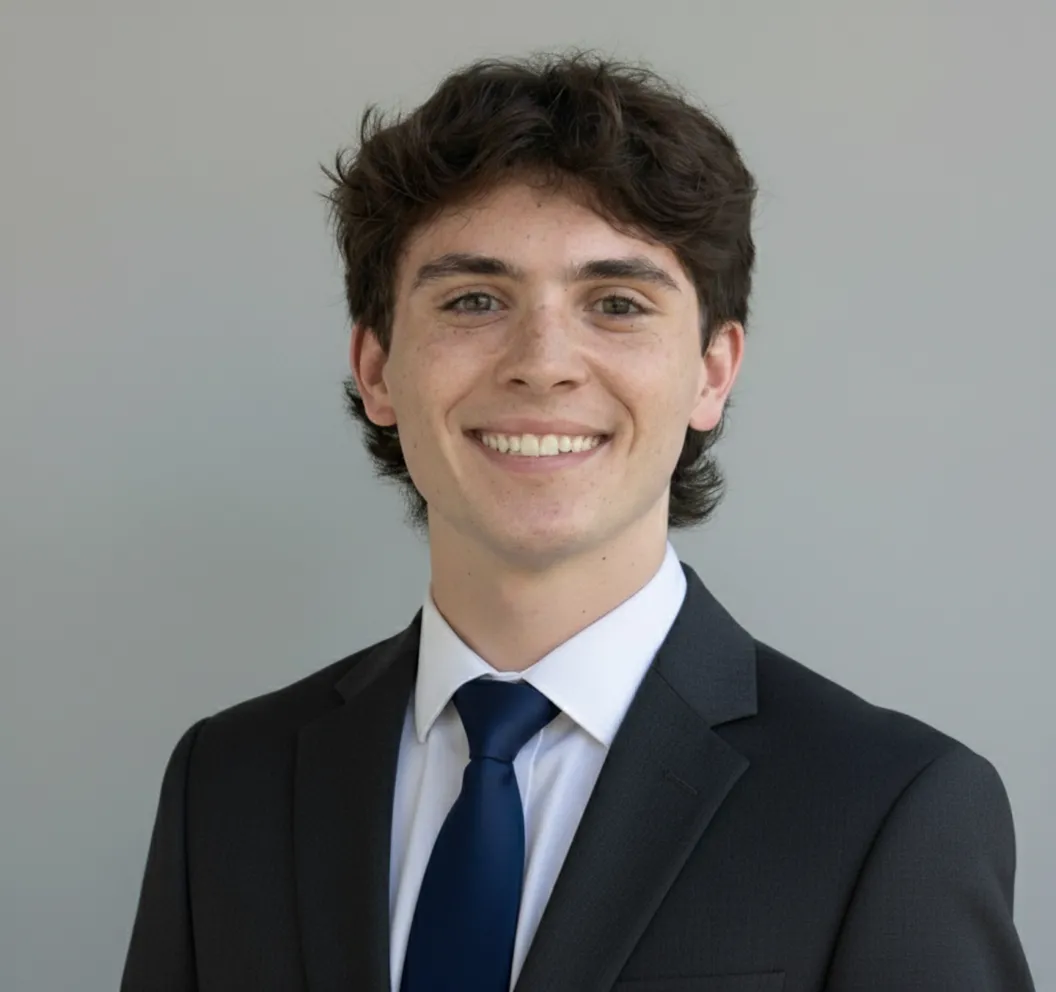
One of Georgia Tech’s newest undergraduate degree offerings — a B.S. in Astrophysics — welcomed its first students in August.
The astrophysics program, which includes both a major and a minor, introduces students to the fundamental physical processes and laws that govern the cosmos. This foundational curriculum is complemented by training in computational and data analysis techniques.
“Our new undergraduate program is forward-facing, focusing on the future of astronomy and astrophysics as well as how big data and computing are driving innovation and discovery,” says Program Director David Ballantyne, associate chair for Academic Programs and professor in the School of Physics.
Designed for students interested in research or non-research career paths, the B.S. in Astrophysics was created in response to growing student demand for courses and research opportunities in the field.
“Astrophysics is a great major at Georgia Tech because it teaches the critical thinking and technical skills students need not just for astrophysics but also for a wide variety of STEM-related careers,” adds Paul Sell, program advisor, senior academic professional in the School of Physics, and director of the Georgia Tech Observatory.
More than two dozen students have already declared the astrophysics major or minor; these numbers are expected to grow as more students learn about the program.
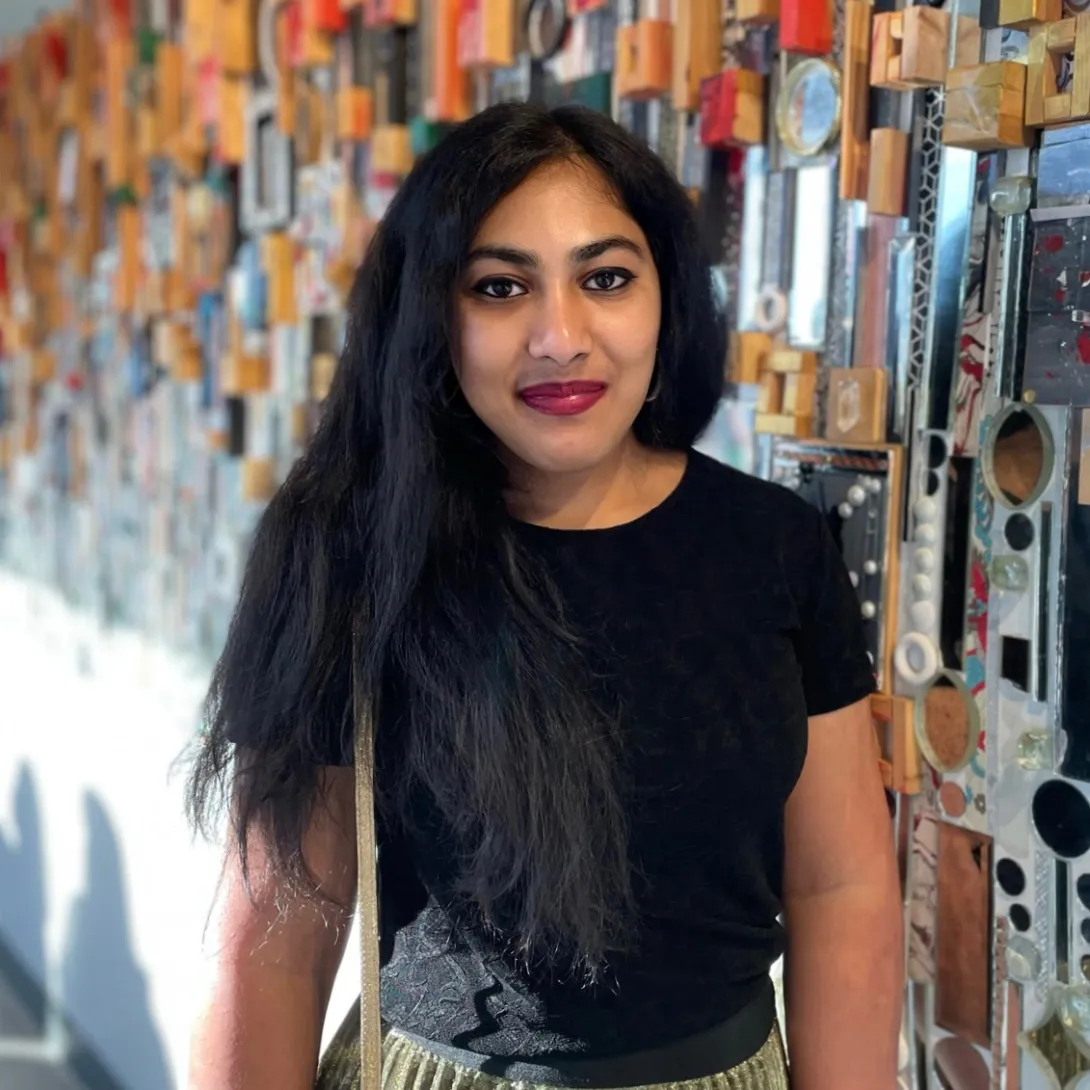
Third-year student Ishita Chintala switched her major from general physics to astrophysics in order to move closer to her childhood dream of working in the space industry.
“Astrophysics brings a certain kind of magic into my life; a kind of magic that helps me not only understand the world around me, but also helps me understand my place in the universe,” she explains.
Students enrolled in the program will have the opportunity to engage directly with the work taking place at the Center for Relativistic Astrophysics (CRA). Established in 2008, the CRA includes more than a dozen faculty and research scientists with expertise spanning high-energy astrophysics, extrasolar planets, gravitational-wave astronomy, and astroparticle physics.
Access to undergraduate research opportunities, including those offered by CRA faculty, is one reason for Marshall Honaker’s enthusiasm about the major.
“I’m most excited about getting hands-on research experience and taking advanced astrophysics classes that dive deeper into topics like cosmology and stellar evolution, especially at Georgia Tech,” says Honaker, a first-year student from Warner Robins, Georgia. He aims to pursue a research career to increase our understanding of the universe.
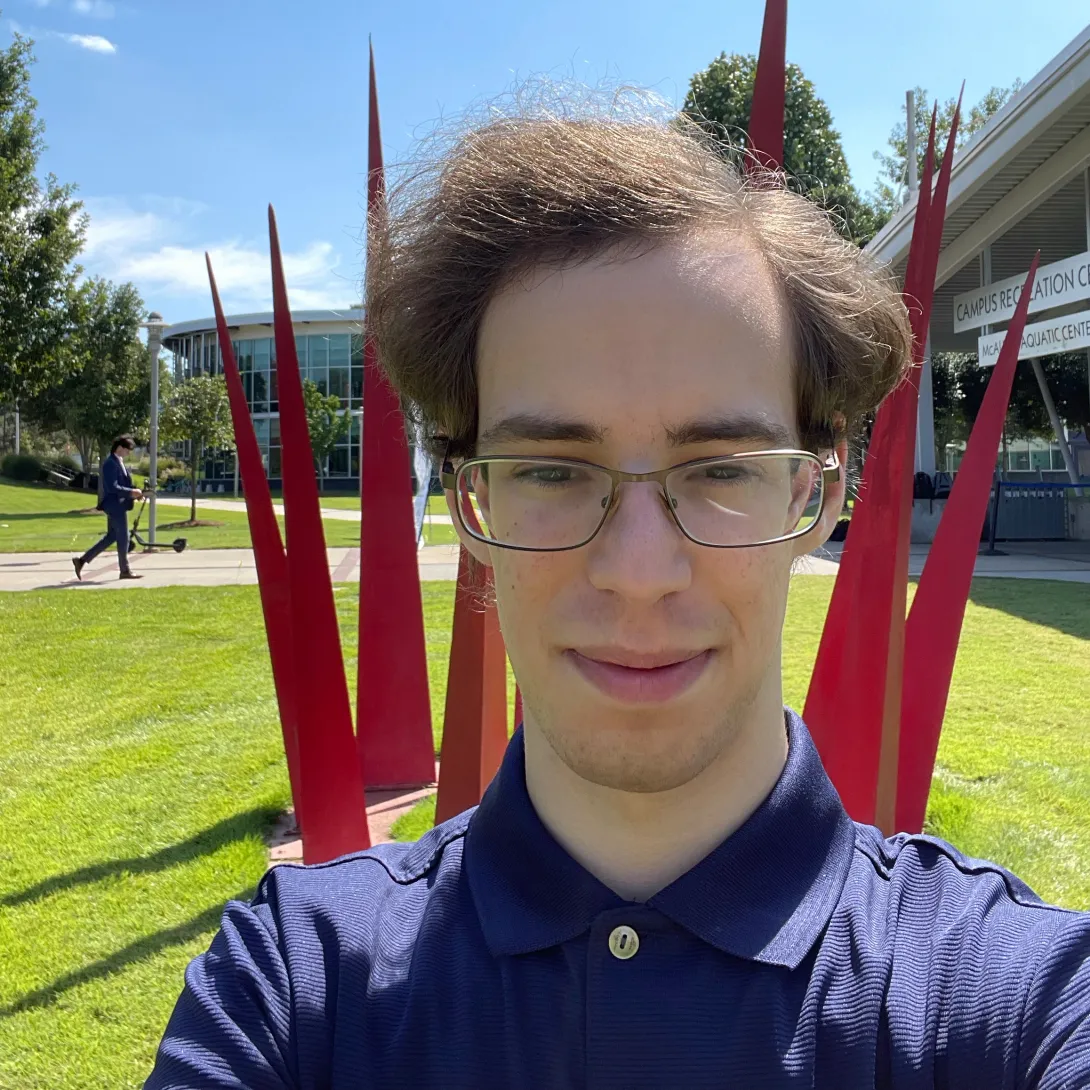
Andrew Heller, a first-year student from Tucker, Georgia, chose the astrophysics major because of his curiosity about and desire to advance our knowledge of everything beyond Planet Earth.
“As an astrophysics major, I'm very interested in participating in multi-messenger astronomy,” says Heller, referring to a key research focus of the CRA. “The ability to discover different things about an event or object by studying it with different wavelengths or particles is super exciting!”
Undergraduate students interested in declaring the astrophysics major or minor should follow the standard major change or the minor addition/change process.
News Contact
Writer: Lindsay C. Vidal
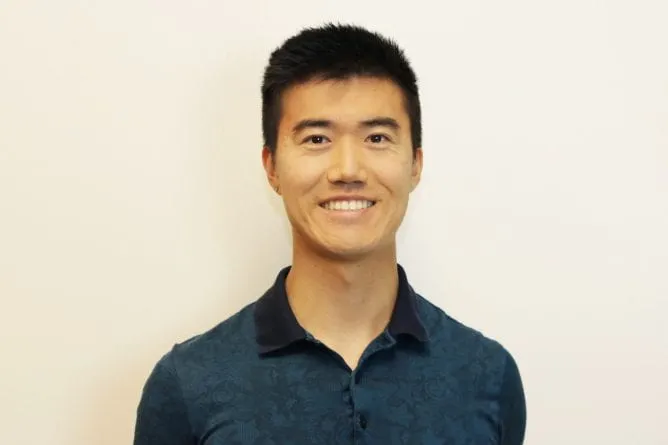
Jaden Wang
Georgia Tech’s Jaden Wang (Zhuochen Wang) has been awarded a NASA Space Technology Graduate Research Opportunity (NSTGRO). The grant supports graduate students who “show significant potential to contribute to NASA’s goal of creating innovative new space technologies for our nation’s science, exploration, and economic future.”
Wang, who is a Ph.D. student in the School of Mathematics and a master’s student in the Daniel Guggenheim School of Aerospace Engineering, will focus on developing mathematically-backed landing solutions for spacecraft.
“I first became interested in powered descent problems during my Fall 2024 internship with NASA’s Human Landing System at Marshall Space Flight Center,” he says. “With my mathematical background in optimization and topology, and my passion for space exploration, I saw this research topic as a perfect fit when my co-advisor Dr. Panagiotis Tsiotras suggested it.”
Wang is co-advised by School of Mathematics Professor and Hubbard Research Fellow John Etnyre alongside Panagiotis Tsiotras, who holds the David and Andrew Lewis Endowed Chair in the Daniel Guggenheim School of Aerospace Engineering and is also associate director at the Institute for Robotics and Intelligent Machines.
In addition to his Georgia Tech advisors, Wang will collaborate with a NASA Subject Matter Expert, who will connect him with the larger technical community. He will perform part of the research as a visiting technologist at multiple NASA centers, giving him the opportunity to work with leading engineers and scientists and share his research results directly with the NASA community.
From abstractions to space exploration
“NASA’s upcoming missions to the Moon, Mars, and beyond need technology that allows spacecraft to land precisely at their intended sites,” says Wang. “My research will focus on the last stage of landing, called powered descent. This stage powers up engines, which guide the spacecraft into a safe landing using a pre-designed trajectory that autopilot follows.”
This means that researchers need to figure out the correct thrust, direction, and timing to reach a landing spot — all while navigating a landing that uses as little fuel as possible.
“A common approach is to treat this as an optimization problem: minimizing fuel consumption with rigid-body physics as constraints to determine the best thrust profile,” Wang explains. “This can work well, but it has drawbacks. It assumes that there is no uncertainty in the system (for example, that the thrust of the engines is applied perfectly) and it simplifies the motion of the spacecraft by treating it as though it’s traveling through flat space instead of on a true curved geometry. Both shortcuts introduce errors — our research aims to address these gaps.”
To improve landing precision, Wang will develop a curved-space geometric mathematical model, which takes into account the curved-space geometry of spacecraft motion rather than assuming flat space. To find a fuel-efficient landing trajectory, Wang will develop the model around optimal covariance steering, a stochastic control problem that both minimizes fuel costs while keeping the uncertainty of the spacecraft's exact landing spot within a safe amount.
It’s a problem that leverages his experience in theoretical math and his background in aerospace engineering. “I’m incredibly honored that NASA finds this research exciting and is supporting my pursuit of it,” he says. “There are so many fascinating engineering problems that could benefit from deeper theoretical scrutiny, especially using abstract machineries not typically covered in an engineering curriculum. I hope this inspires more theoretical researchers and graduate students to explore bridging these gaps.”
News Contact
Written by Selena Langner
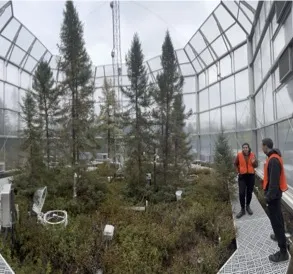
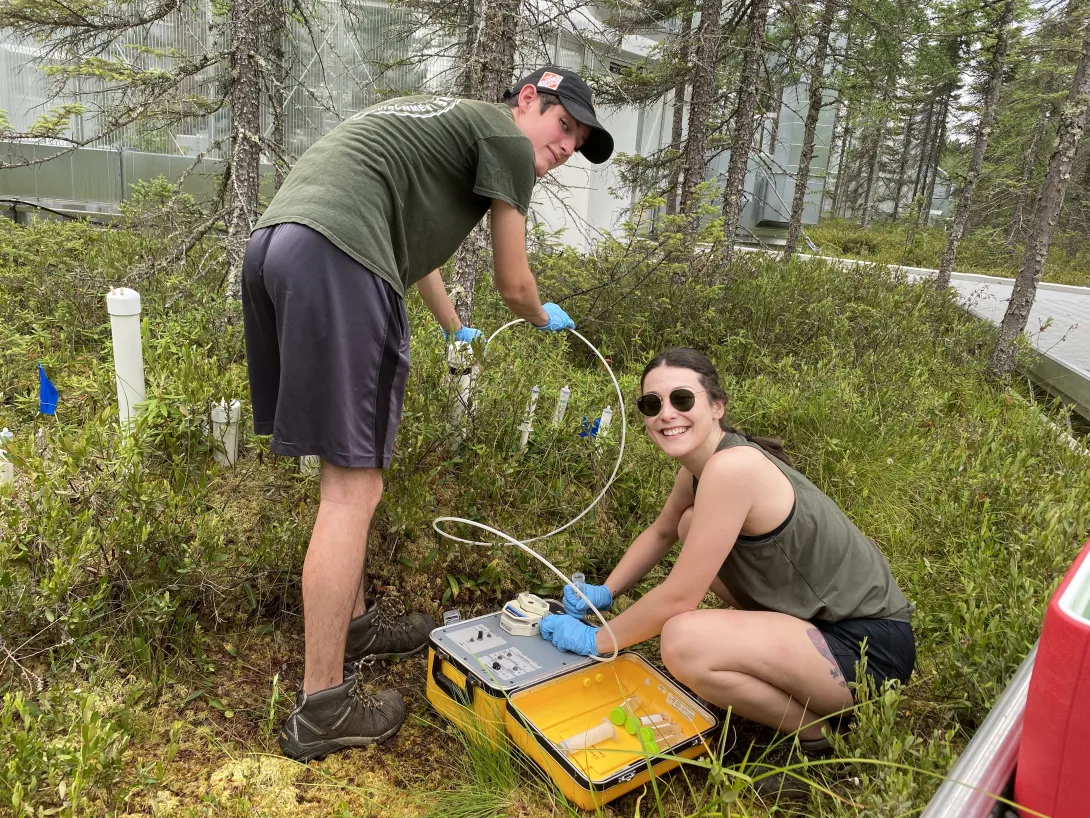
Postdoctoral Researchers Caitlin Petro and Borja Aldeguer-Riquelme inside a SPRUCE chamber in 2023.
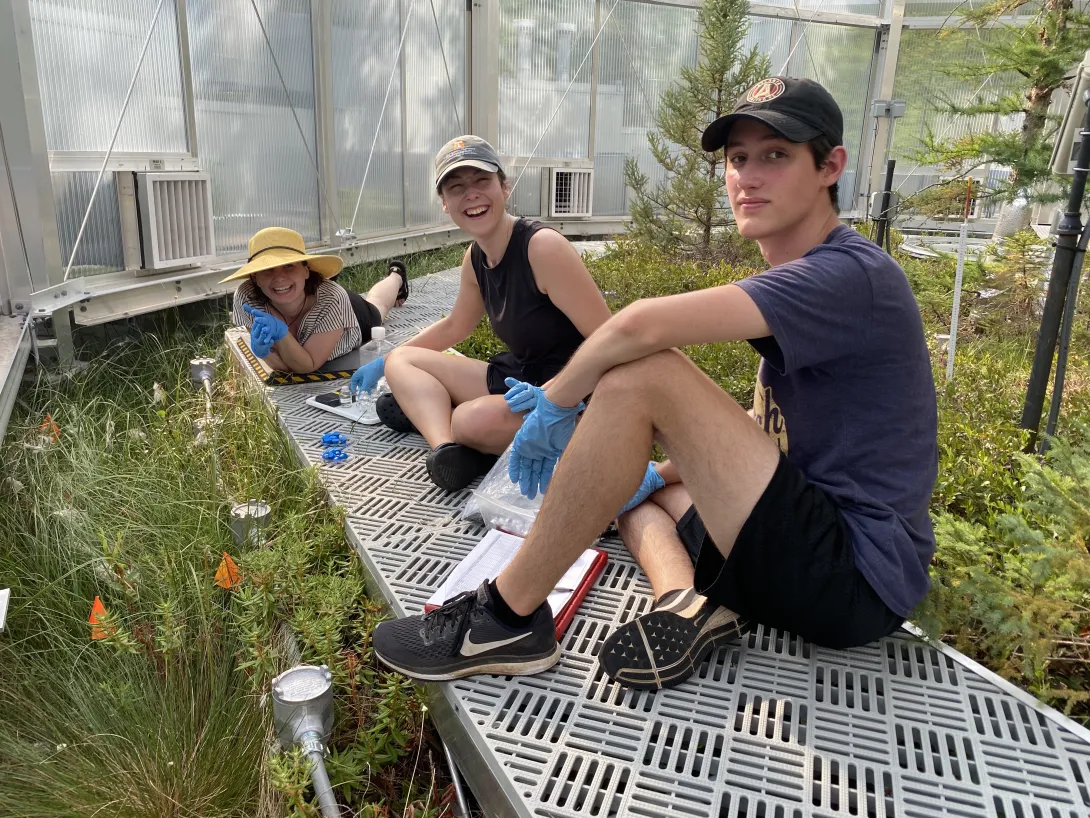
Postdoctoral Researcher Caitlin Petro, Ph.D. student Katherine Duchesneau, and undergraduate student Sekou Noble-Kuchera in a SPRUCE chamber.
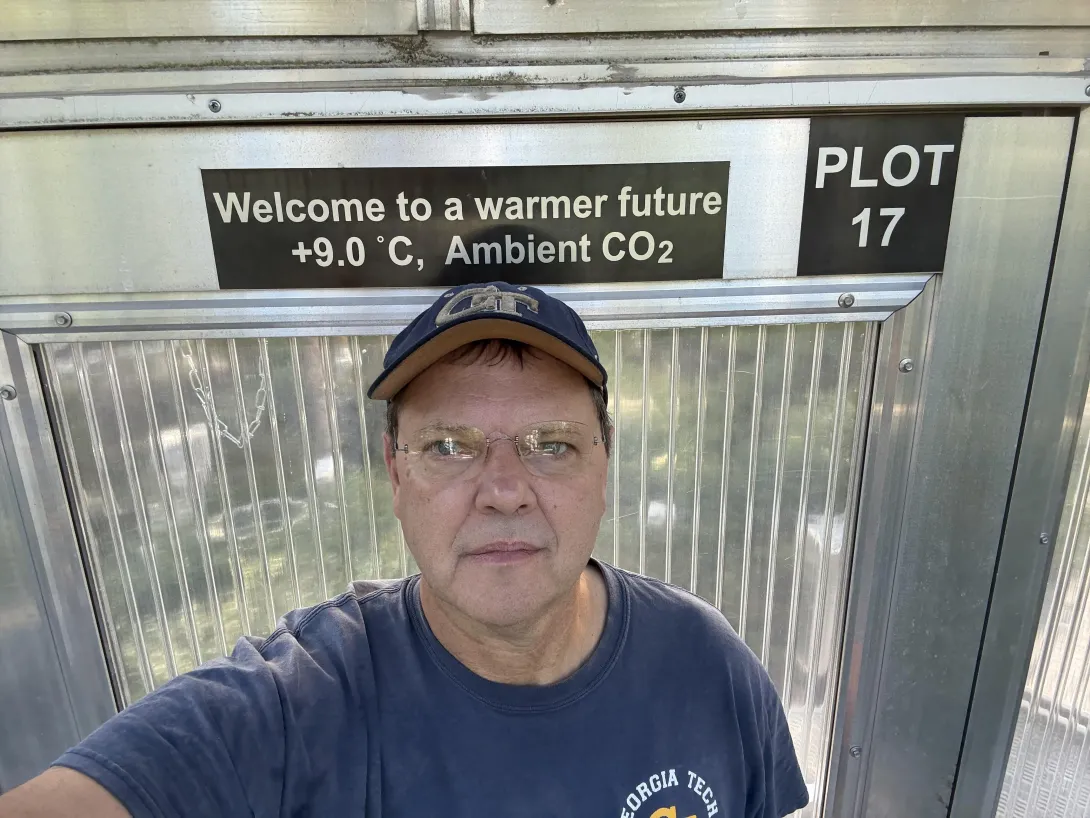
Joel Kostka at the SPRUCE experiment.
Between a third and half of all soil carbon on Earth is stored in peatlands, says Tom and Marie Patton Distinguished Professor Joel Kostka. These wetlands — formed from layers and layers of decaying plant matter — span from the Arctic to the tropics, supporting biodiversity and regulating global climate.
“Peatlands are essential carbon stores, but as temperatures warm, this carbon is in danger of being released as carbon dioxide and methane,” says Kostka, who is also the associate chair for Research in the School of Biological Sciences and the director of Georgia Tech for Georgia’s Tomorrow. Understanding the ratio of carbon dioxide to methane is critical, he adds, because while both are greenhouse gasses, methane is significantly more potent.
Kostka is the corresponding author of a new study unearthing how and why peatlands are producing carbon dioxide and methane.
The research, “Northern peatland microbial communities exhibit resistance to warming and acquire electron acceptors from soil organic matter,” was published this summer in Nature Communications, and was led by co-first authors Borja Aldeguer-Riquelme, a postdoctoral research associate in the Environmental Microbial Genomics Laboratory, and Katherine Duchesneau, a Ph.D. student in the School of Biological Sciences.
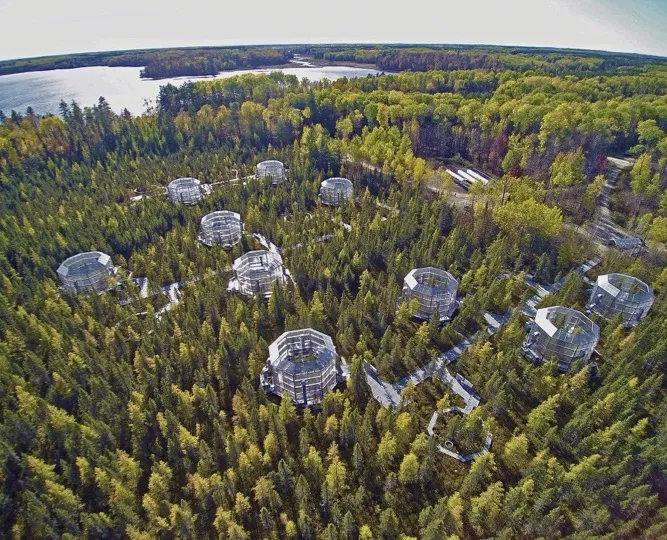
The study builds on a decade of research at the Oak Ridge National Lab’s Spruce and Peatland Responses Under Changing Environments (SPRUCE) experiment, a long-term research project in Minnesota that allows researchers to warm whole sections of wetland from tree top to bog bottom.
“Over the past 10 years, we’ve shown that warming in this large-scale climate experiment increases greenhouse gas production,” Kostka says. “But while warming makes the bog produce more methane, we still observe a lot more CO2 production than methane. In this paper, we take a critical step towards discovering why — and describing the mechanisms that determine which gases are released and in what amounts.”
Methane mystery
The subdued methane production in peatlands has been a long-standing mystery. In water-saturated wetlands, oxygen is scarce, but microbes still need to respire — a type of ‘breathing’ that allows them to produce energy for metabolic function. Without oxygen, microbes use nitrate, sulfate, or metals to respire — still releasing carbon dioxide in the process. However, if these ingredients aren’t present, microbes ‘breathe’ in a way that releases methane.
Since nitrate, sulfate, and metals are relatively rare in peatlands, methane production should be the most likely pathway, but surprisingly, observations show the opposite. “In both fieldwork and lab experiments, peatlands produce much more carbon dioxide than methane,” Kostka explains. “It’s puzzling because the soil conditions should help methane production dominate.”
To solve this mystery, the team leveraged a suite of cutting-edge genetic tools called “omics” — metagenomics (studying DNA), metatranscriptomics (studying RNA), and metabolomics (a technique used to study the “leftovers” of metabolism), providing a detailed look under the hood of the microbial “engine” that cycles organic matter in wetlands. It also gave a new window into the diversity of soil microbes in wetlands: 80 percent of the organisms identified in the study were new at the genus level.
‘Omics’ innovations
Over the course of several years, the team collected samples from a peatland enclosed in an experimental chamber that was slowly warmed, then analyzed the samples using omics to see how they changed. Initially, they hypothesized that warming the soil would cause microbial communities to change quickly. “Microbes can evolve and grow rapidly,” Kostka says. “But that didn’t happen.”
The DNA-based methods showed that while the microbial communities stayed largely stable, the bog did release more greenhouse gasses as it warmed. To assess the metabolic potential of the microbes, Duchesneau and Aldeguer-Riquelme constructed microbial genomes, investigating how they were decomposing the organic matter in peatlands and cycling carbon.
“We found that microbial activity increases with warming, but the growth response of microbial communities lags behind these changes in physiological or metabolic activity,” Kostka says. He cautions that this doesn’t necessarily mean that wetland communities won’t change as climates warm — just that these shifts might come behind metabolic ones.
A diversity of discoveries
And the methane? The team believes that microbes may be breaking down organic matter to access the key ingredients for producing carbon dioxide — nitrate, sulfate, and metals — though more research is currently underway to investigate this.
“Doing this type of integrated omics research in soil systems is still incredibly difficult,” Kostka says. The challenge is multifaceted: the research leverages years of experiments, long-term datasets, advanced laboratory techniques, and fieldwork innovations.
At SPRUCE, experimental chambers are about 1,000 square feet. While it’s an impressive experimental setup, researchers still must be careful: “We need to take soil samples for many years, so if we take too many, there’d be no soil left!” Kostka explains. “Part of our research involves developing better, non-destructive sampling techniques.”
The other challenge lies in what makes these peatlands so unique: it’s very hard to detect small changes because of the sheer diversity of organisms present. “Every time we conduct this type of research, we learn more about these incredible systems,” he says. “There’s always something new.”
DOI: https://doi.org/10.1038/s41467-025-61664-7
Funding: The Office of Biological and Environmental Research, Terrestrial Ecosystem Science Program and Genomic Science programs, under the US Department of Energy (DOE); the Environmental Molecular Sciences Laboratory, a DOE Office of Science User Facility sponsored by the Biological and Environmental Research program. The SPRUCE experiment is funded by the Biological and Environmental Research program in the U.S. Department of Energy’s Office of Science.
News Contact
Written by Selena Langner
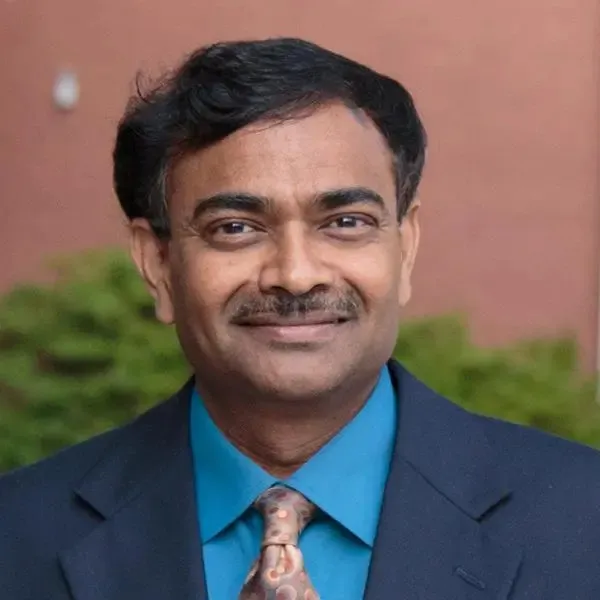
The general theme of the journal is the development and solution of problems that are adequately motivated to deal with important aspects of the design and/or analysis of transportation systems.
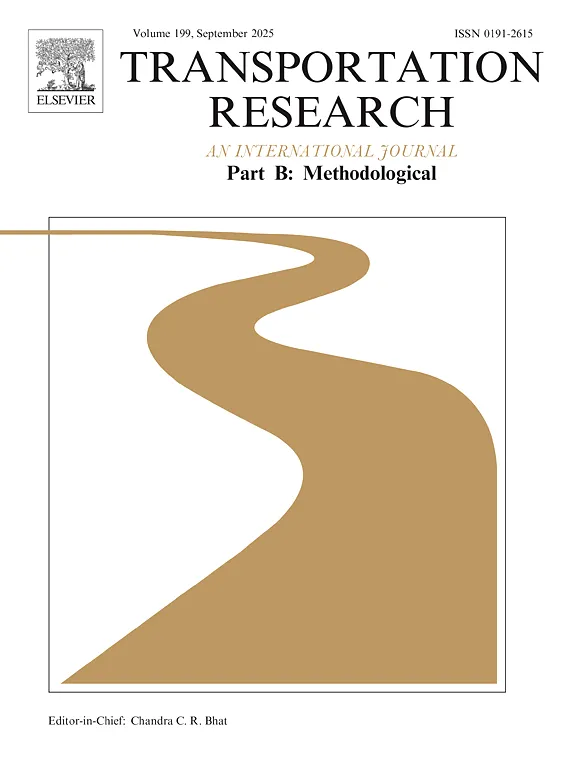
Srinivas Peeta, the Frederick R. Dickerson Chair in Transportation Systems at Georgia Tech’s School of Civil and Environmental Engineering, has been appointed Co-Editor-in-Chief of Transportation Research Part B: Methodological. This prestigious journal focuses on the mathematical and analytical foundations of transportation systems, addressing critical challenges in areas such as traffic flow, network design, control and scheduling, optimization, queuing theory, logistics, and behavioral modeling.
Transportation Research Part B complements other journals in the series—Part A (Policy and Practice), Part C (Emerging Technologies), and Part D (Transport and Environment)—forming a comprehensive suite of publications that collectively represent the forefront of transportation science. The journal serves a diverse and specialized audience, including operations researchers, logisticians, economists, econometricians, mathematical modelers, transportation engineers, geographers, and planners.
Professor Peeta brings decades of experience to this role. His research spans dynamic traffic assignment, congestion mitigation, and the development of resilient transportation networks. His association with Transportation Research Part B began in the early 1990s as a reviewer, and he has since published approximately 25 papers in the journal. Since 2019, he has served as an Associate Editor, playing a key role in managing the editorial process and upholding the journal’s high standards.
Please join us in congratulating Professor Peeta for this well-earned recognition. We are confident he will continue to guide Transportation Research Part B with excellence and vision, shaping the future of transportation research.
News Contact
info@scl.gatech.edu
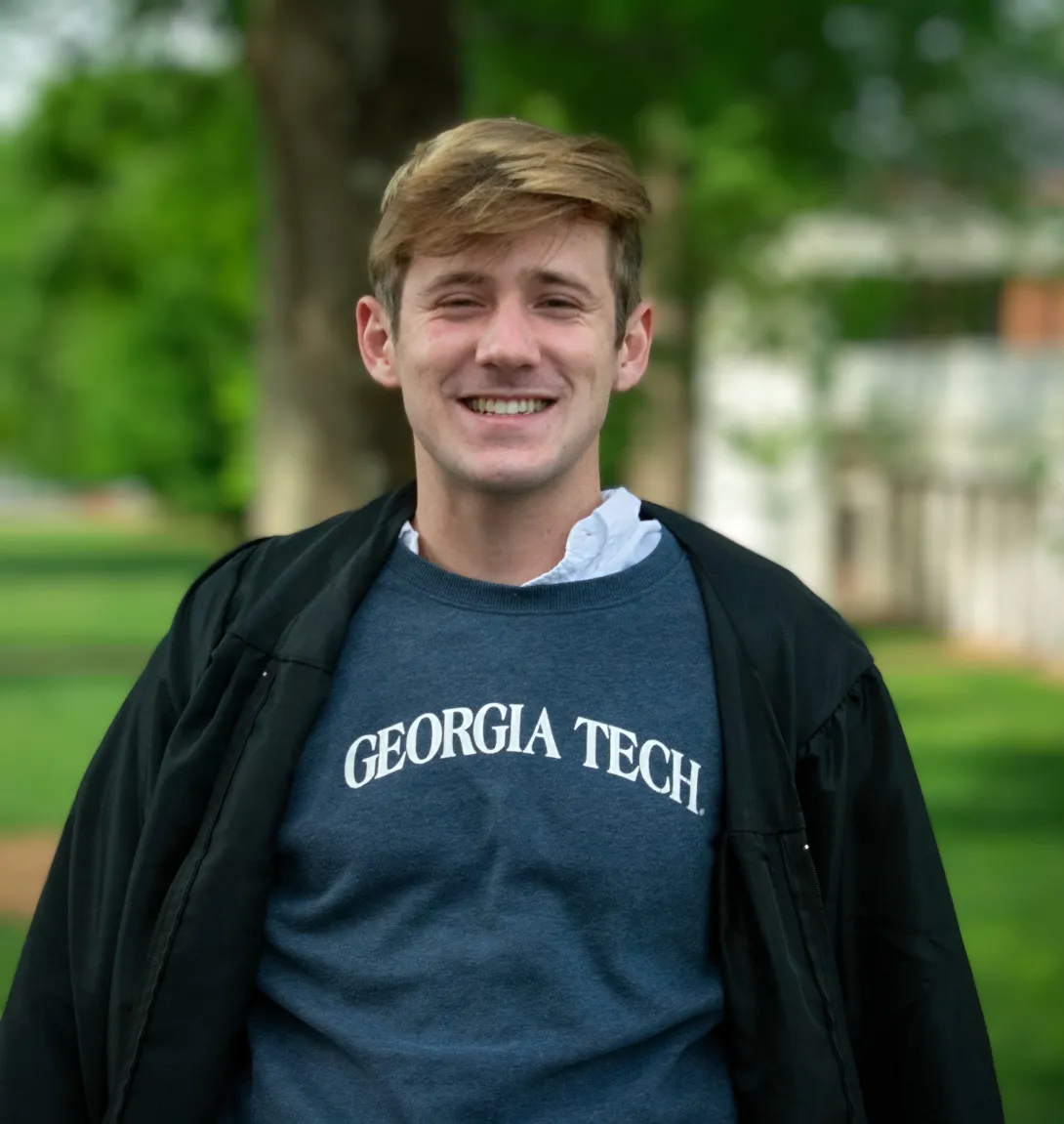
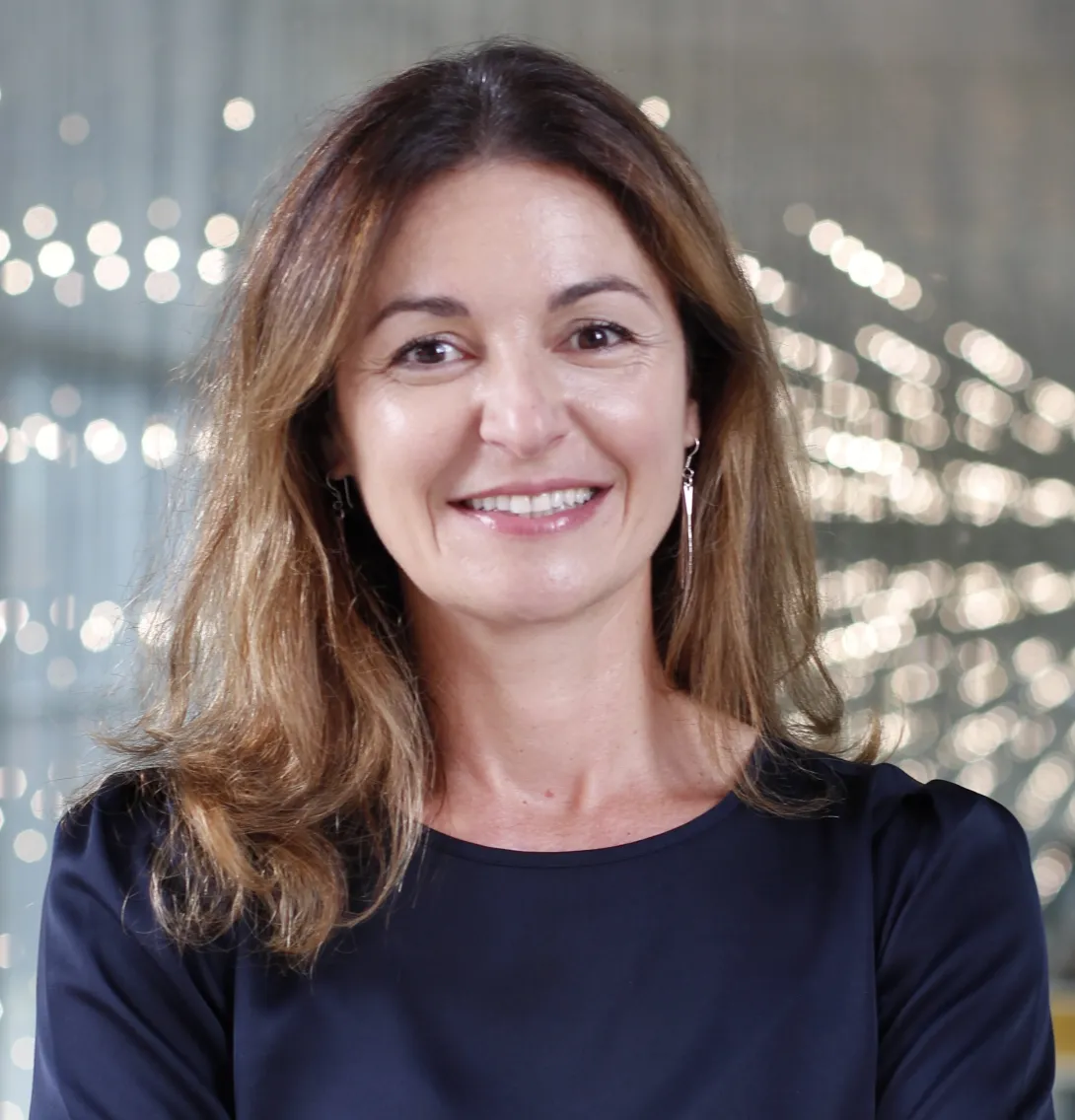
J. Cole Faggert, a Ph.D. student in the School of Physics, has received a NASA FINESST (Future Investigators in NASA Earth and Space Science and Technology) Award to study supermassive black holes and the physics of their plasma flows. His research proposal was one of 24 selected from more than 450 astrophysics submissions this year.
“It’s amazing to be recognized for this research,” says Faggert. “I am grateful to my research group for helping me prepare the proposal and inspiring my ideas.”
Through the FINESST program, NASA’s Science Mission Directorate provides three-year grants for “graduate student-designed and performed research projects that contribute to its science, technology, and exploration goals,” according to the program’s website.
Faggert will serve as the future investigator of the award and will be advised by Feryal Özel, chair and professor in the School of Physics.
“I am very proud that Cole has been selected for the FINESST Fellowship, one of the most competitive graduate awards in the country,” says Özel, who is the principal investigator of the research. “This fellowship will support groundbreaking research on multi-wavelength imaging of black holes — an area central to advancing our understanding of black holes and galaxies. It is especially exciting that this work also contributes directly to the development of our space-based mission at Georgia Tech.”
A key aspect of Faggert’s proposal is its multi-frequency approach, which generates and analyzes images of supermassive black holes using different radio wavelengths. When combined and compared, these multi-frequency observations allow scientists to learn about black holes and explore fundamental physical concepts such as gravity and plasma behavior.
“One of the coolest things about studying cosmic objects like black holes is that you have to work with the information you have,” explains Faggert. “But when you combine several avenues of information, like in multi-frequency radio imaging, you can gain a better understanding of phenomena and under conditions that can’t be replicated on Earth.”
This research aligns with current trends in astrophysics that focus on advanced imaging techniques to broaden the data available on the structure, formation, and behavior of black holes and other celestial objects. According to Faggert, this information can then be contrasted with theoretical simulations, providing insights into fundamental physics and the nature of the universe.
Receiving the FINESST Award is particularly meaningful for Faggert, given his longstanding interest in space and his previous exposure to NASA’s Wallops Flight Facility and Langley Research Center through the Virginia Aerospace Science and Technology Scholars program.
“Being associated with NASA holds a special place in my heart. Over the years, my focus has shifted from designing space missions to studying the science those missions make possible. It is definitely rewarding to come full circle and be recognized by NASA for this research,” he adds.
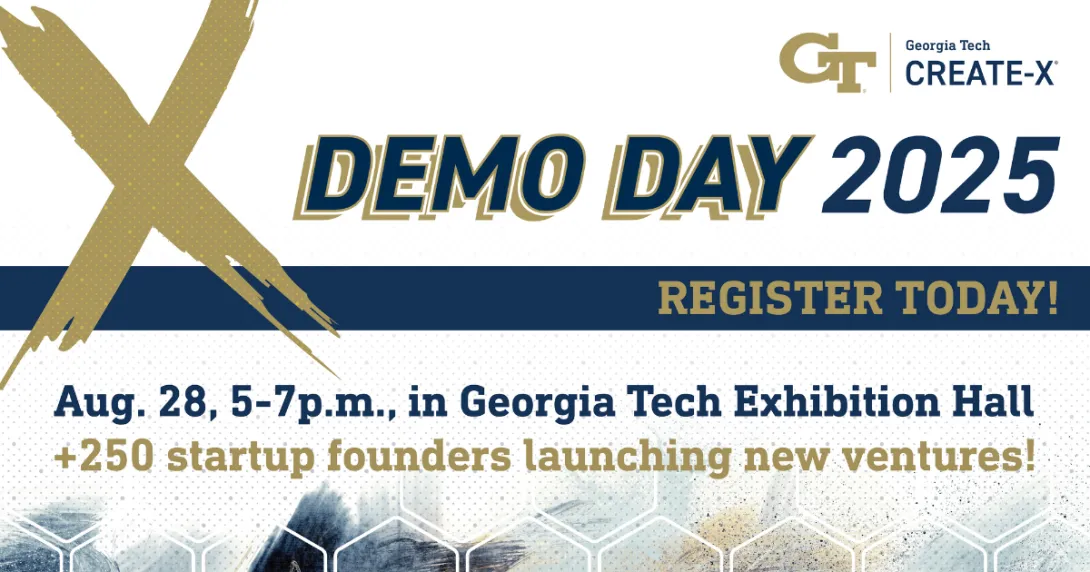
Demo Day 2025, Aug. 28, Exhibition Hall, +250 Startup Founders Launching New Ventures
What does the future look like? On Aug. 28, from 5 – 7 p.m., more than 1,500 attendees will gather at Georgia Tech’s Exhibition Hall to find out at Demo Day, where CREATE-X will showcase over 100 startups coming out of Georgia Tech. Tickets are free but limited — early registration is strongly encouraged.
At Demo Day, founders bring solutions that tackle some of today’s most urgent challenges across industries. Expect to see startups tackling global challenges with bold new solutions, such as: providing mRNA therapies that could transform vaccine access, using ultra-efficient AI chips that run on a fraction of the power, and building innovative inspection tools that are already helping companies like Tesla catch defects in seconds. Demo Day provides attendees an opportunity to gain hands-on experience with new products, meet the founders behind them, and experience the momentum of a startup ecosystem in full swing.
Donnie Beamer, the City of Atlanta’s senior technology advisor, attended the last Demo Day and spoke about moments that impressed him most.
“The founders of NeuroChamp had a headband that reads brainwaves. It makes me call into question what I was doing in college!” Beamer said.
Founders showcasing at Demo Day have spent 12 weeks working on their startups during the CREATE-X accelerator, Startup Launch.
“Every founder in that room will have spent the summer chasing the right problem and building a solution to solve it,” Rahul Saxena, director of CREATE-X, said. “Demo Day is proof that entrepreneurship can be taught and developed, from ideation to customer discovery.”
Beamer said that the program pushes people to be creative.
“Georgia Tech is a safe place to try and fail and innovate, which is invaluable. Instead of just telling students to do X and expecting them to execute on it, CREATE-X allows for creativity and discovery,” Beamer said. “That can be transformative for students, the Institute, and the city of Atlanta.”
Unlike other startup exhibitions, there are no on-stage pitches — just direct connection in a casual, interactive format. Attendees and investors can test the tech out themselves. Past Demo Days have led to venture funding, strategic partnerships, media coverage, and more. It’s an energetic atmosphere with the exchange of ideas, an opening of doors, and a community building the future together.
“There are a few kinds of naysayers; for example, some who think Atlanta doesn’t have much entrepreneurial activity and others who feel isolated from communities like this one,” Beamer said. “Demo Day lets them look behind the curtain and see the vibrant, innovative ecosystem that they can be a part of in our city as we look to become a top-five tech hub in the nation. Georgia Tech is a huge part of that.”
Register for Demo Day today! The future is waiting for you to discover it.
News Contact
Breanna Durham
Marketing Strategist
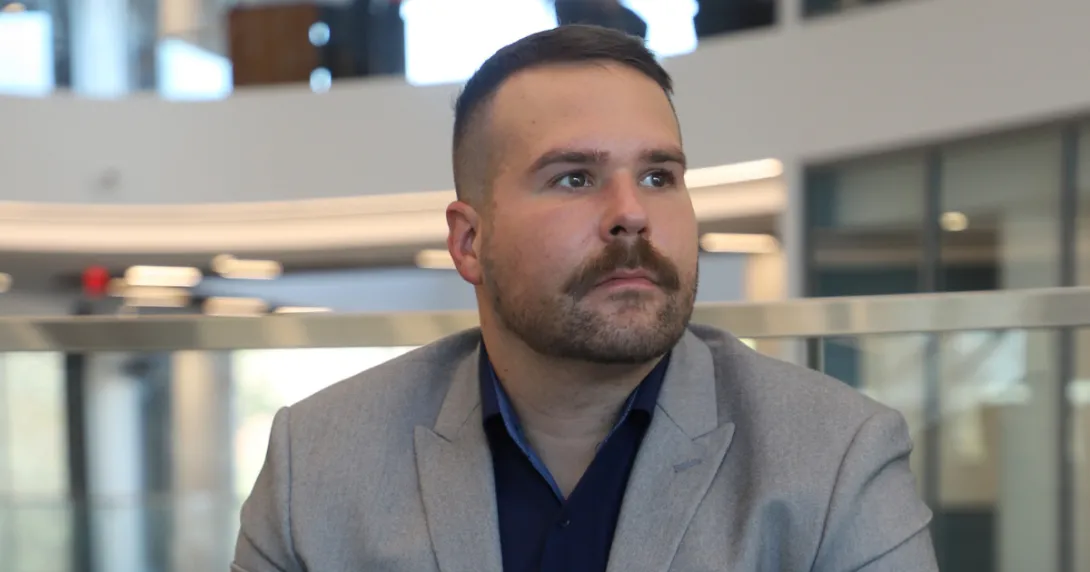
Adam-MacCallum, Jim Pope Fellow and translational research advocate in Georgia Tech’s Wallace H. Coulter Department of Biomedical Engineering
Epilepsy, Parkinson’s, Alzheimer’s, Huntington’s disease — as a Jim Pope Fellow, Adam McCallum is dedicated to helping students search for solutions to these and other devastating diseases. McCallum is a translational research advocate in the Wallace H. Coulter Department of Biomedical Engineering at Georgia Tech and Emory University, currently ranked No. 2 in the nation by U.S. News & World Report. He hopes to accelerate the commercialization of the most promising biotech advances.
When McCallum learned about the Jim Pope Fellowship, he saw it as a tremendous opportunity. “Biomedical engineering research has so much potential to be translated into products and solutions that tackle unmet clinical needs, that could be shaped to enhance society in general,” he says. “It’s a collaboration between biology, medicine, and engineering. The Pope Fellowship is a unique opportunity to explore new projects dedicated to entrepreneurship.”
McCallum is one of five faculty members to receive the Jim Pope Fellowship, which supports faculty in becoming entrepreneurial instructors and mentors in CREATE-X. He hopes to leverage this fellowship to instill entrepreneurial confidence in biomedical engineering graduate students and faculty and help them translate their research into IP and healthcare-focused products to be used in and out of the clinic.
Since being named a fellow, McCallum has applied the funding to attend conferences to learn more about new methods for teaching commercialization and entrepreneurship, develop programming to enhance the student experience, increase student understanding and interest in entrepreneurship, and explore creative new projects he has envisioned while at Georgia Tech.
Establishing a New Commercialization Course
Beginning in the fall, he will teach a new course, Fundamentals of Biotechnology Commercialization, targeting BME graduate students. McCallum developed the curriculum, which begins with an overview of technology commercialization and the commercialization process, followed by modules on IP — how to protect one’s inventions; financing, with a focus on early-stage commercialization funding opportunities; and choosing a commercialization path.
“In the second part of the course, students will simulate a patent filing,” says McCallum. “It’s a really important step in the commercialization process. In future iterations of the course, I would love to have students file real disclosures and provisional patent applications with our Tech Transfer Office and have a licensing associate talk to them about managing the IP.”
BME Innovations Pivotal to Georgia Tech’s IP Ecosystem
McCallum sees Georgia Tech BME researchers as an important driver of innovation, and the Institute’s patent track record reflects their critical role: More than 21% of U.S.-issued patents to Georgia Tech have at least one BME inventor listed, according to the Office of Commercialization.
In the past year, he has already seen the value of infusing an entrepreneurial spirit into his curriculum. Annabelle Singer (BME) and Levi Wood (ME) were mentored by McCallum while they were developing an audiovisual device to help stimulate brain activity in patients with Alzheimer’s disease and epilepsy. Through this mentorship, Singer and Wood recognized possible use cases and commercialization pathways for their technology.
“Their device has potential applications in a wide range of other neurological conditions — to lessen the impact of these disorders on people in their everyday life,” says McCallum, adding, “I’m excited about Georgia Tech and Emory’s commitment to developing programs to enhance neuroscience and neural engineering research. There’s so much potential in that space, especially for being able to significantly impact diseases like Alzheimer’s, Parkinson’s, and Huntington’s disease, as well as strokes and epilepsy. We are moving in the right direction with being able to improve the efficacy of the modalities to diagnose and treat these conditions.”
According to McCallum, his close connection to CREATE-X has given him a unique opportunity to see the impact of the program on the entrepreneurial endeavors of students and even faculty members.
“Previous fellows have been very successful with developing new educational programs and courses, as well as creating new spaces to spawn innovation, to instill entrepreneurial confidence in undergraduate students, and I want to use those successes as inspiration to make an impact on graduate student entrepreneurial confidence in BME, with much more to come,” he said.
As one of President Ángel Cabrera's four Big Bets, the drive for entrepreneurial education and opportunities has accelerated at Georgia Tech. In 2023, over a third of all Georgia Tech applicants selected entrepreneurship as an interest. Pope Fellows have a unique opportunity to help students tap into entrepreneurial pathways with CREATE-X, access an abundance of resources, and solve real-world problems. For faculty interested in joining, applications are open for the 2025 Jim Pope Fellowship until Sept. 2. For more information, visit https://create-x.gatech.edu/faculty/jim-pope-fellowship.
News Contact
Written by Anne Wainscott-Sargent
Internal Contact
Breanna Durham
Marketing Strategist
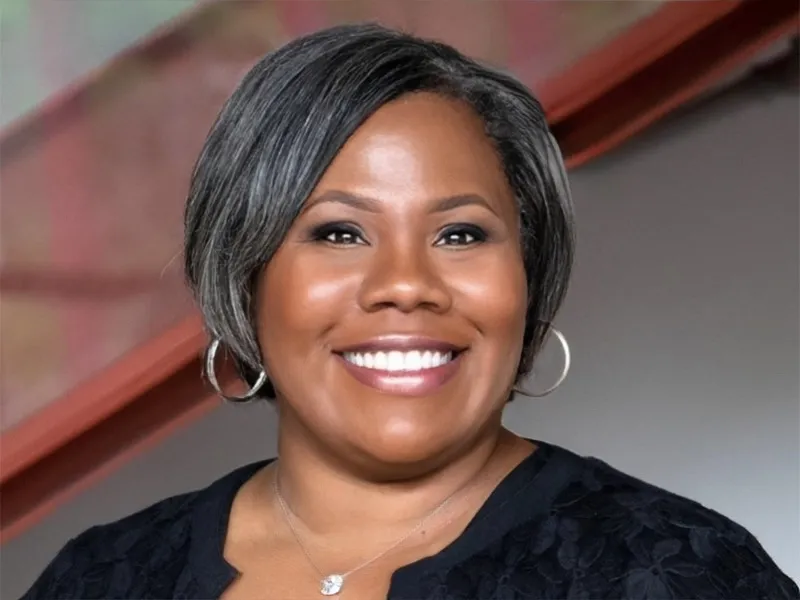
Candace Washington, Jim Pope Fellow

Jim Pope Fellow Candace Washington and mentee Vivianne Akerman
Candace Washington never thought she’d one day run her own business or teach the next generation of project management leaders in construction and engineering. But that’s exactly what she’s doing thanks to Georgia Tech.
In 2012, Washington, a seasoned construction veteran with 25 years of expertise and a master’s degree in building construction from Georgia Tech, noticed a shortage of project managers. She oversaw capital improvements and construction buildouts nationally and was consistently getting asked by clients to oversee the construction buildouts. This would spark the idea to start her business and launch Cancave Management & Engineering.
Over the next decade, Washington built a successful company and yet she continued to see this recurring shortage of project managers. According to Associated Builders and Contractors, the construction sector still grapples with a significant talent shortage that extends beyond the skilled trades to include construction management positions, with a projected need for nearly half a million additional workers in 2025 alone.
“We have fewer people entering the industry. With the pandemic, we had a great exodus where a lot of people decided to get out of the industry and retire early, and then you have the emerging housing market and infrastructure needs, creating demand for construction in general — the perfect storm,” Washington said.
Determined to find more ways to address the problem, she joined Georgia Tech’s School of Building Construction as a part-time instructor and, in 2024, began pursuing her Ph.D. at Tech, where she learned about the Jim Pope Fellowship.
“Being a Pope Fellow has been transformational to my experience as an entrepreneur,” Washington said. “When I started my company, I wish I had something like this. Through this fellowship, I was able to dig deeper into my idea, validate assumptions, and shape it into a solution that addresses the pain points of labor shortages and compliance bottlenecks in the underutilization or over-utilization of resources.”
As a fellow, Washington was also awarded $15,000 in discretionary funds to support her teaching and entrepreneurial efforts. With the resources from Jim Pope, Washington has been able to make meaningful impacts for students and her company.
Over the last year, she has worked on the next evolution of her business by building Extend the Ladder®, a workforce resource and compliance platform built around an industrywide shared resource model for construction professionals. One application of her platform would allow general contractors to share resources by enabling them to find and coordinate talent from a single database.
In addition to helping her pursue a construction job-matching platform, the fellowship has reinforced her love of teaching and mentoring entrepreneurial-minded students. As a part of the fellowship, Washington taught CREATE-X’s Startup Lab, which teaches the fundamentals of evidence-based entrepreneurship.
One student, Vivianne Akerman, a rising junior in industrial engineering, became Washington’s mentee after her spring Startup Lab class. Bitten by the entrepreneurial bug, Akerman decided to continue her entrepreneurial journey in CREATE-X’s Idea-to-Prototype (I2P) course. She turned an idea into action with guidance from Washington, building a solution for a problem she identified during Startup Lab.
“Candace is an amazing mentor who pushes students to be their best selves,” said Akerman, who is developing a makeup platform designed “to make makeup practical and less overwhelming.” The platform will enable consumers to compare and review products and ultimately find what brands work best for them, given their skin type and desired look.
“I love how positive she is,” adds Akerman. “This is new for me — it’s very exciting but also very overwhelming. She helps me stay focused on my priorities and what’s most important.”
Washington emphasizes that there is no guidebook to becoming an entrepreneur; rather, the path must be discovered through conversations, relationship-building, and learning from the experiences of others.
“This experience deepened my appreciation for the spirit of entrepreneurship — it’s been invaluable for me,” she says. “I would tell anybody who's trying to start a business, you need to go through this process.”
Now, as a mentor herself, Washington credits her fellowship in CREATE-X for giving her the confidence and framework to help others. And she credits her path as a mentor and teacher of entrepreneurship to the home she’s found at Georgia Tech.
Drawing from her own experiences, both the challenges and the triumphs, she offers a piece of advice that she believes aspiring entrepreneurs should carry with them.
“Start now — you don’t need all the answers. Focus on the process, stay committed, and be open to real-world feedback.”
Applications are now open for the 2025 Jim Pope Fellowship until Sept. 2. Interested faculty can learn more at https://create-x.gatech.edu/faculty/jim-pope-fellowship.
News Contact
Written by Anne Wainscott-Sargent
Internal Contact
Breanna Durham
Marketing Strategist

An illustration of the binary black hole merger. (Image credit: Raul Perez and Davis Newell)
The Laser Interferometer Gravitational-Wave Observatory (LIGO)’s LIGO-Virgo-KAGRA (LVK) collaboration has detected an extremely unusual binary black hole merger — a phenomenon that occurs when two black holes are pulled into each other's orbit and combine. Announced yesterday in a California Institute of Technology press release, the binary black hole merger, GW231123, is the largest ever detected with gravitational waves.
Before merging, both black holes were spinning exceptionally fast, and their masses fell into a range that should be very rare — or impossible.
“Most models don't predict black holes this big can be made by supernovas, and our data indicates that they were spinning at a rate close to the limit of what’s theoretically possible,” says Margaret Millhouse, a research scientist in the School of Physics who played a key role in the research. “Where could they have come from? It raises interesting questions.”
A binary black hole merger absorbs characteristics from both of the contributors, she adds. “As a result, this is not only the most massive binary black hole ever seen but also the fastest-spinning binary black hole confidently detected with gravitational waves.”
“GW231123 is a record-breaking event,” says School of Physics Professor Laura Cadonati, who has been a member of the LIGO Scientific Collaboration since 2002. “LIGO has been observing the cosmos for 10 years now. This discovery underscores that there is still so much that this instrument can help us learn.”
A Cosmic View
The findings challenge current theories on how smaller black holes form, says School of Physics Assistant Professor and LIGO collaborator Surabhi Sachdev. Smaller black holes are the result of supernovae: dying and collapsing stars. During that collapse, explosions can tear apart or eject part of the star’s mass — limiting the size of the black hole that forms.
“Black holes from supernovae can weigh up to about 60 times the mass of our Sun,” she says. “The black holes in this merger were likely the mass of hundreds of suns.”
Because of its size, GW231123 also allowed the team to study the merger in unprecedented detail. “LIGO has observed scores of black hole mergers,” says Cadonati. “Of these, GW231123 has provided us with the clearest view of the ‘grand finale’ of a merger thus far. This adds a new clue to solve the puzzle that are black holes, including their origins and properties.”
“While we saw that our expectations matched the data, the extreme nature of this event pushed our models to their limits,” Millhouse adds. “A massive, highly spinning system like this will be of interest to researchers who study how binary black holes form.”
Decoding a Split-Second Signal
Millhouse and School of Physics Postdoctoral Fellow Prathamesh Joshi used Einstein’s equations for general relativity to confirm LIGO’s detections.
To find black holes, LIGO measures distortions in spacetime — ripples that are created when two black holes collide. These patterns in gravitational waves can be used to find the signature signal of black hole collisions.
“In this case, the signal lasted for just one-tenth of a second, but it was very clear,” says Joshi. "Previously, we designed a special study to detect these interesting signals, which accounted for all the unusual properties of such massive systems — and it paid off!”
“To ensure it wasn’t noise, the Georgia Tech team first reconstructed the signal in a model-agnostic way,” Millhouse adds. “We then compared those reconstructions to a model that uses Einstein's equations of general relativity, and both reconstructions looked very similar, which helped confirm that this highly unusual phenomenon was a genuine detection.”
Sachdev says that seeing the signal at both LIGO Observatories — placed in Hanford, Washington and Livingston, Louisiana — was also critical. “These short signals are very hard to detect, and this signal is so unlike any of the other binary black holes that we've seen before,” she says. “Without both detectors, we would have missed it.”
A Decade of Discovery
While the team has yet to determine how the original black holes formed, one theory is that they may have resulted from mergers themselves. “This could have been a chain of mergers,” Sachdev explains. “This tells us that they could have existed in a very dense environment like a nuclear star cluster or an active galactic nucleus.” Their spins provide another clue as spinning is a characteristic usually seen in black holes resulting from a merge.
The team adds that GW231123 could provide clues on how larger black holes are formed — including the mysterious supermassive black holes at the center of galaxies.
“Gravitational wave science is almost a decade old, and we're still making fundamental discoveries,” says Millhouse. “It’s exciting that LIGO is continuing to detect new phenomena, and this is at the edge of what we've seen thus far. There's still so much we can learn.”
The team expects to update their catalogue of black holes in August 2025, which will provide another window into how this exceptionally heavy black hole might fit into the universe, and what we can continue to learn from it.
Funding: The LIGO Laboratory is supported by the U.S. National Science Foundation and operated jointly by Caltech and MIT.
News Contact
Written by Selena Langner
Contact: Jess Hunt-Ralston
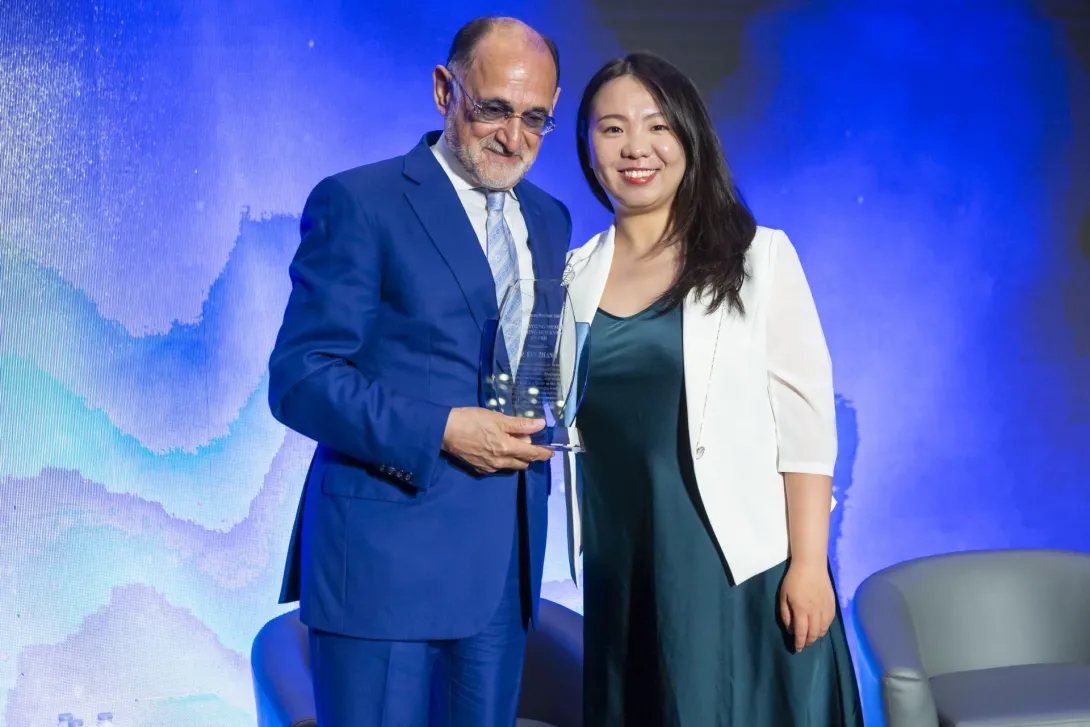
Fan Zhang, Assistant Professor of Mechanical Engineering at Georgia Tech Receives National Engineering Achievement Award from ANS.
Fan Zhang, assistant professor in the George W. Woodruff School of Mechanical Engineering, has received the 2025 Landis Young Member Engineering Achievement Award from the American Nuclear Society (ANS).
The award recognizes young members for outstanding achievements in which engineering knowledge is effectively applied to yield an engineering concept, design, safety improvement, method of analysis, or product utilized in nuclear power research and development or commercial application.
Zhang was selected by the ANS Honors and Awards Committee for her pioneering contributions to nuclear cybersecurity through innovative machine learning (ML) approaches, development of patent-pending technology, and efforts to establish Georgia Tech as a leader in the field. The award also recognizes her collaboration with the International Atomic Energy Agency and her groundbreaking research on robot-assisted nuclear power plant monitoring, which improves safety and efficiency and demonstrates exceptional impact on global nuclear security.
Zhang serves as the director of the Intelligence for Advanced Nuclear (iFAN) Lab at Georgia Tech. Her research primarily focuses on nuclear cybersecurity, online monitoring, fault detection, digital twins, AI/ML, and robotics. Her work on robot-assisted nuclear power plant monitoring, which combines these cross-cutting areas, could significantly reduce human worker presence in harsh and potentially hazardous environments and improve the efficiency of plant operation. The work was supported by the inaugural Department of Energy Office of Nuclear Energy Distinguished Early Career Award.